Tag: asia

  • Media Prima to provide content for Europe’s Dailymotion video streaming service

    Media Prima to provide content for Europe’s Dailymotion video streaming service

    Media Prima Bhd has inked a memorandum understanding (MoU) with Dailymotion, which will see the media group’s video content being made available on the platform.

    Dailymotion currently has 300 million monthly unique users and three billion monthly video views. More than 50% of its users are from the Asia Pacific region. Other notable partners of Dailymotion includes BBC News, Vice Media, Bloomberg Media and CBS Sports.

    When asked if there are concerns over piracy and copyright, Media Prima Television Networks CEO Johan Ishak said that the group currently works with authorities such as the Home Ministry and the Communications and Multimedia Ministry to tackle the issue.

    Additionally, it also has an internal unit to look after the media group’s Intellectual Property (IP) content.

    “Whenever we find any incidences of piracy… we will get authorities to help us shut it down,” he added.

    According to Dailymotion’s vice-president Content (Asia Pacific) Antoine Nazaret, the necessary tools and technology are in place to ensure that media content uploaded to its platform are protected.

    He said the platform started as a user generated platform (UGC) 15 years ago and has shifted its focus to becoming a premium platform in the last two to three years.

    “We started 15 years ago as a UGC platform and it was a little bit of everything and anything. We took a really strong position 2-3 years ago (that) we don’t want to just be a UGC platform … we wanted to be a premium platform, meaning we want to care and be relevant for very premium content providers and guarantee them that their IP and content are perfectly well protected on the platform,” he added.

    Nazaret said in order for Dailymotion to guarantee its position on being premium, it has to demonstrate that it can safely protect the value content on the platform.

    The platform is owned by Paris based multinational company, Vivendi.

    No specific timeframe has been laid out as for the duration of the collaboration, with both parties saying that it will continue as long as it is required.

    Dailymotion will also be powering Media Prima’s Tonton over-the-top (OTT) service platform.

    As for Tonton, which ceased video-on-demand subscription on Aug 31, Johan said the group may relook at the possibility of re-implementing subscription services in the future when there is enough demand for paid content.

    Johan said the focus is on digital advertising through advertising video-on-demand.

    As for the first half of the financial year ended June 30, the group reported RM44.8 million as digital revenue compared to RM14.9 million in the comparative period driven by higher digital advertising revenue across all platforms.

  • Kataoka’s First U.S. Store Opened

    Kataoka’s First U.S. Store Opened

    Japanese jeweller Kataoka has opened its first store in the US. In stark contrast with the firm’s 700sqft shop in Tokyo, the new 1600sqft New York flagship has been located in the trendy Tribeca neighbourhood to reflect Kataoka’s brand identity with its historic look.

    The store has been distinctively designed with a blend of Japanese and Manhattan sensibilities to convey an exotic industrial context for the brand’s delicate jewellery designs, displayed in vintage Japanese casings.

    Company COO Anis Boudraa said the company founder and designer Yoshinobu Kataoka “only wanted display cases that are antique that have a beautiful patina… they really reflect the theory of Kataoka – working with something that’s old”.

    “Our designer hates fast fashion and everything that’s related to fast consumerism.”

    The firm makes its pieces using only recycled gold, which it salvages from the Japanese semiconductor industry. All pieces are hand made.

  • Vietnam’s per capita GDP up 17.3 pct in 3 years: PM

    Vietnam’s per capita GDP up 17.3 pct in 3 years: PM

    This year’s estimated per capita GDP of $2,540 marks a $440 increase over 2015, PM Nguyen Xuan Phuc informed the National Assembly Monday. In term of purchasing power parity (PPP), the per capita income in 2018 is estimated at $7,640, and expected to rise annually by six percent to reach $8,580 in 2020, the prime minister said.

    “Many international organizations said that Vietnam has good prospects, and is one of the fastest growing economies in the region and in the world,” Phuc noted.

    Vietnam is likely to achieve GDP growth of 6.7 percent in 2018, he said, adding that despite complex fluctuations in the domestic and global economies, caused in particular by the US-China trade war, as well as financial and currency market risks, Vietnam has managed to pull through 2018 with several positive economic signs.

    GDP growth reached 6.98 percent between January and September, and foreign direct investment inflows into Vietnam this year will likely reach a record $18 billion, Phuc said.

    It is expected that inflation will be kept at below 4 percent for the year, the third year in a row that the government has maintained this level, he added.

    Vietnam is aiming to post economic growth of between 6.6-6.8 percent in 2019, the PM said, adding that the target of keeping inflation below 4 percent will also be applied.

    However, he conceded that there was pressure on Vietnam’s inflation rate due to higher crude and electricity prices as well as costlier education and healthcare services.

    To speed up economic development, the Government plans to push ahead with the state-owned enterprise restructuring plan, Phuc said.

    “We want to restructure public investment more effectively and improve the efficiency of capital use. Furthermore, the privatization and divestment of state-owned enterprises will ensure publicity, transparency and maximization of the State’s interests,” the PM said.

    He emphasized the need for strong development of the private sector and the creation of a favourable and competitive environment that maximizes resources and improves all economic sectors.

    The Government will also focus on public investment, speeding up implementation of projects like the North-South expressway and the Long Thanh International Airport in southern Dong Nai Province, the PM said.

  • AirAsia X load factor, passengers up in Q3

    AirAsia X load factor, passengers up in Q3

    AirAsia X Bhd reported a 1% growth in the number of passengers carried to 1.51 million for the third quarter of 2018 against 1.50 million in the same period last year.

    Its load factor was also 1 percentage point higher at 80% from 79%, according to the long-haul low-cost carrier’s statement.

    However, AirAsia X Malaysia’s available seat kilometres (ASK) capacity fell 4% to 8.81 billion due to redeployment of capacity to the North Asia region following capacity management in Australia in February 2018 and termination of services to Teheran.

    The fleet size of AirAsia X Malaysia remains at 22 Airbus A330s as at end-September 2018.

    AirAsia X said during the quarter under review, there was a seasonal increase in frequency to selected destinations in Australia (Melbourne, Perth and Sydney) in July, due to term holidays there, while frequency to Honolulu, Hawaii, was ramped up to daily flights due to stronger demand.

    In August, AirAsia X Malaysia commenced flights to Amritsar, its third city in India, and, in September, terminated flights to Maldives and transferred Kaohsiung to AirAsia Malaysia.

    Of the associates, AirAsia X Thailand registered a load factor of 87% and carried a total of 492,205 passengers in Q3, which was a substantial increase of 36% from the previous corresponding period.

    Meanwhile, AirAsia X Indonesia’s load factor stood at 80% with 108,700 passengers being carried in Q3.


  • The Face Shop loses trademark battle with Louis Vuitton

    The Face Shop loses trademark battle with Louis Vuitton

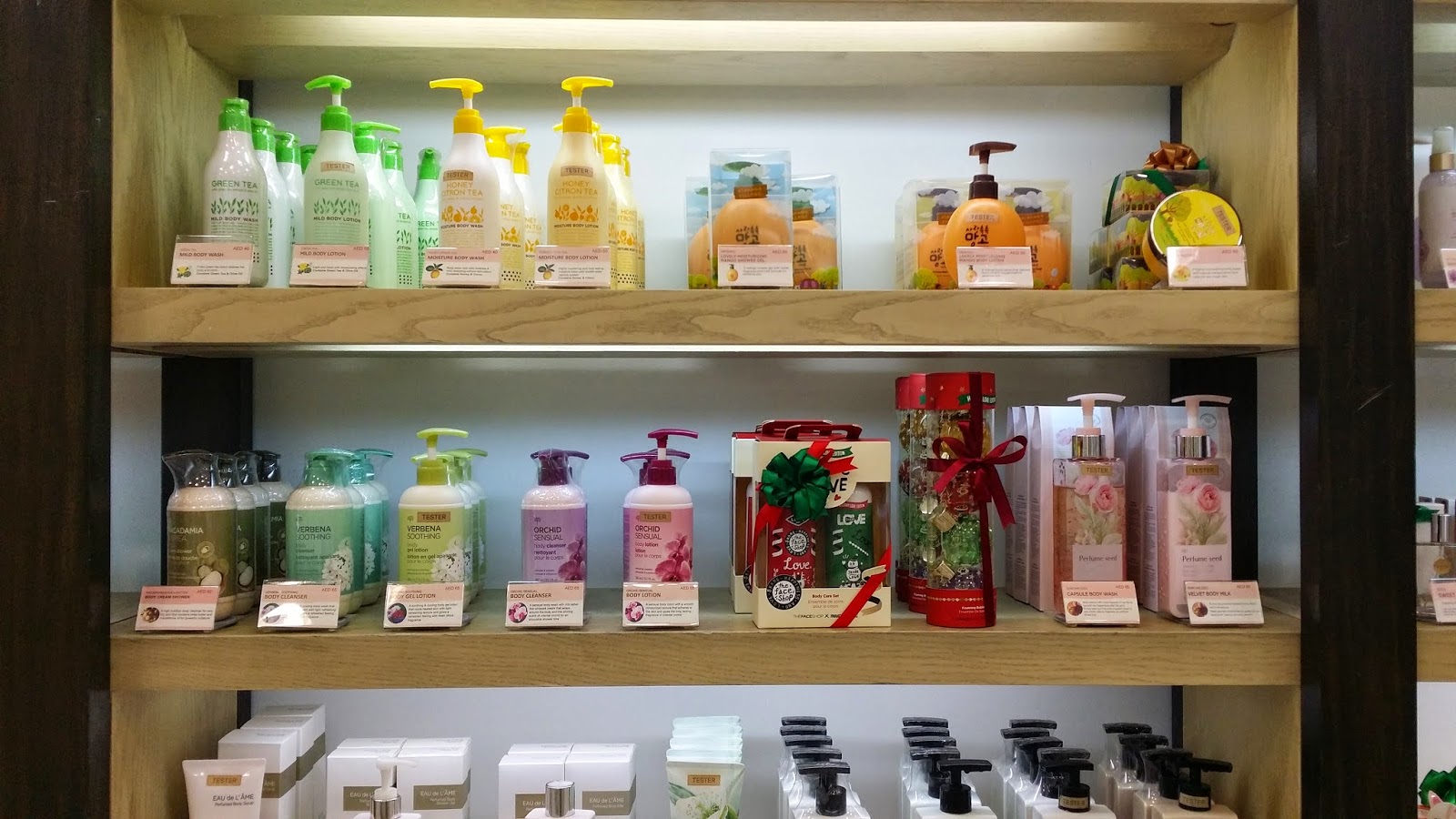
    Korean cosmetics firm The Face Shop has lost a trademark infringement case filed against it by French luxury brand Louis Vuitton. The infringement case relates to Face Shop’s collaboration with American brand My Other Bag, known for its parodies of luxury products. LV has unsuccessfully pursued My Other Bag for damages in American courts.

    Seoul’s Central District Court has ruled The Face Shop to cease trading in products featuring Louis Vuitton designs and pay KRW50 million (US$44,080) in fines.

    The Face Shop failed in its defense that their products were a parody due to the low market profile of My Other Bag in Korea and the difference in how The Face Shop used LV designs compared with My Other Bag’s parody products.

  • Exchange rates, tax worry Vietnam’s most profitable firms

    Exchange rates, tax worry Vietnam’s most profitable firms

    Exchange rate fluctuations and high taxes are the main concerns of Vietnam’s most profitable businesses, a recent report has found. The survey of the 500 most profitable companies this year, which include 41 foreign invested ones, by consultancy and market research firm Vietnam Report, said 51.4 percent of businesses considered exchange rate volatility as the biggest challenge this year.

    For 42.9 percent of respondents the tax burden was the biggest concern.

    Other factors that affect their profitability are red tape (37.1 percent), global economic instability (31.4 percent) and environmental disasters (25.7 percent).

    However, 90 percent expected their revenues to rise this year.

    Eighty percent said their profit had already exceeded last year’s, with another 8.6 percent saying it had drawn level.

    Almost all (97.1 percent) said the government has stewarded the economy well by curbing inflation and managing the exchange rate adroitly.

    But they wanted improvements to administrative procedures, infrastructure and access to land.

    The survey found the telecommunications-information technology sector having the highest return on equity, 30 percent, followed by transportation with 24 percent and pharmaceuticals with 21 percent.

    The Vietnam Oil and Gas Group or PetroVietnam is the most profitable company this year followed by telecomunications firm Viettel and Samsung Electronics Vietnam Co. Ltd.

  • For Vietnamese exporters, ASEAN market remains bridge too far

    For Vietnamese exporters, ASEAN market remains bridge too far

    Vietnamese companies are struggling to sell their products to ASEAN member countries despite the abolition of tariffs within the bloc. Analysts blame this on their lack of market information and poor understanding of consumer needs among other factors.

    With the formation of the ASEAN Economic Community (AEC) three years ago, members had to reduce over 90 percent of their tariff lines to zero percent, though Vietnam, Laos, Cambodia, and Myanmar were allowed until 2018 to do so.

    Yet Vietnam’s intra-ASEAN exports accounted for only 11 percent last year while this number for other members averaged 24 percent even in 2016, Nguyen Thi Tue Anh, deputy head of the Central Institute of Economic Management (CIEM), said at a recent conference.

    Anh said besides Vietnamese enterprises’ lack of market information, they have also failed to adequately differentiate their products from those of competitors within the bloc.

    A spokesperson for a business based in southern Soc Trang Province said his company, which produces dried fish and other fisheries products, wants to take its products to the ASEAN market but does not know how.

    He said that there are many factors such as package design, marketing and market research, and it does not know where to begin since all are equally important.

    Ha Xuan Anh, chairman of HCMC-based textile maker Son Viet, said his company’s products – undergarments – are sold at many modern retail outlets. But for the last 10 years it has sought to sell to Singapore, Thailand and Malaysia, and has been unable to do so.

    He explained that though the quality of his company’s products is competitive, Vietnamese brands remain unknown in these markets.

    It only sells in markets with less competitive products such as Laos, Cambodia and Myanmar.

    Pham Thiet Hoa, director of the HCMC Investment and Trade Promotion Centre (ITPC), also blamed the weaknesses of Vietnamese enterprises for their inability to export, listing lack of product diversification, failure to closely liaise with authorities responsible for foreign affairs, and poor marketing.

    ITPC said small companies entering a new market alone would find it very difficult to identify foreign business partners and distribution chains.

    Hoa said it is therefore necessary for trade envoys to work with their counterparts in foreign markets to bridge this gap.

    Participating in fairs, exhibitions and trade promotion programmes in target markets enables companies to assess the competitiveness of local rivals, he said.

    Despite the free trade environment, each country in the bloc has differences in culture, religion and consumer preferences, and businesses need to understand them before venturing into those countries, he said. “Enterprises should also carefully study the technical barriers and legal regulations to avoid losses.”

  • LimeLife acquisition helped boost L’Occitane sales

    LimeLife acquisition helped boost L’Occitane sales

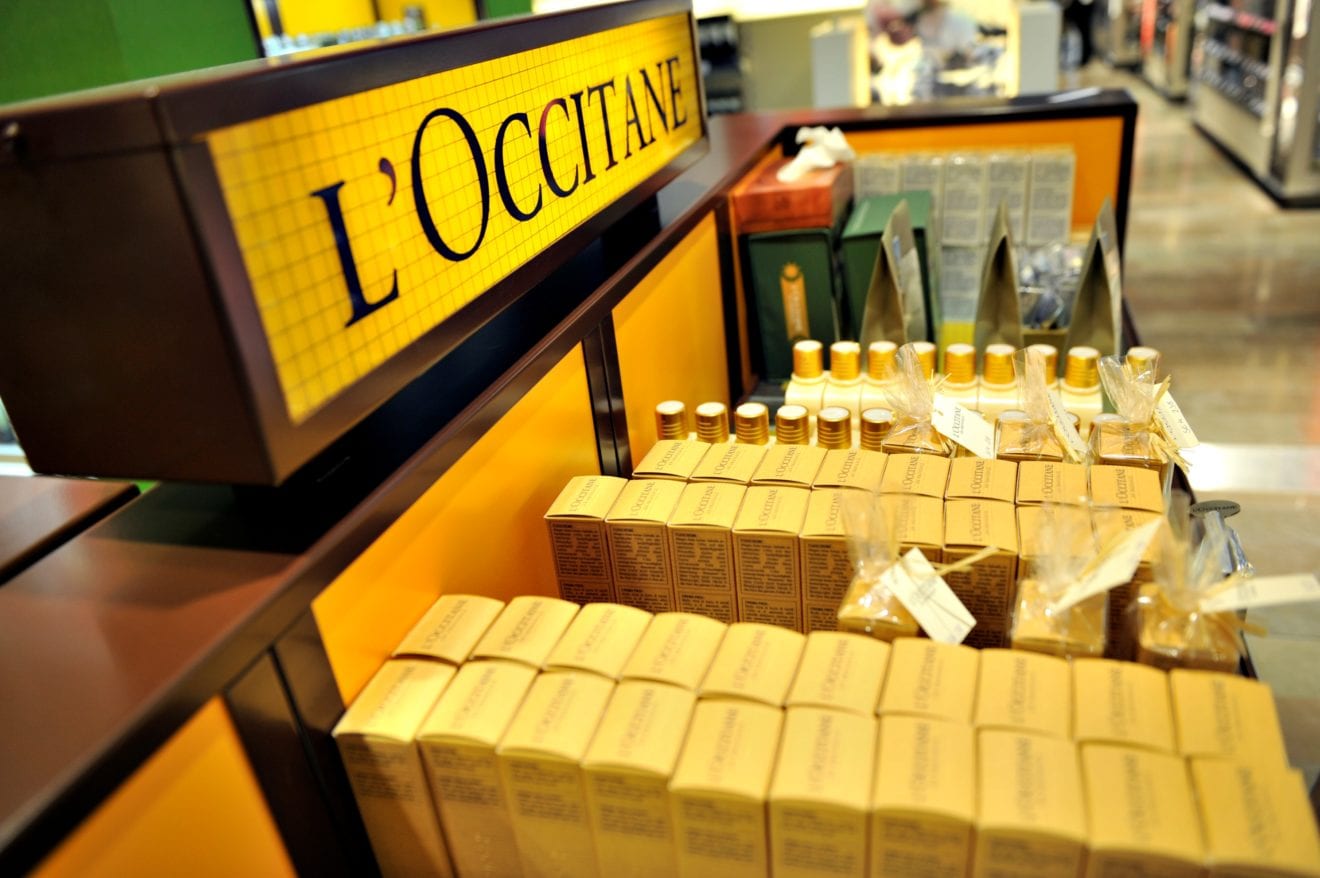
    Hong Kong-listed, Luxembourg-headquartered beauty products retailer L’Occitane has reported healthy sales growth on the back of a key acquisition. Same-store L’Occitane sales in Hong Kong rose 18.6 per cent on a currency-neutral basis in the six months to September 30, and by 14.1 per cent in Mainland China.

    Chairman Reinold Geiger said the Hong Kong growth was primarily driven by “dynamic” travel retail sales.

    But that was far less dramatic than the 65.8 per cent boom in the US, driven by the LimeLife by Alcone business which became part of L’Occitane in January, and the continued recovery of the core L’Occitane en Provence brand.

    Global group sales rose 8.6 per cent at reported rates and 12.4 per cent at constant exchange rates. After excluding the LimeLife business, like-for-like sales growth rose 4.9 per cent, which was higher than the 3.6 per cent of the first quarter.

    Global L’Occitane sales reached €595.4 million for the six months. It finished the period with 1555 of its own stores.

  • Asia-Pacific telcos to face slower revenue growth: Moody’s

    Asia-Pacific telcos to face slower revenue growth: Moody’s

    Moody’s Investors Service expects stronger competition for the Asia Pacific (APAC) telecommunications sector and stronger commoditisation, and slower revenue growth for companies across 11 markets in the region, including Malaysia. The other markets are Hong Kong, India, Indonesia, Japan, Korea, the Philippines and Singapore.

    The rating agency’s report entitled “Telecommunications – APAC: 2019 Outlook” noted that while slower overall revenue growth will be evident in all 11 markets, the emerging market is expected to see a more pronounced slowdown with revenue growth to fall to 3-3.5% in 2019 versus the 3.9% in 2017.

    “Comparing overall revenue growth across APAC with GDP (gross domestic product) growth, Moody’s says that companies as a whole will show modest revenue growth of 2-2.2%, with such growth lagging average GDP growth of about 4.6% for the region,” said Moody’s vice-president and senior analyst Nidhi Dhruv.

    Meanwhile, new entrants are expected to intensify competition in Singapore, Japan and Australia.

    High shareholder returns and capital expenditure levels will continue to temper free cash flow generation, which will consequently make companies to look into diversifying revenue as traditional telecommunications revenues contract. This will eventually lead to more cross-industry partnerships.

    Additionally, while 4G will remain the dominant technology used by telecommunications companies in APAC, 5G will gain some traction in 2019-20.

    Japan, Korea and Australia are expected to lead the region in rolling out 5G services in 2019.

    Nevertheless, Moody has given a stable outlook for the sector in APAC 2019, with companies in the region likely to show relatively stable leverage and debt levels over the next 12-18 months.
    Moreover, while liquidity is weakening, it remains supported by the companies’ access to the banks and bond market at current levels.

  • WeChat Pay to be ready in 7-Eleven, Guardian Singapore

    WeChat Pay to be ready in 7-Eleven, Guardian Singapore

    Customers of 7-Eleven, Cold Storage and Guardian stores in Singapore will soon be able to pay for purchases using WeChat Pay. The owner of the two retail chains, Dairy Farm Group, has worked with NETS to enable visitors from China and Chinese nationals based in Singapore to use the service from November 1.

    WeChat Pay is currently being trialled at the 7-Eleven and Guardian stores at Changi International Airport and some stores in key tourist destinations in the Orchard and Chinatown districts.

    According to the Singapore Tourism Board, visitors from China increased by almost 13 per cent, from 2.8 million in 2016 to 3.2 million last year. The partnership between Dairy Farm Singapore and NETS together with WeChat will enable Singapore’s largest multi-format retailer to better cater to the growing number of China visitors, by offering visitors a convenient way to pay when they shop in Singapore.

    Head of merchant services at NETS, Alvin Seck, said working with payment partners like WeChat and retailers like Dairy Farm Group enables NETS to roll out new payment services for consumers quickly while minimising adoption costs for merchants.

    “With this partnership, 7-Eleven and Guardian in Singapore along with Cold Storage and Giant can just make use of its existing NETS uPOS terminals to accept WeChat Pay, in addition to NETS, QR, NETS FlashPay, credit and debit payments.”

    To use WeChat Pay for payments, users simply need to scan the NETS QR code on the NETS uPOS terminal.

    Dairy Farm Singapore’s regional finance director, Tom van der Lee said this latest payment mode service is part of the multi-format retailer’s digital-transformation journey in line with the government’s ‘Smart Nation’ drive.

    “More customers are adopting cashless payments, thanks to easier and faster payment transactions with the uPOS terminal plus the convenience of the wide array of payment options to choose from across our Cold Storage, Giant, 7-Eleven and Guardian stores. Cold Storage alone has seen cashless payment increase by 6 per cent and at Guardian by 3 per cent since Dairy Farm Singapore installed 1800 unified NETS POS terminals last year – the single largest deployment by retailer here.”

  • Jubilant FoodWorks Limited Q2FY19 standalone net profit rises yoy

    Jubilant FoodWorks Limited Q2FY19 standalone net profit rises yoy

    Jubilant FoodWorks Limited (JFL) has reported its financial results for the quarter and half year ended September 30, 2018. Operating revenues for Q2 FY19 were Rs 8,814 million, a growth of 21.3 percent over Q2 FY18 and a sequential growth of 3.1 percent over the previous quarter, driven by a strong same store growth (SSG) of 20.5 percent in Domino’s Pizza.

    EBITDA for Q2 FY19 came in at Rs.1,475 million at 16.7 percent of revenue, a growth of 44.4 percent over Q2 FY18. Profit after Tax in Q2 FY19 was at Rs 777 million at 8.8 percent of revenue and a growth of 60.2 percent over Q2 FY18.

    The strong performance in Q2 FY19 was a result of continued momentum driven by strategic initiatives taken during the recent past such as the product upgrade All New Domino’s, Every Day Value (EDV) extension to regular pizza and the continued momentum of online sales driven by the new Domino’s app.

    In particular, the new Domino’s app introduced during Q1 FY19 has been liked and received strong user ratings. Features like Easy Location Selection, Automatic Re-ordering, Train Ordering, Advance Ordering and hassle free payments have been well received. Online sales were up to 68 percent of delivery sales in the quarter, with 1.7 million downloads of the new app, the highest ever.

    The company stepped up the store opening momentum during the quarter, with 24 new Domino’s stores being opened, the highest in the last seven quarters.

    Dunkin’ Donuts too did well with strong growth driven by donuts and beverages; its losses more than halved over last year.

    Commenting on the performance for Q2 FY19, Shyam S. Bhartia, Chairman and Hari S. Bhartia, Co-Chairman, Jubilant FoodWorks Limited said, “We are pleased with our Q2 FY 19 performance. Strong growth momentum continues to be driven by successful execution of growth strategy outlined at the beginning of FY 2018. ”

    Commenting on the performance for Q2 FY19, Pratik Pota, CEO and Whole time Director, Jubilant FoodWorks Limited said, “Despite significantly increased competitive intensity, Q2FY19 was yet another strong quarter delivered by our continued focus on the basics. Growth was driven by a strong and sustained momentum in delivery orders. In particular, our digital focus showed good results with strong online sales growth, enabled by the new Domino’s app garnering strong user ratings and having a slew of innovative and user friendly features. Dunkin’ Donuts too delivered healthy growth and is moving towards profitability.”

  • Why did Dyson pick S’pore for electric car?

    Why did Dyson pick S’pore for electric car?

    When James Dyson, the billionaire British inventor of the bagless vacuum cleaner, unveiled a plan to build an electric car plant in Singapore, it raised a few eyebrows.

    Not only does the land-starved city state have some of the highest average salaries in the world, but it has been nearly 40 years since Ford closed its factory in Singapore, effectively ending car production there.

    “It is a bit of a surprise because of the cost base and no other car manufacturing plant being here,” said Shantanu Majumdar, a regional director at consultancy JD Power.

    Dyson said on Tuesday the decision was based on supply chains, access to markets and the availability of expertise, which offset the cost factor.

    But what other factors could have influenced the decision?

    Why not head straight to the biggest electric vehicle market in the world, China, like rival Tesla?

    Here’s a look at some of the less obvious pros and cons:

    1. High Costs vs Generous Incentives
    Compared with other global cities, Singapore has some of the highest average salaries in the world after tax, according to studies by Deutsche Bank. Land available for industrial use is scarce and expensive, and it ranks highly in general cost-of-living indexes.

    But aside from its skilled engineers and scientists, for a high-tech firm like Dyson, Singapore offers generous incentive schemes. Some schemes include tax breaks for five years, which can be extended, and grants that can cover up to 30% of the cost of projects to improve business efficiency.
    Singapore declined to comment on whether Dyson benefited from any such schemes.

    To shore up productivity in its manufacturing sector, which makes up less than quarter of its output, Singapore has focused efforts on attracting high-end manufacturers and those who adopt automated production processes.

    2. Small Market vs China Gateway
    Dyson may have decided to make electric cars in Singapore, but few are likely to be driven here or anywhere in Southeast Asia for that matter.

    The number of privately owned electric vehicles in Singapore is in single digits, and Tesla CEO Elon Musk has criticised Singapore for not being supportive of electric vehicles.

    Singapore is one of the world’s most expensive places to own a car because the government strictly controls the vehicle population by charging owners a variable rate for the right to own and use a vehicle for a limited number of years.

    In Southeast Asia, only 142 electric vehicles are forecast to be sold this year, data from consultant LMC Automotive shows. By contrast, sales in China are forecast to almost reach 700,000 vehicles this year, more than double the combined sales from the United States and Europe.

    But with one of the world’s busiest ports on its doorstep, Dyson can roll a car off the production line in Singapore and within the hour it can be on its way to China or other sizeable electric vehicle markets like South Korea or Japan.

    Dyson products – which include bladeless fans, air purifiers and hair dryers – are becoming a premium brand in China and other Asian markets. Asia accounted for over 70% of its growth last year, the firm said.

    3. Familiarity vs New Frontier
    Dyson’s history with Singapore probably also played a role. It already employs 1,100 people in Singapore, making 21 million digital electric motors a year. It also has manufacturing hubs in Malaysia – connected to Singapore via two road bridges – and the Philippines.

    “This is obviously a surprise but since Singapore is at the heart of Southeast Asia, Dyson would be best placed to source many components from neighbouring countries and, locally, assemble and manufacture the high-tech car here,” said a corporate banker who deals with multinational firms in the region.

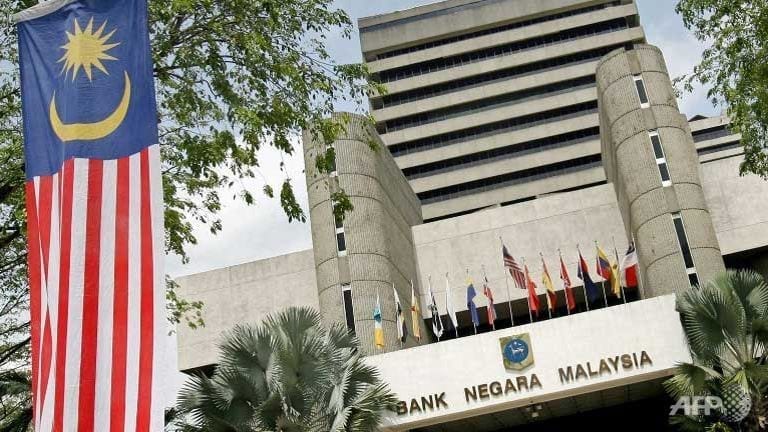
  • Bank Negara to extend observation period for net stable funding ratio by a year to 2020

    Bank Negara to extend observation period for net stable funding ratio by a year to 2020

    Bank Negara Malaysia (BNM) is looking to extend the observation period for the net stable funding ratio (NSFR) in Malaysia for a year to 2020. NSFR is a liquidity standard which comes under the Basel III international regulatory reforms. It refers to requirements for banks to have in place a certain percentage of stable sources of funding, such as commercial papers that have more than a year’s maturity and retail deposits, to support their asset portfolios in the longer term.

    The initial deadline proposed by the Basel committee for the NSFR standard of above 100% was Jan 1, 2018. It was then deferred to Jan 1, 2019.

    Speaking at BNM’s Financial Stability Conference, governor Datuk Nor Shamsiah Mohd Yunus said the extension takes into account the intention to conduct further on-site assessments to validate the maturity and robustness of the liquidity and funding practices of banks, and uneven progress in implementation at the global level.

    “The bank remains committed to implementing the NSFR requirements as part of overall liquidity standards applicable to licensed banks in Malaysia.”

    She added that currently all banks maintain adequate liquidity buffers against short-term liquidity stress, and the vast majority of banks already report NSFR levels above the minimum 100% based on observation data.

    On another note, Nor Shamsiah said the challenge now is when a crisis is going to strike and how it will spread.

    In navigating an uncertain future, she suggested four strategic priorities for financial stability authorities.

    First, authorities need to remain vigilant as emerging economies face mounting pressures that continue to see more volatile capital flows. Second, authorities must continue to develop and deepen their understanding of risk transmission.

    Third, authorities must have a broad policy toolkit for responding to financial stability risks. Fourth, authorities need to increase policy agility as every crisis or financial stability issue is different, and each requires a different policy response.

  • Vietnam footwear industry to be benefited from trade war

    Vietnam footwear industry to be benefited from trade war

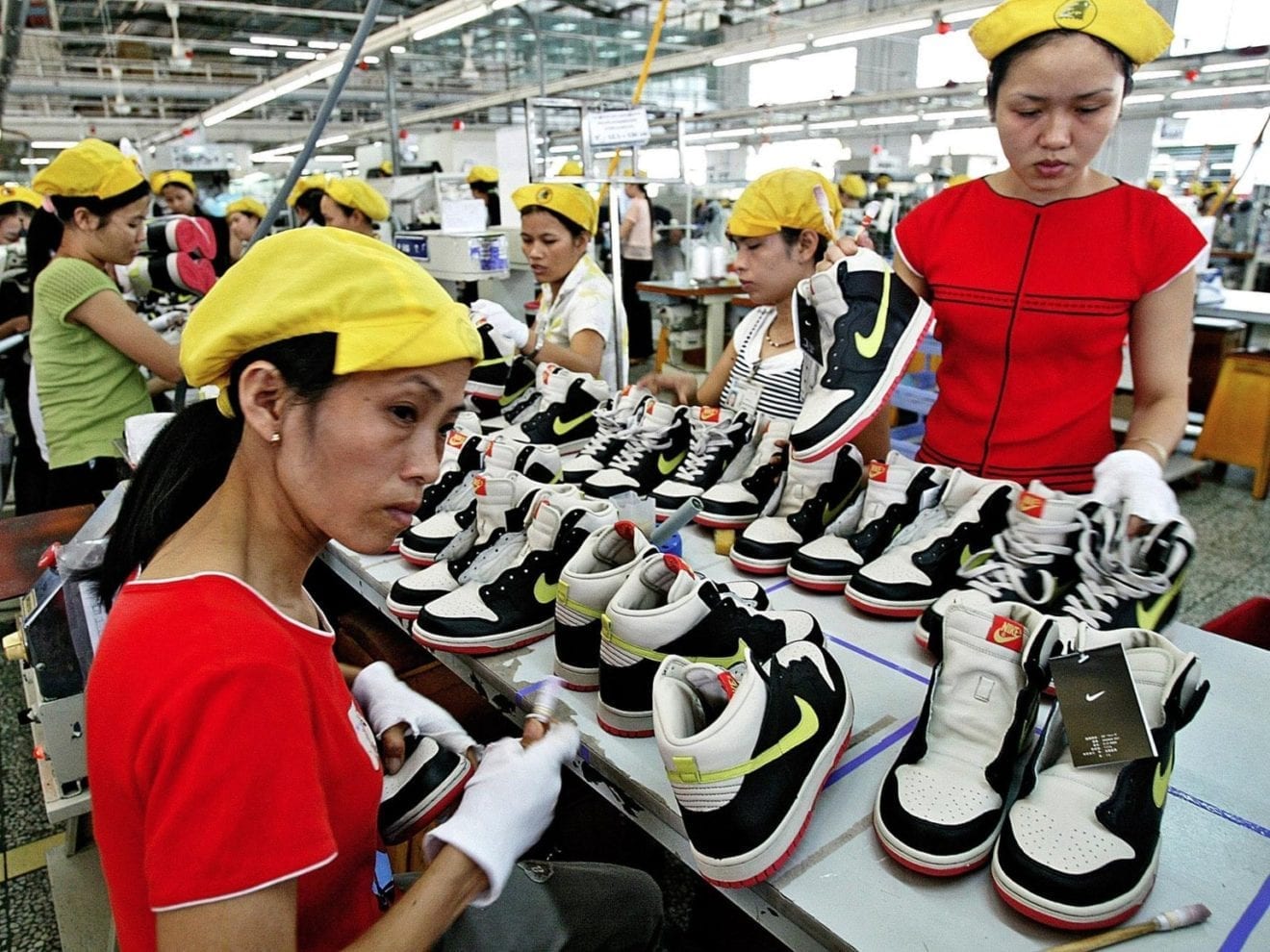
    Vietnamese footwear exporters seem to be benefiting from the ongoing trade war between the U.S. and China. According to customs statistics, Vietnam’s footwear exports in the first nine months of this year were worth $11.74 billion, a 10.2 percent year-on-year increase. Its exports to China in the period have risen by 28.5 percent, to Japan by 14.7 percent, and to the U.S. by 13.5 percent.

    Vietnam is the second biggest exporter of footwear to the U.S. behind China, shipping 404 million pairs of shoes last year.

    The upward trend is likely to continue, too, as rising wages in China increase the cost of goods produced there and the country is thus directing more of its manufacturing resources toward higher-priced goods like electronics, according to the global footwear news outlet Footwearnews.

    Foreign companies are moving to other countries like Vietnam to cut cost.

    Adidas CEO Kasper Rorsted said last May that his company is shifting sourcing of footwear from China to Vietnam.

    Vietnam has in fact overtaken China as its top supplier, with Vietnamese factories producing 44 percent of its shoes by volume last year and Chinese manufacturers supplying 19 percent, according to Adidas.

    This would help shield the company from potential tariffs or supply chain disruptions if President Donald Trump’s trade war with China continues to escalate, a fact its competitors also seem to be taking notice of.

    Vietnam may see export orders surging as footwear importers shun China to avoid high U.S. tariffs and choose the Southeast Asian nation instead, local media quoted Diep Thanh Kiet, vice chairman of the Vietnam Leather, Footwear and Handbag Association (Lefaso), as saying.

    “Vietnam’s leather and footwear export can reach $19.5 billion or slightly higher this year depending on the situation,” he said. Vietnam’s footwear exports were worth $14.65 billion last year.

  • Vietnam to cut dependancy on crude oil

    Vietnam to cut dependancy on crude oil

    A prime ministerial advisory body has said the state budget is overly dependent on crude oil, an unsustainable income source. The National Financial Supervisory Commission (NFSC) recently said crude oil is not a sustainable income source, both in the short and long term.

    In the short term, crude oil revenue can be affected by global oil prices and mining output; and the state budget has been significantly impacted by such fluctuations over the years, the NFSC noted.

    In the long run, this source of income is also unsustainable as national reserves are limited, it added.

    Earlier, Deputy Prime Minister Vuong Dinh Hue had said at a meeting of the legislative National Assembly that Vietnam needs to stop relying on crude oil and focus on tourism to ensure its economic growth.

    “It is better to welcome one million tourists than trying to find one million tons of crude oil because tourism is more eco-friendly and safe for the economy,” he’d said.

    Vietnam’s September crude oil exports totaled 375,000 tons, down 21.1 percent year-on-year, according to the General Statistics Office. This brought crude oil exports in the first nine months of this year to 2.97 million tons, down 45.2 percent from a year earlier.

    From early this year to September 15, accumulated budget revenue is estimated to be at VND898.3 trillion ($39.06 billion), of which VND43.5 trillion ($1.89 billion) or about 5 percent comes from crude oil, according to the General Statistics Office.

    Vietnam’s domestic crude oil production reached its peak in 2004 with an output of more than 20 million tons, but has declined to an estimated 14.2 million tons in 2017.

    It is forecast that around 11 million tons will be produced in 2018. Crude oil exports have contributed 0.25 percent to the country’s GDP in recent years.