Tag: asia

  • Bata Malaysia Opens Their First Exclusive Kids-Only Store

    Bata Malaysia Opens Their First Exclusive Kids-Only Store

    Bata Malaysia has opened the first Bata Kids concept store at Sunway Pyramid. Located on the first floor of the mall, the store offers children’s footwear and accessories from brands such as Bubblegummers, Disney’s Marvel, Hello Kitty, Barbie, and My Little Pony.

    “The flagship store is carefully constructed to be fun and colourful in order to appeal to the kids. This extends to the store’s design as well as visual merchandising,” the company said in a statement.

    An area is designated for kids to unleash their creativity through drawing and there is plenty of room to accommodate strollers.

    Bata Malaysia is offering a promotion on October 31, where the first 10 walk-in customers to flash the Bata Malaysia Facebook/Instagram page to the cashier will receive free shoes.

    The next 40 walk-in customers will be entitled to a RM20 voucher.

  • Vietnam agriculture export shows progress

    Vietnam agriculture export shows progress

    Vietnam’s coffee exports grew 21.5 percent and rice exports 3.4 percent year-on-year in the first ten months, government data showed on Monday.

    Coffee 

    Coffee exports from Vietnam will rise an estimated 21.5 percent between January and October from a year ago to 1.58 million tons, equal to 26.3 million 60-kg bags, the General Statistics Office said in a report on Monday.

    Coffee export revenue for Vietnam, the world’s biggest producer of the robusta bean, rose 1.1 percent to $2.98 billion in the 10-month period, the report said.

    October coffee exports were estimated at 130,000 tons, worth $230 million.

    Rice

    Rice exports in January-October from Vietnam were forecast to rise 3.4 percent from a year ago to 5.24 million tons. Revenue from rice exports in the period was forecast to grow 16.1 percent year-on-year to $2.64 billion.

    October rice exports from Vietnam, the world’s third-largest shipper of the grain, were recorded at 350,000 tons, worth $180 million.

    Energy

    Vietnam’s January-October crude oil exports plunged 45.4 percent year-on-year to an estimated 3.22 million tons.

    Crude oil export revenue in the first 10 months of 2018 fell 24.8 percent to $1.82 billion.

    Oil product imports in the 10-month period were estimated at 10 million tonnes, falling 5.1 percent from the same period last year, while the value of product imports rose 20 percent to $6.77 billion.

    Vietnam’s January-to-October liquefied petroleum gas imports increased 5.7 percent from a year earlier to 1.2 million tons.

  • Pandora opens fifth concept store at New Delhi Terminal 1D

    Pandora opens fifth concept store at New Delhi Terminal 1D

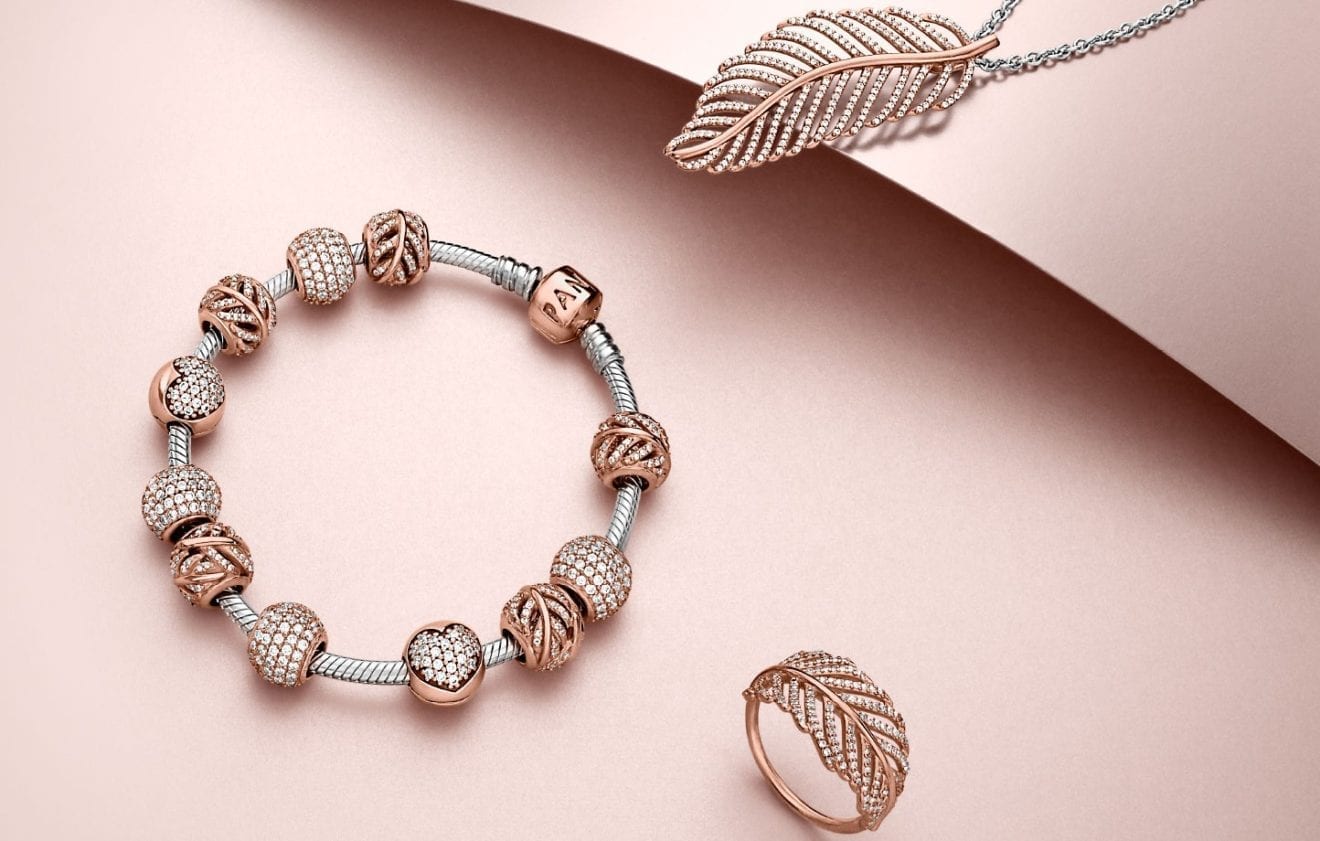
    Pandora has recently opened its fifth store at New Delhi Terminal 1D. This will be the third store opening in 2018 for Pandora. The brand launched its first store at DLF Mall of India, Noida in April 2017, followed by Select Citywalk in September 2017, DLF Promenade in April 2018 and Galleria Market Gurgaon in June 2018.

    The contemporary and aesthetically designed concept store is located on the ground floor of the domestic airport in the departure holding area of Terminal 1D, New Delhi. The new store carries the entire Pandora jewellery collection available worldwide, including the moments collection, the essence collection, Pandora Rose collection; the all-new 18k gold plated sterling silver-Pandora shine collection.

    Pandora has always encouraged women to empower themselves by celebrating their achievements. These collections are designed to capture life’s unforgettable moments at affordable prices.

    Speaking on the opening, Kanika Bakshi Talwar and Devika Bakshi, Managing Director, say, “We are proud to enter a different format of a concept store, our first in any airport in the country. This store will cater to a large variety of domestic shoppers outside of Delhi NCR and spread the excitement across various cities. Accessibility to our products would be easier now for travelers and we hope to expand further and provide an opportunity for all Indian consumers to acquire their Pandora products in the near future.”

    The Terminal 1D store is a medium size concept store, with all collections available in-store, and is aesthetically designed to give customers ample browsing space to make their shopping experience very comfortable in-transit.

  • Alibaba, Richemont ink deal to bring YNAP to China

    Alibaba, Richemont ink deal to bring YNAP to China

    The partnership will use YNAP’s strong relationship with leading luxury brands, some 950 of them being currently distributed through YNAP in China, and launch the brands on Alibaba’s Tmall Luxury Pavilion.

    “Chinese customers at home and abroad are an increasingly important customer base for Richemont and for the broader luxury industry,” said Richemont chairman Johann Rupert.

    “Our digital offering in China is in its infancy and we believe that partnering with Alibaba will enable us to become a significant and sustainable online player in this market. Alibaba has become the preferred online destination in China, with world-class teams in technology, logistics and marketing.”

    Rupert said the company would work with Alibaba to ensure Net-A-Porter and Mr Porter continued to expand “as neutral, open and sophisticated platforms”.

    YNAP group CEO Federico Marchetti said Alibaba provided “a neutral and powerful platform to maximise China’s immense potential” for the group.

    Daniel Zhang, CEO of Alibaba Group, added: “We believe this announcement is just the beginning of a long-term partnership, and together we are committed to exploring many more opportunities to collaborate in the future.”

  • Rising dollar, market glut cut Vietnam’s shrimp export value

    Rising dollar, market glut cut Vietnam’s shrimp export value

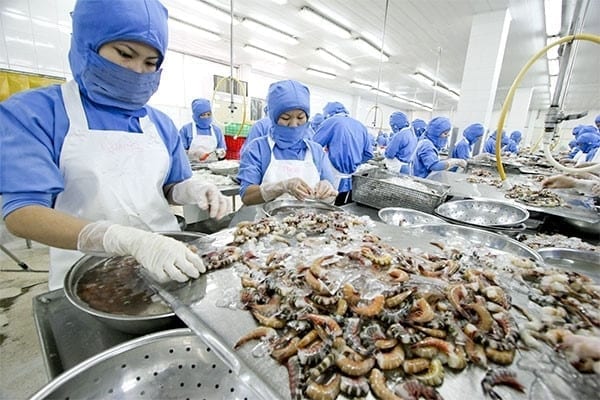
    Vietnam’s shrimp export value plunged almost 15 percent year-on-year in September, hit by the rising dollar and other factors. The Vietnam Association of Seafood Exporters and Producers (VASEP) said shrimp export value dropped by 14.8 percent year-on-year in September.

    Total shrimp export value for the first nine months of the year went down four percent year-on-year to $2.6 billion, the association added.

    The slip in export value began in the second quarter, because of several factors including excessive shrimp supply across the globe and overseas markets taking safeguard action to protect domestic enterprises, the association said.

    Global shrimp supply is expected to rise some 5.5 percent from 2017 to 2018, Undercurrent News, a global seafood news publication, quoted James Anderson, a University of Florida seafood economist, as saying.

    The situation has been worsened by the rising dollar, causing importers to buy less.

    The DXY index of the U.S. dollar versus six developed market currencies is up 4.82 percent this year, now topping the rise of the dollar against emerging market currencies.

    This saw the shrimp export value to the U.S. decrease continuously from April to July this year. In the first nine months of the year, it fell three percent year-on-year to $472.4 million.

    A similar trend can be seen in shrimp exports to the E.U., despite an impressive increase in value in the first six months of the year, the association said.

    VASEP expressed hope that if world prices improve in the coming months, Vietnam’s shrimp export output will increase in the fourth quarter and boost total value for the year to $3.85 billion, last year’s figure.

    However last year’s shrimp export value marked a year-on-year increase of 22 percent.

    Vietnam is world’s third-largest shrimp supplier, according to the agriculture ministry.

  • Baby apparel FirstCry in talks with Alibaba, SoftBank for funding

    Baby apparel FirstCry in talks with Alibaba, SoftBank for funding

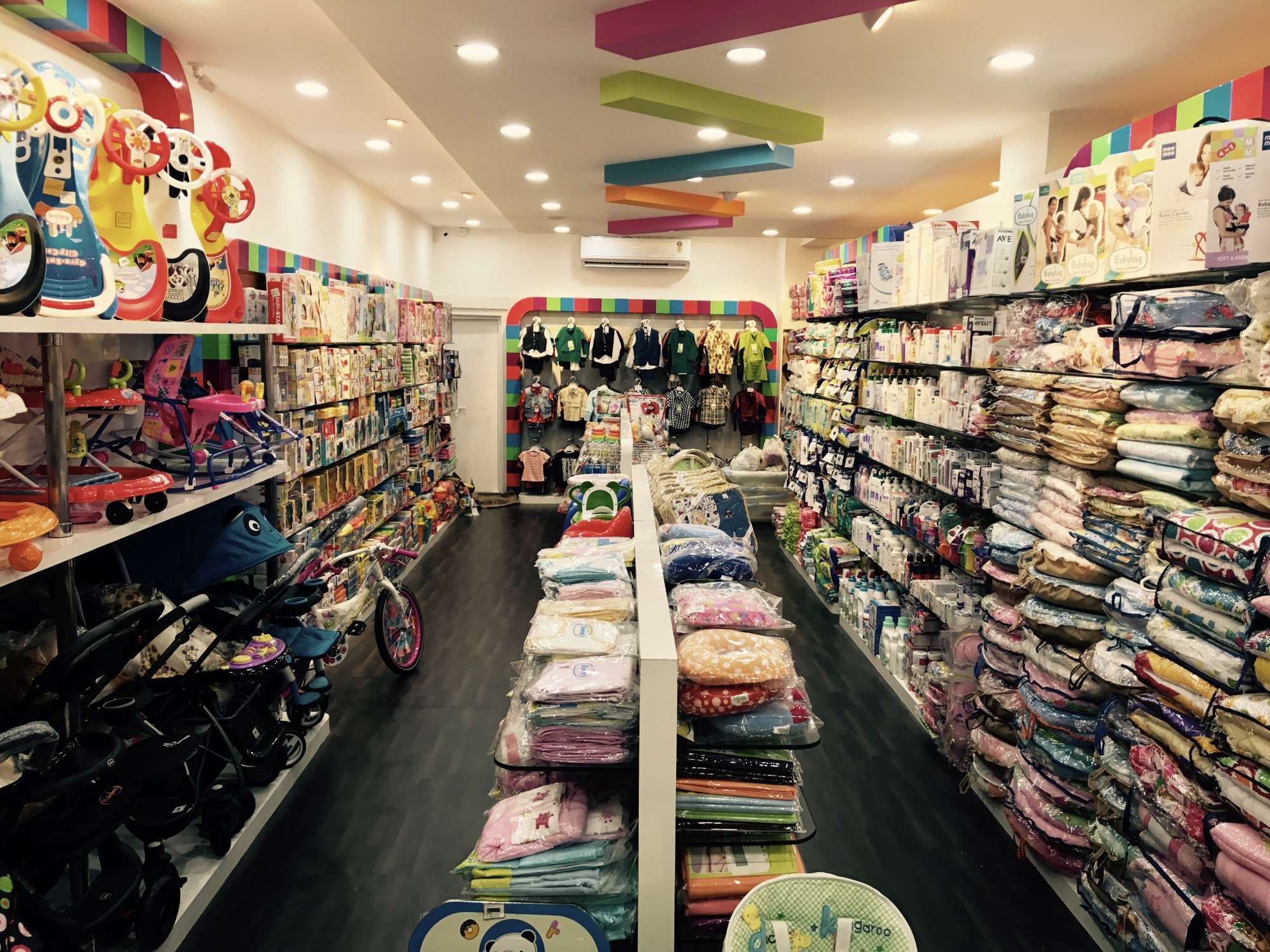
    Indian online baby product retailer FirstCry is in funding talks with Chinese e-commerce platform Alibaba and Japanese multinational conglomerate SoftBank Group. The firm is seeking at least US$100–$150 million in the deal in a move to put it at the forefront of the market, according to unverified reports. Both investing partners may participate in the funding if the deal goes ahead.

    While none of the parties have released statements on the proposal, previous reports have revealed FirstCry as seeking similar investment figures over the past year.

    FirstCry has raised more than $100 million since launching in 2010. The business derives the majority of revenue from a network of more than 300 stores despite the relatively small size of its offline business compared to its online presence.

  • Xiaomi’s Pocophone F1 to go on sale next month in Korea

    Xiaomi’s Pocophone F1 to go on sale next month in Korea

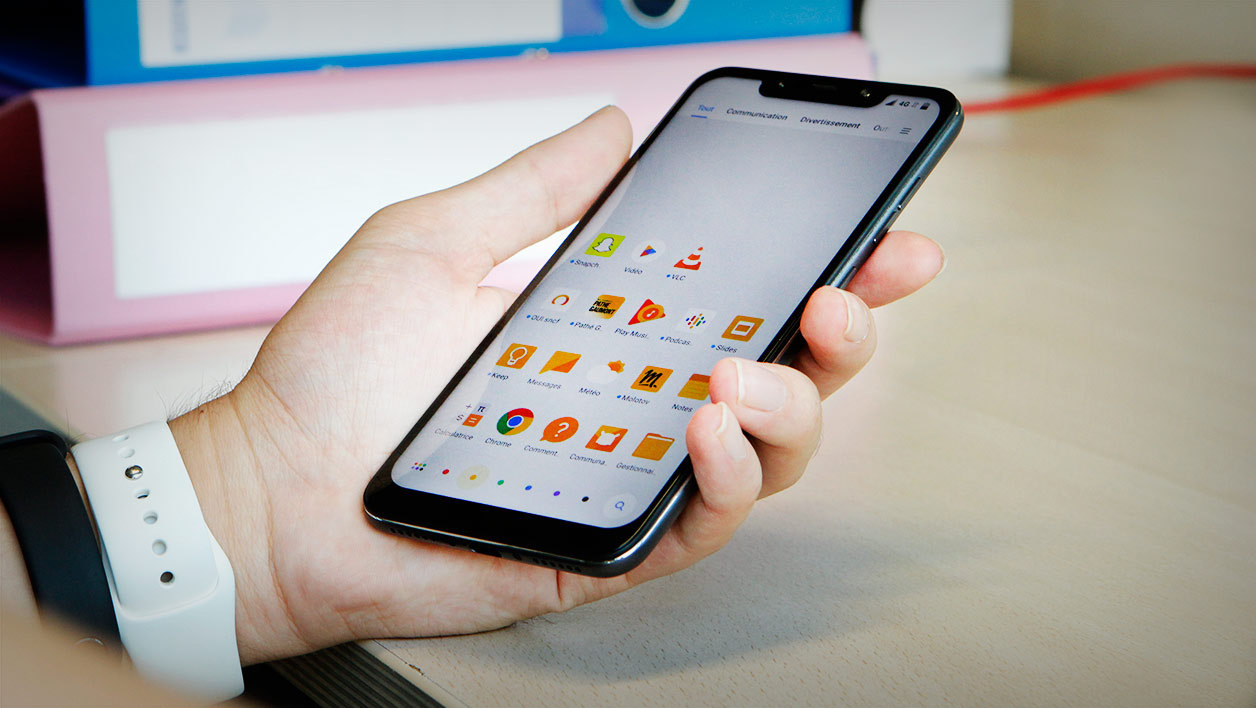
    Xiaomi’s affordable smartphone Pocophone F1 is arriving in Korea next month. The Pocophone F1, the first smartphone from Xiaomi’s sub-brand Poco Global, was first unveiled in early August. The F1 will cost 429,000 won ($376) here, around one-third of the price of an Apple iPhone XS and half the price of Samsung Electronics’ Galaxy Note 9.

    The phone has already proved to be a success in other markets, especially in India, where it raised 30 billion won in sales within the first five minutes.

    The F1 comes with six gigabytes of RAM and three storage options: 64, 128 or 256 gigabytes. In Korea, only the 64 gigabytes will be available for purchase. SK Telecom, KT and LG U+ will start receiving preorders from Nov. 12.

    Jay Mani, the head of product for Poco Global, said the core motivation for developing the Pocophone F1 was the market trend where fierce competition drives manufacturers to add all kinds of new functions and features that aren’t relevant to everybody.

    “So the phones you have today – they have all these new functions but many do not appreciate them, nor are they excited about them, and yet the prices have come up to the current level,” he said in a press conference held in southern Seoul on Monday. “We wanted to buck this trend.”

    The Pocophone F1 focuses on performance. Inside its plastic body, the F1 uses the same processor chip as the Galaxy Note9 and LG Electronics’ latest V40: the Qualcomm Snapdragon 845. Its battery storage is 4,000-milliampere hour, larger than most phones released this year and equivalent to the Note9. To ensure its high speed, the F1 has a cooling system that keeps the phone’s temperature down. The hotter a device, the slower it gets, said Mani.

    However, it also adds some of the core features used in competitors’ top phones today. For example, the artificial intelligence-embedded camera can add 25 filters while taking a photo by automatically perceiving what the object is, while a camera on the front of the device allows for face recognition.

    “Reaching out to loyalists, that’s something that takes time, but there are also a lot of people who we can make think: ‘Does [my phone and its price] make sense?’” said Mani.

  • Myntra launches its in-house plus size brand, Sztori

    Myntra launches its in-house plus size brand, Sztori

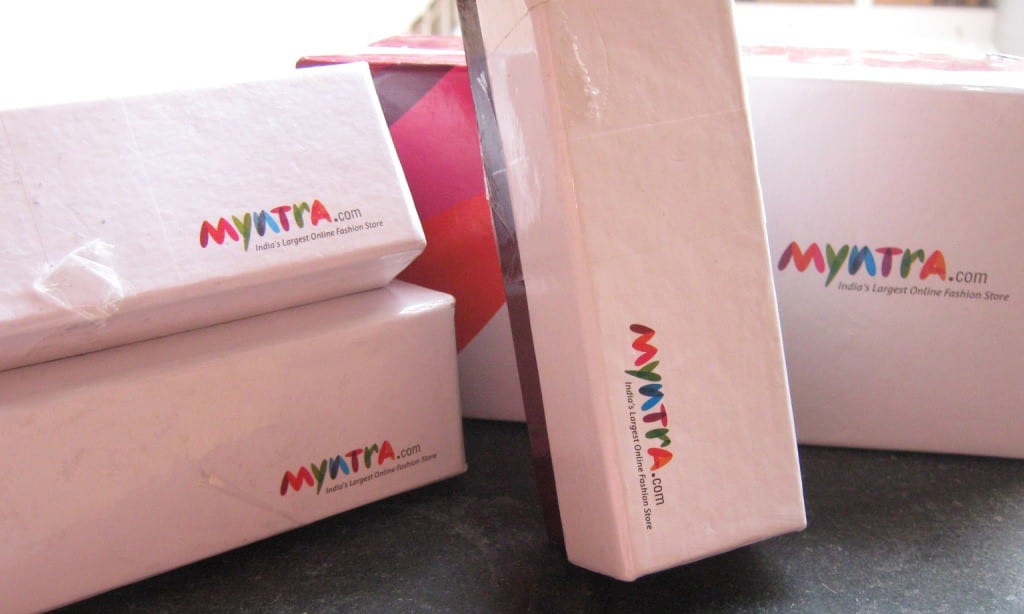
    Myntra has announced the launch of Sztori, its in-house plus size apparel brand, especially designed to suit a larger range of body shapes and sizes. It is essentially a designer wear in the plus size category, offering consumers, the perfect fit and multiple style options at affordable rates. The apparel is made to suit plus size body types rather than prove to be a mere extension in size on existing profiles, thus breaking the existing age-old norm in the Indian market.

    Post identifying a white space opportunity in the segment, Myntra set out to design and develop merchandise under a new brand to cater to the category and make wearers look fashionable with multiple style options at affordable prices, opening new avenues in the industry.

    Known for democratizing fashion across segments, the launch enables Myntra to go a step further and include size profiles into the ambit of ‘fashion for all’. It champions inclusivity in fashion, evaluating and emphasizing greater attention to styles, trends, designs, fit and fabric for plus sized apparel, in order to bring out the personality of the person wearing it. ‘Sztori’ derives its name and theme from Myntra’s ‘story’ of developing a brand that celebrates a person’s journey and spirit, helping to soar above shape and size.

    The brand offers a range of products for men and women, including, Tees, denims, tops, dresses and more in L to XXXXL (Large to 4 times Large) sizes. Shoppers can choose from over 225 styles and designs at prices ranging from Rs 799-1,999.

    Speaking on the occasion, Manohar Kamath, CXO and Head, Myntra Fashion Brands, said, “We are extremely delighted to announce the addition of Sztori to our portfolio of private brands. Plus size clothing is in great demand and it was time we offered something substantial in the category, opening up more avenues and possibilities for our customers. Research estimates that this segment will account for US$ 5-6 billion in the US$ 40 billion Indian online fashion apparel market, by 2020, which is approximately 10-12 percent of the overall market, making it an important proposition.”

  • US sports apparel firm mulls ditching China for Vietnam

    US sports apparel firm mulls ditching China for Vietnam

    U.S. sports apparel company Brooks Running is considering shifting its manufacturing operations from China to Vietnam to avoid trade war tariffs. The firm’s CEO Jim Weber said Monday that the impact of President Donald Trump’s trade war with China is going to put a 45-percent tariff on his company’s running shoes.

    “We’re preparing for a 25 percent tariff on our business and that’s on top of 20 percent already on running shoes. It’s really going to be upsetting for us,” Weber said.

    Vietnam will be a “possible” new supply chain for Brooks, Weber said, adding that the transition will likely cost “millions” of dollars.

    Weber said he was confident that the move will allow his company to be more competitive in the U.S. and in the world as the tariffs are lower in Vietnam.

    He added that the transition, if it happened, would likely to be permanent.

    The U.S.-China trade war escalated last month as the U.S. levied new tariffs of 10 percent on about $200 billion worth of Chinese products, with the tariffs to go up to 25 percent by the end of this year.

    China retaliated immediately with 5 and 10 percent tariffs on $60 billion worth of U.S. products.

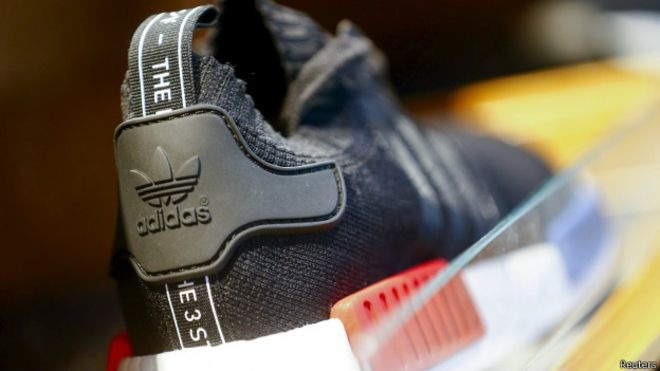
    The announcement by Brooks, which sells sports footwear, apparel, bras and accessories in 50 countries worldwide, came after Adidas CEO Kasper Rorsted said in May that his company is shifting footwear sourcing from China to Vietnam.

    Vietnam has in fact overtaken China as Adidas’ top supplier, with Vietnamese factories producing 44 percent of its shoes by volume last year against 19 percent by Chinese manufacturers, according to the company’s data.

    This is also true of Adidas’rival Nike, which had 46 percent of its footwear made in Vietnam last year, against 27 percent in China.

    Vietnam’s footwear exporters seem to be benefiting from the ongoing trade war.

    In the first nine months this year, Vietnam’s footwear exports were worth $11.74 billion, a 10.2 percent year-on-year increase.

    Vietnam is the second biggest exporter of footwear to the U.S. behind China, shipping 404 million pairs of shoes last year.

    Last year, Vietnam’s footwear exports were worth $14.65 billion.

  • Shibuya Apple store reopens after a year of renovation

    Shibuya Apple store reopens after a year of renovation

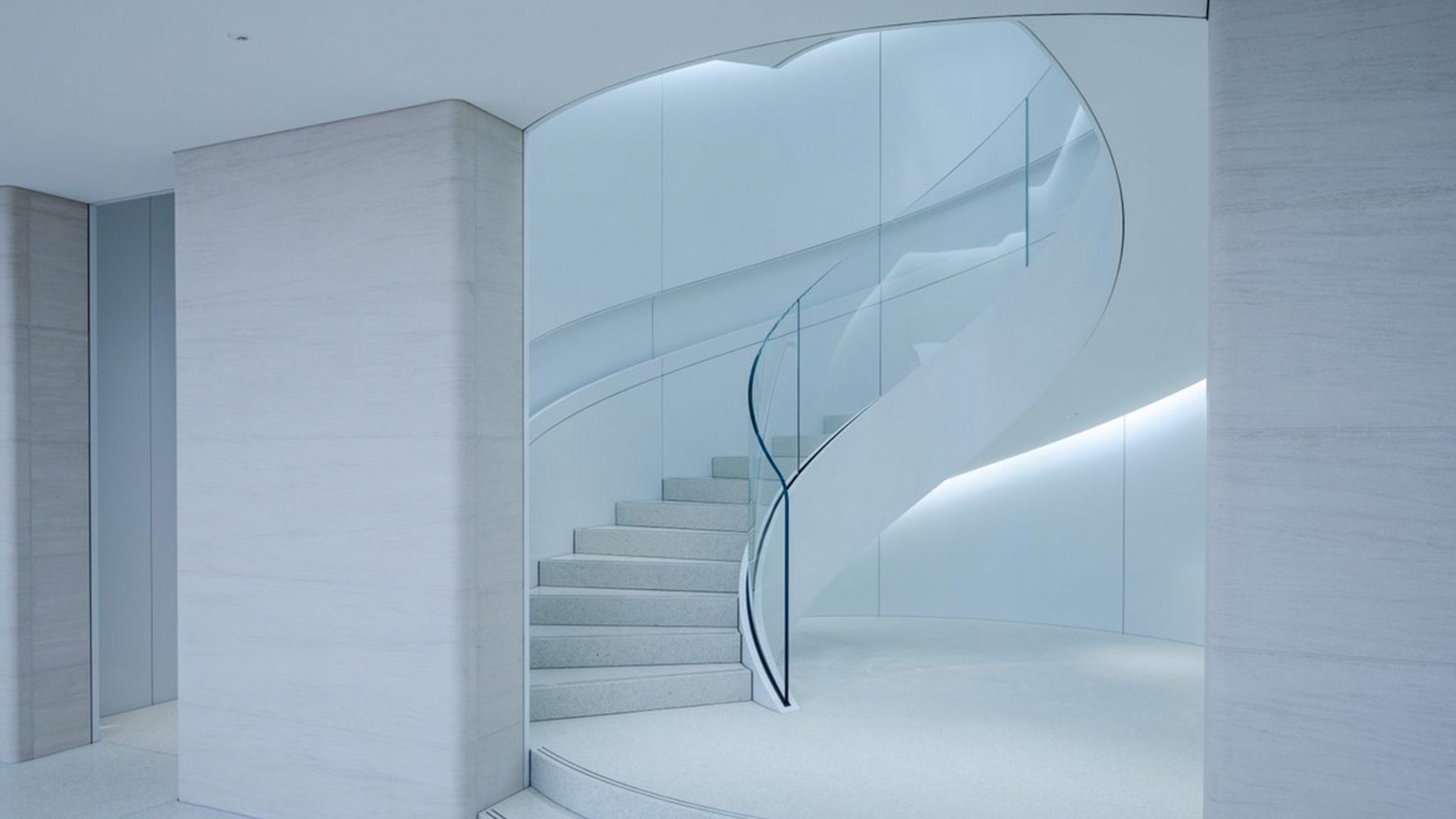
    The Shibuya Apple store in Tokyo has reopened today with striking modern styling, coinciding with the release of the iPhone XR. The new four-storey design features dramatic natural lighting and a new spiral staircase, described as “stunning” by local media. The store, which reserves substantial space for back-of-house activities, took 11 months to transform, during which time two further stores were opened in Japan.

    The original Shibuya store, which opened in 2005 as the fourth in Japan, was also well-known for its distinctive spiral staircase, reflective of Apple’s retail aesthetics at the time. The new design is closer in look to that of the Steve Jobs Theatre.

    Comparing the original design with the revamp offers a unique perspective into Apple’s evolving retail architecture. The earlier version of the store, optimised for the iPad era, has been enlarged vertically rather than relocated to more expansive premises, indicating the importance to Apple of the location over the venue’s suitability for the brand’s contemporary retail features such as its video wall, which is conspicuously absent in Shibuya.

  • Hyundai to set up $100 million hydrogen fund in China

    Hyundai to set up $100 million hydrogen fund in China

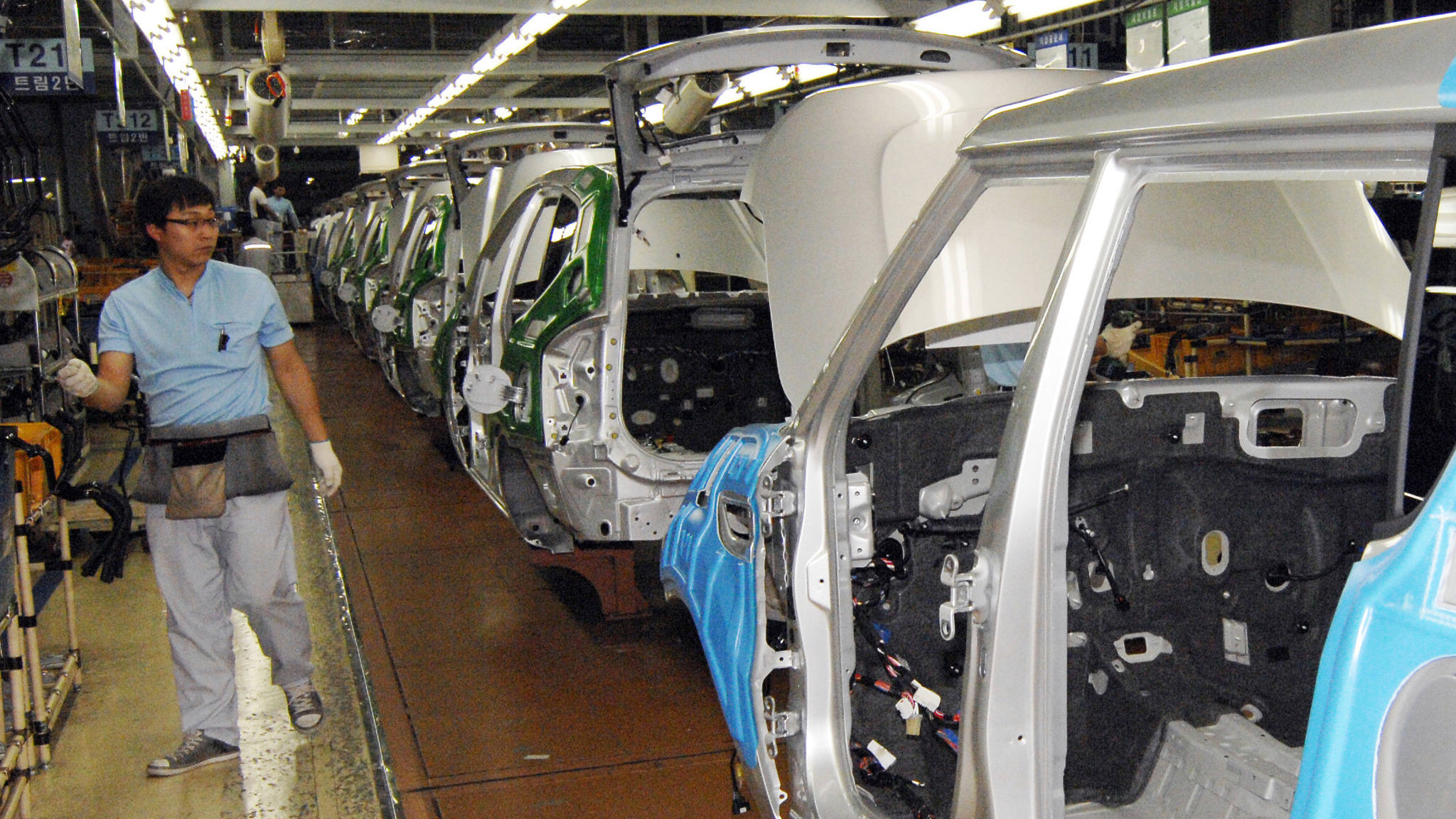
    Hyundai Motor has partnered with a Chinese institute to set up a $100 million fund for local investments in hydrogen technologies and related industrial infrastructure, the company said Monday. Hyundai Motor and the Beijing-Tsinghua Industrial R&D Institute have kicked off the Hydrogen Energy Fund, with venture capitalists from Asia, Europe and the United States expected to join as investors, Korea’s largest carmaker said in a statement.

    “The fund, once fully set up, will be used in the infrastructure needed for the hydrogen industry and venture startups with core hydrogen technologies,” the statement said.

    Yield Capital, an investment organization under the Chinese institute, will be responsible for raising funds and managing them, it said.

    Hyundai has expanded investments in hydrogen fuel-cell electric vehicles, such as Nexo, while expanding partnerships with global companies to gain a share in the next-generation car markets.

  • SE Asia Stocks not looking good, Singapore hits 22-month low

    SE Asia Stocks not looking good, Singapore hits 22-month low

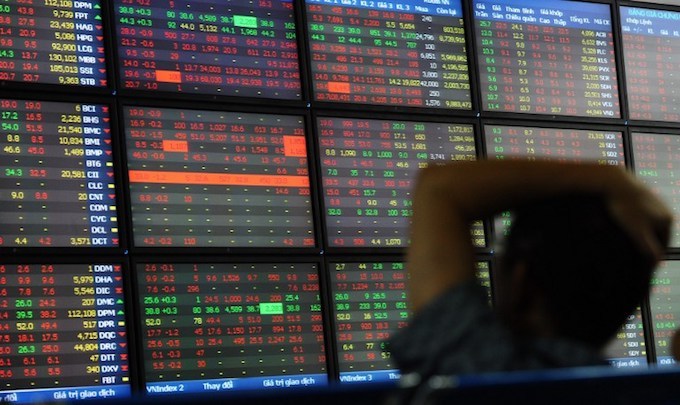
    Philippines shares regained on Friday after reduction in previous section, while regional markets fell in line with broader Asia. The previous session saw sharp losses in the Philippines and other regional markets, as a tech-fuelled rout on Wall Street spooked investors across Asia, leading to a massive sell-off in regional equities.

    Asian bourses are likely to benefit from “tentative bottom-fishing”, analysts at OCBC said in a note.

    The Philippine index, which has been the region’s worst performer this year and the biggest loser in the previous session, rose 0.7 percent, boosted by real-estate stocks.

     “This is a short-lived bounce, since it was the worst performer and had seen a steep drop yesterday, I think investors think the 6,900 level of the index is a good time to buy… the last time it hit that level, investors bought back,” said Miguel Ong, research analyst at AP Securities.

    Real estate conglomerate Ayala Land Inc gained 2.1 percent and SM Investments Corp added 1.5 percent.

    Indonesian shares also ticked up, helped by telecom and financial stocks. Sector heavyweight PT Telekomunikasi Indonesia Tbk rose 0.8 percent and PT Bank Central Asia Tbk rose 0.9 percent.

    Vietnamese stocks were on track for a seventh losing session and a fourth straight week of losses, with real estate stocks and industrials being the biggest drags on the benchmark.

    Vinhomes Joint Stock Company fell 3.7 percent and No Va Land Investment Group Corporation lost 3.1 percent.

    Singapore stocks approached their lowest in nearly 22 months, falling 1.7 percent and on track for a fourth week in the red. Financial heavyweights like United Overseas Bank Ltd lost 3.5 percent and DBS Bank’s parent company DBS Group Holdings Ltd lost 2.6 percent.

    Thai shares failed to sustain the previous session’s brief bounce and looked set to post a fourth week of losses. Its energy sector, which drove a turnaround in the index in the previous session, was the biggest drag.

    Oil and gas giant PTT PCL lost 2 percent, while PTT Exploration and Production PCL traded 2.2 percent lower.

    Malaysian stocks edged lower on the back of telecom stocks, with Telekom Malaysia Berhad shedding 1.3 percent and wireless service provider Digi.Com Berhad losing 1.7 percent.

  • Esprit sales continues to dive

    Esprit sales continues to dive

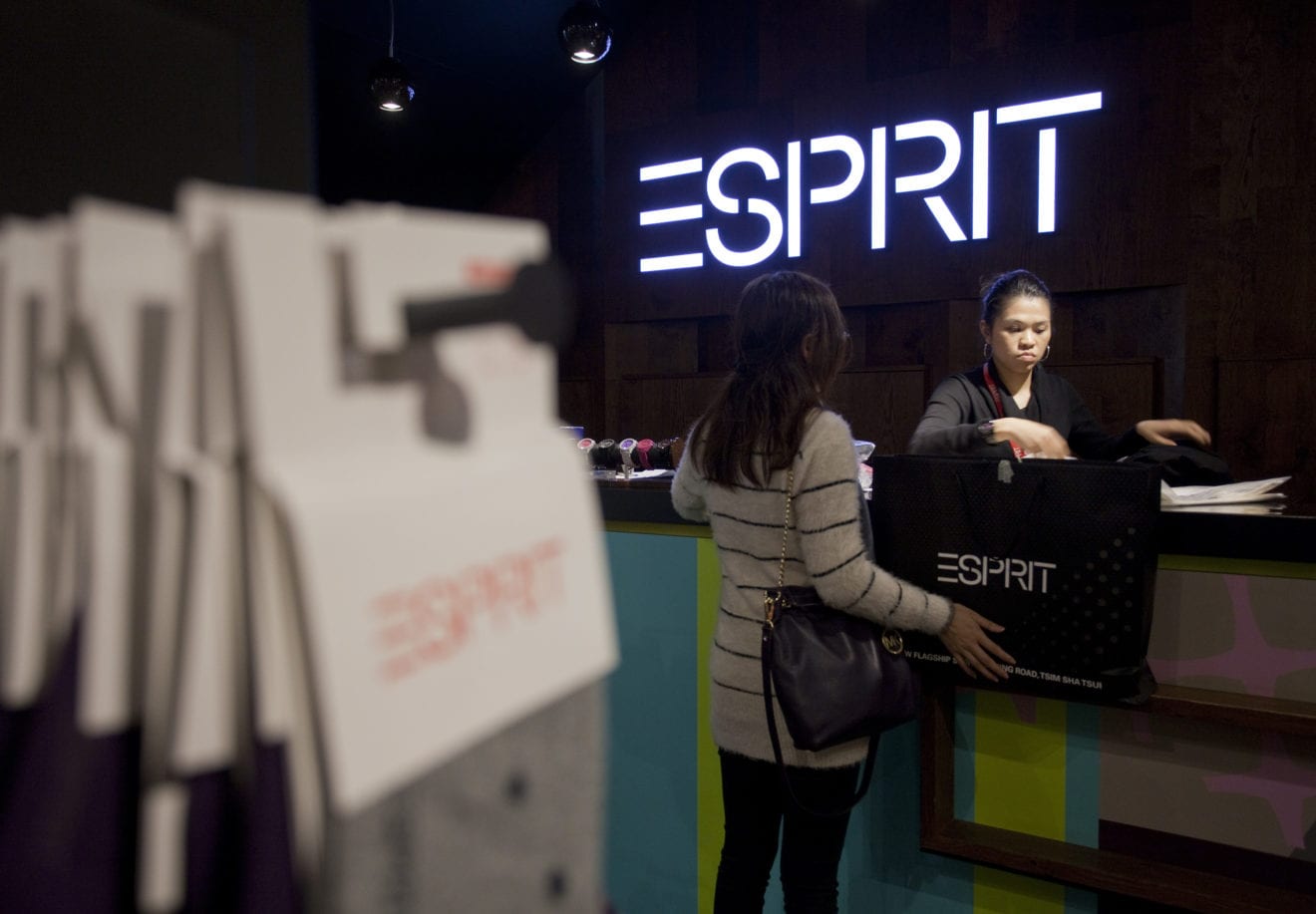
    Esprit sales slumped further in the first quarter as the embattled fashion brand’s store network continued to shrink. In a stock exchange filing on Friday, Esprit said group revenue for the quarter to September 30 slumped 16.2 per cent year on year in local currency while its own offline store sales area reduced by 10.6 per cent, to HK$3.34 billion (US$425.8 million). The company’s own-managed stores, which account for 37 per cent of the company’s total turnover, fell by 17.8 per cent.

    “The decline was due to a reduction in net sales area of 11.5 per cent year on year, a result of continued rationalisation of our distribution footprint, including the closure of the Australia and New Zealand markets and a decline in comparable retail store sales (excluding e-shop) of 14.1 per cent … mainly due to declining customer traffic to our stores and extended warm summer temperature in Europe which impacted sales of our autumn merchandise,” the company said.

    Offline same-store sales in Asia Pacific grew by 0.3 per cent, mainly due to promotional activities. But online sales, which accounted for 24.9 per cent of the company’s revenue, fell by 14.9 per cent globally.

    Eshop, almost entirely in Europe and representing 24.9 per cent of group revenue, recorded a decrease of 14.9 per cent. Online sales in Asia Pacific, which account for a mere 2.6 per cent of total e-shop sales, plummeted 36.7 per cent, largely blamed on the closure of the Australia-New Zealand business.

    Wholesale revenue, almost entirely from Europe, fell 15.5 per cent.

    The company reiterated comments made after its dire full-year results were released last month, which included a US$325.5 million loss in the year to June 30: “Corrective measures are in place to reignite sales momentum.”

    A strategy plan will be released on November 26 outlining how the company plans to sharpen its brand identity, putting the customer at the centre of everything it does; improve product offering and brand positioning; reduce complexity and improve accountability in the organisation; become a leaner organisation; and eliminate loss-making parts of the business.

  • Uber Eats India, CCD partner for virtual restaurant network

    Uber Eats India, CCD partner for virtual restaurant network

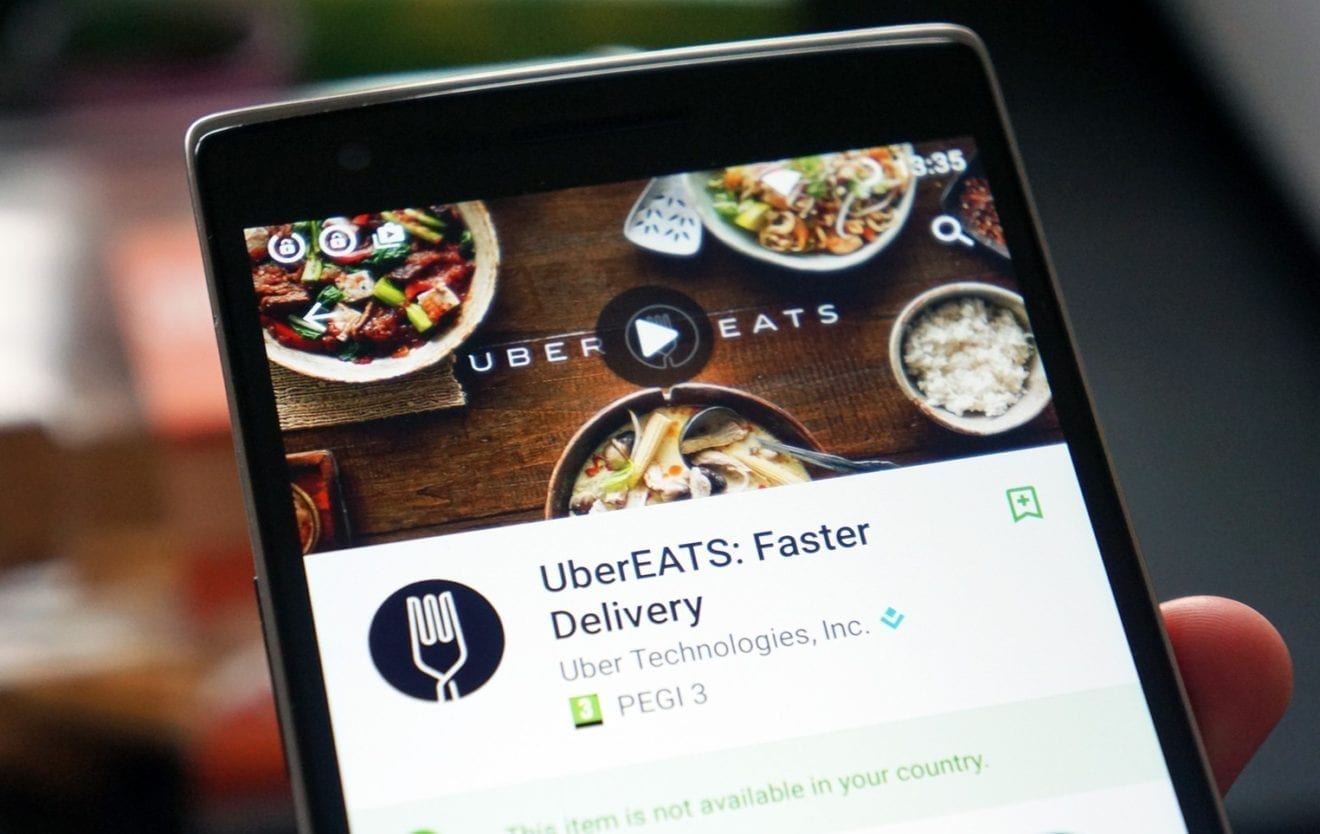
    Food delivery app Uber Eats in partnership with Cafe Coffee Day (CCD) on Friday launched a network of virtual restaurants that will offer more choices of ‘delivery-only’ restaurant brands. The first restaurant brand under this partnership is scheduled to launch in mid-November on Uber Eats app, the company said in a statement.

    “We are thrilled to partner with CCD – the pioneers of cafe culture in India,” said Jason Droege, Vice President of UberEverything, Uber Technologies.

    “Using experience and lessons learnt in the virtual restaurant space from our global operations, we hope to provide our Indian restaurant partners greater growth opportunities,” Droege added.

    Uber Eats is currently present in 37 cities in India while CCD has a network of 1,742 cafes across 246 cities in India.

  • Incheon to get on-arrival duty-free store in May

    Incheon to get on-arrival duty-free store in May

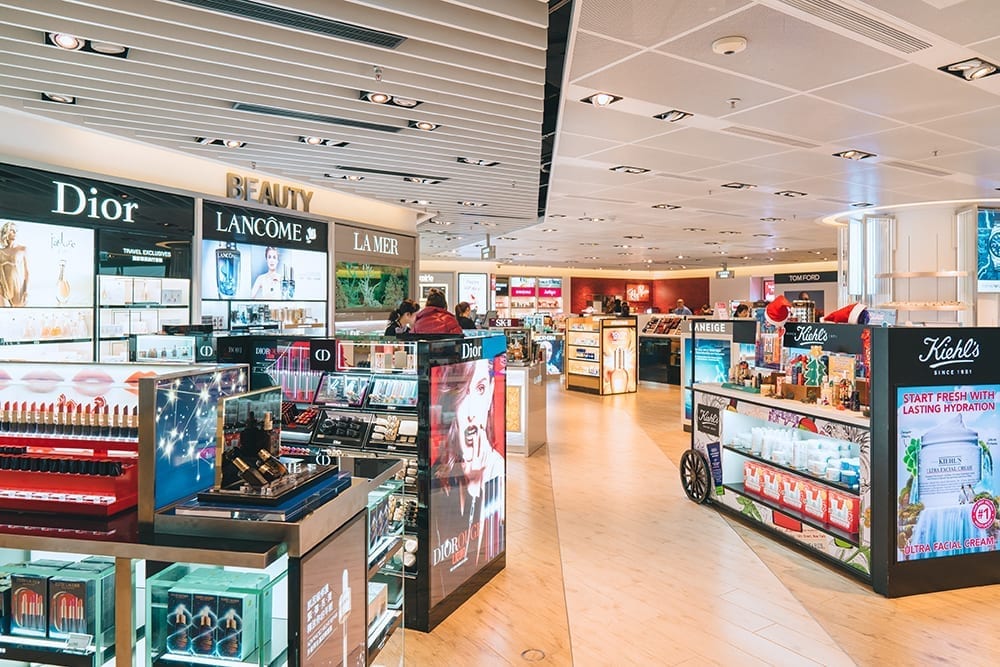
    The Incheon International Airport Corporation is planning to open Korea’s first on-arrival duty-free store in May next year. The airport operator announced on Sunday that it has commissioned a study to look into how it can optimize the duty-free service, which will be concluded by the end of the year.

    The study will focus on deciding the location and size of the shops in order to maximize customer experience by reducing congestion.

    Additionally, the research will consider the possibility of setting the rent for the duty-free shops based on revenue instead of unilaterally applying a fixed rate.

    In order to ease the burden on interior costs, Incheon airport will be responsible for basic interior constructions, while duty-free operators will only have to provide the finishing touches.

    This is because only SMEs will be allowed to bid for the slots.

    The Incheon airport said it will start taking bids for the duty-free shops in February and finalize candidates by April. It added that it will have a larger ratio of Korean companies controlling the arrival duty-free shops compared to departure stores. However, as the government earlier announced, the arrival duty-free shops will not sell cigarettes or products that are controlled by customs quarantine regulations such as fruit and meat products.

    The airport said it will work with the government to finalize plans to return some of the profits that it makes from renting the spaces to duty-free operators in March.

    Incheon airport Terminals 1 and 2 have units available for duty-free shops targeting customers arriving in Seoul. On the first floor of Terminal 1 there are two 190 square-meter (2,045 square feet) areas. On the first floor of Terminal 2 there is a 326 square-meter space. Currently these areas are not in use.

    The Ministry of Finance and Economy in late September announced plans to open the country’s first duty-free store available to returning travelers in May next year. The ministry was responding to an order from President Moon Jae-in to review the possibility of an on-arrival duty-free shop during a meeting he had with Blue House senior officials and secretaries in August.

    The purpose was to make travel less inconvenient for Korean tourists who were purchasing goods while departing Incheon and carrying them throughout their trip.