SK Telecom, Korea’s top mobile carrier, said Tuesday that its third quarter net profit rose 32.4 percent from a year earlier.
Net income reached a record high of 1.04 trillion won ($910.4 million) in the July-September period, compared with a profit of 793 billion won for the same period the previous year, the company said in a regulatory filing.
SK Telecom said shareholding gains from SK Hynix. gave a boost to its quarterly bottom line. SK Telecom holds a controlling 20.1 percent stake in the world’s second-biggest chipmaker by sales.
SK Hynix’s third quarter net profit surged 53.6 percent on-year to 4.69 trillion won on record sales of 11.4 trillion won.
Still, SK Telecom said its operating profit fell 22.5 percent on-year to 304.1 billion won in the third quarter, while sales dropped 5.77 percent to 4.18 trillion won over the cited period.
Shares in SK Telecom fell 2.54 percent to 269,000 won.
Alipay has announced that it will launch new initiatives to provide more digital tools, safeguards, loan services and training to further improve efficiencies and support the growth and digitization of small and micro businesses (SMBs) in China.
SMBs form the cornerstone of Chinese society and create millions of job opportunities. However, shifts in industry models mean that online and offline operations are increasingly merging together and this group has lacked the services and tools needed to improve efficiencies and seize the opportunities from digitization. Aiming to tackle this on-going issue, Alipay, will provide the following support to bolster the development of SMBs in China.
Provide tools and services to support digital operations, including business analysis, customer engagement, and supply chain services aiming to help 100 million SMBs across China.
Provide an additional safeguard to SMB owners. SMBs using Alipay services will be offered a maximum of RMB1000 (USD $144) rebate every half year on out-patient services. Alipay expects to extend coverage to 50 million SMBs by the end of 2018 and rebate more than RMB500 million (USD $71.8 million) in total.
Provide MYbank’s loan services to 30 million SMB owners and self-employed people over the next three years.
In collaboration with 100 start-up entrepreneurs, Ant Financial, the parent company of Alipay, will tailor 100 lessons in corporate development and operations with the aim of training 10 million SMBs and facilitate their digital transformation.
A great number of SMBs have benefited from Ant Financial’s range of services, including those provided to QR code merchants, who are typically SMBs that use Alipay’s QR code to collect payment from customers. These services include business analysis, financial management, loan and insurance services. Powered by Artificial Intelligence, Ant Financial enables SMB owners to apply for business loans in less than three minutes by smartphone, receive near-instant approval without human intervention. One QR code merchant from Wuhan, for instance, applied for a RMB20,000 (USD $2,874) business loan during Chinese New Year and received approval within one second. In the year ending October 2018, over three million QR code merchants have applied for loans through this service with an average loan size of less than RMB8,000 (USD $1,150).
AI facilitates the entire process of out-patient benefits offered to QR code merchants, from guiding users to upload their invoices correctly, to identifying key data points on the invoice (such as hospital name and fee amount), to reviewing the information and materials submitted. Ant Financial’s blockchain technology secures the authenticity of the invoices. Tens of millions of QR code merchants have begun to take advantage of this offer with 20,000 merchants on average signing up for the service each day.
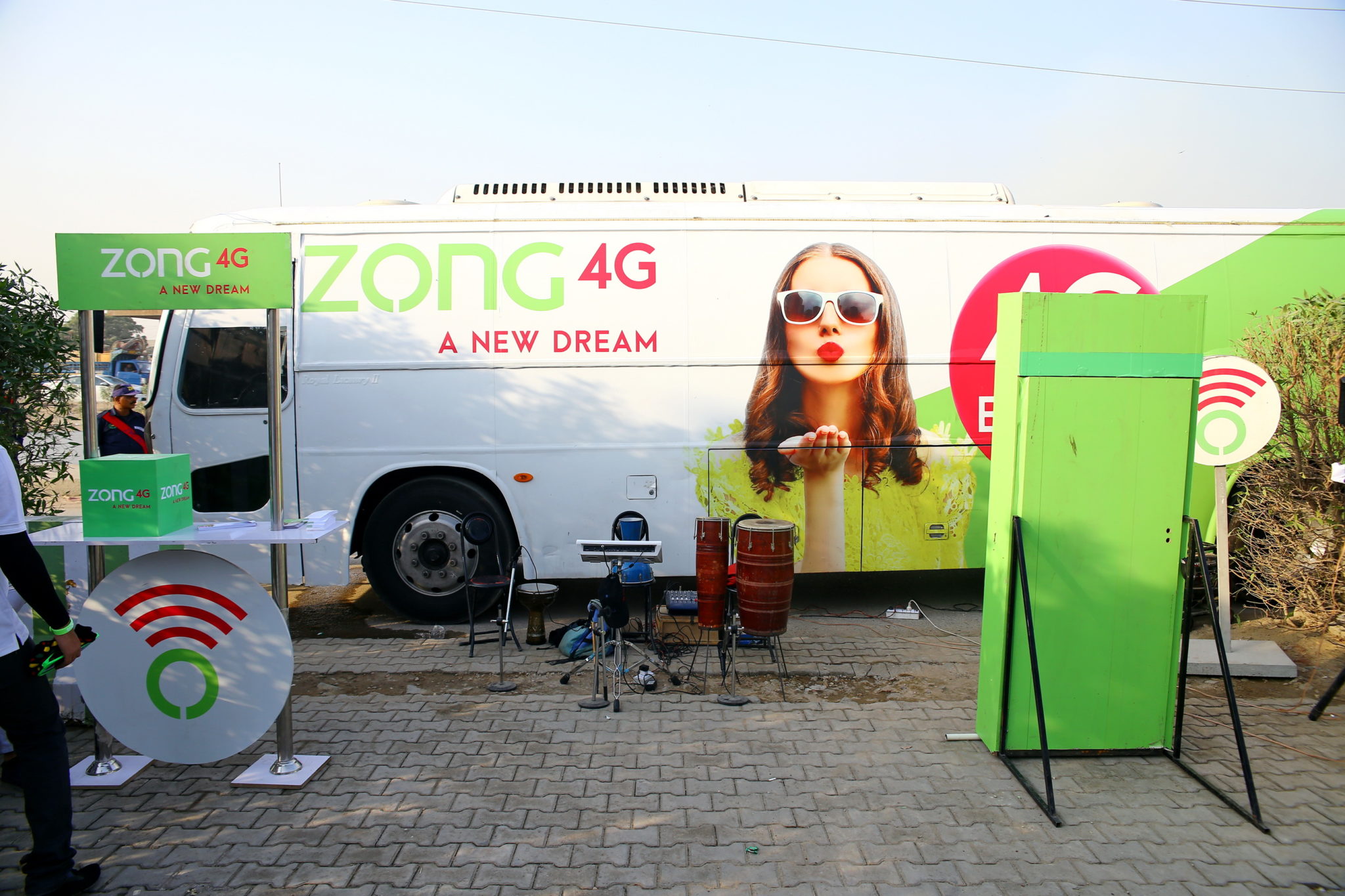
Pakistan’s No.1 Data Network brings widest 4G coverage for its valued subscribers. Having pioneered the 4G in country, Zong 4G is the first telecom company in the country to successfully deploy and cross the prolific 10,000 4G sites mark.
With 4G presence in already more than 300 cities, the company’s current development implies that Zong 4G has not only become the first telecom entity to own over 10,000 operational 4G sites but also the one and only to secure widest 4G coverage at every nook and corner of the country.
Additionally, Zong 4G plans to roll out over 5,000 4G sites in the next three years to cater to the growing demands of its 4G customers whose number has been exponentially increasing with every passing day.
“Zong 4G has taken the lead to connect Pakistan with the rest of the world. We have upgraded all our sites to 4G and developed the most seamless and technologically advanced network which is second to none,” said the telecom company’s spokesperson in a statement.
“For a telecom company, this kind of technological excellence not only enhances the professional quotient but also brings along a host of responsibilities—to shoulder the demands of our ever growing network that offers unmatched connectivity from Peshawar to Gwadar. Being fully cognizant of the situation, Zong is eyeing to add 5,000 additional sites in next three years as we believe that our customers should experience the largest 4G coverage in country- which is unrivaled for in reliability and connectivity. With our customer focused planning and strategic investments, we will always remain geared up to provide nothing less than the best!” continued the telecom company’s spokesperson in a statement.
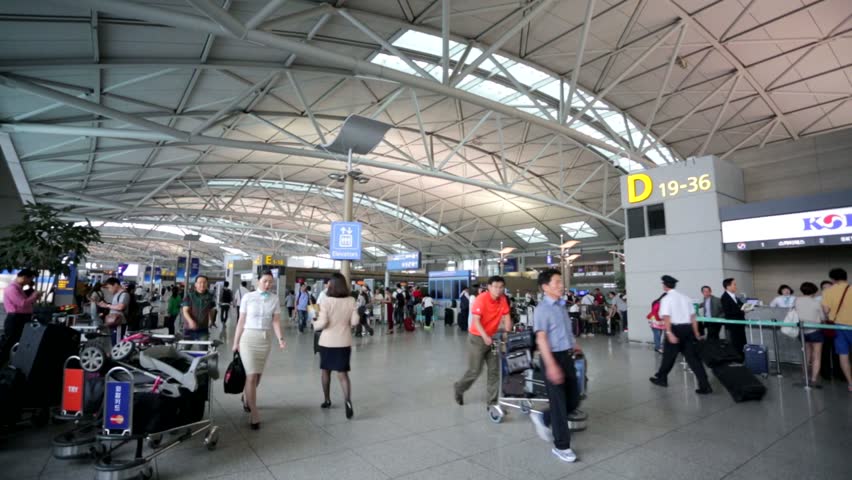
The airport retailing consumer electronics market is foreseen to expand at a significant pace with global revenues crossing US$ 1,700 Mn in 2017, according to a new study. Traditionally pervasive as transportation service facilities, airports are now witnessing an influx of retail outlets for consumer electronics products. The shift in customer perspective toward airports as a retail destination continues to influence the growth of the airport retailing consumer electronics market.
Fact.MR envisages that prospects for consumer electronics in airports are expected to remain promising, with the airport retailing consumer electronics market to grow at a CAGR of 6.3% in terms of value throughout the period of forecast, 2018-2028.
The market valuation is likely to remain influenced by growing number of airports. Sales of consumer electronics in airports are projected to remain concentrated in the Southeast Asian (SEA) countries, making the region a lucrative market for airport retailing consumer electronics. India is poised to showcase higher market attractiveness in SEA during the forecast period on the back of steady economic development coupled with rising air tourism, according to the study.
India’s lucrativeness in the airport retailing consumer electronics marketplace is attributed to rising number of air passengers. According to IATA (International Air Transport Association), the air passenger count in India is expected to reach 478 million by 2036. This is expected to present potential opportunities of growth for airport retailing consumer electronics in the coming years. In addition, sales of airport retailing consumer electronics on departure are likely to be on an upswing as compared to sales on arrival in the country. The report forecasts that the sales of airport retailing consumer electronics in India could exceed US$ 250 Mn by 2028.
Growing sales of accessories are expected to largely contribute to the growth of the airport retailing consumer electronics market, according to the report. Consumer preference for accessories is projected to expand at a higher rate as compared to electronic devices. Against this backdrop, airport retailers are also planning to rent accessories for travellers opting for short trips.
IATA projects that by 2036, global air passenger traffic is expected to reach 7.8 billion. This indicates that growth of airport retailing consumer electronics market is likely to remain significant in large airports. However, medium size airports are projected to showcase growing demand for airport retailing consumer electronics, says the report.
Trend of hyper-personalization remains instrumental in driving growth of airport retailing consumer electronics market. With critical airline restrictions apropos to amount of goods to be carried in flight, a new personalised service in the airport retailing consumer electronics space has been witnessed. Airport retailing consumer electronics stores can use customer data from boarding passes, and deliver products to the customer’s destination. This trend is likely to influence growth in revenues of airport retailing consumer electronics in the coming years.
Advertisements on flyers continue to remain instrumental in driving the growth of airport retailing consumer electronics market. Growing digitalization coupled with product displays on flyers are expected to influence sales of consumer electronics in turn presenting positive growth avenues for airport retailing consumer electronics market. This is likely to translate into increasing product sales across specialty retail stores in airports, consequently making them a key growth platform for airport retailing consumer electronics, says the report.
As traditional brick and mortar sales are getting impacted due to mega trends such as relentless onslaught of online selling platforms, the physical retailing in airports is thriving. Overall, the airport retailing consumer electronics scenario remains positive and stakeholders can expect an optimistic growth path in the airport retailing consumer electronics market in the forthcoming years.
DFS Group, the world’s leading luxury travel retailer, is excited to announce the launch of four exclusive Tiffany T pendants, available exclusively in DFS airport and T Galleria stores from November 1, 2018 until April 2019. Inspired by the iconic New York skyline, the new DFS x Tiffany T Collection features two pendant necklaces in 18K white gold with blue sapphires, and two pendant necklaces in 18K rose gold with pink sapphires, each with an adjustable 16-18 inch chain.
The Tiffany T Collection embodies everything Tiffany stands for – freedom, happiness, love and strength. Designed with the letter T, as tall, true and iconic as the New York City skyline, a place of courage and reinvention that constantly sparks creativity.
The strong, graphic form of the letter T is simplified, deconstructed and extended to form the chic necklaces with clean lines and modern angles. The Tiffany T designs are meant to complement each other; they can be boldly stacked and layered or can be worn alone for a sleek and elegant look.
“The exclusive collection reflects the confident customer who takes a fearless approach to style and we are thrilled to partner with DFS to bring Tiffany & Co.’s signature take on luxury to travelers globally,” said Wong Wei Ling, Vice President, Asia Pacific, Tiffany & Co.
“At DFS we continually seek to offer our traveling customers new, exclusive and memorable product selections, in partnership with some of the best-known brands in the world. We are delighted to join with Tiffany & Co. to provide first access to the beautiful Tiffany T pendant collection for our discerning customers worldwide,” said Matthew Green, DFS Group Senior Vice President, Watches and Jewelry.
As graphic and linear as the city that defined this design, the Tiffany T collection is a timeless symbol of modernism and self-expression.
The Tiffany T collection range will be available exclusively for purchase at DFS and T Galleria by DFS stores worldwide until April 2019.
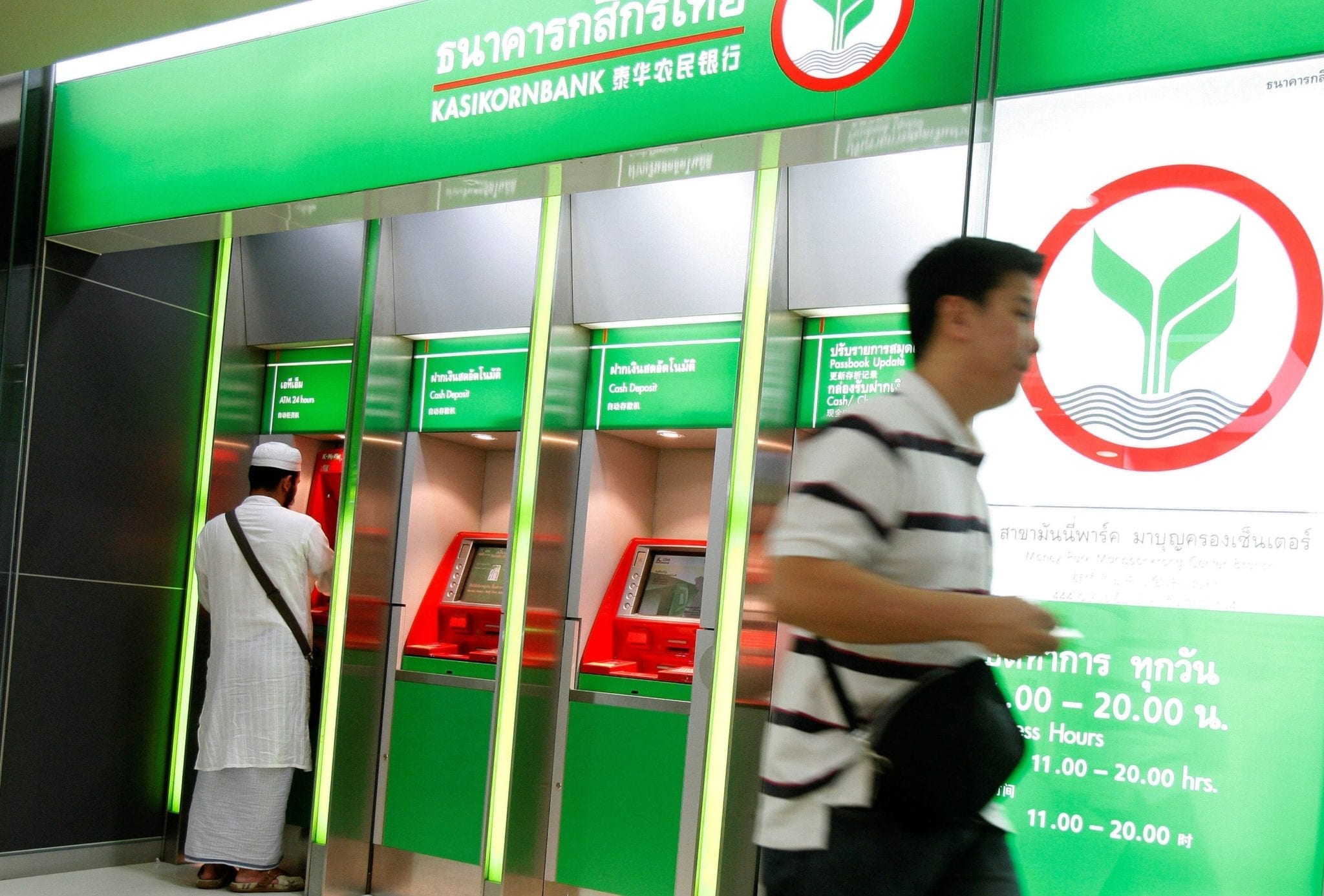
In the recently announced 2019 business plans, KASIKORNBANK (KBank) will press ahead to become the “Customers’ Life Platform of Choice” by using K PLUS to introduce financial and lifestyle services that suit individual clients. KBank’s financial and IT capabilities will be further enhanced through using data for decision making and steering business toward becoming a “Bank of Sustainability. The Bank has set 2019 loan growth target of 5-7%
Mr. Banthoon Lamsam, Chairman of the Board of KBank, said that the Thai economy will likely post steady growth in 2019. Despite sagging demand abroad, domestic spending, buoyed by both public and private investments, may play a more important role in bolstering the Thai economic performance. It is expected the Thai GDP growth will reach 4.3 percent in 2019, which would be lower than the 4.6 percent pace projected for 2018 due to the slowdown in the export sector and tourism caused by the high 2018 base and the protracted US-China trade dispute that may dampen the global trade overall. Major drivers for the Thai economy in 2019 may include steady public infrastructure investment and the scheduled general election that will likely help reinvigorate investment climate overall while Thailand’s interest rates will be on the upward trend amid lofty household debt.
Amid numerous challenges, KBank’s 2019 business operations will continue to focus on our “Customer Centricity” philosophy. With this mantra, we will press ahead with the “Customers’ Life Platform of Choice” strategy by using K PLUS, which has the highest number of users of any mobile banking applications in the country, to introduce financial and lifestyle services to meet the needs of individual customers. Our financial and IT capabilities will be enhanced further to allow KBank to be more responsive to every situation and become a data-driven bank, thus paving the way toward being a “Bank of Sustainability”.
With regard to overall goals for 2019, KBank looks forward to achieving loan growth of 5-7%, which would be consistent with the 2019 economic growth, breaking down into corporate loan growth at 3-5%, SME loan growth at 2-4% and retail loan growth at 9-12%. We also set growth targets for our net interest margin (NIM) at 3.3-3.5%, and non-interest income growth at -5 to -7%. KBank’s NPL ratio is projected at 3.3-3.7%.
Mr. Banthoon added that KBank continues to operate business, based on being a “Bank of Sustainability”, and under appropriate risk management and good governance. We are also building a balance in economic, social and environmental dimensions via strategies that will enable us to achieve and create sustainable returns over the long term. Such a sustainable development philosophy has been instilled in all of our operations until it becomes part of our corporate DNA, which has helped create maximum benefit for all stakeholders and promote sustainable growth to Thailand.
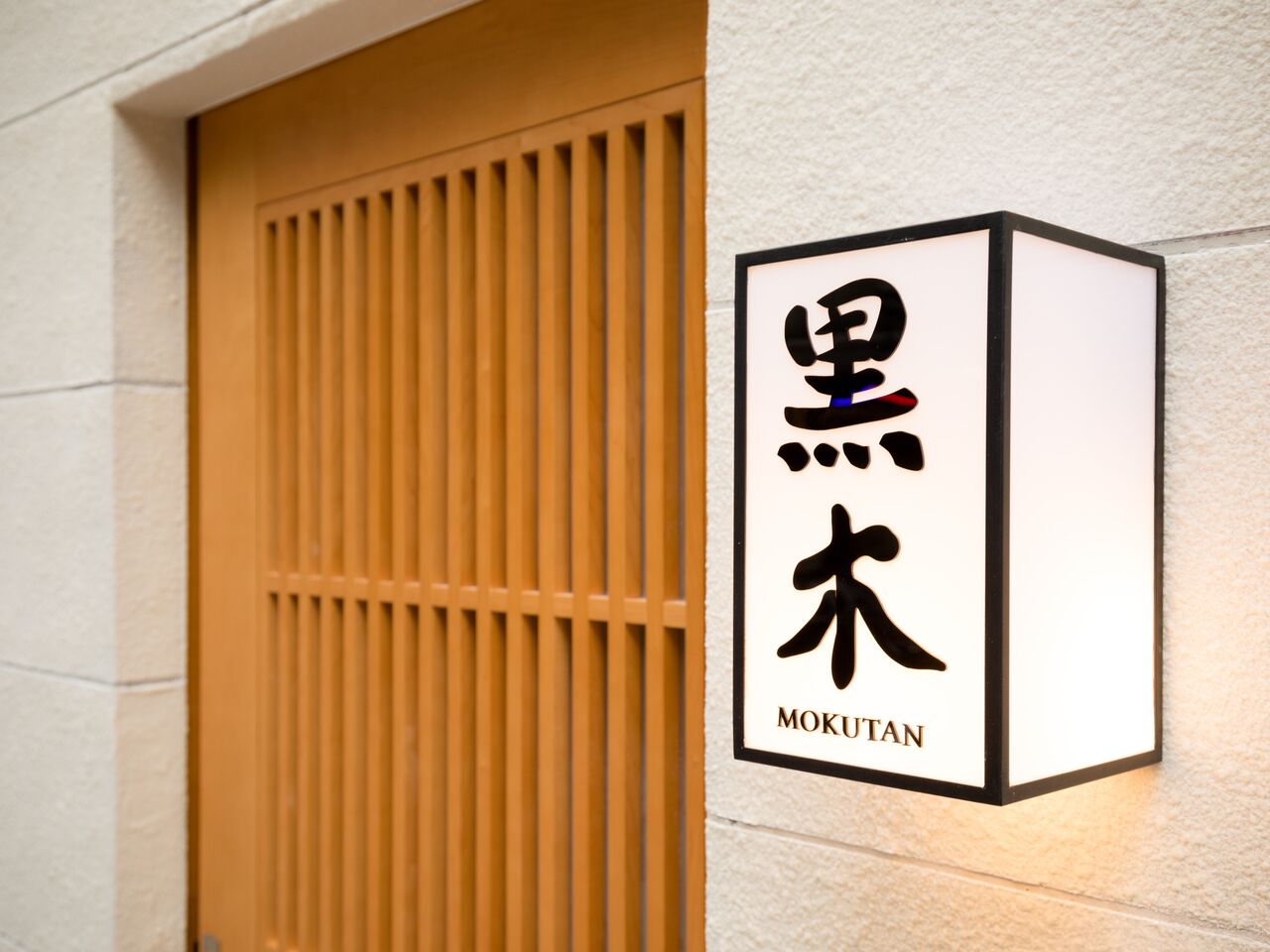
MOKUTAN, Hong Kong’s latest sleek and contemporary Japanese Izakaya, celebrates grand opening in the vibrant heart of Tsim Sha Tsui at Empire Prestige. An exclusive, hole-in-the-wall gem designed for epicureans in the know, MOKUTAN offers a repertoire of high-quality, seasonal specialties, highlighting three affordable Omakase menus from HK$288.
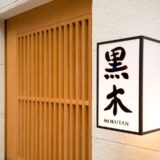
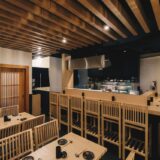
MOKUTAN boasts a design that is reminiscent of Japan’s zen character. An expansive white wall marks the entrance to the restaurant, projecting a sense of simplicity that contrasts the eclectic bustle signature to Tsim Sha Tsui. Inside, down-to-earth materials such as packed earth, wood, and paper are used to give the space a minimalist feel, paying homage to an era of Japanese history.
An intimate space which seats 26 people, the L-shape open kitchen offers the perfect opportunity for diners to see the culinary team in action.
MOKUTAN’s three Omakase menus include a 9-course option featuring Chef’s choice of appetizer, meat and vegetable skewers, simmered dish, and soup (HK$288); or a 13-course menu showcasing more lavish dishes at HK$428. Those who crave for a complete MOKUTAN Izakaya experience may enjoy a sumptuous 18-course menu at HK$688, sampling an appetizer, 6 meat skewers, 6 vegetable skewers, a simmered dish, soup, grilled dish, seasonal seafood and rice.
Crafted to highlight the authentic flavors of Japanese Izakaya, MOKUTAN’s a la carte menu showcases a robust choice of Japanese classics. Chicken yakitori, the quintessential staple, features Satsuma chicken fresh from Kagoshima. It is presented in a multitude of ways; demonstrating the different flavors from a whole bird. Highlights include the bird’s neck, kidney, skin, heart, and tail, all of which are perfectly grilled under the expert hands of the culinary team.
Meat lovers can also enjoy classic skewers such as Minced Chicken (HK$48), Angus Beef Short Rib (HK$66), and a selection of seafood highlighting MOKUTAN Threadfin (HK$168), Water Eel (HK$68) and Yellowtail Joint (HK$138), while vegetarians have a vast menu of seasonal vegetable skewers to choose from. Japanese favorites such as Onigiri (Japanese Rice Balls, HK$38-HK$48), Ochazuke (Rice in Green Tea Soup, HK$48), Onsen Tamago with Black Truffles (HK$68), Grilled Dried Cod Fish (HK$198), and Cheese Mochi (HK$28) serve as delectable side dishes.
Offering business executives the ideal Japanese lunch option is MOKUTAN’s special bento menu, featuring signature dishes such as the “MOKUTAN Threadfin” (HK$128) a light tasting but firm white fish and “MOKUTAN Chicken” (HK$98), a perfectly grilled chicken yakitori drenched in house special sauce that brings the right amount of fuel to power through the afternoon slump. Those who desire something heartier may opt for the succulent “Pork Belly” (HK$98), the melt-in-your-mouth Angus Beef Short Rib (HK$128), or the tender and distinctively taste “Lamb Chop” (HK$118). All lunch sets are served with daily special appetizer, soup, salad, and rice.
Complementing the yakitori experience, diners may choose to pair their meals with premium sake such as Daina, Born and Dassai; while luscious plum wine from Dewatsuru Kimoto Junmai make a perfect aperitif.
“The simplicity in which yakitori is presented masks the technique and skill that goes into the dish,” shares Benson Ling, co-owner of MOKUTAN and brainchild of trendy sushi roll concept – Chottomaki. “At MOKUTAN, we are delighted to bring a genuine Yakitori experience in a relaxing and intimate setting.”
View the gallery of the newly opened restaurant below (7 images) :
WatchTime New York, America’s largest public watch event dedicated solely to collectors and enthusiasts, wrapped up its fourth year in Manhattan at Gotham Hall today. The two-day event began with a sold-out VIP cocktail party on Friday, October 26, followed by a full day of exciting panels, seminars, tours, and events on Saturday, October 27. Over the course of the two-day show, over 1,400 attendees came to see the latest watches from 35 internationally renowned watch brands: the largest number of exhibitors and the highest number of registered attendees the WatchTime New York Show has seen to date.
WatchTime Magazine presented the annual event for the fourth consecutive year with returning partner, media platform WatchAnish. Additional supporting partners included SWISS Airlines, Wempe, and Four Roses bourbon, along with The Wall Street Journal, Robb Report, Gear Patrol, Watchonista, The Horological Society of New York, and the RedBar Group. WatchTime New York 2018’s guests included notable international watch collectors, timepiece enthusiasts, and social media influencers, with an appearance during the VIP cocktail event on Friday, October 26, by Number-1 ranked amateur boxer, Brian Ceballo.
Over four years, the event’s runaway success has exceeded all expectations, a phenomenon reflecting the changing landscape of the watch industry’s annual event calendar and the rising importance of the United States watch market. The WatchTime New York show has become both a direct-to-consumer experience and hub for the industry. This direct-to-consumer event format is uniquely tailored to the U.S. market: a formula that is as much the New York Fashion Week of watches as it is an enthusiast meet-up, trunk show exhibition, and educational forum.
UrbanFox, a subsidiary of Keppel Logistics, marks its first anniversary with stellar growth across all its services. Set to expand its regional footprint to cover Vietnam, Malaysia and Indonesia by 2019, UrbanFox aims to help brands tap into the company’s suite of omnichannel management and logistics solutions across the region as their businesses grow.
One year since its official rebranding, UrbanFox has witnessed remarkable growth not only in its logistics solutions business but also with its digital e-commerce capabilities. Notably, the introduction of the proprietary Multi-Channel Commerce Platform (MCCP) for seamless integration and management of e-marketplaces (B2B, B2C, B2E) earlier this year has enabled UrbanFox to deliver growth through omnichannel capabilities to its clients.
The growing popularity of e-commerce and multiple marketplaces presents new challenges and opportunities for retailers as well as logistics services providers. By leveraging UrbanFox’s MCCP and channel management capabilities, brands can seamlessly manage various point-of-sale and inventory, saving valuable time and resources and securing additional revenue streams.
Since introducing the MCCP in March 2018, UrbanFox has seen its fulfilment business grow by over 200 percent. This part of the business provides end-to-end logistics services to prominent brands across all industry verticals. The company’s brand portfolio has grown to 270 brands and more than 17,000 assortments, from just 12 brands and 100 over assortments within the same period.
Joe Choa, Managing Director of UrbanFox, said, “UrbanFox has seen remarkable growth and momentum over the past 12 months, and I would like to acknowledge the hard work and dedication of every member of the UrbanFox team. With our end-to-end capabilities and expanded regional presence, we are on the right track to fulfill our mission of helping businesses of all sizes to go beyond logistics to deliver growth and becoming the preferred partner in omnichannel management in the region.”
UrbanFox offers a comprehensive suite of omnichannel logistics and channel management solutions that promises a seamless experience for brands and their customers. UrbanFox’s services include:
Channel Management, which enables brands to tap into multiple e-commerce channels and integrate marketplaces such as Lazada, Shopee, Qoo10, etc.
Omnichannel Logistics, which encompasses end-to-end fulfillment services, from one-stop warehousing solutions to real-time inventory management and more
Last-Mile Delivery, which leverages both owned and crowdsourced delivery partners to cater to businesses’ diverse delivery needs.
The company has also significantly scaled its operations, infrastructure and team. The company’s full-time staff have more than doubled and moved into Keppel Logistics’ Tampines Logistics Hub in April, a new 400,000 sq. ft facility with warehousing infrastructure ready for high-volume omni-channel fulfillment with automation capabilities such as automated conveyor bin storage systems and automatic parcel sorting stations that can handle more than 1.2 million units of inventory and over 10,000 deliveries on a daily basis.
To bolster delivery efficiency, in September 2018, UrbanFox announced its participation in a joint field trial with Fujitsu, SMU and A*STAR to enhance crowdsourced delivery in the market using Artificial Intelligence, as part of its push towards developing innovative ways to adapt to Singapore’s rapidly changing logistics landscape.
With an eye on Southeast Asia, expected to become one of the world’s fastest-growing marketplace for e-commerce, UrbanFox will be tapping industry trends and expanding into key markets of Malaysia, Vietnam and Indonesia by 2019. Additionally, omnichannel management and logistics solutions will become even more crucial from the emergence of trends such as online-to-offline (O2O) commerce, as retailers explore new ways to ride the commerce wave.
Dentsu Aegis Network, in collaboration with Econsultancy, today launched Here Comes the Centennial: Southeast Asia’s New Generation of Shoppers, a white paper investigating the online buying behaviour of centennials – consumers of the future – in the region. Launched on the sidelines of FUTR Asia 2018 Summit, the study finds that, despite the surge in online shopping, cash is still king for centennials in the digital age, and shopping on social media platforms is the new norm.
Despite being digital natives, the concept of a cashless society has yet to fully take off for centennials in six countries surveyed, as 56% of survey respondents still prefer paying cash on delivery for their purchases. The next generation of online shoppers also enjoy having a variety of payment methods, as 43% of centennials will readily abandon their purchases because their preferred payment option is not available.
Having grown up in the smartphone era, centennials are also using social media platforms differently compared to previous generations in their buying journey. Social media applications (47%) such as Facebook and Instagram are the second most popular place for centennials to shop in. Close to half of the survey respondents (49%) also turn to social media when they are researching for more information on their future purchases, rather than asking friends (45%) and family (27%).
Nick Waters, CEO of Dentsu Aegis Network Asia Pacific, said: “All eyes are on Southeast Asia as the world’s next consumer powerhouse, with its young population and increasing purchasing power. Close to 280 million centennials – tomorrow’s consumers – call this region home. Enabled more than ever before by technology and data, we are seeing incredible potential for growth in the region and our latest research ‘Here Comes the Centennial: Southeast Asia’s New Generation of Shoppers’, helps us understand what is important for these consumers of the future and how businesses can adapt and position effectively for Southeast Asia’s future retail landscape.”
Brand name and image is no longer a priority of centennials, making end-to-end brand experience more important than ever for retailers. Only 11% cite having a prestigious or famous brand as one of their top three attributes when choosing where to shop. This means retailers need to work harder to get their brand experience perfect in order to capture the attention of tomorrow’s consumers.
Who are the Centennials? Why are they important?
Centennials – also known as Generation Z – are those who are born between now and 1995. Accounting for about 277 million of Southeast Asia’s population, 50% of centennials spend more than USD30 a month on online shopping, while 9% spend over USD100 monthly. The size of this new generation alone makes them attractive for retailers, but the behaviours of this group make them lucrative in terms of its online shopping and ecommerce potential.
This new generation will also soon be one of the world’s most demanding consumers who have high standards and expectations of the online shopping experience. Technology should be an integral part of this experience, as 82% of centennials are excited about futuristic shopping technology such as virtual reality. Personalisation is key as well, as 76% of respondents are happy to share data with websites, if it makes more relevant recommendations.
Jefrey Gomez, Managing Director, Econsultancy Asia Pacific, said: “Centennials are coming of age in an era when high speed internet is always available, and they expect technology and brand experiences that are fast, responsive, and seamless. The survey showed that 86% of centennials will not use an app or website that takes too long to load and 82% will not use an app or website that is difficult to navigate. This means that retailers can therefore no longer just provide well-designed stores or rely solely on brand campaigns to drive sales. Instead they need to focus on the utility of their online offering to make the purchasing journey easy to complete.”
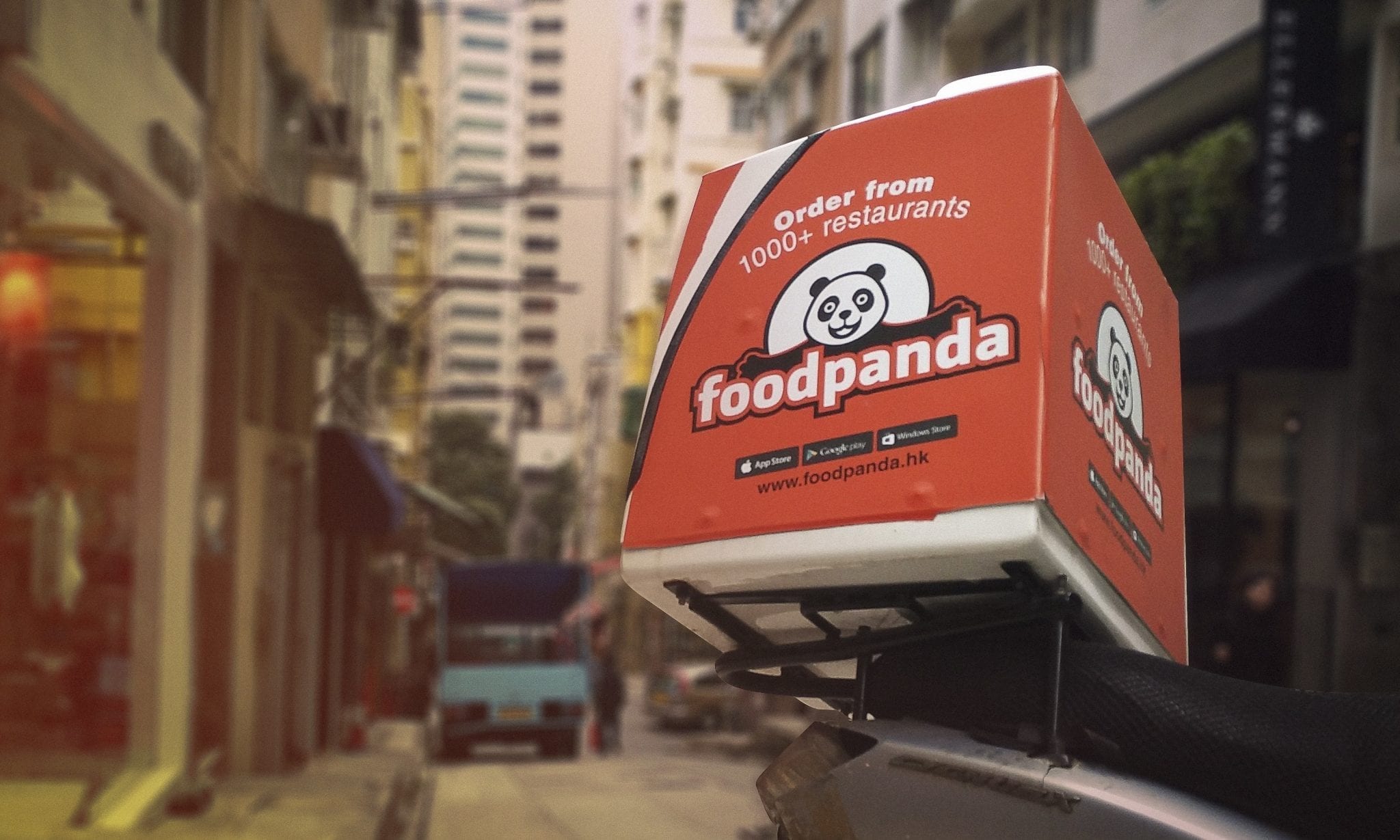
Country’s top telecom digital services provider, Telenor Pakistan, and the country’s leading food delivery service, foodpanda, have announced collaboration in three key areas namely marketing, operations, and cash management with an aim to offer exclusive discounts to their mutual customers in Karachi, Hyderabad, and other cities in the southern region.
A Memorandum of Understanding (MoU) was signed between Telenor Pakistan and foodpanda in Hyderabad at the latter’s corporate launch event in the city. As part of the agreement, Telenor subscribers in Karachi, Hyderabad, and Quetta who are first-time foodpanda users will be offered exclusive discount vouchers for their food delivery orders.
Telenor Pakistan will also distribute discount vouchers at its franchises and retail outlets in these locations with the sale of every new Telenor 4G SIM, Wingle & MiFi device, as well as SIM upgrade to 3G/4G. In order to bring the benefit of the partnership, an awareness campaign will be launched with foodpanda advertising to Telenor customers on its own channels including website, mobile app and blog and Telenor reaching out to its subscriber base through SMS broadcast.
“We remain the primary digital lifestyle partner of millions of Pakistanis and want to facilitate them in the most innovative of ways,” said Umair Mohsin, VP Circle South, Telenor Pakistan, during the MOU signing ceremony. “By forging such associations as the one with foodpanda, we aim to bring ease and excitement to everyday lives of our customers and help them take maximum advantage of their smartphones and super-fast Telenor data network.”
“We are pleased to have partnered with Telenor Pakistan for promotion of foodpanda services,” said Noman Sikander Mirza, Country Manager, foodpanda. “At foodpanda Pakistan, we continually aim to serve our customers better and expand our food delivery network. We hope that Telenor Pakistan customers will find the exclusive discount offers exciting and enjoy using our food delivery services.”
Presently, over 1,000 foodpanda riders and restaurants are connected with Telenor Pakistan network with the two partners aiming to connect an additional 5,000 riders and restaurants in the next few months. Moreover, the partnership envisions utilization of TelenorPakistan’s transformative digital financial services assets such as Easypaisa and QR Code technology for collection of cash from riders and customers in the future.
Southeast Asia’s leading brand ecommerce enabler, aCommerce, introduces BrandIQ, the company’s new ecommerce measurement and analytics suite. BrandIQ will enable brands to understand and visualize more than 11 million SKUs across 600 brands and 160,000 sellers online across Southeast Asia, enabling global consumer brands and retailers to grow online sales and market share.
BrandIQ is envisioned to provide brands in Southeast Asia with measurable data and actionable insights for their online commerce strategy. Using sophisticated ecommerce data collection and proprietary machine learning technologies, BrandIQ will empower brands to monitor online merchandise, analyze competitors, offer better promotions, understand consumer sentiments, and improve the overall ecommerce experience.
“We are now entering an era where usage of survey data is not sufficient to succeed in Southeast Asia’s growing ecommerce landscape,” said Poonpat Wattanavinit, Regional Director of Product, aCommerce. “BrandIQ is a new technology platform that collects data from all the leading online marketplaces to offer brands real-time insights. Through BrandIQ, brands will be able to benchmark their own performance on marketplaces over time as well as compare against competitors in terms of online sales and share of digital shelf.”
As part of the launch, BrandIQ is also rolling out additional services to help brands and consumers engage in a more meaningful and personal way. Brands can now discover brand advocates and generate authentic product reviews, reward and retain them, and grow brand advocacy at scale.
“For the last five years, aCommerce has helped brands in Southeast Asia overcome ecommerce challenges, including physical infrastructure and distribution barriers,” added Phensiri Sathianvongnusar, Chief Executive Officer, aCommerce Thailand. “Throughout these years, we saw that data and information is incredibly important to operate a business. The launch of BrandIQ comes naturally as a stepping stone for aCommerce to utilize data and further advance the success of our brands, along with the right tools, teams, and mindset throughout their ecommerce journey.”
BrandIQ kicked off its pilot operations in Thailand last year and since then has expanded its presence across the Southeast Asian region covering six countries, Indonesia, Malaysia, Philippines, Singapore, Thailand, and Vietnam. BrandIQ will continue to expand the service to other Southeast Asian countries and marketplaces as the ecommerce space continues to grow throughout the region.
Bangkok’s CentralWorld shopping centre is home to the newly opened Skechers Thailand flagship store. The North American footwear company says Thailand represents its fastest-growing market in the region which is why the store, at 275sqm, is its largest yet in Southeast Asia. In the first nine months of the year, sales grew by more than 50 per cent.
The new store features the Skechers apparel range for the first time in the market, with management hoping that will grow to account for up to 30 per cent of Thailand sales volume.
Kaimuk Nilsatetee, assistant VP of CRC Sports, the licensee for Skechers Thailand, said the company sold about 400,000 pairs of Skechers across the country last year and is targeting double that number this year.
“Skechers shoes generate the most sales revenue for CRC Sports,” Kaimuk said. “Its performance has gone well since expanding its business to Thailand in the past several years.”
CRC Sports sells Skechers in 32 concept stores, two outlet stores, 25 concessions and through 95 resellers. Another 12 stores are planned for next year.
Parliament members say the ongoing US-China trade war has had visible impacts, and Vietnam needs to reduce dependence on both nations. At the ongoing National Assembly session, several National Assembly deputies Saturday stressed the need for Vietnam to make policy changes and diversify markets.
Ha Sy Dong, a deputy from Quang Tri Province, said that the escalating tension between the U.S. and China is not confined to trade.
It is also a long-term political conflict that has had visible impacts on Vietnam’s economy, he said.
“The obvious impacts are higher risks in trade, and fluctuating currency and capital flows,” Dong said.
A report by the National Center for Socio-Economic Information and Forecast (NCIF) released in August said that Vietnam’s GDP could drop 0.03 percent this year, 0.09 percent next year and 0.12 percent in 2020 and 2021 due to impacts of the US-China trade war.
This equals a GDP drop of VND1.65 trillion ($71 million) this year and VND5.3 trillion ($228 million) next year. The decline will climax at VND8 trillion ($344 million) in 2021.
The Vietnam Institute for Economic and Policy Research (VEPR) had previously cautioned that the trade war could prompt large corporations to send their capital back to the developed countries as developing countries lose their attraction.
Technology giants like Foxconn are investing more in manufacturing in the U.S. as a result of the trade war, the VEPR noted.
“We need to diversify our markets and trade partners to reduce dependence on China and the U.S.,” Dong stressed.
In the first nine months this year, the U.S. was Vietnam’s largest export market, accounting for 19.5 percent of Vietnam’s total exports, a growth of 13.2 year-on-year, according to Vietnam Customs.
China was the third largest export market, with the highest growth rate of 29.9 percent. It was also Vietnam’s largest import market, accounting for 27.3 percent of Vietnam’s total imports.
Tran Tuan Anh, Minister of Industry and Trade, said that as geographical and political tensions between the U.S. and China escalate, the Vietnamese government needs to limit risks for the country.
He told the National Assembly that he would report in more detail on this issue.
Taking advantage
Dong said that Vietnam could also benefit from the tensions, exporting more to the U.S. and welcoming more foreign direct investment as companies leave China.
U.S. sports apparel company Brooks Running has recently announced that it is considering shifting its manufacturing operations from China to Vietnam to avoid the trade war tariffs of 45 percent.
Adidas CEO Kasper Rorsted also said in May that his company was shifting footwear sourcing from China to Vietnam, and data from Nike showed that Vietnam produced 46 percent of its footwear last year, against 27 percent in China.
The U.S.-China trade war escalated last month as the U.S. levied new tariffs of 10 percent on about $200 billion worth of Chinese products, with the tariffs to go up to 25 percent by the end of this year.
China retaliated immediately with 5 and 10 percent tariffs on $60 billion worth of U.S. products.
Kia Motors Friday reported a swing to profit in the third quarter from a loss a year earlier. For the three months ending Sept. 30, Kia posted a net profit of 297.74 billion won ($262 million) from a net loss of 291.77 billion won a year ago, the company said in a statement.
“In the third quarter of 2017, a one-off cost of 864.1 billion won was reflected in the bottom line when a local court ordered the company to retroactively make an overdue payment to employees,” a company spokesman said.
According to the court ruling issued in August last year, regular bonuses are to be included in the “ordinary wage” used as the basis for calculating overtime, severance and other payments.
The won’s strength against the dollar and currencies in emerging markets also weighed on the quarterly net results, the company said.
Kia reported an operating profit of 117.28 billion won in the third quarter from an operating loss of 427.02 billion won a year earlier. Sales fell 0.24 percent to 14.074 trillion won from 14.108 trillion won over the same period, it said.