Tag: asia

  • Vingroup pours over $583 mln into Vinfast

    Vingroup pours over $583 mln into Vinfast

    Vingroup has invested VND13.6 trillion ($583.3 million) in its auto subsidiary VinFast in the first nine months of the year. VinFast, Vietnam’s first indigenous car manufacturer, is expected to eventually receive investments of $4.2 billion from the parent firm’s internal resources and loans.

    VinFast has already unveiled its first two cars, a sedan and an SUV, causing both excitement and skepticism among Vietnamese.

    From a standing start, it will create an annual capacity of 250,000 cars within the next five years or so, equivalent to 92 percent of all cars sold in Vietnam last year, according to data from the Vietnam Automobile Manufacturers Association.

    VinFast will also produce 250,000 electric scooters a year in an ambitious production target that is set to eventually increase to 1 million.

    In the first three quarters of this year Vingroup recorded over VND23.456 trillion ($1.01 billion) in net revenues, a nearly 7 percent rise year-on-year. Profit before tax topped VND2.6 trillion ($111.52 million), up 41 percent.

    As of September 30 it had total assets of VND268.23 trillion ($11.5 billion), an increase of nearly VND55 trillion ($2.35 billion) from the beginning of this year.

    Vingroup, Vietnam’s biggest property conglomerate, dominates the housing and property markets with Vinhomes. It has entered the healthcare market with Vinmec, runs a chain of supermarkets called Vinmart, and entertains tourists at Vinpearl resorts.

  • New era for single malt whisky with Ailsa Bay’s launch in Australia

    New era for single malt whisky with Ailsa Bay’s launch in Australia

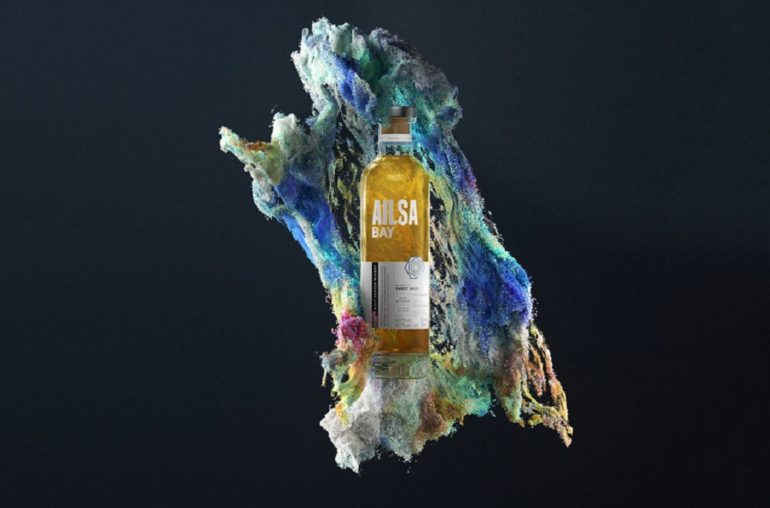
    Independent family-owned distiller, William Grant & Sons has announced the launch of Ailsa Bay in Australia. The single malt is the first whisky in the world to index ‘sweetness’. Following its successful launch in the United Kingdom and Nordics in 2016, Ailsa Bay will now be landing in Australia to serve and content all the Australian whisky enthusiasts.

    Ailsa Bay is created based on an industry-first “sweetness” index which enables the scientific measurement of sweetness.

    This complements a precise calculation of ‘peatiness’ to create a balance between smokiness and sweetness – all driven by advanced technology.

    This method was developed by Malt Master Brian Kinsman at William Grant & Sons.

    Alongside its liquid, Ailsa Bay’s packaging features dynamic artwork which takes its inspiration from the creativity of science, reflecting the boundary-pushing technology at its Girvan distillery.

    Ailsa Bay is available in Australia through Vintage Cellars, select First Choice stores only and Liquorland select stores in December.

  • Transformation in the Thai Retail Market

    Transformation in the Thai Retail Market

    Retail property is one of the most complicated types of real estate development because of the constantly changing behaviours, tastes and needs of consumers. The Thai retail property market has changed enormously over the last 30 years since CBRE established an office in Bangkok and change continues at an even faster rate especially with the growth of E-commerce.

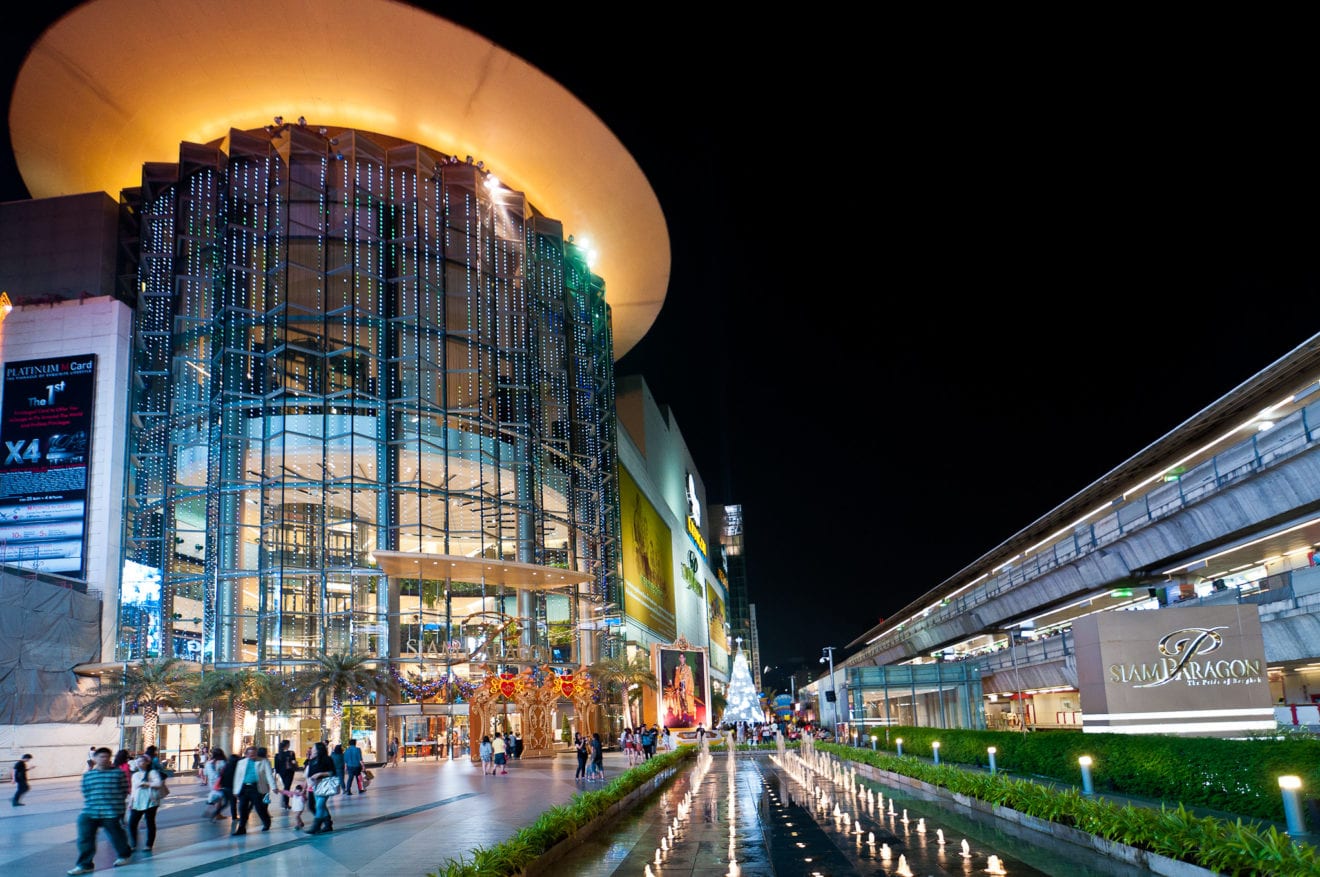
    30 years ago, the Bangkok retail property market was limited to a handful of department stores and a few typical shopping centres like Central Plaza Ladprao completed in 1982, Amarin Plaza completed in 1985 and the original Siam Centre completed in 1977.

    The rest of the retail sector was shophouses and wet markets.

    There are now almost 7.5 million square metres of modern retail property in Bangkok split between department stores, shopping centres, big box stores and other new formats.

    There has been rapid growth and change in the range of retail formats and types of tenant.

    The first 7-Eleven convenience store opened in Thailand in 1989 and there are now 10,268 stores in 2018.

    The first big box store was Makro Ladprao in Bangkapi district in 1989 and now Big C, Tesco Lotus and Makro have over 450 big box stores in Thailand.

    Over the last 30 years we have seen an increased move from traditional retail in wet markets and shophouses to modern retail formats ranging from convenience stores and community malls to giant regional shopping centres such as Central Westgate.

    The modern retail format has spread throughout Thailand with many provincial cities now having modern shopping centres.

    The Thai retail market is, like the rest of the world, facing the new challenge of E-commerce.

    In the UK, E-commerce sales are expected to account for 18% of total retail sales in 2018 and 9.5% in the USA.

    Currently E-commerce sales account for less than 1% of total retail sales in Thailand but this is expected to grow rapidly as E-commerce platforms and infrastructure, including payment systems and distribution have now been established.

    Big players are currently entering the Thai E-commerce market such as Alibaba investing $320 million as well as JD forming a $500 million joint venture with Central Group.

    Retailers will have to adapt to best serve customers in stores and online.

    Retail developers will have to improve the customer experience through design, decoration, events, tenant mix and customer service.

    Retail landlords will have to create a unique environment that focusses on customer experiences. Landlords can achieve this through placemaking in which transforms retail space into “destinations” and “lifestyle centres” to draw more consumers to the area. Landlords may also choose to shift towards greater food and beverage based tenants, such as restaurants, as they provide an experience which cannot be replicated online.

    “clicks” will not totally replace “bricks” but will mean that retailers and retail property developers will have to change.  “Simply building a nice glass box and filling it with brand names, won’t work anymore. “said Ms. Jariya Thumtrongkitkul, head of retail services at CBRE Thailand.“

    Many retailers are trying to pursue an omni-channel approach with both online and offline channels that are fully integrated whereby the digital and physical options complement each other.” Landlords will need to fully integrate the omni-channel approach in which to provide consumers with a frictionless experience across online and offline channels. AI will also have a big role to play in collecting data. Through using interactive apps or customer order history, businesses will also be able to form a more accurate customer profile in which they then can use to personalise their marketing campaigns as well as improving their operations and sales. The use of data can also help retailers better keep up and understand consumer trends and expectations.

    The continuous change in consumer behaviour means that retail property development is much more complicated than office development.  It requires hands on management and constant innovation and improvement.

    The level of commitment and expertise needed is very high and unlike hotels it is rare to subcontract management to a third party in Thailand.

    Even though the economy is improving retailers, retail landlords and developers face big challenges in adapting to the changing environment caused by E-commerce.

    The shopping centre is one of the most successful business models and will not fade away but the competition from E-commerce means that the model will have to evolve to survive.

  • Robinsons Retail income raised by nearly 10 per cent

    Robinsons Retail income raised by nearly 10 per cent

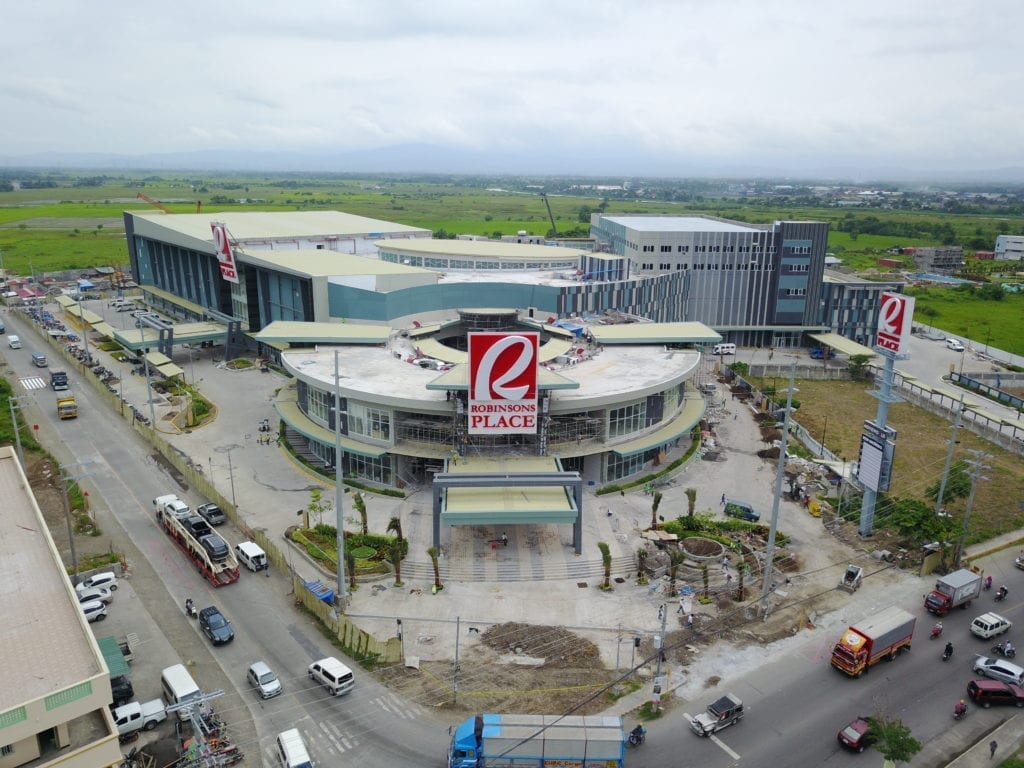
    Robinsons Retail Holdings has boosted net income by 9.8 per cent in the first nine months of this year, to PHP 3.8 billion (US$70.97 million). The improvement followed on from a 13.1 per cent increase in sales for the period, to PHP 91.8 billion ($1.71 billion) which the company said was due to “robust” same-store sales growth of 6.6 per cent across all store formats, along with a contribution from new stores.

    Same-store sales rose by 8.6 per cent in the company’s supermarkets division, which accounts for 46.5 per cent of the group’s total turnover, and by 7.8 per cent in specialty stores and 6.1 per cent in DIY. Same-store sales in the convenience divison rose by 4.5 per cent, in drugstores by a more modest 2.9 per cent and department stores 2.4 per cent.

    Excluding franchised branches of The Generics Pharmacy, Robinsons Retail ended September with 1778 stores, comprising 158 supermarkets, 51 department stores, 206 DIY stores, 496 convenience stores, 499 drugstores and 368 specialty stores. Gross floor area increased by 9 per cent year on year to 1.199 million square meters.

  • Indonesia’s Legendary Tea Producer Declared Bankrupt

    Indonesia’s Legendary Tea Producer Declared Bankrupt

    When Indonesians enjoy a cup of hot black tea,  they are often reminded of one particular brand that seems to have been around forever: Sariwangi. The brand, established by Johan Alexander Supit in 1962 and introduced by the Sariwangi Agricultural Estate Agency in 1973, has been a household favorite for decades.

    The company based in Gunung Putri, a subdistrict of Bogor, West Java, started as tea trader, but soon diversified its business to become a tea producer. Its products were initially in sold in loose-leaf style under a different brand before the introduction of teabags, which changed the way Indonesians drink their tea.

    During the 1980s, the company also started exporting its products to other countries in the region and even as far afield as Eastern Europe, Australia and the Middle East.

    In 1989, the local unit of multinational consumer goods giant Unilever saw a business opportunity and acquired the brand, changing the styling of the name to SariWangi, and introducing several variants, including jasmine tea, green tea and circular teabags.

    The company was still expanding and selling up to 8 million tons of tea per year before it faced an unexpected downturn in 2015. This resulted in Sariwangi and its affiliate, Maskapai Perkebunan Indorub Sumber Wadung (Indorub), reportedly accumulating more than Rp 1 trillion ($66 million) in debt, owed to several lenders.

    In the same year, Bank ICBC Indonesia, HSBC Indonesia, Bank Panin Indonesia, Bank Rabobank Internasional and Commonwealth Bank took legal action against Sariwangi to recover the outstanding debt.

    This prompted Sariwangi to file a petition for a debt postponement in September 2015. In March the next year, the company filed for bankruptcy in the Central Jakarta District Court, but the court did not reach a verdict at the time.

    In August 2016, Bank ICBC Indonesia filed another lawsuit against Sariwangi and Indorub, claiming that the company and its affiliate did not have any intention to repay the Rp 322.7 billion they owed the lender.

    On Oct. 16, the court declared Sariwangi insolvent.

    Unilever Indonesia corporate secretary Sancoyo Antarikso said on Thursday last week that the consumer goods company was in no way affiliated with either Sariwangi or Indorub.

    Unilever said it once partnered with the original company to supply it with tea, but that the partnership had ended long ago.

  • Goldwin to open first own-brand store

    Goldwin to open first own-brand store

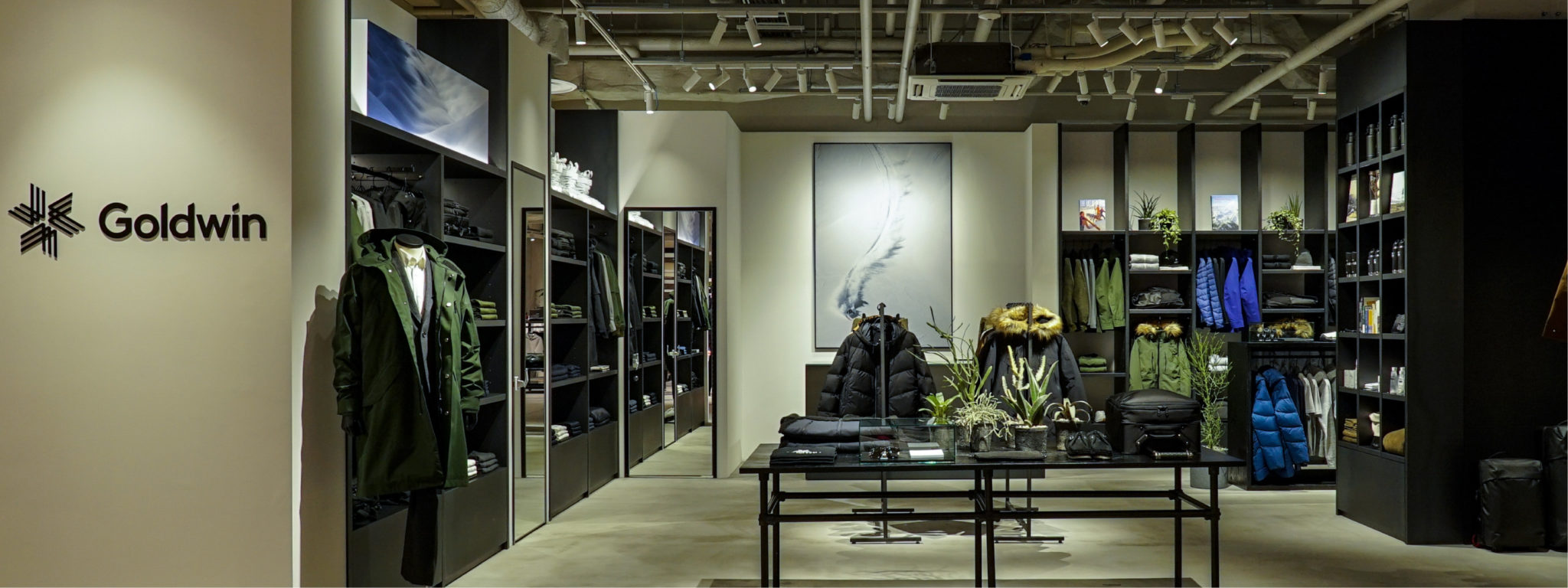
    Japanese outdoor apparel retailer Goldwin is set to open its first independent flagship store in Tokyo. The Marunouchi business district launch, scheduled for November 8, will introduce the brand’s new selection of high-performance sportswear, lifestyle and ski apparel. Highlighted will be two of Goldwin’s best-selling products, the Arris Jacket and the Hooded Spur Gore-Tex Down Coat.

    A Goldwin press release stated that the flagship will allow the firm “to expand its vision and introduce new values, creating a platform where sports and lifestyle merge”.

    Goldwin’s products have previously been made available at The North Face retail stores in Japan and other specialty stores worldwide.

    The company intends to follow this launch with more flagships to open in international locations.

  • Aston Martin Lagonda Appointed New Director of Investor Relations

    Aston Martin Lagonda Appointed New Director of Investor Relations

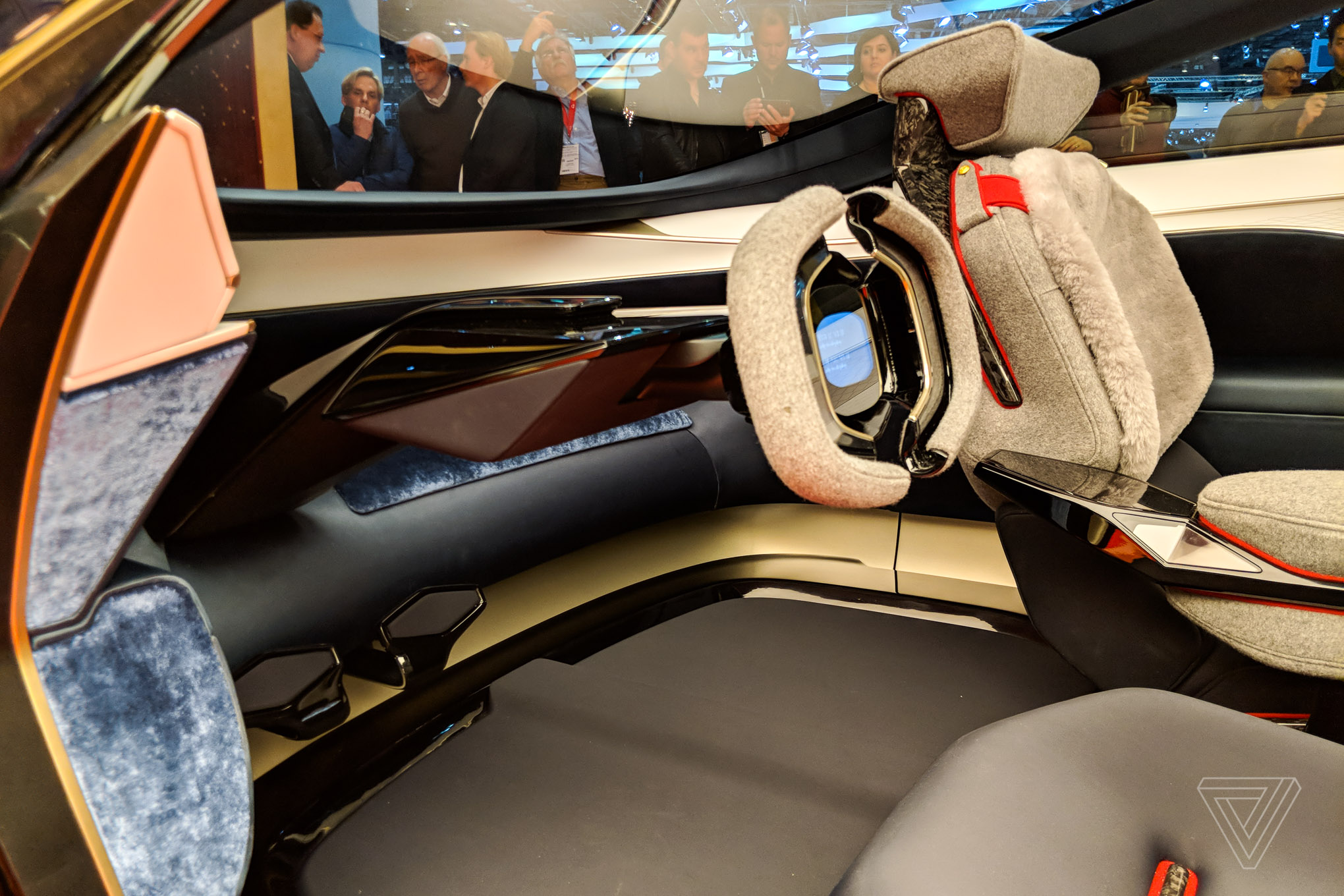
    Aston Martin Lagonda Global Holdings plc (AML) has today announced the appointment of Charlotte Cowley to the position of Director of Investor Relations. Charlotte joins Aston Martin from Burberry plc where she served as Vice President, Investor Relations, and was instrumental in establishing their dedicated IR function. Before this, Charlotte worked in corporate broking at UBS and prior to that, equity research at Credit Suisse.

    In this newly created role, Charlotte will lead the investor relations activities for the company and will report to EVP and CFO Mark Wilson, joining during January 2019.

    Aston Martin EVP and CFO Mark Wilson said: ‘Strengthening our Investor Relations team is a key priority for the business following our successful listing on the London Stock Exchange. Charlotte will bring significant experience to the company at this exciting time in our history. I am delighted to welcome Charlotte to the team as we continue on our execution of our Second Century Plan.”

  • Stocking up on Digitalization to Increase Share-of-Basket

    Stocking up on Digitalization to Increase Share-of-Basket

    With the rise of e-Commerce, Asian retailers are under tremendous pressure to continuously push traditional boundaries and embark on digital transformation to engage consumers. Keeping up with the latest trends in providing the best consumer experience have retailers looking to tech innovations, particularly digital technologies, to play a key role in capturing and keeping customers’ attention and loyalty.

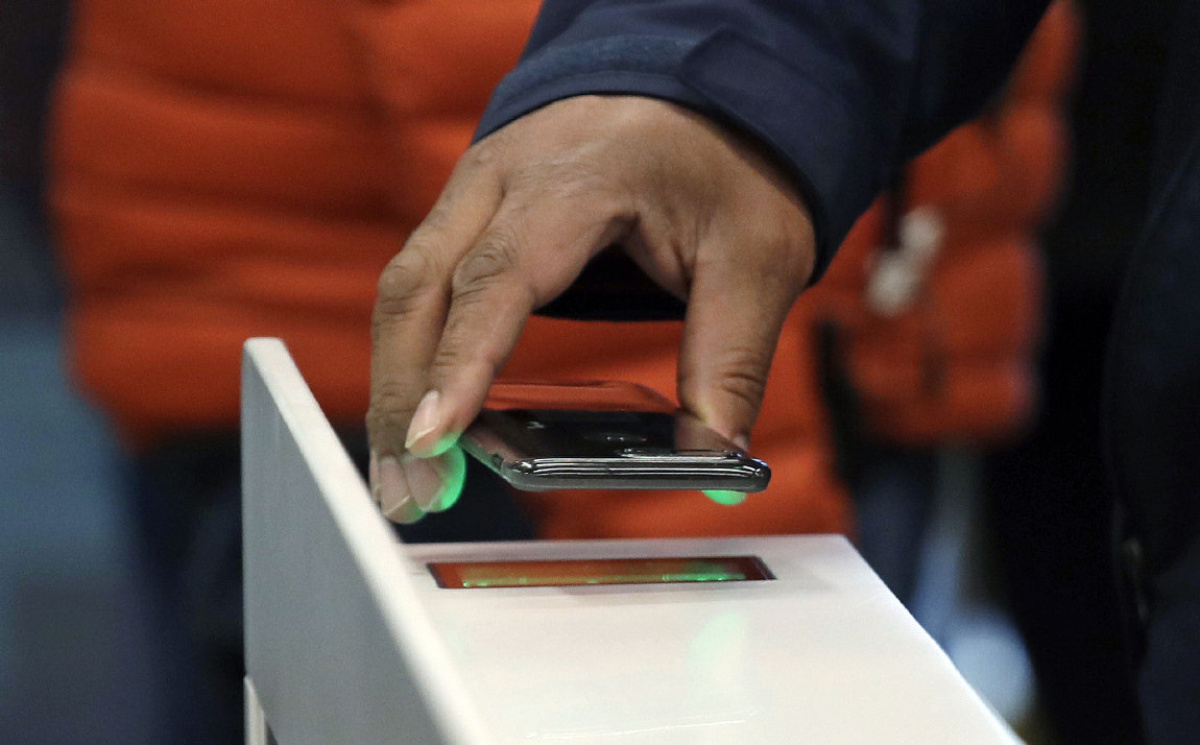
    Technologies such as the cloud, Internet of Things (IoT), mobility solutions, and augmented reality (AR) are driving customer-facing innovations such as digital marketing, smart shopping carts, couponing, and mobile apps – that bring people into the store and keep them coming back. Cloud applications also make it easier for store associates and corporate staffers alike to collaborate and take care of back-office needs.

    The reality is that retailers need to embrace digital transformation and use technology in innovative ways to enhance the customer experience if they want to remain competitive.

    Technology Challenges

    However, rapid adoption of digital in retail not only improves outcomes but ignites new challenges for IT administrators in retail organizations. Among the challenges are how to:

    • Support increased customer engagement with in-store technologies that have high-bandwidth demands
    • Support increasing use of applications in the cloud with a resilient and secure network
    • Ensure connectivity and provide secure access for point-of-sale (POS) applications and electronic payment transactions
    • Ensure performance for real-time applications such as voice, video, and unified communications

    Taking on one of these efforts in the past may have required every resource, but now all of these must be accomplished by the same IT staff.  Also, these changes must be deployed across hundreds and even thousands of store locations spanning vast geographical regions.

    Yet the connective element that brings everything together for retailers –  existing networks are now too complex, too expensive, and frankly, too outdated to support the challenges and opportunities that come from digital transformation. A new approach to the retail network is required.

    With a Virtual Cloud Network, retailers can create an end-to-end software-based network architecture that delivers services to applications and data wherever they are located at global scale from edge to edge, with consistent, pervasive connectivity, and security.

    Faster service delivery on the cloud

    Alfamart in Indonesia is an example of a retailer that embarked on digital transformation by adopting cloud and mobility solutions, and reaped the benefits of a modernized, connected business network.

    Faced with a vast network of over 10,300 minimarts spread across the Indonesian archipelago and basic internet infrastructure in many far-flung areas, it was difficult for Alfamart to convey information in a timely manner across its network.

    The slow flow of information impeded the business’ ability to make critical decisions in a timely manner,  resulting in them not being able to react quickly enough to customer feedback or market trends, and affected overall competitiveness.

    Alfamart decided to connect all of its store employees and partners with a bring your own device (BYOD) strategy and an enterprise mobility management platform over the cloud.

    All store employees are now equipped with the most up-to-date product information, prices and stock level at their fingertips, enabling them to act quickly to meet market trends, and manage peaks in demand for the fast-moving perishable goods they provide.

    This has improved their speed-to-market, reduced training costs by 20 per cent, enhanced mobility across device and platforms, and improved internal communications between management and employees. Customer satisfaction levels have also gone up.

    Keeping systems up and goods in stock at all times

    City Mart in Myanmar is another retailer which benefited from modernizing its legacy IT infrastructure by adopting virtualization. Lengthy downtimes were a common occurrence under their old IT system, which affected their supply chain and resulted in unfulfilled customer orders, negatively impacting revenues.

    The supermarket network implemented a software-defined IT infrastructure and automated certain IT processes, which not only eliminated server downtime but also cut operational expenses by half. Predictive analytics and smart alerts also helped improve the system performance.

    With a new inventory management system, City Mart is now able to gain visibility of their stock across their entire network of 180 stores, whether on storeshelves or in the warehouse. This enabled them to better understand changing consumer demand patterns across different stores, ensure that goods are in stock at all times, and build stronger relations with suppliers.

    Ultimately, the virtualized IT infrastructure supports City Mart’s expanding business, enabling the retailer to meet the needs of Myanmar’s growing consumer class.

    Networking for Retail 2020

    The future of networking is software, and the network of the future is the Virtual Cloud Network. Virtual Cloud Networks allow retailers to create a digital business fabric for connecting and securing applications, data, and users across the entire network in a hyper-distributed world. In this way, retailers can simplify networking and wide area network management, optimize cloud access from all locations, assure high performance for even the most demanding applications, and enforce security and compliance across the network in every store location.


    – Sanjay K. Deshmukh, Vice President and Managing Director, South East Asia and Korea, VMware

  • Hong Kong Top 10 Most Visited Cities in Asia Pacific: Mastercard

    Hong Kong Top 10 Most Visited Cities in Asia Pacific: Mastercard

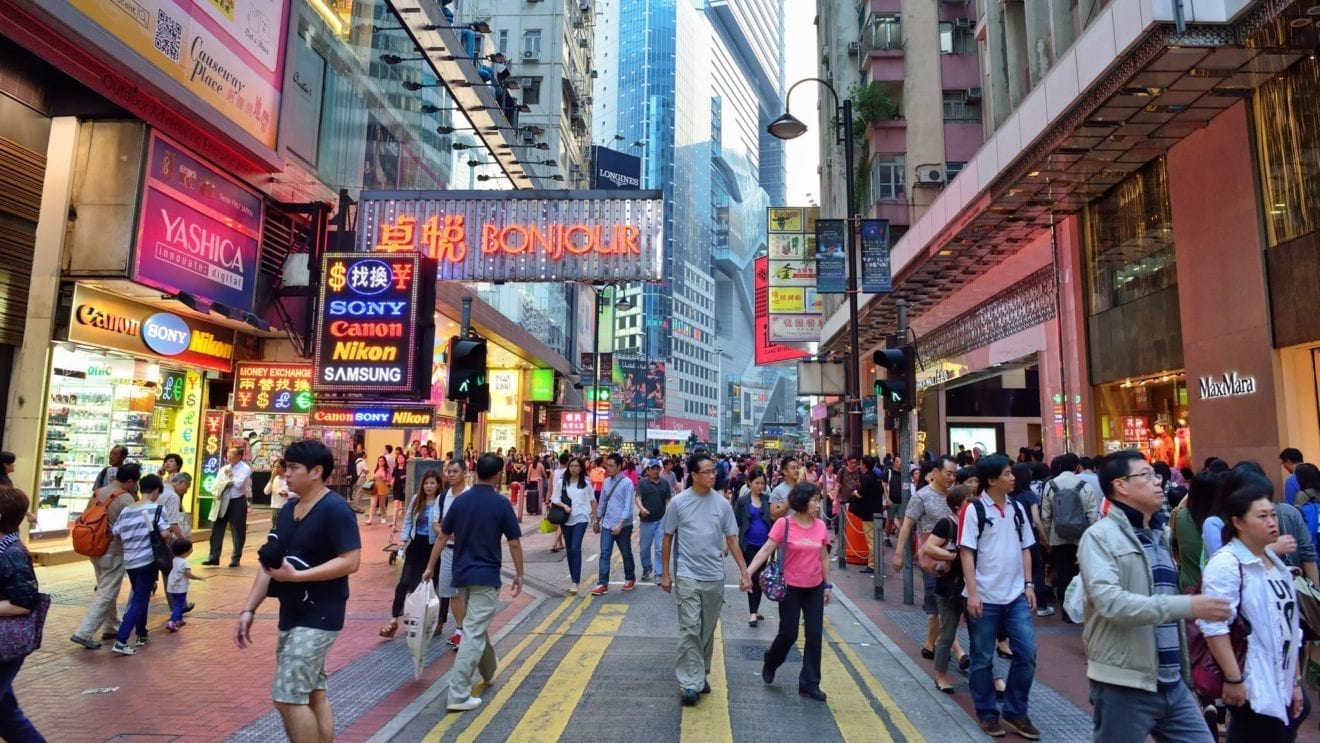
    Hong Kong is listed as one of Asia Pacific’s top 10 most visited destinations for the eighth consecutive year in the Mastercard Global Destination Cities Index 2018 released. Ranked 14th globally and seventh in Asia Pacific, Hong Kong welcomed 9.03 million international overnight visitors in 2017. Despite dropping a notch from ranking the sixth the previous year, the city saw a slight increase in international overnight visitors from 2016 which saw 8.86 million visitors. Overnight visitor arrivals to Hong Kong are forecast to grow by 0.9 percent in 2018.

    The city is currently at the tenth spot regionally, and is also expected to see 3.78 percent growth in international overnight visitor spending from US$5.92 billion in 2017.

    Ranking the world’s 162 top destination cities, the Index analyzes visitor volume and spending for the 2017 calendar year and provides a forecast for annual growth, insights on the fastest growing destination cities, and a deeper understanding of why people travel and how they spend around the world.

    Global & Asia Pacific Highlights:

     Bangkok remains to be the No. 1 destination city in the world with 20.05 million international overnight visitor arrivals, while London came in a close second with 19.83 million visitors. Paris and Dubai came at the third and fourth spots, with 17.44 million and 15.79 million visitors respectively. Singapore remains at the fifth spot with 13.91 million visitors.

     Forty-eight point five percent of travelers to the global destinations came from China, which ranks at number two among the top origin countries, next to the United States with 57.4 percent.

     Dubai continues to be the top ranking destination city in the world based on overnight visitor spend, having recorded an International Overnight Visitor Spend of US$29.70 billion, followed by Makkah and London with US$18.45 billion and US$17.45 billion each.

     The top three overnight international visitors in Hong Kong last year were from the Republic of Korea (12.9 percent), the U.S.A. (9.6 percent) and Taiwan (9.5 percent).


  • Luxasia Vietnam targets generation z buyer

    Luxasia Vietnam targets generation z buyer

    Singaporean luxury beauty and lifestyle distributor Luxasia is making moves into Vietnam. The brand will be targeting younger millennial consumers who are thought to be responsive to social media and social media influencers.

    Luxasia Vietnam is focusing on the nation’s fast-growing economy and strong population of nearly 100 million. It currently offers 20 brands in the market, but is planning to introduce more incrementally. It also has designs on developing new distribution channels via small independent perfumeries, and building an e-commerce platform.

    Luxasia’s regional MD Karen Ong said of the Vietnamese market potential for beauty products, “It is still very much big brands focused. People want to use something other people recognise.”​

    Regarding the business climate, Ong commented: “In Singapore we take things for granted. We shake on it and we think it’s done and that everyone knows what to do. But there, you have to follow up and chase. There’s a lot of email back and forth. It reminds me of how we used to do business 10 to 15 years ago.”

    “It’s still very relationship based, the speed is much slower, and even if you plan way in advance, things may not always execute the way you have planned. The follow up has to be very close and you have to be very prescriptive in the way things want to be done.”​

  • Uniqlo acquires stake in Vietnamese brand

    Uniqlo acquires stake in Vietnamese brand

    Uniqlo’s parent, Fast Retailing, has acquired a 35 per cent stake in Hanoi-based women’s fashion brand Elise. Elise, which has more than 100 stores across the country, is said to have received tens of millions of dollars from the deal – a figure much higher than its entire charter capital.

    This is Fast Retailing’s first significant move into Vietnam since it announced it would launch its Uniqlo brand in Ho Chi Minh City next year.

    The store will be operated by a joint venture between Fast Retailing and Mitsubishi Corporation.

    Vietnam is one of the markets Uniqlo is counting on to double its store network in Southeast Asia and Oceania to around 400 by 2022.

    Uniqlo’s arrival in Vietnam will intensify competition for foreign brands as Zara and H&M who have already successfully launched there.

    According to German firm Statistics Portal, Vietnam’s fashion revenue will annually grow 22.5 per cent from 2017 to 2022, and its clothing sales will surge to an estimated US$245 million this year.

    Another fashion group from Japan, Stripe International, has reportedly bought NEM, a Vietnamese fashion brand which targets female office workers.

  • WK Life launches its flagship store at Mall of India

    WK Life launches its flagship store at Mall of India

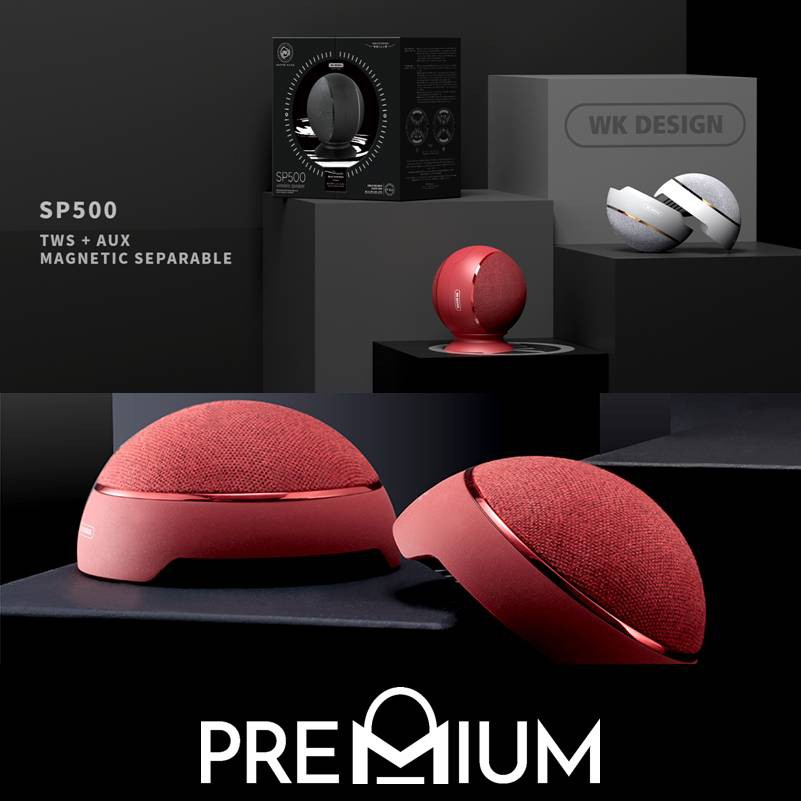
    Electronics and accessories retailer WK Life is launching its first Indian flagship at DLF Mall of India, Noida. The firm is entering the Indian market on the strength of its more than 1000 outlets in 60 countries worldwide. The 1000sqft flagship stocks a broad range of the brand’s products designed according to the ideas of its customers.

    WK Life director Rohit Sahni said the launch of the company’s first store in India is a significant achievement. “The decision to enter the Indian market has been driven by the anticipated growth in this untapped sector which is worth ₹10,000 crore.”

    WK Life retails bluetooth speakers, laptop accessories, travel luggage and gear, household electronic articles and car accessories.

  • Pepsi India betting big on digitisation for growth; to connect 10 million retailers

    Pepsi India betting big on digitisation for growth; to connect 10 million retailers

    Food and beverages major PepsiCo India is betting on digitisation as a big growth opportunity and is looking at using technology in both backward and forward integration. According to a report: The maker of Lay’s, Kurkure and many a cola brand, including Pepsi, said it is working on a project to digitally connect about 10 million retailers along with about 600 million consumers, with the supplier.

    Ahmed El Sheikh, President and Chief Executive Officer, PepsiCo India, said that the company has just finalised a project which is digitising the total supply chain within PepsiCo India, end-to-end.

    “We are working on another project to digitise our connection with farmers. We are talking about thousands of farmers where we want to be connected with the crops in the field, getting certain parameters measured and taking corrective action against it through digital solutions.

    “We are using digital in backward integration of supply chain network,” he said.

    Sheikh said the company is making technology as the cornerstone and building the business around it.

    “We are looking at how technology is going to reshape India and I think this is one of the key enablers to unleash the potential of our business in the country,” he said.

    The company, which reported profit in 2017-18, after a gap of seven years, is bullish on the prospects in the country and is rolling out the first river shipment of its snack portfolio from Kolkata to Varanasi.

    “We are going to start the first river shipment this month, from Kolkata to Varanasi. This is based on GST, which we are leveraging. We are starting a pilot with the Government.

    “It is the first containerised movement on inland waterway on river Ganga,” he said.

    Sheikh, PepsiCo India’s first expat president, further said the company, which has been in the country since 1989, isseeing healthy growth coming out of India, which is well balanced between food and beverage, while the nutrition segment comprising Quaker Oats and Tropicana, is growing faster albeit on a lower base.

    “We need to be positive growth driver for PepsiCo, but that growth needs to be sustainable and responsible,” he said.

    He added that the water and juice segment outgrows the soft drink segment in India, and the company is counting on being glocal to succeed in the food segment.

  • Strongest L’Oreal sales growth in 10 years led by APAC

    Strongest L’Oreal sales growth in 10 years led by APAC

    L’Oreal sales in Asia Pacific soared 25.8 per cent on a like-for-like basis in the latest quarter – making it the French-headquartered company’s strongest international market. Sales in the region hit €1.794 billion in the quarter and €5.342 billion year to date, an increase of 23.3 per cent.

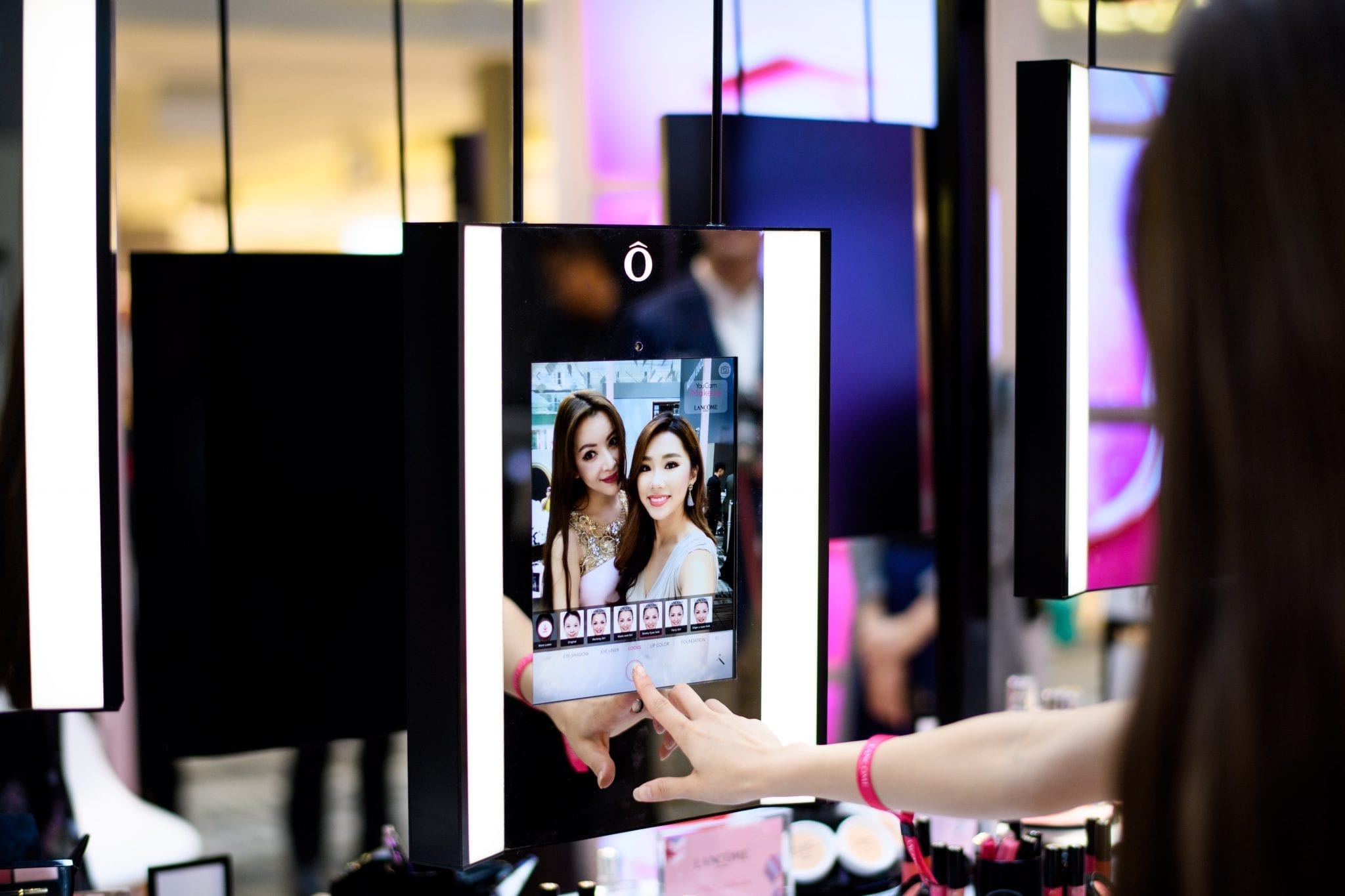
    “This acceleration in growth is boosted by strong demand from Chinese consumers, and the dynamic sales of the Lancome, Kiehl’s, Giorgio Armani, Yves Saint Laurent and L’Oreal Paris brands,” the company said in a statement.

    “In Northern Asia, the key factor remains the strong growth in China and Hong Kong, and in travel retail. In Southern Asia, sustained growth is continuing, particularly in India and Malaysia.”

    L’Oreal chairman and CEO Jean-Paul Agon said the company achieved its highest quarterly growth rate for 10 years in the three months to September 30. Worldwide sales reached €6.473 billion, up 7.5 per cent.

    “In a beauty market that continues to accelerate, driven by robust growth in skincare, the group maintains its strong momentum, with contrasted performances between the divisions. L’Oreal Luxe is showing dynamic growth, underpinned in particular by its four biggest brands, Lancome, Yves Saint Laurent, Giorgio Armani and Kiehl’s. The active cosmetics division, which continues to post double-digit growth, is being driven worldwide by consumer aspirations for dermocosmetics and the quality of its brand portfolio,” he said.

    While the consumer products division is being held back by persistent difficulties in some countries, the L’Oreal Paris and Maybelline New York brands are maintaining strong momentum.

    Travel retail globally was a standout for the group, posting growth of 29.9 per cent for the quarter and online sales grew by 38.3 per cent to now account for 9.7 per cent of L’Oreal’s turnover.

  • Xiaomi is coming to UK

    Xiaomi is coming to UK

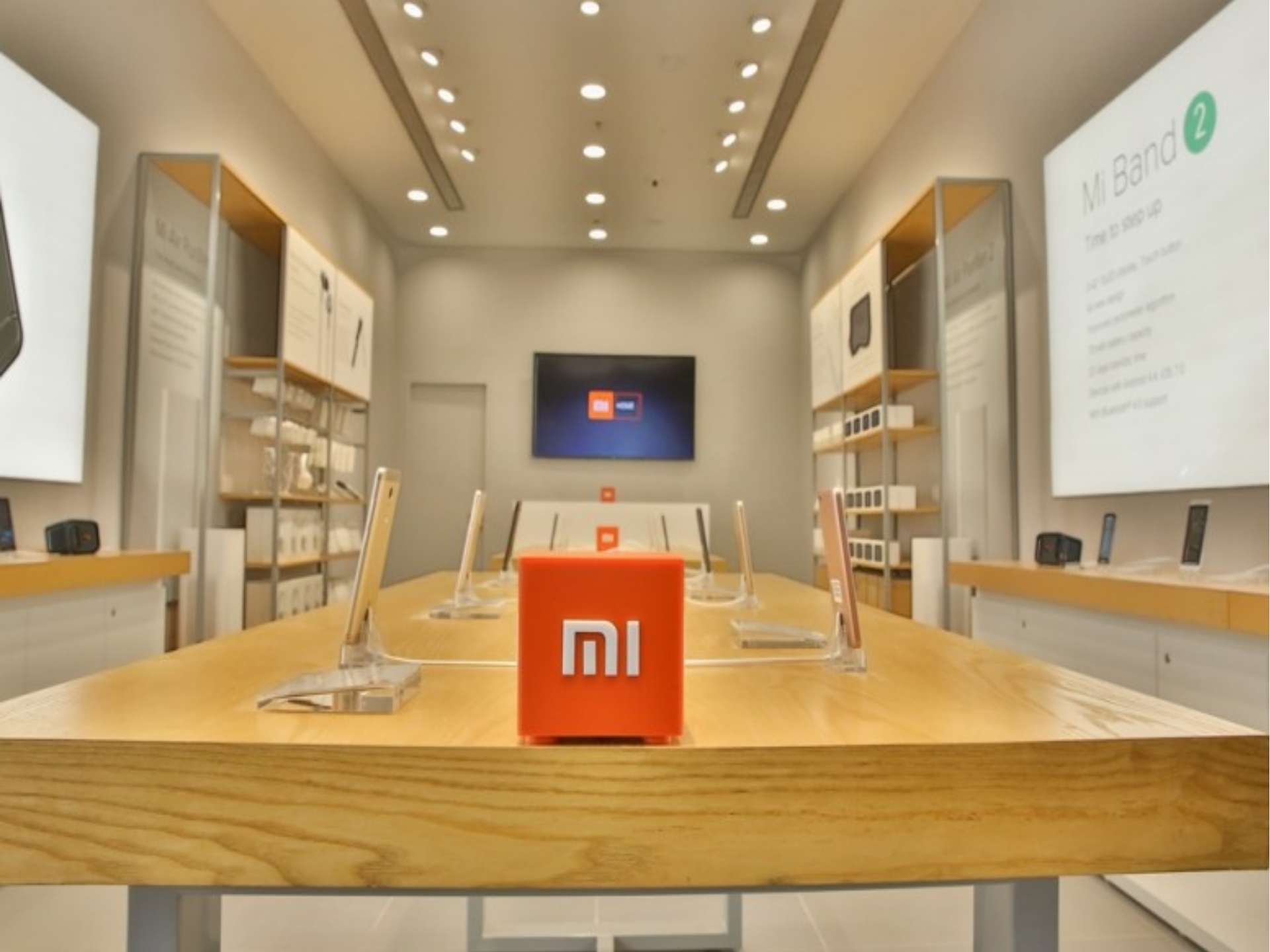
    Xiaomi will open its first store in the UK next week. The fast-growing Chinese electronics company will also sell its smartphones through the Three network, giving the brand exposure in hundreds of stores across the UK and in the Republic of Ireland.

    The Xiaomi UK launch follows openings in Spain and Paris as it joins other major global phone brands fighting for European market share.

    The first store, to be located in Westfield London, will open on November 10 and besides smartphones, will sell consumer electronics and accessories.

    In a Tweet, Xiaomi global spokesperson Donovan Sung wrote: “Excited to announce that Xiaomi will be officially entering the UK. See you all in London!”

    Just eight years after its launch, Xiaomi is now sold in 80 countries and boasts 200 million users. Already the fourth-largest smartphone brand in the world, behind Samsung, Huawei and Apple, Xiaomi sold 28.5 million handsets in the first quarter of this year.