Tag: asia

  • SE Asia Stocks end firmer; Vietnam gains 2.9 percent

    SE Asia Stocks end firmer; Vietnam gains 2.9 percent

    Southeast Asian stock markets ended higher on Wednesday tracking a firm finish on Wall Street, though they posted heavy losses in October.

    Financial markets across the globe faced a raft of negative factors, including Sino-U.S. trade tensions, to worries about global economic growth, higher U.S. interest rates and company earnings in the past few weeks.

    In Southeast Asia, Singaporean shares ended 1.8 percent firmer, but lost 7.3 percent this month.

    Conglomerate Jardine Matheson Holdings Ltd closed up 0.9 percent, while lender DBS Group Holdings Ltd added 2.9 percent to the bourse.

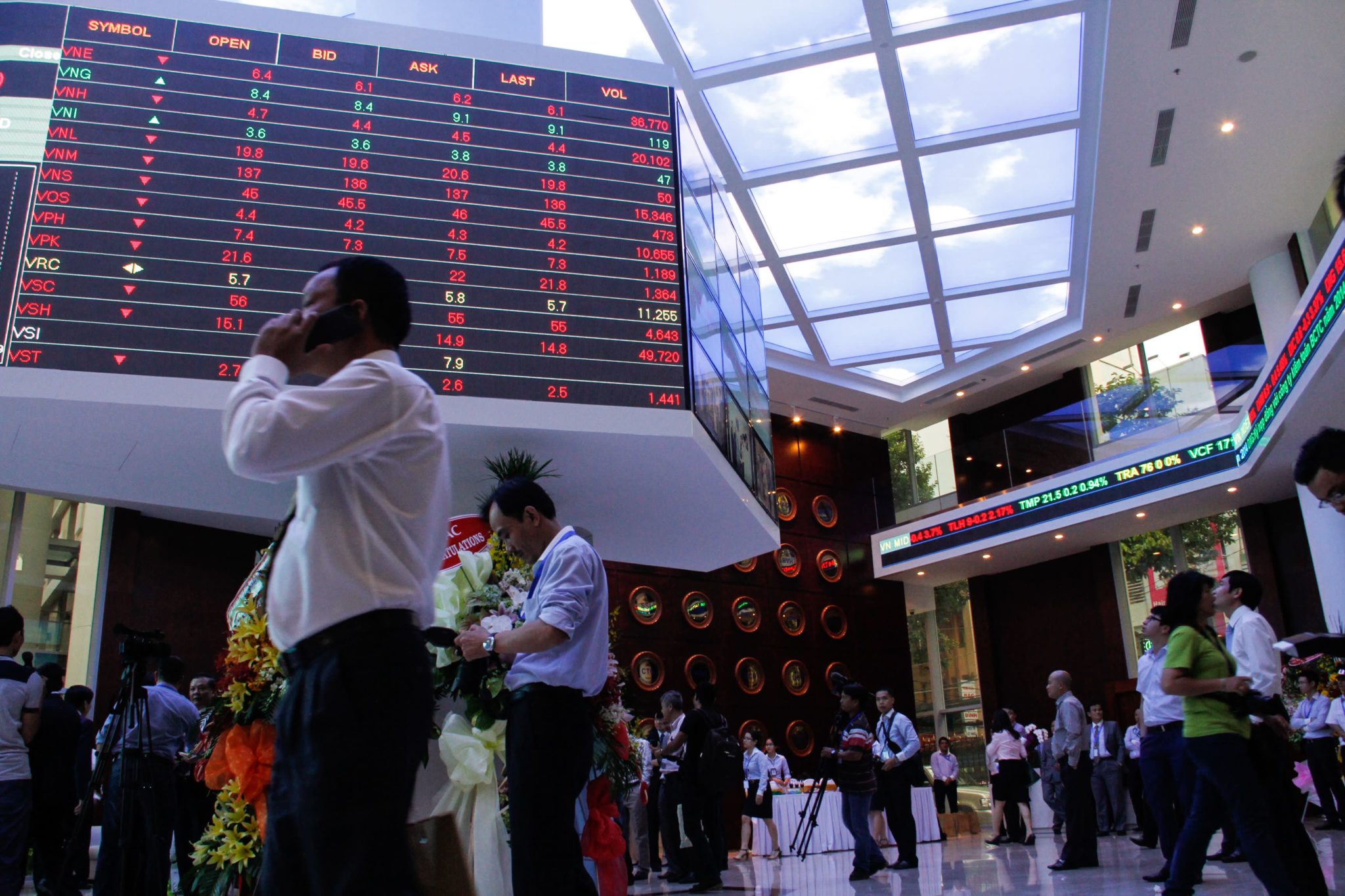
    Vietnam shares snapped nine sessions of declines to close 2.9 percent higher.

    Banking sector stocks accounted for most gains, with Joint Stock Commercial Bank for Investment and Development of Vietnam (BIDV) closing 6.9 percent higher. BIDV, Vietnam’s second-biggest bank by market value, said it intends to sell 15 percent shares to South Korea’s KEB Hana Bank.

    Meanwhile, gains in the real estate sector were led by Vinhomes JSC after the property developer posted a 177 percent surge in third-quarter net profit.

    Malaysian shares closed 1.4 percent firmer as sentiment was balanced on hopes that cost-saving measures will be included in the country’s 2019 budget due later in the week.

    The country’s newly elected government, led by Prime Minister Mahathir Mohamad, is likely to announce broad spending cuts in the budget speech scheduled on Nov 2.

    The Philippines market rebounded from previous session’s declines, underpinned by broad gains in the industrial and real estate stocks.

    Thai shares ended firmer on the back of energy stocks, which gained on higher oil prices. However, the index posted a 5.2 percent drop for the month.

    The biggest gainer on the index, petroleum and gas company PTT Pcl, closed at its highest in more than a week.

    The bourse was further cushioned by data from the Bank of Thailand, which stated September trade surplus of Thailand was at $1.96 billion, after a $0.60 billion surplus in August.

  • Jack Ma’s strategy in final letter to shareholders

    Jack Ma’s strategy in final letter to shareholders

    In his final letter to shareholders, Alibaba founder and executive chairman Jack Ma made a case for globalisation despite recent uncertainties in US-China trade relations, consumer trends, stock markets and the manufacturing industry.

    This is the third time that Alibaba has faced a setback in the global economy over the 19 years, but experience suggests there are opportunities behind the anxiety and friction.

    “The only question is how we should pivot,” he said.

    “Monumental challenges give rise to monumental opportunities, and Alibaba is well-positioned because we are adept at weathering adversity.”

    Ma added that Alibaba’s mission to make it easy to do business anywhere is precisely suited to the current environment, in which doing business is becoming harder.

    “We have spent the past three years to develop a trading system that serves small and medium enterprises and consumers around the world,” he said, referencing the company’s goals of ‘global buy’, ‘global sell’, ‘global delivery’ and ‘global travel’.

    “I am excited that we are able to deploy Alibaba’s technology, experience and resources, thereby establishing and improving a new and inclusive global trade system for the future.”

    Alibaba claims to have helped 200,000 brick-and-mortar retailers to implement online and offline integration in line with its New Retail vision.

    Ma reaffirmed the company’s commitment to sustainable growth for at least 102 years, with the goal of serving two billion global consumers, empowering 10 million profitable businesses and creating 100 million jobs by 2036, even as he prepares to step down from the board in September 2019, when CEO Daniel Zhang will take over his role as executive chairman.

    But Ma said he will “always be happy to engage in any discussion about the company at any time in the future” and will remain a shareholder in the company and partner in the Alibaba partnership.

    He thanked Alibaba’s shareholders for their trust and support and promised that the company would not stop innovating to solve problems and create value, market opportunity and profitability.

  • Ocean Park to open a luxury Marriott hotel in 2019

    Ocean Park to open a luxury Marriott hotel in 2019

    Ocean Park will soon open its first ever hotel next year with an aim of further boosting the number of visitors. Developed by Lai Sun Group, the hotel has launched its soft opening early this week. According to Peter Lam, chairman of Lai Sun Group, the hotel will undergo further testing and trials in the next two to three months before its grand opening.

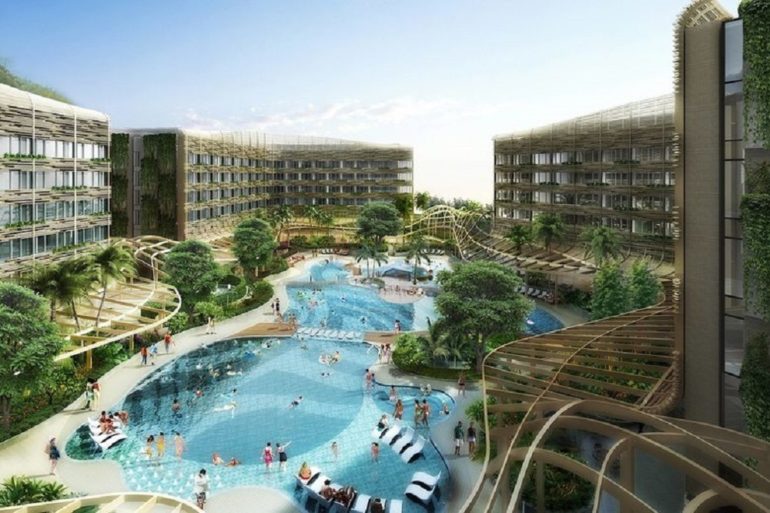
    Designed by Aedas, the Hong Kong Ocean Park Marriott Hotel comprises three towers – the Pier Wing, Club Wing and Marina Wing with 471 rooms.

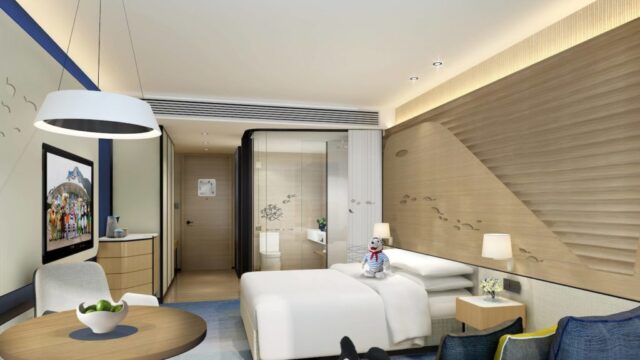
    Three types of Ocean Park-themed rooms (Whiskers Submarine, Bao Bao Paradise, Redd Forest) are featured at the Pier Wing and Marina Wing.

    The rooms are so far said to cost about HK$2,100 on average.

    Targeting families on leisure and business travellers, the hotel includes a pillar-free ballroom spanning 1,200 square metres – one of the largest hotel facilities for events and meetings, the executive M Club, a signature outdoor lagoon pool, four restaurants and bars, and Harnn Heritage Spa.

    “The new destination resort offers a unique getaway experience in Hong Kong and is a perfect example of what Marriott means by travelling brilliantly,” said Mike Fulkerson, vice president, brand and marketing Asia Pacific, Marriott International.

    “There’s adventure on the site of Ocean Park Hong Kong, one of Asia’s leading conservation theme parks, convenient access to Hong Kong’s lesser-explored green spaces and remarkable proximity to the city’s shopping and business districts, broadening our guests’ perspectives and experiences in this globally renowned city.”

    In line with Ocean Park Hong Kong’s core value of environmental protection, the hotel is designed with the initiatives of sustainable future and reducing its environmental footprint.

    The façade features energy-saving components to keep the building cool in summer, as well as rainwater collection and vertical planting systems.

    It will also launch its own green education programme for kids and guests.

    The hotel will also be rolling out “M Passport”, a pilot programme that aims to encourage young visitors to participate in various resort activities with educational and fun themes, such as seashell art, scavenger hunts and dinners.

    Completion of each activity is linked to rewards and treats that’s tracked using a specially designed passport.

    Customers will be able to book exclusive packages for Ocean Park, such as tailor-made educational programmes, breakfast with animal experience with seasonal offers and access to unique animal programmes at the park.

    Leo Kung, chairman of Ocean Park Hong Kong said that the integration of the first hotel into Ocean Park by Marriott International signified the park’s transformation into a resort destination and reinforced its position as a leading “edutainment” attraction in Hong Kong.

    “From planning the stay, savouring magnificent hospitality at the hotel to enjoying delightful entertainment and animal encounters at the park, guests can expect a seamless journey filled with the thrill of discovery. The resort will bring unique experiences for the community and our next generation of visitors,”Kung concluded

  • OVO lead in Cashless Payment Race in Indonesia

    OVO lead in Cashless Payment Race in Indonesia

    Lippo-backed cashless payment service OVO has announced a partnership with Tokopedia, Indonesia’s largest e-commerce platform. OVO said in a statement on Wednesday that the deal would help it cement its position as the country’s largest mobile payment platform in terms of transaction volume and reach.

    “The partnership will add Tokopedia’s close to 80 million active monthly users to OVO’s existing userbase of 60 million. It will also add more than 4 million Tokopedia merchants to what is already a market-leading merchant network, covering malls, smaller retailer, as well as GrabFood partners and Kudo agents,” the company said in the statement.

    OVO has been partnering with online-based ride-hailing service Grab since December last year, while also targeting brick-and-mortar shops and restaurants across Indonesia.

    “We see this landmark partnership as a validation of our strategy to enable payments for all Indonesian companies, both online and offline. Cash is a very difficult habit to break and consumers will only switch to cashless if it’s easier and safer than cash,” said Harianto Gunawan, director of enterprise payments at OVO.

    OVO chief executive Jason Thompson said the company expects a surge in new users and additional transactions from the e-commerce platform.

    “We have a very bullish outlook as we close out 2018. Having established ourselves as the No. 1 mobile payment platform by transaction volume, this partnership with Tokopedia and our push into e-commerce will further accelerate our growth,” Thompson said.

    The company said OVO is now available in 90 percent of shopping malls across the country, offering cashless payment options to customers at hypermarkets, department stores, coffee shops, cinemas, parking operators, hospital chains and food and beverage outlets.

    It has also set a target to expand QR-code payments to 100,000 small and medium enterprises by the end of this year.

    OVO’s online-to-offline business comprises its partnerships with Grab and Kudo, a service that allows individual agents to sell digital products, such as phone credit, tickets or insurance, to customers. Kudo currently has about 1.7 million agents in its network.

    OVO said its latest deal with Tokopedia would allow it to reach 93 percent of districts in Indonesia currently served by the e-commerce platform. It also plans to secure more deals with other e-commerce platforms.

  • High occupancy pays off for CapitaLand China malls

    High occupancy pays off for CapitaLand China malls

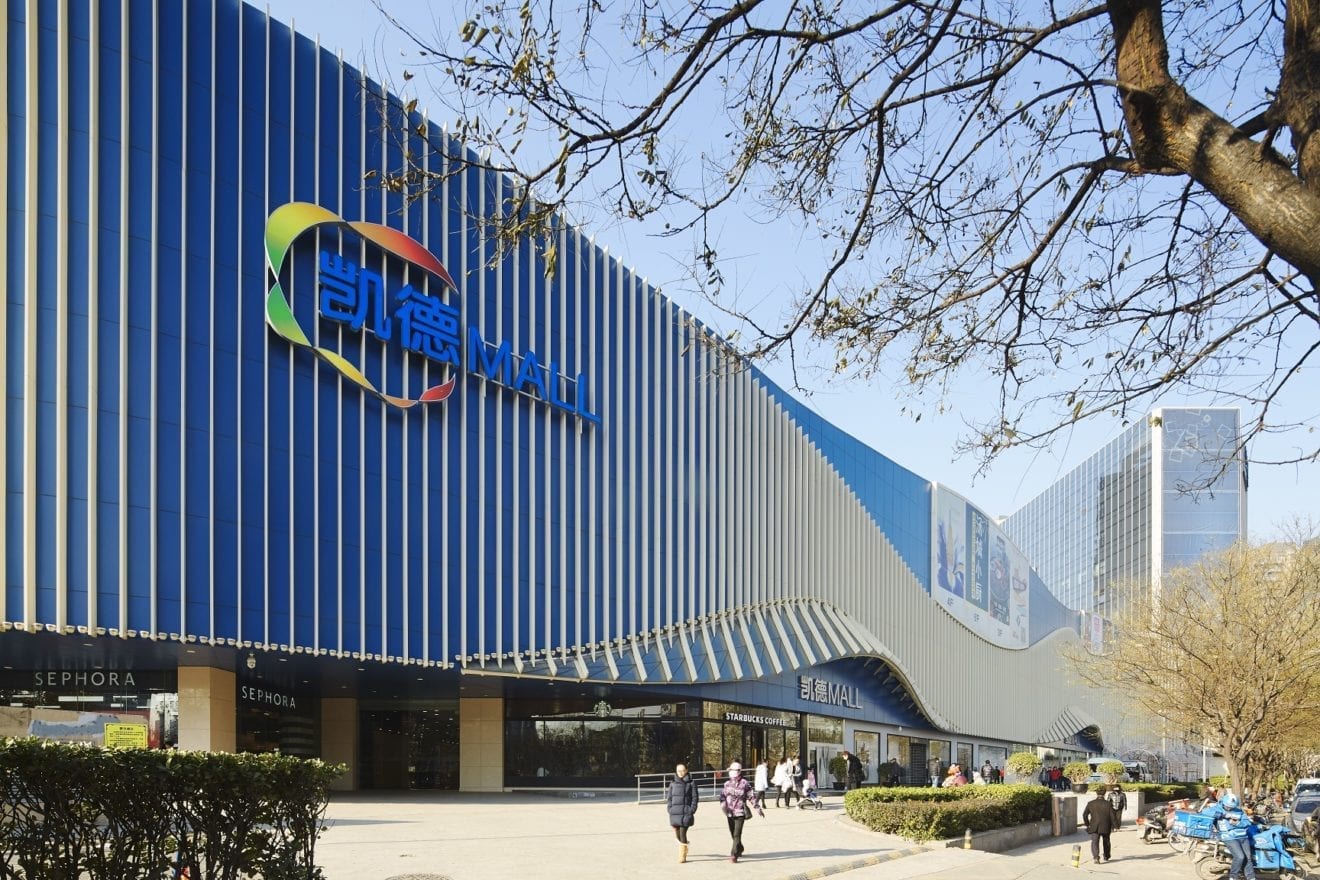
    High occupancy rates of the CapitaLand China malls portfolio helped deliver a 10.5 per cent increase in distributable income in the three months to September. CapitaLand Retail China Trust Management Limited (CRCTML), the manager of CapitaLand Retail China Trust (CRCT), says income reached S$23.6 million this year, compared with $21.4 million the same quarter last year.

    CRCTML CEO Tan Tze Wooi said China’s retail sales rose 9.3 per cent year on year during the first nine months of this year to RMB 27.4 trillion (US$3.93 trillion), while urban disposable income and expenditure per capita grew 7.9 per cent and 6.5 per cent respectively.

    “China is now growing from a larger base and its long-term fundamentals remain strong,” he said. “With our quality portfolio of malls offering holistic lifestyle experiences, CRCT will stand to benefit from China’s improving household income and rising consumer aspirations.”

    During the latest quarter, CRCT achieved a 2.2 per cent increase in net property income to $36.7 million, driven by broad-based rental growth and effective cost management.

    Wooi said the trust’s portfolio achieved an occupancy rate of 97.7 per cent at the end of September and rental reversion was “a robust 12.1 per cent”.

    “Our active asset management strategy with a tailored approach for each mall is progressing well. Rock Square registered a strong positive rental reversion above 20 per cent for the third consecutive quarter by bringing in 25 prominent international and domestic brands, many of which are new-to-market in Haizhu District.

    “To differentiate CapitaMall Qibao’s offerings, we increased its exposure to the resilient learning and education sector by more than three times over the last five years. We also expanded the rooftop playground to host more interactive activities that are popular with children, further enhancing CapitaMall Qibao’s attractiveness to young families.”

    CRCT is the first China shopping mall Real Estate Investment Trust (Reit) in Singapore, with a portfolio of 11 shopping malls: CapitaMall Xizhimen, CapitaMall Wangjing, CapitaMall Grand Canyon, CapitaMall Shuangjing in Beijing; Rock Square in Guangzhou; CapitaMall Xinnan in Chengdu, Sichuan Province; CapitaMall Qibao in Shanghai; CapitaMall Minzhongleyuan in Wuhan, Hubei Province; CapitaMall Erqi in Zhengzhou, Henan Province; CapitaMall Saihan in Hohhot, Inner Mongolia; and CapitaMall Wuhu in Wuhu, Anhui Province.

  • Charles & Keith is expanding in Hong Kong

    Charles & Keith is expanding in Hong Kong

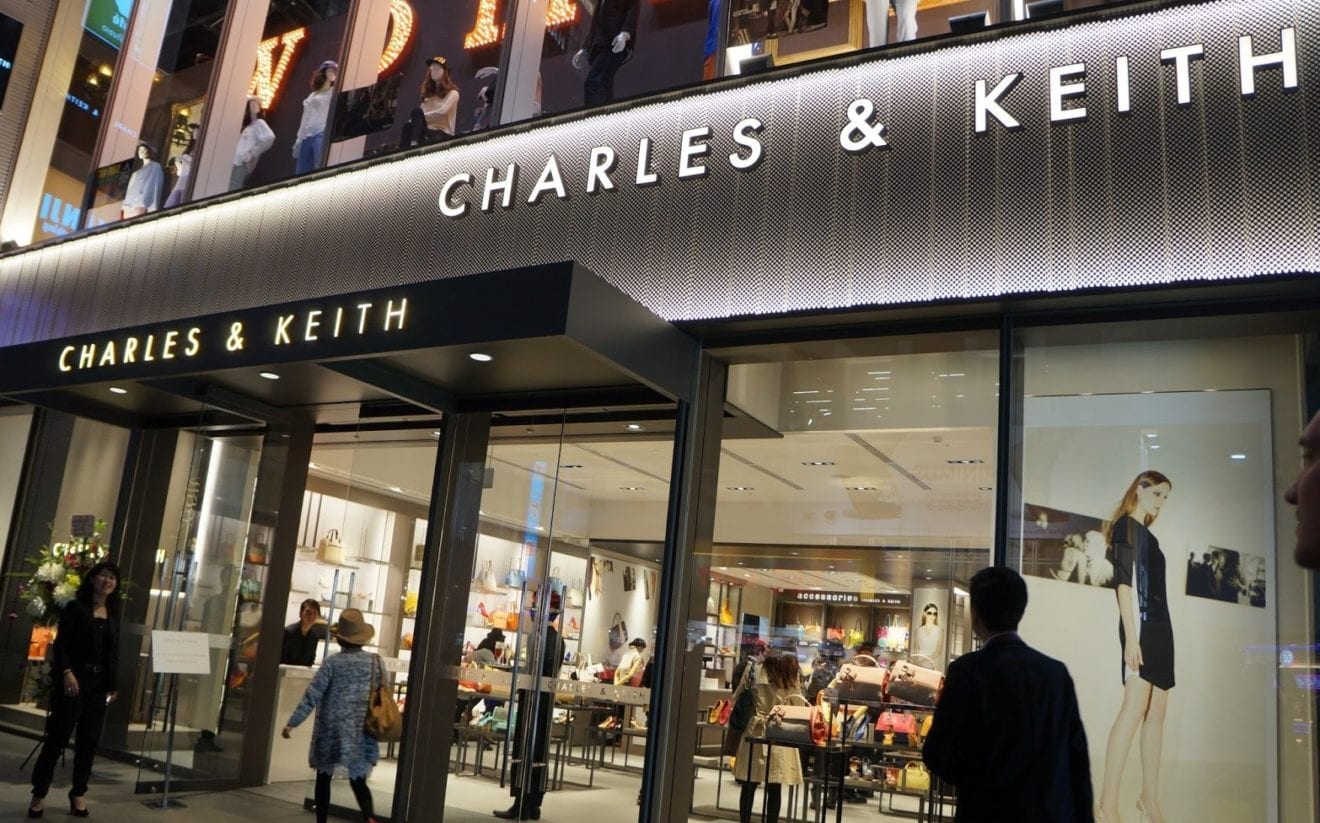
    Charles & Keith is the go-to label for accessible designs that are on the cutting edge of fashion. This October, Charles & Keith has expanded its retail reach by opening two new stores in Hong Kong. These stores would be the first to open in the city.

    The new stores are located at Parker House, Central and New Town Plaza, Sha Tin respectively.

    Parker House opened two days ago and it occupies a coveted spot in the prime CBD district while New Town Plaza is a trendy flagship shopping centre that offers an exceptional array of shopping, dining and lifestyle facilities.

    The aesthetics of the new Charles & Keith stores is inspired by the brand’s refined design philosophy and aim at reflecting a sophisticated simplicity.

    To provide customers with a curated experience, each section of the store communicates the different stories of the season.

  • Renewable project facing criticism in Korea

    Renewable project facing criticism in Korea

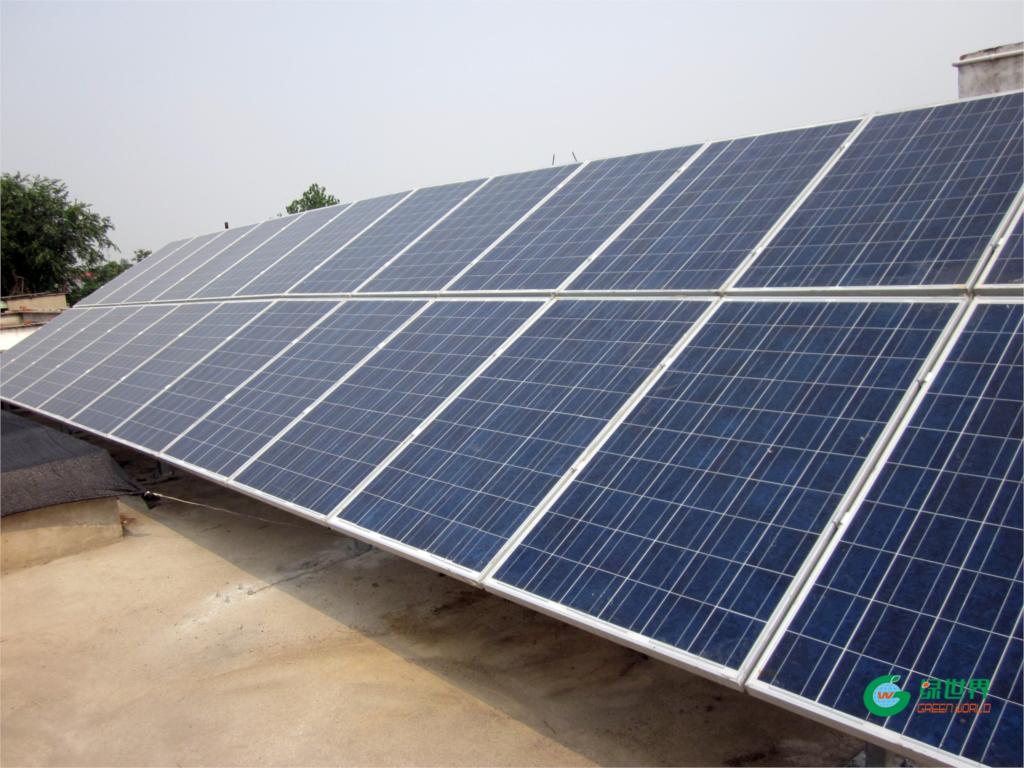
    The government’s plan to build a renewable energy complex at Saemangeum, North Jeolla, is generating controversy as it deviates from plans to develop the reclaimed tidal flat into a regional economic hub and is being pursued without public approval.

    The controversy flared up as President Moon Jae-in announced Tuesday that the government will construct a solar and wind energy complex at Saemangeum.

    The government argues that around 10 trillion won ($8.7 billion) in private investment will flow into the project and that two million workers will be employed annually in the building of the facility.

    Despite the optimistic forecasts, the move is being criticized as an abrupt policy shift.

    When President Moon Jae-in visited Saemangeum last year, he mentioned developing the area into an economic hub for the Yellow Sea region but said nothing of solar or wind power. Opposition lawmakers have raised concerns about the projects.

    “The government’s plan to make Saemangeum, previously touted to be developed into an economic center for the Yellow Sea, into a mecca of renewable energy means a policy change,” said Chung Dong-young, a lawmaker for the Jeolla-based Party for Democracy and Peace. “This is the same as abandoning plans to expedite the development of Saemangeum.”

    The Party for Democracy and Peace, with 14 lawmakers from the Honam region, is especially angry about being bypassed.

    In light of such concerns, the government has explained that plans for Saemangeum’s renewable energy complex, which will cover an area comparable to the size of four nuclear power plants, will not interfere with existing initiatives.

    “The government’s determination to develop Saemangeum into an economic hub of the Yellow Sea area remains unchanged,” Minister of Land, Infrastructure and Transport Kim Hyun-mee said during the annual audit by lawmakers on Monday.

    A spokesman for the state-run Saemangeum Development and Investment Agency explained that it was not the right time for consultations with local residents and the general public.

    “Taking comments from local residents is done during the construction approval process. We are not yet at the development stage, so we haven’t asked for [comments], but we are obviously planning to do so,” he said.

    Opposition lawmakers and energy experts are suspicious that the plans for Saemangeum were changed to accommodate the Moon administration’s pledge to reduce nuclear power dependency.

    The new Saemangeum initiative is part of the government’s 3020 renewable energy plan, which established a renewable target of 20 percent by 2030. With current renewable energy output at just 8 percent of the total, the government is in need of more solar and wind power plants.

    “[The government] seems to be developing Saemangeum as there aren’t vast plots of land in the country suitable for solar or wind power complexes,” said a professor of nuclear energy who requested anonymity.

    Questions regarding the feasibility of the energy project have also been raised.

    “The electrical output produced by the energy complex will be little, at around 60 percent of a nuclear power plant,” said Kim Sam-hwa, a lawmaker for minor opposition Bareunmirae Party. “If it means building six-tenths of a nuclear power plant by spending 10 trillion won, wouldn’t it just be better to continue operating the Wolsong 1 plant?”

    Wolsong 1 is a nuclear plant set to be decommissioned.

    At the moment, renewable energy is less economical when compared with nuclear energy, explained Roh Dong-seok, a senior researcher at the Korea Energy Economics Institute. As the efficiency rate for solar power is about 15 percent, the actual production output of solar power plants is much lower than their rated capacity.

    The government’s promise to return the plots of land to their original state after operating solar and wind power plants at the location for 20 years is in doubt as the energy produced will have to be replaced.

    Local residents remain divided over the new project.

    “Even if it’s a government project, I can’t accept something that is pushed without prior notice,” said Ko Yoon-seok, a local leader of a town adjacent to the tidal flat. “There isn’t enough information to determine whether it’s right or wrong, but it’s difficult to say that everyone is against it.”

  • N°21 signs with Lee & Han for South Korean distribution

    N°21 signs with Lee & Han for South Korean distribution

    N°21 has major expansion plans in South Korea. The Italian fashion label designed and led by Alessandro Dell’Acqua has signed a distribution agreement with Lee & Han, a Korean distributor managing a broad portfolio of lifestyle brands, and plans to open 18 stores in the country in the next five years.

    N°21 had already opened a series of retail corners in the country, but it is now stepping up the pace of its growth.

    The first stage of N°21’s expansion strategy was the opening of a flagship store of over 300 square metres, the brand’s largest, in the Cheongdam district of Seoul, a hub for fashion labels.

    The store extends on two levels and showcases N°21’s ready-to-wear, footwear and accessories collections for men and women.

    The store’s interior design replicates that of N°21’s Milan flagship: the chromatic contrast of black and white on the marble floor, the polycarbonate and raw concrete ceilings, and plenty of mirrors, steel and aluminium.

    The store’s façade is entirely black, riffing on that of the label’s Omotesando store in Tokyo and of its new Milanese headquarters.

    The South Korean partner chosen by N°21 to support its expansion the country is a shareholder and licensee of Converse and Kappa, and is very active in the multibrand retail business (with Han Style, Han Style Men, Han Style Kids and Han Style Shoe) and as an exclusive distributor of international fashion labels like Delvaux, Giambattista Valli, Emilio Pucci, Nina Ricci, MSGM, Mr & Mrs Italy, Premiata, and others.

    N°21 is distributed by the Gilmar group in over 600 multibrand stores worldwide, and in Asia it currently operates monobrand stores in Tokyo, Hong Kong and Beijing.

    In 2016, the latest year for which figures are available, N°21 generated a revenue of €52 million, up 117% compared to 2015.

  • Foot Locker Is Opening First Outlet In Malaysia

    Foot Locker Is Opening First Outlet In Malaysia

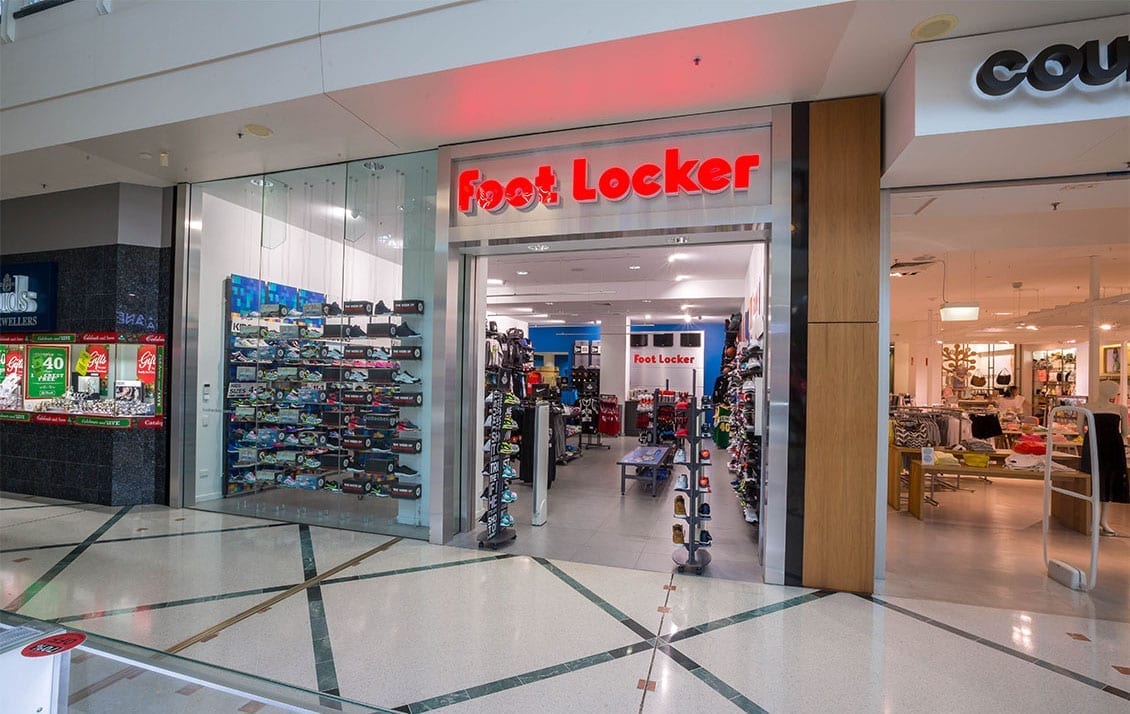
    Foot Locker Malaysia is set to open its first store. The American brand’s market-debuting outlet at 1 Utama will stock some exclusive items and collections and is also a regular collaborator with top sneaker brands. It is expected to start trading later this month.

    The Footlocker Malaysia move is part of a broader strategy to open in 40 new global locations. It has recently launched in Singapore and Hong Kong.

    The store’s location is currently under renovation and will open in the mall’s old wing on the ground floor.

  • LINE to Acquire 20% Stake in Bank KEB Hana to Expand Fintech Services in Indonesia

    LINE Corporation, through its subsidiary LINE Financial Asia, will acquire a 20 percent stake in lender Bank KEB Hana Indonesia to expand digital banking services in Southeast Asia’s largest economy, the Japan-headquartered messaging giant said in a statement on Sunday.

    A signing ceremony was held in Seoul on Oct. 26, the company said in the statement, adding that executives from both firms sought closer cooperation to make them become leaders in the digital finance market in Indonesia and Asia.

    LINE said the acquisition would be carried out through a share subscription agreement and that the deal was currently pending approval from Indonesian financial authorities. Still, the messaging giant said it was upbeat that it may launch its new digital banking service in the country by next year.

    Bank KEB Hana is controlled by South Korea’s Hana Financial Group – one of the East Asian country’s largest bank holding companies. The deal will see LINE Financial Asia becoming the second-largest shareholder in the Indonesian lender.

    “Through this partnership with Bank KEB Hana, we will launch easy-to-use and innovative banking services in Indonesia,” LINE Financial Asia chief executive Hwang In-joon said in the statement.

    “This agreement is an important step toward becoming a leader in mobile banking and expanding our fintech services,” he said.

    LINE, which is one of the most popular messaging platforms in Indonesia, said it was keen to add digital banking services to its broad range of content and services for Indonesian users.

    The messaging giant said with a population of 260 million people in a country of more than 18,000 islands, “Indonesia lacks banking services that can cover the entire country.”

    It added that, the deal was expected to improve LINE Financial Asia’s positioning in the archipelago, as well as globally, as it looks to become a major fintech and digital banking provider.

    Indonesia also has more than 100 million smartphone users and a very high rate of social media engagement, which present a huge potential market for digital banking services.

    Bank KEB Hana president director Lee Hwa-soo said he believes “LINE’s advanced digital technology and KEB Hana Bank’s retail banking experience will prove to be the future of the banking industry, demonstrating a new financial model that begins in Indonesia.”

    Bank KEB Hana meanwhile expects the deal to provide it with access to LINE’s large userbase, which presents huge opportunities for acquiring customers, while the lender also expects to increase its product portfolio and expand its retail banking services, to boost the volume of low-interest deposits and retail customer numbers.

    With LINE coming up as the second-largest owner of the lender, Bank KEB Hana expects to improve its digital marketing capabilities through the messaging giant’s brand power, technology, content and expertise. Both companies are “also looking to create deposit/microcredit products, and remittance and payment services for Indonesia.”

    Bank KEB Hana also expects assistance from its future investors to implement and improve credit rating models through projects with local as well as international credit rating agencies. The bank also plans to create an electronic identity verification process, known as e-KYC, that can be optimized for local regulations, among other measures.

    “With LINE expanding its fintech operations in Indonesia, the company is currently on the lookout for global talent to join us, with positions open in such areas as business development, service planning and management. Details of the available positions and applications can be found on LINE’s careers page,” it said.

  • Make Vietnam your largest strategic base, PM urges Samsung

    Make Vietnam your largest strategic base, PM urges Samsung

    PM Nguyen Xuan Phuc has suggested that Samsung expands its scale to make Vietnam the group’s largest strategic base. Receiving Lee Jae Yong, vice chairman of Samsung Group, in Hanoi on Tuesday, Phuc said Samsung should not just stop at making Vietnam its largest smartphone production base.

    He suggested the South Korean giant expands its business to other major fields like semiconductors, infrastructure and energy in Vietnam rather than focusing mainly on manufacturing and assembling electronic products, as it has been doing so far.

    A statement posted on the government’s website cited the prime minister as saying that Samsung should work towards building its largest strategic base in the country.

    He also wanted Samsung to continue providing practical support in terms of training and technology transfer to assist Vietnam’s supporting industry.

    As Samsung is making a significant contribution to developing e-government in South Korea, the PM suggested it does the same for Vietnam.

    He promised that the Vietnamese government will keep creating favorable conditions for Samsung’s operations in the country.

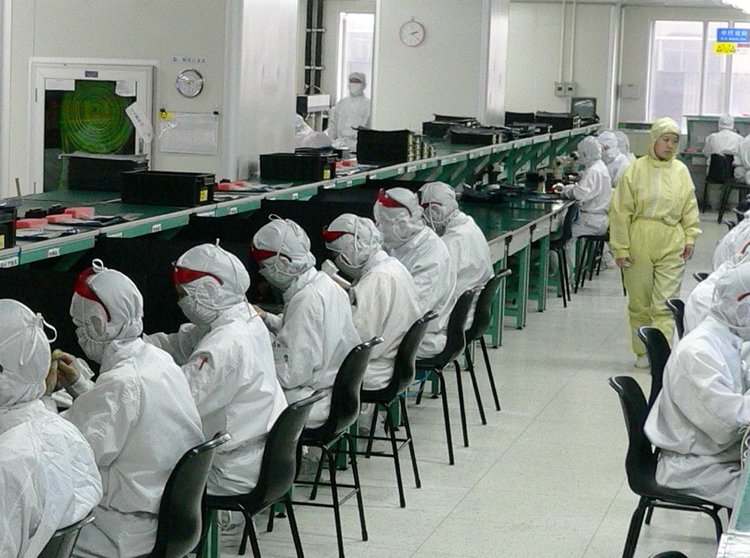
    Samsung Electronics Co. has invested $17.3 billion in eight factories and one research and development center in Vietnam, creating jobs for more than 160,000 locals.

    Exports from Samsung Electronics’ factories in Vietnam totaled $54 billion last year, it said.

    In April, CEO Koh Dong-jin of Samsung Electronics told PM Phuc that the company was determined to further expand production in Vietnam.

    He said Samsung will recruit more Vietnamese employees and develop electronics in smart cities in Bac Ninh province in the northern region and other places.

    Samsung is the largest foreign investor in Vietnam and accounts for around a quarter of the country’s total export revenue. It operates two cellphone factories in Bac Ninh and Thai Nguyen provinces in northern Vietnam.

    The factories produce around half of all the cellphones that Samsung supplies to the global market.

  • DBS makes foray into chat commerce with “Foodster”

    DBS makes foray into chat commerce with “Foodster”

    DBS Bank has launched Southeast Asia’s first bank-led retail chatbot, Foodster.

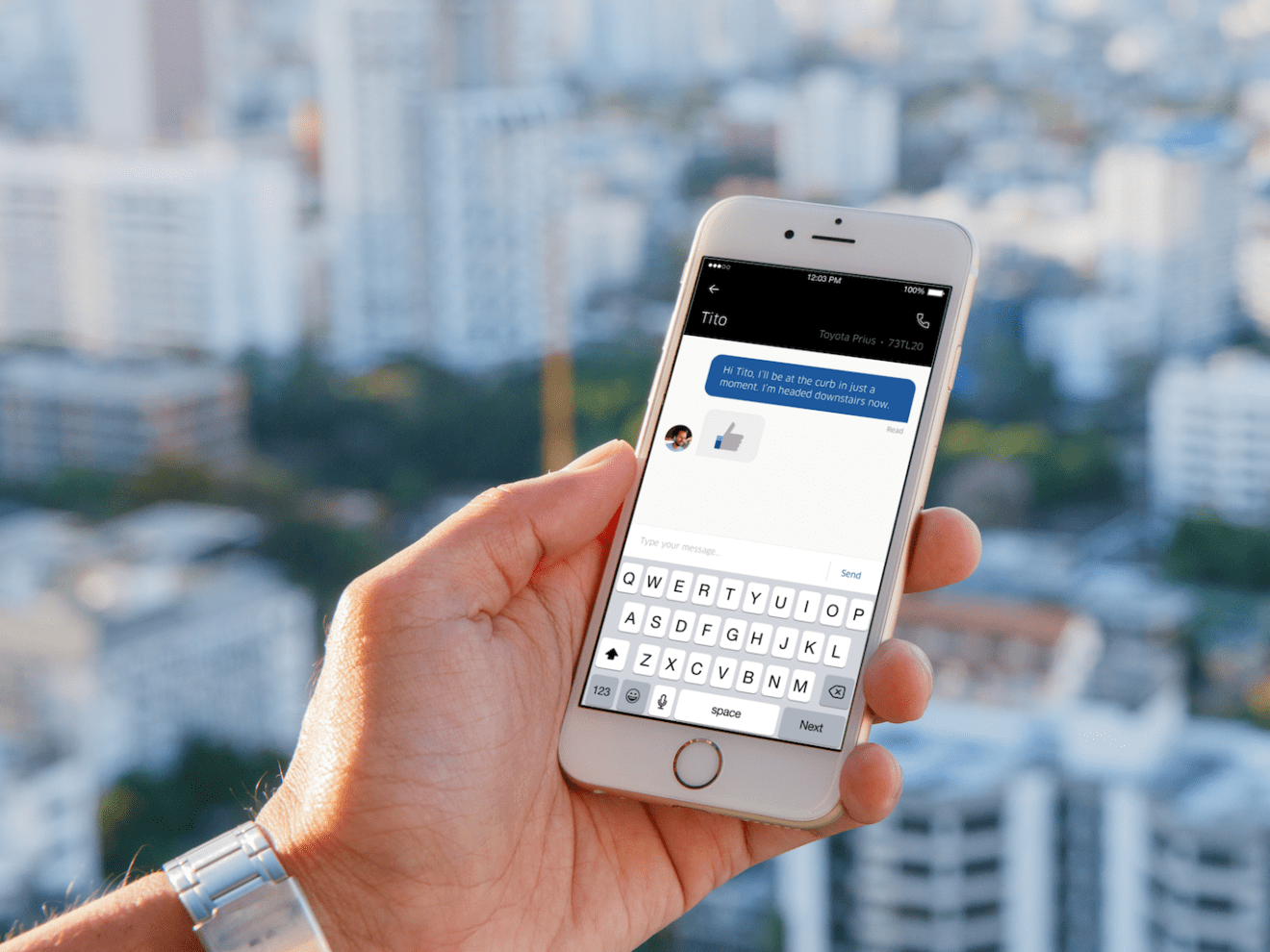
    The chat-commerce service allows customers to order and pay for their meals via Facebook Messenger and DBS payment channels, including DBS PayLah! and DBS/POSB cards. It has been test-bedded with seven food and beverage merchants around DBS’ Marina Bay headquarters with positive results.

    Kopi Ong, which sells quick-serve beverages, was the first merchant to test the Foodster solution. Since then, the business has seen daily sales grow by 20 per cent without additional manpower or space required.

    Chat commerce – e-commerce using chat or messaging platforms – allows businesses to transact within platforms that already have a large pool of captive users. With 77 per cent of Singapore’s population on mobile messaging platforms, chat commerce solutions such as Foodster allow businesses to literally become a part of the conversation by embedding DBS’ payments capabilities within chat platforms.

    The Foodster solution was developed with Artificial Intelligence/Machine Learning algorithms which allow it to become ‘smarter’ with every transaction. In addition, it allows merchants to implement targeted and personalised customer loyalty programmes on the platform with its rich data tools and analytics.


    DBS head of consumer banking group Jeremy Soo said: “If instant messaging is the way forward for people to communicate, then we need to help businesses find a way to engage their customers on such platforms simply, seamlessly and invisibly. We are aware that consumers today are more likely to have ‘app fatigue’ and have become resistant to downloading new mobile apps. And so as Singapore’s leader in payments with more than 4 million cards in circulation and the nation’s most popular mobile wallet – DBS PayLah! with more than 1 million users – we saw an opportunity to combine our strengths with Singapore’s most widely used social media platform.”

    In Asia Pacific, the chatbot market is forecast to generate revenues of around US$350 million by 2024, more than eight times last year’s figures.

  • Shake Shack lands in Singapore

    Shake Shack lands in Singapore

    American fast-food restaurant Shake Shack is landing in Singapore. The New York burger chain is opening up a location in Singapore’s awaited Jewel Changi Airport mall. In partnership with SPC Group, the South Korea-based restaurant distributor, Shake Shack said the firm took its time to discover the ideal location for the Madison Square Park-founded chain.

    “For years we’ve been looking for the right opportunity to enter the Singaporean market given its regional importance, and we’re thrilled to have found the right strategic partner and an ideal launch location,” said Michael Kark, Shake Shack’s vice-president of global licensing

    “Our flagship site will be in the stunning Jewel Changi Airport, home to more than 2,000 trees, harkening back to Shake Shack’s birthplace in NYC’s Madison Square Park.”

    To facilitate the market entry, Shake Shack said it also plans to work with local purveyors and producers to create unique offerings for the Singapore community. Shake Shack is no stranger to Asia.

    The company first entered the region in 2015 in Tokyo’s Gaien Park, before opening 10 outlets in Japan and seven in South Korea.

    In 2017, the firm opened a Hong Kong flagship.

    Shake Shack, in conjunction with SPC Group, intends to open a second location in Hong Kong planned for Pacific Place closer to 2019, as well as stores in Shanghai and Manila next year.

    Jewel, a new joint venture between Changi Airport Group and CapitaLand, houses over 280 shops across seven storeys from Basement 2 to Level 5.

    As well as Shake Shack, the retail space will also see the arrival of American fast food chain A&W, which left the Singaporean market a decade ago. The commercial development is slated to open March 2019.

  • Shinsegae plans ‘Korean Amazon’

    Shinsegae plans ‘Korean Amazon’

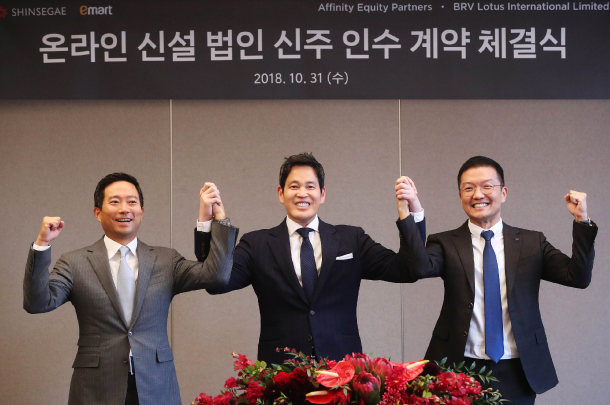
    Shinsegae has secured investment worth 1 trillion won ($877.8 million) to build a separate company dedicated to its online business, finally giving wings to Vice Chairman Chung Yong-jin’s ambitious plan to create a “Korean version of Amazon.”

    Shinsegae said Wednesday that it succeeded in attracting funds worth 1 trillion won from two global private equity firms, BlueRun Ventures and Affinity Equity Partners, to launch a separate company that will comprehensively handle the retail giant’s online business.

    The investment plan was revealed in January, but the detailed conditions have been finalized after nine months of negotiation.

    “Shinsegae Department Store and Emart have led growth within the group until now,” said Chung. “But from now on, the new entity dedicated to online business will lead growth. All capacity within the group will be concentrated on the online business.”

    The retailer will spin off the online business from Shinsegae and Emart and merge them into a separate entity. Shinsegae is mainly in charge of its department store business while Emart is in charge of the eponymous discount chain and warehouse-style mart Traders, among others.

    Of the 1 trillion won investment, 700 billion won will be used to establish the new company, which is scheduled to launch in the first quarter of 2019. The name of the new entity hasn’t been decided. The remaining 300 billion won investment will follow at a later date.

    “Shinsegae’s new online business-dedicated entity is expected to help it grow into a core company in Korea’s e-commerce industry,” the company said in a statement.

    Shinsegae has been running an integrated online platform called SSG.com, which encompasses several online malls such as Shinsegae Mall, Shinsegae Department Store, Emart Mall and Traders, all either run by Shinsegae or its discount chain affiliate Emart.

    The soon-to-launch company will operate these online malls.

    “A complete integration of the online platform will enable comprehensive investment, simplified decision making and enhanced proficiency,” the company said.

    Shinsegae plans to concentrate investment in the online mall’s logistics service and infrastructure to begin with. It said it plans to invest 1.7 trillion won in logistics centers and related technology and achieve revenue of 10 trillion won for the online business by 2023.

    Shinsegae currently runs two logistics centers dedicated to online malls in Bojeong and Gimpo in Gyeonggi. The retailer is building a third one in Gimpo, which is scheduled to start operating by the latter half of next year.

    SSG.com launched as an integrated site in 2014 and has been recording an average 20 to 30 percent growth each year. It reached 2 trillion won in revenue last year and turned to profit making in the first half of this year

  • Golden Mile Complex launches en bloc tender

    Golden Mile Complex launches en bloc tender

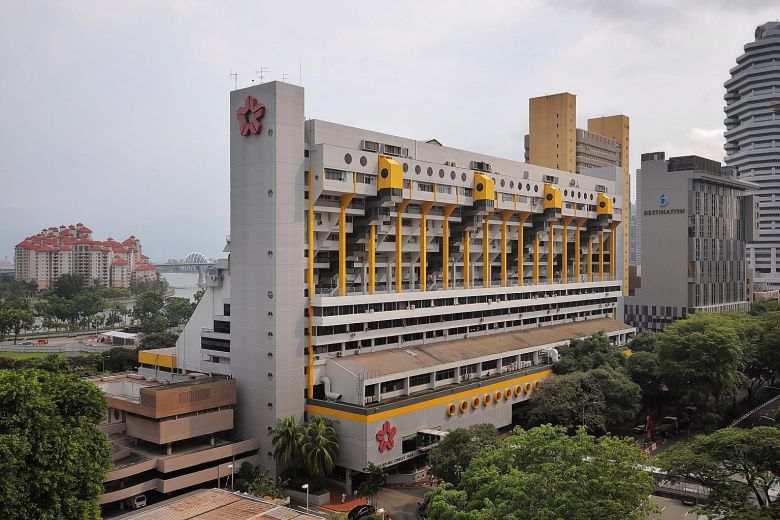
    Singapore’s Golden Mile Complex has been put up for sale by tender. The landmark property is being sold through sole marketing agent Edmund Tie & Company. It has a land area of approximately 1.3ha and is zoned for commercial use.

    The complex is considered an icon of Singaporean urbanism with its signature step-terraced building design created by DP Architects, but it has fallen into disrepair in recent years.

    There is a fascinating feature story and video about the complex here on Channel News Asia.

    Senior director of investment advisory Swee Shou Fern said Golden Mile Complex is a national icon that has shaped the visual character of our built landscape.

    “We are proud to present this rare opportunity for adaptive reuse. Its distinctive architecture and worldwide iconic status will offer tremendous potential to transform the property into an exciting work-live-play destination in this growth area. The new Golden Mile Complex will be an essential part of the rejuvenation of the Beach Road corridor and we are working closely with DP Architects and URA on the conservation of the building and further ways to enhance its potential.

    “This unique adaptive reuse opportunity provides the developer with the chance of incorporating a new vision into this iconic development. Many exciting development concepts may be considered for the Property. The collective sale of a large-scale conserved building in Singapore is unprecedented and we will be conducting a longer tender process to allow interested parties to carry out a detailed study.”

    Outline Application has been submitted to retain the existing 16-storey building and addition of a new block next to the building, subject to authorities’ approval. The Golden Mile Complex is under conservation study and discussions to facilitate conservation are open.

    The reserve price for the property is SGD800 million (US$577 million). The tender exercise will close on Wednesday, January 30.