Tag: asia

  • Malaysia’s exports rebound in September

    Malaysia’s exports rebound in September

    Malaysia’s exports rebounded by 6.7% in September 2018 to RM83 billion year-on-year (y-o-y) after a slight decrease in the previous month, according to Statistics Department. Total trade which was valued at RM150.8 billion increased RM3.3 billion or 2.3% in September 2018, chief statistician Malaysia Datuk Seri Dr Mohd Uzir Mahidin said in a statement.

    Mohd Uzir said the trade surplus recorded the highest value since October 2008 at RM15.3 billion, increased RM7.1 billion or 85.9% from a year ago.

    Re-exports was valued at RM16.5 billion registering an increase of 26.2% y-o-y and accounted for 19.9% of total exports, while domestic exports increased 2.7% or RM1.8 billion to RM66.5 billion.

    The export growth was contributed by expansion in exports to Hong Kong, Taiwan, Singapore, Australia and Republic of Korea. Meanwhile, lower imports were mainly from India, Republic of Korea, Vietnam, UAE and EU.

    The main products which contributed to the expansion in exports were electrical & electronic products, refined petroleum products, crude petroleum and liquefied natural gas (LNG).

    However, the department said decline was recorded for palm oil and palm oil-based products, timber and timber-based products and natural rubber.

    For imports, the lower in imports by ‘end use’ was mainly attributed to intermediate goods, capital goods, and consumption goods, it added.

  • Parkson Retail Asia continues drowning

    Parkson Retail Asia continues drowning

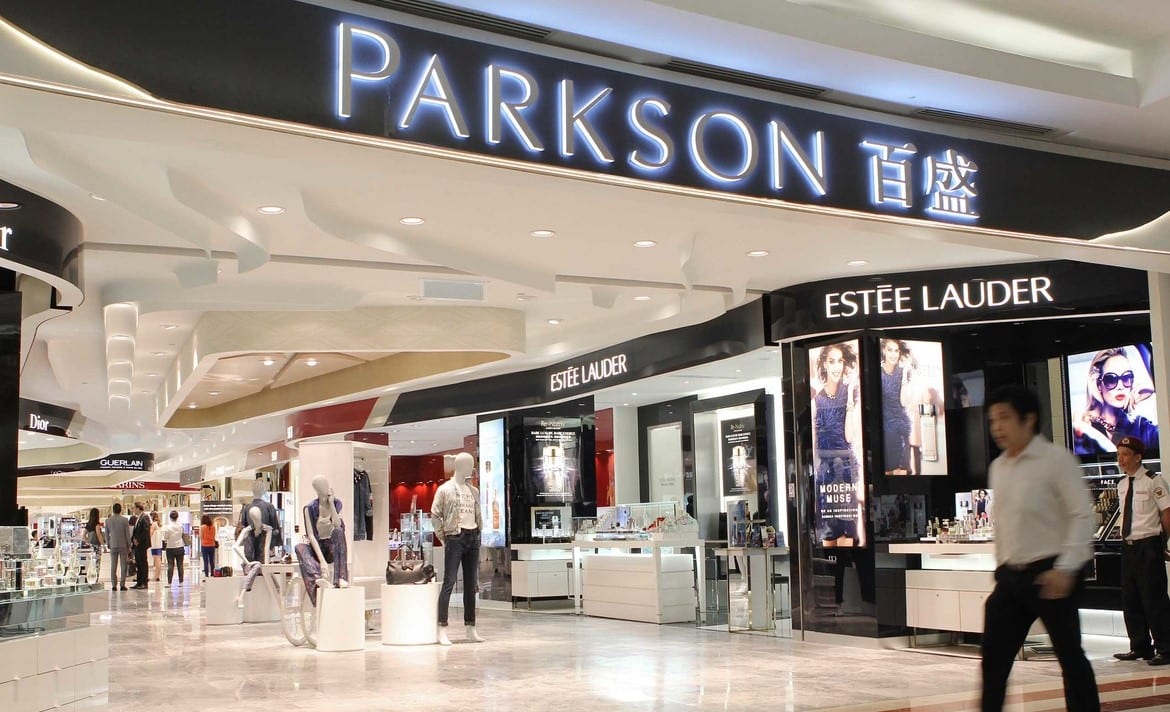
    Struggling department store operator Parkson Retail Asia has hinted it may close further stores as it posted yet another loss. For the first quarter of the new trading year, the Singapore headquartered company lost S$11.1 million, a slight improvement on the $12.9 million of a year ago.

    Last full trading year, the company lost $40.1 million for the full year.

    In a statement, the company said it would will continue to prioritise on enhancing product offerings “as well as on optimising both our operational efficiency and network of stores,” suggesting further exits, most likely in Vietnam where it has just five stores remaining from a peak of 10 and continues to lose money.

    Parkson credited the reduced loss on an improved performance of the Malaysian and Indonesian store networks, together with the effect of the closure of seven loss-making stores last financial year.

    Group sales rose 1.7 per cent to $92.6 million.

    On Friday the company announced the immediate resignation of its CFO Chia Cang Yang, with immediate effect. CEO Michael Remsen will oversee financial matters until a replacement is recruited.

  • Vietnam urges China to import more agriculture produce

    Vietnam urges China to import more agriculture produce

    China should import more Vietnamese products, especially agriculture produce, so as to balance bilateral trade, PM Nguyen Xuan Phuc said Sunday. “As Vietnam is seeing a great trade deficit with China, you [Chinese businesses] should import more products from Vietnam, starting with agricultural products, to balance bilateral trade,” the prime minister said at a meeting with Chinese businesses in Shanghai before the November 5-10 China International Import Expo (CIIE).

    “This is in line with the policy of China’s top leaders, who have repeatedly told us that they are keen to move towards a trade balance between China and Vietnam,” he noted.

    China is currently the largest market for agricultural products in Vietnam with the export turnover of agriculture, forestry and fishery products this year estimated at over $35 billion, up nearly 9 percent over the same period last year, Phuc said.

    However, most Vietnamese produce are mostly consumed in China’s southern Yunnan Province and the Guangxi region bordering Vietnam, not in the rest of the country, he said.

    As the second largest agricultural produce exporter in ASEAN with over 20 agriculture products that have an annual export value of over $1 billion worth, Vietnam offers many products favored by Chinese consumers, the PM said.

    Many Vietnamese agriculture produce are among the world’s best, like rice, pepper, cashew, pangasius fish and shrimp, he noted, adding that its fruits, like dragonfruit, mango, longan and watermelon, have passed import standards set by Australia, the EU, Japan, South Korea and the U.S.

    These products have great potential to boost bilateral trade cooperation, the PM stressed.

    Representatives of Chinese corporations at the meeting said they value the investment potential in Vietnam and are interested in bringing Vietnamese agriculture produce to China and and the world.

    Pu Jian, executive director of the CITIC International Asset Management company, said that he could bring Vietnamese products more deeply into the Chinese market as his company specializes in importing rice, fruits and other produce.

    His corporation also owns 60 percent of McDonald shares with over 3,500 stores in China, and this could be a potential channel to consume Vietnamese produce, he added.

    Johnson Choi, executive director of China’s conglomerate Sunwah Group and general director of Sunwah Vietnam, said that his company would like to distribute Vietnamese coffee in the Chinese market and invest in Vietnam’s “green” agriculture.

    In a meeting with Chinese President Xi Jinping the same day on the sidelines of the CIIE, China’s major event seeking more import opportunities, PM Phuc stressed that Vietnam always attaches great importance to the development of friendly, stable and healthy relations with China.

    China should adopt policies and practical measures to reduce the current large trade deficit with Vietnam, he added.

    Xi said that his country doesn’t want to pursue a trade surplus with Vietnam, and will increase imports from Vietnam towards more balanced and sustainable bilateral trade.

    Vietnam-China trade reached $93.69 billion last year, up 30.2 percent from 2016. Vietnam earned $35.46 billion from exports to China, up 61.5 percent, while spending $58.22 billion on imports from the country, up 16.4 percent.

    In the first nine months this year, bilateral trade between the two countries reached $76.06 billion, up 18.7 percent over the same period last year.

    China continues to be Vietnam’s largest trading partner and the one with which it has the largest trade deficit. It is also Vietnam’s second largest export market after the U.S, according to Vietnam Customs.

  • Why is the Chinese economy slowing down?

    Why is the Chinese economy slowing down?

    China’s economy appears to be slowing faster than expected at the start of the fourth quarter, a bad omen for growth early next year when the full force of the trade war with the United States comes to bear. This situation is likely to spur Beijing to introduce new measures to support growth, analysts said.

    The government will try to avoid returning to its battle-tested plan of large-scale monetary and fiscal stimulus so as not to exacerbate the country’s already huge stock of debt, but it may have no choice but to move some way in that direction to stabilize growth.

    Business sentiment in both the manufacturing and non-manufacturing sectors was weaker than expected in October, led by sharp declines in export demand, according to the official purchasing managers’ index published on Wednesday by the National Bureau of Statistics and the China Federation of Logistics and Purchasing.

    The figures were the first gauges of the trade war’s impact since the U.S. levied 10 percent tariffs on $200 billion worth of Chinese goods in late September.
    The manufacturing sentiment index dropped to 50.2 in October, from 50.8 a month earlier.

    The reading, which was its lowest in more than two years and barely above the 50 point line that separates expansion from contraction in the sector, suggests the possibility of contraction in November as the U.S. tariffs take effect.

    That situation could worsen in January, when the tariff on the $200 billion of Chinese imports is set to rise to 25 percent.

    It might also be exacerbated by the “front loading” behavior of many Chinese exporters — boosting production and shipments now to fill orders for early next year before the scheduled tariff rate increase.

    Production and unemployment among export manufacturers are at risk of falling sharply from January due to lack of orders to fill.

    New export orders contracted for the fifth month in a row in October, to 46.9 from 48 in September.

    Imports also contracted for a fourth straight month, indicating weakening demand within China, while the decline in manufacturing employment accelerated.

    Non-manufacturing activity, dominated by the service sector, also slowed in October, with the index dropping a full point to 53.9.

    While the index still indicates a healthy level of activity, the size of the drop could be a sign of a sharp slowdown ahead.

    Indeed, the contraction in service sector export orders seen in September accelerated sharply in October, falling a further two points to 47.8.

    The October data also reinforce the picture that small- and medium-sized companies are struggling, with indices for both groups falling further into contraction.

    In contract, the index for large companies fell but remained in positive territory.

    “The economic conditions facing China’s private sector are much worse than the headline figure suggests, in our view,” analysts at ANZ said in a report. “The October PMIs for mid-sized and smaller sized companies fell to 47.7 and 49.8, respectively.”

    “So we expect the Caixin PMI to have already fallen into the contractionary zone,” the report said.

    The Caixin PMI data better reflects sentiment in smaller, usually private sector firms.

    Analysts said that a faster than expected economic slowdown this year could be compounded early next year by a lack of new orders and higher U.S. tariffs, prompting further action by the government to prop up growth.

    “We expect a worse growth slowdown in spring 2019 for several reasons [especially after export front loading],” said Ting Lu, chief China economist at Nomura Global Market Research.

    “Beijing’s policy focus so far has been on containing a credit freeze. If our more cautious views prove to be valid, growth is likely to slow to such a worrying pace in spring 2019 that Beijing may have to greatly ramp-up its easing/stimulus measures.”

    The economic forecasts do not take into account the possibility of a large escalation of the trade war.

    U.S. President Donald Trump said again on Monday that tariffs on an additional $267 billion worth of Chinese imports — which would equate to sanctions on virtually all Chinese goods — were “ready to go” if there was no trade progress.

    He said he expected the trade war to result in a “great deal” for the U.S., but did not say how and when that would happen.

    Analysts warned that while the direct impact of U.S. tariffs on the Chinese economy is limited, the negative impact on business and consumer sentiment, and so on the economic outlook, could be much larger.

    Steven Cochrane, the chief Asia-Pacific economist with Moody’s Analytics, said in an interview that additional tariffs would have an outsize impact.

    “There would be much more uncertainty that would tend to slow the pace of investment and consumption,” he said.

    “Consumers are [already] feeling uncertain about next year, so they are going to pull back.”

    In retaliation, China might implement qualitative measures, such as more aggressive inspections of imports from the U.S., creating stiffer visa requirements for visiting American workers, slowing regulatory approval for U.S. companies operating in China or targeting service imports from the U.S., including restricting the enrollment of Chinese students at American universities.

    In a research note released last week, Cochrane estimated that if a 25 percent tariff were imposed on all China-U.S. trade and Beijing applied qualitative countermeasures, China’s gross domestic product growth would fall by 1.2 percentage points to 5.2 percent in 2019 and the Chinese stock market would fall by 9.4 percent.

    The U.S. is reportedly preparing to impose the next round of tariffs on the $267 billion in Chinese goods in early December if Trump’s scheduled meeting with Chinese President Xi Jinping at the G-20 summit in late November produces no progress.

    If true, and given the 60-day comments period that would start when the tariffs are announced, this would mean that the new tariffs would be implemented in early to mid-February, during or just after Lunar New Year.

    Like Christmas in the West, the celebration is the largest instance of consumer spending during the year, so any fall in sentiment caused by the introduction of the new tariffs could have a very negative effect on China’s economy.

    Business sentiment in both the manufacturing and non-manufacturing sectors was weaker than expected in October, led by sharp declines in export demand, according to the official purchasing managers’ index.

    The figures were the first gauges of the trade war’s impact since the U.S. levied 10 percent tariffs on $200 billion worth of Chinese goods in late September.

  • Twenty4 opens cash-free retailer in Ipoh Malaysia

    Twenty4 opens cash-free retailer in Ipoh Malaysia

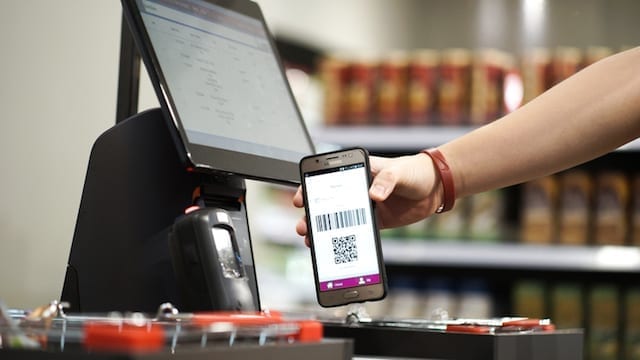
    Malaysian convenience store Twenty4 has opened in Ipoh as the region’s first cash-free retailer of its kind. The “smart” convenience store accepts only cashless transactions, earning it a spot in the Malaysia Book of Records. The brand’s CEO Kenny Ng said: “The shop is open round-the-clock and customers can purchase a variety of items, including food and personal care items, through cashless transactions.

    Customers can buy products at the store using debit cards, credit cards, Paywaves, Samsung Pay, Apple Pay or use other E-Wallet payments. We hope the concept will set the pace … be a pioneer in Malaysia, where people buy items without using cash.”

    Twenty4 sells various local and international products via self-service machines.

  • Versus to merge into Versace Jeans line

    Versus to merge into Versace Jeans line

    It has only been a month since Versace announced it was to be sold to Michael Kors’ parent company Capri Holdings for a reported sum of 2.12 billion dollars. As an early indicator of change, and perhaps cost-saving measures under its new structuring, Versace is to integrate its Versus line into Versace Jeans.

    Versace Chief Executive Jonathan Akeroyd said “During the last few months we have studied how to simplify our business model with a view to focusing on the portfolio of our brands, continuing to ensure innovation and relevance in everything we do. We decided to integrate our two contemporary collections into one, merging Versus and Versace Jeans. This operation will allow us to further develop Versace Jeans’ proposals and, at the same time, not to lose the DNA and the codes that have made this iconic Versus “.

    The collection was notably absent from the catwalk and fashion week after it decamped to London to show its autumn winter 2018 collection.

    The Versace Jeans label is currently under license to Swinger International, also the licensing partner to brands including Genny and Cavalli Class.

    The unexpected move by Versace is indicative of the transformations and shakeups happening in luxury brand’s diffusion ranges.

    Earlier this week Blufin announced the launch of the new Be Blumarine label that will replace Blugirl; Missoni recently reported Margherita Missoni as the new creative director of its M Missoni diffusion line; Marc Jacobs famously shuttered his Marc by Marc Jacobs stores, integrating the label under a single brand umbrella.

    Donatella Versace will reportedly continue to lead the creative vision for the Versace brand.

    At the time of the acquisition it was reported she would become a shareholder of Capri Holdings, along with her brother and daughter.

  • Christopher Ong Appointed As New Managing Director for Singapore

    Christopher Ong Appointed As New Managing Director for Singapore

    DHL Express, a leading international express services provider, on Nov 1 announced the appointment of Christopher Ong, to the role of managing director for DHL Express Singapore. Ong, a Singaporean, will report to Ken Lee, CEO, DHL Express, Asia Pacific, effective immediately. He will be responsible for charting the company’s overall business growth and success in Singapore.  Ong brings over two decades of professional experience across logistics and the business sectors. Most recently the managing director for Malaysia and Brunei at DHL Express, he spent four years driving business strategy for the organisation, managing over 1,200 employees and 27 facilities, including seven international gateways, across East and West Malaysia, and Brunei.

    On the appointment, Lee, said, “Chris joins DHL Express Singapore with a deep bench of experience, having served across a range of senior roles in DHL over the last 12 years. Not only was he instrumental in driving the B2C e-commerce and digitalisation agenda in Malaysia and Brunei, Chris has also demonstrated passion and unyielding commitment towards excellence in employee engagement and customer centricity.

    “His business acumen and broad experience at the regional and country levels will prove invaluable in his new role in Singapore, as we continue to realize the market’s growth potential.”

    Ong joined DHL Express in October 2006 as vice president for Business Development, and was responsible for mergers and acquisitions, partnerships and planning for the Asia Pacific region. In 2011, he assumed the role of country manager for Vietnam.

    Ong, said, “I am delighted to be given the opportunity to further DHL’s success in Singapore and continue raising the bar in delivering superior services and experiences to our customers. I look forward to continue engaging our talented employees and empowering them to make a difference. They are the foundation of our success and the lynchpin for delivering great service quality to earn the trust and loyalty of our customers. ”

    Prior to DHL Express, Ong spent 10 years with Temasek Holdings, the global investment company headquartered in Singapore, where he played a key role in managing the company’s international investments.

  • For Art’s Sake store opens

    For Art’s Sake store opens

    Hot on the heels of For Art’s Sake’s new collection launch is the opening of its first standalone retail store in London’s Covent Garden. Situated in the heart of The Piazza, the store borrows bold design details from the brand’s penchant for eclectic style: think decadent blue velvet furnishingS and brass fixtures that beautifully elevate the statement-making frames.

    The store will incorporate a host of new features, from a selfie station to personal shopping (in five languages: Mandarin, French, Spanish, Italian and English), a concierge option, tax-free shopping, Click and Collect as well as exclusive colourways. To celebrate the launch, For Art’s Sake has collaborated with one of London’s most exciting new design studios – Studio LaPeche – on a window installation that reimagines the most striking features of the London skyline.

    A deliberate avoidance of trend-based silhouettes has led to a rapid pace of growth for For Art’s Sake in a short space of time. On top of Beyoncé and J Lo, For Art’s Sake counts Kristen Bell, Eva Chen, Poppy Delevingne, Olivia Palermo and Aimee Song amongst some of its most devoted fans. The brand can currently be found in over 550 exclusive stockists around the world, including Harvey Nichols, Saks 5th Avenue, Net-A-Porter, Yoox and more, and after the London store opening, they’ll be opening in Shanghai’s XinTianDi Mall. They then plan to open stores in Hong Kong, Miami and New York before 2020.

  • Bolloré Logistics Awarded at the 5th FPSO & FLNG & FSRU Asia Pacific Summit

    Bolloré Logistics Awarded at the 5th FPSO & FLNG & FSRU Asia Pacific Summit

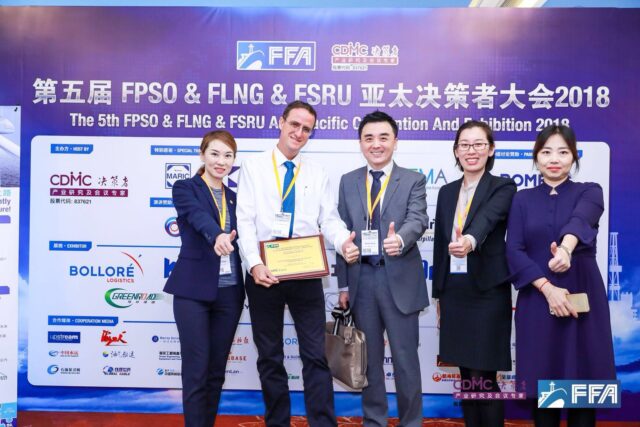
    From October 18th – 19th, 2018, Bolloré Logistics participated in the 5th FPSO & FLNG & FSRU Asia Pacific Summit held in Shanghai – China.  This event gathered more than 800 decision makers from the FPSO, FLNG and FSRU industry sectors to discover the latest industry trends, technological wave for digitization and business model innovations.

    Bolloré Logistics, represented by their Chinese entity, was awarded the “Outstanding FPSO Logistics Contractor of the Year”. Bruce BOUDAILLER, Oil & Gas Regional Director at Bolloré Logistics Asia-Pacific, who received the award on behalf of the team, said: “We are very appreciative of the confidence and loyalty shown by our customers and partners. Bolloré Logistics has been a leader for the last 15 years in supporting the FPSO industry, with a track record of more than 20 FPSO conversion projects handled, and contract logistics for around the same number of FPSOs in production.”

    This experience allowed Bolloré Logistics to be entrusted with a high profile FSRU project which was completed last year. The award comes as earned recognition of the professionalism shown by Bolloré Logistics’ Oil & Gas teams located in the construction and conversion countries, as well as in the countries from where all materials originate.

    “Our valuable and experienced long lasting colleagues, which must be seen as our main asset, are prepared to face the industry upturn after the challenging last three years that the industry went through,” added Bruce BOUDAILLER.

    Kari GU, Oil & Gas Product Manager at Bolloré Logistics China, confirms the readiness of the teams to cater for any new opportunity: “China is becoming the main location in terms of conversions and construction, with what appears as a shift from Singapore and South Korea. Together with our Oil & Gas teams of specialists, we are ready to support locally and internationally any new project related to FPSO, FLNG or FSRU,” she highlighted.

    An expert in Oil & Gas solutions and services

    Present in the major global hubs, as well as in most of the oil and gas producing countries, with a strong implementation in Africa and Asia, Bolloré Logistics offers tailor-made solutions on contract or project basis. It prides itself in delivering simple or complex solutions to its oil & gas customers, sometimes in the most challenging areas of the world, in full compliance with Ethics and the QHSE standards. Differentiating itself from the other major international freight forwarders, Bolloré Logistics has developed a very strong expertise and track record in handling very big capital asset projects onshore and offshore, and extended the logistics chain beyond the entry gates of the supply bases.

    As an extension of the supply chain, Bolloré Logistics has been integrating for many years in its solutions marine services as well as supply base services. With reference to the Oil & Gas players and many industry suppliers in its portfolio, Bolloré Logistics also created a movie showcasing its technical expertise of logistics operations dedicated to the Oil & Gas in Port Gentil, Gabon.

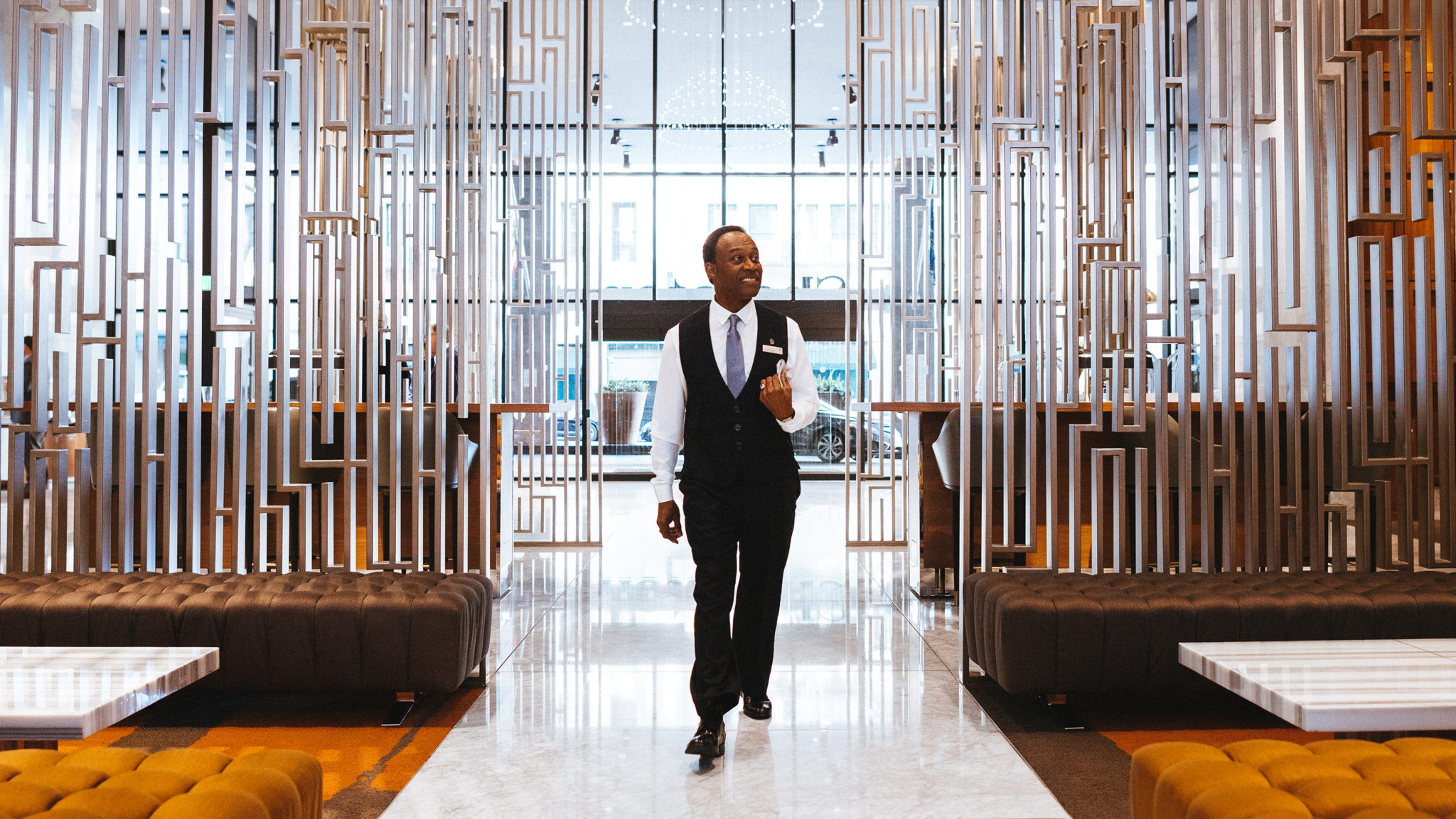
  • Marriott International Wins AON Best Employer in APAC

    Marriott International Wins AON Best Employer in APAC

    Marriott International has once again been crowned Best Employer Asia Pacific by Aon plc (NYSE: AON). The company was also recognized as Aon Best Employer in 17 markets across APAC – an increase in four markets from last year. The accolades are testament to Marriott International’s commitment to its people and its active encouragement for them to be their best in both their professional and personal lives.

    Craig S. Smith, Marriott International’s President and Managing Director for Asia Pacific, said, “At Marriott International we put people first and take care of our associates so that they, in turn, take care of our guests. We are thrilled that this commitment to our people, which has been embedded in the company’s DNA from the outset, has been recognized yet again by Aon. We focus on training, developing and retaining our associates, creating a loyal and passionate workforce that is committed to offering the best service and experiences to our guests.”

    With over 680 properties across 23 brands in more than 20 markets and a further 530 plus properties in the pipeline, Asia Pacific is Marriott International’s second fastest-growing region. The organization’s approach to developing talent is central to this growth as increased opportunities in the company enable associates to progress their careers from within, retaining not only talent but also the legacy of service values and commitment to excellence throughout the entire operation.

    “We implement a systematic and purposeful approach to enable associates to realize their full potential through a structured human capital planning process,” said Regan Taikitsadaporn, Chief Human Resources Officer for Asia Pacific at Marriott International. “We see it as important to nurture and groom our talent with comprehensive training and leadership development programs to enable career growth and facilitate internal promotions that will empower the growth of our company. These initiatives help us attract best-in-class talent as well as create a positive and nurturing environment for all associates.”

    Marriott International also offers professional development programs for associates at every stage of their career, from the Global Voyage Leadership Development Program for recent university graduates to the Marriott Development Academy, which helps prepare aspiring and new managers for the leadership role of general managers. As part of its commitment to diversity and inclusion, Marriott also focuses on promoting and developing women leaders. In 2018 alone, the Asia Pacific region saw a 12 percent increase in the number of women general managers across Asia Pacific.

    Marriott International is the only company to receive global recognition consecutively since Aon began the program in 2014 – a testament to the group’s commitment to putting its people at the core of its business. In 2018, Marriott also achieved certification as Best Employer globally.

    With more than 15 years of experience in best employer studies across the world, backed by more than 20 years of experience in employee research, the Aon Best Employer program recognizes the achievements of organizations that demonstrate excellence in the workplace.

    The company’s research proves that Aon Best Employers drive a committed workforce and performance through a compelling employer brand, effective leadership, and a high performance culture and level of employee engagement.

    • Engagement: Employees speak positively about their employer, intend to stay, and are motivated to exert extra effort at work.
    • Leadership: Leaders treat employees as valued assets, engage employees in the vision, and lead the organization to success.
    • Performance Culture: Employees are aligned to organizational goals and are rewarded and recognized for their contribution.
    • Employer Brand: Employees are proud of being part of their organization and can clearly explain what makes their employer different from others.
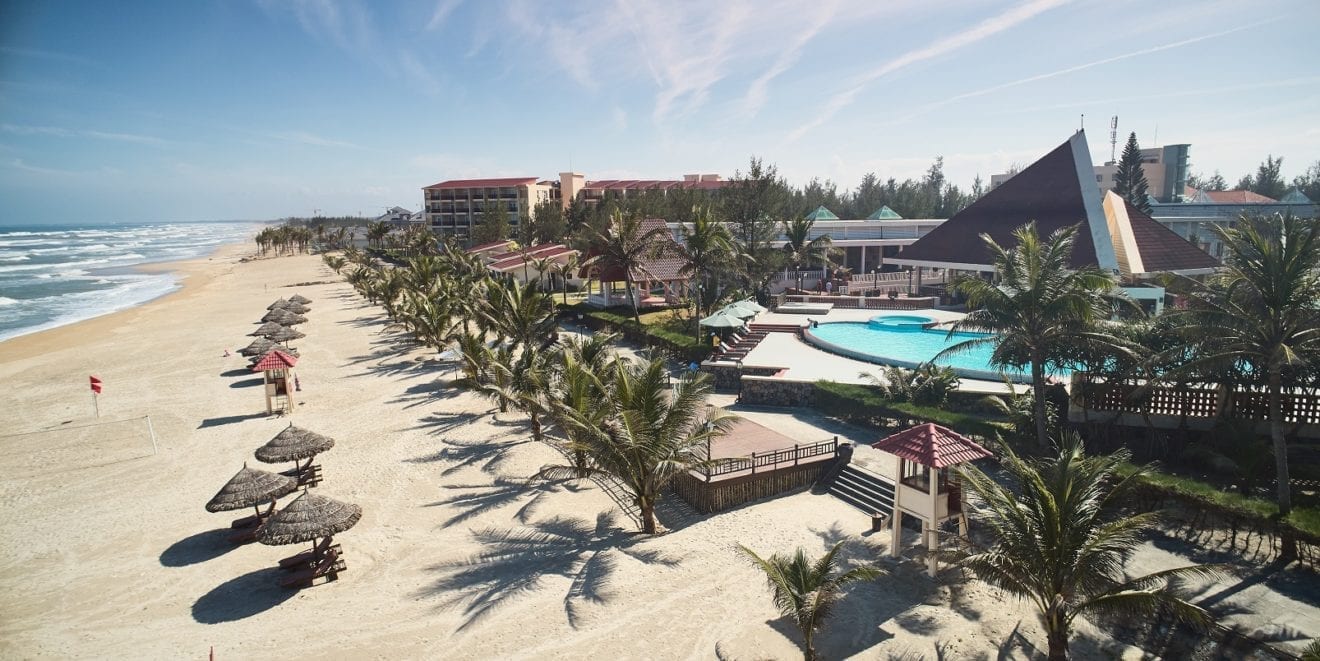
  • Centara listed in Thailand Sustainability Investment (THSI) 2018 for Sustainability Performance Excellence

    Centara listed in Thailand Sustainability Investment (THSI) 2018 for Sustainability Performance Excellence

    Centara Hotels & Resorts (CENTEL), Thailand’s leading hotel operator, was categorised a “Thailand Sustainability Investment (THSI)”, an annual recognition for listed companies that operate with responsibility for Environmental, Social and Governance (ESG) aspects. The THSI list aims to recognise and motivate companies for their efforts towards sustainability, while offering investors an alternative investment in high-performance ESG stocks.

    Centara Hotels & Resorts aims to balance its operations to attain financial goals and practice good governance, while creating positive social impact, reducing its environmental footprint, and encouraging innovation to sustain the organisation’s competitiveness. The company has formally developed environmental, social, and innovation initiatives since 2008, including energy, water, waste and safety management. Centara also engages management, staff, suppliers, guests and communities, for both the long-term growth of its business and vitality of the destinations where it operates. One testament to this commitment is that 15 of Centara’s properties have already achieved Gold and Silver Certifications by EarthCheck, the world’s leading scientific benchmarking and impact assessment body for sustainable travel and tourism.

    “Centara intends to operate ethically and sustainably across our entire portfolio. We are committed to sustainable practices throughout our hotel operations, whilst delivering an exceptional level of Thai hospitality for our guests,” said Thirayuth Chirathivat, Chief Executive Officer. “Companies that respond effectively to the challenges of sustainability can gain a competitive advantage and increase share value. We strive to develop sustainable hospitality strategies and encourage sustainability wherever we operate.”

    Thailand Sustainability Investment (THSI) was first created in 2015 to recognise companies that adopt ESG principles into responsible and sustainable business management to create a positive impact on the Kingdom. This year, the Stock Exchange of Thailand (SET) selected Centara as one of 79 listed companies that incorporate a high level of ESG practices to support sustainability. This effort is in line with SET’s vision “To Make the Capital Market Work for Everyone”, supporting a vision of capitalism that benefits all stakeholders.

  • Hyundai Motor sells more than 200,000 Genesis units

    Hyundai Motor sells more than 200,000 Genesis units

    Sales of Hyundai Motor’s premium Genesis marquee surpassed 200,000 units three years after its official launch, industry data showed Sunday. According to the data, total sales of Genesis vehicles reached 206,882 as of the end of October, touching the 200,000 mark for the first time since November 2015, when Hyundai Motor launched the sub-luxury brand.

    With global sales of 555 units of Genesis cars in the first year, 58,916 units were sold in the following year and 78,889 units in 2017.

    For the first 10 months of 2018, Hyundai saw sales of the brand rise 6.1 percent on year to 68,522 units.

    The executive G80 model was the most popular in the Genesis lineup, with a cumulative 127,283 units sold worldwide, followed by the flagship G90 with 52,417 units sold and the G70 sports sedan with 27,182 units.

    Hyundai Motor said it will strengthen the Genesis lineup by upgrading popular models.

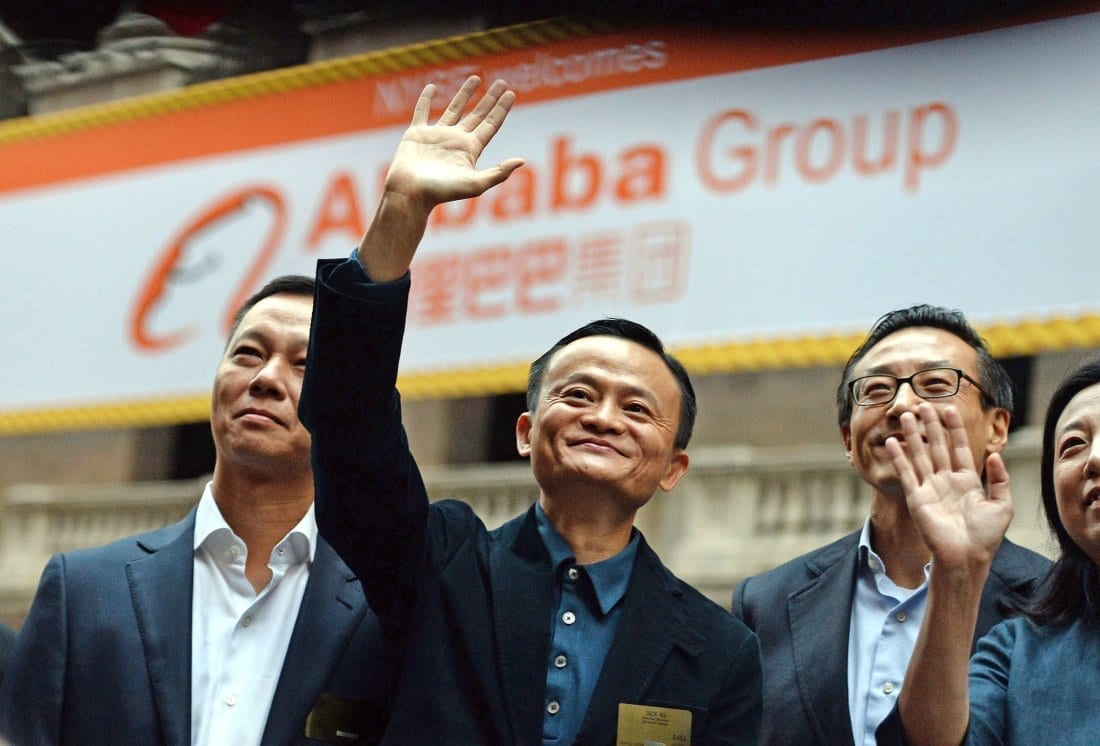
  • Alibaba Group Puts Spotlight on Indonesian Brands

    Alibaba Group Puts Spotlight on Indonesian Brands

    Chinese e-commerce giant Alibaba launched a special section for Indonesian products on its platform on Friday to promote the country’s best products to more than a billion Chinese consumers. The section, known as the Indonesian Pavilion, debuted on Alibaba’s Tmall Global, a platform dedicated to helping international retail brands and entrepreneurs reach out to the Chinese market despite not having a presence in the country.

    Indonesian Ambassador Djauhari Oratmangun and Ryan Wang, general manager of public affairs at Tmall, inaugurated the special section during an event in Shanghai.

    The Indonesian Pavilion was launched in time for Alibaba’s 2018 11.11 Global Shopping Festival, the world’s largest one-day shopping event, which takes place on Nov. 11 every year.

    The section will initially offer five leading Indonesian food and beverage brands: Indomie instant noodles, Kapal Api packaged coffee, Richeese biscuits, Yan Ty Ty swallow’s nests and Papatonk shrimp crackers.

    Through Tmall’s integrated service center, brands can increase consumer awareness of their products ahead of the upcoming shopping festival.

    Chinese consumers will also have a chance to learn about Indonesia’s cultural richness and exotic tourist destination, which will also be featured on the platform.

    This forms part of Alibaba’s ongoing initiatives over the past few years to support Indonesian startups and small and medium enterprises.

    Jack Ma, Alibaba chairman and co-founder, serves on Indonesia’s digital economy board, advising the government on how to best nurture and implement digital technology to drive development.

    The government and Alibaba are also discussing ways to help Indonesia train local talent in the digital field and increase innovations in financial technology.

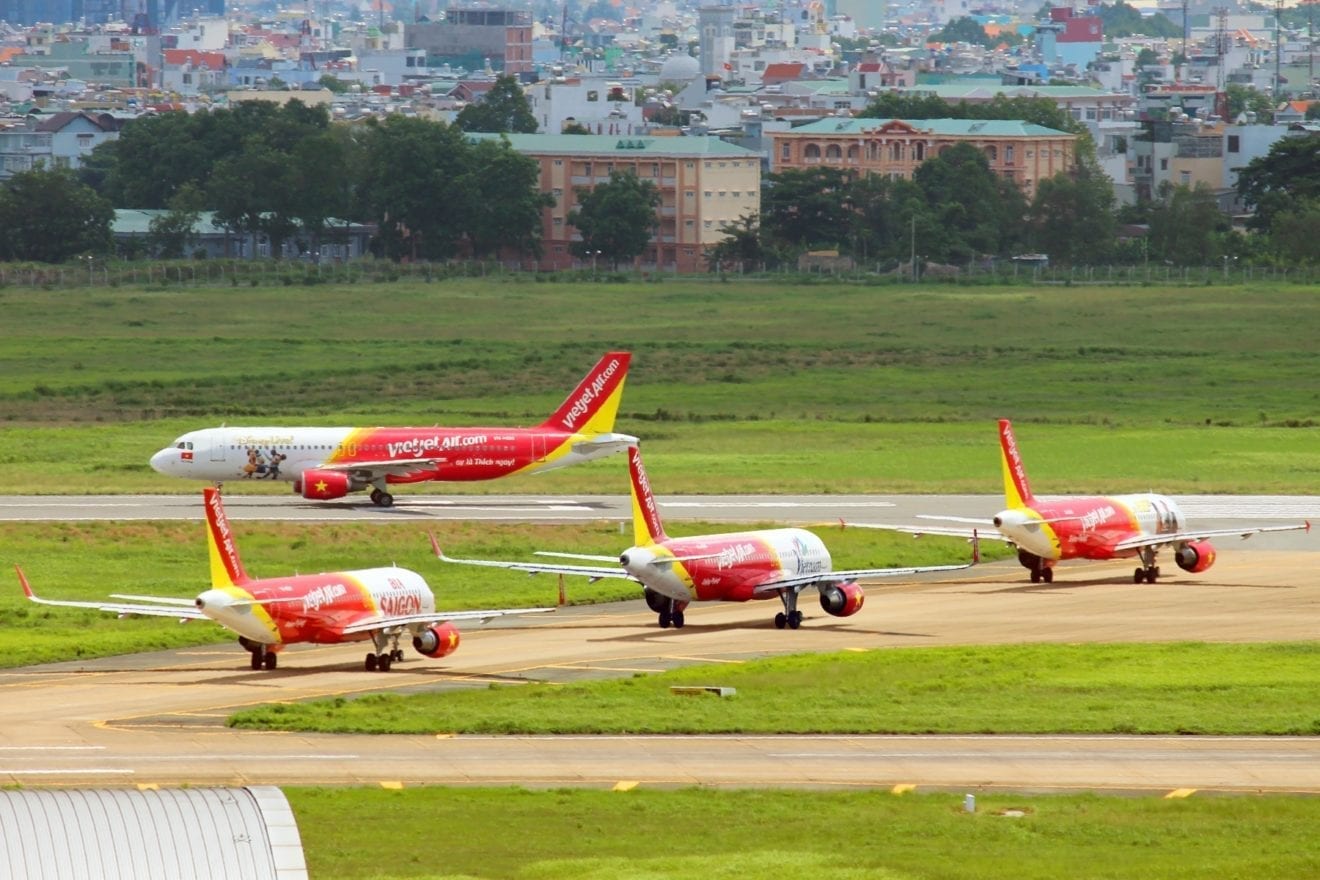
  • Vietjet to finalize $6.5 billion Airbus order: sources

    Vietjet to finalize $6.5 billion Airbus order: sources

    Vietjet is set to finalize a $6.5 billion jet order with Airbus ​during a visit to Hanoi by French PM Edouard Philippe on Friday. The order for 50 A321neo jets is part of an aggressive investment in the Vietnamese fast-growing budget carrier Vietjet’s fleet that has provided lucrative business for both Europe’s Airbus and its U.S. rival Boeing.

    It is also a boost for Airbus as it seeks to turn a raft of provisional orders put together at July’s Farnborough Airshow into hard revenues, narrowing a gap against Boeing this year.

    The deal is the biggest economic component of an official visit to Vietnam by Philippe from Nov. 2-4, during which he will oversee deals with French firms and hold talks with Vietnamese counterpart Nguyen Xuan Phuc, people familiar with the matter said.

    Airbus and Vietjet both declined to comment.

    Vietnam and France also signed an agreement in September to expand defense collaboration, although details are scant.

    VietJet CEO Nguyen Thi Phuong Thao said this week that Vietjet plans to maintain an average fleet age of just three years to keep fuel and maintenance costs low.

    It placed provisional orders for the A321neo jets and 100 Boeing 737 MAX jets in Farnborough and has been negotiating to firm them up, with deliveries expected between 2020 and 2025.

    The formal signing, to take place on Friday, will help to dispel doubts over the substance of deals announced in Farnborough, which was marked by a rash of vague or incomplete order announcements.

    Finalizing such deals can involve tough negotiations as airlines try to squeeze out last-minute concessions.

    However, finance industry sources have expressed concerns about a glut of orders in Southeast Asia from airlines like Vietjet, Malaysia’s AirAsia and Lion Air of Indonesia and question whether all of the several hundreds of planes on order from the Asian low-cost carriers will actually be delivered.

    Vietjet told the Airline Economics conference in Hong Kong this week that low-cost airlines have a relatively low market position in Vietnam, and that those most successful in driving down unit costs would ride out any downturn in the market.

    Vietnam’s expansion has also been peppered with trade sensitivities as Vietjet – which says it enjoys government support – juggled Airbus and Boeing procurements: a strategy also designed to win bigger discounts.

    Two years ago, Boeing upstaged Airbus by clinching an order for 100 737s during a visit by then-U.S. President Barack Obama.

    Until then, VietJet had only bought from Airbus, including an order for 92 jets in 2013.

    Philippe’s visit is the latest example of Western leaders beating a path to Asia’s low-cost carriers, whose orders have secured thousands of manufacturing jobs, trade experts said.

  • Rakuten  and Seiyu to partner in online grocery service

    Rakuten and Seiyu to partner in online grocery service

    Japanese online retail company Rakuten is partnering with Walmart-owned supermarket Seiyu to launch an online grocery service. Spokespeople from the companies say about 20,000 products will be available on the site, drawn from the Seiyu range, including fresh food. Orders will be fulfilled from stores, restricting the service – for now – to about 16 Japanese suburbs, however a warehouse has been opened near Tokyo to serve the capital.

    “We can tap into Rakuten’s 99 million-strong membership base,” said Seiyu executive officer Tamae Takeda. “[Rakuten’s] advantage is in technology, so we can combine our strengths.”

    The new online grocery service will compete with one launched by Amazon in April last year, as well as those offered by larger Japanese supermarket chains.

    Seiyu and Rakuten plan to offer free delivery on orders over a set threshold, or $4 for those under it.