Tag: asia

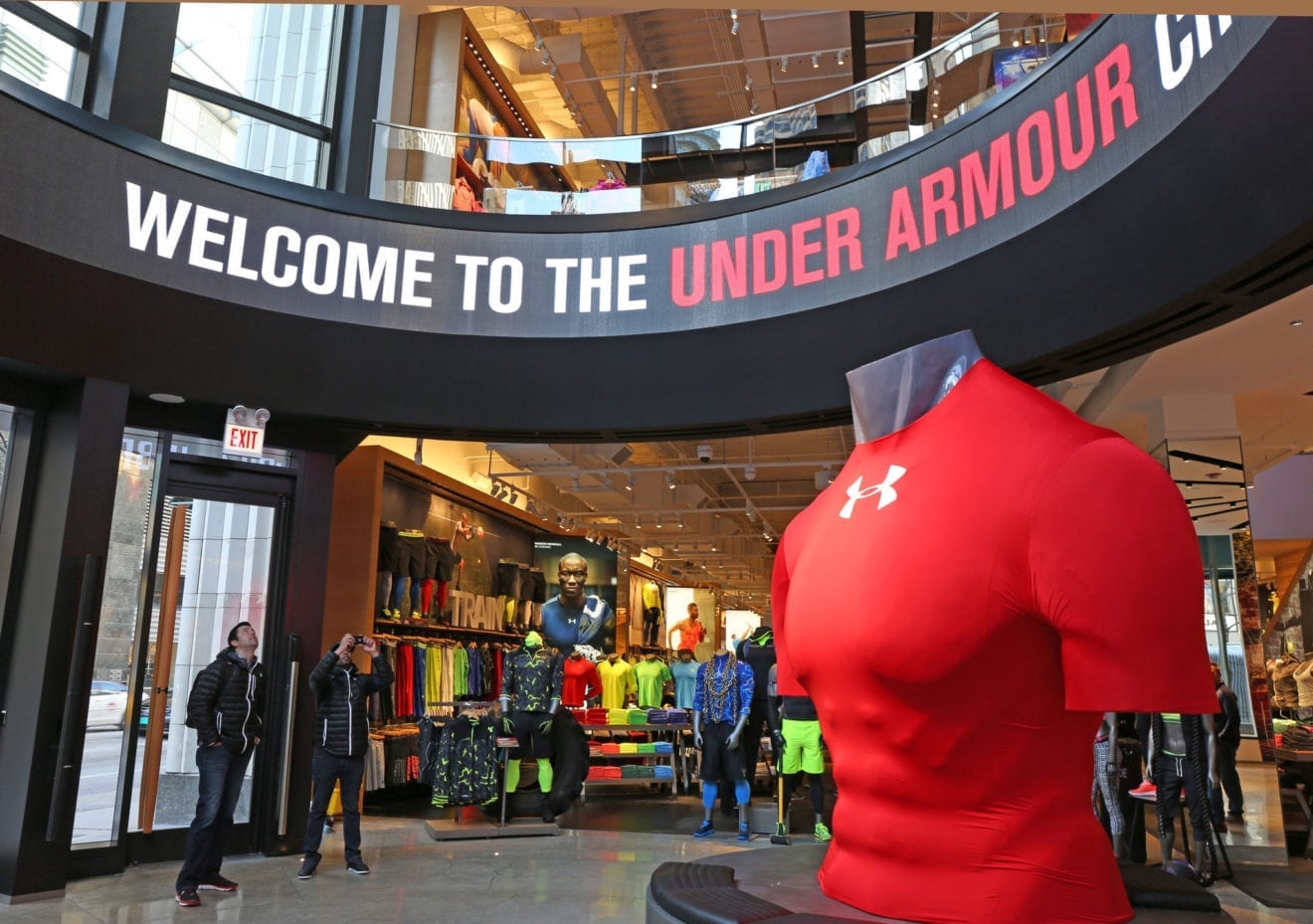
  • Why did Under Armour stock rise by 27% ?

    Why did Under Armour stock rise by 27% ?

    The sportswear maker, in the midst of a convincing turnaround this year, blew away Wall Street estimates in third quarter earnings reported this week and injected a dose of optimism into the stock market. Under Armour shares were up an overwhelming 27.82 percent.

    The broader index seesawed for much of the day but a late afternoon rally lifted it to a gain of 1.55 percent.

    While few companies this quarter have been rewarded for good financial results, Under Armour scored the trifecta: It beat estimates on earnings and revenues, and it raised forward guidance on profits by nearly 20 percent.

    Akamai Technologies also soared today on strong earnings.

    The online content delivery company beat earnings estimates by more than 10 percent and revenues by more than 1 percent on the strength of demand from video-gamers and cyber-security customers.

    The stock was up 16.92 percent.

    Tech services provider Cognizant Technology, on the other hand, saw its stock fall 3.9 percent — the biggest decline on the index — after it lowered fourth quarter guidance because of weak demand from bank customers.

    The broader technology sector rallied strongly with Twitter (4.54 percent), Facebook (2.91 percent) and Alphabet Inc. (1.58 percent) posting gains while Amazon.com (-0.55 percent) and Adobe Systems Inc. (-0.56 percent) had small losses.

    Chipmaker NVIDIA Corp. continued to play the tech sector pinball. Down 6.39 percent then up 9.36 percent.

    Telecom giant Comcast continued to draft off its strong earnings report last week and what appears to be a shift in the market to more defensive stocks with dependable outlooks.

    The stock gained 4.78 percent and is up more than 10 percent since it reported earnings last week.

  • Malaysia’s September trade surplus climbs to 10-year high

    Malaysia’s September trade surplus climbs to 10-year high

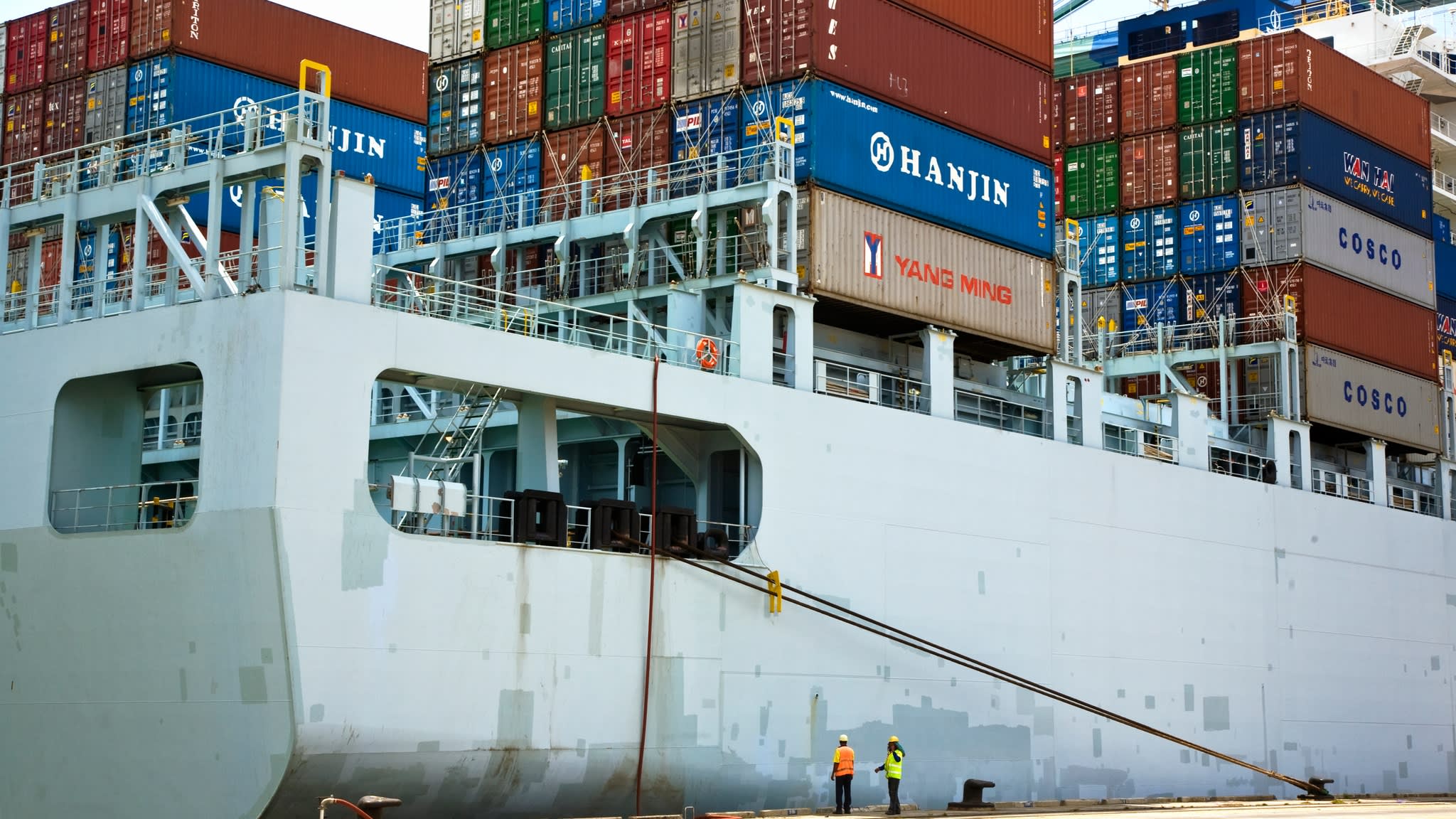
    Malaysia’s exports rebounded by 6.7% year on year (yoy) in September 2018 to RM83 billion after a dip of 0.3% in the previous month, boosting the trade surplus to a 10-year high of RM15.3 billion, the Statistics Department said. The surplus represents an 85.9% jump compared with the same month last year.

    Imports, however, registered a decrease of 2.7% yoy to RM67.8 billion. This was the second lowest import value in 2018.

    Total trade, which was valued at RM150.8 billion, increased RM3.3 billion or 2.3% in September 2018.

    The export growth was contributed by expansion in exports to Hong Kong, Taiwan, Singapore, Australia and South Korea. Lower imports were mainly from India, South Korea, Vietnam, the United Arab Emirates and the European Union.

    The main products which contributed to the expansion in exports were electrical & electronic products (+6.5%); refined petroleum products (+20.5%); crude petroleum (+54.5%) and liquefied natural gas (+1.8%).

    However, declines were recorded for palm oil and palm oil-based products (-11.5%); timber and timber-based products (-0.4%) and natural rubber (-1.9%).

    The lower imports by “end-use” were mainly attributed to intermediate goods, capital goods, and consumption goods.

    MIDF Research said export growth for Q3 averaged 5.3% yoy, moderated from 8.4%yoy in Q2. It was the lowest gain in seven quarters.

    Looking at the final quarter of 2018, it expects exports to perform better than in the earlier three quarters.

    “Amid higher base effects and signs of easing key global indicators, we foresee exports to expand by 7.3% this year (18.9% in 2017). This is supported by lower exports growth for the first nine months which registered at 6.5% compared to double-digit growth of 21.6% in the same period last year.

    “The moderating pace is consistent with gradual rise in global commodity prices, expectation of slight slowdown in overall business performance on top of the heating Sino-US trade conflict.”

  • Alibaba promises US$200 billion global sourcing plan

    Alibaba promises US$200 billion global sourcing plan

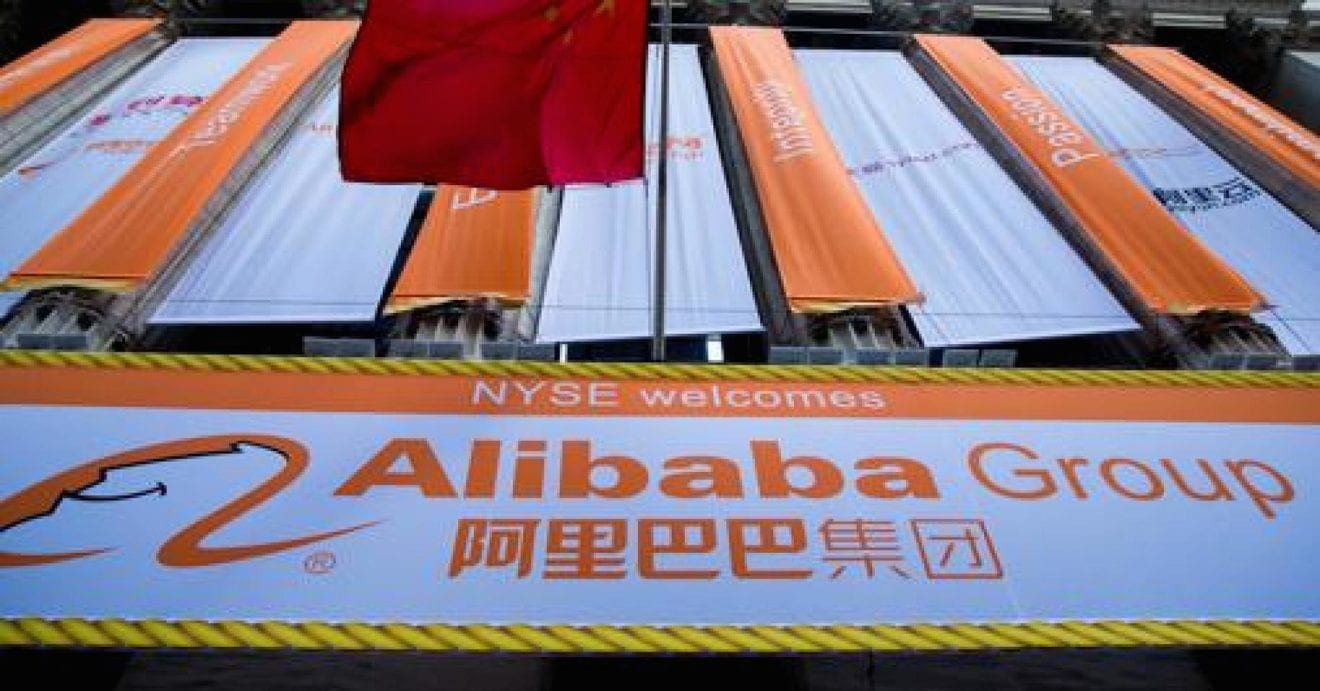
    Alibaba has committed to help import US$200 billion worth of goods from more than 120 countries over the next five years. The company says the move underscores its long-term commitment to globalisation and boosting its efforts to meet the rising demand of Chinese consumers for high-quality international products.

    However, it could also be construed as a move to shore up alternative supply chains in the wake of growing trade tensions between the US Trump administration and China.

    “Globalisation is one of Alibaba’s most critical long-term growth strategies,” said Alibaba CEO Daniel Zhang in a statement. “We are building the future infrastructure of commerce to realize a globalised digital economy where trade is possible for every country around the world.”

    He said using Alibaba’s innovative technology and robust ecosystem, the company is positioned to make global trade more inclusive and fulfil its mission “to make it easy to do business anywhere in the digital era.”

    Zhang outlined Alibaba’s plan at its Global Import Leadership Summit held at the first-ever China International Import Expo in Shanghai. Between 2019 and 2023, Alibaba forecasts it will help import international goods from businesses of all sizes in top countries such as Germany, Japan, Australia, the US, South Korea and Singapore. Several top global brands including P&G, Nestle, JBS, and Refa, have confirmed their holistic partnership with the Alibaba ecosystem.

    By collaborating with various Alibaba businesses units, these brands have been able to effectively engage with China’s massive middle class, a primary engine powering China’s consumption growth.

    Alvin Liu, GM of Tmall import and export, said China’s middle class is booming. “As incomes are rising in China, consumers want faster access to and a wider variety of high-quality products from around the world. Tmall is uniquely positioned to help international brands tap into the growing China market as consumers seek to upgrade their lifestyle.”

    According to a joint report by Deloitte China, the China Chamber of International Commerce, and AliResearch, China’s robust economic growth in recent years has increased the number of middle-to-high income Chinese consumers, who are fuelling the demand for imported, quality goods.

    The report notes that China’s cross-border e-commerce market has grown remarkably, with the proportion of imports to total e-commerce sales growing from 1.6 per cent in 2014 to 10.2 per cent last year. The report also highlights that, between 2014 and 2017, the number of shoppers on Alibaba’s dedicated platform for cross-border shopping, Tmall Global, has grown 10-fold.

  • Vietnam, Thailand skip Philippines’ 203,000 T rice tender

    Vietnam, Thailand skip Philippines’ 203,000 T rice tender

    Rice exporters Thailand and Vietnam did not submit offers at a Philippines 203,000-tonne import tender, citing stricter terms. The tender by one of the world’s top rice importers was held to meet unfilled orders after a tender on Oct. 18 for 250,000 tons of rice by Manila’s state-owned National Food Authority (NFA) secured only 47,000 tons due to high offer prices.

    Thailand and Vietnam were the only government suppliers accredited for Tuesday’s re-tender. NFA officials said both submitted letters saying they would not participate due to the stricter terms set out by the Philippines food authority.

    NFA spokesman Rex Estoperez said import terms had been made more stringent to address concerns that arose from previous rice purchases, including health and safety issues, which would raise the cost for suppliers.

    “I can’t say if there will be another bidding,” Mercedes Yacapin, head of the tender panel, told reporters, adding the decision will be left to the NFA Council, which is made up of the country’s economic managers.

    President Rodrigo Duterte last month scrapped a 20-year-old government cap on rice imports to help curtail soaring prices of the Philippine diet staple by increasing supply.

    The Philippines is on a rice buying spree this year, with import approvals by the NFA hitting 2.4 million tonnes, just below the record 2.45 million tons bought in 2010 when rising global food prices stoked shortage fears.

    The NFA is set to hold another import tender for 500,000 tons of rice on Nov. 20.

  • Japan’s retail sales lift for 11th consecutive month

    Japan’s retail sales lift for 11th consecutive month

    Japanese retail sales continued to grow in September with the archipelago nation recording its 11th consecutive month of revenue growth in retail. For the four weeks to September 30, retail sales increased 2.1% on the same period last year, according to data by the Japanese trade ministry.

    However, the growth was slower compared to August’s 2.7% expansion in the prior month, signalling a potential slow down in retail spend ahead of the busy Holiday period.

    Last month’s gains were led by rising gasoline prices and high sales of machine tools, as well as food and beverage purchases and clothing.

    In September, car sales slipped and online retailers suffered a decline, said the report.

    On a month-on-month basis, retail sales fell 0.2% in September from the previous month, following August’s 0.9% increase.

    The dropped was the first in four months, adding to fears that consumer spending fell yet again in the third quarter.

    Meanwhile, Japan’s annual core consumer inflation gained 1% in September, the fastest in seven months. However, the inflation was boosted mostly by higher oil prices.

    The retail growth follows a survey from Criteo that states Japanese consumers lead the world in mobile transactions, with customers shopping more while commuting.

    In the latest survey, mobile devices accounted for 55% of all EC transactions, up 4 points on the year. Transactions through smartphones increased 9%, and tablets 3%, but purchases by PC were down 9%.

  • FedEx QR Pay targets SMEs in five major Asian markets

    FedEx QR Pay targets SMEs in five major Asian markets

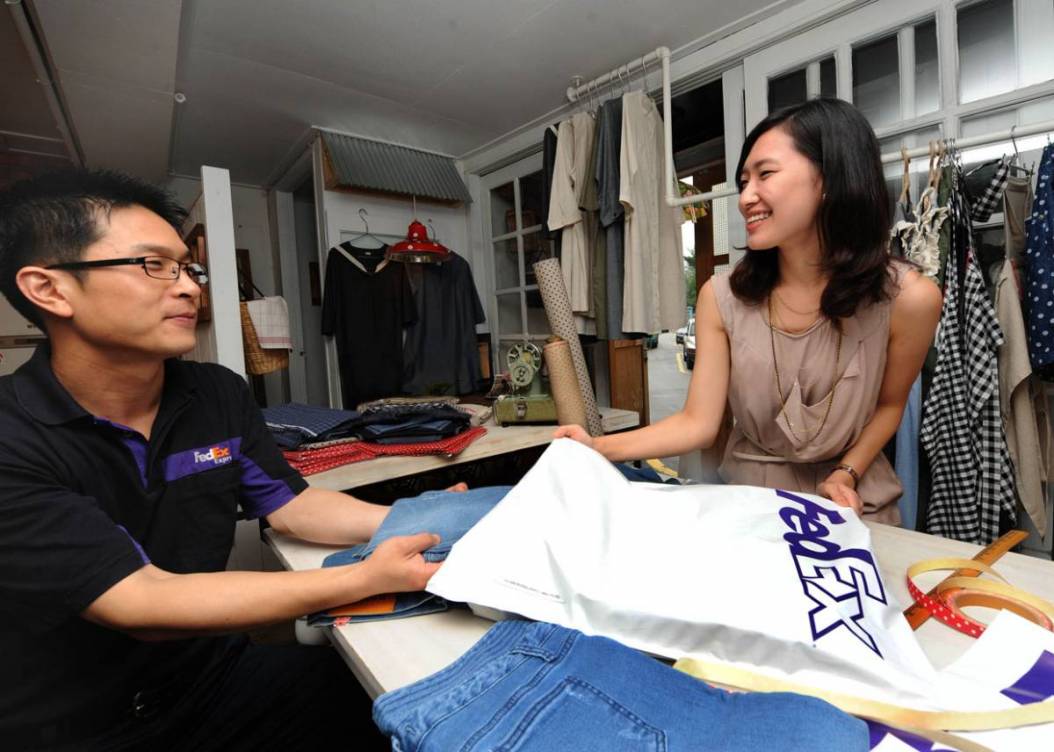
    Transport company FedEx has launched a QR-code based mobile payment system in Hong Kong, Malaysia, Philippines, Singapore, Thailand and Australia. The system, FedEx QR Pay (the QR stands for quick response), is targeted specifically at SMEs.

    Supplementing the firm’s existing online payment methods, FedEx QR Pay is a secure mobile payment option activated by QR codes embedded with unique payment links. QR Pay eliminates the need to have shopping carts, booking engines or checkouts, allowing customers to make payments with credit cards and e-wallet services.

    FedEx’s president for Asia Pacific Karen Reddington said: “FedEx is constantly looking for ways to innovate, pioneer new solutions and offerings to address customers’ evolving needs in the region … QR Pay provides greater flexibility and convenience for our customers, and ultimately a better experience when it comes to managing their logistics needs.”

    Asia Pacific leads the world in mobile payment with 53 per cent of connected consumers using their mobile devices to pay for goods or services at point of sale. Rising mobile penetration is a key driver, with the number of smartphone users across region now over a billion. Seeing the clear trend towards mobile payment adoption, SMEs are also harnessing new technologies to expand their business.

    According to a recent research commissioned by FedEx, 73 per cent of SMEs are already current users of mobile payments, with 69 per cent of these businesses likely to increase usage in the next 12 months. Thirty per cent of current non-users are likely to begin using mobile payments as well.

    FedEx QR Pay will soon be expanded to other markets in Asia Pacific.

  • Phase Eight opens store in MOKO Hong Kong

    Phase Eight opens store in MOKO Hong Kong

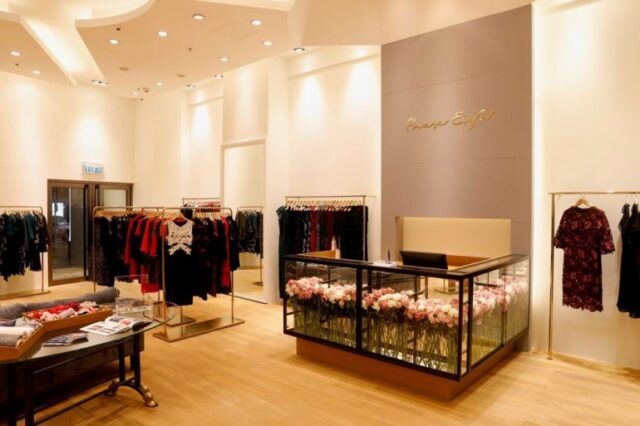
    Phase Eight, the British womenswear brand, in partnership with Rue Madame Fashion Group (RMFG), opens a new store on 21st October. It is in Hong Kong’s premium lifestyle hub, MOKO where the brand decided to establish its 8th store.

    To extend the core principle of Phase Eight, the store offers design-lead personal shopping experiences to customers with professional tips.

    A private yet cosy lounge allows customers to shop in relax and comfortable environment.

    Spread over 1533 square feet, the new store featured a brand new retail concept in MOKO, offering a modern and minimal aesthetic, to create an inviting and relaxing shopping space.

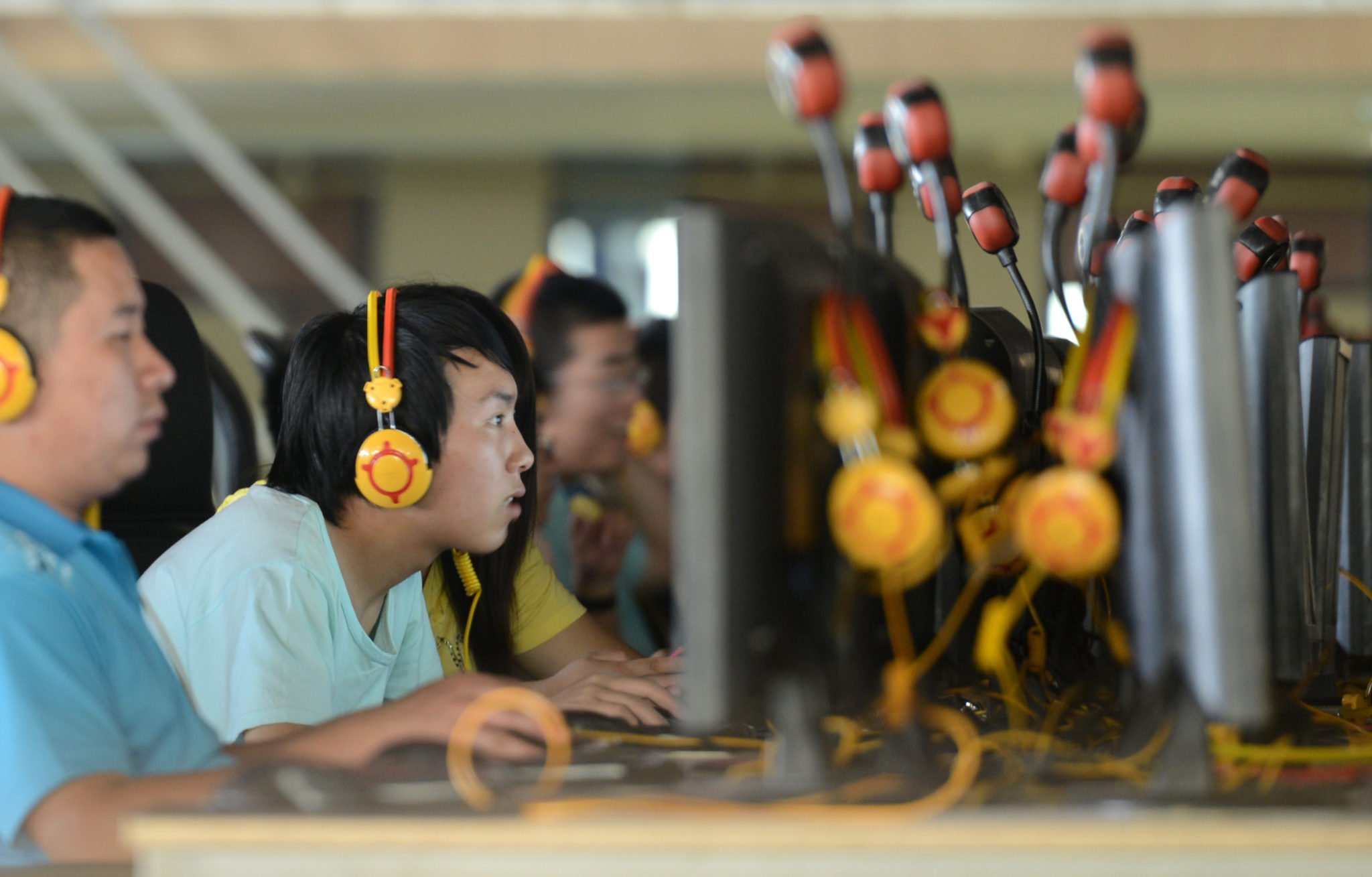
  • Vietnam’s gaming firm profits fall 52 pct in 9 months

    Vietnam’s gaming firm profits fall 52 pct in 9 months

    Vietnamese online gaming giant VNG has reported Jan-Sept 2018 profits of VND152 billion ($6.5 million), a 52 percent year-on-year slump. The company has said in its third-quarter financial statement that higher expenditures have eaten into its profits.

    Selling and administrative expenses of VND853 billion ($36.7 million) and VND382 billion ($16.44 million) respectively in the nine-month period marked a 72 percent and 27 percent year-on-year surge.

    At its recent annual meeting, the company’s management board had predicted a sharp drop in profits compared to previous year as the company wanted to focus resources on investment in strategic products and diversify operations.

    The company focuses in four main areas: e-wallet, mobile product development, ecosystem building, and e-commerce.

    VNG has set a revenue target of over VND5 trillion (more than $215 million) for this year, 17 percent higher than in 2017.

    However, after-tax profit is expected to only reach VND549 billion ($23.62 million) compared to VND938 billion ($40.36 million) in 2017.

    VNG, which used to be known as VinaGame, also owns major news site Zing, popular music site Zing MP3, instant messaging app Zalo, and e-commerce site Tiki.

    Tiki, VNG’s largest investment in e-commerce, continues to suffer increasing losses. In the first half of this year, Tiki’s losses of VND102 billion (nearly $4.39 million) were more than double the same period last year.

    The cumulative loss of this e-commerce site has reached nearly VND600 billion (about $25.82 million) after seven years of operation, beginning in 2010.

  • Tmall, Swire Properties launch New Retail initiative

    Tmall, Swire Properties launch New Retail initiative

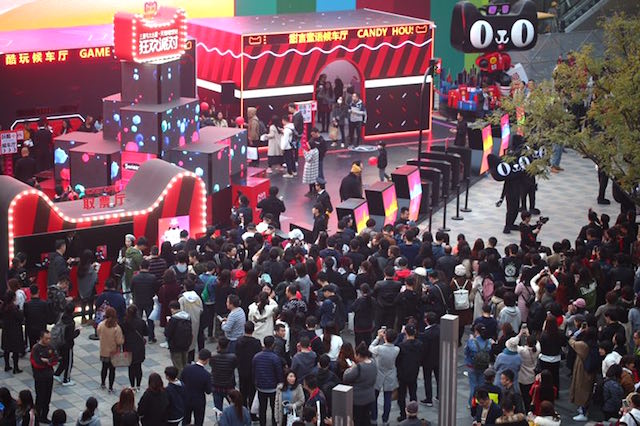
    Alibaba Group’s Tmall and Swire Properties are launching a New Retail initiative creating tailored retail experiences at Swire Properties’ five shopping malls in Mainland China. The partnership will bring benefits to customers in time for Alibaba’s 11.11 Global Shopping Festival on Sunday with Taikoo Li Sanlitun in Beijing the first brick-and-mortar shopping mall in Mainland China to experience this year’s 11.11 “red packet rain” this week.

    Swire Properties will introduce Tmall’s New Retail technologies at five of its developments: Taikoo Li Sanlitun and Indigo in Beijing; HKRI Taikoo Hui in Shanghai; Taikoo Hui in Guangzhou and Sino-Ocean Taikoo Li in Chengdu. The five New Retail initiatives include Tmall Smart Stores, a Tmall Pop-Up Store, Interactive Idol Engagement Photo Booths, Smart Nursery Rooms and a Smart Parking Service.

    Tmall Smart Stores: Shoppers will enjoy a seamless online and offline shopping experience from order to delivery (for participating physical stores). By signing up as members of selected brands, customers can instantly receive details on the latest promotions, and enjoy a return service by simply using their digital devices.

    Tmall Pop-Up Store: Tmall will open an interactive pop-up store featuring cutting-edge technology at Taikoo Li Sanlitun. This nine-day promotion during the Festival will offer shoppers in-depth and enhanced experiences.

    Interactive Idol Engagement Photo Booth: Fans will have a chance to ‘virtually interact with’ and snap a photo with their idol. This is the first-of-its-kind check-in hot spot in Mainland China.

    Smart Nursery Rooms: These offer mothers a relaxing and private space where they can nurse their babies at shopping malls. Vending machines will also offer essential nursing necessities.

    Smart Parking Service: By linking Alipay with their car license plates, drivers can pay parking fees with ease. This service will save drivers 80 per cent of the time usually spent on paying the parking charge and exiting the car park.

    “At Swire Properties, we are always looking for new ways to innovate and integrate the latest technologies into our business, so that we can bring unique experiences to our customers,” said Han Zhi, director, retail at Swire Properties. “Our collaboration with Tmall is a powerful example of digitisation. By harnessing rapidly developing online technologies and big data, our goal is to define the New Retail shopping experience.

    “This year marks the 10th anniversary of Taikoo Li Sanlitun and Alibaba’s 11.11 Global Shopping Festival, both of which have grown in leaps and bounds the past decade. We’re confident that our partnership, which also celebrates this milestone, will set a new benchmark in our respective industries and in the digital space.”

  • Why is Kering buying its shares back?

    Why is Kering buying its shares back?

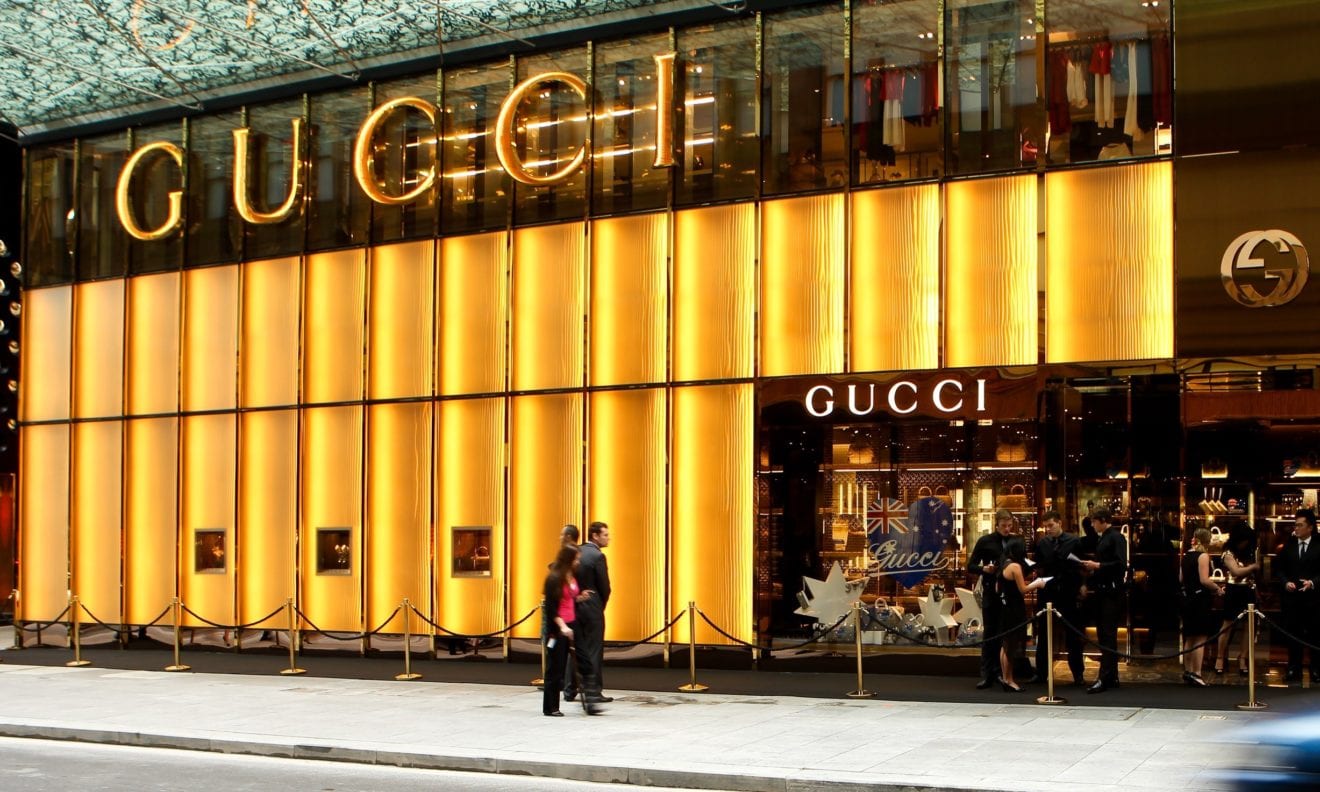
    Kering, which owns Gucci, Saint Laurent and Balenciaga, said it planned to buy back up to 1 percent of its share capital over a 12-month period. According to the luxury-goods group, the total amount of the share buyback agreement would not exceed €300 million (about $342 million) and the price would not exceed €480 per share.

    A stock buyback, also known as a share repurchase, occurs when a company buys back its shares from the marketplace. This means that by paying shareholders the market value per share, a company like Kering can reabsorb a portion of its ownership that was previously distributed among public and private investors.

    But what are the reasons for this?

    Each share represents a small stake in the ownership of the company. There can be several reasons for a share buyback, such as preserving stock price, but in Kering’s case, the move suggests that the company’s senior management is confident about the business and believes its shares are undervalued.

    Undervaluation can occur for multiple reasons. Kering’s management may believe the business is undervalued due to investors’ jittery sentiment around the China market and their ability to see potential in the company’s long term performance.

    Shares in Kering hit a record high of around €522 in June, but dipped in the past three months over worries that white-hot megabrand Gucci was running out of steam.

    The stock rose again in late October after the group reported a better-than-expected rise in third-quarter revenue.

    Sales growth for the conglomerate had been expected to slow from 31.5 percent a quarter earlier to the 22.5 percent rise forecast in a poll of analysts by Inquiry Financial.

    But Gucci sales proved stronger than expected.

    Buying back shares is also a common way for companies sitting on big cash piles to do something about it, and the ideal time is usually after a drop in the stock price.

    It wasn’t Kering’s stocks alone that fell earlier this month.

    Shares in European luxury-goods companies including French rival LVMH sunk, with analysts citing concerns over a consumer slowdown in China, its single biggest market.

    Part of this is due to a crackdown by customs officials, which limits the amount individual Chinese travellers can bring back from abroad.

    “In the most recent weeks, Kering has suffered more than its fair share of pain on the back of the luxury sector downward adjustment following concerns on Chinese consumer confidence,” said Luca Solca, head of luxury goods at BNP Exane Paribas.

    “This has come as investors wanting to reduce exposure to the sector have chosen to lock in gains in stocks that had performed the most, like Kering.”

    Since Chinese consumers account for 32 percent of the worldwide total of luxury sales and about one third of them shop overseas, this is a worry for brands.

    In addition, there is the continued issue of daigou (grey market shopping agents) and the fact that China’s economy is growing at its slowest pace since the financial crisis.

    Gucci president and chief executive Marco Bizzarri acknowledged these challenges.

    “I control what I can control,” he said.

    “Currency fluctuations, traffic flows, daigou duties. It is something we cannot control as a company, so as a CEO I need to control what I can. I hope that Chinese customers are now going to spend more in China, so we’ll do our best to increase their shopping experience here.”

    Jean-Marc Duplaix, Kering’s financial director, said during Kering’s third-quarter earnings call, which came after luxury stocks fell, that the company was seeing an improvement in the retention of Chinese millennial customers and demand had not dipped.

    “In terms of spending power, the situation is still quite sound in China,” he said. “All the events especially in China we had in September or in October, we saw quite good figures. I think that underlying trends are still very, very, very solid.”

    Earlier this year, Bizzarri said that Gucci’s eventual target is to achieve €10 billion ($11.6 billion) in annual revenue.

    “We don’t expect short-term growth issues at Gucci, and anticipate more positive surprises on operating leverage,” said Solca.
  • LG, E-mart develops smart-cart robot

    LG, E-mart develops smart-cart robot

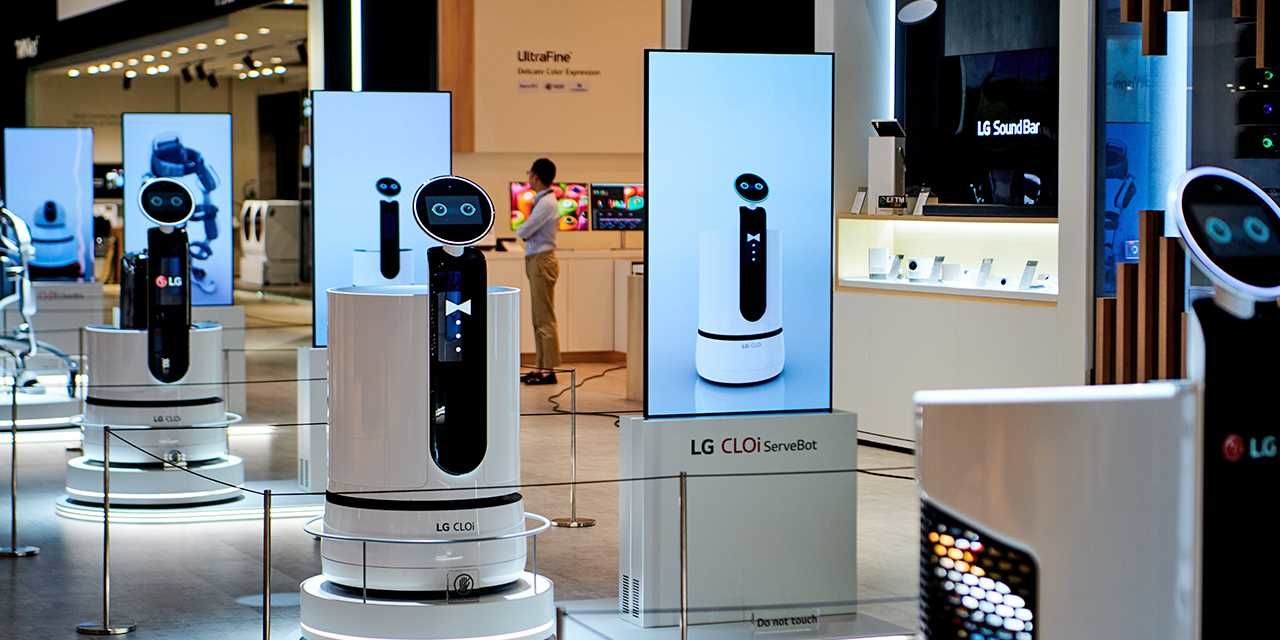
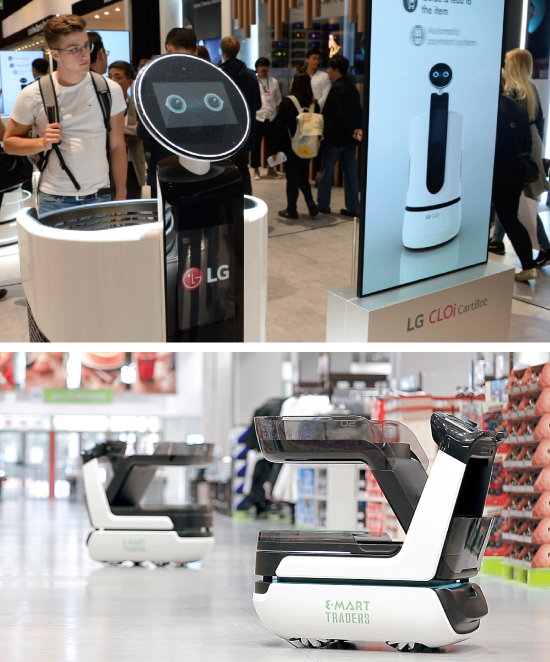
    LG Electronics has signed an agreement with E-mart to develop a new type of service robot that can assist shoppers at its South Korean supermarkets. Under the agreement, the two companies will develop what they call a smart-cart robot that can automatically identify obstacles and follow shoppers as they walk through aisles. LG said the new robot will free visitors from the hassle of pushing heavy carts by themselves.

    The South Korean tech giant said the robot will be developed by its research lab, which has been releasing various robots under the CLOi brand.

    So far, LG has released eight different products under the brand, which are suited for different tasks, including guiding, cleaning and even mowing lawns. The company unveiled the CLOi SuitBot, which can help workers lift and move heavy objects easier as well.

    LG said it has been making efforts to bolster its robot business by joining forces with different clients, including airports, bakeries and retail shops.

    CLOi stands for clever, clear, close operating intelligence, LG said.

    The company has been making investments in robotic firms, including Robotis, AI startup Acryl and US-based robot maker Bossa Nova Robotics.

  • Swiggy India expands services in 16 new cities

    Swiggy India expands services in 16 new cities

    Food ordering and delivery platform Swiggy Thursday said it has expanded its presence in the country by launching services in sixteen new cities across India. The new cities include Thrissur, Tirupur, Warangal, Aurangabad, Agra, Mangalore, Manipal, Jalandhar, Trichy, Udaipur, Amritsar, Varanasi, Bhubaneshwar, Vellore, Thiruvananthapuram and Kota, Swiggy said in a statement.

    These cities join the 28 cities across India where Swiggy already has presence, it added.

    Commenting on the development, Vivek Sunder, COO, Swiggy said, “One of the reasons for the expansion across the country is because of the strong consumer demand that we have witnessed through thousands of Swiggy app downloads in cities where we were not even present.”

    In just four years, Swiggy has become a household name among Indian consumers by providing them the best food delivery experience in the country, he added. The growing consumer demand in tier 2 and tier 3 cities for quality food, convenience, and easy accessibility are one of the key reasons for the company to enter newer cities. Swiggy said.

    Founded in 2014, Swiggy currently has over 40,000 restaurant partners spread across 44 cities in the country.

  • Lacasa Hotel opens luxury style hotel in Gwangmyeong

    Lacasa Hotel opens luxury style hotel in Gwangmyeong

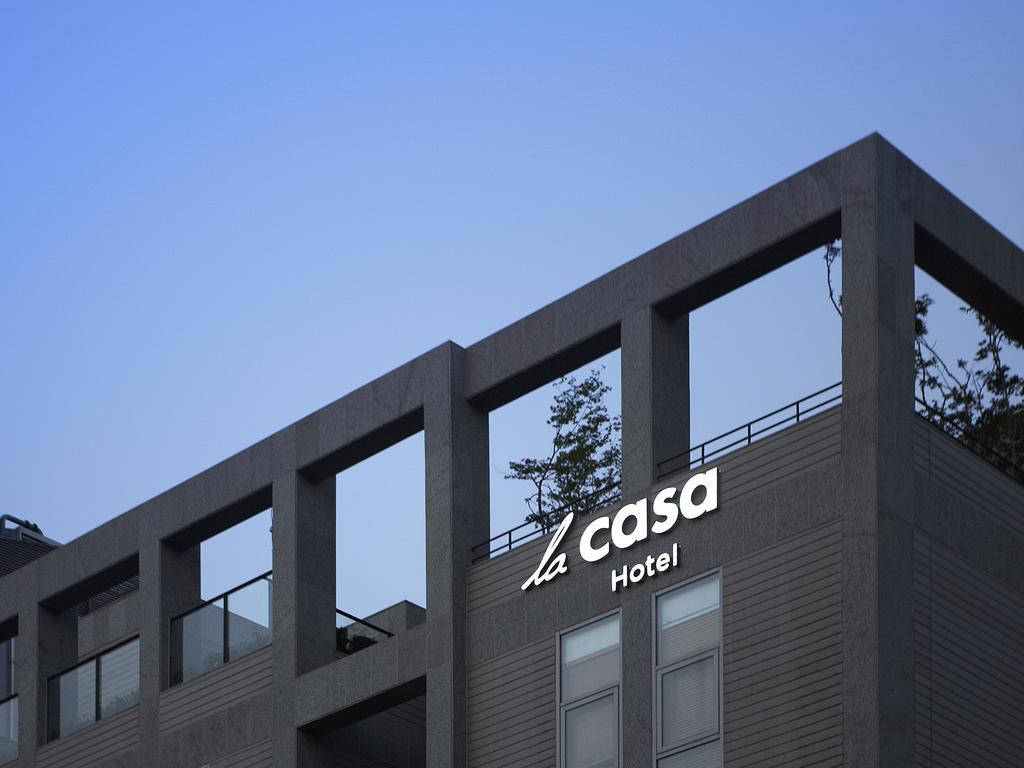
    The Lacasa Hotel Gwangmyeong opened its doors on Monday in Gwangmyeong, Gyeonggi. This is the second branch of the boutique hotel brand Lacasa which launched in Sinsa-dong, Gangnam District, southern Seoul in 2011.

    It is located inside the Lacasa Tower between the seventh and 16th floors, and has 191 rooms and three penthouses. The hotel offers a green view from its windows. On the seventh floor is an outdoor garden.

    “Our goal is to make Lacasa Hotel Gwangmyeong into a comprehensive space for rest, culture, shopping and business,” said Choi Yoon-kyung, the vice president of Lacasa Hotel.

    To celebrate the opening, Lacasa will hold a classical music concert for locals on Nov. 17 inside the new venue.

  • Forever 21 revamps Mall of India store with an international twist

    Forever 21 revamps Mall of India store with an international twist

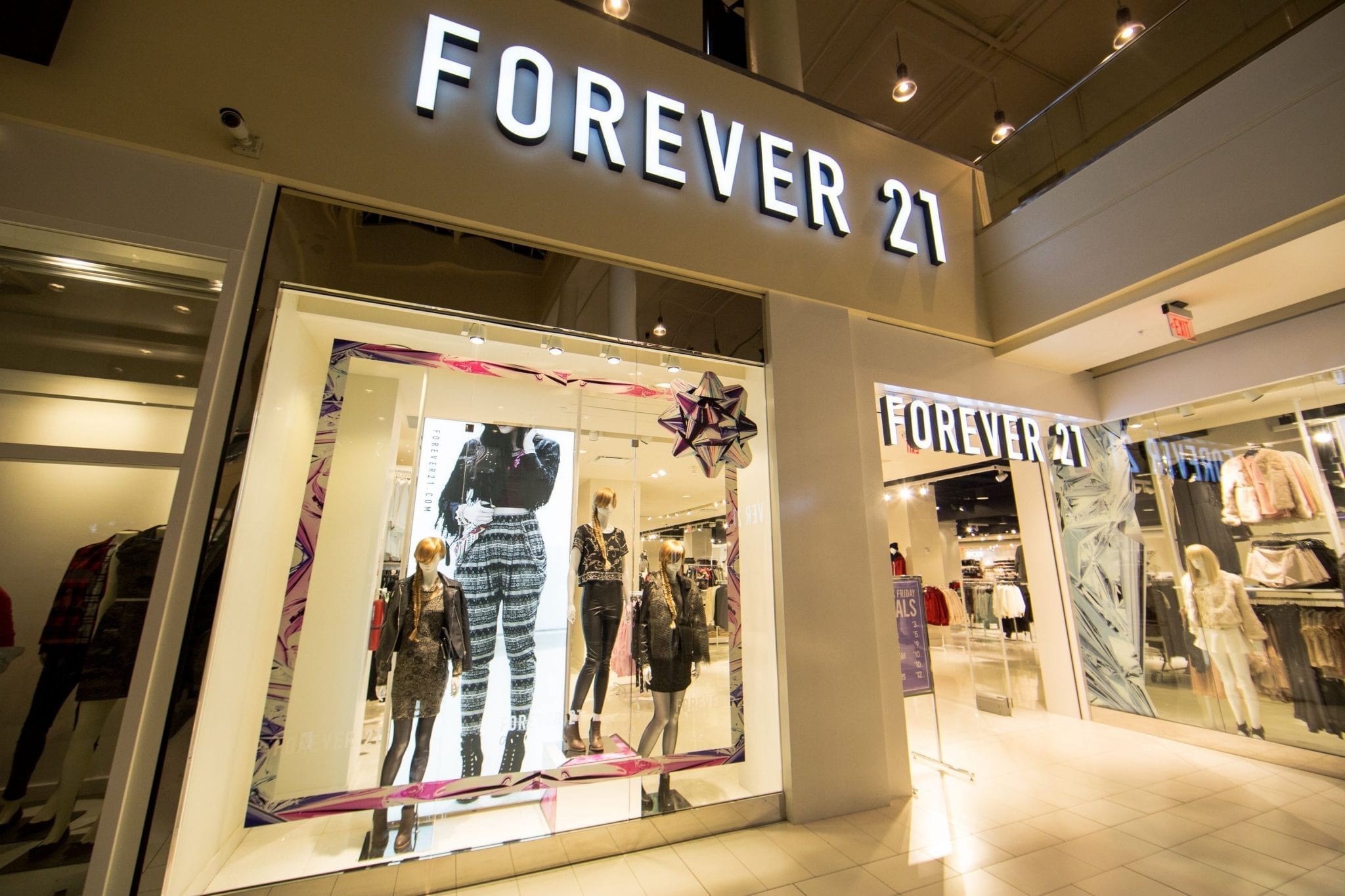
    Forever 21, the most loved international fast fashion destination from Los Angeles, California, and part of Aditya Birla Fashion and Retail Ltd. will be re-opening the store at Mall Of India on November 2, 2018. The refreshing new look gives the shoppers an unforgettable experience bringing classic, international designs with fresh and chic merchandise which effortlessly reflects the brand’s promise of an fulfilling shopping experience.

    The revamped store is best identified as ultra-modern, which houses fresh styles straight off the streets and fashion districts of LA.

    Customers can get their hands on the latest global, contemporary and chic designs loved by all under one roof. The new collection comprises of trendy party wear outfits, laid-back street wear styles, sophisticated contemporary outfits and edgy athleisure wear. They can step up their style quotient with a wide range of international footwear designs, which include – boots, slip-ons, sandals and much more.

  • Petronas has sufficient headroom to absorb one-off exceptional dividend

    Petronas has sufficient headroom to absorb one-off exceptional dividend

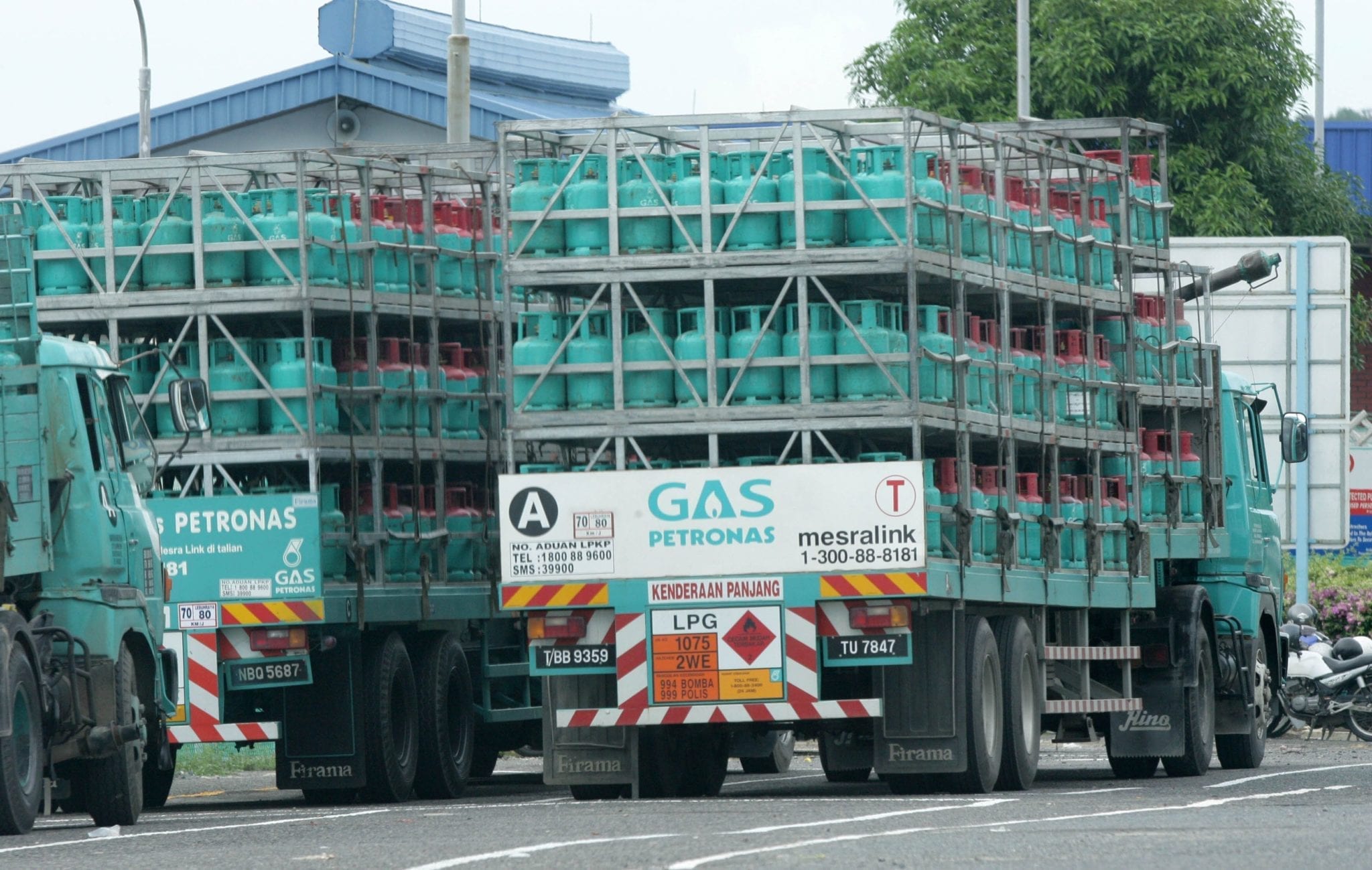
    Petroliam Nasional Bhd’s (Petronas) solid balance sheet, sizeable net cash position and ample liquidity provide ample buffer against the payment of one-off dividend to the government that could reach RM30 billion. According to S&P Global Ratings, the financial impact of a one-off dividend of this size is moderate considering Petronas’ cash position and balance sheet quality.

    “The company can finance this dividend, given cash and short-term equivalent of nearly RM180 billion as of June 30, 2018; immaterial reported debt of about RM66.3 billion as of June 30, 2018 and a net cash position of nearly RM114 billion as of June 30, 2018; and solid operating cash flows,” it said in a statement.

    It added that the exceptional dividend of RM30 billion would effectively offset inflows of nearly RM30 billion the company received following the completion of the transaction with Saudi-based oil and gas producer Saudi Aramco in the first quarter of 2018.

    “We project Petronas will remain in a net cash position in 2019 and, depending on the pace of capital spending disbursement, in 2020 as well. This underpins our ‘aa’ stand-alone credit profile on the company.

    “We currently project operating cash flows of at least RM80 billion in 2019 amid higher hydrocarbon prices. These are sufficient to fund capital spending that we forecast at about RM55 billion and regular dividends to the government and minority interest that we estimate at about RM25 billion,” it said.

    The rating agency said the special dividend will not affect Petronas’ solid liquidity as the group’s short-term debt maturities were minimal at about RM11.5 billion as of June 30, 2018, representing less than 10% of its cash balance.

    “We estimate that Petronas’ balance sheet can absorb negative discretionary cash flows of RM40 billion for two years before the headroom under its ‘aa’ stand-alone credit profile starts to reduce. Assuming no change to the company’s investment plan, this implies additional one-off dividends of RM40 billion to RM50 billion, on top of the regular and exceptional dividends in the 2019 budget,” it said.

    It said that the special dividend validates its long-standing credit view that Petronas can be subject to periodic cash calls from the government given its solid financial position, high importance to the national budget and ownership control by the government.

    It added that a sustained period of higher oil prices over the next two to three years will translate into higher dividends from Petronas, and potentially, additional one-off dividends to the state.

    “We cap our issuer credit rating on Petronas (foreign currency A-/Stable/–; local currency A/Stable/–) to that of the sovereign of Malaysia (A-/Stable/A-2; local currency A/Stable/A-1), despite Petronas’ stronger stand-alone credit profile, given this government intervention risk.”