Tag: Australia

  • ASIC Revokes License of Financial Services Group Australia: What It Means for Retail Investors

    ASIC Revokes License of Financial Services Group Australia: What It Means for Retail Investors

    The Australian Securities and Investments Commission (ASIC) has made a significant move by canceling the license of Financial Services Group Australia Pty Ltd (FSGA), raising eyebrows across the financial sector. In a bold statement on its website, the regulator also announced the permanent ban of FSGA’s responsible manager, Graham Holmes, from any role in the financial services industry.

    Serious Allegations Against FSGA

    ASIC alleges that FSGA fell short in its duty to ensure that its representatives provided financial product advice suited to the needs of their clients. Failings in this area have led the commission to question FSGA’s commitment to acting in the best interests of its clientele. Additionally, the firm allegedly lacked adequate financial and human resources to deliver the services as mandated by its license.

    Failure to Comply

    FSGA has reportedly failed to submit crucial financial statements and auditor’s reports on time, neglected to lodge necessary breach reports with ASIC, and did not meet a key condition of its license concerning its total asset-liability ratio for the financial years 2022 and 2023. These serious oversights illustrate a troubling pattern of non-compliance.

    Holmes’ Troubling Tenure

    Holmes, who served as FSGA’s responsible manager, is accused of taking on the role “on paper” only, while still collecting RM fees without fulfilling his responsibilities. ASIC concluded that Holmes is unfit to participate in any financial services business, marking a severe blow to his professional reputation.

    In an industry where trust is the currency of success, these findings leave many wondering about the integrity of financial advising. As they say, when it rains, it pours — and in this case, it’s a torrential downpour for both FSGA and its former manager.

    Questions & Answers

    What led to ASIC’s decision to cancel FSGA’s license?
    ASIC concluded that FSGA failed to meet its regulatory obligations, including ensuring that financial advice was suitable for clients.

    What does the ban on Graham Holmes entail?
    Graham Holmes is permanently banned from providing any financial services and from holding any position that may influence a financial services business.

    How significant is this action for the financial services industry in Australia?
    This action underscores the stringent oversight by ASIC and serves as a warning to other firms about the importance of compliance and ethical standards in financial advising.

  • Australia And Eu Resume Free Trade Talks: Farming, Food Labeling, And Intellectual Property Rights In Focus

    Australia And Eu Resume Free Trade Talks: Farming, Food Labeling, And Intellectual Property Rights In Focus

    Trade Minister Don Farrell has announced that Australia and the European Union (EU) are set to resume negotiations for a free trade agreement immediately. This comes two years after Australia withdrew from discussions due to an unsatisfactory market access proposal for its beef, sheep, dairy, and sugar sectors.

    Changing Global Trade Landscape

    The global market has reshaped in unexpected ways due to the unanticipated tariff hikes imposed by the United States under President Donald Trump. As a result, the prospects for fruitful negotiations between Australia and the EU, specifically centered on enhancing access for select agricultural products and reducing bureaucratic hurdles, have considerably improved.

    One of Australia’s prime objectives is to amplify its beef and lamb exports to Europe. However, this is a task easier said than done, considering the significant political sway held by European farmers. An offer made by the EU in 2023 accounted for a scant 0.3% of its agricultural imports and was inferior to what it proposed to other trade partners.

    Contentious Discussion Points

    Another significant obstacle has been the EU’s insistence that Australia relinquish naming rights for hundreds of food and beverage products. The EU is pushing for Australia to adopt its system of controlling the names of region-specific food and spirits specialties, which, if agreed upon, could adversely affect Australian consumers, dairies, and boutique spirit manufacturers.

    The EU is advocating for Australia to implement its “geographical indications” model to safeguard the names of European goods. This includes a list of 170 food names and 236 spirit names that the EU wishes Australia to concede.

    The EU’s proposition is that only Greek feta should be allowed for sale in Australia; currently, Australian, Greek, Danish, and Bulgarian feta are sold nationally. It also seeks to reserve the names prosecco and parmesan exclusively for European manufacturers.

    Australia’s approach to food labeling is primarily driven by consumer protection laws and there is minimal history of fraud. By contrast, Europe initially introduced this system for wines due to rampant fraud, before extending it to food products.

    Intellectual Property Challenges

    Issues arise with the specific food and spirits names that the EU wishes to reserve for its producers. Australia contends that these are common names for the food items and it should not lose access to them. The country’s trade agreements allow for an objection process in situations where intellectual property rights limit what other producers can do. However, the government has thus far failed to offer a resolution process or feedback for those affected by the EU’s naming demands, hindering due process of law.

    Questions & Answers

    What impact could the EU’s naming demands have on Australian producers and consumers?

    It could negatively affect Australian dairies and boutique spirit manufacturers, as well as consumers who are accustomed to products with certain names.

    Why is Australia resisting the EU’s naming demands?

    Australia argues that these are common names for food items and that they should not lose access to them. The country also maintains that its approach to food labeling, driven by consumer protection laws, is adequate.

    What concessions could Australia potentially make to reach an agreement?

    Australia could follow the precedent set by Canada by accepting feta as a geographical indication while allowing existing Australian producers to continue producing and selling feta. Similar safeguards could be sought for other products.

  • Hecho En Mexico Debuts Ready-to-heat Packs At Coles Supermarkets Nationwide

    Hecho En Mexico Debuts Ready-to-heat Packs At Coles Supermarkets Nationwide

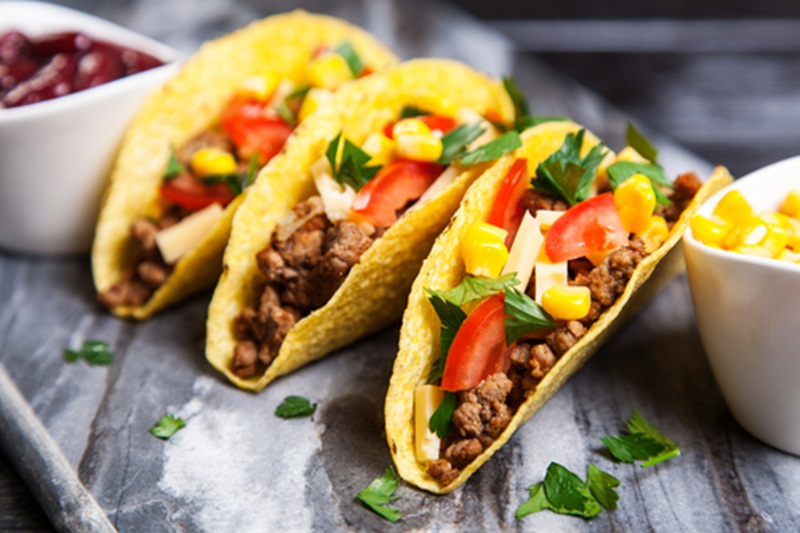
    The Melbourne-based Mexican fast-food chain, Hecho En Mexico, has made moves to broaden its horizons into the retail market by introducing two of its most popular dishes in ready-to-heat packs.

    The launch, resulting from a collaboration with cooked-protein provider Country Cooked, includes two of the chain’s fan favorites: Hecho En Mexico Chicken Fajitas and Hecho En Mexico Pulled Pork Tacos. The chicken fajitas consist of a 12-hour marinated chicken fajita mix, while the pulled pork tacos feature seasoned Mexican pulled pork.

    The convenient packs are inclusive of six flour tortillas and tomatillo salsa. Customers need only add shredded cheese and lime to have a well-rounded meal ready in under 20 minutes.

    Since making its first appearance in Fitzroy, Melbourne back in 2013, Hecho En Mexico has experienced rapid growth, resulting in the opening of over 20 restaurants across Australia.

    Loui Marcocci, the co-founder of Country Cooked, expressed his optimism about this new venture. According to him, this partnership illustrates the increasing opportunities for fast-service restaurants to venture into the retail sector.

    Marcocci highlighted that Hecho En Mexico had already been utilizing Country Cooked’s products in its restaurants. He expressed how this move is mutually beneficial, extending the brand’s reach to retail consumers and offering fans of the restaurant the convenience of purchasing their favorite dishes at their local Coles supermarket.

    The new Hecho En Mexico range is currently accessible at Coles supermarkets nationwide.

    Questions & Answers

    What is Hecho En Mexico’s new venture?
    Hecho En Mexico, in collaboration with Country Cooked, is launching two of its popular dishes in ready-to-heat packs for retail.

    What dishes are included in the ready-to-heat range?
    The range includes the Hecho En Mexico Chicken Fajitas, a 12-hour marinated chicken fajita mix, and Hecho En Mexico Pulled Pork Tacos, made with seasoned Mexican pulled pork.

    Where are the ready-to-heat packs available for purchase?
    The ready-to-heat packs are available at Coles supermarkets nationwide.

  • Aesop Expands In Bangkok: New Boutique Marries Australian Design With Traditional Thai Architecture

    Aesop Expands In Bangkok: New Boutique Marries Australian Design With Traditional Thai Architecture

    Aesop, the well-known Australian cosmetics brand, has recently expanded its presence in Bangkok by opening its fourth boutique at Central Chidlom.

    Inspiration & Design

    This new boutique boasts a unique design, unlike any other. Aesop’s own in-house design team, based in Melbourne, has taken inspiration from the traditional Thai architecture. The design is marked by curved silhouettes, distinctively characteristic of Thailand’s traditional rooftops.

    The boutique’s interior features an aesthetic infused with bamboo, underscoring the brand’s commitment to local materials and sustainable practices. This design choice is a nod to the enamelled tiles seen on traditional Thai rooftops, which are often supported by wooden frames and trusses.

    Store Features

    Prominent in the store is a standalone terraced display table and several shelving units, all of which are enveloped by bamboo. This common interior material is frequently used across Thailand, reflecting the brand’s integration of local traditions into its store design.

    Product Range

    The most recent addition to Aesop’s portfolio of boutiques will carry the brand’s comprehensive range of products. These include their complete line of skincare, haircare, and body care products, each promising the high-quality experience that Aesop is renowned for.

    Questions & Answers

    What inspired the design of the new Aesop boutique in Bangkok?

    The design of the new boutique was inspired by traditional Thai architecture, particularly the curved silhouettes of the country’s traditional rooftops.

    What materials were used in the construction of the new Aesop boutique?

    The boutique prominently features bamboo in its construction, a common material used throughout Thai architecture and interior design.

    What products will the new Aesop boutique carry?

    The boutique will carry Aesop’s full range of skincare, haircare, and body care products.

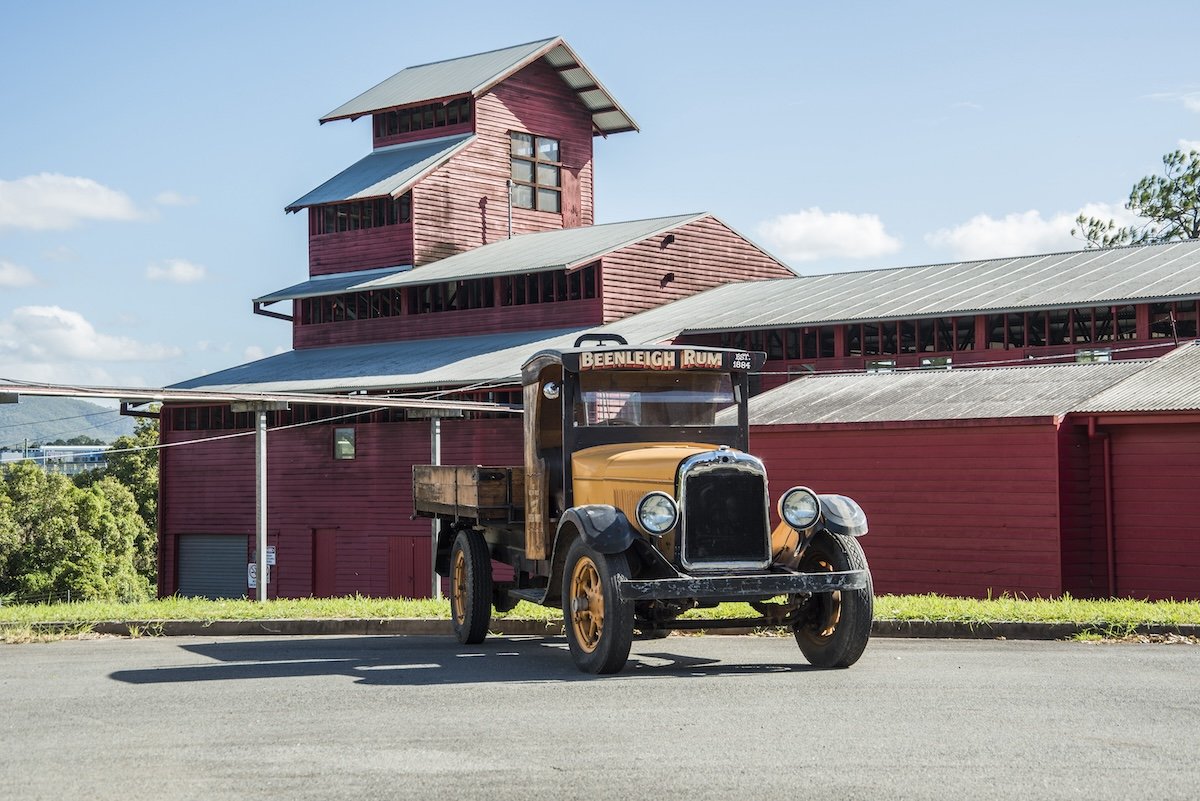
  • Beenleigh Distillery Targets Rtd Market With Citrus-inspired ‘hard Orange Crush’ Launch

    Beenleigh Distillery Targets Rtd Market With Citrus-inspired ‘hard Orange Crush’ Launch

    Beenleigh Distillery has recently expanded its ready-to-drink (RTD) selection by launching Hard Orange Crush, a citrus-inspired beverage.

    Product Characteristics

    Hard Orange Crush, the newest offering from Beenleigh Distillery, is a refreshing blend that includes real orange juice. It is packaged in 375ml cans, which are sold in packs of four. The beverage boasts a delicate citrus and sherbet aroma with a slightly tart finish. The alcohol content is pegged at 4.5%.

    Following the Success of Pineapple Crush

    This move comes after Beenleigh Distillery’s successful introduction of Pineapple Crush. According to the company, this product was one of their most successful RTD launches in the last financial year, securing a spot amongst the top three based on sales data from certain retail groups.

    Will Sullivan, the brand manager at Beenleigh Distillery, commented on the new product launch, saying, “Orange is a beloved soft drink flavor in Australia, but it is seldom used in RTDs. We had great success with Pineapple, and we’re confident Hard Orange Crush will follow suit.”

    Strategic Expansion

    The launch of Hard Orange Crush is part of Beenleigh Distillery’s larger strategy to tap into the market for soft drink-inspired alcoholic beverages. The distillery aims to broaden its presence in the expanding ready-to-drink sector.

    Sullivan added, “We view this as a deliberate step towards an area that has been neglected for too long. With Hard Orange Crush, we’re introducing a unique product and aiming to fortify our position in the market.”

    Questions & Answers

    What inspired Beenleigh Distillery to create Hard Orange Crush?
    Beenleigh was influenced by the popularity of orange as a soft drink flavor in Australia and the success of their previous product, Pineapple Crush.

    How is Hard Orange Crush packaged and sold?
    The product comes in 375ml cans and is sold in packs of four.

    How does the launch of Hard Orange Crush fit into Beenleigh Distillery’s broader strategy?
    The introduction of Hard Orange Crush is part of Beenleigh Distillery’s plan to expand its presence in the growing ready-to-drink sector by creating soft drink-inspired alcoholic beverages.

  • Amazon Australia launches B2B store it says will help businesses cut costs

    Amazon Australia launches B2B store it says will help businesses cut costs

    Amazon Business, a new platform designed to streamline operations and decrease expenses for organizations of various sizes, has been introduced by Amazon Australia. The platform will feature focused sections for kitchen and pantry goods, cleaning and sanitation products, alongside stationary, IT commodities, and maintenance solutions.

    Addressing Business Needs

    Amazon Business aims to cater to the specific needs of business buyers, offering them tailored features for convenience. These include exclusive business pricing and volume discounts on eligible items. The platform also provides options for single or multi-user business accounts, Business Prime, and dedicated customer service.

    The introduction of this platform comes at a critical time when inflating expenses have been impacting small-to-medium-sized businesses (SMBs) in Australia. Research reveals that 92% of these SMBs have experienced a rise in operational costs over the past three years. Consequently, 83% of them have been compelled to transfer these expenses to their customers.

    Furthermore, the same research unveiled that over 80% of Australian SMBs have had to increase their prices by an average of 13% due to the escalating cost pressures.

    Gearing Up for Expansion

    Lena Zak, Country Manager of Amazon Business Australia, expressed excitement about the new platform. Zak emphasized the benefits of Amazon Business, stating that this development would be highly advantageous for the numerous SMBs operating across Australia. Zak further highlighted that Amazon Australia has substantially invested in enhancing its operations network to facilitate a smooth, speedy, and reliable shopping experience for its customers.

    With this latest launch, Australia becomes the eleventh country to offer Amazon Business, joining the ranks of countries like the U.S., U.K., Germany, Japan, among others. Since its debut in 2015 in the U.S., Amazon Business has expanded its customer base to over 8 million worldwide. The platform reportedly generates approximately $35 billion in annual gross sales.

    Questions & Answers

    What is Amazon Business?
    Amazon Business is a platform designed to simplify operations and reduce costs for organizations. It provides business-only pricing, quantity discounts, and options for single or multi-user business accounts, among other features.

    What does the launch of Amazon Business imply for Australian SMBs?
    The launch comes at a time when rising operational costs have been impacting Australian SMBs. It aims to offer them a streamlined, cost-effective way of procuring necessary items, thereby helping them manage their expenses.

    How has Amazon Business performed since its inception?
    Since its launch in the U.S. in 2015, Amazon Business has grown to more than 8 million customers globally. The platform reportedly generates approximately $35 billion in annualized gross sales.

  • Travelex appoints new Australia and New Zealand Retail Director

    Travelex appoints new Australia and New Zealand Retail Director

    Leading foreign exchange brand Travelex has appointed Asokan Sathurayar as Retail Director in Australia and New Zealand (ANZ) to accelerate the company’s next stage of regional retail growth.
    Sathurayar joins Travelex with over two decades of experience in senior retail leadership roles across ANZ, including 15 years at Luxottica, where he played a key role with renowned brands such as Sunglass Hut and Oakley. Most recently, he led high-performing teams and drove transformational change as Head of Retail at Dusk Australasia.
    As Retail Director, Sathurayar’s focus is on delivering retail excellence, driving regional business growth and enhancing team performance. His remit will include overseeing Travelex’s regional portfolio of foreign currency services, including both cash and pre-paid travel money solutions, as well as the network of more than 125 stores and 70 ATMs located across key travel and retail hubs.
    Sathurayar will also be driving the evolution of Travelex’s omnichannel delivery and distribution network, which includes home delivery, click and collect and retail distribution partnerships.
    “Asokan brings deep retail expertise to Travelex, at a time when our customer expectations are rapidly evolving across both physical and digital channels. His appointment reflects our commitment to offering our customers a seamless, convenient omnichannel experience driven by operational agility” said Simon Jackson, Chief Customer Officer at Travelex.
    “With an increasing number of travellers planning ahead to acquire travel money, Asokan is well placed to drive growth of our physical, online and partner distribution channels across the region,” added Jackson.
    Travelex recently relaunched a new store in Chadstone Shopping Centre, Australia’s largest shopping destination, which attracts more than 400,000 visitors each year, as well as recently renewing its partnership with Australia Post, Australia’s largest retail network, providing travel money services to customers across 3,200 Australian post offices.
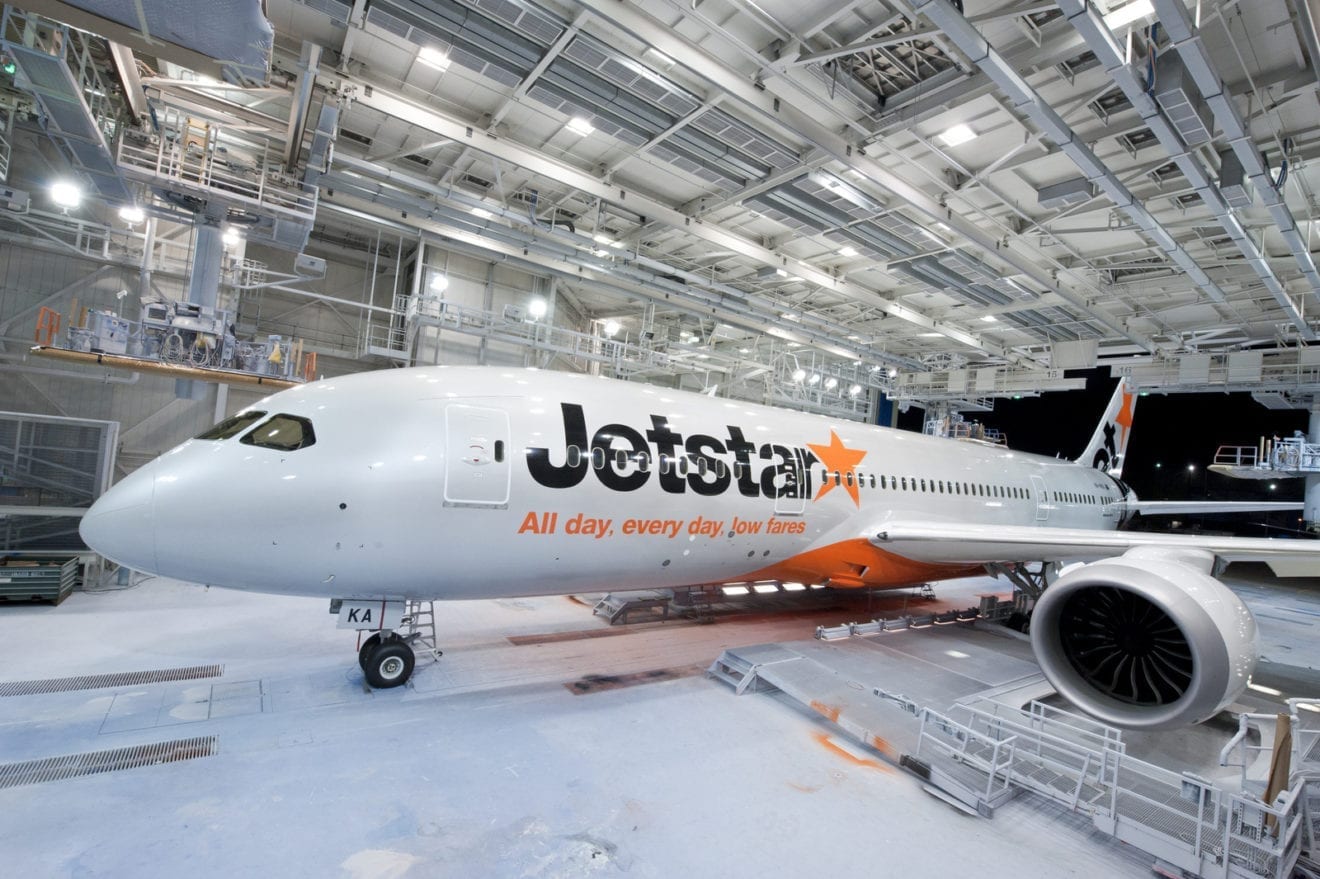
  • Jetstar Asia to Close, Impacting 500 Jobs in the Singapore Airline Industry

    Jetstar Asia to Close, Impacting 500 Jobs in the Singapore Airline Industry

    Australian airline Qantas has made the difficult decision to close its budget carrier, Jetstar Asia, effective July 31. This move comes in response to escalating operational costs, increased fees at Singapore’s Changi Airport, and fierce competition across the region.

    Operational Costs Taking Their Toll

    Jetstar Group Chief Executive Officer Stephanie Tully highlighted the widespread impact of rising costs on the airline’s operational framework. The recent hike in airport fees at Changi, implemented on April 1 as part of a S$3 billion (US$2.3 billion) upgrade, played a significant role in this challenging situation. “The airport fees are a part of that. That has had an impact on the business,” she stated, referencing comments made to Bloomberg.

    As Qantas Group Chief Executive Vanessa Hudson expressed, this is a heavy moment for the Jetstar Asia team. “We are incredibly proud of them. This is a very tough day for them. Despite their best efforts, we have seen some costs for Jetstar Asia’s suppliers rise by up to 200%, which has materially changed its cost base.”

    Staff Impact and Passenger Reassurance

    The closure will inevitably affect around 500 staff members, who will be offered redundancy benefits and assistance in finding new employment, as reported by AFP. Meanwhile, passengers whose flights have been canceled will be entitled to refunds, ensuring they are compensated as the airline winds down operations.

    Prior to the announcement, Jetstar Asia was projected to incur an underlying loss of A$35 million (US$23 million) this financial year, with Qantas owning 49% of the airline. The cancellation of operations means that the fleet of 13 A320 aircraft will soon be redeployed to Australia and New Zealand, creating over 100 local jobs.

    In a strategic move, Qantas noted that shutting down Jetstar Asia could generate up to A$500 million to bolster the group’s fleet renewal program. The decision was made in conjunction with Westbrook Investments, which holds a 51% stake in the regional carrier.

    While the closure is certainly a somber development, it raises some intriguing questions about the future of air travel in a region that continues to evolve rapidly.

    Questions & Answers

    Why is Qantas closing Jetstar Asia?
    Qantas is shutting down Jetstar Asia due to rising operational costs, increased airport fees at Changi Airport, and intense regional competition making it financially unviable to continue.

    What happens to the staff of Jetstar Asia?
    Approximately 500 employees will receive redundancy benefits and support in finding new jobs as the airline winds down its operations.

    How will affected passengers be compensated?
    Passengers whose flights are canceled will be offered refunds, ensuring they are financially protected during this transition.

  • Commonwealth Bank of Australia Sells Stake in Bank of Hangzhou: A Strategic Shift Unveiled

    Commonwealth Bank of Australia Sells Stake in Bank of Hangzhou: A Strategic Shift Unveiled

    The world of retail is buzzing with excitement as companies navigate the competitive landscape, continually seeking innovative strategies to engage consumers. Businesses are not only looking for traditional advertising avenues; they are harnessing the power of digital platforms and live events to foster connections and showcase their brand narratives.

    The Power of Advertising

    In this dynamic climate, retailers are discovering creative ways to communicate with their target audiences. From vibrant print campaigns to impactful digital marketing strategies, the opportunities are vast. Partnering with expert teams can amplify these efforts, ensuring that the subtleties of brand messaging resonate authentically.

    Engaging Through Events

    Additionally, the retail space is becoming a hub for events—both in-person and online—where brands can engage with consumers in unique ways. Organizing such gatherings enables companies to bring together thought leaders and industry trailblazers. These interactions not only foster collaboration but also pave the way for potential partnerships. It’s a win-win situation, where brands can shine and forge vital connections.

    Celebrating Success

    What’s more, awards programs are emerging as a beacon for recognizing excellence in the retail sector. Companies have the opportunity to not only participate but also sponsor these accolades, reinforcing their commitment to innovation and quality in the industry. It’s the perfect moment to not just be in the spotlight but to dazzle it!

    All of these strategic endeavors are designed to help businesses navigate the consumer landscape more effectively, enhancing their overall market presence. In a world where retail competition is fierce, wouldn’t it be fabulous to outshine the rest?

    Questions & Answers

    What advertising options are available for retailers?
    Retailers can utilize a mix of print and digital advertising, leveraging partnerships with experienced teams to create vibrant campaigns.

    How can live events benefit a retail brand?
    Live events foster connections with consumers and enable brands to engage with industry leaders, creating collaboration opportunities that can enhance business growth.

    What is the significance of awards programs in retail?
    Awards programs provide a platform for brands to showcase their achievements, solidifying their reputation for excellence and innovation within the industry.

  • Australians Set to Splash $10.5 Billion in Year-End Sales Excitement!

    Australians Set to Splash $10.5 Billion in Year-End Sales Excitement!

    Australians are gearing up for a spending spree during this year’s mid-year and end-of-financial-year (EOFY) sales, with projected expenditures hitting a remarkable $10.5 billion. This represents a robust increase of $400 million, or 3.9%, compared to 2024, as reported by the Australian Retailers Association (ARA) and Roy Morgan.

    Shopping Frenzy Begins

    The annual sales event has kicked off, enticing shoppers with significant discounts across a variety of categories, including clothing, shoes, homewares, furniture, and electronics. ARA Chief Industry Affairs Officer Fleur Brown noted that consumers are particularly eager to save on major purchases and essential winter items, with many searching for work-related gadgets like laptops and phones to take advantage of tax deductions.

    Top Spending Categories Revealed

    Clothing, footwear, and accessories dominate the shopping landscape, accounting for 34% of all purchases, followed by household appliances at 19% and electronics at 12%. The ARA emphasizes that this year’s sales are particularly vital for retailers striving to recover from a dip in consumer spending.

    Shifting Shopping Habits

    This year, a notable shift is occurring as more shoppers opt for brick-and-mortar stores. Only 44% of consumers plan to shop online, a significant plunge of 11 percentage points from the previous year, suggesting that shoppers prefer the tactile experience of in-store deals.

    Increased Participation and Spending

    Approximately 6.1 million Australians (26%) are expected to join in the shopping festivities. Among those, 37% intend to spend more than last year, while 42% plan to maintain their spending levels, and 21% will cut back. The average shopper is anticipated to spend $1,714—up by $76 from 2024.

    Young Consumers Lead the Charge

    Young Australians under the age of 35 are emerging as the most enthusiastic spenders, with an average outlay of $2,065, contributing a whopping $4.3 billion to overall sales. This demographic also boasts the largest number of participants, with an estimated 2.1 million expected to shop.

    Men Outspending Women

    When it comes to spending, men are forecasted to lead the charge, averaging $2,044 compared to $1,430 for women. This translates into a total of $5.8 billion spent by men and $4.7 billion by women. Interestingly, a growing number of consumers are planning to splurge, with 36% aiming to spend between $1,000 and $4,999—up 15% from last year. Additionally, 11% are eyeing expenditures of $5,000 and above, marking a 5% increase, while 22% plan to spend between $500 and $999 (up 1%). Meanwhile, only 31% of shoppers intend to spend less than $500, reflecting a dramatic 21% drop from the previous year.

    Questions & Answers

    What is the total projected spending for EOFY sales this year?
    The total spending is expected to reach $10.5 billion, a 3.9% increase from last year.

    How many Australians are participating in the sales?
    Approximately 6.1 million Australians, or 26% of the population, are expected to shop during the sales.

    Which demographic is spending the most?
    Young Australians under 35 are the biggest spenders, with an average expenditure of $2,065.

  • Red Bull Zero range lands in Australia

    Red Bull Zero range lands in Australia

    Red Bull is broadening its horizons in Australia by launching Red Bull Zero, a new sugar-free energy drink that offers the same familiar taste we all know and love, but with a healthier twist. The beverage is sweetened with monk fruit extract, a natural sweetener often seen as a healthier alternative to sugar.

    New Packaging, Same Great Taste

    This new offering from Red Bull is packaged in matte, light-blue 250ml cans and can be found at Coles, Woolworths and 7-Eleven. The new can design is sleek, clean and features an appealing colour. These cans are sure to stand out on the shelves and catch the eye of consumers looking for an afternoon pick-me-up.

    Jarvis Earle, a world junior champion in the World Surf League and a Red Bull athlete, expressed his enthusiasm for the new drink. He shared his plans to reach for a can in the afternoon when he’s trying to cut down on calories but still needs an energy boost.

    Unique Flavour Profile

    Red Bull has stated that consumers can anticipate a unique and refreshing taste from Red Bull Zero. A refreshing sourness is balanced with hints of tutti fruitti, while undertones of pineapple and vanilla add an extra layer of complexity to the flavour. This combination of sweet and tart flavours offers an exciting and vibrant balance that will surely keep consumers coming back for more.

    New Challenge to Motivate Australians

    In addition to the launch of Red Bull Zero, the brand is also rolling out the Red Bull Zero Excuses Challenge. This is a free 30-day fitness initiative designed to empower Australians to chase their personal health objectives. This challenge is just another example of how Red Bull constantly strives to inspire and motivate its consumers, both with its products and its initiatives.

    Questions & Answers

    What is Red Bull Zero?
    Red Bull Zero is a new sugar-free energy drink sweetened with monk fruit extract. It offers the same familiar taste of the original Red Bull Energy Drink without the sugar.

    What does Red Bull Zero taste like?
    Red Bull Zero offers a unique flavour profile. There is a refreshing sourness balanced with hints of tutti fruitti, and undertones of pineapple and vanilla, offering a vibrant sweet-and-tart balance.

    What is the Red Bull Zero Excuses Challenge?
    The Red Bull Zero Excuses Challenge is a free, 30-day fitness initiative designed by Red Bull. It aims to motivate Australians to pursue their personal health goals.

  • Marketplace Battle Heats Up: Trust, Convenience and Choice Key as Pricing Pressures Grow

    Marketplace Battle Heats Up: Trust, Convenience and Choice Key as Pricing Pressures Grow

    An exclusive Australian study by global ecommerce accelerator, Pattern, has shown that product range, convenience, and trustworthiness will be critical battlegrounds for online marketplaces in 2025.

    With international tariffs reshaping marketplace business models, platforms like Temu and Shein, once known for ultra-cheap products, are now raising their prices. In some markets, the cost of goods such as health and beauty products has surged by 51%.

    “The days of marketplaces winning Australian consumers with ultra-cheap pricing alone are over. Although leading platforms like Amazon will continue to attract shoppers with competitive pricing, consumers are now making purchasing decisions based on factors like credibility, product variety and ease-of-shopping,” said Merline McGregor, Managing Director for Pattern Australia.

    Convenience Drives Loyalty

    Australians are increasingly choosing marketplaces that offer greater convenience. Amazon continues to set the benchmark, with 57% of shoppers rating it as the most convenient platform for purchasing goods, driven by its streamlined ordering process, fast shipping options, and integrated returns experience. 

    While Shein and Temu have experienced rapid growth in overall shopper awareness, their convenience ratings are significantly lower at 14% and 27%, respectively. This gap highlights a critical challenge for emerging platforms: while aggressive marketing and discounting can attract first-time buyers, delivering a seamless, reliable shopping experience is crucial to securing repeat business.

    “Convenience is more than just speed of delivery, it’s about every touchpoint of the shopping experience, extending from intuitive search functions to reliable customer service and simple returns,” said McGregor. “Australian brands selling on marketplaces that deliver frictionless shopping experiences are more likely to secure both the first purchase and increase their chances of building customer loyalty.”

    Trustworthiness and Reliability Build Customer Relationships

    As price advantages decline, product quality and reliable return processes are key differentiators for marketplaces. Amazon leads in both areas, with 60% of Australian shoppers trusting it for product quality and 53% for reliable returns.

    eBay also performs strongly, earning trust from 42% of shoppers, while Kogan lags at 16% and MyDeal at just 9%. Chinese marketplaces, Temu and Shein face even greater challenges, with only 12% and 11% of consumers expressing confidence in the quality of the products they sell. 

    “In an increasingly competitive and regulated environment, trust is not an aspiration. Marketplaces must consistently deliver quality products, backed by hassle-free returns to build enduring customer relationships,” said McGregor. “We’ve seen a positive improvement in returns processes for all marketplaces, with only 3% of Australian consumers stating they do not trust any marketplace for reliable returns. This is a huge drop from 18% in 2024 and shows that all platforms are prioritising improving the customer experience in this critical area.”

    Amazon, eBay and Temu Win with Product Variety 

    Amazon is recognised by 60% of shoppers as having the widest variety of inventory in Australia across categories such as electronics, home & kitchen and sporting goods. eBay also retains a strong position, with 45% of consumers recognising its broad range, particularly in the second-hand and collectible markets.

    Only 32% of shoppers believe Temu offers the widest product range, yet the number of consumers visiting the platform for its vast product range has surged 87% since 2024.

    “A broad and evolving product range is proving key for marketplaces to retain and grow their shopper base. Consumers are moving towards platforms that offer a one-stop-shop experience, and marketplaces that can deliver this effectively across multiple categories have a clear competitive edge,” concluded McGregor. 

    For more information and to download the full report please click here: ‘2025 Marketplace Consumer Report’

    About Pattern Inc

    Pattern is the category leader in global ecommerce and marketplace acceleration. It is the number one reseller on Amazon globally, selling over $3 billion of product each year into 60 countries. Since 2013, Pattern has profitably grown to over 2,000 employees operating from 24 global locations – including Melbourne, Sydney and the Gold Coast – to help leading brands achieve accelerated growth on D2C websites and global ecommerce marketplaces. Pattern is also present on Tmall, JD.com, eBay and other ecommerce marketplaces. We act as the authorised Amazon seller to more than 300 brands globally, buying their stock to sell on the marketplace and taking care of every aspect of their Amazon presence. For more information, visit https://au.pattern.com/

  • Vietnam Surpasses Thailand and Australia, Claiming Leading Role in China’s Mango Market

    Vietnam Surpasses Thailand and Australia, Claiming Leading Role in China’s Mango Market

    China has dramatically increased its mango imports, with a staggering year-on-year rise that brought the total to US$29 million, as reported by China customs. This surge is primarily due to the country’s insatiable appetite for tropical fruits, coupled with a domestic supply shortage.

    Mango Import Landscape

    Among the six countries supplying mangoes, Vietnam emerged as the standout performer, enjoying a remarkable growth rate. While Cambodia, Peru, Australia, Thailand, and the Philippines experienced stagnation or decline, Vietnam’s mango exports skyrocketed to around US$28 million—a whopping 145-fold increase from the previous year. The average price per ton also saw a substantial rise of nearly 73%.

    Thailand’s position as a major mango exporter to China has dwindled significantly, dropping to fifth place with a drastic 70% decline in shipments, valued at just US$65,000. This shift highlights Vietnam’s competitive advantage in accessibility, thanks to low logistics costs and its geographical proximity to China.

    Quality and Affordability

    The Vietnam Fruit and Vegetable Association emphasizes that Vietnamese mangoes are distinguished by their quality and affordability, appealing to the modern Chinese consumer. Local varieties like Hoa Loc and Cat Chu are particularly favored for their rich flavors. A spokesperson for the association noted, “These varieties resonate deeply with Chinese tastes.”

    Experts attribute Vietnam’s vibrant market presence to its pricing strategy. Vietnamese mangoes average around $700 per ton, in stark contrast to competitors that charge between $6,000 and $11,000 per ton, such as Thailand, Peru, Australia, and the Philippines.

    Demand and Seasonal Dynamics

    China’s soaring demand for mangoes—both for fresh consumption and processing—has created an essential need for imports, especially during off-seasons. Vietnam, producing about one million tons of mangoes annually, meets not only the needs of China but also markets in the U.S., South Korea, Japan, and the Netherlands.

    The Mekong Delta’s nearly 2,000 hectares of mango orchards certified under global standards are pivotal in fulfilling China’s stringent requirements. Notably, Vietnam’s off-season production from September to March fits perfectly with China’s deficiency during these months, allowing top-grade mangoes to fetch impressive prices, reaching up to VND100,000 per kilogram.

    Yet, as this month marks the onset of China’s domestic mango season, the demand for Vietnamese mangoes has sharply declined, resulting in steep price drops to just a few thousand Vietnamese dong per kilogram (a mere few U.S. cents). One could say, “The mango may be king, but even royalty can face a fall from grace!”

    Questions & Answers

    **Which country significantly increased its mango exports to China?**
    Vietnam has seen its mango exports soar, with a 145-fold increase year-on-year.

    What factors contribute to the popularity of Vietnamese mangoes in China?
    Their high quality, favorable pricing, and the appealing flavors of local varieties make them particularly attractive to Chinese consumers.

    How does the domestic mango season in China affect Vietnamese mango prices?
    As China’s mango season begins, the demand for Vietnamese imports plummets, leading to significant drops in prices.

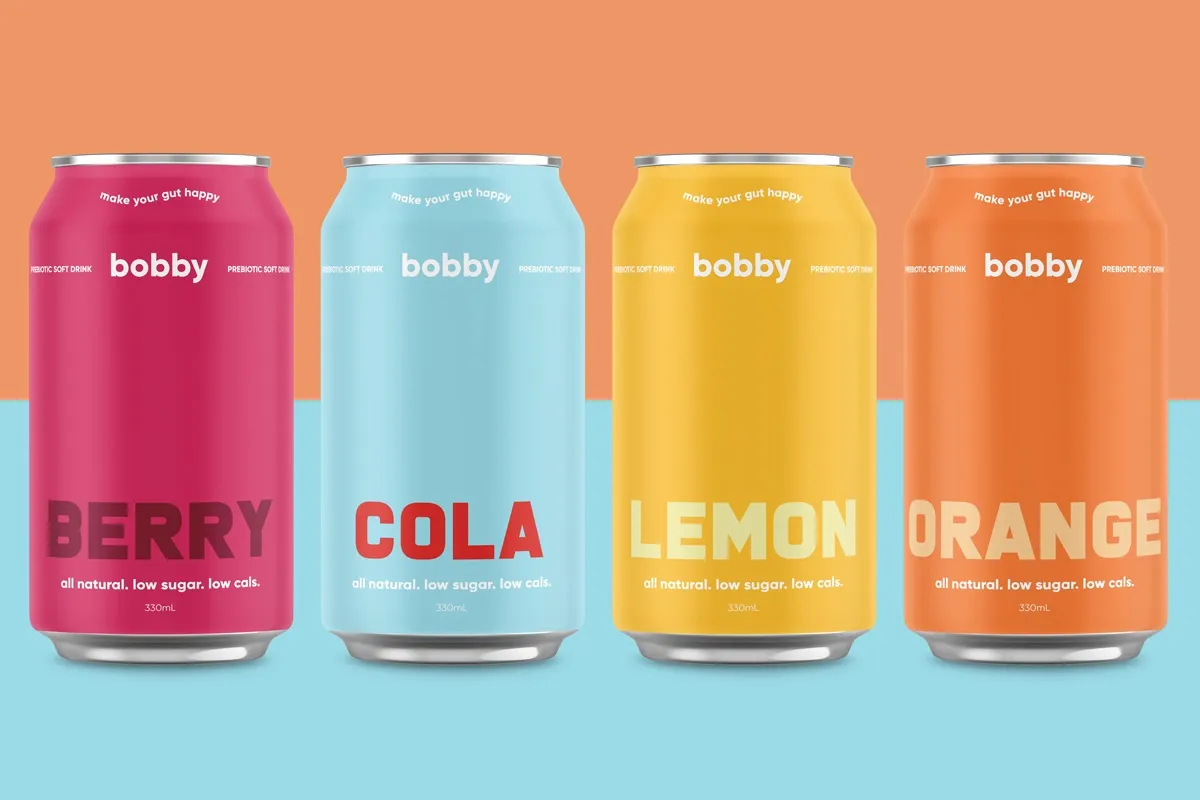
  • Bobby partners with the Happy Hour podcast on new flavour

    Bobby partners with the Happy Hour podcast on new flavour

    Bobby, an Australian soft drink brand, has recently joined hands with Lucy Jackson and Nikki Westcott, co-hosts of the popular Happy Hour podcast, to introduce a limited-edition flavour named ‘Strawberries & Cream.’

    A First-Time Collaboration

    This initiative is Bobby’s inaugural venture in co-creating a flavour with external contributors. The move signifies the brand’s inclination to engage with popular culture via strategic partnerships.

    The latest beverage offers a unique mix of strawberry and vanilla, enriched with a creamy finish, positioning itself as a healthier alternative in the drink market.

    Health-Conscious Beverage

    Each can of the drink only contains 30 calories and is 98% sugar-free. It also includes prebiotics. Moreover, the drink is vegan, gluten-free, and non-GMO.

    Kristian Johannsen, the founder of Bobby, stated that collaborating with the podcast hosts was an obvious choice. She said their vibrant and unrestricted energy perfectly aligns with what Bobby represents.

    Bobby called the collaboration ‘authentically genuine,’ with Jackson and Westcott playing an active part in the entire process. This involvement ranged from conceptualising the initial flavour to participating in taste tests and contributing to the broader brand execution.

    Authenticity and Enthusiasm

    Jackson expressed, “We didn’t just want our faces on a can, we wanted a drink that felt like us. Strawberries & Cream is nostalgic, fun, a little cheeky – basically everything Happy Hour stands for.”

    Westcott added her excitement about introducing a non-alcoholic drink for their listeners to enjoy. “It’s creamy and totally satisfying without all the unnecessary ingredients,” she said.

    Bobby’s Strawberries & Cream flavour is now available nationwide at Coles and Metro stores. The retail price is $36 for a six-pack.

    Questions & Answers

    What is the new product launched by Bobby?
    The Australian soft drink brand, Bobby, has launched a new flavour, ‘Strawberries & Cream,’ in partnership with the co-hosts of the Happy Hour podcast.

    Who were the external collaborators on this new Bobby flavour?
    Bobby has collaborated with Lucy Jackson and Nikki Westcott, the co-hosts of the popular Happy Hour podcast, to create the ‘Strawberries & Cream’ flavour.

    What are the health benefits of the new Bobby flavour?
    Each can of the ‘Strawberries & Cream’ flavour contains only 30 calories and is 98% sugar-free. It also includes prebiotics and is vegan, gluten-free, and non-GMO.

  • Australian Mango Prices Plunge 80% in Vietnam, Now Selling for Just 20 Cents per Kilogram!

    Australian Mango Prices Plunge 80% in Vietnam, Now Selling for Just 20 Cents per Kilogram!

    In the heart of Khanh Hoa province, Vo Xuan Hien, a 60-year-old mango farmer, is grappling with a bitter irony: ripe mangoes are falling from his trees, yet his profits have vanished. The price slump has plunged to a mere VND5,000–8,000 (20-30 U.S. cents) per kilogram, a stark contrast to VND30,000 just a year ago. With the thought of unharvested fruit weighing heavily on his mind, Hien, who once enjoyed an annual income of VND400 million with a 50% profit margin, now only hopes to break even.

    “In my eight years of growing mango, this is the first time I am experiencing both a poor harvest and low prices,” he lamented, reflecting the turmoil facing many in his district. Cam Lam District, home to around 7,000 hectares of mango orchards, including 4,000 hectares dedicated to the Australian variety that has flourished in Vietnam since 2003, is at a tipping point. If left unharvested, thousands of tons of mangoes are set to rot within two weeks.

    Rethinking Demand in a Changing Market

    The plummeting prices can be traced back to a significant drop in demand from China, the traditional powerhouse in mango imports from this region. Huynh Uy Vien, the district’s vice chairman, highlighted that China’s increased domestic mango production has lessened its need for imports, leaving local farmers in dire straits. As a result, many of the mangoes are now sold locally or converted into dried products and juice.

    “Our farmers are facing a critical situation—up to 1,800 tons of mango are ripe and ready for harvest yet remain unsold, and the prices are now below production costs,” he added, revealing the desperate need for intervention. His office is actively collaborating with supermarkets and retail chains to boost local consumption, but the damage has already been done for many farmers.

    Local farmer Thao expressed her frustration, noting that prices have nosedived over the last month, leaving her expected losses at VND100 million. “Ripe mangoes are falling, and traders are paying dirt-cheap prices,” she said, encapsulating the despair shared among growers.

    Turning Dilemmas into Opportunities

    Amidst the turmoil, opportunities for processing mangoes are emerging. Dang The Thuyen, CEO of local processing company Camlamonline, remarked that unfavorable weather has led to a decline in the quality of many fruits. Still, he’s committed to supporting farmers by purchasing 100 tons this month for dried mango production. “We plan to buy more to help farmers recoup some of their investments,” he said, signaling a glimmer of hope amidst the challenges.

    The situation is dire, yet as the saying goes, sometimes when it rains, it pours—just not the kind of rain that helps mangoes thrive!

    Questions & Answers

    What has caused the recent drop in mango prices?
    A significant decrease in demand from China, which has ramped up its own mango production, has led to lower prices for exported mangoes from Khanh Hoa.

    How are local farmers responding to this crisis?
    Farmers like Vo Xuan Hien and Thao are struggling with unharvested crops and losses, with many resorting to selling their mangoes at unsustainable prices.

    What measures are being taken to address the situation?
    Local government officials are working to enhance domestic consumption by partnering with supermarkets and retail chains, while some processing companies are stepping in to buy mangoes to support farmers.