Tag: Australia

  • Vietnamese passion fruits enter Australian market

    Vietnamese passion fruits enter Australian market

    Passion fruits have become the fifth kind of Vietnamese fruits to be officially exported to Australia, following mango, longan, lychee, and dragon fruit.

    On Monday, the Plant Protection Department under the Ministry of Agriculture and Rural Development in collaboration with the Australian Embassy in Vietnam held a ceremony to announce the export of Vietnamese passion fruits to Australia and the import of Australian plums into Vietnam.

    Huynh Tan Dat, Director of the Plant Protection Department, underlined that Vietnam has great potential and advantages in tropical fruits.

    Currently, Vietnamese fruits are available in over 60 countries and territories. Specifically, passion fruits have been exported to 20 countries in various forms such as fresh, frozen, and juice.

    The area of passion fruit in Vietnam is currently over 12,000 hectares and is expanding, mostly in the northern mountainous region. Many provinces in the Central Highlands are also expanding the cultivation area of this fruit.

    In recent years, Vietnam has concentrated on improving passion fruit quality by promoting chain production and ensuring traceability for the product, focusing on two varieties of yellow passion fruit and purple passion fruit.

  • Heinz launches pickle-flavoured ketchup in Australia

    Heinz launches pickle-flavoured ketchup in Australia

    Heinz is making a twist on its classic tomato sauce by introducing a new pickle-flavoured ketchup in Australia.

    The new flavour blends ketchup with dill pickle for a flexible sauce, which the company ensures “to thrill both pickle fans and ketchup lovers nationwide”.

    The new Heinz Pickle Flavoured Ketchup is already available in Coles stores and will be available countrywide at Woolworths and Metcash on October 14 with an RRP of $5.00.

    Last month, Heinz introduced two new mayo flavours – Cheesy Garlic Bread Aioli and Margherita Pizza Mayonnaise – which it describes as “criminally tasty”.

  • Cathay Pacific cancels 90 flights over aircraft engine issue

    Cathay Pacific cancels 90 flights over aircraft engine issue

    Hong Kong-based airline Cathay Pacific Airways has canceled 90 flights this week due to an engine component issue affecting its Airbus A350 fleet.

    The firm initially canceled 48 flights on Tuesday and 20 on Wednesday before axing another 22 from Thursday to Saturday.

    All the flights canceled this week are for regional destinations except for one long-haul flight on Monday, the airline said.

    The canceled flights on Tuesday and Wednesday included routes between Hong Kong and cities such as Sydney, Osaka, Tokyo, Taipei, Bangkok, and Singapore.

    The airline announced on Tuesday that all affected travelers had been notified and provided with alternative travel options.

    To help passengers adjust their travel plans, Cathay Pacific waived ticket change fees, including charges for rebooking and rerouting.

    The flight cancelations followed a component failure on Monday that led Cathay Pacific to ground and inspect its entire Airbus A350 fleet.

    The inspection found that 15 planes required fuel line repairs, six of which have been fixed and cleared to operate as of Wednesday.

    Cathay Pacific said no further flight cancelations were expected, and all affected aircraft are anticipated to resume operations by Saturday.

    The cancelations have caused confusion and frustration among customers, many of whom had to make last-minute travel rearrangements.

    Lim and his family from Singapore were looking forward to their five-day trip to Hong Kong when their Tuesday flight was delayed and then canceled.

    They were later rebooked on a flight departing 12 hours later than originally scheduled.

    “We’re very disappointed in the way Cathay has handled this issue,” Lim said. “Until now, no one has come to let us know the cause of the delays and cancelations. I had to google media reports to find out what happened. They don’t even have a statement on Facebook.”

    Complaints about canceled flights have also surfaced on the Chinese social media platform Xiaohongshu, where users traveling from Hong Kong to Singapore and other cities voiced their frustration over disrupted travel plans.

  • Iconic Australian Athletic Brand 2XU Partners with Pattern for International Repositioning

    Iconic Australian Athletic Brand 2XU Partners with Pattern for International Repositioning

    Leading global ecommerce and marketplace accelerator, Pattern, today announced it has supported iconic Australian athletic wear brand 2XU to pivot its international business, solidifying its position as a leading specialist technical athletic brand in key markets, including North America. This strategic partnership has enabled 2XU to achieve an 80% full-price sales rate and increase its average selling price by 25% to $200.

    With pre-existing operations in North America through wholesale, D2C, and Amazon channels, 2XU identified the need to reimagine its sales strategy to regain control of its brand and product positioning. The shift was motivated by recognising that the brand’s complex distribution model and the practice of uploading a wide range of seasonal end-of-life products to Amazon had diluted the brand’s premium image.

    Marc Boelen, CEO at 2XU, explained, “The international sportswear market is very crowded and highly competitive. As a premium technical brand, we needed to take control and differentiate ourselves. This meant simplifying our distribution to focus on our unique selling point (USP) as a technical compression and triathlon brand, which 2XU is well known for and consumers are willing to pay a premium for. Our data further supported this, showing that content from 2XU’s athletes and ambassadors focused on the technical benefits of our range outperformed other products and content in the US.”

    Previously, 2XU’s distribution model into markets like North America included multiple channels, creating inconsistencies in pricing and brand perception. The strategy of uploading a wide range of end-of-life products exclusively to Amazon was intended to reduce channel conflicts and maintain stock keeping unit (SKU) continuity. However, this strategy negatively impacted 2XU’s brand perception

    The decision to overhaul 2XU’s Amazon strategy was driven by the fact that in 2024, over half (56%) of US consumers start their product search on Amazon, rather than other search platforms like Google. This meant that for many US consumers, their first encounter with 2XU would be through Amazon, making this channel crucial in shaping their perceptions of the brand.

    “Moving from a multi-channel distribution model to a direct-to-consumer (DTC) model is a major strategic change. As a brand, we saw a critical need to build out our international DTC business, even if it meant accepting a short-term impact on sales, to achieve long-term control over pricing and positioning,” said Lindsay Swaik, VP of Digital, 2XU. “Given Amazon’s dominance among US consumers, we felt it was necessary to showcase leading content and a smaller range of our best-selling premium products on Amazon as a first brand impression. This was crucial in enhancing our brand story and positioning us as the leading technical performance brand and the world leader in compression.”

    As the number one global seller on Amazon, Pattern leveraged its expertise to drive 2XU’s transition from a 1P to a 3P account on Amazon, delivering the brand greater control over its product listings and customer perception. Pattern and 2XU closely collaborated to design A+ content aligning with brand guidelines, manage in-platform marketing strategies, and control stock replenishment and pricing strategies to maximise sales and meet key benchmarks. Additionally, Amazon’s delivery speed provided a benefit that 2XU’s own supply chain could not match.

    “2XU had to transform its strategy to target a new customer base willing to pay full price for high-quality technical products. This shift was essential to drive profitable growth and achieve the brand’s business goals in international markets like the US,” said Merline McGregor, Managing Director of Pattern Australia. “The results have been remarkable, with 2XU now achieving an impressive 80% full-price sales rate. This transition underscores the brand’s commitment to premium quality and demonstrates the effectiveness of a well-executed ecommerce strategy.”

    In recent years, run clubs have taken off worldwide, largely driven by the rising cost-of-living and the affordability of running as a way to stay fit and socialise. 2XU recognises that this trend aligns well with its brand, as more runners seek technical and scientifically proven apparel to best support their fitness goals. Over the past year, this has helped 2XU differentiate itself as a premium technical brand, avoiding competition with the crowded athleisure wear market and opening up new customer opportunities.

    “Moving to a premium pricing model required a leap of faith, but it has paid off,” said Boelen. “We now operate as a premium, full-price brand with healthy margins and the ability to reinvest in acquiring new customers. Our growth over the past two years across Amazon and ecommerce has exceeded 25%, and we continue to see strong performance on both fronts.”

    Switching to a DTC approach and taking full control on Amazon has streamlined 2XU’s brand identity by eliminating inconsistencies from wholesalers and mitigating risks from unauthorised resellers on the platform.

    Pattern has also been able to scale up to support 2XU’s ecommerce channel when necessary, assisting with paid social, paid search, and email marketing. Additionally, Pattern manages 2XU’s DTC operations across the Australian and UK markets. This comprehensive partnership has been vital in driving the brand’s growth globally.

    About Pattern Inc

    Pattern is the category leader in global ecommerce and marketplace acceleration. Since 2013, Pattern has profitably grown to more than 1,400 employees operating from 24 global locations – including Melbourne, Sydney and the Gold Coast – to help leading brands achieve accelerated growth on D2C websites and global ecommerce marketplaces. As well as being one of the largest Amazon sellers in the world, we are also present on Tmall, JD.com, eBay and other ecommerce marketplaces. We act as the authorised Amazon seller to more than 200 brands globally, buying their stock to sell on the marketplace and taking care of every aspect of their Amazon presence. For more information, visit https://au.pattern.com/

  • Australian Workers Prioritise Work-Life Balance Over Wages Despite Cost-of-Living Surge

    Australian Workers Prioritise Work-Life Balance Over Wages Despite Cost-of-Living Surge

    New research from Humanforce reveals that close to half of the 500 Australian workers it surveyed, including those employed in the retail sector, have switched jobs in the past year. Despite a sharp increase in living costs, the driving force for 54% of these workers finding a new employer was not higher pay, but the pursuit of better work-life balance and wellbeing.

    Holly Barnes, Chief People Officer at Humanforce said, “This trend challenges the traditional belief that higher wages are the foremost concern for Australian workers, particularly during economic downturns. Our research findings suggest that workers are instead placing greater value on whether their workplace is a good fit for their overall lifestyle and if it affords them the flexibility they require.”

    With 98% of respondents citing the importance of the overall employee value proposition (EVP) in their decision to move, it’s clear that today’s employees are looking for more than financial benefits. Today, their focus is much wider, with the most appealing aspects of an EVP being work-life balance initiatives, and career growth & development opportunities.

    Barnes adds, “For today’s workers, a compelling EVP extends well beyond one’s salary. It’s integral to creating a workplace where employees’ personal lives and professional goals are recognised and supported—a strategy that is proving essential for attracting and retaining talent, even in tough economic times.”

    Contrary to expectations that financial pressures would make higher wages the primary focus into the future, many workers are now refocusing on longevity in roles that align with their lifestyle needs. This sentiment was reinforced by 60% of survey participants expressing little to no interest in changing jobs in the next six months.

    Forty percent of those who had changed roles in the past year reported lower job satisfaction than anticipated, showing there is still a lot of scope for businesses to take greater initiative in supporting employee wellbeing.”Our data indicates that after a few turbulent years where high numbers of employees jumped ship to new employers, there is now a shift towards long-term satisfaction in the workplace, where wellbeing and stability are paramount over quick financial gains,” Barnes explains. “Businesses that recognise and act on this by offering a high-quality EVP will set themselves apart as employers of choice.”

    There are four critical areas that an EVP should encompass, including emotional wellness (mental health), social wellness (workplace culture and life outside of work), physical wellness and financial wellness.

    Many companies are already making concerted efforts to retain their talent, with almost 70% of employees confirming they had received support from their current employers, in a bid to retain them in their roles.

    The Humanforce research also underscores the vital role HR technologies play in supporting a business’ EVP. An overwhelming majority of the Australian workers—96%—said these technology innovations are crucial in creating positive workplace experiences.

    “Businesses are urged to complement their needs of driving organisational growth, profitability, compliance confidence and productivity, with a genuine focus on its people. Give employees control and flexibility over their working life with easy access to their rosters and payslips. Ensure that they feel heard and really feel part of your company.

    “Humanforce’s HCM suite directly supports the shift towards employee wellbeing and flexible roster-driven work by giving employees the tools to manage their work-life balance. It’s about practical autonomy — the ability to align work schedules with personal needs. This approach not only meets employees’ expectations but also enhances overall job satisfaction, leading to better retention and productivity for businesses,” Barnes concluded.

    About Humanforce

    Humanforce provides the market leading, employee-centred, intelligent and compliant HCM suite for frontline and flexible workforces, offering highly configurable, best-in-one WFM, HR, Payroll and Wellbeing – without compromise. Our vision is to make work easier and life better by focusing on the employee experience (EX), and the efficiency and optimisation of businesses.

    Founded in 2002, Humanforce has a 2300-strong customer base and over 600,000 users worldwide. Today, we have offices across Australia, New Zealand, and the UK.

    Customers include Story House Early Learning, Flight Centre, Southern Cross Care QLD, Howard Smith Wharves, and more. https://humanforce.com

  • Australia Post Metro next day delivery service launches in Adelaide

    Australia Post Metro next day delivery service launches in Adelaide

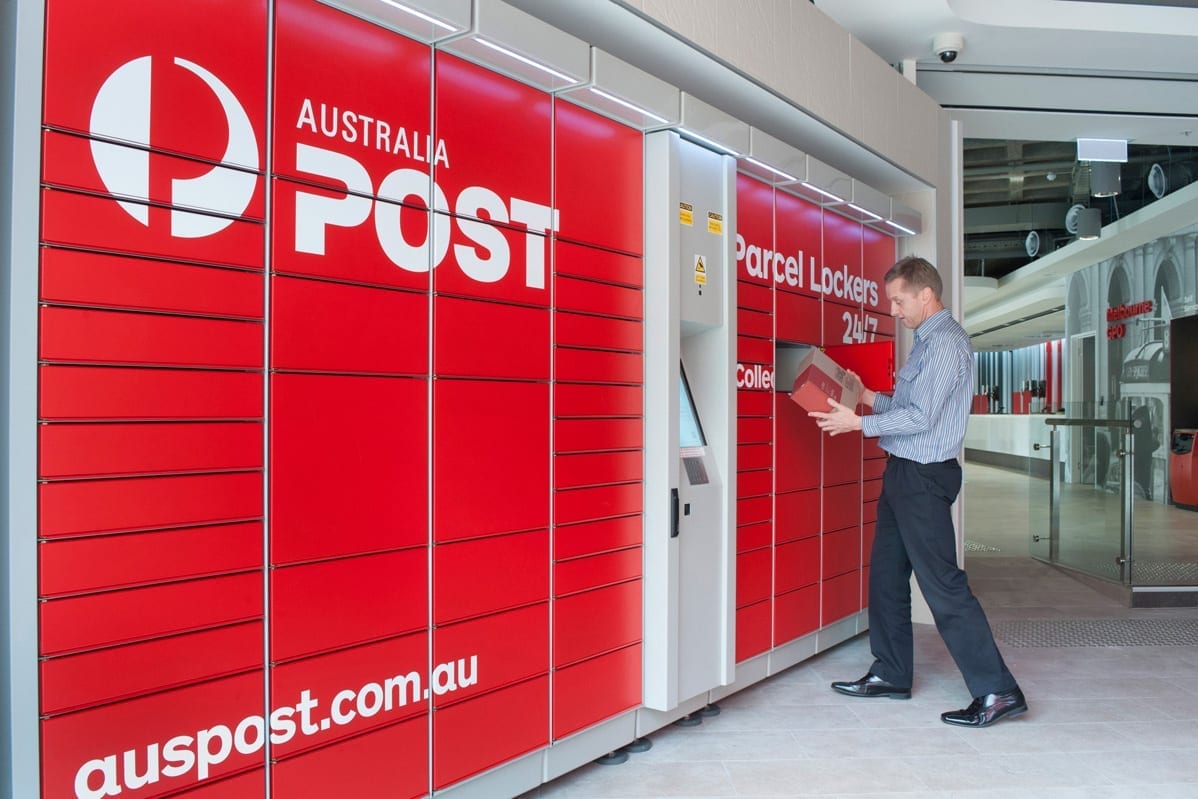
    Australia Post has just expanded its next-day delivery service, Australia Post Metro, to Adelaide. This delivery service provides eligible retailers and their customers with speed and more certainty when they shop online.

    The launch of the new service is a direct response to the Adelaide community continuing to embrace the online shopping trend with consistent year-on-year eCommerce growth with online purchases 15.2% higher than in 2019 and nearly 500,000 households shopping online in the past year.

    Recent data found that 68% of online shoppers are likely to abandon their shopping cart if they feel the delivery method is too slow.

    Australia Post Metro addresses these changing consumer needs and helps retailers entice customers to finalise their online purchase.

    Gary Starr, Australia Post Executive General Manager Parcel, Post and eCommerce Services said the flexibility and reliability that next-day delivery provides customers was becoming increasingly important, as the desire for fast fulfilment continues to be a key factor in online sales.

    “We’ve been listening to our customers, and know they expect more certainty, simplicity and speed when ordering online. The Australia Post Metro service raises the bar for customers – prioritising next day delivery in metropolitan areas enabling us to respond to that demand and deliver parcels to customers’ doors sooner.

    “We already have some of the country’s largest retailers using the Australia Post Metro service covering the lifestyle, fashion, beauty and FMCG space, with more retailers coming online every month. This new service provides a more agile, flexible delivery option as we head into our busiest time of year.” Mr. Starr said.

    Jo-Ann Hicks, Director of BIG W’s Ecom and Digital business says, “BIG W is excited to offer Australia Post’s next day delivery service to our Adelaide customers, giving them the opportunity to receive their BIG W shopping quickly by ordering online. Next day delivery joins many convenient ways to shop at BIG W including Pick up and Direct to Boot services.”

    In less than a year since the launch of Australia Post Metro across Australia, more than 2.6 million parcels have been delivered and this is expected to continue growing strongly as demand for this product increases, and new retail partners come on board.

  • Campari Australia MD Simon Durrant to depart next month

    Campari Australia MD Simon Durrant to depart next month

    Campari Australia’s MD, Simon Durrant, will leave the company on July 10 to pursue new opportunities. Due to family reasons, he has decided to stay in the country but will not take on another role within the company.

    During his six-year tenure, Durrant oversaw the company’s expansion and various achievements, such as expanding Campari’s product range, establishing new partnerships, and managing the company through the difficulties posed by the pandemic.

    Matthijs Kramer, CEO of Campari Asia-Pacific, highlighted Durrant’s “calm, level-headed approach” to the business in Australia and Apac.

    “We wish him well for the future, and he’ll always be welcome back at a Campari Bar for an Aperol Spritz or Negroni,” he added.

    Jacopo Borsa, MD for Mexico and Central America, will take Durrant’s place as MD for Australia.

    Borsa has been with the company for 20 years and has worked in various countries, including Spain, Jamaica, and Mexico.

    “With his strong experience in RTD (the main business in Mexico through Skyy RTD), Aperitifs, and the On-Trade channel, Jacopo is well positioned to continue the strong growth trajectory of Campari Australia,” said Campari.

    Jacopo will relocate to Sydney and work with the team for a smooth transition.

  • Qantas to launch new route from Manila to Brisbane

    Qantas to launch new route from Manila to Brisbane

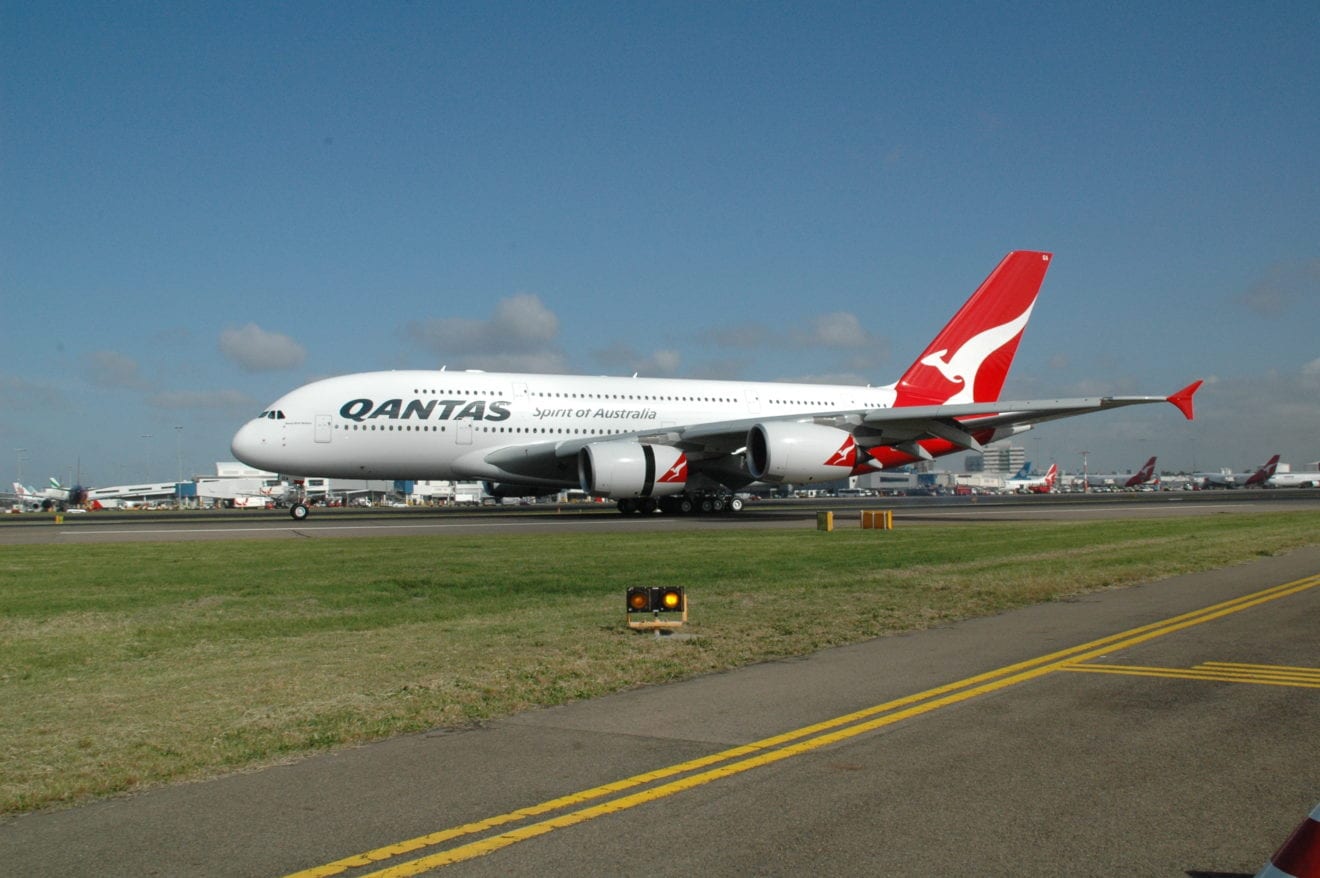
    Qantas has today announced it will launch a new route from Manila with direct flights to Brisbane in Queensland, Australia.

    From 28 October 2024*, the flights will operate four days per week with the Airbus A330 aircraft, marking the first flights set to be operated by the Australian national carrier between the two cities in more than ten years.

    The flights add to Qantas’ existing daily service to Sydney and will add more than 100,000 seats between the Philippines and Australia each year.

    Tickets for the new Manila-Brisbane route will be available for sale at qantas.com and through travel agents in the coming days.

    The flights will be operated by Qantas’ fleet of A330 aircraft with 27 Business Class suites in 1-2-1 configuration, with each suite featuring direct aisle access and converting into a lie-flat bed. All Qantas international fares include checked baggage allowance, food and beverages and inflight entertainment as standard with every booking.

    Qantas recently announced it would accelerate a program to introduce ‘fast and free’ Wi-Fi across its existing fleet of international aircraft, including Airbus A330 aircraft with enough bandwidth for every passenger to enjoy a fast and consistent connection. The service will be progressively introduced on Qantas flights between Manila and Australia from next year.

    Qantas International CEO Cam Wallace shares, “The Philippines is a very important part of our Asia network, so we’re pleased to be growing with a new route to Australia. This new connection will strengthen business links between our two countries. The flights will also make it easier for Filipinos to visit family and friends living in Queensland, as well as offering a new gateway for travellers to explore the region.”

    He adds, “We know large numbers of our customers have been travelling between Manila and Brisbane via our existing Sydney service, which gives us great confidence about how this route will perform when flights start.”

  • Rippl launches Star Wars range in 7-Eleven

    Rippl launches Star Wars range in 7-Eleven

    Australian canned water brand Rippl has rolled out its Star Wars water range in 7-Eleven stores nationwide.

    The brand offers aluminium canned and bottled water in various customisable options for consumers and businesses. It sources spring water from Black Hill in Millbrook, Victoria, which boasts a natural alkalinity of PH7.8-8.0.

    In addition, Rippl features limited-edition can designs from popular brands and pop culture icons such as Disney, Star Wars, Jurassic World, Mattel, Hello Kitty, and more.

    Rob Hilton, MD of Mammoth Brands, the parent company of Rippl, said the brand aims to provide consumers and businesses with an “inspiring form of hydration” while prioritising sustainability.

    “Rippl Water is not just about drinking; it’s about making a statement with every sip,” said Hilton. “We aim is to offer a product that is both good for the planet and our customers.”

    Rippl Water x Star Wars is available for an RRP of $72 for a pack of 24 cans, and $96 for a pack of 24 bottles online and in 7-Eleven stores nationwide

  • Asahi Beverages acquires South Australia’s Never Never gin brand

    Asahi Beverages acquires South Australia’s Never Never gin brand

    Asahi Beverages has purchased Never Never, a premium distillery in South Australia’s McLaren Vale region.

    The acquisition is expected to help the distillery expand its reach, offer better support and offerings for existing customers and consumers, and help grow the Australian gin market.

    Never Never was established in 2016 by three friends – George Georgiadis, Tim Boast, and Sean Baxter – who began distilling gin from an Adelaide shed. Since then, the company has gained popularity among bartenders and gin enthusiasts with its award-winning gins, such as Triple Juniper and Oyster Shell.

    Georgiadis, MD and co-founder of Never Never, said the partnership would allow the brand to realise its vision of growing in the country’s gin market.

    “Our values have been crucial in building our brand and align incredibly strongly with the values and culture of Asahi Beverages,” he added.

    Never Never’s three co-founders will remain in their roles and continue to oversee day-to-day operations, ensuring a smooth transition and maintaining the brand’s unique identity.

    “Adding a high-quality, Australian-made gin to our range plugs an important gap in our offering and complements our leading multi-beverage portfolio,” added Danny Celoni, CEO of Carlton & United Breweries (CUB), Asahi’s alcohol division.

    “We can’t wait to start offering this product to our customers and through our distribution network to help this internationally-recognised Aussie gin achieve the scale it deserves.”

  • Pattern Unveils ‘Shelf’ – Advanced Inventory and Warehouse Management for Ecommerce and Marketplaces 

    Pattern Unveils ‘Shelf’ – Advanced Inventory and Warehouse Management for Ecommerce and Marketplaces 

    Leading global ecommerce and marketplace accelerator Pattern, today announced the release of ‘Shelf’ – a powerful new inventory and supply chain technology that provides Australian brands with unparalleled visibility and control of their products across all ecommerce and wholesale channels.

    Incorporated within Pattern’s ecommerce acceleration tech suite, Shelf helps brands create new supply chain efficiencies, while also improving inventory accuracy, real-time tracking and enhancing demand forecasting.

    Shelf also offers brands an evolutionary leap on traditional inventory and warehouse management solutions. It does this through an integrated approach to inventory and marketplace management, along with seamless connections with major platforms such as Shopify, Amazon, eBay, and Catch.

    “Brands are selling across more channels than ever before. In a complex sales ecosystem, it is critical that brands have accurate visibility of their stock to make informed business decisions and meet customer demand,” said Sean Walsh, Director at Pattern Australia.

    Australian brands have an enormous opportunity for growing sales through emerging marketplaces with Pattern’s ‘Marketplace Consumer Trends Report – 2024, revealing that 94% of consumers planned to shop on marketplaces like eBay, Amazon and Catch in the year ahead.

    “In an environment where marketplaces like Amazon are attracting a growing share of sales, brands must have inventory and supply chain systems in place tailored to these emerging channels. Shelf incorporates uniquely pre-configured connectors that simplify marketplace selling and inventory management. This is a critical feature for brands looking to broaden their online footprint and access and service new customer bases via marketplaces,” commented Walsh.

    Shelf provides brands 100% visibility of each unit of inventory through the lifecycle, from order to receipt at the delivery address. Its real-time inventory tracking allows brands to effectively communicate accurate delivery updates across multiple sales channels, enhancing customer communication and increasing buyer satisfaction. Accurate inventory visibility ensures correct stock levels are maintained and overallocation or out-of-stock situations are avoided, to prevent costly wastage and lost sales situations. Prior to the development of the Shelf technology this was a challenge at scale. Through optimising warehouse space and improving inventory turnover, Shelf can also assist brands with reducing storage costs. Additionally, Shelf’s ability to efficiently plan picking and put-away routes within the warehouse minimises time and resources by 40%, creating opportunities for brands to save on operational costs.

    “Shelf is more than just an inventory solution; it’s a growth enabler for brands,” said Walsh. “Pattern has observed the challenges brands face in managing inventory and warehouse operations when scaling their ecommerce presence across multiple channels, including marketplaces. Shelf addresses these challenges head-on with powerful supply chain tools. These help brands meet customer demand and operate successfully, no matter what ecommerce sales channel they are doing business through.”

    Pattern is the category leader in global ecommerce and marketplace acceleration. For more information, visit https://au.pattern.com/


  • Australian job hunt increasingly difficult for international graduates

    Australian job hunt increasingly difficult for international graduates

    When she began pursuing her master’s degree at Melbourne University, Tran Thi Phuong did not anticipate how challenging it would be for her to secure a job after graduation.

    The 27-year-old Vietnamese woman has now lost track of the number of job applications she has submitted. Her two years of experience at the auditing firm EY Vietnam, along with a master’s degree in a globally respected field (Information Systems) from a prestigious university appear to have done little to aid her job search in Australia.

    “I have never experienced such panic,” Phuong said “At certain points, I’ve doubted whether or not I’ll ever secure employment here.”

    Ever since receiving her diploma in June 2023, it’s been 9 months of persistent effort. Phuong was finally offered a position as a strategy analyst at a land consulting firm associated with the Western Australian state government in Perth, a small city located 3,419 km from Melbourne.

    Phuong’s experience underscores the wider challenges faced by temporary graduate visa holders in Australia as they pursue employment in the country following their studies.

    The 2022 Graduate Outcomes Survey, which was carried out by the Australian government’s Quality Indicators of Learning and Teaching suite, found that 28.5% of international students with undergraduate degrees in Australia had remained jobless for at least six months following graduation. For those with international postgraduate research degrees, the percentage was 14.4%.

    To put it another way, roughly two out of every seven international undergraduates and one out of every seven international postgraduate research graduates in Australia found themselves without employment six months after graduation.

    Moin Rahman, a 28-year-old Bangladeshi graduate from the University of Queensland, found himself in this exact situation. Despite submitting applications for over 80 job openings, he struggled to secure a full-time role in civil engineering, his field of study at university.

    “That takes a psychological toll,” the Australian Broadcasting Corporation (ABC) quoted him as saying.

    Despite being on a temporary graduate visa, Rahman said he encountered “friction” that held him back from progressing beyond casual and part-time jobs.

    “If I somehow miraculously made my way through to an interview stage, I would be asked about my visa status,” he said.

    “When I would say that I am an international student but I have full-time work rights there was a shrug of shoulders and all of the preceding qualities that actually made the employer interested in me was overtaken by this one fact.”

    The struggle has persisted for some international graduates even after obtaining employment, as they have often settled for positions at lower salaries than their local counterparts.

    A report from the Grattan Institute titled “Graduates in limbo: International student visa pathways after graduation,” which was unveiled in October 2023, pointed out that “only half [of international graduates in Australia] secure full-time employment, most work in low-skilled jobs, and half earn less than A$53,300 (US$34,964) a year.”

    This income is significantly below that of domestic graduates, essentially aligning more closely with the earnings of working holiday makers, most of whom come to Australia to travel.

    The report also revealed that almost 75% of those holding a temporary graduate visas had incomes below the median for Australian workers in 2021.

    Specifically, international graduates possessing postgraduate coursework degrees in business management were found to earn approximately A$58,000 annually less than their domestic counterparts holding the same qualifications.

    Similarly, those with postgraduate coursework degrees in computing and engineering faced a yearly income deficit of about A$40,000 compared to domestic graduates.

    International students who graduated with an undergraduate degree in engineering or computing were found earning A$12,000 less annually than their Australian peers, according to the report. The gap for business undergraduates was roughly A$10,000 a year.

    In discussions with her colleagues from India, Thailand, and the Philippines, Phuong learned that achieving a salary comparable to that of Australians is “difficult and uncommon” for them.

    In addition to being underpaid, international graduates in Australia often find themselves accepting jobs that neither require tertiary education nor match their academic fields of expertise.

    A joint study conducted by the Australian Financial Review (AFR), Deakin University and University of Adelaide demonstrated that merely 36% of 1,156 international graduates polled from 35 universities secured full-time jobs in their studied field upon completing their education.

    Some 40% of international graduates in Australia actually found themselves in roles considered low-skilled, notably in sectors such as retail, hospitality, or in positions like cleaning or driving.

    Ruva Muranda, who graduated with a bachelor’s degree in biomedical science in 2018, said she had to work in a warehouse until the early months of 2020.

    “I got really depressed,” she said. “It made me feel like I wasn’t good enough. It made me feel very ‘othered.’”

    As she observed her colleagues advancing in their careers, securing employment, climbing the professional hierarchy, acquiring vehicles, purchasing homes, and achieving their vocational aspirations, her sense of stagnation intensified.

    “It feels like you’re held back at the starting line.”

    With her options constrained, Swastika Samanta, who possesses a master’s degree in environmental management, said she worked casual and part-time jobs for the length of her temporary graduate visa.

    “Beggars can’t be choosers. You take the best job that comes to you,” she said.

    Fear of quick replacement.

    Lack of English language proficiency is a roadblock for many foreign graduates seeking jobs in Australia.

    The situation is evident as even in Victoria, the state with the largest proportion of laborers from non-main English-speaking countries, where these individuals still make up only 28.8% of the total labor force, according to the Australian Labour Market for Migrants report released by the Australian Government in October 2023.

    Visa uncertainties also have employers reluctant in hiring foreign graduates.

    According to the “Australian international graduates and the transition to employment” report by Deakin University and University of Technology Sydney (UTS) researchers, almost every interviewed employer expressed a preference for hiring graduates holding permanent residency visa status.

    Dr. Thanh Pham, a researcher from Monash University said: “They employers make the assumption that international students cannot stay in Australia for long and are unaware of other visa pathways like bridging and residency visas … When I interviewed them, they explained that if they hire an international student, they will have to employ someone new to replace them in a couple of years.”

    This policy was precisely the obstacle Phuong encountered during her job search, a realization that dawned on her only after accumulating significant time and experience.

    -Phuong pursued job openings in the oil and gas industry, as it’s an area she is passionate about and has experience in. “However, employers tend to favor local candidates for positions in this sector within Australia, attributing their preference to the job’s involvement with highly confidential information regarding mineral and gas resources — commodities Australia is renowned for and deems highly sensitive,” she said.

    In some cases, Pham said she found employers discriminated against international students on the basis of what she called “fit-in” culture.

    The report by Deakin University and UTS also showed that employers hesitate to hire international graduates because of higher costs and this necessitates additional on-the-job training to acclimate them to the Australian work environment.

    Consequently, in the absence of an immediate skill shortage, employers show a preference for local graduates, aiming to avoid the perceived lengthy, expensive, and frequently exasperating sponsorship procedure.

    Individuals arriving from nations with little representation in Australia face additional challenges, notably in forging connections within their ethnic communities.

    According to the Australian Department of Education, as of last October, the country hosted about 768,000 international students, with the largest groups from China, India, and Nepal.

    Harder future

    Given changed economic environment and additional considerations, Australia, from mid-2024, will adjust its post-study work rights policy for international students, reducing the duration international graduates can stay in the country for work purposes.

    Previously, the Australian government had extended the post-study work visa durations for undergraduates, master’s, and PhD students in selected programs, allowing them to stay for up to 4-6 years depending on their level of study.

    These durations will now revert to the original 2-3 years, according to the announcement made by the Australia’s Department of Education.

    Additionally, the age limit for applicants has been lowered from 50 to 35 years, and there will be no further opportunities for the extension of post-study work rights, except for those who have completed their education in a regional area. Roughly 350,000 individuals now hold graduate visas in Australia.

    In the context that many employers hesitate to employ foreign graduates due to fear of their perceived visa status uncertainties, this policy could cut employment opportunities for international graduates in the country.

    However, according to the views of some people, this also has positive aspects, which are ensuring more sustainable development for students and for Australia itself.

    Policy analyst Andrew Norton from Australian National University expressed his general support for the reforms to the Times Higher Education: “This is a better, fairer system for the students themselves and it gives better results for Australia overall.”

    He added: “If you’re relatively young and have a good career start, the prospects will be reasonably good.”

    This positive view resonated with Phuong, even amidst the challenges she has faced. She maintains a hopeful outlook about the job-hunting process in Australia for international students.

    “I consider myself luckier than many others I have encountered,” she said. “And while the future remains uncertain, I am resolved to do whatever it takes to surmount any further hurdles that come my way.”


  • Vietnam encourages Australian airlines to establish routes to its cities

    Vietnam encourages Australian airlines to establish routes to its cities

    The Vietnamese Government creates favourable conditions for airlines to develop and compete healthily, and encourages Australian carriers to fly to Vietnam, according to Prime Minister Pham Minh Chinh.

    This statement was made during a ceremony commemorating 30 years of direct air travel between Vietnam and Australia in Melbourne city on Tuesday morning. The event was part of activities in the Prime Minister’s trip to attend the ASEAN – Australia Special Summit and his official visit to Australia.

    He expressed his hope that Vietnam’s airlines will cooperate and compete fairly, especially in the current context – when the two countries will upgrade to a comprehensive strategic partnership.

    Currently, Vietnamese airlines do not use domestically trained pilots, engineers, and mechanics, so he hoped Australia to support the training of pilots, mechanics, aviation managers.

    He also urged Australian banks, investment funds, and investors to invest indirectly in Vietnamese airlines, saying that the Vietnamese ministries and sectors will strengthen their role in state management, remove difficulties, and proactively support airlines to overcome challenges and promote rapid and sustainable development.

    The PM took the occasion to thank Australia, specifically Australian citizens who choose Vietnamese airlines such as Vietnam Airlines and Vietjet, to visit Vietnam, saying that this has contributed to boosting cultural connections and aviation economic development of the two countries.

    Vietnam Airlines has been strengthening cooperation with partners in Australia to develop products and diversify services, thereby continuously bringing benefits to passengers.

    It has paid attention to coordinating with agencies, travel companies and Australian partners to strengthen tourism promotion and promote destinations of both countries.

  • Naked Sundays expands globally with US retail launch

    Naked Sundays expands globally with US retail launch

    Australian suncare brand Naked Sundays has increased its global reach by launching its products in retail stores across the US.

    This expansion will be the first time consumers can purchase Naked Sundays products at storefront retail locations throughout the US, with 1030 stores stocking the brand, including Target and Urban Outfitters.

    The rollout into Target includes two of Naked Sunday’s best-selling products, SPF50+ Mist and SPF50 100 percent Mineral Primer, as well as two Target-exclusive products, the CabanaCreme SPF50 moisturizer, and CabanaClear SPF50 Clear Gel Serum.

    Meanwhile, the CabanaGlow SPF50 Bronze and Illuminating drops will also be available at target.com in early March.

    In addition, selected Naked Sundays products will be rolled out across 50 Urban Outfitters stores across America.

    Samantha Brett, founder and CEO of Naked Sundays, said the company aims to simplify skincare routines and allow consumers to easily add sun protection at every touch point of their beauty regime.

    “Our customers in the US have been begging for a way to try new products in stores, and now we are finally proud to be able to offer this through our retail partners,” said Brett.

    “This is a pivotal moment for our brand’s expansion into the US and globally, after constantly selling out online.”

  • China’s Cotti Coffee launches in Australia

    China’s Cotti Coffee launches in Australia

    Chinese coffee chain Cotti Coffee has made its Australian debut with a takeaway outlet in Sydney.

    The store, located in the Cabramatta neighbourhood, offers a wide range of beverage selections including rice milk, coconut, and grapefruit-infused coffee.

    Cotti Coffee, founded in October 2022 by former Luckin Coffee executives Charles Lu and Jenny Qian, currently has over 6000 outlets in China and has expanded into 11 international countries.

    Prior to the Australian launch, the brand opened its first stores in different markets including Thailand, Vietnam, Malaysia, the Philippines and Singapore.

    The chain Cotti operates both single-store and regional franchise models in international markets.