Tag: Australia

  • Retail Associations Push Government to Tackle Rising Costs and Crime in Australia

    Retail Associations Push Government to Tackle Rising Costs and Crime in Australia

    Retail Associations Urge Australian Government to Tackle Industry Challenges as New Term Begins

    As the Albanese government embarks on its new term, the Australian Retailers Association (ARA) and the National Retail Association (NRA) are calling for immediate governmental action to address critical challenges confronting the nation’s expansive $430 billion retail sector.

    Urgent Call for Economic Support

    Chris Rodwell, CEO of the ARA and CEO Designate of the Australian Retail Council (ARC), emphasized the necessity of government policies that foster investment, industry growth, and job creation. With retail employing one in ten Australians and contributing nearly 20% of the nation’s GDP, Rodwell asserts that the sector’s performance is integral to the economy.

    “Retail performance impacts every Australian,” Rodwell stated. “We require robust economic leadership to navigate these challenging times. Alongside the current cost-of-living crisis, our retailers have grappled with rising expenses across various fronts—rent, wages, energy, insurance, transportation, and persistent supply chain issues.”

    The Impact of U.S. Tariffs on Retailers

    A significant concern highlighted by the ARA is the effect of U.S. tariffs, which have intensified financial pressures on retailers. “For many, especially smaller businesses, there is limited capacity to absorb these costs. As we look ahead, it may become increasingly difficult to avoid raising prices,” Rodwell warned.

    Enhancing Productivity and Security

    In their plea for national support, both the ARA and NRA stress the importance of enhancing productivity as a means to bolster both the economy and living standards. “Seizing this opportunity during the current term is critical; our nation cannot afford to let this agenda slide into the 2030s,” Rodwell remarked, reflecting the urgency of timely action.

    Moreover, the associations are advocating for the implementation of a national retail crime strategy to safeguard businesses and protect employees.

    Support for Small Business Initiatives

    While the ARA and NRA expressed their backing for the Labor government’s pledges concerning small business support, workforce development, and digital transformation, they raised concerns regarding governmental intervention in penalty rate decisions.

    As the retail landscape continues to evolve, the potential impact of these developments could ripple throughout the sector, influencing consumer trends and purchasing behaviors. Retail stakeholders keenly await the government’s response, as decisive action has the power to reshape the future of retail in Australia.

  • Vietnamese Consumers Drive Demand as 4th Largest Foreign Buyers of Australian Homes

    Vietnamese Consumers Drive Demand as 4th Largest Foreign Buyers of Australian Homes

    In a recent seminar in Ho Chi Minh City, Deborah Wiltshire, Sales Director at The Gurner Group, revealed exciting insights into foreign investment trends in Australia’s booming real estate market. According to data from Australia’s Foreign Investment Review Board, foreigners acquired 5,360 residential properties totaling approximately A$4.9 billion (US$3.1 billion) in 2022-23, with Vietnamese investors showing a notable increase in activity.

    Vietnamese Buyers Increasing Presence

    The appetite for Australian properties among Vietnamese investors has surged, with purchases rising by 15% during the same period. Vietnamese nationals accounted for 8-10% of off-the-plan apartment acquisitions, highlighting a growing trend in this critical market segment.

    Data from Victoria, the top destination for Vietnamese international students in 2024, indicates that sales to Vietnamese buyers have jumped by 10-12% year-on-year. Notably, properties priced between US$800,000 and $1.2 million have emerged as the most sought-after options among these investors.

    Student Attraction Fuels Demand

    A report from CBRE, a leading property consultancy, outlines that 60% of Vietnamese purchases aim to provide accommodation and educational opportunities, while 30% are for investment purposes and 10% cater to migration needs. The city of Melbourne stands out as a prime hotspot due to its urbanization, robust economy, and rich cultural diversity.

    With over one million international student enrollments recorded last year, Melbourne attracts students mainly from China, India, Nepal, the Philippines, and Vietnam. This influx has positioned the city as the fastest-growing capital in Australia, promising further development opportunities.

    Growth Outlook Amid Challenges

    Michael Paproth, Business Manager at The Gurner Group, noted that Australia’s population is projected to grow by 1.8% annually over the next five years, outpacing growth in established economies like Canada and the U.S. However, he also warned that housing development is struggling to keep up with demand, predicting a shortage of approximately 28,000 apartments in the coming years.

    As restrictions limit foreign buyers from acquiring existing properties, off-the-plan purchases attract a relatively low tax rate of 10%, especially when compared to markets like Singapore, which imposes significantly higher rates.

    Rising Wealth and Demand

    Notably, Vietnam is witnessing a steady rise in its high-net-worth population, with around 5,500 individuals boasting a net worth exceeding US$10 million as of 2024. This growth, estimated at 5-18% annually prior to the pandemic, and 2.4-5% post-COVID, fuels demand for overseas properties, including those in Australia.

    Implications for the Retail Sector

    The intensified interest from Vietnamese investors not only signals a promising shift in foreign investment dynamics but also reflects evolving consumer trends that could reshape Australia’s retail and property landscapes. As consumer preferences evolve, retail businesses may look to adapt and align with this growing demand for international investment opportunities.

  • Boost in Consumer Spending Fuels Growth in Australia’s Credit Card Market

    Boost in Consumer Spending Fuels Growth in Australia’s Credit Card Market

    Australia’s Credit Card Market on Track for Significant Growth, Expected to Reach $299.7 Billion by 2025

    Australia’s credit and charge card payments sector is poised for robust expansion, with projections indicating a surge to $299.7 billion (AUD 453.9 billion) by 2025. This growth is predominantly fueled by increasing consumer spending, a resilient payment infrastructure, and a thriving e-commerce landscape, as reported by GlobalData.

    Strong Consumer Spending Drives Momentum

    In 2024, the market value for credit and charge card payments experienced a notable increase of 6.3%. This upswing is largely attributed to rising consumer spending and the appeal of value-added benefits, including cashback rewards and flexible repayment options.

    Kartik Challa, Senior Banking and Payments Analyst at GlobalData, emphasized that Australians are increasingly aware of the advantages of credit card usage. “Consumers frequently utilize these cards to capitalize on benefits, such as cashback offers and rewards programs,” he stated. The boom in consumer appreciation is pivotal to the ongoing growth of this sector.

    Boosted by E-Commerce and Payment Infrastructure

    The credit and charge card market’s upward trajectory is bolstered by improvements in payment infrastructure and the burgeoning e-commerce domain. In 2024, Australians averaged 225.5 transactions per card, with expectations to rise to 239.5 by 2029. Key players in retail banking, such as Commonwealth Bank and NAB, are further supporting this trend by offering innovative repayment solutions like “SurePay” and the “Now Pay Later” program.

    Moreover, Australia is rapidly enhancing its payment capabilities, boasting 39,031 point-of-sale (POS) terminals per million inhabitants as of 2024—outpacing countries such as China and Hong Kong.

    E-Commerce Payments Gain Traction

    E-commerce payments are a significant contributor to this growth, with credit and charge cards accounting for 22.5% of online transactions in 2024. This alignment with consumer trends suggests a growing reliance on digital payment methods as online shopping habits evolve.

    To further assist consumers in managing debt, many Australian banks are introducing programs like debt consolidation and balance transfer options. For example, ANZ offers customers the ability to transfer their existing balances to an ANZ card, simplifying payment processes.

    Future Outlook: Navigating Challenges Ahead

    Looking ahead, Challa notes that while the outlook remains bright for Australia’s credit card market—anticipated to grow at a CAGR of 4.4% to reach $356 billion (AUD 539.1 billion) by 2029—external factors such as global trade complexities and geopolitical concerns could temper this growth.

    As the credit card market continues to expand, its implications are profound for the retail sector and consumers alike, enhancing purchasing power while fostering innovative financial solutions to navigate economic shifts. The increasing prominence of credit and charge cards is likely to shape the future of consumer spending in Australia, making it a space to watch closely.

  • Australia Sees 4% Surge in Retail Spending This March

    Australia Sees 4% Surge in Retail Spending This March

    Retail spending in Australia experienced a notable uptick of 4% in March 2025 compared to the same period last year, totaling an impressive $37.3 billion, as reported by the Australian Bureau of Statistics (ABS). This growth signals a positive shift in the retail landscape, despite lingering economic uncertainties.

    Diverse Growth Across Retail Categories

    The increase in retail spending was broad-based, with all categories contributing to this upward trend. The standout performer, the ‘other retailing’ segment—encompassing cosmetics, sports, and recreational goods—achieved a remarkable 9% growth. Additionally, clothing, footwear, and accessories reported a solid 5% increase, while food items, department stores, and household goods each saw a growth of 4%. Cafes, restaurants, and takeaway services, although still growing, only saw a more modest rise of 1%.

    Caution Amid Economic Pressures

    Despite the growth, Fleur Brown, Chief Industry Affairs Officer at the Australian Retailers Association (ARA), highlighted ongoing challenges. “The pressures of cost-of-living and economic uncertainty are still affecting consumer behavior,” she stated. Brown emphasized that while any signs of stability in consumer spending provide a welcome boost to business confidence, a full retail recovery remains elusive.

    Weather-Related Challenges

    Lindsay Carroll, Interim CEO of the National Retail Association, viewed the March data as an encouraging sign for recovery. However, she noted that extreme weather conditions in Queensland and New South Wales had a significant impact on retail sales. “Premature shop closures due to cyclone warnings hampered sales exactly when every dollar is crucial for local businesses,” Carroll explained. She added that retailers require improved support to navigate these extreme weather events without compromising their livelihoods.

    Looking Ahead for the Retail Sector

    The recent data reflects a positive trend for the Australian retail sector. However, the interplay of consumer demand and external pressures highlights the need for continued support and adaptation strategies within the industry. As retailers navigate these challenges, the potential for sustained growth in consumer spending remains a key focus, influencing both market dynamics and consumer experience.

    With these developments, stakeholders in the retail sector are urged to stay attuned to emerging consumer trends and support measures that can empower businesses during uncertain times.

  • Amazon Australia Expands Workforce: 600 Seasonal Jobs for Mid-Year Sales

    Amazon Australia Expands Workforce: 600 Seasonal Jobs for Mid-Year Sales

    As the mid-year sales season approaches, Amazon Australia plans to hire 600 seasonal workers across its fulfillment centers and logistics sites. This recruitment drive is aimed at enhancing operations in anticipation of the highly-anticipated Prime Day event in July.

    Roles Focused on Order Fulfillment

    The seasonal positions will predominantly involve picking and packing orders to ensure that customer demand is met efficiently. With a significant increase in online shopping, particularly leading up to Prime Day, these new hires will play a crucial role in maintaining the swift, free delivery services that Prime members expect.

    Competitive Pay and Opportunities for Growth

    “These roles offer competitive pay, a safe and inclusive work environment, and the chance to build valuable skills in a fast-paced, technology-driven workplace,” stated Jacqui Marker, HR Director of Operations at Amazon Australia.

    In addition to attractive compensation, these seasonal positions have the potential to transition into permanent roles. Employees may enjoy benefits such as life insurance, income protection, and subsidized private health coverage for their families, making these opportunities appealing for those seeking long-term employment in retail.

    Prime Day: What to Expect

    Prime Day promises exclusive discounts on a vast array of products, spanning everyday essentials to the latest electronics and home goods. The event has become a cornerstone of Amazon’s retail strategy, drawing in millions of eager shoppers.

    Amazon’s proactive approach to staffing with these seasonal roles reflects broader consumer trends in the retail sector. As more shoppers turn to online platforms, companies like Amazon are investing in their workforce to enhance customer satisfaction and operational efficiency. This wave of hiring not only underscores the booming e-commerce market but also has the potential to positively impact local economies by providing job opportunities and fostering growth within the retail landscape.

  • Australia launches world’s largest battery-power ship

    Australia launches world’s largest battery-power ship

    An Australian boatbuilder launched what it described as the world’s largest electric-powered ship on Friday, a 130-meter (426-feet) behemoth capable of carrying 2,100 passengers.

    Identified by boatbuilder Incat as Hull 096, the aluminium catamaran is powered by more than 250 tonnes of batteries and was built for South American ferry operator Buquebus.

    It was designed to carry passengers and up to 225 vehicles across the River Plate between Buenos Aires and Uruguay.

    “Hull 096 proves that large-scale, low-emission transport solutions are not only possible, they are ready now,” Incat CEO Stephen Casey said in a statement after the launch on Hobart’s Derwent River in the island state of Tasmania.

    Shipping accounts for nearly 3% of global greenhouse gas emissions that are blamed for global warming, according to the United Nations’ shipping body the International Maritime Organization.

    IMO member states voted last month in favor of a global pricing system to help curb maritime carbon emissions, with all ships to be required to use a less carbon-intensive fuel mix by 2028 or face financial penalties.

    Environmental lobby groups however fear that a switch to biofuels has problems of its own, such as deforestation, and does not go far enough in addressing maritime emissions.

    Hull 096’s batteries and Energy Storage System (ESS) will provide more than 40 megawatt hours of installed capacity, Incat said. The ESS was built by Finnish engine maker Wartsila and is connected to eight electric-driven waterjets.

    “Ferries play a vital role in meeting the growing demand for environmentally sustainable transport options, with ship electrification a key solution for enabling the sector to transition towards net-zero emissions,” Wartsila Marine President Roger Holm said in the same statement.

    The ship was originally named China Zorilla and was planned to run on liquefied natural gas (LNG) before it was reconfigured to battery power.

  • Breaka and Weis partner to launch Queensland inspired milk flavour

    Breaka and Weis partner to launch Queensland inspired milk flavour

    Unilever Australia’s Weis and Queensland-flavoured milk Breaka have collaborated to launch Breaka Weis mango and cream-flavoured milk. 

    “We’re thrilled to see two iconic Aussie brands come together to offer Queenslanders a delicious category exclusive,” said Juliette Fleming, Unilever Australia’s senior brand manager for the snacking and refreshment portfolios. 

    “The new Breaka Weis Mango & Cream flavoured milk is a refreshing tribute to our sunny state’s vibrant flavours and our shared Queensland heritage”. 

    The collaboration was delivered by fashion and food brand development and extension agency, Asembl. 

    “A true flavour of Queensland fun, the Breaka Weis Mango & Cream flavoured milk is a very exciting first flavour collaboration between Unilever Australia’s Weis brand and Breaka,” said Asembl MD Justin Watson. 

    “The Breaka Weis Mango & Cream flavoured milk is a limited-edition, low-fat, flavoured milk that tastes just like the sunny state of Queensland.” 

    The new flavour, inspired by Weis’ Mango and Ice cream bars, is available at grocery and convenience stores across Queensland. 

  • Duxton Bees launches honey brand, Fuzzy Bum

    Duxton Bees launches honey brand, Fuzzy Bum

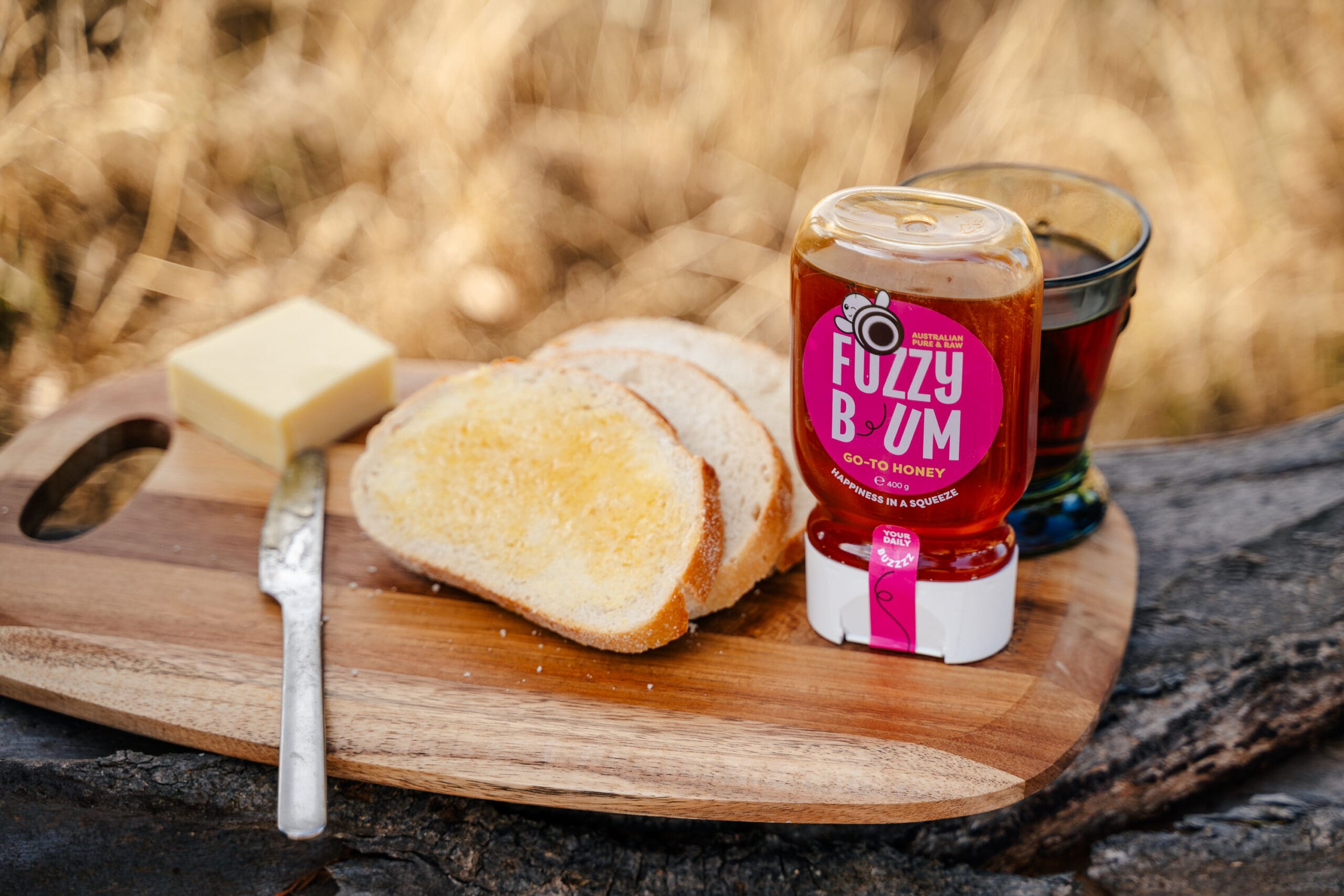
    Duxton Bees has launched Fuzzy Bum, a new honey brand with a mission that goes beyond sweet treats, raising awareness about Australia’s bee crisis. 

    According to the company, Fuzzy Bum is made entirely from locally sourced honey and is fully traceable back to the hive. The product is minimally processed, retaining its natural vitamins, minerals and antioxidants. 

    “Our goal with Fuzzy Bum is to highlight the importance of local beekeepers and sustainable honey production in Australia,” said Keegan Blignaut, MD of  Duxton Bees. “Bees are essential to our environment and food security, yet they are under threat.

    “By choosing 100 per cent Australian honey, consumers can help protect these vital pollinators and support a more sustainable future.” 

    The packaging is designed with bold lettering, vibrant colours, and humorous drawings inspired by local Australian flora.

    Fuzzy Bum honey is now available both online and at select retailers.

  • Bae Juice Energy: Clean, Natural Boost from Australian Brand

    Bae Juice Energy: Clean, Natural Boost from Australian Brand

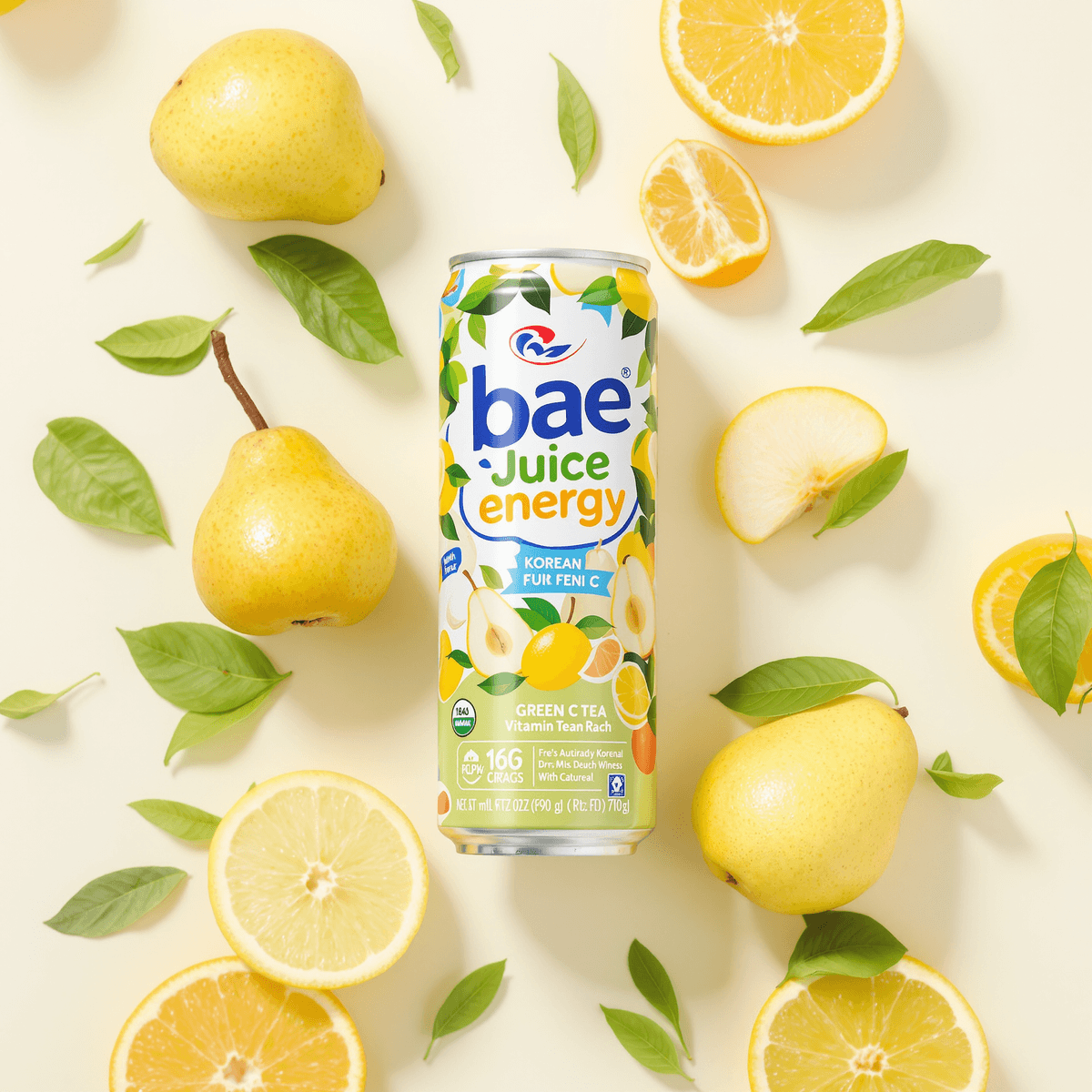
    Bae Juice, an Australian beverage maker, has disrupted the energy drink market with their innovative new product line, Bae Juice Energy. The brand, known for its pioneering work in hangover-prevention drinks since 2019, brings a fresh perspective to the energy drink category.

    Bae Juice Energy stands out with its clean, functional approach to providing sustained energy. The drink combines traditional Korean ingredients with modern wellness trends, creating a unique beverage that appeals to health-conscious consumers seeking natural energy alternatives.

    “This isn’t just another energy drink. It’s the first of its kind in Australia – and the cleanest option on the shelf” – Tim O’Sullivan, Bae Juice co-founder

    The product targets busy professionals, fitness enthusiasts, and wellness-focused individuals looking for an energy boost without the drawbacks of conventional energy drinks. By prioritizing natural ingredients and avoiding excessive sugar content, Bae Juice Energy positions itself as a revolutionary player in Australia’s competitive beverage market.

    Key Ingredients in Bae Juice Energy

    Bae Juice Energy stands out with its carefully selected blend of natural ingredients designed to deliver sustained energy and wellness benefits:

    Korean Pear Juice

    • Natural sweetness and refreshing taste
    • Rich in antioxidants and flavonoids
    • Known for its digestive health properties
    • Traditional Korean remedy for hangover prevention

    Green Tea Extract

    • Natural caffeine source without the jitters
    • Contains L-theanine for focused energy
    • Packed with polyphenols and catechins
    • Supports metabolism and mental clarity

    Vitamin C

    • Boosts immune system function
    • Acts as a natural antioxidant
    • Supports collagen production
    • Enhances iron absorption

    The combination of these ingredients creates a synergistic effect. Green tea’s natural caffeine works alongside L-theanine to provide steady energy without crashes. Korean pear juice adds essential nutrients and a subtle sweetness, while Vitamin C strengthens your body’s natural defenses.

    You’ll find no artificial sweeteners or excessive sugar content in Bae Juice Energy. Each ingredient serves a specific purpose, from energy enhancement to immune support, making it a functional beverage that aligns with modern health-conscious lifestyles.

    The Clean Energy Drink Concept

    Bae Juice Energy redefines the traditional energy drink market with its revolutionary clean energy approach. The brand’s commitment to functional energy stands in stark contrast to conventional energy drinks loaded with artificial ingredients and excessive sugar content.

    Key Differentiators of Bae Juice Energy’s Clean Concept:

    • Natural Energy Source: The drink uses green tea extract for sustained energy release, avoiding synthetic caffeine alternatives
    • Minimal Sugar Content: Unlike traditional energy drinks containing up to 20 teaspoons of sugar, Bae Juice Energy keeps its sugar content low
    • No Energy Crashes: The natural ingredient blend helps eliminate the common “jitters” and energy crashes associated with conventional energy drinks

    The clean energy drink concept aligns with growing consumer demand for healthier beverage alternatives. Bae Juice Energy positions itself as a daily wellness companion rather than just another sugary energy boost. This approach resonates with health-conscious consumers seeking functional benefits without compromising their dietary preferences.

    Market Expansion Strategy

    Bae Juice’s remarkable growth stands as a testament to its market success. Since its 2019 launch, the brand has achieved an impressive $10 million in total revenue, with $2.5 million generated in the current fiscal year alone. This substantial financial performance highlights the strong consumer demand for innovative beverage solutions in Australia.

    Strategic Partnerships and Retail Presence

    The brand’s distribution strategy focuses on strategic partnerships and widespread retail presence. A key milestone in this expansion came through the partnership with Ampol Foodary, securing placement in over 400 locations across Australia. This collaboration has significantly enhanced Bae Juice’s accessibility to consumers, particularly targeting on-the-go customers seeking healthier energy drink alternatives.

    Diverse Distribution Network

    Bae Juice’s distribution network encompasses:

    • Major retail chains
    • Independent stores
    • Convenience outlets
    • Specialty beverage retailers
    • Service station networks

    The brand’s success in securing these diverse retail channels demonstrates its appeal to both mainstream consumers and health-conscious individuals. This multi-channel approach has enabled Bae Juice to capture different market segments while maintaining its premium positioning in the energy drink category.

    Aligning Distribution with Product Innovation

    The company’s distribution strategy aligns with its product innovation, ensuring that its unique Korean pear-based beverages reach consumers through convenient and familiar retail touchpoints. This calculated expansion has established a strong foundation for the brand’s continued growth in the Australian beverage market. Bae Juice’s strategy mirrors some of the successful elements seen in larger companies like Coca-Cola, which have mastered global dominance through similar strategic approaches.

    Positioning Bae Juice Energy in the Market

    Bae Juice Energy stands out in Australia’s competitive beverage market by combining two separate markets: hangover prevention and energy drinks. This strategic positioning allows the brand to leverage its established reputation in hangover prevention while attracting health-conscious energy drink consumers.

    The brand’s unique value proposition stems from its dual-functionality approach:

    • A clean energy boost without the typical sugar overload
    • Natural hangover prevention properties from Korean pear juice

    This positioning sets Bae Juice Energy apart from traditional energy drinks that often rely on synthetic ingredients and excessive sugar content. The brand’s commitment to using natural ingredients resonates with health-conscious consumers seeking functional beverages that align with their wellness goals.

    By introducing an energy drink variant, Bae Juice expands its market reach beyond its original hangover-prevention customer base. This strategic move allows the brand to capture daily consumption occasions rather than limiting itself to specific use cases.

    Future Growth Projections for Bae Juice Energy

    Bae Juice’s expansion strategy signals remarkable growth potential in the Australian beverage market. The brand’s target to reach 5000 stores nationwide by year-end demonstrates its aggressive scaling approach and strong market confidence.

    This ambitious distribution plan includes partnerships with:

    • 1000+ independent retailers
    • Major retail chains
    • Convenience stores
    • Health food outlets

    The rapid store expansion builds on Bae Juice’s existing success with its hangover prevention drinks. Market analysis suggests the functional beverage sector continues to grow, driven by health-conscious consumers seeking alternatives to traditional energy drinks.

    The brand’s distribution strategy aligns with changing consumer preferences for clean-label products. You’ll find Bae Juice Energy positioned alongside premium beverages in retail locations, targeting demographics willing to pay for quality ingredients and functional benefits.

    This strategic placement and wide-reaching distribution network position Bae Juice Energy to capture a significant share of Australia’s growing functional beverage market.

    Conclusion

    Bae Juice Energy represents a new era in the energy drink market – one that prioritizes clean ingredients and functional benefits. You’ll find a refreshing blend of Korean pear juice, natural caffeine from green tea, and immune-boosting Vitamin C in every can.

    The beverage landscape is evolving, and consumers like you are seeking smarter alternatives to traditional energy drinks. Bae Juice Energy answers this call with its innovative approach to all-day energy without the sugar crash or jitters.

    Ready to transform your daily energy boost? Give Bae Juice Energy a try – it’s where great taste meets functional benefits in a clean, natural energy drink that works with your body, not against it.

    FAQs (Frequently Asked Questions)

    What is Bae Juice Energy and who makes it?

    Bae Juice Energy is a new energy drink product created by Bae Juice, an Australian beverage maker known for innovative and natural beverage options.

    What are the key ingredients in Bae Juice Energy?

    Bae Juice Energy contains Korean pear juice, green tea extract, and Vitamin C. These ingredients provide a natural source of caffeine and support immune health.

    How does Bae Juice Energy differ from traditional energy drinks?

    Unlike traditional energy drinks, Bae Juice Energy emphasizes a clean energy concept with low sugar content and focuses on delivering a functional energy boost without excessive additives.

    What is Bae Juice’s market strategy for expanding Bae Juice Energy in Australia?

    Bae Juice has generated $10 million in revenue and expanded distribution through partnerships with Ampol Foodary locations across Australia to increase accessibility.

    How is Bae Juice Energy positioned in the hangover-prevention drink market?

    Bae Juice Energy targets the hangover-prevention drink market by offering a unique functional beverage designed to support recovery and provide clean energy.

    What are the future growth plans for Bae Juice Energy?

    Bae Juice aims to have Bae Juice Energy available in 5000 stores nationwide by the end of the year, reflecting ambitious plans for national expansion.

    Powered by junia.ai. To remove branding, please upgrade to a paid plan.

    In addition to expanding its retail presence, Bae Juice Energy plans to invest in targeted marketing campaigns to raise brand awareness and educate consumers about the benefits of their product. The company also has plans to explore partnerships with fitness influencers and health-focused events to further promote their brand and reach their target audience.


  • Aldi ranked Australia’s top supermarket for fifth consecutive year

    Aldi ranked Australia’s top supermarket for fifth consecutive year

    For the fifth time in a row, Aldi has been named Supermarket of the Year 2024 in Roy Morgan’s Customer Satisfaction Awards.

    The supermarket has won this title eight times. The ratings are calculated from an annual survey of 60,000 Australians and cover 40 industry categories.

    “With the rising cost of living, we know many Aussie families are feeling the pinch,” said Simon Padovani-Ginies, group director of Aldi Australia. “That’s why we’re more focused than ever on keeping grocery prices low and making every dollar count. Our entire business model is based on saving people money while making sure only the best products make it onto our shelves.”

    “As well as delivering a dependably high level of customer satisfaction to millions of Australians Aldi is also recognised by Roy Morgan as one of Australia’s top five most trusted brands – a position Aldi has held consistently over the last five years despite the challenges faced by the sector in an era of high inflation and rising interest rates,” said Roy Morgan CEO Michele Levine.

    She said Aldi had a perfect record of winning all 12 monthly customer satisfaction awards during 2024 with an average customer satisfaction rating of “an exceptional” 88.8 percent.

  • Australia’s Mobile Revenue to Grow, Driven by 5G Expansion

    Australia’s Mobile Revenue to Grow, Driven by 5G Expansion

    This growth will be driven by an increase in revenue from mobile data services, according to GlobalData. GlobalData’s research shows that the growth in revenue from mobile data services will offset the decline in revenue from mobile voice services during the forecast period.

    While revenue from mobile voice services is expected to decrease by 2.7% annually from 2024 to 2029 due to consumers shifting towards over-the-top (OTT) communication platforms, revenue from mobile data services is projected to increase by 4.5% annually.

    This growth will be fueled by the rising number of mobile internet subscriptions, the increasing adoption of 5G services, and a rise in the average revenue per user (ARPU) for mobile data. Neha Mishra, a Telecom Analyst at GlobalData, noted that the average monthly mobile data usage in Australia is predicted to rise from 14.1 GB in 2024 to 25.8 GB in 2029. This increase is being driven by the growing consumption of online video and social media content on smartphones as a result of data-focused 4G/5G plans from telcos.

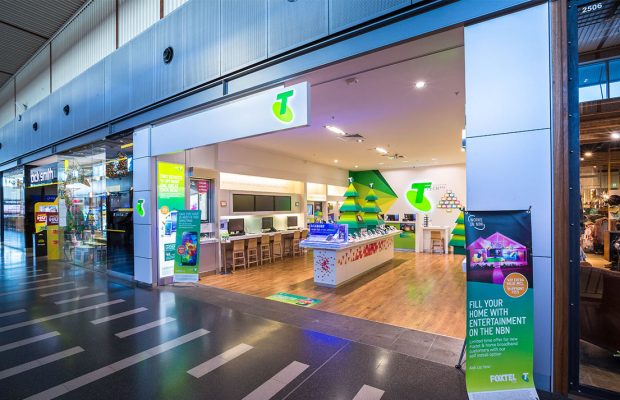
    GlobalData anticipates a growth in 5G service adoption over the forecast period, as consumers seek high-speed connectivity and major telecom operators expand their 5G networks across the country. For example, Telstra aims to extend 5G coverage to 95% of the population by the end of 2025.

    By 2029, 5G subscriptions are expected to make up 86% of all mobile subscriptions. Mishra concluded that Telstra was the leader in the mobile services market in Australia in terms of subscriptions in 2024, followed by Optus. Telstra is expected to maintain its top position through 2029, supported by its focus on expanding and modernizing its 5G network.

  • Vietnamese coffee chain Trung Nguyen to launch first store in Australia

    Vietnamese coffee chain Trung Nguyen to launch first store in Australia

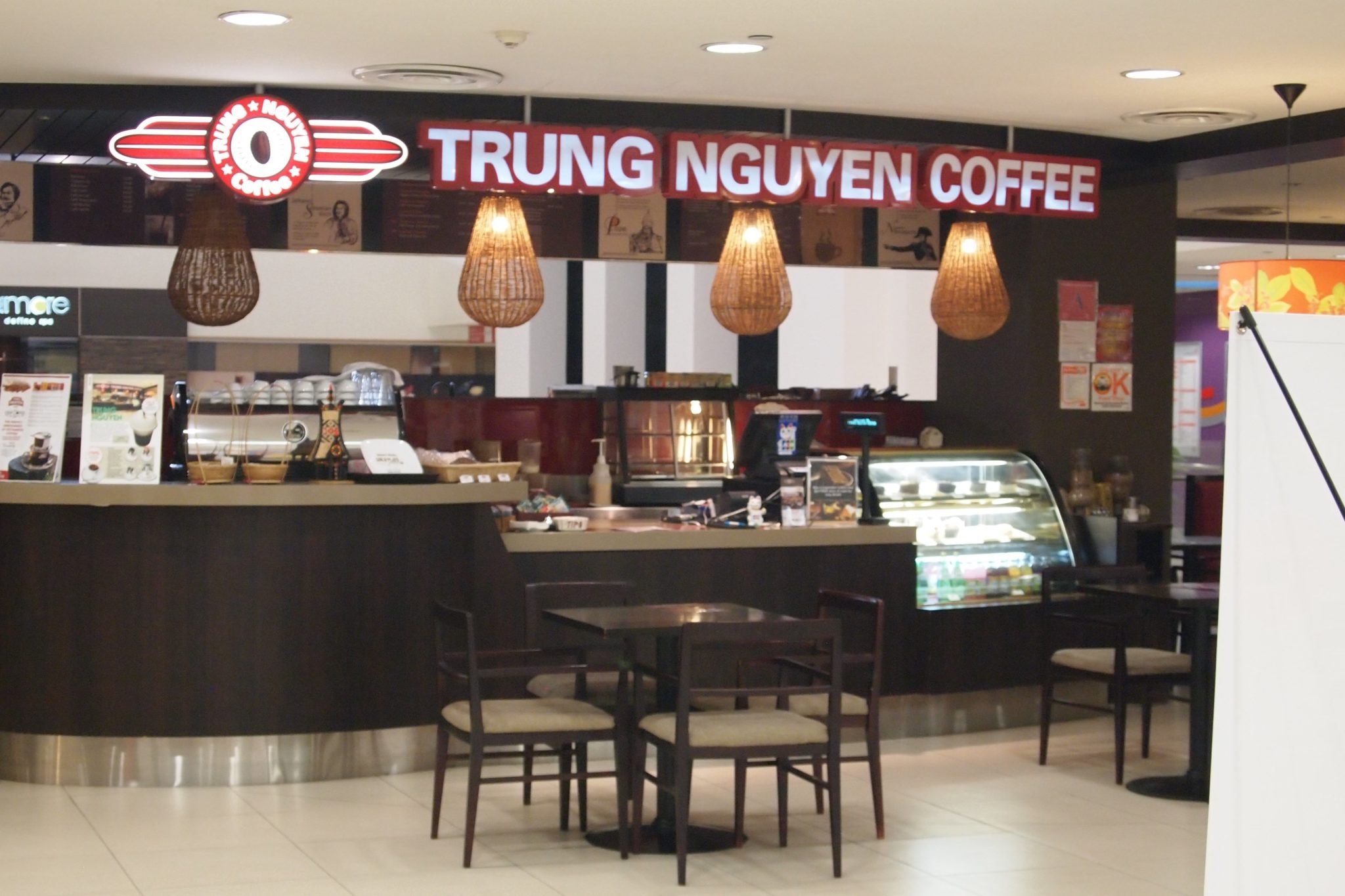
    Vietnamese coffee chain Trung Nguyen is continuing its global expansion, opening its first store in Australia next month via a franchise agreement with local distributor Master C Pty Ltd.

    The 400sqm store on Melbourne’s Courtney Street will feature a retail corner, a coffee-tasting area, and a cafe space.

    In addition, customers can experience the three coffee cultures the company has identified and showcases in its flagship Vietnam stores: Ottoman, Roman and Zen.

    The Melbourne store will resemble a Vietnamese-themed coffee shop with its architectural style, display graphics, and menus that incorporate elements of Vietnamese and local cultures.

    Trung Nguyen first made its international debut in China in 2022 with a store in Shanghai and then expanded into Beijing and Chongqing. It opened its first US store last year, in partnership with US-based franchisee H&L Wholesale Food Corporation.

  • Australia Restricts DeepSeek AI on Government Devices

    Australia Restricts DeepSeek AI on Government Devices

    Australia has prohibited the use of DeepSeek on all government devices due to concerns about security risks posed by the Chinese artificial intelligence (AI) startup. The Secretary of the Department of Home Affairs has directed all government entities to stop using DeepSeek products, applications, and web services, and to remove any existing instances from Australian government systems and devices.

    Home Affairs Minister Tony Burke stated that DeepSeek presents an unnecessary risk to government technology, and the ban is necessary to safeguard Australia’s national security and interests. This ban does not apply to devices owned by private citizens. After DeepSeek released its latest AI model last month, which is cheaper and requires less sophisticated chips compared to other models, technology stocks worldwide plummeted.

    Australia’s decision to ban DeepSeek follows similar actions taken in Italy, with other countries in Europe and beyond also investigating the AI firm. Similarly, Taiwan recently prohibited government departments from using DeepSeek’s AI service.

  • Cherries imported from New Zealand, Australia rise 35% to $80 per kilo ahead of Tet

    Cherries imported from New Zealand, Australia rise 35% to $80 per kilo ahead of Tet

    As the Lunar New Year (Tet) approaches, cherry prices have surged, with imported varieties from New Zealand and Australia reaching nearly VND2 million (US$79.7) per kilogram, 35% higher than the same period last year.

    Despite the sharp increase, demand remains high, especially for premium varieties from New Zealand and Australia.

    At a fruit shop on Le Van Sy Street in Ho Chi Minh City’s District 3, New Zealand cherries sized 32-34 mm are priced at nearly VND2 million per kilogram, while smaller-sized cherries cost between VND900,000 and VND1 million per kilogram.

    Similarly, Australian cherries, priced in the same range, have sold out since Jan. 25, just days before the holiday.

    Chilean cherries, a more affordable option at VND200,000-250,000 per kilogram, are also being ordered in bulk. The owner of a shop on Quang Trung Street in Go Vap District reported that premium cherry varieties sold out several days ago, with prices up 20-35% compared to last year, depending on size and type.

    “Cherries are a popular Tet gift, especially the premium lines. Many customers pre-ordered weeks in advance to ensure they have stock during Tet,” the shop owner said. The nine-day New Year break begins Saturday.

    On online platforms, many shops have announced sold-out stocks, with some customers waiting 2-3 extra days for their orders due to delayed import shipments.

    Hanh, a fruit trader specializing in Australian imports, shared that Jan. 26 was the last day she accepted orders for air-shipped cherries. However, demand has been so high that traders like her have had to source from more remote markets to find fresh, high-quality goods.

    “The key to cherries is freshness. I’ve sourced the newest stock for my customers, but prices are higher,” Hanh said, noting that a 2-kg box of cherries sized 30-32 mm costs around VND1.5-1.6 million.

    Hundreds of tons of Chilean cherries have been imported by supermarkets to meet Tet shopping demand, with consumption reaching up to 80%. Supermarkets in HCMC continue to restock as the holiday, which lasts nine days until Feb. 2, draws near.

    The market currently offers cherries imported from Canada, Chile, Australia, and New Zealand in a range of sizes. Organic cherries, a limited and sought-after variety, are also available this year.

    Cherry prices have risen this year due to reduced supply and increased demand. Australian cherries sold out quickly as production in the country decreased, with many farmers scaling back planting areas.

    U.S. cherries, which typically compete with Australian and New Zealand varieties, have been out of season since late last year, further driving up prices.

  • Stasko Drives Telstra’s AI-Optimized Infrastructure and Partnerships

    Stasko Drives Telstra’s AI-Optimized Infrastructure and Partnerships

    In a recent interview with Telecom Review Asia, conducted at ITW Asia 2024, in Singapore, Stasko discussed Telstra’s role in enhancing international connectivity through its submarine cable network by leveraging artificial intelligence (AI) to optimize infrastructure and foster key partnerships with hyperscalers and other industry leaders. His vision for Telstra International focuses on expanding its presence in the Asia Pacific by continuing to innovate and serve as a critical enabler of the digital economy. Through strategic partnerships and cutting-edge technological integration, Stasko is guiding Telstra to new heights in the global telecommunications landscape.

    How does Telstra’s submarine cable network contribute to enhancing international connectivity, and what role does it play in supporting the digital economy globally?

    Telstra’s submarine cable network significantly enhances international connectivity by operating at-scale and providing a comprehensive range of services. With over 50 years of experience in the subsea market, Telstra strengthened its position in 2016 by acquiring Pacnet, making it the largest commercial digital infrastructure provider for trans-pacific integration. Currently, it manages about 20% of the internet traffic between the U.S. and Asia, and a third of intra-Asia traffic.

    Telstra manages 400,000 kilometers of subsea fiber. This extensive network allows Telstra to offer not only point-to-point connectivity but also broader solutions that include diversity, resilience, and terrestrial backhaul integration, from cable landing stations to data centers. This comprehensive approach supports customers by handling their capacity end-to-end rather than providing isolated segments.

    Globally, Telstra’s digital infrastructure, which includes Telstra International and Australia-based InfraCo, connects markets and supports the digital economy by ensuring reliable and scalable connectivity solutions across multiple regions.

    As AI becomes more integral, how is Telstra leveraging artificial intelligence to optimize its global infrastructure and improve service offerings?

    As AI becomes more integral, Telstra is leveraging artificial intelligence in two main areas: optimizing internal operations and enhancing its international network infrastructure.

    Within Telstra, including its international business, AI is being used extensively to improve efficiency and support employees. For example, Telstra boasts the largest deployment of Microsoft’s Copilot in Australia, which is integrated with Microsoft 365 tools and allows employees to use AI for tasks like writing emails, preparing documents, and managing data. This foundational deployment helps employees understand and adopt AI in their daily workflows.

    Additionally, Al and automation are used to optimize internal processes, particularly in the consumer business segment. Leveraging the capabilities of Microsoft Azure OpenAl Service and Azure Al Search, Ask Telstra provides Al-driven answers to employee inquiries through a simple search interface. Another tool. ‘One Sentence Summary, condenses customer issues into clear, actionable summaries, improving the speed and accuracy of responses. The focus is not on replacing human interaction but on empowering agents to provide fast, accurate, and effective support.

    On the international side, Telstra is applying AI to achieve automation and an autonomous network. AI-driven tools are being used to digitize data such as inventory, capacity, locations, and sensor inputs. This enables Telstra to build a virtual model of its network to test, predict, and automate operations. For instance, AI helps reroute traffic dynamically, optimizing the network and ensuring reliable connectivity. These AI applications enhance both Telstra’s operational efficiency and its ability to deliver high-quality service globally.

    Can you share key AI-driven initiatives or innovations that Telstra is working on, and elaborate on some of the partnerships that have been forged?

    Telstra is advancing several key AI-driven initiatives and forging strategic partnerships to enhance its capabilities. One of our largest partnerships is with Microsoft, which spans AI tools, digital infrastructure investment, and connectivity across both the international and Australian components. This collaboration underscores Telstra’s commitment to integrating advanced AI capabilities with robust infrastructure solutions.

    In Australia, Telstra has created a joint venture with Quantium, an AI-driven company; the result of which is Quantium Telstra. This partnership focuses on developing AI tools, building skill sets, and fostering innovation in an AI-first framework. Additionally, Telstra collaborates with traditional infrastructure vendors, working closely with them to embed AI into tools and systems that optimize operations.

    On the international front, Telstra is partnering with customers to address the evolving network needs being driven by AI. This involves rethinking network topology to better accommodate AI traffic, which differs significantly from the demands of traditional cloud traffic. Telstra’s approach includes both enabling partner solutions and collaborating with customers to anticipate the future connectivity requirements being shaped by AI.

    Telstra also maintains strong ties with the Australian government. While AI-specific collaborations are less prominent, past initiatives, such as our acquisition of Digicel Pacific, highlights our successful public-private partnerships. This endeavor involved funding from the Australian, U.S., and Japanese governments and demonstrated how commercial and government interests can align effectively.

    In the cybersecurity sector, Telstra is working closely with security agencies in Australia and globally, employing both AI-driven and traditional approaches to ensure its network remains secure, sovereign, and reliable. These initiatives illustrate Telstra’s comprehensive strategy, which prioritizes leveraging AI and partnerships across various domains.

    What is Telstra International’s vision? And what strategies are you employing to grow its presence in the region?

    Telstra International’s vision is to remain the leading digital infrastructure provider in the Asia Pacific. To achieve this, Telstra is focusing on three strategies: offering layer-zero services, including cable landing stations and network operations; partnering with hyperscalers and other investment partners to operate and enable new systems; and becoming the ‘carrier of carriers’ by creating CapEx-light models to support telcos’ subsea and connectivity needs.

    Partnerships are key to success. Hyperscalers, once skeptical about working with Telstra, now see value in these collaborations, recognizing that, in some markets, they benefit from a partner’s expertise. As Telstra adapts, the focus shifts from doing everything in-house to being a good partner, leveraging engineering strengths and operational excellence. This approach ensures continued growth and scalability.