Tag: Australia

  • Amazon Surpasses eBay as Leading Australian Marketplace for First Time

    Amazon Surpasses eBay as Leading Australian Marketplace for First Time

    In an industry first, Amazon has overtaken eBay to become the leading marketplace in Australia according to new research from global ecommerce accelerator, Pattern.

    Marketplace shopping has also become mainstream in Australia, with research highlighting 93% of people shopped on a marketplace in 2023 and 94% plan to buy from platforms like Amazon, Catch, Temu, and eBay over the coming year.

    The findings were revealed as part of Pattern’s sixth annual ‘Marketplace Consumer Trends Report – 2024,’ which researched Australian shoppers’ changing ecommerce habits and the latest marketplace trends.

    Australian marketplace sector experiences major disruption

    The Australian marketplace sector is expanding and being disrupted. Emerging platforms Temu and Shein have rapidly gained significant market share, with 25% of shoppers buying from Temu and 21% from Shein, while established platforms like Catch and eBay underperformed in 2023.

    Amazon has grown to become the dominant local marketplace and is projected to reach $5.5 billion in Australian turnover by the end of the current financial year. Amazon now outperforms all other marketplaces on average monthly site visits, including eBay by a significant 48% over the last three months of 2023, to achieve an average of 75.2 million monthly site visits.

    “New marketplace entrants into Australia, like Temu, are shaking-up the sector and quickly attracting consumer interest. However, it’s expected that Amazon’s leading market position will only grow, as the platform wins shoppers with competitive prices, the widest product range and ease-of-use shopping via Prime,” said Merline McGregor, General Manager, Pattern Australia.

    Amazon is also on track to achieve the highest growth rate of any marketplace in 2024, with 63% of Australians planning on buying from the site (+6% annual growth) compared to a projected 8% decrease in people planning to buy from eBay. Notably, 80% of shoppers who were in the $200k income bracket bought on Amazon, reflecting its strong reach among higher-income consumers.

    Ecommerce shopping habits evolve in the face of cost-of-living challenges

    Despite the increased pressure on Australian consumers’ discretionary spending, research shows that shoppers will continue to buy online. The ecommerce market is projected to reach AU$64.14bn this year, with the share of retail goods purchased online set to increase from 15.6% in 2023 to 17% by the end of 2024.

    Nevertheless, cost-of-living pressures will impact consumer budgets in 2024, with many looking to stabilise their retail spending. This is represented by a significant decline (-29%) in those intending to spend more online this year.

    “With cost-of-living pressures and an uncertain economic outlook, many consumers will cut costs and evolve their shopping habits this year. For instance, shoppers are more likely to take advantage of major sales events, following a 20% growth in consumer participation in Black Friday / Cyber Monday in 2023. Research also shows that shoppers are opting to visit retail stores for a hands-on evaluation of products. This trend suggests a more thorough pre-purchase assessment, evidenced by a notable 36% decrease in consumers intending to buy products online that can typically be found in-store,” observed McGregor.

    The evolution of product discovery

    Google’s product search supremacy is slipping, with a year-on-year decrease in the percentage of people using it to research products. Shoppers are now also going direct to retailers for inspiration (+6%), along with marketplaces, such as Amazon, which has grown by 59% in popularity. However, marketplaces rising as a research tool is not uniform, with eBay dropping by 19%.

    “Marketplaces today have an abundant volume of goods for consumers to search. These platforms build confidence with shoppers to research and purchase new products through enhanced transparency and credibility. This is achieved by providing real-world product reviews and informative answers to product page questions,” said McGregor.

    What products will consumers buy from which marketplace in 2024?

    Pattern’s research asked consumers what they were likely to buy in 2024 and through which marketplace, with the results indicating:

    • Amazon’s key shopper categories are Books & eBooks (26%), Electronics & Computer (24%) and Home & Kitchen (24%).
    • eBay is competitive across a range of categories, including Electronics & Computer (17%), Home & Kitchen (16%) and Clothes, Shoes & Accessories (16%).
    • Catch is popular for Toys, Kids & Baby (12%), Home & Kitchen (10%).
    • Kogan will remain strong in Electronics & Computer (11%), Home & Kitchen (9%).
    • Shein is set to grow through Clothing, Shoes & Accessories (16%).
    • Temu attracts shoppers with Clothing, Shoes & Accessories (10%), Home & Kitchen (7%).
    • My Deal’s sales will come from Home & Kitchen (5%) and DIY Home Improvement (4%).

    “The popularity of key product categories across marketplaces is linked to numerous sellers offering similar items which brings about fierce competition, ongoing promotions, and aggressive pricing. In this dynamic and challenging landscape, brands must implement an effective marketplace strategy and collaborate with the right partners to attract business and thrive,” concluded McGregor.

    For more information and to download the full report please click here: ‘Australian Marketplace Consumer Trends Report – 2024’

    Latest research from Pattern reveals current Australian consumer trends, with 94% of shoppers to buy from a marketplace over the coming year
     

  • Aldi partners with BrewDog for pop-up pub in Sydney

    Aldi partners with BrewDog for pop-up pub in Sydney

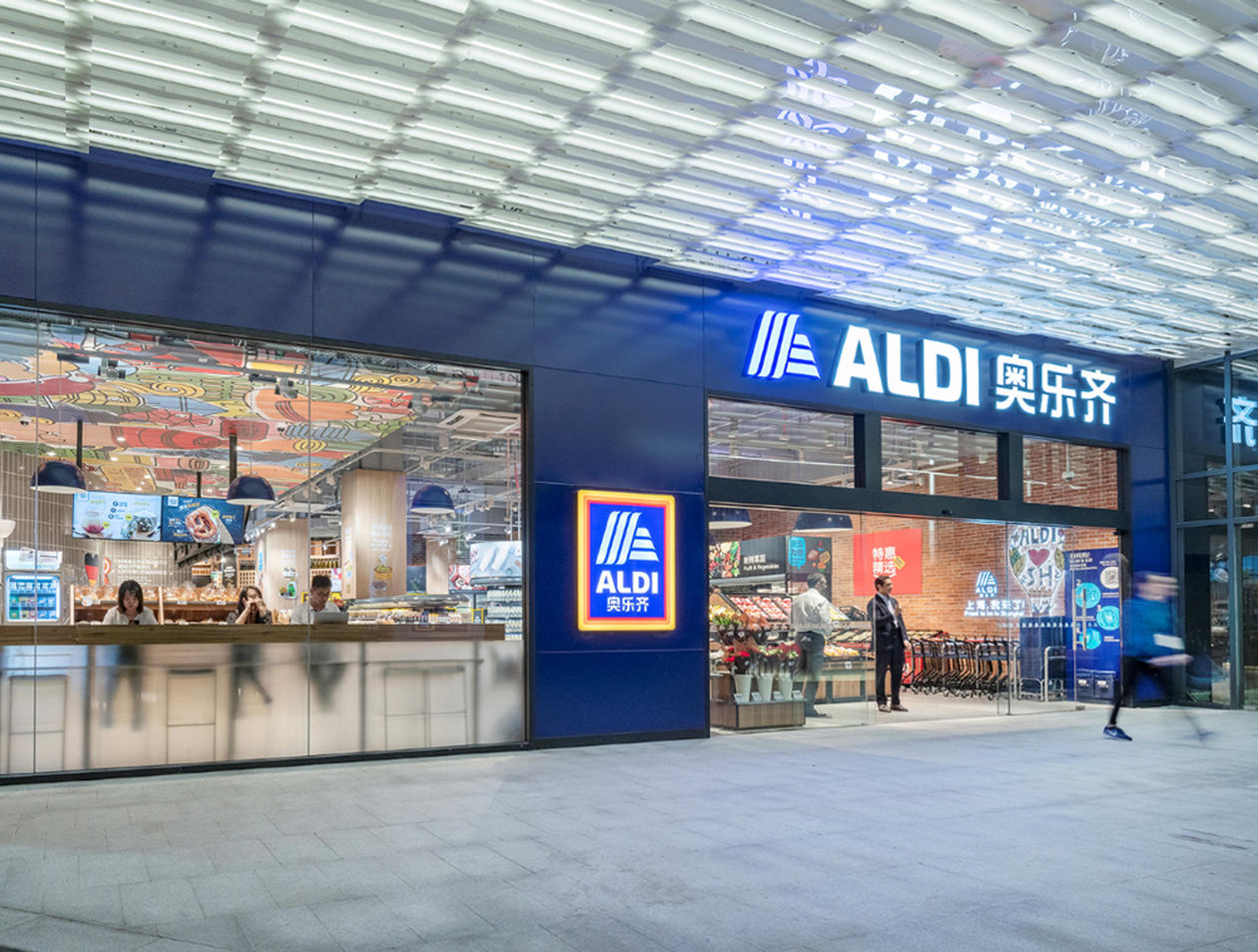
    Aldi Australia has partnered with Scottish craft beer company BrewDog to launch a pop-up pub in Sydney.

    The Special Brews by Aldi pub will open its doors at the Hotel Sweeney’s for one night only on December 13 and will offer a sneak peek at the limited-edition beer on sale at Aldi stores. It will also offer lower-priced craft beers, with the collaboration’s exclusive Ald IPA priced at $3.25 per can.

    Aside from drinks, the pop-up pub will offer custom merchandise and snacks. Customers can collect their punch card at the door and purchase up to three cans of Ald IPA, along with Aldi and BrewDog slinging limited-edition stubby holders and socks.

    “Aussies know Aldi for delivering the best value on everyday groceries, but we’re taking it further by delivering a night out in Sydney for under a tenner this holiday season,” said Paul Handley, buying director at Aldi.

    “We are excited to welcome patrons to this new experience and for Aussies to crack open the new Ald IPA.”

  • US whiskey brand Four Roses Bourbon launches in Australia

    US whiskey brand Four Roses Bourbon launches in Australia

    American bourbon brand Four Roses has launched in Australia, to be sold exclusively by Vanguard Luxury Brands.

    Paul Jones Jr founded the Kentucky Straight bourbon whiskey, which began production and sales in the 1860s and later became a medical whiskey during Prohibition.

    Four Roses has 40 per cent alcohol by volume and is aged for a minimum of five years. It has 10 distinct recipes and is made from the combination of two mash bills and five proprietary yeast strains.

    It comes with a note of crisp fresh fruit with hints of pear and apple and has floral essences with gentle spice and honey.

  • Australian wine sales up despite lowest production in 15 years

    Australian wine sales up despite lowest production in 15 years

    Australian wine sales rose by 11 percent despite the lowest wine production in 15 years, according to the Wine Production, Sales and Inventory Report 2023 by Wine Australia.

    In the fiscal year 2022-23, 964 million liters of wine were produced, while sales remained steady at 1.07 billion liters, with a slight increase in domestic sales offsetting the decline in exports.

    Peter Bailey, manager of marketing insights at Wine Australia, said this is the first time in five years that the total sales volume remained steady year-on-year.

    “Sales of Australian wine have been decreasing in our domestic market and export markets over the past five years due to declining wine consumption combined with increased cost-of-living pressures and the effects of the significant duties on Australian wine to China,” he explained.

    The national wine inventory decreased by 4 percent to an estimated 2.2 billion litres in June last year due to sales exceeding production. However, inventory levels remain high, particularly for red wine.

    “This is a move in the right direction for the sector as it responds to the challenge of rebalancing supply and demand,” adds Bailey. “However, it is only a small reduction after the lowest vintage in 20 years, and stocks of red wine remain at historically high levels.”

    The report noted that the stock-to-sales ratio for red wine was still 45 percent above the 10-year average despite decreasing by 7 percent due to the decrease in inventory.

    While supply and demand for white varieties appeared to be more balanced, Bailey pointed out that sales of white wine in 2022-23 were considerably lower than the 10-year average production.

    “Rebalancing supply and demand remains a real challenge for the sector,” he concluded.

    “Our situation reflects the global environment, as world wine production has exceeded yearly consumption for at least the past ten years. This prolonged oversupply, equivalent to more than twice Australia’s production yearly, has put increasing pressure on all wine-producing countries.”

  • Aussie wines meet Filipino spirits in new venture 7000 Islands

    Aussie wines meet Filipino spirits in new venture 7000 Islands

    Filipino-Australian entrepreneur Siggy Bacani seeks to bring the best of both worlds together by launching 7000 Islands, a cross-cultural business venture that imports Filipino liqueurs and spirits to Australia while exporting small-batch Aussie wines to the Philippines.

    Making its debut this month, the first shipment of hand-crafted Ube Cream liqueurs arrived in the company’s warehouse in Sydney directly from regional provinces in the Philippines.

    The liqueurs and a range of Filipino spirits will progressively become available in selected bars, restaurants and specialist outlets across Sydney, Brisbane, Melbourne and Perth.

    On the other hand, 7000 Islands will also distribute select white and red wines from Victoria’s Yarra Valley and varietals in SA and NSW.

    Bacani was born in the Philippines and moved to Australia with his family in the late 1980s; he considers himself “at home” in both. Previously, he worked as a marketing manager for Bacardi Brown-Forman Brands in the UK and for Moët Hennessy in Australia.

    “These are exciting times,” he remarked. “Our vision is to harvest and export superb local wines from around Australia that perfectly harmonise with the tropical gastronomy of the Philippines while providing Australian drinkers with the chance to explore some of the unique taste profiles of popular Filipino liqueurs and spirits.”

    Initially, the 7000 Islands brand will have approximately 20 products available ranging from wines selected from the 65 wine-growing regions of Australia to liqueurs and spirits produced by distillers from the 82 provinces of the Philippines.

    “All our Philippine-based drinks are sourced from natural Filipino ingredients such as Ube and sugar cane,” Bacani continued.

    “For example, Proclamation Gin is made from handpicked Sampaguita flowers responsibly sourced from female farmers in Pampanga.

    “Meanwhile, the vivid purple yam known as Ube is already popular in Australia and can now be found in many products, including Filipino pastries, cakes and ice creams.”

    The imported Filipino craft spirits will be available in premium restaurants and bars, including the three-hat restaurant Oncore by Clare Symth in Crown Sydney;  Ni Hao Bar & Dining in Sydney’s Civic Hotel, modern Vietnamese restaurant and bar Saigon Hustle in Sydney’s Smithfield, multi-award winning Serai restaurant in Melbourne and Hygge Bar in Perth.

    “We are passionate about bringing the best of these two worlds together with a selection of small-batch wines and craft spirits that reflect the unmistakable flavours and traditions of Australia and the Philippines,” Bacani concluded.

  • China ready to welcome likely return of Aussie wine as ties improve

    China ready to welcome likely return of Aussie wine as ties improve

    News that punitive tariffs on Australian wine introduced by China in 2021 would be reviewed as part of a push to improve the relationship between the two countries was cheered by many, including Campbell Thompson.

    The Beijing-based Australian CEO of wine importer and distributor The Wine Republic has spent more than a decade making his living from bringing wine, much of it from Australia, into the China market.

    “We are looking forward to the tariffs being removed. I think for Australia there is definitely an opportunity,” he said.

    The introduction of a 218 percent tax on most Australian wine introduced by China early in 2021 prompted that trade, previously valued as high as $1.2 billion annually, to collapse.

    Penfold’s maker, Treasury Wine Estates, said in 2022 it had lost 97 percent of its China business due to the introduction of the tariffs.

    Prior to Australia’s call for an investigation into the origins of Covid-19 in 2020, Australian wines imported into China were subject to zero tariffs following the signing of a free trade agreement in 2015, giving them a 14 percent tariff advantage over many other wine producing nations.

    Late last month, the two sides announced they had reached a consensus to settle the WTO wine dispute and that the anti-dumping tariffs, which weren’t set to expire until 2026, would be reviewed, ahead of Australian Prime Minister Anthony Albanese’s visit to China this month.

    Thompson is already in touch with the 10-plus Australian wineries he worked with before 2021, along with some newer players, in expectation that tariffs will soon be removed.

    Though he says this is good news, perhaps paving the way for the return of Australian wine to the Chinese market by early next year, he is not necessarily expecting business to bounce back immediately.

    “I don’t think that’s realistic any time soon. However, for a lot of good quality Australian wine producers … customers still know the wines and I think will re-engage with those wines fairly readily,” he said.

    Layla Wang, co-owner of Trio Wine Bar in Beijing agreed that Chinese market perceptions of Australian wine haven’t changed in the years since it was last available, with no clear winner in the battle to take over Australian wine’s market share.

    The bar’s small cellar is lined floor to ceiling with bottles of wine from all over the world, and Wang said the market has become more crowded as people seek out new and different wine experiences, leading to the increased popularity of homegrown Chinese wines, biodynamic and natural options.

    “I think even if people have been away from Australian wine for a while, every time we talk about this category of wine, we all think it’s a very good quality wine,” Wang said, sat at her bar.

    “For us, we’re definitely delighted as it signifies offering more choices to our customers. For consumers who haven’t had Australian wines for years, many will be eager to try them again.”

  • Gentle Monster opens its first Australian store

    Gentle Monster opens its first Australian store

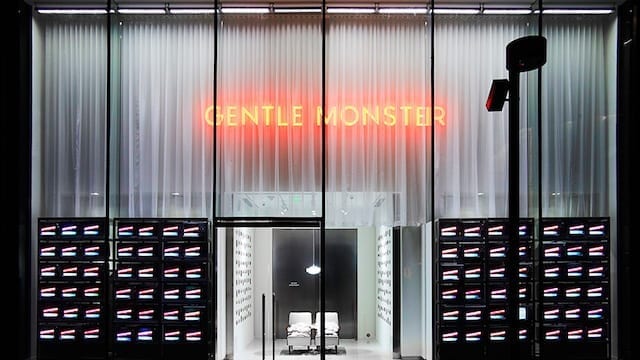
    South Korean luxury eyewear brand Gentle Monster has entered the Australian domestic market with its first store opened inside David Jones’ Elizabeth Street, Sydney site.

    Gentle Monster David Jones features the brand’s signature kinetic art installation ‘Giant Head’, allowing visitors to “experience mysterious emotions through its indecipherable facial expressions which seem to penetrate the essence of the viewer”. Overseeing all Gentle Monster’s operations in Australia, Bluebell Group plans to open a flagship store next July.

    “This first opening in Sydney’s domestic market is a significant milestone for both the brand and Bluebell,” said Nelly Ngadiman, MD of Bluebell Southeast Asia & Australia. “It is a recognition of a close, successful partnership.

    “The brand’s uniqueness and disruptive nature in the fashion eyewear category enhances our teams’ commitment to retail excellence even further.”

    The launch is in partnership with retail brand operator Bluebell Group, following last year’s opening of Gentle Monster’s first travel retail airside space in the Southern Hemisphere at Sydney airport.

    Gentle Monster has recently expanded in Asia Pacific to further capitalize on the region’s growing luxury market. The eyewear brand opened its first store in the Philippines last month at Shangri-La The Fort in Bonifacio Global City, after entering Thailand with the first store opened in Bangkok’s EmQuartier earlier this year. The first Gentle Monster store in Malaysia is set to open at Kuala Lumpur’s luxury premise The Exchange TRX.

  • Australia seeks separate dialogue on China wine dispute

    Australia seeks separate dialogue on China wine dispute

    Australia wants a separate dialogue with China on their dispute over wine, the agriculture minister said on Sunday, rejecting Beijing’s proposal to link wine with other trade issues as the two nations slowly seek to improve battered relations.

    China’s removal of tariffs last month on Australian barley has raised hopes for an easing of wine tariffs, in place since 2021, which have hammered the country’s wine exports.

    Bilateral relations sank in 2020 when Australia called for an inquiry into Covid-19 origins, triggering reprisals by Beijing, including a raft of trade restrictions that hurt Australia’s export-reliant economy.

    China on Thursday proposed a “packaged solution” that would tie the wine dispute to those about duties on Australian imports of Chinese railway wheels, wind towers and stainless steel sinks, state news agency Xinhua reported.

    But Agriculture Minister Murray Watt said on Sunday, “We see them as entirely separate matters.” The government wants the wine dispute “resolved in the same way the barley dispute was resolved – through dialogue”, he told the Australian Broadcasting Corp.

    “We will continue our WTO (World Trade Organization) case when it comes to wine and we will continue to defend the case when it comes to steel,” Watt said, referring to disputes ongoing at the global trade body.

    China was Australia’s top wine export market before Covid, peaking at $770 million for the 12 months to January 2020 when the pandemic hit. In the year to June, they had plunged to $5.2 million.

  • Bundaberg expands range with new Campfire rum

    Bundaberg expands range with new Campfire rum

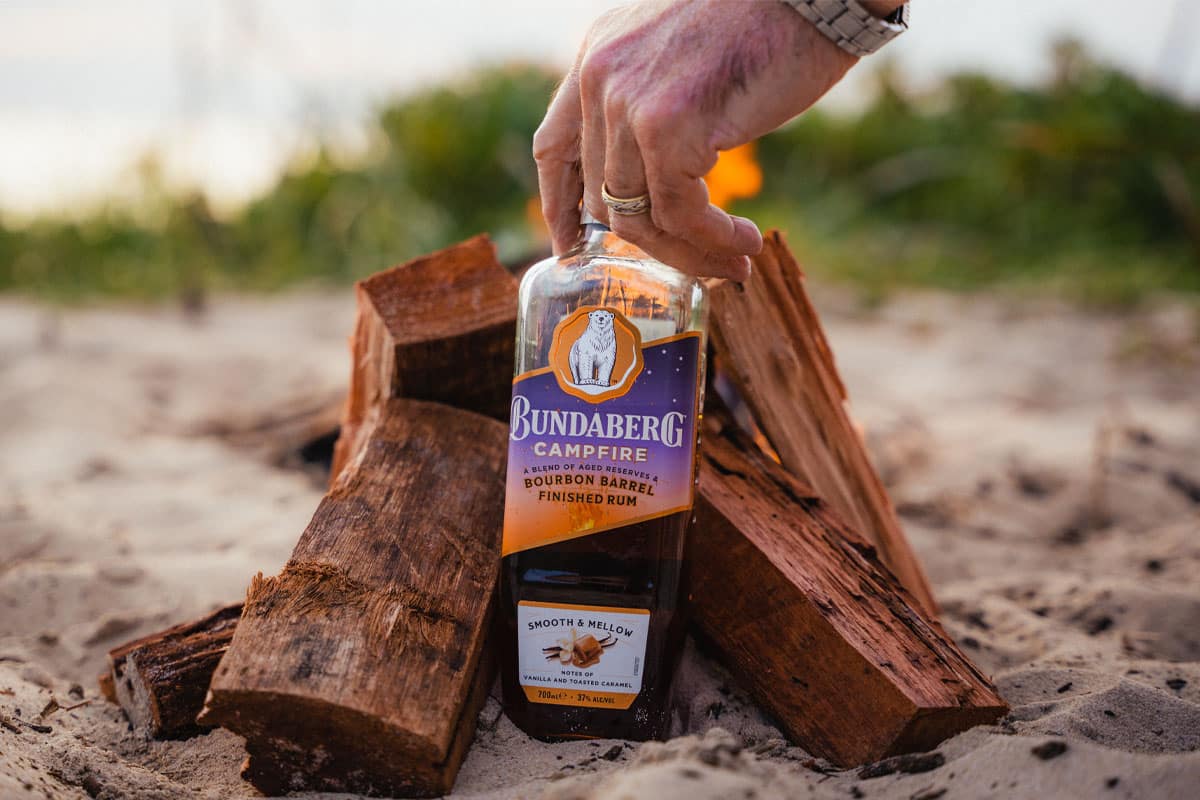
    Australian distillery Bundaberg Rum is expanding its liquor range with the launch of Bundaberg Campfire.

    Bundaberg Campfire has an ABV of 37 per cent and is made from aged reserves, combined with rum, and aged in bourbon barrels. It boasts a mellow profile and a blend of toasted caramel and vanilla notes, complemented by burnt sugar and toffee aromas.

    Sarah Watson, blending and innovation manager, Bundaberg Rum, said the brand understands customers who seek fresh innovations within the dark spirits category, and the new drink addresses this demand.

    “This is a subtle blend for us, made smooth and mellow thanks to the influence of lightly charred Bourbon barrels,” she added.

    “We’re excited to introduce a product that introduces Bundy fans and Bourbon enthusiasts to a fresh and intriguing flavor profile.”

    Bundaberg Campfire is sold at an RRP of $55 for a 700ml bottle in major retail outlets and will join the brand’s permanent range of products.

  • Aussie sunscreen brand Ultra Violette debuts in the Middle East

    Aussie sunscreen brand Ultra Violette debuts in the Middle East

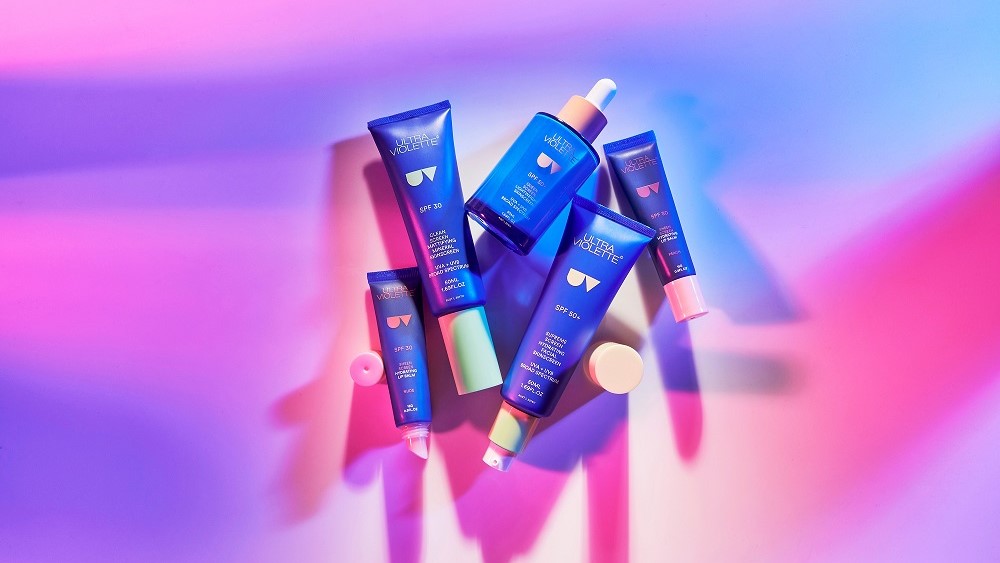
    Australian sunscreen brand Ultra Violette is set to expand its global presence with a launch in the Middle East through retail giant Sephora.

    The expansion marks a significant milestone for the brand, reaching 25 countries and more than 250 stores worldwide, including Australia, New Zealand, the UK, Europe, Southeast Asia, and now the Middle East.

    Ultra Violette’s debut in the Middle East will see its full range available in 89 brick-and-mortar Sephora stores across five countries, including a brand fixture in the retailer’s highest-volume store, the Dubai Mall.

    Founded by Ava Mathews and Bec Jefferd in 2019, the brand aims to redefine sunscreens with a collection designed for those who dislike using traditional SPF products.

    Its Skinscreens range combines innovative textures, skin-enhancing ingredients, and compatibility with other skincare and makeup products, which, in turn, garnered the brand a “cult following”.

    Earlier this year, the company expanded its presence in Europe and with products available in more than 450 Sephora stores across multiple countries, including France, Spain, Italy, Poland, the Czech Republic, Portugal, Greece, Germany, and Switzerland.

    Ultra Violette initially partnered with Sephora ANZ in 2020, and the collaboration has helped grow the brand significantly since.

    “Our ultimate goal is to bring Ultra Violette to as many faces in as many countries as possible worldwide,” said Mathews.

    “The Sephora global team has been incredibly supportive in championing an Australian brand, and we are thrilled to expand within their network in the Middle East, with Sephora being the number one prestige beauty retailer globally.”

    In addition to Sephora, Ultra Violette’s products are available in major beauty and luxury retailers worldwide, including SpaceNK, Harrods, Liberty, Cult Beauty, and David Jones.

  • Shein x Klarna Collaborate to Create One-Stop Pop-Up Shop in Melbourne

    Shein x Klarna Collaborate to Create One-Stop Pop-Up Shop in Melbourne

    Global integrated fashion and lifestyle marketplace, SHEIN and leading buy now, pay later service, Klarna are collaborating to launch Styletopia, the ultimate pop-up shopping experience.

    The pop-up will showcase SHEIN’s on trend and affordable clothing and accessories for all genders and ages, with a wide size range on offer, as well some of SHEIN’s newest collections across beauty, home, activewear, electronics, shoes and even some cute outfits for pets!

    A DJ will be playing tunes while shoppers will also get to enjoy a beauty bar, photo booth, complimentary coffee from the  Styletopia Cafe and a custom tote-bag personalisation station.

    The pop-up partnership, which has been a hit in overseas markets, is the first one of its kind in Australia.

    The SHEIN x Klarna one-stop pop up store will be located at Clifton Street Markets, 41- 43 Clifton St, Prahran, Melbourne and will be open from 10am to 6pm from Friday 8th September to Sunday 10th September 2023.

  • Cobram Estate’s sales surge after bumper olive crop

    Cobram Estate’s sales surge after bumper olive crop

    Listed Australian olive oil grower and processor Cobram Estate Olives, has recorded a 21 percent year-on-year boost in sales, to $169 million for the last financial year as its foray into the US pays off.

    The majority of the sales – $117 million – were from its Cobram Estate brand – the top-selling olive oil in Australian supermarkets – and its newer Red Island brand, which collectively rose by 17 percent.

    Sales of Cobram Estate in the US surged 69 percent and turnover in the market reached $43 million, up by 46 percent.

    In a results presentation, the company reported a higher-yielding crop last year to 12.5 million litres, offset by a lower margin as the price of producing packaged goods rose.

    However, looking forward, the company says the Australian olive oil crop is down this year, however, it still expects to have sufficient oil for its packaged goods targets.

    “The sales outlook remains positive, benefiting from a global shortage of olive oil and record high global prices of European olive oil flowing through to both Australia and the US,” the company said.

    Established in 1988, Cobram Estate Olives is Australia’s largest producer and marketer of premium quality extra virgin olive oil and owns more than 2.6 million olive trees across 7000ha of farmland in Victoria, and a further 334,000 trees on 558ha in California.

  • Vöost launches skin hydration effervescent products

    Vöost launches skin hydration effervescent products

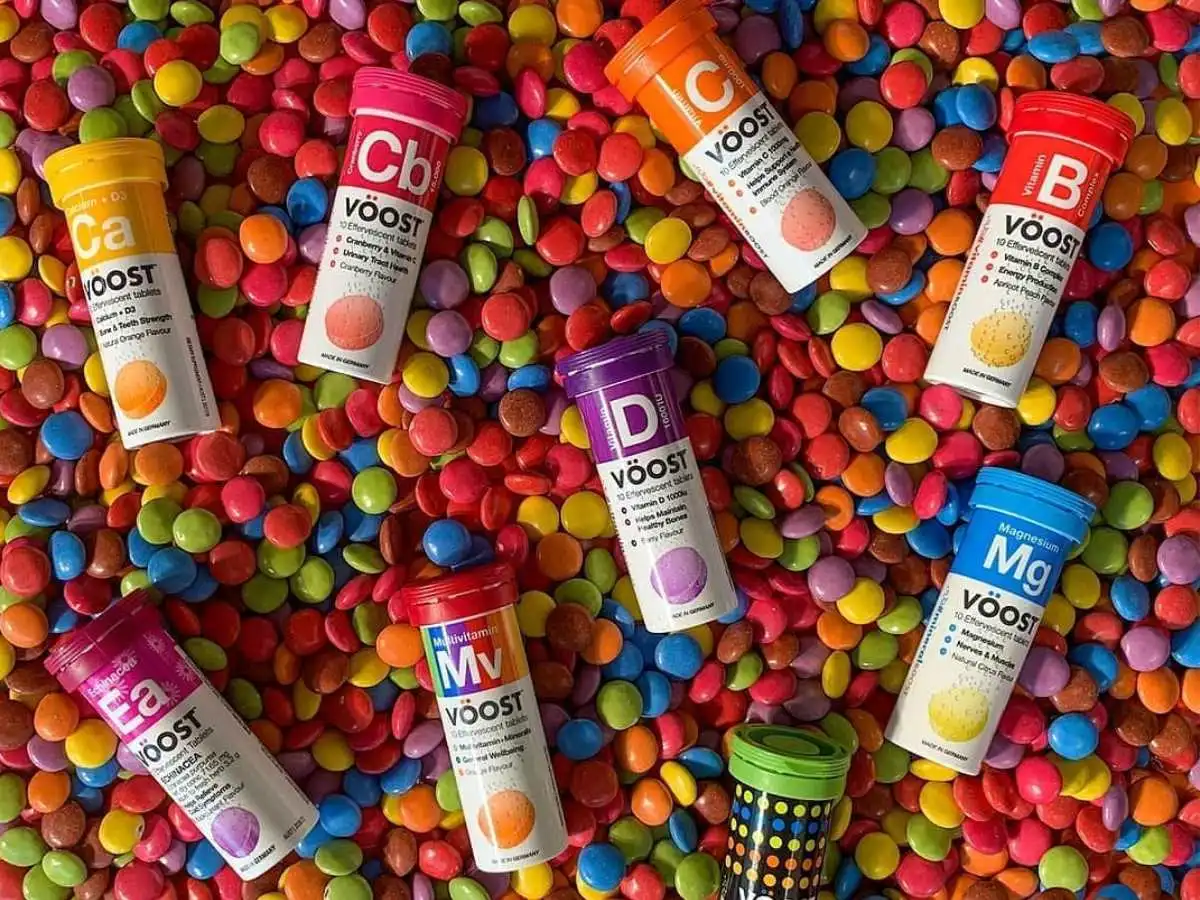
    Australian supplement brand Vöost has added two new beauty products to its extensive range of effervescent vitamins and minerals.

    The company says its new Vöost + Skin Hydration and Vöost + Hair, Skin & Nails are designed to support healthy skin, hair and nails from within. The new additions will join the Vöost Collagen effervescent range.

    The Vöost+ Skin Hydration in Rose Lemonade flavour features hyaluronic acid which supports skin hydration, skin elasticity and firmness and helps to relieve skin dryness.

    It contains vitamin C and vitamin E which act as supporting ingredients to reduce free radical damage to body cells.

    Meanwhile, the Vöost + Hair, Skin & Nails in Strawberry + Kiwi flavour contains biotin, selenium, vitamin E, vitamin C and zinc. It supports healthy hair and skin, nails as well as collagen formation.

    The products are available in Woolworths, Coles and Chemist Warehouse stores and online.

  • Bega Cheese reports strong market share growth for FY23

    Bega Cheese reports strong market share growth for FY23

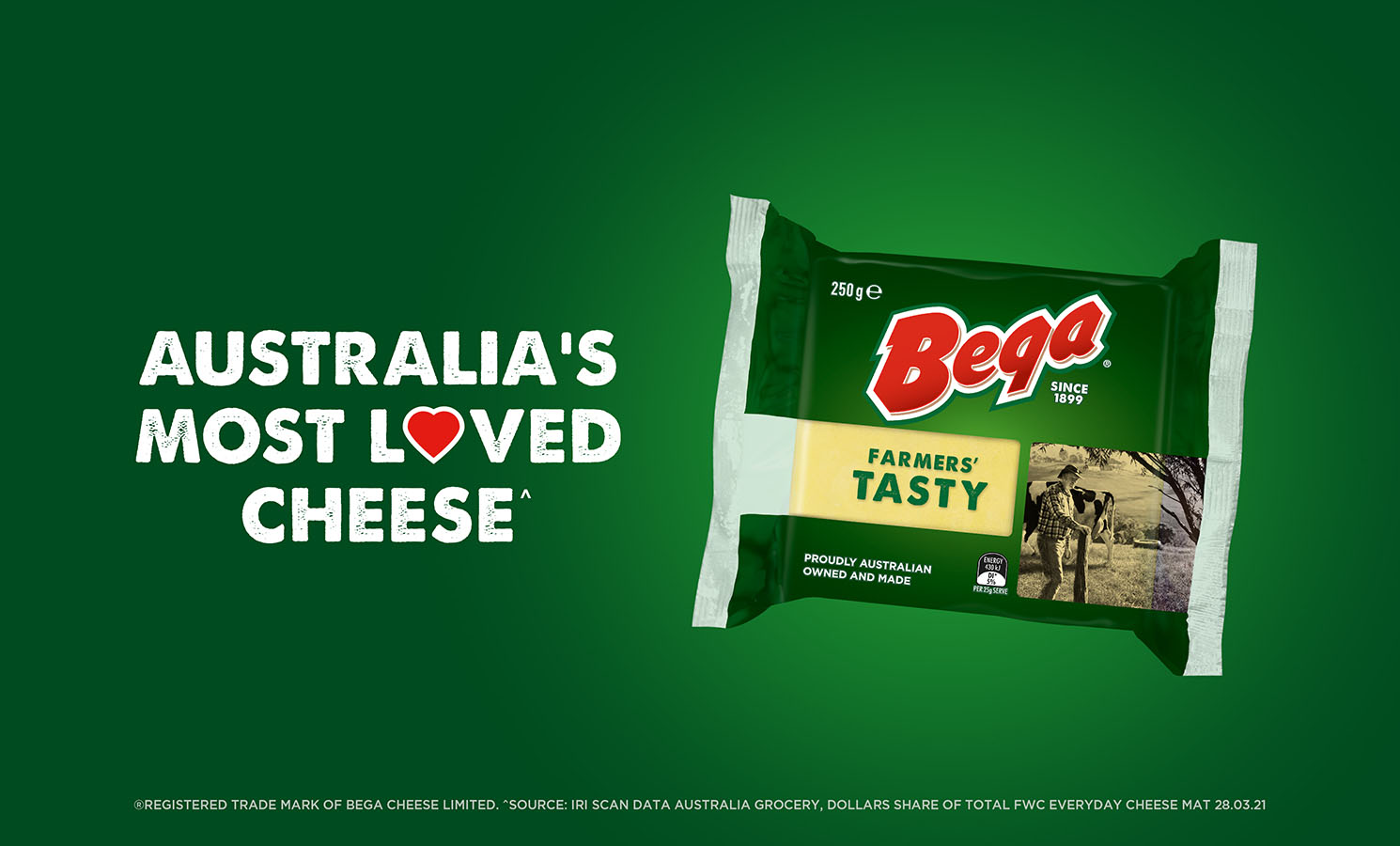
    Bega Cheese says it has gained market share and margin momentum in the second half of the year following significant cost increases in the first quarter.

    For FY23, the dairy company achieved a revenue of $3.4 billion, marking a 12 per cent rise from the previous year. It closed the fiscal year with a net debt of $203.6 million and a reduced leverage ratio of 1.6 times.

    Statutory EBITDA (earnings before interest, tax, depreciation, and amortisation) was $144.1 million, with a post-tax loss of $229.9 million significantly impacted by non-cash asset impairment of $230 million.

    Meanwhile, normalised EBITDA was $160.2 million, with a profit after tax of $28.5 million.

    According to Bega, its strategic decisions in the past five years played a pivotal role this year as it navigated “difficult and rapidly changing” conditions.

    The implementation of price adjustments, cost reduction initiatives, and a stream of new products significantly improved the financial performance of the Branded segment, particularly in the latter part of the year.

    However, the continued decline of milk production and excess milk manufacturing capacity have created a highly competitive environment and a disconnect between returns from globally treated commodity markets and Australian farm gate milk prices.

    Bega said this scenario will continue for some time, resulting in a non-cash impairment and a strategic decision to right-size some of its commodity assets.

    Reflecting on the results, executive chairman Barry Irvin emphasised the company’s strategy to shift to a predominantly branded business model.

    “The non-cash impairment of our bulk commodity assets reflects industry circumstances and reinforces the importance of our strategy to transform to a predominantly branded business,” said Irvin.

    “The right-sizing of our commodity assets and their further integration with our branded business creates a great platform for the support and growth of our brands while maintaining the capability to respond to changing market circumstances.”

    Looking ahead, Bega has outlined a restructuring and simplification program to accelerate its transition to an integrated, predominantly branded business.

  • Capilano introduces Hot Chilli Honey for bold flavour seekers

    Capilano introduces Hot Chilli Honey for bold flavour seekers

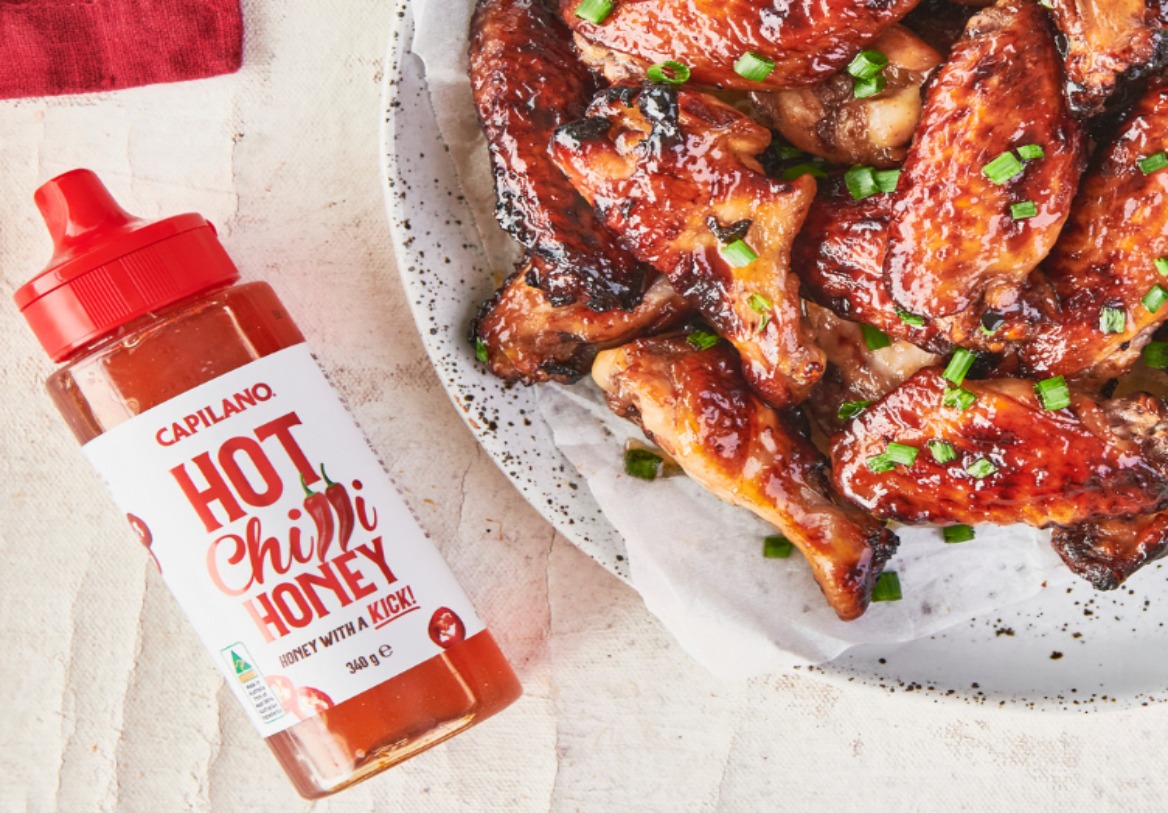
    Honey maker Capilano has launched a Hot Chilli variant for consumers looking for that “spicy kick” in their food.

    Recommended for drizzling over pizza, wings, ribs, burgers, or toast, the company said the new Hot Chilli is set to redefine honey’s role in home cooking and give food an extra “wow” factor.

    Capilano Hot Chilli Honey combines 100 percent pure Aussie honey from its network of more than 800 beekeepers with savoury, spicy flecks of habanero chilli to create a savoury-style honey for use as condiment.

    In addition, the spicy honey is made with no preservatives or other nasties.

    Fiona Tavian, GM for innovation, Capilano, said studies show that an average Australian household consumes chilli every ten days, and suggest that five million adults enjoy hot sauce once a week.

    “We know Australians are always looking for ways to add excitement to their meals and prioritize natural ingredients,” said Tavian.

    “What a great way to support Aussie beekeepers by tapping into this huge appetite for Chilli products! “

    Capilano’s Hot Chilli Honey is available in a 340g squeeze pack for an RRP of $7.50 at Woolworths and will be stocked in Coles beginning October 2.