Tag: Australia

  • Krispy Kreme caught posting embarrassing racial slur

    Krispy Kreme caught posting embarrassing racial slur

    Doughnut chain Krispy Kreme is facing a potential fallout after its advertisement campaign for the Australia and New Zealand market was caught containing an offensive racial slur.

    The campaign features four short videos showing that Krispy Kreme doughnuts can be used to celebrate sports events, birthday parties, movie nights, and special milestones.

    In one of the videos, the doughnuts replace the letter ‘o’ in the word ‘congrats’, turning it into ‘coongrats’ and then ‘cooongrats’.

    Creative agency Abel made the campaign in collaboration with Limehouse Production. Abel was appointed to be in charge of Krispy Kreme ANZ’s local creative in May.

    The advertisement has rolled out across social, digital, OOH and in-store media. The video with the word ‘congrats’ has been removed from YouTube, while the other three videos in the campaign are still available on the platform.

    Ad Standards told Mumbrella the body has not received any complaints about the campaign.

  • L’Occitane enters trading halt ahead of probable takeover bid

    L’Occitane enters trading halt ahead of probable takeover bid

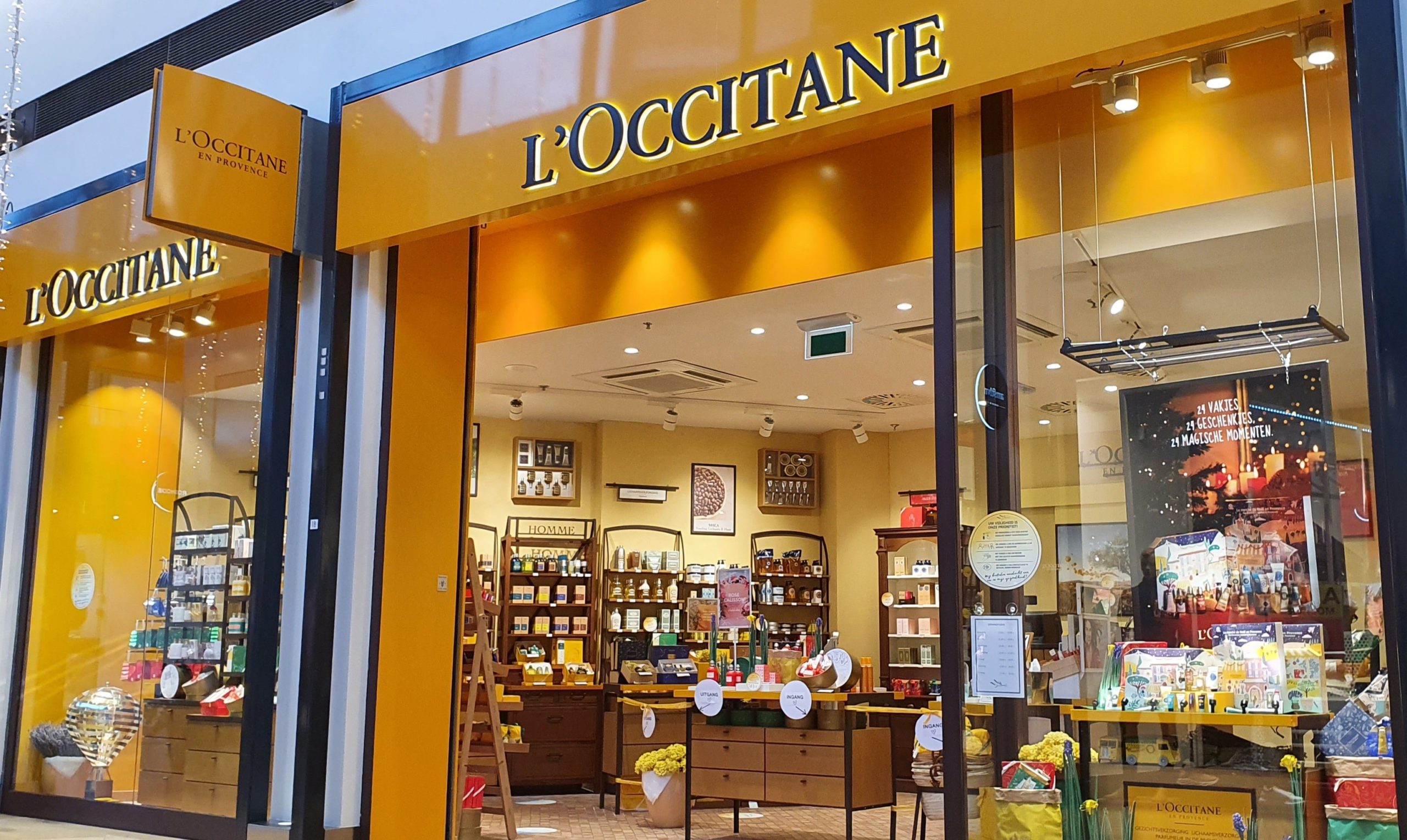
    Hong Kong-listed cosmetics giant L’Occitane International has entered a trading halt – fuelling speculation that the company’s controlling shareholder is about to launch a takeover bid ahead of a delisting.

    Bloomberg reported on July 25 that L’Occitane’s Austrian billionaire chairman Reinold Geiger, whose interests control 70 percent of the issued stock, was mulling buying out minority shareholders. The news agency cited sources that requested anonymity.

    Today, Bloomberg said an offer is “possible” at about US$4.48 per share, representing a 37 percent premium to the company’s closing price on Tuesday.

    In June, the company reported 19.8 percent growth in net sales for the year to March 31 to surpass US$2.33 billion, but a decline in operating profit of 23 percent to $261.12 million, largely due to impairments. During the past year, L’Occitane’s share price has shed 20 percent of its value to about $4 billion.

    L’Occitane’s recent sales growth has been largely driven by its Brazilian brand Sol de Janeiro – now the group’s second-largest label behind its namesake, achieving sales growth of 135.2 percent last year – and another spinoff brand, Elemis collagen creams. At the end of March, L’Occitane bought Australian skincare brand Grown Alchemist for an undisclosed sum and promptly set about expanding its reach and store network. Its other labels include the Korean skincare brand Erborian and the French organic beauty label Melvita.

    This would not be the first time the company has considered going private. In late 2018, US-based private equity group Advent International – which this week acquired a majority stake in Australian fashion brand Zimmermann – reportedly enquired about acquiring the company, which then had an estimated market value of US$2.7 billion.

    According to Bloomberg data, L’Occitane was listed in 2010 with an IPO that raised $787 million. The news agency said Geiger was also considering relisting the business in Paris or another European market as early as next year.

  • Sydney startup RecycleSmart raises $1 million on Birchal

    Sydney startup RecycleSmart raises $1 million on Birchal

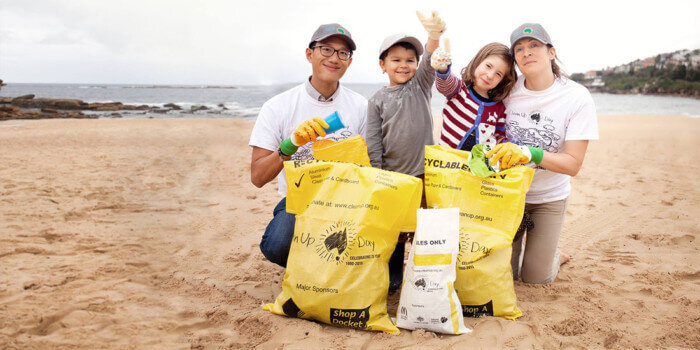
    Australian investors have poured more than $1 million into plastics recycling service RecycleSmart, as co-founder Marco Prayer says he has invested his entire career to proving the business benefits of the circular economy.

    Sydney-based RecycleSmart provides households with a way to dispose of recyclable plastics that are unsuitable for regular recycling bins, offering to pick up unwanted waste from a customer’s doorstep.

    The startup accepts soft plastics, clothes, shoes, and small e-waste, with those materials sorted and transferred to specialist recycling partners like APR Plastics, Mobile Muster, and the Red Cross, which accepts unwanted but wearable clothing.

    The company claims to have facilitated 115,000 pick-ups since 2019, keeping 400 tonnes of hard-to-recycle waste out of landfill.

    RecycleSmart closed its Birchal equity crowdfunding raise on Thursday night, booking $1.04 million from 965 investors.

    While the business got its start by selling its services to NSW councils, it now hopes to use the new funding to expand in capital cities nationwide, while expanding its DTC and B2B offerings. Co-founder and chief technical officer Marco Prayer says RecycleSmart will use funding from the “astonishing” raise to power its launch in Melbourne, with the goal of covering as many major metro areas as possible by the end of 2023.

    “We need to make sure that the recyclers have the capacity to manage, that we have the right infrastructure in place, that everything is safe, but so far, so good,” Prayer said on Monday.

    Without delving into specific revenue figures, Prayer says RecycleSmart is enjoying “healthy” margins, and states its core business model is scalable, meaning expansion won’t come at too high a cost.

    Reaching more councils remains a priority, but RecycleSmart hopes to diversify by reaching out to household customers, building managers, and even businesses themselves.

    The company says its DTC offering would allow users to schedule pickups for $5 a bag, with a minimum of two bags per pickup.

    Beyond the cost to customers, RecycleSmart is conscious of the need to prove the efficacy and sustainability of its process to would-be customers.

    Australian households are still adapting to the high-profile collapse of the RedCycle soft plastic recycling scheme in 2022, which highlighted the difficulties in recycling some forms of single-use plastic.

    The business is “trying to really deliver as much transparency as possible to our customers,” Prayer said, using social media to show how its partners repurpose the materials RecycleSmart collects.

    “We know very well that the first step is establishing trust with anyone in the waste industry, and if you want to play that role, we know that we have to go an extra mile and verify as much as possible,” he added.

    What appears to captivate Prayer is the possibility of working with major businesses as they adopt a circular economy model.

    Like fellow Australian recycling startup Seabin, RecycleSmart collects data on the types of waste it receives.

    It then passes those findings onto councils, enabling city planners to run education campaigns for residents confused about how to best dispose of their waste.

    But Prayer sees a massive opportunity in providing that same data to businesses, given the increasing push for sustainability and traceability across the supply chain.

    “We strongly believe that there’s going to be an opportunity for businesses to leverage RecycleSmart to really ‘green up’ their operations,” he said.

    Prayer also touts the benefits of integrating the startup’s offerings into a business’s overall operations.

    “A simple example is that we hope shopping online at The Iconic, for example, if you spend more than $100 with them, they give you [cash back] to spend with RecycleSmart for your next pickup.”

    Pointing to businesses like meal delivery service HelloFresh, which prioritises recyclable packaging, Prayer said ensuring packaging circularity is a powerful customer retention tool.

    “That is going to be the game changer,” he added.

    “I mean, I’ve invested basically my professional life into believing that result is definitely achievable.”

    Participants in the equity crowdfunding raise are largely existing supporters, Prayer said, suggesting that building that engaged fanbase — and proving their demand for recycling solutions — could build RecycleSmart’s appeal to brands.

    The $1 million raise comes at a unique point for the equity crowdfunding sector, which has seen a 26% year-on-year decrease in funding value through choppy economic conditions.

    However, Birchal co-founder Matt Vitale today pointed to RecycleSmart, among others, as recent success stories.

    “We are a couple of weeks into the new financial year and Birchal has achieved over $6 million in funding volume across five campaigns already, more than double compared to this time last year,” he wrote on social media Monday.

    The number of successful equity crowdfunding rounds over the last year also surpassed the number of ASX IPOs, Vitale added.

  • Pattern’s Ecommerce Acceleration Platform Now Helps Brands Identify Unauthorised Marketplace Sellers

    Pattern’s Ecommerce Acceleration Platform Now Helps Brands Identify Unauthorised Marketplace Sellers

    Global ecommerce and marketplace accelerator Pattern has announced the release of new functionality in its ecommerce acceleration platform in Australia, designed to help retail brands identify unauthorised resellers of its products on marketplaces including Amazon and eBay.

    The new protection layer allows brands to stay abreast of how many marketplace sellers are selling its products, and who they are – the brand itself, authorised resellers or unauthorised resellers.

    “As marketplaces continue to grow in popularity, global and local Australian brands could potentially stand to lose millions of dollars if they don’t have a strategy for identifying and taking action against unauthorised sellers of their products on marketplaces,” said Merline McGregor, General Manager, Pattern Australia. “However, tracking down unauthorised resellers can be a complex and time-consuming task for already stretched brands, especially if done manually. That’s why Pattern has developed automated software that can help identify unauthorised sellers in real time and this feature is now available to Australian brands selling on Amazon.”

    With the retail market share of marketplaces rapidly growing in Australia – Pattern’s ‘Marketplace Consumer Trends Report – 2023,’ revealing 88% of shoppers bought from a marketplace in the previous year, and 92% of consumers plan to shop on marketplaces in the year ahead – the threat to brands of unauthorised resellers is only likely to increase.

    An unauthorised seller can be any third-party reseller who does not have an official link with a brand, or a global seller selling from overseas, who lists and sells the brand’s products on a range of online marketplaces. Not only do they sell a brand’s products without authorisation, but they also often pose a challenge to a brand’s reputation and value by listing incorrect product or brand information.

    This confuses and undermines the consumer’s perception of the brand’s products, which results in a poor customer experience.

    “The new protection layer within Pattern’s ecommerce acceleration platform delivers brands an enhanced understanding of those selling its product on Amazon Australia. It allows brands to not only identify unauthorised resellers but also drill down to how much inventory each seller has, giving brands greater visibility, and therefore knowledge on how big their unauthorised reseller issue is,” said McGregor.

    “Importantly, the new protection feature is already making its mark in the Australian market, having traced an estimated AUD$2.5 million worth of potential unauthorised marketplace sales within or into Australia for one of our global footwear brand customers.”

    About Pattern Inc

    Pattern is the category leader in global ecommerce and marketplace acceleration. Since 2013, Pattern has profitably grown to more than 1,400 employees operating from 24 global locations – including Melbourne, Sydney and the Gold Coast – to help leading brands achieve accelerated growth on D2C websites and global marketplaces. As well as being one of the largest Amazon sellers in the world, we are also present on Tmall, JD.com, eBay and other marketplaces. We act as the authorised Amazon seller to more than 200 brands globally, buying their stock to sell on the marketplace and taking care of every aspect of their Amazon presence. For more information, visit https://au.pattern.com/

  • Milkybar teams up with Milo for a crispy white chocolate

    Milkybar teams up with Milo for a crispy white chocolate

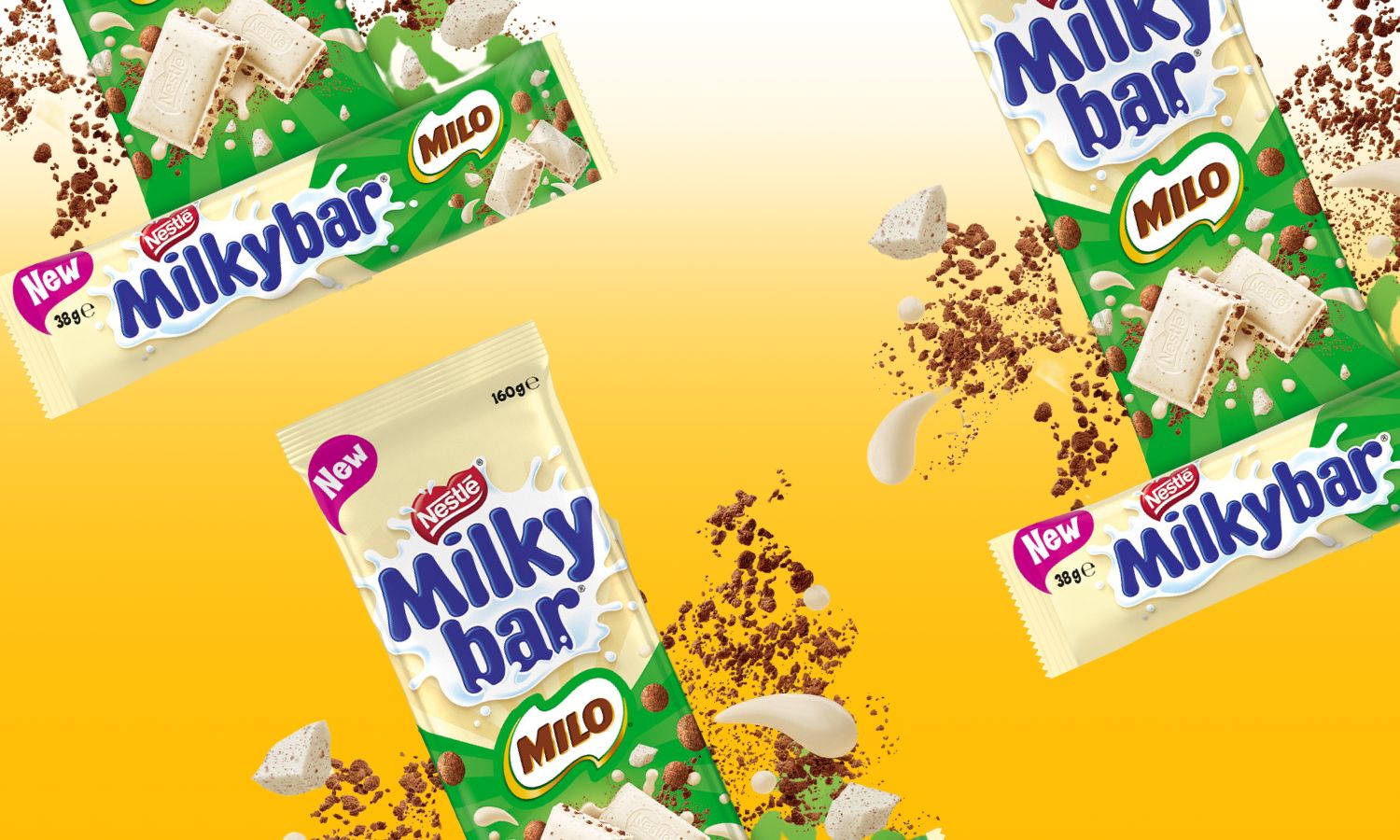
    First there was Dolly Parton and Kenny Loggins. Next came David Bowie and Mick Jagger. Now, at long last, we have Milo and Milkybar. Ok so some collabs are more memorable than others but the joining of two beloved Australian icons has got to be one of the best so far.

    Milo and Milkybar is the latest mash-up of sweet treats, with the creamy smoothness of milk chocolate plus crunch from Milo chunks. It’s giving frantic spoonfuls of extra Milo powder in your milk before your mum comes back into the kitchen. But now we’re adults and can do what we please.

    Nestle head of marketing, Melanie Chen said of the hottest power couple we’ve seen in years, “When news of Milkybar Milo was leaked, the anticipation from the Australians in-the-know has been extremely positive. We can’t wait to see the reactions when they actually experience it!”

  • Australia, Germany replace Japan as Vietnamese’s labor hot spot

    Australia, Germany replace Japan as Vietnamese’s labor hot spot

    Tu worked in Japan for two years but left when the devaluing yen lowered the value of his savings, which he intended to use back home in Vietnam

    He eventually set his eyes on Germany.

    The reasons were quite simple: Germany was experiencing a lack of labor resources and was employing measures to attract more foreign workers, including more open visa policies and attractive salaries.

    As Germany’s labor minister Hubertus Heil said earlier this year, the country would lack around 7 million workers by 2035 “if we don’t do something.”

    So Tu was there ready to answer the call. “This time I want to challenge myself in Europe,” he said.

    The 30-year-old man was one of many Vietnamese workers who left Japan after finding their earnings there not attractive anymore. It was essentially a double consequence of the dropping value of the yen and rising inflation.

    Inflation in Japan hit a 40-year-high last October, and consequently, the price of everything from fuel to food rose, and many people could not afford essentials in their daily lives, reported Reuters.

    But rarely are workers who’ve returned home from Japan satisfied with their earnings in Vietnam either. Instead, they are now often opting to relocate to Europe or Australia, which are both taking bold government steps to compensate for their lack of workers

    Tu didn’t allow any delays in his plan. He started learning German as soon as he returned to Vietnam from Japan.

    He spent around eight hours a day studying the language and managed to acquire a German B1 certificate, then a German training visa, which allowed him to enroll in a three-year vocational training course in the country, as well as be eligible to stay for another two years after his course completion.

    He relocated and became one among about 1.25 million foreigners with such a visa in Germany, according to data provided by the German Federal Statistical Office.

    According to him, the agency he hired to assist him in his visa application procedure told him that they had assisted 100 Vietnamese people relocate to Germany this year, an increase from only around 20 last year.

    After working in Germany for a while, Tu said that it wasn’t only the financial earnings, but also the benefits offered to migrant workers that are more attractive in Germany compared to Japan.

    “I had to work between 11 and 12 hours a day when I was in Japan, compared to only eight hours a day, five days a week here,” he explained, adding that he could arrange his schedule and work in other restaurants during his days off to make extra money.

    Similar to Germany, Australia is a destination that many Vietnamese workers are interested in. Businesses in Australia are receiving hundreds of applications from Vietnam and other Asian countries a day.

    Duy Nam, a manager at a meat processing company in the Australian town of Broome, said he received hundreds of emails and text messages a day asking about the Australian visa application procedure. His own younger brother was contemplating immigrating to Australia as a migrant worker as well.

    He attributed the growing popularity of Australia among Vietnamese workers to the shortage of domestic workers, which was partly caused by the country’s lockdown during the peak of the pandemic.

    Now that the pandemic is under control, the Australian government is doing its best to attract foreign workers. It now grants the subclass 462 visa (also known as the Work and Holiday visa), which allows its holders to work during their stay in Australia, to up to 1,500 people a year. And the visa application procedure has shortened from a year to a couple of months or even weeks.

    Lightening immigration policies is not the only recent boon for migrant workers in Australia. Workers’ average hourly rate in Australia was A$27 (around $19) before the lockdown, but rose to A$55 during the peak of the pandemic. Because of that, earning an attractive income of as much as A$10,000 a month became possible for Vietnamese migrant workers.

    Compared to that, Vietnamese workers in Japan can only save “between VND12-16 million (around $507-$677) a month, compared to VND20-25 million before,” said Tien Thanh, 24, initially planned to migrate to Japan and work as an electrical appliances technician, but was discouraged by his friends.

    He then changed his mind and moved to Australia, which took him six months and four failed attempts to finally do.

    After reaching the country, he started looking for jobs with the help of social media, and was offered work on a farm in northern Australia a week after arriving in the country.

    “There are a total of around 200 people working in my farm, of which as many as 47 are Vietnamese.”

    Thanh is satisfied with his current monthly income in Australia. He earned the equivalent of VND24 million his first month, but after getting more familiar with the work, now he can earn more and save around VND70 million a month.

    Based on his calculations, he’ll be able to pay back the VND300 million his family borrowed to help send him to Australia, in half a year, and then save enough money to get his own house in Vietnam after three years.

    As attractive as the idea of working in Australia and European countries is, both Tu and Thanh warned those who are interested in it about the risk of being scammed.

    “I know this guy from Ha Tinh province who sold his house for $30,000 to pay an agent,” Thanh said. “Only after arriving here did he know he had only obtained a travel visa, and was not eligible to work.”

    Tu added that the German visa application procedure consists of many phases and requires a lot of documents, so applicants should be cautious if agencies they work with treat it lightly.

    “There are agencies that send people to remote areas without helping them find jobs, so you should be careful,” he said.

    Still, those who managed to leave Japan and come to countries that offer more competitive rewards seem optimistic about their future.

    “Even if I don’t get a permanent residence, I can still come back to Vietnam and work well with the experience and knowledge I gained here [in Germany],” Tu said.

  • Australia’s Coles Supermarkets enters Malaysia via Jaya Grocer

    Australia’s Coles Supermarkets enters Malaysia via Jaya Grocer

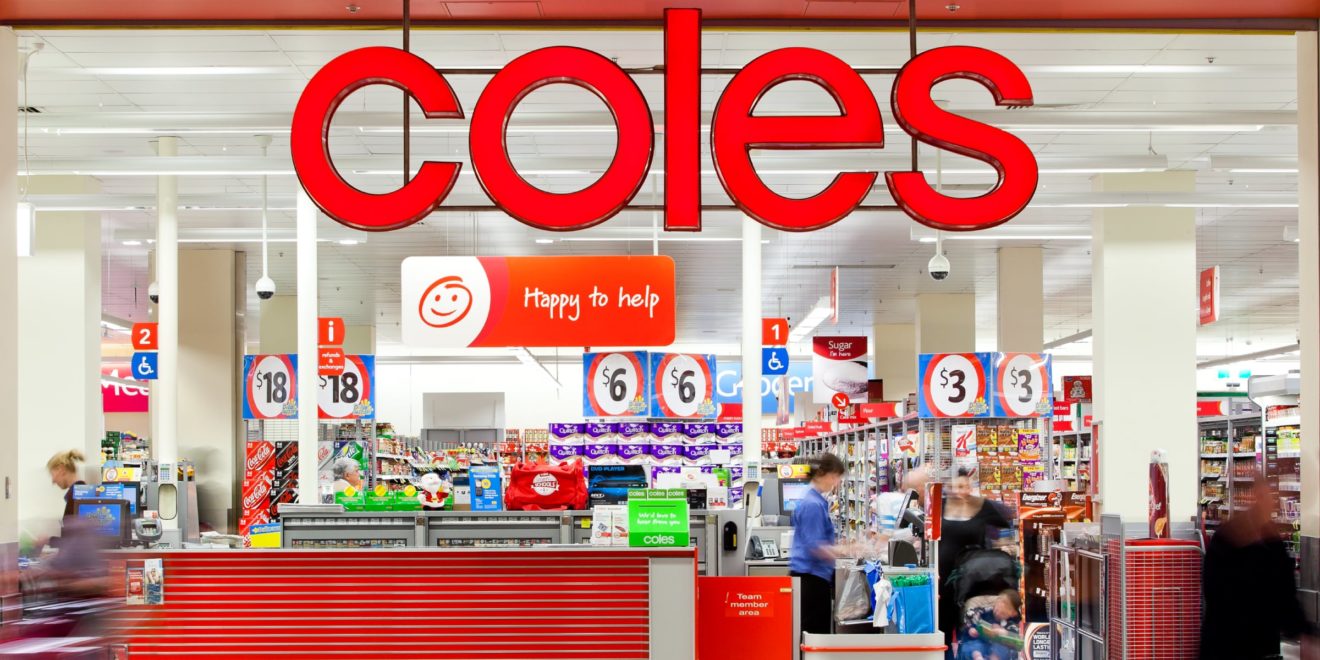
    Australia’s leading retailer Coles Supermarkets has entered the Malaysian market, bringing in 200 products through an exclusive collaboration with Malaysian supermarket Jaya Grocer.

    The deal allows Jaya Grocer to expand their Australian product offerings with over 1,000 products from Australian-based brands, including Coles, available at all 43 stores and for GrabMart delivery nationwide.

    The well-known Australian home-grown supermarket chain is renowned for its diverse range of quality fresh ingredients and imported goods.

    “Coles has been exporting high-quality Australian food for over 20 years to more than 30 countries.

    “We think Malaysia is a great country and with Jaya Grocer and GrabMart supporting our brand, we hope growth will continue into the future,” said Coles’ general manager for exports Will Mulholland at a ceremony here, today.

    He said Coles would broaden its offerings to include Australian dairy products and ice creams.

    At the moment, most of its products are predominantly placed in the grocery aisle.

    “We are here for the long term. Jaya Grocer’s great offerings and presentation fit very well with our stores in Australia,” said Mulholland.

    Shoppers enjoy up to a 15 per cent off some of Coles’s top-selling products such as Coles Rice Crackers Seaweed, Coles Chocolate Finger Biscuits, Coles Drinking Chocolate and Coles Hot Chocolate Sachets until July 9, 2023.

    There will be more value deals and discounts every month via Jaya Grocer’s membership programme powered by Grab. Access to the membership programme is directly via the Grab mobile app.

  • Australian tangerine prices halve due to Chinese competition

    Australian tangerine prices halve due to Chinese competition

    The retail price of Australian tangerines sold in Vietnam in late June halved over the same period last year because the fruit is in season and competing with China-grown tangerines.

    In traditional markets and fruit shops in Ho Chi Minh City, Australian tangerines are sold for VND90,000-120,000 (US$3.83-5) per kilogram.

    The prices downed from VND250,000 when they were first imported to Vietnam in 2017.

    Oanh, the owner of an imported fruit shop in the city, said: “The Australian tangerine season lasts from June to October or November.

    Every year, this fruit has been exclusive to the local market, but this year there is competition for the Australian variety due to tangerines grown in China and packaged similarly to the Australian imports.”

    According to the manager of Thu Duc agricultural product wholesale market in HCMC, most tangerines at the market are from China, and their wholesale prices stand at VND25,000-30,000 per kilogram.

    Compared with Vietnamese tangerines, tangerines grown in Australia or China are more succulent, and have less fiber, thinner skin and stronger aroma.

  • Australian homewares brand Anko expands in India with Flipkart

    Australian homewares brand Anko expands in India with Flipkart

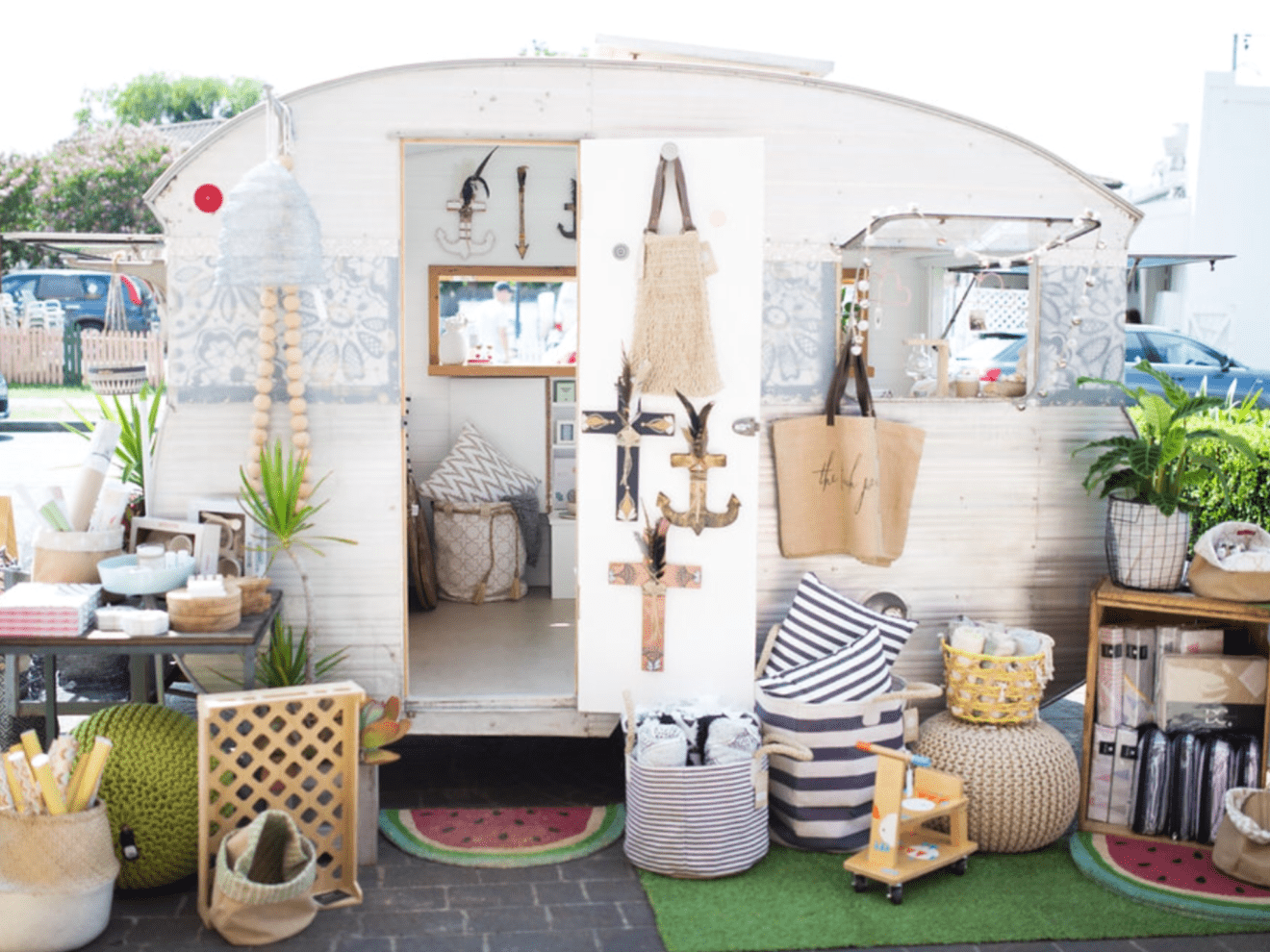
    Australian Kmart-owned homewares brand Anko has teamed up with e-commerce giant Flipkart to expand its footprint in India.

    Indian shoppers can now peruse about 400 Anko products across multiple categories on Flipkart, and the company says it plans to increase its range in the near future.

    The Australian retailer announced its debut in India earlier this year and reported strong growth from both metropolitan and tier 2, and 3 cities.

    “This strategic alliance will allow us to reach a wider audience and meet the growing demand for high-quality and affordable homeware products across the country,” said Pulkit Bansal, country head at Anko India.

    “Through Flipkart’s Brand Mall, Anko will have a prominent presence with a dedicated presence across platforms, ensuring easy access for customers. Additionally, Anko products will be listed under Flipkart Plus assured listings, offering customers a guarantee of quality and reliability.”

    Anko is sold through more than 300 stores in Australia and New Zealand, as well as other international markets. The brand focuses on providing advanced shopping experiences with responsibly sourced products.

    Anko is Kmart Australia’s house brand. The Anko name was introduced in 2019 as part of Kmart’s 50th anniversary celebrations.

  • Indonesia AirAsia launches Jakarta-Perth route

    Indonesia AirAsia launches Jakarta-Perth route

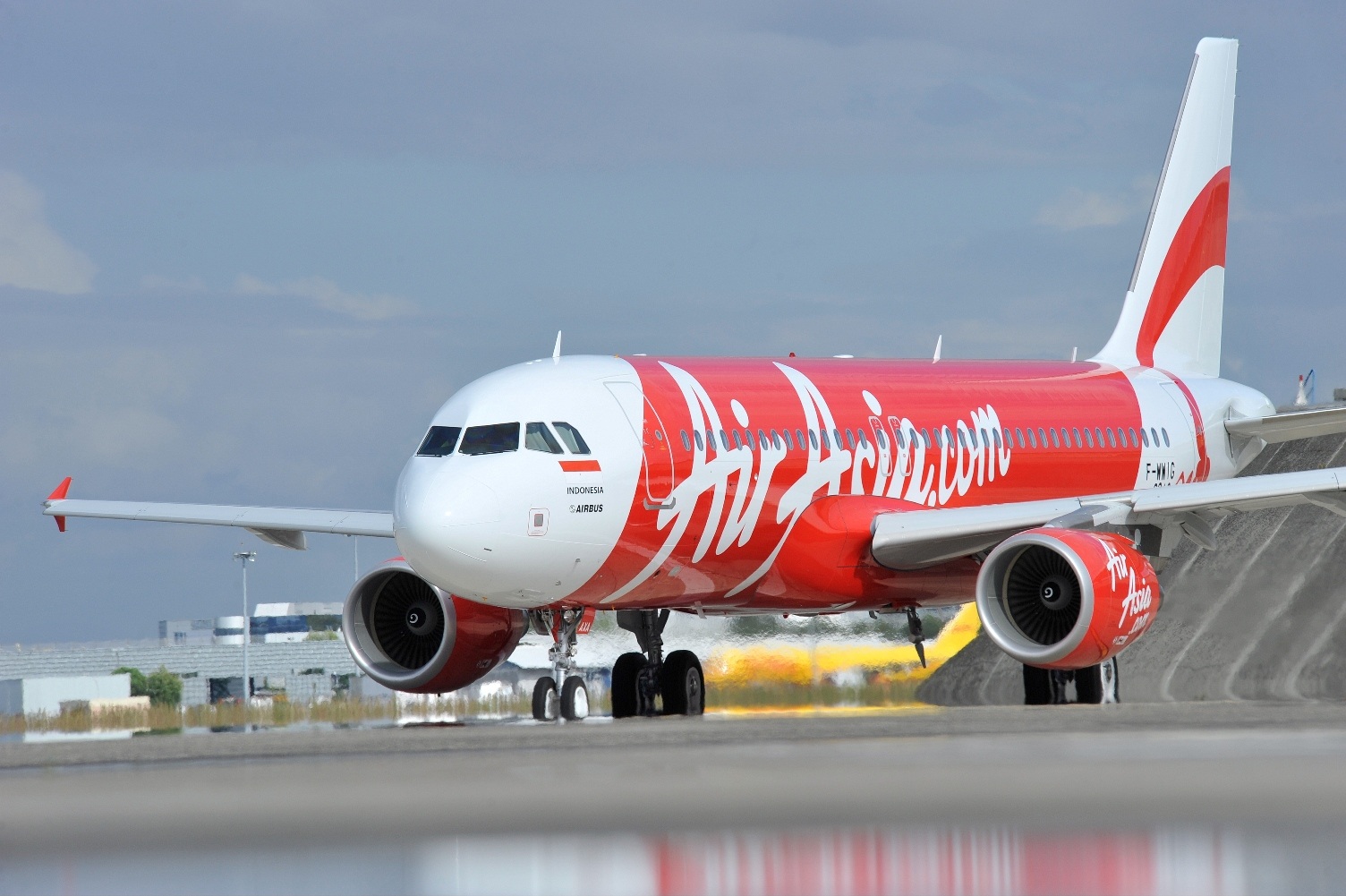
    Indonesia AirAsia has launched its inaugural flights on the Jakarta-Perth route, becoming the only airline to offer direct flights between the two cities post-pandemic. The new route, supported by the Western Australian Government and Perth Airport, initially operates four times a week, providing over 1,400 visitor seats weekly.

    The demand for travel between Indonesia and Australia is high due to convenient flight times and the appeal of both destinations for various activities, including shopping, dining, adventure, beaches, and education.

    Eddy Krismeidi Sumawilaga, Head of Indonesia Affairs and Policy of Indonesia AirAsia, expressed excitement about the new route and reported positive occupancy rates for the inaugural flights. The airline expects the Jakarta-Perth route to be popular among leisure travellers and Indonesians visiting Perth for business, leisure, education, and visiting friends and family. The route also offers Australians the opportunity to explore popular tourist destinations in Indonesia. With the support of Tourism Western Australia and Perth Airport, the airline anticipates strong demand for this new connection.

    The Western Australian Minister of Tourism, the Hon. Roger Cook MLA, highlighted the significance of the Jakarta-Perth flight in strengthening the relationship between the two destinations and enhancing Western Australia’s reputation as a gateway. Kate Holsgrove, Acting CEO of Perth Airport, emphasized the positive impact of the new service on Western Australia’s business, student, and tourism sectors, with the potential to attract more visitors and students from Jakarta.

    The Consul General of the Republic of Indonesia in Perth, Listiana Operananta, expressed support for the new route and encouraged more West Australians to explore Indonesia and vice versa, noting the potential for further exploration between Jakarta and Perth due to their similarities and short flight duration.

    The flights between Jakarta and Perth are operated on Airbus A320 aircraft with a capacity of 180 seats. The flight duration is approximately 4.5 hours, and the frequency is four times a week.

  • Bacardi Australia appoints Luiz Schmidt as new MD

    Bacardi Australia appoints Luiz Schmidt as new MD

    Luiz Schmidt will take over as Managing Director of Bacardi in Australia and New Zealand after more than two years in Panama working as Regional Marketing Director for Bacardi in Latin America and the Caribbean.

    A University of Technology MBA graduate and FMCG marketing specialist with over 20 years of international experience, Schmidt will lead Bacardi’s sales, marketing, finance and supply chain functions, as well as expand the company’s premium portfolio and market share in the region.

    Vijay Subramaniam, Regional President for Asia, Middle East & Africa and Global Travel Retail at Bacardi, said Schmidt is uniquely qualified to take over as Managing Director as a dual Australian and Brazilian national with a wealth of experience.

    “The appointment of Luiz Schmidt as our new Managing Director marks an exciting chapter for Bacardi in Australia and New Zealand,” he said.

    “Thanks to his extensive international experience leading both developed and emerging markets with the company and more broadly within the industry, Schmidt brings a deep and nuanced understanding of the global premium spirits market.”

    Schmidt said he’s excited to return to Australia, where he’ll be based with his family and take charge of a talented team across Australia and New Zealand.

    “These markets are one of the most developed and attractive premium spirits markets in the world, offering Bacardi a tremendous opportunity to accelerate the growth of our iconic brands in close partnership with our customers and consumers,” he said.

    Bacardi is the world’s largest privately held spirits company, and according to IWSR market share data, holds a leadership position across premium vodka, super-premium tequila, premium gin and white rum globally.

    Schmidt has experience leading long-term marketing and business strategy in companies such as Brown-Forman and Edrington in Australia, USA, Brazil, Mexico and Latin America.

    In his most recent role as Regional Marketing Director for Bacardi in Latin America and the Caribbean, Schmidt successfully transformed the region’s marketing and commercial execution functions and increased market share for brands including Patrón and Bombay Sapphire while co-led Bacardi ́s marketing transformation in Mexico.

  • 7-Eleven Australia owners ready to sell

    7-Eleven Australia owners ready to sell

    The entire 7-Eleven business is for sale in Australia – just months after the iconic convenience store increased the price of its famous $1 coffee.

    Chairman of 7-Eleven Holdings Michael Smith said that on Monday shareholders decided the business was ready for new ownership.

    ‘The business has great momentum and a compelling strategy for growth across convenient food, the continued transformation of our total merchandise offer, digital and format innovation, and new stores,’ Mr Smith said.

    The entire 7-Eleven business in Australia, which comprises of about 750 stores nationwide, is up for sale (pictured, 7-Eleven store in St Kilda, Melbourne)

    Mr Smith reassured 7-Eleven customers claiming business is as ‘usual’ as the sale process is in its early stage and is expected to take several months.

    ‘Across our network of stores, it’s business as usual, and our focus is on our customers and being the first choice in convenience retailing in Australia’.

    Majority owner Russell Withers commented on behalf of 7-Eleven shareholders explaining the business started in 1977 with one store in suburban Melbourne.

    Mr Withers said the chain now boasts around 750 stores across Victoria, New South Wales, ACT, Queensland and Australia.

    He added that the chain processes 250 million transactions annually and employs more than 9,000 people across its corporate and franchise network.

    Chairman of 7-Eleven Holdings Michael Smith (left) said shareholders decided the business was ready for new ownership. Majority owner Russell Withers (right) said 7-Eleven has an ‘exciting outlook for growth

    However, the Withers and Barlow families decided the time was right to sell the chain to new owners with a view to future growth and success.

    ‘The company has made significant progress in recent years on a number of fronts and is performing well under a highly credentialed management team, with an exciting outlook for growth,’ Mr Withers said.

    The sale comes just months after the iconic convenience store increased the price of its famous $1 coffees and Slurpees. From October 4 last year, the price of a regular 7-Eleven coffee doubled to $2 and the stores large Slurpees increased to $1.50.

    A spokesperson from 7-Eleven confirmed the price of Australia’s favorite service station drinks rose due to inflated operational costs.

    ‘The changes are a result of increasing input costs for our products,’ 7-Eleven told Daily Mail Australia.

    The affected coffee varieties included the shop’s standard $1 coffee and its hot chocolates, iced coffees and ice cream coffee melts. The first 7-Eleven store opened in Melbourne’s Oakleigh in 1977, and opened the business’s first 24 hour store in 1978.

    The sale comes just months after the iconic convenience store increased the price of its famous $1 coffees (left) and Slurpees (right). From October 4 last year, price of a regular coffee doubled to $2 while Slurpees increased to $1.50

    7-Eleven is the largest convenience retailer on the eastern seaboard of Australia, with an estimated market share of about 38.5 percent.

    The business also claims to be the largest independent fuel retailer on the eastern seaboard, selling Mobil-branded fuel. he Withers and Barlow families brought the 7-Eleven brand to Australia after signing an area license agreement in 1976.

    The Withers Group also secured the Australian rights to Starbucks, bringing the coffee chain back to Aussie shores in 2014.

  • McGuigan expands into mid-strength wine

    McGuigan expands into mid-strength wine

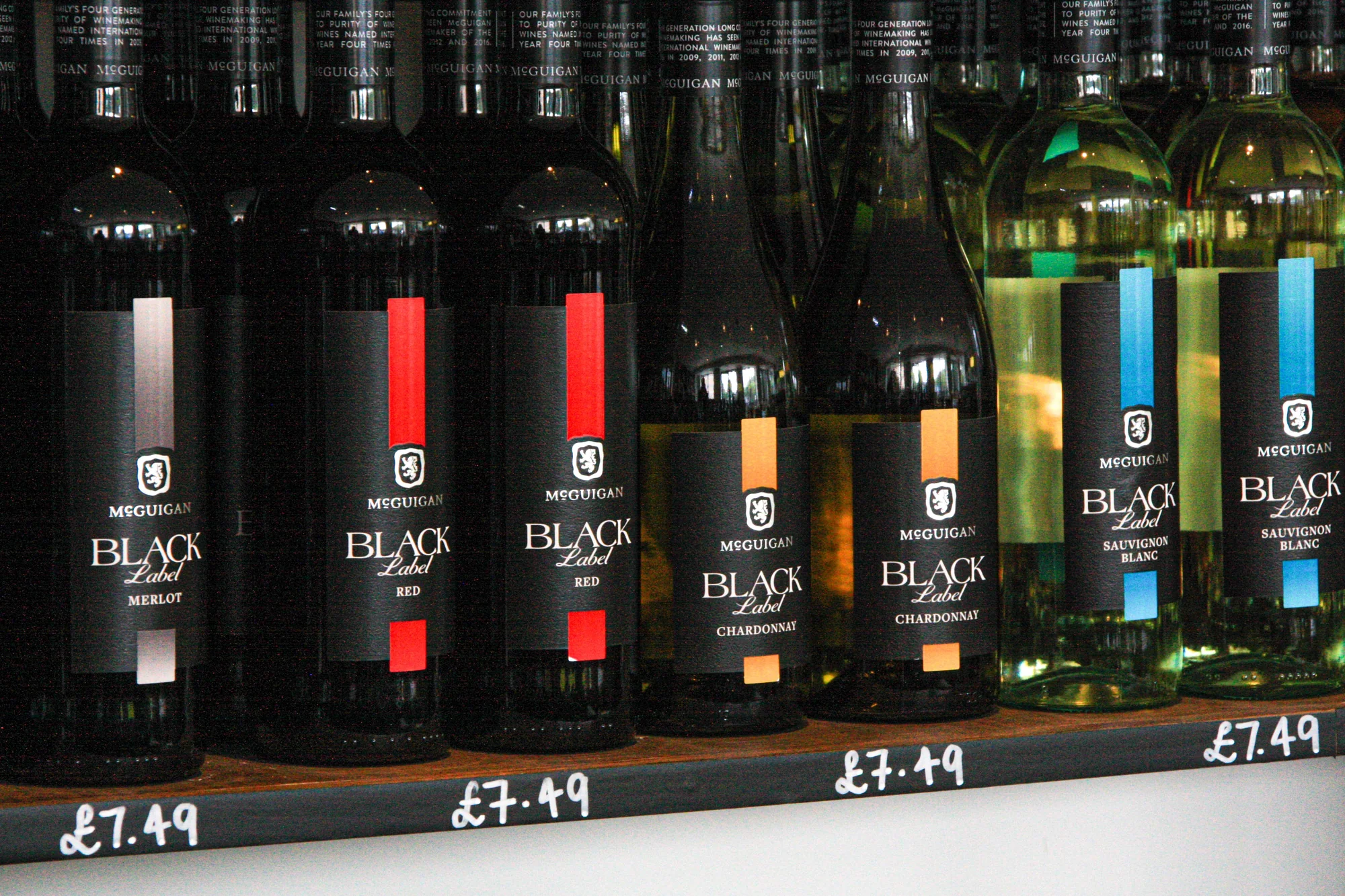
    The new McGuigan Black Label Mid is the first mid-strength wine launched under the Australian winemaker. Consumers call for quality and variety in the rapidly expanding mid and low-alcohol category.

    Promising the same full-bodied, fruity flavor of the iconic McGuigan Black Label Red, the new Mid is crafted to be 20 percent lighter in both calories and alcohol, using Australian Vintage’s unique spinning cone technology.

    In a recent blind taste testing1 of the new McGuigan Black Label Mid against the original, 80 percent of consumers were surprised at their preference for the new Mid over the classic full strength. Additionally, nine out of 10 said they’d consider buying the new McGuigan Black Label Mid for healthier consumption of alcohol1.

    With the new McGuigan Black Label Mid, the winemakers have reimagined the classic McGuigan Black Label Red, crafting a drop with 5.8 standard drinks and 9.8 percent alcohol for Australians to enjoy on any occasion.

    Tom Dusseldorp, chief marketing officer of Australian Vintage, the ASX-listed parent company behind McGuigan Wines, says consumers can feel confident choosing McGuigan Black Label Mid, trusting the brand to deliver on great quality and value.

    “McGuigan Black Label has been a staple in Australian households for nearly 30 years and McGuigan has a rich heritage of winemaking credentials. As cultural and societal attitudes shift towards a more conscious consumption of alcohol, we want our customers to still be able to enjoy the full-bodied flavors that Black Label offers, just tailored for mindful moderation,” said Dusseldorp.

    With consumer moderation driving category growth – mid-strength beer now accounts for 25 percent of the beer category – Australian Vintage anticipates wine to follow suit, with ‘lighter’ wine growing at 14 percent compared to total ‘wine’, which is growing at just 2 percent.

    Research commissioned by partner DrinkWise Australia also found a third of Australians (37 percent) who have reduced their alcohol consumption are using low and non-alcoholic options to cut back.

    “McGuigan has already seen great success adapting to the new societal norms, with McGuigan Zero fast becoming Australia and the UK’s number one selling no-alcohol wine range,” added Dusseldorp.

    McGuigan Black Label Mid is the natural choice for consumers looking for a modern drinking experience and for Boomers who are becoming more health conscious.”

    Promising the same great-tasting flavors of McGuigan Black Label Red, consumers of McGuigan Black Label Mid will enjoy:

    • A classic red with delicious fruit flavors of spicy plum, cherry and blackberry. This off-dry, deep wine boasts a hint of sweetness.

    • Well-balanced with a smooth finish, this versatile wine pairs brilliantly with tomato-based dishes.

    • 9.8 percent alcohol and 5.8 standard drinks, 20 percent less than Black Label Red

    • Only 103.5 calories per 150ml serve, 21.5% lighter in calories than Black Label Red McGuigan Black Label Mid will be ava

  • AirAsia Xpanding Services To China And Australia

    AirAsia Xpanding Services To China And Australia

    Australians have another way to get to Asia now AirAsia X restarted its Kuala Lumpur to the Gold Coast service yesterday. The nostalgic service retraced AirAsia X’s first-ever route, launched over 25 years ago.

    AirAsia X started the Kuala Lumpur to Queensland’s Gold Coast in November 2007, but it has been suspended for more than two years due to the pandemic restrictions. The Gold Coast is one of Australia’s premier tourist destinations for domestic and international travelers and has been one of AirAsia X’s most popular destinations.

    Radar24.com, flight D7200 departed Kuala Lumpur International Airport (KUL) on Friday at 23:43 for the 6,500 kilometers (4,000 miles) flight to the Gold Coast. The flight was operated by a nine-year-old Airbus A330-300, registration 9M-XXK and manufacturer serial number 1433.

    After 7:51 hours of flying, it landed at Gold Coast Airport (OOL) at 09:34 yesterday morning. The A330-300 was on the ground for just over two hours before departing at 11:36 and arriving back in Kuala Lumpur at 17:44. It then returned to Australia as flight D7288, arriving at Sydney Airport (SYD) at 09:45 this morning.

    Fleet data from ch-aviation.com shows that AirAsia X (AAX) has a fleet of thirteen A330-300s, with three inactive. The data shows it also has 20 Airbus A321XLRs, 15 A330-900neos, and one A330-300 on order.

    AirAsia X CEO Benyamin Ismail was on the flight. He said it was a crucial day for the airline that will “strengthen the ties between Malaysia and Australia.

    “The Gold Coast will always hold a special place in our hearts, and what makes this announcement even more of a major milestone is that AAX is now the only airline connecting Kuala Lumpur directly to the Gold Coast and to Queensland on the whole.

    “Our newest route now provides the most affordable and convenient air travel option for guests who want to explore one of Australia’s most popular tourist destinations and for Australians seeking to visit Malaysia or continue on throughout Asia with our vast global network, including to leisure favorites like Singapore, Thailand, Vietnam, India and more.”

    In March, AAX resumed flights from Kuala Lumpur to Shanghai and Hangzhou in China and restarted services to Beijing. Flight D7342 departed KUL on March 30th at 19:15 and landed at Beijing Daxing International Airport (PKX) at 00:55 on Friday. The Airbus A330-300, registration (M-XBF), left Beijing at 03:32 and, after a 5:49 hour flight, landed in Kuala Lumpur at 09:21.

    The route will operate twice weekly and will stimulate business travel and tourism in both directions. Now that China has resumed issuing tourist visas, AAX believes it will see a surge in demand for flights between KL and PKX. AirAsia X last operated the route on April 12th, 2020, although it operated in and out of Beijing Capital Airport (PEK).

    The airline plans to ramp up Beijing frequency to four flights weekly starting from June 1st to meet growing forecast demand. Beyond that, AAX is planning more expansion to more unique, less traveled destinations in China soon.

  • Cebu Pacific to launch Laoag flights in May

    Cebu Pacific to launch Laoag flights in May

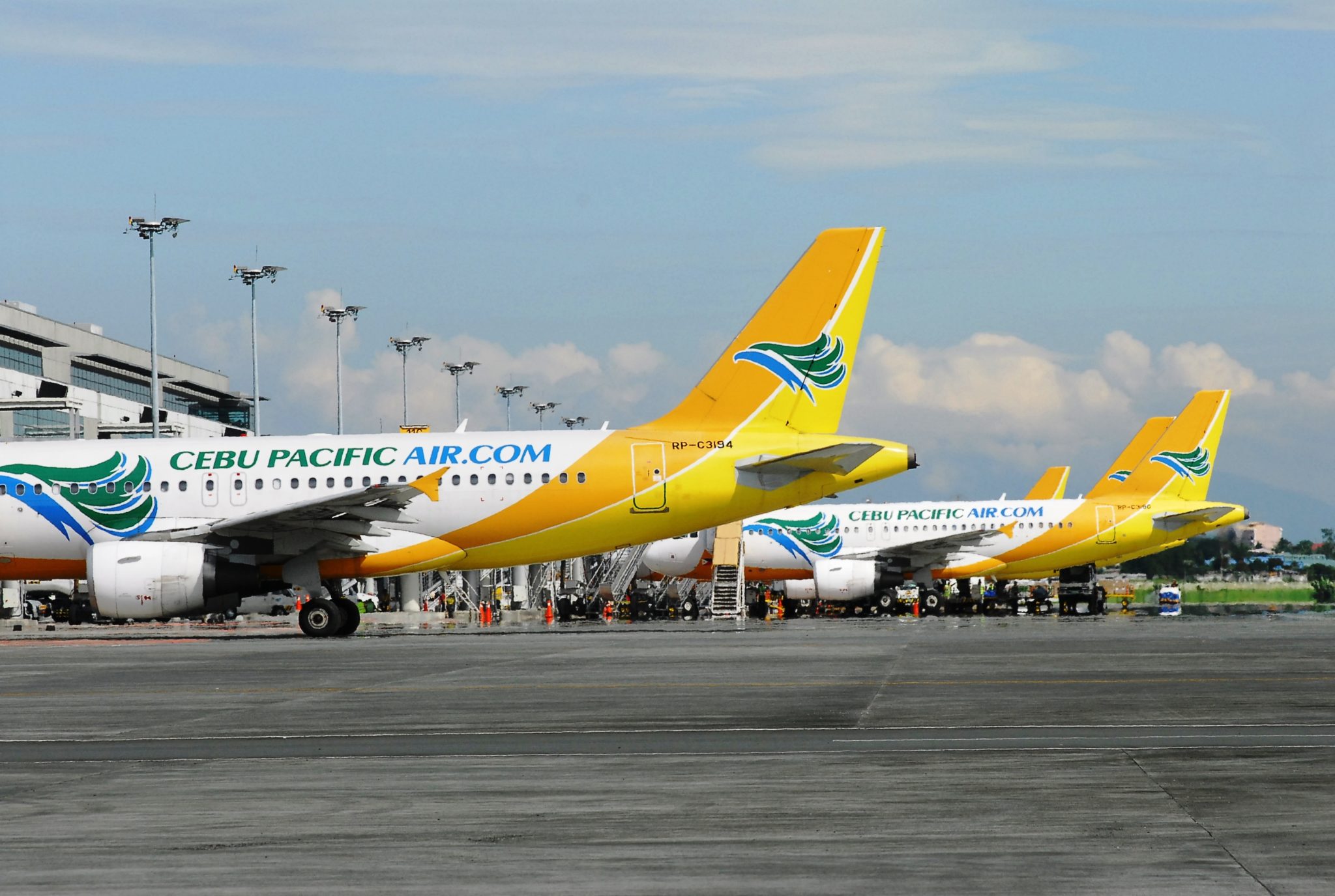
    Budget carrier Cebu Pacific is set to mount flights to the Ilocos Norte capital of Laoag starting May 22, making it the 35th domestic destination in the airline’s network.

    Cebu Pacific said flights from Manila to Laoag will be daily, as the airline seeks to tap travelers seeking to explore the Ilocos region.

    “Laoag plays a crucial role in preserving the country’s rich history and culture, and we are excited to finally be able to bring more Juans to this beautiful city,” President and Chief Commercial Officer Xander Lao said in a statement.

    “We hope the launch of the Laoag route will encourage more people to travel and experience the Ilocos region,” he added.

    The carrier reported a P14-billion net loss in 2022, marking an improvement from the P24.9-billion net loss incurred in the previous year as it cut its operating loss by about half to P11.4 billion.

    The company is set to add 11 more aircraft to its fleet this 2023, seeking to return to profitability within the first quarter of the year.

    Shares in Cebu Air Inc., which operates the carrier, were trading up by P0.05 or 0.12% at P41.70 apiece as of 11:59 a.m. on Wednesday.