Tag: Australia

  • Digital Marketplaces to Grow in 2023 Despite Economic Slowdown

    Digital Marketplaces to Grow in 2023 Despite Economic Slowdown

    Digital marketplaces continue to gain significant momentum in Australia,  with 88% of shoppers buying from a digital marketplace in the past year, and 92% of consumers planning to shop on marketplaces like eBay, Amazon and Catch in the year ahead.

    The findings were revealed as part of global ecommerce accelerator, Pattern’s fifth annual ‘Marketplace Consumer Trends Report – 2023,’ which researched Australian shoppers’ changing ecommerce habits and the latest digital marketplace trends.

    “Digital marketplaces are this year on a continued growth path and are becoming increasingly accepted and adopted as a shopping channel of choice by Australian consumers,” said Merline McGregor, General Manager, Pattern Australia. “However, with cost of living pressures and an uncertain economic outlook, our report highlights how consumer behaviour is set to again evolve in the year ahead.”

    Consumer Behaviour 

    Pattern research shows that 73% of consumers are set to spend more or the same online overall in 2023, and for the leading global digital marketplace Amazon specifically, 84% of consumers expected to spend more or the same on this platform in 2023.

    “Given the rapid increases in the cost of living and interest rate pressures facing consumers in Australia, it could be expected that a majority of shoppers would be looking to reduce their ecommerce spend in the year ahead. However, our research found a large portion of consumers said they had no plans to change their shopping habits in 2023,” said Merline.

    Not only are digital marketplaces attracting higher volumes of shoppers, but the demographic mix and way that shoppers use these channels is also evolving. High income earners are most likely to shop on Amazon today (36% vs 21% average), while eBay attracts larger volumes of male shoppers – with 69% of men purchasing from eBay vs 55% of females. 

    Marketplace Performance

    Looking at the past year, 62% of consumers bought from eBay, with 65% planning to buy from the platform in 2023. Running just behind, 52% of consumers bought from Amazon over the past 12 months, with 59% intending to buy from Amazon this year. Amazon (with 43% of shoppers having access to Amazon Prime) was recorded as the second most visited marketplace, with an anticipated 12% increase in purchases in 2023 compared to last year.

    In terms of website traffic, Amazon overtook eBay in average monthly website visits (58.3M Amazon visits vs 57.6M eBay visits), from December 2022 to February 2023, according to SimilarWeb data, with Catch trailing down the line at 9.9M visits over the same period.

    Pattern’s research asked shoppers what they were likely to buy in 2023 and through which marketplace they were likely to make a purchase. These results indicated that:

    • Amazon’s key shopper categories include Books & eBooks and Home & Kitchen products.
    • eBay scored highest in Electronics & Computer Equipment, followed by Home & Kitchen.
    • Catch saw an equal share in Clothing, Shoes & Accessories, Toys, Kids & Baby products and Home & Kitchen.
    • Kogan consumers are looking for Electronics and Home & Kitchen products on the platform.

    Research also showed that shoppers are most likely to visit a brand’s own D2C (direct-to-consumer) website when it comes to Clothing, Shoes & Accessories, Skincare & Make-up and Food goods.

    “As consumer confidence increases on digital marketplaces, so does their desire to cross-shop and discover new categories. Likewise, as brands begin to include marketplaces in their growth strategy, consumers are met with more choice as the platforms add new products to cater towards a wider variety of consumer interests,” said Merline.

    Marketplaces Continue to Serve as Product Discovery & Research Hubs 

    Marketplaces are increasingly becoming a product discovery hub for many online shoppers. Outside of Google (57% of shoppers), the next most popular channel to research products online is via digital marketplaces, where 23% of shoppers use platforms like eBay and Amazon to search for their goods.

    Of those shoppers using Amazon, 62% indicated that they discovered a new brand on the platform. Interestingly, 42% of consumers who discovered a new brand or product on Amazon also went on to visit the retailer’s D2C website.

    While eBay remains the dominant marketplace in Australia, it is being overtaken by Amazon in consumer search behaviour. Recent data from Power Retail suggests that Amazon has increased in popularity as a customer research tool by 71% (12% of product searches in January 2023 vs 7% in January 2022). This compares to eBay who’s popularity has decreased by 17% over the same period.

    “These findings demonstrate the ongoing appeal of marketplaces as product discovery platforms, whereby consumers are utilising the wide breadth of product diversity on marketplaces to fine-tune their search for particular items. Digital marketplaces appeal to shoppers trying new brands online through building purchaser trust through customer data, including real-world product reviews and informative answers to product page questions,” ended Merline.

    Download the full ‘Australian Marketplace Consumer Trends  Report – 2023’ report HERE

  • Australian Hass avocadoes to be exported to India

    Australian Hass avocadoes to be exported to India

    The national peak avocado body has welcomed a “game changer” deal giving Australian Hass growers access to the Indian market.

    The Australian and Indian governments issued a joint statement welcoming the finalization of market access for Hass avocados.  It’s a significant boost to an industry experiencing a massive supply glut and poor returns, making it unviable for many growers.

    Avocados Australia chief executive John Tyas said the deal, alongside December’s free-trade agreement that would bring tariffs from 30 percent to zero by 2029, was monumental.

    “Having access to India along with the tariff reductions is a game changer,” Mr Tyas said.

    “We think India is going to be a great market for us to build and a great market for us to really dominate.”

    He described the deal as “massively significant”, chief executive of Avolution — Australia’s largest exporter of Australian avocados — Anthony Allen says a new market is needed.

    “It’s perfect timing in terms of the ability for the industry to move forward out of what is increased production,” he said.

    “The industry has been working on a number of export markets and this is probably one of the key ones for it actually to eventuate.”

    Avocados Australia hopes the deal will end over-supply and “glut” issues in the market, with India poised to become the world’s most populous country this year.

    “There’s a lot of people in India — nearly 1.5 billion people,” Mr Tyas said.

    “If we can get 1 per cent of people to buy Australian avocados, that’s a market of 15 million people.”

    Unlike current export markets in Singapore, Malaysia and Hong Kong, the enormous population in India means the Australian avocado industry only needs an incredibly small amount of Indians to purchase a single avocado to make a difference.

    Mr Allen said it could save Australian avocado growers from a “very dire-looking outlook”.

  • Blackmores’ international sales soften during first half

    Blackmores’ international sales soften during first half

    The chief executive of vitamins group Blackmores says people will keep spending on vitamins and health supplements they consider crucial, but are becoming more discerning about when and where to buy as cost-of-living pressures rise.

    Alastair Symington says there’s a noticeable shift in the different channels from which vitamins purchases are being made, with value-oriented consumers hunting for special deals and the lowest price.

    “We are seeing a little bit of shifting out of the traditional pharmacy,” he said.

    Mr Symington said in the first weeks of February, the volume of sales across the board hadn’t waned, but Blackmores was closely monitoring buying patterns, anticipating that some consumers could start buying fewer items and stick to core purchases.

    “We haven’t seen volumes coming down yet,” he said.

    Blackmores shares dropped 6.7 percent to $79.06 by late afternoon on the ASX on Thursday after a subdued first-half profit. The group generated net profit after tax of $25.5 million for the six months ended December 31, down 1.4 percent from a year earlier. Revenues fell 1.6 percent to $338 million.

    The share price had rallied in the previous four months, gaining 35 percent from $63.71 in mid-October.

    Blackmores shares hit $200 in 2016 when the “clean and green” status of Australian vitamin companies fuelled an extraordinary jump in demand from consumers in China, and triggered a buyout of Australian rival Swisse by China-based Health & Happiness.

  • McDonald’s unveils delivery service in Australia

    McDonald’s unveils delivery service in Australia

    McDonald’s Australia has confirmed that it is rolling out its own home delivery service to customers across Australia.

    Starting today, Macca’s fans in participating New South Wales restaurants can have their favorite foods sent directly to their homes when they order via the MyMacca’s app.

    The McDelivery service will be made available in more McDonald’s restaurants across the country in the coming weeks.

    “McDelivery via the MyMacca’s app is now available in participating restaurants across New South Wales, with plans to roll it out across participating restaurants nationwide over the coming weeks,” a McDonald’s spokesperson said.

    “McDelivery allows customers to place delivery orders using the MyMacca’s app, while also earning and redeeming MyMacca’s Rewards points.

    “This is part of our ongoing commitment to providing greater value, convenience and rewards for our customers.

    “McDonald’s continues to be available across other delivery services in Australia, including Uber Eats, Menulog and DoorDash.

    “Customers can check their MyMacca’s app to see if McDelivery is available at a restaurant near them.”

    More information on the nationwide McDelivery rollout will be available in the coming weeks.

  • Boag’s Brewery tours to continue in Launceston thanks to state government funding

    Boag’s Brewery tours to continue in Launceston thanks to state government funding

    Tours of one of Australia’s oldest breweries — which were set to end in a few days — have been saved at the 11th hour after James Boag’s Brewery received funding from the Tasmanian government to keep them running.

    The Tasmanian government will provide $1 million to keep the Launceston brewery’s visitor centre open.

    As part of the deal, any Tasmanian with a current driver’s licence can get free tours for the next 12 months.

    Lion Australia, which owns Boag’s, announced last week that it would close the visitor centre, citing declining beer consumption, rising costs and the impact of COVID-19 as the reasons why.

    Boag’s Brewery director Nathan Calman said the government funding announcement was a win-win for the Launceston community.

    “The proposal to close the visitor centre and tours was not put forward lightly, but as a response to the significant cost pressures we are facing across our business,” Mr Calman said.

    “The response — an outpouring of immense passion for the continuation of our brewery tours and visitor centre experience — reminded us of just how integral Boag’s is to Launceston.

    Mr Calman said there had been no expectation that the government would provide support to keep the tours operating.

    “This package will help us continue to provide a great tour experience at the Boag’s visitor centre, while we work with the government and other stakeholders to address some of the long-term cost pressures our manufacturing business continues to face,” he said.

    The continued operation of the centre will also save 12 jobs.

    Premier Jeremy Rockliff, who called on Lion to reconsider its initial decision, said the funding would be used to “expand and enhance the tourist attraction”.

    “It’s not only a local cultural icon but a vital part of the local northern economy attracting thousands of visitors a year,” Mr Rockliff said.

    “The unique experience it offers has been a significant drawcard for Launceston for decades, with the benefits flowing to other businesses in the region and across the state.”

    The funding will also be used for a marketing strategy, to promote the tour to interstate travellers.

    Launceston Mayor Danny Gibson said that he was delighted the decision to close the visitor centre had been reversed.

    “We’re thrilled that such a vital component of our visitor economy has been reinstated, not only to the same level but [also with] commitment to expand it.

    “We know that the visitor centre and the tours are consistently ranked highly by visitors to Launceston.”

  • Nutella Biscuits rolls out in Australian grocery stores

    Nutella Biscuits rolls out in Australian grocery stores

    It has been confirmed that Nutella biscuits are finally being stocked below The biscuit is a global hit, with fans of the brand particularly popular in Europe and the US clamoring for their arrival in Australia for years.

    It has been officially confirmed that Nutella biscuits are coming to Australia in January 2023.

    Fans of the sweet treat, which is hugely popular in Europe, have been calling for the biscuits to hit Aussie supermarkets for years.

    Italian Biscuits features a creamy heart of Nutella sandwiched between two crunchy biscuits, and a bag of 20 is just $6.

    On January 9th bags of the tempting snack hit the biscuit aisle of all major Aussie supermarkets.

    It has been officially confirmed that Nutella biscuits are coming to Australia in January 2023

    Fans of the sweet treat, which is hugely popular in Europe, have been calling for the biscuits to hit Aussie supermarkets for years. The biscuits feature a creamy heart of Nutella sandwiched between two crunchy biscuits, and a bag of 20 costs just $6.

  • Coopers to sell craft beers across India

    Coopers to sell craft beers across India

    Coopers craft beers are available across India after the Australian brewery secured a new distributor. This follows an introduction by Austrade to VBev, one of India’s largest importers and distributors of wine, spirits and beer.

    ‘Coopers is the only Australian craft beer in the Indian market,’ says John Southwell, Trade and Investment Commissioner, Austrade India. ‘VBev’s nationwide network means Coopers’ craft beers will become more widely available to Indian consumers.

    ‘There are not many imported craft beers as many international beer brands have set up their own breweries in India. We expect Coopers beers to do well in India, especially in states with less tax on beer.’

    Founded in 1862, Coopers Brewery is the largest Australian-owned brewery. It makes ales, stouts and lagers and has been brewing its signature Pale Ale for 6 generations. Coopers uses only natural ingredients including malt, hops, sugar, water and a special yeast strain that’s over 90 years old.

    Beer accounts for a third of the Indian alcoholic beverages market, in volume terms. Euromonitor projects the total volume of beer will increase at a 6% CAGR to reach 2.9 billion litres in 2025.

    India is home to around 440 million millennials. This demographic is driving an increase in craft beer sales as they seek fresh flavours including from India’s growing list of microbreweries, particularly in urban areas. This has contributed to continued growth of India’s craft beer industry.

    Health-conscious consumers are also switching from strong beer to lighter brews, and craft beer with different flavours, including customised and tropical flavours, including peach, strawberry, apple, lime and pineapple.

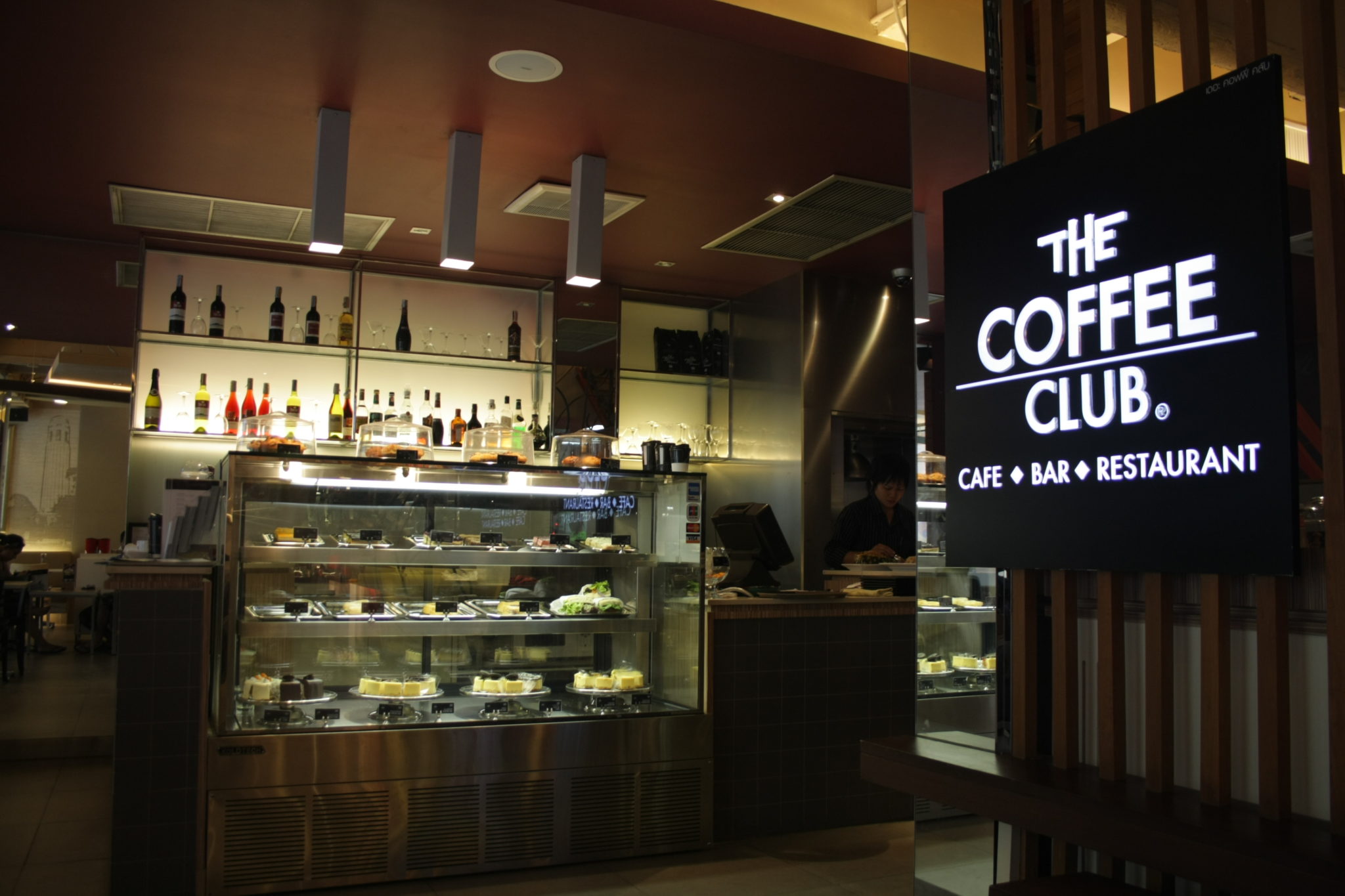
  • Australia’s The Coffee Club to make India debut in 2023

    Australia’s The Coffee Club to make India debut in 2023

    Australian coffee chain The Coffee Club will debut in India next year with new franchise partner CK Israni Group.

    New Delhi-based conglomerate CK Israni said it will start opening stores next year and is targeting 100 The Coffee Club outlets in India by 2028.

    “We are still figuring out whether it is going to start from Delhi or Mumbai. The Coffee Club is a mass market brand, and we will start rolling out stores from next year,” said Chandni Nath Israni, Co-Founder, CK Israni.

    India has become a key growth market for many international coffee chains seeking to capture a share of increasing consumer demand for premium coffee and café experiences.

    Starbucks and Costa Coffee have both achieved further outlet growth in India this year while Dunkin’ has commenced revamping its coffee menu and store design to attract younger consumers.

    Additionally, Canadian coffee chain Tim Hortons will invest $37m to open 120 stores in the next three years with Indian licensee AG Café.

    The Coffee Club opened its first store in Brisbane in 1989 and now operates over 400 stores across nine markets, including New Zealand, Saudi Arabia and the United Arab Emirates.

    The Coffee Club is owned by Australian retail food brand franchisor Minor DKL Food Group, which also operates the Australian roaster and café brand Coffee Hit and specialty coffee roaster Veneziano.

    CK Israni Group has predominantly operated in the real estate and infrastructure industries. However, the company also signed a franchise agreement with French bakery and confectionery brand Laduree in November 2020. It currently operates two Laduree outlets, with plans to reach 20 by 2025.

  • E-commerce giant Carousell lays off 110 staff

    E-commerce giant Carousell lays off 110 staff

    Carousell, a Singaporean consumer-to-consumer (C2C) service platform operating across Southeast Asia, is letting go of about 110 employees, or 10% of its total headcount, to reduce costs amid a challenging market condition for the tech industry. 

    The announcement came from the company’s blog on Thursday, posted by co-founder and CEO of Carousell Siu Rui Quek, saying, “I take responsibility for the decisions that have led us here. Parting with teammates, whom we are grateful to for joining us on this mission, is a very difficult decision.” 

    Carousell did not specify which business units or regional offices would be affected by the layoffs. The Singapore-headquartered company operates in Malaysia, Indonesia, the Philippines, Cambodia, Taiwan, Hong Kong, Macau, Australia, New Zealand, and Canada. 

    In the statement, the company’s leaders had discussed finding ways, including moving to an inexpensive rental office and slashing co-founders and executives’ salaries voluntarily to save budgets without cutting staff. But that was “far from enough,” it said.  

    Quek also explained in the blog post that he “was too optimistic” about the recovery from the COVID pandemic and even doubled down on recruitment and investment for its business. “The reality is that we were quick to grow our expenses and hire, but the returns took longer than expected,” Quek wrote. “It is important to act swiftly, course correct, and right-size our investment levels to better align with this new reality.” 

    The affected workers will receive at least three months’ salary and be able to extend their medical benefits and insurance coverage through June next year. According to the statement, the company will also pay out all remaining time off balances and offer career counseling and job search support, letting those laid-off workers keep their office laptop and LinkedIn Learning membership until June 2023. 

    Founded in 2012, Carousell, backed by Sequoia Capital India, Naver, 500 Global and Rakuten Capital, has raised a total of $372.6 million since its inception.

  • Hey Bud Skincare Partners with Pattern to Grow Sales through Online Marketplaces

    Hey Bud Skincare Partners with Pattern to Grow Sales through Online Marketplaces

    Booming Australian hemp skincare brand Hey Bud aims to grow online sales by 40% through new marketplace & eCommerce strategy

    Hey Bud, Australia’s #1 Hemp skincare brand has partnered with the category leader for global eCommerce acceleration Pattern Australia, to optimise its eCommerce operations and grow sales through online marketplaces.

    Founded as an online-only business, Hey Bud has rapidly grown to become one of the country’s most popular skincare brands. The company is aiming to grow overall online sales by 40% in two years through selling on online marketplaces.

    “Since our original product line – The Hydrating Clay Mask – sold out instantly in 2020, Hey Bud has rapidly expanded to become one of the most popular skincare brands in Australia, with a growing international audience. Today, we distribute our 8-piece product line from 3PL fulfilment centres in Australia, the US, New Zealand, and the UK, to consumers across the globe,” said Alex Roslaniec, Co-Founder of Hey Bud Skincare.

    Hey Bud’s sales and advertising model traditionally focused heavily on leveraging micro-influencers on social media, coupled with online advertising on Facebook and Instagram, with additional revenue streams flowing from its VIP Facebook group. However, since the recent IOS 14-15 privacy and security updates to iPhones, customer tracking and targeted advertising via social media became more difficult and less effective.

    Following a recent round of external funding to accelerate international business growth, Hey Bud has turned to Pattern to help diversify its sales channels and expand its customer base through online marketplaces like Amazon.com.

    “It’s been an amazing experience watching our brand grow and be loved by so many customers in Australia and internationally. While our social media following and our partnerships with micro-influencers have helped us reach where we are today, it was time to diversify our sales channels and route-to-market to fuel our next phase of growth. Digital marketplaces will enable Hey Bud to reach a new range of customers in Australia and internationally given our growing influence and popularity amongst consumers,” said Alex.

    Pattern will manage all end-to-end eCommerce processes for Hey Bud, including marketplace storefront set-up, product page management, and fulfilment and logistics operations to ship products from its own warehouse to Amazon, as well as implementing an overarching eCommerce and marketplace strategy.

    The strategy will first focus on the initial launch of Hey Bud on Amazon Australia, working also to oversee and perfect Hey Bud’s product creation and branding, content and marketing design, and listing optimisation.

    Additionally, Pattern will leverage its extensive experience in marketplaces to maximise growth for Hey Bud by:

    • Increasing Hey Bud’s product visibility on all marketplaces
    • Maximising marketplace conversion rates for Hey Bud
    • Managing marketplace customer support
    • Implementing various marketing campaigns for Amazon Australia
    • Aligning Hey Bud’s promotional activities on Amazon with the wider market
    • Ensuring continual stock in Amazon warehouse is available for fast delivery of customer orders via in-house proprietary forecasting & replenishment tools
    • Identifying new marketplace & growth opportunities for Hey Bud

    “Hey Bud has rapidly grown to become a much-loved Australian skincare brand. We are very excited to begin work and help Hey Bud diversify its sales model through new online marketplace activity,” said Merline McGregor, General Manager, at Pattern Australia.

    “We are partnering with Hey Bud to grow their Amazon channel through streamlined sales, customer reviews and optimised listing management, then using this same strategy to help them break into other digital marketplaces like eBay and Catch, and beauty marketplaces like Cult Beauty and Macy’s,” ended Merline.

    For more information on how retail brands can grow their market share through online marketplaces, please visit: www.pattern.com/au


  • Deliveroo Australia collapses, enters administration

    Deliveroo Australia collapses, enters administration

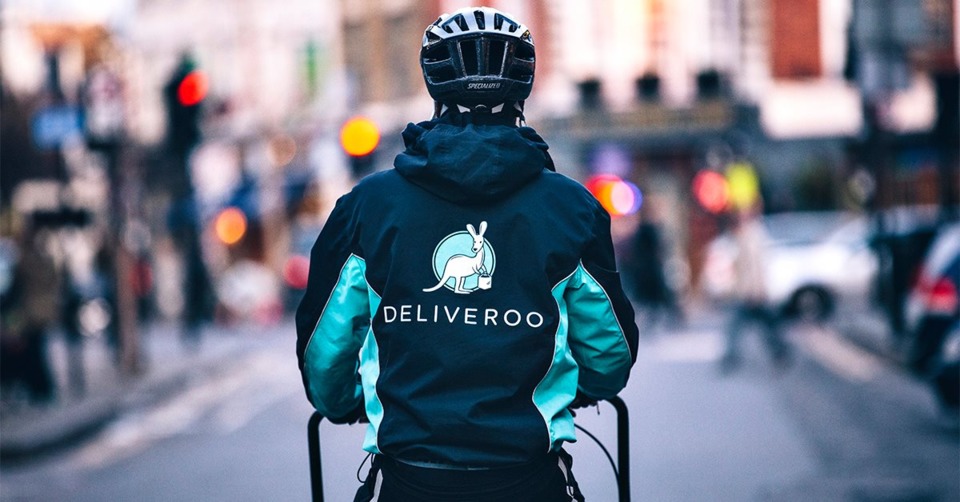
    Delivery service provider Deliveroo has ceased trading in Australia, entering voluntary administration after about seven years of operation in the country.

    The British-headquartered multinational announced the closure to customers and online on Wednesday evening and said the decision was effective immediately, with the app disconnected.

    The company said Deliveroo’s “disciplined approach drove the decision to capital allocation”. Having failed to reach a sustainable and profitable scale in Australia without considerable financial investment, it closed the business.

    “The expected return on such investment is not commensurate with Deliveroo’s risk/reward thresholds,” the company said.

    Deliveroo started its business in Australia in 2015 and was the country’s longest-standing online food delivery platform. During the past few years, the market has experienced fierce competition from global major players, including DoorDash, Menulog and Uber Eats.

    During the first half of this year, the Australian unit only accounted for 3 per cent of Deliveroo’s global gross transaction value and negatively impacted the company’s adjusted EBITDA margin by approximately 30 basis points.

    “This was a difficult decision and not one we have taken lightly,” said Eric French, COO of Deliveroo. “Our focus is now on making sure our employees, riders and partners are supported throughout this process.”

    Michael Korda, Andrew Knight and Craig Shepard of KordaMentha have been appointed as voluntary administrators of Deliveroo Australia.

    Deliveroo said it will set out the appropriate compensation packages it intends to provide for its creditors. This includes guaranteed enhanced severance payments for employees as well as compensation for riders and certain restaurant partners.

  • Why Ikea Australia is using tuk tuks for last-mile delivery Down Under

    Why Ikea Australia is using tuk tuks for last-mile delivery Down Under

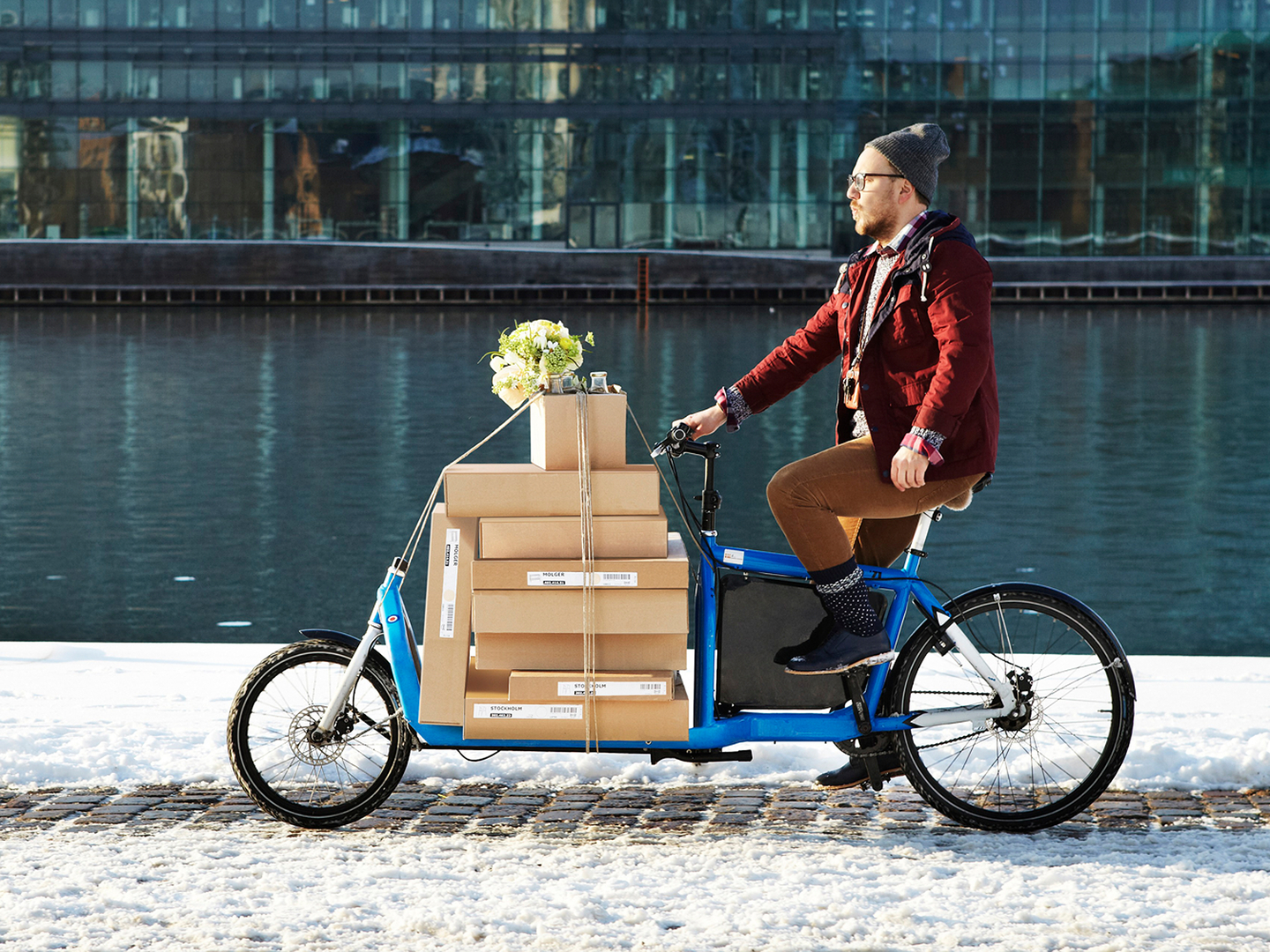
    Electric Tuk Tuks are to make their debut in Australia as part of a new initiative by logistics giant ANC and retailing monolith Ikea get serious about the cleaning up of “last mile” delivery transport in Australia.

    “Last mile” refers to the final journey of cargo and parcels from distribution centre to the customer, and it is seen – because of the short distances and its operation in built up areas – as an obvious sector to target as the transport world dumps polluting fossil fuels for electric drive trains.

    In Europe, electric vans are being rolled out at pace – largely because residents and city and national governments are sick and tired of polluting trucks in their local area. Delivery times are tightly controlled, and within years it is expected that diesel and petrol vans will be banned from built up areas. They already are in some locatios.

    Australia, as with most things EV, is dragging the chain. But on Thursday, last-mile delivery specialist ANC and leasing specialist Orix announced a strategic partnership to show how fleet electrification can be achieved.

    ANC currently has ten electric vans – out of a total fleet of more than 1,100 vehicles – but wants to ramp this up rapidly, at least doubling the numbers in the next year and then again the next.

    On Thursday, it unveiled an Australian first: a specially-designed electric TukTuk manufactured by Biliti Electric in India and imported exclusively by Brisbane-based company EMoS.

    The electric three-wheelers will be used by Ikea’s Tempe store in Sydney and will feature swappable 9kWh batteries. However, they will be limited to speeds of 50km/h  due to Australian homologation rules.

    One Tuk Tuk was on display after being flown in from India, but without its battery which has to be shipped. Their drivers will need to wear helmets.

    “We’re very excited to be pioneering these new 3-wheel EVs in Australia,” says ANC CEO Joe Sofra.

    “They’re being used globally – including by IKEA – and will be launched into the US market in coming months. Initially, our two e-TukTuks – which we’ve nicknamed BUDDe – will be deployed to carry out deliveries for IKEA Australia’s Tempe store for a 3-month trial to prove concept.”

    Sofra says there is a global revolution underway as the last-mile delivery sector accelerates fleet electrification and EVs are a perfect match for the sector.

    “We didn’t want to sit idly by and wait for the perfect economic environment to accelerate our EV goals. We could miss the boast, or in this case truck, van or Tuk Tuk. We now urge other last-mile delivery providers to take up the challenge.

    “It’s just a question of how hard and fast we can go.”

    Sofra is hopeful that the deal with Ikea can trigger other big retailers and suppliers to follow suit, and is hopeful also for government to also lend its support to ease the cost of the transition. Electric trucks remain expensive, and although there is an expected “after-market” in used batteries – for homes and the grid – the monetary benefits of that remain ill defined.

    The partnership with Orix will help create a “capital light” expansion into EVs, and demonstrate that the running costs are favourable, and better than renting.

    “It’s still early days for EVs as fleet vehicles and there are still many challenges, however, partnering with like-minded organisations helps overcome barriers and creates greener, more sustainable outcomes,” says Reggie Cabal, the CEO of Orix.

    He says many companies are in a “holding pattern” as they seek to undertand the market and the technology.

    “We are helping remove the complexity for delivery professionals to adopt EVs by aligning vehicles, infrastructure, energy and optimisation into a single, practical plan for a decarbonised fleet future,” he said. “It’s important we act now.”

    Ikea is aiming for 100 per cent zero emissions delivery by 2025, and is also calling on government to provide incentives and to help with charging infrastructure.

    “We are committed to this goal and want to bring the retail sector on the journey with us,” said Mirja Viinanen, the CEO of Ikea and its chief sustainability officer.

    “So we are calling on the government to help us get there by introducing targeted incentives and charging infrastructure for last-mile delivery and logistics to boost the uptake of EVs.”  

  • Tax break assists Belgian brewery to ‘Australianise’ its beers

    Tax break assists Belgian brewery to ‘Australianise’ its beers

    Queensland brewery Madocke Beer Brewing Co is set to brew its Belgian-style beer with Australian ingredients as part of a tax incentive program.

    The Research and Development (R&D) Tax Incentive program supports businesses that undertake R&D initiatives benefitting Australia, by providing a tax offset on eligible activities.

    It is administered by the Industry Innovation and Science Australia (IISA) and the Australian Taxation Office (ATO).

    The Gold Coast brewery – which predominantly produces traditional European-style beer – will now replace its European malts and hops with Australian ingredients.

    “So in our research and development claim that we did with the Australian government, we deliberately put forward that we are going to try to recreate traditional Belgian beers with Australian ingredients,” said Annelies Nijskens, Madocke’s co-founder and brewery manager said.

    “If we can change over more beers with Australian malts, it’s beneficial for Australian agriculture and the economy and the ecological footprint, which is very important these days.”

    The brewery began experimenting last year with Australian native honey to produce a Blonde beehive beer and a Belgian-style Blonde beer with Australian-grown Border Pale Malt from Barrett Burston Malting.

    The latter won the European-style ale category at this year’s Indies award.

    “Even though we are a Belgian-style brewery, we do not just bring everything in from Europe, we do try to work on Australian ingredients as well,” said Nijskens.

    Since ingredient sourcing and freight delays are ongoing problems facing businesses’ supply chains, the brewery aims to localize its source while helping the economy under this program.

  • A2 Milk takes Care A2+ to court over a trademark dispute

    A2 Milk takes Care A2+ to court over a trademark dispute

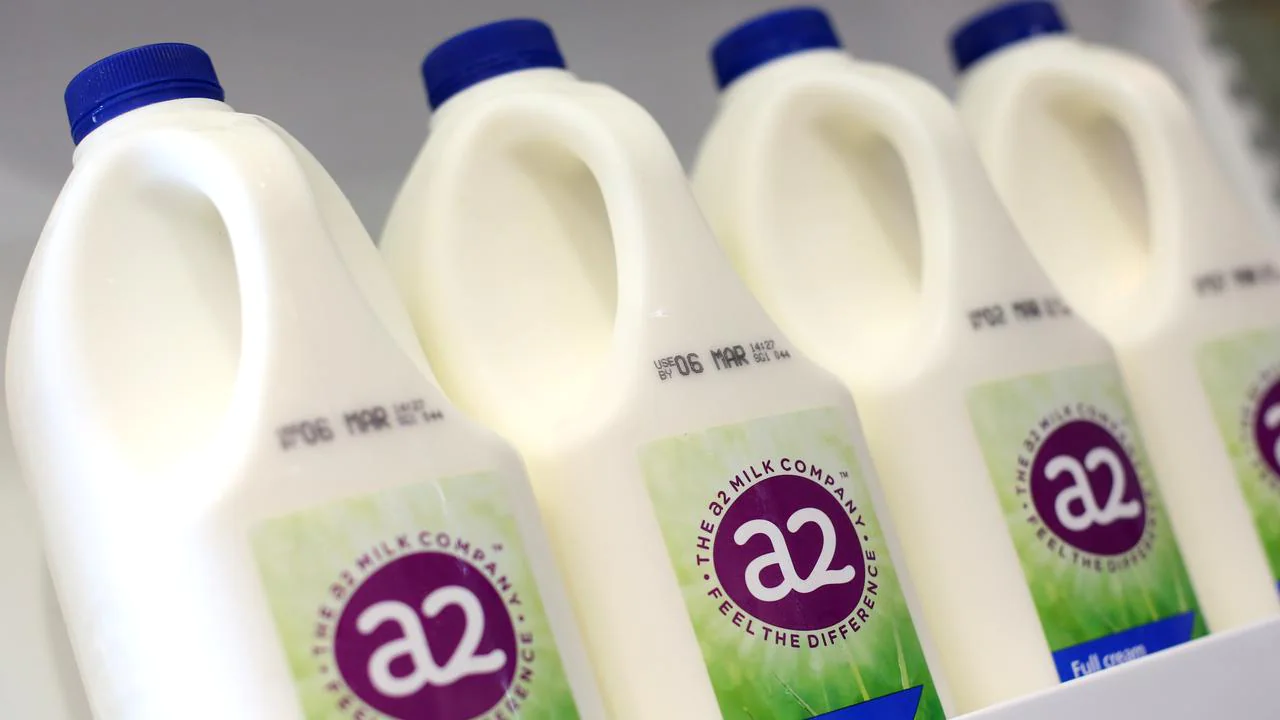
    A2 Milk Company has taken legal action in the Federal Court against an Australian competitor, Care A2 Plus, and its associated companies for infringing its trademarks.

    In a filing, A2 Milk sought a permanent injunction restraining Care A2 Plus from selling or advertising its products with A2 Milk’s registered trademarks in Australia.

    “The A2 Milk Company protects its intellectual property rights, including trademarks. We will not be commenting further at this stage given the matter is before the court,” an A2 Milk spokesman told The Australian.

    The company lodged the case one week after A2 Milk’s lawyers sent a cease and desist letter to Care A2 Plus – which had already launched its own Federal Court action to “strike out” the trademarks concerned.

    A2 Milk has taken action against several other companies in Australia and abroad in the past to prevent them from using the term A2 in their brand names or marketing.

  • Coles expands drone-delivery service into southeast Queensland

    Coles expands drone-delivery service into southeast Queensland

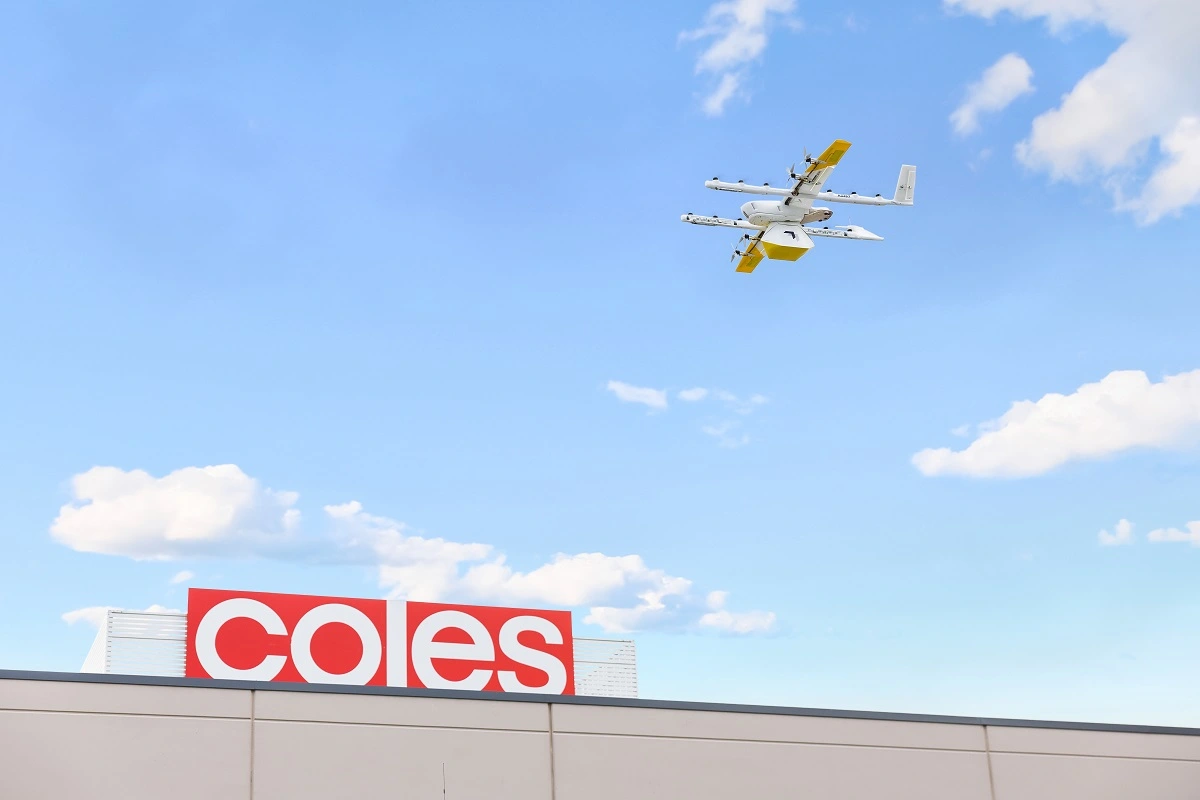
    Coles has announced it will offer drone delivery of groceries to customers’ homes in South East Queensland, with a trial set to launch next week. The supermarket chain will be the first major retailer to offer drone delivery, partnering with drone company, Wing, to launch the new service.

    From Wednesday, November 2nd, customers in the Gold Coast suburbs of Ormeau, Ormeau Hills, and Yatala will be among the first to pilot the store-to-door drone delivery model, offering grocery delivery in minutes, directly from the Coles store at Ormeau Village Shopping Centre.

    Coles says the service will gradually expand to include other nearby suburbs, delivering 500 of the most popular Coles grocery items, including bread, fresh produce, convenience meals, snacks, health care items, and household essentials.

    Coles is the first major Australian retailer to trial the new ‘store-to-door’ drone delivery model, with a dedicated fleet of Wing delivery drones to be co-located in the Coles store car park.

    Coles team members will process and pack orders, and Wing staff will load the drones and oversee operation of the delivery service.

    Coles Head of Network Development and Customer Delivery, James Geddes said Coles was proud to expand its partnership with Wing with the first-ever store-to-door drone delivery concept in Australia.

    “We are delighted to be expanding our drone delivery pilot program with Wing to our Queensland customers. The service will provide a convenient and effective way of delivering everyday essentials to our customers’ homes in a matter of minutes,” Mr Geddes said.

    “Customers can now get those urgent items they need in a hurry, delivered by drone, directly from the local Coles Ormeau Village store. Whether they’ve forgotten to pick up a loaf of bread or fresh milk during their weekly shop or are missing an ingredient for dinner-time meal prep or school lunches, they can now get those products delivered quickly, without having to drive to the store.

    “This new service reinforces our commitment to enhancing the way our customers shop with Coles by delivering anytime, anywhere, anyhow shopping, while supporting our ambition to be Australia’s most sustainable supermarket by continuing to reduce the number of trucks on the road.”

    The Coles drone delivery expansion into Queensland follows a pilot program launched in Canberra earlier this year, where Coles co-located its products at Wing’s drone delivery facility.

    Since the Canberra pilot program began in March, more than 5,000 Coles deliveries have been made through Wing, with some of the most popular items including fresh fruit, milk, bread, and eggs, along with confectionery, snacks, and cold drinks.

    As part of the expansion into South East Queensland, Wing will also soon be offering Coles items for delivery from the rooftop of Grand Plaza in Logan, Queensland, where it has been operating a drone delivery service for selected on-site businesses, for just over a year.

    Wing Australia General Manager, Simon Rossi said the company was investing in a range of pilot programs, designed to help enable drone delivery at scale, and bring delivery to more Australians.

    “We’re excited to be teaming up with Coles on this Australian first store-to-door drone delivery service, helping to expand the delivery options available to Coles customers by bringing affordable, sustainable, and fast drone delivery to the skies of South East Queensland,” Mr Rossi said.

    “Since launching our drone delivery service in Logan a few years ago, we’ve heard from customers across South East Queensland who are keen to see drone delivery expand to their region. We’re delighted that through this pilot program with Coles, for the first time, drone delivery will be available to residents in the City of Gold Coast.”

    Customers can download the Wing app (available from the App Store or Google Play), enter their address, and add items to their cart before submitting their order for fulfilment.

    Upon arrival, the drone hovers in the air and slowly lowers the package to the ground at the customer’s delivery location for a contactless delivery.

    Wing drone delivery from Coles in Ormeau will be available from 9am to 4:30pm Tuesday to Sunday.