Tag: Australia

  • Australian Regulator Warns of Lacking Crypto Protection

    Australian Regulator Warns of Lacking Crypto Protection

    The Australian Securities and Investments Commission cautioned investors about cryptocurrency risks, noting that they are «on their own» for the time being as efforts are underway to develop regulations.

    Consumers should approach investing in crypto with great caution, said ASIC chair Joe Longo at the recent Australian Financial Review Conference.

    At present many crypto-assets are probably not ‘financial products for the most part, for now at least, investors are on their own.

    Not unlike markets elsewhere, demand for crypto-assets and related services is on the rise in the country with big four lender Commonwealth Bank of Australia recently becoming the first in the sector to roll out a retail offering that will cover 10 cryptocurrencies by 2022.

    Crypto is on our doorstep, here and now, and being driven by extraordinary consumer and investor demand. The implications for consumers are potentially huge, Longo added.

    ASIC does not strive to eliminate risk. But, nor should we ignore it.

  • Japanese beer brand Yebisu launches in Australia

    Japanese beer brand Yebisu launches in Australia

    Premium Japanese beer label Yebisu Premium Beer has been launched in Australia, through Coopers Brewery.

    Coopers will be the exclusive distributor of Yebisu under its partnership with Sapporo. The beer is now available in packs of four 350ml cans from First Choice Liquor stores and selected Liquorland and Vintage Cellars outlets nationally. It will join the shelves of independent retailers and on-premise locations from early next month.

    Founded in Tokyo in 1890, Yebisu (which is pronounced ‘Ebis’ in English), has drawn the praise of beer drinkers both domestically and internationally, with awards including the gold prize at the Paris Expo in 1900. It is brewed exclusively in Japan.

    Yebisu brand manager with Coopers Brewery, Chris Levey, said Japanese beer is proving popular with Australian consumers.

    Sapporo Premium Beer achieved double-digit volume growth in the year to August.

    “Yebisu is a symbol of Japan’s unwavering commitment to quality and craft, meeting the intersection of Australian drinkers’ desire for exploration and discovery and their attraction to true originals and authenticity,” he said.

    “We expect the introduction of Yebisu will drive further interest in the Japanese beer segment, appealing to a broad range of discerning beer drinkers seeking discovery, quality and authenticity, and a richer, more rewarding flavor experience.”

  • Treasury Wines shuffles US wines with acquisition of Frank Family Vineyards

    Treasury Wines shuffles US wines with acquisition of Frank Family Vineyards

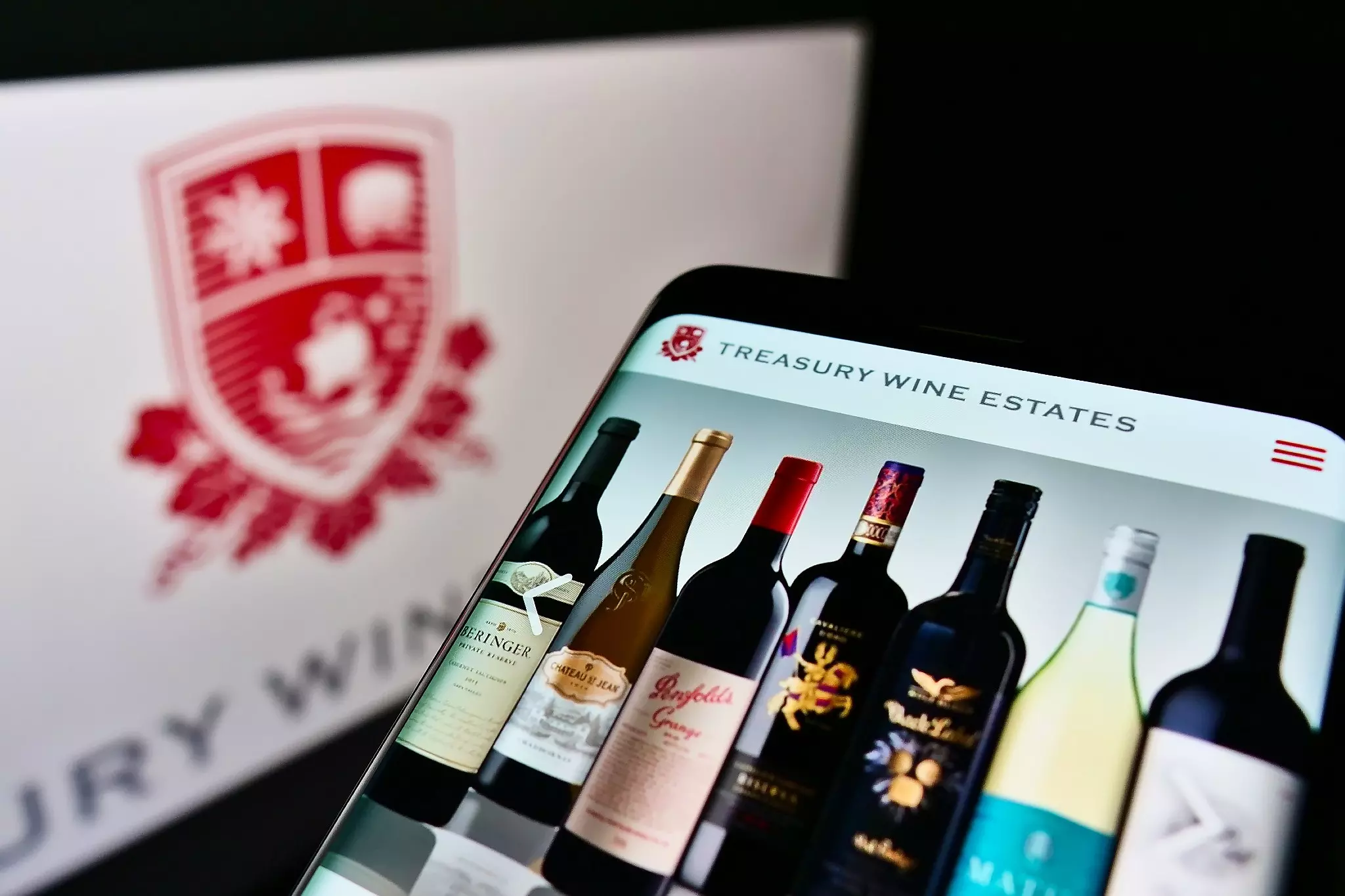
    Australian vintner, Treasury Wine Estates Ltd. said it will buy U.S. luxury winemaker Frank Family Vineyards for $315 million, saying the deal offered a rare opportunity to bolster its high-end wine portfolio.

    Treasury said Napa Valley, California-based Frank Family Vineyards is highly complementary to its Americas business and fills a key portfolio gap for luxury chardonnay. Treasury said it is well placed to grow the business given its leading luxury sales credentials, national distribution network and California asset base.

    “This is a compelling strategic and financial investment, comfortably meeting our investment criteria and one we expect will deliver attractive growth and financial returns for TWE’s shareholders over the long-term,” Treasury Chief Executive Tim Ford said.

    Analysts have expected Treasury to make acquisitions as winemakers focus more on the lucrative higher-end parts of the market. Treasury has been selling off some of its downmarket U.S. brands and assets and it said Thursday that process was largely complete, with total net cash proceeds of about 300 million Australian dollars (US$218 million).

    It said it is using those proceeds to help pay for Frank Family Vineyards. Treasury added that Frank Family Vineyards has a long-term track record of delivering strong revenue and earnings growth, as well as earnings margins in the range of 35%-40%.

    The acquisition is expected to be completed in December.

  • Australia To Speed Up Rollout Of Electric Car Charging Stations

    Australia To Speed Up Rollout Of Electric Car Charging Stations

    The Australian government on Tuesday pledged A$178 million ($132 million) to ramp up the rollout of hydrogen refuelling and charging stations for electric vehicles but did not offer EV rebates or set targets to phase out petrol cars. Prime Minister Scott Morrison said the beefed up Future Fuels Fund provides “an Australian way” to lower transport emissions, reiterating a slogan he introduced recently to describe the country’s middle ground on climate change policy. “We will not be forcing Australians out of the car they want to drive or penalizing those who can least afford it through bans or taxes,” Morrison said in a statement. “Instead, the strategy will work to drive down the cost of low and zero-emission vehicles.”

    The additional investment, which adds to an existing A$72 million commitment and will be spent by the end of June 2025, will also aid purchases of electric cars and buses for government and business fleets. Industry groups and green activists, however, said rebates and tax breaks were necessary to encourage the purchase of cleaner cars in a country where transport is the third-largest source of carbon emissions. “The federal government purports to support choice for Australian motorists, but in fact its strategy stifles choice by making it very challenging for Australia to attract a wide selection of battery electric vehicles to the market,” Clean Energy Council Chief Executive Kane Thornton said.

    The federal funding is only slightly more than a separate commitment by New South Wales, the country’s most populous state, to spend A$171 million on EV chargers over the next four years. Victoria, the second-most populous state, is planning to spend A$29 million on charging infrastructure in regional areas and replacing government cars by 2023. The federal government said its plan should lower carbon emissions by more than 8 million tonnes by 2035, based on its own projection that battery-electric and plug-in hybrid electric vehicles will make up 30% of annual new car and light truck sales by 2030.

    Morrison in 2019 slammed a proposal by the opposition Labor Party to target half of all new car sales to be electric by 2030, saying the policy would “end the weekend” for Australians who want to tow their trailers and boats to go camping. However, a recent survey by The Australia Institute thinktank found 64% of Australians favored requiring all new car sales in the country to be zero-emission vehicles by 2035 and 71% supported government subsidies for electric cars. Battery electric and plug-in hybrid vehicle sales in Australia hit a record 8,688 in the first half of 2021, but made up just 1.6% of total light-vehicle sales. In Norway, the global leader in EV uptake, battery electric vehicle sales made up nearly 80% of new car sales in September.

    The Future Fuels Fund will focus on extending coverage of fast-charging stations to regional areas, investing with private firms in 1,000 public charging stations, and in charging infrastructure at businesses and households. Australia has about 3,000 public chargers installed across the country, according to the Electric Vehicle Council. By comparison, California alone has over 73,000 public and shared chargers. The Electric Vehicle Council said the national plan should have at least included fuel efficiency standards.

    “If Australia continues to be one of the only developed nations without fuel efficiency standards then we will continue to be a dumping ground for the world’s dirtiest vehicles,” council Chief Executive Behyad Jafari said in a statement. The transport infrastructure funding was announced just weeks after Morrison adopted a net-zero carbon emissions target by 2050 in the face of international criticism that the major coal and gas producer was not doing enough to address climate change.

  • Melbourne retail to reopen last Friday

    Melbourne retail to reopen last Friday

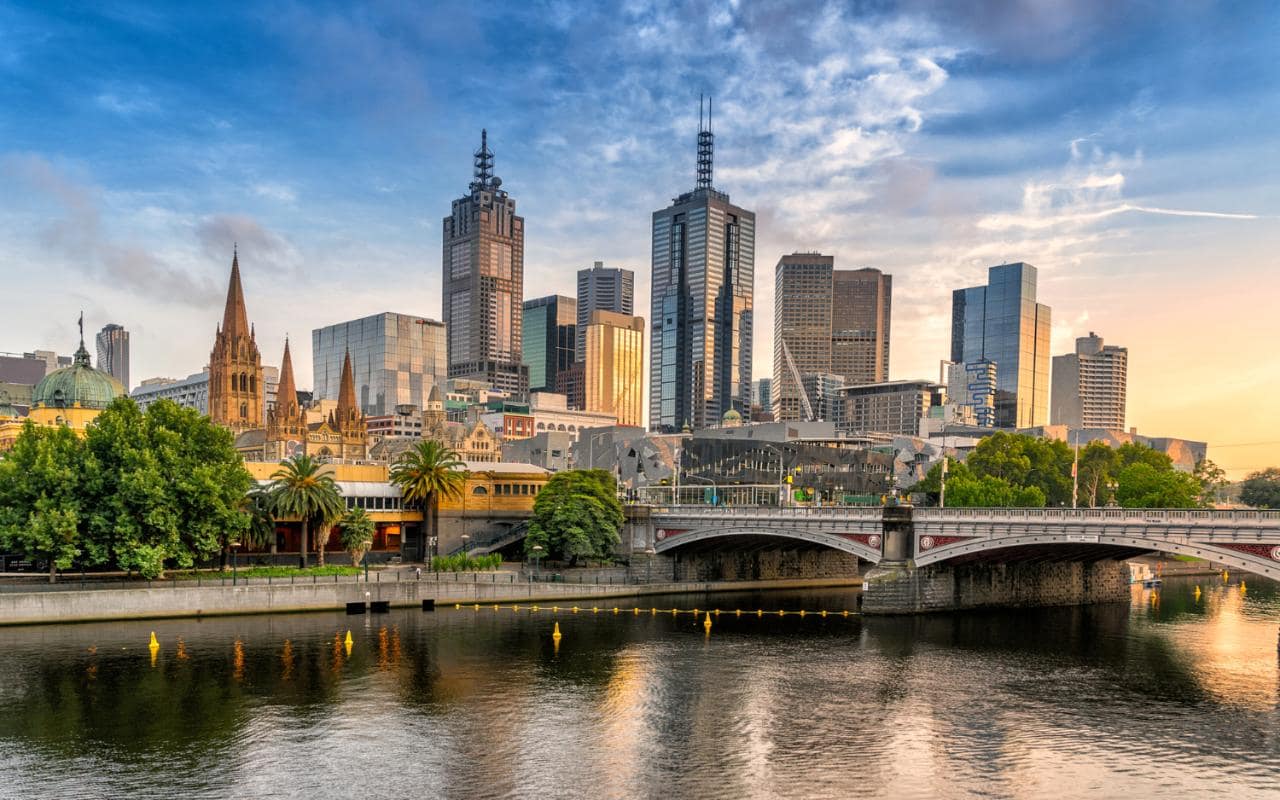
    It’s been a grueling 20 months for many Victorians who have gone in and out of lockdown, but on Friday the state is set to welcome a raft of new freedoms — and will potentially say goodbye to some COVID-19 restrictions once and for all.

    As the state reaches its 80 percent double-dose vaccination milestone, regional Victoria and metropolitan Melbourne will follow the same rules, while gyms, retailers and entertainment venues will reopen to the fully vaccinated.

    Leanne Walsh, an instructor and co-owner of a small martial arts school in Craigieburn to Melbourne’s north, said she was excited to welcome students again.

    “We’re just looking forward to opening up when we can,” Ms Walsh said.

    “During the lockdown, we lose contact with our students and obviously then have to rebuild our student base.”

    Her center has been closed for most of the year, but she said it has been “coping very well” thanks to business grants provided by the state government during the pandemic.

    But Ms Walsh said questions remained around the reopening of her business and said it would be a challenging journey to “COVID normal” as her martial arts school negotiated new policies like the vaccine mandate.

    “I don’t know that we can open on Friday, as I need to clarify if the students need to be double-vaccinated,” she said.

    “It’s really just the vaccinations that are a little unclear as we don’t fall into the mainstream gym or community sport.”

    The Victorian government has said it will move into a “vaccinated economy” once 90 percent of people over the age of 16 receive their two doses, with only fully vaccinated people allowed to go to gyms, retail stores, theatres, and other venues.

    At that 90 percent milestone, expected on November 24, caps and density restrictions will also be scrapped and masks w

  • Telstra partners Australian government to buy Digicel Pacific

    Telstra partners Australian government to buy Digicel Pacific

    Telecommunications giant Telstra announced on Monday that it has partnered with the Australian government to buy Digicel Pacific for $1.6 billion.

    This is widely viewed as a political move to curtail China’s influence in the region, following interest shown by China’s biggest telecommunications operator to buy over Digicel Pacific.

    The biggest mobile operator in the South Pacific region, Digicel Pacific has 1,700 employees and around 2.5 million subscribers from retail customers through to large enterprises. Digicel Pacific has operations in Papua New Guinea, Fiji, Samoa, Tahiti, and Vanuata – important markets in Papua New Guinea.

    In a press release, Telstra stated that the Australian government will contribute $1.33 billion, while Telstra will contribute $270 million in equity. Telstra will own 100% of the ordinary equity and receive strategic risk management support from the government.

    This move is also aligned to Telstra operations in Papua New Guinea, where Telstra has been a licensed operator since 2012 and one of the biggest providers of voice and data services connecting the South Pacific to the rest of the world.

  • ​​Eco-startup Zero Co crashes crowdfunding servers as shares go on sale

    ​​Eco-startup Zero Co crashes crowdfunding servers as shares go on sale

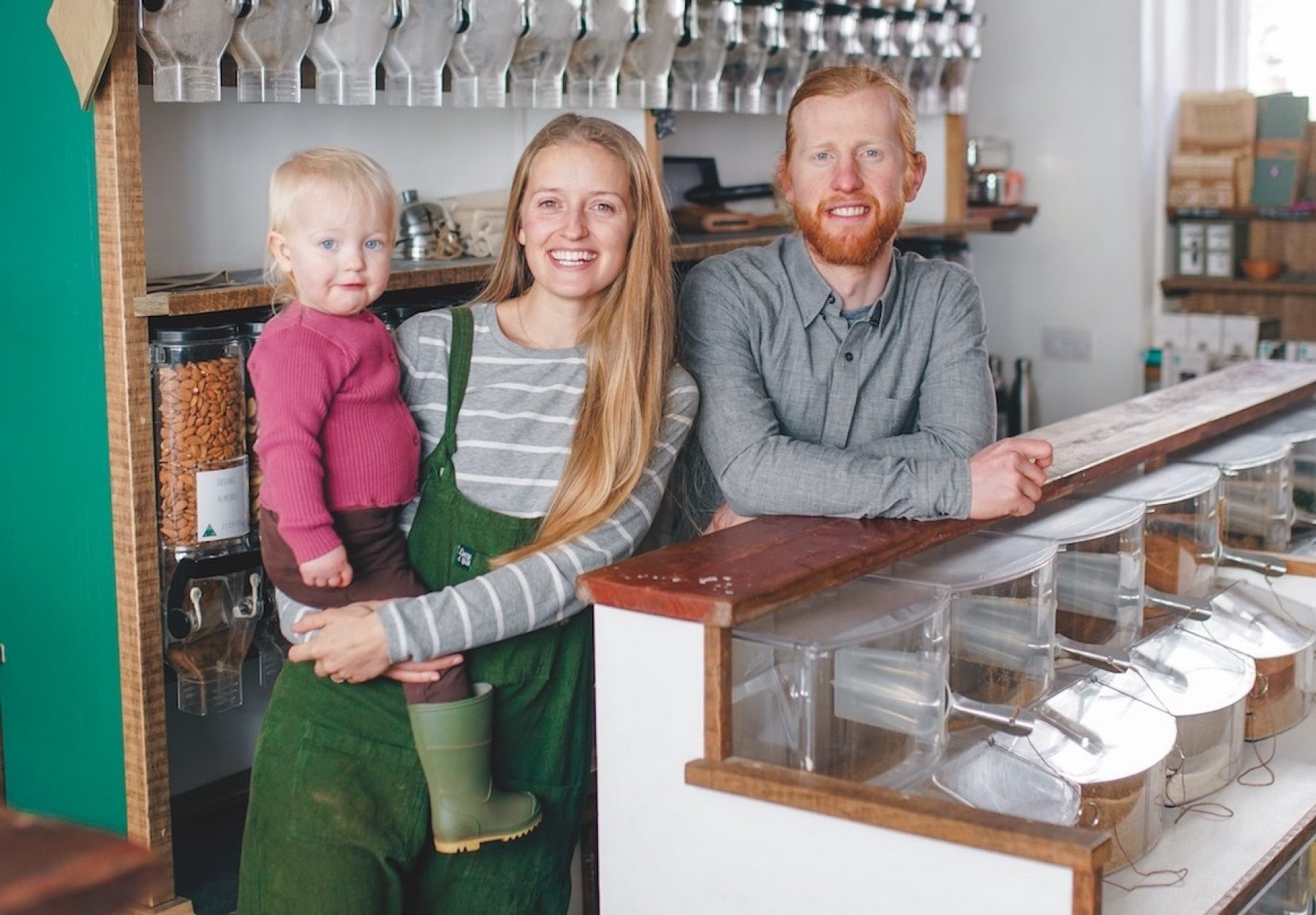
    Eco-startup ZeroCo broke Australia’s record with the largest crowdfunding in Australia’s history, raising $ 5 million in the recorded time of 6 hours.

    Unprecedented heavy traffic – 2500 out of 3082 investors are pre-registered Crowdsourcing funding platform Birchal. Five minutes after the raise, Zero Co successfully raised $ 1 million, the fastest raise in the country. In less than 50 minutes, the emerging startup was the fastest in Australia, raising $ 3 million.

    Mike Smith, the founder of Zero, said:

    “We want to grow this business by expanding our product range, expanding our business, launching globally and eliminating disposable plastics from all kitchens, laundry, and bathrooms. I am. “

    Prior to the Crown Funding campaign, the company also secured a $ 6 million investment from global investment firm SquarePeg.

  • Treasury Wines warns performance is still lagging in key markets

    Treasury Wines warns performance is still lagging in key markets

    Major winemaker Treasury Wine Estates has warned investors its performance in markets heavily impacted by the pandemic is running behind expectations as lockdowns and soaring case numbers continue to hinder sales.

    Treasury, which makes wine brands such as Penfolds and 19 Crimes, held its annual general meeting on Friday. In a speech, chief executive Tim Ford told shareholders while overall performance through the first quarter of fiscal 2022 was solid, parts of the business were not performing as well as hoped.

    Mr. Ford pointed to the company’s key luxury channels in America, Australia, and Asia where the COVID-19 pandemic is still causing delays in the recovery of wine consumption in bars, pubs, and restaurants.

    He said this issue was particularly prevalent in the US, where re-openings were continuing at a “gradual pace”, slower than the company had anticipated.

    “In Australia extended lockdowns in Sydney and Melbourne have resulted in the closure of the on-premise channel, delaying our execution plans outside of the large retailers, particularly for Penfolds,” he said.

    “While the momentum in these channels is slightly behind, we remain confident that as vaccination programs gain momentum and restrictions ease across these key premium and luxury wine sales channels that we are well-placed to execute our plans to deliver growth.”

    In lieu of these channels being open, online and e-commerce sales have somewhat filled the gap, he said, but noted that growth rates were down last year.

    Shares fell 5.4 percent to $11.63 on the back of the warning. Shareholders had previously been impressed by Treasury’s resilience through both the pandemic and shock Chinese tariffs on its wine. Analysts at UBS recently put a ‘buy’ rating on the stock, saying it was well-placed to benefit from COVID reopenings.

    Treasury has also seen, like many other retailers, significant disruption to its supply chain and logistics systems due to the pandemic. Mr. Ford said shipping delays and container availability issues were becoming “more pronounced” and that he expected the challenges would be ongoing.

    However, the company’s underlying performance in its key regions was solid for the first quarter, with sales in Asia, excluding China, growing 18 percent for the three months to the end of August. Sales at the company’s US divisions grew 3 percent for the three months to September 19 against a broader industry decline of 5 percent.

    “Globally, our underlying business is performing in line with expectations, however, the pandemic-related factors will continue to have a bearing on our performance in the short term,” Mr. Ford said.

    Sales of its premium Penfolds range have also remained consistent, with Mr. Ford saying the company had successfully reallocated all the sales it lost after China, Treasury’s largest market, unexpectedly slapped tariffs of up to 200 percent on Australian wine.

    In his address to shareholders, chairman Paul Rayner said the company remained committed to the Chinese market in the long term despite its “effective closure” in 2019, and appeared to call on the Australian government to do more to repair its frayed relationship with the country.

    “Trust is critical to building relationships and brands and is therefore essential to our long-term success,” he said. “I think this will be particularly important in the post-COVID world, as governments consider how they stimulate domestic economic recovery and the role of international trade relationships in driving economic growth.


  • Pam Pam Buns brings authentic Thai food to Australian supermarkets

    Pam Pam Buns brings authentic Thai food to Australian supermarkets

    An Australian manufacturer of authentic Thai plant-based products, Pam Pam Buns, is releasing a new range of frozen ready meals in October. The meals (RRP $8) are Thai Pork Basil with Rice, Thai Mushroom Noodle, Pork Spring Roll, Pork and Mushroom Dumpling.

    “The new range is our first step to becoming a Thai food company that produces a variety of plant-based meals that are just as delicious as meat-based dishes,” founder Pimarada (Pamela) Watcharadechmontri says.

    Ms Watcharadechmontri, a Thailand-born entrepreneur, founded Pam Pam Buns in 2015.

    She harnessed her love of vegetarian food and Thai heritage by selling her steamed buns to family, friends and local market stalls. Following a wave of positive ‘nice buns’ feedback, she made the bold decision to set up her own factory in Riverstone in North West Sydney.

    Since its launch, Pam Pam Buns has seen exponential growth for its range of delicious Thai buns. After landing its first in-store placement in 2019, Pam Pam Buns has steadily hit the shelves across a selection of major retailers and recently expanded interstate to Victoria, Queensland, Western Australia, South Australia, and Tasmania.

    The brand is currently available online and in more than 170 stores, including select Woolworths Metro, Coles Local, Harris Farm Markets, QE Food Stores, IGA, and FoodWorks across Australia.

    “We partly owe our success to our loyal community of fans, who we treat like our friends and family,” Ms Watcharadechmontri says.

    “They buy, taste and feedback on every single one of our products and we listen. Their excitement for our new product range is what feeds our ambition to continue our business growth.”

    The new product expansion will join the recently released plant-based Thai Massaman, Panang and Green curry pouches and Pam Pam’s bun range in the freezer section.

  • L’Occitane opens world-first green store concept in Australia

    L’Occitane opens world-first green store concept in Australia

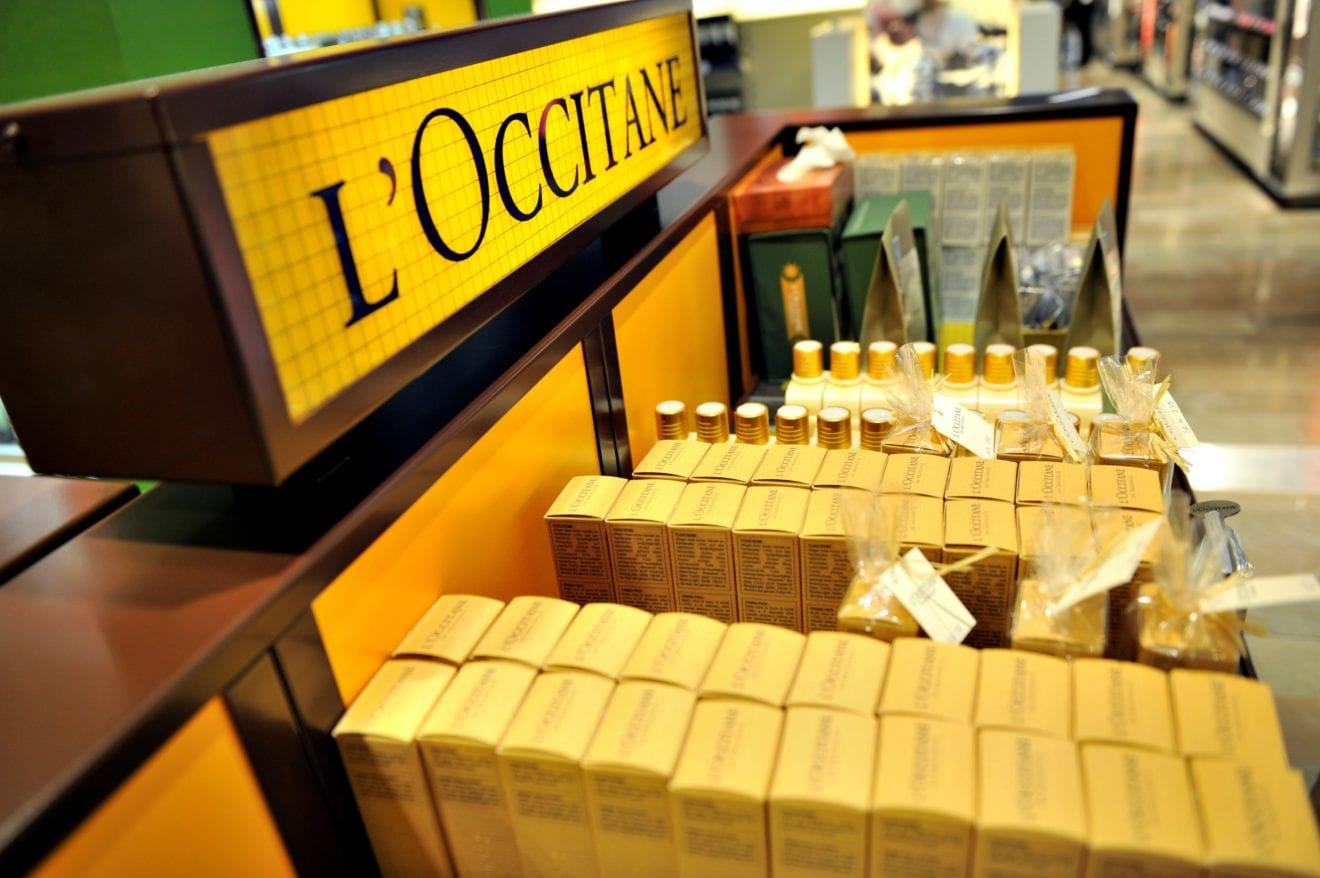
    If you’re a fan of the French skincare brand L’Occitane, then you’ll be happy to know that the retailer has just launched their first eco-friendly shop in the city, as part of their efforts to embrace sustainability and reduce local plastic waste. Located in Pacific Place Mall, the new store is designed to appeal to the growing eco-conscious consumer market. The shop offers products that come in 100 percent recycled bottles, and refillable shampoos, conditioners, shower gels, and hand wash. The new store also launches a new limited edition body care product series called the Happy Shea collection which is exclusively available in the shop and their online store.

    The store aims to engage the public in environmental protection through fun activities with their #MEGA (Make Earth Green Again) Sustainability Reward Program, where shoppers can earn rewards by achieving green tasks such as dropping their empty beauty container – from L’Occitane or other beauty brands – in the store’s recycle bins. Shoppers can also participate in other activities like completing a three-minute personal carbon footprint evaluation or adding their ‘green new year wish or commitment’ to the store’s Tree of Wishes.

    Working in partnership with various eco-conscious organizations, L’Occitane’s MEGA concept store will host a series of sustainability-focused workshops that raise recycling awareness. The company is currently collaborating with A Plastic Ocean Foundation (APO) – a Hong Kong-based charitable organization dedicated to raising awareness against plastic pollution. All PET containers collected through L’Occitane stores go to APO for future recycling into rPET products. L’Occitane has already provided APO with 40kg of PET containers collected from customers for future recycling. Today, APO has created 1,000 pieces of #MakeEarthGreenAgain sandwich bags made from rPET and 1,500 pieces of rPET towels, made from PET plastic waste. Shoppers can receive a complimentary rPET sandwich bag for purchases of over $400 in L’Occitane’s eco-store until February 28, 2021.  L’Occitane’s MEGA concept storefront

    As part of the company’s dedication to lessening environmental carbon footprint and protecting biodiversity, L’Occitane’s Hong Kong and Macau general manager Nathaëlle Davoust signed the Ellen MacArthur Foundation New Plastics Economy Global Commitment. In collaboration with the UN Environment Programme, The Global Commitment ‘unites businesses, governments, and other organizations behind a common vision and target to tackle plastic waste and pollution at its source.’ Companies that signed the commitment represent businesses responsible for 20 percent of all plastic packaging produced globally. So, if you’re dropping by the store and purchasing goods, make sure you bring your own bags as the shop will not be providing you with any plastic or paper bags.

  • Ferrero names new local managing director

    Ferrero names new local managing director

    Confectionery company Ferrero Australia has appointed Craig Barker as its new Managing Director for the Australian and New Zealand markets.

    Mr Barker has 20 years of experience in the confectionery industry, having spent 12 years with Mars in the UK and the last 8 years with Ferrero, working across the UK and Ireland, based in Ferrero’s central headquarters in Luxembourg. He has spent the last three years based in Australia.

    “Australians have developed a strong affinity with Ferrero brands over the last 40 years and this continues to grow today,” Mr Barker said. “We look forward to further developing this relationship and ensuring that more people enjoy Ferrero products in the coming years,” he said.

    Ferrero is a global company privately owned by the Ferrero family. It was established in 1944 in Abla in northern Italy when the Company’s founder Pietro Ferrero opened a small confectionery shop during the Second World War and used local hazelnuts to create products. The Company has grown to become the leading confectionery manufacturer in Europe and one of the largest in the world. Its products include brands such as Nutella, Tic Tac, Ferrero Rocher, Kinder Surprise and Bueno.

    Ferrero expanded to Australia in 1974 and now employs more than 300 people. The Company’s commercial headquarters are located in Sydney, with its manufacturing operations based in Lithgow, west of Sydney, where Nutella and Tic Tac are produced.

    Ferrero Australia said Mr Daniele Bondi, Mr Barker’s predecessor, remains an integral part of the Ferrero Group, and has been recently announced as the Global President for Ferrero’s Nutella brand.

    “We offer our congratulations to Craig Barker and thank Daniele Bondi for his significant contribution to the growth of the Ferrero Australia business,” said Derek Lath, Corporate Communications Director Ferrero. “We wish them both well in their new professional challenges,” he said.

  • Messina moves into Hong Kong selling Gelato

    Messina moves into Hong Kong selling Gelato

    Hong Kong restaurant group Black Sheep is taking Australian gelato brand Messina to the ‘dessert-obsessed’ Hong Kong community.

    Messina’s first Hong Kong store will be located on historic Pottinger Street. The launch also marks Black Sheep Restaurant’s first collaboration in more than five years.

    “We are passionate about gelato and consider ourselves connoisseurs, but knowing good gelato and being able to make it on a large scale are two different things,” said Syed Asim Hussain, co-founder of Black Sheep Restaurant.

    “When we think someone else can do it better than we can, that is when we look for a partner.

    “We were blown away by not only Messina’s gelato but also by their work ethos, which is very much in line with our own. The amount of pride and detail that they achieve at every level is really inspirational.”

    Founded in 2002, Messina is known for its assortment of freshly-churned gelatos available in an array of signature flavours and rotating specials. Currently, Messina operates 22 stores across NSW, VIC and ACT.

  • Pulled Oat joins Australian plant-based foods menu

    Pulled Oat joins Australian plant-based foods menu

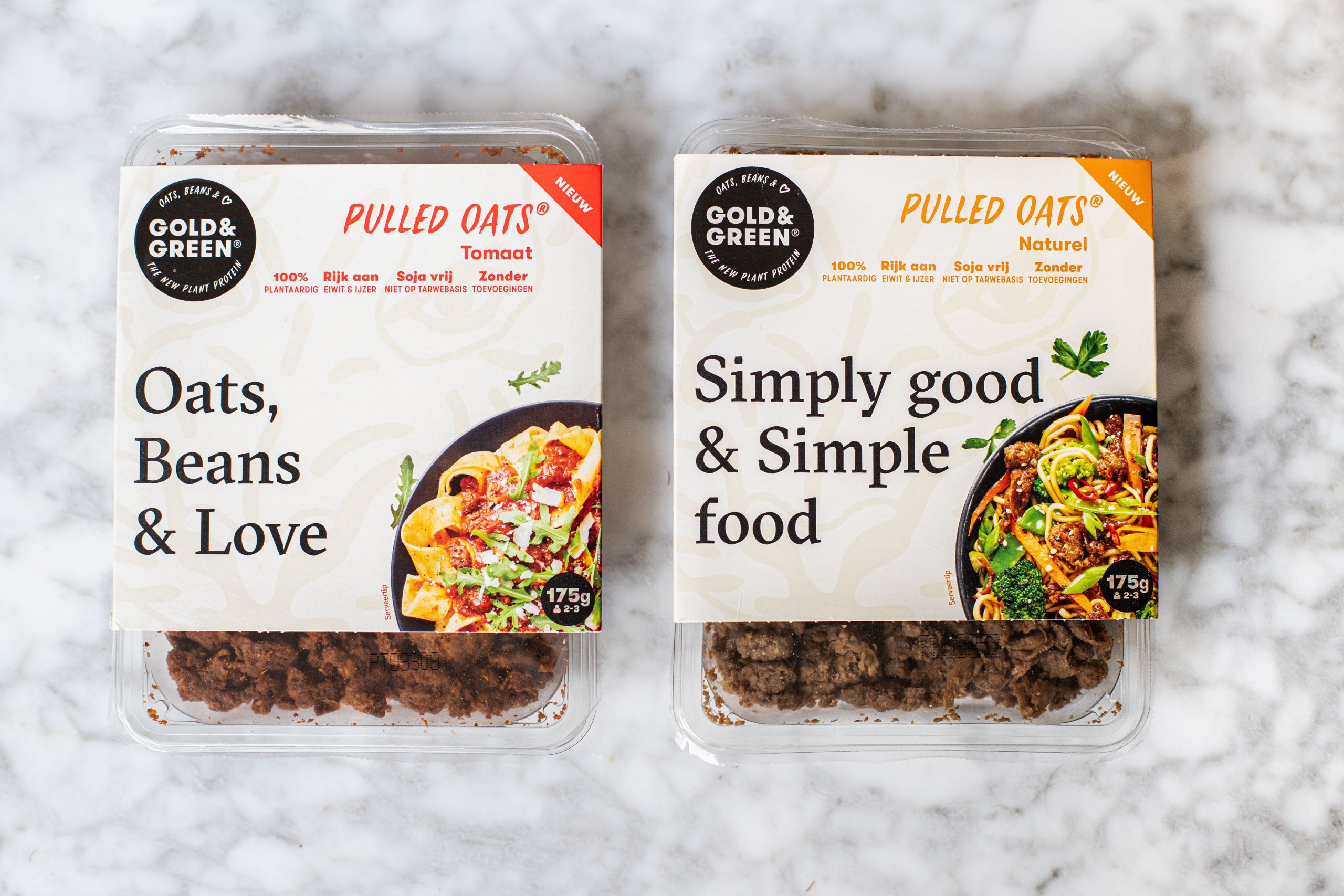
    Finnish plant-based food company Gold & Green joins the ranks of businesses offering alt-meat in Australia with the launch of Pulled Oats, an oat-based plant protein.

    As consumers become more aware of their food sources, the market for plant-based protein is rapidly increasing. In the past year alone, Australia’s plant-based meat sector retail sales increased by 46 percent.

    “Many are looking for non-soy-based alternatives, with high protein content and preferably without any weird ingredients they cannot pronounce,” said Annette Kauppinen, CMO, Gold & Green

    “Pulled Oats is a great answer to this as it contains only simple and familiar ingredients and offers great nutritional value and a good source of protein including a balanced amino acid composition.”

    Launching in Woolworths this month, the new plant-based protein is made from six simple ingredients: Nordic oats, faba (broad) bean, pea protein, water, oil, and spices. According to the company, the product is high in protein, can absorb flavor well and is versatile enough to be used as a meat alternative in favourite dishes without compromising taste.

    Founder and CIO of Gold & Green, Maija Itkonen, says she saw an opportunity to be part of the solution in the global environmental crisis after seeing the “untapped potential” of Nordic oats, one of the world’s most ecological crops. Afterwards, she teamed up with an oat scientist to develop a process that combines faba bean and yellow pea protein to create a highly nutritious plant-based protein with a simple ingredient list.

    Maija explains, “From the very beginning, our passion has been to change eating habits for healthier people and planet – with delicious new plant-based food.” she said

    “We wanted to create a protein that does not mimic anything but is a true plant-based alternative that stands on its own. It can be used like chicken, pork or beef, and we do have even some fish recipes, which are amazing.”

    Gold & Green Pulled Oats are available at Woolworths in two flavours, Nude and Tomato, for RRP $8.50 per 240g pack.

  • Uncle Ben’s reinvented under new Ben’s Original branding

    Uncle Ben’s reinvented under new Ben’s Original branding

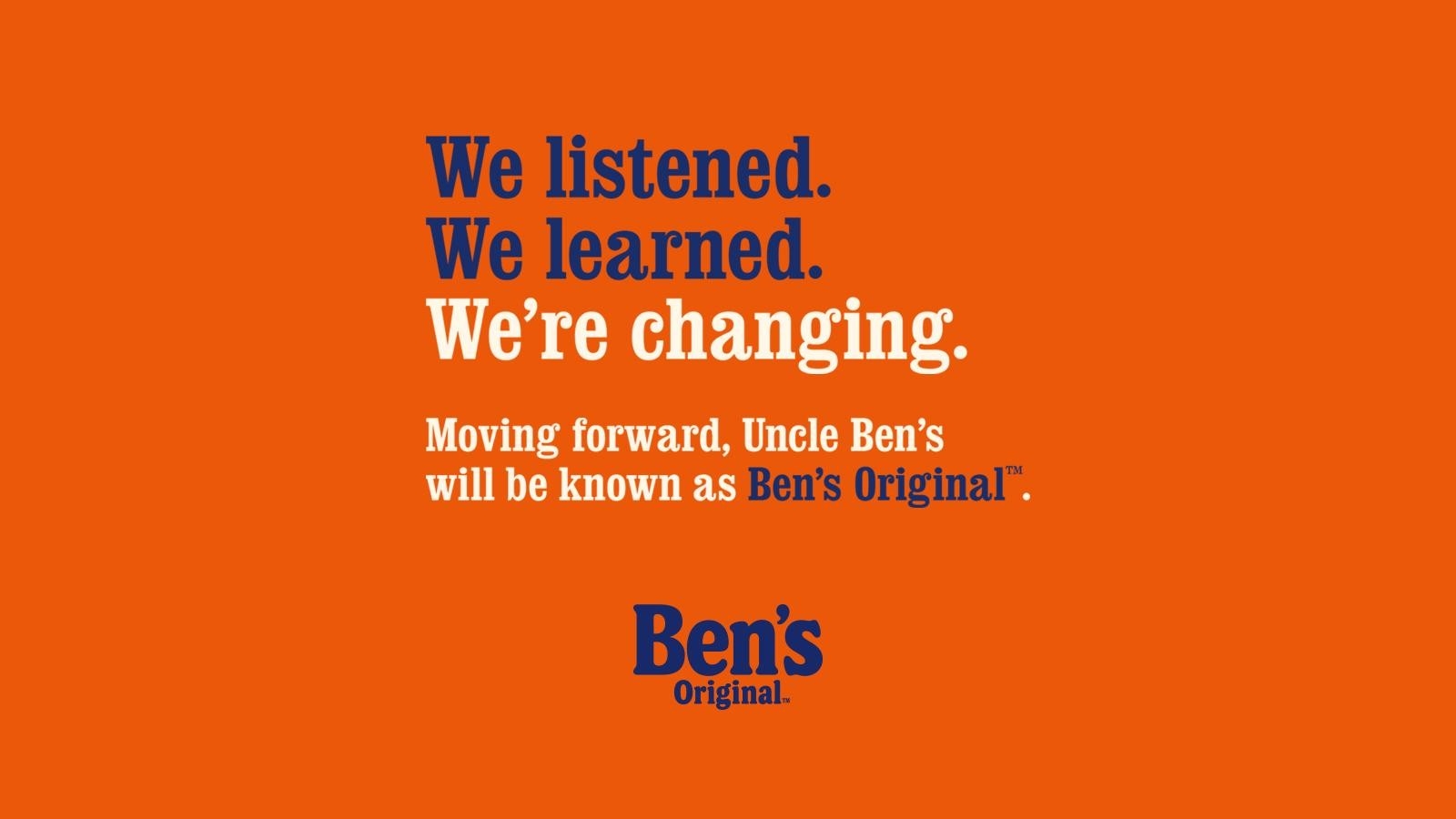
    Mars Food Australia has revealed the new brand identity for Ben’s Original ready-to-heat rice products, following the retirement of the Uncle Ben’s brand.

    The new packaging features the same orange background and navy-blue font. The rice products are available in 28 flavors, are ready in 90 seconds, and taste the same as the old product range.

    Bill Heague, GM at Mars Food Australia, said the change marks not only a new packaging but also a memorable moment for Ben’s Original: the company has shared its new purpose, committing to investing a portion of its profits over the next five years to contribute to Australia’s disadvantaged communities.

    “This is not just a name and packaging change. We believe everyone deserves to feel welcome, heard, and have access to nutritious food,” said Heague. “That’s why we have committed to funding initiatives that help improve social inclusion and create meals, experiences, and opportunities that offer everyone a seat at the table. We are currently in discussions with a number of community groups in Australia and we look forward to announcing a new partnership early next year.”

  • Coles named as most sustainable food retailer in Australia

    Coles named as most sustainable food retailer in Australia

    The supermarket has come in second in the world for its sustainability efforts.

    Coles was ranked based on its governance, environment, nutrition, and social inclusion practices, beating out of 350 of the world’s ‘most influential food retailers. Furthermore, Coles has ranked tenth in the world in the food and average manufacturing and processors category.

    The WBA found that Coles “ranked first among its retail peers in social inclusion, while landing among the top five in nutrition, and top ten across the governance and strategy, and environment measurement areas.”

    The Chief Sustainability, Property and Export Officer of Coles, Thinus Keeve, shared how the retailer aims to continue its progress to become the country’s most sustainable supermarket. “Coles’ Together to Zero and Better Together ambitions, as outlined in our Sustainability Strategy, underpin the steps we are taking to drive generational sustainability,” he said.

    “Under Together to Zero, Coles has set bold emissions and energy targets, including to be powered by 100 percent renewable energy by the end of FY25, and to deliver net-zero greenhouse gas emissions by 2050 – and we are well on the way to achieving them. We recognize the role we have to play but know that we cannot do this alone, and that we need to work together with our many stakeholders to drive positive change. We know that we are Better Together when we work together with our team members, farmers, suppliers, customers, and the communities we serve.”

    Keeve also explained that despite this impressive feat, the retailer has more work to do. “While sustainability issues are dynamic and evolving, and there is still much to do, we are committed to maintaining momentum on our sustainability journey,” he said.