Tag: Australia

  • Toys ‘R’ Us to open immersive Australian experience centre

    Toys ‘R’ Us to open immersive Australian experience centre

    Tru Kids Brands and Candytopia have worked together to create a new, innovative play experience – the Toys R Us Adventure.

    The immersive experience will celebrate the fun surrounding toys and play, and is scheduled to open mid-October at Brookfield Properties in Chicago and Edens Lenox Marketplace in Atlanta.

    The Toys R Us Adventure will feature full sensory brand and play experiences with interactive playrooms and installations featuring the Toys R Us mascot Geoffrey the Giraffe and toy suppliers including Melissa and Doug, Spin Master with the Paw Patrol brand and Schleich. Consumers will have the chance to interact and take pictures with both classic and new toys.

    “The Toys R Us brand was built upon celebrating the joys of childhood and we are thrilled to partner with the creatives behind Candytopia to introduce an exciting new way to play for guests of all ages,” said Richard Barry, CEO of Tru Kids.

    “As we focus on bringing a re-imagined Toys R Us to the US we believe this live experience, coupled with our new experiential retail stores, will attract families from around the world and create a unique opportunity to rediscover the magic of this beloved family brand.”

    The limited-run engagements will remain in Chicago and Atlanta throughout the holiday season, before moving to other major US cities in 2020.

    Tru Kids Brands also recently named toy industry veteran Jamie Uitdenhowen as president of Toy Retail Showrooms, the new joint venture that operates and manages Toys R Us stores in the US.

    In addition to the Candytopia partnerships, two new Toys R Us stores will open in Houston, Texas and Paramus, New Jersey.

  • WineDepot expands to Melbourne, buys distributor Parton

    WineDepot expands to Melbourne, buys distributor Parton

    WineDepot Market has launched its direct-to-trade platform in Melbourne – and sealed a deal to acquire Parton Wine Distribution.

    After serving venues and retail outlets across Sydney since May, the subsidiary of ASX-listed Digital Wine Ventures has already brought on board more than 400 brands. WineDepot CEO Dean Taylor said local customers are responding positively to the proposition.

    “The evolution of the wine distribution model in Australia is long overdue. Technology has brought vast changes in the way we produce wine and sell to consumers, but in the middle, supply chains and wholesaling are still plagued by inefficiency,” he said.

    WineDepot describes itself as an integrated trading, logistics and payment solution designed to streamline wine and beverage distribution. The direct-to-wholesale marketplace allows suppliers to list their products for sale on consumer marketplaces such as Amazon, Ebay and Vivino and provides a smart logistics solution allowing suppliers to fulfill orders from various depots, to allow same- and next-day delivery to most capital cities. In addition, an online ERP system allows suppliers to manage orders, inventories and technology integrations and offers a payment management solution through which suppliers can offer customers credit terms yet get paid three days after sale.

    “The chance to move more of their wine purchasing to a single platform, with a single invoice and single credit account, has been highly attractive to venues and retailers,” said Taylor.

    “Customers are trialing the platform and finding a large range of products they already purchase, all in one place, along with a selection of new and interesting wines from some of Australia’s top producers.

    “We identified the need for a comprehensive direct-to-trade platform in the local wine market years ago, and launching in our second major city shows we’re closing in on that goal.

    WineDepot acquires Parton Wine Distribution, 

    Meanwhile, WineDepot yesterday announced it would buy specialist wine and beverage logistics provider Parton Wine Distribution.

    Taylor said Parton’s long track record in the industry, 23,000 sqm of warehousing, and 100-strong team would provide a significant boost to WineDepot’s operational capability.

    While WineDepot’s outsourcing of third-party logistics was working well, as the business continued to scale it would become necessary to further develop its own capacity to maintain service levels – especially during times of peak demand, said Taylor.

    “Having our own dedicated fleet of delivery vans and drivers will ensure we provide an exceptional experience for suppliers using WineDepot Logistics and trade buyers using WineDepot Market.

    “In addition, direct management of our own warehouses allows us to offer on-demand picking, late cut-off times and temperature-controlled, cold chain and bonded storage to our customers right up and down the supply chain.”

    Richard Raddon, who founded Parton, will join WineDepot’s senior executive team as GM of the logistics division and his son David will become national operations manager.

    Parton’s 150-strong existing customer base will be transitioned across to the WineDepot platform.

  • Kiwi coffee brand Allpress launches capsules in Australia

    Kiwi coffee brand Allpress launches capsules in Australia

    Kiwi coffee brand Allpress has created its first capsule espresso, designed, it says, to deliver an accessible solution for those seeking to enjoy the brand’s coffee at home. 

    According to the company, the capsule took years of innovation to create and uses the same specialty grade coffee used by its cafes worldwide.

    The capsules were crafted by reformulating its Allpress Espresso Blend to highlight the “caramel sweetness”, increase depth, and ground it “super-finely” for slower extraction. The grounds were then roasted at high temperatures to maximize the coffee’s solubility, recreating the same flavor of its cafe’s coffee, the brand added.

    Allpress head roaster Zach Dowse says most coffee pods aren’t able to meet customers’ expectations when it comes to flavor, so the brand worked to create one product that could.  

    “This meant going back to the basics and thinking about how the Allpress Espresso Blend could be adjusted to work best as a pod,” said Dowse. 

    “We had to think about the roast profile, the mix of origins in the capsule and finally, finding the correct grind size that allowed the right amount of water contact and gave us the most balance to our cup.” 

    Founded in 1989, Allpress says creating the capsule coffee is one of the brand’s biggest ventures yet. 

    Allpress Espresso Specialty Coffee Capsule is available from its online store, in Allpress Roastery Cafes, from cafe partners, and specialty grocery stores nationwide for RRP $12 for a 10-piece pack and $70 for a 60-piece pack.

  • NAB in Talks to Buy Citi’s Australia Consumer Unit

    NAB in Talks to Buy Citi’s Australia Consumer Unit

    The National Bank of Australia is the latest to join the hunt for Citi’s retail assets after it announced plans for a major consumer downsizing earlier this year.

    NAB is in talks to potentially but Citi’s consumer business in Australia, according to an exchange filing.

    Discussions are ongoing and no deal has been concluded.

    Numerous banks are eyeing opportunities to purchase consumer businesses from Citi’s 13-market exit.

    In Australia, NAB joins the likes of ANZ, ING Bank, Macquarie, Bank of Queensland and local insurer Suncorp. which have also reportedly expressed interest.

  • Naked Wines revenue grows 42 per cent as online booms

    Naked Wines revenue grows 42 per cent as online booms

    Online wine marketplace Naked Wines has seen success in Australia during the last year, as more and more Aussies spending online drove the business’ local sales up 42 percent to $84.2 million.

    Alicia Kennedy, managing director of Naked Wines Australia, said the results grew on an already landmark result the year prior.

    “As we continue to grow our market here in Australia, we also continue to grow and push our mission; to disrupt the wine industry through a strong direct-to-consumer model which is for the benefit of all wine drinkers and winemakers,” Kennedy said.

    “In the past year we’ve experienced first-hand the wave of customers flocking online to buy wine during the Covid-19 crisis.

    “But more importantly we have seen these purchasing behaviours endure post lockdown… we can see [our] strategy producing impressive customer retention figures.”

    According to Naked Wines, customer behaviour has shown a direct move toward supporting local wineries, and a greater understanding of how ‘big bottle’ retail conditions and major market forces impact smaller independent winemakers.

    Looking forward, the business is focusing on growing their customer base with a $10.1 million investment in customer acquisition.

    “Overall, our results show, the challenging environment has our businesses set up for the future, we have a bigger and better business than before, with customer growth and sales of the best independent Australian wine surging” said Kennedy.

  • RangeMe opens 200,000 suppliers to Australasian retailers

    RangeMe opens 200,000 suppliers to Australasian retailers

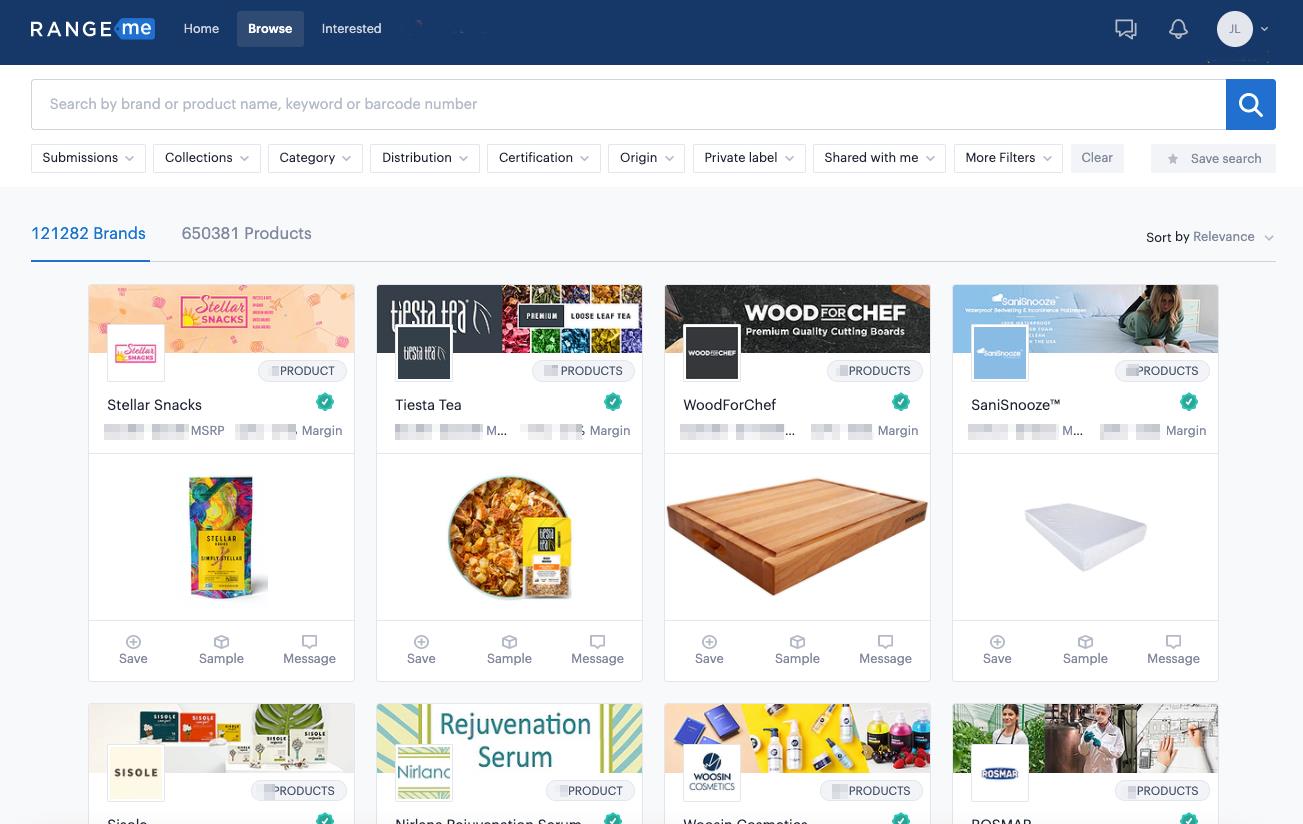
    Product discovery and sourcing platform RangeMe has fully launched its global service to retailers in Australia, New Zealand, and the wider APAC region, allowing businesses to access 200,000 international suppliers.

    A number of businesses are already using the service, such as Blooms the Chemist, Good Price Pharmacy Warehouse, Pet Circle and Pet Culture, and are now able to source new products at a time demand for a wider range of products is growing.

    “This will be a transformative experience for these retailers’ buyers,” said RangeMe chief executive Nicky Jackson.

    “Our mission has always been to empower retailers and suppliers to be productive and successful. The world has become a smaller place, but it remains distant for forging strong cross-border buyer and seller relationships

    “We built RangeMe to connect buyers and suppliers anywhere in the world.”

    RangeMe allows businesses to search and filter for products they want to sell, creating a more specific and intentional supplier relationship. The business is also open for Australian suppliers, which can sign up to be a part of the service and potentially gain new buyers from over 12,000 overseas clients – including Walmart, Sephora, Walgreens and Albertsons.

  • Masterfoods revamps home herbs and spice range

    Masterfoods revamps home herbs and spice range

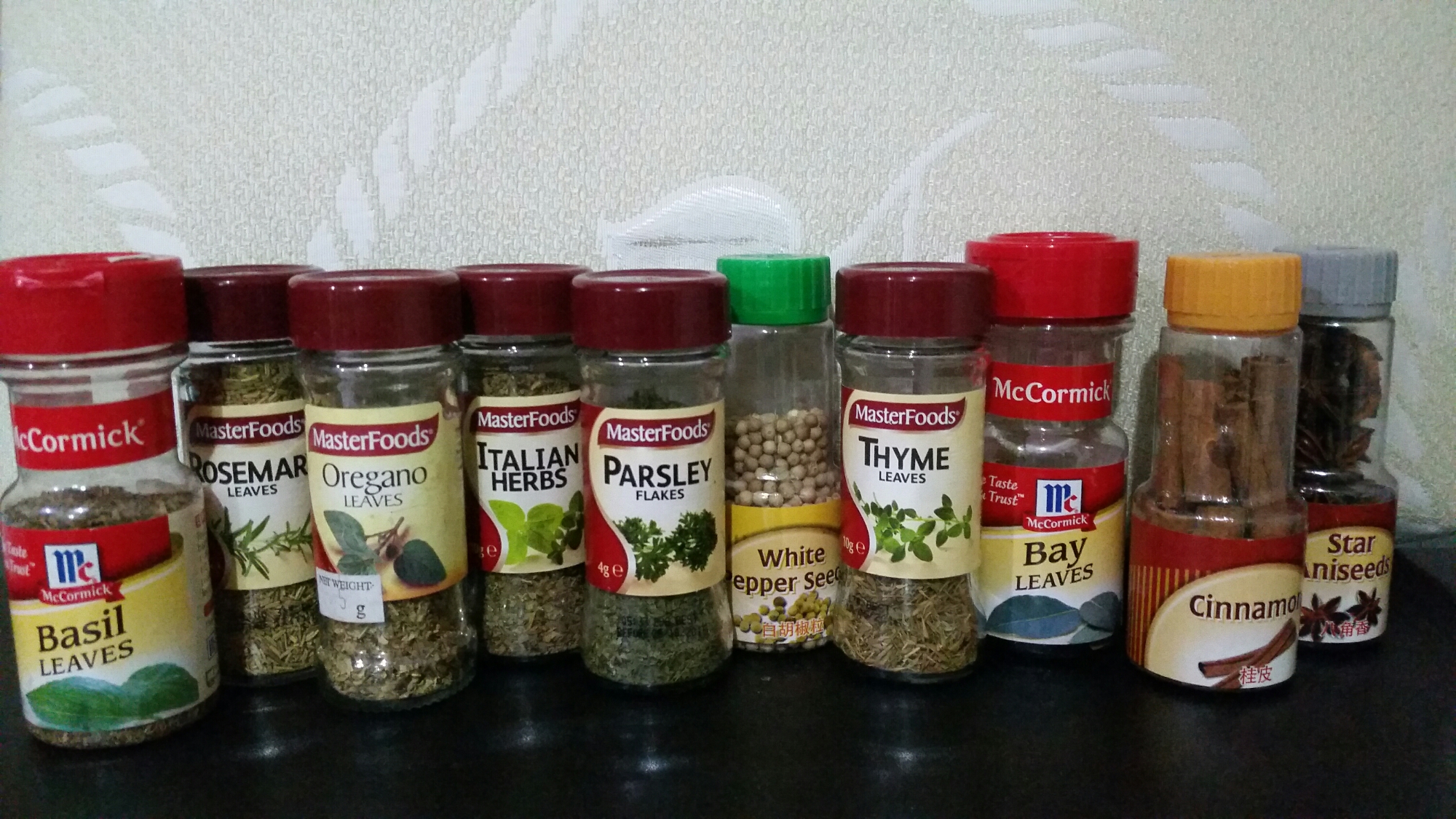
    Masterfoods has rolled out new packaging for its range of herbs and spices, aiming to make the shakers more user-friendly and with more differentiation between items. The herbs and spices will now come in color-coded lids, with improved labeling, and “easier-to-use” shakers.

    Old screw-top caps will be replaced with flip-top lids so that people with impaired hand movements can use them with ease. The new lids will also make it easier for cooks to add the seasoning blends directly from the jar, said Masterfoods.

    The change comes after research by Mars Food Australia, the manufacturer of Masterfoods, found people disliked “having to pick up every jar and read every label” to find the spice or herb they needed.

    The new color-coded lids and easy-to-find labels would ensure herbs and spices do not get “lost in the shadows of the pantry”, another issue highlighted in the study.

    Along with the product’s name on the lid, the following colors will be used for easier recall – green lids for herbs, orange for spices, and burgundy for seasoning blends.

    “The new-look packaging will have the same quality herbs and spices MasterFoods is known for but will help shoppers easily find the product they’re looking for”, said Jane Horder, consumer insight and foresight leader at Mars Food.

    The launch is supported by a new ad campaign created by Clemenger BBDO Sydney, which will appear across media platforms.

  • Aldi launches Corner Store in convenience push

    Aldi launches Corner Store in convenience push

    Aldi Australia is planning to convert a supermarket in a densely populated urban area into a trendy small-format ‘corner store’.

    The budget grocery chain has submitted a development application to North Sydney Council about its proposal for transforming its existing North Sydney outlet into a brand new concept store in a major shake-up to the supermarket industry.

    The smaller format store will appear different to what shoppers usually expect from a standard Aldi supermarket, with plans to offer an urban-style outlet featuring a new layout, a ‘hole in the wall’ cafe, new signage and street art.

    Aldi Australia is planning to convert a supermarket in a densely populated urban area into a small format ‘corner store’

    ‘We know that Australians are looking for new and convenient shopping experiences, especially in densely populated areas, so we are exploring a smaller format store in North Sydney under a new store concept name: ALDI Corner Store,’ an Aldi spokeswoman said.

    ‘The development application in North Sydney has yet to be approved, so we will have more to share on this proposal at a later date.

    ‘But we can confirm the proposed small format update will offer a new store layout and more convenience-driven experiences to North Sydney shoppers.’

    The budget grocery chain has submitted a development application to North Sydney Council about its proposal for transforming its existing North Sydney outlet into a brand new concept store in a major shake-up to the supermarket industry

    If the proposal goes ahead, Aldi’s new corner store could rival major supermarkets Woolworths Metro and Coles Local, which are smaller formats mostly located in urban areas.

    The new plans come nearly a year after Aldi opened a new supermarket store in Lane Cove on the lower north shore of Sydney – complete with state-of-the-art features and unique Special Buys products.

    The modern format store features ‘better’ product displays, improved navigation, a modern interior design, redesigned shelving, expanded wooden produce bays, as well as extended energy-efficient chillers.

  • Linfox launches electric-truck deliveries with beer the first cargo

    Linfox launches electric-truck deliveries with beer the first cargo

    Linfox has added its first all-electric truck to its fleet and partnered with VB to deliver beer to retailers around Melbourne.

    The Volvo truck will deliver beer in the same way as a regular diesel truck but in a sustainable way: transporting 100,000+ cans and stubbies each week from Asahi Beverages’ distribution centre in Melbourne’s west to bottle shops across the city.

    Linfox says it plans to introduce “many” electric vehicles as production ramps up worldwide, but for now the Volvo VB-branded truck is the first mass-produced electric truck of its size – and the first Volvo FL all-electric truck – in Australia.

    The sustainability impact extends further than not just burning diesel during deliveries: the battery is recharged using 100-per-cent offset solar power generated from Asahi Beverages’ solar farm near Mildura in northern Victoria. VB has been brewed with 100-per-cent offset solar electricity since last year – now it is being transported the same way.

    “Transitioning our deliveries to electric vehicles will help us achieve our ambitious sustainability goals of reducing our net carbon emissions across our entire supply chain by 30 per cent by 2030 and to zero by 2050,” said Robert Iervasi, group CEO at Asahi Beverages, which bought VB’s maker Carlton & United Breweries last year.

    “Linfox has delivered VB for more than 50 years. It’s fitting these two Australian icons are taking this major step towards a sustainable future together.”

    The Volvo has a range of 250km between charges, limiting its use to greater Melbourne, but introducing more electric-powered trucks to the streets will ease pollution in the city – and help reduce the carbon impact of both Asahi Beverages and Linfox.

    “Australia’s domestic freight task has doubled in the past decade and will continue to grow,” said Linfox chairman Peter Fox. “To meet this demand, Australia’s road fleet will also grow and it is essential the fleet does this safely, efficiently and with reduced environmental impact.”

  • Gordon’s launches alcohol-free gin option in Australia

    Gordon’s launches alcohol-free gin option in Australia

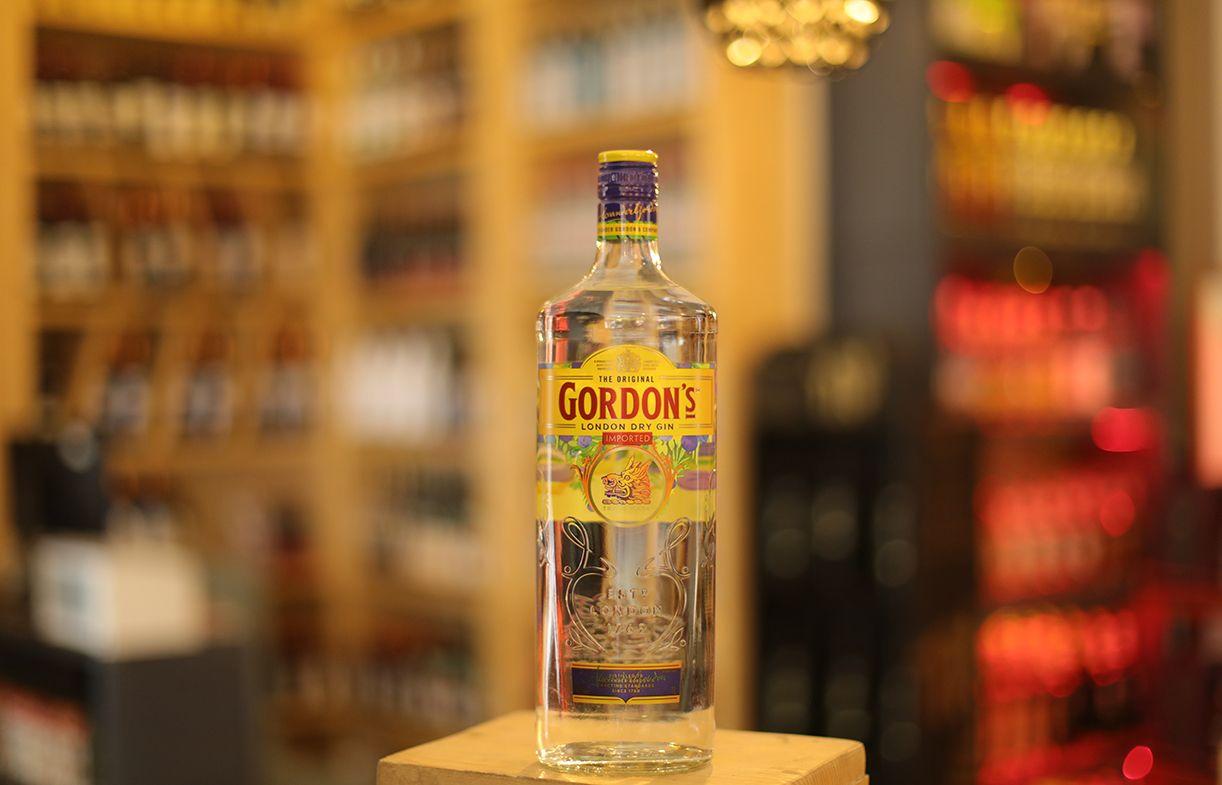
    British gin manufacturer Gordon’s has introduced its first alcohol-free product in Australia, as gin consumption soars across the nation – in tandem with surging interest in non-alcoholic drinks.

    Similar to the brand’s signature London Dry Gin, Gordon’s 0.0% doesn’t compromise on flavor and is created by distilling the same botanicals, the brand says.

    “We believe this alcohol-free option allows Gordon’s to be enjoyed on a bigger breadth of occasions, without having to compromise,” said Madeleine Stockwell, marketing manager at Gordon’s.

    “Our expert innovation team at Gordon’s has combined years of expertise and historic gin distilling knowledge to create a credible alcohol-free experience,” said Chris Moschos, innovation marketing manager at Diageo.

    Gordon’s 0.0% is available nationwide in a 330ml ready-to-drink bottle – premixed with tonic – for $14.50 RRP, along with a 700ml spirit bottle at $34.99 RRP.

  • Coles boosts baby products range with 150 new products

    Coles boosts baby products range with 150 new products

    Coles is expanding its baby products range by more than 150 new products while reducing retail price of major baby brands during the next four weeks.

    The 150 new products include reusable nappies and baby wipes such as Nat Baby and Cub Bare, bamboo feeding accessories, organic baby food pouches and limited-edition toys and clothing.

    Coles has also rolled out affordable items such as Little Tikes toddler toys, playpens and baby monitors part of the limited edition Coles’ Best Buys range which is available across 340 Coles supermarkets.

    “We know that more than ever, our customers are looking for baby products that are practical and affordable,” said Jonathan Torr, GM for health and home at Coles.

    Besides boosting the baby products range, Coles has also reduced prices for selected products, including Huggies nappies, Ecostore, Aveeno Baby and Johnson & Johnson bath and body products.

    “The new baby range and slashed prices across the baby aisle are another way we can provide more value to our customers when trying to manage the weekly shopping budget for their growing family,” said Torr.

  • ACCC finds Brownes Dairy in breach of Dairy Code

    ACCC finds Brownes Dairy in breach of Dairy Code

    Brownes Dairy has been penalised $22,200 by the ACCC over two breaches of the Dairy Code of Conduct last year. Last year, the WA dairy producer published two standard form milk supply agreements on its website which failed to specify key terms such as a definite end date of the supply period, and allowing the company to unilaterally vary the terms of the agreement.

    “It is critical that processors take active steps to ensure compliance with the Dairy Code so that farmers have the certainty and transparency in relation to milk supply agreements that the Code is intended to provide,” said ACCC deputy chair Mick Keogh.

    “One of the requirements of the Dairy Code is that processors ensure their milk supply agreements are compliant before publishing them on their websites, and in this instance, Brownes Dairy published two supply agreements that were allegedly non-compliant with the code.”

    Under the code, most dairy processors are required to publish on their websites, every June 1 a standard-form milk-supply agreement to cover all the circumstances in which they intend to purchase milk in the coming financial year. This allows farmers to compare processors’ minimum prices and contract terms.

    According to a statement from the ACCC, Brownes Dairy addressed its breaches in the 2021-22 agreements published last month and has undertaken to write to farmers that it had contracts with, advising that it will only exercise its rights under existing agreements to the extent they are consistent with the terms of these new agreements.

    “Ensuring compliance with the Dairy Code remains an ACCC priority. We are continuing to assess agreements published on June 1 this year, and any identified breaches may result in the ACCC taking enforcement action where appropriate,” said Keogh.

  • 7-Eleven settles franchisee class actions

    7-Eleven settles franchisee class actions

    7-Eleven has agreed to settle franchisee class actions following mediation. A statement from the convenience chain confirmed the settlement but gave no insight into the details of the agreement.

    “7-Eleven can confirm that a non-binding in-principle agreement to settle the class actions has been reached, subject to terms of a settlement deed being agreed and subject to the approval of the Federal Court of Australia.

    “The settlement follows mediation between the parties on 24, 25, and 29 June 2021,” said 7-Eleven.

    It’s been a rollercoaster ride since the class actions were mooted back in 2017.

    In February 2018 Stewart Levitt, senior partner at Levitt Robinson Solicitors which was acting for the franchisees, filed a claim in the Federal Court.

    The group of current and former franchisees alleged misleading and deceptive conduct, unconscionable conduct, and contract breaches by 7-Eleven, and alleged the ANZ bank had provided loans that were unsustainable.

    Levitt Robinson believed “substantial damages” could be available.

    However, the law firm had its knuckles metaphorically rapped when it was forced to retract statements made to franchisees in 2017.

    In 2019 the class action hit a roadblock when the court accepted an undertaking from the convenience chain.

    According to Lawyerly, an in-principle settlement was approved in August 2020 between ANZ and the applicants.

    The class actions against 7-Eleven continued with a trial set for winter 2021. Lawyerly reported in May this year a judge rejected a proposal by the convenience chain for a pre-trial ruling and mediation took place in late June.

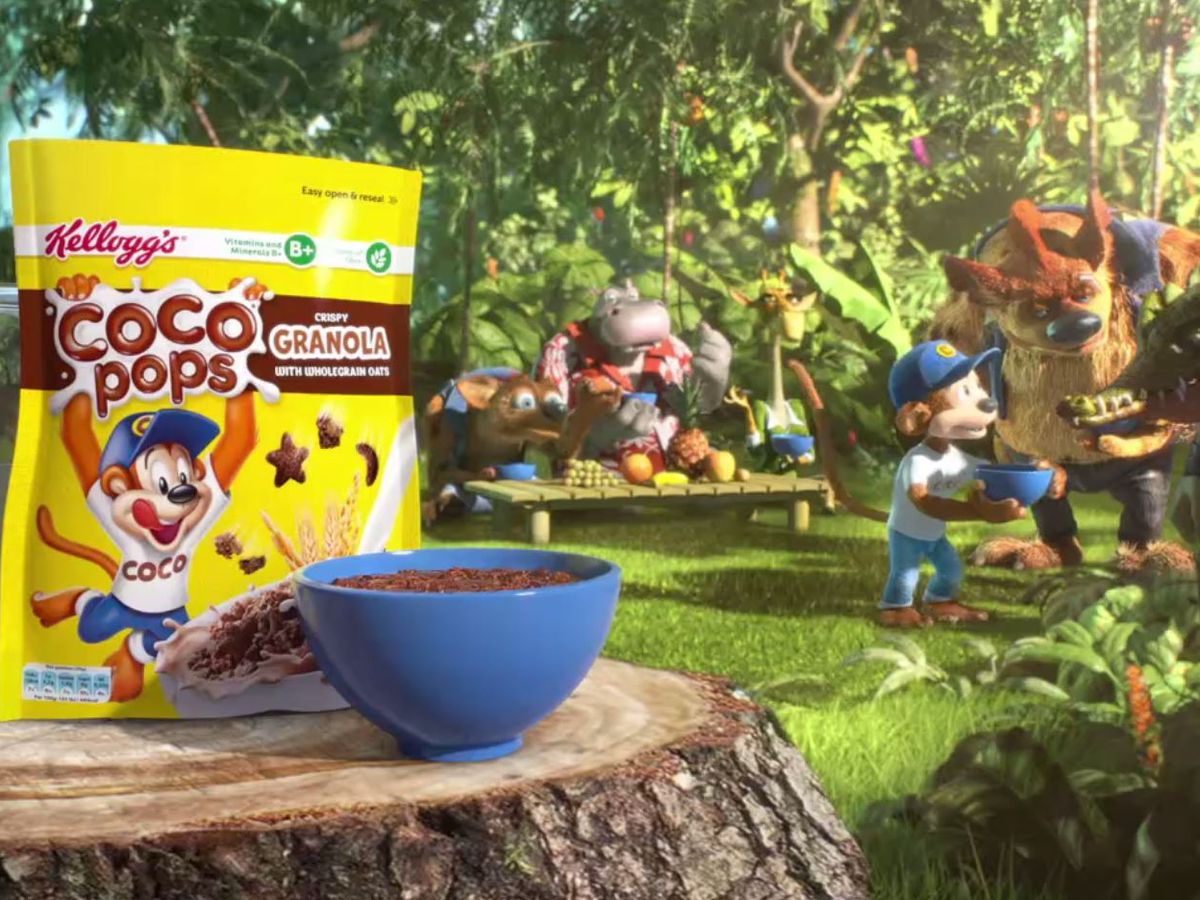
  • Gluten-free version of Coco Pops launched Australia wide

    Gluten-free version of Coco Pops launched Australia wide

    Kellog’s has unveiled a gluten-free version of its Coco Pops, allowing coeliacs and gluten-sensitive individuals to enjoy the chocolate-flavored puffed rice cereal.

    Endorsed by Coeliac Australia, Coco Pops has joined the cereal giant’s gluten-free portfolio, which includes gluten-free versions of Corn Flakes, Special K, Breakfast Biscuits, and Sultana Bran launched earlier this year.

    Dan Bitti, senior marketing at Kellog’s, said the range is designed to meet the needs of the increasing number of Australians looking for gluten-free alternatives without compromising on taste.

    “Whether you’re looking for a high-fiber cereal or simply want to enjoy a chocolatey taste, both Sultana Bran and Coco Pops Gluten-Free cereals are sure to deliver that great taste you expect,” he added.

    The entire Kellog’s gluten-free range is available at Coles supermarkets nationwide.

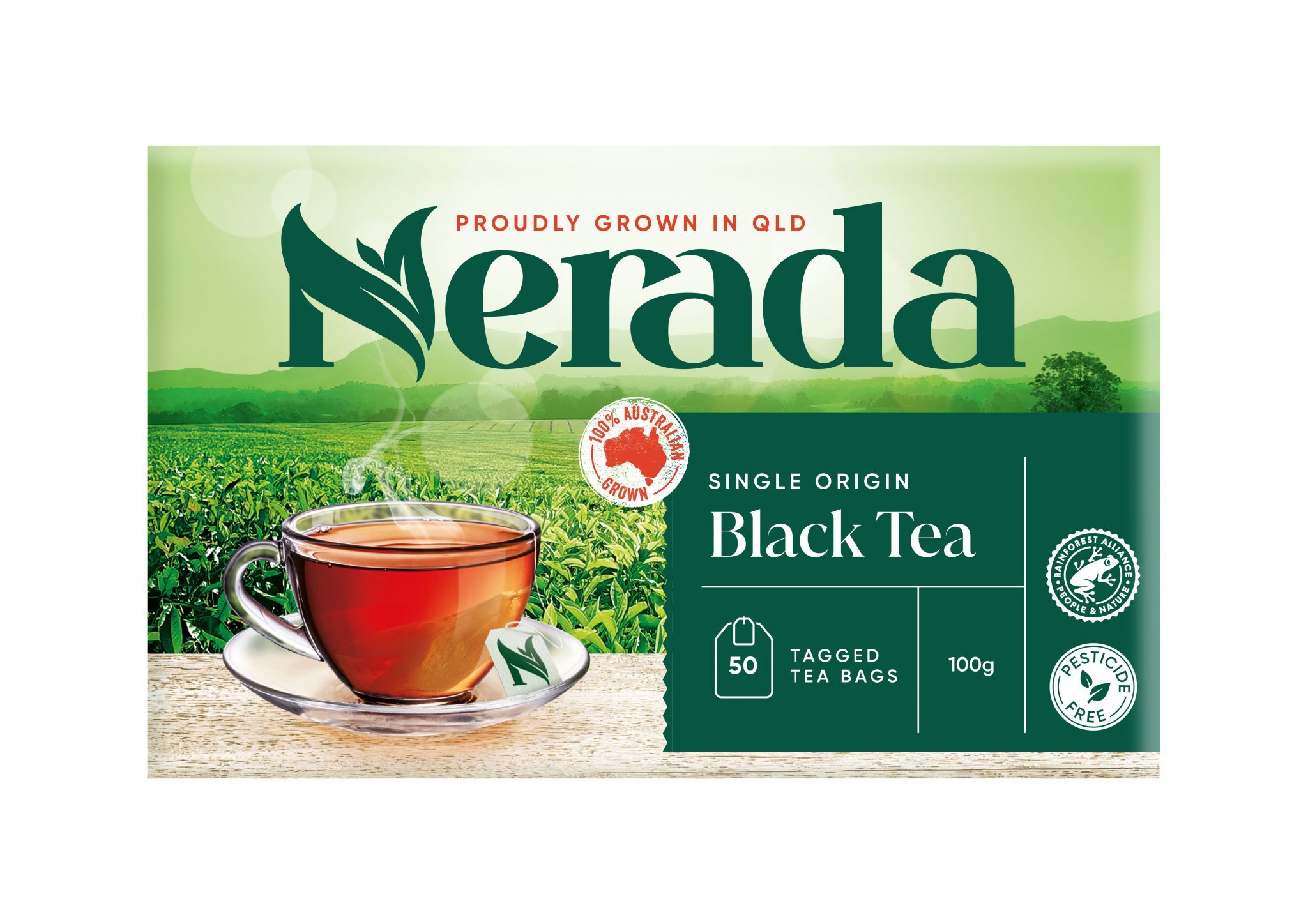
  • Nerada Tea releases plastic-free loose-leaf tea box

    Nerada Tea releases plastic-free loose-leaf tea box

    Queensland’s Nerada Tea company is marking Plastics Free July with the launch of a cardboard tea package that features no plastic lining or wrapping.

    The box, made from recycled cardboard, comes with a pour spout that folds out to dispense the loose-leaf tea into a brewing pot. It will sell for RRP$3.30 in supermarkets.

    Nerada Tea, which sells 1.5 million kilograms of tea a year, is also currently trialing a 100-per-cent plastic-free paper for its tagless pot bags which it hopes to roll out in stores by the end of this year.

    In what the company describes as “a high priority,” further research is ongoing into a plastic-free solution for tea bags which the company hopes to bring to market within a year.

    Launched in 2010, Plastic Free July has reportedly inspired more than 326 million participants around the world to reduce their household waste and recycling by 21kg per person, per year – equivalent to almost 5 percent – contributing to a total saving of 940 million kilograms of plastic waste annually.