Tag: Australia

  • Greater China drives profit growth for Fonterra

    Greater China drives profit growth for Fonterra

    Dairy giant Fonterra says a 61-per-cent boost in normalized profit for the nine months to April shows its restructuring program is paying dividends.

    The New Zealand-headquartered company recorded a net profit after tax of NZ$603 million, up 2 percent – or $587 million ‘normalized’ after extraordinary items were factored in.

    CEO Miles Hurrell said the company achieved higher margins and reduced its operating expenditure, despite the challenges of the Covid-19 pandemic, which remains very much part of life for the co-op’s employees and customers around the world.

    “It’s too easy to forget this if you’re sitting here in New Zealand – but today’s results show that despite these challenges we’ve lifted our financial performance. Over the last three months, we have also committed to getting out of coal by 2037 and made some promising progress in a trial using seaweed in cows’ feed to reduce emissions,” said Hurrell.

    Fonterra’s results illustrate the importance of Greater China to the company’s overall fortunes, delivering year-to-date EBIT up 30 percent year on year to $106 million.

    Foodservice continued to be the big driver behind the result, contributing $93 million of that growth. The year-to-date margin in China increased from 21.5 percent to 28.6 percent.

    In Asia Pacific, normalized EBIT of $224 million was down 10 percent, or by $24 million. Consumer sales improved by 29 percent and foodservice by 89 percent, offset by falling sales in the ingredients segment.

    And Africa, Middle East, and North America sector saw EBIT fall by 11 percent, or $40 million, to $322 million, largely due to lower Ingredients sales. Consumer and food service sales in those regions continued to perform well.

    Hurrell said Fonterra’s operating expenses were down by 5 percent year-to-date but the company will incur some additional expenditure in the final quarter to support its brands and product initiatives for the next year.

    Looking ahead, Hurrell says the improving global economic environment and strong demand for dairy – relative to supply – should lead to an increase in the Farmgate Milk Price range to its $8 projected midpoint.

    “Global demand for dairy, especially New Zealand dairy, is continuing to grow. China is leading the charge as its economy continues to recover strongly. Prompted by Covid-19, people are seeking the health benefits of milk and customers are wanting to secure their supply of New Zealand dairy products and ingredients,” he said.

    “Growth in global milk supply seems muted and the global supply of whole milk powder is looking constrained.

    “Based on these supply and demand dynamics, along with where the New Zealand dollar is sitting relative to the US dollar, we’re expecting whole milk prices to remain at current levels for the near future.”

    However, Hurrell flagged “a number of risks” including the unpredictable nature of the Covid-19 pandemic, the impacts of governments winding back their economic stimulus packages, foreign-exchange volatility, changes in the supply and demand patterns that can enter dairy markets when prices are high, and – as always – potential impacts of any geopolitical issues around the world.
  • Australia looks into delays to 20 per cent of grape exports to China

    Australia looks into delays to 20 per cent of grape exports to China

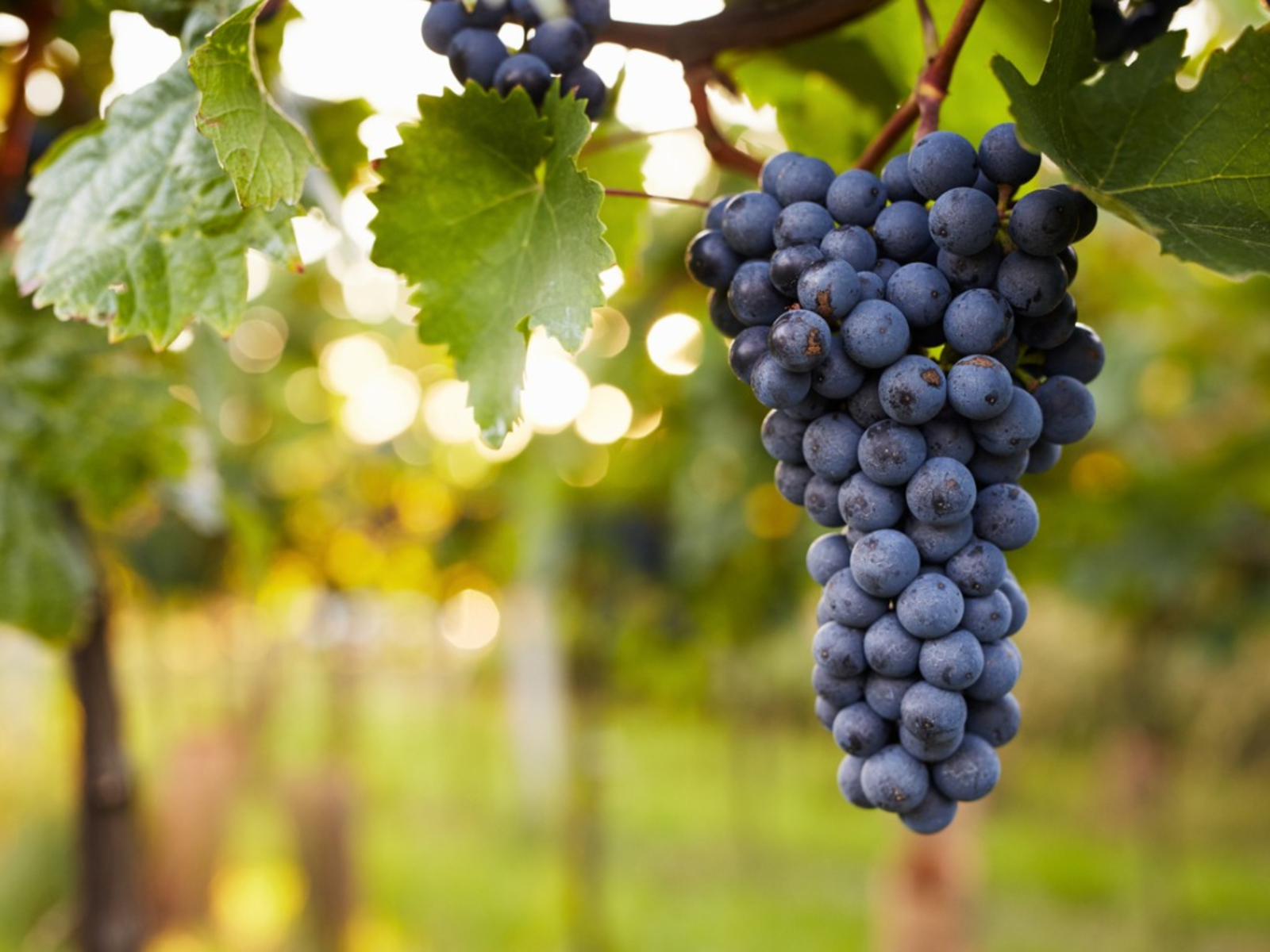
    Australia is looking into delays in table grape exports to China, with Trade Minister Dan Tehan saying about 20 percent of fruit shipped to the mainland is stuck at the border in yet another sign of deteriorating relations.

    “We’re trying to work out what is the cause of the hold-up,” Tehan told the Australian Broadcasting Corp in an interview published on Thursday.

    “I’ve been in discussions with the industry around what they’re seeing and what they’re hearing and we also have our post talking to Chinese officials about this.”

    Bilateral ties have sunk to their lowest point in decades after Prime Minister Scott Morrison led calls for a global inquiry into the origins of Covid-19, angering China which has since restricted imports of Australian products such as barley, cotton, wine, and lobsters.

    China was Australia’s largest customer for table grapes last year, taking about 60,000 tonnes worth around A$240 million ($186 million), or about 40 percent of total exports.

    Reuters reported last month that shipments of Australian table grapes were struggling to enter Chinese ports, leaving some exporters thousands of dollars out of pocket.

    Australian grape exporters said the majority of custom delays were across southern Chinese ports, most notably the Port of Shenzhen.

    “About 80 percent of table grape exports seem to have got in seamlessly. It seems to be the last 20 percent where there are some issues,” Tehan said.

    “We don’t want to jump to any conclusions,” he added when asked if table grapes were the latest target of the trade spat.

    “We’re trying to work through all of this and we’ll keep assessing it,” Tehan added.

    Despite the row, the value of Australia’s overall exports to China has held up due to strong prices for iron ore, its single biggest trade item. In the 12 months to March, Australia exported A$149 billion ($116 billion) of goods to China.

  • Beer Cartel launching crowdfunding campaign

    Beer Cartel launching crowdfunding campaign

    Beer Cartel is poised to be the next online retailer to convert the successes of Covid-19 into capital, with the alcohol delivery business announcing it will be performing a crowdfunding round soon.

    While little details have been shared, co-founder Richard Kelsey said he wants to open up investment opportunities for Beer Cartel’s customers and allow them to own a stake in the business.

    “We had a really successful 2020 and see that buying craft beer online is only going to grow from strength to strength over the next five years,” Kelsey wrote on Facebook.

    “We’re going to be doing a crowdfunding raise in the coming weeks.”

    The business was founded in 2009 by Kelsey and Geoff Huens out of an interest in good beer, and a seeming lack of it in Australian pubs and brewhouses.

    A number of large-scale e-commerce companies have stepped up their operations in the last year, from Adore Beauty launching its $270 million IPO in October, to Outland Denim’s successful $1.3 million crowdfunding effort.

  • Nigella Lawson fronts launch of Whittaker’s Hokey Pokey Crunch

    Nigella Lawson fronts launch of Whittaker’s Hokey Pokey Crunch

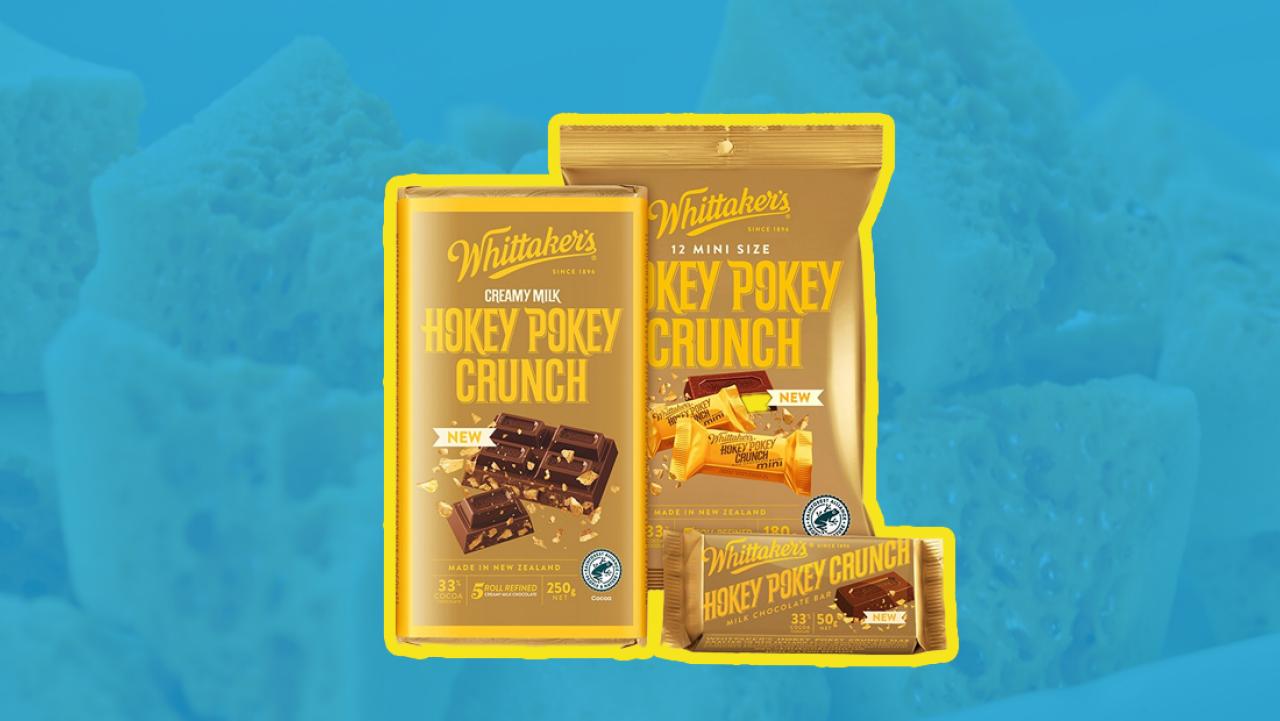
    New Zealand chocolate brand Whittaker’s has introduced Hokey Pokey Crunch flavor, with English food writer Nigella Lawson fronting the launch.

    Although the brand already has a hokey pokey flavor, the new recipe is expected to deliver a lot more ‘crunch’ and “take it to a whole new level”, according to Holly Whittaker, COO at Whittaker’s.

    Whittaker’s Hokey Pokey Crunch combines extra-aerated honeycomb pieces with 33 percent cocoa Five Roll Refined Creamy Milk chocolate.

    “Hokey Pokey is such an iconic flavor that we’ve been looking for ways to improve on our original product because we believe ‘best is always better,” said Whittaker.

    As part of the launch campaign, Nigella Lawson will feature in a promotional video which will be shared across digital platforms.

    “As always, Nigella has been a delight to work with on this campaign. As well as her genuine passion for Whittaker’s Chocolate she always brings absolute professionalism,” Whittaker added.

    The new product is available nationwide in Woolworths and Coles stores in Australia, as well as in New Zealand, of course.

  • Woolworths starts construction at “next generation” Moorebank DC

    Woolworths starts construction at “next generation” Moorebank DC

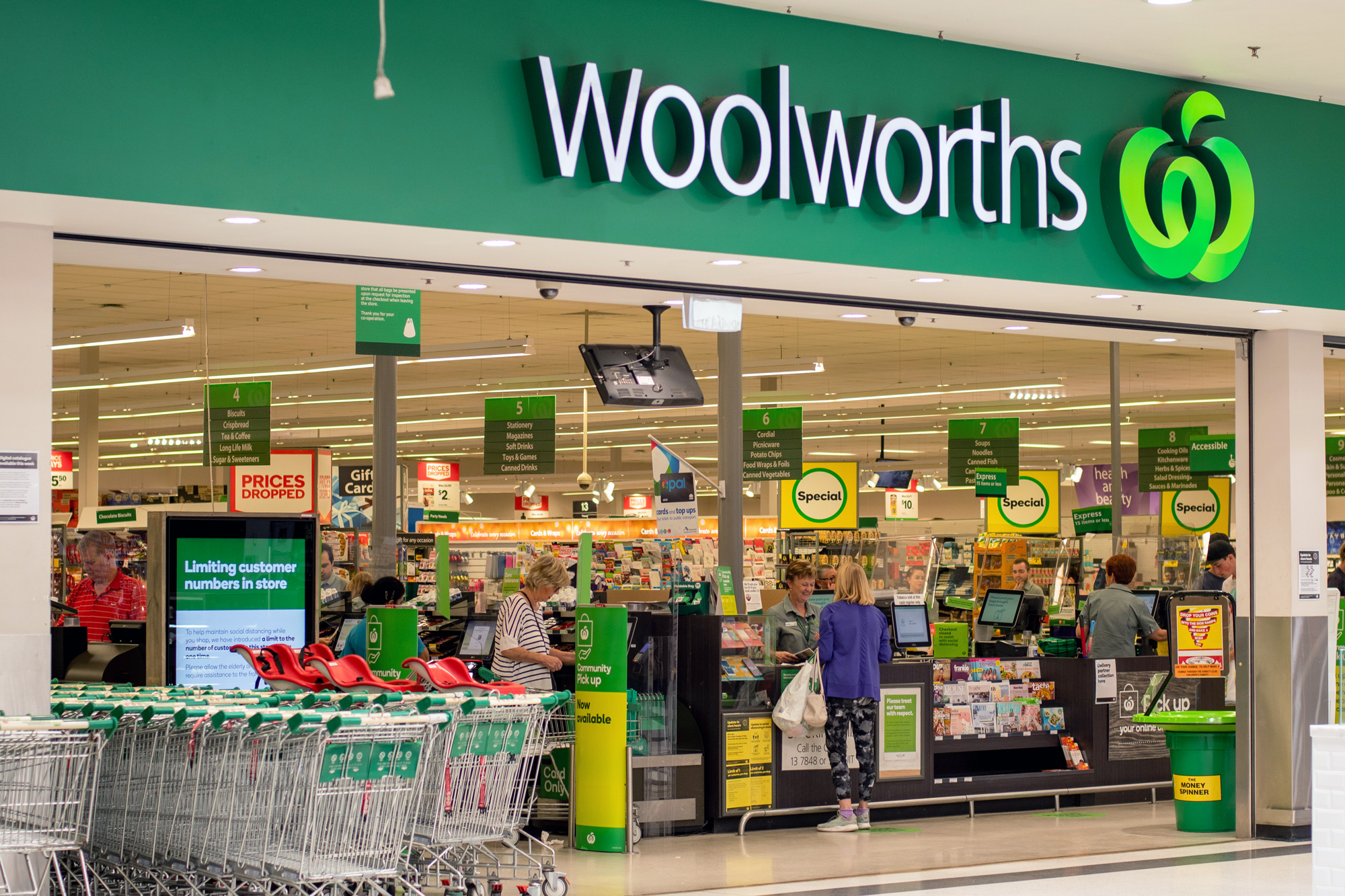
    Woolworths Group’s supply chain arm, Primary Connect, has started construction on the supermarket giant’s “next generation” $780 million distribution centre in Moorebank, Western Sydney.

    The DC promises 75,000 sqm of floor space and will be built with automation in mind, and will sit adjacent to a regional DC which will see construction start later.

    “The challenges of this last year have put a spotlight on the critical role our distribution centres play in providing the essential food and everyday needs Australian communities rely on,” said Woolies’ group chief executive Brad Banducci.

    “We have ambitions to offer a more tailored range of products in our stores, [but] this has traditionally been constrained by what we can hold in our distribution centres.

    “Once both centres are up and running, we’ll be able to carry up to 8,000 additional products in our range than we can in our existing facilities.”

    And according to the grocery group, Moorebank is just the beginning: Woolworths Group has a $2.3 billion investment program set to create thousands of jobs across NSW over the next five years, though didn’t specify what projects it would be working on beyond the two DCs at Moorebank.

  • Australian startup ends single-use plastics in cleaning products

    Australian startup ends single-use plastics in cleaning products

    A new Victoria-based company Tea Trees Eco Ware has launched a cleaning products range that uses dissolving tablets and long-life bottles, bringing an end to single-use plastic bottles.

    Founders Saskia Angel and Stu Atkins were inspired after seeing beaches in Asia covered in waste plastic while traveling and last year conceived a solution.

    “With a large family and a lot of plastic waste being generated, we knew our habits had to change,” says Angel. “We set about reviewing our own waste footprint and found there was a completely unnecessary amount of single-use plastic being generated.”

    “The cleaning aisle of a supermarket is riddled with single-use plastic cleaning products, which are rarely refilled or recycled,” adds Atkins. “Most homes (ours included) have many bottles of cleaning products cluttering cupboards which ultimately get thrown away and end up in landfill or worse.”

    Tea Trees Eco Ware’s solution is to create 8gm concentrated tablets which consumers can drop into a reused 500ml plastic container to create ready-to-use cleaning solutions. The initial range includes Heavy Lifter Kitchen Cleaner, The General Multipurpose (a heavy-duty degreaser and cleaner), Glimmer Glass Cleaner, The Bomb Bathroom cleaner and Fomo – a foaming hand soap dispenser and dissolving tablet. The company also produces 100-per-cent plant-based bamboo and cotton cleaning cloths which it says can be rewashed hundreds of times.

    The tablets cost $3.75 each, delivered to the consumer’s door.  During test marketing, consumers reported the products were effective and confirmed a reduction in their volume of household waste.

    Angel says she is amazed at how Australian consumers appear comfortable paying cleaning companies for full bottles of solutions which comprise 95-per-cent water.

    “There is little to no opportunity to reuse the plastic bottles and at around half a kilo each bottle, the shipping generates millions of tonnes of C02 each year. Not only this, but many products are not environmentally friendly, are harsh on our senses, and don’t clean very well,” she says.

    “Too often the eco-friendly options are more expensive,” adds Atkins. “Our focus is to not only be completely focussed on improving environmental outcomes but to be more cost-effective.”

    Tea Trees Eco Ware – whose philosophy is ‘One Bottle, One Tablet, Dissolve, Clean, Repeat’ – wants to “shake up” the major players by launching a business that actively impacts the amount of plastic waste being saved from landfill.

  • Aussie supermarkets back pact to eliminate plastic waste by 2025

    Aussie supermarkets back pact to eliminate plastic waste by 2025

    Businesses, NGOs, and governments from across Australia, New Zealand, and the Pacific Islands are uniting today to take an ambitious pledge to eliminate plastic waste from supply chains by 2025.

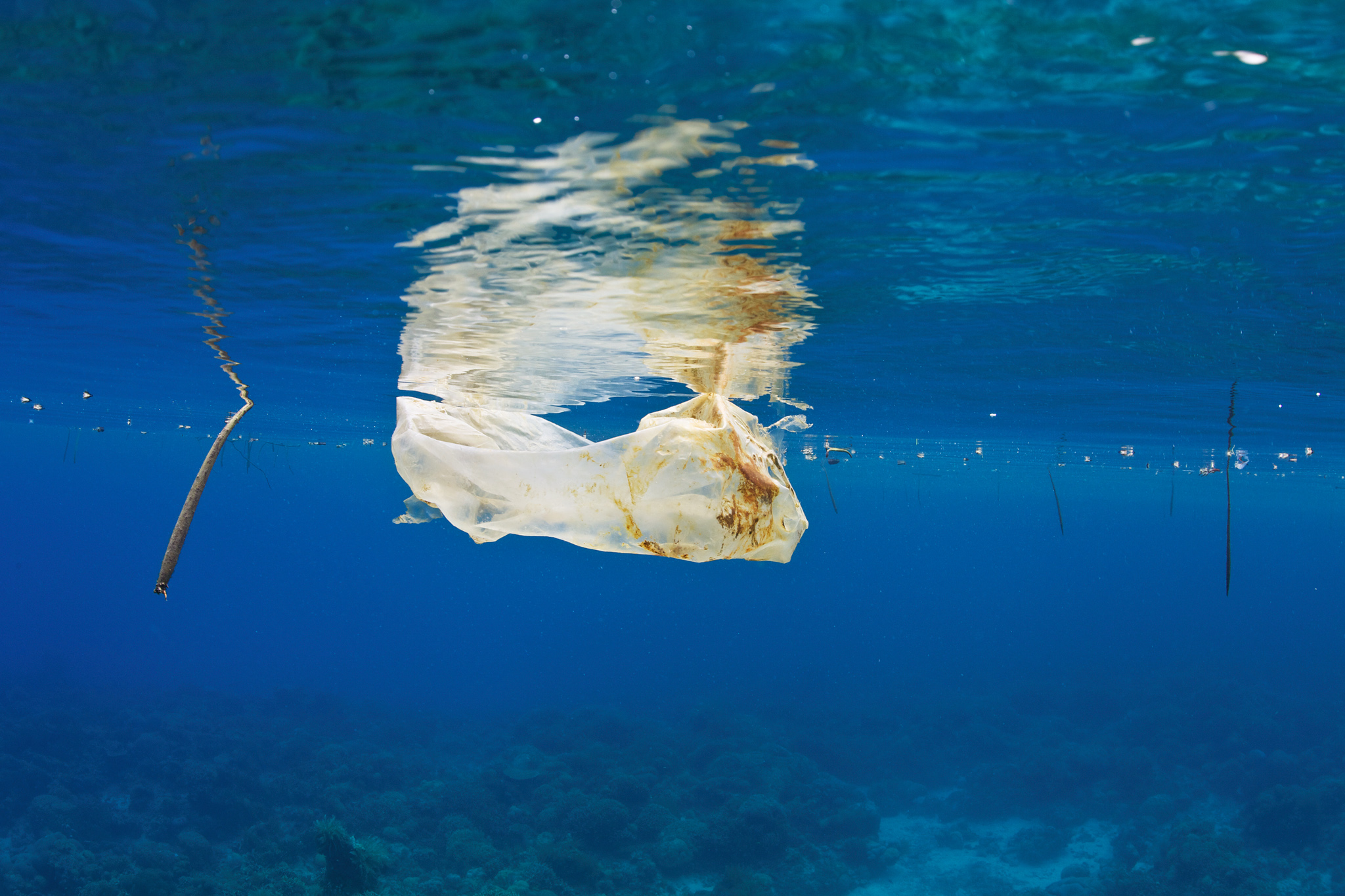
    The ANZPAC Plastics Pact seeks to deal with one of the “most pressing environmental issues facing the planet”, with a lack of action expected to lead to a quadrupling of the number of plastics in the ocean by 2040.

    The new pact commits partners to four clear, actionable targets by 2025: eliminate unnecessary and problematic plastic packaging; ensure 100 percent of plastic packaging is recyclable, reusable or compostable; increase the current volume of plastic packaging and effectively recycled by at least 25 percent, and ensure an average of 25 percent recycled content in plastic packaging across the APAC region.

    And it has a number of founding retail partners: namely, Aldi, Coles, and Woolworths.

    “We recognize the importance of acting now and our pledge to support the ANZPAC Plastics Pact ensures we strive to continually improve in the plastics space and going the extra mile with our goals,” said Aldi Australia director of corporate responsibility Daniel Baker.

    Coles’ chief executive of commercial and express Greg Davis said the partnership will help deliver Coles’ Together to Zero sustainable strategies, in which is hopes to hit net-zero greenhouse gas emissions by 2050.

    “As one of Australia’s largest retailers, Coles understands the importance of working collaboratively to find a more sustainable future for plastic packaging,” Davis said.

    “We now have an opportunity to build and shape meaningful change through plastic packaging and move towards a circular plastic economy as a global community.”

    The pact has also attracted a number of FMCG and manufacturing partners, such as Arnott’s Group, Asahi Beverages, Coca-Cola South Pacific, Colgate Palmolive, Mondelez, Nestle, PepsiCo, and Unilever.

  • Spar sales soar in Australia as lockdown keeps customers local

    Spar sales soar in Australia as lockdown keeps customers local

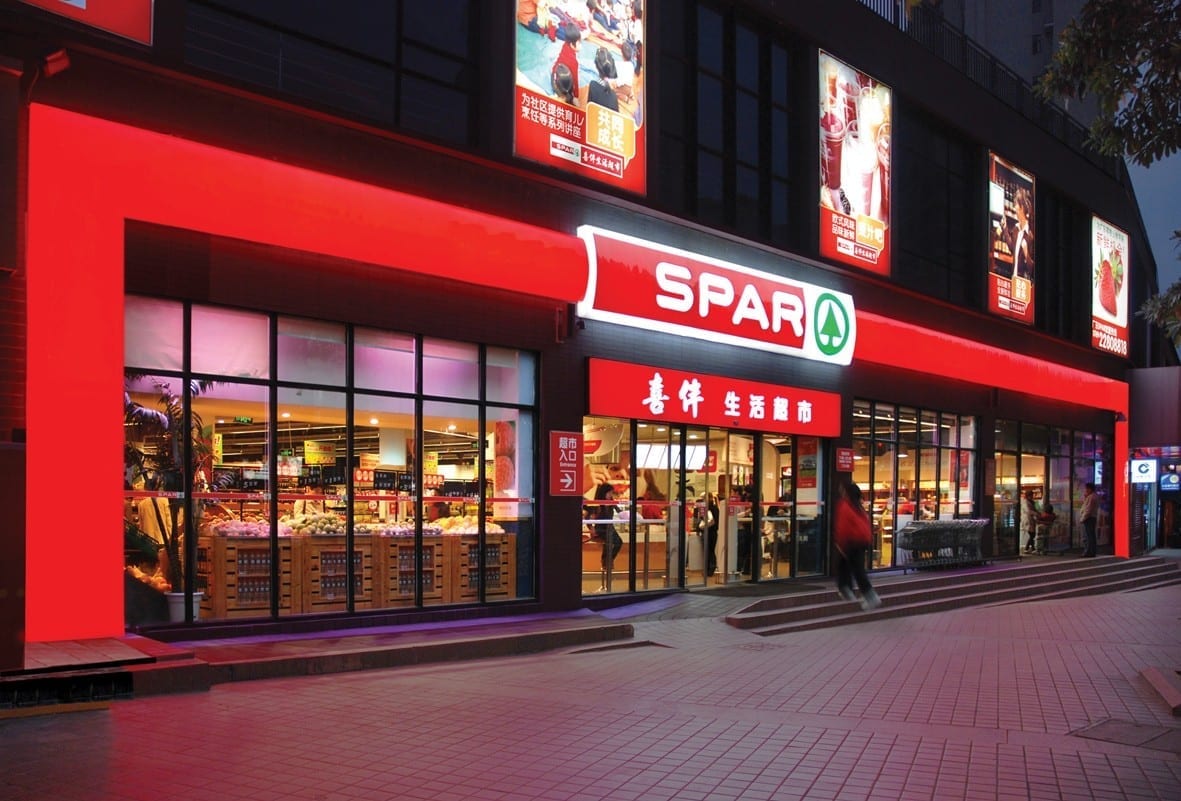
    Netherlands-based supermarket chain Spar saw sales increase 7.4 percent for the year to December 2020, hitting $62.5 billion (€39.8 billion).

    And growth was highest in its Australian business, which saw strong revenue growth of 16.5 percent off the back of its proximity and neighborhood format, as communities increasingly shopped locally due to the onset of the Covid-19 pandemic.

    Spar currently has around 120 supermarkets across Australia.

    Sales in the wider Asia-Pacific region grew by 1.5 percent, with $2.9 billion (€1.88 billion) in retail turnover driven by the strong result in Australia and China, which recorded retail sales growth of $2.4 billion (€1.55 billion).

    “Last year was very much characterized by the impact of the global Covid-19 pandemic and its severe consequences, but it was also a year that saw accelerated growth as a result of the dedication and focus of our highly committed SPAR colleagues across all parts of our global SPAR network,” said Spar International chief executive Tobias Wasmuht.

    “Crisis situations do invariably bring out the best in people and we at Spar can be proud of the astoundingly selfless and brave response of the Spar worldwide organization.”

    According to Wasmuht, the resilience shown by the Spar format has given the group confidence for the future, with developments accelerated across its retail and supply chain throughout the year despite the disruptions.

    “A key positive factor of the last year has been the benefits of close international cooperation wrought by new, remote ways of working,” Wasmuht.

    “The advantages of this intensity of cooperation are beneficial to all in Spar as we increasingly reap the benefits of our international presence and scale, whilst adding purposeful value to the local communities we serve.”

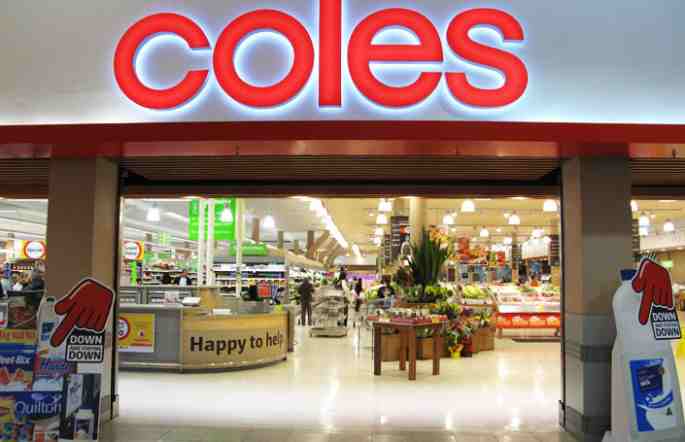
  • Coles house brands win global recognition

    Coles house brands win global recognition

    Coles’ exclusive brands, KOi and Woofin’ Good, have won multiple awards in the US-based Vertex Awards 2021.

    With a focus on label and packaging design, the competition attracted 650 entries from 32 countries and 55 retailers.

    Besides winning a Gold award in the personal care category, Coles’ skincare range KOi earned the coveted best in show ‘Publishers Choice Award’. Meanwhile, the dog food range Woofin’ Good also received Gold in the pet-products category.

    Both of the Coles’ exclusive brands were designed by independent Australian branding and design agency Hulsbosch.

    “These products have packaging and design that our customers are proud to put on their shelves,” said Belinda Anderson, head of marketing for Own Brand at Coles. “Exclusive brands like KOi and Woofin’ Good are inspiring customers and strategically important to Coles’ strategy to be an Own Brand powerhouse.”

  • Raise your glass to a good cause

    Raise your glass to a good cause

    Being located along South Australia’s Limestone Coast, the vineyards of winemaker The Hidden Sea were once covered by a vast ocean and home to a thriving marine ecosystem. “Ancient mineralized relics, including an extraordinary 26 million-year-old whale fossil, and an extensive museum of marine life, now lay buried beneath the alluvial soils of this World Heritage wine region,” the venture’s co-founder, Justin Moran, says.

    This marine heritage is one of the key factors that drove Justin and fellow co-founder Richie Vandenberg to launch The Hidden Sea with a very specific mission – to remove plastic from the oceans.

    Richie and I are not only good friends, but we also share very similar values and the drive that our business should have a higher purpose,” Justin says. “So, yes, The Hidden Sea is a commercial business, and we need to make a profit, but a profit from work that benefits humanity.”

    Although best known for a ten-year career in the AFL with Hawthorn – he captained the club from 2005 to 2007 – Richie grew up amongst the vineyards and has over 12 years’ experience as a grower, and more than 25 years’ association with the wine industry through his family enterprise. Serial entrepreneur Justin has successfully built and sold businesses in the retail, restaurant, nightclub, FMCG, entertainment, and technology sectors. “Our wines are soft and round, approachable and true to variety,” Richie enthuses. “We make wines for people that care, so when someone buys our wine, they’re not just satisfying their own immediate needs but also contributing to something much larger than themselves, and our wines must therefore reflect this trust.” The origin of the ‘terroir’ on which the wines age grown is celebrated through the depiction of the ancient fossil on the labels of the Hidden Sea range.

    “Of the 6.3 billion tonnes of plastic produced since its invention in the 1930s, only nine percent has ever been recycled.”

    The pair believe that consumers are looking to be a part of something bigger than themselves. “We enable them to achieve this through the simple purchase of wine,” Richie explains. “For every bottle sold, we remove 10 plastic bottles from our oceans and recycle them through our partner, ReSea Project.” Every collection the business makes is audited and traced through an on-bottle QR code system. The ReSea project supports coastal communities, with local fishermen supplementing their income by removing plastic from rivers and the ocean, and in so doing improving their earning potential from their primary role by helping marine life flourish in a plastic-free environment.

    “Since the 1 July 2020, we have removed and recycled over 1.2 million single-use plastic bottles from our world’s oceans,” Justin says, adding that that figure equates to 21,000 kilograms of plastic being removed. “What we are proud of at The Hidden Sea is that this result is not a percentage, or case sales, or profit – it’s a tangible impact on our ocean that is quantifiable.”

    Justin and Richie have a specific long-term goal for the business. By 2030 they aim – with the help of their customers, market partners and retailers – to remove a billion plastic bottles from the oceans and recycle them.

    Ultimately, Justin says that industry around the world needs to build a circular economy for plastics, so that plastic bottles and packaging is constantly recycled and reused, rather than being discarded and going to landfill. “Of the 6.3 billion tonnes of plastic produced since its invention in the 1930s, only nine per cent has ever been recycled,” Justin laments. “This alarming statistic means that every human now consumes enough plastic each week to make a credit card through their normal diet, according to research by the WWF.”

  • Fry’s launches alt-meat product Pea Protein Mince

    Fry’s launches alt-meat product Pea Protein Mince

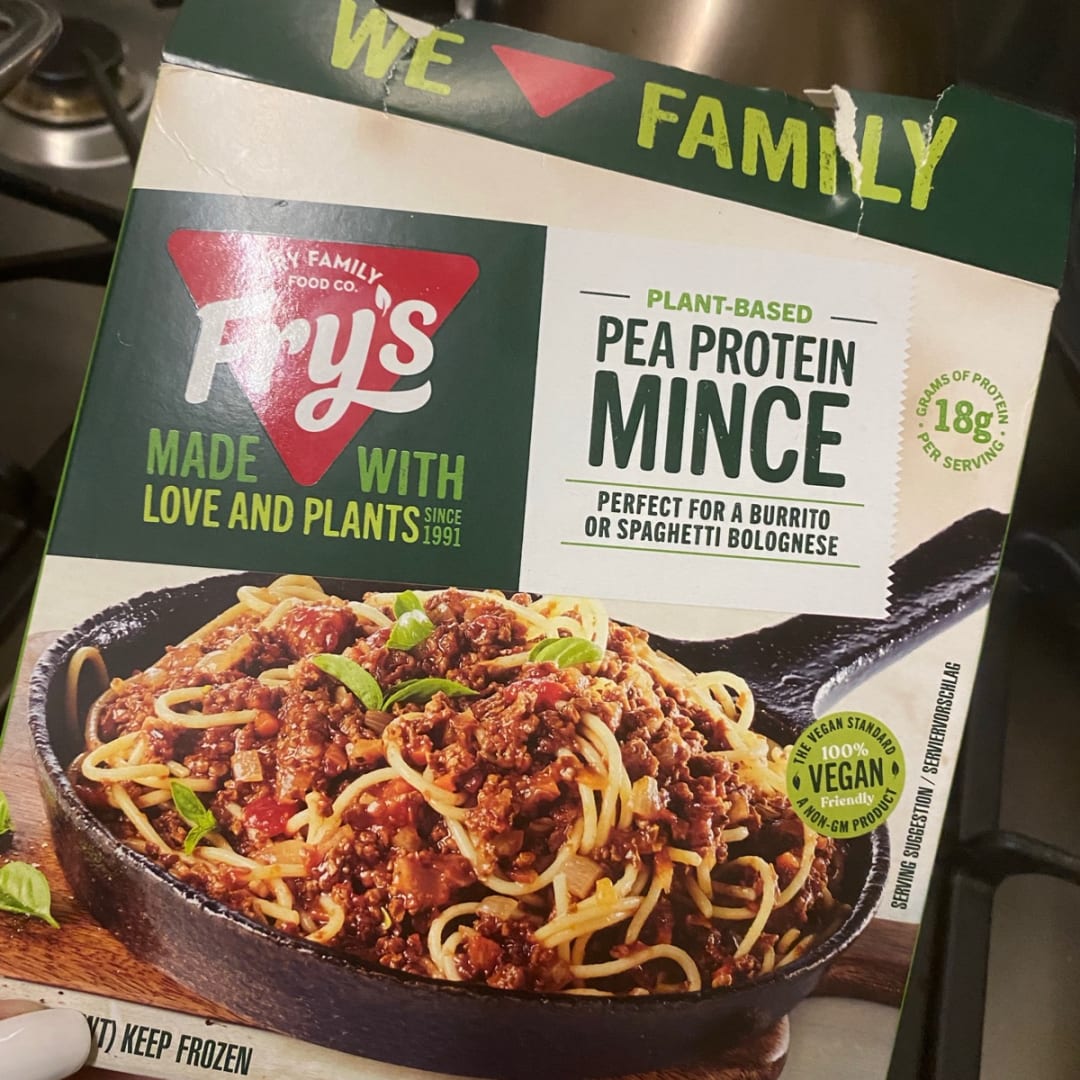
    Plant-based food maker The Fry Family Food Co has rolled out meat alternative Pea Protein Mince. The new plant-based meat is made from non-genetically modified ingredients and plant proteins, without onion and garlic.

    According to ANZ marketing director of The Livekindly Collective Tammy Fry, the business wanted to offer a kinder twist on a modern ingredient and to help Aussies reduce meat consumption while still being able to enjoy their favorite meals.

    “Our Pea Protein Mince is just that and, even better, it’s actually easier to cook than traditional mince, cooking from frozen in just five minutes,” said Fry.

    “Pea Protein Mince is another way that Fry’s is helping Aussies change the world from their kitchen table.”

    Fry’s Pea Protein Mince is available in Coles and independent retailers across Australia.

  • Nestle buys Nuun as it continues to boost its nutritional portfolio

    Nestle buys Nuun as it continues to boost its nutritional portfolio

    Nestle’s Health Science division has bought US nutritional products maker Nuun as it continues to build its portfolio of health and nutrition products.

    Founded in Washington, Seattle in 2004, Nuun is considered a pioneer in the separation of electrolyte replacement from carbohydrates. Its core product is a low-sugar electrolyte tablet for the sports beverage market and its portfolio has expanded into a range of effervescent tablets and powders containing additional minerals and vitamins for energy, relaxation and overall well-being.

    Nuun is the top-selling sports drink supplement brand in running, cycling, outdoor and natural foods stores in the US.

    This is Nestle Health Science’s second such acquisition in less than a month, following the significantly larger-scale purchase of The Bountiful Company’s core brands including Nature’s Bounty, Solgar, Osteo Bi-Flex and Puritan’s Pride. With more than 7000 employees worldwide, Nestle Health Science is a global business unit of Nestle with products distributed in more than 140 countries.

    Nestle Health Science CEO Greg Baher described Nuun as a leader in the fast-growing functional hydration category with quality, clean, plant-based products.

    “Everyday, health-conscious consumers are becoming more aware of how functional hydration products can add to their overall well being as well as support them during exercise by replacing the minerals that the body loses. That growing awareness is reflected in the steady growth of the category,” he said.

    Nuun CEO Kevin Rutherford said his company and Nestle shared the philosophy that nothing is more important than health and well-being.

    “In joining Nestle Health Science, Nuun will further its mission of ‘hydration that empowers the world to move more.’ The Nuun team has built an incredible business and now with the reach, expertise and capabilities of Nestle, I’m confident that together we will grow even more.”

    Terms of the deal were not disclosed, and the sale will be settled in the third quarter of this year, shortly after the Bountiful Company’s deal.

  • Arnott’s teams with Krispy Kreme to create doughnut-inspired biscuits

    Arnott’s teams with Krispy Kreme to create doughnut-inspired biscuits

    Australian biscuit maker Arnott’s has teamed up with Krispy Kreme doughnuts to create a new range of doughnut-inspired Teevee snack biscuits called “dough-scuits”.

    The mini doughnut-shaped snacks come in five different flavors inspired by the doughnut brand – Original Glazed, Caramel Delight, Choc Iced, Strawberry Sprinkle, and Kookies & Kreme.

    The biscuit line is the second collaboration between these two snack food brands: last April, Krispy Kreme released a chocolate glazed doughnut topped with an Arnott’s Mint Slice biscuit.

    “Teevee snacks are a classic, well-loved Australian biscuit, and we’re thrilled to partner with Krispy Kreme to add a new twist to this iconic treat,” said Krishma Sood, brand manager at Arnott’s.

    “With a range inspired by some of Australia’s most popular doughnuts, this new generation of ‘dough-scuits’ is the collaboration Teevee snacks fans have been waiting for!”

    The new Teevee dough-scuits is available at major grocery stores starting this May at RRP $4.00 for a 165g pack.

  • Starhub reports $30.5 million net profit in 1Q2021

    Starhub reports $30.5 million net profit in 1Q2021

    StarHub announced its business performance update for the quarter ended 31 March 2021. Total revenue for 1Q2021 was $487.1 million, service EBITDA was $115.4 million while net profit attributable to shareholders (“Net Profit”) was $30.5 million.

    Total revenue declined 3.8% in 1Q2021 compared to the equivalent period a year ago due mainly to COVID-19 impact. Service EBITDA declined 8.2% lower year-on-year to $115.4 million in tandem with lower revenues, offset by lower operating expenses and higher other income. net profit for the quarter declined 24.0% YoY.

    StarHub’s balance sheet remains healthy with 1Q2021 free cash flow of $97.4 million and a lower net debt to EBITDA ratio of 1.29x as at 31 March 2021 compared to 1.41x as at 31 December 2020.

    Commenting on the results, StarHub’s Chief Executive, Nikhil Eapen, said, “While the first quarter of 2021 remains challenging with ongoing travel restrictions and headwinds from the global pandemic, we remained focused on our strategic and transformation objectives.”

    “We are pleased to see stabilization on a quarter-on-quarter basis for our Pay-TV and Broadband segments, while competition remained intense in the Mobile segment. Strategically, we remain focused on driving differentiation with rich content and entertainment experiences delivered over our superior network to bring unique value to customers. This has resulted in growth over the last quarter for our 5G Mobile+ plans and enhanced OTT content offerings.”

    “Our Enterprise business has observed increased business activity in 1Q2021 as deferred projects in 2020 are re-committed for 2021 and beyond. Concurrently, we continue to position for growth in the areas of 5G, IoT, and Cloud with the launch of our 5G IoT partnership with Software AG during the quarter and our award of the Microsoft Gold certification that will bolster our capabilities to offer innovative digital solutions to customers.”

    “Meanwhile, we continue to execute on our cost transformation program, optimizing discretionary operating expenditures, driving greater internal efficiencies, and evolving our business models. The 5G standalone network rollout that commenced in 4Q2020, as well as our multi-year IT and Digital Transformation program that started in 3Q2020 are both progressing well. We actively seek opportunities to capitalize on these investments and build an agile digital platform to secure StarHub’s sustainable growth and competitiveness.”

  • Kinder releases Happy Hippo biscuits in Australia

    Kinder releases Happy Hippo biscuits in Australia

    Confectionery brand Kinder has rolled out Kinder Happy Hippo biscuits in Australian supermarkets. The hippo-shaped biscuits have a crispy wafer shell with a creamy filling and coated in meringue sprinkles.

    Kinder Happy Hippo comes in two flavors – Cocoa and Hazelnut – in bite-sized snack packaging.

    “Happy Hippo delivers the signature Kinder taste and quality ingredients in delicious, crispy biscuit form – free from artificial colors or preservatives,” said Gina Yuwana, senior brand manager at Kinder.

    Kinder Happy Hippo is sold at RRP $1 for a single pack and $4.50 for a five-pack in supermarkets and convenience stores nationwide.