Retail News CRM

Tag: Australia

  • Australia new vehicle sales surge to record in June

    Australia new vehicle sales surge to record in June

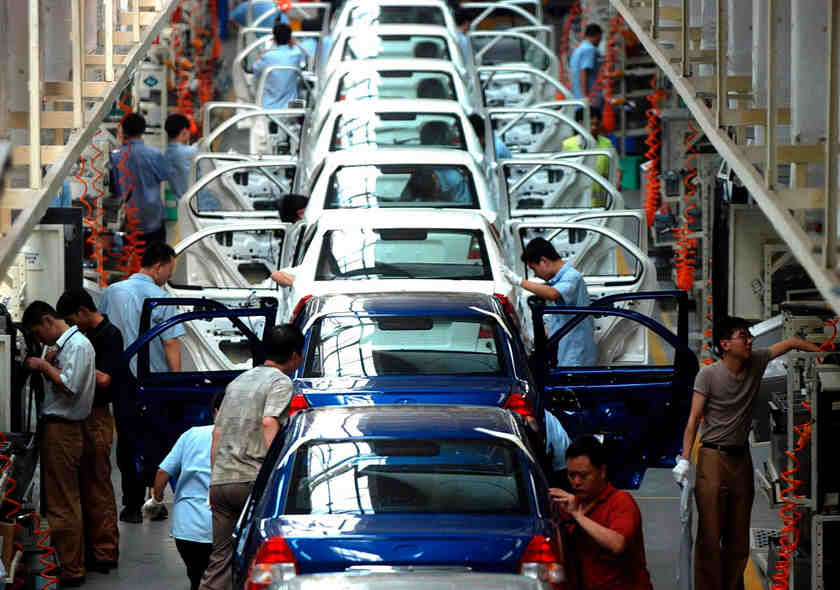
    Australian new vehicle sales jumped to a record in June, a second straight month of bumper results that augured well for consumer demand across the economy.

    The Australian Federal Chamber of Automotive Industries’ VFACTS report out on Wednesday showed 134,171 new vehicles were sold in June, up 4.4 percent on the same month last year. Both months had the same number of selling days.

    June is typically a strong month as dealers clear stock for the end of the financial year.

    Sales of sports utilities alone surged 11.7 percent in June, with the upper large segment rising almost 21 percent. Sales of light commercial vehicles climbed 12.2 percent while the heavy vehicle market gained 9.2 percent.

    The willingness to splash out on big-ticket items follows upbeat reports on retail sales for both April and May and points to a likely rebound in consumption for the second quarter after a muted start to the year.

    Toyota Motor Corp retained first place on the sales ladder with 18.3 percent of the market, while Mazda Motor Corp had another strong month taking 9.3 percent.

    Hyundai Motor took third spot with an improved share of 9.1 percent. The Holden unit of General Motors tied with Mitsubishi on 6.9 percent, while Ford trailed with 6.6 percent.

  • Australia’s retail sales lift more-than-expected in May

    Australia’s retail sales lift more-than-expected in May

    Australian retail sales increased 0.6 per cent, on seasonally adjusted basis, surpassing expert expectations of just a 0.2 per cent gain, according to data released this week.

    While the May results were down on the 1 per cent growth recorded in April, economists were pleased with the May increase, saying it signaled a solid second quarter for Australia after a poor start to year. Year-on-year, sales increased 3.2 per cent.

    With the majority of categories strengthening, department stores continued to have problems with turnover falling 0.7 per cent.

    Clothing, footwear and personal accessories rebounded from a recent weakness, largely held up by the demand for personal accessories and shoes, as apparel sales fell.

    Supermarket sales rose 0.5 per cent, while liquor sales dwindled, down 2.1 per cent.

    Finally, there were strong gains in electronic goods, furnishings and garden supplies.

    By state, shoppers in New South Wales and Victoria were the biggest spenders, while retail sales in Queensland fell for the sixth time out the last seven months.

    Analysts said the much stronger-than-expected rise in retail sales in May, coupled with the leap in sales over April, suggests Australia’s consumption growth surged in the second quarter. However, it may not be sustained.

    “With consumer confidence continuing to trend downwards, households’ incomes facing an additional squeeze from rising energy bills and household indebtedness at a record high we expect that real consumption growth will slow from around 2.6 per cent year-on-year in the second quarter to 2.0 per cent by the end of the year,” Capital Economics analyst, Kate Hickie, told The Australian.

  • Australian spies to disrupt cybercrime groups

    Australian spies to disrupt cybercrime groups

    Citing the growing cost of cybercrime in the economy, the Australian government has directed the Australian Signals Directorate (ASD) intelligence agency to utilize its offensive cyber capabilities to disrupt, degrade, deny and deter organized offshore cyber criminals.

    Currently used to help target, disrupt and defeat terrorist organizations such as Daesh, the offense capability is subject to stringent legal oversight and is consistent with Australia’s obligations under international law, the government announced.

    It will function as part of the Government’s crime-fighting arsenal and contribute to the broader strategy of preventing and shutting down safe havens for offshore cyber criminals. However, cyber security and law enforcement measures will continue to sit at the forefront of Australia’s response to cybercrime threats.

    This directive follows the Government’s public acknowledgement of ASD’s offensive cyber-capabilities when Australia’s Cyber Security Strategy was launched in April 2016, for which the Government contributed A$230 million.

    Additionally, the Defence White Paper contains up to A$400 million to enhance the cyber-capabilities of Australia’s defence forces.

    Cybercrime is conservatively estimated to cost the Australian economy A$1 billion ($766.1 million) annually. The recent WannaCry and Petya ransomware attacks have affected governments, businesses and individuals around the world. With constantly evolving strategies, cyber-criminals are increasingly targeting businesses directly.

  • AWPL opens outdoor apparel store at Sydney Airport

    AWPL opens outdoor apparel store at Sydney Airport

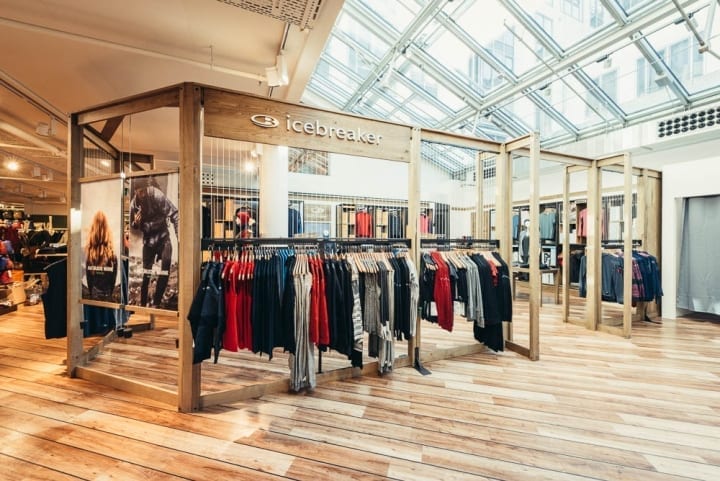
    AWPL has opened Australia’s first Icebreaker airport store in Sydney Airport’s T1 International Departures.

    New Zealand’s Icebreaker offers a range of outdoor apparel. The Sydney Airport concept store will feature Icebreaker’s merino wool apparel, including socks, underwear, base layers, performance ski gear and travel wear.

    The products are made from merino wool sourced from over 180 stations along New Zealand’s Southern Alps. According to the company, the lightweight fabric breathes in hot weather and locks in heat during icy spells, making the gear suitable for all conditions.

    “We are delighted to be the first airport in Australia to welcome Icebreaker to T1 International Departures, further bolstering our selection of global brands and offering our customers the opportunity to shop a great range of high-performance outdoor clothing,” said Sydney Airport General Manager Retail Glyn Williams.

    AWPL Managing Director Costa Kouros commented: “We at AWPL are proud to further strengthen our relationship with Icebreaker – one of the world’s most wonderful brands. Our commitment to enhancing the customer experience at Sydney Airport is unwavering, and our Icebreaker concept is another step on that journey.”

  • Commonwealth Bank of Australia sells HCM City branch to VIB

    Commonwealth Bank of Australia sells HCM City branch to VIB

    The Vietnam International Bank (VIB) and Commonwealth Bank of Australia (CBA) announced on Monday that CBA’s HCM City branch would be sold to VIB.

    The sale was approved by the State Bank of Viet Nam last week, the two sides said.

    They however refused to disclose the value of the transaction.

    VIB has a network of 160 branches and more than 400 ATMs across Viet Nam.

    CBA said its HCM City branch has around 20,000 customers.

    “This decision signifies our commitment to the Vietnamese market as we strengthen our partnership with VIB,” Steve Ellis, general manager of CBA in Viet Nam, said.

    “It demonstrates the confidence CBA has in VIB to continue to provide high-quality service to our customers.”

    CBA said it would retain the representative office in Hà Nội, which it had opened in 1995, to liaise with Government agencies, financial institutions and corporations.

    Han Ngoc Vu, chief executive officer, VIB, said: “We value our partnership with CBA and have always looked to strengthen our partnership to bring the capabilities of CBA’s HCM City branch together with VIB’s.”

    He added that the two banks will be working closely with customers in the coming weeks to ensure a smooth transition of their banking relationship to VIB.

    The two banks expect the sale to be completed in the third quarter of this year.

    CBA had opened the branch in 2008.

    It has a 20 per cent share in VIB, which it had bought in 2009-10.

  • Donald Trump’s business dealings on Australia’s doorstep revealed

    Donald Trump’s business dealings on Australia’s doorstep revealed

    Donald Trump was running for the US presidency when he personally raised with senior Indonesian politicians the need to have a toll road completed in Indonesia to benefit a massive new resort development in which he later invested.

    A senior Indonesian politician who met Mr Trump in New York in 2015 has revealed that he made clear the project would only go ahead if the toll road was completed.

    “He was saying that it’s impossible without the toll road,” Fadli Zon, the deputy speaker of Indonesia’s Parliament, said.

    Mr Zon, together with the speaker of the Indonesian House of Representatives, Setya Novanto, met then presidential-hopeful Mr Trump at Trump Tower in New York in September 2015 during the presidential primary campaign.

    The meeting, unauthorised by the Indonesian government, was held with the direct assistance of Mr Trump’s new Indonesian business partner, Hary Tanoesoedibjo, known as Hary Tanoe.

    At the time, Mr Trump and Mr Tanoe were in negotiations over the development of a mega-resort and an associated theme park, sky train, and Formula One racing track on a 3000-hectare site on the island of Java, south of the capital Jakarta.

    “He said he really understood well about the situation. For example, this theme park in Bogor area that needs some highway … because sometimes it’s impossible to go there,” Mr Zon said.

    Congested roads in the region can turn the 70-kilometre car ride from Jakarta into a nightmarish two-or-three-hour journey.

    One week after the New York meeting, Mr Trump signed the deal to develop the Trump International Hotel and Tower Lido.

    The construction of the toll road, which had been started then delayed in June 2015, resumed in November.

    The government took over the construction in June 2016 and the first section is due for completion by the end of the year.

    Mr Zon said he estimated that with the impending completion of the toll road, Mr Trump and Mr Tanoe had already tripled their value of the resort land.

    “Yeah. I think the price increase like three times,” he said.

    The President’s latest financial disclosure, released on June 14, stated that the management fees from the Indonesian companies tied to the Bali and Lido resorts had more than doubled.

    The latest disclosure puts the fees at $US380,000 ($A495,000), up from the $US167,000 ($A217,000) he reported in 2016.

    ‘This is a marriage between politicians and business people’

    The head of Human Right Watch Indonesia, Andreas Harsono, said he thought the meeting between the Indonesian politicians and Mr Trump was unethical.

    “It is not appropriate for any business to ask the government to pay for an access toll road into their property,” he told.

    “Unfortunately, it is common in Indonesia. You can change a road direction as you can extend a toll road or bridges or whatever to benefit people who have money, who have interest.

    “This is a marriage between politician and business people.

    “It is common, it is very common in Indonesia.”

    Mr Zon and Mr Novanto were both investigated by a parliamentary ethics committee over whether the meeting with Mr Trump violated strict Indonesian government codes.

    The result of that investigation has never been made public, but both walked away with only a warning.

    In November, two months after the New York meeting, Mr Novanto was embroiled in a massive corruption scandal, accused of attempting to extort a $US4 billion ($A5.2 billion) payment from American mining giant Freeport-McMoRan.

    Mr Novanto denied the accusation, claiming he was “just joking”.

    He was never formally charged.

    Donald Trump’s land in Bali

    Mr Trump and Mr Tanoe’s first controversial Indonesian venture was in Bali.

    The resort, planned as the largest on the island, will overlook one of the most iconic and sacred sites — the Temple of Tanah Lot.

    The existing low-scale Bali Nirwana golf course and resort will close at the end of the month.

    Hundreds of local workers will be laid off and demolition is due to start next month.

    MNC Group bought the Bali Nirwana resort in 2013 from the Bakrie Group, owned by one of the Suharto family’s business associates.

    The Trump Organisation signed up in August 2015 to the redevelopment of the site.

    Not a lot of detail is known about the plans for the second Tanoe/Trump development, Trump International Hotel and Tower Bali.

    When we confronted the local regional governor Ebu Eka Wiryastuti about what had been approved by the local government, she refused to answer questions.

    “I can’t talk about this. I cannot talk about this. At all,” she said.

    “It’s a big complex, more than 100 hectares, to build a hotel, villas, condominiums, also to build a country club — that is also with Mr Trump,” Mr Tanoe told the ABC in January.

    The Trump Organisation will manage the hotel, country clubs and golf courses with the Trump family heavily involved in the project.

    Mr Tanoe outlined the project to the ABC in March and said each of the family members had a different role.

    “Donald Jr is responsible for the overall project. Eric is more on the design and golf, and Ivanka is more on the detail, like the fit-out of the hotel,” he said.

    Mr Harsono has warned that doing business in Indonesia may come at a cost for Mr Trump.

    “I’m not going to say Donald Trump is unethical man, but he is dealing with the worse of Indonesia past, and he is going to deal with the worst of Indonesia future,” he said.

    “I think Donald Trump is going to get his businesses messier and also Indonesia messier.

    “This is going to be a messier place.”
  • Louis Vuitton and Supreme to host first collaboration pop up in Sydney

    Louis Vuitton and Supreme to host first collaboration pop up in Sydney

    The long-awaited collaboration between Louis Vuitton and Supreme has finally come, and the two labels announced the location of the first collaboration pop up shop.The LVxSupreme collaboration debuted in January at the Louis Vuitton fall 2017 show.
    Louis Vuitton and Supreme fans in Sydney, Australia will be happy to hear that the world’s first LVx Supreme pop up will be located at 95 Roscoe St in Bondi Beach, and the pop up will be open from June 30 through July 13, 2017.

    The fashion world went into frenzy in January when the LVxSupreme collaboration collection debuted at the Louis Vuitton fall 2017 show in Paris.

    Rumors of a New York City pop up began circulating and looked real for a period of time, until a Manhattan community board unanimously voted against the idea, citing preparedness concerns. The board felt that those manning the event would not be ready for the number of shoppers that would line up for the pop up, which was originally planned to be located at 25 Bond Street.

    Since the possibility of a New York City pop up has been shut down, Sydney will host the first pop up for the collaboration, and more pop up locations are to be announced soon.

  • Melbourne Airport to get luxury retail hub

    Melbourne Airport to get luxury retail hub

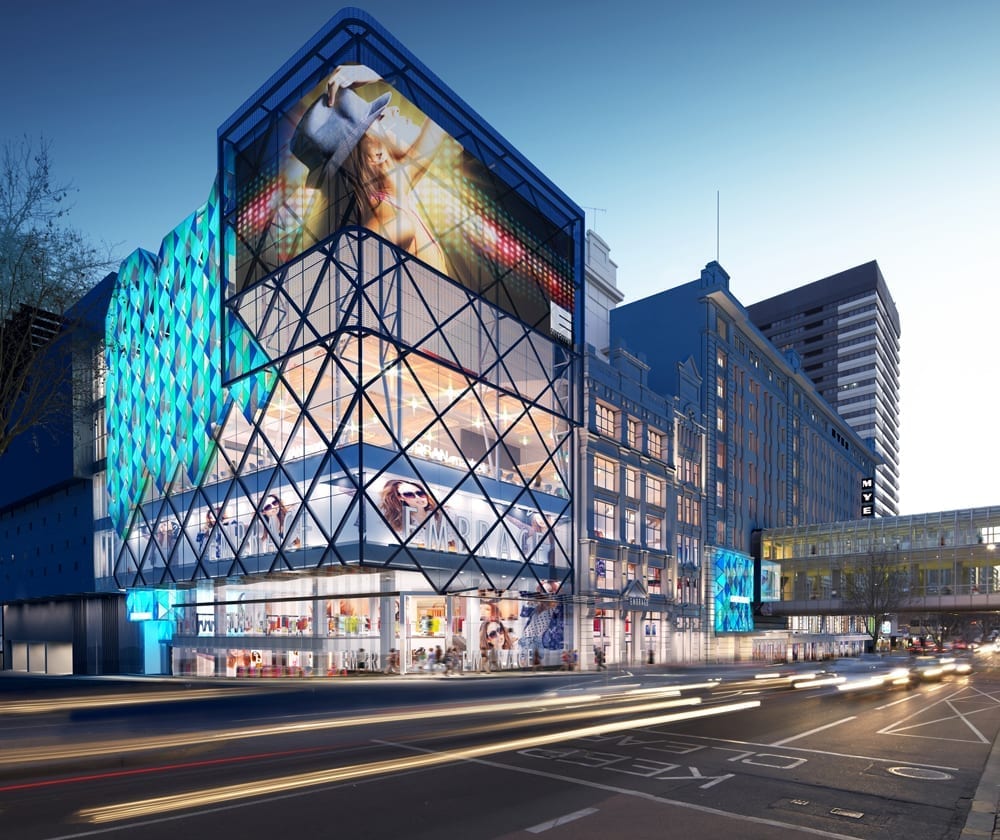
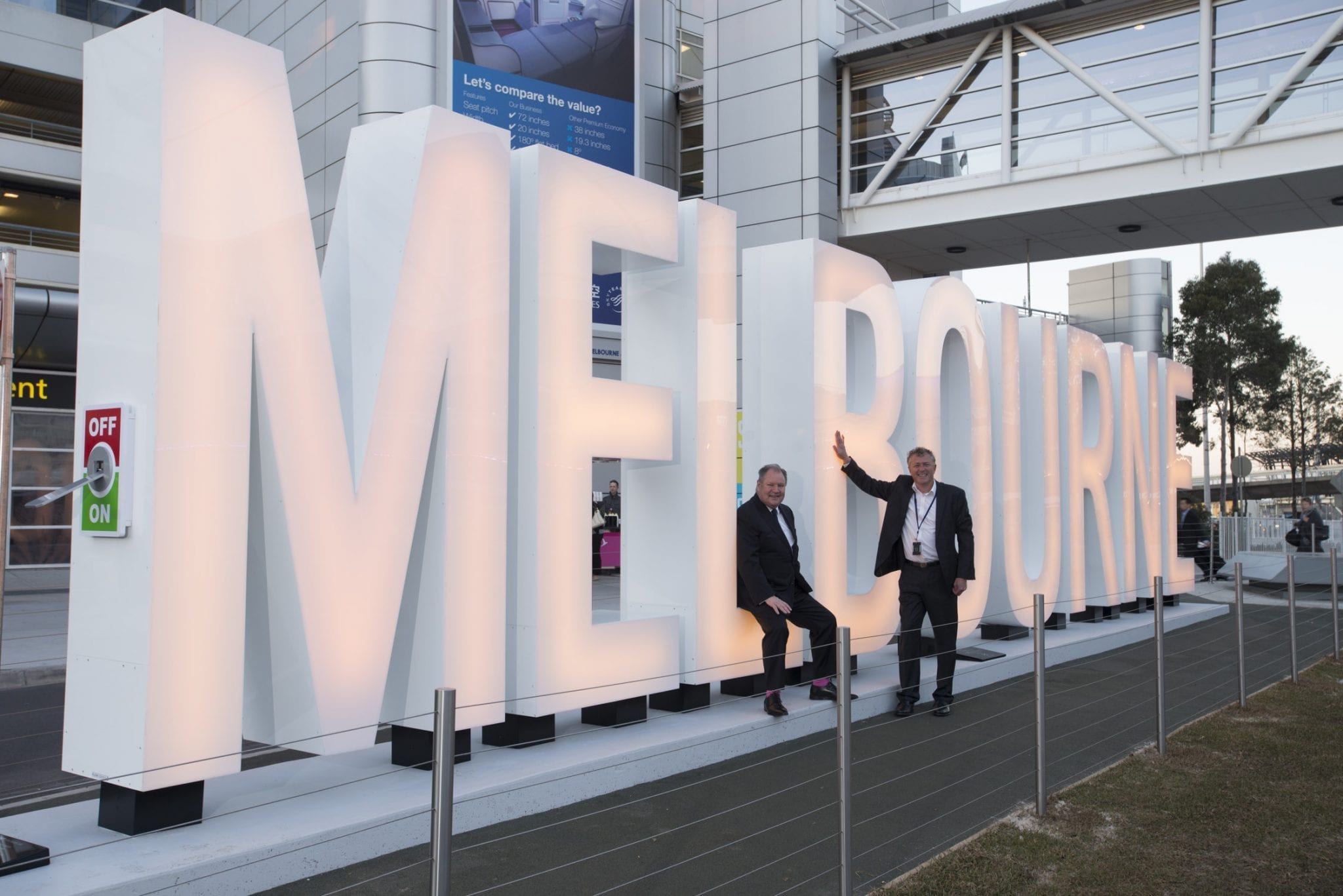
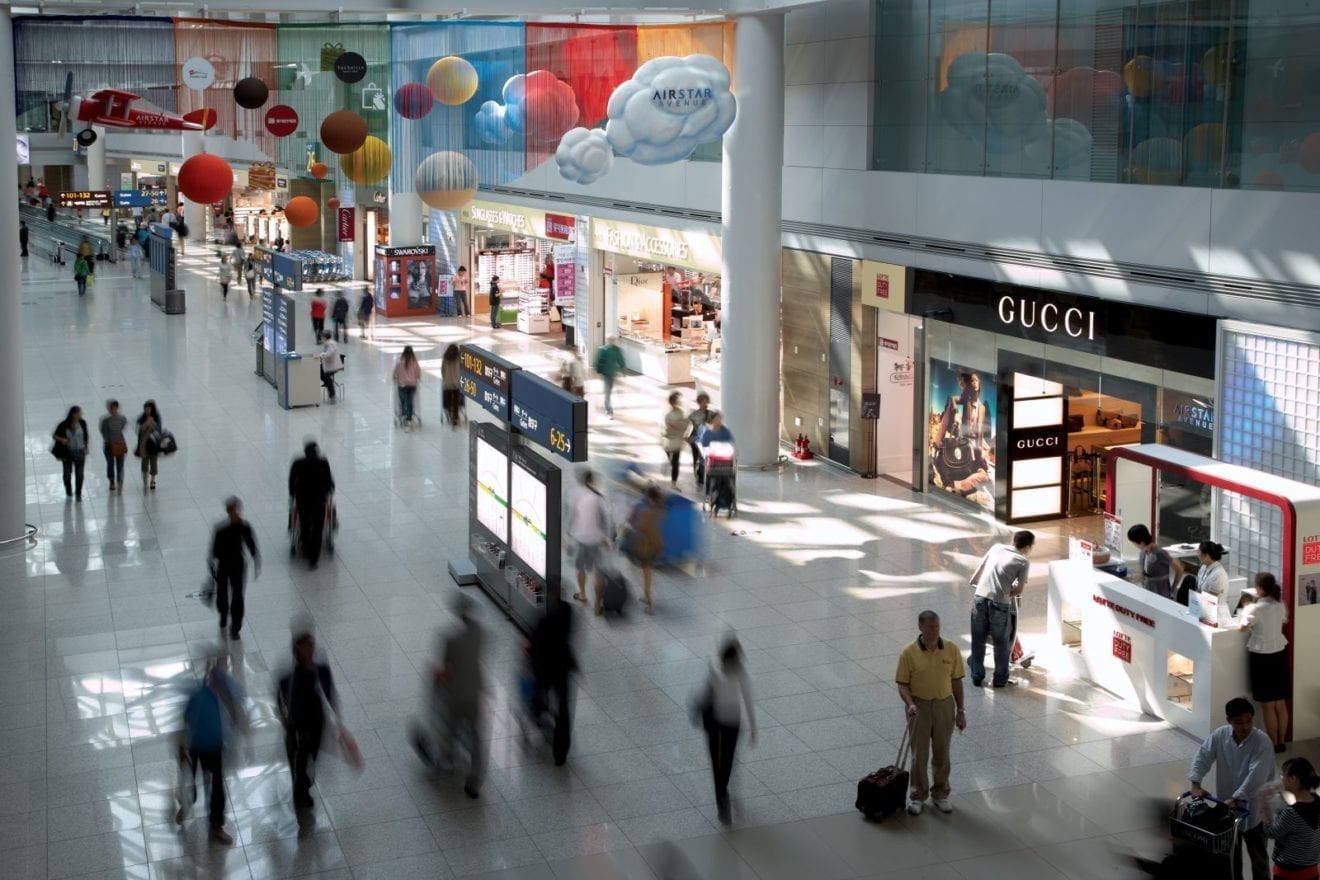
    Melbourne Airport will spread its retail wings later this year with the addition of several international luxury brands, confirmed to open inside the Australian airport’s Terminal 2.

    Located next to the airport’s current duty free store, jeweller Tiffany & Co, and fashion brands Burberry, Salvatore Ferragamo, Max Mara and Emporio Armani are all slated to open stores later this year, as part of the airport’s new high-end fashion precinct.

    According to the airport’s chief of retail, Andrew Gardiner, the upgrade hopes to enhance the traveller experience, creating an airport that Melbourne can be proud of.

    “The luxury precinct is really taking Melbourne Airport to the next level, with 11 of the world’s most prestigious brands set to enhance our international passenger experience,” says Andrew Gardiner, chief of retail at Melbourne Airport.

    “We’re absolutely thrilled to bring these brands to Melbourne Airport. Our domestic and international passengers have informed us of the stores they want to see, and we’re delivering on that with high end brands that we know our travelers love.”

    Other big name retailers including Australian official watch specialty store Watches of Switzerland are scheduled to open, joining Bally, Michael Kors, Hugo Boss Furla and Tumi.

    All stores are set to open at varying times between the end of July and end of November 2017.

  • Australia plans to mandate 25Mbps broadband speeds

    Australia plans to mandate 25Mbps broadband speeds

    The Australian government has introduced new legislation that would mandate the supply of broadband services with peak speeds of at least 25Mbps to all premises in the country.

    The proposed Telecommunications Reform Package would require that services provided over the in-construction National Broadband Network (NBN) – even the fixed-wireless and satellite services – would need to be capable of broadband speeds of at least 25Mbps downlink and 5Mbps uplink.

    A draft version of the reforms published last December excluded the fixed wireless and satellite components of the network from this obligation.

    The legislation would also introduce the government’s planned A$7.10 ($5.36) per connection Regional Broadband Scheme, a levy that operators will pay to nbn for each connection capable of download speeds of 25Mbps.

    The levy will be used to defray the expected A$9.8 billion in losses over 30 years that are expected to be accrued by the fixed wireless and satellite components of the network due to the shortage of customers.

    In a concession for smaller players, the first 25,000 connections serviced by a broadband provider will not be subject to the levy for the first five years.

    The new reform package will also mandate the delivery of voice capability over the nbn in fixed line and fixed wireless areas.

    The Australian Communications Consumer Action Network (ACCAN)  has welcomed the consumer protection measures of the proposed legislation.
    “The legislation includes big wins for all consumers, especially for regional, rural and remote consumers,” ACCAN CEO Teresa Corbin said.

    “Broadband services are essential for consumers, yet currently, there is no requirement on nbn to connect and provide ongoing services to all premises. We are pleased that consumers can now be reassured that under the proposed legislation all premises must be able to access a broadband network capable of a minimum peak speed of 25Mbps download and 5Mbps upload.”

    But she said ACCAN will also be pushing to ensure that public phones will be provided where they are needed and consumers relying on satellite services have access to reliable telephony and broadband services.

  • Toshop creditors are owed at least A$35m after Australian collapse

    Toshop creditors are owed at least A$35m after Australian collapse

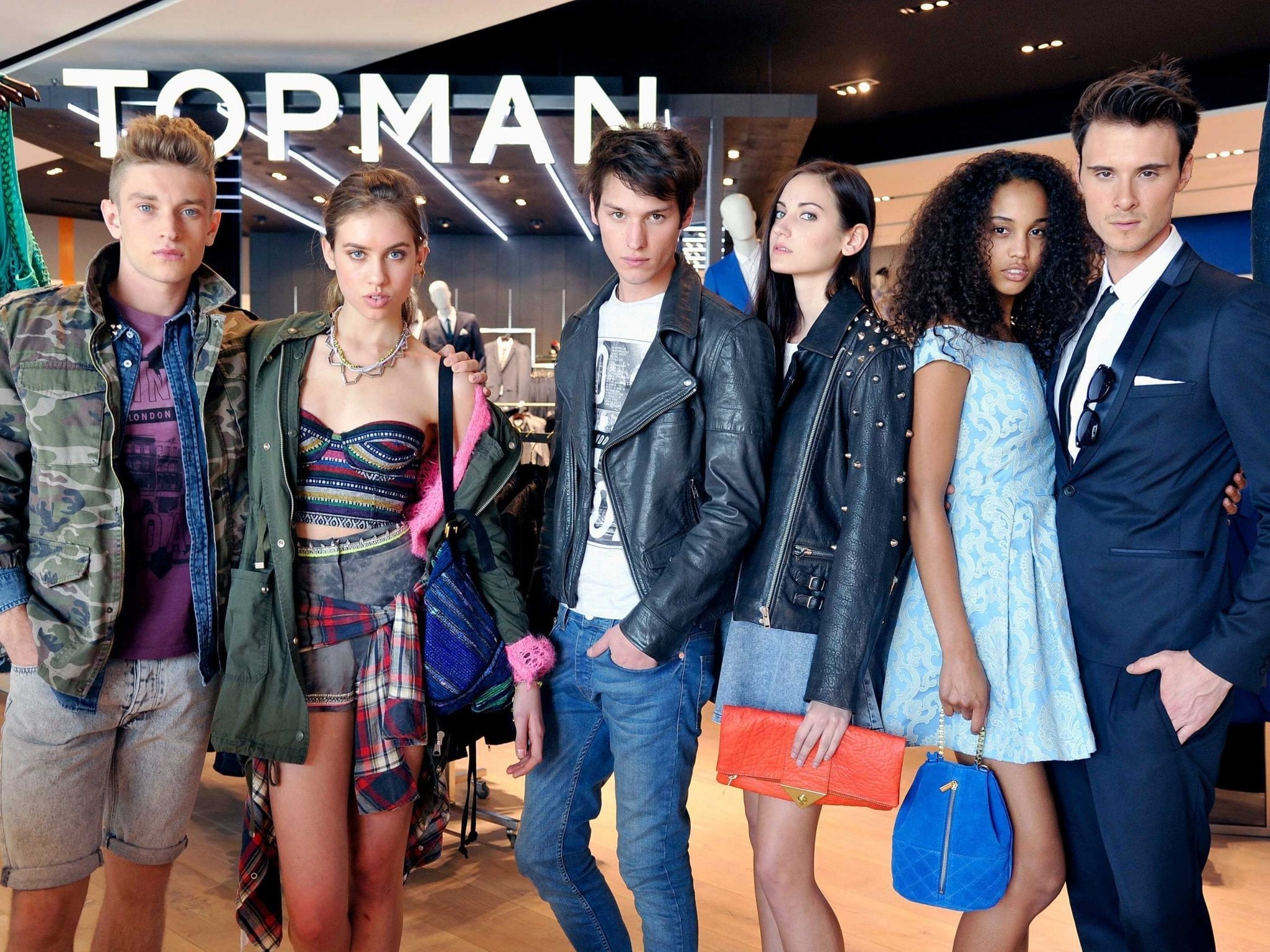
    The creditors of Austradia Pty Ltd, which operated Topshop and Topman in Australia before its voluntary administration filing, are owed at least A$35 million following the collapse of the business, it has emerged.

    But Myer, the Australian department stores giant that held a 20% stake and also hosts Topshop and Topman concessions in its stores, is not listed among theAsia  creditors.

    The Australian Financial Review reported that rescue negotiations with the UK brand owner Arcadia Group are dragging on with no resolution yet in sight.

    The first creditors’ meeting saw the Commonwealth Bank of Australia emerging as the biggest creditor on A$12.1 million with Arcadia itself claiming A$8.8m (just over £5 million).

    But while Myer is not on the list, it it believed to be owed several million dollars and had already written down its A$9.2 million equity stake to A$7.2 million, with further losses linked to the failure a possibility.

    Although negotiations have not yet concluded, Arcadia is expected to take over the Australian business and buy back around A$12 million worth of inventory as part of a deal. It is unclear how much creditors would get back.

    The Australian market is as tough as many other global markets at the moment and while Topshop was an early mover in the foreign invasion of its retail sector, the size of its operation was dwarfed by that of global giants H&M and Inditex.

    With estimates that per capita spend on clothing in the country has risen just 0.1% in the past year, and that H&M, Uniqlo and Zara have been behind most of that, it is unsurprising that other retailers have struggled.

  • Swarovski debuts Perth flagship store

    Swarovski debuts Perth flagship store

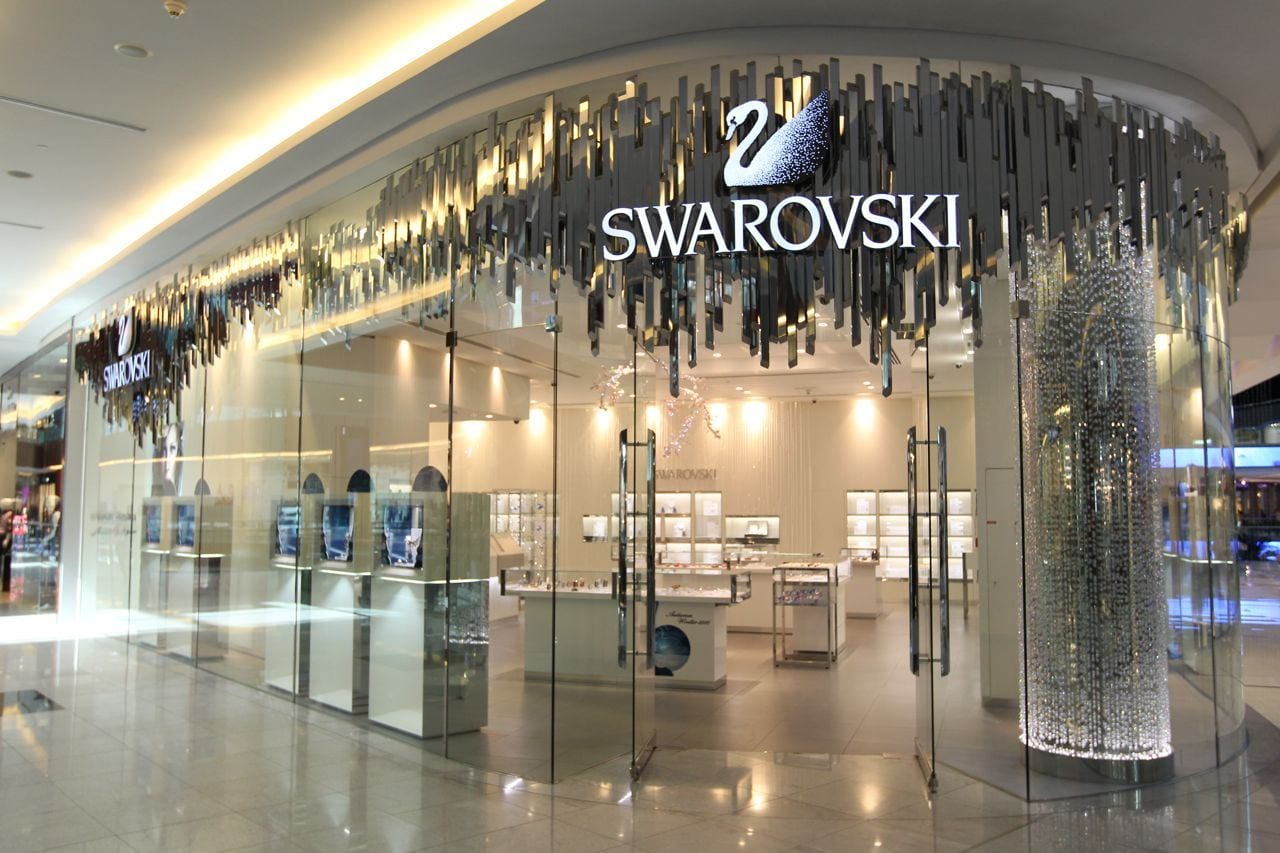
    Crystal maker and jeweller Swarovski has opened its Perth flagship store, the second store in Australia to feature the brand’s crystal drop chandelier, as part of its new retail design.

    Located in Perth Hay Street Mall, the new Western Australia store boasts Swarovski’s new ‘crystal forest’ outfit, which was unveiled at the opening of the Austrian firm’s Sydney store in May.

    Updating the store layout, Swarovski employed renowned architect Tokujin Yoshioka as part of the brand’s plan to improve aesthetics across its distribution network.

    Robert Buchbauer, member of the Swarovski Family and of the company’s CEO, said the new store design is “a tremendous illustration of Swarovski’s contemporary vision and taste for design.”

    In an interview earlier in the year, Australia managing director of Swarovksi, Brett Spinks, said Australia was a “growing” market, adding that the high-end jeweller plans to roll out more new store in 2017.
    “We see robust growth in our retail channel both online and in our physical [stores],” Brinks said.

    “Due to this significant growth, we are delighted to be able to further meet our consumer demand by opening a number of new stores in 2017.”

    The Australian watch and jewellery retailing industry grew by an annualised 2.9% over the five years through 2016-17, to reach $3.3 billion, according to Ibis World.

  • Telstra acquires UK’s Company85

    Telstra acquires UK’s Company85

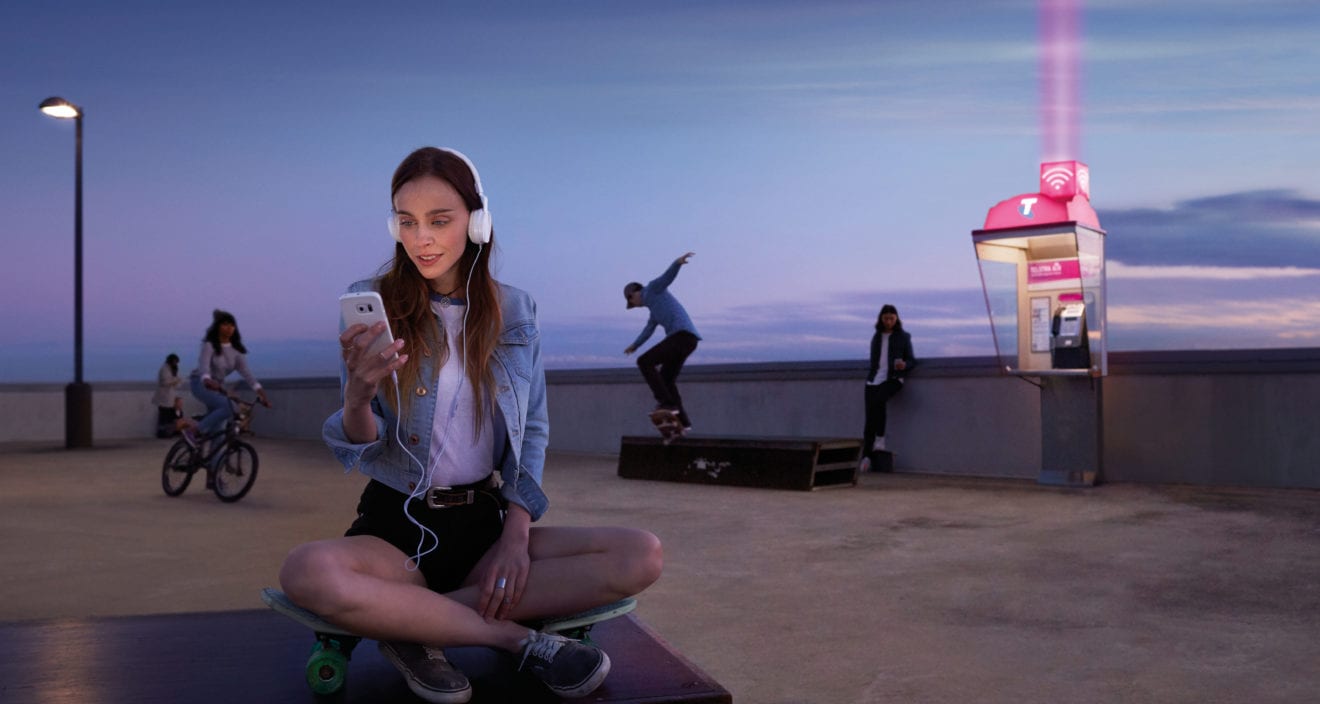
    Telstra has acquired Company85, a UK-based technology services business and provider of data center, workspace, cloud, security and network services.

    Christopher Smith, executive director of Telstra’s business technology services, said the acquisition was aligned to Telstra’s strategy to grow its technology services business internationally and would significantly enhance Telstra’s service offering for UK and European based business and government customers.

    “Company85’s offering is strongly aligned to the existing suite of technology consulting services we offer our Australian customers, and is consistent with the strategic investments we have made in Australia. Importantly, it aligns with our strategy to grow our services business in regions that are key hubs for multinational corporations,” Smith said. “We see the UK as a key market for our growing technology services business and a strong platform to expand into Europe.”

    Smith also said Company85 was highly regarded in the UK for its consulting and technical expertise, including the market-leading approach it has developed for standardizing and automating data center migrations.

    “Company85’s broad set of consulting capabilities will help us to differentiate our offerings in Europe. We will be able to engage in IT transformation conversations with prospective customers early in the proposal stage, which we believe will help to strengthen our position and create demand for our network services in the region,” Smith said.

    Company85 CEO Adrian Spink said the combination of Telstra’s world class network and global reach, with Company85’s technical expertise and strong relationships with CIOS and Chief Information Security Officers at leading organizations, would create exciting growth opportunities.

    “Being part of Telstra we see a tremendous opportunity to reach new customers and accelerate our international expansion,” Spink said.

  • David Jones poaches Self-Portrait from rival Myer as fashion war continues

    David Jones poaches Self-Portrait from rival Myer as fashion war continues

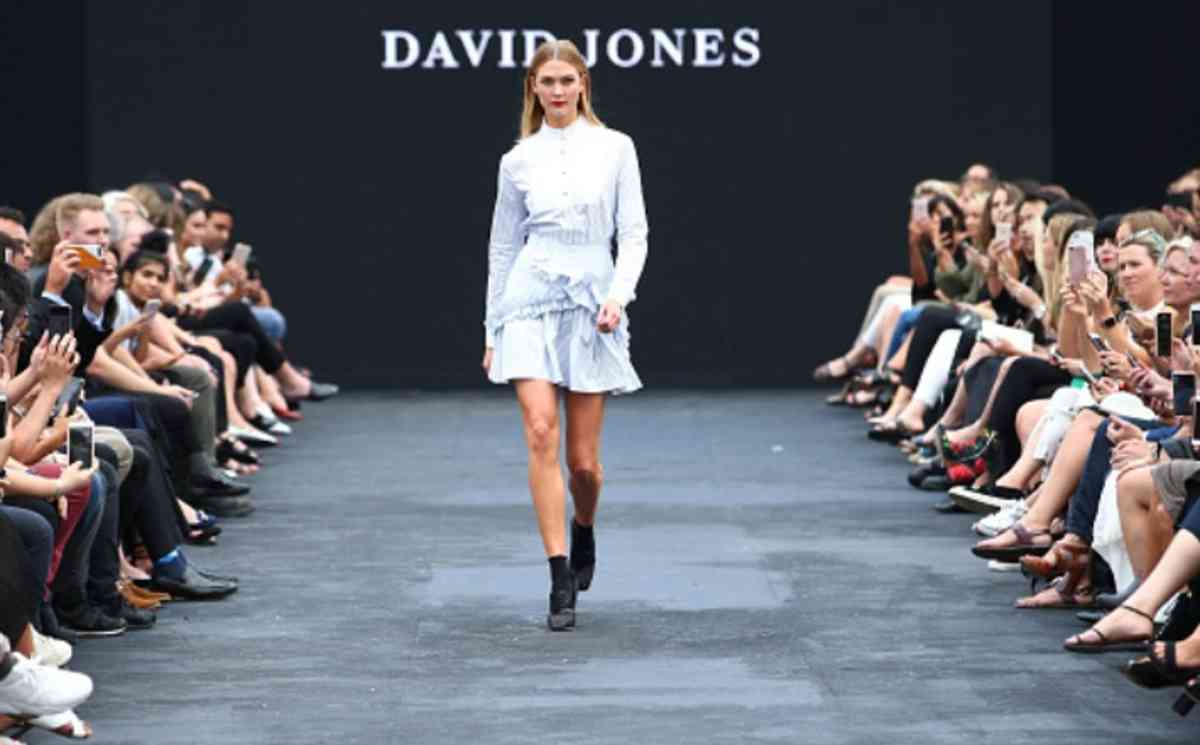
    Australia’s department store giants David Jones and Myer are at it again. In the latest war of the women’s ready-to-wear brands, high-end retailer David Jones has poached Britain’s Self-Portrait label from competitor Myer.

    David Jones group executive of merchandise David Collins told the Sydney Morning Herald the London-based Self-Portrait was picked up to bolster the department store’s current bridal offering in its Sydney flagship, as well as its regular women’s fashion fold.

    “Self Portrait has become a fast favourite within our bridal category and a brand that we believe will strongly perform in the womenswear ready-to-wear space,” Collins told SMH.

    Founded by Malaysia-born, London-based Han Chong in 2013, Self-Portrait is fashion favourite of the Duchess of Cambridge. Known for its modern lace designs, the brand looks set to be better positioned with a David Jones listing, considering the department store’s brand position as more high-end, compared to Myer.

    “David Jones’ vision to amalgamate the most innovative designers from around the world under their roof is inspiring and we look forward to partnering with them in Australia,” said Chong, in a statement.David Jones said Self-Portrait would be available in store from June 11. Myer started stocking Self-Portrait in 2015.

    In recent months, Australian labels Aje, Karen Walker and By Johnny have also changed sides, heading from Myer to David Jones. As the fashion war roars on, Myer took another blow late last month in its youth fashion segment, following the collapse of Topshop Australia, of which it owns one fifth.

    However, the department store chain said had begun investing in its own Maticevski label and Misha Collection, and was growing its network of shop-in-shops, including Morrison and Skin & Threads. It has also opened concessions for French brand The Kooples and Zadig & Voltaire, and most recently announced a one-year distribution deal with up-and-coming women’s brand We Are Kindred.

    The Australian retail market is facing one of its most frenzied phases. While fast-fashion moguls H&M and Zara continue to steam roll homegrown fashion retailers — including David Lawrence and Marcs, which were recently rescued by Myer after entering administration — the impending arrival of American e-commerce Amazon in Australia is adding to local business blues.

    And consumer fashion spending is bleak. While Australian retailers enjoyed their best monthly sales in nearly three years in April, up 1%, sales growth in clothing and footwear was an anaemic 0.3%.


  • Jetstar Pacific leads in flight cancellations, delays

    Jetstar Pacific leads in flight cancellations, delays

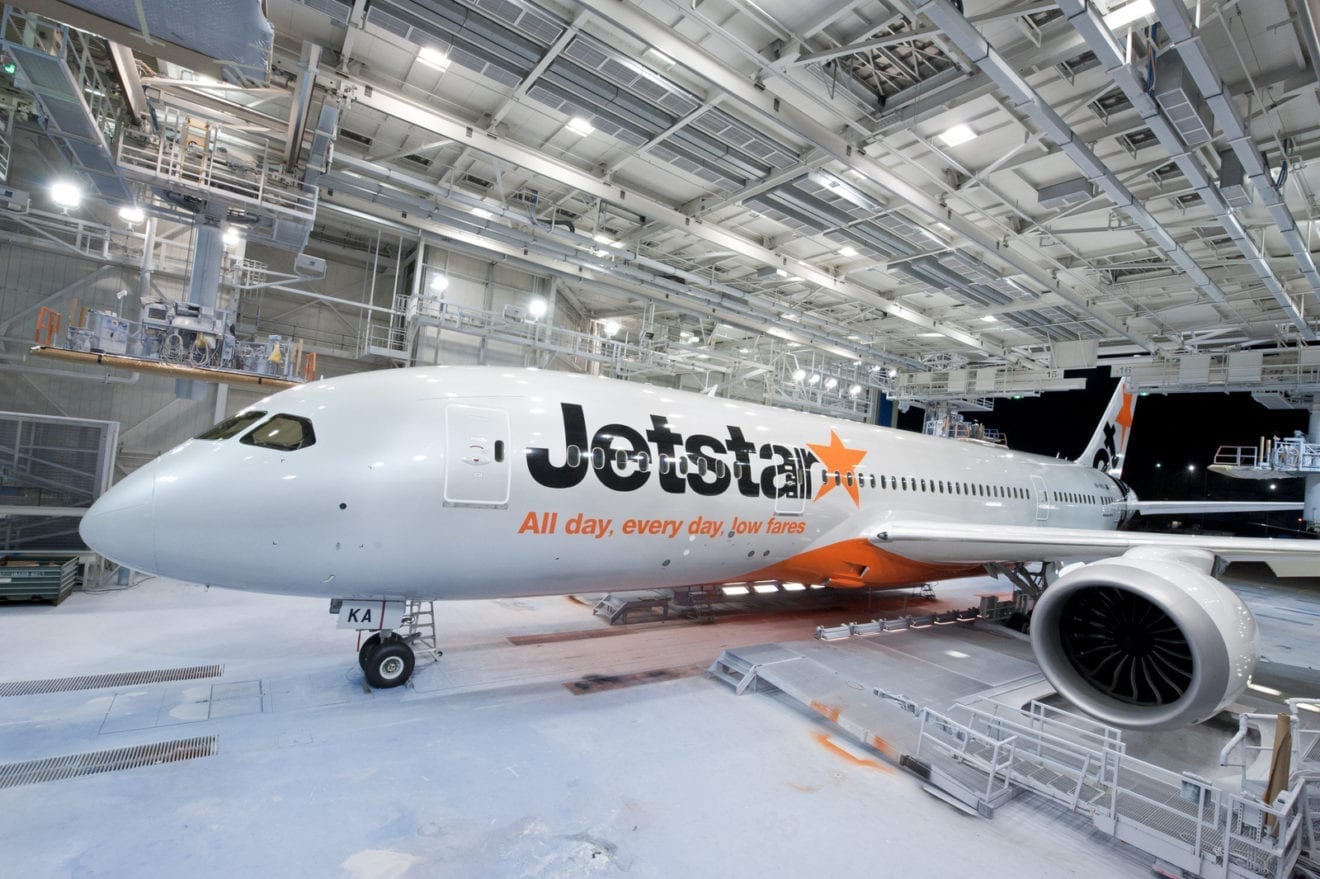
    Low-cost carrier Jetstar Pacific has cancelled and delayed about 15.4 percent of 568 flights it operated in a week, according to the latest report released by the Civil Aviation Authority of Vietnam (CAA).

    The CAA calculated the number of delays and cancelations in four Vietnamese carriers – Vietnam Airlines, VietJet Air, Jetstar Pacific and Vasco from May 31 to June 6.

    Jetstar Pacific was closely followed by national flag carrier Vietnam Airlines which delayed 380 flights and cancelled ten others, or approximately 15 percent, out of a total of 2,605 weekly flights.

    VietJet Air came third with 328 delays and four cancellations among 2,311 flights, or 14.4 percent.

    Vasco had no cancellation and only one delay out of 249 flights.

    There were 5,733 flights made available by the four airlines during the first week of June, of which 810 were delayed and cancelled, the CAA announced, adding that delays and cancellations accounted for 13.8 percent and 0.3 percent, respectively.

    Late arrival of planes before they take off again for return services was the main cause behind the problems, the CAA explained. Such a reason caused 69.1 percent of the delays and cancellations during the reviewed period.

  • Australians curb retail spending as household debt balloons

    Australians curb retail spending as household debt balloons

    Australia’s economy may have achieved a remarkable winning streak, avoiding a recession for 25 years, but there are now clear signs that the consumers who have driven much of the growth are running out of puff. With cash interest rates at a record low and house prices near record highs, the nation’s household debt-to-income ratio has climbed to an all-time peak of 189 percent, according to the Reserve Bank of Australia (RBA).

    Australia’s household debt-to-income ratio has climbed to an all-time peak of 189 percent, according to the Reserve Bank of Australia (RBA). That means there are an increasing number of people who have little cash for discretionary spending – on everything from cars to electrical appliances and new clothes – as their pay packets get consumed by large mortgages and high rental payments in the country’s red-hot property market.

    And it’s not as if a sudden plunge in home prices would help – it might well expose and exacerbate the problem, at least in the short run, squeezing many who have bought into the frothy market with high mortgage repayments and little equity in their homes.

    “We are seeing a considerable spike in stress even in more affluent households. Large mortgages, big commitments but no income growth,” said Digital Finance Analytics (DFA) Principal Martin North. “Stressed households are less likely to spend at the shops, which acts as a drag anchor on future growth.”

    North estimates a record 52,000 households risk default in the next 12 months and that 23.4 percent of Australian families are under mortgage stress, meaning their income does not cover ongoing costs. That compares with about 19 percent a year ago.

    “People are up to their ears in mortgages,” said Brad Smith, a car sales consultant at MotorPoint Sydney which has seen a stark slowdown in sales in the past six months. “They are all on a budget. Everyone’s got all their money in houses, that’s how it is.”

    Australians are also facing a cash crunch because price inflation in essential items such as food, electricity and insurance is accelerating at a 3.4 percent annual rate at a time when Australian wages are rising at their slowest pace on record, just 1.9 percent in the year to March.

    Meanwhile, growth in retail sales, personal loans and luxury car sales are all at multi-year lows, suggesting the household sector – nearly 60 percent of Australia’s A$1.7 trillion ($1.3 trillion) economy – is under severe strain.

    RETAILING PAIN

    Weak consumer spending is proving a huge drag on retailers’ performance, with shares in furniture and appliance chain Harvey Norman and electronics shop JB Hi-Fi both trading near one-year lows.

    Retail sales have hardly grown in the past few months. Even online sales have slowed, with all major categories including homeware, games and toys, daily deals and takeaway food shrinking in April, according to the NAB Online Retail Sales Index.

    Car sales have flattened this year after solid growth in 2016 while sales of luxury cars and sports utility vehicles are at a four-year low.

    For consumers such as Sydney resident Marie-Aimee Guillermin, there’s little ‘play money’ left after stepping into Sydney’s housing market with a A$1.4 million 3-bedroom house last month.

    “We thought once we had the house we could take our foot off the brake a little bit but now that we have it I feel even less certain in terms of stability and financial security,” she told.

    “So whether we’ll end up spending a bit more on clothes and restaurants and going out and what have you I don’t see that happening.”