Tag: Australia

  • Kathmandu Australia joins B Corp movement

    Kathmandu Australia joins B Corp movement

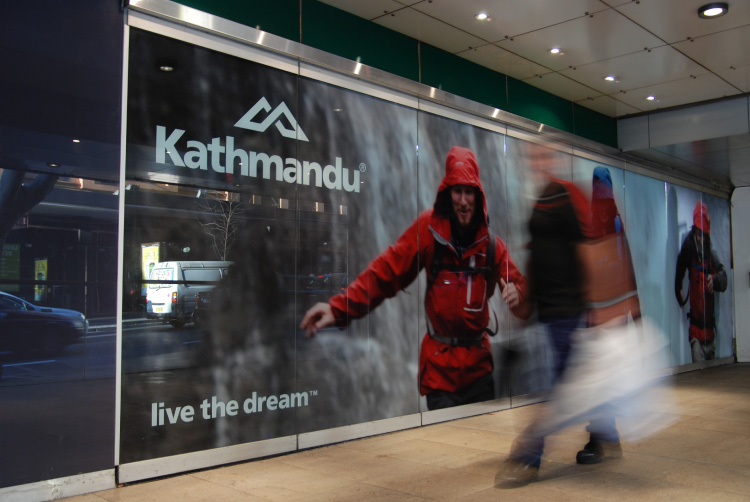
    Kathmandu on Tuesday announced it has become a certified B Corporation, making it the biggest B Corp in Australia and New Zealand.

    B Corps are for-profit businesses that meet the highest standards of social and environmental performance, public transparency and legal accountability.

    Started in the US in 2006 as a way to raise awareness of purpose-driven businesses by giving them a recognizable seal of approval, there are now more than 3000 B Corps worldwide, and more than 300 in Australia and New Zealand, which is the fastest-growing region per capita for B Corps.

    Local retailers with B Corp certification include Outland Denim, Etiko, Koala, GlamCorner, Bellroy, Flora & Fauna, KeepCup, Good Day Girl, Koskela, Arndsorf and Kester Black.

    The addition of Kathmandu to this list reflects a shift in the way many large companies view sustainability – no longer as a niche topic confined to the CSR team, but rather a core value that permeates every part of the business.

    “Sustainability is part of Kathmandu’s DNA  and is integral to our entire operation, from our supply chain to our materials and products and our operational footprint,” Xavier Simonet, Kathmandu’s CEO, said in a statement.

    To receive B Corp certification, organizations need to earn a certain number of points on the B Impact Assessment, an online tool that asks around 200 questions in five key areas: governance, workers, community, environment, and customers.

    The tool is administered by B Lab, a nonprofit with locations in 26 countries, which sets the global standards, awards B Corp certification and advocates for the adoption of ‘benefit company’ status at a state level.

    In the US and other countries, businesses can register as a ‘benefit company’, which means they are legally required to consider the impact of their decisions on all stakeholders, such as employees, suppliers and the planet, not just shareholders. This locks in their purpose, no matter who owns or runs the company.

    Benefit companies currently have no legal status in Australia, though B Lab Australia and New Zealand is actively campaigning for an opt-in legal form to be introduced through a minor amendment to the Corporations Act.

    This issue will become more critical as publicly listed companies like Kathmandu join the B Corp movement.

    T2, which is owned by Unilever, is also in the process of becoming a B Corp, and B Lab Australia and New Zealand is taking the opportunity to encourage other big businesses to get on board.

    “Kathmandu’s announcement as New Zealand’s first B Corp-certified multinational retail business, and Australasia’s biggest B Corp, is a significant milestone for Australia, New Zealand and the wider B Corp movement,” Andrew Davies, CEO of B Lab Australia and New Zealand, said in a statement.

    “Certification is open to all sizes of business, and we are seeing increasing interest from large corporations across the world, Kathmandu’s certification sends an important signal for other big businesses to follow in their lead.”

  • Zimmermann opens another US store

    Zimmermann opens another US store

    Australian designer brand Zimmermann has opened its 12th store in the US and its third in New York City with the launch of a new boutique on the Madison Avenue.

    The prestigious shopping street is home to the likes of Carolina Herrera, Christian Louboutin, Ralph Lauren, Valentino and other designer brands.

    The 160sqm store, which opened last week, was designed by Australian designer and architect Don McQualter of Studio McQualter to create the feeling of a local apartment, with each room in the heritage-listed 1940s building styled to frame the collection.

    The store includes a mix of vintage pieces, such as a 1960s Murano glass Italian chandelier and 1930s De Coene desk, with handmade floor and wall tiles and custom metalwork, light fixtures, display tables, millwork and virtual merchandising fixtures designed by Studio McQualter.

    The store is meant to be a physical embodiment of the Zimmermann brand, conveying a relaxed femininity, air of freshness and light and unyielding optimism.

    Co-founders Nicky and Simone Zimmermann celebrated the new Madison Avenue store and upcoming Spring 2020 collection by co-hosting an in-store cocktail event followed by an intimate dinner nearby at Flora Bar at the Met Breuer with VIPs and close friends of the brand.

    “New York is like a second home for us. I have spent a lot of time in the city over the years and we’ve always loved the energy Madison Avenue brings. We are excited to now be a part of the Uptown community,” Nicky Zimmermann, creative director and co-founder, said.

    The brand plans to open a second boutique in Florida in Palm Beach in November 2019.

  • Lululemon launches free coursed for store managers

    Lululemon launches free coursed for store managers

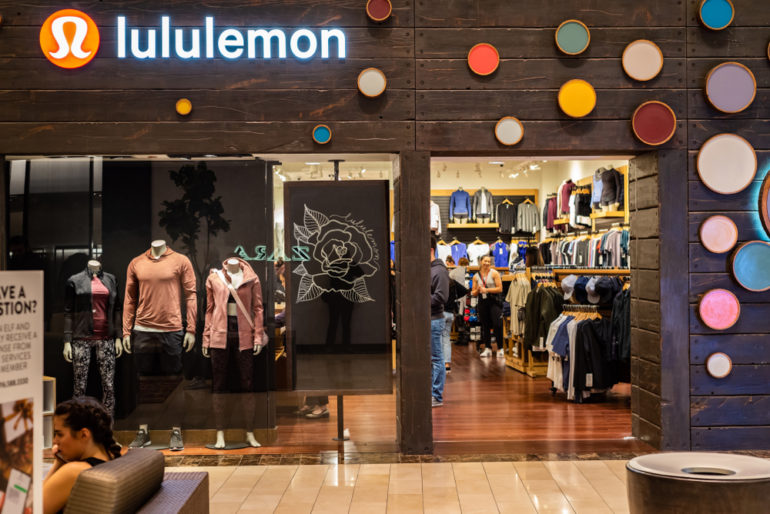
    Lululemon is partnering with Swinburne University of Technology to offer a free diploma of business for store managers, regional managers and training managers.

    The course, which Lululemon is fully funding, is comprised of eight units covering personal skills for leaders, HR and staff management, marketing, operations, finance, and strategic skills.

    The units have been adapted from Swinburne’s existing course, so content can be immediately applied to participants’ day-to-day work at Lululemon, and employees are able to take the 18-month course on a 21-month time-frame to focus on their business during the busy peak trading period in Q4.

    Lululemon Australia and New Zealand managing director Paul Tinkler said the course provides an opportunity for its team leaders to develop long-term retail careers.

    “The course reinforces the skills they already demonstrate and addresses any potential gaps in their learning, setting them up for success over the long term,” Tinkler said.

    The move follows a similar partnership between Battery World and TAFE institutions in Queensland, New South Wales and Victoria to make it easier for staff to earn a Certificate II qualification in auto electric technology.

    The franchisor worked with TAFE to develop an accelerated course that takes into account the practical tasks staff do in-store on a daily basis and offers classes outside of normal office hours, so employees can continue working while earning the qualification.

    Battery World expects the tailored courses to lead to an increase in the number of qualified employees in its franchise network and higher staff retention rates, as employees get the opportunity to upskill and feel more valued.

    “We know that employees who feel valued and are given the chance to extend their knowledge tend to want to stick with an employer,” Coralee Haskew, Battery World’s operations trainer said.

    “It’s not just younger staff who want to extend their skills. We have younger and older staff who want to grow their strength in the business. It’s not just a millennial thing.”

    The Lululemon x Swinburne diploma of business was offered for the first time this year, with a total of 14 eligible managers commencing study in March. They are expected to graduate at the end of October 2020.

    Intake will occur yearly and will be available to Lululemon store managers, regional managers and training managers who have been with the business for a minimum of 12 months.

    Following the successful completion of the course, students are eligible to apply for an undergraduate degree with up to eight credits. Store managers who successfully complete the course and have three years of full-time employment will be granted entry into Swinburne’s graduate certificate of business administration, which leads directly into a master of business administration.

  • Chinese discount merchandise chain Miniso plans 100 stores in Australia

    Chinese discount merchandise chain Miniso plans 100 stores in Australia

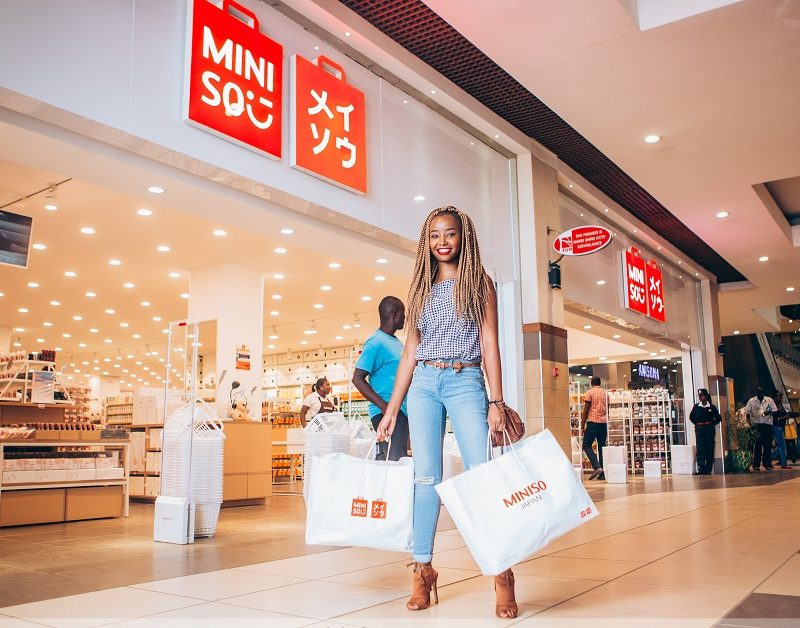
    Chinese discount merchandise chain Miniso says it expects to have 100 stores trading in Australia by the end of next year.

    “Australia is a key country in the world for the rapid expansion of Miniso,” said Miniso Australia VP Richard Li.

    “Our chain of stores opened in Australia include outlets in some of the country’s top shopping centers, including Chadstone in Melbourne and Westfield Parramatta, with a further 68 openings planned over the next 15 months.”

    So far the company has 32 stores trading Down Under. It recently reached the 100-market milestone in its global rollout program. It has 3869 stores open worldwide, and last year posted turnover of US$2.5 billion.

    Miniso has just launched a range of up to 600 lines of Marvel merchandise.

  • Chinese E-commerce retailer rejects Australian daigou buyers

    Chinese E-commerce retailer rejects Australian daigou buyers

    Daigou buyers from Australia – individuals and groups who buy infant formula and other consumables in offshore retail outlets, selling them at huge mark-up prices in China – have been locked out of one China’s fastest-growing online malls.

    Aomaijia, which boasts more than 30 million registered customers, will not allow individuals or unauthorized distributors to set up online stores selling Australian products. The company instead offers a high level of back-end services to its suppliers, which it says is a far more sustainable business model.

    “Daigou have filled a market need in China,” said Aomaijia Group CEO Maggie Liu; “while they actively promote Australian brands, in reality they operate a rather unsophisticated and inefficient distribution network. The Aomaijia platform was created to give suppliers, like those in Australia, better control of their branding in China but also control over supply chain, distribution, sales volumes and ultimately their profits.”

    The company’s global chief was in Sydney for the official opening of its Australasian procurement and supply chain office. It is the fifth such international office, with other procurement centres in Paris, Los Angeles, Seoul and Tokyo.

    Five Australian consumer product companies – Sukin, Kids Smart, Nestle Australia, B.box and Tasman Ugg – were at the Sydney event, where they signed supply agreements with Aomaijia. They will join a dozen other leading Australian brands, headed by Swisse and Blackmores, which are already available across the e-commerce platform.

    In total Aomaijia sells more than 100,000 product lines across 3,000 individual brands mainly from the US, Europe, Japan, South Korea and Australia.

    Aomaijia connects with its customers across three platforms – a mobile phone app, an online retail site (www.aomygod.com), and a mini sales program operated on the WeChat social media app, which has more than 1 billion users. The company has 14 physical stores in key locations across all of China’s major first-tier cities, with plans to open 100 more over the next year.

    The physical stores give customers the chance to test products, reassuring them of authenticity – a key selling point in China where consumers are increasingly wary of fake products, particularly in supplements, vitamins and infant formulas where Australian and New Zealand brands are very highly regarded.

    “Aomaijia does not just offer product displays,” said Nestle Australia’s head of cross border development Matthiew-Nicolas Quentin. “Chinese consumers are highly demanding, they want to know everything about our products and that’s the role this platform plays.”

  • Australian dollar back up

    Australian dollar back up

    The Australian dollar rebounded overnight and is buying 67.69 US cents Wednesday, up from 67.25 US cents on Tuesday.

    Yesterday, the local currency neared its decade low before rebounding. The Aussie dollar dipped to close to a recent 10-year low on weak retail sales figures.

    The Aussie dollar dipped as low as 66.88 US cents after the Australian Bureau of Statistics announced that retail spending fell by an unexpected 0.1 percent in July.

    But it later rebounded from that level – not far from a 10 and a half year low set of 66.77 cents set on August 7 – when the Reserve Bank of Australia announced in the afternoon that it would not to cut the cash rate for another month.

    It was buying 67.24 US cents at 1700 AEST, from 67.31 US cents on Monday.

    One Australian dollar buys 71.41 Japanese yen, from 71.46 yen ; 61.45 euro cents, from 61.28 cents ; 56.10 British pence, from 55.32 pence and 106.87 NZ cents, from 106.74 cents.

  • Fjallraven opens huge Sydney flagship store

    Fjallraven opens huge Sydney flagship store

    Swedish heritage outdoor brand Fjallraven has opened a flagship store in Sydney nearly one year after making its brick-and-mortar debut in Australia.

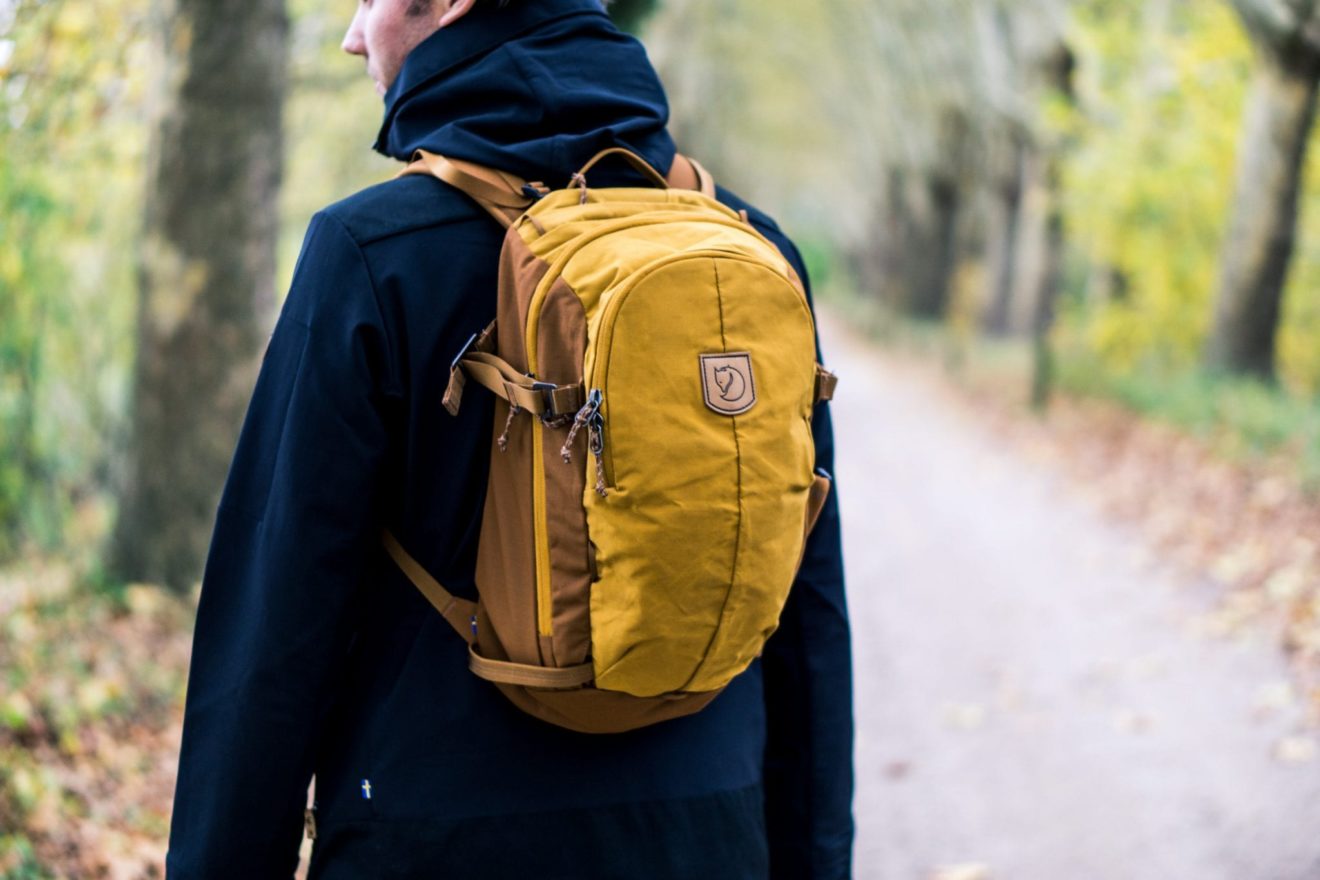
    The store, located on York Street in Sydney’s CBD, stocks the brand’s popular Kanken rucksack, as well as a broader range of outdoor apparel, including men’s and women’s jackets, tops and trousers.

    It is the brand’s second brick-and-mortar location in Australia. The first opened in Melbourne Central in October 2018, and marked Fjallraven’s inaugural location in the Southern Hemisphere.

    Susan Park, Fjallraven’s brand manager in Australia and New Zealand, said the Melbourne store has been trading well over the past year.

    “Opening our retail store was an important stage of brand development in Australia. We were optimistic about our performance before launch as we knew the demand was there,” she said.

    Fjallraven launched in Australia in early 2017 through retail partnerships and online, which helped the team better understand which products to range in the Melbourne store.

    Now, the team is further refining its decision-making through in-store feedback.

    “We review and incorporate our customers’ feedback into what we range and how we present our products in-store and it’s been a process of constant improvement,” Park said.

    According to Park, the Kanken rucksack is still a best seller, though interest in trekking equipment – especially trousers and jackets – has grown significantly as a result of increased access and awareness.

    More broadly, the store is driving an uplift in Fjallraven’s overall wholesale and e-commerce business in Australia, Park said.

    “We are really seeing the benefits of a controlled omnichannel approach and we anticipate this will be the case for Sydney as well,” she said.

    The Sydney store, like the Melbourne store, will also offer shoppers a daily ‘fika’, a Swedish tradition which translates roughly to a coffee break.

    The retailer serves complimentary coffee, tea, and small snacks to customers at certain times of the day and invites them to spend time in the store and chat with the staff.

    In addition to this in-store experience, the brand is planning to launch ‘Fjallraven Discovery Australia’ in 2020 – a three-day and two-night hike in the Grampians, designed to get people outdoors and back to nature.

    The hike will incorporate indigenous history and is in keeping with a growing theme of Fjallraven hikes all over the world.

  • Locations announced for new Lego stores in Queensland, Australia

    Locations announced for new Lego stores in Queensland, Australia

    Alceon Group has announced the locations of two new Lego stores opening in Queensland this year.

    The investment firm, which holds the distribution rights for Lego in Australia and New Zealand, will open stores in QIC’s Robina Town Centre on the Gold Coast and Westfield’s Chermside shopping center in Brisbane.

    The stores, measuring 188sqm and 236sqm respectively, will incorporate many of the custom-built design features seen in the Sydney store, such as brick-built mosaics and 3D models of local icons.

    “We are confident that brick fans of all ages will enjoy these new world-class retail experiences, with signature features that are a tribute to creativity and innovation,” Richard Facioni, executive director of Alceon Group, said in a statement.

    The Queensland store openings are part of a broader expansion of Lego’s bricks-and-mortar presence in Australia and New Zealand, following the opening of the first certified Lego store in the region at Westfield Bondi Junction in March.

    Alceon last month revealed plans to open additional stores in New South Wales, Victoria and Queensland this year, with more to follow in South Australia and Western Australia in 2020. A store is also set to open in Westfield’s Newmarket shopping center in Auckland this year.

    Facioni said in July that the brand has benefited from the popularity of the top-rated Lego Masters reality show; the stores will aim to capitalize on that momentum.

    “Our two landmark Lego certified stores in Queensland will attract both local and international visitors as we unveil fun and inspiring retail environments that showcase the creative potential of the world-famous Lego brick,” he said in a statement.

    Alceon has become one of the biggest investors in the retail sector, after it acquired the Specialty Fashion Group brands Katies, Millers, Autograph, Crossroads and Rivers in 2018. The company has a controlling stake in Noni B and ethical designer fashion brand Ginger and Smart, and owns Ezibuy, SurfStitch, and Pumpkin Patch, among other retail assets.

    The company this week reported a 136 percent increase in sales at Noni B Group, which includes the womenswear chain and five former SFG brands, to $881.9 million, though net profit was down 52 percent to $8.2 million due to restructuring costs associated with the acquisition.

  • OPSM goes luxe and large in Sydney

    OPSM goes luxe and large in Sydney

    OPSM has opened its biggest flagship in Australia, following the renovation of its George Street store in Sydney.

    The store, which doubled in size to 200sqm, now houses the widest selection of glasses and sunglasses in the retailer’s network, including a large range of luxury frames from brands such as Oliver Peoples, Tiffany & Co, Prada, Chanel and Giorgio Armani.

    The range also includes a significant selection of ‘alternative fit’ frames designed to fit customers with a narrow nose bridge, so all face shapes are catered for.

    “Staff are trained to assist customers with all face shapes and styling concerns while also speaking multiple languages,” said Alfonso Cerullo, general manager at OPSM’s parent company Luxottica.

    The store also features the latest in optometry technology, including a retina scan machine, which provides a 200-degree view of the eye.

    Cerullo said the retailer is committed to providing an in-store experience that is “second to none”.

  • Kaufland acquires third Queensland site

    Kaufland acquires third Queensland site

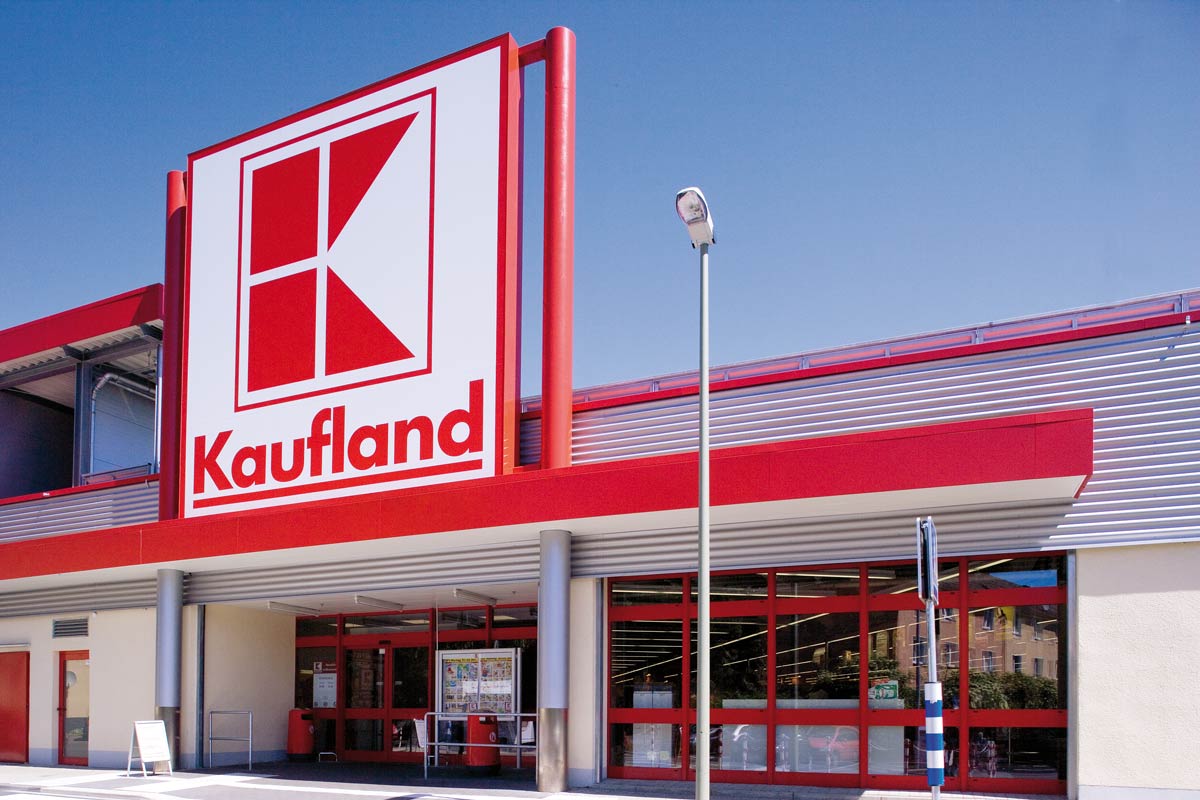
    Kaufland Australia is pressing forward with its Australian expansion with the acquisition of its third Queensland site, in a location that may concern local players.

    On Wednesday, the German retail giant confirmed that it has taken ownership of Morayfield Village Retail Centre at 177-189 Morayfield Road, a suburb of Moreton Bay Region in north Brisbane.

    The property listing on the Commercial Real Estate website indicates that the center is next to Morayfield Regional Shopping Centre, which houses major market players including Coles, Woolworths, Target, Kmart and Big W, with an Aldi store and two additional Woolworths supermarkets also situated in the precinct.

    The 16,690sq m site, described as “a well-established, modern, single-level retail center”, includes a 6,939sq m building which is more than enough for a Kaufland supermarket, which generally occupies a total store area of 4,000 square meters.

    Earlier this month Kaufland announced that it was making its first foray into the Toowoomba region in southern Queensland, along with the purchase of a site at Burleigh Heads on the Gold Coast.

    A spokesperson for the retailer said that it is planning to explore further opportunities in the area.

    “We are committed to long term, sustainable investment in Queensland, and we are delighted to be looking at all sites and opportunities that are available, ” a Kaufland spokeswoman said

    “We look forward to continuing to work together with Moreton Bay Regional Council and all key stakeholders with the goal to deliver high quality, great service, and amazing value to the wider region.”

    Kaufland has advised that its supermarkets will be stocked with local, regional and international products at discount pricing, with each store including a bakery, butcher and liquor areas.

    In March, Kaufland Australia received planning approval for its first three stores in Victoria at Chirnside Park, Dandenong, and Epping as well as its Melbourne headquarters and Australia’s largest distribution center to be located at Mickleham.

    The following month, the retailer was granted development approval to build its first South Australian store in Prospect, an inner northern suburb of greater Adelaide.

  • Wesfarmers to reposition Target

    Wesfarmers to reposition Target

    In a move to differentiate itself from sister brand Kmart, department store Target will see an accelerated transformation to offer higher quality apparel, soft homewares and toys.

    This shift will reposition the department store to compete against more specialty and middle-market offerings, and could keep Kmart and Target from potentially cannibalising one another’s sales.

    As a result, however, approximately 80 head office roles have been restructured. A Target spokesperson confirmed it is aiming to redeploy some of these staff into other parts of its business, or into the wider Wesfarmers group.

    Kmart Group managing director Ian Bailey said he believed it was the right time to recast Target against higher-quality competitors such as Cotton On, Myer, or Country Road, though at a more affordable price.

  • Australia Post announces e-vehicle trial

    Australia Post announces e-vehicle trial

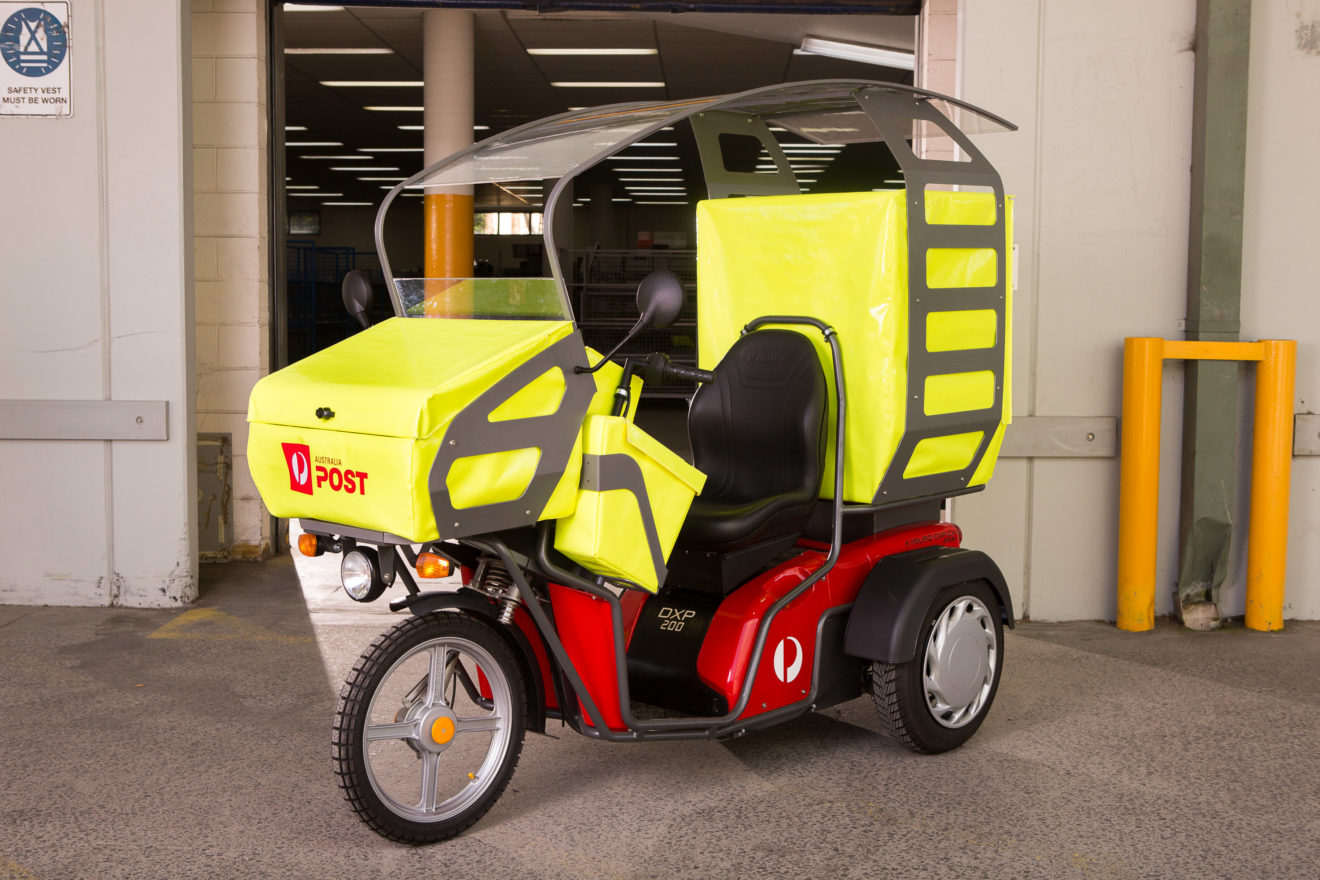
    Australia Post has announced the trial of a new Australian-built three-wheeled electric delivery vehicle.

    Built in Melbourne’s south-eastern suburbs, the new Stealth OzPOD will service residents in the suburb of Lilydale over a five-week period, as Australia Post tests its features over different terrains in a bid to complement existing electric vehicles in operational use.

    Australia Post general manager of network optimization, Mitch Buxton, believes Lilydale is a perfect area to trial the new vehicle, with locals increasingly embracing online shopping and more small parcels being delivered than ever before.

    “We know that residents in Lilydale love online shopping. Health and beauty, fashion and media are the most popular purchases among residents in the trial area,” he added.

    “The yearly growth rate in Lilydale is higher than the national average, at close to 21%. The area saw almost 79% of households purchasing online in 2018, above the national average of 73%.

    “The Stealth OzPOD has been developed over the past 2.5 years and is designed to cater for Australian conditions, with added safety and stability, wet weather, and gradient and surface measures.”

    Buxton continued, “As our business continues to transform, we are equipping our posties to deliver more small parcels. In February we announced an order of 1,000 Swiss-built three-wheeled electric delivery vehicles, so this trial is another example of how we are looking at ways to keep our posties delivering for Australians and supporting local manufacturing businesses.”

    The Stealth OzPod has an increased carrying capacity of up to 720 liters and can travel up to 50km/h (31mph). Australia Post will use the trial to review the vehicle’s performance and identify where it can be introduced.

  • Vodafone named ‘national retailer of the year’

    Vodafone named ‘national retailer of the year’

    Vodafone was crowned ‘national retailer of the year’ at the Australian Retailers’ Association’s annual awards in Melbourne on Thursday.

    The telecommunications company said it had made significant improvements to its business and customer experience since a low point a few years ago by making common sense decisions and backing its people.

    This was a fitting result, given this year’s theme, ‘Retail Morphosis’, which is all about how retailers adapt to change in order to succeed.

    “Although the retail landscape will continue to be disrupted by emerging technology and international competitors, it is truly gratifying to see the industry filled with hardworking retailers who continue to power retail through innovation and adaption,” Russell Zimmerman, executive director of the ARA, said.

    Retailers including Petstock, Bakers Delight, Birdsnest, Coles Group and Biome were recognised for their achievements in innovation, marketing, customer experience and more. The winners in all 12 categories are listed below.

    The awards took place at Myer Mural Hall on Thursday morning, and featured fashion parade capturing the history of Australian retail from the 1920s to the 1990s, with outfits curated by Myer and hair and make-up created by Chiseled Hair.

    Consumer futurist Amanda Stevens delivered a keynote speech on what the latest consumer research insights reveal about the opportunities for growth in the sector, and host Steve Plarre, CEO of Ferguson Plarre Bakehouses, entertained the audience with a rendition of ‘Uptown Funk’.

  • Australian dollar declines

    Australian dollar declines

    The Australian dollar has declined Friday, buying 67.75 US cents from 67.83 US cents on Thursday.

    Yesterday, better-than-expected jobs data has helped edge up the Aussie dollar as fears the global economy is headed for recession continue to weigh on the currency.

    The Australian dollar has struggled under the weight of worldwide economic anxiety even as domestic data showed jobs jumped past expectations in July and lessened the risk of a rate cut in the very near term.

    The figures helped the Aussie edge up to $US0.6780, from an early low of $US0.6747, but left it short of Wednesday’s $0.6809 high after a 0.7 per cent drop overnight.

    The New Zealand dollar was sidelined at $US0.6439 after easing 0.3 per cent overnight to as low as $US0.6422.

    Both currencies had been pressured by concerns the United states, and with it the rest of the world, was heading for recession as Treasury yields sank to record lows.

    The yield on 30-year bonds broke under 2.0 per cent for the first time on Thursday and briefly traded beneath the three-month bill rate, an inversion that has foretold recessions in the past.

    The Aussie won some respite when domestic data showed 41,100 new jobs were added in July, well above forecasts of 14,000, with full-time work up 34,500.

    That was enough to make investors pare the probability of a rate cut from the Reserve Bank in September to 18 per cent, from 38 per cent earlier.

    However, the data also showed unemployment held at 5.2 per cent in July as more people went looking for work, implying that wage growth and inflation would stay subdued.

    Futures imply an 84 per cent chance of a quarter-point rate cut to 0.75 per cent in October, with November seen better than 100 per cent.

    RBA deputy governor Guy Debelle also highlighted the risks from the trade war in a speech earlier on Thursday, warning it could trigger a self-fulfilling global downturn.

    That outlook, coupled with the global rush to safe havens, kept Australian bonds well bid.

    Yields on the 10-year note hit another historic low of 0.88 per cent, having dived a staggering 60 basis points in the past month.

    New Zealand’s 10-year bond yields dropped to a record trough of 1.033 per cent to be down 65bps from this time last month.

  • The Source Bulk Foods opens Restaurant in Singapore

    The Source Bulk Foods opens Restaurant in Singapore

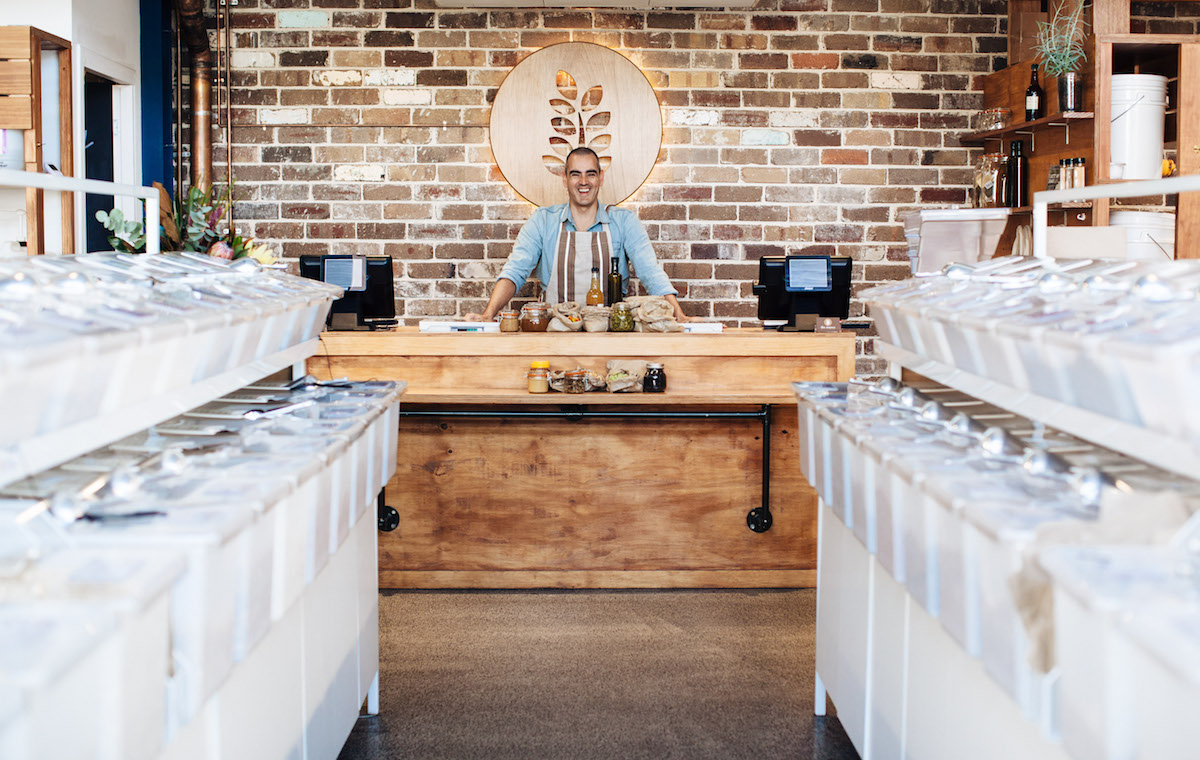
    Australia’s largest bulk foods and zero waste retailer The Source Bulk Foods has unveiled its first outlet in Singapore.

    Located at Cluny Court, the store will carry a wide range of pantry staples, numbering more than 350 products that include premium whole foods and treats as well as packaging-free household products.

    Founded in 2012 in Byron Bay, Sydney, Australia, The Source Bulk Foods has promoted an ethos of zero packaging, encouraging customers to buy and use only what is needed.

    “We are as much about providing nutritious products as we are about embracing a zero waste goal, and creating a healthy community,” said The Source Bulk Foods master franchisor for Southeast Asia Rob Behennah.

    “Our passionate team looks forward to delivering wholesome food, nourishing families, and in doing so, taking a hands-on approach to nurturing our planet.”

    Shoppers at the store are given three easy steps to purchase: grab a bag (or refill a jar), write the product code, and fill the bag with the desired amount of the chosen product. Customers then proceed to the cashier, where their groceries will be weighed and payment made.

    “The Source Bulk Foods is revolutionising the way we shop,” said franchise partner and full-time nutritionist Sarah Widjaja.

    “At every step of the way, suppliers, retailers, and customers can reduce their use of unnecessary packaging and single-use plastics. By buying only what is needed, we can also minimise food waste.”