Tag: Australia

  • Myer revamps homewares offer in the Sydney flagship store

    Myer revamps homewares offer in the Sydney flagship store

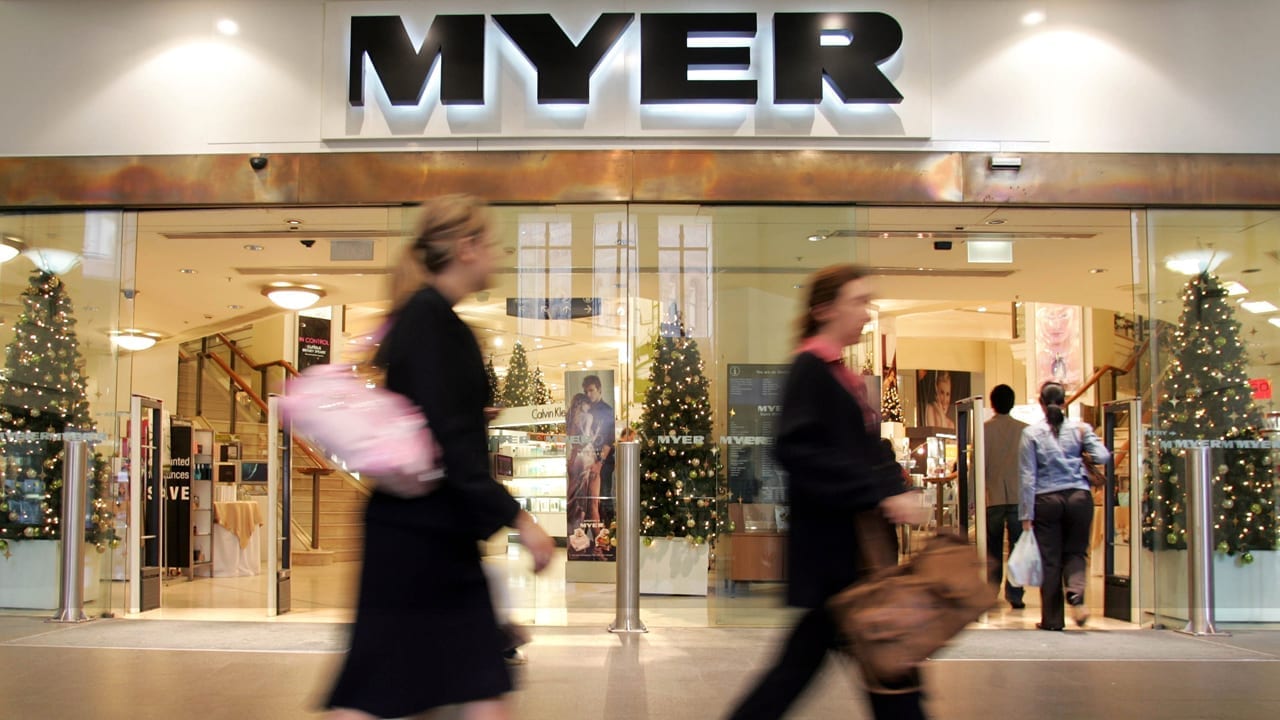
    Myer on Friday opened the doors to a refurbished homewares and electronics department in its Sydney CBD store.

    The new floor contains 20 shop-in-shop concepts from leading brands, including Scanpan, Le Creuset, Delonghi, Breville, Riedel, Fissler, Salt & Pepper, Maxwell & Williams, and Coles & Mason, as well as the world’s largest shop-in-shop from Dyson.

    “We are so thrilled with the new homewares department, with it’s modern and easy to navigate shop-in-shop format,” Alison Muir, the general manager of Myer’s Sydney store, said.

    According to Myer’s general manager for home and entertainment, Dean Austin, the floor has the largest choice of homewares in Sydney’s CBD.

    The new offering comes as the department store retailer sheds “unprofitable” brands, such as Apple, which it stopped selling in May, as part of a broader turnaround.

    The department store managed to pull back a modest improvement during FY19, its first year under chief executive John King, despite shifting consumer behavior.

    While total sales fell 3.5 percent to $2.99 billion, and comparable sales fell 2.9 percent, the business managed to reduce its expenses by roughly $33 million over the year in rent and wages.

    This focus on more profitable sales led to a net profit after tax of $33.2 million; 2.2 percent up on the year prior.

  • Amazon Australia boosts grocery offering with launch of subscription service

    Amazon Australia boosts grocery offering with launch of subscription service

    Amazon Australia is further challenging the nation’s biggest supermarkets with the launch today of a subscription service which allows consumers to have household essentials delivered regularly at a 10 percent discount.

    Amazon’s ‘Subscribe and Save’, which has proven popular in international markets, offers free delivery on repeat purchases across pantry food and beverages, pet supplies, beauty and vitamins, and supplements.

    Customers can sign up for scheduled repeat deliveries on an unlimited number of products that they shop for on a regular basis, with no subscription fee and the option to cancel at any time.

    Shoppers also choose the frequency that they want products delivered, starting from a monthly basis to a six-monthly basis.

    Popular brands including Carman’s, Coca Cola, Fairy, Heinz, and Huggies are among the thousands of products offered through the new service.

    “Time and money are two of our most precious commodities and ‘Subscribe and Save’ gives Amazon customers a simple way to save on both,” Matt Furlong, country manager of Amazon Australia said in a statement on Wednesday.

    “There is nothing worse than running out of your favorite coffee, washing powder, nappies for your newborn, dog food, or toothpaste, and ‘Subscribe and Save’ will help make this a thing of the past.”

    From today, eligible products on the e-commerce site will display a ‘Subscribe and Save’ icon. While prices on individual items can fluctuate, customers receive an ongoing 10 percent discount and free delivery after the initial order.

    The most popular categories within the ‘Subscribe and Save’ program in the UK, US and Canada are groceries, household goods, pet supplies, and beauty.

    Amazon Australia confirmed its intention to launch the platform in Australia, in December 2018. Retail expert and professor at QUT’s business school Gary Mortimer said at the time that the move could impact consumer buying behavior.

    “The Subscribe and Save model is a really smart move from Amazon, and I genuinely think incumbent players should feel nervous…” Mortimer said.

    “We know subscription-based models tend to work because it’s very much a ‘set and forgets’.”

  • Flight Centre fined $252,000 for misleading promotions

    Flight Centre fined $252,000 for misleading promotions

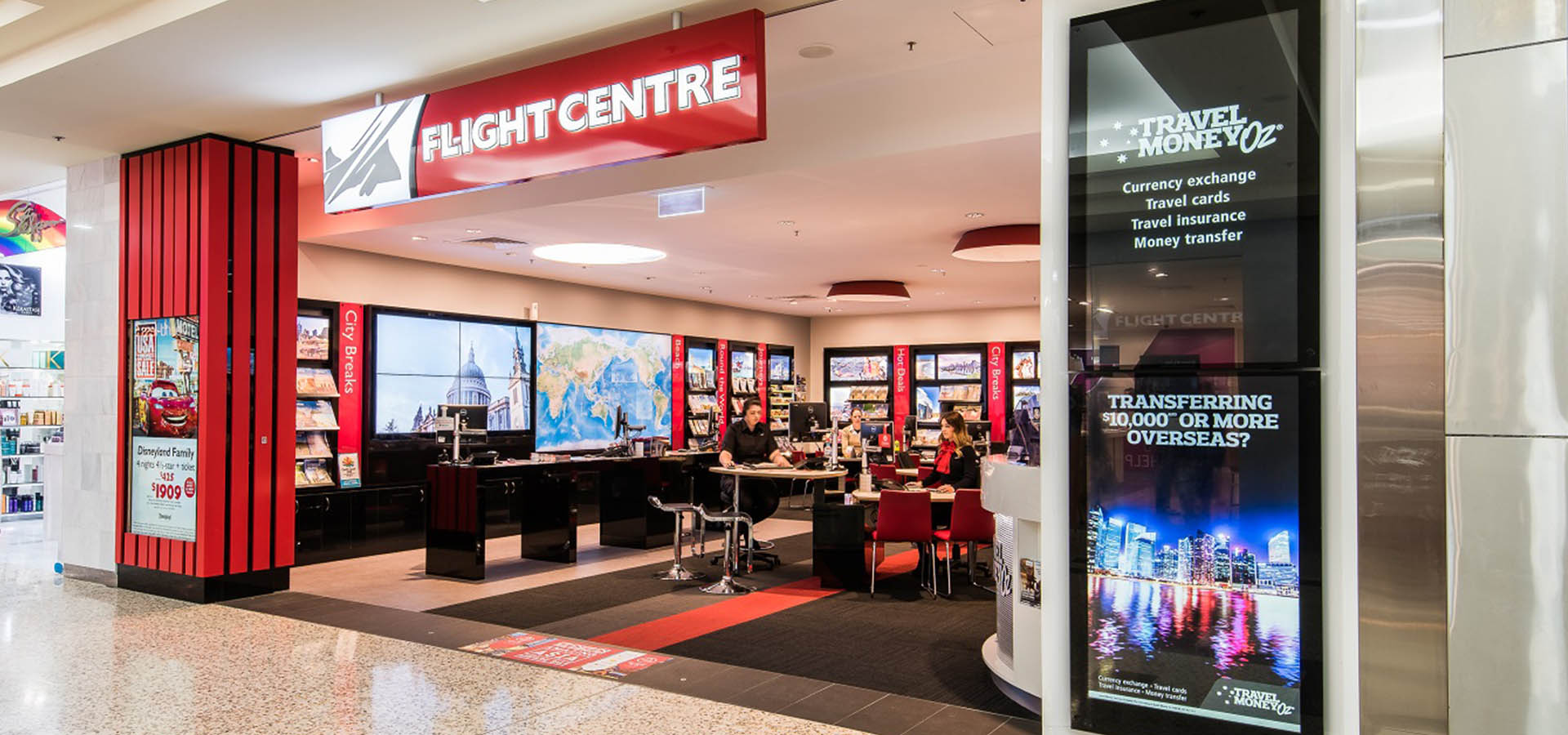
    Flight Centre Travel Group has paid $252,000 in fines after misleading customers with unclear promotions during the 2018 Christmas and 2019 Easter periods.

    The travel group offered customers who spent $1500 on a holiday package during these periods a $250 voucher to use for their next holiday – though failed to disclose that the next holiday needed to be worth more than $5000 to qualify.

    According to the ACCC, over 35,000 customers received these vouchers as part of the promotions.

    “We are concerned that consumers were enticed to purchase their holiday through Flight Centre to obtain a voucher they were not able to use without spending another $5000 when this was not adequately disclosed,” ACCC Commissioner Sarah Court said.

    “Businesses are warned that the terms and conditions of any deal or promotion must be prominent so that consumers understand what is involved in redeeming the offer.”

    In addition to the fine paid, Flight Centre has also waived the $5000 minimum spend condition and has extended the redemption period for the vouchers. Those earned during the 2018 Christmas period will be extended from 30 June 2019 to 31 December 2019, while those earned during 2019 Easter will also be extended to 31 December 2019.

    The ACCC notes that the payment of a penalty specified in an infringement notice is not an admission of a contravention of Australian Consumer Law.

    Earlier this year, the ACCC also targeted online retailer Kogan for misleading promotions, stating it made “false or misleading representations about a 10 percent discount promotion”, and would be taking the retailer to court.

    The consumer rights commission alleged Kogan had advertised a 10 percent discount on certain products, though raised the price of around 600 products before the promotion began – in some cases by at least 10 percent.

    “We allege that Kogan’s advertisements were likely to have caused consumers to think they were getting products below their usual price,” Court said in a statement in May.

    “In fact, Kogan had inflated product prices which we say created a false impression of the effective discount.”

    At the time, Kogan denied the allegations, stating they ignore critical facts and matters that are relevant to the situation.

  • David Jones opens first food store in Melbourne

    David Jones opens first food store in Melbourne

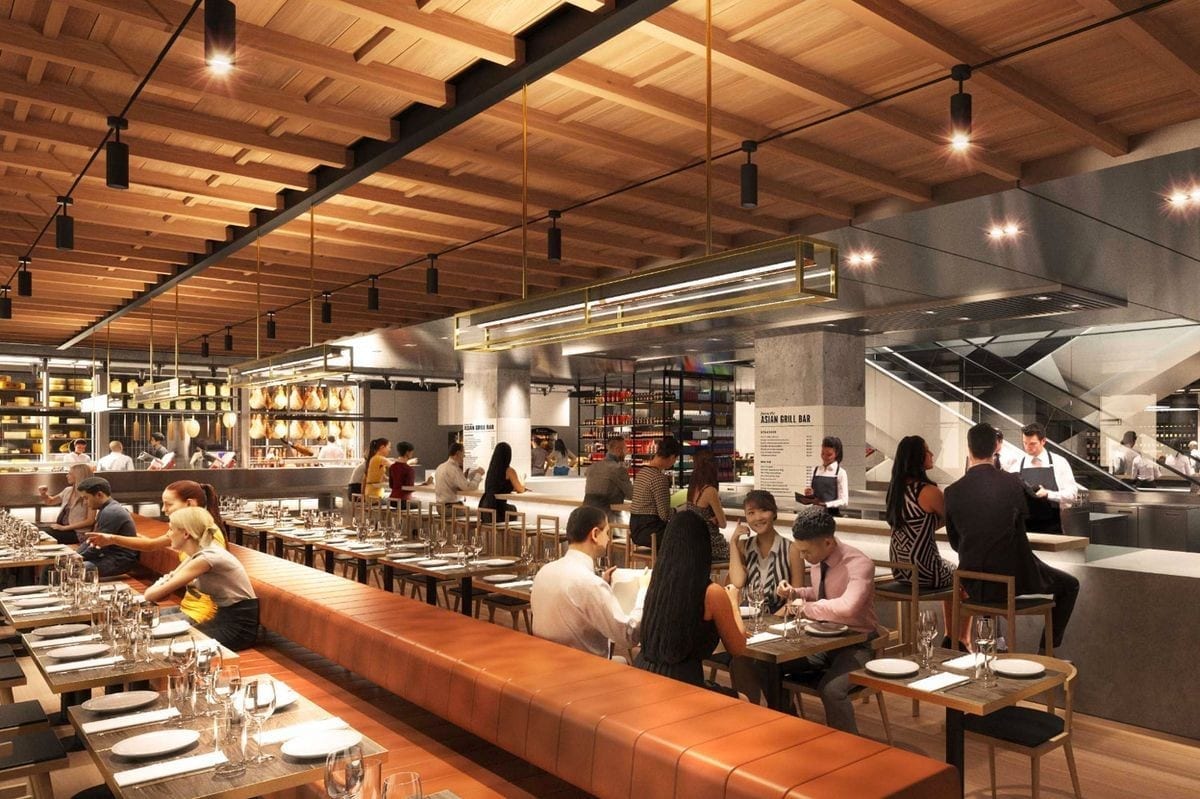
    David Jones has opened its first standalone food store in Melbourne in a bid to lock down Australia’s gourmet grocery market and take share off the country’s leading supermarkets, Coles and Woolworths, by offering fresher and, it argues, tastier prepared food.

    The 425sqm store, located on the ground level of Capitol Grand, a high-end residential and retail development on Chapel Street in South Yarra, stocks a large range of prepared meals, including a newly launched vegan range, alongside meat, eggs, dairy, fresh produce and other groceries and pantry staples, such as pasta, olive oil, tea and biscuits.

    Roughly 60 per cent of items in the store are private label, most of which were developed exclusively for David Jones by Inspired Foods, the Australian arm of Interfood, South Africa’s leading food supplier.

    According to Pieter de Wet, David Jones’ managing director of food, this partnership gives the retailer a competitive edge in Australia’s $110 billion grocery market, which increasingly is shifting towards fresh and prepared food.

    “Because of the long distances and supply chain issues in Australia, when [supermarkets] go into fresh, and I’m talking particularly about convenience and fresh meals, shelf life becomes a big issue,” de Wet told Inside Retail Australia.

    “You’ll find products deemed fresh have a shelf-life of 30 days, and then there’s no flavour, quality goes out the window.”

    In comparison, most of David Jones’ prepared meals have a shelf life of four to five days, he said. This is because Inspire Foods has developed different processes to prepare food without preservatives.

    “The IP we created over decades of working with our suppliers is what delivers those products, and over time, that’s what we see as a big opportunity that will differentiate us,” he said.

    De Wet declined to say how many standalone food stores David Jones will open, but said the retailer aims to be the only national player in Australia’s underdeveloped gourmet grocery market.

    “If you look at other markets, there are one or two retailers occupying the top end of the market,” he said, pointing to M&S and Waitrose in the UK and Whole Foods in the US.

    “In Australia, it’s a little bit different. It’s almost occupied by food service. You’ve got a couple independents, but nobody is doing it at scale and cohesively. There’s an opportunity there,” he said.

    Gary Mortimer, an associate professor at Queensland University of Technology’s business school, agrees that the top end of the market is “ripe for exploitation”.

    “Such a strategy has proved successful in cushioning several international supermarkets from increased price discounting,” he said.

    But it is not without risks. Woolworths closed down its gourmet grocer business Thomas Dux in 2017, and Brisbane-based Mercado slipped into voluntary administration in May.

    “The key challenge is volume and selecting the right locations,” Mortimer said.

    The store in South Yarra marks David Jones’ third food format since it announced its $100 million food strategy in 2017.

    The retailer over the past two years has opened food halls in its department stores in Sydney, Melbourne, Adelaide and Perth, where customers can dine on sushi and oysters and purchase gourmet food products between shopping for clothes and homewares, and in August, it announced a partnership with BP to offer fresh food and prepared meals in its service stations.

    The new store occupies a middle territory between these two formats. In addition to its grocery offer, it also features an in-house espresso bar and a pop-up shop from The Plant Society, where customers can buy freshly cut flowers, potted plants and accessories.

    Going forward, de Wet said the retailer will expand its food offer primarily through its partnership with BP and standalone stores like the one in South Yarra, rather than food halls.

    “BP have got a massive network, the opportunity there is very big. If you look at M&S, they’ve got 400 BP stores in their network, there’s a real opportunity there for us,” he said.

    “How big this could become over time…time will tell.”

    David Jones is set to open its second store in New Zealand next month at Westfield’s newly opened Newmarket shopping centre. The location will reportedly include a food offer.
  • Australia gets first 5G-enabled Wi-Fi hotspots

    Australia gets first 5G-enabled Wi-Fi hotspots

    “We have said we intend to lead on 5G and with these 5G-enabled Wi-Fi hotspots Australian consumers will be among the first people in the world to try the technology,” Mr. Wright said. “Taking 5G technology out of a lab and into the hands of consumers is another key milestone on Telstra’s roadmap to offering 5G services in 2019.”

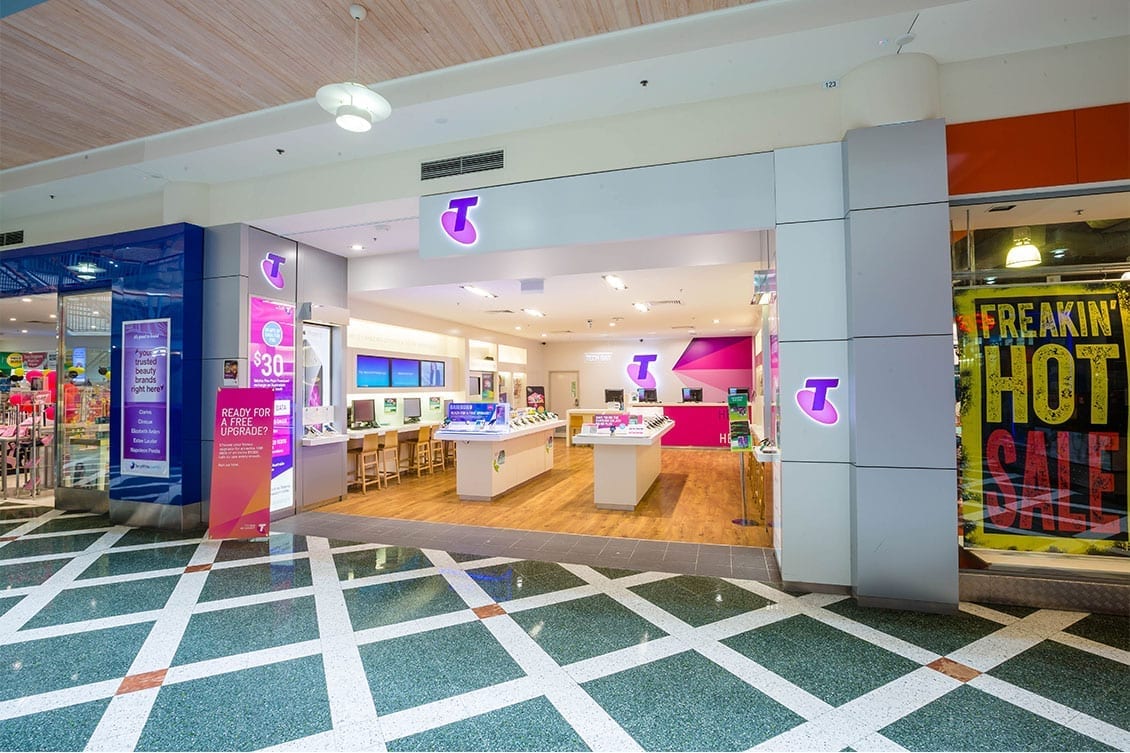
    There are no 5G compatible commercial smartphones or tablets available today. By connecting 5G backhaul and infrastructure in the Southport Exchange, to a standard Wi-Fi access point then people can use the technology on their existing device, Telstra explained in a press release.

    Using Wi-Fi access as part of Telstra’s 5G technical program is a way to show the benefits of 5G capability in real-world conditions. The 5G hotspots will be open to anyone in the area and are free with a download limit of 10 GB per day per device.

    “Wi-Fi has limited throughput so a single hotspot alone cannot come close to reaching the limits of 5G at our Innovation Centre. By using multiple hotspots with potentially hundreds of smartphone users served through a single 5G device we are able to get closer to demonstrating 5G in a real-world environment,” Wright said. “Our 5G backhaul is capable of delivering download speeds of more than 3Gbps, which is capable of supporting around 1,000 HD movies being streamed simultaneously.”

    Telstra is also using mmWave spectrum and its 5G Innovation Centre to put a connected car on the road with the Intel 5G Automotive Trial Platform, one of the most advanced 5G prototype devices available in the world today.

    “Working with global technology companies Ericsson and Intel, we have put Australia’s first 5G connected car on the road. We are in the very early stages of development and are achieving download speeds approaching 1Gbps inside the car and the vehicle is also equipped with a Wi-Fi access point,” Wright said.

    “This shows how quickly technology is evolving. At the beginning of the year, our 5G prototype device was the size of a bar fridge and weighed more than 200 kilograms.  Now, in collaboration with Intel and Ericsson, we have one that has been shrunk down to the size of a personal computer and can be installed in a car.”

    The Connected Car will help Telstra to start getting real results on mobile performance over mmWave and ensure 5G network readiness.  These advances are part of a series of 5G related activities that Telstra, Ericsson, Intel and other technology companies will undertake on the Gold Coast in 2018.

    The 5G Innovation Centre is central to a $60 million investment Telstra has made to upgrade infrastructure on the Gold Coast to support growing demand and major events in the area.

    Actual broadband speeds experienced on the 5G enabled Wi-Fi hotspots and Connected Car will vary and are likely to be lower than the maximum depending on factors, Telstra said, such as the type of device being used, distance from the hotspot and the number of people connected to the hotspot at the one time. 

  • Australian enterprise markets show optimism in 5G adoption

    Australian enterprise markets show optimism in 5G adoption

    With 5G being available in the enterprise market, it is expected to generate around AUD45 billion ($31.1 billion) in value per year by the mid-2020s. The economic earnings will come from next-generation application development, IT services, platforms, and connectivity.

    In fact, a survey by the research company found 68% of IT and business leaders consider 5G as an integral part of their business strategy to make progress. Half of these respondents said it is as important for future development as it is for supporting existing services.

    The company stated that what future services are mainly expecting in 5G are the large data transfer capabilities, more reliable connectivity, and lower latency 5G will offer. This will provide a unity to change software architectures to account for real-time services and cloud-based AI architectures.

    The top three barriers to 5G investment cited were integration with current systems (34 percent); a lack of business cases (23 percent); and security concerns (17 percent). A lack of skills is also an issue with more than 25 percent indicating they will be looking for an outsourcing partner for developing services.

    Almost half of businesses surveyed assume the number of connected devices running on internal systems to increase at least five times within five years. Telsyte said the jump is powering innovation and experimentation in the IoT segment, as it found that one in four companies have already IoT-capable devices, but no formal strategy around them.

  • Telstra launches first 5G device in Australia

    Telstra launches first 5G device in Australia

    The Australian-based company began marketing its broadband plans for the new HTC 5G Hub and will soon start selling the Samsung Galaxy S10 5G. They also plan to introduce their mobile plans for the new technology by the end of June.

    The company said it would offer free 5G access for around 12 months.

    “We have already started building our 5G coverage in some areas and, as we did with 3G and 4G, we will progressively roll out the new technology over time,” said Telstra’s chief executive officer Andrew Penn in a statement.

    The operator is currently working on rolling out 5G in ten cities and plans to expand the coverage to around 35 other cities within the next 12 months.

    Telstra turned on 5G base stations back in December 2018 in some parts of Sydney and Melbourne all of which amounted to 187 5G-compatible sites in the two cities.

    They acquired 3.6GHz spectrum for AUD 386 million. The company claims to have around 60Mhz of contiguous 5G spectrum in Australia’s major capital cities and around between 50 to 80Mhz of contiguous spectrum in regional areas.

    “Our launch of the HTC 5G Hub is the moment 5G becomes a reality for Australian consumers,” said Penn.

    “Since 2016, we have been working with some of the world’s leading technology brands to ensure Australians are among the first in the world to be able to access 5G.”

  • Kathmandu raises $96 million for Rip Curl acquisition

    Kathmandu raises $96 million for Rip Curl acquisition

    Kathmandu has raised nearly $96 million from institutional investors via a fully underwritten 1 for 4 pro rata accelerated entitlement offer to help fund its acquisition of Rip Curl.

    Eligible institutional shareholders took up 88 per cent of their entitlements, and 92 per cent of eligible institutional shareholders took up their entitlements in full, signaling strong investor support for the $368 million acquisition, which Kathmandu said will expand and diversify the business.

    Kathmandu is looking to raise a total of $145 million under the entitlement offer, which allows eligible shareholders to subscribe for one new ordinary share for every four existing shares held as at 5pm on October 3, 2019.

    The retail component of the entitlement offer opens on Friday, October 4, and closes on Monday, October 21, with eligible shareholders able to subscribe at an application price of NZ$2.55 per new share ($2.37 for Australian shareholders).

    This reflects a 14.4 percent discount to the volume-weighted average price of Kathmandu’s shares traded on the NZX for the last five trading days prior to October 1, 2019.

  • Sephora shared launch dates for first SA store

    Sephora shared launch dates for first SA store

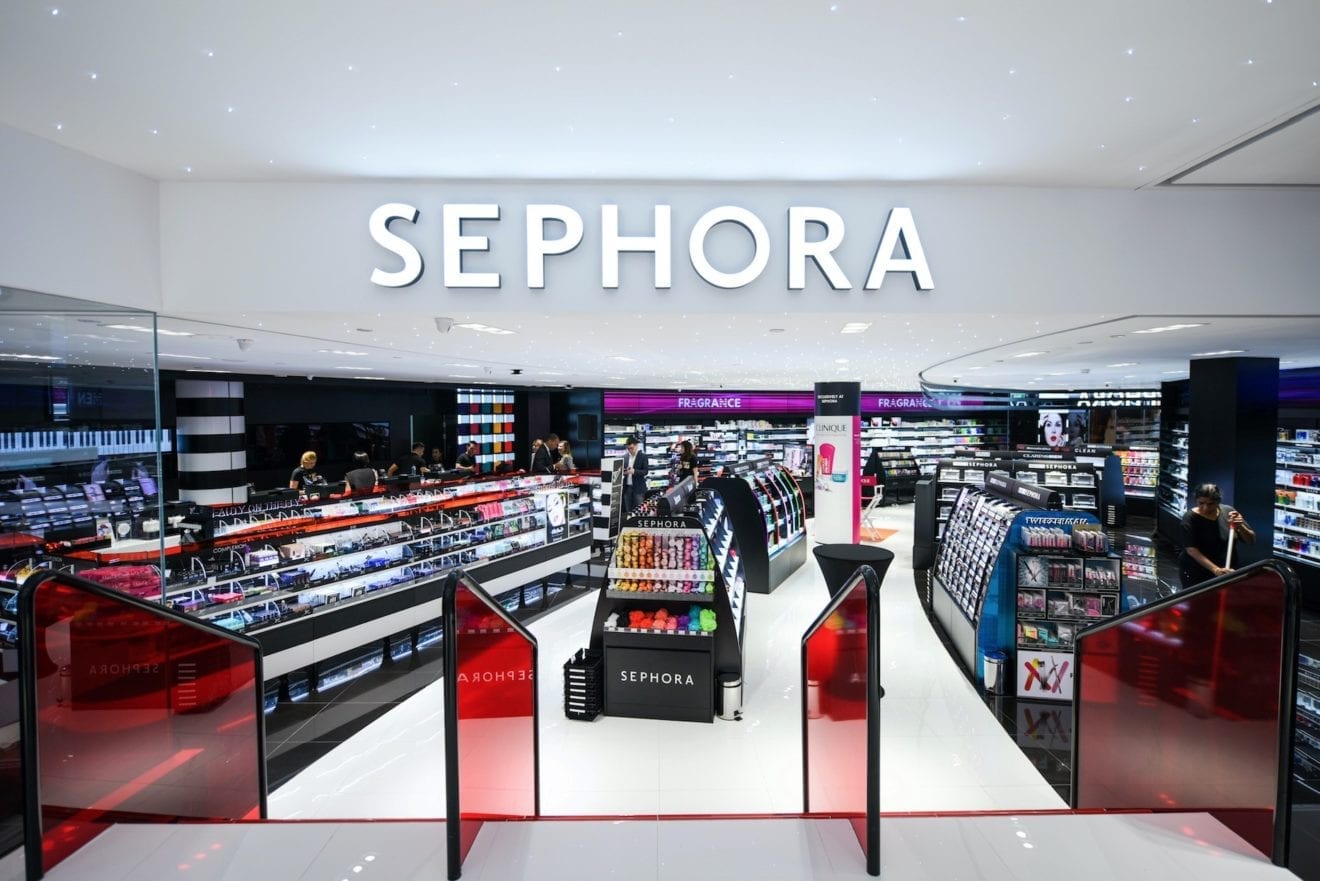
    Sephora will open its first store in South Australia on October 10.

    The beauty giant today revealed the launch date for its Rundle Mall store in Adelaide, and provided details about the opening day event.

    “We will be taking over the section of Rundle Mall outside of our new store to create what we like to call, the Sephora Street Party,” Beth Glancey, country GM for Sephora Australia & New Zealand, said in a statement.

    “There will be a huge stage, a live DJ, influencer appearances and Q&As, makeup stations and plenty of fun.”

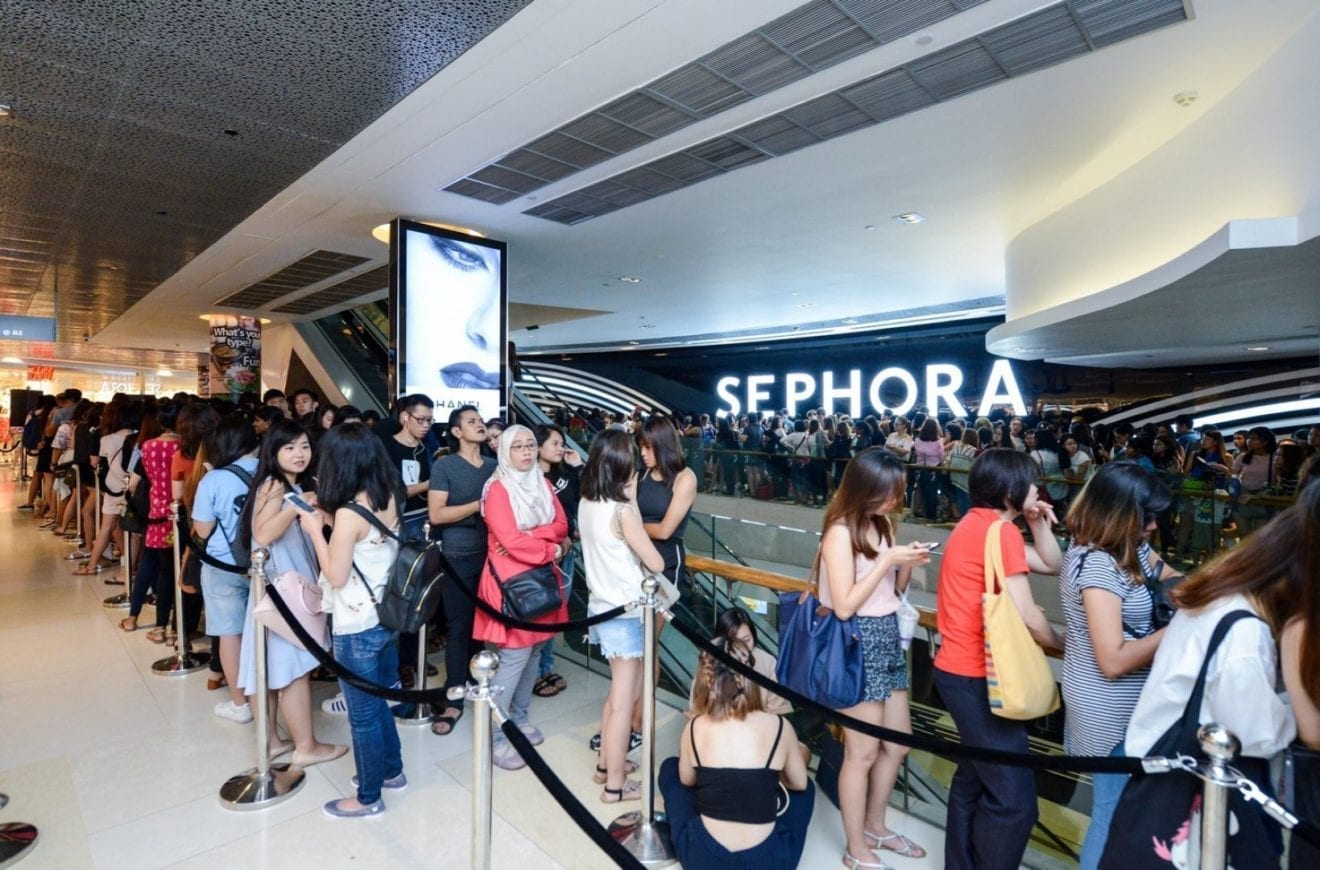
    Sephora is rewarding the first customers in line with free products, with the first 100 receiving an Anastasia Beverly Hills Modern Renaissance Palette ($76), and the next 400 picking up the Anastasia Beverly Hills Sugar Palette ($74).

    The first 10 people in line will be invited to shop the store before it opens and receive $100 to spend.

    According to Glancey, the store will be unlike any other Sephora location in Australia, with a particular focus on services, including a Benefit “brow bar” and the first dedicated skincare studio in the country.

    Sephora’s services include make-up lessons as well as applications, with customers able to book in to receive a full makeover, while the Benefit “brow bar” allows customers to have their eyebrows, lips and chins styled, waxed, tinted, and tweezed.

    Sephora confirmed earlier this month that it was entering South Australia for the first time, generating a strong response from local customers on social media.

    “When we announced our Adelaide arrival two weeks ago we were met with such excitement by our clients. We had over 2,500 ‘likes’, 900 ‘comments’ and 75 ‘shares’ on Facebook and Instagram,” Glancey said.

  • How online retail is expanding in Australia

    How online retail is expanding in Australia

    Online retail is one of the biggest trends of today. Visiting the actual stores and going shop by shop to find your preferred product is slowly fading away and leaving its place to the online shopping experience. Everyone wants to sit at home, browse through the brand websites, pick the products of their liking, and then place an order without ever going outside.

    That’s exactly what’s going on in the world and Australia doesn’t fall behind. Almost every form of retailing or service company starting from clothing stores to the slot game providers, known as pokies in Australia, are increasingly going online.

    In fact, according to Australia Post’s 2019 eCommerce Industry Report, online purchases increased to 20.2% in 2018 and recorded double-digit growth every month. It seems that Australian retailers are really flexing their muscles here.

    In this article, we’re going to see how three of the most popular online retailers handle this new transformation in the retail industry, and how they manage to satisfy customer demands by providing high-quality products, affordable prices, and fast delivery.

    Urge to increase the scale

    With the Internet and expanded – or rather, nullified – boundaries, companies have ever-more-prevalent incentives to increase production to meet rising demands. Be Fit Food, the dietician-designed real healthy meal company, has increased its production from 3,000 meals a week to 30,000 meals a week. “There’s a huge opportunity, with potential for 100,000 deliveries every week. So we need partners that can scale with us,” says the company’s CEO and Founder Kate Save.

    The company is based in Victoria and now it ships to New South Wales, Queensland, and South Australia. There are plans to expand and cover Western Australia as well.

    Fashion purchases are among of the biggest driving forces of online retails, constituting 35.2% of all online purchases.

    Showpo, a Sydney-based Australian online fashion retailer, is also increasing its supply; according to its Head of Operations Paul Waddy, the year to year production is growing 40 to 60%. “We now sell to over 80 countries, so we are also an export business”, says Waddy.

    The importance of fast deliveries

    Fast delivery is one of the biggest deciding factors in online shopping. It’s one thing to get quality products in one piece, but if delivery takes several days, it quickly loses its appeal. Australian retailers have quickly realized this and started to incorporate faster delivery methods.

    In fact, next-business-day deliveries have increased by 31.7% in Australia, and fashion purchases account for almost 62% of these retails. Showpo is partnering with Australian Post to enable the same business-day delivery on subway areas in Sydney, Melbourne, Brisbane, and Adelaide.

    “How quickly we can get our orders out to our customers is super important, they want value, they want something that looks great and they want it quickly. If you can’t keep up the service levels, your customers will not come back to you,” says Waddy.

    Australia’s biggest online retail store Myer is also focusing on fast deliveries. “Our customers expect a great experience, but they also want it today. We can now provide same-day delivery to 80% of the country”, says the company’s GM Omnichannel Robbie Tutt.

    Fast delivery of its healthy dietician-designed food is also very important to Be It Food. “We’d love to be able to deliver within a 24-hour window. If a customer can’t get that replacement product for another four days, we know that’s just not good enough”, says Kate Save.

    Variety is key

    The Australia Post’s report also shows that stores that offer a variety of products, known as Variety Stores, are the biggest online shopping category. They showed year on year growth of 21.5% last year. eBay and Catch are the main marketplaces that take up 56.4% of the variety store purchases.

    Myer’s GM Tutt says that the biggest Australian retail company is also focusing on incorporating variety stores on its online channel, increasing by 44% in the second quarter of 2019.

    “It’s all about convenience. Customers don’t see channels, they see a brand. They expect a great experience however they interact with us. Whether that’s through social, digital, in store, or when they receive their parcel, that’s all the Myer brand,” says Tutt.

    Tutt also mentions that he realizes how often people shop through multiple channels at once. That’s why he believes many of them will definitely choose Myer which will offer a variety of shops on one platform.

    Be It Food also tries to expand its capabilities. According to Kate Save, “Our customers really want tracking information. Even though we’re not the delivery service, they expect a quality of service from us.”

    These three Australian companies have found a key to success in the retail industry of 2019. It’s mainly based on increasing supply to meet bigger, more internationalized demands; faster delivery services; and variety stores on one single platform.


  • Amazon selling refurbished products in Australia

    Amazon selling refurbished products in Australia

    Amazon Australia has expanded the reach of its marketplace, now offering refurbished products through certified sellers under its ‘Renewed’ program.

    Products sold through this program will have a six-month selling partner-backed warranty and will be inspected and tested by suppliers to ensure they look and work as new.

    “Renewed provides Australian customers with great discounts on the good as new products, paired with the reassurance of a six-month warranty, and the convenience of having it delivered to their door,” Amazon Australia country manager Matt Furlong said.

    “Aussie shoppers are savvy, and we hope that Renewed gives them another way to get the products they want for an even better price.”

    Renewed products will be available across mobile phones, computers, tablets, headphones, and wireless speaker, with more categories to come soon. Certified resellers currently include Apple, Samsung, Microsoft, Lenovo, HP and Dell.

    Australian marketplace Kogan also offers refurbished products, though also offers a grading system to signify the item’s condition – from grade A to grade C.

    Grade A refers to a product that is in near-new condition, while grades B and C show further use and degradation.

    While Renewed products at present do not present this information on the store page, Amazon notes the refurbishment process typically includes a full diagnostic test, replacement of any defective parts, a thorough cleaning and inspection process, and repackaging by the seller or refurbisher.

    A growing economy

    According to Ahmad Elhawli, founder of sports marketplace Sportsfinda, the used goods industry is a $34 billion industry.

    “It used to be [these products] would sit at home or collect dust, nowadays they’re living in a sharing economy – it’s a lot more acceptable to share things with others or purchase products that were used by others,” Elhawli said.

    Swinburne University’s lecturer of marketing Dr. Jason Pallant said that, while this is still a relatively small chunk of the overall market, demand for second-hand and refurbished goods is growing.

    “Similar to general retail, online has facilitated this type of shopping, allowing consumers to find an expanded range of products whenever and wherever they choose,” Pallant said.

    However, unlike a more traditional marketplace offering, Amazon’s stricter control over how these goods are certified could lead to less discounting, meaning less incentive for consumers to shop refurbished.

    “On the surface, this provides some apparent benefits to consumers as Amazon are promising to tightly check the quality of both products and sellers, as well as offering warranties on certain items,” Pallant said.

    “However, these securities come at a price. Stricter requirements on sellers will likely be passed on to buyers through higher prices than might be found through other systems.”

    Why conscious consumers buy refurbished

    While buying new products typically comes with peace-of-mind, buying refurbished tends to not only come at a lower price point, but also at a lower impact environmentally – decreasing demand for manufacturing new products unnecessarily, as well as the effects of electronic waste.

    “Considering the speed at which new products are created, and the amount of waste this creates, it is good to see businesses of various kinds working into the idea of the circular economy, and trying to help products be reused and recycled,” Pallant said.

    According to the United Nations Environment Programme, humans produce as much as 50 million tonnes of e-waste per year, with only 20 percent of this recycled – the remaining 80 percent ending up in landfills to potentially contaminate soil and groundwater.

    “As consumers become more environmentally conscious, these types of initiatives are positive steps,” Pallant said.

  • Volkswagen Agrees To Australian Settlement Over Diesel Cheating

    Volkswagen Agrees To Australian Settlement Over Diesel Cheating

    Volkswagen said on Monday it had agreed to pay up to A$127 million ($87.3 million) to settle lawsuits brought on behalf of thousands of Australian customers caught up in its global diesel emissions cheating scandal.

    The German automaker said it would pay about A$1,400 each to owners of affected Volkswagen, Audi and Skoda EA189 diesel vehicles who opted into the lawsuit.

    “This is a significant step toward fully resolving the diesel lawsuits in Australia,” a Sydney-based Volkswagen spokesman said in an emailed statement.

    As part of the settlement, which was agreed on a “no-admissions basis”, Volkswagen will pay the legal costs of the claimants who filed several class-action lawsuits.

    “This is an important step in providing a measure of justice and redress to the thousands of Australian motorists who claim they were financially impacted by the diesel emissions issue,” principal lawyer at Maurice Blackburn, Julian Schimmel said.

    The settlement is subject to court approval.

    The settlement follows revelations in 2015 that Volkswagen was using illegal engine-control software to cheat pollution tests. The company has already paid billions of dollars in legal costs around the world.

    The Australian consumer watchdog in 2016 also sued the German carmaker alleging it intentionally sold more than 57,000 vehicles with software which deceived buyers about levels of toxic emissions.

    Volkswagen said it expected to settle that lawsuit shortly.

    In the United States, Volkswagen has already agreed to pay more than $25 billion in claims from owners, environmental regulators, states and dealers and offered to buy back about 500,000 polluting U.S. vehicles.

    In May, the group said it had set aside 5.5 billion euros ($6.1 billion) in contingent liabilities of which 3.4 billion euros had been earmarked to cover potential lawsuits.

  • Sephora expanding to Australia next month

    Sephora expanding to Australia next month

    Beauty brand Sephora is opening its first store in South Australia next month in Adelaide’s Rundle Mall.

    According to Sephora Australia and New Zealand country manager Beth Glancey, a store in Adelaide has been long requested by its more fervent fans.

    “We have been eagerly waiting for the perfect location on Rundle Mall for some time now,” Glancey said.

    “We are excited that we are only weeks away from bringing the fun, dynamic and inspiring Sephora retail experience to our clients in Adelaide.”

    According to Glancey, the store will be unlike any other Sephora location in Australia, with a particular focus on Sephora Services, offering a benefit brow bar and Sephora’s first dedicated skincare studio in the country.

    Sephora’s services include make up lessons as well as applications, with customers able to book in to receive a full makeover, while the benefit brow bar allows customers to have their eyebrows, lips and chins styled, waxed, tinted, and tweezed.

    General manager of the Rundle Mall management authority Johanna Williams said the destination is thrilled to house the first South Australian Sephora store.

    “Sephora is a trailblazer in the international beauty world, known not only for its product range but for unique in-store experiences that are sure to be a hit with South Australian beauty fans,” Williams said.

    “We look forward to Sephora openings its doors in October.”

  • Ikea launches slow TV channel to help Aussies sleep better

    Ikea launches slow TV channel to help Aussies sleep better

    Swedish furniture chain Ikea has expanded on its efforts to put Aussies to sleep, creating a live-streamed ‘Slow TV Channel’ which follows the 14-day journey of its products aboard a cargo ship.

    Decidedly unexciting, the effort mixes the soothing sound of waves crashing against the ship’s stern with narration by Ikea’s Kent and Sara Eriksson – hosts of Ikea’s sleep podcast.

    Kent and Sara read from the latest Ikea catalog in a soothing tone in order to help Australians get a good night’s rest.

    “We’re very excited to launch what could be the least exciting TV channel Aussies have ever seen,” Ikea Australia country commercial activity leader Ryan Burman said.

    “We know that one in four Aussies struggles with their sleep, so we hope that the rhythmic, monotonous content of the slow TV channel helps quieten the day, and get the mind and body ready for bed.”

    According to Burman, Ikea wants to inspire Australians to create a better sleep environment.

    The live streamed video will run for 336 hours – from September 12th to 26th – ending at the opening of Ikea’s Festival of Sleep which will run from September 26th to October 7th.

    According to Ikea, the festival will feature in-store workshops, guest speakers, special offers, competitions and exciting activities designed to help customers get better sleep.

  • Business conditions deteriorate again in Australia

    Business conditions deteriorate again in Australia

    A closely watched measure of Australian business confidence declined in August as conditions remained sub-par, suggesting momentum in the corporate sector is weakening.

    National Australia Bank’s index of business conditions fell 2.0 points to +1.0 in August, extending a slide from July.

    The survey’s volatile measure of business confidence also declined, easing 3.0 points to +1.0.

    Both measures were “well below” long-run averages, NAB said, adding it would review its outlook for Australian interest rates on Wednesday.

    NAB Group chief economist Alan Oster said that while industries such as mining experienced favourable conditions, as well as elevated employment and capex, conditions in the retail industry remained weak.

    “Transport & utilities and retail are both well below average and the weakest across all industries,” Oster said.

    “Business confidence and our other forward-looking indicators suggest there is unlikely to be an imminent turnaround in business conditions.

    “While conditions are still positive, they have now been below average for some time and point to a significant loss of momentum in private demand.”

    Australia’s $1.95 trillion economy has dodged a recession since the early 1990s but has now hit a soft patch, with sluggish consumer spending and benign wage growth leading to a broader slowdown.

    In the quarter ended June 30, annual economic growth slowed to 1.4 percent, the weakest in a decade, from 1.8 per cent in the previous three months.

    The RBA pre-emptively responded by chopping interest rates in both June and July, taking them to a record low of 1.0 per cent. It has shown willingness to do more if needed.

    The cuts have helped boost home prices and mortgage lending though there are few signs of growth outside of the housing.

    Worryingly, forward-looking indicators in the NAB survey remained subdued in August. Forward orders, the most reliable indicator of domestic demand, fell to -4.0 from -3.0 in July.

    Measures of inflation were also sluggish with labor and retail costs increasing only modestly.

    Despite the slowing inactivity and a pull-back in expansion plans, the employment index rose 2.0 points to +2.0.