Tag: Australia

  • Bamboo Airways eyes direct route to Australia

    Bamboo Airways eyes direct route to Australia

    Bamboo Airways plans to open a direct regular route between Hanoi and Melbourne early next year using the wide-body aircraft Boeing 787-9 Dreamliner.

    The airline made this announcement after conducting its first flight to Australia last Sunday to carry nearly 300 Vietnamese workers and students home. Nguyen Ngoc Trong, the deputy CEO of Bamboo Airways, said in a statement that Australia was one of the most important aviation markets for Vietnam.

    The airline is preparing to operate international flights once the Covid-19 situation has been contained globally. It is eyeing in particular flights connecting Vietnam with destinations in Oceania, Southeast Asia, and Asia.

    For the remaining months of this year, Bamboo Airways will continue to operate charter flights to international destinations like South Korea, Australia, Malaysia, Singapore, Taiwan, mainland China, Prague, and the U.S., Trong said.

    The airline was launched in January last year and was operating 40 domestic and international routes before the pandemic struck Vietnam this January.

    It conducted 2,040 flights last month, up 21 percent year-on-year, according to the Civil Aviation Authority of Vietnam (CAAV).

  • Australia’s Mecca opens in China

    Australia’s Mecca opens in China

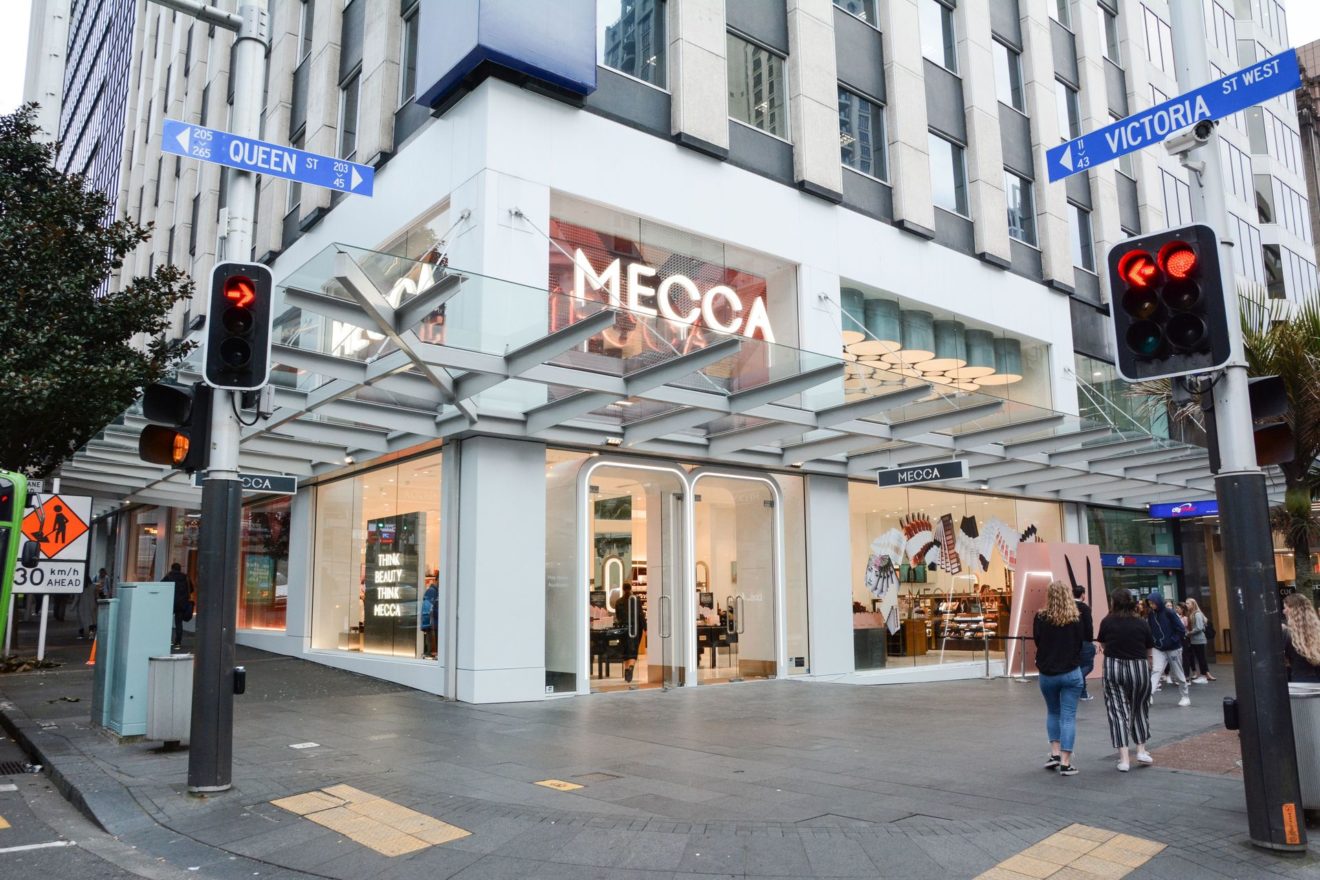
    Australian beauty retailer Mecca is entering the competitive Chinese market and launching its luxury flagship store at the online marketplace Tmall today.

    Known for its curation of niche and luxury local and international cosmetics, the brand has launched an edit of 22 first-to-market brands at its Tmall store, including its private-label brands, Mecca Brands and Mecca Max. Mecca’s Beauty Loop loyalty program will also now be available to Chinese customers.

    “I started Mecca with the desire to make every customer look and feel their best. From our very first store in the Melbourne suburb of South Yarra, to now launching in China our second international market, we have stayed true to this philosophy over the last 23 years,” said Mecca founder Jo Horgan in a statement.

    “I am thrilled that we are assisting Chinese customers, some of the most well-informed beauty shoppers in the world, to unearth incredible new brands and products and know that once they experience the Mecca magic, it will be love at first ‘add to cart’.”

    Celebrations will kick off today in Shanghai in the penthouse of luxury hotel Middle House, and will be attended by more than 100 Chinese media and key opinion leaders, while Horgan live streams from Melbourne.

    Horgan opened Mecca’s first shop in 1997 and the well-loved beauty business has since grown to 100 stores in Australia and New Zealand, along with e-commerce in both markets.

    “The idea was to bring these innovative brands into a service-driven, luxury boutique environment where women could shop across all brands and customize the product offer to suit their specific needs and wants,” Horgan said back in 2017.

    “Our goal was to take someone from a beauty novice to feeling like an expert in a single session, and for a makeup artist to feel like they had found their nirvana – we really wanted everyone to feel welcome, in control and walking out having had a great time.”

    While some beauty brands have avoided the Chinese market as legislation mandates cosmetic products in government laboratories must be tested on animals, many others such as Rihanna’s Fenty Beauty and The Body Shop have found a loophole by selling on cross-border e-commerce platforms such as Tmall and JD.

    Several brands now available at Mecca’s Tmall store are vegan and cruelty-free.

    According to a report from AlixPartners last year, 90 percent of those Chinese millennial customers surveyed indicated that purchasing ‘healthy or clean products’ was of importance to them.

  • Uniqlo to open its 24th store in Australia early September

    Uniqlo to open its 24th store in Australia early September

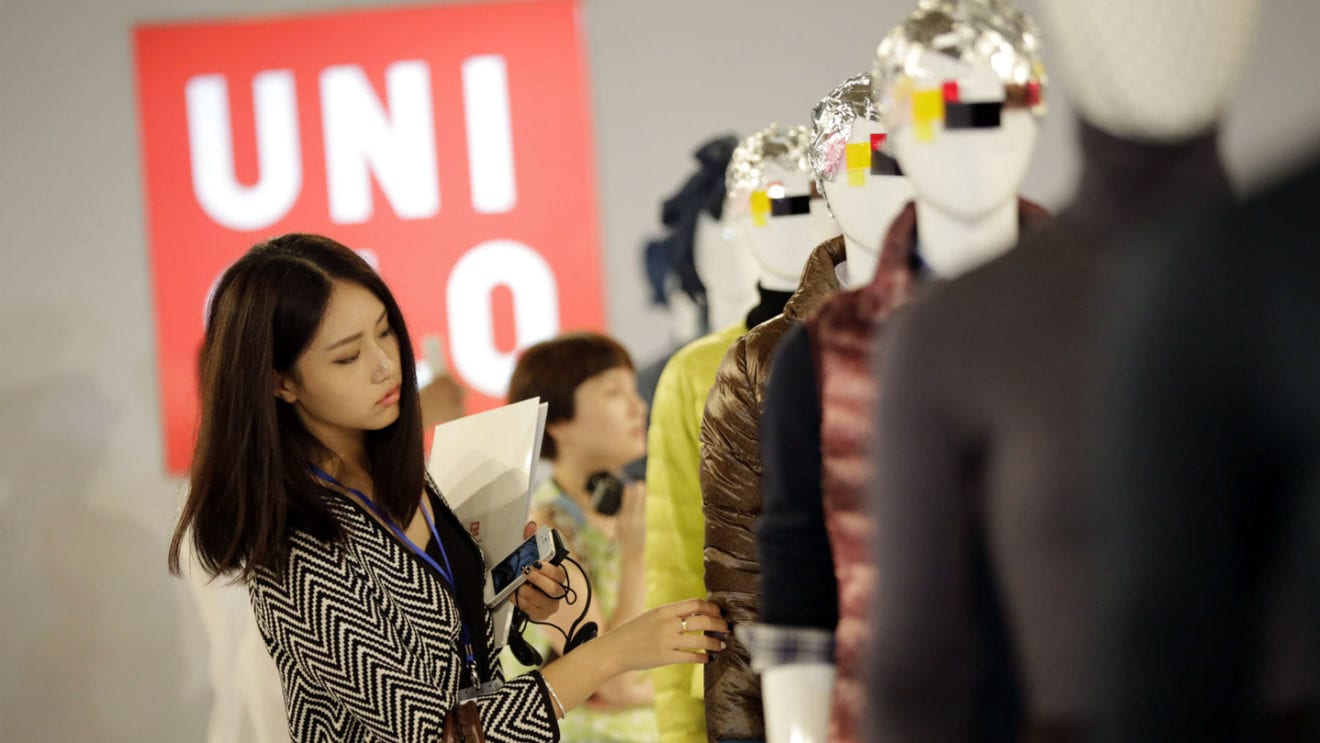
    Japanese clothing retailer Uniqlo will open a new store in the country at Bondi Junction this September, taking its store count in Australia to 24.

    The new store at Westfield Bondi Junction, which will span 1323sqm, will be the retailer’s ninth store in New South Wales.

    Uniqlo said this store will feature the biggest LED screen installation ever seen in the retailer’s Australian stores and will offer a full line-up of the brand’s LifeWear apparel for men, women, kids and babies.

    Kensuke Suwa, company chief operating officer, said since they’ve opened their first store in Australia in 2014, they have been able to consistently grow their retail footprint by leveraging their keen understanding of the local consumer and ensuring their products align with their needs.

    “We hope to keep the momentum going and look forward to making the brand even more accessible to Australians,” Suwa said.

    “We are excited by this milestone of bringing LifeWear from Tokyo to a truly iconic location in Australia and are looking forward to becoming a positive part of the Bondi community”

    This Uniqlo store is its eighth store with the Westfield Group, following Hurstville, Hornsby, Chatswood, Parramatta, Miranda, Chermside and Carousel.

  • Uniqlo to open 24th store in Australia in September

    Uniqlo to open 24th store in Australia in September

    Japanese clothing retailer Uniqlo will open a new store in the country at Bondi Junction this September, taking its store count in Australia to 24.

    The new store at Westfield Bondi Junction, which will span 1323sqm, will be the retailer’s ninth store in New South Wales.

    Uniqlo said this store will feature the biggest LED screen installation ever seen in the retailer’s Australian stores and will offer a full line-up of the brand’s LifeWear apparel for men, women, kids, and babies.

    Kensuke Suwa, company chief operating officer, said since they’ve opened their first store in Australia in 2014, they have been able to consistently grow their retail footprint by leveraging their keen understanding of the local consumer and ensuring their products align with their needs.

    “We hope to keep the momentum going and look forward to making the brand even more accessible to Australians,” Suwa said.

    “We are excited by this milestone of bringing LifeWear from Tokyo to a truly iconic location in Australia and are looking forward to becoming a positive part of the Bondi community”.

    This Uniqlo store is its eighth store with the Westfield Group, following Hurstville, Hornsby, Chatswood, Parramatta, Miranda, Chermside, and Carousel.

  • Australian Wealth Fintech Eyes Growth

    Australian Wealth Fintech Eyes Growth

    Picture Wealth has completed a A$12 million equity and debt funding round, at it sets its sights on reinventing the country’s financial advisory and superannuation landscape.

    The fast-growing company has completed late-seed funding round and acquired 100 percent of financial services licensee NEO Financial Solutions (NFS) for an undisclosed sum, it announced on Friday on its blog.

    With the acquisition, NFS managing director Mark Edman will become chief operating officer, and give the group a combined footprint of 94 advisers and $2 billion in funds under advice.

    We felt acquiring NFS with its robust compliance protocols was the way forward so that we could offer advisers and their clients a new home amidst very turbulent market conditions, said Pettit in the statement.

    Picture Wealth was co-founded in 2018 by chairman Neal Cross, who was previously DBS Bank’s innovation chief, and CEO David Pettit, a private wealth entrepreneur, aiming to use technology to empower people to understand and manage their finances.

    The hybrid wealth manager brings together digital automation and licensed, human financial advisers to provide users with personalized actions and insights based on their financial profile. It highlights gaps and opportunities to grow their wealth, and helps users with the changes required for them to reach their targets. It also has an adviser side, which allows the needs and expectations of clients to be met through structured servicing protocols and bespoke financial advice.

    It now has revenues of A$20m, A$2 billion of funds under advice and over 40,000 clients.

    As others are running out of the industry, we are running in…We have the technology, the business model and the people behind us to make a significant dent in the wealth industry in Australia, Cross said in an interview.

    Australia’s wealth management industry was shaken up with the Hayne royal commission into misconduct, leading the big four banks to exit the sector.

  • 1 in 3 Australian casual workers lonely

    1 in 3 Australian casual workers lonely

    Research from Humanforce, a Sydney based global provider of workforce management solutions, has found that nearly one-third of Australia’s casual workers – including retail workers – have reported feeling lonely in the workplace, leading to lower employee engagement, and lasting customer experience consequences.

    More than 60% of casual workers surveyed said loneliness at work stemmed from the fact that they worked solo or with few colleagues, while 43% also said non-traditional work hours leads to less social interactions with others outside of work hours and 36% said there were limited interactions with management and the company.

    “With many of us having been asked to work from home full-time due to COVID-19, worker loneliness has become a big challenge for almost all types of workers,” said Bruce Mackenzie, Managing Director and Founder, Humanforce. “However, this is not a new issue for the 25% of casual workers that make up Australia’s casual workforce. Casual workers have always been more likely to work alone or with a small number of colleagues who frequently change, and on an unfixed and non-traditional schedule, which means they are at higher risk of loneliness.”

    Survey respondents said the flow on effect of loneliness was that 57% of casual workers had reduced motivation at work, 53% experienced lower job satisfaction and 41% faced mental health issues.

    “Our research shows that lonely retail casual workers face a range of challenges that undermine their ability to be fully engaged in their roles at work,” added Bruce. “Worker engagement is crucial to delivering the best customer experiences. And with those in the retail and hospitality industries currently facing an incredibly challenging business environment, customer experience is of the utmost importance in achieving ongoing sales and consumer loyalty.”

    More than half of casual workers surveyed said loneliness could be reduced through regular communication with casual workers from managers and the company, while an additional 40% said a casual worker reward program that recognises and values the work of casual employees and 39% said giving casual workers more control of the days/hours/shifts they work, would help.

    “To avoid loneliness and a lack of engagement, casual retail workers clearly need a higher level of communication, to receive more recognition and to be able to take control of their work days and shifts,” said Bruce. “Unlike fulltime employees, the issue of worker loneliness won’t disappear for casual workers when COVID-19 restrictions are eased. Therefore, casual worker employers must develop long-term approaches to helping keep employees connected, valued and motivated at work, in order to achieve the best results for the businesses now and into the future.”

    Advanced digital workplace engagement solutions are available that help employers leverage apps and digital tools that streamline two-way communication with casual workers and allow employees to take charge of selecting and changing their shifts, as well as rate their shifts so managers can monitor worker wellbeing.

    Find out more about Humanforce. 

    Methodology

    Humanforce surveyed 500 Australian part-time and casual workers in April 2020.

    About Humanforce

    Humanforce is a global provider of workforce management solutions for companies who need flexibility to manage complex workforces. Companies use Humanforce to manage everything from time and attendance, employee rostering, onboarding and availability. Humanforce has strong partnerships with industry leading payroll providers, with over 100 integrations and enable customer employees in over 9000 locations globally.

    Humanforce was founded in Sydney in 2002, and today has offices across Australia, New Zealand, Singapore and the UK. For more information: www.humanforce.com

    Media Contact:

    Corinne Nolte

    Mulberry Marketing Communications

    +613 9023 9110

    cnolte@mulberrymc.com
  • Harvey Norman Asia sales suffer during Corona outbreak

    Harvey Norman Asia sales suffer during Corona outbreak

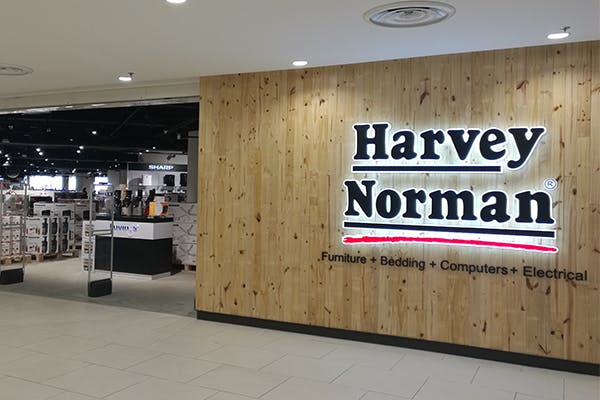
    Australian electronics and furniture retailer Harvey Norman suffered an 18-per-cent decline in sales in its Singapore store network last year.

    While sales dropped 26.1 percent in local currency during the second half-year due to the Covid-19-related lockdown, first-half sales – described by the company as “poor” – were down as well, by 11.9 percent. In Australian dollars, sales benefited from a 5.8 percent appreciation in the Singaporean dollar in the period.

    Harvey Norman’s 12 company-operated stores in Singapore closed on April 7 and still remain closed by government decree. The retailer has continued to trade online during the store closures, and anticipates being able to reopen offline later this month.

    Meanwhile, in Malaysia the company closed its 23 stores from March 18 to April 17, in line with government requirements, and gradually reopened individual stores, starting with just the electrical and computer categories, and eventually furniture and bedding, between April 18 and May 12. Online trade resumed from April 18 for the electrical and computer categories only.

    Sales were down 4.2 percent year on year in constant local currencies for the six months to May 31, and up 6.5 percent for the full year, thanks to a strong 15-per-cent uptick during the first half.

    In Australian dollars, sales were positively affected by a 5.2-per-cent appreciation in the Malaysian Ringgit during the year.

    In New Zealand, Northern Ireland, Slovenia and Croatia, where the retailer operates wholly-owned company stores, sales were down across the board.

    The only outlier was Ireland, where Harvey Norman operates wholly-owned company stores and saw a significant sales increase in the second half, despite only being allowed to fully reopen stores on June 8.

    Throughout the Covid-19 crisis, Harvey Norman’s Australian franchisees were allowed to keep stores open as long as they complied with social-distancing requirements. Sales were up 17.5 per cent in the second half.

  • AmorePacific buys Australian luxury skincare brand

    AmorePacific buys Australian luxury skincare brand

    South Korean beauty firm AmorePacific has acquired a substantial minority stake in Australian luxury skincare brand Rationale.

    The investment is aimed at boosting AmorePacific’s credentials in the high-end personalized cosmetics market and will help Rationale expand across Asia, focusing on South Korea, Hong Kong, and Singapore initially during the next five years. The deal also effectively gives AmorePacific a manufacturing facility in Australia.

    Rationale currently operates 15 flagship stores in Australia, sells via its own online site and also through a network of about 50 medical agencies including dermatologists and plastic surgeons.

    Under the deal, AmorePacific will secure an advisory role and voting rights on Rationale’s board.

    “With a truly shared innovation vision, Rationale and AmorePacific will take personalized skincare solutions to a new level,” said Saehong Ahn, president of AmorePacific, in a statement.

    “AmorePacific will continue to look into mergers and acquisitions and partnerships with promising companies and secure opportunities for future growth.”

    Richard Parker, who founded Rationale in 1992, described the alignment between the two companies as “intuitive”.

    “Rationale is acknowledged worldwide as the environmental skincare authority and leader in epigenetic research, and we are thrilled to be empowered to expand this vital work with AmorePacific.

  • DHL helps Australia to Import Goods

    DHL helps Australia to Import Goods

    DHL Global Forwarding has been selected to be part of new air freight network launched by the Australian government to bridge air freight capacity gap.

    The Australian Department of Agriculture has identified supply chain disruptions as the biggest threat to farmers and fishermen in the country, where around 65% of agricultural products are exported, with a majority going to China, Japan, the United States, South Korea and several Asia Pacific countries.

    DHL Global Forwarding Australia reveals that virtually all of its high-value perishables exports, including fruits, vegetables, pre-marinated and fresh meat, seafood and dairy products, are now catered to food retail businesses such as supermarkets. This is in contrast to the pre-COVID supply chain distribution dominated by wholesale networks where some 70% of the company’s food exports typically go to foodservice businesses.

    DHL Global Forwarding, the leading international provider of air, sea and road freight services, has been appointed to be part of the new air freight network established by the government to facilitate international freight as commercial airlines tepidly return to normalcy.  The network will allow the Government’s $110 million International Freight Assistance Mechanism (IFAM) to ramp-up assistance to exporters and re-establish global supply chains, in turn also assisting importers of essential goods, such as healthcare supplies, personal protective equipment, automobile spare parts, and construction and manufacturing materials.

    Bernie Cooney, Perishables and Livestock Manager, DHL Global Forwarding Australia commented: “In perishables logistics, time is of the essence as fresh meats and produce need to arrive with their freshness and quality intact, and that is now possible as we can secure capacity through the air freight network for our customers. We are working towards restoring supply chains for all our customers. We are hopeful that with these measures, we can start to restore some of the pre-COVID volumes for perishable exports, and more if the Asian markets start to open up again once containment measures prove successful.”

    Import of much needed Personal Protective Equipment (PPE) and essentials to keep businesses going

    In addition to the export of high-value perishables, DHL Global Forwarding is supporting the Australian Government IFAM program with the import of critical products like PPE and other essential goods.

    George Lawson, Country Manager of DHL Global Forwarding Australia added: “Trade, which is the lifeblood of our economy, has been heavily impacted by travel restrictions arising from the Covid-19 pandemic. As the market leader in the export of premium agricultural products and the import of healthcare, technology and infrastructure goods, we are uniquely positioned to support the Australian Governments IFAM program in jumpstarting trade activity. With our team of global trade experts, worldwide network and digital solutions, our aim is to improve lives by keeping Australian businesses running.”

  • Smiggle parent Premier Investments feeling the impact of Covit-19

    Smiggle parent Premier Investments feeling the impact of Covit-19

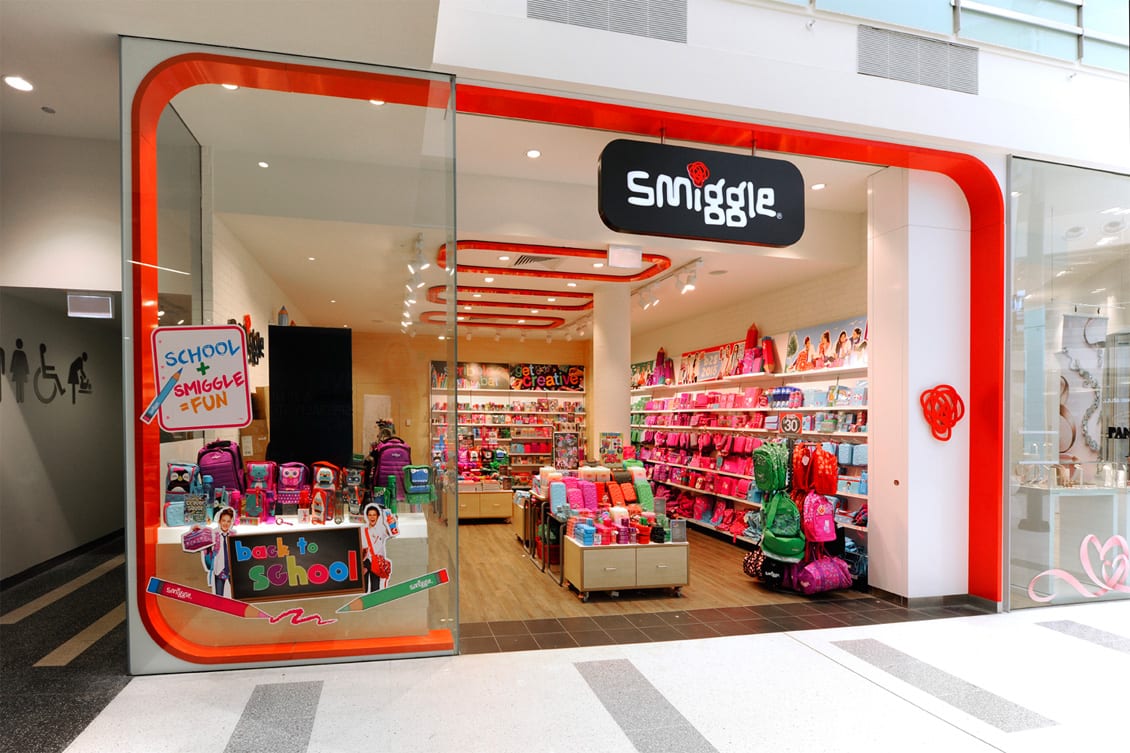
    Premier Investments has weathered a string of global crises, including Brexit, Hong Kong protests and Australia’s bushfires to post record sales and earnings in the first half of the financial year – but now it says the coronavirus pandemic is impacting trade across every brand in its portfolio.

    On Friday, the owner of major national and international retail brands, including Smiggle, Peter Alexander, Just Jeans, Portmans, Dotti, Jacqui E, Jay Jays and Breville, reported a 7.6-per-cent increase in first-half sales year on year, to $732.1 million (US$427.7 million), and a 10.7-per-cent increase in earnings before interest and tax, to $126.1 million ($73.7 million).

    But the strong performance may be cold comfort, as the coronavirus outbreak and strict self-isolation measures introduced to contain the spread in certain markets have already severely impacted Premier’s trade in the second half.

    Smiggle sales have been “severely disrupted” in Hong Kong, Singapore, and Malaysia, and “deteriorated significantly” in the UK and Ireland, the company said in a statement to the Australian Stock Exchange.

    Trade-in all brands in Australia and New Zealand have been impacted, and the company warned gross margin could be affected as it moves to clear inventory in each market.

    Premier Investments CEO Mark McInnes declined to provide specifics on changes in sales or foot traffic, saying on a media call that the company was not “in control of what’s happening on a daily basis” and “merely responding” to the crisis at hand.

    He described the current situation as “unprecedented” and unlike anything he has experienced, including the Global Financial Crisis in 2008 and recession in 1991.

    He also warned there could be widespread store closures if landlords do not start supporting their tenants by renegotiating rents.

    “Since the outbreak of COVID-19, we have closed two stores in Hong Kong, and we are prepared to close many more stores globally if landlords do not respond to the current crisis,” McInnes said.

    While he noted that Premier Investments could exit 70 percent of its leases in Australia and New Zealand with just 30 days’ notice, he said it wasn’t about “profiteering”, but rather “sharing the reality”.

    “Historical rents are just…all we’re pointing out to landlords is the reality of the situation,” he said.

  • Australian Banks Launch Small Biz Relief Package

    Australian Banks Launch Small Biz Relief Package

    In the midst of an ongoing outbreak, Australian lenders help lighten the load for affected small businesses which are estimated to house 5 million workers in the country.

    The relief package will apply to more than A$100 billion of existing small business loans and provides a 6-month deferral of loan payments for those affected by the coronavirus, according to the Australian Banking Association. This follows recent collaboration between banks, the Australian treasurer and government to identify support measures.

    This could put as much as $4.6 billion back into the pockets of small businesses as they battle through these difficult times,» said the association’s CEO Anna Bligh in a statement. This is a multi-billion-dollar lifeline for small businesses when they need it most, to help keep the doors open and keep people in jobs.

    In a relatively rare scenario, banks globally have an opportunity to play the role of financial rescuer after the last crisis when large parts of the industry benefited from taxpayer-backed bailouts. Outside of Australia, for example, Swiss financial giant Credit Suisse’s chief executive had suggested co-establishing a lending fund targeting small businesses in the country alongside fellow giant UBS.

    While this is first and foremost a health crisis, this pandemic has begun to have serious impacts across the economy, with small businesses beginning to feel the devastating effects, Bligh added. Australia’s banks have supported the country through difficult times in the past and continue to do so.

  • Australia’s Hey Yogurt lifts off in Malaysia

    Australia’s Hey Yogurt lifts off in Malaysia

    Australian probiotic yogurt brand Hey Yogurt is planning to launch 100 outlets in Malaysia this year following its Nasdaq listing in February.

    The brand – which combines Australian yellow peaches with grain and yogurt and is marketed as a low-sugar, low-fat health food – has been operating in Singapore since January, where it has already achieved sales of more than 1000 cups per day.

    Hey Yogurt is already preparing its first stores in Kuala Lumpur, Malacca and Johor Bahru.

    The popularity of the drink during an economic downturn brought about by the coronavirus epidemic may be related to recent findings that the Lactobacillus bacteria found in yogurt has positive benefits for the immune system when blended with probiotics, according to a German study cited by the brand.

  • Moody’s Economist Joins Citi Australia

    Moody’s Economist Joins Citi Australia

    The bank is expanding its local research team as it hopes to strengthen its research insights and provide tailored insights on the implications for Australia.

    Citi Australia is bolstering its research capabilities with the addition of Faraz Syed, the bank announced in a statement on Wednesday.

    Syed joins from Moody’s Analytics, where he was an economist responsible for producing thematic analysis on domestic macroeconomic issues, and country forecasts for Australia, Japan and India, and led research on the Australian housing market. He was previously a research economist at the Australian Bureau of Agricultural Resources, Economics and Sciences.

    In his new role, Syed will report to Citi Australia chief economist Josh Williamson. In the announcement, Citi noted growing demand among clients for deeper insights into key macro-economic influences, as well as its Equity Research function, which has more than 160 ASX-listed stocks under coverage.

  • Australian telco undertakes crucial restructuring of senior management

    Australian telco undertakes crucial restructuring of senior management

    Vodafone Hutchison Australia (VHA) has carried out a major overhaul of its senior management, with two of its top executives resigning just a few days before the Federal Court’s ruling on its halted merger with TPG Telecom.

    Vodafone stated that both Kevin Millroy and Ben McIntosh, CTO and CCO of the company respectively, were already planning to depart the company this month, citing mutual decisions.

    Millroy will be replaced by Barry Kezik who has been part of the network team for almost a decade, while Ana Bordeianu will take over McIntosh’s responsibilities.

    Vodafone CEO Inaki Berroeta stated, “It’s going to be an exciting year for Vodafone and our customers with the launch of 5G and continuing to drive competition in the market at every opportunity.”

    He added, “Kevin and Ben have been key players in one of the most successful turnarounds in Australian corporate history, and they are handing over to extremely capable leaders, so I wish them both all the best for the future.”

  • Australian Crypto Exchange Debuts in Singapore

    Australian Crypto Exchange Debuts in Singapore

    The firm wants to offer its platform and services to a wider audience in APAC, following a number of strategic partnerships and business growth in 2019.

    Sydney-based cryptocurrency exchange Independent Reserve, announced its launch in Singapore this week as a separate entity, which will allow Singapore residents to buy, trade and hold digital currencies like Bitcoin, Ethereum, Litecoin, and XRP, on its platform, with Singapore-dollar trading pairs to be added.

    We felt the time was right to make this move, said Adrian Przelozny, CEO and founder, in a press release, noting the introduction of the Payments Services Act by the Monetary Authority of Singapore, which entered into force on Tuesday. The response we’ve received so far from the Singapore market has been overwhelmingly positive, he added.

    Independent Reserve was established in 2013 and has the backing of the Australian finance industry heavyweights Mike Tilley (ex-CEO of Challenger Financial and Chairman of Latitude Financial), Martin Rogers (KTM Ventures) and Steve James (Seer Asset Management), who are investors and board members.

    The firm has already built a strong presence in Australia and New Zealand, with over 120,000 customers and around 8,000 self-managed super funds (SMSFs), and recently introduced insurance coverage for cryptocurrency held by its clients.

    It has also been working closely with regulatory bodies including AUSTRAC to formulate AML/CTF regulatory frameworks for the industry.