Tag: Australia

  • EBay still dominates online shopping in Australia

    EBay still dominates online shopping in Australia

    Australian consumers largely prefer to use international online marketplaces, despite increasing investment by local retailers in the space, according to new data from discounts platform CupoNation.

    According to the data, four out of the top five most visited retail websites in Australia were dominated by international and domestic offers by US-based retailers eBay and Amazon.

    EBay Australia was the most used retail website in Australia during the period between January and March 2019, with 194.9 million users, while its global site brought in another 36.6 million users.

    Amazon’s global site outpaced its local offering, with the US site enjoying 58.1 million users in Australia over the period, compared with 35.5 million who utilised the Australian variant.

    Sitting in between these four online-only offerings, hardware chain Bunnings brought in the most users of any Australian-owned retailer – with 41.26 million users utilising its online platform, 65 per cent of which utilised mobile to do so.

    “We want to rush slowly into this,” Bunnings managing director Michael Schneider previously told, regarding the hardware chain’s comparatively late adoption of online retail.

    “There’s no hard date or obligation… We just want to be a great place customers choose to shop at, and we recognise that customers have more choice than ever before, but selling online is just one string in a bow.”

    The next most visited websites were Woolworths, which saw 33.7 million users over the period, Coles, which saw 22.5 million, Jb Hi-Fi (29.1 million), Kmart (22.4 million), and Kogan (20.9 million).

    CupoNation collected this data through SimilarWeb and Alexa tools, compiling traffic information from the period between January and March 2019. The number of visits represented in the data is not tied to unique users, meaning a user can have use a site multiple times and it will count as multiple visits.

  • JD.com Closes Australian branch Store

    JD.com Closes Australian branch Store

    Chinese online marketplace JD.com has closed its local branch after only 15 months in the market.

    The e-commerce giant launched its Australian office in Melbourne in February 2018, after its competitor Alibaba opened an office in Melbourne in 2017.

    At the time, the opening was seen as a way for JD.com to work more closely with the Australian and New Zealand brands on its platform, and to pitch its business to new brands looking to expand into China.

    A JD.com spokesperson confirmed that the online marketplace is integrating its Australian office into the business in China. The spokesperson said the move didn’t reflect the business’s performance in Australia, nor the region’s importance.

    The retailer’s head of Australian operations Patrick Nestrel is no longer with the business, likely in an effort to ensure management in China is able to fully integrate Australian operations.

    The online retailer is set to report its first-quarter sales results on May 10. It has had a difficult few months recently after founder Richard Liu was arrested in September 2018 in the US for sexual misconduct. He was not charged.

    In April, the Chinese university student who accused Liu of misconduct filed a civil lawsuit against him.

  • Cat Opening First Australian Store

    Cat Opening First Australian Store

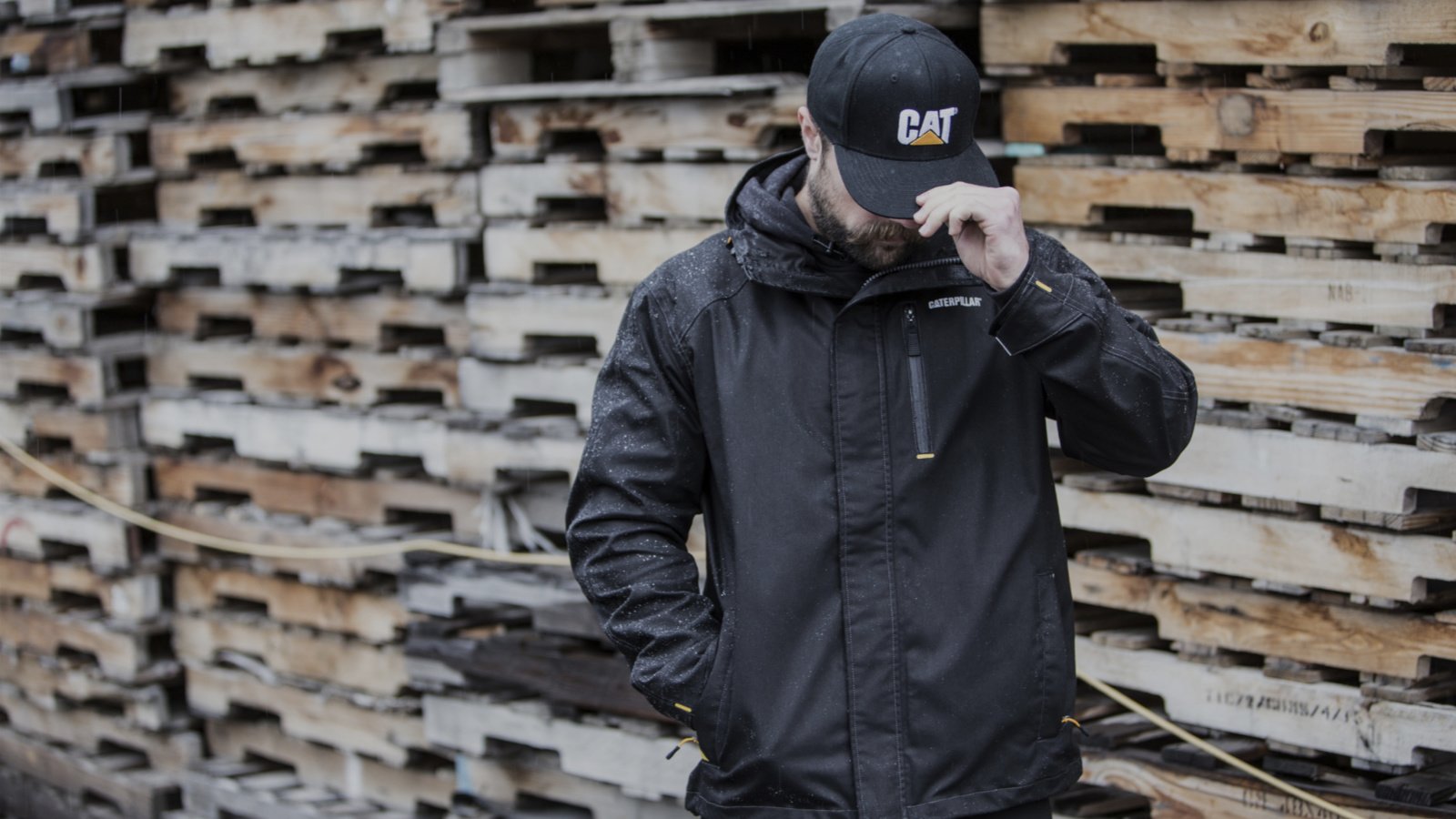
    Global workwear brand, Cat, will open its first flagship store on Australian soil this weekend, on Saturday, May 11, at Pacific Werribee shopping centre in Victoria, according to owner Accent Group.

    For a brand that is all about “being on the tools” it was important to create a physical space that reflects the brand’s dedication to Australia’s trade business, according to Accent Group chief executive officer Daniel Agostinelli.

    “We’re committed to growing our local offering to be a leading player in the Asia-Pacific region,” Agostinelli said, noting that Cat was one of the group’s most successful brands.

    The grand opening will offer a free in-store barber service, as well as coffee and donuts to new members, and exclusive gifts for the first 20 visitors to walk through the doors on Saturday and Sunday.

    This is the first standalone store for the brand, though it has traded online and through retail partners, including The Athlete’s Foot, which is also owned by Accent Group, Totally Workwear, Shoes2U and The Hardware Store.

    Wesfarmers has also invested recently in the workwear space, with its commitment to a partnership with custom workwear brand ONTHEGO.

    The partnership initially involved the brand being offered through Officeworks’ website, but has since been expanded to include in-store kiosks at several Officeworks sites, allowing customers to create their own workwear on the spot.

  • Dosa Hut opens first Gold Coast Restaurant, Australia

    Dosa Hut opens first Gold Coast Restaurant, Australia

    Indian restaurant chain Dosa Hut has opened its first Gold Coast store at Crestwood Plaza in the central part of the region. The 165sqm store in Molendinar will offer both dine-in and takeaway options.

    The Melbourne-based chain, which already has restaurants across Victoria, New South Wales, and the Australian Capital Territory, said the Gold Coast store is the 20th location for the group.

    Tanaka Jabangwe, Knight Frank associate director of retail leasing, negotiated the five-year lease. He said Dosa Hut had been looking for the right opportunity to open a store in the growing Gold Coast region for some time before leasing the Crestwood Plaza space.

    “Dosa Hut was seeking a central location in a suburban catchment with ease of access to major road networks, and Crestwood Plaza fit the bill in every aspect,” Jabangwe said.

    “The convenience center is situated on Olsen Avenue, which is a very busy thoroughfare with plenty of traffic passing estimated at circa 57,000 cars daily, which offered great exposure for the restaurant.”

    A Dosa Hut spokesperson said the location offered a perceived geographical center to serve both the northern catchment and parts of southern Gold Coast with ease.

    “We are confident in our food and believe the Gold Coast will appreciate the quality, authentic Indian food we have on offer.”

    Crestwood Plaza convenience center fronts the Crestwood Heights residential estate is adjacent to Bunnings Warehouse and opposite Griffith University’s future development land.

    The center features over 190 car parks, a full line Supa IGA as an anchor tenant and 17 other specialty stores.

  • Luxury retail brands heading for Melbourne

    Luxury retail brands heading for Melbourne

    Collins Street celebrates its rich blend of global brands, local creatives and diverse business cooperatives, embracing its prestige as Australia’s landmark address. Boasting an unrivalled combination of luxury retail, premium accommodation, world-class dining, top entertainment and major business headquarters, Collins Street is the epicentre of Melbourne’s inspirational lifestyle.

    Collins Street is the heart of retail, hospitality and business past and present, in Australia. Situated in the world’s most liveable city, the people behind the brands and businesses that reside on Collins Street add undeniable soul to the City of Melbourne and all it has to offer. Collins Street is Australia’s premier destination.

    The rush of international luxury brands seeking a bricks-and-mortar presence on the east coast is showing no sign of slowing down in 2019.


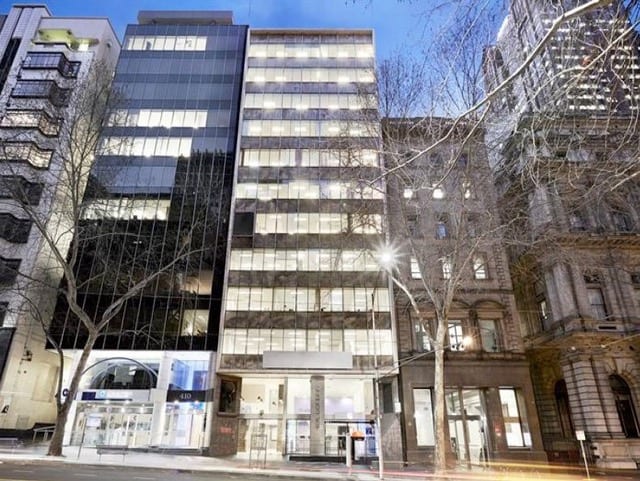
    406 Collins Street, Melbourne is lather latest opportunity located within the heart of the Melbourne central business district. Almost 300m2 on the ground floor of this refurbished office building, the property is located opposite the soon to be completed W Hotel Melbourne.

    For further details, contact Joel Wald +61 412 352 252 / joel.wald@mmj.com.au

  • Australia’s ACCC proposes to continue regulating MTAS

    Australia’s ACCC proposes to continue regulating MTAS

    Australian telecommunications regulator ACCC has proposed to continue regulating Australia’s domestic mobile terminating access service (MTAS) for voice services, including setting default mobile termination rates (MTRs).

    But the regulator has proposed to drop the price declaration of the MTAS for SMS services as a result of increased competition from OTT messaging apps such as iMessage and WhatsApp.

    The MTAS is a wholesale service for interconnecting calls and SMS between mobile networks. The ACCC’s regulation of the service includes a price declaration, which is the MTR that operators are required to offer in the absence of a commercial agreement with the terminating network provider.

    In August, the ACCC launched a public inquiry into whether to continue the current regulation of voice and SMS MTAS, which has been regulated since 2014.

    After the inquiry the ACCC has provisionally concluded that while the voice declaration is still required, the SMS declaration is not.

    “Many consumers with smartphones are now using over-the-top messaging services such as iMessage and WhatsApp as alternatives to SMS. Importantly, we have also found that the majority of mobile plans now on offer in the market offer unlimited SMS,” ACCC chair Rod Sims said.

    “Our decision to regulate SMS appears to have had the desired effect. We are therefore proposing to remove regulation of MTAS for SMS services as we do not think continued regulation is necessary to promote competition.”

    But Sims said OTT voice services are not yet substitutes for mobile calls due to quality issues and the lack of access to services such as the 000 emergency hotline.

  • Outdoor Retailers Fighting for Market Share

    Outdoor Retailers Fighting for Market Share

    Outdoor retailers Kathmandu and Decathlon are vying for a piece of Australia’s ski and snowboard market this winter.

    Both businesses are launching inaugural snow collections, despite the fact that less than a million Australians regularly or occasionally ski or snowboard, according to 2018 data from Roy Morgan.

    On Thursday, Kathmandu launched its inaugural snow collection called Styper, which includes ski jackets and pants for adults and kids, as well as goggles and snow luggage.

    “Designed to suit beginner and intermediate levels, as well as the more sophisticated skiers, the pieces connect seamlessly together to keep warmth in and snow out, and are made with sustainable, state of the art ngx2 fabric technology that is waterproof, wind-proof and breathable,” the retailer said in a statement.

    The launch comes on the heels of Decathlon’s announcement that it is introducing more than 100 ski and snowboard-specific product lines from its Wed’ze brand available in Australia this year.

    The European discount retailer described its offer as an affordable option for people who want a trusted brand and good advice. The range will include adult ski jackets and pants for under $100, adult ski gloves for less than $40, kids’ ski gloves for less than $20, neck warmers and beanies for $10 and ski and binding packages for under $500.

    The price point is considerably lower than Kathmandu, which starts at $199.98 for kids and $349.98 for adults.

    Kathmandu’s collection is available in-store in Australia and New Zealand, while Decathlon’s collection is available in-store and online in Australia.

    Fashion brand SuperDry has been selling its snow range in Australia and New Zealand for the past three years.

  • AuMake doubles digit Profit

    AuMake doubles digit Profit

    AuMake more than doubled its profit and nearly doubled sales in Q3, compared to the previous corresponding period.

    The daigou-focused retailer reported $1.68 million in profit in the March quarter, 104 per cent up on the same period last year, and $9.9 million in sales, up 93 per cent on the same period last year.

    Almost a third of AuMake’s total sales in Q3 were made online, primarily coming from the Chinese social media app, WeChat.

    AuMake grew its online customer database more than six times over, from 20,000 to 130,000 over the quarter, and is investing heavily in its online infrastructure to continue such growth. This includes a larger online customer service team, improvements to its various online sales platforms, such as WeChat and JD.com, and a new packaging facility.

    According to AuMake, the March quarter is typically a slower one for the business, as it includes a four-week period surrounding Chinese New Year when Chinese logistics companies close, and a large number of daigou shoppers return home for the holiday.

    As such, the brand expects to see a material improvement over the upcoming June quarter, particularly as the recent $14.2 million acquisition of competitor Broadway will take effect in June.

    AuMake said the acquisition makes it the “largest China-focused offline and online retail platform in Australia”, and that it will utilise Broadway’s existing relationships with over 100 travel agencies in China to reach new customers.

    “The acquisition of Broadway has transformed AuMake into a significant and influential business in the ANZ Chinese tourist and diagou market,” AuMake executive chairman Keong Chan said.

    “However, AuMake is more than a simple retail business. AuMake’s Chinese focussed retail platform is underpinned by a unique business model that utilises the strength of its online and offline sales to incubate, promote and sell ANZ brands to Chinese consumers.”

    According to a strategy update issued by AuMake on Tuesday, the retailer aims to grow its online channel to half of total sales, and to grow its own-brand product revenue to $15 to $20 million by FY20. Own-brand products brought in $4 million in FY19.

    The retailer is also exploring opportunities to open co-branded offline stores and products with JD.com, and to synergise the supply chains of the two brands.

  • NZ dollar slides Again

    NZ dollar slides Again

    The New Zealand dollar has fallen slightly against the US dollar Tuesday, trading at 66.70 US cents at 0750 in Wellington from 66.79 US cents at 1700 yesterday. The trade-weighted index was at 72.71 points from 72.82.

    The local currency was at 94.46 Australian cents from 94.85 and was at 51.54 British pence from 51.63.

    The kiwi was at 59.60 euro cents from 59.85, at 74.45 Japanese yen from 74.53 and at 4.4897 Chinese yuan from 4.4938.

  • Ellery Australia to Shut Down Sydney’s production and stores

    Ellery Australia to Shut Down Sydney’s production and stores

    Australian designer Kym Ellery has closed the local arm of her highly successful fashion brand, Ellery, citing the high cost of manufacturing Down Under.

    The company on Tuesday announced it closed its two Sydney stores on April 16 and will be closing its Sydney-based production facility, Elleryland this week. Twenty-two staff were made redundant on April 18.

    The luxury womenswear brand has been manufacturing in Australia since it was founded by Kym Ellery in 2007, but a combination of poor strategic decisions and cost have made local operations commercially unsustainable.

    “We have been left with no choice but to close Elleryland, our production facility and Australian operations company,” the founder and creative director said in a statement.

    “I have always championed Australian manufacturing, and this decision was incredibly difficult to make. I am deeply grateful for the dedication and support of everyone involved.”

    The local company appointed liquidators on April 18, according to a document lodged with the Australian Securities and Investments Commission. Ellery Group’s other companies, including the trademark and Paris-based design company, will continue.

    Ellery said it is in the final negotiations of appointing a new global distributor for the brand, which will also consolidate production in Europe, provided longer term stability.

    “One of our great success stories”

    Eva Galambos, director of Parlour X, a luxury fashion boutique in Sydney that stocks Ellery, said the decision makes sense, given the size of the brand’s international business, compared to its domestic business.

    “It makes sense that she focuses on her international operations as most of her major accounts exist in the northern hemisphere,” Galambos told.

    She added that Parlour X will continue to stock Ellery, which she said sits well with the boutique’s other international collections, including Loewe, Balenciaga, Celine and Chloe, and that the brand will still have strong representation in the Australian market.

    “Kym is one of our great, proud international success stories and we need to focus on celebrating her achievements,” Galambos said.

    Ellery gained international recognition after taking the collection to Paris in 2012, and is now stocked in prestigious department stores and specialty boutiques, including Selfridges, Lane Crawford, Net-a-Porter, MyTheresa, Matches, Galeries Lafayett and Harrolds.

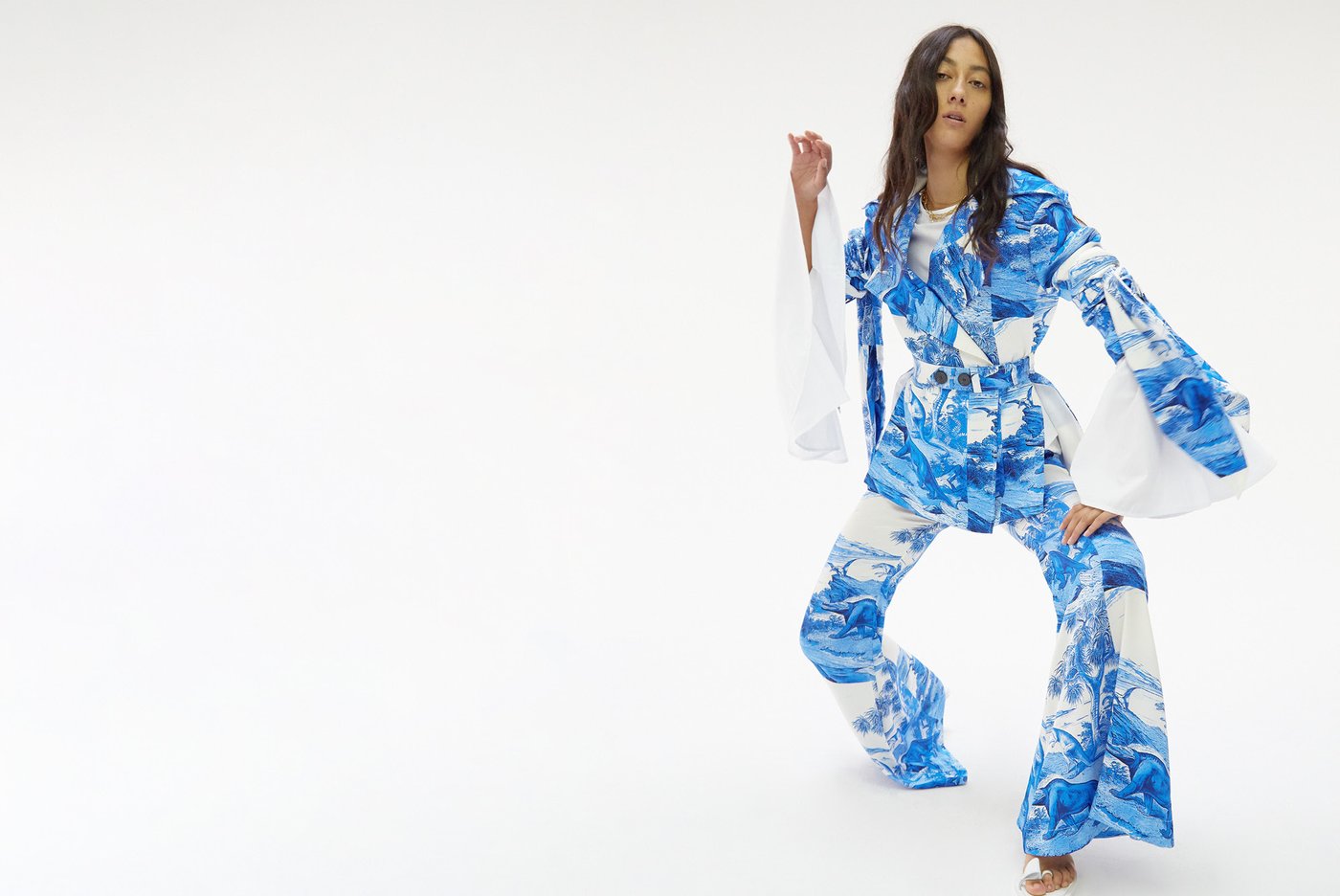
    The brand, which is known for its voluminous shapes, masculine tailoring and innovative fabrications, has been worn by celebrities including Beyoncé, Nicole Kidman, Elle Fanning, Susan Sarandon, Rihanna and Emma Watson.

  • Calvin Klein opening First Multi Brand Fashion Store

    Calvin Klein opening First Multi Brand Fashion Store

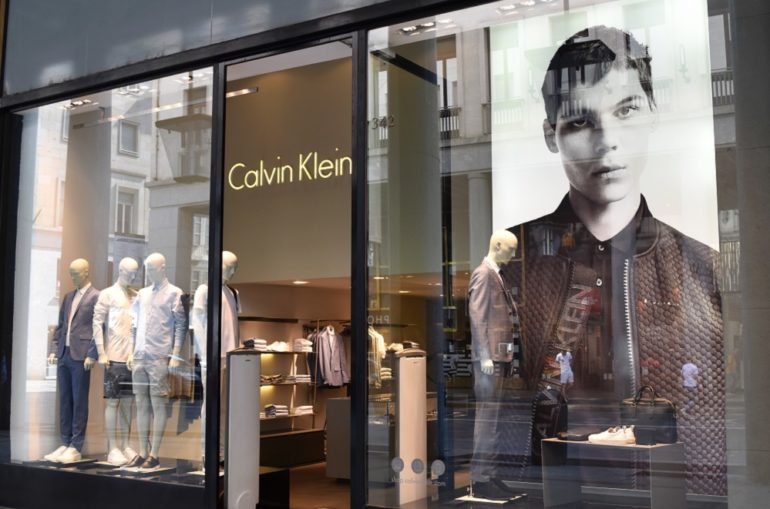
    The first store bringing together the entire Calvin Klein offering in Australia opened over the Easter long weekend at Queensland’s Sunshine Plaza. Spanning over 310sqm and offering a full range of men’s and women’s underwear, jeans, performance, accessories, as well as kid’s underwear, the store is the Calvin Klein’s 32nd in Australia, and reflects the brand’s minimal, modern aesthetic.

    Sunshine Plaza recently finalised a $440 million redevelopment, boasting over 345 retail stores to become the first ‘super regional’ shopping centre North of Brisbane.

    Calvin Klein’s presence in Australian and New Zealand had previously been run by Gazal Corporation, but the brand’s US-based owner, PVH Corporation, recently outlined plans to purchase Gazal.

    The deal, which also impacts the Tommy Hilfiger brand and is expected to be finalised in the second quarter of 2019, will give PVH a more direct hand in the brand’s Australasian operations.

    “I’m pleased that we have agreed to acquire Gazal. PVH currently – and for many years – has had a successful business relationship with our Australian partners and would be pleased to bring them into the larger PVH family,” Emanuel Chirico, PVH Corporation’s chairman and CEO said.

    “Gazal has enhanced the market position of our brands in Australia and New Zealand and we believe the region continues to offer significant growth over the next five years and aligns with our strategic priority to expand our direct control of businesses operated under the Calvin Klein and Tommy Hilfiger brands worldwide.”

  • AuMake in trading halt

    AuMake in trading halt

    Shares in daigou-focused retailer AuMake have been placed in a trading halt pending an announcement on an acquisition and related capital-raising.

    The company, which last month extended its bricks-and-mortar presence beyond Sydney, has requested the halt be lifted before the open of markets on Wednesday April 17, or when its anticipated announcement is released to the market.

    AuMake sells Australian skin care, supplements and milk formula to Chinese tourists and personal exporters.

    It has 17 stores across Sydney, Brisbane, and Auckland and is aiming for a bigger bite of the $2 billion cross-border commerce market.

    In February the company announced it had halved its losses after more than doubling its sales in the space of a year, with its internal sales forecast upgraded 30 to 40 per cent in March after it flagged the expansion of its stores.

  • Cebu Pacific Expands Horizons to Australia

    Cebu Pacific Expands Horizons to Australia

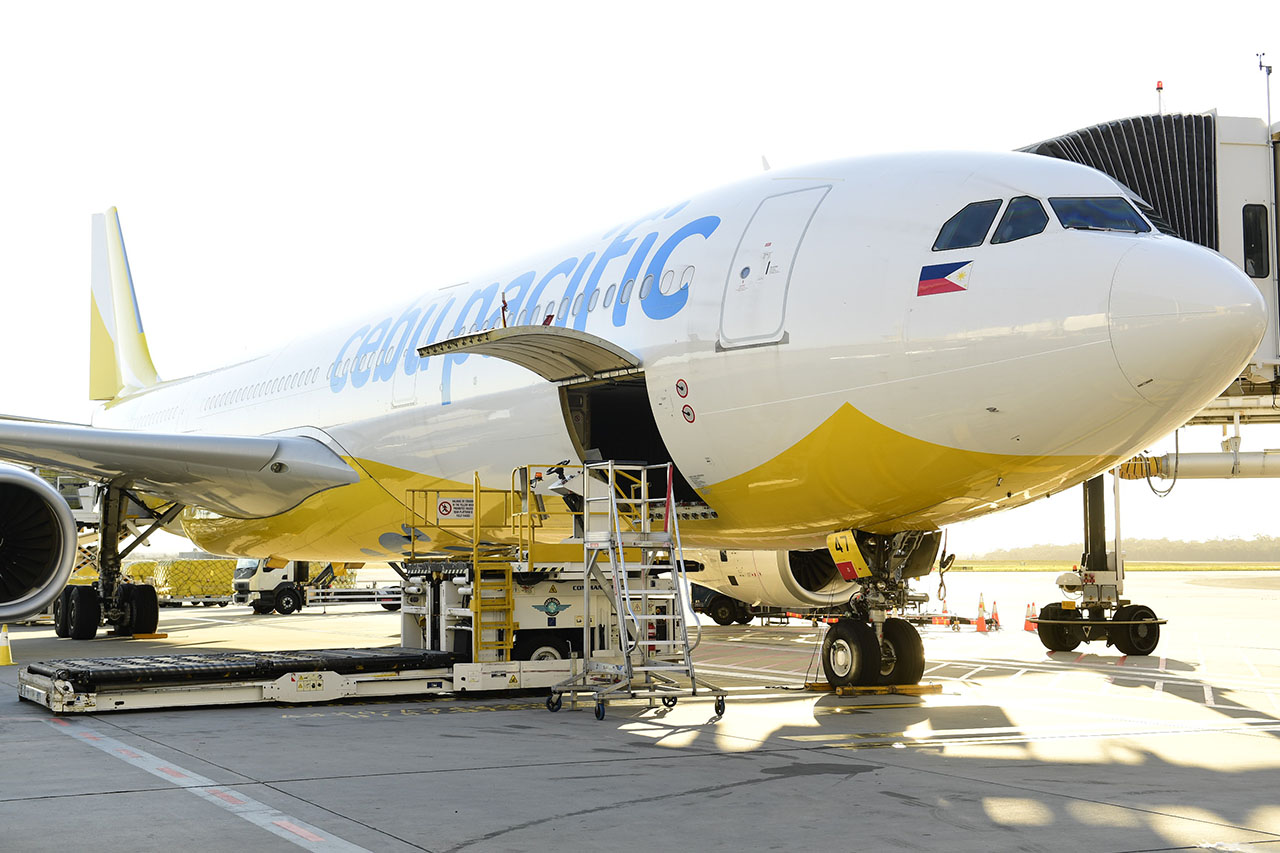
    Australian cities such as Perth and Cairns, as well as destinations in Japan and India, are on the radar for Philippines budget carrier Cebu Pacific as it expands its fleet of Airbus A321neos. Cebu, which already flies direct to Sydney and Melbourne from Manila, is stepping up its re-fleeting program and took delivery of the first of 32 A321neos at the end of January.

    It expects at least five more of the longer-range, fuel-efficient planes during 2019 to support its expansion plans.

    Cebu is known for packing seats into its bigger Airbus A330s and has followed that strategy with the smaller plane.

    The budget carrier has opted for the Airbus Cabin Flex fuselage modifications to give the A321neo 236 ergonomically-designed Recaro seats, slightly below the 244-seat Airbus maximum.

    It expects and Pratt & Whitney  GTF-powered planes to achieve a 20 percent savings in fuel costs as well as other advantages such as a significantly reduced noise footprint and lower maintenance requirements.

    The January delivery brought the total size of its fleet to 72 aircraft, including 43 Airbus A320s and A321s, eight A330s and 20 ATR turboprops.

    While the airline also has mid- and long-term plans for widebody aircraft, its primary focus is currently on the neos.  It is looking to grow its fleet to 83 aircraft in 2022, with 27 of those neos.

    “This year, we’re taking in 12 new aircraft, (the) bulk of it will be the A321neo,’’ Cebu vice president Lance Gokongwei told AirlineRatings.

    “We are continuously studying new routes and destinations, especially with the A321neo that has Northern Japan, India, and other cities in Australia like Perth and Cairns within its capabilities, but plans are not concrete for now.

    “While the A321neo will give us the capability to possibly service a direct route from the Philippines to Perth, we will make announcements on new routes and destinations in due time.”

    Cebu is the Philippines’ biggest carrier by passengers carried and claims a roughly 50 percent market share in terms of domestic travel and cargo.

    Competitor Philippine Airlines (PAL) is also expanding and received a boost in January when Japan’s All Nippon Airways announced it would invest $US95 million to a 9.5 percent stake in the Filipino carrier. PAL is already using the A321neo to service Brisbane.

    However, Cebu is unfazed by the deal and Gokongwei says it is good for the Philippines aviation industry.

    Gokongwei said the two had been partners for many years, including on code-sharing flights, and the investment was something Cebu had factored into its strategy.

    The low-cost carrier was also looking at tapping opportunities in Japan after establishing an office there in 2018.

    “As for the Philippines, we firmly believe that despite the massive growth in Philippine aviation over the past 20 years, there is still much room for expansion,” Gokongwei said.

    “Less than 50 percent of the Philippine population have traveled via air, as compared with Malaysia or Singapore.

    “People here are used to taking the bus and the boat–whereas air travel can be exponentially convenient and not as expensive as it used to be.”

    The airline executive sais there was still “much room”’ to develop Clark International Airport, the former US air base, as a secondary domestic hub.

    “There is also strong demand for inbound flights from North Asia into Cebu, which we have turned into our beach hub as we fly to key island destinations from there, ‘ he added.

    A key to Cebu’s low-cost model is the ability to offer fares that are up to 40 percent lower than those of its competitors, partly through its investment in new and more efficient aircraft and technology.

    But it isn’t all smooth sailing: net income for the airline’s first nine months of 2018 fell 36 percent to 2.78 billion pesos as it grappled with higher fuel costs and a weakening currency.

    “Despite challenges brought on by volatile fuel prices and the foreign exchange of the Philippine Peso, Cebu Pacific has managed to keep sound fundamentals,’’ Gokongwei said.

    “Revenues have been growing by 12 percent annually for the past eight years and we have maintained healthy operating margins.”


  • Australian dollar slightly up again

    Australian dollar slightly up again

    The Australian dollar has dipped slightly, buying 71.70 US cents from 71.69 US cents on Monday.

    On Monday morning, the dollar was buying 71.71 US cents from 71.61 US cents on Friday.

    Last Friday morning, the local currency has fallen, buying 71.25 US cents from 71.61 US cents on Thursday.

    It had flatlined near a six-week peak as losses on Asian share markets chilled risk sentiment somewhat.

  • King Living Opens Shanghai Flagship Store

    King Living Opens Shanghai Flagship Store

    Australian furniture and lifestyle brand King Living has opened a flagship retail store in Shanghai, continuing its global expansion into China.

    The new 400sqm space will showcase King Living’s sofa designs, dining ranges, contemporary bed and mattress ranges, and outdoor collections.

    The brand has been a prominent player in Australian furniture design for more than 40 years, and is now continuing to seek a global audience with the opening of the new showroom in the design district of Xuhui in Shanghai.

    As King Living moves into China, it further expands its global reach with existing stores in Singapore, Malaysia, New Zealand and Canada, with a showroom opening in Vancouver slated for later this year.

    The brand represents the deep quality and barefoot luxury of the Australian lifestyle that is in high demand across China, which has been the driving force behind for its expansion.

    “Shanghai is key to King Living’s global growth strategy,” said King Living’s CEO Anna Carrabs. “China provides us with an unparalleled growth opportunity that doesn’t exist in slower-moving markets of developed countries. A key advantage for King Living is that one of our manufacturing facilities is in Shanghai, which allows us to implement initiatives and increase market penetration.

    “Being from Australia, we have a reputation for quality, and I think that sets us apart from some of our global competitors. This is a very exciting time for King Living and we look forward to seeing the Shanghai showroom thrive in what we hope will be the first of many stores in the region.”

    King Living is also one of the first Australian furniture retailers to offer Alipay and WeChat Pay as a payment option throughout all their showrooms in Australia and abroad. These platforms are the preferred payment method for Chinese consumers both domestically and internationally, enabling more customers to transact with their mobile wallet.