Tag: Australia

  • Optus to roll out Massive MIMO from end-2017

    Optus to roll out Massive MIMO from end-2017

    Australia’s Optus plans to roll out Massive MIMO (multiple-input multiple-output) technology on its mobile network starting at the end of the year, after completing successful trials combining Massive MIMO with three-carrier aggregation (3CC CA).

    Optus completed live network testing of 3CC Massive MIMO in June, achieving a top speed of 818Mbps, the operator revealed.

    The trial was conducted with Huawei on live traffic at Macquarie Park in northern Sydney. Optus said the trial made it the first operator in the world to complete a successful live network implementation of massive MIMO and 3CC CA technologies together in the same equipment.

    In addition to the improved speeds, site capacity during the live testing was boosted by almost four times compared to that of existing four transmit four receive (4T4R) MIMO base stations.

    Optus plans to start the rollout of Massive MIMO in selected capital cities starting from the end of the year, with a focus on high traffic and congested areas.

    “Earlier this year, Optus launched a 4.5G network and completed Australia’s first field trial of Massive MIMO technology,” Optus Networks managing director Dennis Wong said.

    “We’re committed to leading Australia in terms of 5G development and testing, and this recently completed world-first 3CC Massive MIMO test is further testament to our commitment and developments we have been able to achieve in this space.”

    Optus is Australia’s second largest mobile operator, and is a wholly-owned subsidiary of Singapore’s Singtel.

  • DB Schenker Australia is opening one of the largest multi-client contract logistics facility in the Southern Hemisphere

    DB Schenker Australia is opening one of the largest multi-client contract logistics facility in the Southern Hemisphere

    DB Schenker Australia is opening its new contract logistics facility in Hoxton Park, NSW. Size does matters to Schenker!

    With the size of the internal site being nearly 8 football fields which equals 50,000 sqm and 15,000sqm external under cover area, this facility is a great addition to Schenker Australia’s Contract Logistics portfolio. As of today, Schenker Australia operates 25 sites with the total capacity of 330,000 sqm.

    Hoxton Park is a multi-client facility for consumer electronics, FMCG (Fast Moving Consumer Goods) and fashion/retail customers.  With its high profile location close to M7, M4 and M5 it has excellent access to the Sydney metro and national network.

    “Hoxton Park is the newest and largest contract logistics facility for DB Schenker in Australia. Our staff will provide for our customers first class logistics services in this well positioned facility right on the Sydney freeway network. We will also utilise the facility as a hub for our domestic transport network” said Ron Koehler, Chief Executive Officer Australia and New Zealand “For our FCL container movements we will be able to move containers cost effectively to Hoxton Park for timely distribution to our customers in Sydney”, concluded Ron Koehler.

    The facility will incorporate Automated Transport Sortation Systems that will allow for the consolidation of multiple Customers’ freight, into the rapidly growing Schenker Domestic Transport business.  In addition, a vast array of Value Added services will be provided on site including an Advanced Technical Centre providing configuration and testing for IT devices.

    “DB Schenker Australia is consolidating existing business into Hoxton Park as well as adding new substantial business” said Michael Harich, Director of Contract Logistics/Supply Chain Management AU/NZ. “Hoxton Park is a key part of our 2020 strategy to grow to 500,000sqm in Australia and at the same time combine existing smaller sites into larger facilities to generate synergies”.

  • Sydney Airport to introduce new retailers

    Sydney Airport to introduce new retailers

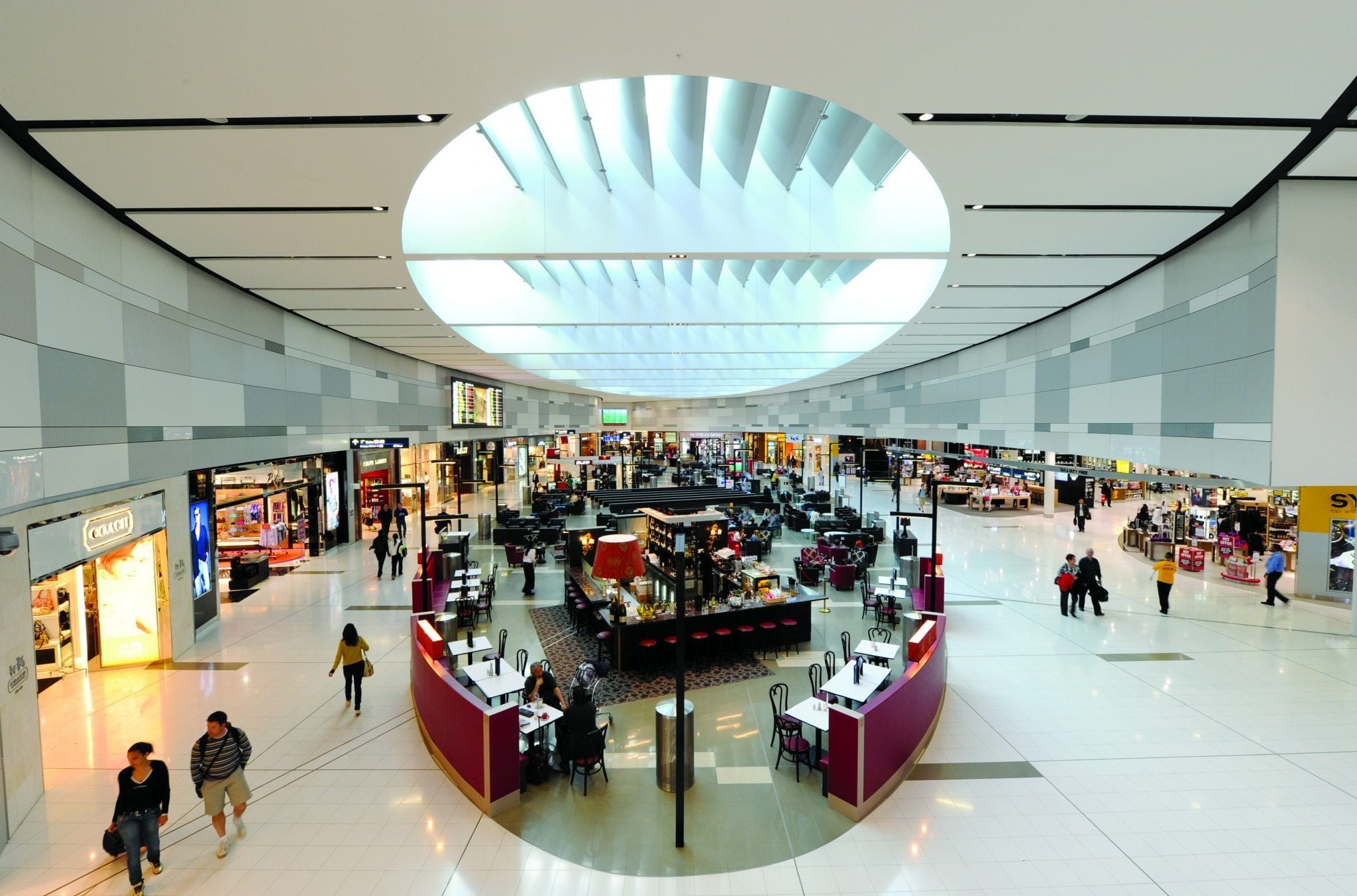
    Sydney Airport has commenced work on the next stage of its T2 Domestic terminal, which, when completed will see the introduction of new retail tenancies in the precinct.

    Kerrie Mather, Sydney Airport managing director and CEO, welcomed the next phase of terminal improvements, which follows the transformation of the airport’s casual dining precinct.

    “We’ve had such fantastic feedback about our new T2 casual dining precinct and I look forward to seeing the terminal’s continued transformation as part of our commitment to enhance the customer experience,” Mather said.

    “These improvements will deliver a consistent look and feel across the terminal, with a greater sense of space and light.”

    Mather said the new T2 Domestic terminal will have better wayfinding and improved sightlines.

    “Exciting new retail concepts and relaxing dwell areas will create more ambience,” she said.

    The improvements will see the introduction of 10 new retail tenancies to deliver a revitalised mix of lifestyle brands for visitors.

    Areas of the terminal will be expanded and redesigned to create dwell areas with upgraded flooring, columns, lighting, ceiling finishes, and contemporary furniture with textural finishes. There will also be significant upgrades to key bathroom amenities across T2 while a new mezzanine level will offer additional commercial floor space.

    The next stage of retail and dwell area improvements were designed by Australian design firm Landini Associates and follows the revitalised T2 casual dining precinct.

    The precinct features first-to-Australia offerings, sushi brand YO! Sushi and popular Danish juice bar concept Joe & The Juice, as well as Krispy Kreme and Soul Origin.

    The next stage of works are due for completion by end of 2018.

    Last month, Country Road opened its first menswear pop-up store at the domestic terminal.

  • The Australian shopper has never had so much power

    The Australian shopper has never had so much power

    As the retail sector evolves, the average customer’s expectations are changing. To stay ahead of the curve, businesses need to adapt.

    The average Australian has been quick to adopt online shopping. In 2016, online sales exceeded $20 billion for the first time. Key emerging trends signify beyond doubt that the retail landscape is changing rapidly. To avoid being left behind, Australian retailers need to act now.

    The recent Salesforce Empowered Shopper report highlights the challenge: “We’re in the age of the customer. They expect personalised experiences everywhere, not just in marketing communications, and physical stores are just one touch-point in their increasingly dynamic retail interactions.”

    So what does this mean for Australian retailers as they develop their approach to e-commerce over the next few years? Uber has created an expectation that when a traveller finishes a journey they simply need to get out of the car. The same shift in expectations is happening in the online retail world. Local e-commerce stores such as The Iconic and Showpo are continuously making the ways their customers engage with them easier, faster and more relevant. Step by step, they are raising the bar for all digital retailers.

    Australia’s e-commerce revenue is sitting at $9.54 billion USD, but it is expected to hit $14.151 billion USD by 2020. For retailers this means focusing on a connected customer experience where competitive advantage can be created, with 66 per cent of customers expecting consistent experiences across every brand interaction.

    Another key insight from the report is the evolving view of privacy as part of the overall customer experience. Consumers expect businesses they deal with to maintain their personal privacy. This means brands that focus on transparency around what data they have and how it is being used are rapidly gaining consumer trust.

    While the Amazon and Apple global giants will always exist, Australian businesses can compete through adopting established customer-centric technologies and processes to ensure you maintain the right focus for your business:

    1. Don’t think about catching up, focus on leading in one area

    You can’t do everything. Maintaining focus on a core brand experience is where you can build momentum and differentiation. It’s the harder path initially as the work may not impact sales results in the short term, but it can pay off in a big way.

    A great example of this is The Iconic, they’re all about providing consistent, amazing customer experience. They do this by delivering on what they say they will; next day delivery and free returns. They back this up by being available via multiple channels to resolve issues efficiently and with autonomy, should they arise.

    Action: Use design research techniques to map the customer experience, identify one customer problem that will have a major impact and differentiate. Focus on addressing that issue to build capability and velocity within your organisation.

    2. The customer is central

    The customer, as always, is king. Each interaction with your customer is an opportunity to understand them better. Transactional data allows you to build profiles so you get to know what makes them tick.

    But now you can build profiles that allow you to understand them in greater detail. This knowledge also gives you great power. But, at the risk of sounding like a superhero comic, with that power comes great responsibility. Misuse turns customers off fast. Used correctly, this information can help you focus on driving value for your customer firstand foremost.

    Action: Use the data you have, and may be able to access, to build rich views of Customer Lifetime Value. This will ensure your organisation can see the impact of action in a more holistic and long term way.

    3. Create experiences that allow the customer to live your brand

    Consumers no longer want to passively watch brands tell stories. They want to be part of the action. Design experiences, in the real and digital world, that allows the customer to experience your brand promise.

    Take a look at Nike, and you’ll see they’ve become much more than a brand that sells shoes and sportswear. Their invention of Nike+, first as a sensor in a shoe, then as a wristband and now as a suite of apps, allowed them to focus on what their brand is really about: athletic performance. In doing so they gathered vast amounts of information about how their customers were using their products and created a very ‘sticky’ digital ecosystem.

    Action: Create user experience projects, with design researchers, data analysts and interaction designers, with the intent of defining how your brand would be experienced as an interaction or digital product.

    4. Focus on a long term competitive advantage

    Marketing through technology is not like delivering passive media. You now have the opportunity to introduce technology to your strategy that can help you communicate with your customer, empower your customer and allow you to build relationships over time. Spend more time on creating long term connections, and less time on flashes in the pan.

    Don’t rely on gimmicks and promotions to create loyal customers, utilise customer data and insights to build relevant, meaningful conversations, and stay focused on what your customer needs. Everything else will follow.

    Action: Use hypothesis based testing to build knowledge of what customers actually want. Then use this knowledge to design and build online experiences that create a long term brand differentiator, and a unique relationship between the brand and each customer.

    While many commentators will say that traditional forms of advertising still have their place, what recent events have shown us is that place is increasingly at the bottom of the pile. What’s clear is that businesses need to ‘become digital’ – simply doing digital marketing won’t cut it. Now is the time to invest seriously in your customer, digital technologies and data-driven communications.

    To win in today’s environment it’s critical that businesses start to create a balance between digital advertising and customer focused digital innovation. They need to make the shift from just making people want things, to creating things and experiences that people want.

  • IPhone 8 Sees Bleak Response In Australia As Buyers Await iPhone X

    IPhone 8 Sees Bleak Response In Australia As Buyers Await iPhone X

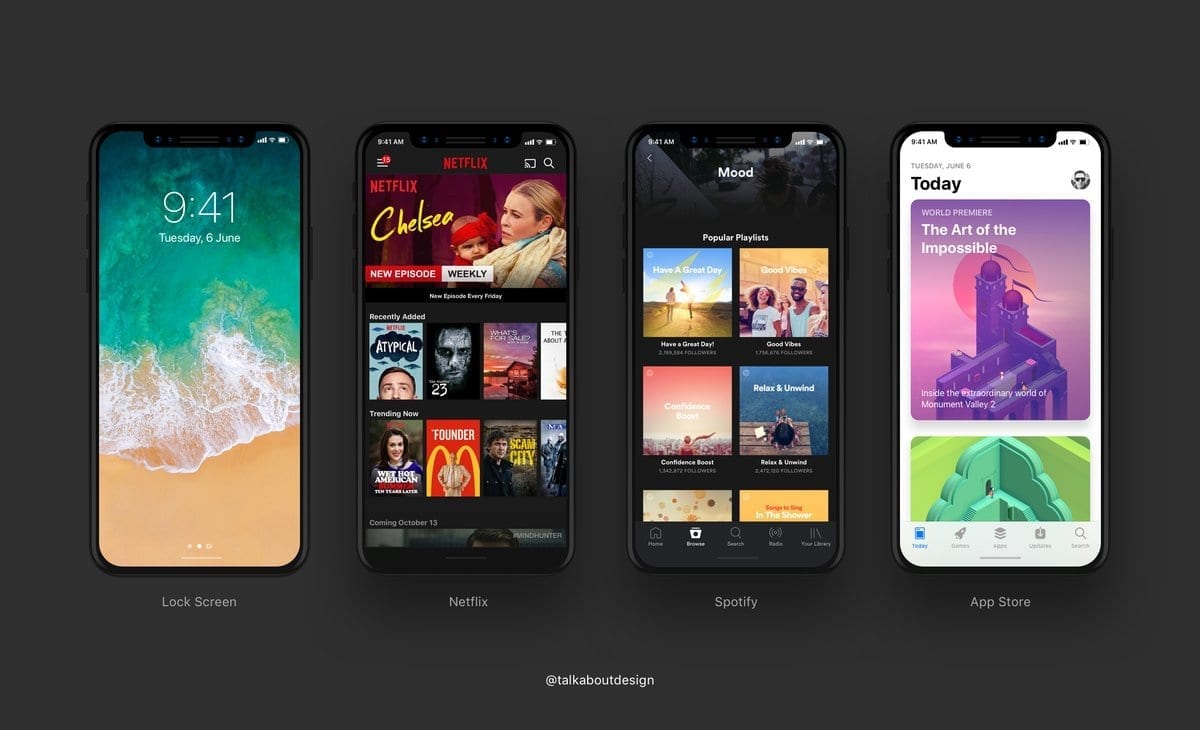
    Users are probably waiting for the launch of the iPhone X, which is why the long lines outside the Apple Stores that have been a common sight post-iPhone launches are nowhere to be seen. A source told Reuters that it was a “bleak turnout” on Friday with fewer than 30 people in the queue before the Sydney Apple Store on George Street opened.

    Mazen Kourouche, who reviews products on YouTube and was first in the queue, noted that there are some modest changes in the device.

    “(It) is pretty similar to the iPhone 7 but it shoots 4k 60 frames per second and it’s got a new glass back instead of the metal which is apparently more durable,” Kourouche told.

    On the feature front, however, the iPhone 8 does not have much to offer, he added.

    Apple shares nosedived following poor iPhone 8 and 8 Plus reviews. Investors who were not happy with the way the device panned out pushed the shares down to a nearly two-month low. What is worrying investors that pre-orders are lower than they have been in previous launches.

    Usually, the number of pre-orders is a good indicator of how well the newest iPhones will sell. However, hours after both the iPhone 8 and iPhone 8 Plus were available, there were not many takers, and there was still stock left with September 22 delivery dates available either online or for in-store pickup, notes MacRumors. Mentions of the iPhone 8 and 8 Plus and iPhone X were fewer on the popular Chinese social media platform Weibo than mentions of the iPhone models in the previous two launches.

    According to Neil Cybart, an analyst who covers Apple for Above Avalon, “I think demand is down from last year, for no other reason than you have another flagship phone.”

    This could result in weekend sales being lower than at any other point since the launch of the iPhone 6 in 2014, the analyst says. Further, the steep price increase for the iPhone 8 over the price of its predecessors could also dent sales going forward.

    BTIG Research analyst Walt Piecyk also believes that other than anticipation for the iPhone X, lack of carrier promotions could be another reason for the lukewarm response to today’s iPhone launch. Piecyk stated that wireless carriers are not interested in promoting the iPhone 8 and 8 Plus, and this might not change even when the iPhone X launches, says the Financial Times.

    Apple’s iPhone X will be available for pre-order starting October 27 with a price tag of $999. The iPhone X comes with an edge-to-edge screen, an improved camera and a new facial recognition system. Rumors suggest that the iPhone X supply will not be enough to meet demand until next year. Apple CEO Tim Cook described the iPhone X  as “the biggest leap forward since the original iPhone.”

    On Thursday, Apple shares closed down 1.72% at $153.99. Year to date, the stock is up more than 32%, while in the last year, it is up more than 33%.

  • Telstra unveils UC service for mobiles

    Telstra unveils UC service for mobiles

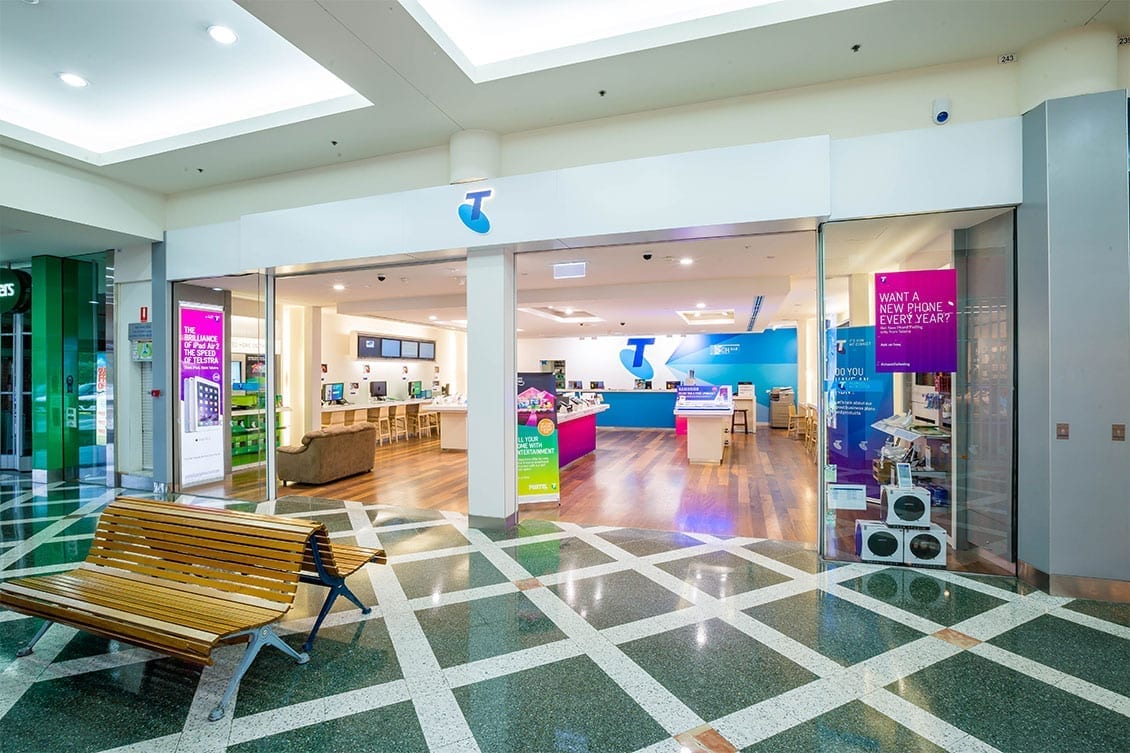
    Australian operator Telstra has unveiled its new ‘Liberate’ service which will allow business customers to use their fixed line number and unified communications features on their mobile devices.

    According to GlobalData research, for every fixed line in business, there are 2.4 mobile lines. In addition, employees are also relying on personal devices and consumer technology to communicate. This proliferation of communication channels has implications for employee communications, service quality and customer experience.

    Telstra has responded to this challenge by bringing to market a solution designed to simplify workplace communication and improve employee productivity. Liberate integrates traditional fixed and mobile channels at the network layer, enabling users to present their fixed line number when dialling natively from their mobile device.

    Michelle Bendschneider, Executive Director, Global Products, Telstra Enterprise said, “We know that business customers are increasingly using their mobile phones as a key communication tool for work. Workplaces are moving towards a mobile enabled environment with increased BYOD adding to complexity.”

    “Whether you are a mid-market customer or a large enterprise, with Liberate, employees can answer fixed line calls or messages on the go, and present their fixed line when calling from a mobile device which will significantly improve customer experience and service.”

    As Australia’s largest telecommunications provider, Telstra is working to deliver next generation of Unified Communications technologies to help its enterprise and government customers better respond to market evolution on workplace mobility and improve customer experience.

    “Roughly 72% of businesses with over 500 employees are either implementing or considering workplace transformation. With Telstra’s world-class network and reach, we are best placed to serve our customers’ needs for an integrated fixed and mobile service at the network layer,” said Bendschneider.

    “We are the only company in Australia to offer customers the capability to connect securely, reliably and in more places with two world-class networks natively converged. This means the capability is available directly on the device rather than installed via an over-the-top application.

    “A Liberate trial is already underway with one of our major strategic customers, and we are looking forward to begin implementation with other customers in the months ahead,” said Bendschneider.

  • AirAsia airline can’t explain extra $60 charge for children

    AirAsia airline can’t explain extra $60 charge for children

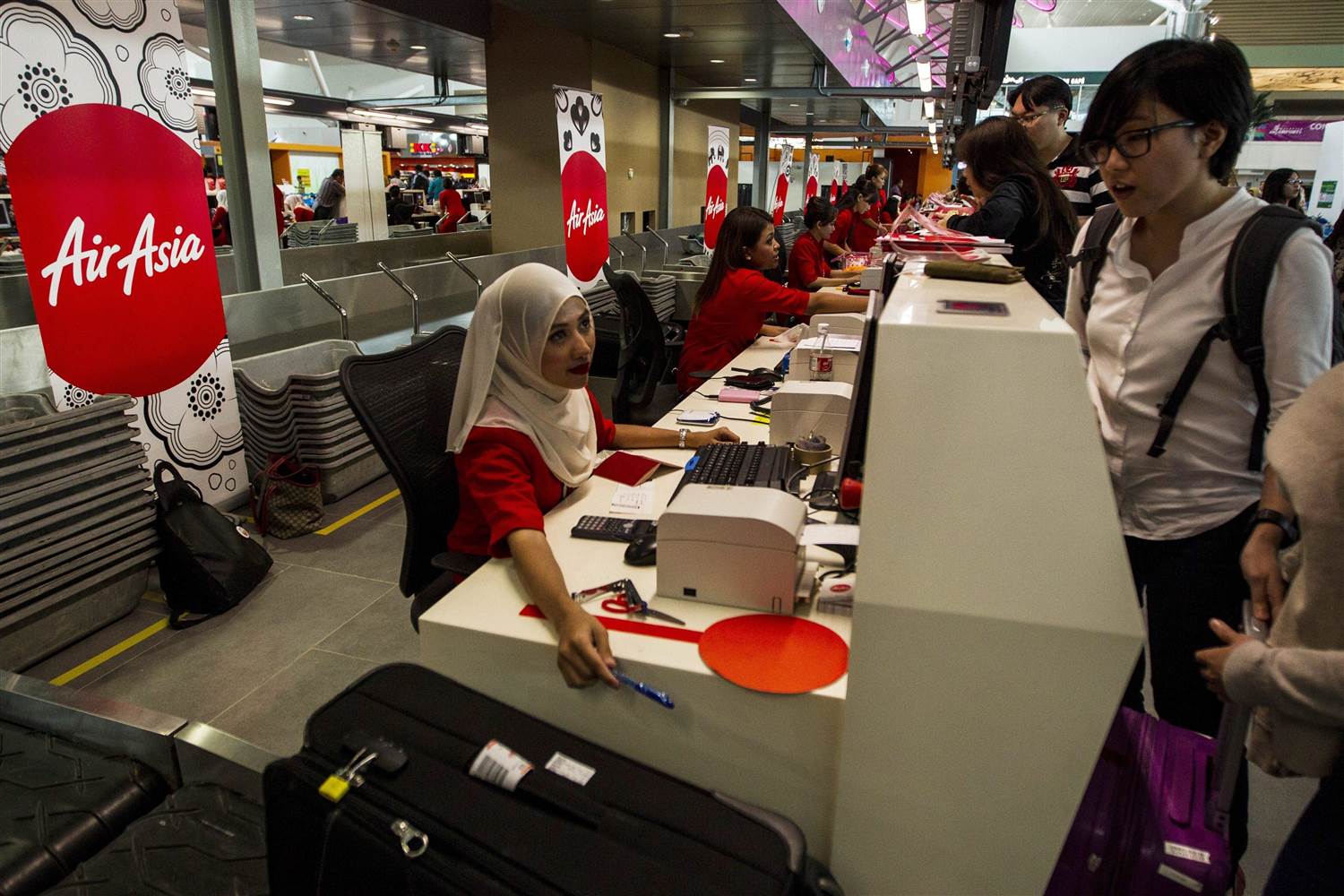
    AirAsia has been caught out charging Darwin children an extra $60, for a government charge they’re not required to pay.

    All passengers leaving Australia are required to pay a Passenger Movement Charge of $60, however children under the age of 12 are exempt.

    Despite having a separate section to book children’s seats, the breakdown of fares, taxes and fees on the airline’s website is the same for both an adult and a child.

    On Jetstar’s website, the breakdown shows children are charged $60 less than adults.

    AirAsia could not explain the extra charge yesterday.

    A spokesperson for the airline said it was “currently investigating the matter in question”.

    They would not say where the extra money was going.

    AirAsia does not include the Passenger Movement Charge for children on flights out of Sydney.

    It’s understood Darwin is serviced by AirAsia Indonesia, while Sydney is serviced by AirAsia X.

    Stuart Park resident Thomas Sawyer said he came across the discrepancy when he was booking flights to Bali for a family holiday.

    “I travel frequently so I’m used to paying the charge, but then I went to buy my son’s ticket and realised it cost the same as mine,” he said.

    “Families are not normally frequent travellers and they could easily buy these tickets without realising they’re paying for a charge they don’t have to pay.”

    Mr Sawyer said he tried to contact AirAsia, only to be told to send them the details of his tickets.

    “They appear to be taking the attitude of those who follow it up will get a refund, those who don’t, they get to keep the money,” he said.

    “That’s entirely deceitful. If I said I was going to sell you something, and had to charge you a government tax, then you later discovered there was no tax, that would be called fraud.”

    An Australian Competition and Consumer Commission spokesman said the overcharging could be illegal. “If a business includes a reference to a tax or fee that is not imposed, then this could raise concerns under the Australian Consumer Law,” the spokesman said.

  • Optus Business launches network-agnostic SD-WAN

    Optus Business launches network-agnostic SD-WAN

    Optus Business has launched its first software-defined wide area networking (SD-WAN) offering, powered by Riverbed Technology.

    The new offering, dubbed Optus Fusion SD-WAN, provides organizations with improved network management capabilities by monitoring the health of every network path reinforced with application awareness capabilities. It helps IT managers understand how their network is performing and where bandwidth is being used.

    These insights allow businesses to improve and prioritize data flow between branches, as well as Amazon Web Services (AWS) and Azure cloud environments, to immediately address business needs.

    Optus claims its solution is “one of the first SD-WAN solutions in Australia that can be deployed as an ‘over-the-top’ managed service across any business network – regardless of provider or connection.”

    “Business is moving at an unprecedented pace and, in an effort to remain relevant, organizations have deployed technologies from multiple providers. To ensure the long-term success and ROI of these strategies, Optus Fusion SD-WAN allows businesses to independently manage their networks in real-time, while also gaining the ability to instantly connect to the cloud,” said Enzo Cocotti, director of Optus Business.

    Optus Fusion SD-WAN is built on Riverbed SteelConnect, an application-defined SD-WAN solution that provides an intelligent and simplified approach to designing, deploying and managing hybrid networks.

    “Gartner predicts 30% of businesses will have deployed some form of SD-WAN platform by 2019, up from just 2% today. This is the start of the evolution of SD-WAN in Australia. As organizations continue to adopt more and more cloud apps and services, the network has to adapt to become more agile and intelligent,” said Keith Buckley, vice president for Australia and New Zealand at Riverbed Technology.

  • Folli Follie Group buys back Australian business from Luxury Retail Group

    Folli Follie Group buys back Australian business from Luxury Retail Group

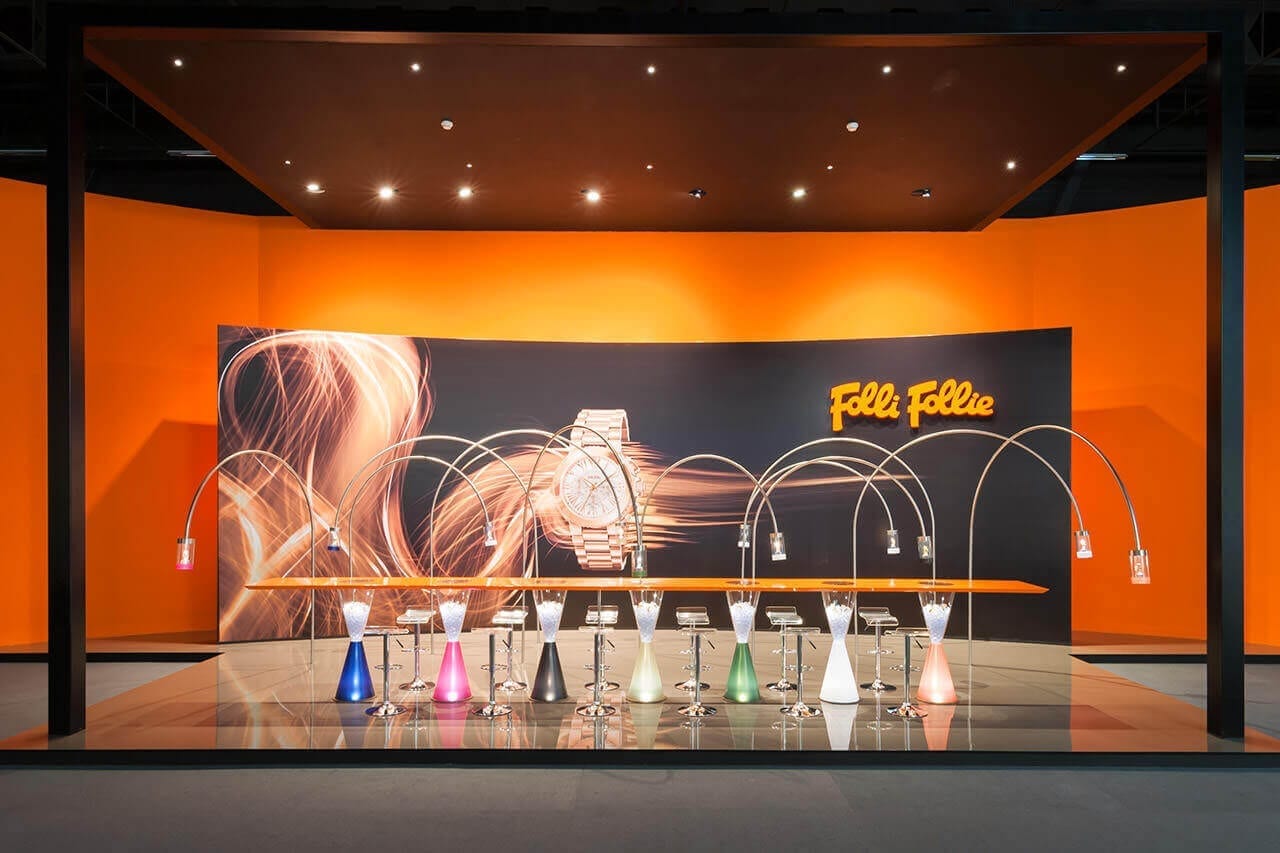
    ATHEX-listed Folli Follie Group is buying back its Australian distribution network from Luxury Retail Group (LRG), the second buy back deal that LRG has completed this year, following the sale of its Furla business to Furla Group.

    The deal will see the Greek-based Folli Follie Group acquire 100 per cent of the distribution network built by LRG for an undisclosed sum.

    Nelson Mair, managing director of LRG, said while they didn’t plan to sell both businesses so close to each other, the timing was in the best interests of all stakeholders.

    “The sale allows us to concentrate on our exciting and rapidly growing Sneakerboy business and on our latest brand in Australia, Balenciaga” said Mair.

    Mair said the company is working on plans at present to launch new luxury brands into this market, which they will announce in the coming months.

    LRG launched Folli Follie in Australia in early 2015, quickly establishing the brand in three high profile locations (two in Melbourne and one in Sydney), as well as a strong online channel.

    The business started by LRG for Folli Follie has created the foundation on which to build growth, consistent with what the brand has experienced in Europe and Asia.

    Earlier this year the Folli Follie Group posted global revenue growth of 12.1 per cent to €1.3 billion, with earnings growing 10.1 per cent to €291.9 million (EBITDA).

    “Folli Follie has been an important part of the growth of LRG as, along with the Furla business, we have demonstrated the value we bring to global brands wishing to establish themselves in this market,” Mair said.

    The Folli Follie Group stated it will now establish a local headquarters in Australia to help facilitate its expansion plans. The company also intends to open a number of new stores in the coming years and there is now the potential to bring its jewellery and watch brand, Links of London, to Australia.

  • Ikea to revamp Melbourne location

    Ikea to revamp Melbourne location

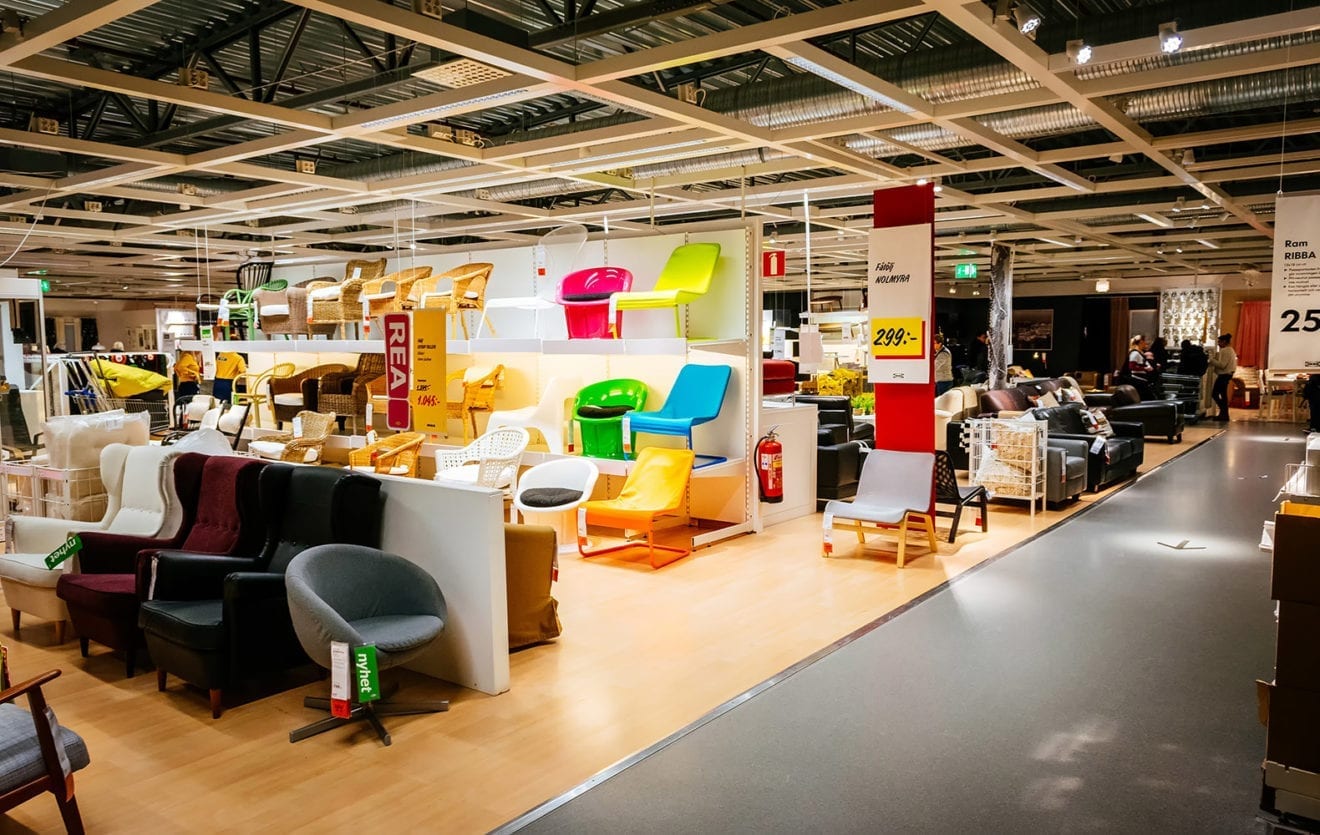
    Swedish furniture retailer, Ikea, will give its Richmond store a multi-million-dollar facelift to upgrade the store’s layout with new entrance points and better lift accessibility.

    The project, which is expected to be completed by mid-2018, will expand the store’s showroom and a refreshed restaurant will be installed and serve cafe-style food including barista made coffee and cakes.

    The Swedish Food Market and Bistro will be upgraded to provide a better experience to customers, the retailer added.

    Chris Brown, Ikea Richmond store manager, said the investment will pave the way for a transformation at Ikea Richmond for it to be better equipped to meet the needs of its customers.

    “We are looking forward to opening a new and improved store and shopping experience for our customers that will continue to evolve,” Brown said. “Ikea Richmond will be more even inspiring and relevant for our customers, and even easier to access once the renovation is complete.”

    Ikea Richmond, which opened in 2003, currently employs over 350 co-workers, a figure which, according to the retailer, will grow by approximately 10 per cent through the store upgrade and expansion.

    The store will continue to trade as normal throughout construction.

    Earlier this week, the furniture retailer launched an augmented reality application, which it sees as a “total game changer for retail”.

  • Seiko Australia opens first Melbourne boutique

    Seiko Australia opens first Melbourne boutique

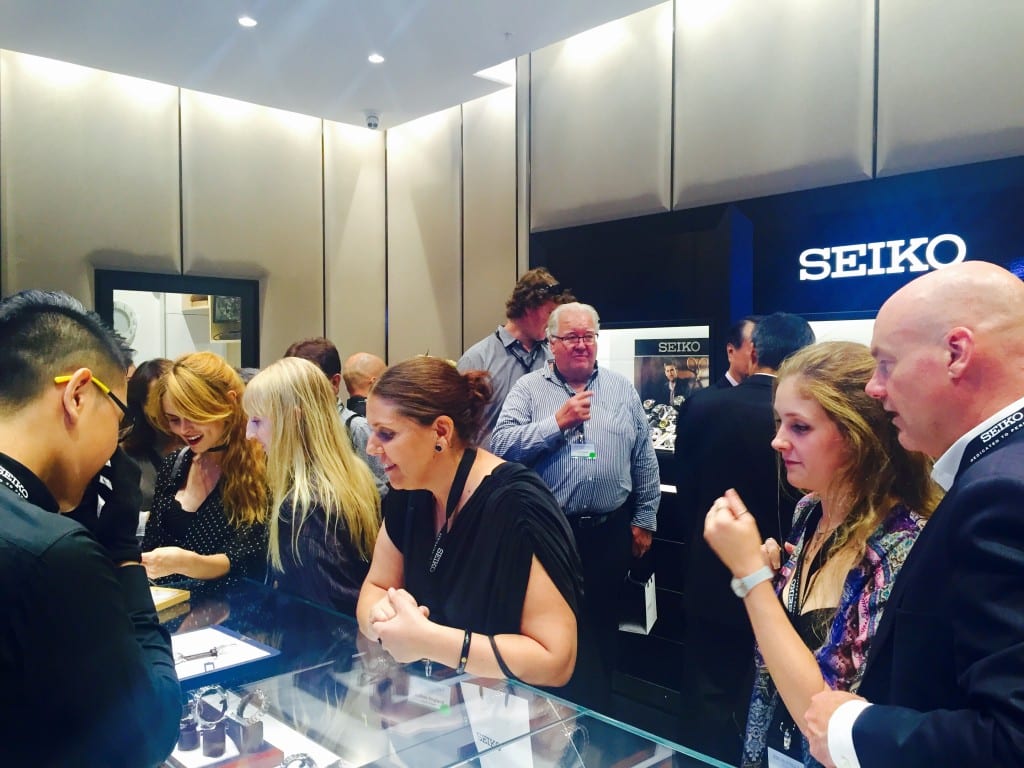
    Japanese watch brand, Seiko, has opened its first Melbourne boutique on Little Collins Street earlier this week.

    The boutique houses Seiko’s prestigious collections, Grand Seiko, Astron and Credor and will also display several watches never before offered in Australia.

    In launching the store, displayed Seiko’s Fugaku Timepiece valued at $600,000, the $400,000 Credor Spring Drive Minute Repeater as well as the Eichi ll valued at $61,000.

    The boutique will reside among Melbourne’s bustling Little Collins Street which is known for its high-end boutiques and have a resident Seiko watchmaker to assist customers with technical information.

    In March last year, the Japanese watch brand opened its first Australian boutique at the Queen Victoria building in Sydney, following openings in Frankfurt, Moscow and Tokyo last year.

  • Jeanswest in largest Australian Cotton woven launch

    Jeanswest in largest Australian Cotton woven launch

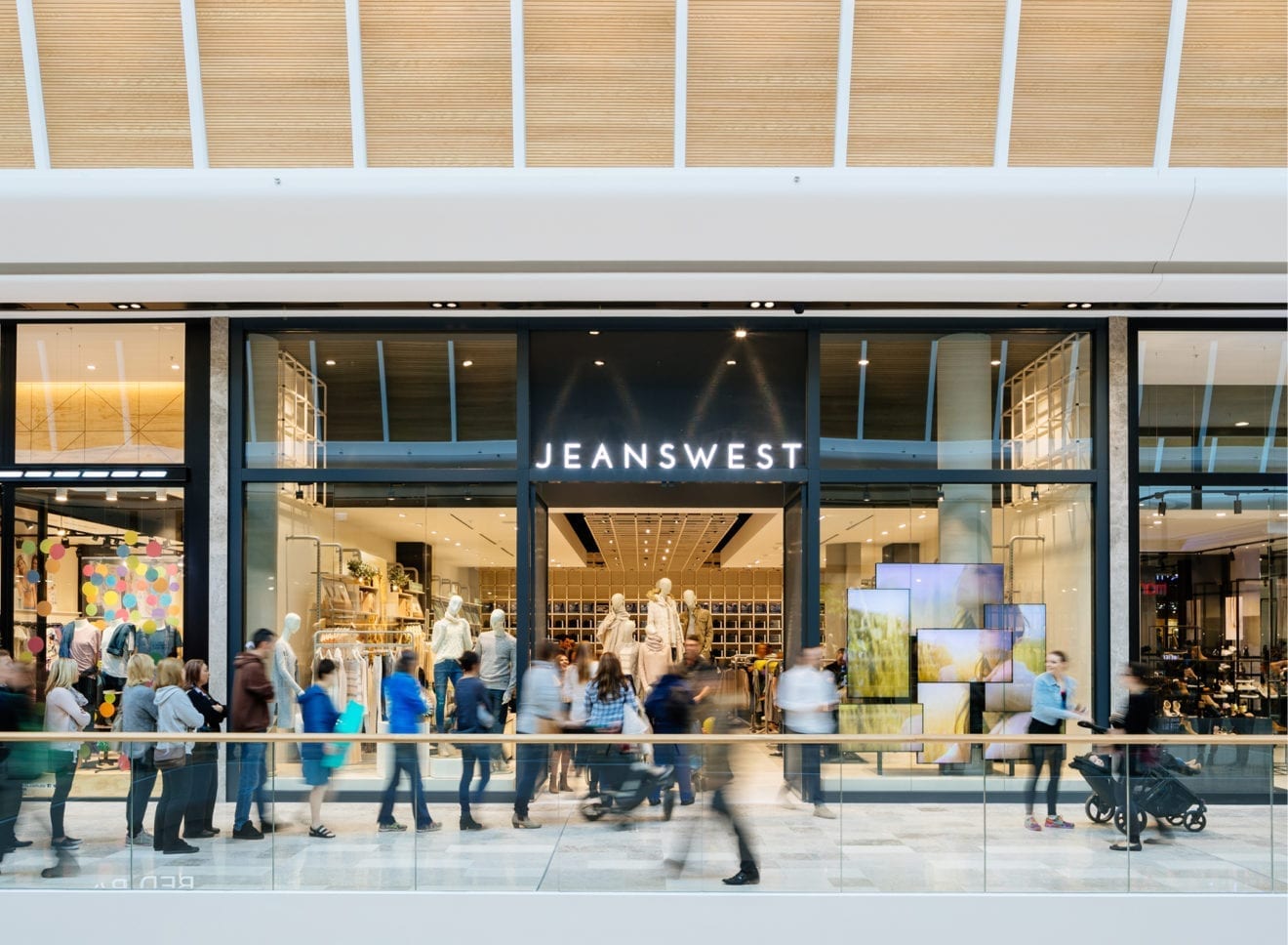
    Jeanswest is partnering with Cotton Australia to launch its largest woven womenswear collection, with the summer collection set to hit stores on September 19.

    The fashion retailer said the collection continues its commitment to traceability and ethical sourcing in manufacturing, with the partnership the next step in delivering world-class woven product for its female consumers in partnership with a local agricultural industry.

    Unveiling its plans at a media event held at the Sydney Opera House yesterday, Jeanswest said the collection taps into key trends for the coming season.

    “The soft stripes, embroidery, and tie detailing align with the trends we’re seeing come through for this summer, and of course we’ve included a pair of jeans; a beautifully crafted ripped and repaired slim boyfriend fit that customers will love,” said Lisa Hunter, Womenswear senior product manager for Jeanswest,,

    “This collection is an Australian fashion story, so in designing the product we’ve really worked to ensure there’s something new in this range for every woman, across all ages and body shapes.”

    In developing the range, Jeanswest joined Cotton Australia on a farm tour in Narrabri, northern NSW for further understanding of the industry and its processes.

    “We were thrilled to be standing in a cotton field, where it all begins, at the very start of a manufacturing supply chain, said Hunter.

    Adam Kay, CEO of Cotton Australia, said Aussie cotton is grown under the world’s best environmental social practices and produces a high quality ethical end product,

    “Buying Australian Cotton not only means a quality, sustainable product – it also means you’re standing beside farmers, and the 150 local communities they support across Queensland and New South Wales where cotton grows,” he said.

    The collection will launch in-store and online across Australia and New Zealand.

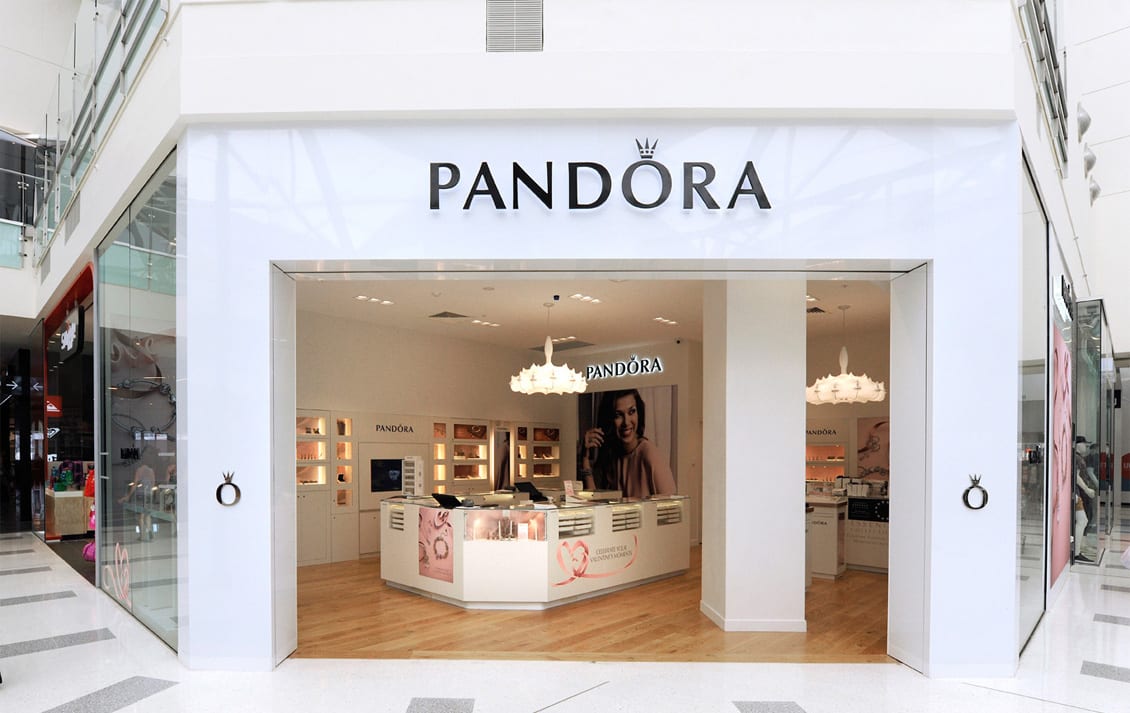
  • Pandora bets big on Melbourne

    Pandora bets big on Melbourne

    Pandora Australia and New Zealand managing director Mikael Kruse Jensen has just signed the dotted line on a five-storey flagship store in Melbourne’s Bourke Street Mall, in a deal that’s understood to be worth almost $1 million in annual rent.

    It’s a big store, with a big price tag – but Jensen is bullish on the Australian market after the Copenhagen-headquartered brand unveiled a 12 per cent sales uplift in the June quarter.

    The store itself is being designed as an activation hub, with the third floor of the venue set aside for events and staff training.

    It will be Pandora’s fourth store in Melbourne’s CBD and its eleventh opening Down Under in twelve months – with more to come.

  • Amazon ‘here in 60 days’

    Amazon ‘here in 60 days’

    Amazon could launch across Australia within the next 60 days, according to Citi Australia.

    Based on supplier feedback across many categories, Citi said a pre-Christmas Amazon launch date is likely.

    “Launch timing remains uncertain and subject to website and logistics testing, but we would expect a formal launch to occur sometime in October 2017, ahead of Black Friday on 24 November,” Citi analysts said in a note.

    “We expect Amazon to offer free delivery over a value threshold, with the Prime service to be offered later, potentially coinciding with Prime Day in July 2018.”

    Citi said Amazon will be buying directly from leading suppliers, holding inventory and setting retail prices, adding that buying terms have been set and first orders have been placed with suppliers in recent weeks.

    “This increases near term gross margin risks for retailers as price will be Amazon’s key lever.”

    Contrary to initial press releases and market expectations, Citi said that Amazon Marketplace is a secondary focus, although several retailers and Ebay sellers have been targeted.

    “In our view, lower pricing will likely be the result of Amazon’s lower margin and ROI expectations, particularly in the short term. A lower cost-to-serve could provide support for favourable buying terms relative to bricks and mortar retailers.”

    Citi suggested Amazon has targeted a full product range with key suppliers.

    “Based on our estimates, the incremental 2Q18e sales impact could be ~$200 million or ~0.2 per cent of total Australian retail sales,” said Citi analysts.

    Meanwhile, Amazon is searching for a location to build its second headquarters in North America that would cost more than $US5 billion ($A6.2 billion) and house up to 50,000 staff.

    The e-commerce company, which is headquartered in Seattle, said on Thursday it was seeking proposals from local and state government leaders and would select the location next year.

    Amazon’s workforce has exploded to more than 380,000 from under 25,000 since it moved to Seattle in 2010, as it rapidly expanded to become a global retailer – selling everything from groceries to appliances.

    The company’s total revenue has grown to $US136 billion at the end of last year from $US34 billion in 2010. Amazon recently snatched up Whole Foods Market for $US13.7 billion.

    Amazon said the new headquarters should ideally be located in a metropolitan area with more than one million people, potentially giving the company a shopping list of more than 50 cities to choose from.

    The project would initially need more than 500,000 square feet and up to 8 million square feet beyond 2027, Amazon said.

    “We want to find a city that is excited to work with us and where our customers, employees, and the community can all benefit,” Amazon said.

  • Telstra appoints new corporate affairs head

    Telstra appoints new corporate affairs head

    Telstra has promoted Carmel Mulhern to take on the added responsibility of the company’s corporate affairs group, in addition to her existing role as the company’s group general counsel.

    Mulhern will take over the role of group executive of corporate affairs from Tony Warren, who will leave Telstra on September 22 after serving the Australian incumbent for 15 years. Warren will take a newly created position as group general manager for communications and public affairs at ANZ Banking Group.

    In a statement, Telstra CEO Andy Penn said Mulhern is “a natural fit” for the expanded role.

    “Carmel has been at Telstra for 17 years and in that time has shown tremendous leadership protecting Telstra’s reputation and managing risk across our business,” Penn said. “Carmel is well suited to this new role, having a strong knowledge of government, a central role in Telstra’s most sensitive communications for many years, and a keen sense of corporate responsibility.”

    Megaport appoints Tim Hoffman CTO

    Megaport has tapped former Twitter global network head Tim Hoffman as its new chief technology officer.

    Hoffman will join the Australian interconnection services provider on October 1 and report directly to Megaport CEO Vincent English.

    “Tim was integral in leading the development of some of the most critical networks in New Zealand’s telecommunications infrastructure over the previous decade,” English said in a statement.

    “His tenure with Twitter enabled him to design a network that could deliver exponential growth. In the last year, Megaport has experienced record revenue growth of 298%, strong product and service uptake, and has expanded its global footprint.”

    Hoffman joined Twitter in late 2014, leading the global network team and was responsible for worldwide infrastructure, including all interconnection, backbone and content distribution infrastructure, and global data centers.

    Prior to that, Hoffman was a network engineer at CloudFare.

    Christopher Slaughter to step down as CASBAA CEO

    CASBAA said its chief executive Christopher Slaughter will step down from his role, effective December 31, after serving the industry association for five years.

    Slaughter will continue as CEO through the remainder of the year while the company searches for his successor.

    During his tenure as CEO, Slaughter has spearheaded structural reform of the organization, created new events, and delivered on CASBAA’s aim to represent, inform, and connect its membership, said CASBAA chairman Joe Welch.

    Slaughter was appointed CEO of CASBAA in October 2012, and had previously served as convention director in 2004.

    Before joining CASBAA, Slaughter held leadership roles in global and regional production, research, and news organizations, including  APV, The Yankee Group, CNBC, and Asia Business News.