Tag: Australia

  • Australia to regulate virtual currency exchanges like Bitcoin

    Australia to regulate virtual currency exchanges like Bitcoin

    Virtual currencies offer an efficient and anonymous way to store and transfer funds online. Australia is set to regulate virtual currency exchanges such as Bitcoin and strengthen the powers of its financial intelligence agency AUSTRAC as it cracks down on money laundering and terrorism financing.

    The changes came two weeks after AUSTRAC took the country’s biggest bank, the Commonwealth, to court for alleged “serious and systemic non-compliance” of money laundering and terror financing laws.

    It follows similar reforms by Japan to regulate virtual currency, after the country found itself at the epicenter of a multi-million dollar embezzlement scandal following the collapse of the Tokyo-based MtGox Bitcoin exchange.

    “Stopping the movement of money to criminals and terrorists is a vital part of our national security defenses and we expect regulated businesses in Australia to comply with our comprehensive regime,” Justice Minister Michael Keenan said Thursday.

    He added that the digital currency exchange sector was being regulated for the first time, while low-risk industries such as cash-in-transit would be subject to fewer regulations.

    Virtual currency has grown rapidly since the 2009 launch of Bitcoin, and there are now more than 100 crypto-currency options.

    But the sector has suffered from highly publicized scandals like the 2014 collapse of MtGox.

    Backers say virtual currencies offer an efficient and anonymous way to store and transfer funds online.

    But critics argue the lack of a legal framework governing the currency, the opaque way it is traded and its volatility, make it dangerous.

  • Colette by Colette Hayman launches at Australia Fair

    Colette by Colette Hayman launches at Australia Fair

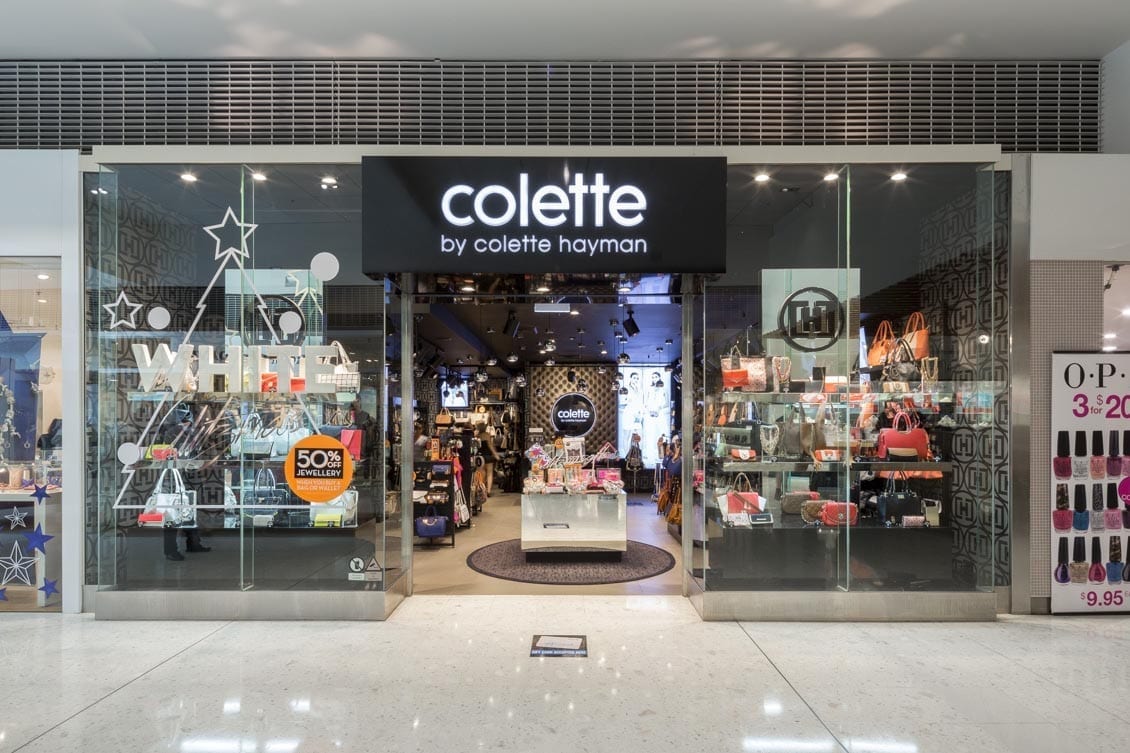
    Fashion accessories retailer, Colette by Colette Hayman, has opened its first store at Australia Fair on the Gold Coast.

    The retailer joins other new tenants at the  retail and lifestyle precinct, which is currently undergoing a $25 million redevelopment.

    Stage one of the project is expected to be completed by November. Australia Fair owner YFG Shopping Centres has engaged Hutchinson Builders to carry out the 13-month project, which includes a major expansion and makeover of Coles and an upgrade of the centre’s Scarborough Street facade.

    Australia Fair’s exterior is also getting a facelift, to create a contemporary facade for the retail, dining and entertainment complex, with the structure to feature lighting and fresh signage bearing the centre’s new branding.

    Other new tenants joining Australia Fair’s retail offering who have recently opened at the centre include, Ted Ross, U Grill, Joy Stylist and Green Valley Butcher. Brazilian restaurant and bar The Grill House, Vintage Grind, Stella Saigon Street Food, Chikar, Wrap and Roll and LiquorLand are also set to open their doors over the next few months, while several existing traders are relocating or undergoing a fresh fit-out.

    Meanwhile Colette’s opening adds to its over 160 stores worldwide.

    The retailer announced it will have new collections dropping weekly and will feature handbags and jewellery.

    Ramon Otten, Australia Fair general manager, said the “highly anticipated” store opening would enhance the centre’s offering for shoppers, as upgrades to the ground floor continue to modernise the mall and its exterior.

    “We are delighted to welcome Colette by Colette Hayman to Australia Fair, and expect this internationally successful brand to be very popular with our young and fashion-conscious demographic,” Otten said.

    “Colette by Colette Hayman is known for fun, stylish and affordable handbags and accessories for all occasions, which we feel makes the brand a fresh and exciting addition to the expanding retail offering of our new-look centre,” he said.

    Otten added it was “gratifying” to see the centre’s transformation take place, with a view to opening ahead of the 2018 Commonwealth Games, held on the Gold Coast.

  • Telstra expects $2.36b ebitda hit from NBN

    Telstra expects $2.36b ebitda hit from NBN

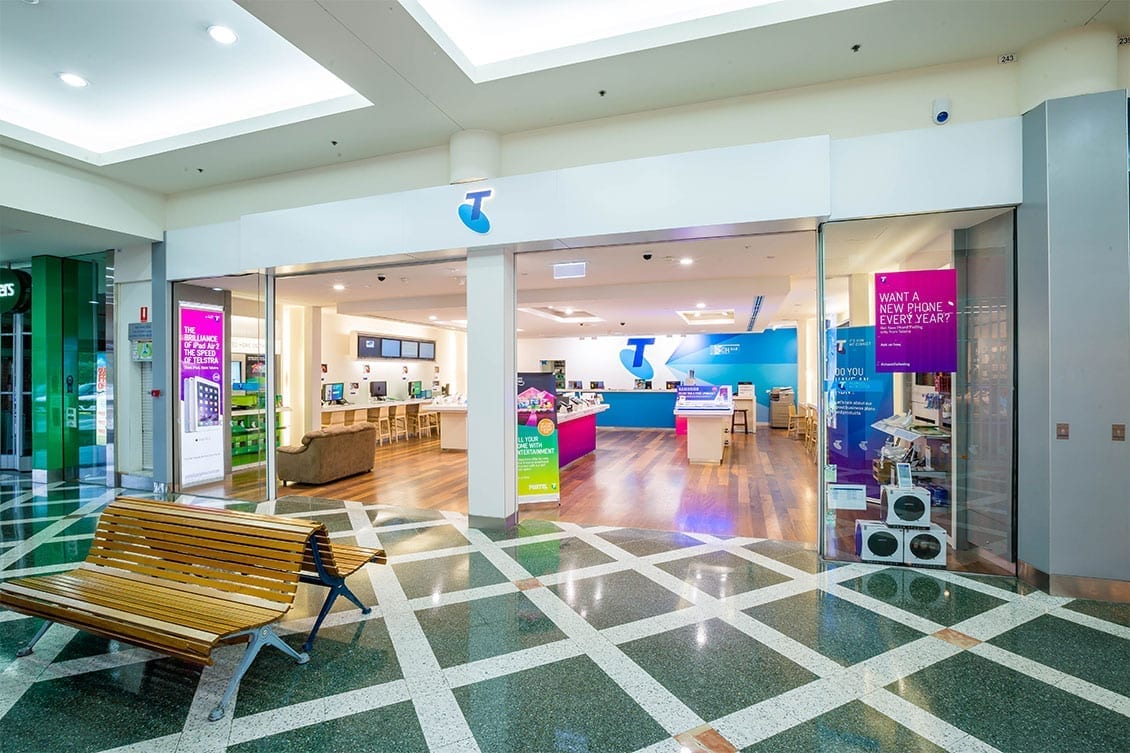
    Shares in Australia’s Telstra slumped 10.6% to a five-year low of A$3.87 yesterday after the company warned it expects to take an A$3 billion ($2.36 billion) hit to its ebtida as a result of the rollout of the National Broadband Network (NBN).

    Telstra cut its planned dividend for the current financial year by 29% to A$0.22 per share after revealing that it expects the impact of the NBN rollout to be at the top end of its projected $2 billion to $3 billion ebitda decline.

    The incumbent operator announced the plan along with its financial results for the 12 months ending in June. Revenue for the year grew 4.3% to A$28.2 billion.

    Net profit fell 33.8% to A$3.9 billion, but excluding the impact of the sale of its Autohome Chinese classifieds business for A$2.1 billion to Ping An Insurance Group in the prior year, profit from continuing operations grew 1.1%.

    Telstra reported mobile net additions of 218,000 and domestic retail fixed broadband net additions of 132,000 during the year. Customers served by Telstra over the NBN meanwhile more than doubled to 1.18 million, representing a total market share of 52% of the non-satellite services over the national wholesale network.

    But Telstra CEO Andrew Penn said the company is facing competitive pressures in both the mobile and fixed segments, including the introduction of new rivals in both.

    “Digital disruption is continuing to accelerate, not just for us but also for our customers, and we are entering a significant point in the transformation of the telecommunications market with the nbn rollout reaching scale,” Telstra CEO Andrew Penn said.
    “It is against the backdrop of these market dynamics that we announced during the year our intention to invest up to A$3 billion over the next three years to achieve a further step change in our strategic positioning to deliver economic benefits of more than A$500 million of ebitda by 2021.”

    Telstra also plans to bring forward its target of achieving A$1 billion in efficiencies by FY21 and seek to deliver more than A$1.5 billion in net productivity gains by FY22.

  • Australia Post launches services hub

    Australia Post launches services hub

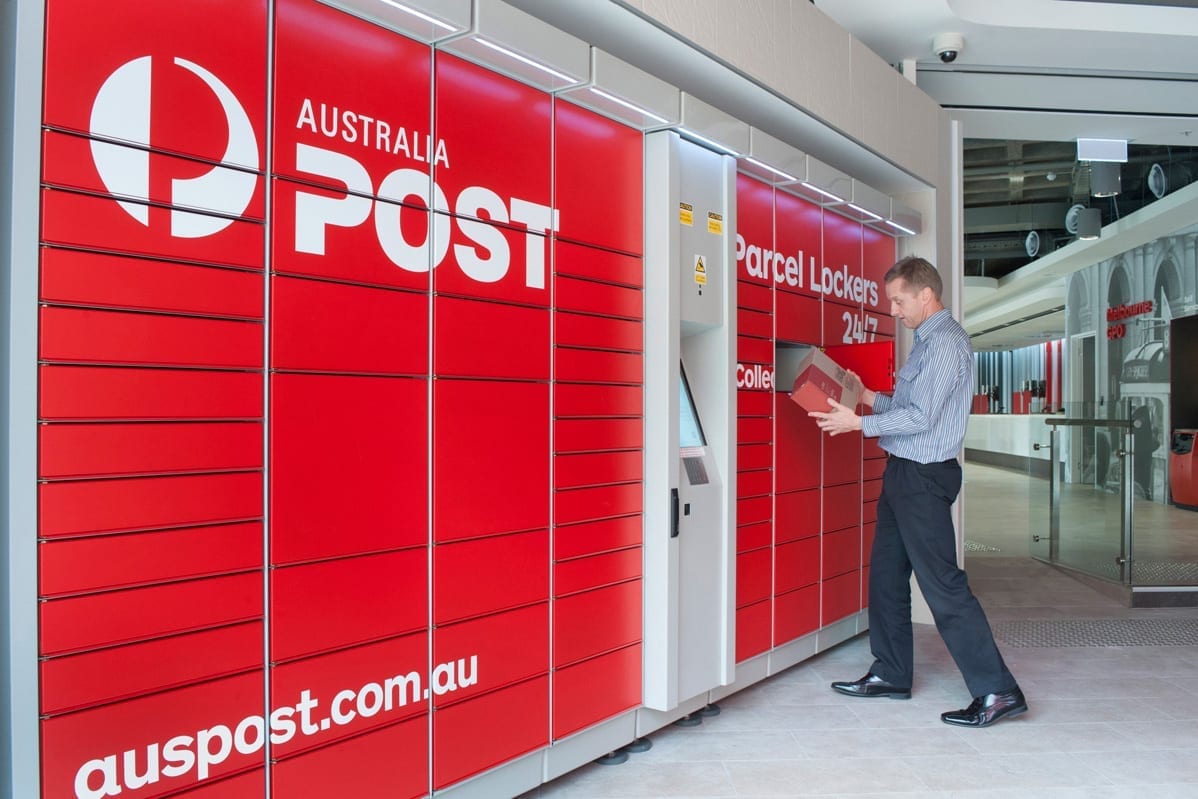
    Australia Post is looking to draw a line under concerns that retailers are finding it increasingly hard to compete with the scale of global competitors, announcing a partnership with fintech company AlphaPaymentsCloud that promises to bring traders an integrated service platform.

    Incorporating everything from payments and identification to logistics, loyalty and fraud protection, Australia Post is touting its new service, called the AlphaCommerceHub, as an API solution to the myriad of different vendor contracts many retailers currently have to negotiate.

    Australia Post will instead bring on vendor partners into the system, allowing retailers to “switch” services off-and-on depending on their individual needs, while remaining PCI compliant.

    Chief digital officer at Australia Post, Andrew Walduck, told that the publicly-owned postie was looking to up its capabilities in identity verification, to drive the next wave of growth in the payments space.

    “We’re building capabilities in identity and payments as we see it as one of the critical things that will enable our economy to be able to thrive in the next wave of growth, driven by great customer experiences getting people things in the way they want,” he said.

    The platform has been designed to incorporate innovation in services, and will include both traditional payment options in conjunction with banking partners as well as mobile payment products like Apple Pay.

    Walduck said smaller retailers have been in a less advantageous position than larger players when it comes to sifting through an ever-growing number of retail services to maintain a leading customer proposition.

    “The platform provides the ability for retailers to integrate into a single place, reducing overall costs…they can move to provide a one click purchase process in a way that makes it really easy for a customer to be identified, and then control how that product is delivered.

    “It’s an absolute game changer in Australia’s fintech evolution so we’re incredibly excited about the potential this joint venture brings to both our banking partners and our customers,” Walduck said.

    Australia Post began trailing its recently launched verification of identity application earlier this month with initial discussions taking place with credit unions, mortgage brokers and government departments.

    Initial partners include Airtasker, Credit Union Australia, Travelex and the Queensland Police Service.

    Its internal research has previously estimated that the existing state of identity verification processes costs the Australian economy as much as $11 billion per year.

  • Nike’s opens new three-level flagship in the Sydney CBD

    Nike’s opens new three-level flagship in the Sydney CBD

    Retail Prodigy Group will open the doors to a three-level Nike flagship store at George Street in the Sydney CBD on Thursday morning.

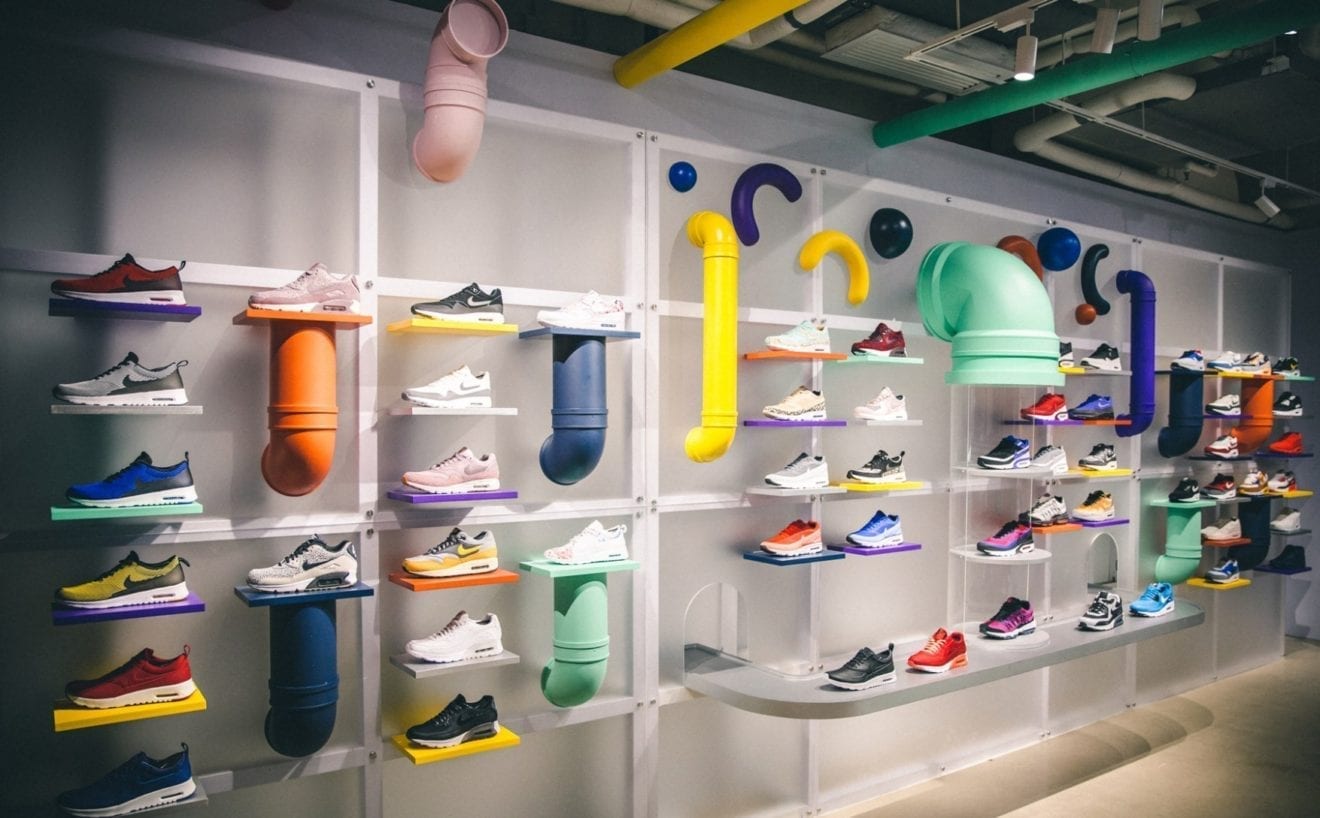
    The new flagship is the first high street store for the brand in Sydney, situated in a heritage building that has been modernised for the new store. The ground floor is dedicated to men’s training and running, sportswear, the Jordan Brand and basketball in the basement. The first floor has been designated for womenswear, in the running, training and sportswear categories, plus a specialised bra fitting service and pant hemming.

    With a focus on running products, the store will feature Nike+ Trial Zones; an immersive space that features a Nike+ Run treadmill dedicated to trialling running footwear.

    In a Nike Australia first, the store also features sneaker cleaning and protection services.

    Brant Hirst, Nike marketing director told us that the vast amount of construction works currently underway in the Sydney CBD had not been a concern in the development of the new George Street location.

    “The heritage facade and multiple levels of the building provided the perfect canvas for a premium shopping experience for our customers,” he said.

    “Having a high street store in an emerging shopping precinct was also a major drawcard of the space.”

    Despite several commentators continuing to forecast the demise of bricks and mortar retailing, Hirst said the new flagship would be “powered by immersive product experiences” and in-store experts.

    “This store centres around elevating every athlete’s potential and offering customers personalised experiences, whether they’re training for a marathon, or want the latest in sports style.”

    When asked if we could expect to see more larger flagships in other locations across Australia and New Zealand, Hirst said that Nike was “always looking at ways to innovate and offer premium shopping experiences for our customers.”

    Nike also recently confirmed it is launching a pilot program to sell sneakers on Amazon, in a move to combat counterfeiters and unsolicited third-party sales conducted online.

    In a call with analysts, Nike CEO Mark Parker said that Amazon would carry “a limited Nike product assortment” of footwear, apparel, and accessories, and that the sports brand was seeking to improve its presence on the e-commerce site while also protect its brand reputation.

    Meanwhile, the race is on within sports retailing in Australia.

    British retailer, JD Sports currently has three stores trading in Australia at Melbourne Central, Pacific Fair on the Gold Coast and Parramatta in Sydney’s western suburbs. Two further stores will open soon at Miranda in Sydney and Highpoint in Melbourne.

    The Lancashire-based company has more than 1,200 stores under a portfolio of sports fashion and outdoor brands throughout the United Kingdom and Europe.

    Decathlon, the French retailer, has established an Australian online sales platform and expects to open its first store in the Sydney suburb of Tempe in October.

    The retailer has more than 1,000 stores in almost 30 countries and has notionally set a target of 100 stores for the Australian market.

    More recently, Super Retail Group decided to discontinue Amart Sports and convert its 65 stores into Rebel Sport as part of a consolidation strategy designed to defend against the entry of Amazon, Decathlon and JD Sports.

  • Pizza chain secures franchise rights to enter India

    Pizza chain secures franchise rights to enter India

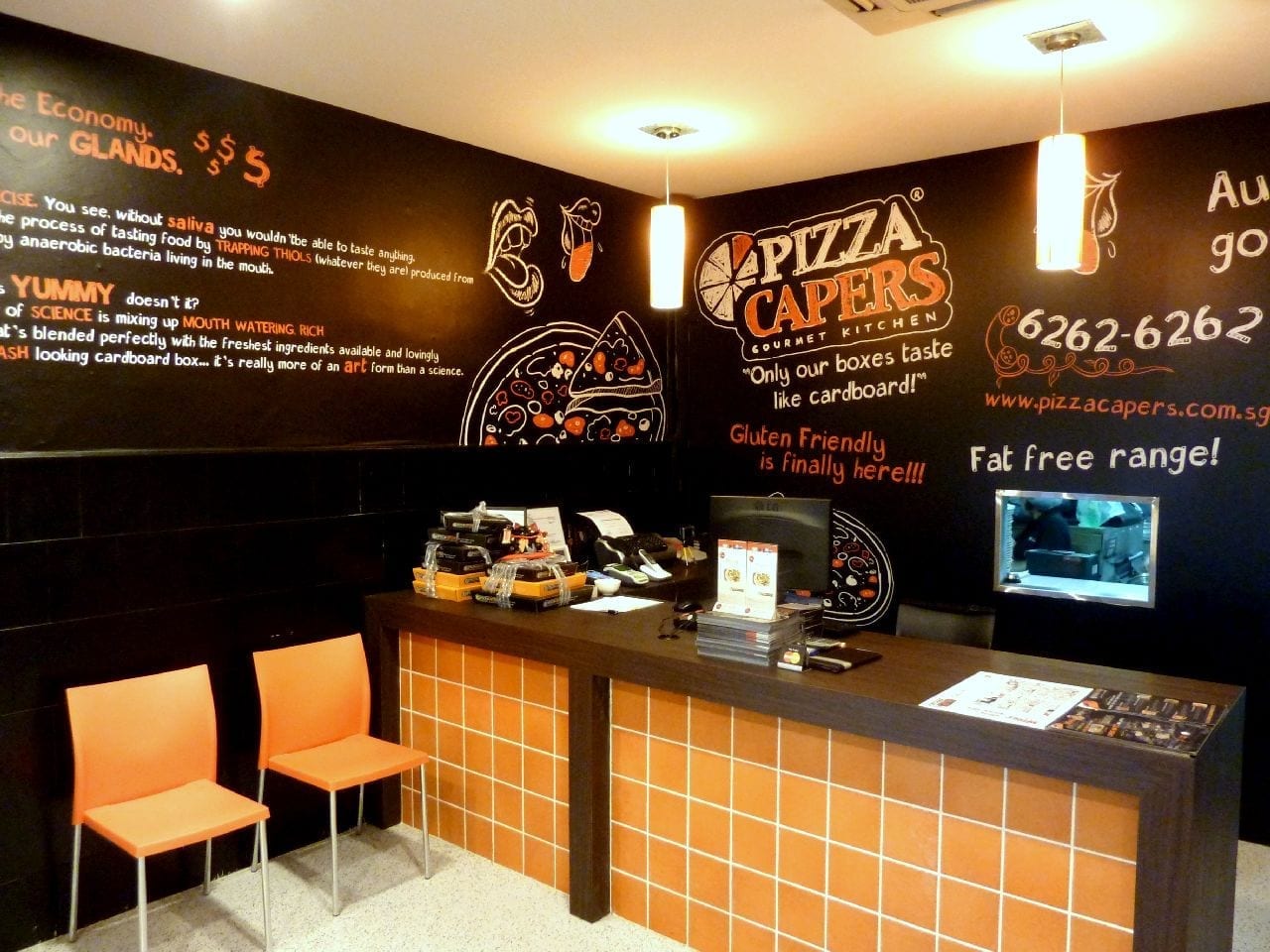
    Retail Food Group owned Pizza Capers, has today announced it’s entering the Indian market via a master franchise license in favour of local firm Krsna Foods (India) Pvt Limited.

    RFG chief executive – international, Mike Gilbert, said the grant of master franchise rights for India represented a watershed event for the brand, which also set the platform for further international growth.

    “Pizza Capers has enjoyed considerable success in the Australian market, and we are excited to be partnering with local experts who share our vision for introducing high quality gourmet pizzas to Indian consumers,” he said.

    “A surge in consumerism coupled with increasing incomes and changes to lifestyle and eating patterns within India has meant that entry into the territory has long been on our radar. We expect these factors to provide a huge platform upon which the Pizza Capers brand can prosper”, he said.

    Pizza Capers’ international expansion model is based on recruiting franchise partners, with Gilbert asserting the company was conscious of finding a franchisee capable of applying sufficient resources, expertise and resolve to ensuring success in the Indian market.

    “Krsna Foods (India) Pvt Limited satisfies each of these pre-requisites and we have every confidence of the Brand’s success in the territory,” he said.

  • Telstra’s 4G population coverage hits 99%

    Telstra’s 4G population coverage hits 99%

    Australia’s Telstra has revealed that its 4G network now covers 99% of the nation’s geographically dispersed population.

    Following upgrades in regional areas of Western Australia, Victoria, Queensland and South Australia, the company’s 4G network now offers coverage across more than 1.4 million square kilometers, Telstra COO Robyn Denholm said in a blog post.

    Telstra is meanwhile upgrading its transmission network to help meet projected traffic demand. Denholm said only 20% of the projected capacity Telstra will require by 2020 existed at the start of the year.

    To achieve this Telstra is deploying optical transport technology across its transmission network, starting with an upgrade to the cable connecting the island state of Tasmania to the mainland across the Bass Strait. The upgrade will increase the capacity on each of the two cables from 400Gbps to 1Tbps.

    “Importantly, the next generation optical transport technology offers huge upside for supporting growth. With future system deployments we anticipate we can scale up to 100Tbps or more,” Denholm said.

    “We will now be progressively upgrading our optical transport capability around Australia, with Victoria, New South Wales and South Australia the next in line to benefit from from inter-capital upgrades.”

    Finally, Telstra has activated LTE Cat M1 across its 4GX (LTE-Advanced) network footprint, and plans to deploy range extension capability that will take the footprint of the IoT network to more than 3 million square kilometers.

    The company has also commenced testing of software that supports NB-IoT and expects to introduce this capability later this year.

  • Amazon confirms first Aussie fulfilment centre

    Amazon confirms first Aussie fulfilment centre

    Online retail giant Amazon will open its first Australian distribution warehouse in Melbourne’s south eastern suburbs, in a move the company says will create hundreds of jobs.

    Amazon has announced it will open a 24,000 square metre fulfilment centre in Dandenong South at the M2 industrial park.

    The company’s Australian director of operations Robert Bruce said “this is just the start” for Amazon.

    “Over time, we will bring thousands of new jobs to Australia and millions of dollars of investment as well as opening up the opportunity for thousands of Australian businesses to sell at home and abroad through Amazon Marketplace,” he said.

    He promised hundreds of thousands of products would be stocked at the new warehouse at low prices for Australian consumers.

    The new centre is located in the Pellicano’s M2 Industry Park in Dandenong South, which Amazon said provides easy access to the South Gippsland Highway, Monash Highway and Eastlink. The building is also in close proximity to a wide range of amenities for employees. The lease of the centre was facilitated by CBRE’s Industrial & Logistics business.

    Victorian Industry Minister Wade Noonan said it was the latest global company to choose the state for its Australian operations.

    “The company’s decision to locate its centre in Dandenong South will create hundreds of local jobs and open up retail opportunities for thousands of local businesses,” Noonan said.

    The international giant has already started to recruit staff including operations managers, pickers, packers, systems technicians and HR specialist.

    The company already has 1000 employees in Australia.

    Recently, Amazon reported a jump in retail sales but its profits took a big hit as the e-commerce giant continues investing in a number of costly areas, including video, fulfilment centers and international expansion within fast-growing economies such as India.

    The world’s largest online retailer has reported a 77 per cent slump in quarterly income and forecast a potential operating loss in the current quarter, $US300 million ($A376 million) to a loss of $400 million.

    Nine in ten Australians said they will purchase from Amazon Australia if it delivers on its lofty promises, according to a study commissioned by parcel delivery service, CouriersPlease.

    The results of an independent survey of 1,001 Australian adults who have shopped online at least three times in the last six months showed 90 per cent of Australian online shoppers think they will purchase from the e-commerce giant if it fulfils its promise to deliver low prices, vast selection and fast delivery.

    However, other research from finder.com.au says Australians are showing mixed reactions to the arrival of retail giant Amazon in Australia.

    According to finder’s research, half of the population, about 47 per cent, indicated they are excited about the retailer coming to Australia, hanging out for cheaper deals, a bigger range of products and fast delivery.

    But 53 per cent aren’t so keen, preferring to shop at brick and mortar stores, or worried about its impact on local business.

    Bessie Hassan, money expert at finder.com.au, said while Amazon appeals to many shoppers, some would take some convincing.

    “While it is certainly grabbing a lot of headlines in Australia, Amazon needs to prove what all the fuss is about before most consumers will change their buying habits,” Hassan said.

    Euromonitor senior research analyst, Bettina Kurnik, said Amazon watchers have had a busy month, ever since the global e-commerce giant announced its planned acquisition of US grocer Whole Foods. Yet the developments are not restricted to the company’s domestic market, and news of its aggressive expansion globally spans across the Asia-Pacific region.

    “Amazon’s launch in Singapore, for instance, was much publicised due to its offering Prime Now two-hour delivery on all purchases, and having to enlist the services of taxi, Uber and Grab drivers to make good on the promise,” she said. Meanwhile Amazon India has just announced that it will set up three more fulfilment centres, taking the total number of such facilities within the country to 41 by October 2017.

    “With the confirmation that Amazon is setting up a fulfilment centre in Dandenong South we can add Australia to that list, hopefully ending the speculation around the company’s arrival to Australian shores and providing a more concrete vision of what’s in store for Australian retailers in the near future.”

  • Centara to Support Programme That Puts Surplus Food to Good Use

    Centara to Support Programme That Puts Surplus Food to Good Use

    Centara Hotels & Resorts, Thailand’s largest hotel operator, will participate in an innovative new charity operation that collects and distributes surplus food to benefit people in need, starting this August. The operation, ThaiHarvest|SOS is a joint initiative with OzHarvest, the pioneering Australian organization that has established a proven and successful “Food Rescue” model which is being adopted around the world, and the Thai Foundation Scholars of Sustenance (SOS)

    The programme’s mission is to eliminate hunger and food waste through the re-distribution of quality surplus food. Experts estimate as much as a third of food produced for human consumption is wasted in the transport, distribution, and preparation supply chain. When this food ends up in a landfill, it represents a tremendous waste of resources and a lost opportunity to help people unable to afford adequate nutrition.

    The OzHarvest rescue and redistribution system has proven a safe and efficient way to reduce this waste and benefit the planet. Begun in Australia 14 years ago, it is now being replicated in the UK, South Africa, New Zealand, Peru, Indonesia and Vietnam. An important part of the initiative is educating people about the problem and opportunity of food waste.

    In Thailand, ThaiHarvestISOS picks up good quality surplus food daily from participating supermarkets, hotels, food courts, restaurants and other businesses. Trained inspectors sort the food and assure its safety. Food no longer fit for human consumption is taken to local farms for composting. The rest is refrigerated and delivered to the needy. Since 2016 ThaiHarvestISOS has donated over 60,000 meals to organizations such as Mercy Center Orphanage, Half Way Homes for men and women, the Pak Kred Babies’ Home and the Poh Teck Tung Foundation.

    In August Centara Hotels & Resorts will begin donating surplus food from its Centara Grand hotels at CentralWorld and Ladprao. Eventually it hopes for all its Thailand properties to participate. These main two properties will also arrange an event called “Master Class Dinner”. It will be led by Will and Steve, celebrity chefs who won Australia’s The Seven Network’s top rating cooking show in 2015 – My Kitchen Rules Australia and known as chefs who support OzHarvest campaigns and now ThaiHarvestISOS.

    “We are thrilled about the leadership taken by Centara to partner with us on our mission to eliminate hunger and reduce food waste through the re-distribution of quality surplus food. Their commitment and support will allow ThaiHarvest|SOS to both help reduce food waste in Thailand and at the same time, provide good meals to those in need in our community”, said Gopi Krishnan, Head of Programmes at OzHarvest and ThaiHarvest|SOS.

    “As we prepare food for our guests, unavoidably at the end of each day we have surplus – for example, bakery items or excess from a large banquet,” said Centara’s Corporate Director of Food and Beverage, Winfried Hancke. “It is a shame to let this food go to waste when there are so many people who could benefit from it.”

    Supatra Chirathivat, Centara’s Senior Vice President Corporate Affairs & Social Responsibilities, noted how well the programme fits the group’s social responsibility and sustainability goals. “Being a good member of the community means helping those less fortunate and using the earth’s resources more efficiently. We’re

  • Vietnam-Australia rice cooperation in fine shape

    Vietnam-Australia rice cooperation in fine shape

    Deputy Prime Minister Vuong Dinh Hue, during his visit to the Australia, told a meeting with Australian businesses on July 24 that Vietnam can supply all types of rice in bulk to the country.

    Vietnam’s rice exports to Australia reached 220,000 tonnes last year, an increase of 50 per cent compared to 2015 and accounting for 4.5 per cent of all trade with the country.

    Mr. Rob Gordon, CEO of Sunrice, the world’s largest rice and food processor, said that some Vietnamese enterprises have exported micronutrient rice to islands in the Pacific Ocean under orders from Sunrice.

    He also suggested the Vietnam Government permit Sunrice to expand its business in Vietnam, transfer technology, and share its experience in rice production in a closed process with Vietnamese enterprises.

    Deputy PM Hue appreciated Sunrice’s goodwill and affirmed that the Vietnamese Government would direct the Ministry of Industry and Trade and the Ministry of Agriculture and Rural Development to cooperate with the company to support Vietnamese rice producers.

    Besides rice, Australian enterprises are also keen on other sectors in Vietnam such as tourism. Vietnam is becoming a popular holiday destination for many Australians, with 50,000 expected each year in the near future.

    Vietnam is now Australia’s 15th largest trade partner, with two-way trade of over $10 billion, while Australian investment in Vietnam has boomed over recent years. In the first six months of this year, Australian investors invested over $95.7 million in 27 projects in Vietnam (both new projects and additional capital in existing projects).

    The United Nations’ Food and Agriculture Organization (FAO) predicted in June that Vietnam would be among the Top 5 countries in terms of rice volumes this year. The five are China (with more than 142 million tons), India (over 110 million tons), Indonesia, Bangladesh, and Vietnam.

    Global rice volumes are likely to increase by 0.7 per cent this year compared to last year, to more than 502 million tons, according to the Food Potential report published by the FAO, due to policies promoting production in Asia and the recovery of production in South America and Australia.

    Vietnam exported nearly 4.9 million tons of rice last year worth $2.1 billion, a decline of 25.5 per cent and 20.5 per cent, respectively, against 2015.

  • Amazon to raise the bar in Australian delivery

    Amazon to raise the bar in Australian delivery

    The arrival of Amazon will catalyse an uplift in consumer expectations around the speed, price and reliability of retail delivery, putting pressure on businesses to improve supply chain practices to remain competitive.

    That’s the message from Greencross chief information officer (CIO) Paul Kennedy, who isn’t buying the typical arguments against the viability of best practice delivery in Australia.

    “We like to use excuses,” he told an audience at Online Retailer on Wednesday. “We say Australia’s big, or that it’s not very densely populated…some of those things are true, but two-thirds of Australia’s population live within a day’s drive of Melbourne or Sydney.”

    “If you have distribution in those cities you should be able to get out to customers within a day…there are things within the retailers control, if it can get out of your DC the day it’s ordered then it has got a lot better chance of getting to customers the next day.

    “We need to focus on our internal teams, on order by here, ship it by there, get it to the customer by there,” he said.

    Kennedy, one of the architects behind John Lewis’ omnichannel strategy in the UK and former CIO of APG & Co., believes it’s only a matter of time before on-demand or so-called ‘uberised’ delivery becomes widespread in the Australian market

    He expects Amazon’s entry to propel the market towards that reality, redefining what Australian consumers see as acceptable offer.

    “You can overplay the Amazon threat, but you can’t overplay customer expectations – they’ll continue to go up and we need to respond to it.

    “That’s the most notable difference between sites in the UK and Australia. They’ll say, ‘order it by there and it’ll get delivered by here’,” Kennedy explained.

    Greencross, which owns pet supplies retailer Pet barn, is one of many publicly listed companies to have been thrown under a cloud in recent months, having had its earnings guidance cut by UBS earlier this year.

    Its share price is down almost 15 per cent since January as uncertainty over the impact of Amazon’s entry, as well as macroeconomic headwinds, continue to weigh on the market.

    It makes Kennedy, who was poached from APG & Co in late 2015, all the more important. As he says, supply chain may not be the sexiest part of retail, but it is where the money is made.

    He expects stores to be the cornerstone of logistical success for established retailers in an Amazon enabled environment, advising retailers to implement omnichannel strategies that leverage pre-existing assets.

    But there remains a disparity between what customers say they want and what they are willing to pay for it, Kennedy said.

    “Lots of people talk about same day delivery, lots of couriers do it, lots of vendors offer it and every customer will tell you they want it.

    “It’s a good idea, and I can see why in some sectors it’s really valuable, but the big challenge is that customers just don’t want to pay for it,” he said.

    Kennedy cautioned against investing too heavily in ultra-fast delivery services, noting that investing in same-day as a premium offer only makes sense if an adequate number of customers are prepared to pay for it.

    There are, however, ways to make it work. Kennedy agrees that the prime model has been successful in helping Amazon justify free same day, or next day delivery in many parts of the US and UK, and that a subscription/replenishment model has its place.

    “If you have replenished able items it might make sense to say, ‘sign up for $50 a year and we’ll cover your freight under this arrangement for the whole year’…we already do subscription dog food and that sort of thing, but for most retailers with less frequent purchases it would be a harder argument.”

  • Lululemon fined for violating guarantee rights

    Lululemon fined for violating guarantee rights

    Sportswear retailer, Lululemon Athletica Australia, has paid penalties totalling $32,400 following the ACCC issuing three infringement notices for violating consumer guarantee rights.

    In May earlier this year, Lululemon listed sale items on its website under the heading “We Made Too Much”. The web page read “We made a little extra – don’t be shy, help yourself. It’s yours for keeps so no returns and no exchanges”.

    The ACCC said that, by this statement, Lululemon represented that consumers were not entitled to return and obtain a refund for, or exchange, these products under any circumstances.

    Lululemon has also posted this return policy on its website stating: “Final sale items like underwear, water bottles + We Made Too Much gear are yours for keeps”.

    The statements, according to the consumer watchdog, represented that consumers were not entitled to a remedy for these products under any circumstances.

    The ACCC also mentioned in November last year, a customer has contacted Lululemon requesting a refund for products she considered were faulty but received an e-mail from a Lululemon representative that said “We do not offer refunds for quality affected garments”.

    “The ACCC alleges that Lululemon made representations to customers that they were not entitled to a refund or replacement for products under any circumstances, when that was not the case,” ACCC deputy chair Delia Rickard said.

    Rickard said if a product or service fails to meet a consumer guarantee, people are automatically entitled to a remedy under the Australian Consumer Law.

    “If products develop a fault which constitutes a major failure, customers are entitled to a refund, even if the product was purchased on sale,” she said.

    “Businesses must ensure their refund and returns policy do not breach consumer law, and that representations they make about consumers’ rights to return goods or obtain a refund accurately reflect the consumer guarantee rights under the Australia Consumer Law,” Rickard said.

  • Kathmandu’s two for two director swap

    Kathmandu’s two for two director swap

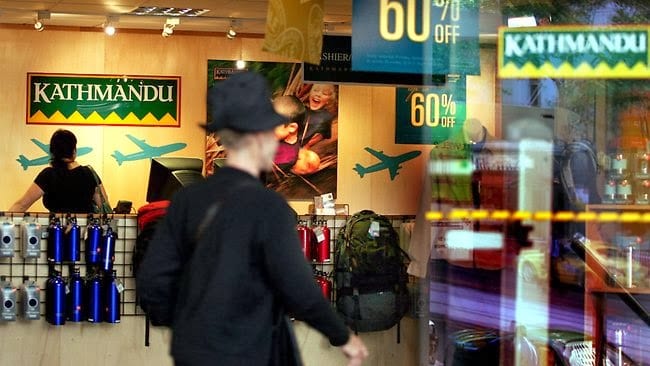
    Christine Cross and John Holland will retire from the board of outdoor apparel retailer Kathmandu, with the Kiwi-based retailer announcing replacement directors following an extensive international search.

    Holland has been a director of Kathmandu since the company’s Initial Public Offering in 2009 while Christine Cross has served as a director since 2012.

    The two new directors joining the board are Philip Bowman and Brent Scrimshaw.

    Bowman is an Australian who has worked for many years in the UK and USA and is relocating to New Zealand towards the end of this year. He has experience in retail and other sectors including roles as CFO of Bass, CEO of Bass Taverns, executive chairman of Liberty PLC, CEO of Allied Domecq, chairman of Coral Eurobet, CEO of Scottish Power and CEO of Smiths Group. He has also held office as an independent director of BSkyB, Scottish & Newcastle and Berry Bros. & Rudd. He currently sits on the boards of luxury goods business Burberry Group, Spanish infrastructure group Ferrovial SA, and is chairman of Dubai based Majid al Futtaim Properties and housebuilder The Miller Homes Group (UK).

    Scrimshaw, also Australian, had an 18-year career with Nike Inc across marketing, commerce and general management. He led marketing across Nike Pacific, was the regional GM for Nike Nth America, was the chief marketing officer for Nike EMEA, and also served as vice president and chief executive of Nike Western Europe. He retired from Nike in 2012 and is currently the CEO and Co-Founder of Unscriptd.com and is a non-executive director of ASX listed Rhinomed (RNO) and Catapult International Limited (CAT).

    David Kirk, chairman of Kathmandu, said both directiors “bring absolutely first class understanding of retail, brand development and international markets” and are a “great fit for the next stage of Kathmandu’s journey.”

  • SRG to discontinue Amart Sports

    SRG to discontinue Amart Sports

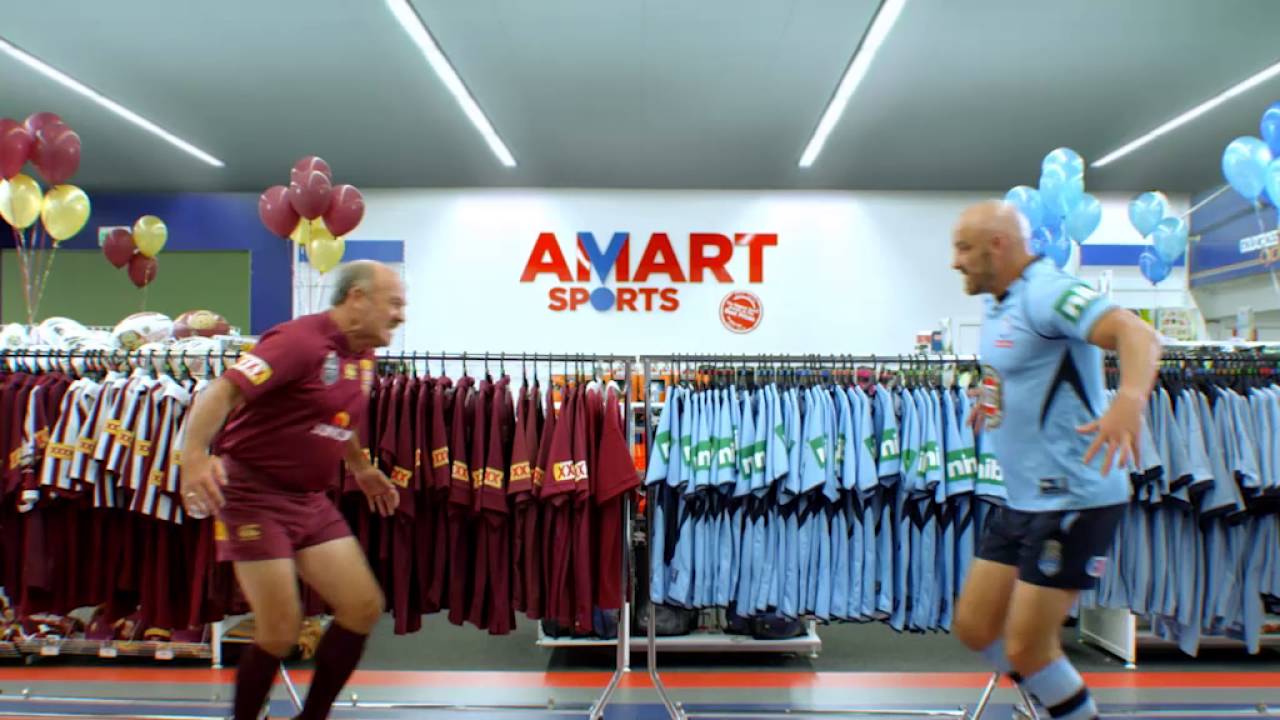
    Super Retail Group has decided to discontinue the Amart Sports and convert its 65 stores into Rebel Sport as part of a consolidation strategy designed to defend against the entry of Amazon, Decathlon and JD Sports.

    The plan, which is due to be completed by the end of October, will incur a non-cash transformation cost of $34 million in FY17 accounts, as well $9 million in capital investment for store fit outs and a further $3 million in cash costs to be incurred in FY18.

    In return, the merger is expected to generate an annualised $15 million in margin uplift and synergy benefits after two years, positioning the group to invest more heavily in Rebel’s offering, which will now trade across almost 160 stores nationwide.

    The group said in a presentation to investors that increasing customer expectations and an influx in international competitors would make it increasingly difficult to achieve a market leading position with both Rebel and Amart Sports, signalling that a merger would allow Rebel to both expand its range and invest in price to remain competitive.

    “Focusing on the Rebel brand will enable us to offer customers an expanded range of solutions and services at more locations, concentrate our investment building world-class omni retail capabilities, and further streamline the end-to-end supply chain required to deliver the seamless omni experience that customers expect,” Super Retail Group CEO Peter Birtles said.

    In recent months, the sports retailing landscape has seen increasing competition, with the likes of French retailer Decathlon and the UK’s JD Sports ramping up their Aussie footprint.

    SRG last month unveiled its omnichannel vision for the automotive brand Supercheap Auto and has now bedded down a strategy for its sporting division after conducting a review into the brands.

    It comes amid the construction of French discount sporting giant Decathlon’s first big-box location in Sydney’s inner west, which is due to open in October and will be the first of a 100 store vision for the company Down Under.

    SRG indicated that Amart Sports’ value proposition, which is also based on low-cost high-volume trade in big-box stores, will be incorporated into the Rebel brand.

    British brand JD Sports, which competes more directly with Rebel’s current brand-based offer, now also has three stores in Australia, after complementing its Melbourne flagship with locations on the Gold Coast and in western Sydney.

    The company said that the presence of new competitors on both sides of the sporting goods market would ultimately undermine the position of Amart Sports, as Rebel will be required to “adopt a stronger value message” to remain competitive, reducing the “differential in the overall customer proposition” between the companies.

    “Our research has confirmed there is a high degree of overlap between Rebel and Amart Sports customers, with the choice between brands typically only a question of which store has the most convenient location.

    “There is also significant product range overlap between the brands, so this decision will also drive synergies from a customer service perspective,” SRG said in a statement.

    The transformation will incorporate four distinct store formats for Rebel that align to metro, suburban and regional customer demographics to localise and adjust its offer for Amart’s large format stores.

    SRG remains confident that the diverse formats and assortments can be managed through adequate merchandising systems, with a plan in place to enhance ranging processes over the next three years.

    Amart Sports’ team members will be transferred to newly converted Rebel stores as the transition is implemented.

    SRG also said that it expects to come in at the upper end of its previous EBIT guidance of 16 to 18 per cent above the prior corresponding period.

  • Australians prefer biometrics to PINs for payments

    Australians prefer biometrics to PINs for payments

    More than half of Australians prefer fingerprints, voice or retina scans in place of PINs when authorizing, according to research commissioned by Visa.

    The research also indicates that 29% of Australians are ready to use an internet-connected device, like a smart home virtual assistant or connected fridge to make payments on their behalf.

    “Australian shoppers are at the forefront of the global evolution of commerce, providing a big opportunity to merchants and financial services providers to similarly lead their international counterparts in innovation,” Visa group country manager for  Australia, New Zealand and the South Pacific Stephen Karpin said.

    “As the Internet of Things and biometric capabilities become integrated into our everyday experiences, we’ll experience a significant shift in how payments are made. In our lifetime, we will see infinitely more choice in how Australians pay, from watches, fridges and mobile phones, to eyes and fingers. And we’ll experience personalization that we never thought possible, powered by artificial intelligence.”

    Visa estimates over three billion of its cards are circulating globally with about 44 million merchants accepting the Visa card as payment. The card company predicts that with the introduction of connected devices and the continued growth of digital commerce, those numbers will expand 30 billion different ways of paying and 400 million physical and digital acceptance points.

    According to Futurist Anders Sorman-Nilsson, ease of use will drive consumers to adopt new patment and commerce experiences. “Connected, AI enabled devices ready to pay will only be pervasive if the experience is easy, seamless and secure,” he added.

    Many of the new payment methods currently using smartphones rely on biometrics for authentication. More than half of respondents surveyed by YouGov (56%) said they are comfortable using their thumbprint, voice or retina for payment. According to the research, the appeal of biometrics is that it is more secure (45%) and the need to not have to remember a pin/password (40%) is driving consumer adoption and readiness.

    But while consumers are keen to embrace biometric authentication, less than half (39%) of respondents were willing to share their personal information in exchange for convenience in payments.

    Karpin attributes this hesitation to prevailing privacy concerns.