Tag: Australia

  • Hugo Boss opens Brisbane flagship boutique on Edward Street

    Hugo Boss opens Brisbane flagship boutique on Edward Street

    International fashion retailer, Hugo Boss, has opened a luxury Brisbane flagship boutique on Edward Street, in MacArthur Central’s luxury fashion precinct.

    The new boutique will feature the edited range of luxury Boss Menswear collections, including ready-to-wear, shoes and accessories as well as athleisure wear and a high performance sportswear offering, in addition to Hugo Boss timepieces and fragrances.

    According to the retailer, the store’s interior showcases a refined concept that has been adopted by select stores in major global cities, catering to the fashion savvy male.

    “Precision Group is proud to welcome Hugo Boss to MacArthur Central where it will sit alongside some of the best International and national retailers fronting Edward St, where Brisbane City Council have invested $11.8M into a beautification project of the precinct,” said Colleen Middlemass, Centre and State Asset manager.

    In the upcoming months, the Edward Street frontage project will see the addition of sub-tropical, mature trees and improved lighting as well as enhanced boulevard pavements. The MacArthur Central’s Queen Street frontage will also receive a major upgrade, with the National Australia Bank opening its flagship Brisbane retail branch and occupying eight floors in the office tower above.

  • Woolworths bans the bags

    Woolworths bans the bags

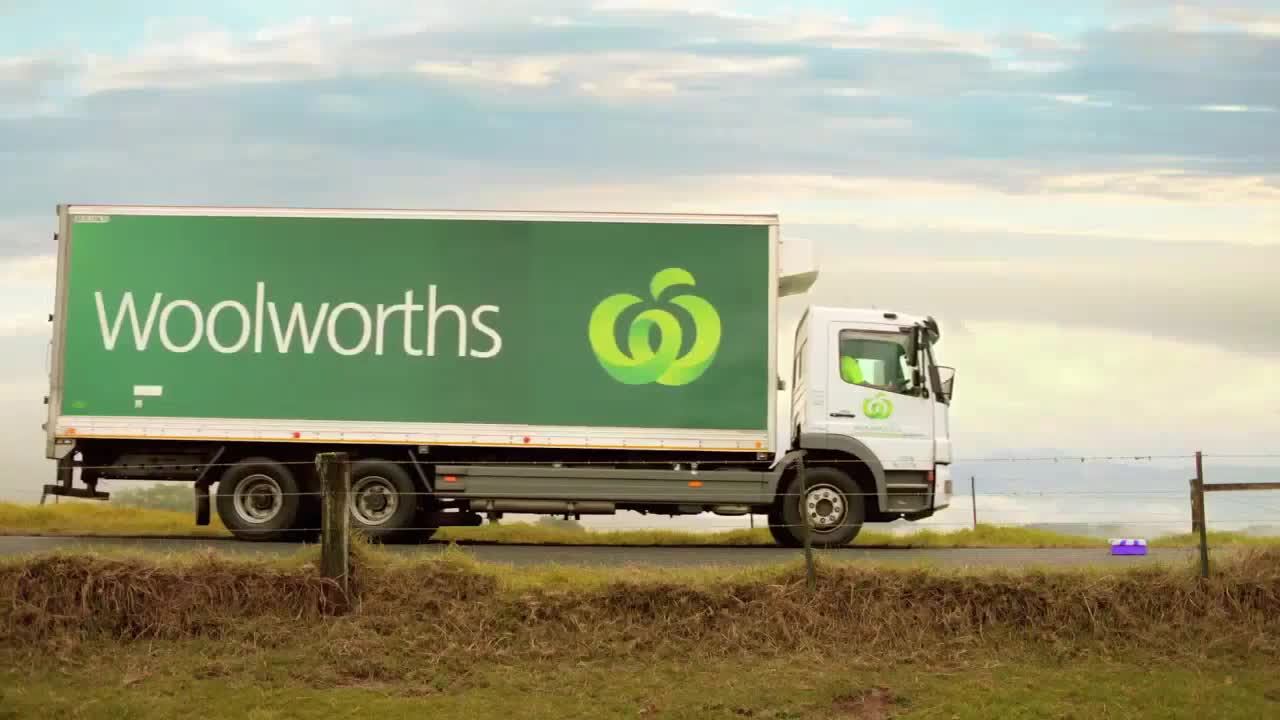
    Woolworths will no longer offer single-use lightweight plastic shopping bags across its entire store network in Australia.

    Over the next 12 months, the conglomerate said the decision to reduce its plastic bag usage was “the right thing to do” as one of the country’s largest retailers.

    “We currently give out more than 3.2 billion lightweight plastic bags a year and hence can play a significant role in reducing overall plastic bag usage,” Woolies CEO, Brad Banducci.

    “Today’s commitment shows we are committed to taking our environmental and community responsibilities seriously.

    “Whilst we know this is a major decision, we will work very closely with all of our store teams to ensure the transition for our customers is as simple as possible.

    The reduction will cover all Woolworths Group stores nationwide including its supermarkets and metro stores, Big W, BWS and e-commerce operations. Dan Murphy’s and Cellarmasters are already single-use plastic bag free.

    Instead shoppers will be offered reusable bags ranging from 15 cents to $2, although Big W may provide reusable bags at no extra cost.

    Banducci said the move signals the start of further commitments by Woolies, in minimising its impact on the environment.

    “Our customers can also expect further commitments in reducing plastic use in all parts of our supply chain, especially in fruit and vegetables,” he said.

    Jon Dee, the founder of the national anti-plastic bag campaign Do Something, said that this is the first big step by a major Australian retailer.

    “This is the first move by a major retailer to get rid of plastic bags and we now need to see Coles make the same pledge,” Dee told AAP.

    “Aldi took the lead when they set up here in 2001 because from day one they didn’t give away free plastic bags.”

    Woolworths’ lunchtime announcement was quickly followed by a similar announcement from fierce rival Coles on Friday afternoon.

    Coles said it will bring its stores in Queensland, NSW, Victoria and WA into line with Tasmania, SA, the Northern Territory and the ACT, where Coles complies with local bans.

    Coles chief customer officer Simon McDowell said this follows several months of consultation with non-government organisations and environmental groups.

    Dee said lightweight plastic bags often end up polluting waterways and the ocean, killing and maiming marine animals.

    Removing free bags will give shoppers an incentive to use their reusable bags, he added.

    Greenpeace campaigner Samantha Wockner said Woolworths’ move will have a significant positive impact on the environment, and urged governments to act on the issue.

    “It’s disappointing that leadership on this issue has come from a large supermarket chain rather than from our politicians,” she said.

    Several major retailers have removed or put a charge on single-use plastic bags to encourage shoppers to bring reusable bags. Aldi has charged customers 15 cents per bag since arriving in Australia in 2001. Wesfarmers-owned Bunnings introduced a 10 cent levy on disposable plastic bags in 2003. Furniture chain, Ikea stopped using free disposable plastic bags in 2013.
  • Retail veteran bent on creating top go-to brand

    Retail veteran bent on creating top go-to brand

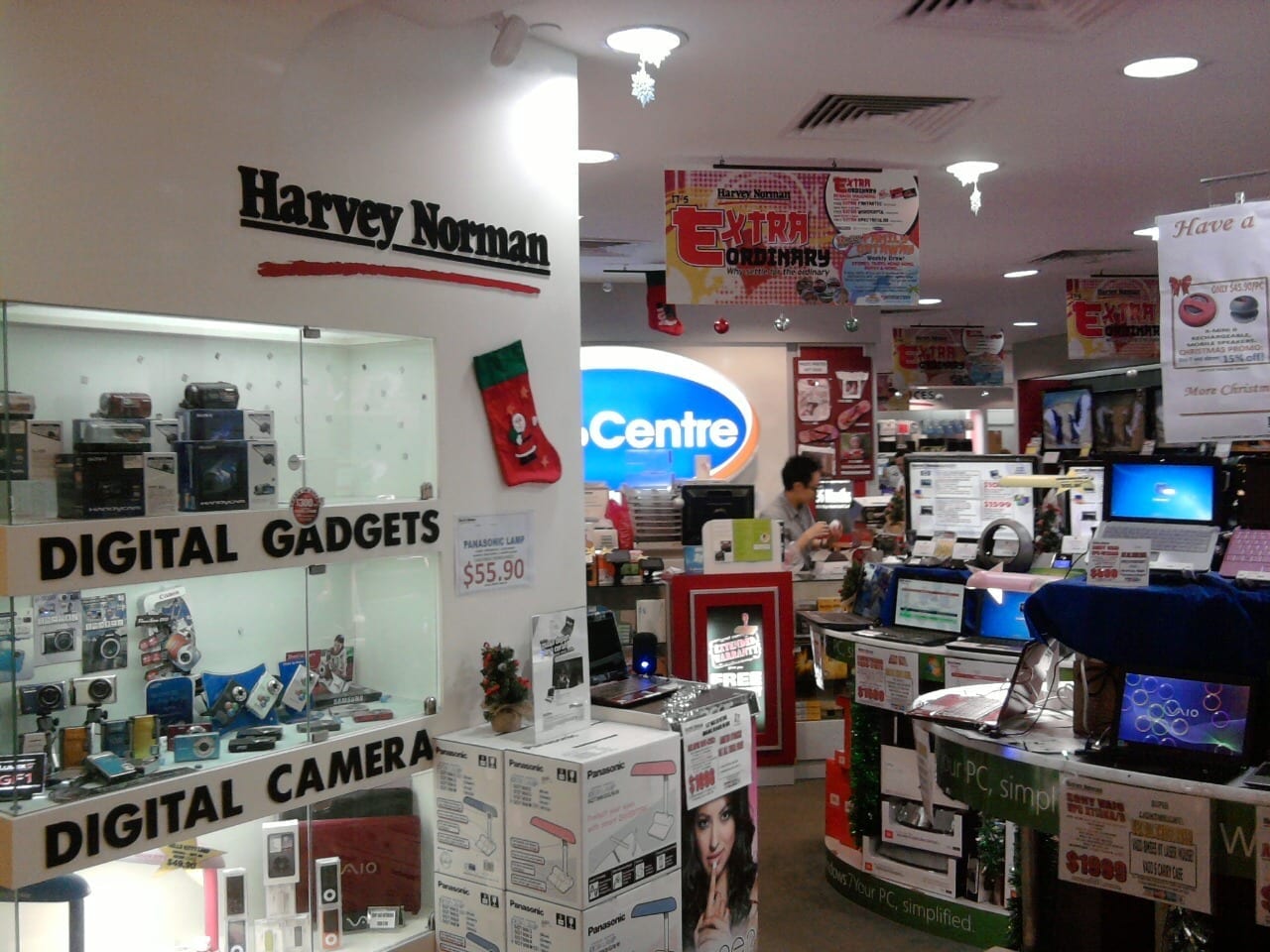
    The Australian department store giant – a household name here in electronics, computers, furniture and bedding – has steadily expanded its footprint in Singapore, even as the retail sector continues to grapple with headwinds.

    Over the weekend, Harvey Norman unveiled a new, two-storey, 38,500 sq ft factory outlet in Chai Chee Road that stocks items at up to 90 per cent off usual prices.

    The retail chain has also added to its space at the Parkway Parade store, an expansion that has yet to be officially launched.

    “If you take a look at Harvey Norman’s vision – which is to provide the ultimate customer experience – and put it at the centre of everything we do, we have to change our shops to cater to what consumers want today,” Mr Aruldoss explained the operations head.

    He said Harvey Norman has had to evolve alongside consumer habits and tastes, which have changed significantly in recent years.

    Offering that ultimate experience means stores must be supported by a solid range of products, which is why Harvey Norman plans to refurbish its other outlets here and roll out new ones.

    The physical stores continue to account for over half of its sales here, compared with its online platform.

    Still, moves to transform Harvey Norman and make sure it stays on top of its game go beyond just changing the look and feel of its bricks-and-mortar stores.

    The firm is ramping up efforts for its digital platform “in a big way”, to create a more seamless online and offline experience for customers, said Mr Aruldoss.

    “We always knew, for many years already, that e-commerce was going to change things. So we’ve got to gear up our online platform to support our stores, and gear up our stores to support our online platform. We have put a lot of things in place for our people to change, and also for consumers to know that we are changing.” he noted.

  • Virgin Australia launches its first inflight duty free service

    Virgin Australia launches its first inflight duty free service

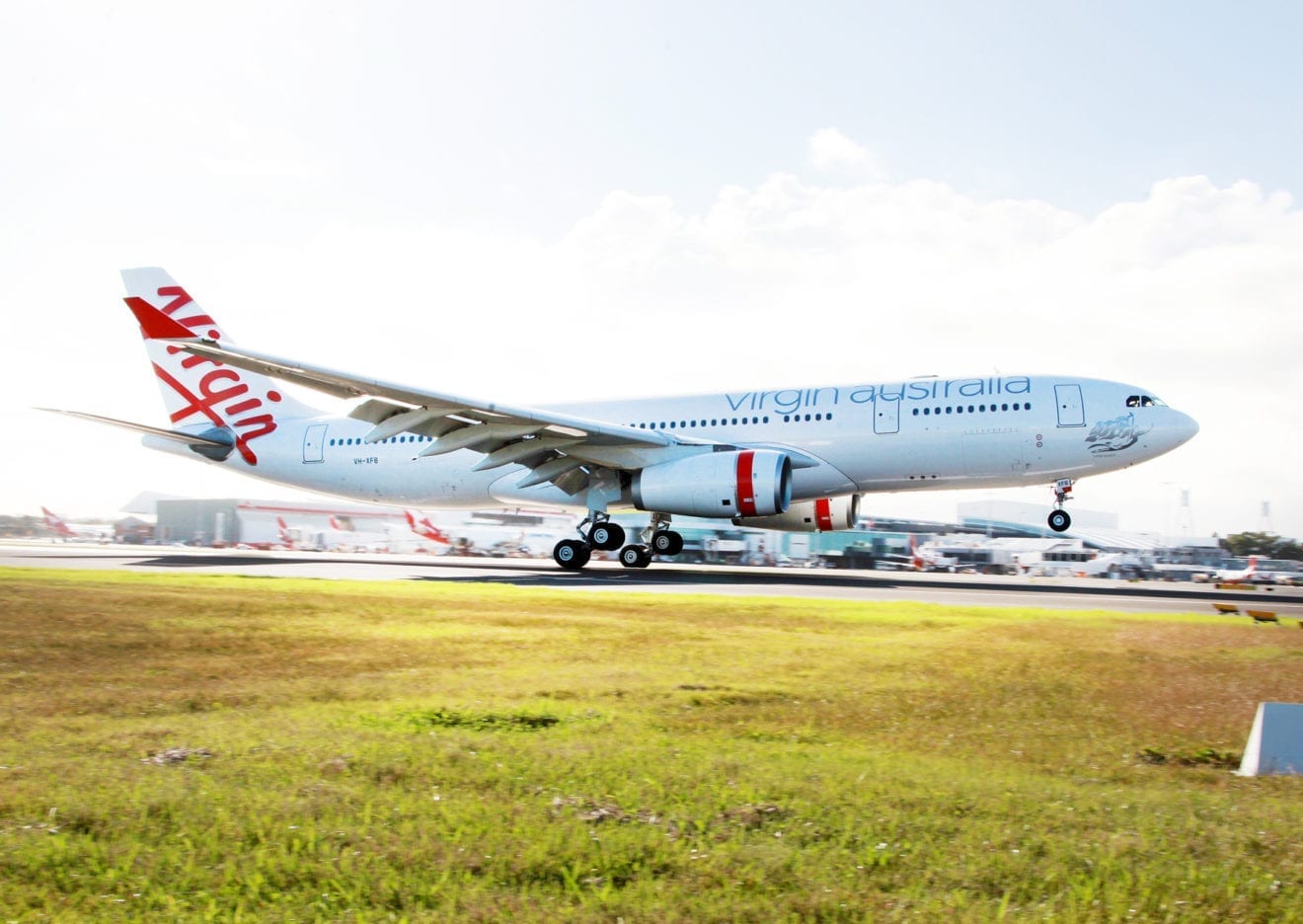
    Virgin Australia has launched its first inflight duty free service on a new route between Melbourne and Hong Kong.

    The airline said it had partnered with over 100 “exciting and popular” Australian and international brands, and the service is being operated by Alpha Flight Services.

    The offer includes a selection of exclusive products from brands such as jewellery makers Love From Venus and Luv & Bart, men’s skincare company Hunter Lab, and chocolatier Bahen & Co.

    Virgin Australia will operate five services per week between Melbourne and Hong Kong. Sir Richard Branson said the airline was “here to shake things up on this route”.

    Virgin Australia’s inaugural flight to Hong Kong took place on 5 July with the new duty free service. It marks the start of an expansion into Greater China, the airline said.

    The inflight duty free service will expand to include Los Angeles flights in late 2017.

    To order duty free products, passengers must fill in an order form at the back of the inflight magazine and hand it to cabin crew, who will then deliver the purchase to the passenger’s seat.

  • Myer walks away from Topshop concessions

    Myer walks away from Topshop concessions

    At the time of writing, the company still lists the concessions on its website, but local reports said that there is little sign the brand had ever been there inside the 17 Myer stores that carried the women’s and men’s brands.

    The news comes just a few days after it emerged that the Australian Topshop/Topman administrators are closing as many as five of its standalone stores, including the first location the brands opened in the country. Only Emporium Melbourne, Gowings Sydney, Bondi Junction and Brisbane will continue.

    Arcadia has been talking to administrator Ferrier Hodgson since debts of A$35 million led to franchisee Austradia collapsing in May. Myer had bought a 25% stake in the business during 2015, four years after the brands’ Australian debut, and this was diluted to a still-substantial 20% holding last year. In its latest half-year results, Myer had written-down its A$9.2 million stake to A$7.2 million and the firm is also believed to be a major unsecured creditor of the failed business.

    It has also emerged that Austradia’s major shareholder Hilton Seskin had been holding talks with Arcadia about a restructure for some time before the collapse. While he said little at the time of the collapse, he has more recently been quoted criticising Arcadia’s Australian operating model saying the supply chain was too complex and the product made available in Australia, which was controlled by the UK business, was not strong enough.

    Arcadia is still expected to take direct control of the Australian business and reports have said it had been keen to retain the Myer link.

    The administrator has made little comment on the issues surrounding the Topshop and Topman brands but said its priority is still to find an “appropriate operating model and structure” to continue the brands in Australia.

  • Wesfarmers to trim Target portfolio

    Wesfarmers to trim Target portfolio

    Wesfarmers will reduce the size of Target’s store portfolio in an effort to improve productivity as it looks to refocus the struggling business towards a growth phase by FY21.

    Speaking to analysts and investors at Wesfarmers’ annual strategy day on Wednesday, department stores chief financial officer Marina Joanou said that leadership has taken “decisive action” to cut costs at Target and reset the business, concluding a store network review across the division.

    “We’ve reviewed the whole country and have created a plan that rebalances the network, removes unproductive space and opens accretive new space over time,” she said.

    A 20 per cent improvement in store space productivity across the department store division is being targeted in what Joanou called a “long term game” that will include closures, store re-badges and new stores where appropriate.

    Wesfarmers department store CEO Guy Russo, who has been tasked with spearheading the turnaround of Target, declined to outline the number of Target stores earmarked for closure, but told a Sydney audience that the plan involves large and small format stores.

    “Our capital plans will be prioritised on the basis of performance, materiality and opportunities for market catch-up,” Russo said.

  • Dick Smith sites prove hard to sell

    Dick Smith sites prove hard to sell

    Nearly half of all Dick Smith stores nationwide have been re-leased to a range of categories and big brands, however many of the smaller regional locations remain vacant, according to real estate firm, Colliers.

    Former Dick Smith stores in locations like Levin, Gisborne, Richmond and Wanganui are still empty.

    “Although the former Dick Smith’s stores are typically in the best retail locations in these markets, the issue is around the lack of demand from national brands to enter these smaller cities and towns,” said Leroy Wolland, Colliers national director of retail.

    Wolland anticipated these challenges for the smaller regional store locations earlier this year when the Dick Smith’s stores closed down.

    “The hesitancy for the bigger brands moving into these locations is around the lack of catchment size.”

    “So it’s likely these sites will be back-filled with local retailers as opposed to national branded retailers.

    “We are working on a few options for these locations.”

    Most of the Dick Smith’s stores in the major cities were leased to larger, high profile retailers.

    Wolland says Colliers has also completed deals with international retailers Witner Shoes and Footlocker who have snapped up ‘high street’ sites in Wellington and Auckland.

    “We have also leased a number of stores to new Australian pet retailer, Petstock.

    “The opportunity presented by the closure of the Dick Smith’s chain accelerated these brands’ rollout into New Zealand,” said Wolland.

    Colliers has also successfully leased stores around the country to homeware retailers Bed Bath & Beyond and Lighting Plus as well as to The Clearance Shed, Hot Spring Spas, Repco, Pricewise and NZ Uniforms.

    The Golf Warehouse, Curtain Studio, Citta Homewares and electronic retailers Jay Car, Noel Leeming and PB Tech have also taken over stores.

  • Australia’s Vocus gets two takeover bids

    Australia’s Vocus gets two takeover bids

    Australian fiber network operator Vocus Communications has revealed it has secured two competing non-binding takeover bids valuing the company at A$2.2 billion ($1.69 billion).

    Affinity Equity Partners has submitted a preliminary offer to acquire 100% of Vocus for A$3.50 in cash per share, subject to due diligence and other conditions. Vocus announced.

    The bid comes days after fellow private equity company KKR submitted a preliminary offer at the same A$3.50 per share price.

    Both private equity companies have been granted the chance to conduct due diligence on the potential takeover. The prospect of a bidding war has pushed Vocus shares on the Australian stock exchange up to A$3.595 as of around midday local time on Thursday.

    The price tag represents around a 16% premium on Vocus’ projected earnings for the current financial year, but the offer price may increase as negotiations progress.

    Vocus operates a range of telecoms brands serving enterprises, small businesses, government and residential customers, including Commander, iPrimus and Dodo.

    The value of the company has shrunk significantly lately due to concerns its profitability will be substantially reduced as customers migrate to the state-led national broadband network (NBN). A year ago the company has a valuation of around $5.5 billion.

  • David Jones unveils $100m food strategy

    David Jones unveils $100m food strategy

    Department store chain, David Jones, has unveiled its $100m food strategy, aiming to build a retail food business that draws on design elements from the world’s top food sellers and gets younger generations back in-store.

    David Jones’ new gourmet food offering will kick off at Bondi Junction in Sydney’s east within seven weeks time and will showcase the retailer’s attempt to tap into the $100 billion food sector.

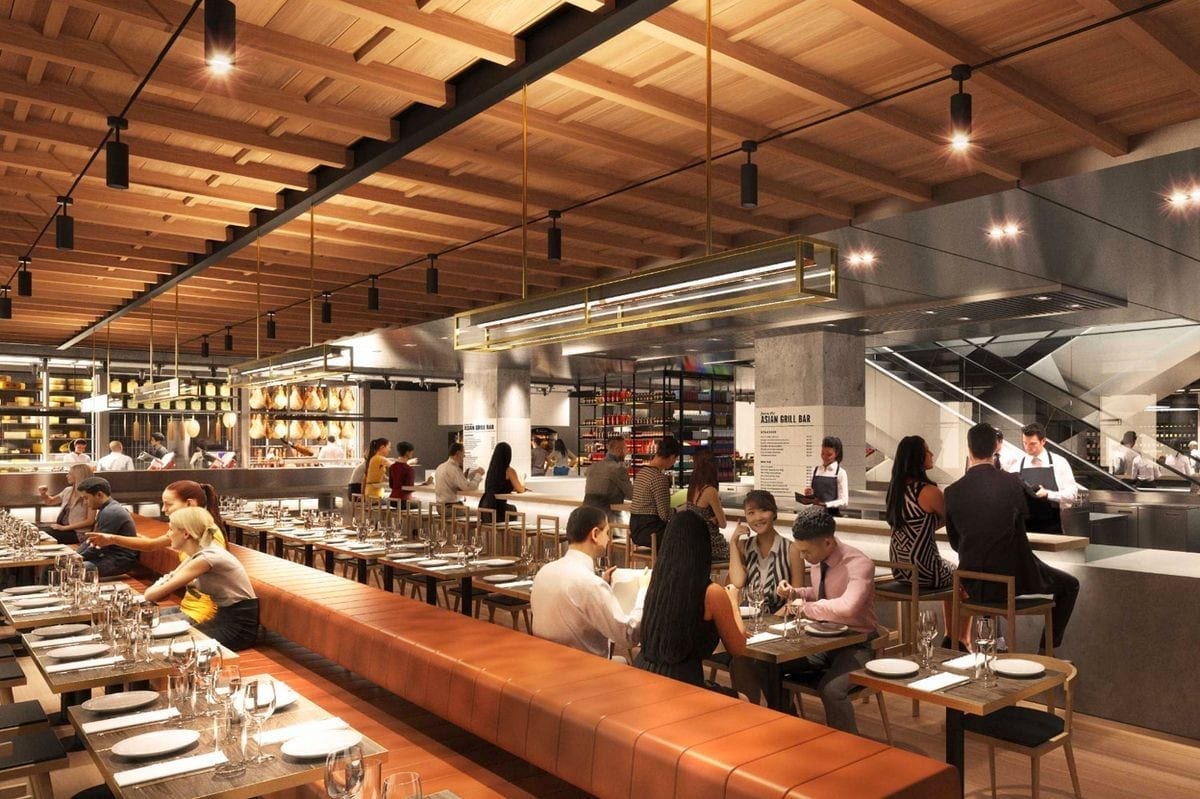
    Taking cues from Switzerland’s Globus, Eataly in New York, and La Grande Epicerie under Bon Marche in Paris, the revamped food offering will incorporate integrated dining developed with well-known chef and restaurateur Neil Perry, as well as cafes, butcher shops, bakeries and seafood counters plus prepared meals and packaged groceries.

    Westfield Bondi Junction will be followed by a food market in GPT Group’s Wollongong Central shopping centre, then Melbourne’s Bourke Street store in November.

    When Woolworths Holdings acquired Australia’s oldest department store retailer, food  “was never part of the rationale of the acquisition” according to Pieter de Wet, group food executive, David Jones. But the South African based retail group – which is now predominantly a food business with over 400 food stores generating over 60 per cent of its turnover today – quickly recognised a gap in the market.

    Pointing to a survey undertaken with a sample of its customers, de Wet said customers felt limited in their food options and gravitated towards big supermarket players only because they had no choice and it’s a case of “whichever one is closest on the way home.”

    “So there’s no emotional connection that exists with specialists, so their local barista, baker, that they have the connection they love their experience from.”

    De Wet said when asked about DJs food offering, its customers were unanimous. “They basically said that from a food point of view, we had fallen off the map completely”

    “If you speak to the 35 years old and under generation, there’s no reason for them to come to David Jones today because it’s not kept up with the times…they basically said to us if you’re going to do food, make sure it’s not just a small evolution, make sure it’s a massive step forward otherwise it’s not going to really interest us.”

    When asked by assembled media about Amazon’s $13.7b acquisition of WholeFoods in the US, John Dixon, David Jones CEO said it showed the US giant is changing its strategy after understanding the importance of stores. “They initially started selling books online…the acquisition of WholeFoods shows that they understand that its important in this day and age to have both an online and store operation.”

    “Certainly when you think about the opportunity and strength of David jones, we already have a great store network, nationwide coverage and we’ve got an online business which is going very nicely that we are about to re-platform in September.

    “We’ve brought over an expert from the UK to spearhead our online growth and what we know is when customers actually shop across what we call both channels, they are the most important and valuable customers to us. So I think we are very well placed because we have what we call a connected retail strategy.”

  • Australia Post appoints new MD and group CEO

    Australia Post appoints new MD and group CEO

    Ex-Blackmores chief, Christina Holgate, has today been announced as the new chief of Australia Post effective from October, after a ‘global search that identified her as the outstanding candidate’ to lead the company in its transformation program.

    Holgate will be the corporation’s next managing director and group CEO, and succeeds the departing Ahmed Fahour who will step down next month after seven-and-a-half years in the role.

    Holgate joins after nine years as CEO of Blackmores and previous executive roles with Telstra, JP Morgan and Cable & Wireless.

    The Turnbull Government issued a statement welcoming the appointment of Holgate.

    Following direction by Government in February 2017, the remuneration of Australia Post’s new chief is now subject to oversight by the Remuneration Tribunal, an independent statutory authority. The government said consistent with the parameters set by the Remuneration Tribunal, the Australia Post board has agreed to a total remuneration of $1.375 million and performance pay of up to $1.375 million per annum.

    Malcolm Turnbull had previously called on Fahour to take a voluntary pay cut and was critical of the $4.4 million salary and a $1.2 million bonus Fahour was paid last year, labelling it part of a “cult of excessive executive CEO remuneration”.

    Australia Post chairman, John Stanhope, said the past seven years had seen the company “transformed into Australia’s leading parcels and e-commerce company” with critical reforms introduced to its letters service. He said Holgate had a demonstrated track-record of delivering results in large, complex organisations, both here in Australia and internationally.

    “The Board was impressed by her experience of working very successfully in a range of different industries that are highly regulated. And, on top of that, she has a proven ability to implement strategy – and successfully grow a business in Asia,” he said.

    Stanhope also said Holgate’s business philosophy was a strategic fit for the company. “She is a firm believer that businesses must perform commercially, but also serve the community. And that’s entirely consistent with our objectives as a community-based business that has both commercial objectives and community service standards to uphold.”“Her knowledge of global e-commerce will be invaluable as we pursue our Asian Strategy, which is all about offering logistics support to Australian businesses that are either selling in Asia, or sourcing their products there.”

    The Australia Post Board today also announced that its group chief customer officer, Christine Corbett, will lead the business through the CEO transition period – between Fahour’s departure on 28 July and Holgate’s arrival in October.

    Corbett joined Australia Post in 1990 and has extensive experience working in key leadership roles across retail, mail network, major change, strategy, marketing and communications.

    Holgate said she felt privileged to be appointed as CEO of such an iconic Australian corporation and she looked forward to building on the achievements of her predecessors.

    “Australia Post has proven itself to be one of the most resilient and successful postal businesses anywhere in the world.  I feel fortunate to be joining at a time when we can really strengthen Post’s leading position in the e-commerce market – both here, in Australia, and in Asia,” Holgate said.

    “I’m a passionate advocate for Australian business seizing the opportunity that’s on our doorstep in Asia and that creates opportunities for everyone – our workforce, our shareholder, the community, as well as businesses across Australia.

  • Two luxury names to open at revamped centre

    Two luxury names to open at revamped centre

    Luxury retailers, Bally and Harrolds, are set to open their first outlet stores at Birkenhead Point this spring, alongside global designer giants Coach and Michael Kors, and Australian brands Peter’s of Kensington and progressive streetwear designer Zanerobe.

    Mirvac made the announcement yesterday, as the centre prepares for the launch of its multi-million dollar makeover, which will open to the public in early August.

    The fashion brands will join other  international names including Armani, Hugo Boss, Polo Ralph Lauren, Calvin Klein and Victoria’s Secret; plus local Australian designer Oroton.

    Pharmacy chain,  Chemist Warehouse recently expanded its footprint to 580sqm along with Shoe Warehouse returning in its new location on Level 1.

    Mirvac said the revamped centre appeals to locals, domestic and international visitors.

    “This latest development responds to our customers’ wants and desires and greatly enhances the appeal of Birkenhead Point, Christina Nelson, Mirvac senior development manager. “We have improved the customer experience by delivering a sophisticated and contemporary palette of finishes in the main mall on Level 2, including new mall flooring and ceilings, bespoke furniture and shopfront upgrades, whilst embracing the heritage backdrop  of this unique and much-loved building.”

    The redevelopment also includes incorporate a new ‘entry statement’, with a  glass window display and state-of-the-art digital screen technology using content designed by creative agency, Vandel. The display, at the Roseby Street entrance, will play host to the Birkenhead Art Project, exhibiting work from some of Australia’s artistic talent in collaboration with Art Pharmacy Founder, Emilya Colliver.

    The art will sit in the giant window display and be interpreted digitally on a large screen.

    Sydney based paper artist, Jo Neville, is first up, showcasing a bespoke paper floral installation.

  • Australian dollar soars

    Australian dollar soars

    The Australian dollar has surged against its US counterpart which has fallen ahead of key Congressional testimony by Federal Reserve chair Janet Yellen, after a Donald Trump Jnr e-mail came to light.

    At 0635 AEST on Wednesday, the Australian dollar was worth 76.34 US cents, up from 76.18 US cents on Tuesday.

    BK Asset Management FX managing director Kathy Lien said the US dollar had reversed it gains, and had fallen particularly against the yen and the euro, though not sterling.

    The dollar fell to a more than one-week low against a basket of major currencies on Tuesday, after US president Donald Trump’s eldest son released an email chain citing Russian support for his father before last year’s US election.

    The greenback’s movements, and therefore its stance against the Aussie dollar, over the next few likely will depend on the tone of Federal Reserve chair Janet Yellen’s congressional testimony.

    “The (US) dollar will rise if she emphasises the need for continued gradual removal of policy accommodation and will crash hard if she is noncommittal about additional tightening,” Lien said in a Wednesday morning note.

    FX Techs’ Niall O’Connor says it is likely the local currency will reverse its course.

    “AUD/USD is impulsively reversing from the important .7725/50 area, as the momentum setup suggests a shift is due,” he said in a morning note.

  • ANZ consumers prefer computers over smartphones

    ANZ consumers prefer computers over smartphones

    Consumers from Australia and New Zealand significantly prefer making purchases via desktop, despite browsing traffic continuing to move towards smartphones, according to the latest research from Adobe.

    In its latest report, the software multinational aggregated anonymous data from approximately 100 billion visits to 3,000+ websites across the region during the 2016 calendar year and found that while ANZ consumers are among those leading the shift from desktops (52.5 per cent share of browser traffic) to smartphones (37.7 per cent share of browser traffic), desktop conversion rates (2.9 per cent) were three times that of smartphones (0.8 per cent).

    Comparing data from Australia and New Zealand, Southeast Asia, India, Japan, Hong Kong, South Korea and the United States, the report found that the top 20 per cent of websites in ANZ, are widening the gap compared with average websites, seeing a 5.8 per cent desktop conversion rate versus the average of 2.9 per cent.  Along with Japan (5.8 per cent), ANZ’s best are achieving higher desktop rates than the United States (5.4 per cent).

    Becky Tasker, activity is shifting towards smartphones, consumers in Australia and New Zealand still prefer senior manager, Adobe Digital Insights, said showed that while browsing to make their final purchase via desktop.

    “Smartphone traffic and conversion rates are rising, but ANZ’s best marketers recognise that the desktop is still likely to be the final destination, even in a cohesive multi-device experience,” said Tasker.

    Adobe also said there has been evolution in the way consumers are engaging with the technology. While tech websites maintain one of the highest visit rates, the sector has also seen the time consumers spend during these visits decreasing – the customer journey now consists of interactions that are more numerous, but shorter.

    “With the customer journey now involving an increasing number of interactions across a range of devices, we need to keep pace with changing customer expectations,” said Danielle Uskovic, head of digital & social, Lenovo Asia Pacific.

  • Equinix links to Oracle Cloud in Sydney

    Equinix links to Oracle Cloud in Sydney

    Equinix has announced the launched dedicated, private access to Oracle Cloud in its Sydney, Australia International Business Exchange (IBX) data center.

    Available via Oracle Cloud Network Service – FastConnect and the Equinix Cloud Exchange, access will be available for Oracle Infrastructure as a Service (IaaS) as well as Platform as a Service (PaaS).

    This direct access enables enterprise customers in this growing region to migrate compute, applications and data to Oracle Cloud in a high-performance, low-latency manner for an optimal user experience.

    This builds on previous announcements between Equinix and Oracle to offer direct connection to several Oracle PaaS and IaaS services, including database, Java, integration, analytics, compute and storage – in multiple regions around the globe. The addition of Sydney brings the total number of markets that Equinix is offering private access to Oracle Cloud to five globally.

    Cloud deployments in Asia Pacific, and specifically Australia, are on the rise. According to a recent report by IDC, 67% of all Australian organizations surveyed are embracing cloud, using public or private cloud for more than one or two applications or workloads. Yet, factors such as security and privacy concerns still inhibit public cloud adoption.

    Through the Equinix Cloud Exchange integration with Oracle FastConnect, customers in Australia can establish direct connectivity between their private IT infrastructure and Oracle Cloud. This enables them to fully realize the benefits of hybrid cloud – moving application, middleware and database workloads seamlessly between private IT infrastructure and Oracle Cloud on a private, dedicated connection.

    The Equinix data centers in Sydney are the most interconnected in Australia. Enterprise customers in Sydney are able to establish direct links to both of the continent’s largest peering points, as well as key submarine cable systems, and gain direct access to multiple network and cloud providers such as Oracle via the Equinix Cloud Exchange.

    Oracle Cloud delivers nearly 1,000 SaaS applications and 50 enterprise-class PaaS and IaaS services to customers in more than 195 countries around the world, and supports 55 billion transactions each day. Oracle Cloud Infrastructure is also part of the fast growing sector of cloud computing. According to a recent Gartner report the highest cloud growth is expected to come from IaaS, with a growth of 38.4% in 2016.

    The Equinix Cloud Exchange is currently available in 21 markets globally – Amsterdam, Atlanta, Chicago, Dallas, Frankfurt, Hong Kong, London, Los Angeles, Melbourne, New York, Osaka, Paris, Sao Paulo, Seattle, Silicon Valley, Singapore, Sydney, Tokyo, Toronto, Washington DC and Zurich.

  • Quality blueberries the fruit of choice for Indonesians

    Quality blueberries the fruit of choice for Indonesians

    Australian fruit is proving popular with the Indonesian middle class. Premium fresh fruit is what seems to be in demand from Indonesia, especially that which has been grown for the Indonesian palate.

    Andrew Bell, director of Mountain Blue Farms in northern New South Wales, says the successful family-owned blueberry operation had been looking for export opportunities to expand beyond the domestic market, and eventually settled on Indonesia.

    The country has a population of more than 255 million, making it a potentially important market.

    “Indonesia has a significant population, right on our doorstep,” says Bell, whose company also runs its own breeding operation. “They also have a rapidly growing middle class who are a food and health conscious, and there happened to be existing protocols for getting blueberries into Indonesia.”

    He says the typical agribusiness approach into Indonesia had either been about bulk supply (wheat, sugar), or it had entailed lower grade fruit and vegetables for specific markets.

    “We saw a different market,” says Bell. “We wanted to be in the quality supermarkets that are being built for the middle classes. We have a premium product and that’s what we wanted to sell in Indonesia. We didn’t want to compromise on what we do.”

    The company representatives spent a week in Indonesia in early 2017, meeting supermarket operators, wholesalers and distributors.

    “They all dealt with Australian food imports, and their view of our produce was the clean and green image. It’s our image up there and that’s what the Indonesian operators are selling to consumers.”

    Health benefits

    It turns out that blueberries are a middle class food because of the number of health benefits associated with them. And with the Indonesian middle class already estimated at 50 million – and growing – that represented a market worth being involved in.

    The key, he says, was finding the right partners, which came in the form of a food distribution outfit in Java that was prepared to make specific recommendations about the Indonesian palate.

    “Blueberries come in many shapes and sizes,” says Bell. “The Indonesian palate goes for a large, crunchy, sweet blueberry.”

    Blue Mountain Farms has a breeding operation in Tabulam – on the Clarence River – and they set about breeding the Indonesian blueberry.

    Those samples are being fed into Indonesian supermarkets next month but the early feedback from the distributors has been positive.

    “It’s a very large market, for a product we can perfect and grow in regional Australia. We employ around a thousand people in the season and a core of between 60 and 70 staff, and we have a network of growers around the country who we use.”

    Bell says the chance to secure a foreign market is good for agribusiness employers and the towns they operate from. He also says that Indonesian business people are easy to deal with.

    “They know what they want and they know what works,” says Bell. “That makes it so much easier for us.”

    New tastes

    AsiaLink Business CEO Mukund Narayanamurti, says the example of Mountain Blue Farms is not an isolated one in Indonesia, as the health-conscious and food safety-aware middle classes of Indonesia develop new tastes for food.

    “The main food trade out of Australia into Indonesia is wheat, sugar, live cattle and boxed beef,” says Narayanamurti. “But this is large-scale or commodity trade. When the middle classes are growing – as they are very aggressively in Indonesia – you see rising demand for value-add premium foods, and for fresh fruit and vegetables.”

    He says Australia has a reputation in south-east Asia for its agricultural output, plus the Australian image for processed and value-add foods is one of quality.

    The demand from Indonesia is not only because middle class people have more disposable income, and higher standards for what they feed themselves and their children, says Narayanamurti. He says there are also new supermarket chains being built through urban Indonesia, where the value-add and premium foods are being sold.

    “In the Indonesian supermarkets there are Australian cherries, broccoli, avocados, Brussels sprouts, citrus fruits and kale.”

    He says Indonesia’s rising wealth and expectations is dramatic and the country is estimated to have a size of middle class in the world Top 10 by 2020. With the rising wealth comes the rising consumption of quality protein – Australian meat and dairy – and a focus on eating healthy and eating safe.

    Export opportunities

    Narayanamurti says one of the main reasons for Australian agribusiness operators to keep an eye on Indonesia is the export market itself.

    Australia’s involvement in the NZ-Australia-ASEAN zone gives exporters access to reducing-to-zero tariffs on beef, wheat and cheese and other trade goods that will be reducing.

    “The bigger picture is that this trade area covers 600 million people and a market of $US2 trillion ($2.6 trillion),” says Narayanamurti. “There is a trade liberalisation program meaning you’ll be able to land goods in one country and find it much easier to distribute them to other countries.

    “It’s early days in the south-east Asian market, but Australian agribusiness operators should be developing products and services that have cross border application, as the Australian breeding services and feedlot operators are already doing in the livestock sector.”