Tag: Australia

  • Telstra acquires UK’s Company85

    Telstra acquires UK’s Company85

    Telstra has acquired Company85, a UK-based technology services business and provider of data center, workspace, cloud, security and network services.

    Christopher Smith, executive director of Telstra’s business technology services, said the acquisition was aligned to Telstra’s strategy to grow its technology services business internationally and would significantly enhance Telstra’s service offering for UK and European based business and government customers.

    “Company85’s offering is strongly aligned to the existing suite of technology consulting services we offer our Australian customers, and is consistent with the strategic investments we have made in Australia. Importantly, it aligns with our strategy to grow our services business in regions that are key hubs for multinational corporations,” Smith said. “We see the UK as a key market for our growing technology services business and a strong platform to expand into Europe.”

    Smith also said Company85 was highly regarded in the UK for its consulting and technical expertise, including the market-leading approach it has developed for standardizing and automating data center migrations.

    “Company85’s broad set of consulting capabilities will help us to differentiate our offerings in Europe. We will be able to engage in IT transformation conversations with prospective customers early in the proposal stage, which we believe will help to strengthen our position and create demand for our network services in the region,” Smith said.

    Company85 CEO Adrian Spink said the combination of Telstra’s world class network and global reach, with Company85’s technical expertise and strong relationships with CIOS and Chief Information Security Officers at leading organizations, would create exciting growth opportunities.

    “Being part of Telstra we see a tremendous opportunity to reach new customers and accelerate our international expansion,” Spink said.

  • David Jones poaches Self-Portrait from rival Myer as fashion war continues

    David Jones poaches Self-Portrait from rival Myer as fashion war continues

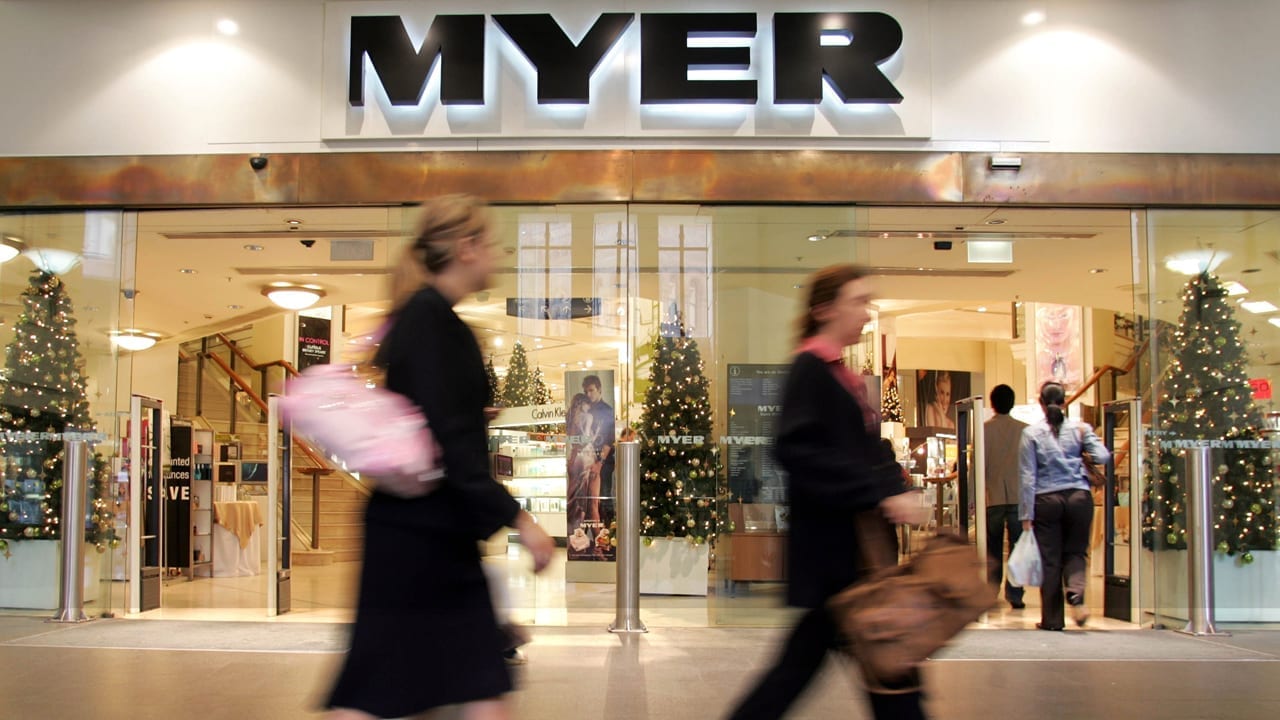
    Australia’s department store giants David Jones and Myer are at it again. In the latest war of the women’s ready-to-wear brands, high-end retailer David Jones has poached Britain’s Self-Portrait label from competitor Myer.

    David Jones group executive of merchandise David Collins told the Sydney Morning Herald the London-based Self-Portrait was picked up to bolster the department store’s current bridal offering in its Sydney flagship, as well as its regular women’s fashion fold.

    “Self Portrait has become a fast favourite within our bridal category and a brand that we believe will strongly perform in the womenswear ready-to-wear space,” Collins told SMH.

    Founded by Malaysia-born, London-based Han Chong in 2013, Self-Portrait is fashion favourite of the Duchess of Cambridge. Known for its modern lace designs, the brand looks set to be better positioned with a David Jones listing, considering the department store’s brand position as more high-end, compared to Myer.

    “David Jones’ vision to amalgamate the most innovative designers from around the world under their roof is inspiring and we look forward to partnering with them in Australia,” said Chong, in a statement.David Jones said Self-Portrait would be available in store from June 11. Myer started stocking Self-Portrait in 2015.

    In recent months, Australian labels Aje, Karen Walker and By Johnny have also changed sides, heading from Myer to David Jones. As the fashion war roars on, Myer took another blow late last month in its youth fashion segment, following the collapse of Topshop Australia, of which it owns one fifth.

    However, the department store chain said had begun investing in its own Maticevski label and Misha Collection, and was growing its network of shop-in-shops, including Morrison and Skin & Threads. It has also opened concessions for French brand The Kooples and Zadig & Voltaire, and most recently announced a one-year distribution deal with up-and-coming women’s brand We Are Kindred.

    The Australian retail market is facing one of its most frenzied phases. While fast-fashion moguls H&M and Zara continue to steam roll homegrown fashion retailers — including David Lawrence and Marcs, which were recently rescued by Myer after entering administration — the impending arrival of American e-commerce Amazon in Australia is adding to local business blues.

    And consumer fashion spending is bleak. While Australian retailers enjoyed their best monthly sales in nearly three years in April, up 1%, sales growth in clothing and footwear was an anaemic 0.3%.


  • Jetstar Pacific leads in flight cancellations, delays

    Jetstar Pacific leads in flight cancellations, delays

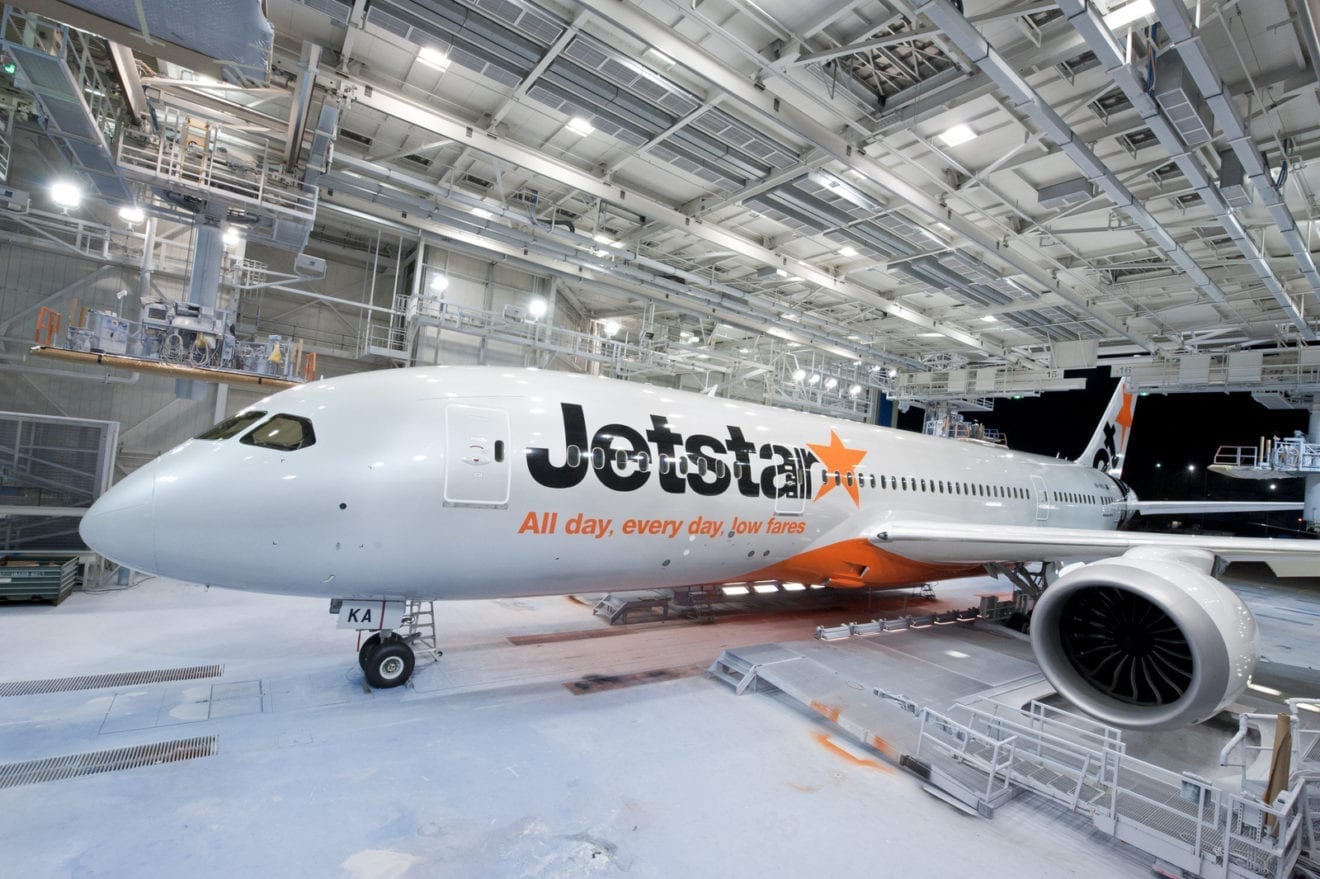
    Low-cost carrier Jetstar Pacific has cancelled and delayed about 15.4 percent of 568 flights it operated in a week, according to the latest report released by the Civil Aviation Authority of Vietnam (CAA).

    The CAA calculated the number of delays and cancelations in four Vietnamese carriers – Vietnam Airlines, VietJet Air, Jetstar Pacific and Vasco from May 31 to June 6.

    Jetstar Pacific was closely followed by national flag carrier Vietnam Airlines which delayed 380 flights and cancelled ten others, or approximately 15 percent, out of a total of 2,605 weekly flights.

    VietJet Air came third with 328 delays and four cancellations among 2,311 flights, or 14.4 percent.

    Vasco had no cancellation and only one delay out of 249 flights.

    There were 5,733 flights made available by the four airlines during the first week of June, of which 810 were delayed and cancelled, the CAA announced, adding that delays and cancellations accounted for 13.8 percent and 0.3 percent, respectively.

    Late arrival of planes before they take off again for return services was the main cause behind the problems, the CAA explained. Such a reason caused 69.1 percent of the delays and cancellations during the reviewed period.

  • Australians curb retail spending as household debt balloons

    Australians curb retail spending as household debt balloons

    Australia’s economy may have achieved a remarkable winning streak, avoiding a recession for 25 years, but there are now clear signs that the consumers who have driven much of the growth are running out of puff. With cash interest rates at a record low and house prices near record highs, the nation’s household debt-to-income ratio has climbed to an all-time peak of 189 percent, according to the Reserve Bank of Australia (RBA).

    Australia’s household debt-to-income ratio has climbed to an all-time peak of 189 percent, according to the Reserve Bank of Australia (RBA). That means there are an increasing number of people who have little cash for discretionary spending – on everything from cars to electrical appliances and new clothes – as their pay packets get consumed by large mortgages and high rental payments in the country’s red-hot property market.

    And it’s not as if a sudden plunge in home prices would help – it might well expose and exacerbate the problem, at least in the short run, squeezing many who have bought into the frothy market with high mortgage repayments and little equity in their homes.

    “We are seeing a considerable spike in stress even in more affluent households. Large mortgages, big commitments but no income growth,” said Digital Finance Analytics (DFA) Principal Martin North. “Stressed households are less likely to spend at the shops, which acts as a drag anchor on future growth.”

    North estimates a record 52,000 households risk default in the next 12 months and that 23.4 percent of Australian families are under mortgage stress, meaning their income does not cover ongoing costs. That compares with about 19 percent a year ago.

    “People are up to their ears in mortgages,” said Brad Smith, a car sales consultant at MotorPoint Sydney which has seen a stark slowdown in sales in the past six months. “They are all on a budget. Everyone’s got all their money in houses, that’s how it is.”

    Australians are also facing a cash crunch because price inflation in essential items such as food, electricity and insurance is accelerating at a 3.4 percent annual rate at a time when Australian wages are rising at their slowest pace on record, just 1.9 percent in the year to March.

    Meanwhile, growth in retail sales, personal loans and luxury car sales are all at multi-year lows, suggesting the household sector – nearly 60 percent of Australia’s A$1.7 trillion ($1.3 trillion) economy – is under severe strain.

    RETAILING PAIN

    Weak consumer spending is proving a huge drag on retailers’ performance, with shares in furniture and appliance chain Harvey Norman and electronics shop JB Hi-Fi both trading near one-year lows.

    Retail sales have hardly grown in the past few months. Even online sales have slowed, with all major categories including homeware, games and toys, daily deals and takeaway food shrinking in April, according to the NAB Online Retail Sales Index.

    Car sales have flattened this year after solid growth in 2016 while sales of luxury cars and sports utility vehicles are at a four-year low.

    For consumers such as Sydney resident Marie-Aimee Guillermin, there’s little ‘play money’ left after stepping into Sydney’s housing market with a A$1.4 million 3-bedroom house last month.

    “We thought once we had the house we could take our foot off the brake a little bit but now that we have it I feel even less certain in terms of stability and financial security,” she told.

    “So whether we’ll end up spending a bit more on clothes and restaurants and going out and what have you I don’t see that happening.”

  • Three in Four Consumers Frustrated by Inconsistent Retail Experience

    Three in Four Consumers Frustrated by Inconsistent Retail Experience

    Not only do today’s shoppers expect a great service experience, they want it to be integrated and harmonised across channels. According to recent research by Manhattan Associates, three quarters of shoppers say they expect a consistent cross-channel shopping experience, yet just 14 percent claim to enjoy such an experience today. With 82 percent stating they expect their online experience to be duplicated in store, and 78 percent saying they feel they know more about the products and services in store than the store associate, it is clear where the consumer thinks retailers need to invest.

    Furthermore, half of the consumers surveyed said they would like store assistants to make personal recommendations in the same way a website already recommends products they might like, indicating that personalisation within every selling channel – not just online – is high up on the consumer’s agenda.

    The rewards for those retailers able to effectively provide customers with a consistent service experience across channels is potentially huge, with 56 percent of the consumers surveyed stating a seamless service capability as the main reason they would be willing to commit their loyalty to a retailer.

    Other key findings include:

    • 45 percent of consumers stated “a reward scheme that gives you exclusive promotional offers” and 35 percent stated “fast delivery” as key reasons they would stay loyal to a retailer
    • 64% of consumers consider “free delivery” as the most important fulfilment option a retailer should offer as part of their online service proposition, ahead of any chargeable option
    • 47 percent view “product advice” and 33 percent of consumers consider “checking stock availability” as the most important aspects of the service provided by store assistants
    • Regarding reasons consumers are more likely to go to a physical store rather than buying online, 62 percent of respondents said “to get the product there and then” and 53 percent stated “to try and feel the products before buying in-store”
    • As to what consumers would like to happen when they go into a store and the product is not available on the store shelf, 42 percent said “they would like the store assistant to check if it is available in a store nearby where they can collect it from” whilst 19 percent stated “they would like the store assistant to order the product for them and have it delivered to their home or to the same store for collection”

    Raghav Sibal, managing director, Australia and New Zealand at Manhattan Associates, commented, “Consumers clearly have an expectation of what a retail experience should look like in today’s digital world and are willing to offer their loyalty in exchange for retailers able to meet that expectation. Now is the time for retailers to invest in technologies that keep them ahead of the curve and take the appropriate steps required to close the gap between customer expectation and today’s reality. Those that do will be the ones that will thrive in 2017 and beyond.”

    The research by Manhattan Associates questioned 2,000 adults in Australia about their shopping experience and expectations.

  • Double win for AirAsia at World Travel Awards

    Double win for AirAsia at World Travel Awards

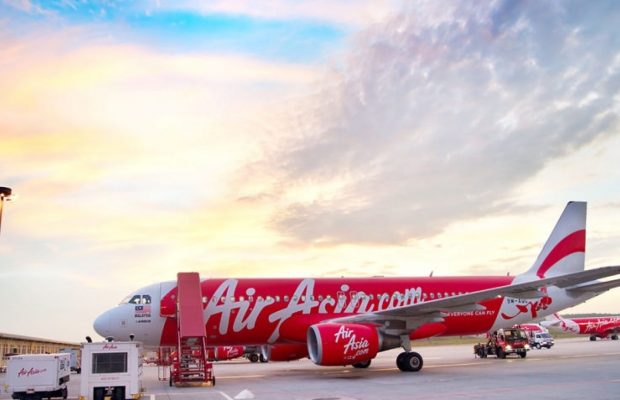
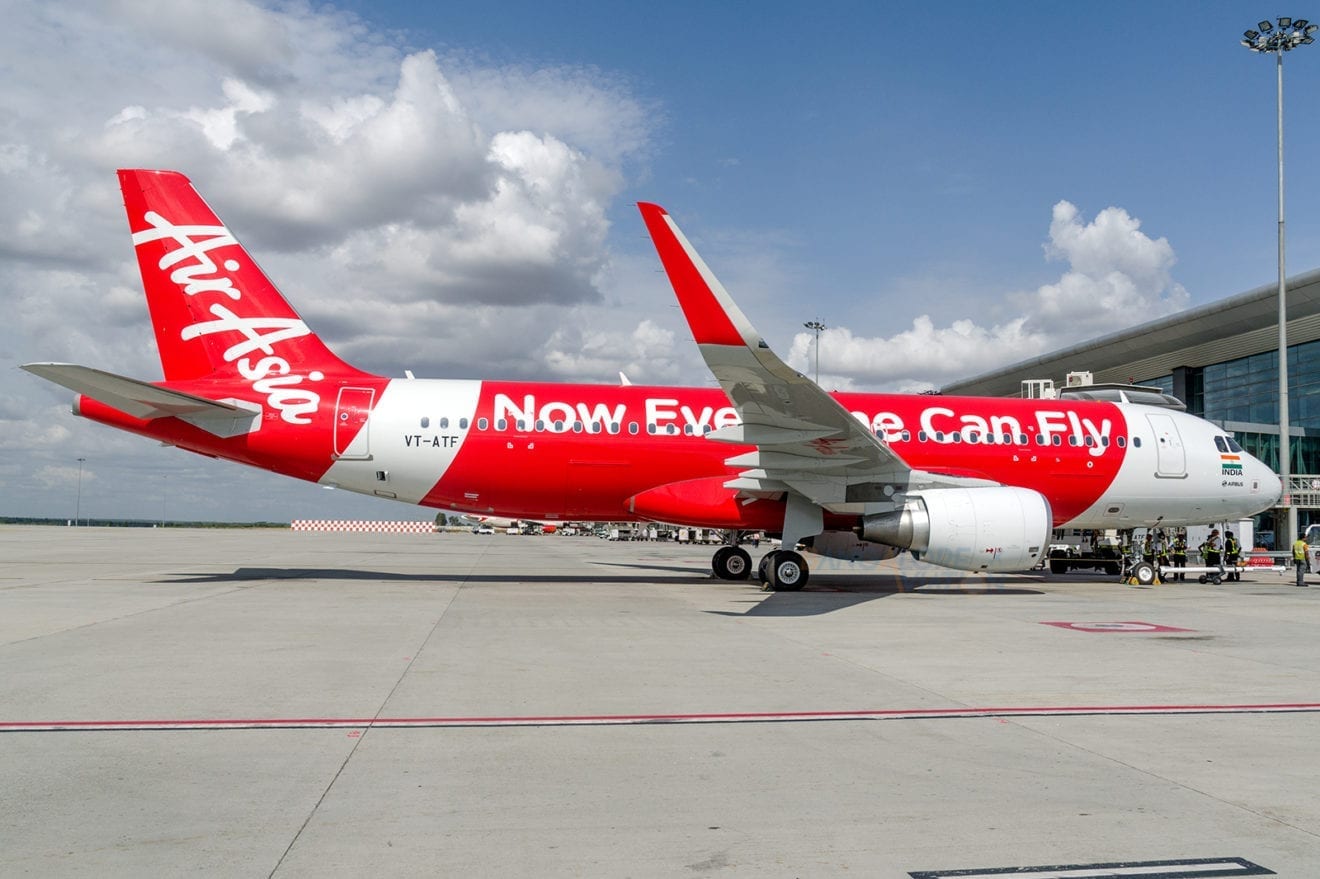
    AirAsia has been voted Asia’s Leading Low-Cost Airline for the fifth year in a row at the 2017 World Travel Awards Asia and Australasia.

    It beat 10 other contenders – Air India Express, Firefly, GoAir, JetKonnect, JetStar Airways, Lucky Air, Nok Air, Scoot, SpiceJet and West Air.

    AirAsia also fended off nine other contenders to win the title of Asia’s Leading Low-Cost Airline Cabin Crew at the awards ceremony in Shanghai.

    The World Travel Awards are considered prestigious and much sought-after trophies in the global tourism industry, and are voted on by international travel and tourism professionals.

    AirAsia Group chief executive officer Tan Sri Tony Fernandes said the awards were a special win because it recognised the airline’s efforts to always do better.

    “This year, we are focusing on improving our check-in systems to make the whole process easier.

    “RoKKi (AirAsia’s onboard WiFi portal) is our big push to make the in-flight experience better, and our Santan in-flight food goes from strength to strength.

    “We are excited to bring our uniquely Asean products to the rest of Asia and the world,” he said in a statement.

    Fernandes also thanked his cabin crew, describing them as “simply the best – special, warm and real”.

    The airline’s North Asia president, Kathleen Tan, said it had listened to its passengers for the past 16 years and refined its vision of low-cost travel.

    “We have continuously ensured that we only deliver services that epitomise the best of Asean hospitality,” she said.

    “Thank you to those who voted to make us Asia’s No. 1 for five years in a row and for giving us our second cabin crew award.”

  • Happy Customers Key to Improving a Business’ Bottom Line

    Happy Customers Key to Improving a Business’ Bottom Line

    “You’ve got to start with the customer experience and work backwards to the technology,” said Steve Jobs. And as more and more customers interact with businesses over a variety of touchpoints and channels, it has become essential for businesses to offer a consistently seamless experience. But while everyone is rushing to launch customer experience (CX) programs, it is not easy to know where to focus to drive the most value and change.

    CX management has increasingly become a key differentiator for top Asia Pacific brands in today’s increasingly competitive market. According to Forrester’s “2016 Predictions for Business Leaders In Asia Pacific” report, more businesses in the region will recognise the need to improve their customer experience across all customer touchpoints and will thus put pressure on international companies that do not seek to localize their CX initiatives.

    A well-designed CX program will deliver real-time, actionable feedback from customers about their experiences and expectations, as well as their future intentions to recommend or purchase and connect multiple types of feedback across all customer touchpoints, helping organisations to focus on the areas of greatest impact. By using appropriate customer measures, both lead and lag, organisations can then understand their performance by leveraging real-time stakeholder dashboards and comprehensive reports that need to be fully adaptable as customer priorities and business needs change.

    Volkswagen Australia is a prime example as its customer insights dashboard are made available for dealerships on mobile devices and desktop. Its dynamic closed-loop follow up effectively enables allof its dealerships to resolve customer issues using automated ticketing and customized, role=based dashboards.

    Here are three key methods in which organisations can more effectively manage the customer experience:

    1. Employees drive experience: Many organisations forget about the impact employee engagement has on the customer experience. At the end of the day people drive change and an engaged workforce is essential for long term success of a customer-centric brand. 
    1. Customer feedback is key: Managing the customer experience depends on the ability to build a stable, repeatable process for capturing customer feedback and helping people learn from that feedback so that it is embedded into the way teams work and make decisions every day.
    2. Map the journey, not the moments: Businesses who map the customer journey by segment better understand the unique paths their customers take. This lets them measure things like barriers in the journey, what drives satisfaction, what drives purchase decisions, the relative importance of each stage in the customer journey and more.

    Organisations that can tie journey performance metrics to actions can deliver customer experiences that are tailor-made to encourage loyalty and repeat purchases. It is important for businesses to measure journeys, and not simply one-off interactions. Organising teams around key journeys will also allow businesses to connect their functional silo teams, encouraging them work together to innovate and deliver customer value and find ways to improve efficiency, which in turn reduces cost.

    Organisations that use a sophisticated, yet easy-to-use platform can gather real-time snapshots of their customers’ experiences and determine where they can make operational and strategic improvements. By gathering this kind of feedback and analysing it for insights, businesses can continuously improve their customer’s experience. This will in turn help companies improve revenue, and gain competitive advantage in the market.

  • Australia retail sales see surprise rebound in April

    Australia retail sales see surprise rebound in April

    Australia’s retail sales saw a surprise uptick in April, on the back of a revenue rebound across department stores, including David Jones and Myer, and strong sales in cafes and restaurants.

    According to the data released by the Australian Bureau of Statistics (ABS), retail spending rose 1 per cent – the biggest monthly gain in close to three years – to $AU25.89 billion, surpassing market expectations of a 0.3 per cent rise.

    It’s a sound recovery for the Australian retail market, after a weak two months. Revised ABS data showed that retail sales fell 0.2 per cent in March and were flat in February.

    Cafes, restaurants and fast food sales were up 1.1 per cent in April, said the ABS, and food retailing rose 1.2 per cent. Department store sales were 2.5 per cent higher, it said.

    However, other categories merely inched forward. Sales growth in clothing and footwear was 0.3 per cent while household goods rose 0.4 per cent after falling for two straight months.

    By state, retail sales were up 2.4 per cent in Queensland after five consecutive months of falls as households replaced cyclone- and flood-damaged possessions, following Cyclone Debbie.

    Retail sales in New South Wales, Australia‘s most populous state and home to its most expensive real estate including Sydney, rose 0.1 per cent.

    Australian retail sales have been subdued over the past year or so at a time when wages growth is stuck at a record low 1.9 per cent.

  • Shoes Of Prey delivers women’s custom footwear in two weeks at retail prices

    Shoes Of Prey delivers women’s custom footwear in two weeks at retail prices

    The future of shoes is two weeks away. That’s how long it takes Shoes of Prey to build and deliver custom-made women’s footwear in just about any size, color and style imaginable.

    Founded in 2009 in Australia but now based here in Los Angeles, Shoes of Prey lets women choose from millions of design options, from gold metallic stilettos to purple fishskin peeptoes, at prices in step with everyday retail.  The company has designed more than six million shoes, according to the company’s 2016 end-of-year report, after raising $26 million in venture funding. Manufacturing is outsourced to China but plans are, ahem, afoot to speed delivery by adding factories in North America and Europe.

    Customers usually appreciate the idea of designing shoes. Psychologist Barry Schwartz famously talks about The Paradox of Choice and how option profusion makes consumers less happy rather than more. But the Shoes of Prey 3D design interface keeps people on track with recommendations for heel height, colors, materials… Possibilities are limitless, but framed pre-designed shoe options, hence helping clients.

  • Bolloré Logistics Australia Becomes Certified Australian Trusted Trader

    Bolloré Logistics Australia Becomes Certified Australian Trusted Trader

    On April 28th, 2017, Bolloré Logistics Australia became the first international transport and logistics company in the country to be officially accredited as an Australian Trusted Trader under the Australian Economic Operator (AEO) programme developed by the Australian Border Force (ABF).

    Obtaining the Trusted Trader accreditation is the result of extensive audit processing which satisfies the AEO that Bolloré Logistics in Australia sets and maintains the highest level of international supply chain and customs compliance.

    “Being certified an Australian Trusted Trader further supports and facilitates the handling of clients’ international supply and expedites the flow of legitimate trade from all sites in Australia,” says Michael Pinnock, National Customs Manager at Bolloré Logistics Australia.

    This certification is applicable to all five sites in Australia: Brisbane, Darwin, Melbourne, Perth and Sydney.

    Bolloré Logistics Australia will have complete access to the programme benefits when they are introduced in full in the 2017/18 financial year. Benefits will include: reduced cargo inspections at the border, improved cargo lead time, duty deferral, streamlined reporting and priority trade services.

    As a Trusted Trader, Bolloré Logistics Australia also receives a suite of trade facilitation benefits. This includes Mutual Recognition Arrangements established between the Australian Government and Bolloré Logistics which will reduce the customs regulatory burden for Australian exporters entering foreign markets. For example, currently in effect with New Zealand, the Mutual Recognition Arrangement will provide Trusted Trader exporters with border processing benefits.

    As the programme develops, further benefits will be made available to Bolloré Logistics Australia as a Trusted Trader. These include: enhanced cross-agency collaboration with other border agencies, labour mobility and trade in services or even secure trade lanes.

  • Indonesia floats idea of Oz wine requiring halal certification

    Indonesia floats idea of Oz wine requiring halal certification

    Trade Minister Enggartiasto “Enggar” Lukita has floated the idea of requiring Australian wine sold in Indonesia to pass halal certification and use plain packaging in retaliation for the neighboring country “undermining” the selling of Indonesian tobacco and paper.

    Enggar said he recently that he had voiced his resentment to Australian Minister for Trade, Tourism and Investment Steven Ciobo after Australia mandated in 2012 that cigarettes sold in the country must use plain packaging and levied anti-dumping duties on imported A4 paper from Indonesia in April.

    “We facilitate imports of Australian beef. But I am devastated by the barriers slapped on our tobacco and A4 paper,” said Enggar at a gathering late on Thursday.

    “I told Steve that I would consider requiring Australian wine sold in Indonesia to also have plain packaging and pass halal certification, but I deliver it in a light way though, and it was just an expression of my resentment,” he said.

    Indonesia and other tobacco-producing countries, such as Cuba, the Dominican Republic and Honduras, filed a complaint with the World Trade Organization (WTO) against Australia for what they consider illegal trade barriers by mandating plain packaging.

  • Telstra to connect 29 stadiums for Fox Sports

    Telstra to connect 29 stadiums for Fox Sports

    Australia’s Telstra has secured a contract to connect 29 sporting stadiums across the country using its nationwide Distributed Production Network end-to-end IP network for cable TV broadcaster Fox Sports.

    Under the long-term contract, Telstra will use the network to connect the stadiums to new Remote Production Hubs in Sydney and Melbourne.

    The deployment is expected to be completed ahead of next year’s National Rugby League and Australian Football League seasons.

    Telstra’s DPN has been custom-built for the media industry to allow customers to remotely produce live broadcasts combining multiple raw camera feeds and audio signals from centralized production hubs.

    According to Telstra Broadcast Services head Trevor Boal, the DPN network will deliver a standard capacity of 100Gbps for each stadium using diverse network paths, and will support the broadcasting of more than 520 live tier sporting events per year.

    “Telstra’s DPN is designed to help our broadcast customers meet the rapidly growing demand for live content by offering access to our high capacity, low latency, multi-tenant network of scale,” he said.

    “In a world first, multiple channels of uncompressed linear contribution video at the lowest possible latency will be traversing our network from sporting venues up to 3500 kilometers away from the Remote Production Hubs.”

    Telstra has already previously integrated its live, point of view miniature wearable camera technology Globecam into Fox Sports’ broadcasts.

  • AirAsia eyes budget-conscious Aussie travellers

    AirAsia eyes budget-conscious Aussie travellers

    Benyamin Ismail, the CEO of budget airline AirAsia X, wants the coastal city in Borneo to become as familiar to Australians as the famous Bali beach destination.

    AirAsia is eyeing Aussie travellers and wants the Malaysian-based low-cost carrier to be a serious contender in our budget travel market.

    Its pitch to local travellers is its network can offer flights to places we might not have been able to afford before.

    Speaking on the airline’s 10th anniversary in Australia, Mr Ismail, said it wants to beef up its Aussie operations to win budget travellers, and show us there is life beyond Bali.

    “We see a lot of Australians travelling to Bali. So of course, we know that is a very strong market and we have been doing well in that market, but we have been trying to educate that there is life beyond Bali,” Mr Ismail told news.com.au.

    It’s just that many Australians haven’t been able to get there, affordably, before.

    “We want to focus on other islands in Malaysia — Penang, Langkawi and Kota Kinabalu.

    “We are also looking at Sri Lanka — Colombo has a very nice stretch of beaches so we are pushing hard on that. And we are also looking at Vietnam.

    “We know that there is an attraction there, we just want to make these markets affordable.”

    AirAsia currently operates flights out of most of our major airports — Sydney, Melbourne, Perth, Gold Coast and Darwin.

    Flights from Sydney to Kota Kinabula start from $278 one-way, from Melbourne $288, or Perth from $228.

    But Mr Ismail believes its their network within Asia that will open up low-cost travel to Australians once they are in the region.

    For example, trips from Kuala Lumpur to Penang can go for as low as $10 or Bangkok to Phuket for $55 for a basic economy seat without all the comforts.

    However, like most low-cost carriers, ticket prices only include a basic economy seat. If you want to add baggage allowance, a meal, standard seat selection and in-flight entertainment, you’ll have to pay an extra. These fees change depending on departure and arrival destinations and ticket prices can change depending on demand.

    But Mr Ismail said giving passengers this choice on how they fly is an important part of how budget airlines are able to keep prices low.

    “If you are really concerned about the cost and value for money, you don’t have to buy food, for example. That is the good thing about low-cost carriers, you pay for what you use,” he told.

    “Whereas full-service airlines charge everything onto one ticket, but 60 per cent of those things you might not need. That’s really why we are able to transfer savings to our customers too.”

    He said AirAsia is also able to make travel more affordable for Australians by focusing on volume and efficiency.

    “We run a very cost-efficient operation which allows us to charge lower fares,” Mr Ismail said.

    “We have more seats on our planes. We are a very high density aircraft, so the cost per seat is much lower. But how we operate staff is also quite efficient.

    “When we look at the number of staff per aircraft — the number of total airline staff divided by the number of aircraft — we are at about 90 staff per aircraft.

    “Low-cost carriers like Ryanair or EasyJet run their airlines at about 72 to 80 staff per aircraft. Full service carriers are sitting about 160 to 180.”

    And he assures that efficiency doesn’t equal poor service.

    “It just means if you arrive at a terminal to board, in a low-cost airline you might only have one staff member there welcoming you rather than five,” Mr Ismail said.

  • Foschini buys owner of Australia’s Tarocash and Rockwear

    Foschini buys owner of Australia’s Tarocash and Rockwear

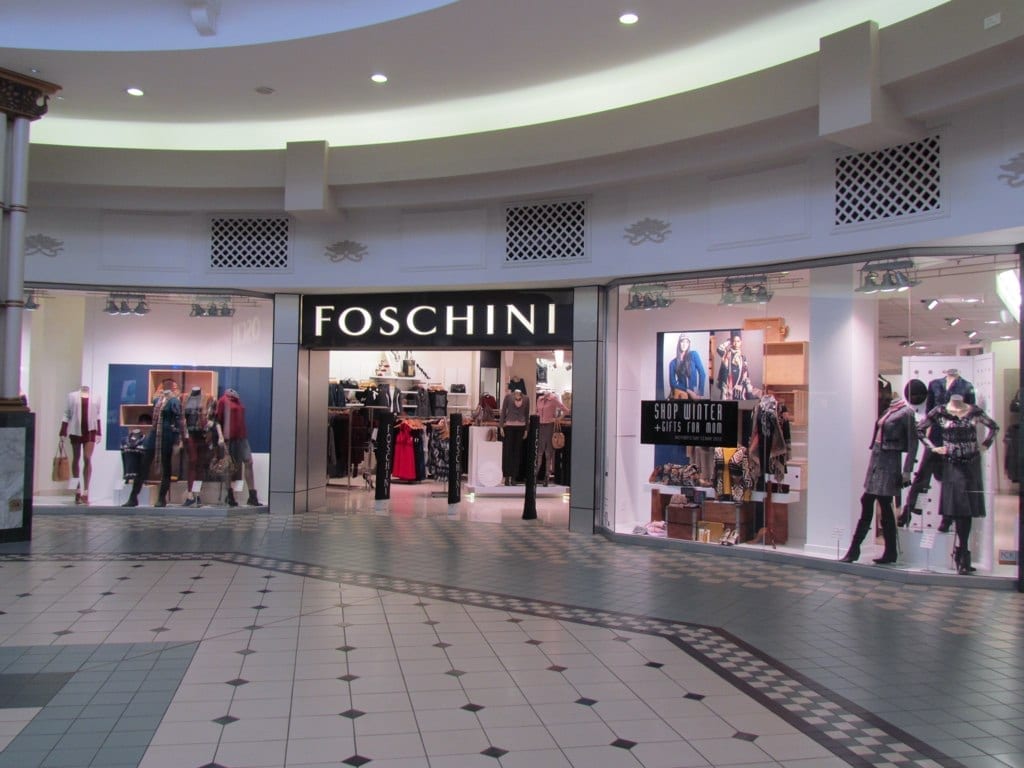
    Australia‘s Retail Apparel Group (RAG) is being taken over by TFG (or The Foschini Group) for a maximum price of A$302.5m, the South African giant said Thursday.

    TFG, which also owns the Whistles and Phase Eight fashion businesses among a raft of other chains, said current management would stay in place at RAG, which means CEO Gary Novis will continue to oversee the business’s expansion. The 30-year-old value-to-mid-priced menswear specialist has 400 stores and has been growing steadily in recent years.

    TFG is paying cash for its latest buy and while the purchase price is not completely clear at present, that is because the takeover deal is priced at seven time RAG’s earnings for the year to the end of June, or that A$302.5m figure, whichever of the two is lowest.

    For that outlay, the company will acquire a raft of retail brands including Tarocash, yd, Connor and Rockwear. It is buying the business from Navis capital, which acquired a controlling stake in 2011. Navis partners Philip Latham and Ravi Jeyaraj said they have achieved their original aim of consistent growth over the succeeding years as the company opened new stores and launched new brands.

    Despite the Australian fashion retail sector facing the same headwinds as many other countries globally, as well as some that are unique to the market, RAG is performing well and is expected to post double-digit rises in both sales and profits for the current fiscal year.

  • Australia’s Cotton On group top performing eco fashion retailer of 2017

    Australia’s Cotton On group top performing eco fashion retailer of 2017

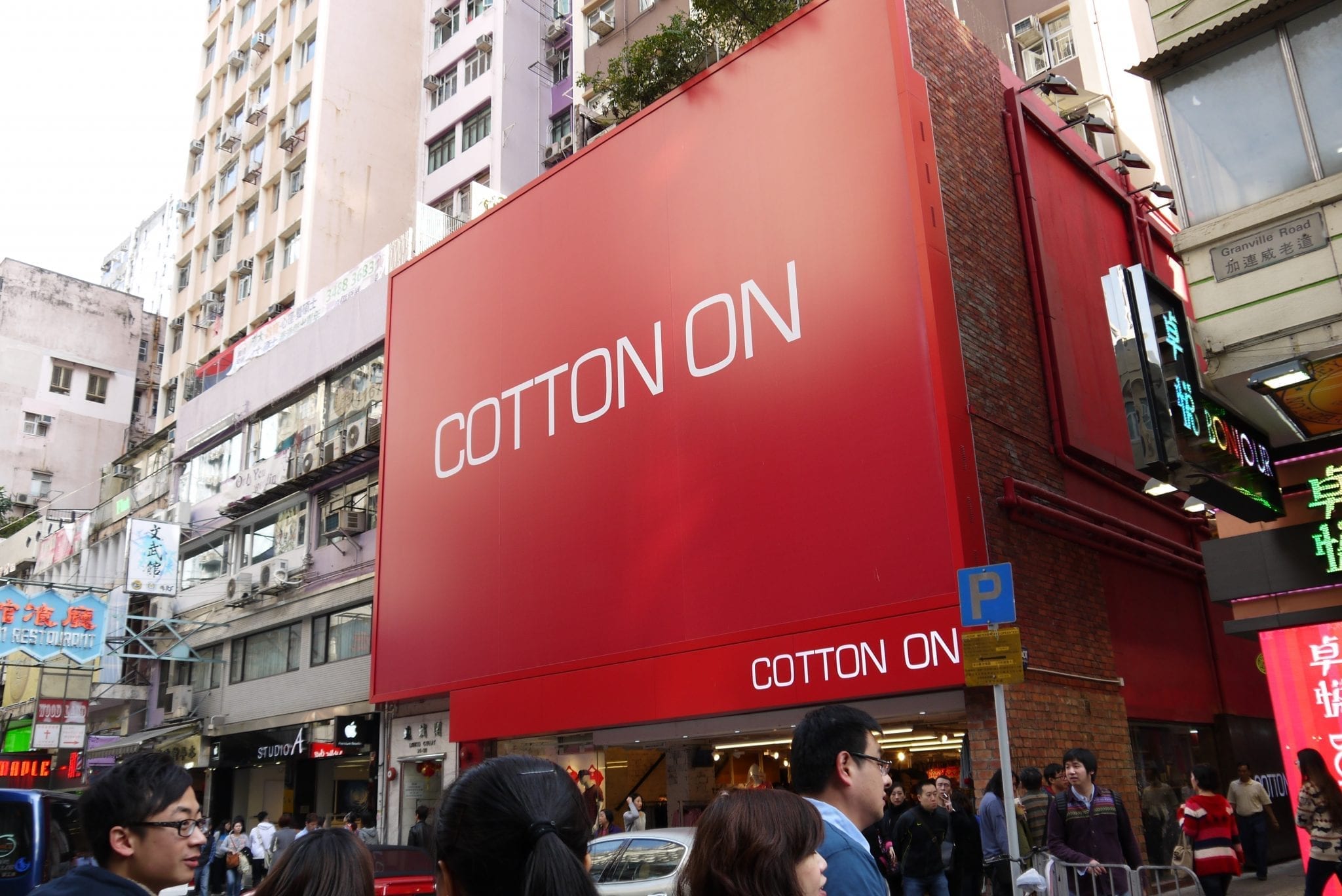
    Cotton On Group has become the top performing fashion retailer of 2017 in Australia, says a fashion report. The recognition solidifies the Group’s commitment to ethical and sustainable retailing, highlighting the steps it takes towards ensuring a safe, fair and sustainable environment in which its products are being sourced and manufactured.

    The Ethical fashion report by Baptist World Aid (BWA) grades companies on the efforts put in for a transparent and eco-friendly working condition. The research team assesses each company’s labour rights management system according to 40 specific criteria. These assessments consider three critical stages of the supply chain as a proxy for the entire supply chain: raw materials, inputs production and final manufacturing.

    “The environment in which our products are made and the materials used to make them form a critical part of our ethical responsibility – it’s just the right way to do business,” Cotton On Group’s ethical sourcing manager David Nesbitt said.

    “Over the last five years, we have worked closely with BWA to build on the strength of our existing ethical sourcing programme, allowing us to sense check and continually enhance our programmes with a focus on end-to-end mapping of our suppliers,” added Nesbitt. “We know we are on a continuous road to improvement and are committed to an ever-better supply chain for the long haul.”

    The Group’s ethical sourcing programme, including its 14 Rules to trade, has been in existence since 2009 and governs the sourcing, manufacturing and supply of products. Adherence to this code of conduct relies on the strength of the relationships the Group holds with its suppliers – some of which have been partners of the business for over 20 years.