Tag: Australia

  • Zara stays strong in Australia despite profits slowdown

    Zara stays strong in Australia despite profits slowdown

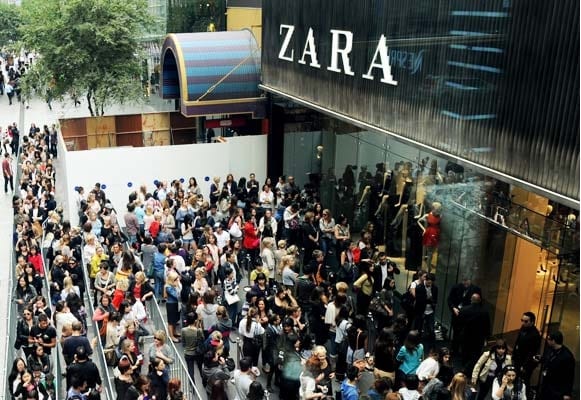
    While some chains struggle in the Australian market, Inditex’s Zara is committed to the country and is seeing its operations growing although profit has fallen, according to local press reports.

    On Wednesday, the same day that rival Topshop’s local franchisee announced a voluntary administration filing, The Age reported that the Spanish chain by contrast has enjoyed another year of double-digit growth in the country.

    It saw A$256.36m in sales in the year to January 31 2017, boosted by the opening of three new stores in the Sydney suburb of Parramatta, the Gold Coast and Brisbane. That figure was up 15.5% year-on-year, although this was slower than the 24% rise seen in the previous year. And its profit was slower too with the company making A$10.3m compared to $15.26m in the prior year.

    Like Topshop, Zara arrived in Australia in 2011 and had 18 stores by the end of January this year. It had 1,700 employees, several hundred more than it had working for it in Australia a year earlier.

    The local operation is 90% owned by Inditex and 10% by Peter Lew through his International Brand Management unit. Lew is the son of retail entrepreneur Solomon Lew.

  • Australia Topshop franchisee in administration, but says it’s business as usual

    Australia Topshop franchisee in administration, but says it’s business as usual

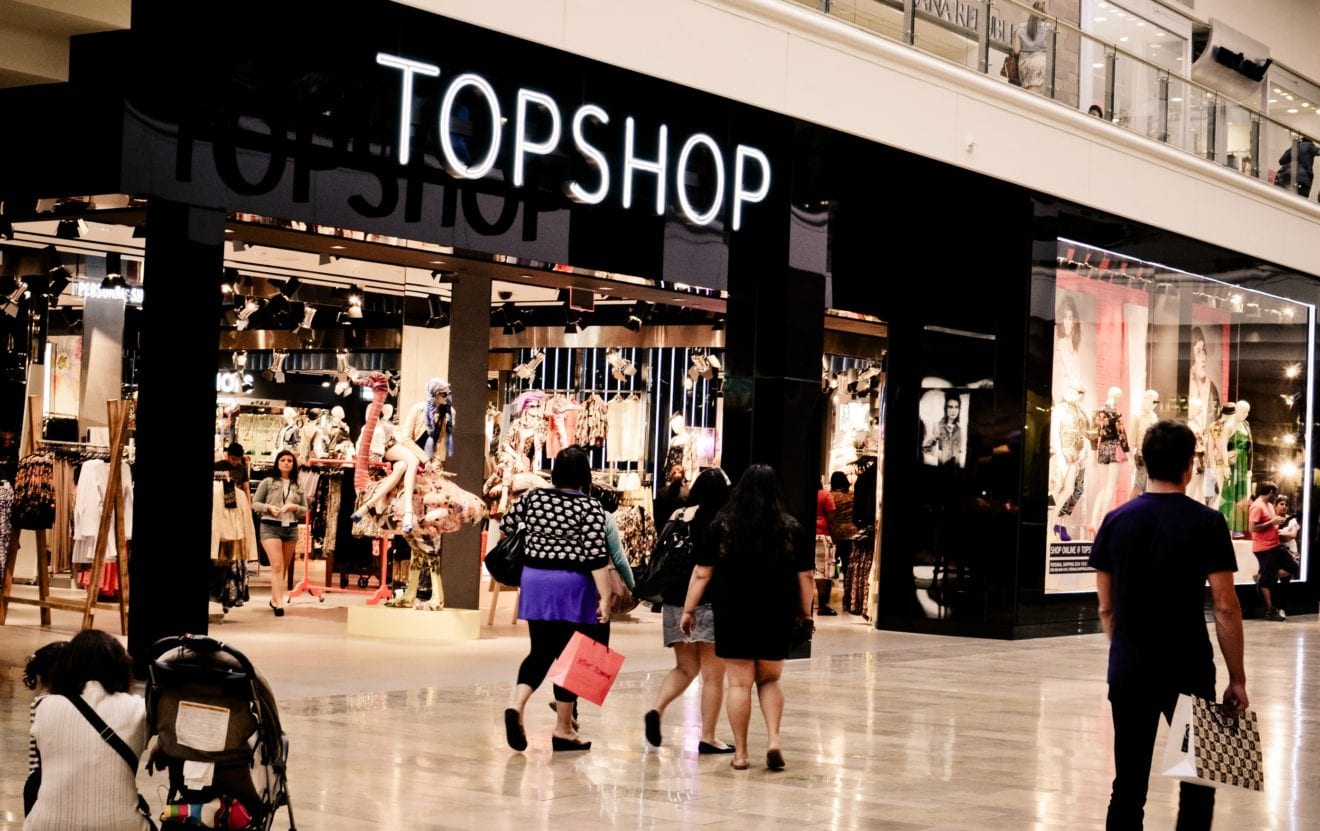
    The franchisee for Arcadia’s Topshop and Topman said Wednesday that it has filed for voluntary administration. Austradia Pty Ltd has named Ferrier Hodgson partners James Stewart, Jim Sarantinos, and Ryan Eagle as its administrators.

    But Stewart said in a regulatory announcement that it will be “business as usual”  as the administration team “works closely with Arcadia Group on supporting and right-sizing the Australian business to a sustainable platform going forward.”

    Stewart said that the 760 employees will continue to be paid by the administrators and normal customer policies such as gift cards and product returns will continue during the administration period.

    It seems clear that the Topshop and Topman names will survive in the Australian market with a clear demand there for its particular brand of trend-focused fast fashion. Topshop/Topman has been operating nine standalone stores, 17 Myer concessions and an online business in Australia and has enjoyed annual sales of around A$90m.

    The separately owned and operated Australian franchise opened locally in 2011 and Myer owns around one-fifth of the operation. Earlier this year Myer said that losses at the Topshop operation grew to A$0.6m in H1 from A$0.1m a year earlier.

    Its administration filing is further evidence that times are as tough for fashion retailers in the country as they are in many other countries around the world, even for some of the biggest names in affordable fashion.

    The arrival of more global chains in the local market and an increasing move by consumers towards e-sales have added to the competitive pressures at a time when shoppers are also re-assessing where and how they spend their discretionary cash. And the arrival of Amazon this year will not make the retail environment any easier with local chains that have been battling sluggish sales likely to see even more market share seeping away.

    Myer has itself seen challenges on the sales front with the company reporting a 3.3% sales drop for Q3.

  • AU budget a welcome boost for supply chain efficiency

    AU budget a welcome boost for supply chain efficiency

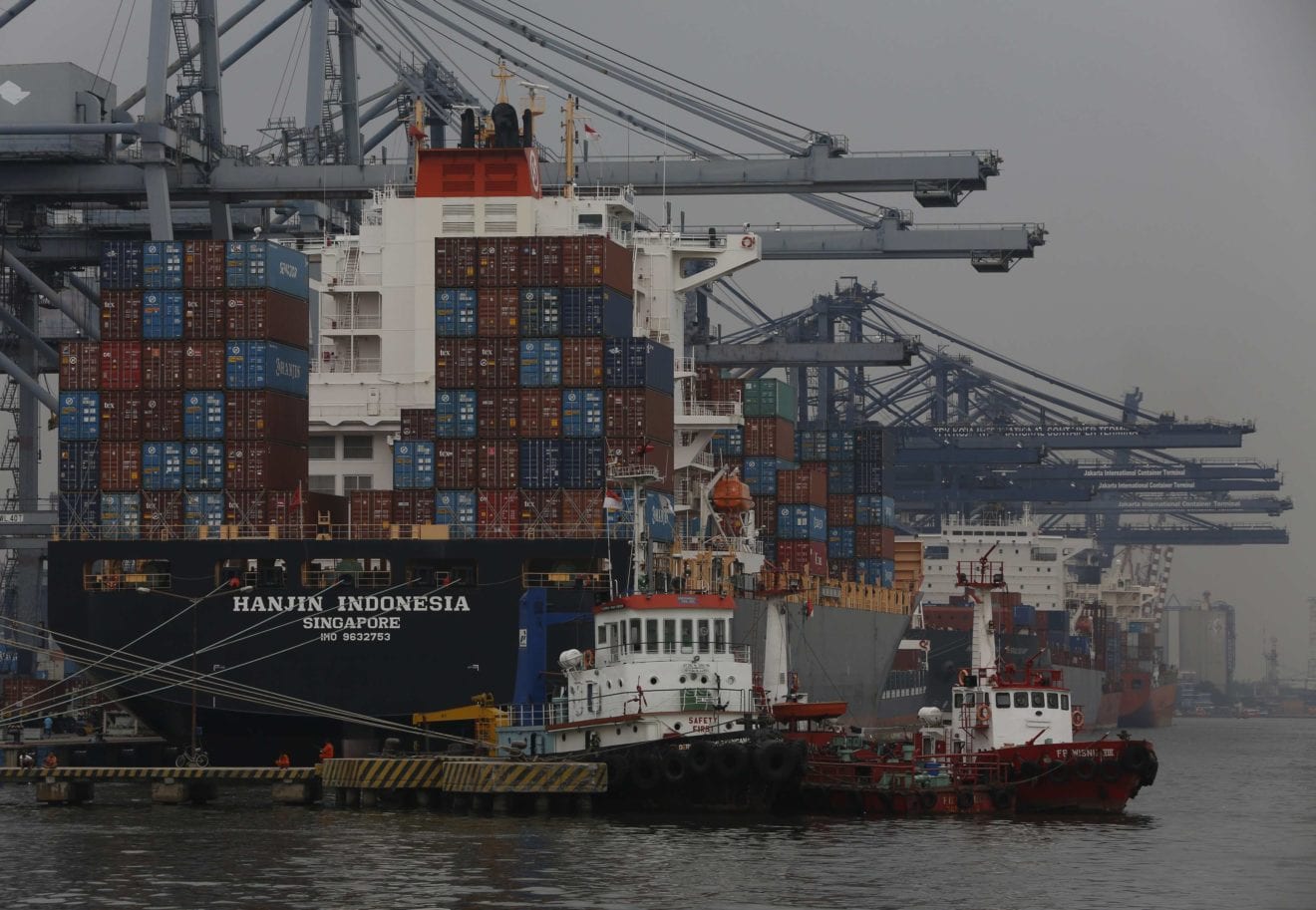
    The significant infrastructure investments contained in Australia’s Federal Budget have the potential to deliver substantial improvements to supply chain efficiency and significantly boost economic growth, according to the Australian Logistics Council (ALC).

    “The Government should be commended for making clear commitments to two significant infrastructure projects crucial to the freight and logistics industry,” said ALC managing director, Michael Kilgariff.

    “The transformative potential of the Inland Rail project has been talked about for decades, with incremental progress being made over the past several years, including a positive assessment of the business case by Infrastructure Australia. The $8.4 billion commitment announced in the Treasurer’s speech tonight will finally allow its construction. At long last, we can stop merely talking about this project’s potential, and instead begin to witness it.”

    “Establishing a safe, reliable port-to-port rail link for freight between Melbourne and Brisbane is the only way we can simultaneously meet Australia’s burgeoning freight task, alleviate congestion on existing freight networks, create regional jobs and boost growth,” he said.

    “To fully unleash the benefits of this project, the line must run to the ports of Melbourne and Brisbane, and comprise efficient rail linkages to the ports of Botany, Kembla and Newcastle in NSW. We must also support the development of intermodal freight hubs at appropriate intervals along the route.”

    “The commitment of $5.3 billion to construct the Western Sydney Airport and the $75 million to duplicate the Port Botany freight rail line likewise bring to fruition critical freight infrastructure projects that will further support economic activity and job creation.”

    “The Budget’s strong focus on infrastructure is timely, coming less than six months after the Federal Government agreed to ALC’s request to develop a National Freight and Supply Chain Strategy. We welcome the measures announced tonight as a positive first step in continuing efforts to deliver a safer, more efficient supply chain. The importance of this is made clear by the industry views outlined in a recent ALC Working Paper,” he said.

    “It’s also pleasing that Infrastructure Australia has been provided with an additional $11.9 million to deliver its core functions of assessing projects and producing an infrastructure pipeline.”

  • Telstra lays out plans for Programmable Network

    Telstra lays out plans for Programmable Network

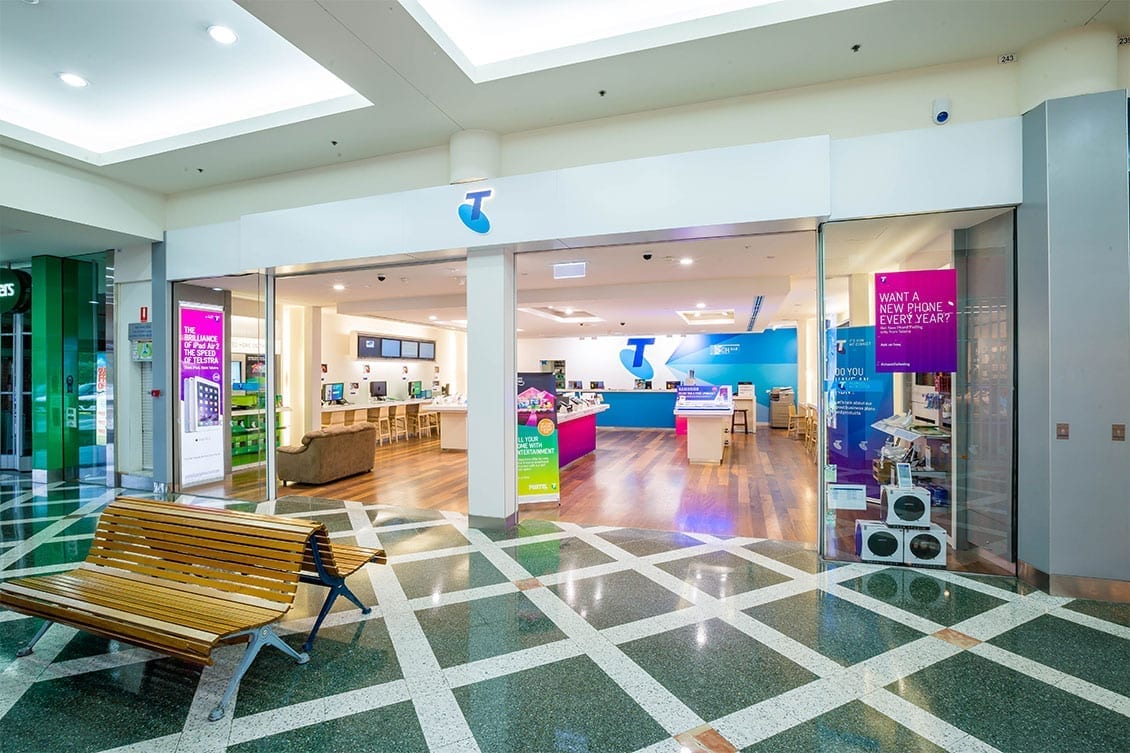
    Australian operator Telstra has outlined its plans to offer SDN and NFV, cloud platform and data centers as well as global and Australian networks in one integrated and intelligent platform.

    At the ITW Conference in Chicago, Telstra outlined its planned network-as-a-service called the Telstra Programmable Network.

    This new network will be programmable at its core and enable the automation and provisioning of services. It will be designed to help businesses quickly add new capabilities to deliver better experiences without significant infrastructure upgrades. It will also allow simple and secure access to multiple cloud services via a simple user interface.

    “The Telstra Programmable Network is designed to help our customers meet the rapidly growing global demand for data and the proliferation of applications, as well as embrace cloud computing by offering flexible and dynamic access to our high bandwidth, low latency and secure networks,” said Jim Fagan, Director Global Platforms.

    “Our vision for the Telstra Programmable Network is to help businesses optimize their IT by offering automated, on-demand and near real-time provisioning, consumption-based pricing and new data insights on network usage,” said Fagan.

    “The Telstra Programmable Network brings together all of our SDN technologies such as PEN, Telstra’s first globally connected on-demand networking platform, and continues their development under one vision, architecture and investment program.”

    International IP-VPN customers will also be able to access the Telstra Programmable Network’s capabilities from any of Telstra’s 2,000 points of presence worldwide after launch. This includes extending their network via Telstra’s portal or API to access the internet and a range of public cloud services including Amazon Web Services and IBM SoftLayer.

    To complement the rollout, Telstra will implement a significant capability upgrade of its core international IP network in the coming months.

    This will introduce increased bandwidth and flexibility, which the new service will demand. In addition, these enhancements are expected to increase Telstra’s peering capacity by up to 70% and provide enhanced security with traffic segregation capability to mitigate DDoS traffic.

    “These initial investments will establish the groundwork for the Telstra Programmable Network with future enhancements, such as orchestrated real-time SD-WAN and security, to be announced in the coming months,” said Fagan.

  • Myer signs We Are Kindred to exclusive one-year deal

    Myer signs We Are Kindred to exclusive one-year deal

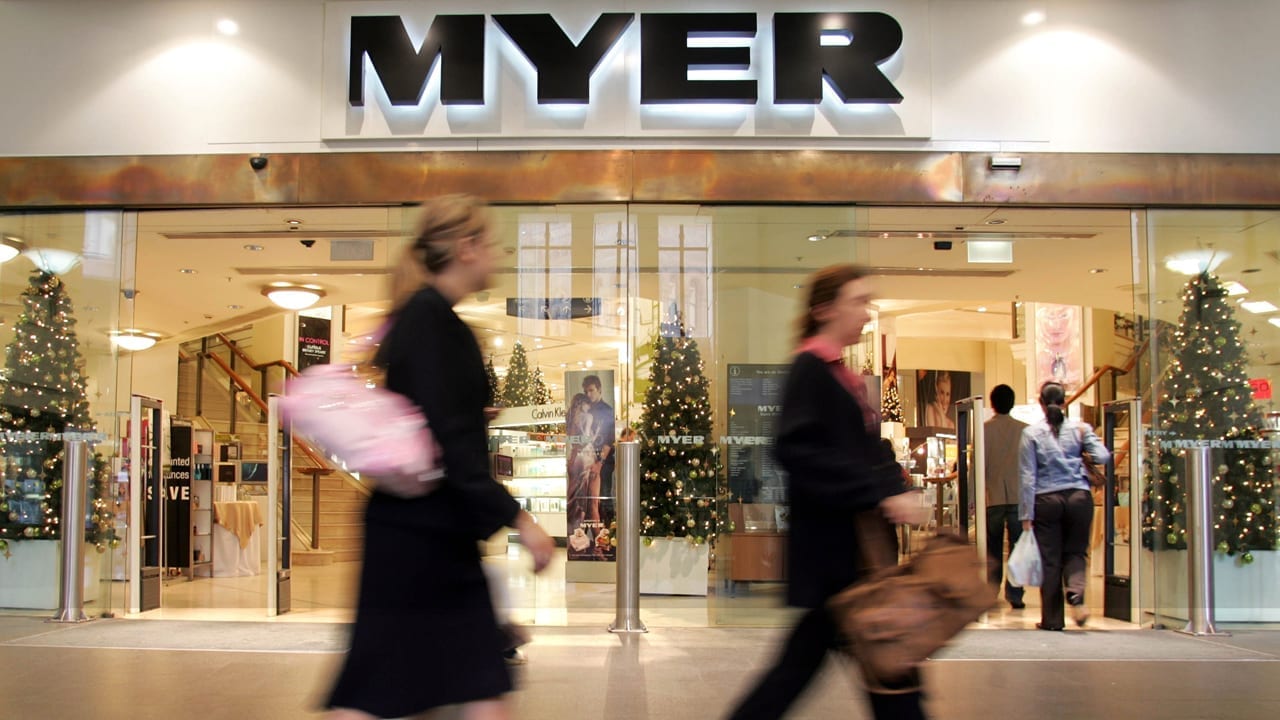
    Australian department stores giant Myer has signed growing local fashion label We Are Kindred to its roster. The three-year-old label has been signed up for an initial one-year deal with the retailer saying that two seasons are the minimum time it needs to judge a label’s appeal.

    Founded by Georgie Renkert, a fashion industry veteran, and her sister Lizzie, the latter said the We Are Kindred strategy was always to link-up with a major name retailer and they feel that the firm is ready for the increased scale this will mean in terms of logistics.

    She told the Sydney Morning Herald that Myer has “a good strategy in place for launching emerging brands like ours. We’re not a brand that they have.”

    The move comes as the Australian department store space gets increasingly competitive in terms of brands being signed to exclusive deals. Myer is also investing in its own Maticevski label and opening concessions for French brand The Kooples and Zadig & Voltaire. Meanwhile, in the past fortnight, major Myer rival David Jones has struck deals with well known labels Aje and By Johnny.

    Both Myer and David Jones are facing tough times and are positioning themselves to compete with a raft of international newcomers as well as with each other. More international fashion retail giants are opening in their market and the arrival of Amazon in Australia also means the stakes have been raised for online fashion and homewares retail there.

  • OCBC buys Australia bank’s retail, wealth business in Singapore, Hong Kong

    OCBC buys Australia bank’s retail, wealth business in Singapore, Hong Kong

    With Australian banks retreating from the retail business in Asia, OCBC has scooped up the retail and wealth business in Singapore and Hong Kong of Australia’s largest business bank, National Australia Bank (NAB), to bump up both its mortgage portfolio and customer base.

    Observers said the deal reflects the surging costs for foreign banks in competing against local players in the retail and wealth space in Asia.

    While there is undoubted growth in wealth in the region, non-domestic players would have to spend significantly to expand their product and services suite beyond a boutique presence.

    “In American football, there’s a phrase, ‘Go big or go home’. And based on a cost-benefit analysis, it was time to go home,” said one observer, pointing to NAB’s exit from the Asian wealth business.

    The negotiations for the profitable business unit took about three months, The Business Times understands. The acquisition, in effect, has Singapore’s second-largest bank buying up about US$1.7 billion of mainly residential mortgage loans, with more than half of the properties in the major Australian cities of Sydney, Melbourne and Brisbane, OCBC announced on Thursday. Notably, over 50 per cent of these mortgage loans are booked in Hong Kong.

    The purchase price will match the value of the loan-book at the time that the transaction closes, which is expected to be by the end of the year.

    To be clear, the purchase comes with a US$3.05 billion deposit portfolio comprising a mix of currencies that include the Australian, Hong Kong, Singapore and US dollar.

    OCBC will reach about 11,000 new customers, with more than 7,000 in Singapore and about 4,000 in Hong Kong. Most of the customers are Singapore and Hong Kong residents.

    With the mortgages increasing the bank’s overall mortgage portfolio by about 4 per cent, one analyst noted that the bump is “negligible”.

    “OCBC does get 11,000 customers out of it – though how sticky they are is another issue. (But) the low customer acquisition cost is probably the attraction for OCBC,” he said.

    OCBC said the acquired business will be earnings accretive to the bank within the first year of completion.

    The mortgage portfolio is made up of mainly home loans with an average loan-to-valuation ratio of below 60 per cent, as weighted according to the value of the loans. NAB also has a “strong track record with negligible delinquencies”, OCBC said.

    The business adds to the bank’s overseas property financing programme for real estate in Australian cities such as Sydney, Melbourne and Perth.

    “This deal makes financial and strategic sense to us,” said Ching Wei Hong, OCBC’s chief operating officer, noting that the mortgage loan book would have required “time and money” to grow via organic means.

    “The mortgage portfolio to be transferred to us is a high quality and well-supported one, (while) the customers are in the affluent segment that we have been building.”

    The deal also comes amid surging profit contribution of regional business for OCBC. The bank’s shares closed on Thursday at S$10.56, up 10 cents.

    The market is drawing comparisons between the NAB transaction and the one signed by DBS and ANZ in November, with ANZ selling most of its wealth and retail business in Asia for S$110 million to Singapore’s largest bank.

    That S$110 million represented about 0.5 per cent of the S$23 billion of assets under management from ANZ’s wealth business, mostly out of Singapore and Hong Kong.

    The ANZ sale to DBS also included loans and deposits, but was also in effect a self-funded loan book. At the point of announcement, DBS said it would take up about S$11 billion of loans once financed by ANZ, as well as S$17 billion in total deposits owed to former ANZ customers.

    It should also be noted that ANZ took a A$265 million (S$275 million) loss on the sale to DBS, reflecting write-offs taken for software, goodwill and fixed assets, as well as transaction costs. By contrast, NAB said the sale will not have a material financial impact on it. It is now focused on helping business customers in Australia and New Zealand access the Asian markets.

    In a media statement, Neil Parekh, NAB’s general manager for Asia (ex-Greater China) said: “We wanted a buyer that could meet our customers’ growing demand for a wide range of wealth management solutions in Asia. OCBC is uniquely qualified to do so.

    “We will work closely with OCBC during the transition to completion to ensure a smooth process for customers moving to a business with a comprehensive product offering and strong presence in Asia.”
  • Hitachi deploying IoT solution for Curtin Univeristy

    Hitachi deploying IoT solution for Curtin Univeristy

    Australia’s Curtin University has selected Hitachi to deploy an IoT solution to advance its vision of a smart campus that enhances the student experience, improves classroom learning and ultimately attracts more industry to collaborate on data-driven research.

    Curtin will partner with Hitachi to co-create solutions that harness IoT data through advanced analytics to provide insight into the daily running and utilization of the campus.

    Curtin University has more than 60,000 students and 4,000 staff. It is Western Australia’s largest and most culturally diverse university, and has one of Australia’s largest international student populations.

    Ian Callahan, chief operating officer of Curtin University said: “Understanding our campus operations and building utilization has become a major factor in Curtin’s smart campus initiative. With the Hitachi IoT solution, we can collect data using a variety of sensors to gather information on building trends, study patterns, and course attendance that can ultimately be used to improve student experience and enhance learning.”

    Ultimately, these data insights allow Curtin University to generate contextual information about the lifecycle of the student, the day to day reality of a staff member, the activity pattern of a lecture theater, and the dynamics and environmental health of a library.

    Callahan added: “We are effectively creating a living laboratory that is an open invitation to our own researchers and scientists from other universities to use our campus to discover and innovate with data-driven research. Hitachi demonstrated not only technology leadership but approached us with a very open mind, to participate in that living environment and collaborate with others.”

    With the Hitachi solution, the university will be able to combine video data with operational data across its campus facilities to provide analytics that support a smart campus. This is achieved through the integration of Hitachi Visualization Suite, Hitachi Video Analytics, Pentaho, Live Face Matching and Hitachi Data Systems Infrastructure and Compute. The single analytics dashboard provides the real-time knowledge the university needs to make informed decisions about their classes, operations and future requirements.

    “Curtin University is a prime example of forward-thinking organizations that have challenged Hitachi to develop its video analytics solutions to go beyond surveillance and public safety. They are effectively pioneers of digital transformation,” said Mark Jules, vice president of public safety and smart city solutions at Hitachi Insight Group.

    “We’re excited to be co-creating a comprehensive IoT-enabled solution with them and we look forward to working with Curtin University and their research partners to accelerate future innovation through our ongoing collaboration.”

  • Pandora grows in China and Australia

    Pandora grows in China and Australia

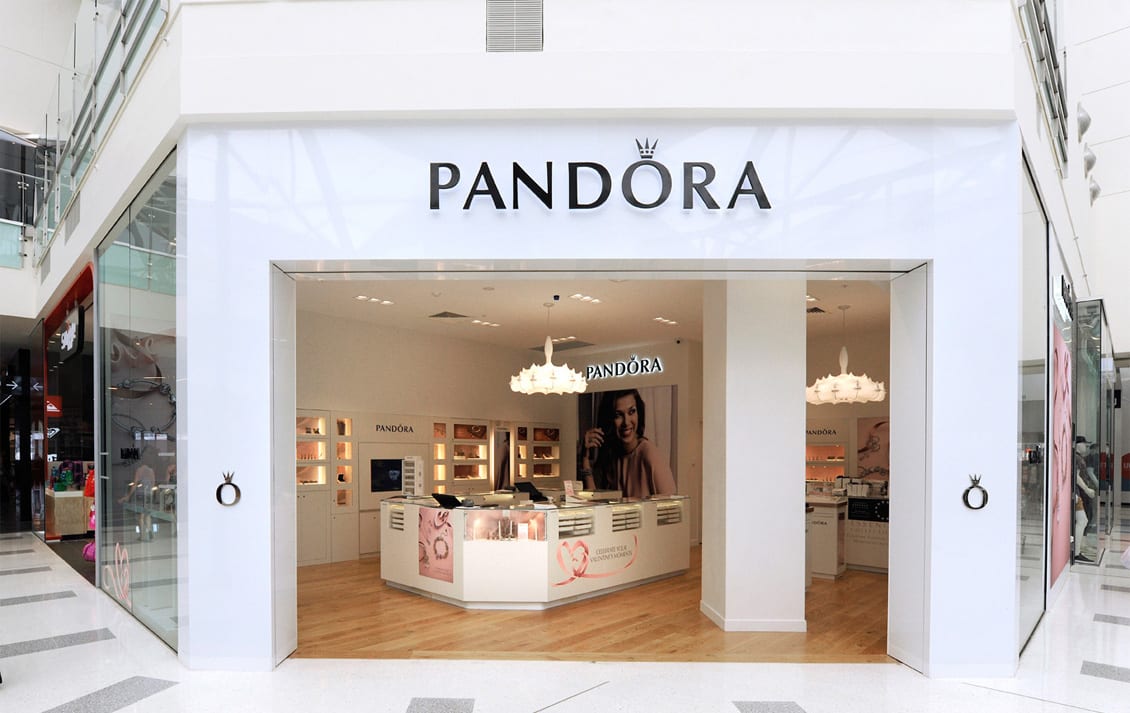
    Jewellery giant Pandora had a good Q1, the Danish firm said Tuesday, with revenue from its owned retail stores leaping ahead, although not every market was buoyant.

    While the company saw strength in France and Italy, and Asia Pacific surged due to Chinese grwoth, the Americas saw a decline and the UK was hurt by the falling value of the pound.

    So, let’s look at the numbers. Overall revenue rose 9% to DKK5.196bn (£589m) and was up 8% in local currencies. Pandora’s owned retail stores saw revenue surging 39% to now make up 38% of group sales. Comparable sales in Pandora’s own stores rose 8%.

    Revenue from the EMEA region rose 5%, or 9% in local currencies, boosted by those higher sales in France and Italy but dented by that UK weakness.

    A strong performance in important growth markets such as China in Asia Pacific saw revenue rising 44% (40% in local currencies) with the region now accounting for 25% of group revenue.

    But the Americas decreased 5% (or an even worse 9% in local currencies), including a negative impact from network restructuring in the US.

    The company said its ambitions to offer a full jewellery line-up are progressing with revenue from rings, earrings and necklaces/pendants all up more than 40% and with the three categories now representing 25% of total revenue

    That all added up to higher profits as EBITDA rose 7% to DKK1.879bn, although the gross margin was 73.3%, down from 74.6% a year ago as it was hurt by currency headwinds and the product mix.

    CEO Anders Colding Friis said he was ‘satisfied” with the results, and “very pleased” with the performance in its important growth markets. “Some of our most developed markets continue to perform,” he said, adding that revenue from Australia up 27% but that the retail climate in the US remains difficult.

  • Australia’s retail slugout adds to worry over weak inflation

    Australia’s retail slugout adds to worry over weak inflation

    A fierce price war among retailers is threatening to keep a lid on improving inflation in Australia, compounding the problems of policymakers struggling to support still-weak domestic demand.

    An uptick in consumer inflation has lowered the chance of another rate cut this year, but competition from global retailers such as Amazon.com Inc is set to keep prices under pressure – good news for shoppers but worrying for the central bank.

    The country’s biggest retailers are suffering from a long spell of deflation that is unlikely to subside soon. Amazon and German supermarket chain Kaufland want to fortify their global presence Down Under and will join recent entrants such as H&M, Uniqlo and Aldi.

    The Reserve Bank of Australia (RBA) said on Friday that “heightened competitive pressures” in the retail sector were among key factors keeping inflation subdued.

    “The arrival of further new foreign retailers will be an important influence on final retail prices over the next few years,” the RBA said in its quarterly statement on monetary policy in which it expects underlying inflation may only fully return to its 2-3 percent target band by mid-2019.

    Worried about deflation risks, the RBA slashed rates twice last year to a record low 1.50 percent. It is widely expected to hold rates until mid-2018 but subdued consumer prices could become a trigger for a move lower, and push the Australian dollar weaker.

    “While consumers will benefit from lower prices, ongoing weakness in retail inflation is a key factor weighing on the broader inflation outlook,” said ANZ economist Jo Masters.

    There was some relief headline consumer prices rose in the first quarter, taking the annual pace to its fastest since 2014 at 2.1 percent. But five of 11 sectors – about 30 percent of the CPI basket – saw price falls. Prices for women’s clothing, for example, were at their cheapest on record.

    A study by Capital Economics shows price increase in what it classifies as ‘luxuries’ – clothing, alcohol and recreation – halved to 0.6 percent from 1.2 since the start of last year. Inflation in ‘essentials’ – food, electricity and insurance – accelerated to 3.4 percent from 1 percent.

    “In other words, it now costs much more to live, but not much more to have fun,” said economist Paul Dales, adding that this situation was hitting household spending on discretionary items. “It implies that consumption growth will be a little bit weaker.”

    Clothing and homeware prices have fallen due to cut-throat competition among major retailers, which only intensified with the arrival of foreign chains to Australia.

    While there are few details on how Amazon will position itself, the retail giant’s expected entry this year will worsen the pain of a retail industry that has been largely insulated by a housing boom and pick-up in global growth, analysts said.

    Jefferies expects Amazon to capture between A$3 billion to A$8 billion ($2.25-$6 billion) of sales in Australia – about 30 percent of current online retail sales.

    Australian retailers are already being forced to change their business models but four major firms going into voluntary administration in the first two months of the year highlights the deepening crisis.

    Not surprisingly, the sector has been shedding jobs, with more workers lost in the year to November 2016 than any other industry.

    “Foreign retailers are attracted by relatively high margins in Australia and will continue to enter the market as long as that additional margin is on offer,” said Masters of ANZ.

    So far, only 16 percent of the world’s top 250 retailers have a physical presence in Australia, according to Deloitte.

  • Decathlon will open first Australia store in October, plans 100 stores

    Decathlon will open first Australia store in October, plans 100 stores

    Decathlon will open its first Australian store this October in Sydney, with plans to have 100 operating stores downunder in the next five to ten years.

    The sporting goods and apparel retailer will open its first Australian flagship store in Sydney. Located in the suburb of Tempe, the 3,800 square-metre space will be sat next to furniture giant Ikea. The lot is currently under construction, with plans to open this October, Decathlon executives told local media this week.

    According to an article published by Australian Financial Review on Tuesday, Decathlon Australia‘s chief executive Olivier Robinet confirmed that the French firm hopes to open between two and five stores a year for the next few years.

    Decathlon first entered the Australian market back in February 2016, with the launch of an Australia-dedicated website and e-commerce platform.

    The Australian sporting goods market is currently fed by locals Rebel Sport, Athletes Foot, and New Zealand outdoorwear firm Kathmandu, a market Decathlon wants to crack.

    In February 2017, Decathlon reported a 12% lift in revenues during 2016 (+4.4% on a like-for-like basis), reaching 10 billion euros, excluding taxes.

    Earlier in the year, it launched sub-brands Itiwit — a paddle-board line, and Subea — an underwater sports brand, to bolster its current sporting goods offering.

    A recent report published by corporate finance advisory firm Capitalmind pinned the global sporting goods market at $388 billion in 2015, up 5%. The report said Intersport, Decathlon and Foot Locker currently dominate the sporting goods distribution market worldwide.

  • 2XU launches first flagship store in Hong Kong

    2XU launches first flagship store in Hong Kong

    Australian sportswear brand 2XU has opened a Hong Kong flagship store this month, located in the prestigious Causeway Bay shopping district.

    Situated in the heart of Causeway Bay, at 77 Leighton Road, the new 930 square foot store is the official Hong Kong flagship and is the first standalone store for the high-performance sports apparel brand in the city. 2XU successfully debuted a Hong Kong e-commerce platform at the end of 2015.

    Melbourne-born, 2XU specialises in technical fabrics, particularly compression wear. Its products are used by top athletes in Australia and internationally (it is distributed in fifty markets) and has been worn by basketball players in the NBA and NFL football leagues in the United States.

    It boasted an annual 40 per cent increase in sales over the past five years, and has grown EBITDA at around 25 per cent per annum for same period.

    In December 2013, L Capital Asia acquired a 40 per cent share of 2XU. In 2015, there was talk of L Capital Asia mulling a public float in either in Australia or New York that could value the business at more than $600 million.

    2XU was founded in 2005 by Clyde Davenport, James Hunt and Aidan Clarke. The founders still hold a 42 per cent share, while Lazard Australian Private Equity holding an 18 per cent stake.

  • Topshop launches e-commerce platform for Australia

    Topshop launches e-commerce platform for Australia

    British fashion retailer Topshop has officially launched an Australian-dedicated online store, meaning local shoppers can bypass the generic Topshop international site.

    The new Topshop Australia platform allows Australians to browse and shop prices in Australian dollars and pass for free shipping when the total purchase is over AU$75.

    When shopping via the international store, prices are in British pounds and pricey international postage costs are incurred.

    Another feature for Australians is Topshop’s click-and-collect services, next-business-day express shipping and easy postal returns.

    The move sees Topshop’s retail reach extend beyond major capital cities and into remote areas where customers don’t have access to one of the fast-fashion retailer’s physical stores.

    Topshop has also tapped payment service Afterpay for its online store, allowing shoppers to buy now and pay later for purchases. Topshop Australia has offered Afterpay for several months in store.

    Topshop opened its first Australia store in 2011 in Melbourne. Topman went on to open a flagship store in Sydney’s Pitt Street Mall. Today it boasts 57 points of sale across Australia in cities Brisbane, Perth, Adelaide, Sydney and Melbourne, among others.

    It also has concession corners in department store Myer.

    Topshop is part of Sir Philip Green and his Arcadia Group, which also owns Burtons, Dorothy Perkins and Miss Selfredges.

  • Furla buys back Australian distribution from Luxury Retail Group

    Furla buys back Australian distribution from Luxury Retail Group

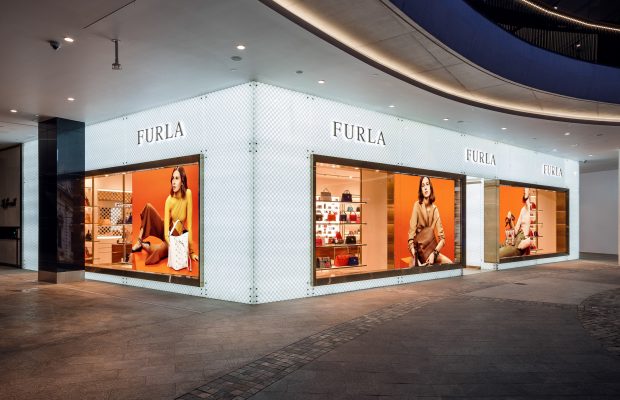
    Furla Group announced the buyback of the Australian distribution network from its distributor, Luxury Retail Group (LRG). Furla opened the first boutique in Westfield Sydney in December 2013, and now has 15 stores in Melbourne, Sydney, Brisbane and Gold Coast.

    Furla acquires 100% of the distribution network, reaffirming the brand’s vision of further strengthening its presence in Australia and New Zealand. This year, Furla plans to open 5 more stores in Australia and New Zealand, beside enlarging the existing Westfield Sydney boutique: by the end of 2017, the network will be made up of 20 Furla stores.

    “Australian market is very important for Furla and crucial in our expansion plan. Since 2013, Luxury Retail Group has been the best key partner to work with as it perfectly embodies the Furla vision, values and DNA: this is the reason why the two LRG directors will remain as board members of Furla Australia” said Alberto Camerlengo, Furla Group CEO, “We expect that in 2017 Australian business will represent the 5% of the global revenues, we are very proud to announce this acquisition. We aim to enhance the distribution in this Country given the success of the Furla retail strategy and the very positive response of Australian customers”.

    “We believe the timing makes sense for Furla to reacquire its distribution.” Nelson Mair, Managing Director of LRG also added, “After having achieved 95% sales growth in 2016, this vertical integration of Furla Australia will better equip the business for the next phase of its growth. I am extremely proud of my team and what they have been able to achieve in such a short space of time and thankful to Furla for trusting their wonderful brand to us”.

    Furla has a direct presence in 100 countries; with 444 monobrand stores that are split evenly between directly-owned boutiques and franchises. The Company also has distribution in multibrand and department stores in 1,200 international locations.

  • Accolade to showcase new Aussie wines in Singapore

    Accolade to showcase new Aussie wines in Singapore

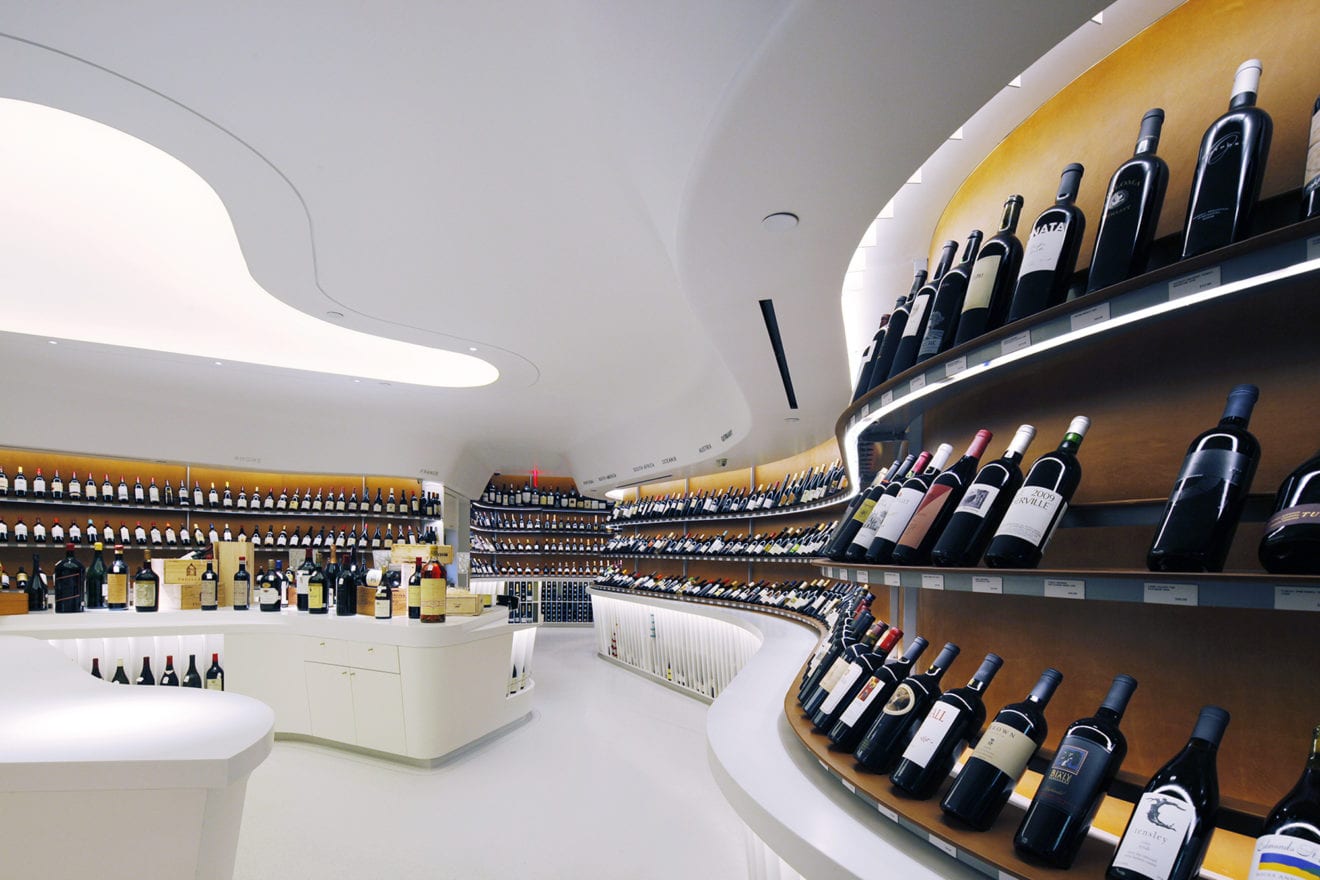
    Accolade Wines will be introducing an enhanced portfolio to visitors at the upcoming TFWA Asia Pacific Exhibition (Basement 2, J5) following the acquisition of six wine brands from Australia: Petaluma, Croser, St Hallett, Knappstein, Stonier and Tatachilla.

    These newly introduced brands reside in some of Australia’s most renowned wine regions, including Adelaide Hills, the Barossa Valley, McLaren Vale and the Mornington Peninsula.

    Rupert Firbank, Commercial Director, Accolade Wines, comments: “We have been experiencing significant growth in global travel retail and domestic markets over the past six years.

    “This has been supported through the acquisition of up-and-coming brands that have allowed us to expand our global footprint and add a great breadth to our portfolio.

    HARDYS APPROACHES 165TH BIRTHDAY

    “Our previous acquisitions of Geyser Peak in the United States, Grant Burge Wines in Australia, Mud House in New Zealand and Vina Anakena in Chile have been hugely successful, so we are confident that these new additions will add another dimension for our customers.

    “TFWA Asia Pacific Exhibition & Conference is the ideal opportunity to introduce these new wines to our Asian partners.

    “Being able to sit down face-to-face with them makes a big difference in being able to fully explain the story behind each brand. We invite visitors to the show to come and experience our exciting new wines and our current brands, most notably Hardys wine which is fast approaching its 165th birthday.

  • ALC and NFF agree key freight strategy priorities

    ALC and NFF agree key freight strategy priorities

    With less than a fortnight until the Federal Budget is handed down, it was an opportune moment for the peak bodies representing the nation’s freight logistics and farming sectors to underscore their common interests and agree priority areas for action.

    “This meeting allowed ALC and the NFF to explore the key infrastructure issues involved in getting produce from the farm into our cities and ports,” ALC Managing Director Michael Kilgariff said.

    “We know Australian households want to purchase the freshest possible produce when they do their shopping. We also know that Australia’s high-quality agricultural produce represents an enormous export opportunity. However, industry can only meet the expectations of domestic and international consumers if we have a safe and efficient supply chain.”

    “This requires governments to make the necessary regulatory improvements and infrastructure investments, including constructing major projects such as the Inland Rail linking the ports of Melbourne and Brisbane, with efficient linkages to the ports of Newcastle, Botany and Kembla.

    NFF Chief Executive Officer Tony Mahar said the meeting was a good chance for NFF members to provide their perspective on the National Freight and Supply Chain Strategy.

    “Agriculture is an industry that competes on the global stage. In order to maintain and build our international competitiveness, strategic infrastructure investment is vital.”

    “Farmers are some of the best innovators in growing our produce, but only so much can be done on farm. Once our products leave the farm gate we are heavily reliant on our transport and infrastructure networks to reach consumers. Getting this right is fundamental, which is why we have had these discussions with ALC to identify where key productivity gains can be made.”

    “ALC and NFF will use the outcomes from this meeting to shape our respective contributions to the ongoing development of the National Freight and Supply Chain Strategy. This will help ensure the Strategy is relevant to the needs of the freight and logistics industry, farmers and consumers,” Mr Kilgariff and Mr Mahar concluded.