Tag: Australia

  • DHL eCommerce launches Fulfillment Center in Sydney

    DHL eCommerce launches Fulfillment Center in Sydney

    The Fulfillment Center will provide overseas merchants with fast, flexible shipping that integrates inbound freight, inventory, and last mile delivery in a single consolidated service.

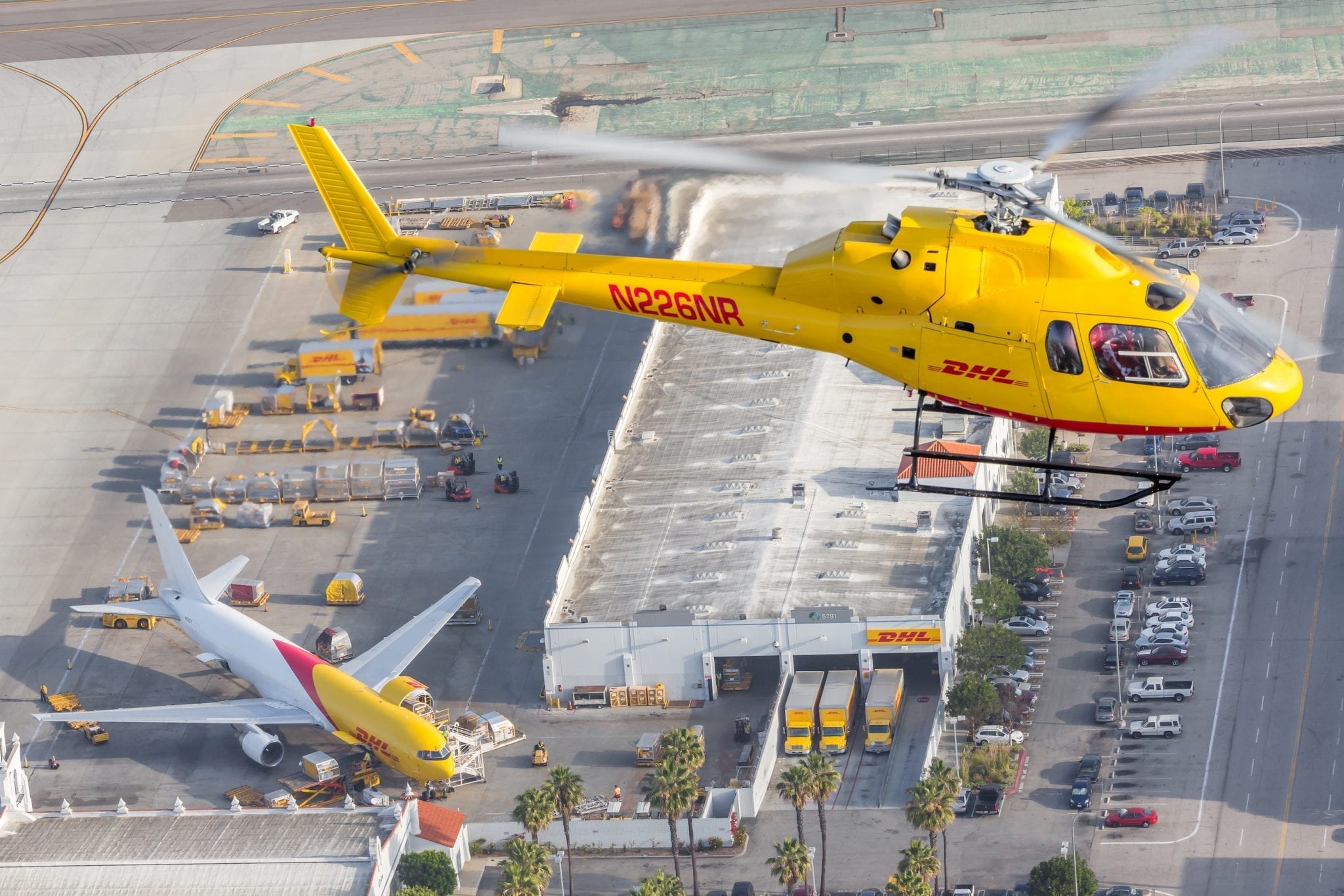
    DHL eCommerce, a division of the world’s leading logistics company, Deutsche Post DHL Group, announced the launch of its Fulfillment Center in Sydney, Australia to support booming demand for overseas goods amongst Australia’s online shoppers. International brands and retailers are now able to reach out to the rapidly growing Australia market.

    “Australian shoppers are the second-most likely in the world to buy online from overseas merchants, and the significance of their purchasing power will only increase as cross-border e-commerce grows at an average of 29 percent per year until 2020,” said Damien Sheehan, managing director Australia, DHL eCommerce. “Online retailers need to overcome the traditional problems associated with overseas expansion – finding new suppliers in each market, delivering shipments within days not weeks, and keeping costs in check – if they want to stay competitive in this borderless future.”

    Adding, “The launch of our Australian Fulfillment Center gives our customers immediate access to one of the world’s most mature and fastest growing e-commerce markets, with the scalability and quality needed to reach Australia’s highly savvy online shoppers.”

    The Fulfillment Center will provide overseas merchants with fast, flexible shipping that integrates inbound freight, inventory, and last mile delivery in a single consolidated service. The center also operates using the same service level agreements, management platforms, and customer support as all other parts of DHL eCommerce’s global Fulfillment network, allowing existing customers to expand their sales into Australia with minimal onboarding time and hassle.

    “E-commerce has gone borderless, and order fulfilment needs to do the same,” says Charles Brewer, CEO DHL eCommerce. “Our Australian facility adds another node to our standardized global network of Fulfillment Centers located in US, Mexico, India, Hong Kong and Central Europe, eliminating the need for e-commerce merchants to hunt for new logistics partners as they look to expand their global reach.”

    The center’s design accommodates front-end integration with a range of popular marketplace and web-shop platforms, as well as multichannel order management and last-mile solutions for immediate and highly-accurate deliveries all across Australia. All of the center’s services operate on a pay-per-use model with no capital spend or fixed costs.

    “The value of Australian e-commerce sales is expected to grow by nearly 50 percent between now and 2020, making cost-effectiveness and scalability the critical issues for online retailers in the country,” said Malcolm Monteiro, CEO Asia Pacific, DHL eCommerce. “Whether it’s extending into new channels, offering more delivery options, or simply increasing inventory and warehouse capacity, global brands need fulfilment solutions that can adapt to their needs without requiring hands-on intervention every time a change occurs.”

    Concluding, “Global e-tailers can access our latest fulfillment center for simplified nationwide inventory and last-mile delivery and also as part of a rapid and painless global expansion.”
  • Telstra 1H profit falls 14.4% to $1.38b

    Telstra 1H profit falls 14.4% to $1.38b

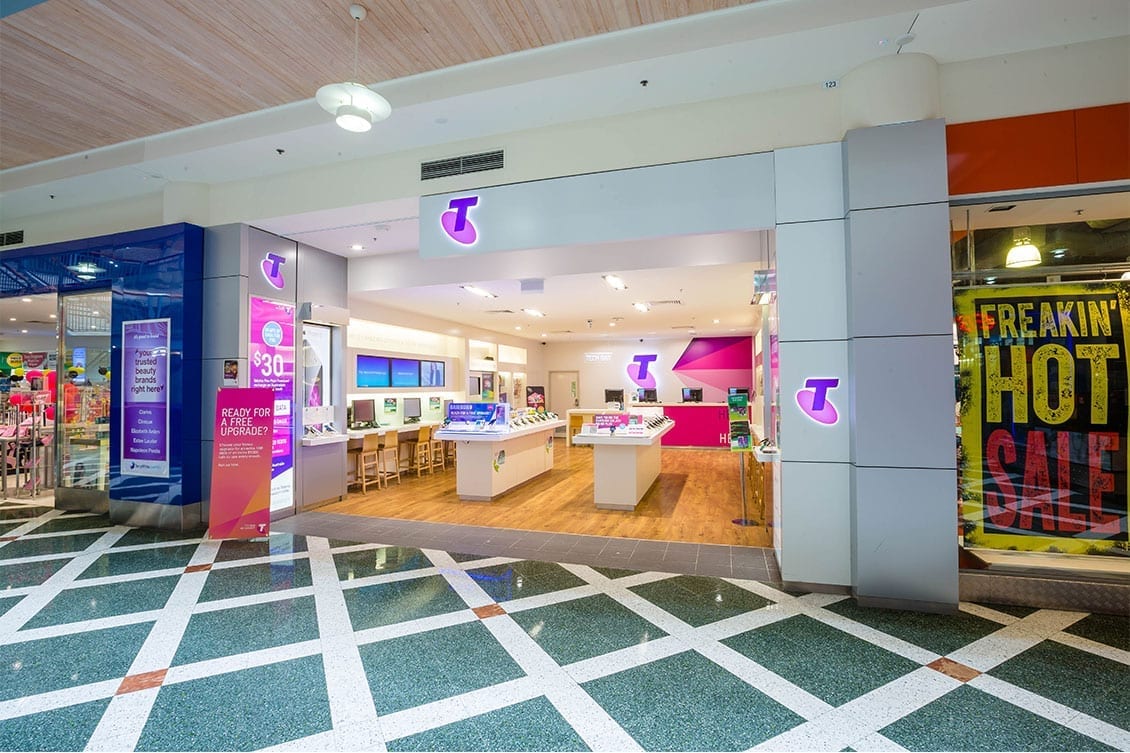
    Australia’s largest operator Telstra has reported a 14.4% decline in net profit for the first half of its financial year to A$1.79 billion ($1.38 billion), as the company dealt with an increasingly competitive market.

    Revenue for the six months ended in December fell 6.4% to A$12.8 billion, with fixed line revenue down 4.7% to A$3.3 billion and mobile revenue falling 8.7% to A$5 billion.

    Telstra added 200,000 new mobile subscribers, including 79,000 postpaid customers. Postpaid ARPU declined 2.6% but is showing signs of stabilizing, the operator said.

    On the fixed line side, Telstra acts as one of numerous retail resellers of services over the national broadband network (NBN). Telstra’s NBN customers grew by 292,000 to 792,000 giving the company a market share – excluding the small number of customers serviced by the NBN’s satellite service – of around 51%.

    Network applications and services revenue meanwhile grew 18% to A$1.5 billion due to higher revenue from cloud services as well as services provided to industry, including Telstra’s share of revenue from NBN commercial works.

    Telstra CEO Andrew Penn said the results indicate that the company performed relatively well in a tightly competitive environment.

    “It is significant that we were able to increase subscriber numbers in mobiles and retail fixed plans despite the increased competition,” he said.

    “We have a clear strategy to differentiate our products through the speed, coverage and reliability of our networks, innovative product design and new customer experiences, including access to media content. We are committed to improve the experience we provide our customers and as announced last year, we are investing up to $3 billion incremental capital expenditure in networks for the future and digitisation of the business.”

  • Allphones Australia closing 18 stores as it undergoes administration

    Allphones Australia closing 18 stores as it undergoes administration

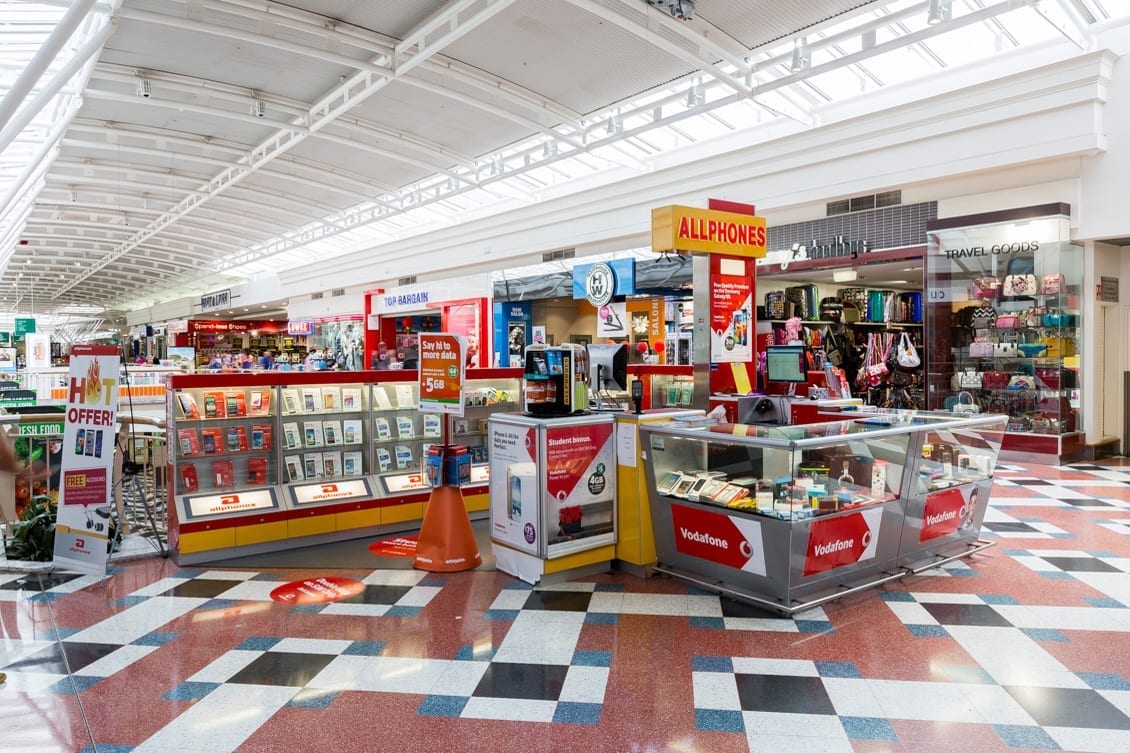
    Allphones closed its 18 stores on Monday after it has gone into administration. The decision took place after its new owner, Canadian company Glentel, has failed to improve the company’s status after a turnaround project. There are 66 stores that will continue to operate while PBB looks for someone who will take over the rest of the store network.

    “Despite financial support from the shareholder and significant efforts to deliver a successful turnaround, the shareholders are unable to continue funding the group’s losses. The Board of each entity (there are nine in total) has been left with no option other than to place each entity in the Allphones Group into Voluntary Administration this morning,” PPB Advisory said in a statement. Retaining an agreement to resell Vodafone services to help Allphones recover has failed that the company now entered into administration.

    There were 69 employees affected by the store closure. Phil Carter of PBB Advisory said that they were undertaking an urgent review of Allphones. They aim to ensure that the employees impacted were fully supported. However, the future of its employees was still uncertain.

    The company aimed to stabilise the current operations and store network. Carter said that their immediate priority was to work with the company’s key stakeholders, franchisees, licensees and staff to keep the store’s trading on a business as usual basis. Allphones group was acquired in May 2016 and it has employed 440 people. It owns 25 stores while seven were operated by franchisees. Allphones’ other stores were licensed to other parties.

    In 2013, the company has lost its contract to run 45 Virgin Mobile-branded stores in the country. It has suffered $25 million impairment due to the lost of contract.  In the same year, Allphones also ceased selling all Optus consumer products including mobile, broadband products and fixed telephony. Optus decided to end the contract to overhaul its retail strategy in improving customer relation. During this period, Allphones strengthen its partnership with Vodafone and expanded into the Philippines.

    “We’re contracted to do up to 250 Allphones stores in the Philippines for a telco,” CEO Shaun Colligan told in 2013 . “And the crux of that was this digital solution. You’re taking a quantum leap for those guys where retail has gone from being a very transactional prepaid environment and we’re helping to move them to a post-paid contractual environment.” The company currently has more than 60 outlets in the Philippines.

    Its naming rights sponsorhip of Sydney Olympic Park’s Superdome, now Qudos Bank Arena, has ended in 2016. The company’s first shopfront opened in 1989 in South Australia.

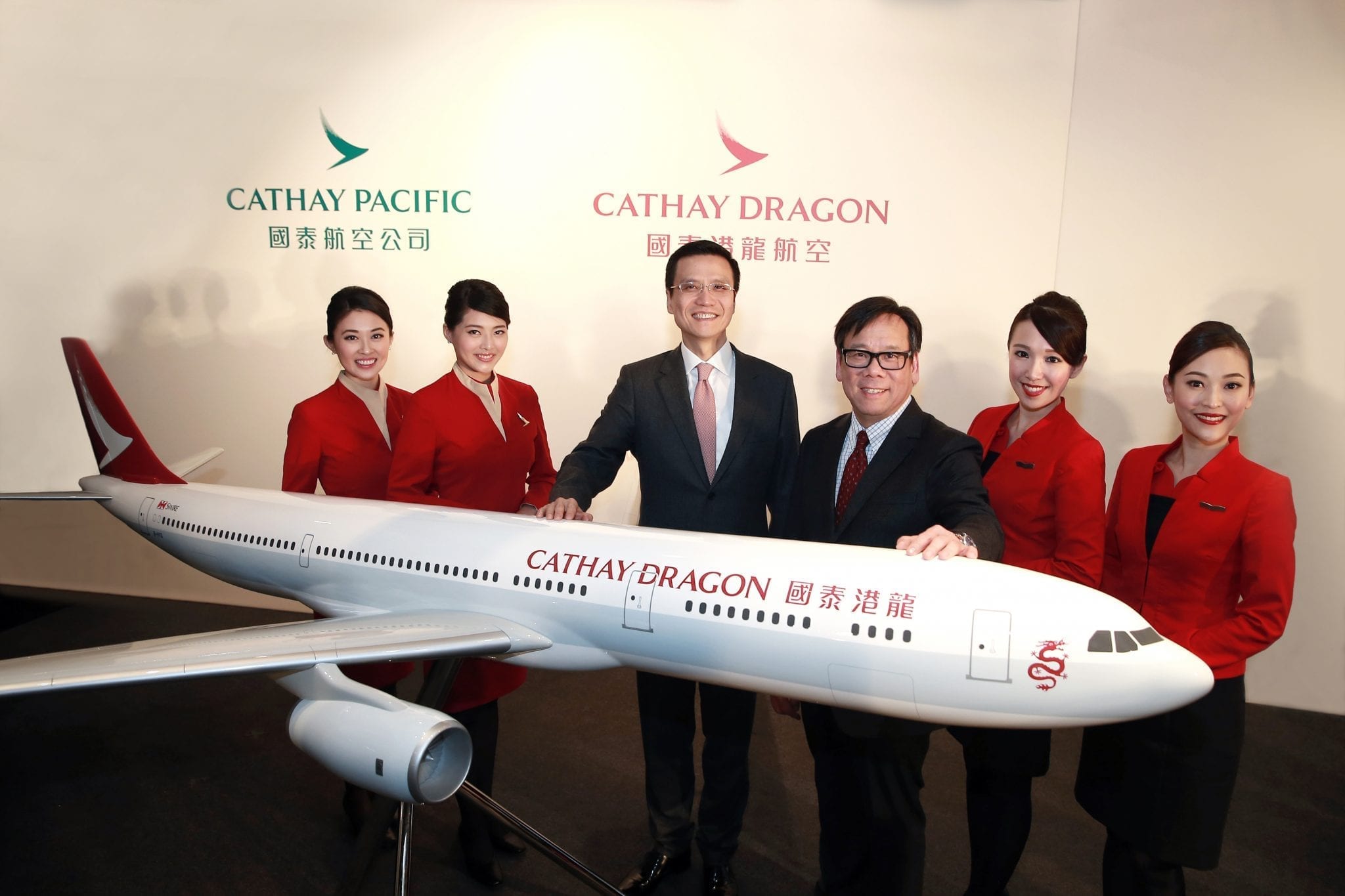
  • Cathay Pacific to launch new distribution capability to connect more effectively with customers

    Cathay Pacific to launch new distribution capability to connect more effectively with customers

    Cathay Pacific announced it will adopt New Distribution Capability(NDC) in order to significantly enhance its customers’ experience when making travel arrangements through a multitude of sales channels.

    NDC is the International Air Transport Association’s (IATA) programme that improves communications between airlines, travel agents and web-based travel service providers by addressing the industry’s current limitations around product differentiation, time to market, access to full and rich content and the transparency of the shopping experience.

    Developed in response to key changes in the industry’s operating environment – including the customer shift towards travel comparison websites, their widespread use of social media when making travel decisions, and many airlines’ desire to offer more ancillary products – NDC has redefined travel technology standards and enables a more vibrant travel technology ecosystem.

    Cathay Pacific’s development and subsequent use of NDC will enable it to connect more effectively with customers by providing agents and other third-party sales outlets with detailed, image-led product content, promotions and advanced service information. By doing so, customers will have a better understanding of the airline’s premium ground and inflight products and will subsequently be able to make a more informed purchasing decision, wherever they shop.

    Cathay Pacific General Manager, Sales and Distribution, Toby Smith, said: “We continually strive to enhance our passengers’ experience at every stage of their journey with us – and that starts from the moment they plan their travel arrangements. Through NDC, Cathay Pacific will be able to provide customers with a wealth of detailed information about our flights and product offerings at all points of sale, which will enable us to deliver on our brand promise of a Life Well Travelled.”

    IATA’s Director NDC Program, Yanik Hoyles, offered his support: “We welcome the decision by Cathay Pacific to implement the NDC Standard. NDC is modernizing the way that airline products are presented through travel agents, providing consumers with greater access and transparency. With NDC, travelers will be able to compare the full product offering regardless of shopping channel.”

    After a thorough commercial and technology evaluation of potential vendors, Cathay Pacific selected Dublin-headquartered OpenJaw Technologies as its NDC platform partner. The airline has an existing relationship with the company, a wholly-owned subsidiary of Hong Kong-listed TravelSky Technology, with its product powering the Cathay Pacific Holidays website and flight-booking feature on the Cathay Pacific mobile app. OpenJaw recently achieved Level 3 NDC capability certification, the highest level of certification offered by IATA.

  • Chinese businessman Jack Ma reveals what China really wants from Australia

    Chinese businessman Jack Ma reveals what China really wants from Australia

    Alibaba chairman Jack Ma was the guest of honour at an opening ceremony for a regional headquaters of the Chinese e-commere company, in Melbourne on Saturday. “We succeed by helping others, by being helped by others. We succeed because we empower the small business,” Jack Ma told the audience.

    “So our vision in the next 20 years, we want to create 100 million jobs for the world and we want to serve two billion population of the world and we want to make 10 million small businesses profitable on our platform,” he added. He stressed that Alibaba had a global vision for its business, saying “we believe globalisation is the future.” The newly opened office in Melbourne will serve as Alibaba’s Australian and New Zealand headquarters.

    China’s second richest man, Jack Ma, who is the founder of online retail giant Alibaba, said at the opening of the first Australian and New Zealand branch of his company in Melbourne that Australia had something “unique” that China was willing to spend big bucks on.

    “Australia is a gold mine. The next gold mine,” Mr Ma said in Melbourne on Saturday.

    “The clean water, the soil and the air, this is what you have, the most unique asset.”

    With China’s pollution problem, there’s no question as to why China would want to suck up some of Australia’s environment.

    China’s “airpocalypse” has seen the country’s pollution hit toxic levels and a blanket of smog the size of Victoria covered Beijing at the end of last year.

    People are seeing this as an opportunity in Australia to export our air to China.

    Currently New Zealand uses Alibaba, basically the Chinese version of Amazon, to sell fresh air to Chinese consumers.

    Oxygen Air bottles the air in aerosol cans and sells them for about $25.

    In Australia, up to $1 million worth of air has been bottled and Alibaba could be another opportunity for air farmers to expand their business.

    Air is being bottled in the Blue Mountains, Bondi Beach and the Yarra Valley.

    Green and Clean company director John Dickinson told the Herald Sun there was a high demand from people in China and India, who hoped the fresh air might clear their lungs.

    “A lot of people see the product as a supplement to clean their lungs out with fresh Australian air,” he said.

    There are also a number of other Australian products high in demand on the Alibaba site. One of them belongs to Gold Coast woman Brynly King, who expanded her business in her garage — turning it into a multi-million dollar company.

    Banaban Virgin Coconut Oil products are now on the shelves in some department stores in China and a number of other countries, all because she started selling on Alibaba.

    Alibaba has become the world’s largest retailer since 1999 and debuted on the New York Stock Exchange in 2014, becoming the biggest IPO in history.

    Mr Ma went from a struggling schoolteacher to a man who is worth $43.6 billion and he said all it took was hard work and created his company to give small businesses the opportunity to put their products in front of consumers.

    Whether you’re a mum and dad making soaps in the garage or a millennial with an invention, Mr Ma aims to give people a place where they can sell, and gives people a chance to buy.

    Ma has a long interest in Australia, it started when he was a 15-year-old living in China, and he would hang around western hotels so he could practise his English with tourists.

    He met an Australian family from Newcastle and from there realised what the country had to offer, particularly in a business sense.

    Many Australian small businesses have put their products on Alibaba to sell to China, and made a motza, like Ms King.

    Mr Ma said China has been long known for making products but he said the country needed high quality products and service and didn’t think China today could produce that.

    He said China will work with other nations, like Australia, to move from manufacturing to domestic consumption.

    There have been concerns that Alibaba could accelerate globalisation, the process of countries integrating into one because of an interchange of world views, culture and products.

    Mr Ma doesn’t buy into that.

    “Globalisation does not create problems, it shares culture and should always be inclusive. It is the future,” he said.

    Australia is the fourth highest seller on Alibaba and Mr Ma believes the Australian office will connect more people to consumers in China and boost our exports.

    Alibaba accounts for 60 per cent of China’s sales and Australian shoppers would have most likely heard of Aliexpress, which is one of Alibaba’s market places that is English and rivals eBay.

    It sells everything from fast fashion, phone accessories and camping gear.

    Mr Ma believes the Australian branch of Alibaba will boost trades in both Australia and China.

    The Australian and New Zealand branch of Alibaba will be headed by Maggie Zhou, who was the 48th person employed at the company which now gives jobs to millions.

    Ms Zhou said she would introduce new Australian brands to the Alibaba platform.

    “A physical Alibaba headquarters is a key step in ensuring Australian businesses have the support and information they need to succeed in China and the rest of the world,” she said.

    “Longer term, Alibaba Group’s vision for the ANZ region is to build the entire operating infrastructure needed to enable local businesses to expand globally.”

  • Telstra launches Gigabit LTE in key CBDs

    Telstra launches Gigabit LTE in key CBDs

    Australia’s Telstra has launched the world’s first commercial Gigabit LTE network in the central business districts of key state capital cities.

    The operator’s LTE-A network in these CBDs has been upgraded to support 4X4 multiple input multiple output (MIMO), three carrier aggregation and 256 quadrature amplitude modulation (QAM) on the downlink.

    The network also supports 64QAM and two carrier aggregation on the uplink for a peak upload speed of 150Mbps.

    Telstra, Ericsson, Qualcomm and Netgear jointly developed the first Gigabit-class commercially ready LTE network and Gigabit-class mobile device in October.

    Netgear’s Gigabit LTE device, the Nighthawk M1, will launch in Australia late this month, which will allow customers to use the Gigabit LTE service. The Nighthawk M1 utilizes 4×4 MIMO to support 4-way receive diversity.

    “Gigabit LTE is also an important step on our journey to 5G and demonstrates Telstra’s commitment to delivering Australians a world class network now and into the future,” Telstra group managing director for networks Mike Wright said.

    “We are well placed to evolve our 4G network and are putting the building blocks in place for Australia to be ready for 5G – this will deliver more bandwidth and lower latencies which are critical for emerging applications such as downloading 4K video, IoT, autonomous vehicles, augmented reality and shared virtual reality.”

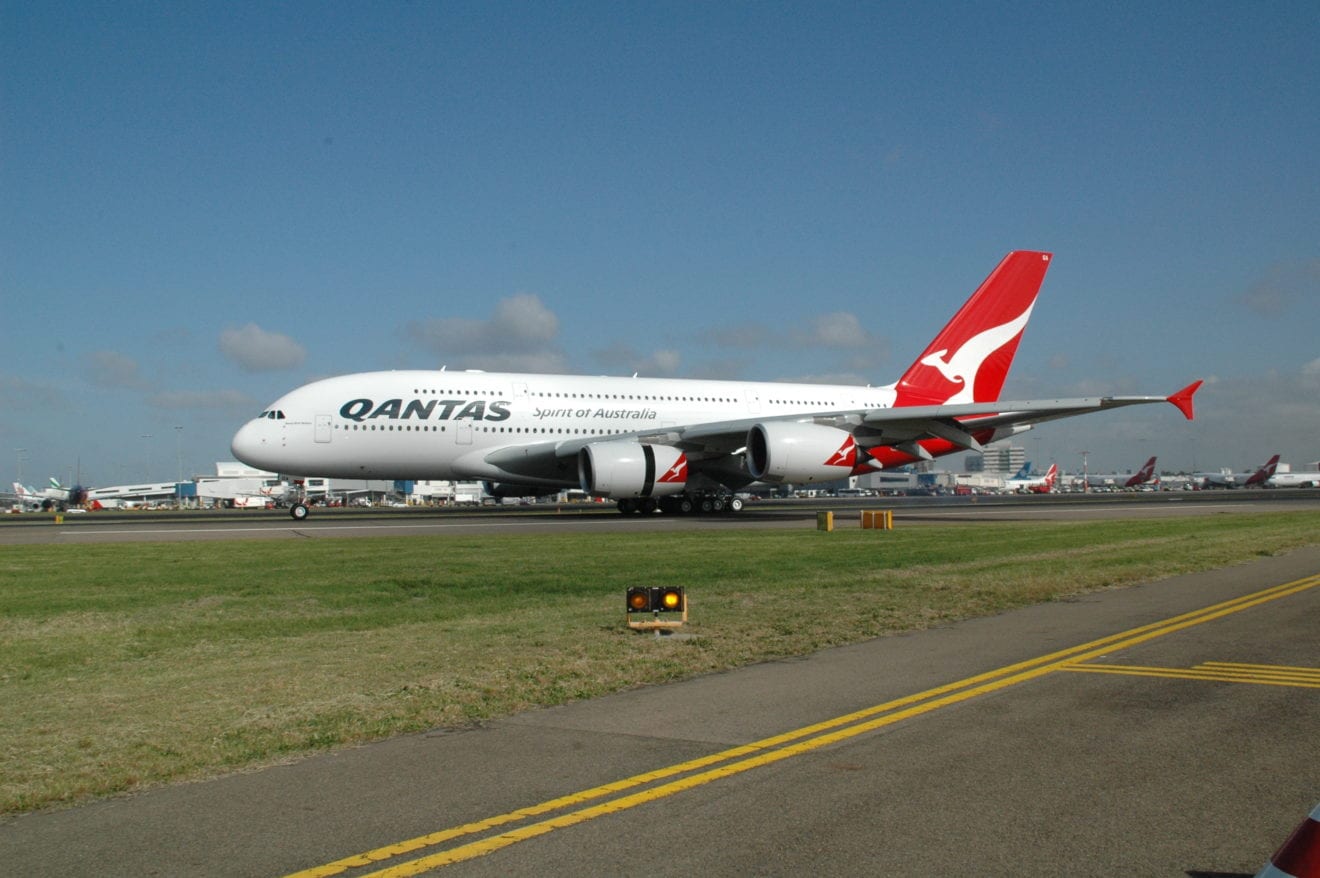
  • Qantas Launched Beijing Flight

    Qantas Launched Beijing Flight

    The new flight is operated daily with an Airbus A330-200. “It’s the perfect time for Qantas to fly to Beijing,” said Alan Joyce, CEO of Qantas. “The China-Australia Free Trade Agreement is hitting its stride and China is on track to become the number-one source of visitors to Australia within the next year or so. What’s really exciting is the potential we see for the future. We now have the Qantas Group’s biggest-ever network in Greater China, and our goal is to make our Beijing route a flagship corridor for tourism and trade.”

    The airline also flies to Hong Kong from Brisbane, Melbourne and Sydney, and to Shanghai from Sydney. It suspended flights to the Chinese capital in 2009.

    The schedule for the new flight is as follows.

    QF107

    SYD 13:50

    22:40 PEK

    QF108

    PEK 00:15

    14:55 SYD

  • Australian E-Commerce Looks to China for Global Growth

    Australian E-Commerce Looks to China for Global Growth

    Chemist Warehouse is geared up to target its online Chinese consumer market this weekend, by supporting the Melbourne Chinese New Year 2017 Festival with a Tai Chi Masterclass Series in Southbank, to celebrate the Year of the Rooster.

    In 2015, the pharmacy chain announced its plans to directly target the burgeoning demand for Australian complementary medicines in China, via its e-commerce website hosted on online retail giant Alibaba’s Tmall platform, projecting $88 million in sales in 2016 via the offering. in China.

    A part of Alibaba Group, Tmall Global is an e-commerce platform developed for international sellers to access Chinese consumers. China’s online shoppers interested in products from a specific country can go to an online country pavilion and access the country that way.

    The strong demand for high quality Australian products in China was one of the factors which drove Swisse and Blackmores to be one of the highest performing Australian brands during Alibaba’s 11.11 Singles Day last year, China’s largest e-commerce shopping event.

    The Pharmacy Guild of Australia, along with other Australian health and wellbeing suppliers, have been asked to attend China’s inaugural Health Product Expo in Qingdao in March this year, which is expected to attract over 60,000 visitors, 7,000 of which are industry buyers.

    Through online shopping, Australian products have found a lucrative channel into the economic powerhouse of China.

    Woolworths set up shop on Tmall Global a year ago, aiming to tap burgeoning Chinese consumer demand for Australian food and grocery products.

    Australia’s largest supermarket retailer engaged with Chinese e-commerce company eCargo Holdings, to build and manage a Woolworths store front the Tmall platform, selling rougly 80 products including Woolworths’ Select and Woolworths Gold milk powder, Swisse vitamins and Devondale milk powder.

    In April last year, one of our largest cosmetics online retailers Adore Beauty, backed by Woolworths (who have 25 percent stake in the company), announced its expansion into the Chinese market by selling its beauty products through Tmall.

    Adore Beauty’s Tmall offering features 50 products, including six popular Australian brands that are currently not available in China, namely Lanolips, Alpha-H, ELEVEN, asap, evo and Skinstitut.

    As off last year, cross border e-commerce in China now favours cosmetic imports, with the tax rate, if the purchase is above 100 yuan, now set at 32.9 percent, compared to 50 percent previously.

    Kate Morris, founder of Adore Beauty says the Chinese market is an exciting and huge prospect for the company, especially in light of China’s demand for our high quality Australian products.

    On a broader perspective, the company recently told us that 2017’s growth strategy is to expand its footprint globally, with China being an important part of that vision.

    Adore Beauty now offers thousands of products to more than 150 countries and territories via its Borderfree e-commerce platform.

    Which Australian products are most popular in China?

    According to Startrack, the most popular Australian product categories in the Chinese market are supplements, dairy, honey, food, skincare and cosmetics, maternity and baby products.

    Why sell to China?

    “China’s middle class is booming. And they want to buy Australian products. Aussie produce is considered clean, green, authentic – Australian retailers are already meeting this growing demand,” says Startrack. 

    According to the e-commerce and parcel delivery company, here are the six most important factors why China is such a great economic powerhouse for our e-commerce industry:

    • China’s middle class is booming
    • Chinese incomes are rising
    • Chinese consumers are shopping more than ever before
    • And most importantly, they want to buy Australian products

    Wine is another up and coming e-commerce market fro Australia to coin in on, in the Chinese market. According to a new report that came out yesterday from the Australian wine industry, our local wine exports are seeing major gains in the Asian market due to changes in our free trade agreement with China.

    If we go back three years, this time, Australia was losing major market share in the global wine industry, mainly to New Zealand and Chile. The reason being, these countries had a free trade agreement with China, but Australia did not.

    Things have changed, and with that has come rapid revolution of the Australian wine market. In 2016 the value of our wine market grew by 7 percent to $2.2 billion, driven by big increases in bottled wine. Exports to China grew by 19 percent to $ 875 million, which overtook the US as our most important wine export market.

    Online wine retailer Vinomofo looks set take advantage of this, with plans to launch into the Chinese market by 2018, which will follow its US launch planned for 2017.

    Following the success of their launch in New Zealand six month ago, the company launched in Singapore last month, which it says will help set it up for its big US expansion, and then China.

    “We’ll start in English, but we will then localise the content. We’ll have plenty of leanings from our Singapore launch, and learning how to operate in a different country. As a startup launching in a different country, we’re always aware that we have to assume that we’re pretty dumb and we have to learn hard about all these things,” Andre Eikmeier, Vinomofo’s co-founder and joint chief executive, told us at the Singapore launch.

  • Is big data losing steam in Australia?

    Is big data losing steam in Australia?

    The Australian big data and analytics market is forecast to grow from $244.1 million in 2015 to $585.1 million in 2019, according to IDC.

    Banking, retail and government sectors have made impressive strides into the analytics domain with an objective of driving market and competitive intelligence.

    While the numbers look attractive, big data adoption levels are yet to reach those of cloud and mobility. There is plenty of data and good intentions, but talent shortage continues to be a challenge which needs to be addressed.

    The assertion that Australia has always been an early adopter of technology is challenged when it comes to big data and analytics. While a few standout organizations are investing to build sophisticated data-science algorithms, many others are yet to categorize big data from technology fad to business advantage.

    Regardless of shape, size, structure and format, big data’s contribution to competitive differentiation for Australian businesses cannot be disputed. Social media and high device penetration present an enticing set of newer and richer data sources.

    To deliver results, scaled out architectural capabilities will be key, along investments to develop the skillsets, platforms and processes that are necessary to keep in pace with the rate at which data is created.

    “Undoubtedly, big data presents an opportunity for retailers to leverage customer data and buying patterns to maximize revenues,” said IDC industry analyst Jaideep Thyagarajan.

    “While lack of data standardization has inhibited big data investments in healthcare, legacy modernization efforts have paid off for the public sector and investments are picking up,” said Thyagarajan. “This enables the government to operate at a higher potential, thereby enhancing service delivery to citizens.”

  • Australian Online Retailers Need to be Extra Vigilant

    Australian Online Retailers Need to be Extra Vigilant

    Thirty-nine of the world’s top 250 retailers now operate in Australia, up two from last year. Australian retailers are warned to be extra vigilant, with international retailers set to enter our retail market further in 2017, according to Deloitte’s 2016 Global Powers of Retailing report.

    With 16 percent of the world’s top 250 retailers currently operating in Australia, coupled with a relatively stable economy, significant discretionary spend and strong consumer demand for international products and brands, we can expect further disruption in the Australian retail market with new entrants highly likely.

    “Australian retailers will need to be vigilant in ensuring they are differentiating themselves from their competitors by offering the right product range and mix and delivering a service, in-store and online, that meets their customers’ expectations,” said David White, partner and national leader of Deloitte’s retail, wholesale and distribution group.

    At present, the Australian market remains relatively unsaturated by the world’s largest retail brands compared to the US and European markets, according to White. “In the last quarter of 2015 we learnt South African retailer Steinhoff  had secured a deal with UK department store Debenhams to sell a selection of its private label apparel through its Harris Scarfe stores. And, in its first venture outside of South Africa, Mr Price has entered the Australian fast-fashion market, branded MRP, with two stores in Melbourne.”

    Whilst new global retailers look to Australian shores, those already here continue to expand their operations, including Sephora and US retailer Williams-Sonoma, both set to continue their store expansion programs in 2016.

    Amazon, ranked 12th, is the number one e-commerce retailer globally according to the report, followed by Apple, China’s largest B2C online retailer JD.com and Walmart in the US. All but six of the Top 50 online retailers are based in the US (26 companies in total) or Europe (18). The majority of the e-50 (39 companies) are omnichannel with bricks-and-mortar stores as well as online and other non-store operations.

    China to Enter Soon

    With nearly half of the 39 Top 250 global retailers which operate in Australia based in the US, one country conspicuous by its absence is China. Whilst China has nine retailers in the Top 250, none currently operate in Australia.

    “Many of the products we buy are manufactured in China, however unlike other sectors we have yet to see Chinese retailers entering the Australian market directly,” said White. “The growth in the middle classes in China is already prompting a surge in consumer demand and Chinese developed brands. It is only a matter of time before we see these emerging retailers expanding their businesses more globally, including Australia.

    Deloitte’s retail report also highlights the impact of technology on the digital divide between online retail and in-store, and evolving consumer expectations. “Some retailers may underestimate the digital influence, while others recognise the real opportunity to capitalise on this ‘digital divide.’”


  • T2 Singapore launches with kaya toast brew

    T2 Singapore launches with kaya toast brew

    For its first outlet in Asia, Australian tea chain T2 Singapore has launched with a new brew that pays homage to local breakfast staple kaya toast.

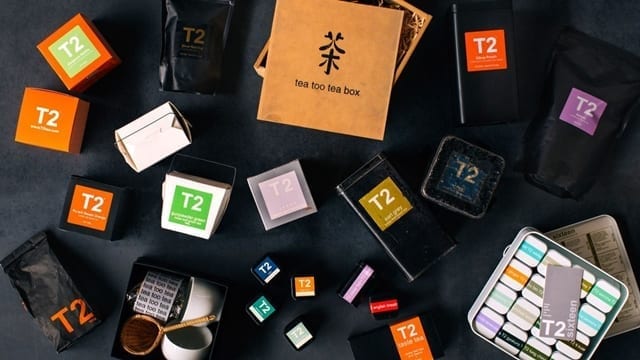
    Its Singapore Breakfast tea is a blend of pu’er (Chinese fermented tea), green tea, coconut flakes and roasted rice. It is among more than 150 types of teas at the new store, in the 313@Somerset mall.

    T2 CEO Nicky Sparshott says Singapore was picked for the company’s Asian debut because of its “strong tea-drinking culture with multicultural influences, from black tea dating back to the colonial period to Asian tea beverages such as teh tarik – Malay for pulled tea – and green tea”.

    Covering 550 sqft (51 sqm), the store offers myriad teas, from black, green and white to rooibos, and herbal and fruit-based tisanes.

    Bestsellers for the company include French Earl Grey, which has bergamot-infused black tea perfumed with rose and sunflower petals and hibiscus; Green Rose, green tea paired with mango, papaya and rose petals; and Fruitalicious tisane, a blend of cranberries, blueberries, dragon fruit and goji berries.

    t2-tea-c

    Singapore has been among T2’s top five markets in online sales over the past two years, and Sparshott hopes the country’s reputation as a tourism hub can expose the tea company to visitors in Asia.

    “Infinite possibilities”

    “Tea has moved from being a beverage for old people to having infinite possibilities … there is an appetite for new invention in teas,” she says.

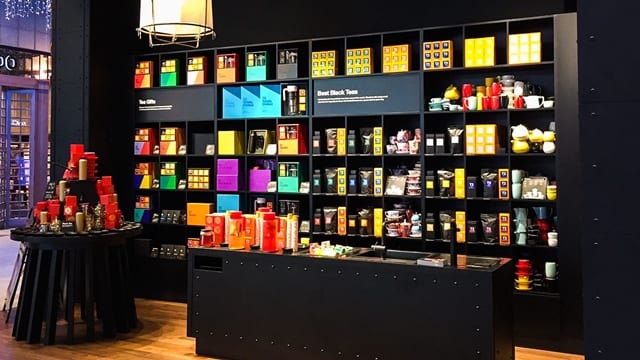
    Like its more than 75 outlets in Australia, New Zealand, the UK and the US, the T2 shop in Singapore has black floor-to-ceiling shelves lined with brightly coloured tea boxes, tea pots, cups and accessories. Taking centre stage is an island brew bar with tea-making apparatus, where six types of hot and iced tea beverages are brewed daily for customers to sample.

    Sparshott says customers can also attend regular tea masterclasses and tea-blending sessions through the tea community group T2 Society, which is free to join.

    She says T2 intends to open another three or four outlets in Singapore in the coming year.

    Started in Melbourne in 1996, T2 was acquired by Unilever in 2013, which owns such tea brands as Lipton.

    Other tea boutiques in Singapore include the TWG Tea chain and The 1872 Clipper Tea Company, which opened a tea retail shop-cum-bar in Ion Orchard last April.

  • Vietnam set to send first workers to Australia, Thailand in 2017

    Vietnam set to send first workers to Australia, Thailand in 2017

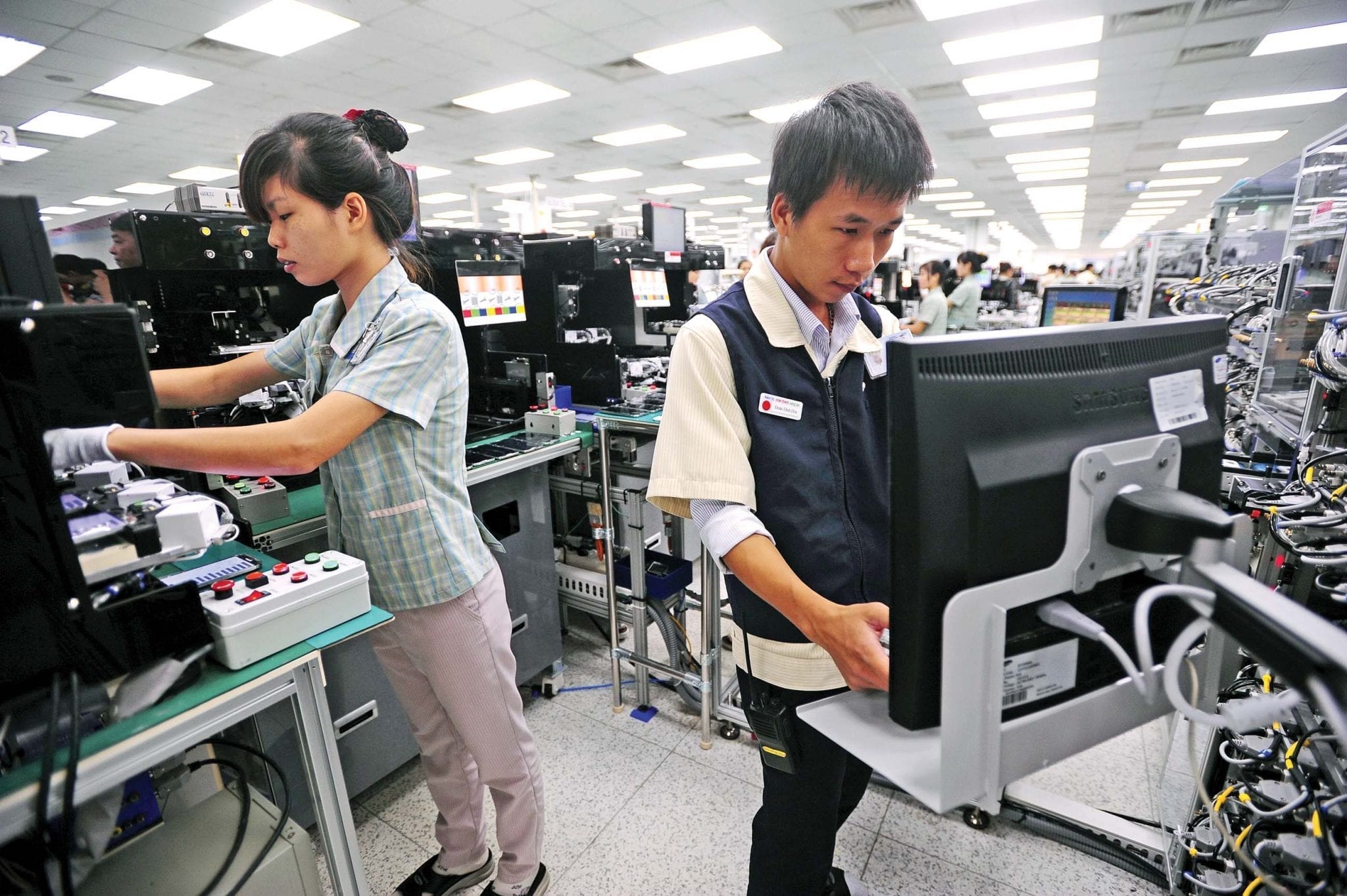
    The country is focusing more on improving its workers’ skills to meet high demands from developed markets. Vietnam plans to send workers to Australia, Laos and Thailand for the first time this year in a bid to expand and improve its overseas labor force.

    Vietnam sent a record 126,000 workers overseas in 2016.

    Pham Viet Huong, the deputy director of the central Deparment of Overseas Labor, told that the plan is more about improving workers’s skills rather than increasing the number of them.

    The government has set a target of sending 105,000 workers abroad in 2017. Japan, South Korea and Taiwan will continue to be the core markets.

    Huong said the labor ministry is going to implement agreements that have been signed with Australia and Southeast Asian neighbors Laos and Thailand this year.

    The Vietnamese and Australian governments signed an agreement in March 2015 to provide up to 200 multiple entry visas to citizens of both countries per year and allow them to stay for 12 months for travel and work.

    Vietnam and Thailand signed an MoU on labor cooperation and a labor export agreement in July 2015 and a similar agreement was signed with Laos in January that same year.

    Huong said Vietnam has successfully increased the number of workers it sends abroad over the past three years.

    But a bigger goal is to meet the strict demands of overseas markets, especially developed countries where salaries and labor benefits are good, he said.

    He said labor exporters should invest more in training while local workers, notorious for their low productivity compared to others in the region, should also better prepare themselves with skills and language competence.

    “There’s a huge demand in many countries for workers with high professional skills. We should get ready with a good labor pool,” Huong said, as cited in the report.

    He said the ministry has built an action plan to improve local labor skills by 2020.

  • GPSengine align with Ulbotech to deliver tracking solutions

    GPSengine align with Ulbotech to deliver tracking solutions

    Ulbotech, long established as a key tracking device supplier in a number of market segments and GPSengine, a leading hosted platform service provider in GNSS, Telematics, IoT and Tracking, announced a new partnership to bring support for the Ulbotech range to GPSengine’s Platform Connect service.

    With a range of devices catering for the vehicle tracking markets, Ulbotech continues to bring new advanced trackers to market. With OBD tracking devices that support a wide range of satellite navigational systems and optional WIFI hotspot models, Ulbotech cater for a wide range of industry uses.

    The combination of Ulbotech’s tracking devices and the high availability and unique IoTs service offering that Platform Connect provides, allows customers to quickly build a product or service in the tracking space. Adding support of the Ulbotech range to the Platform Connect system, provides customers with more choice, and the opportunity to take advantage of the features available in the Ulbotech range.

  • Australian egg farmers have sent the first shipment of eggs to South Korea

    Australian egg farmers have sent the first shipment of eggs to South Korea

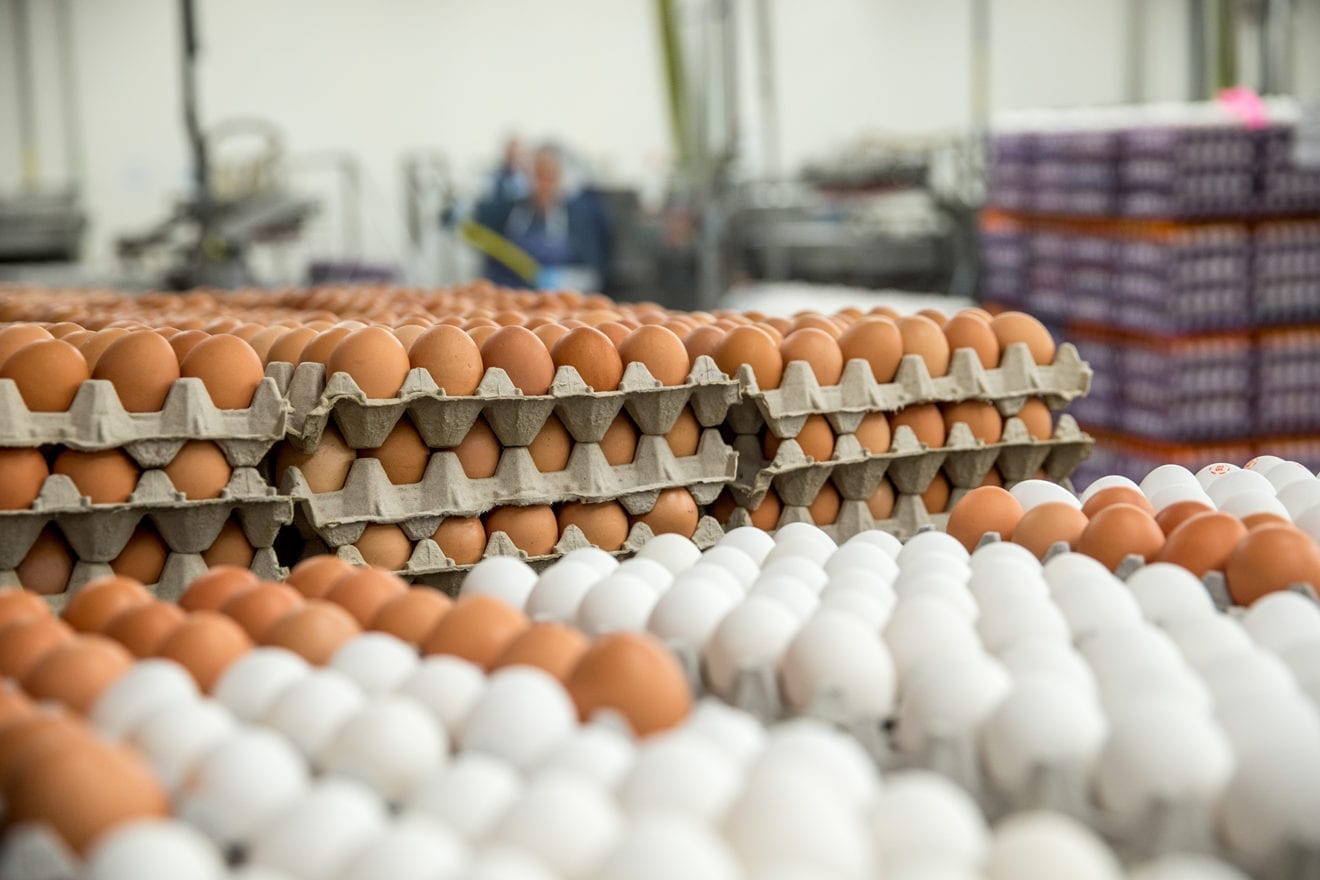
    Australian egg farmers have sent the first shipment of eggs to South Korea, to help ease a major shortage caused by an Avian influenza outbreak.

    Approximately 30 million birds have been culled to stem the spread of the disease, causing a shortfall of around 15 million dozen eggs each week.

    Prices of eggs and other poultry products have soared as a result, with retail egg prices rising by around 21.5 per cent to $2.50 (2,207 KRW) for 10 eggs.

    But at the farm gate, farmers have raised the price of eggs they are selling by 50 per cent to $1.75 (1,551 KRW).

    The outbreak is the first in seven months, caused by a highly contagious new strain, H5N6.

    Huge shipments of white eggs are already arriving from the USA, but Koreans have a preference for brown eggs, and that is where Australian farmers are stepping in.

    It is estimated around $20 million worth of eggs will be sent to South Korea, aided by a recently inked export agreement approved by South Korea, which permits the sale of Australian eggs.

    Industry body, the Australian Egg Corporation Limited managing director Rowan McMonnies said the urgency of the situation had help negotiations between the Australian Department of Agriculture and Water Resources and the South Korean government.

    “South Koreans are some of the biggest egg consumers in the world,” Mr McMonnies said.

    In comparison, Australians east around 227 eggs per person annually, the British consume 182 and South African eat 150 each per year.”

    All tariffs on imported eggs have been suspended until at least 30 June 2017.

    The first shipment of eggs left Australia by air last week, and further shipments will be sent by sea in the coming months.

    Mr McMonnies said the export of eggs to South Korea would not impact domestic supplies.

    “The Australian egg market is very large and Australian egg farmers are always seeking to balance supply and demand.

    “If anything this represents an opportunity for the expansion of the industry.”

  • AirAsia X enhances entertainment for Aussies

    AirAsia X enhances entertainment for Aussies

    Malaysian carrier AirAsia X has upgraded its in-flight entertainment option for Australian passengers.

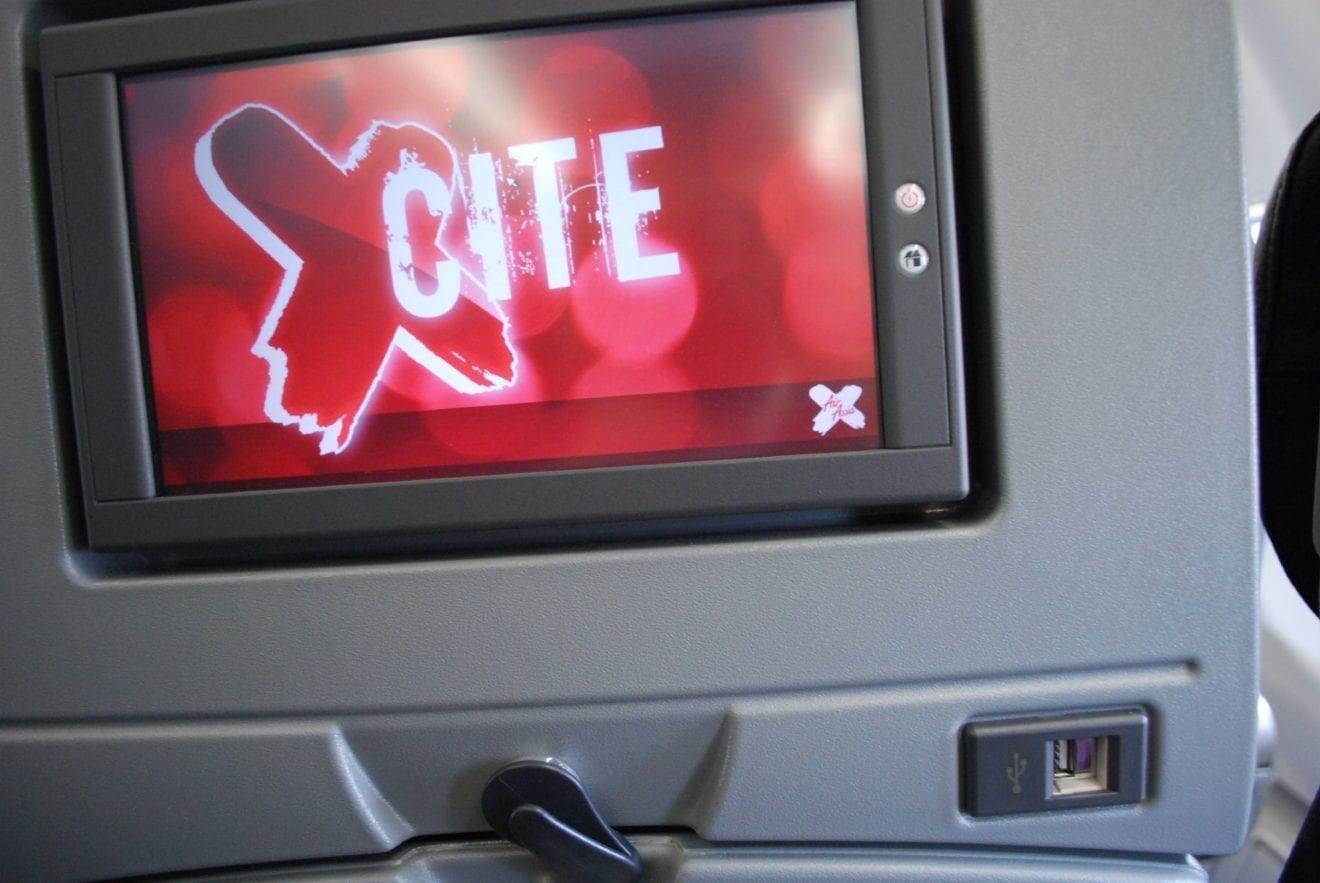
    The new Xcite Inflight Entertainment tablet is a Huawei Mediapad 2, equipped with a 10.1″ HD widescreen display, Harman Kardon audio technology and headset.

    Guests travelling aboard AirAsia X (flight code D7) services to and from Australia can pre-book these devices for about $AU15 (RM49) or rent them on-board for about $18 (RM60).

    The new tablets support five languages (English, Bahasa Malaysia, Mandarin, Korean, Japanese) and the service is complimentary for all Premium Flatbed customers.

    AirAsia X CEO Benyamin Ismail says device content will be regularly updated with the latest Hollywood blockbusters, as well as other international and local movies.

    Currently Xcite is showing X-Men: Apocalypse, The Maze Runner, 21 Days Under the Sky, Storks, The Drop and more. However, no television shows or series are available on the devices at this point.

    There’s also plenty of music, games and magazines to read, plus passengers can shop while they fly, as the AirAsia BIG Duty Free catalogue is also included.

    Previously, the airline offered Samsung Galaxy Tab devices for rental on all its Australian flights.

    AirAsia X flies out of Sydney, Melbourne, the Gold Coast, Darwin and Perth.

    Xcite Inflight Entertainment will not be available on flights to/from Auckland, Jeddah and Kathmandu.