Tag: Australia

  • E-commerce finally cracks $25 billion mark in Australia

    E-commerce finally cracks $25 billion mark in Australia

    Australian consumers spent around $25 billion online in the 12 months to February 2018, a more than 15 per cent boost over the same period last year, according to the monthly Online Retail Sales Index compiled by NAB.

    This equates to eight per cent of spending at traditional bricks-and-mortar retailers, as measured by the ABS in the 12 months to January 2018.

    Trend online retail growth is now well above the lows of this period in 2017, and sales volatility dampened in February, the index shows.

    The sector saw a 0.8 per cent increase in month-on-month seasonally-adjusted sales, compared to the 0.1 per cent growth seen by bricks-and-mortar retailers.

    Growth was mixed across categories, with toys and games and media seeing the biggest increase in online sales, followed by department stores, while grocery and liquor, food catering and fashion sales slowed slightly in the 12 months February, compared to the 12 months to January.

    Small and medium businesses represent just over a third of all online sales and saw slightly faster sales growth in February than larger online retailers.

  • Construction begins on Japan-Guam-Australia cable

    Construction begins on Japan-Guam-Australia cable

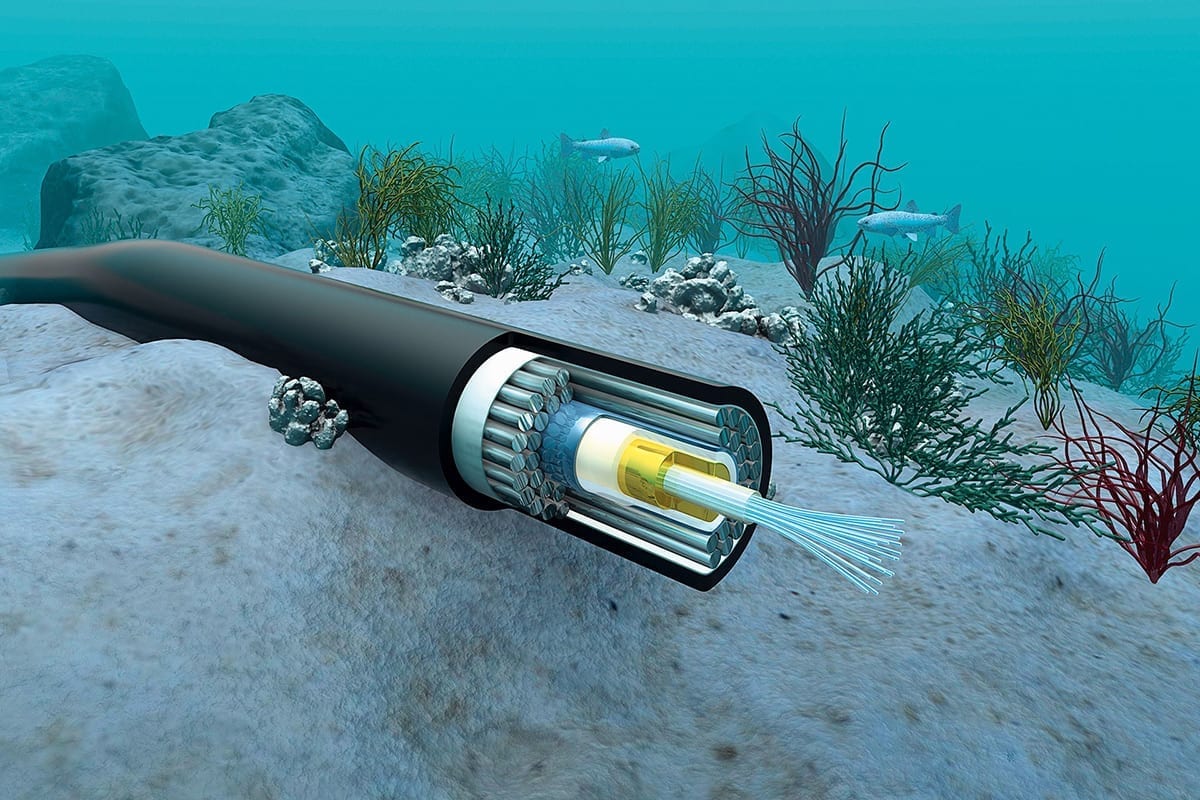
    A consortium led by RTI Connectivity has commenced construction of a new subsea cable linking Japan, Australia and the US territory of Guam.

    The Japan-Guam-Australia Cable System (JGA) is being built by a consortium consisting of RTI Connectivity, Australia’s Academic and Research Network (AARNet) and Google. It is being supplied by Alcatel Submarine Networks and NEC.

    The 9,500km subsea cable system will have a design capacity of over 36Tbps. It is expected to be ready for service in the fourth quarter of next year.

    At Guam, the JGA will interconnect to the SEA-US cable, which is operated by a consortium that includes RTI Connectivity, as well as the upcoming HK-G Hong Kong-Guam.

    The JGA will contribute to the expansion of communications networks from Japan and Australia to Asia and the US and expand onboard connectivity options in Guam.

    The cable is being built in two sections also linking in Guam, with JGA South being funded by AARNet, Google and RTI Connectivity, while JGA North will be wholly-owned by RTI Connectivity.

    “Hyperscale cloud providers and enterprise companies are fuelling exponential data-growth between Asia, Australia, and the United States. These customers require alternative paths, enhanced quality of service, and cost-effective bandwidth solutions,” RTI Connectivity CEO Russ Matulich said.

    “By adding JGA to our existing cable investments, RTI is well positioned to serve these massive data-growth needs. JGA’s unique design will also improve latency between Tokyo-Sydney, while greatly reducing provisioning timeframes.”

  • T Galleria Sydney opens door after renovation

    T Galleria Sydney opens door after renovation

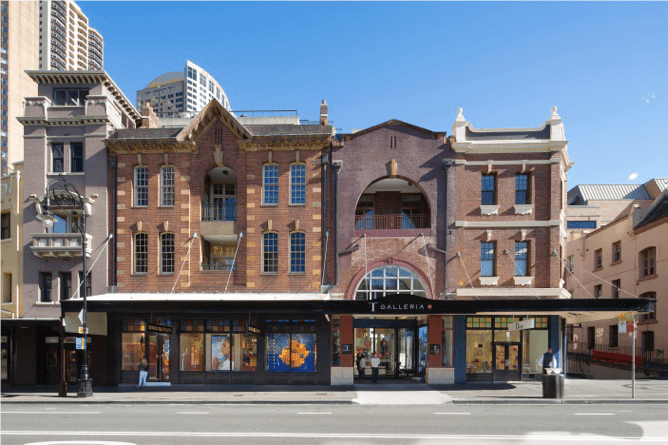
    DFS Group, the world’s leading luxury travel retailer, will celebrate the opening of its newly renovated T Galleria by DFS, Sydney next month, offering customers an exciting modern retail experience that combines the best of the world’s most famous luxury brands with an expertly curated selection of local products.

    Spanning over 70,000 square feet, T Galleria by DFS, Sydney has occupied its historic red-brick George Street location in the heart of the historic precinct of The Rocks for 29 years. It is Sydney’s only downtown duty-free destination, mere steps away from the famous Sydney Opera House and Harbour Bridge.

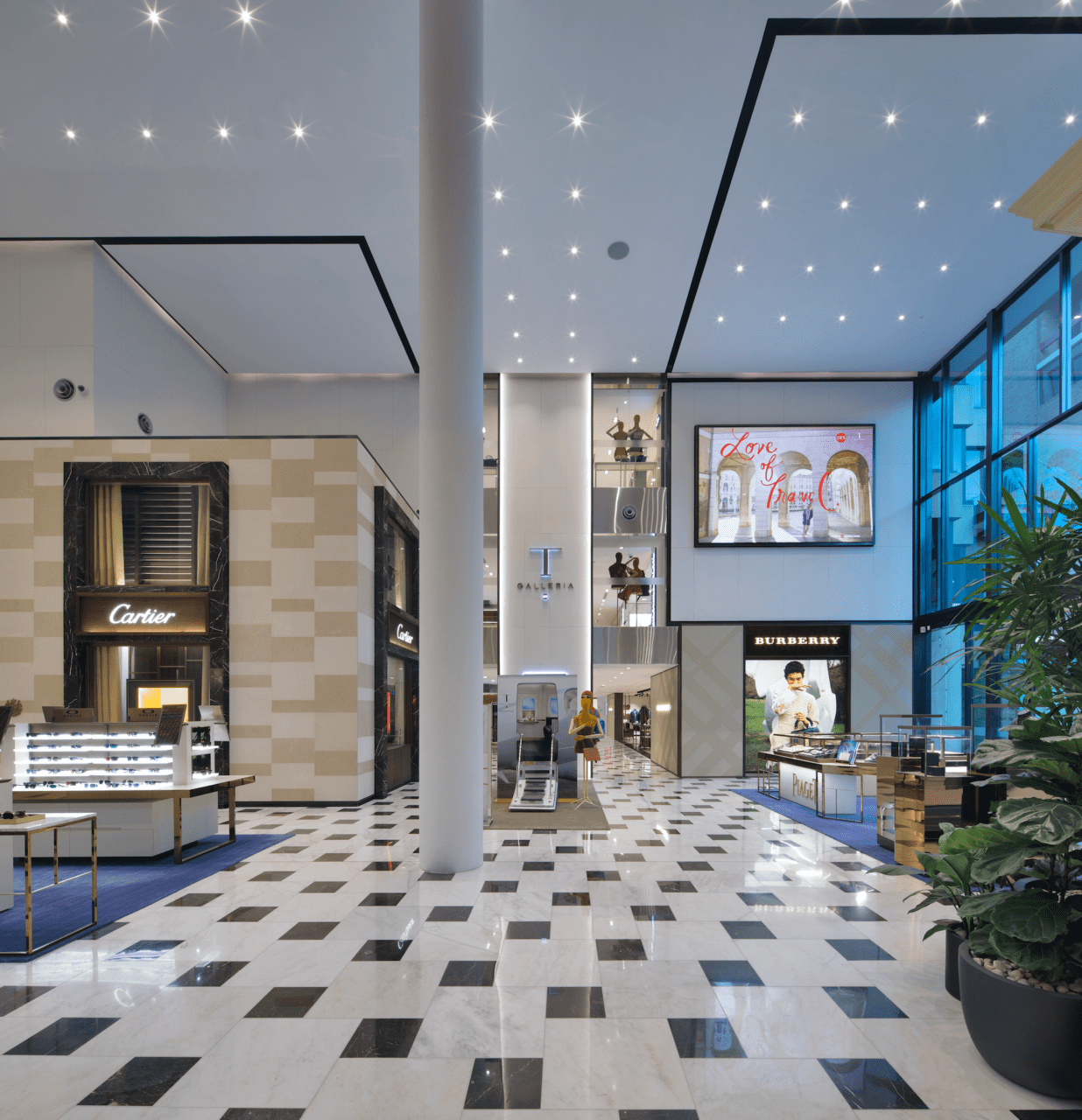
    Featuring more than 150 of the world’s most desirable brands, the store is a one-stop retail paradise that entices customers with its stylish layout and carefully curated collections. It showcases an extensive selection of products across DFS’ five pillars of luxury: Fashion and Accessories, Beauty and Fragrances, Watches and Jewellery, Wines and Spirits, and Food and Gifts, with many items available exclusively at T Galleria by DFS, Sydney, such as the Michael Kors x DFS collection and Tiffany & Co.’s Keys.

    With its double-height ceiling and black-and-white checkered flooring, Watch World on the third floor is the ultimate in retail elegance as befitting the 57 luxury watch brands that are showcased there. More than 20 of the world’s most prestigious and iconic sunglasses brands are also available on the third floor, ensuring that travelers can find their perfect holiday look. Beauty and fragrance lovers are well catered for on the fourth floor with some of the beauty world’s biggest color and beauty brands.

    Customers will also discover a tempting assortment of international and local food products, wine, spirits and gifts from more than 50 brands. These include Ovvio organic certified teas, Yalumba wine, Steens manuka honey, and delicious Tim Tam bites.

    “At DFS, we pride ourselves on delighting and surprising our customers with beautiful products presented within luxurious and inviting environments. The renovated T Galleria by DFS, Sydney brings a whole new retail experience to visitors exploring this beautiful city, offering them a unique duty-free shopping space in the heart of The Rocks area,” said Sibylle Scherer, President Merchandising and Consumer Marketing, DFS Group.

    Doors to T Galleria by DFS, Sydney are now open, and the store will officially celebrate its opening on April 14.
    The refurbishment of T Galleria by DFS, Sydney began in August 2016 under the direction of Australian design company PMDL, which was also responsible for the design of T Galleria by DFS, Macau, City of Dreams, and T Galleria by DFS, in Siem Reap, Cambodia.

  • Céline to open first standalone Melbourne store

    Céline to open first standalone Melbourne store

    Paris fashion maison Céline has announced the opening of its first standalone Australian boutique in Melbourne.

    While it is the third official store for Céline Australia, the new Melbourne location will be the first localized store to bow outside the walls of a shopping mall or department store.

    Located in Melbourne’s city centre, the French luxury brand has signed a lease for 13 Collins Street – a 57-level office tower owned by the Commonwealth Superannuation Corporation.

    The specific Céline store will replace the retail lodgings of Cose Ipamena, a mixed-brand retailer that recently closed after 25 years. It will open alongside fellow international heavyweights Fendi, Cartier, Gucci, Versace and Bottega Veneta.

    Céline currently has a flagship within Melbourne shopping mall Chadstone, as well as a store in Sydney’s Westfield. The high-end brand also has concessions at luxury Australian department stores David Jones in specific locations such as Pacific Fair Gold Coast, Melbourne CBD and Sydney CBD.

    The news comes as global luxury brands continue to explore Australia’s retail landscape for profitable locations to set up shop.

    A CBRE leasing director said Melbourne CBD, particularly Collins Street, has attracted huge interest from major retailers resulting in leasing deals.

    Some of the names rumoured to be opening at the top end of Collins Street — and Exhibition and Russel streets — include YSL, Balenciaga, Hublot, Ferragamo, Chloe and Loewe.

  • PM Vietnam expects huge investments from Australia

    PM Vietnam expects huge investments from Australia

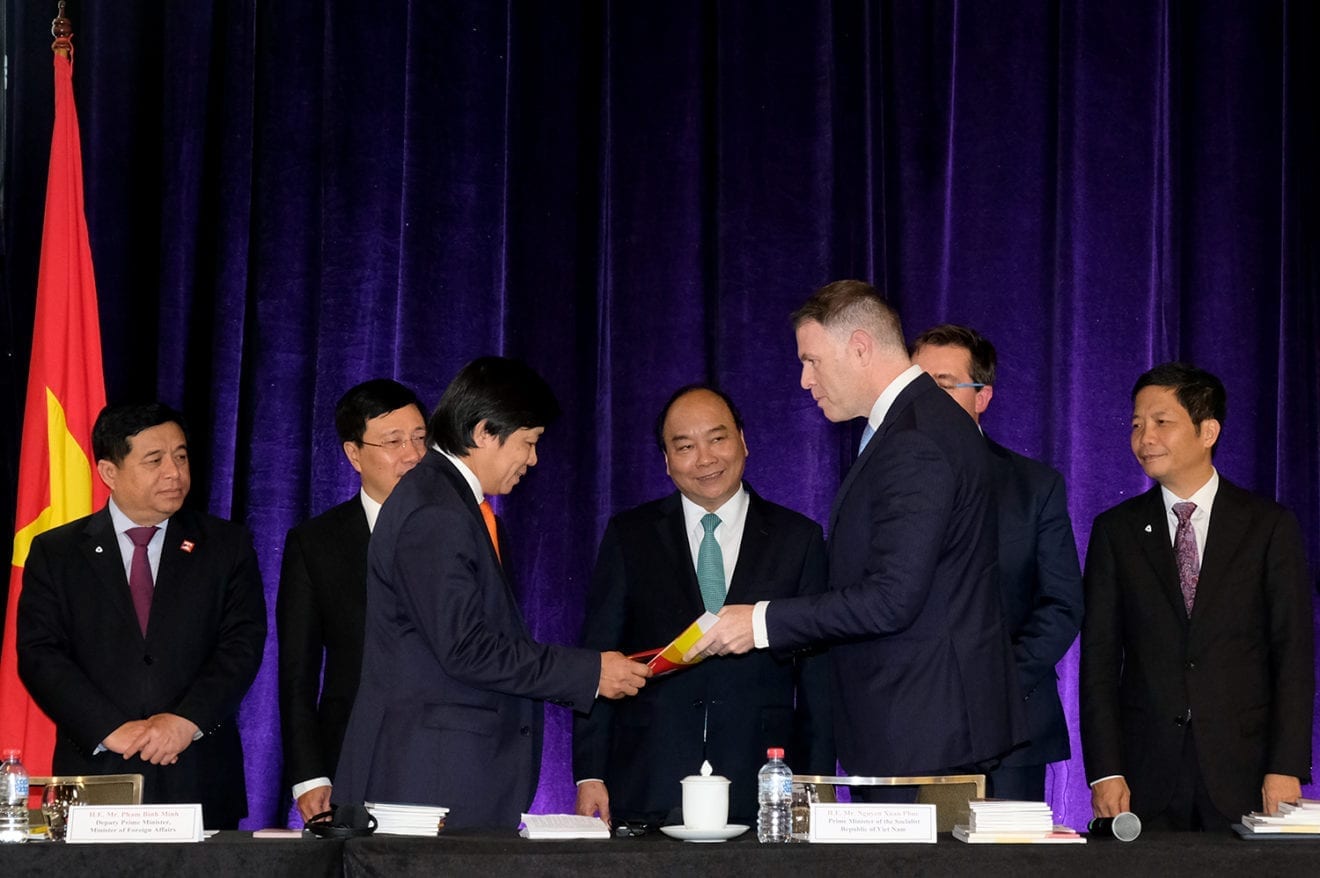
    Prime Minister Vietnam Nguyễn Xuân Phúc said he expected a new wave of investments, both direct and indirect, from Australia to land in Việt Nam for win-win benefits.

    His statement comes after the newly established strategic partnership of which the two countries are the members.

    Phúc said the partnership would provide a favourable environment for Australian investors to enter Việt Nam faster and would create a crucial foundation for Việt Nam and Australia to lift their cross-the-board co-operation to the next level.

    He said this at a working session with leading financial groups and investors from both Australia and Việt Nam in Sydney on March 16.
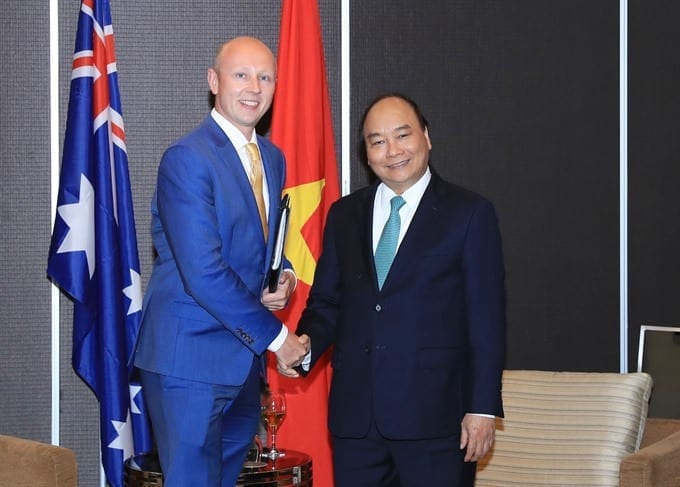
    The session was presided by 12 groups, finance investment funds and businesses managing an investment capital of worth over US$500 billion with keen interests in the Vietnamese market, along with nine prestigious financial groups of Việt Nam. The session was organised by VinaCapital and Macquarie Group.

    Macquarie Group Chairman Peter Warne showed great interest in Việt Nam’s priorities in infrastructure development. He said Việt Nam was urbanising strongly and thus its need for infrastructure, roads, transport and electricity was high.

    Meanwhile, VinaCapital CEO Don Lam said the Vietnamese Government had made great efforts to reform institutions and speed upequitisation of State-owned enterprises (SOEs). He hailed the Vietnamese Prime Minister for actively working to draw businesses and investment into the country.

    He said, as a result, Việt Nam’s business and investment environment had improved considerably, and the country’s market had become more attractive to international investors.

    PM Phúc welcomed the Australian groups’ interests in Việt Nam and spoke highly of the organisation of the session by VinaCapital and Macquarie.

    He told investors that 2017 was a successful year for Việt Nam as the country posted a growth rate of 6.81per cent, a record high in many years, maintained a stable exchange rate, soundly reined in inflation and achieved a record foreign reserve. The country also attracted $37 billion in foreign direct investment, the highest in a decade, and its stock market achieved a growth rate of 48 per cent, one of the highest rates in the global market.

    PM affirmed that the Vietnamese Government had undertaken many policies to ensure the sustainable development of the economy and safeguarding of the rights and benefits of investors.

    He further said Việt Nam had targeted to achieve a fast but sustainable growth on the basis of defending the rights of people and investors, and that the country had been persistent in pursuing the goal of building a facilitating, transparent and efficient government and continuing to improve the investment and business environment to meet OECD (Organisation for Economic Co-operation and Development) standards.

    He also told investors that the country would continue transforming its growth model, restructuring its economy, SOEs, human resources and other sectors.

    “Việt Nam is concentrating on developing a sustainable and healthy finance market that is friendly to investors,” he added.

    The country has so far signed 12 free trade agreements and the latest Comprehensive and Progressive Agreement for Trans-Pacific Partnership with Australia and is negotiating the Regional Comprehensive Economic Partnership with the aim of forming a large market to attract investors.

    During the intensive and extensive economic integration, Việt Nam had unceasingly worked to facilitate the development of the private economy, the Prime Minister told investors.

    At the session, Phúc, along with ministry and sector officials from Việt Nam, fielded questions pertaining to Việt Nam’s foreign investment attraction and agriculture development policies as well as its priorities in infrastructure development.

    Later, Phúc will chair the Việt Nam-Australia Business Forum.

     

  • Vietjet announces plan to open direct flights from Vietnam to Australia

    Vietjet announces plan to open direct flights from Vietnam to Australia

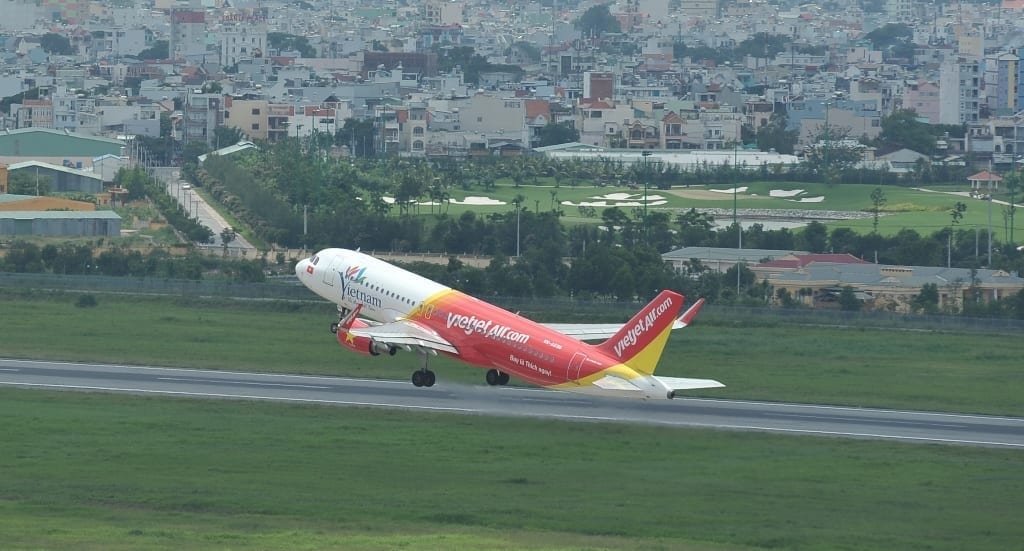
    Vietjet is set to make Brisbane its first Australian long haul destination following the signing of a Memorandum of Understanding (MoU) between the airline and Brisbane Airport Corporation (BAC), Queensland, Australia.

    Scheduled to commence in 2019, the non-stop service between Ho Chi Minh City and Brisbane is expected to boost trade integration and exchange, a move that will greatly serve the interests of the region.

    The signing ceremony which took place in Sydney was witnessed by Vietnam Prime Minister Nguyen Xuan Phuc and other senior leaders of Vietnam and Australia. During which, Vietjet also signed a MoU worth US$609 million with Investec Bank PLC to finance the purchase of five Airbus A321 aircraft at manufacturers’ list price.

    Julieanne Alroe, CEO and Managing Director of BAC said travel between Queensland and Vietnam has been growing at an average 8 per cent per annum over the last five years and this new service would further stimulate the market. “It makes perfect sense for Vietjet to choose Brisbane, Queensland as its very first Australian port for direct flights given Ho Chi Minh City is one of Brisbane’s top five markets without non-stop services. We look forward to welcoming Vietjet to the Brisbane Airport family and further strengthening the ties between Queensland and Vietnam,” she said.

    Vietjet Vice President Nguyen Thi Thuy Binh said, “Vietjet has been well prepared with comfortable, high-quality and friendly services to expand its international flight network to top destinations, connecting Vietnam’s economic and tourism hubs with Asia Pacific countries, including Australia – a popular tourist and business hotspot”.

    “This new route addition presents us with an opportunity to better serve the demands of travelers in Vietnam and the region. We are proud to be the pioneer airline to operate direct services from Vietnam to Brisbane, a dynamic business centre that boasts friendly people, pleasant weather and living conditions that is very attractive for international travelers.”

    Located in Southeast Australia, Brisbane – the capital of the Sunshine State, boasts a population of over 2 million people, making it the third-largest city in Australia. Brisbane’s year-round idyllic subtropical weather, award-winning food and wine, adventurous activities and spectacular scenery has been a major draw-card for many domestic and international travelers, especially those from the Asia Pacific region, including Vietnam.

  • VARTA Storage Launches Its Energy Storage Products in Australia

    VARTA Storage Launches Its Energy Storage Products in Australia

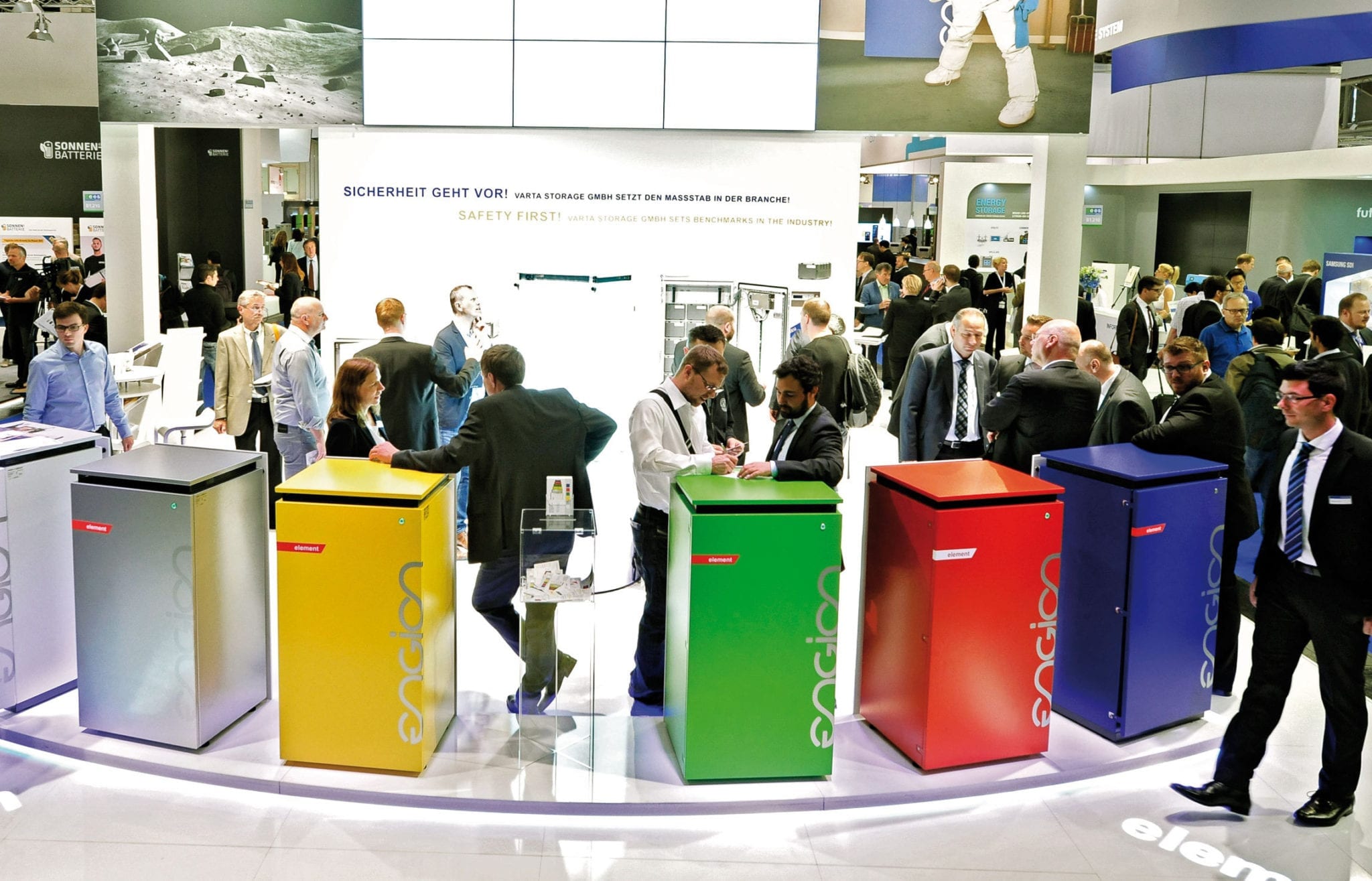
    Varta Storage GmbH enters the Australian market, bringing their quality “Made in Germany” energy storage solutions to the fifth continent. Customers will be able to buy and install VARTA Storage’s lineup of VARTA pulse solutions across the country.

    The VARTA pulse is a starter all-in-one package, which is easy to install and of a compact size. The devices combine a high energy density and is available in two sizes, i.e. with 3.3 kWh and 6.5 kWh. The energy storage solution is extremely reliable, robust, and fulfills all safety regulations. Through Plug & Play, the wall-mounted energy storage is instantly ready-to-use with only 30 minutes needed for installation and can be combined with all renewable energy sources. Hence it can be used to power the heating as well as all electrical household appliances, giving VARTA pulse owners the freedom to use their self-generated energy whenever and wherever they need it.

    “We are happy to be bringing our pulse energy storage solutions to the Australian market, enabling homes to not only generate their own energy, but also store it and then use it whenever they need,” said Gordon Clements, General Manager VARTA Storage. “The VARTA pulse portfolio is versatile, robust, and extremely reliable. Consumers receive an easy-to-install solution when deciding for a VARTA pulse devices.”

    “Australia is a significant growth opportunity for VARTA Storage. VARTA has more than 130 years of experience and expertise in working with energy, starting with developing the first battery in the world and growing the company to become a globally recognised innovator and provider in the space. VARTA is powering a multitude of different devices already, so the energy storage which can power homes and household machines is a natural extension of our portfolio. And we are very much looking forward to bringing our ‘Made in Germany’ quality to Australia,” said Roman Jordan, Head of Sales RES, VARTA Storage GmbH.


  • Retail brand Cue will roll out WeChat and Alipay payments across Australia

    Retail brand Cue will roll out WeChat and Alipay payments across Australia

    Fashion brand Cue Clothing Co. has staked a claim as the first Australian retailer to offer WeChat and Alipay payment services in every one of its standalone store sites, nationwide.

    In a statement, Cue said its three fashion brands, including Cue, Veronika Main and Dion Lee, will be using RoyalPay, a software platform that allows customers using WeChat or Alipay to pay in store using their local currency, such as the Chinese Yuan.

    The Cue group operates 126 Cue stores in Australia and New Zealand, as well as 108 Veronika Maine outlets. There are eight standalone Dion Lee stores.

    According to its website, RoyalPay acts as an intermediary between buyer and seller by taking the Yuan payment and settling the transaction with the merchant in Australian dollars.

    WeChat and Alipay are both major players in the Chinese market, with WeChat hosting over 900 million daily active users. Alipay is the third-largest payment platform globally, with 500 million users.

    “We have seen continued growth in Chinese customers shopping with us, particularly over the Chinese New Year period,” Cue chief information officer Shane Lenton said.

    “During this time Australia was the biggest market for cross-border WeChat payments outside of Asia.”

    While Cue Clothing says it is the first retailer to implement the new payment options across its entire network, it appears plenty of other Australian businesses also see value in experimenting with these platforms. More than 10,000 Australian shops and restaurants are using the WeChat Pay system and according to the RoyalPay website, Australian retailers including Priceline, Terry White Chemists and IGA have also already joined the platform to process Yuan transactions.

    WeChat presents potential to access to Chinese market

    According to Dr Gary Mortimer, an associate professor in the business school at Queensland University of Technology, adopting these new payment platforms is just one way Australian businesses, big and small, are attempting to attract the Chinese customer base.

    And it is happening at the same time as Chinese e-commerce giants Alibaba and JD.com are paying more attention to Australia.

    “There are some great opportunities in China for businesses. We’ve seen the growth of daigou businesses getting into the Chinese market,” he says.

    “Certainly with JD.com launching last year in Australia, it indicates there is a healthy appetite for Australian brands in the Chinese market. This looks like Cue is making headways by adopting these types of payment platforms.”

    However, Mortimer says security will be front of mind for any shoppers interested in using the new options. He believes Cue will have to show customers the platforms have been integrated with security in mind.

    “It’ll be vital that as Cue integrates these platforms into these websites that there’s enough security so consumers can feel confident that their platforms are secure,” he said.

    Mortimer says businesses are starting to facilitate digital payments and transactions through wearable technology and even through social media, as well as through the introduction of Apple Pay and other alternatives to cash and credit card payments.

    However, Cue’s existing customer base may not align with the kinds of customer willing to use WeChat or Alipay, meaning the company could be chasing a brand new demographic.

    “I suspect the demographic using these types of payment plans would be younger, Gen Y consumers. I don’t think that’s the core customer of Cue,” he says.

    “This is more about getting their product into the Chinese market using social media rather than facilitating extra sales.”

  • Daigou hub streams live shopping to China

    Daigou hub streams live shopping to China

    Listed Australian company AuMake has launched the country’s first purpose-built retail hub for China’s growing army of “daigou” shoppers, using live streaming to reach millions of overseas consumers.

    The new 430sqm Daigou Hub retail concept is set in the heart of Sydney’s Chinatown, combines state-of-the-art live streaming technology with face-to-face supplier interaction – aiming to build the profile of Australian suppliers and connect them directly with Chinese consumers via the daigou and Chinese tourist markets.

    The hub includes a presentation space for supplier demonstrations, cafeteria, several product display locations and an area specifically designed for daigou to live stream their interaction with Australian suppliers to millions of their customers back in China.

    AuMake announced the retail blueprint will be replicated across Australia.

    The company reported the launch has drawn more than 70 Australian suppliers, a large number of investors, 150 daigou and a live viewing audience from China of 730,000.

    “This leading-edge initiative has been the culmination of 12 months of industry consultation with suppliers and daigou, and closely follows recent developments in the retail market in China, which has seen a move away from a pure online marketing model to an omnichannel model which combines engaging offline experiences for customers, coupled with advanced online functionality,” said Keong Chan, AuMake chairman.

    Chan said live streaming is fast becoming a key component of the decision making for consumers in China when they look at the brands and products they are going to purchase.

    “Being able to see, in real time, suppliers demonstrating their Australian product and interacting with their trusted daigou is the next evolution of their increasing desire to understand the origins of the product they are purchasing,” he said.

    “In just two and a half hours today we had a live stream viewing audience of 730,000 people early in the morning in Mainland China.”

    The company has a retail flagship on Sydney’s main CBD street, George St, and plans to roll out another retail hub in the city’s inner-west in April and another in either Brisbane or Melbourne later in the year.

  • Jeweller Michael Hill is closing all but six of its 30 Emma & Roe stores

    Jeweller Michael Hill is closing all but six of its 30 Emma & Roe stores

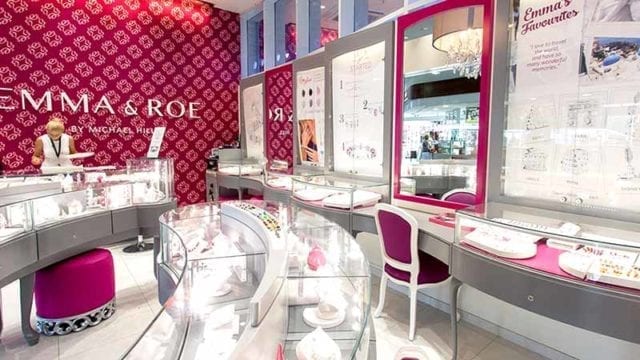
    Michael Hill will spend $5.8 -$7.9 million closing all but six of its 30 Emma & Roe stores by the end of the financial year as part of its repositioning of the struggling brand.

    The move will see Emma & Roe exit its operations in New Zealand and New South Wales to focus specifically on south-east Queensland.

    In an update provided to the market on Tuesday morning Michael Hill said that its review of the Emma & Roe brand, kicked off in January after another set of lacklustre trading results, was now completed.

    While management believes there’s an opportunity for the business in the demi-fine jewellery segment, it has opted to drastically reduce the brand’s footprint and will move forward with a “smaller, concentrated store footprint” for an initial trial period that will run until the end of FY19.

    Michael Hill has already negotiated non-binding lease exit terms with most of its Emma & Roe landlords and will now move forward with binding negotiations, which will likely see the brand exit several states and concentrate on a “single market area”.

    Chief financial officer Andrew Lowe said that Michael Hill will consider scaling the brand back-up in the future, but wants to preposition the company in an agile way.

    “30 stores is a very large footprint and the intention is to reposition the brand…we want to do that effectively and in an agile way with that smaller footprint,” he said.

    Michael Hill said it will redeploy Emma & Roe employees to Michael Hill stores where possible, but will undertake redundancy arrangements for others, with total severance costs expected to be finalised in 2H18.

    Severance costs, alongside one-off cash costs associated with lease terminations, are expected to cost $5.8 – $7.9 million, although management said this reflected the information currently available to it and was subject to change.

    The company also said that its negotiation to exit its nine stores in the US are ongoing with landlords.

  • SWIFT revolutionises Australian banking with real-time payments

    SWIFT revolutionises Australian banking with real-time payments

    SWIFT welcomes the public launch of the New Payments Platform (NPP) in Australia, which is set to revolutionise the way payments are made domestically. SWIFT has helped to design, build and deliver the NPP and will play a key role in operating the infrastructure for the NPP.

    The NPP’s paradigm-shifting financial architecture has been designed and constructed to fundamentally improve how consumers, businesses and governments transact with one another. The key features of the NPP include:

    • 24/7 instant payments and real-time line-by-line settlement via the Reserve Bank of Australia
    • PayID, new and easy way to link a financial account with an easy-to-remember identifier such as a mobile phone number, email address or ABN for businesses
    • Open access infrastructure that truly empowers innovation through competition
    • Overlay services framework that will provide new value services to Australian consumers, businesses and government

    Alain Raes, Chief Executive of EMEA & APAC, SWIFT, said the rollout of the NPP and the enablement of real time payments is the most significant development in the Australian payments industry in decades, and could have a more revolutionary impact on the economy than any previous payments system innovation.

    “SWIFT has supported the evolution of payments systems around the world for more than 40 years and is delighted to have played an important role in the creation and roll out of real-time payments in Australia. The smooth delivery of the project is a measure of the great partnership that SWIFT and the Australian industry have developed throughout the collaboration,” said Mr Raes. “The NPP has also showcased the expertise and innovative approach of SWIFT’s global payments team and the value that we can deliver to other markets, including the European Union as it moves towards the goal of a harmonised instant payments service within the Eurozone.”

    NPPA CEO, Adrian Lovney said: “SWIFT, an international leader in the provision of secure financial services, has worked tirelessly to help design, build and deliver this world class system.”

    NPP is a key component within SWIFT’s broader global instant payments strategy, which also includes the provision of an instant payments messaging service for the euro area. Launching in November 2018, to coincide with the launch of TARGET Instant Payment Settlement (TIPS), the euro real-time payments service commissioned by the Eurosystem, SWIFT’s new messaging service will allow instant payments to be made in euros across Europe through both TIPS and EBA CLEARING’s RT-1 instant payments system.

    In the context of the Eurosystem’s 2020 vision, which envisages access to TARGET2, TARGET2 for Securities and TIPS through the Eurosystem Single Market Infrastructure Gateway (ESMIG), SWIFT’s instant payments strategy is committed to the future agenda of the Eurosystem, supporting customers as they move to meet this vision.

    The same SWIFT solution will provide customers with a single gateway to connect seamlessly to other instant payment systems in Europe and elsewhere.

    SWIFT, which currently connects 85 of the 149 High Value Payments systems in the world, including CHAPS in the UK, TARGET2 in Europe and the SWIFT India Domestic Services, also offers gateways to instant payments platforms in Hong Kong and in the US.

  • Telstra sets speed record with metro network trial

    Telstra sets speed record with metro network trial

    Australia’s Telstra, Ericsson and Ciena say they have achieved the world’s fastest speeds during a demonstration using Telstra’s transmission network in Melbourne.

    The companies achieved 400Gbps speeds over 61.5-GHz spectrum using Telstra’s transmission network, representing the highest spectral efficiency per fiber pair achieved in a live environment.

    This represents transmission speeds of up to 30.4Tbps per fiber pair, a significant improvement from the previous record of 25.6Tbps.

    Such speeds were made possible using software programmable wavelengths controlled by Ciena’s WaveLogic Ai modem technology and Blue Planet manage control plan and Liquid Spectrum applications.

    Telstra plans to introduce the technology as part of an upgrade to its long haul, metro and regional optical networks. Ericsson is providing end-to-end systems integration for the project and managed the deployment of technology for the demonstration.

    Telstra has already deployed Ciena’s industry-first programmable coherent modem, which offers up to three times the data capacity of the earlier modem technology deployed on the Telstra network.

    “Over the next five years we forecast traffic on our network will grow by five times. We are investing in our network and developing these innovations to meet this growing demand by providing unprecedented levels of scale, automation and intelligence,” Telstra director of IP and transport engineering David Robertson said.

    “This technology will be deployed in our domestic transmission network and we will look for opportunities to use it in Telstra’s international subsea cable network, which is the largest in the Asia-Pacific region.”

  • RELEX Solutions Strengthens Asia Pacific Presence with New Partnership

    RELEX Solutions Strengthens Asia Pacific Presence with New Partnership

    RELEX Solutions, the pioneer of unified retail planning technology, and one of the world’s fastest growing supply chain technology companies, has taken a major step towards establishing a truly global presence.
    A new partnership with FMCG Retail, the retail-focused consultancy, will put RELEX in front of major brands across the APAC region, where the Australian firm has quickly built a reputation for expertise and for helping retailers achieve success.

    The step is a natural progression for RELEX. RELEX’s customer base has spread from the Nordics, where it’s the dominant player in retail planning technology, right across Europe.

    More recently it has started to establish itself in North America and has announced several
    high profile deals with key retailers. Melbourne, Victoria headquartered, FMCG Retail will sell, implement and provide consultation on RELEX’ solutions and services across the region, having worked with brands in Hong Kong, Thailand, Malaysia, Singapore, Indonesia, Australia and New Zealand.

    “FMCG Retail and RELEX share the same work ethic, commitment to customers’ success and a focus on providing powerful but practical solutions,” says Jukka Uskonen, Business Director for Partnerships at RELEX. “We’re thrilled to find a team of seasoned local industry experts to partner with, and FMCG Retail are perfectly placed to boost our entry into a new market.”

    “With customer-centricity and localization being growing retail trends, RELEX provides cutting-edge retail planning technology in this area that really works,” says Matthew Muir, Principle Consultant at FMCG Retail. “They have a whole stack of references from great retailers pointing to amazing results. Its solutions have proved outstanding time and again and we’ll be able to recommend it to our wide customer base completely wholeheartedly. It’s a great opportunity both for us and RELEX.”


  • Australia’s November online sales surge most in three years

    Australia’s November online sales surge most in three years

    Online sales in November 2017 increased the most in three years in Australia, according to data released by the NAB, with consumers buying considerably more items online compared to the same month in 2016.

    The NAB Online Retail Sales Index (NORSI) said online sales increased 4.7% in November 2017, equating to the biggest growth rate over the period of one month since December 2014. The NORSI also revealed e-commerce sales year-on-year surged 14.4%, excluding the holiday sales period and Amazon’s launch in Australia.

    The biggest shift was the increase in online sales made in Australia, compared to the start of the year, said the NAB.

    “We estimate that Australian consumers have spent around $24 billion over the 12 months to November 2017. This is equivalent to 7.7% of spending at traditional bricks and mortar retailers, as measured by the Australian Bureau of Statistics in the 12 months to October 2017,” NAB said.

    By category, homewares and appliances recorded the most rapid growth over the past year, up 24.9%, compared to 3.8% last year. Fashion and apparel witnessed a comeback after weaker sales, increasing by 5%.

    Moreover, Australian retail sales, including off and online sales, hit 1.2 per cent – the biggest jump in almost five years. Experts were predicting a 0.4%.

    The Australian Bureau of Statistics said the November uptick was helped by the release of Apple’s iPhone X and higher sales activity Black Friday sales, adopted in by Australian retailers from the US, due to the globalization of retail.

    As a whole, Australia’s retail sales at department stores fell 1.1%; fashion was up 2.2% and footwear and other personal accessories sales were up 0.3%. Cosmetics were up 1.1%, said the ABS.

  • Seaoil partners with Caltex Australia

    Seaoil partners with Caltex Australia

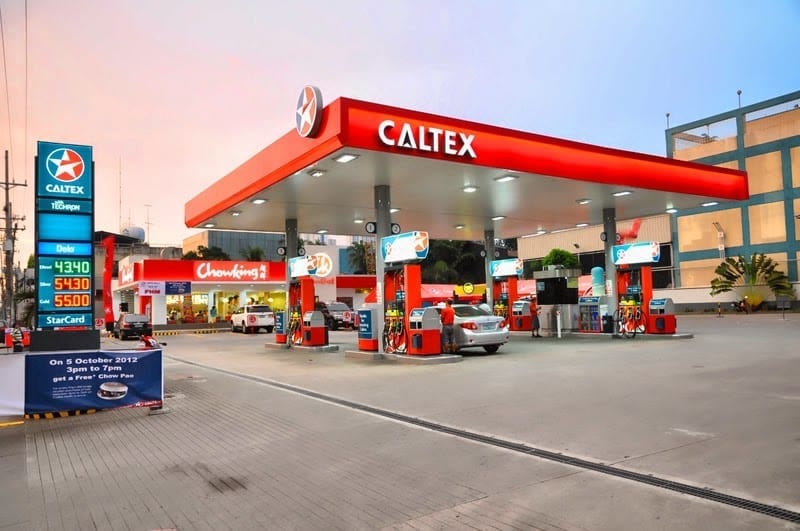
    Independent oil player Seaoil Philippines Inc. has taken in Caltex Australia Petroleum Pty Ltd. as long-term strategic partner for its expansion program.

    In a statement, Seaoil said it has signed a definitive agreement that forges a strategic partnership with Caltex Australia, which will acquire a 20 percent interest in the independent oil firm.

    “We have long sought for a strategic partner to complement our capabilities and competitive advantage, and we are optimistic that Caltex Australia, whose values we share and whose operations is like ours in complexity, can help accelerate our growth,” Seaoil chairman and founder Francis Yu said.

    The new strategic partnership will see Caltex Australia support Seaoil’s current growth strategy, which aims to double its retail network and terminal storage capacity over the next five years.

    Seaoil has over 400 stations nationwide located as far north as Aparri, all the way to the south in Sarangani.

    As part of the formation of the strategic partnership, Caltex Australia will supply fuel to Seaoil via Ampol, its fuel sourcing and shipping business in Singapore.

    Business ( Article MRec ), pagematch: 1, sectionmatch: 1

    “This is an exciting growth opportunity for Caltex Australia. The fact that Seaoil has chosen to enter this partnership with us is a testament to the skills and capabilities we have been building over many years in our company. It also demonstrates the value that can be created from our position as an independent fuel supplier in the Asia-Pacific region. We look forward to being part of Seaoil’s growth over the coming years,” Caltex Australia CEO Julian Segal said.

    Caltex Australia is a 100 percent publicly-owned company listed on the Australian Stock Exchange. It does not share any common ownership with the local Caltex brand, which is owned by Chevron Philippines Inc.

    In terms of size, Caltex Australia has a market capitalization of $6.5-7 billion, well above the combined market capitalization of Pilipinas Shell Petroleum Corp. and Petron Corp. by more than 70 percent.

    Caltex Australia supplies one-third of Australia’s transport fuel needs under the Caltex brand and has an extensive terminal and retail network including 76 depots, 12 terminals operated by Caltex, five major and bunker pipelines, nine airport jet fuel supply sites, and over 1,900 retail sites (including resellers and Australia’s largest retailer fuel network).

    In 2016, it sold over 16 billion liters of transport fuels and supply in excess of 70,000 commercial customers. It also has operations in New Zealand under the Gull brand and Singapore under the Ampol brand.

    In the Philippines, Seaoil has a six percent total market share and is a pioneer in alternative fuels like bioethanol gasoline and biodiesel.

    The company supplies approximately 1.5 billion liters annually through its vast network, its base fuels imported from select refineries in Japan, South Korea and Singapore and enhanced with STP additives. Seaoil conducts at least three daily checks on their fuels to check for consistency in purity and has experienced a 47 percent sales volume growth in the last three years.

    “This partnership will also mean exciting times for our employees, our franchisees, distributors and customers as we leverage our partner’s scale and expertise to provide high quality, affordable and accessible fuels and lubricants to the fast growing Philippine market.” Yu said.