Tag: Australia

  • Decathlon lands in Australia

    Decathlon lands in Australia

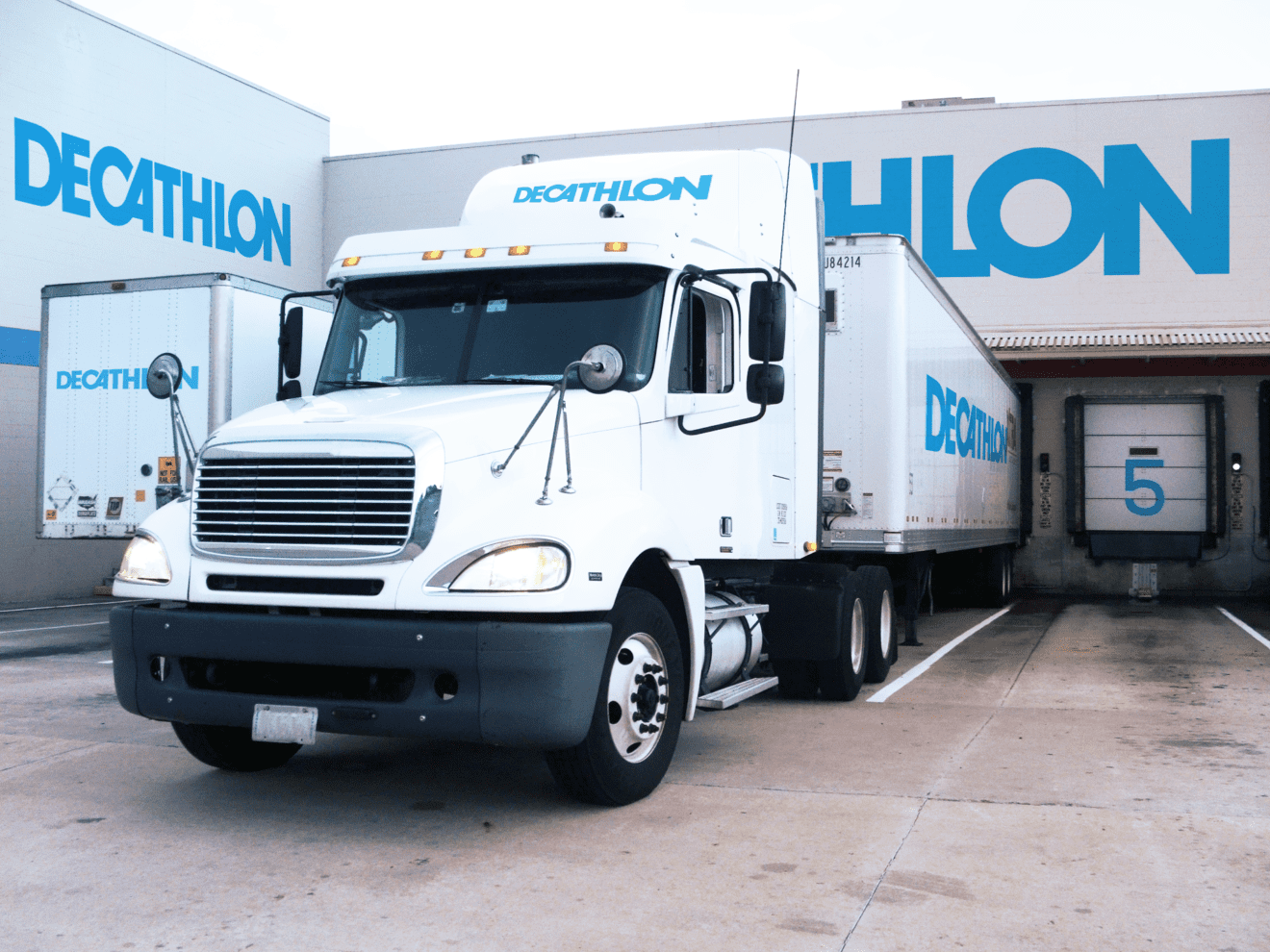
    Following its announcement in October 2017 of its intentions to open 100 Australian stores, French sporting goods retailer Decathlon have officially opened its first, which is also its flagship, store in Sydney’s Tempe.

    This marks the arrival of a disruptive force within the sporting goods retail sector, with the company attracting substantial consumer demand, generating about $100,000 in sales each month, according to IBISWorld.

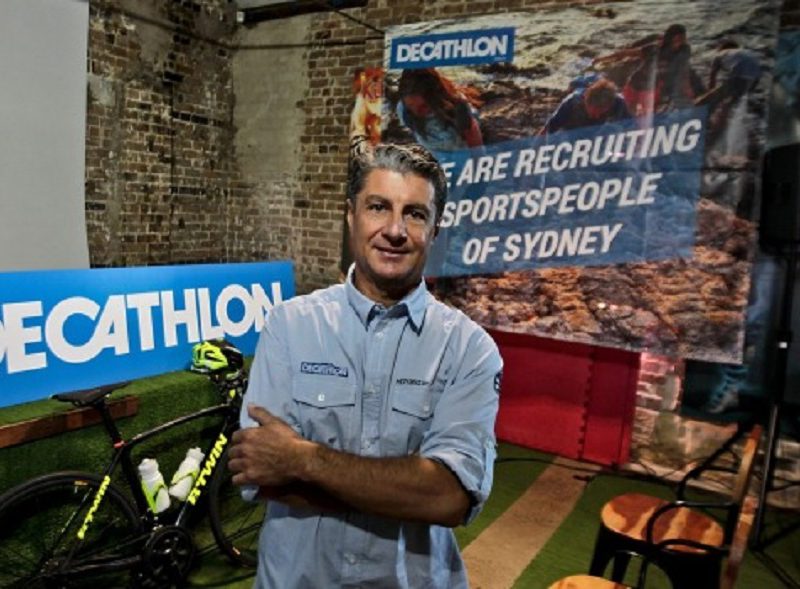
    Olivier Robinet,  the chief executive of the Australian arm of French sporting goods retailer Decathlon, promises a market disruption.
    Decathlon lands in Australia

    Decathlon has plans to open up to 100 stores in Australia, at a rate of about two to five stores per year. The price-savvy sports equipment retailer is expected to take market share from existing major players in the industry, including Rebel, Amart Sports, Kathmandu, BCF and Rays Outdoors, making it a major competitive force in years ahead.

    Decathlon primarily focuses on selling private label products at prices that are typically 50 to 70% cheaper than comparable branded goods, a model that has proven successful worldwide, with the company achieving annual sales of $15 billion across its e-commerce platforms and 1,200 physical stores in 30 countries, including the UK, Europe and Asia – and now Australia.

    Headquartered in France, Decathlon employs 80,000 staff globally and creates over 2,800 new sporting goods products and 40 patents every year.

    The Tempe store is over 3,800 square meters, with over 70 staff on hand, offering a range of more than 7,000 sharply-priced products across 70 sports and leisure categories, which is expected to attract strong demand from value-conscious consumers that enjoy activities such as camping, hiking, cycling and snorkelling.

    Camping and participation in outdoor and fitness activities have become more popular over the past five years, driving industry demand. However, demand has been somewhat constrained by negative consumer sentiment and sluggish discretionary income growth.

    Revenue for the sport and camping equipment industry is set to rise by almost 2% per annum over the next five years.
  • Jetstar’s airfares to Bali take off after AirAsia cancels its service

    Jetstar’s airfares to Bali take off after AirAsia cancels its service

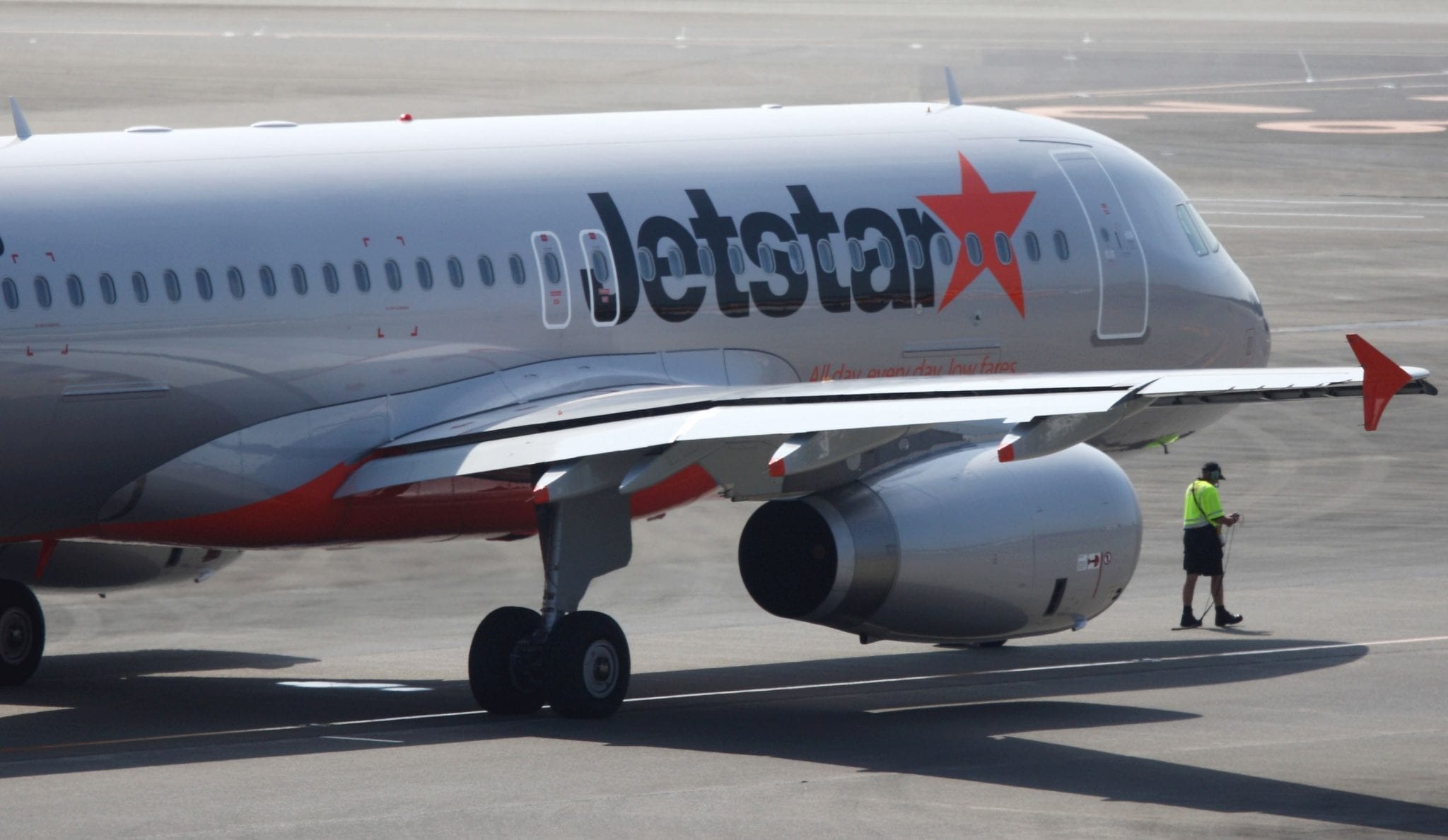
    Jetstar prices for flights to and from Bali have jumped by as much as 570 per cent in the wake of AirAsia’s announcement it would be cancelling its services on the route. Earlier this week, Jetstar was advertising flights to Bali in February for $99 and return flights for just $44.

    However, after AirAsia confirmed on Wednesday that it would be scrapping its flights between Darwin and Bali, prices jumped. Fares to Bali for $99 are still available in January, however return fares have leapt to between $182 and $242. In February fares to Bali increase to $179 and return flights are between $122 and $295.

    A Jetstar spokeswoman said the airline remained committed to delivering cheap flights between Darwin and Bali.

    “Bali remains an important market for us from Darwin and our flights from Darwin to Bali will continue to operate as normal well into the future,” she said.

    “There are many factors that determine the pricing of air tickets, and we take into strong account our mission of every day low fares, making air travel affordable and the world more accessible to our customers.”

    Territorians guessed the prices would jump as soon as they heard the announcement of AirAsia’s cancellations.

    “They won’t get the $69 return fare to Bali anymore,” Scott Gorrell posted on Facebook on Thursday.

    “Now Jetstar will hike its prices up between Darwin and Bali as there is no competition,” Bev Phelts commented.

    “Watch the prices rise now,” Nigel Rankine posted.

    It took more than two full days for Jetstar to up its prices.

    Jetstar earlier this week confirmed it would be looking at increasing the number of services it offers on the Darwin-Bali route.

    In the 2016-17 financial year, Jetstar flew 35,000 passengers between the Indonesian island and the Top End.

    AirAsia confirmed on Wednesday it would cancel its routes between Darwin and Bali from January 28.

    “AirAsia Indonesia will suspend its service connecting Bali with Darwin as part of a network restructuring aimed at improving operational efficiency,” a spokesman said.

    Previously Garuda Indonesia operated flights between Darwin and Bali, however the airline pulled out of the Top End in 2009, after 30 years.

    AirNorth has also previously operated the route.

  • T2 opens Alibaba Tmall store

    T2 opens Alibaba Tmall store

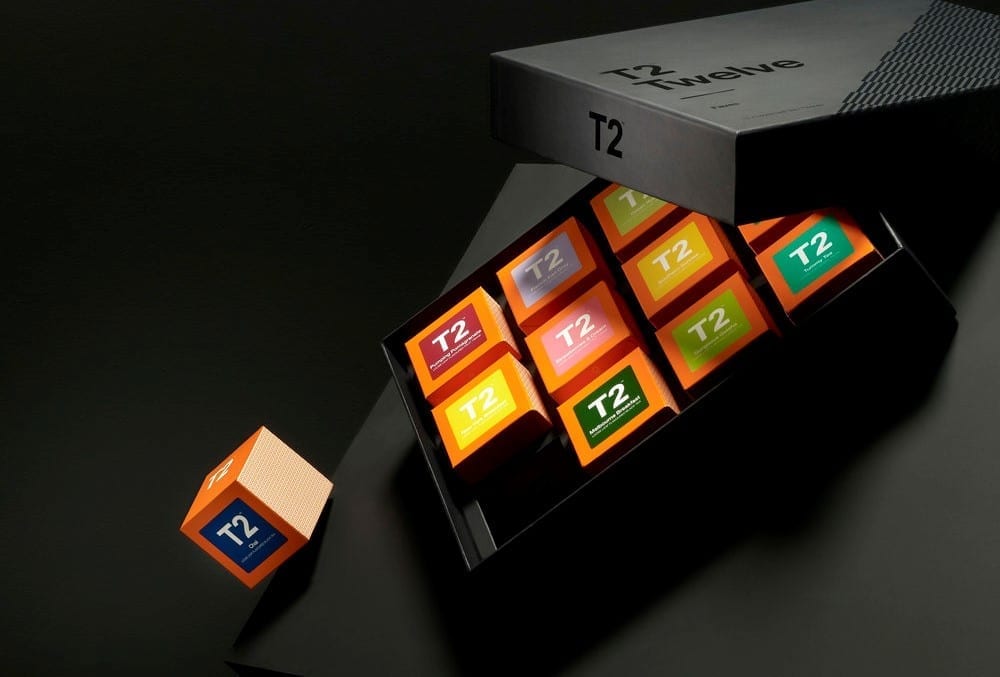
    Australian tea retailer T2 Tea has opened an online storefront on Alibaba’s Tmall Global marketplace to cash in on Chinese demand for Australian products.

    Tmall Global enables international brands to sell to Chinese consumers online, simplifying the export and retail process.

    A curated range of products will be available to Chinese shoppers at t2tea.tmall.hk including homegrown tea blends such as T2 Tea’s Bondi tea, which includes lemon myrtle and native berries.

    “It’s T2’s curiosity for taking the ancient tradition of tea culture in China and giving it a modern twist that we think is both intriguing and exciting for the Chinese consumer,” said Nicole Sparshott, T2 Global CEO.

    First launched in Melbourne 20 years ago, T2 now has 100 stores across five markets. It entered the Asia market in January 2017 and now has four stores in Singapore.

    “For a company that came from humble beginnings in Melbourne, launching on Tmall Global marks a key milestone in our mission to build a generation of tea lovers on every continent,” Sparshott said.

    According to Alibaba, more than 14,500 international brands from 63 countries and regions sell on Tmall Global. For more than 80 per cent of those brands, their Tmall Global virtual store was their first foray into the China market.

    The number of imported product categories on Tmall Global climbed nearly 50 per cent to 3,700 this year.

    “The opening of T2 Tea’s Tmall Global store reflects the growing diversity in demand for premium Australian products,” said Maggie Zhou. “We’re excited to be working with such an iconic Australian brand to help them expand on the success they’ve already seen in Australia.”

    So far there are 1,300 Australian and 400 New Zealand brands on Tmall and Tmall Global. The Chinese demand for Australian products was demonstrated during the company’s 11.11 sale last month.

    Australia recorded its best performance to date ranking as the third highest selling country (outside of China) behind the United States and Japan. Last year, Australia ranked fourth, and fifth in 2015.

  • Retailers brace as Amazon launches in Australia

    Retailers brace as Amazon launches in Australia

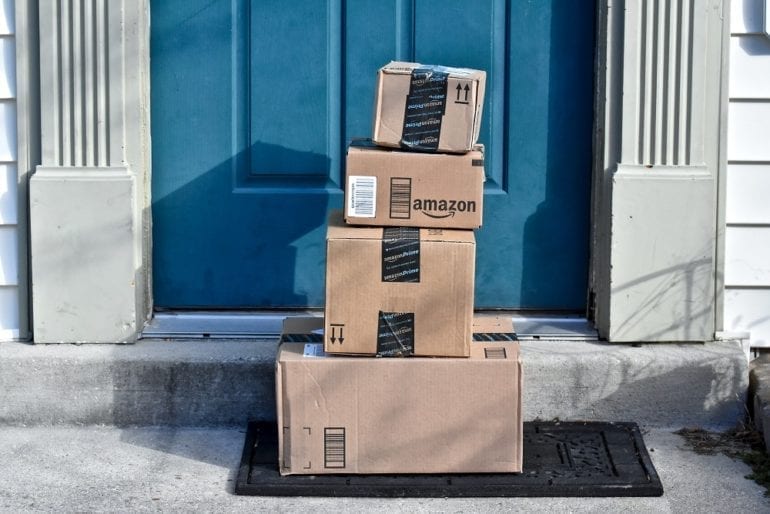
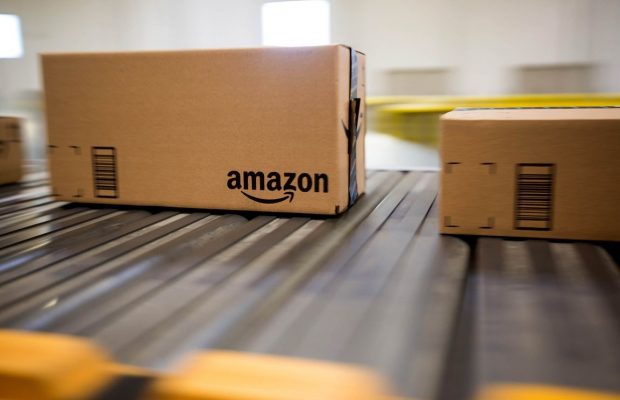
    U.S. internet giant Amazon launched in Australia Tuesday in time for Christmas, with retailers scrambling to cut costs and boost their online offerings as they brace for an expected shake-up of the sector.

    The arrival of the behemoth — which has grown from an online bookstore to one of the world’s largest firms — poses a threat to a market already grappling with weak consumer confidence amid tepid wages growth.

    The American giant is offering “millions” of products from well-known Australian brands, as well as small and medium-sized Australian businesses selling on Amazon Marketplace.

    They will be shipped from a warehouse in Melbourne.

    Online shopping only accounts for between 8-13 percent of total sales in Australia, leaving room for growth in a sector estimated to be worth more than Aus$300 billion ($227 billion) annually.

    “We believe Amazon’s full entry into Australia will likely be a success,” UBS analysts said in a note ahead of the launch, adding that Australia was an “attractive market where online is under-penetrated”.

    “Australian online shoppers spend the third-most globally of Amazon’s markets.”

    Retail categories most likely to be hurt by Amazon’s entry include electrical, appliances, apparel and cosmetics, UBS added.

    Faces challenges

    The U.S. firm was likely to absorb losses initially to boost its market share, IBISWorld senior analyst Kim Do said, pressuring the profitability and margins of its competitors.

    Several top Australian retailers have recently succumbed to pressure from foreign giants such as Japan’s Uniqlo and Sephora of France, while others have cut back on bricks-and-mortar stores.

    But Australian Retailers Association executive director Russell Zimmerman welcomed Amazon’s arrival, saying it provided an additional platform to boost sales.

    “With over 300 million active users already on Amazon’s Marketplace, the majority of Australian retailers view Amazon’s platform as a supplementary channel to their current retail offering,” he said.

    Some analysts warned Amazon would face challenges, such as low access to broadband and the large size of the island continent.

    “A key reason why Australia lags behind its peers (in the development of the e-commerce sector) is the low access to broadband,” BMI Research, Fitch Group’s research arm, said in a note.

    Broadband subscriptions in Australia stand at 57.3 per 100 people, rising to a forecast 60 in 2021, in contrast to markets like Singapore which is projected to have subscriptions of 75.3 per 100 that year, BMI said.

    “Slower delivery speeds due to the large geographic size of the country and as a result, more costly delivery services… will not bode well for the success of an e-commerce company.”

    Retail analyst Brian Walker said according to his research, Amazon was “producing a positive return” in just one-third of the countries it was operating in outside of the U.S.

    “The rest are still in the various stages of growing. And that is the point about Amazon,” Walker told AFP. “They will take in our view of somewhere between two to five years to hit any form of scale in Australia.”

    Amazon, a Seattle-based company, has expanded far beyond its roots as a digital bookstore, moving into the groceries and other retail sectors as well as cloud computing, streaming video, artificial intelligence and more.

    It has become one of the most valuable companies on the planet alongside U.S. tech rivals Apple, Facebook and Google parent Alphabet, and in October reported third-quarter profits of $256 million.

  • Indonesia to promote tourism in Melbourne

    Indonesia to promote tourism in Melbourne

    The Tourism Ministry is going to host Business Gathering event on Dec. 14-15 in Melbourne, Australia.

    The ministry has invited travel agents, tour operators and media to take part in this event.

    “The distance between Australia and Indonesia is not that far and Australians are very interested in destinations in Indonesia. Moreover, 90 percent of them have their own holiday schedule and high buying power for holiday tour packages,” said the ministry’s deputy minister for overseas promotion I Gde Pitana.

    “Our target is to inform the Australian people that Bali is safe now; the eruption has come down. The distance between Mount Agung to Denpasar is 65 kilometers. Bali Promotion is back. If nothing gets in the way, the 15 million target can be achieved,” Pitana added.

    During the gathering, the ministry will conduct a presentation about destinations in Indonesia and entertain visitors with traditional dance performance and souvenirs.

    “Melbourne is chosen because it’s the best business and shopping center in Australia,” told the ministry’s deputy assistant for Asia-Pacific tourism promotion, Vinsensius Jemadu.

    The number of tourism visits from Australian tourists is the four highest in Indonesia.

    This year, the ministry is aiming to welcome 1,816,000 tourists from Australia, an increase by 29 percent from last year’s target, which was 1.4 million people. (kes)

  • Tesla cranks up big battery in Australia

    Tesla cranks up big battery in Australia

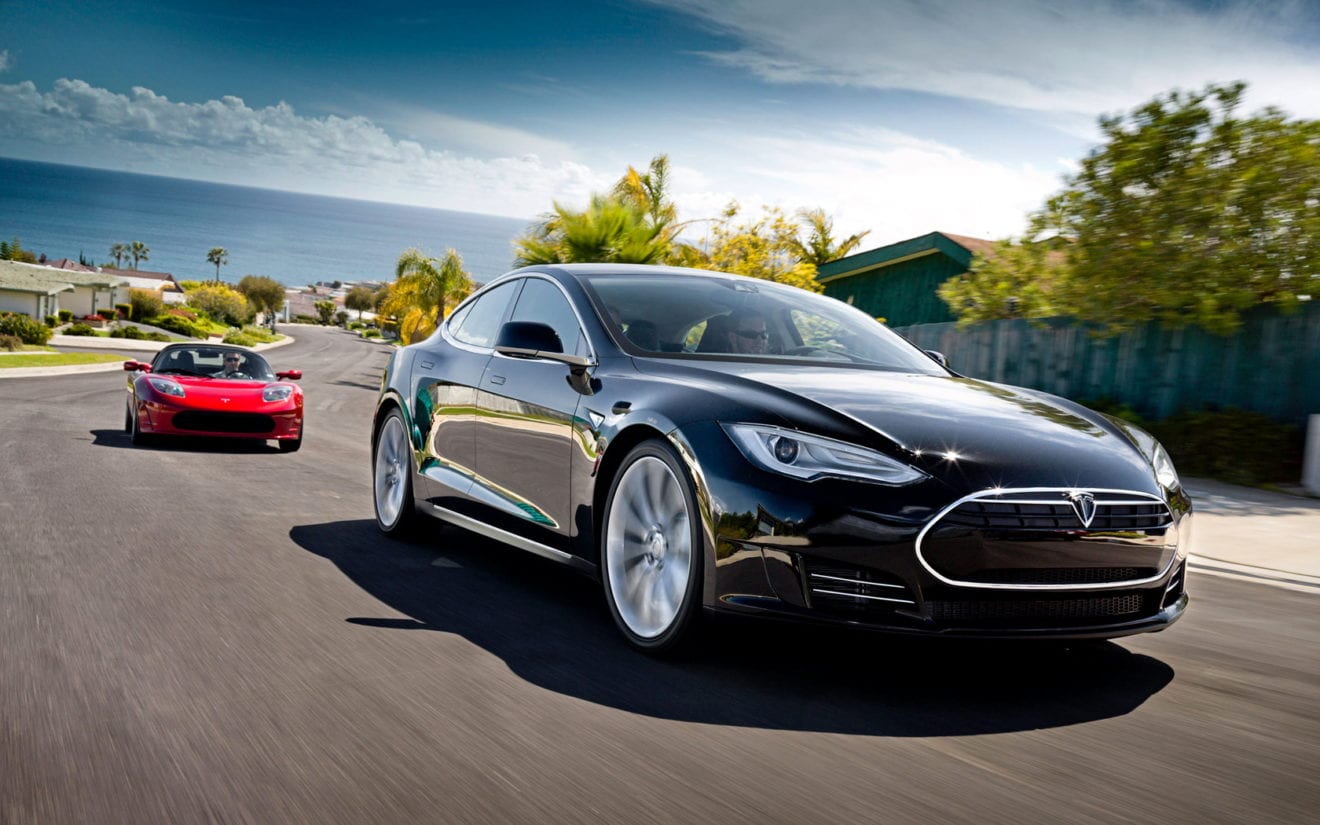
    Tesla has completed construction of the world’s largest lithium ion battery in Australia, putting it on track to meet a 100-day deadline for switching the battery packs on, the South Australian government said on Thursday.

    Tesla won a bid in July to build the 129 megawatt hour battery for South Australia, the country’s most wind power-dependent state, with a vow from Chief Executive Elon Musk to install it within 100 days of signing a grid connection agreement or give it to the state for free.

    When the grid connection deal was signed on Sept 29, Tesla was already half way through installing the battery packs.

    The Tesla Powerpacks have now been fully installed at a wind farm run by France’s Neoen, and testing is set to begin to provide grid security services in South Australia.

    “While others are just talking, we are delivering our energy plan, making South Australia more self-sufficient, and providing back up power and more affordable energy for South Australians this summer,” state Premier Jay Weatherill said in a statement.

    The state has yet to say how much it would pay for the battery, which is part of a AUS$510 million (US$390 million) plan that includes diesel-fired generators to help keep the lights on following a string of blackouts over the past 18 months.

    Australia’s energy market operator has warned that power supply will be tight this summer, particularly in South Australia and neighboring Victoria, where one of the market’s biggest coal-fired power plants was shut in March.
  • Retailers in South East Asia brace as Amazon makes debut in Australia

    Retailers in South East Asia brace as Amazon makes debut in Australia

    U.S. internet giant Amazon launched in Australia on Tuesday with retailers scrambling to cut costs and boost their online offerings as they brace for an expected shake-up of the sector.

    The arrival of the behemoth — which has grown from being an online bookstore to one of the world’s largest firms — poses a threat to a market already grappling with weak consumer confidence amid tepid wage growth.

    “Focusing on customers and the long term are key principles in Amazon’s approach to retailing,” Amazon Australia country manager Rocco Braeuniger said in a statement. “By concentrating on providing a great shopping experience and by constantly innovating on behalf of customers, we hope to earn the trust and the custom of Australian shoppers in the years to come.”

    The American giant is offering millions of products from well-known Australian brands as well as small and medium-size Australian businesses selling on Amazon Marketplace.

    Online shopping only accounts for 8 to 13 percent of total sales in Australia, leaving room for growth in a sector estimated to be worth more than 300 billion Australian dollars ($227 billion) annually.

    “We believe Amazon’s full entry into Australia will likely be a success,” UBS analysts said in a note ahead of the launch, adding that Australia was an “attractive market where online is under-penetrated.”

    “Australian online shoppers spend the third-most globally of Amazon’s markets,” UBS said.

    Retail categories most likely to be hurt by Amazon’s entry include electrical, appliances, apparel and cosmetics, UBS added.

    Amazon might also be willing to absorb losses initially to boost its market share, IBISWorld senior analyst Kim Do said, pressuring the profitability and margins of its competitors.

    Several top Australian retailers have recently succumbed to pressure from foreign giants, including Japan’s Uniqlo and Sephora of France, while others have cut back on brick-and-mortar stores.

    But Australian Retailers Association executive director Russell Zimmerman welcomed Amazon’s arrival, saying it provides an additional platform to boost sales.

    “With over 300 million active users already on Amazon’s Marketplace, the majority of Australian retailers view Amazon’s platform as a supplementary channel to their current retail offering,” he said.

    Some analysts warned that Amazon will face challenges such as low access to broadband and the large size of the island continent.

    “A key reason why Australia lags behind its peers (in the development of the e-commerce sector) is the low access to broadband,” BMI Research, Fitch Group’s research arm, said in a note.

    Broadband subscriptions in Australia stand at 57.3 per 100 people, rising to a forecast 60 in 2021, in contrast to markets like Singapore which is projected to have subscriptions of 75.3 per 100 that year, BMI said.

    “Slower delivery speeds due to the large geographic size of the country and as a result, more costly delivery services … will not bode well for the success of an e-commerce company.”

    Retail analyst Brian Walker said that according to his research, Amazon is “producing a positive return” in just one-third of the countries it is operating in outside of the U.S.

    “The rest are still in the various stages of growing. And that is the point about Amazon,” Walker said. “They will take in our view of somewhere between two and five years to hit any form of scale in Australia.”

    Amazon, a Seattle-based company, has expanded far beyond its roots as a digital bookstore, moving into the groceries and other retail sectors as well as cloud computing, streaming video, artificial intelligence and more.

    It has become one of the most valuable companies on the planet alongside U.S. tech rivals Apple, Facebook and Google parent Alphabet, and in October reported third-quarter profits of $256 million.

  • VIP to invest in Australia

    VIP to invest in Australia

    A Chinese online shopping giant has arrived in Australia this week to unveil its new Sydney distribution centre.

    VIP.com is one of the largest players in China’s e-commerce space with total orders for the third quarter of 2017 increased by 23 per cent to 74.0 million from 60.1 million in the prior year period.

    “Australia is already a very strong market for VIP.com. We are looking to procure about AUD 500 million of Australian goods in FY18 and we expect to double that figure the year after,” said Hillary Wang, VIP.com’s head of global buying.

    “We have highly effective partnerships with many Australian businesses and have become their primary sales channel in China. We have serious aspirations to become the number one platform in China for many more of our suppliers’ businesses.”

    With Australian brands highly sought after in China – based on consumer’s perceptions of trust and value – VIP recently partnered with Australia’s largest food manufacturer, Nestle,  to introduce Australia’s Uncle Toby’s, Allen’s confectionery and Soothers trademarks to China.

    “We only deal with brand owners directly or through their authorised distributors. Authenticity is critical to building brands and Chinese shoppers know that VIP.com delivers that,” Wang said.

    VIP stated its female skewed audience (+80 per cent) and ability to customise the recommended range of products to shoppers, based on demographic and purchase history, give it major point of differences to its Chinese e-commerce competitors.

    “We are pleased to be investing in Australia,” said Wang.

    “Chinese consumers trust Australia’s production standards and quality of its natural resources.

    “Australia is our number one import market for nutrition and food and beverage, and whilst we have made much progress, we have plans for further significant growth. This trip is about deepening our partnerships with existing suppliers and inviting participation from potential new partners.”

    The online retailer will invest in local infrastructure to enable growth in trade between Australian businesses and its accessible database of 300 million Chinese shoppers.

    Investment is being channelled into supply chain capability and people in Australia to facilitate trade.

    “In discussions with our Australian partners, we are often told the Australian market is a highly contested and offers relatively low growth,” said Wang.

    “We are happy to bring a good news story to these businesses, the opportunity to share with Chinese shoppers brands that are rich in history, made with the best ingredients to the highest standards, by hard working Australians. These are exciting times.”

  • Amazon Australia launch to happen “really soon”

    Amazon Australia launch to happen “really soon”

    US giant Amazon announced it plans to launch both an online retail and a “marketplace” presence in Australia, confirming that its arrival is imminent in the buoyant local retail market.

    In a conference in Melbourne, Amazon Australian country manager, Rocco Braeuniger said the e-commerce heavyweight was “getting really, really, really close” to opening trade, but failed to give an exact date.

    Braeuniger did confirm, however, that when Amazon opens, it plans to sell products from first Australian warehouse, and also host third-party retailers on its online marketplace.

    Right now, Amazon is in the process of converting a 24,000-square-metre warehouse in Dandenong South, in Melbourne’s outer east, into its first Australian fulfillment centre.

    The company has already taken out trademarks on private-label brands that sell electronics, home wares, baby products, and pantry staples.

    The company this week also booked out several photography studios around Melbourne for product shoots, according to local media reports, highlighting a push into fashion and accessories.

    Amazon said it would wait, however, before taking on Australia’s grocery market, saying “it is really, really complicated to make fresh food delivery a great customer experience.”

    “We have the long-term ambition to be successful and to earn the trust of Australian companies and the Australian customer,” Braeuniger told the crowd, made up of media and hundreds of small business owners hoping to sell their products on the website.

    “We will be focusing on listening to the Australian customer, inventing on behalf of the Australian customer, [and] delivering a great customer experience.”

    While a date has not been disclosed, experts predict the company will start taking orders before Christmas, particularly close to the Black Friday or Cyber Monday shopping events on 24 and 27 November 2017.

    For the three months ending 30 September 2017, Amazon Inc. said global revenues rose 34 percent to $43.7 billion in the third quarter. The world’s largest online retailer said net income rose to $256 million, or 52 cents per share.

  • Anticipating your customers reaction to the launch of Amazon in Australia

    Anticipating your customers reaction to the launch of Amazon in Australia

    The Amazon juggernaut is coming to change Australian retail…or so they say. There is also lots of conjecture over what their offering will be? What is their strategy? And how will they deliver it to the Australian consumer?

    A great deal of debate, conjecture and for some, abject fantascism and equally many opinions are somewhat isolated from the opinion that ultimately matters most – being the customer

    So, we decided, within our insights division at Retail Doctor Group, and supported by our partners at Lightspeed, to ask a wide range of Australian retail customers about Amazon.

    What do our customers think about this launch? What will their reaction be?

    Awareness of the Amazon brand was high however, the results also uncovered the lack of knowledge around what the Amazon proposition really is, with 38 per cent of Australians reporting not to be aware of the upcoming launch of Amazon, surprisingly millennials were even less aware.

    Retailers where naturally 100 per cent aware.

    Dig a little further into the fuller Amazon model and we see even less Australian consumer awareness.

    Knowledge of Amazon Prime was murky for consumers when asked to define it, with 24 per cent thinking TV streaming, 15 per cent thinking delivery subscription and a whopping 47 per cent admitting they’re not sure. Likewise, Alexa hadn’t been heard of by 65 per cent of respondents and only 27 per cent knew it was artificial intelligence.

    So, the process begins in earnest for Amazon to educate and convert customers, as all retailers need to do on an ongoing basis,

    Security, trust, fulfillment, value add, community build and experience are the currencies of competition with Amazon. As retailers, focus on improving service offerings, simplifying order processes, accelerating the speed to customer while still retaining a focus on quality.

    Only 22 per cent of consumers think Amazon will change their shopping behaviour. For those unlikely to shop at Amazon, the barriers were around a physical element as 33 per cent like to see, touch and feel the product before buying and 28 per cent prefer the shopping experience in a store.

    This confirms what we already firmly believe, that building a one channel retail ecosystem is key to customer loyalty, as we like to say “Interaction before transaction”. Retailers should be dialing up their in-store experience and emotionalising their brand attributes to build their customer connection and loyalty.

    During our recent event we asked some of the country’s most influential retail leaders some of the same questions we asked the consumers.

    Interestingly, we saw that retail professionals think 97 per cent of their customers are likely to start shopping at Amazon post Australia launch versus only 57 per cent of consumers who report this intention.

    Trust was a key area of difference between consumer and our retail leaders’ opinion.

    93 per cent of the retail professionals said Amazon was a brand consumers trust, whereas consumers themselves rated this at 58 per cent.

    Building your customers trust is key to customer loyalty, ensure you know everything about your customer. Knowing how to connect to them on an emotional level with strengthen their loyalty to your offering and brand.

    During these times, it is imperative to understand consumers to better build quality strategy

    The real risk lies with not understanding the changing customer needs and how to fulfil these, rather than Amazon itself.

    The world of retail is changing and as retailers we must keep up, but how can we realise this change if we do not understand our raison d’être, our customer.

  • Cebu Pacific looks to grow further in Australia in 2018 with Melbourne

    Cebu Pacific looks to grow further in Australia in 2018 with Melbourne

    Cebu Pacific is looking at launching services to Melbourne in 2018, further strengthening the Philippine low cost carrier’s position in Australia following the upcoming upgrade of Sydney to daily.

    Cebu Pacific has served Sydney for three years and has talked about the possibility of adding service to Melbourne since launching Sydney in late 2014. Talk about Melbourne has escalated over the last year as the performance on Manila-Sydney has improved, prompting the decision to upgrade Sydney to daily for the peak summer season. Sydney has until now been served with four to five weekly frequencies depending on the time of year.

    Cebu Pacific will operate seven weekly frequencies to Sydney in Dec-2017 and Jan-2018, compared to five weekly frequencies for the same period last year. Cebu Pacific for now has loaded a schedule of five weekly frequencies on Manila-Sydney from early Feb-2018. Cebu Pacific CEO Advisor Mike Szucs told CAPA on the sidelines of the 8-Nov-2017 CAPA Asia Aviation Summit that the airline plans to initially operate five or six frequencies during the non-peak and shoulder months but aims to eventually serve Sydney with a daily year-round schedule.

    “Australia is working well because it is selling well on both ends,” Cebu Pacific CEO Advisor Mike Szucs said. “Australia is a very good market for us.”

    Mr Szucs also said Cebu Pacific is now looking at launching services to Melbourne in 2018. “Australia is doing really well for us. We’ve grown the Manila-Sydney market phenomenally. We are the number one player in terms of passenger traffic on Manila-Sydney. We are increasing Sydney to daily frequencies from this December,” he said. “Melbourne is on the agenda for some time next year. We are not there yet – we need to go and finalise the numbers but Melbourne is looking interesting.”

    Philippine Airlines (PAL) is currently the only airline operating the Manila-Melbourne route, while Manila-Sydney has three nonstop competitors including PAL, Qantas and Cebu Pacific. PAL serves Sydney daily and Melbourne with three weekly flights, while Qantas has five to six frequencies on Sydney-Manila (depending on the time of year).

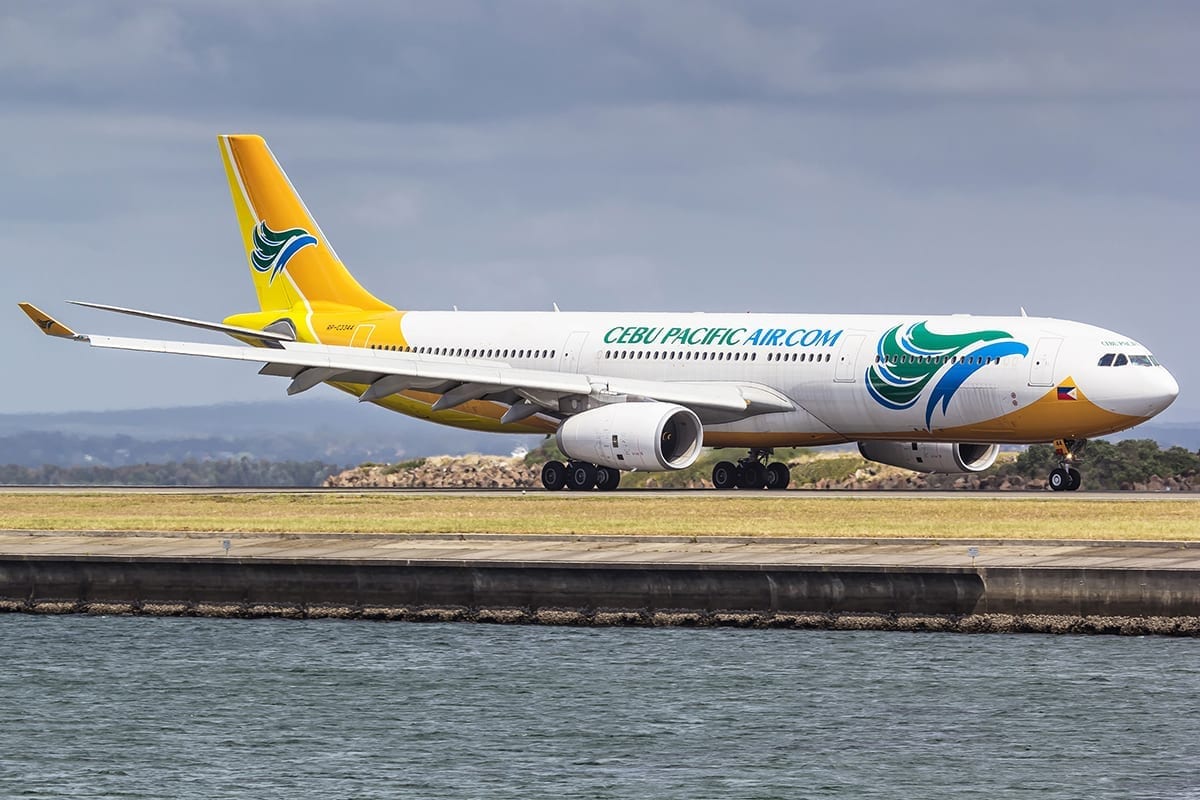
    Cebu Pacific has a fleet of eight A330-300s but has been using its widebody fleet mainly on short haul routes since suspending three Middle East services in mid-2017. Sydney and Dubai, which is served daily most of the year, are the only remaining long haul routes in Cebu Pacific’s network and use the equivalent of two aircraft.

    Mr Szucs said Cebu Pacific will have the opportunity to resume long haul growth in 2018 as A321s enter the fleet. Cebu Pacific mainly plans to use the new A321 fleet to up-gauge short haul routes from A320s but has the flexibility to use some of the A321s to replace A330s on short haul routes, freeing up A330s for new long haul routes. “As the A321s come in next year we will be able to start redeploying A330s again into some targeted long haul markets,” Mr Szucs explained.

    Under this scenario, Melbourne is on the top of the list as Cebu Pacific is not interested for now in resuming expansion in the Middle East, due to what it considers irrational competition in the Philippines-Middle East market. Cebu Pacific is also not interested, for now, in launching Manila-Honolulu, which originally was in its long haul network plan, as this market is highly competitive and unbalanced, consisting mainly of ethnic or VFR traffic.

    Manila-Melbourne is a less competitive route and the Australia-Philippines is a more balanced market. In the Sydney market, Cebu Pacific has been able to generate a relatively even mix of outbound and inbound traffic, covering the leisure, ethnic or VFR and business segments. For the latter, Cebu Pacific mainly targets SMEs as it does not have a premium product.

    “Australia is working well because it is selling well on both ends,” Mr Szucs said. “Australia is a very good market for us.”

  • Topshop Australia returns online via The Iconic

    Topshop Australia returns online via The Iconic

    UK fast-fashion darling Topshop and brother brand Topman have returned to the Australian e-commerce sphere, partnering up with The Iconic for their online comeback.

    The Iconic will now sell and distribute — from its Australian website and fulfilment centre—a selection of Topshop and Topman products to its online clientele.

    “Our customers are at the heart of everything we do at The Iconic – from curating a world-class range of local and international brands to continuously innovating our technology for a seamless shopping experience,” said Patrick Schmidt, CEO at The Iconic.

    “Topshop and Topman are two brands we know Aussies love – we want to keep bringing our customers the biggest and best brands in the world, which is why we’re thrilled to be welcoming Topshop and Topman to The Iconic family,” he said.

    The Iconic confirmed the full Topman range and women’s denim line launched from 31 October 2017. A full range will be available by the end of November 2017.

    The partnership comes following Topshop’s recent $30 million collapse in Australia. The Arcadia-owned retailer had to close its online store in May 2017, after launching its Australia-dedicated e-commerce platform just weeks before.

    The closure of multiple stores soon followed across Australia and New Zealand, including all its concession stores in leading Australian department store chain Myer.

    After three months of putting a deal together, company representatives said in August that brand owner Arcadia would buy chunks of the business and take over the running of four stores from the Australian franchisee. The surviving stores are in key locations Sydney, Bondi Junction, Melbourne and Brisbane’s CBD.

    The Iconic, part of Global Fashion Group, sells 700 brands and 45,000 products via its website. It launched in 2011.

  • Melbourne man finds MAGGOTS in his KFC

    Melbourne man finds MAGGOTS in his KFC

    Another day, another time a takeaway-food giant goes and breaks our fried-chicken-loving hearts.

    Le sigh.

    This time, it’s KFC. While we know downing a large Popcorn chicken combo and a 10-pack of Wicked Wings may not be the best for our health (ugh), what this Melbourne man found in his KFC chicken of choice will FLOOR you.

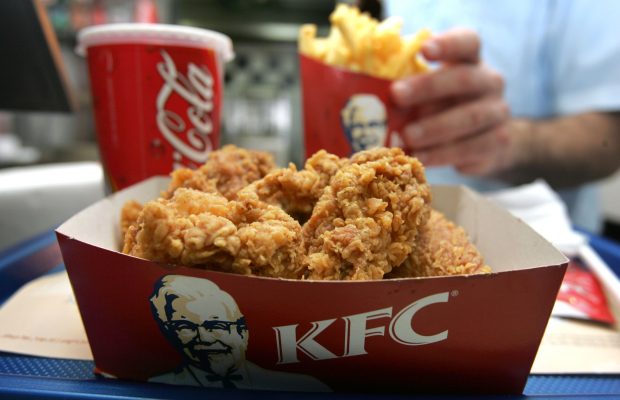
    As reported by Yahoo, 34-year-old Manny Estanislao was left shocked/horrified when he found maggots in KFC food he’d bought to cater a baby shower.

    Mr Estanislao of Roxburgh Park, north of Melbourne, explains that everyone at the baby shower had been enjoying the KFC chicken when a little boy discovered not one, but THREE maggots in the last piece.

    “Everyone was disgusted because we’d all eaten from the same chicken. We were all worried too,” Mr Estanislao told Channel 7, who he also sent a disturbing video of the creepy-crawlies in his food to.

    Responding to the larvae-filled claims, KFC have stated that they don’t believe that the maggots were in the chicken at the restaurant “pre-purchase”.

    “KFC works closely with leading Australian forensic entomologists to understand flies to ensure our restaurant cooking and food handling practices are robust so we can keep our food safe,” the statement began.

    “We urge customers to take care when leaving food uncovered during the warmer months to prevent these instances from occurring. We would welcome the opportunity to speak directly to the customer. They can contact us via our website.”

    No matter when/where the maggots originated, we’re still scratching our own skins at the thought of it…

  • Telstra buys MTData to bolster connected vehicle business

    Telstra buys MTData to bolster connected vehicle business

    Telstra has announced the acquisition of GPS and telematics fleet management solutions provider MTData in a bid which the incumbent says will boost its IoT offerings in the global connected vehicle market.  Financial terms of the deal were not disclosed.

    MTData was founded in 2003 and has operations in New Zealand, the US, Canada and the Middle East as well as Australia.

    According to Telstra, MTData provides GPS telematics and fleet management services that assist customers with compliance and safety, improving productivity and reducing operating costs.

    Michelle Bendschneider, executive director of Telstra Enterprise, said the acquisition will provide Telstra with the technical capability and software expertise necessary to help fast track the operator’s enterprise connected vehicle offering as part of its growing business-ready IoT ecosystem.

    “The MTData acquisition provides Telstra with advanced technology and deep domain expertise in connected vehicle solutions,” said Bendschneider.

    “This strategic acquisition will enable us to capitalize on the business ready IoT capability on our network, deliver IoT solutions to our customers in the heavy vehicle industry and supports a natural transition towards future autonomous vehicle technologies.”

    Commenting on the acquisition, Matthew Bellizia, CEO and co-founder of MTData, said, “There are strong synergies with our technology and customer focused cultures and through our integration we will provide customers with access to new and existing technologies like Telstra’s IoT offerings.”

    The acquisition by Telstra will allow MTData to provide connected vehicles, asset tracking and location insights, in the utilities, agriculture and resources industries, Bellizia said.

  • GXG joins an Australian sportswear brand

    GXG joins an Australian sportswear brand

    Australian compression and high-performance sportswear brand 2XU has formed a JV with Chinese fashion retailer GXG as part of an Asia expansion plan.

    This will give it access to more than 1 billion Chinese consumers, and 2XU plans to add special apparel lines for the market. China’s gym and fitness industry has been growing at an annualised rate of 11.8 per cent since 2011 and generated nearly US$4.6 billion in revenue last year.

    Under the JV, 2XU plans to open up to 50 retail stores throughout mainland China in the next three years as well as its online and wholesale business.

    CEO Paul Higgins says the move is significant for the business, which launched in Melbourne 12 years ago. It first entered Asia in 2008 with a wholesale presence in Hong Kong and Singapore, and is now in 13 markets across Asia Pacific. It plans to increase its stores from 22 to 50 in the next 12 months, and to 100 in the next three years.

    Growth in the sportswear market in China has been driven by an upswing in sports participation rates. About 2.8 million runners last year took part in events, according to the Chinese Athletic Association – double the number in 2015. However, the number of gym attendees across 70 major cities has grown by up to 5 million every year since 2011.

    Already 2XU has been generating 51 per cent year-on-year growth in Asia Pacific in the past 12 months. The brand is available in Mainland China via concept stores in seven major cities, and has retail and wholesale channels in Hong Kong, Indonesia, Japan, Malaysia, Singapore, South Korea, Taiwan, the Philippines and Vietnam.

    Under the new JV, 2XU Performance Centres will start opening in major Chinese cities from early next year.