Tag: Auto

  • GM Temporarily Halts Paid Advertising On Twitter

    GM Temporarily Halts Paid Advertising On Twitter

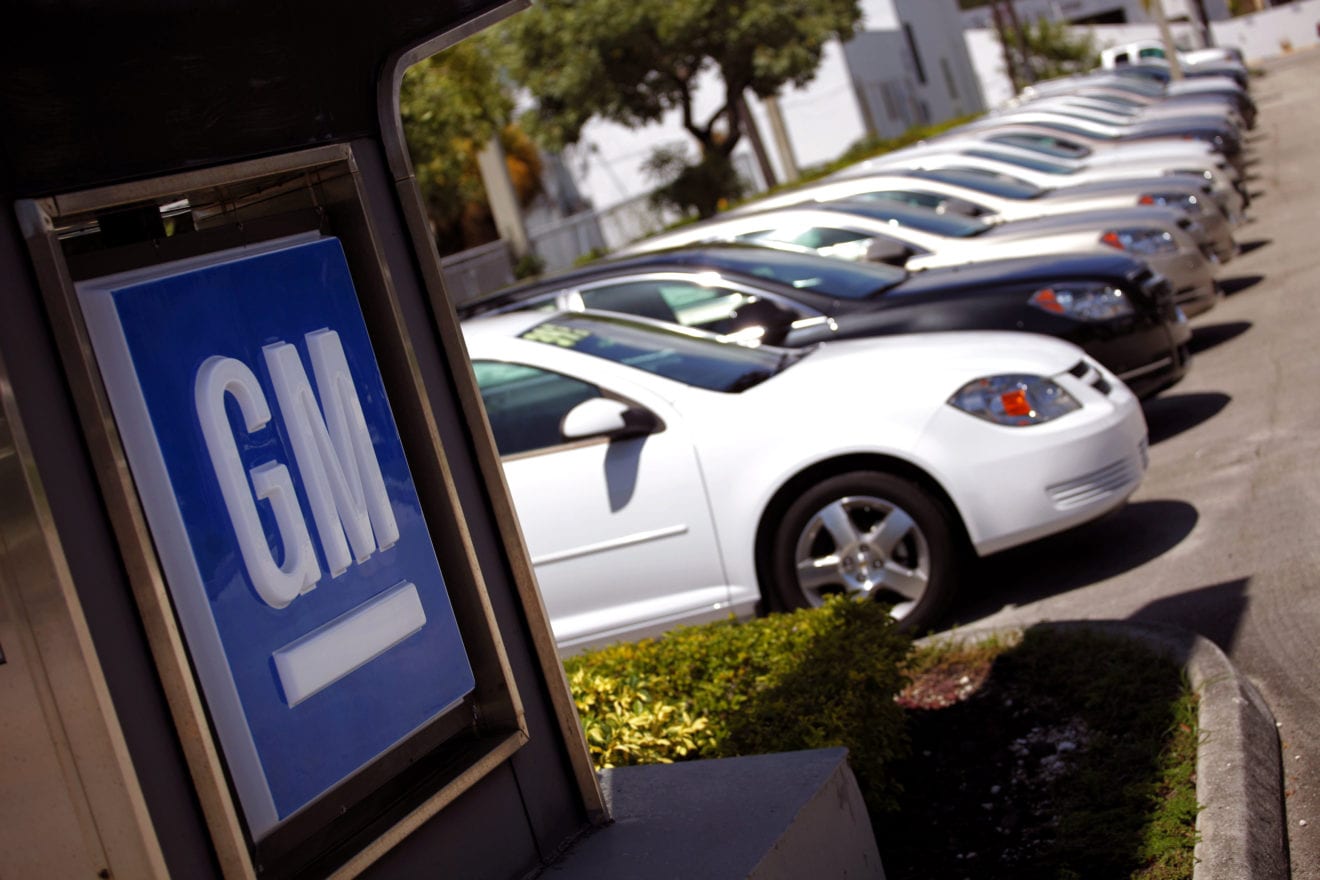
    General Motors Co said late on Friday it had temporarily halted paid advertising on Twitter after Elon Musk completed his takeover of the social media company.

    The largest U.S. automaker said it was “engaging with Twitter to understand the direction of the platform under their new ownership.”

    Twitter did not immediately respond to a request for comment. Musk is also the chief executive of GM rival Tesla Inc.

    GM said, “as is the normal course of business with a significant change in a media platform, we have temporarily paused our paid advertising.” The Detroit automaker added its “customer care interactions on Twitter will continue.”

    Ad sales accounted for more than 90% of Twitter’s revenue in the second quarter. At a presentation for advertisers in May, some ad agencies and brands were already sceptical and concerned over Twitter’s future.

    On the eve of the deal’s closing, Musk appealed directly to advertisers in an open-letter tweet: “Twitter obviously cannot become a free-for-all hellscape, where anything can be said with no consequences! Twitter aspires to be the most respected advertising platform in the world that strengthens your brand and grows your enterprise.”

    Musk tweeted on Friday that Twitter will form a content moderation council “with widely diverse viewpoints.” Musk said no major content decisions or account reinstatements will happen before the council convenes.

  • Tesla Recalls 24,000 U.S. Vehicles Over Seat Belt Issue

    Tesla Recalls 24,000 U.S. Vehicles Over Seat Belt Issue

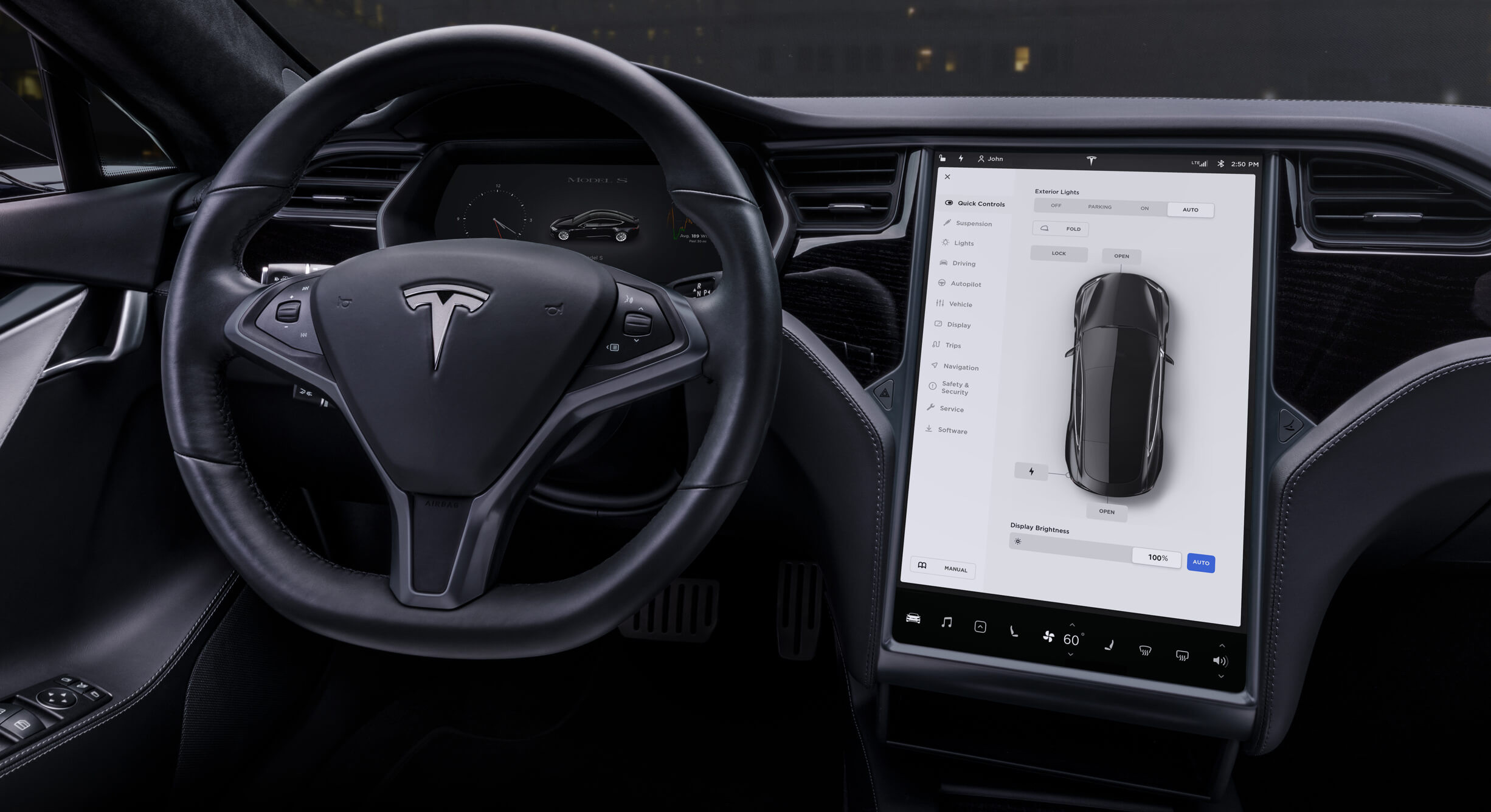
    Tesla Inc is recalling just over 24,000 U.S. 2017-2022 Model 3 vehicles over a seat belt issue.

    The Austin-based electric vehicle company said the second-row left seat belt buckle and second-row center seat belt anchor may have been incorrectly reassembled during vehicle service.

    It told the National Highway Traffic Safety Administration it had reports of 105 service repairs, including warranty claims, for U.S. vehicles that were or might be related to the recall issue.

  • Honda To Cut Car Output At Two Japanese Plants In October

    Honda To Cut Car Output At Two Japanese Plants In October

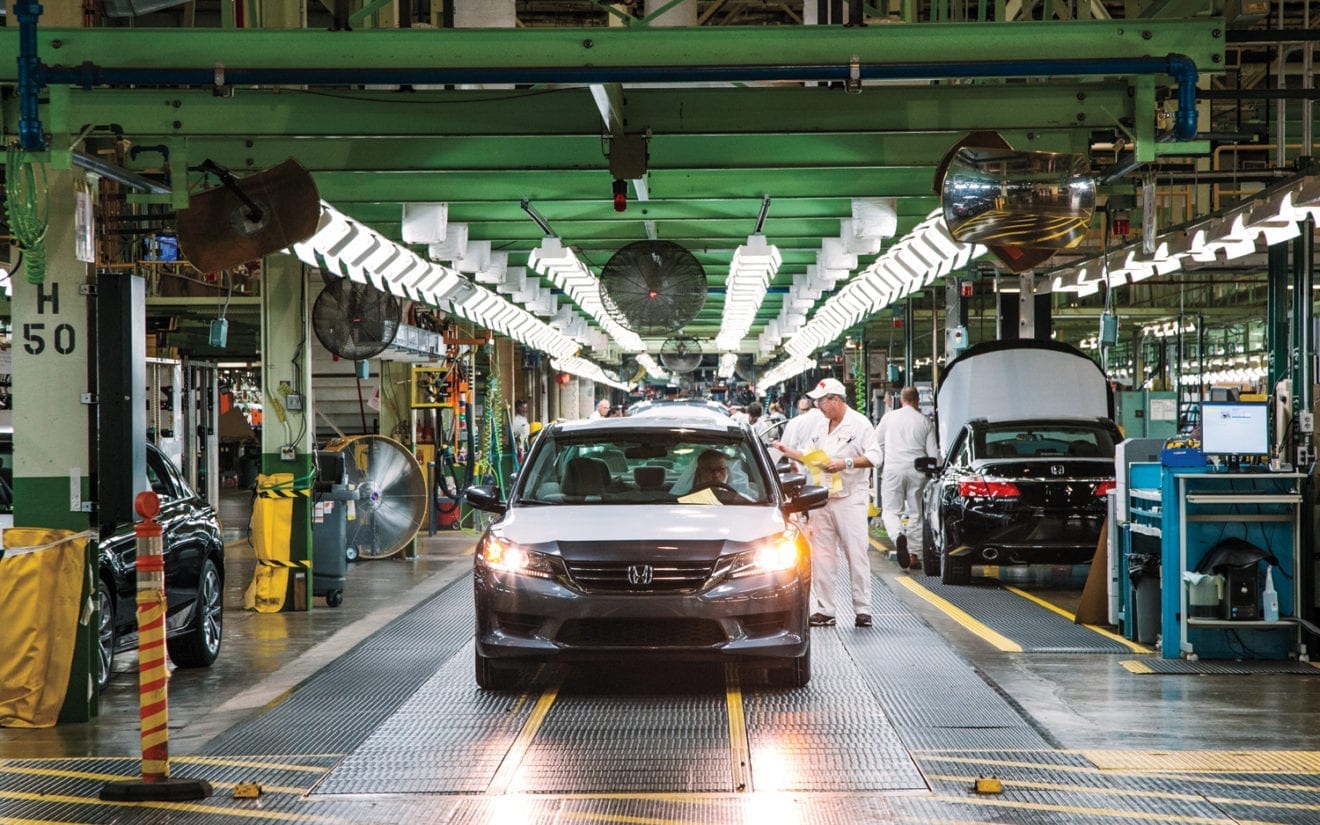
    Honda Motor Co said on Thursday it would reduce car output by up to 40% at two Japanese plants for the rest of October from its earlier plans, as the company battles with persistent supply chain and logistical problems.

    Two lines at Honda’s Suzuka plant in western Japan will cut production by about 20% in October, while its assembly plant in Saitama prefecture, north of Tokyo, will lower production plans by about 40% for the month.

    The automaker said it would cut vehicle production at Suzuka by 40% and Saitama by 30% in early October last month.

    Honda blamed delays in receiving parts and logistics on COVID-19 outbreaks and semiconductor shortages. The output reduction will affect vehicles, including the Vezel sport-utility vehicle, Stepwgn minivan, and Civic compact car.

    Honda’s production at the two plants returned to normal for June after an earlier reduction, but it began adjusting again for July.

    Last week, Honda’s rival Toyota Motor Corp lowered its October production target by 6.3% to about 750,000 vehicles because of a shortage of semiconductors.

    That announcement came about a week after it had lowered the production target for that month to around 800,000, about 100,000 short of its average monthly production plan. (This story has been corrected to fix the month Honda began cutting production to July from August in paragraph 5)

  • Indonesia In Talks With Ford And Hyundai To Setup operational Base For EVs

    Indonesia In Talks With Ford And Hyundai To Setup operational Base For EVs

    The Indonesian government seems to be pulling up its socks in a bid to catch up with other markets in the EV space. According to a Reuters report, Indonesia invited Ford Motor Company and Hyundai Motor Company to set up its operational base related to electric vehicles in the Southeast Asian country. The report states that Indonesia Coordinating Minister for Economic Affairs, Airlangga Hartarto, made this statement in Washington, D.C. last week and the country is gearing up to work in this direction.

    Ford, nickel miner Vale Indonesia and China’s Zhejiang Huayou Cobalt had earlier said that in July they had signed a non-binding memorandum of cooperation to build a plant in Indonesia to extract nickel chemicals. Hartarto said Indonesia also is in discussions with Hyundai and South Korean battery maker LG Energy Solution over battery and EV investments. “We have raw materials for EV battery technologies,” Hartarto told an audience at the Center for Strategic and International Studies. Indonesia’s large supplies of nickel, as well as semiconductor production capacity, can support the U.S. auto industry,” Hartarto said.

    If the deal materialise, Indonesia will be join the Asian developing economies in the push for faster adoption of greener vehicles. While Ford already winded up from the Indian market last year and is likely to make its comeback selling CBU models like the Mustang Mach-E, Hyundai India already sells the locally assembled Kona electric SUV in our market is testing the Ioniq 5 on the Indian roads as well.

  • Elon Musk Admits That Tesla Will Not Get Approval For Self-Driving Cars

    Elon Musk Admits That Tesla Will Not Get Approval For Self-Driving Cars

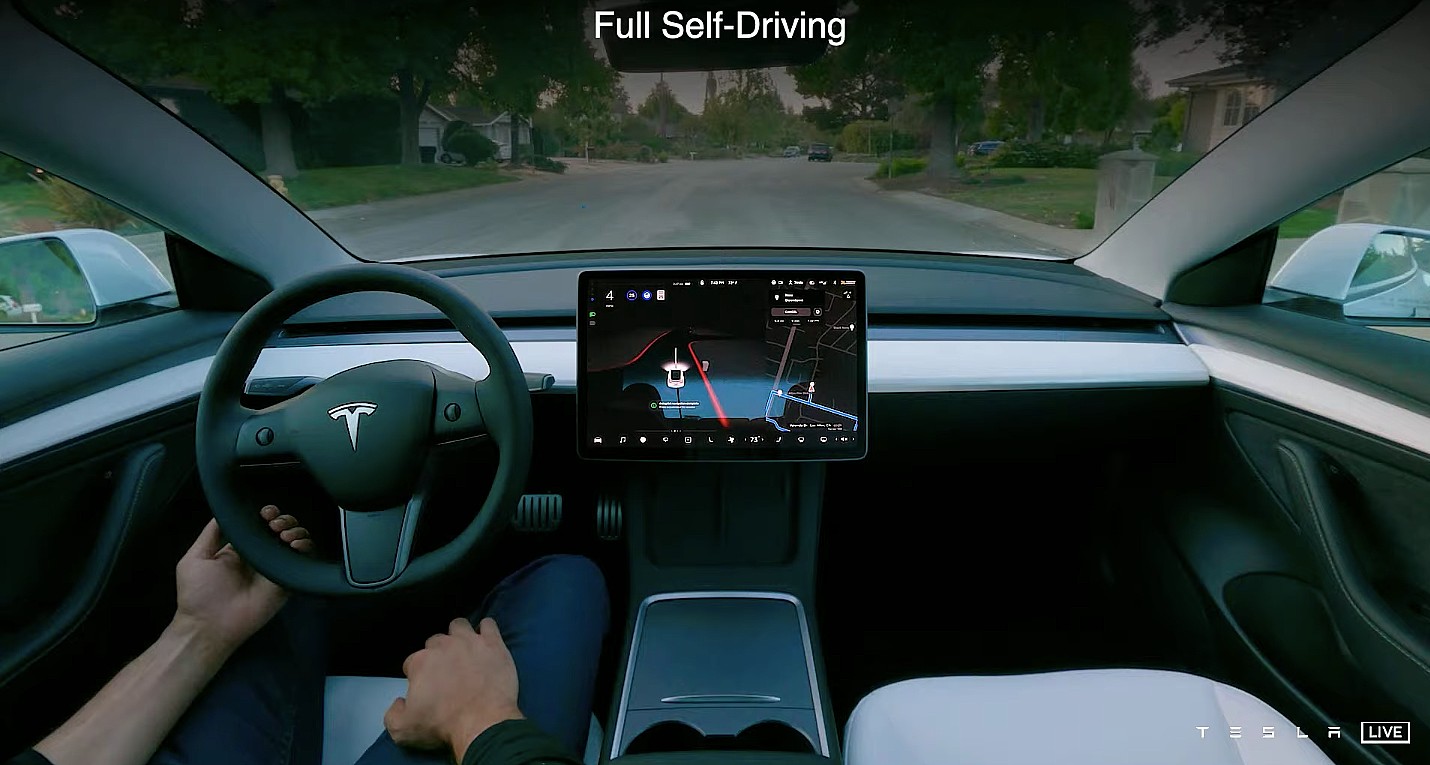
    Elon Musk has revealed that Tesla will not get any approvals for driverless cars in the U.S. (which means that the car wouldn’t need any input from the driver to operate). At the time in 2016 when Tesla had launched the AutoPilot stack, Musk had falsely predicted that permissions would be achieved by 2020 and till today he never had a morbid outlook towards the same.

    Now for the last two years, Tesla has been running its full self-driving beta but now Musk admits that it will not be given permission to operate without a driver in 2022. In fact, the software is not ready even now and Musk also says another major beta update will be rolled out before the end of the year.

    “The car will be able to take you from your home to your work, your friend’s house, the grocery store without you touching the wheel. It’s a separate matter as to will it have regulatory approval. It won’t have regulatory approval at that time,” he said.

    Recently, a Tesla Model 3 was also involved in an accident that had a fatality. The car was reportedly on AutoPilot and rear-ended a bike. Many have been critical of Tesla’s approach to the technology and accused it of false advertising which will certainly make regulatory approval harder. Tesla’s cars also don’t use radars anymore and Musk has been resistant towards adding LiDAR, something every other self-driving tech player has admitted is necessary.

  • Automakers To Double Spending On EVs, Batteries To $1.2 Trillion By 2030

    Automakers To Double Spending On EVs, Batteries To $1.2 Trillion By 2030

    The world’s top automakers are planning to spend nearly $1.2 trillion through 2030 to develop and produce millions of electric vehicles, along with the batteries and raw materials to support that production, according to a Reuters analysis of public data and projections released by those companies.

    The EV investment figure, which has not previously been published, dwarfs previous investment estimates by Reuters and is more than twice the most recent calculation published just a year ago.

    To put the figure in context, Alphabet, the parent company of Google and Waymo, has a market cap of $1.3 trillion.

    Automakers have forecast plans to build 54 million battery electric vehicles in 2030, representing more than 50% of total vehicle production, according to the analysis.

    To support that unprecedented level of EVs, carmakers and their battery partners are planning to install 5.8 terawatt-hours of battery production capacity by 2030, according to data from Benchmark Mineral Intelligence and the manufacturers.

    Leading the charge is Tesla, where Chief Executive Elon Musk has outlined an audacious plan to build 20 million EVs in 2030, requiring an estimated 3 terawatt-hours of batteries. Musk in late October said Tesla already is working on a smaller vehicle platform targeted to cost half as much as the Model 3 and Model Y.

    While Tesla has not fully disclosed its spending plans, such exponential growth – a 13-fold increase over the estimated 1.5 million vehicles it hopes to sell this year – will come at a cost of hundreds of billions of dollars, according to a Reuters analysis of Tesla’s financial disclosures and forecasts for global EV demand, and battery and battery mineral production.

    Germany’s Volkswagen, while lagging behind Tesla, has ambitious plans through the end of the decade, targeting well over $100 billion to build out its global EV portfolio, add new battery “gigafactories” in Europe and North America and lock up supplies of key raw materials.

    Japan’s Toyota Motor Corp is investing $70 billion to electrify vehicles and produce more batteries, and expects to sell at least 3.5 million battery electric models (BEVs) in 2030. It plans at least 30 different BEVs and expects to transition the entire Lexus range to battery electric over that span.

    Ford Motor Co keeps boosting its spending level on new EVs – now at $50 billion – and at least 240 gigawatt-hours of battery capacity with its partners as it aims to produce around 3 million BEVs in 2030 – half its total volume.

    Mercedes-Benz has earmarked at least $47 billion for EV development and production, nearly two-thirds of that to boost its global battery capacity with partners to more than 200 gigawatt-hours.

    BMW, Stellantis and General Motors each plan to spend at least $35 billion on EVs and batteries, with Stellantis laying out the most aggressive battery program: A planned 400 gigawatt-hours of capacity with partners by 2030, including four plants in North America.

  • Tesla Investors To Focus On Demand Issues In Earnings Report

    Tesla Investors To Focus On Demand Issues In Earnings Report

    Tesla’s quarterly report on Wednesday will likely show whether the Elon Musk-led electric-vehicle maker is facing any weakness in demand that is starting to weigh on the wider auto industry.

    Decades-high inflation, rising energy bills in Europe and signs of a weakening China market have raised doubts among some analysts about whether Tesla can buck an economic slowdown and continue to raise prices without hurting its sales.

    Although Musk has said Tesla “does not have a demand problem”, the company’s latest report on deliveries showed that it made 22,000 more EVs than it delivered to customers in the third quarter. It blamed the rise in inventory on transportation-related problems.

    Demand for Tesla vehicles in China, the world’s biggest market for autos, is emerging as a major worry among Wall Street analysts, given that the EV maker faces tough competition from domestic rivals BYD, Nio Inc and XPeng Inc.

    “A top concern right now is demand in China as wait times seem to be shrinking,” RBC Capital Markets said. “Question is if this is a blip or signs of a bigger change among consumers.”

    Globally, there are fears that auto sales may lose steam in the coming quarters as rising interest rates and a weaker economic backdrop discourage consumers from making big-ticket purchases.

    Analysts say pricing is a key factor that could help Tesla make up for a possible demand drop and boost revenue.

    The average U.S. selling price of Tesla’s Model 3 has risen about 24% since January last year, potentially helping the EV maker rake in record revenue in the third quarter.

    Wells Fargo said Tesla is likely the biggest beneficiary of the Biden administration’s new consumer tax credits to incentivize North American battery and EV production.

    Musk also raised hopes of a share buyback earlier this month when he said “Noted” on Twitter in response to a major individual investor’s call for a stock buyback.

    Such a move could benefit Musk, whose 15% stake in Tesla makes him its biggest stakeholder, and help him raise cash to fund his $44 billion deal to take Twitter Inc private.

    Some experts say Musk may need to sell up to an extra $3 billion in stock after the earnings announcement to help fund the deal.

    “If there is a big sale of Tesla stock by Musk after earnings, that will be a strong sign that the Twitter deal is on the cusp of closing,” said Adam Badawi, a law professor at UC Berkeley.

  • VinFast to set up headquarters in 3 European markets

    VinFast to set up headquarters in 3 European markets

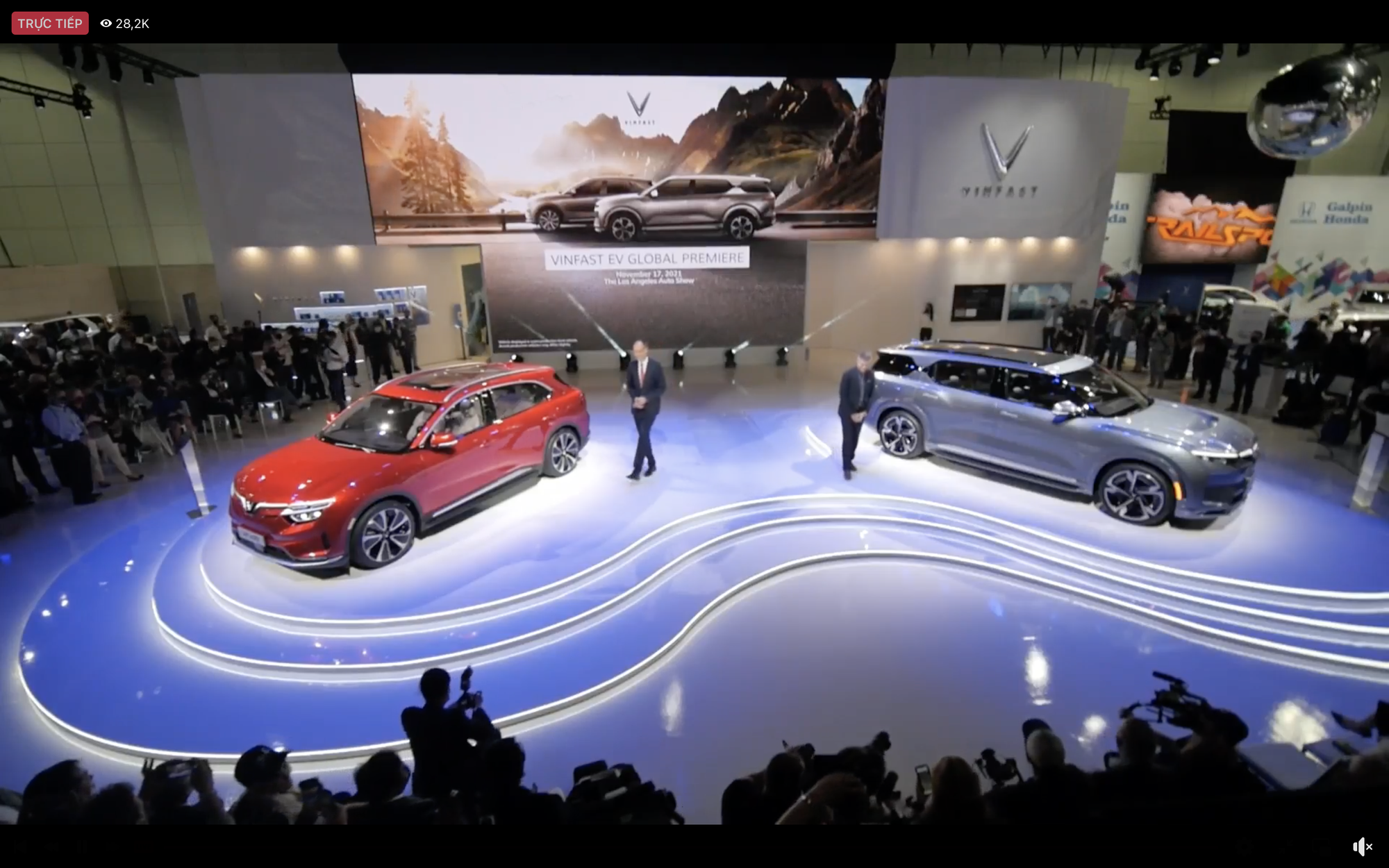
    VinFast plans to set up headquarters in Germany, France and the Netherlands as it eyes a successful foray into key European markets for its electric cars.

    But it is unclear when the Frankfurt, Paris and Amsterdam offices will open.

    The company is set to open its first flagship store in Germany’s Cologne next month and another one in Paris in December. More are in the works by early 2023.

    To support its rollout, VinFast said it already has hundreds of employees with vehicle manufacturing experience and market-specific expertise in place across its European launch markets.

    It aims to hire over 200 technicians in the next 12 months to support its after-sales network.

    “Returning to the site of our global debut four years ago, VinFast is proud of the great strides it has made towards market expansion and its commitment to driving the global electric vehicle revolution,” Le Thi Thu Thuy, Vingroup vice chairwoman and VinFast Global CEO, said.

    “VinFast aspires to an even bigger achievement: becoming a beloved all-electric brand in crucial European markets.”

  • Automaker McLaren opens first showroom in Vietnam

    Automaker McLaren opens first showroom in Vietnam

    British automaker McLaren opened its first official Vietnamese showroom in HCMC on Thursday. The McLaren HCM reseller, located at the Deutsches Haus building in HCMC’s District 1, is invested and run by S&S Group. With an authorized reseller in Vietnam, McLaren said it would deliver the newest supercars for the Vietnamese elite class.

    At the opening ceremony for the showroom, Charlotte Dickson, head of Asia Pacific at McLaren, said Vietnam is the firm’s 41st market.

    Nguyen Thuy Huong, co-founder of S&S, said HCMC was chosen as the location for McLaren’s first showroom as it is deemed an ideal destination with much potential for brand development.

    Through its authorized reseller, McLaren is expected to introduce to the Vietnamese market with several types of supercars, including the 765LT. Besides the showroom, S&S Group would also provide car repair and maintenance services.

    McLaren, founded in 2010, is a subsidiary owned by the wider McLaren Group. Its headquarters and manual assembly plant are in Woking, Surrey County, England.

    Besides the main product of supercars, the company also makes sports cars with more affordable price tags.

  • Tesla Achieves New Sales Milestone In China For September 2022

    Tesla Achieves New Sales Milestone In China For September 2022

    Tesla sold 83,135 China-made vehicles wholesale in September 2022, smashing its record of monthly sales in China, the China Passenger Car Association reported. The number marks an 8 per cent increase from August 2022 and outpaced more than the 5 per cent month-over-month growth of all wholesale electric vehicle sales in China, according to CPCA data. It set a record for Tesla’s Shanghai factory since production began in December 2019, and topped the prior sales record of 78,906 in June, as the U.S. carmaker continues to invest in China production.

    Globally, Tesla, last week said it delivered 343,830 electric vehicles in the third quarter, a record for the world’s most valuable automaker, but less than the 359,162 analysts on average had expected, according to Refinitiv. Tesla quickened its China deliveries after suspending most production at the Shanghai plant in July for an upgrade, which aimed to bring the factory’s weekly output to around 22,000 units compared with levels of around 17,000 in June, Reuters previously reported.

    The plant, which manufactures Model 3s and Model Ys, reopened on April 19, 2022, after a COVID lockdown, but only resumed full production in mid-June. Production accelerated despite heatwaves and COVID curbs that hit its suppliers in the southwest region of the country.

    China’s BYD continued to lead the domestic EV market with 200,973 wholesale sales in September, a nearly 15 per cent jump from August, as CPCA said higher oil prices and government subsidies continue to encourage more consumers to choose electric vehicles.

  • Mercedes’s largest dealer hits full-year profit target

    Mercedes’s largest dealer hits full-year profit target

    Hang Xanh Motors Service Joint Stock Company, a major Mercedes-Benz car dealer, reported pre-tax profits of more than VND240 billion (US$10 million) in the first nine months, exceeding its full-year target.

    Consolidated revenues were up 50 percent year-on-year at VND5.17 trillion. In the third quarter they rose 2.7 times to VND2 trillion ($83.1 million).

    Haxaco’s short-term debts increased by more than 60% to VND563 billion, while long-term debts, mainly in the form of convertible bonds, were around VND180 billion.

    Vietnam has three authorized Mercedes-Benz dealers, Andu and Vietnam Star being the others, and Haxaco has the largest market share.

    It has five sales agents in Ho Chi Minh City, Hanoi and Can Tho.

  • September auto sales up 8.5%

    September auto sales up 8.5%

    Auto sales rose by 8.5% in September to 33,463 units as the market slowly recovered amid tightening global spending. September marked a third straight month of increase in sales, according to the Vietnam Automobile Manufacturers Association (VAMA), which excludes the TC Group (which makes Hyundai cars) and VinFast.

    It represented a 247% rise year-on-year, admittedly from a low base as Covid-19 raged at this time last year.

    But it was far below this year’s peak in May when over 43,800 units were sold.

    In the first nine months sales rose 157% year-on-year to 296,403 units. Truong Hai Auto Corporation (Thaco) led with 101,614 units as sales rose by 54%.

    It was followed by Toyota (64,130 units) and Mitsubishi (30,296). Honda and Ford rounded off the top five. TC Group reported sales of 56,320 units, but VinFast has not released numbers.

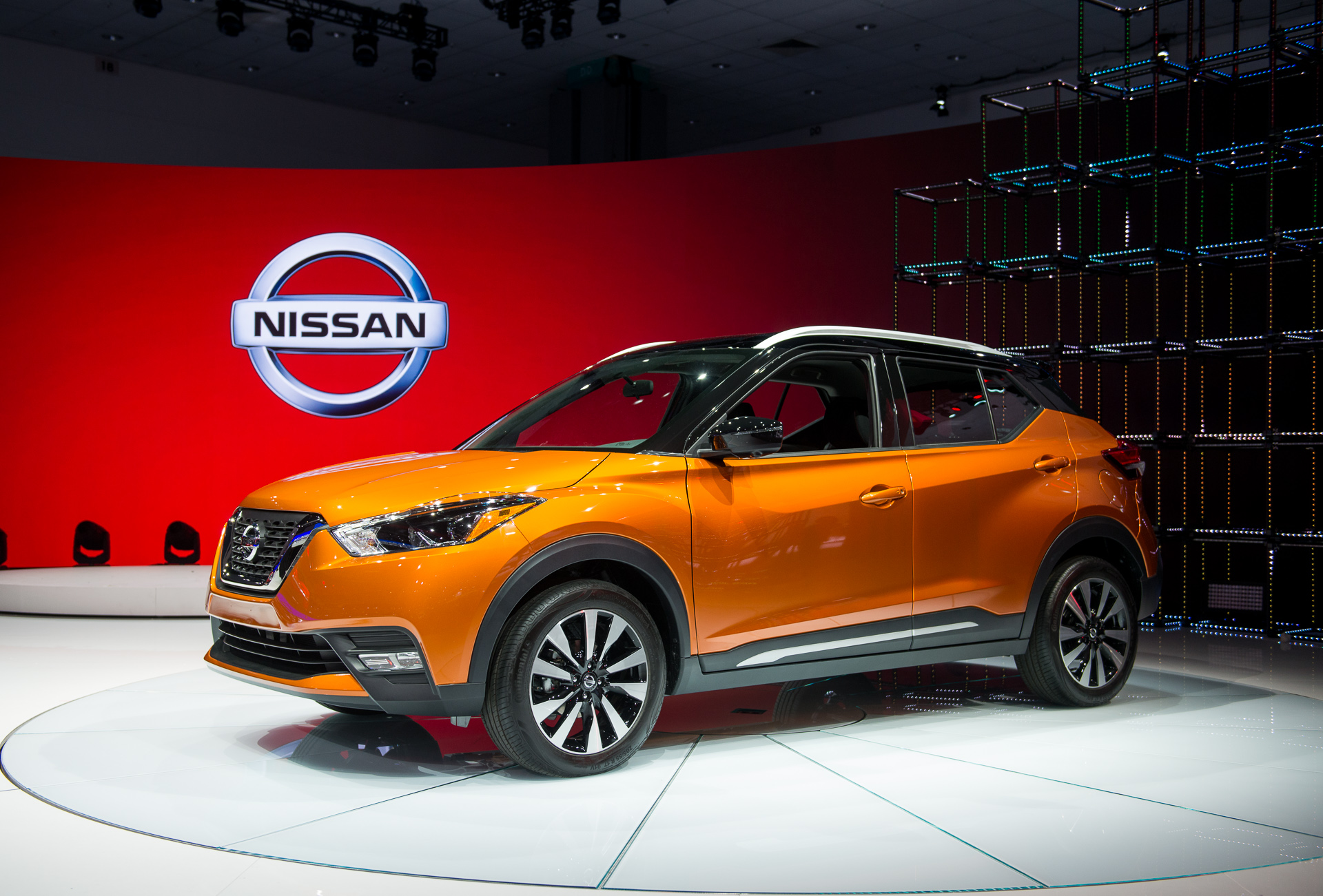
  • Nissan Exits Russian Market

    Nissan Exits Russian Market

    Japanese auto giant Nissan has announced its exit from the Russian market. The automaker’s Executive Committee approved the sale of its Russian operations to the state-owned NAMI, the Central Research and Development Automobile and Engine Institute. Nissan had stopped operations in Russia in March this year, following the invasion of Ukraine. It then ceased operations at the company’s St. Petersburg plan later the same month citing parts shortages. Nissan said it will book a loss of 100 billion Yen (around $686.2 million) with the sale of its local unit in Russia. The sale will be formalised in a couple of weeks following approvals from local authorities.

    The sale transfer will include all of Nissan’s Russian operations under the Nissan Manufacturing Russia LLC (NMGR) legal entity to NAMI for future passenger vehicle projects. This includes the manufacturing and R&D facilities in St. Petersburg, and Sales & Marketing centre in Moscow, which will operate under a new name. The company further said that all of Nissan employees will receive employment protection of 12 months. The terms of sale allow Nissan with the option to buy back the entity and operations within the next six years.

    Speaking about the exit from Russia, Makoto Uchida, President and CEO – Nissan, said, “On behalf of Nissan, I thank our Russian colleagues for their contribution to the business over many years. While we cannot continue operating in the market, we have found the best possible solution to support our people.”

    The automaker said it will maintain its full-year guidance. More details on the exit will be reported after further assessment during the second quarter results in November 2022.

  • TC Motor to sell Skoda cars from next year

    TC Motor to sell Skoda cars from next year

    TC Motor, a distributor and assembler of South Korean Hyundai vehicles in Vietnam, will start selling the popular Czech Skoda cars next year.

    Under a deal it signed with Skoda Auto in Hanoi on Oct. 7, TC will start by distributing imported Skoda cars first before assembling them.

    The two firms plan to build a plant in the northern province of Quang Ninh, with the first vehicles expected to roll out of it late next year at the earliest.

    Vietnam is the first Southeast Asian country where Skoda will build a factory. It plans to export vehicles assembled in Vietnam to other countries in the region.

    Skoda makes 11 models, with the Octavia being its bestseller, but the two companies have not revealed which model will be sold first in Vietnam.

    Last year, the Czech firm sold nearly 900,000 vehicles in some 100 markets around the world, with Germany and Russia being the biggest.

  • Tesla’s Logistical Challenges Overshadow Record Deliveries

    Tesla’s Logistical Challenges Overshadow Record Deliveries

    Tesla Inc on Sunday announced lower-than-expected  electric vehicle deliveries in the third quarter, as logistical challenges overshadowed its record deliveries.

    The top electric car maker said “it is becoming increasingly challenging to secure vehicle transportation capacity and at a reasonable cost,” but some analysts were also concerned about demand for high-ticket items due to the weakening global economy.

    “The economy around the edges is still hurting Tesla that’s mostly logistical. But that I think there is some demand (issues) sprinkled in there,” Wedbush Securities analyst Dan Ives said after the delivery results.

    “There is a dark cloud over the auto sector. And Tesla is not immune.”

    Ford Motor said last month inflation-related costs would be $1 billion more than expected in the third quarter and that parts shortages had delayed deliveries.

    Apple Inc. is backing off plans to increase production of its new iPhones this year after an anticipated surge in demand failed to materialize, Bloomberg reported last month, citing people familiar with the matter.

    “I think that EVs are in for probably a little bit of a rough patch, just because people are probably going to be a little bit hesitant and less urgent to buy something new,” OANDA senior market analyst Ed Moya said.

    Tesla delivered 343,830 electric vehicles, a record for the world’s most valuable automaker, but less than the 359,162 analysts on average had expected, according to Refinitiv. A year earlier Tesla delivered 241,300 units.

    The latest deliveries fell short of Tesla’s production of 365,923 vehicles, which is rare for the automaker which has seen its deliveries higher or similar to production in many of recent quarters.

    “As our production volumes continue to grow, it is becoming increasingly challenging to secure vehicle transportation capacity and at a reasonable cost during these peak logistics weeks,” Tesla said in a statement on Sunday.

    Tesla CEO Elon Musk said on Sunday “Smoothing out crazy end of quarter delivery wave to reduce expedite costs & relieve stress on Tesla team.”

    Last year,  he said Tesla is having a “crazy wave” of deliveries at the end of each quarter, because its Shanghai factory makes cars for exports to Europe and other countries in the first half of a quarter and then cars to be sold in China.

    Tesla again asked employees to help deliver “a very high volume of vehicles to eagerly waiting customers during the final days of Q3” in California, according to an email seen by Reuters.

    Tesla on Sunday said it has “began transitioning to a more even regional mix of vehicle builds each week, which led to an increase in cars in transit at the end of the quarter.”

    Tesla set an ambitious target to produce almost 495,000 Model Y and Model 3s in the fourth quarter of this year, internal plans reviewed by Reuters show.

    The company’s production ambitions come against the backdrop of increasingly gloomy outlook for global growth, with Musk himself telling top managers in June he had a “super bad feeling” about the economy and planned to cut staff.

    During a conference call in July, Musk said at first that macroeconomic uncertainty might have some impact on demand for its electric vehicles, but when pressed for details by an analyst, he said the company did not have a demand problem but a production problem.

    The automaker expanded production capacity in Shanghai after a resurgence in COVID-19 cases forced a suspension at the plant and fueled the first dip in deliveries after a nearly two-year-long record run.

    In September, Tesla’s vehicle order backlog fell, especially in China, Troy Teslike, a Tesla data tracker tweeted.

    Tesla said it delivered 325,158 Model 3 compact cars and Model Y sport-utility vehicle, as well as 18,672 of its Model S and Model X premium vehicles to customers during the quarter.       Meanwhile, Musk on Friday showed off a prototype of its humanoid robot ‘Optimus,’ predicting the electric vehicle maker would be able to produce millions and sell them for under $20,000 – less than a third of the price of a Model Y.

    Experts were impressed by the speed of development of Tesla’s humanoid robots, but they agreed with Musk, who said “there’s still a lot of work to be done to refine Optimus and prove it.”