Tag: Auto

  • Indonesia surpasses Thailand as Vietnam’s largest car exporter

    Indonesia surpasses Thailand as Vietnam’s largest car exporter

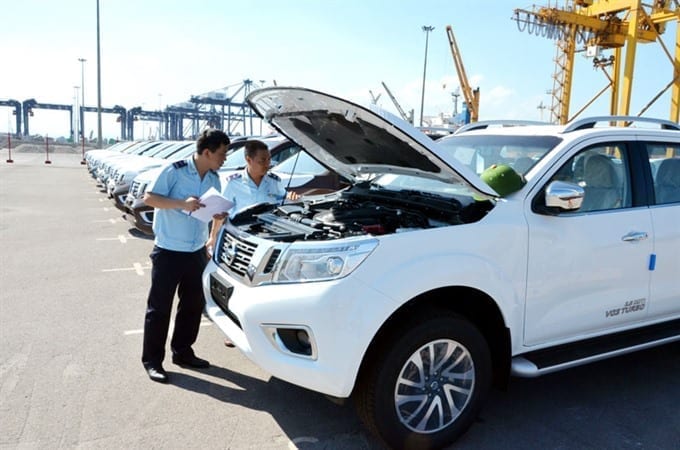
    Indonesia surpassed Thailand as Vietnam’s largest car exporter in 2022, with 72,671 cars exported.

    According to statistics released by Vietnam Customs, Vietnam imported 173,467 cars in 2022, an 8.5% increase from 2021.

    Indonesia, Thailand and China were the biggest car exporters to Vietnam, but Indonesia surpassed Thailand to be the country that exported the most cars to Vietnam, with 72,671 cars exported in total, a 64.2% increase from 2021, and worth $10.5 billion.

    Thailand exported 72,032 cars worth $1.42 billion to Vietnam in 2022, a 10.9% decrease in number from 2021. The number of cars imported from Indonesia and Thailand amounted to 144,703 cars, accounting for 83% of all imported cars. China stood in third place, exporting 17,240 cars to Vietnam in 2022.

    For the first time in decades, the number of cars sold in Vietnam in 2022 reached 508,547 cars, according to statistics from the Vietnam Automobile Manufacturers’ Association and TC Motor.

  • Audi Delivers Over 1,00,000 EVs Globally in 2022

    Audi Delivers Over 1,00,000 EVs Globally in 2022

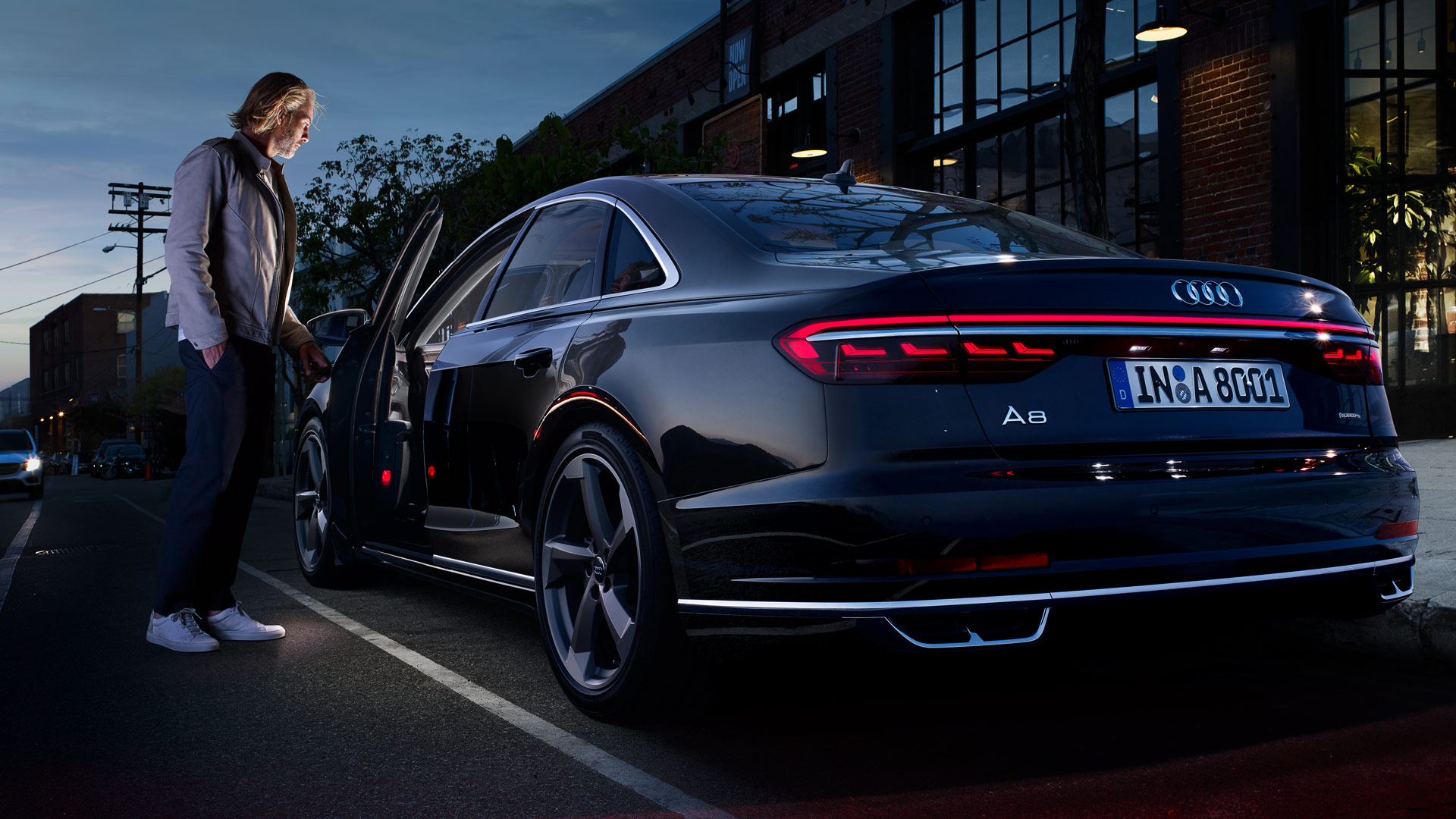
    Audi saw a significant growth in the sale of EVs in the year 2022 globally, as the German manufacturer registered a sales figure of over 1 lakh EVs in the year. To be precise, the Volkswagen Group-owned brand delivered 1,18,196 electric vehicles globally in the year, which marked an increase of 44.3 percent over CY2021.

    “Even though we’re still facing global economic challenges, we’re looking toward the future with confidence,” said Hildegard Wortmann, Member of the Board of Management of AUDI AG for Marketing and Sales. “That’s because we’re going into 2023, during which we will accelerate the transformation together with an attractive portfolio, many orders and a highly motivated team.”

    Audi saw high demand for all-electric models, including the Audi Q4 e-tron, Audi e-tron GT quattro, and Audi e-tron – which will soon be replaced by Audi Q8 e-tron. Not just globally, but Audi also saw a decent growth in EV sales in India, with the figure going up 27.1 per cent in the year 2022.

  • Hyundai conquers Vietnam’s city car market

    Hyundai conquers Vietnam’s city car market

    South Korea’s Hyundai dominated Vietnam’s small urban car market last year after Vietnamese and Japanese manufacturers stopped selling A-segment models.

    The European Commission defines the A-segment as city cars, the smallest category of passenger cars.

    Last year in Vietnam, Hyundai sold 10,752 units of its i10 model, while local Vietnamese manufacturer VinFast sold 10,661 Fadils, its most popular model.

    The Fadil was Vietnam’s best-selling car in 2021. And it was 2022’s best-selling car through the first half of the year as well, before VinFast took it off the market in mid-July as part of the company’s transition towards manufacturing only electric vehicles. VinFast no longer makes fossil-fuel cars.

    The 2022 car market in Vietnam also saw Kia sell 3,979 of its Morning models, while 1,953 Honda Brios and 488 Toyota Wigos were also sold in the country.

    The two Japanese models on the list, Brio and Wigo, were also taken off the market in the second half of last year because their engines did not meet the Euro 5 emission standards required by the Vietnamese government.

    Brio had been on the Vietnamese market for more than 3 years, but the model hadn’t changed since a facelift in 2020. It is scheduled to go on sale in Vietnam again later this year.

    VinFast plans to replace the Fadil with a small electric CUV model called the VF 5. It will cost VND458 million ($19,407), excluding the battery, and deliveries will begin in April.

    Imported Japanese models such as Wigo and Brio have a brand advantage, but their prices are higher than South Korean models assembled in Vietnam.

    In the A-segment, customers are often interested in low initial investment costs and various new version options. Both the Hyundai i10 and Kia Morning meet both of those expectations.

  • Auto imports zoom to new high

    Auto imports zoom to new high

    Auto imports rose by 8.4% last year to a record 173,467 units, which cost US$3.84 billion according to Vietnam Customs.

    The previous highest number was over 160,000 in 2021.

    Indonesia and Thailand were the biggest sources of the imports last year, accounting for 41.9% and 41.5%.

    China was third with 10%.

    The government has issued a decree encouraging auto imports from ASEAN countries to comply with the ASEAN Trade in Goods Agreement.

    From 2022 to 2027 vehicles produced within ASEAN with over 40% locally sourced components are exempt from import tax.

  • Google unveils new Android Auto features

    Google unveils new Android Auto features

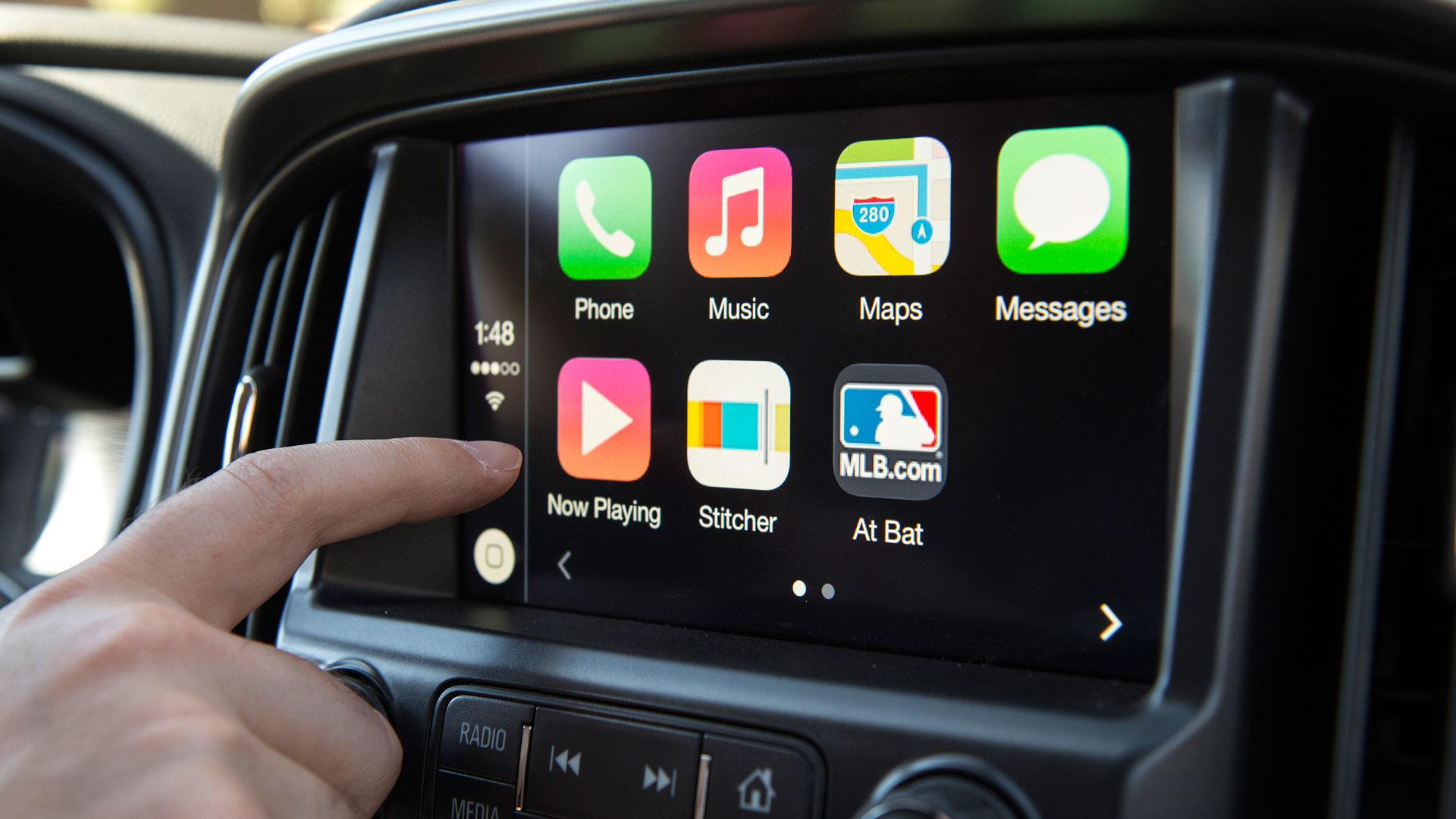
    Google’s booth at CES officially opened today and highlighted some of the progress that has been made to make the Android ecosystem more helpful across multiple devices. Some of the apps and features that have driven this include the media player, seamless switching between Android and ChromeOS and a brand new Android Auto.

    At CES, Google is showing how its technology already helps devices work better together and how we as users can enjoy entertainment in new ways, like by expanding its work with Spotify so we can listen without interruptions.

    With Android 13, Google added a new media player to your Android phone’s lock screen and notification area, letting you quickly choose which Bluetooth or Chromecast-enabled devices to play your content on. This year, Google is working closely with Spotify to make it easy for users to switch between any Spotify Connect device and the media player on Android.

    Google is also making it possible for you to take your audio content with you as you go about your day. This will be accomplished via notifications on your devices, allowing you to tap to start listening to a podcast in the car, continue on your phone and headphones, and finish on your TV at home. As you move around, your phone or other devices will send you media notifications asking if you want to move the audio to a nearby device.

    Google is working with Spotify to use these notifications to help users enjoy the content they’re streaming on their best device. This notification experience will also be available on YouTube Music.

    Designed to be adaptable, open, and compatible with one another, Android and Chrome OS were made to function hand in hand. This trend continues with Android’s three-layer technology stack that understands your proximity to another device and context in how you use it, bringing you a new level of convenience and ease-of-use.

    To bridge these devices together, Google has integrated tools like Fast Pair, Nearby Share, Phone Hub, and Chromecast to make switching between devices faster and less cumbersome. Google has also expanded on Android’s rich heritage of customization and AI to bring a range of individualized features, such as seamless audio switching to cross-device copy and paste.

    These and other features be found on the latest Chromebooks, such as the ASUS Chromebook Vibe CX34 Flip and the HP Dragonfly Pro Chromebook, both of which were revealed at CES.
  • Indonesia To Offer $5,000 Subsidy On Electric Car Sales

    Indonesia To Offer $5,000 Subsidy On Electric Car Sales

    Indonesia’s government plans to offer a subsidy of more than $5,000 on every sale of an electric car, a minister said on Wednesday.

    It will also offer incentives to encourage purchases of electric motorbikes as well as hybrid cars, Industry Minister Agus Gumiwang Kartasasmita said, as part of plans to reduce carbon emissions in Southeast Asia’s largest economy.

    The incentives will offered to buyers of EVs produced by firms with factories in Indonesia, he said in a video statement.

    A subsidy of around 80 million rupiah ($5,131) will be offered on every sale of an electric car, 40 million rupiah on hybrid cars and 8 million rupiah on fully electric motorbikes, the minister said.

    The government will also cover 5 million rupiah of the cost to convert a combustion engine motorbike into an electric one, he added.

    He did not provide a timeline for when the scheme will be implemented nor the total budget it will require.

    Senior Minister Luhut Pandjaitan said previously that the program may start next year.

    Indonesia has a target of at least 1.2 million electric bikes and 35,000 electric vehicles in use by 2024.

  • Tesla Falls On Growing Angst Over Musk’s Focus On Twitter

    Tesla Falls On Growing Angst Over Musk’s Focus On Twitter

    Shares of Tesla Inc fell nearly 6% on Tuesday after a string of brokerages cut their price targets on the electric-vehicle maker’s stock, citing the risk from Elon Musk’s Twitter distraction.

    Tesla’s shares hit a more than two-year low of $140.86.

    Analysts say investors are worried that Musk may need to sell shares further to fund Twitter and sentiment around the acquisition of the social media firm could hurt the EV maker’s brand.

    Evercore ISI, which slashed its price target on the company’s shares to $200 from $300 said investors fear damage to the Tesla brand.

    Daiwa Capital Markets also cut its price target to $177 from $240, citing a “higher risk profile from the Twitter distraction”.

    Tesla shares, which have lost nearly 60% of their value so far this year, closed down 0.2% on Monday as Twitter users voted decisively in a poll for Musk to step down as chief executive of the social media platform.

    Analysts at Oppenheimer downgraded Tesla’s shares on Monday.

    The price target cuts come ahead of Tesla’s quarterly deliveries report expected in early January amid weakening demand in China.

    Daiwa lowered the company’s delivery estimate by 5% for 2023 and forecast an 8% reduction in revenue per unit year-over-year.

    Musk has said Tesla targets 50% growth in delivery volumes annually, however, the electric-vehicle maker said it will miss the target this year due to logistics issues.

    China’s passenger vehicle sales fell for the first time in six months in November and are expected to stay flat next year, China Passenger Car Association said.

  • Domestic car market sees sluggish sales in year-end sale season

    Domestic car market sees sluggish sales in year-end sale season

    While normally a positive time for car sales, this year the domestic automobile market is seeing gloomy days as Tet (Lunar New Year holiday) approaches.

    Sale manager of a Hyundai showroom Van Nam said since the end of the second quarter this year, car loans from commercial banks have had an interest rate of 13-15.5% a year, while car loans during the Covid-19 pandemic were between 9.5-9.9% a year.

    Car loans offered by foreign banks in Vietnam are between 10-11% per year, however, lending procedures are very strict, and borrowers must have high incomes and their salary must be paid via banks.

    His showroom’s car sales have decreased by about 40% from the beginning of this year, Vietnam News Agency quoted Nam as saying. His showroom set a target of selling 200 units in December, but it has been hard to achieve it.

    Dinh Hung, a car trader, said used car sales have been gloomier. Since he started trading used cars, this has been the bleakest time. Hung attributed his slow sales to higher interest rates and tightening credit. He complained that he had to borrow money from banks for his business, and it was very difficult to pay off his loans as his used cars have gone unsold.

    Sharing the same view, car dealer Nguyen Quyet said in the first months of this year, the used car market was boisterous and many used vehicles were even sold at higher prices than new cars due to global supply shortages. Contrary to early months, the year-end used car market is quite gloomy.

    The sluggish sales are attributed to a tightening credit market and higher interest rates.

    Tran Duc Hung, a Hanoi resident who is planning to purchase a vehicle, found himself wondering whether he should opt for a new car or not. Hung said that if he bought a new car, he would have to borrow about VND400 million ($16,670) from a commercial bank for a term of five years.

    With this loan, his car would end up costing an additional VND130 million due to bank interest.

    Nguyen Van Thang, an owner of a car dealership on Le Van Luong street, said most banks do not give priority to car loans while interest rates are quite high. This factor greatly affected the car market in general and used cars in particular, especially luxury and expensive ones. Car traders had to reduce prices in early December to lure customers.

    Nguyen Van Nam, sale manager of a Hyundai showroom in Hanoi, said that in December, he lowered prices by between VND15-30 million ($625-1,250) of popular Hyundai models such as Accent, Grand i10, and Elantra.

    Le Thai Son, a car salesman at a Honda showroom in Cau Giay District, said the prices of many Honda models were reduced, for instance, the Honda CR-V at this time would get an attractive discount of between VND70-90 million.

    Toyota Vietnam has offered a promotion campaign for models such as Veloz, Vios, or the 7-seat MPV segment with discounts of VND30-40 million. Meanwhile, many dealers have launched promotions by offering free registration or direct discounts on price.

    November auto sales posted a decline from October after four consecutive months of growth, but sales for the year so far have still achieved double-digit growth.

    According to the Vietnam Automobile Manufacturers Association (VAMA) report issued on December 13, automobile sales including imports were down 5.9% year-on-year to 36,371 units in November. CKD volume reached 18,813 units and CBU volume was 17,558 units.

    Total sales in the first 11 months this year rose 43% year-on-year to 369,334 units. Of that total, sales of CKD vehicles reached 208,822 and those of CBU imported vehicles reached 160,512 units.

  • Tesla Adds Apple Music, Zoom & Steam Games Via OTA Update

    Tesla Adds Apple Music, Zoom & Steam Games Via OTA Update

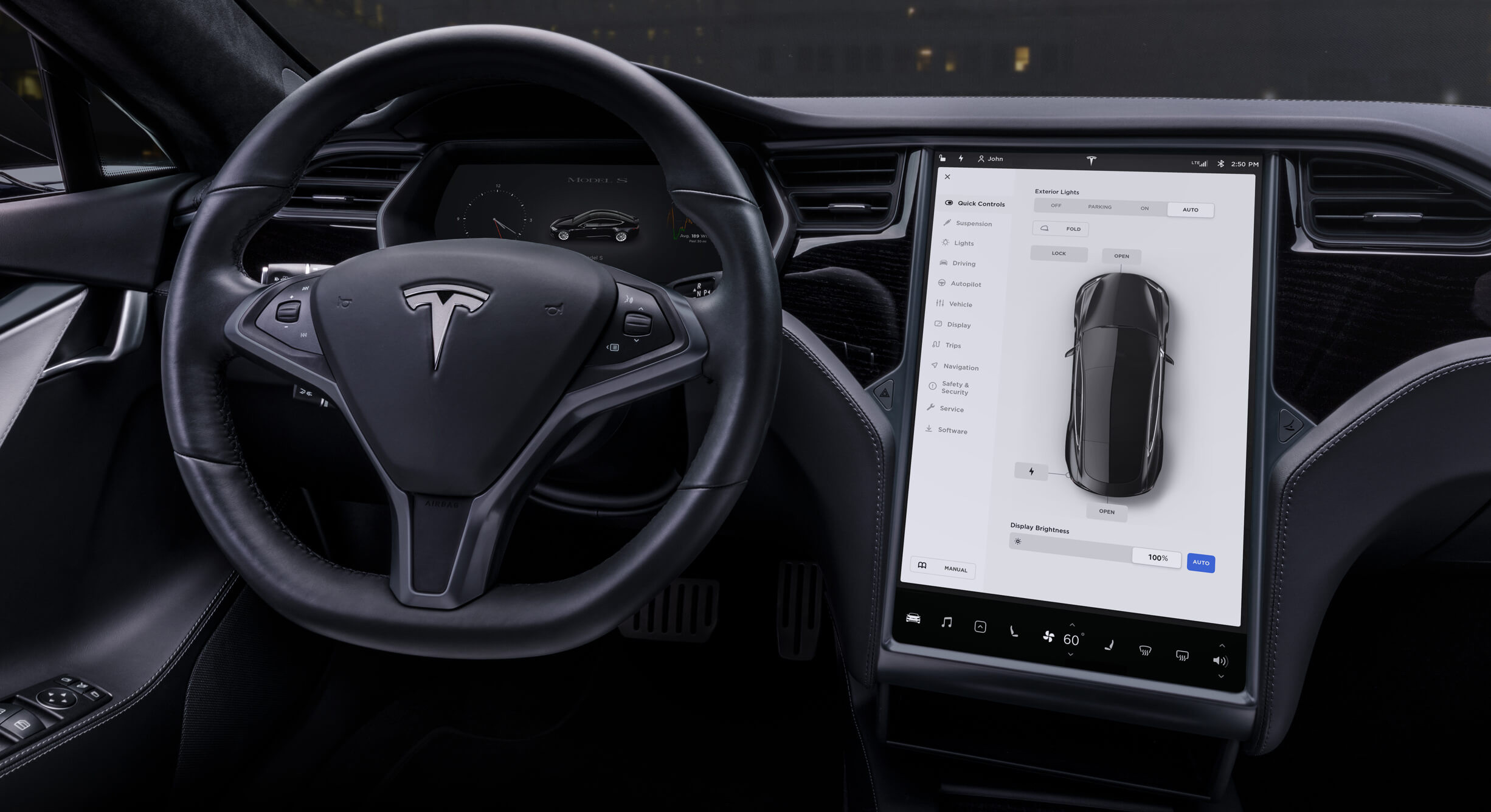
    Tesla has released a new over-the-air (OTA) update for the Model S and Model X which have 16GB RAM. This new update for the 2022 models, now adds some notable new features like the ability to play games from the Steam App Store with cloud synchronisation and support for Bluetooth game controllers while using the arcade mode. This includes support for the PlayStation 5 Dual Shock remote.

    Other updates include a dog mode which allows users to access the in-car camera from the mobile app to keep an eye if your pet is doing well. There are updated media features as well. Teslas notoriously don’t have support for Apple CarPlay and Android Auto. This also meant users of streaming services like Apple Music or YouTube Music could only stream music via Bluetooth or use Spotify which already had an app for the Tesla infotainment system.

    Over the months Tesla had been developing an Apple Music client which has now been released with this OTA update. This was important as a majority of Tesla’s user base has an iPhone which comes preloaded with Apple Music. In addition to Apple Music, there is also a dedicated Zoom client for the video calling and conferencing service which would be a boon to people who are always working on the go.

    The entire user interface for navigation has been updated with drivers having the ability to relive Mario Kart memories and drive on the rainbow road. The turn signals can also automatically turn off and the door handles have new options while parked at home.

    This update furthers Tesla’s vision of the car becoming the next mobile entertainment hub. When the new Model X and S cars where launched they came with a new infotainment system that had AMD RDNA 2 silicon which provides comparable computational power to the Sony PlayStation 5.

    In fact, Sony which has partnered with Honda for an electric car venture is hinting at embedding the PlayStation 5 console within the new cars they launch in the next few years. Mercedes is also moving in a similar direction with the MBUX platform on its cars while Google’s Android Automotive is providing a phone like operating system for manufacturers like Volvo.

  • Lexus Sets Up Its Brand Experience Centre In Coimbatore

    Lexus Sets Up Its Brand Experience Centre In Coimbatore

    Lexus India opened its one-of-a-kind, Meraki-inspired brand experience centre in Coimbatore. The company says the design of the new experience centre takes inspiration from the city’s trade legacy, which is an amalgamation of its textile industry and a long-lived passion for motorsport combined with the Japanese spirit of precision, perfection, and subtle luxury. The new experience centre features several design elements inspired by Lexus cars such as the distinctive spindle design among others.

    Naveen Soni, President – Lexus India said, “We have always believed in establishing stronger ties with our guests, and we are delighted to announce the inauguration of our new brand space in Coimbatore, just a few months after the introduction of our brand space in Gurugram. With the opening of numerous facilities across the country, this innovative concept gets us one step closer to welcoming many more of our guests on a journey of luxury, uniqueness, and amazing experiences with Lexus.”

    The pièce-de-résistance is the mural in the Zen court that represents a deconstructed portrayal of the famous bull race tradition of southern India with specially designed carts, drawing parallels to the Lexus engine that is energy efficient and has a low carbon footprint while enhancing the rider’s excitement and experience. In line with the brand’s ethos of creating a better tomorrow through sustainable design, the use of “soot” powdered in the cast in-situ concrete floor and the Zen court wall add to energy efficient, sustainable, and eco-friendly structure. This also contributes to reduced carbon footprint in a small way.

    The Lexus Meraki – Coimbatore joins the current network of Lexus Brand Spaces in Gurugram and the Lexus Guest Experience Centres in New Delhi, Mumbai, Bangalore, Chandigarh, Hyderabad, Chennai, and an upcoming one in Kochi, along with the Lexus virtual guest experience centre that will soon be hosted on the Lexus India website bringing the Lexus brand and its offering closer to the discerning luxury consumer located across India. With the opening of the Lexus Meraki in Coimbatore, Lexus India establishes its footprint in 13 cities with 15 guest touchpoints across India.

  • November auto sales dip after four months of growth

    November auto sales dip after four months of growth

    November auto sales posted a decline from October after four consecutive months of growth, but sales for the year so far still achieved double-digit growth.

    It was reported that 36,371 units were sold among members of the Vietnam Automobile Manufacturers Association (VAMA) last month, down 0.51% from the previous month.

    In the first 11 months, sales climbed 43% year-on-year to 369,334 units.

    Truong Hai Auto Corporation (Thaco) led with 123,140 units sold, up 38% year-on-year.

    The company was followed by Toyota, with 81,491 units, and Mitsubishi, 36,805 units.

    Honda and Ford rounded off the top five.

    Last month automaker VinFast shipped its first batch of 999 electric cars to the U.S.

    The company expects to sell 750,000 electric vehicles annually by 2026.

  • Tesla Launches EVs In Thailand Amid Competition From Cheaper Brands

    Tesla Inc launched two electric vehicle (EV) models in Thailand on Wednesday, marking its first foray into the regional autos hub that has long been dominated by Japanese manufacturers.

    The launch of two EVs with prices ranging between 1.7 million baht to 2.5 million baht (($48,447 to $71,205) comes as Thailand makes a push for EV adoption and production by offering tax cuts and subsidies.

    The U.S. automaker plans to start selling its EVs in Southeast Asia’s second-biggest economy via online channels, with deliveries set to start early next year. But it faces stiff competition from Chinese brands like BYD and Great Wall Motors, which have set up showrooms and distribution partners in recent years to reach customers and offer EVs with prices starting at 800,000 baht.

    Tesla did not provide details on sales targets.

    Thailand is Asia’s fourth-largest auto assembly and export hub for companies like Toyota Motor Corp and Honda Motor Co Ltd. It produces about 1.5 million to 2 million vehicles annually, of which about half are exported.

    Fuel-based vehicles, especially made by Japanese brands, still dominate the market and uptake of EVs has gradually gained momentum, with about 7,000 new battery EVs registered in the first ten months of 2022, according to the Thailand Automotive Institute, up from 2,000 last year.

    Customers who showed up to Tesla’s launch in a luxury mall in central Bangkok said they were interested in the new cars being offered.

    “I’m excited. The price differences aren’t significant (from other EV brands),” said office worker Thitipun Paisirikul, 36, adding he expected the re-sale value of the car would be high.

    The government wants at least 30% of vehicles produced in the country to be electric by 2030.

    State-owned energy firm PTT Group this year announced a $1 billion joint venture with Taiwan’s Foxconn to produce EVs in Thailand.

  • Hyundai, SK To Build New Battery Plant In Georgia

    Hyundai, SK To Build New Battery Plant In Georgia

    Hyundai Motor Group and SK On said Thursday they will build a new battery manufacturing plant in the U.S. state of Georgia to supply the Korean automaker’s U.S. assembly plants.

    Hyundai Motor Group and SK On, the lithium-ion battery subsidiary branch of SK Innovation, recently signed a memorandum of understanding (MOU) for a new EV battery manufacturing facility with details of the partnership still in development, the companies said.

    The companies aim to begin operations in 2025 and said “stakeholders estimate it will create more than 3,500 new jobs through approximately $4-5 billion of investment” in Georgia’s Bartow County. Hyundai separately broke ground in October on a $5.54 billion electric vehicle (EV) and battery plant in Georgia’s Bryan County.

    SK Innovation opened a $2.6-billion battery plant in Commerce, Georgia, in January that is producing batteries for the Ford F-150 EV.

    Hyundai and SK did not immediately say how much they plan to invest in the battery plant. Automakers and battery companies are building battery assembly plants across the United States as the industry shifts to electric vehicles.

    Hyundai, Kia and the South Korean government are heavily lobbying the Biden administration to ease new rules that in August immediately made all EVs assembled outside North America ineligible for $7,500 tax credits — including the Korean automakers’ EVs.

    The South Korean government on Tuesday urged Treasury “interpret ‘commercial clean vehicles’ broadly” to include rental cars, leased vehicles and vehicles purchased for use in Uber or Lyft rideshare fleets.

    Georgia Governor Brian Kemp told Reuters in October the EV tax credit rules should be changed to ensure Hyundai and Kia vehicles can qualify for the credit as it works to complete its EV assembly plant in the state.

    Kemp criticized the $430 billion climate bill approved in August that rewrote the tax credit rules.

    “It was targeted to help a lot of union-based suppliers that are in the United States,” Kemp said.

  • Volvo Cars India To Expand Benguluru-Based Digital Technology Hub

    Volvo Cars India To Expand Benguluru-Based Digital Technology Hub

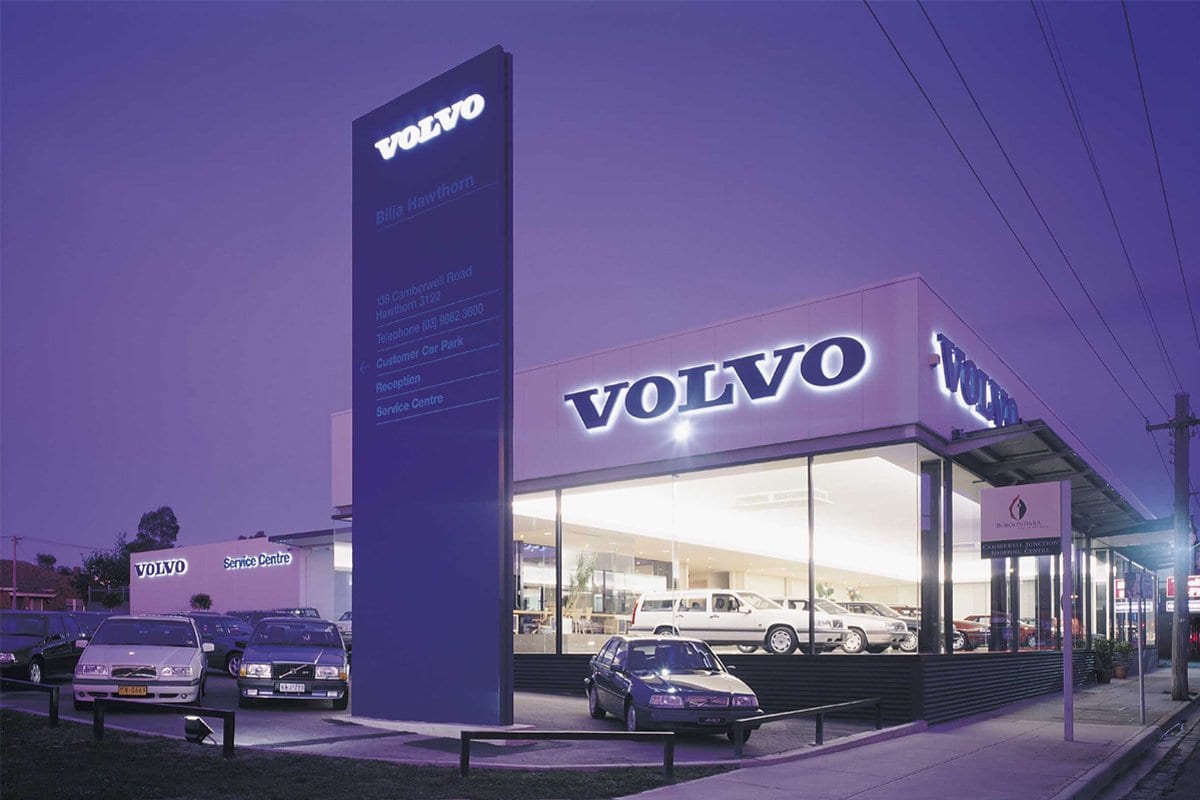
    Volvo Cars India is set to expand its Bengaluru-based Digital Technology Hub in the coming months. The company’s India Tech Hub recently moved to a larger office space in Bengaluru. The company plans to hire new employees from the India IT sector to employ 240 people by the end of 2023.

    “Volvo recognizes the vast pool of talent in the country and our Digital Technology Hub leverages the best available, we expect this to be 240 strong in a year’s time. While this hub strengthens our presence in India with the opening of new office space in Bengaluru, it will also contribute to the ever-growing digital needs of Volvo globally more so as Volvo readies itself to showcase and launch cars of the future that have digital technology as their integral part” said Jonas Olsson, Head, Digital Technology Hub.

    Volvo says the Digital Technology Hub is an integrated part of its global delivery setup and aims to leverage the Indian IT industry talent to meet the growing digital needs of the company.

    “The Digital Hub is designed to promote a flexible style of working while encouraging collaboration & innovation.  It can host up to 500 colleagues working in a hybrid work model,” Volvo says.

    The Bengaluru hub will boost the company’s capabilities in software engineering, data science and analytics, product management and user experience. Volvo says that future models from the company will also benefit from the developments from the hub.

  • Vietnam’s EV maker Vinfast files for US IPO to fuel global expansio

    Vietnam’s EV maker Vinfast files for US IPO to fuel global expansio

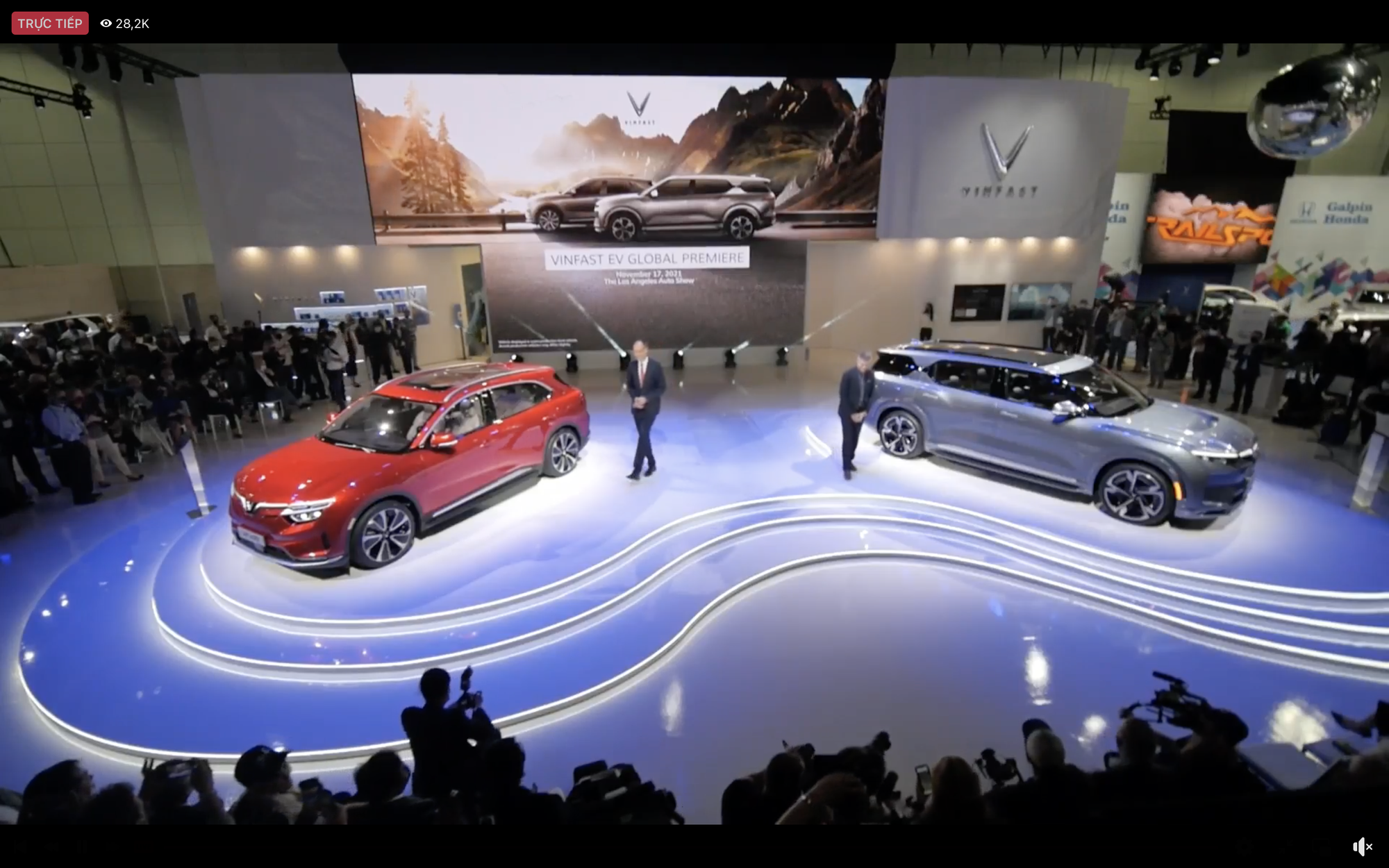
    Vietnam’s electric-vehicle maker VinFast said on Tuesday it has filed for an initial public offering (IPO) in the United States to list on the Nasdaq under ticker symbol “VFS” to fund its expansion with a planned plant in North Carolina.

    VinFast, which began operations in 2019, is gearing up to expand in the U.S. market, where it hopes to compete with legacy automakers and startups with its two all-electric SUVs, the VF8 and VF9, including battery leasing to reduce the purchase price.

    For the IPO, the company said it will convert to a Singapore public limited company and will be known as VinFast Auto Ltd, while the number of shares to be offered and the price range for the proposed offering have not yet been determined.

    Tuesday’s filing follows VinFast’s confidential submission to the U.S. Securities and Exchange Commission (SEC) in April, a month after it said it would build a production plant in North Carolina with an initial projected capacity of 150,000 EVs a year.

    A unit of Vietnam’s biggest conglomerate Vingroup, VinFast first flagged its U.S. IPO in April last year, eyeing to raise $2 billion with valuation of about $60 billion.

    The market valuation for EV startups has drastically cooled for the past year after some companies with sky-high valuation face scrutiny, together with the current gloomy global economy.

    “Valuation or the size of our IPO will be subject, in part, to market conditions,” VinFast Chief Executive Le Thi Thu Thuy said in a separate statement released on Wednesday.

    “VinFast will continue to monitor opportunities for future fundraises, as the market becomes more familiar with the VinFast brand and story,” she said.

    The company had said IPO was just one of the options to raise fund. In July it tapped banks to raise at least $4 billion to fuel its aggressive expansion.

    No time frame was specified for the offering on Tuesday although the company had said it aimed for an IPO in the fourth quarter of this year.

    But in May, its parent company Vingroup warned the IPO may be delayed to 2023 due to market uncertainty.

    “VinFast intends to conduct an IPO after the SEC declares the registration statement effective, market conditions permitting,” Thuy said on Wednesday, noting the company’s primary objective was to successfully list VinFast on a U.S. stock exchange.

    The EV maker in late November shipped its first batch of 999 vehicles to the United States, capping a five-year bid to develop an auto production hub in Vietnam for markets in North America and Europe.

    VinFast has said it has almost 65,000 orders globally in total and expects to sell 750,000 EVs annually by 2026.