Tag: Auto

  • BMW Introduces Digital Key Plus For Android Smartphones

    BMW Introduces Digital Key Plus For Android Smartphones

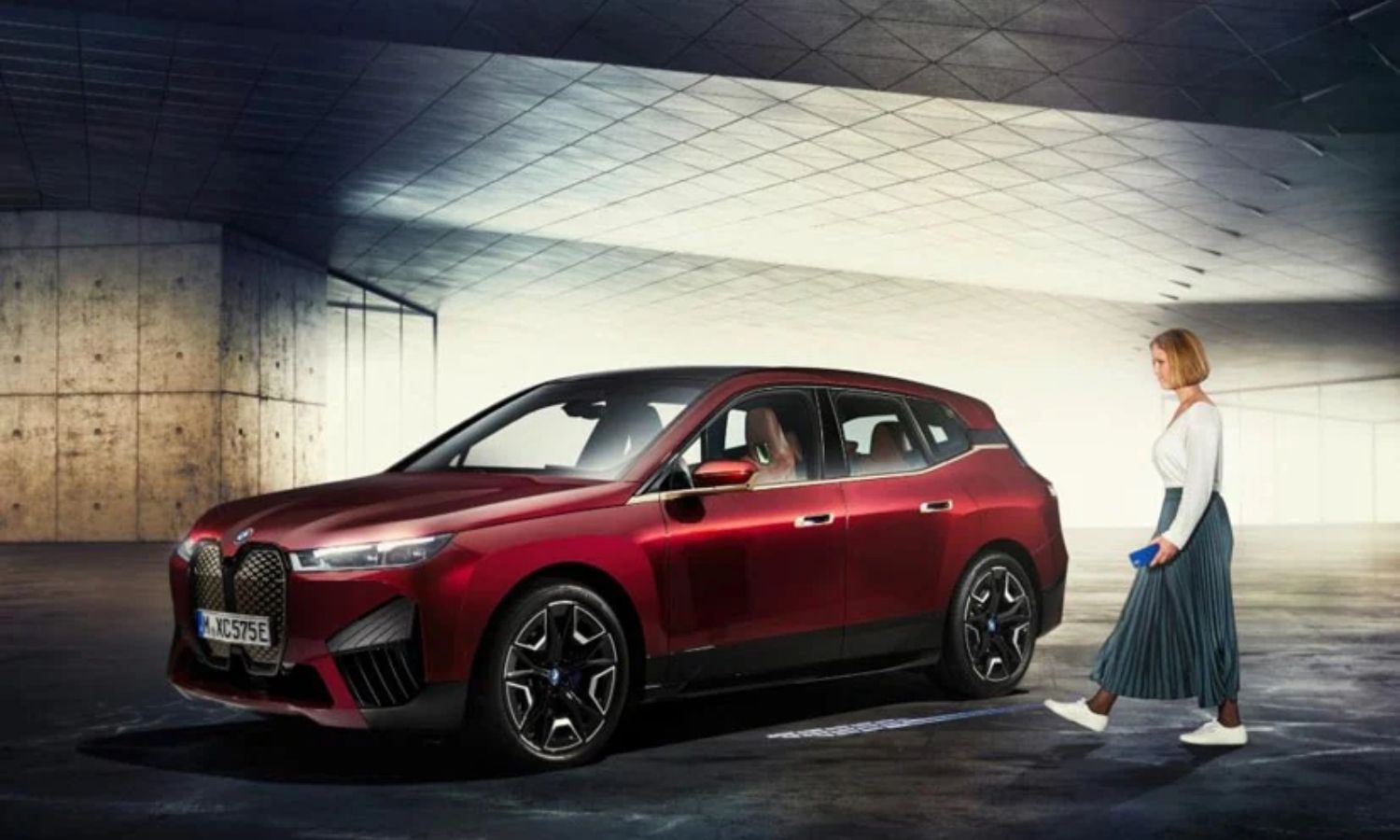
    BMW introduced the smartphone as a digital vehicle key in 2018 and since then the company has been pressing ahead with the development and popularisation of its BMW Digital Key feature. The feature was made available to iPhone users in January 2021, and BMW has now added the same feature to Samsung & Google Android phones as well. The BMW Digital Key Plus is a convenient and secure way to unlock and start your car without taking your smartphone out of your bag or pocket, similar to a physical key that supports keyless entry & start.

    The new, additional features enabled by the BMW Digital Key Plus are based on Ultra-Wideband technology. This short-range, high-bandwidth digital radio technology is characterised by an exceptionally precise localization with the greatest possible security. UWB’s precision also ensures that relay attacks, where the radio signal is jammed or intercepted, are not possible.

    With the Car Connectivity Consortium (CCC), BMW has been working closely with Google as well as Apple to develop the corresponding specification with partners and established it as a global standard for the automotive industry. This has also enabled secure, cross-platform sharing of Digital Key between iPhone and compatible Android devices via email, SMS or any other messaging service. Until now, the feature was restricted to only iPhone & Apple watch users, but it will now be added to Select Samsung & Google devices – running Android 13.1 or later – which include Samsung Galaxy S23+, S23 Ultra, S22+, S22 Ultra, S21+, S21 Ultra, Z Fold4, Z Fold3, Note20 Ultra, and Google Pixel 7 Pro & Pixel 6 Pro.

  • Mercedes soars above competitors in Vietnam

    Mercedes soars above competitors in Vietnam

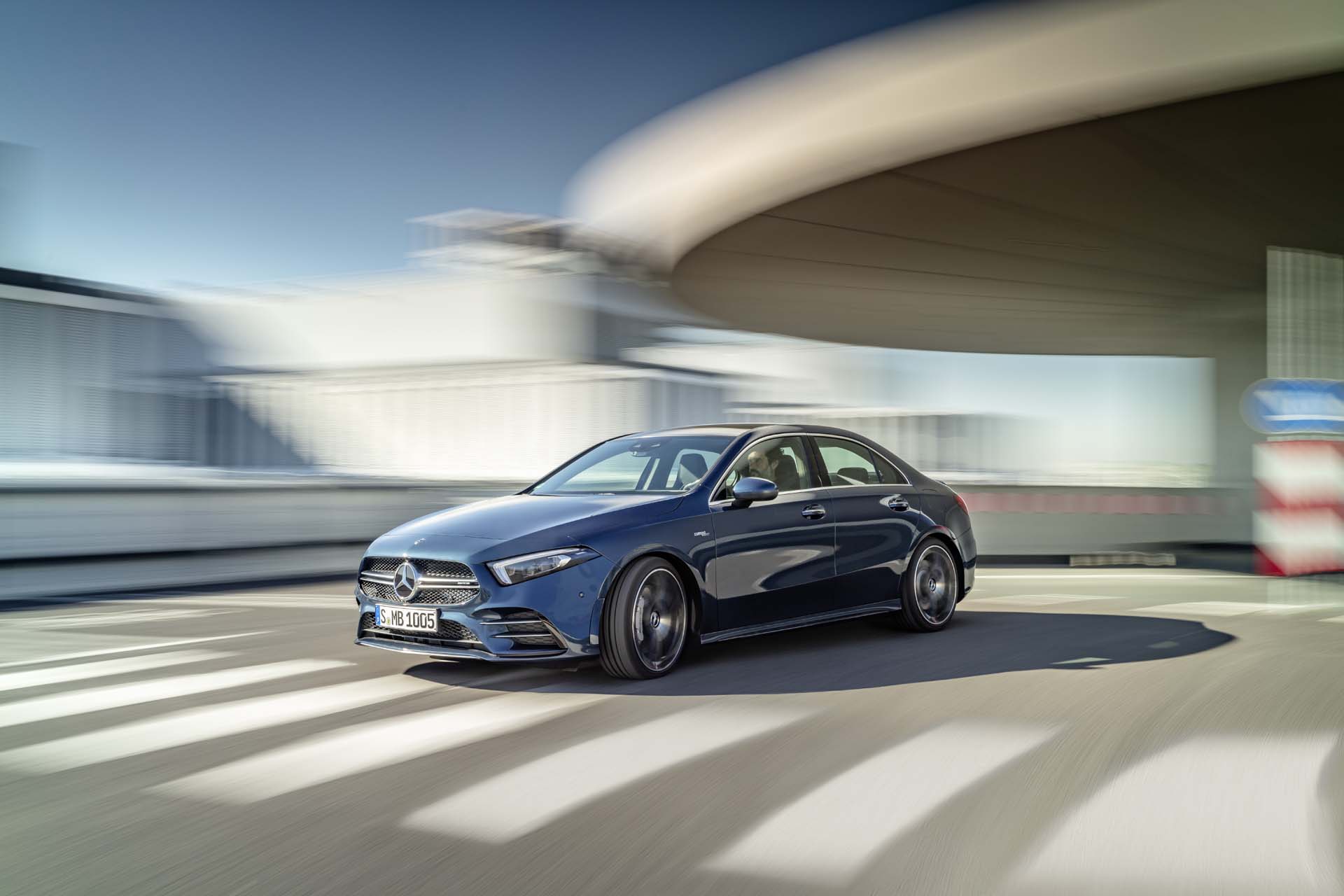
    Mercedes has dominated Vietnam’s luxury car market for the last four years as Lexus, Volvo and other trailing brands tussle behind.

    Auto registration data showed that between 2019 and 2022, Mercedes secured and average of around 60% of Vietnam’s total luxury car market share.

    The German brand sold 7,925 cars in the Southeast Asian nation last year, up 35% from 2021.

    The figure was five times that of the second-place brand, Lexus.

    In the last four years Mercedes sold on average nearly 6,400 cars in the Vietnam, higher than the combined figure of its six next major competitors.

    Before 2022, Mercedes was the only auto brand with an assembling factory in Vietnam. This gave it a price advantage over its competitors, who bear the burden of heavy import taxes.

    Mercedes also has a diverse array of models available in Vietnam, up to 20 at any given time, giving customers a wider variety of purchase options than their competitors.

    Mercedes GLC SUV has been the brand’s best-selling model in Vietnam over the last four years, accounting for around half of its total sales.

    Lexus trails far behind Mercedes as Vietnam’s number-two most popular foreign car, but number-three competitor Volvo from Sweden is hot the Japanese manufacturer’s tails.

    Lexus sold 1,568 units last year, only marginally higher than Volvo with 1,508 units.

    No brand saw Vietnamese sales grow as fast as Volvo in the 2019-2022 period.The Scandinavian brand has seen sales surge 200% in the last four years, pushing Germanic BWM into fourth place in 2022.

    In recent years Volvo has begun to sell more cars made in Malaysia than in Sweden, making its prices more affordable in Vietnam, even though the brand was the last luxury automaker to enter Vietnam in 2016.

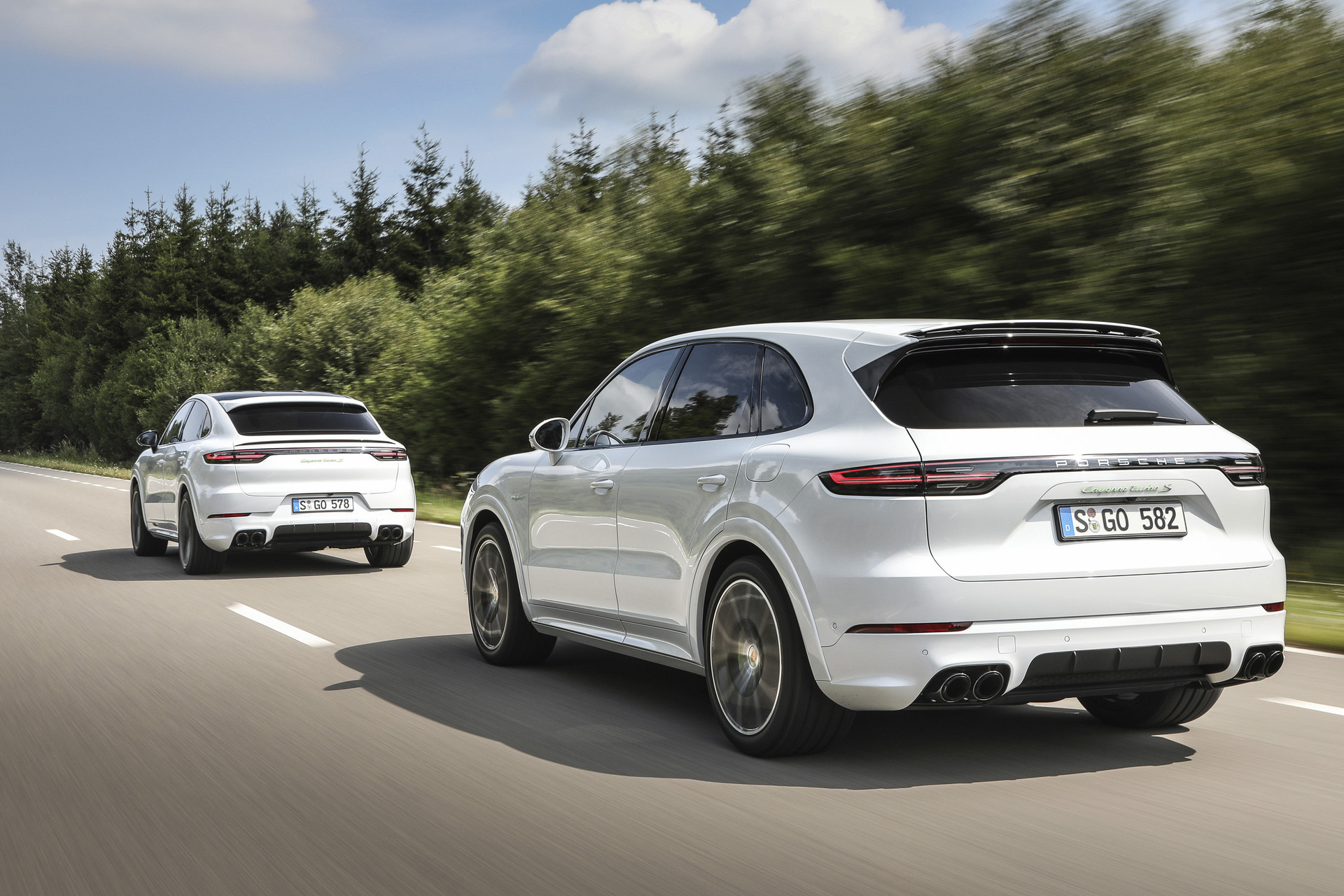
    Porsche was Vietnam’s fifth most popular luxury car brand last year with 759 units, nearly double the number it achieved in 2021.

    A Porsche manager said that many of its customers are young and successful businesspeople who want to “reward” themselves with a Porsche car even though they possess only a limited knowledge of luxury automobiles.

    Audi was in sixth place in Vietnam last year with 394 cars sold. Its dealership network in Vietnam remains modest compared to its competitors.

  • Toyota dominates compact CUV segment in Q1

    Toyota dominates compact CUV segment in Q1

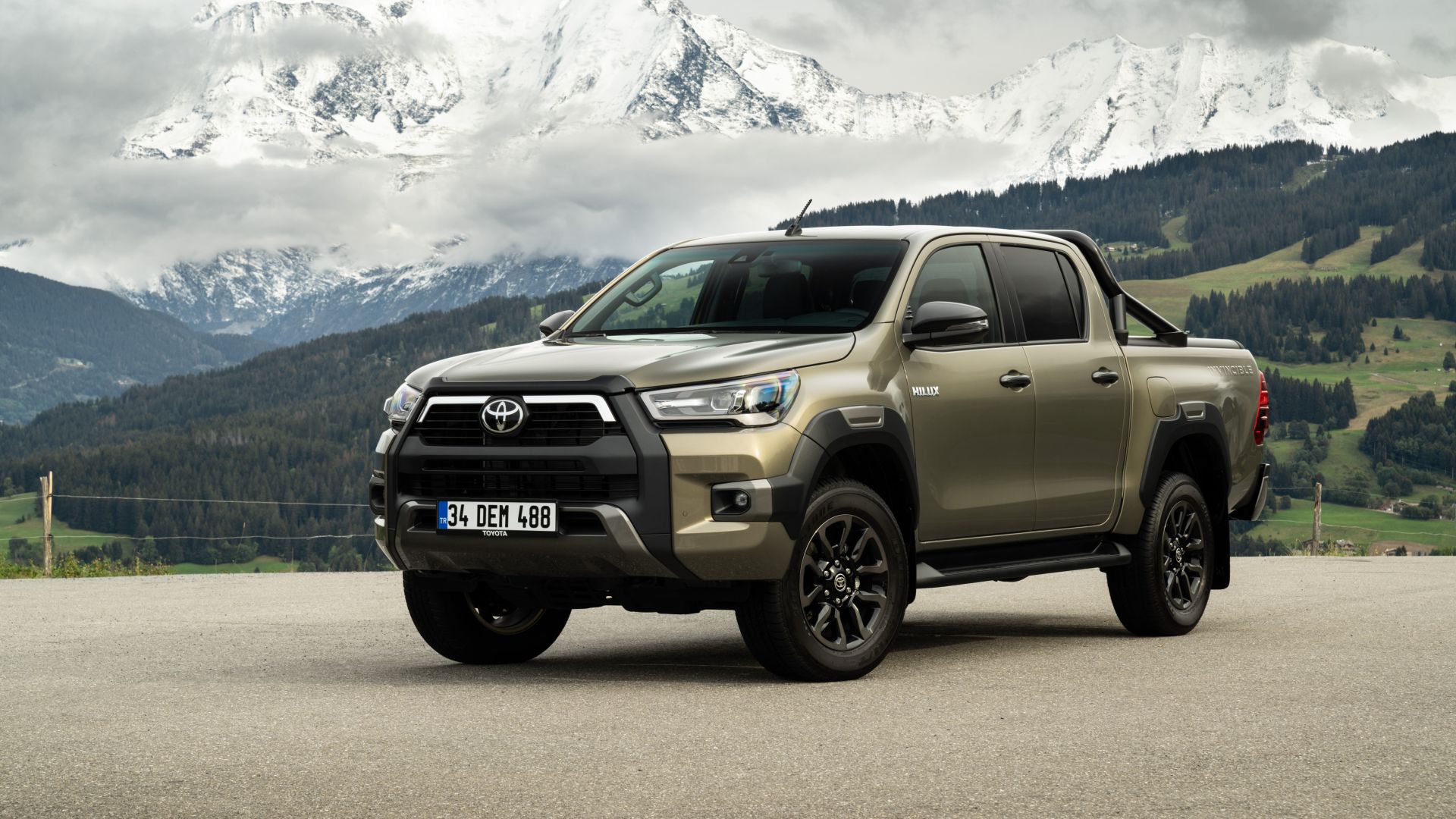
    Toyota’s Raize and Corolla Cross now account for 40% of the compact CUV segment, with the rest divided between Kia, Mazda, Honda, and Hyundai.

    In the last two years the competition in the urban compact CUV segment has been hot, persuading car companies to bring in new products.

    The race in this segment is mainly between Toyota, Hyundai and Kia.

    The compact CUVs have significantly contributed to Toyota’s top position in terms of revenues.

    So far this year Toyota has sold a combined 5,100 Corolla Cross and Raize cars. Both models are imported. The former in particular is a global product with all kinds of bells and whistles and new technologies.

    Like the Mitsubishi Xpander in 2019, the Corolla Cross has become a phenomenon in the Vietnamese car market, zooming to the top of its segment within just half a year after entering the market in May 2020, and remaining there.

    Kia has two models in this segment, Sonet and Seltos. The Sonet has sold 2,006 units this year, representing 22% year-on-year growth, while the Seltos sold 1,481, down 63%. Together they hold a 27% market share.

    The Seltos’ decline was mainly because of the Creta, of which Hyundai sold 2,647 in Q1.

    Kia and Hyundai are sister companies, with the latter owning a one-third stake in Kia.

    Mazda CX-3, Honda HR-V, Nissan Kicks, Volkswagen T-Cross, MG ZS, and Peugeot 2008 account for the rest of the segment. While the first two sold fewer than 1,000 cars in Q1, the rest did not publish sales figures.

  • Customer locks horns with Porsche over damage

    Customer locks horns with Porsche over damage

    The owner of a Macan SUV claims that Porsche employees broke his VND600 million ($25,500) gearbox during maintenance, but the automaker denies the accusation.

    In early December, Ho Chi Minh City resident Pham Anh Tan in Ho Chi Minh City brought his 2016 Macan to Porsche Sai Gon for a front bumper replacement after the car collided with a motorbike.

    He retrieved the car nine days later and drove it back to his home, 15 kilometers away, without any problem.

    Tan left the car unused for about a week. When he started using it, the screen showed several issues, including lack of oil, “engine fail,” and “gearbox fail.”

    He could start the car but could not shift gears to start driving. Porsche technicians advised him to put a liter of oil into the engine, but still the car could not drive.

    As it was Christmas and Porsche maintenance service was on holiday, Tan brought his car to a third-party garage, where the technicians said the gearbox oil was leaking and advised him to bring it to Porsche.

    By the end of December, Tan brought the car to Porsche, and he was told that the leakage in the oil had damaged the valve body, and the whole gearbox needed to be replaced at the cost of VND600 million.

    Tan said that the car never had this issue before the front bumper was fixed and therefore he suspected that the problem arose from the reparation process at Porsche.

    He demanded to see the CCTV footage of the Porsche workshop, but was only shown some parts of the process as Porsche said that some footage could not be revealed as it contained business secrets.

    In the footage, Tan saw that his car was connected to a tool to assess issues and some Porsche employees drove the car around for testing. “My car only needed a bumper replacement, why were those processes necessary?” Tan said.

    He also said that when he received the car back Porsche employees did not provide any documents to confirm the vehicle was free of issues.

    A representative of the German automaker, however, said that Porsche maintenance policy requires every vehicle to go through the same process to ensure all functions of the car operate normally.

    When Tan took the car back to Porsche a second time, technicians found that the incorrect type of oil was put in the gearbox and glue was used in the reparation even though it is not needed according to Porsche standards.

    The damage to the gearbox, therefore, does not fall under the responsibility of Porsche, the representative said.
    Porsche, however, admitted to being wrong in the process of receiving and handing over the car to Tan without any paperwork.

    The automaker therefore proposed a 40% discount on the gearbox replacement, which means Tan would need to pay VND360 million for the new part.

    But Tan refused the offer and demanded that his car be returned in the Porsche workshop after three months. At the end of last month Tan came to Porsche to get the car and was asked to sign a statement saying the vehicle had no issues before employees released the car.

    Tan refused to sign.

    The statement said Porsche employees dismantled the valve body to check for issues without first seeking his approval.

    The service consultant working with Tan quit two days after Tan visited Porsche demanding his vehicle back. The employee informed him Tan the resignation via text message.

    Porsche said that the employee had been transferred to a new position but would continue to help Tan concerning everything relating to the broken Macan.

    The two parties have yet to come to an agreement.
     

  • VinFast to export 1,800 VF 8 electric cars to US, Canada

    VinFast to export 1,800 VF 8 electric cars to US, Canada

    VinFast, a member of Vietnamese private conglomerate Vingroup on April 15 announced that it would export 1,800 VF 8 electric cars to the U.S. and Canada.

    The cars is expected to depart in the next few days, announced VinFast. As planned, the cars will be sold in the U.S. in May and in Canada in June.

    Previously, on November 25, 2022, VinFast exported the first batch of smart electric cars, including 999 units of VF 8 City Edition, to the international market. This was the first batch of cars exported to the international market among 65,000 orders for VinFast VF 8 and VF 9 electric cars globally.

    On March 2, 2023, VinFast handed over the first 45 VF 8 City Edition cars to U.S. customers at 9 VinFast stores.

    According to VinFast, in the first three months of 2023, it handed over a total of 865 VF 8 units to customers in Vietnam.

    VinFast’s VF 8 is also a model that GSM (Green – Smart – Mobility) Joint Stock Company uses for Xanh SM taxi service which was launched in Hanoi on April 14.

    The taxi service using electric cars is expected to be available in Ho Chi Minh City this month and in at least five provinces and cities by the end of this year.

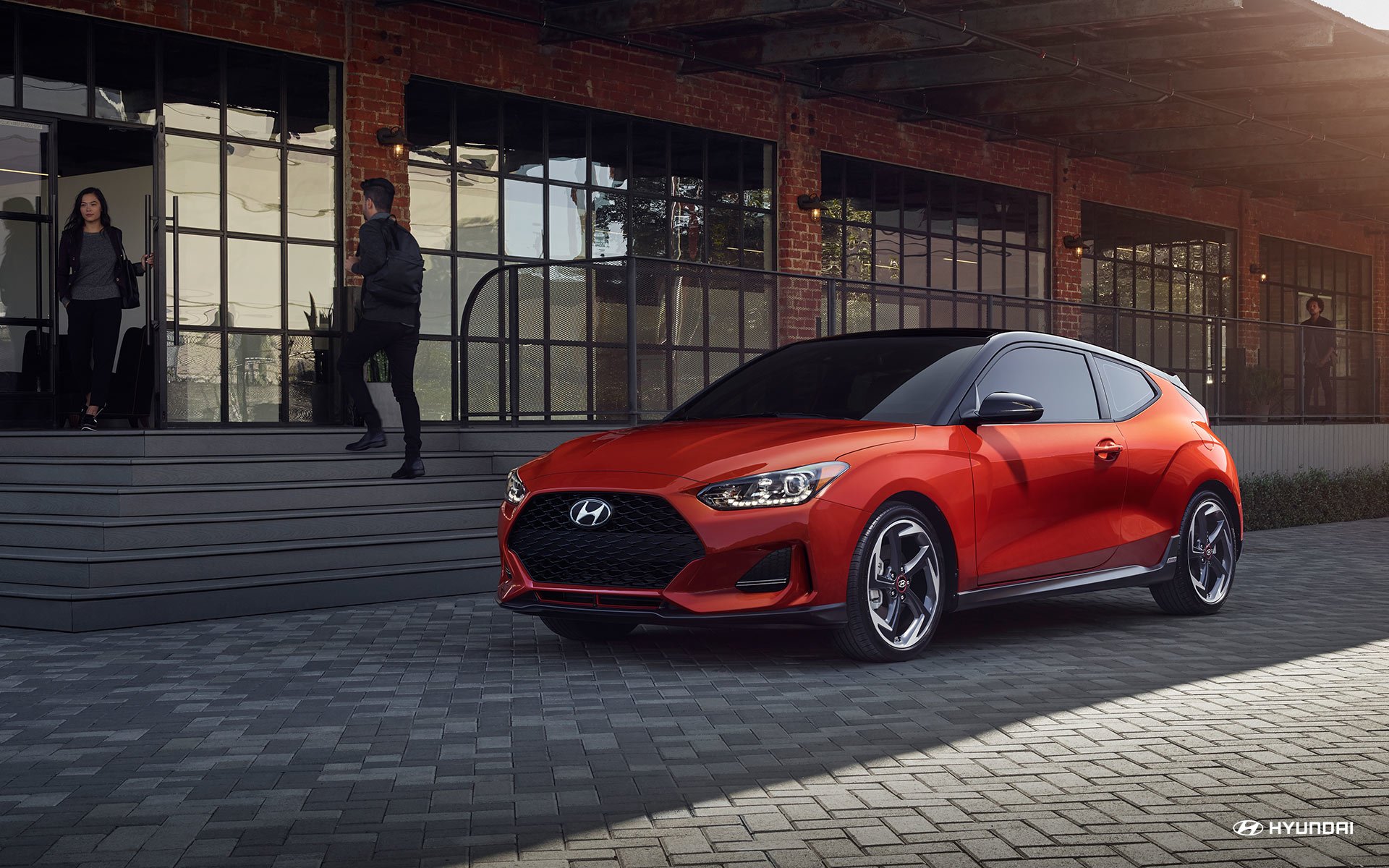
  • Hyundai automobile sales in Vietnam increased by 5.5% in March

    Hyundai automobile sales in Vietnam increased by 5.5% in March

    Thanh Cong Group (TC Group) on April 11 announced its sales results for March with over 5,770 Hyundai automobiles sold in Vietnam last month, up 5.5% over February.

    Hyundai Accent continues to be the best-seller model in March with 1,355 units delivered to customers, followed by Hyundai Creta with 1,035 units – equal to the level a month earlier, and Hyundai Grand i10 with 664 units.

    Over 640 Hyundai Stargazer were sold last month, 2.5 times higher than February’s. The TC Group recorded sales of 514 Hyundai Santa Fe units, equivalent to the previous month Hyundai Tucson of 307, up 54.2% compared to February.

    Hyundai commercial models achieved sales of 1,016 vehicles in March, an increase of 42.1% compared to February 2023.

    In the first quarter of 2023, Hyundai-branded models achieved sales of 14,736 units, down 21.1% compared to the same period last year.

    TC Group expects higher sales in the second quarter of this year, explaining that the demand will increase thanks to the peak tourism season with greater travel demand.

  • Waze adds ability to personalize drives, launches new zodiac driving experience

    Waze adds ability to personalize drives, launches new zodiac driving experience

    Waze is launching two new features at the same time this month, which is a little bit unusual for the navigation app. I know everyone is used to getting a new driving experience almost every month, this time around Waze is bringing more than just a fun way to spend your time while driving.

    The company announced earlier today plans to bring Waze users more ways to stay entertained on the road with Customize Your Drive and an astrological driving experience. The new ability to personalize drives allows users to choose from various driving experiences and access more such content in one place. For example, you’ll be able to select a theme that fits your mood and change it with ease.

    Whether you’re driving with some of your favorite personalities like Boy George, Christina Aguilera, or Karamo, or looking for something more kid-friendly like PAW Patrol or Fraggle Rock, there’s certainly something for everyone on their journeys.

    Now, the bad part is that while “Customize Your Drive” features is rolling out in the United States today, it will be launched globally in the future. So, unless you live in the U.S., you won’t be able to personalize your driving experience yet.

    On the bright side, there’s something else available those who don’t have access to “Customize Your Drive,” a new zodiac driving experience! Regardless of your zodiac sign, Waze’s resident astrologer has the right driving experience for you.

    The new zodiac driving experience includes a custom vehicle and Mood for each of the 12 signs. Waze users can start driving with a vehicle and Mood that match their sign today. If you live in the United States, the zodiac driving experience can be found through “Customize Your Drive,” The rest of the world can find it via the left menu in the Waze app.

  • Imported cars flood local market despite of poor purchasing power

    Imported cars flood local market despite of poor purchasing power

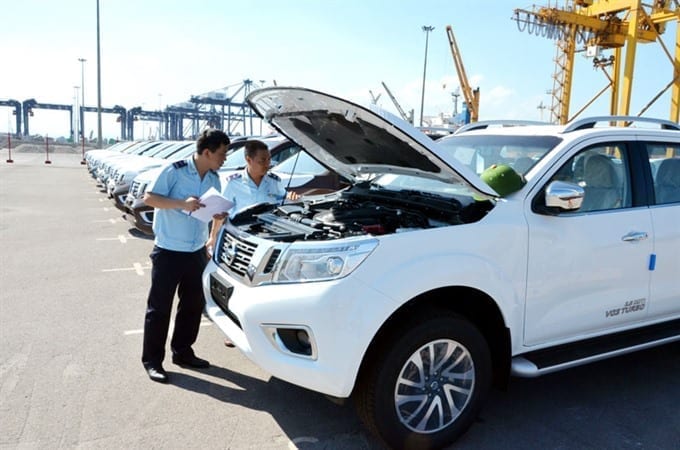
    Vietnamese firms spent over $903 million in the first quarter importing 41,780 completely-built-up (CBU) cars, according to a report by the General Statistics Office (GSO).

    The cumulative import turnover of CBU cars in Q1 2023 increased by 76% in volume and 60.8% in value compared to the same period last year.

    In March, 15,000 cars worth $332 million were imported into Vietnam, representing a year-on-year increase of 48.8% in volume and 48.5% in value.

    Despite the increasing number of imported cars, the Vietnam Automobile Manufacturers’ Association (VAMA) said that sales for the whole market in the first two months reached just over 17,300 units, due to poor purchasing power.

    Local auto experts said this was an unusual and ominous signal as pressure from automobile inventory remains high.

    An uncompleted statistic shows that Vietnam’s inventory of cars reached 38,000 units. Facing the gloomy prospect of the market, VAMA has recently proposed that the Government halve the registration fee for locally-assembled or manufactured cars during the first half of the year to boost market demand.

    In a letter sent to the Prime Minister, both the Vietnam Automobile Manufacturers Association (VAMA) and the Vietnam Association of Mechanical Industry (VAMI) also jointly asked for an extension of the deadline to pay excise tax.

    The Vehicles Importers Vietnam Association (VIVA) has raised its voice to ask for fair treatment after hearing that the Government asked the Ministry of Finance and other relevant ministries to devise a 50% cut on auto registration fees for locally assembled or manufactured cars.


  • VinFast rolls out long-awaited electric SUVs, eyes overseas deliveries

    VinFast rolls out long-awaited electric SUVs, eyes overseas deliveries

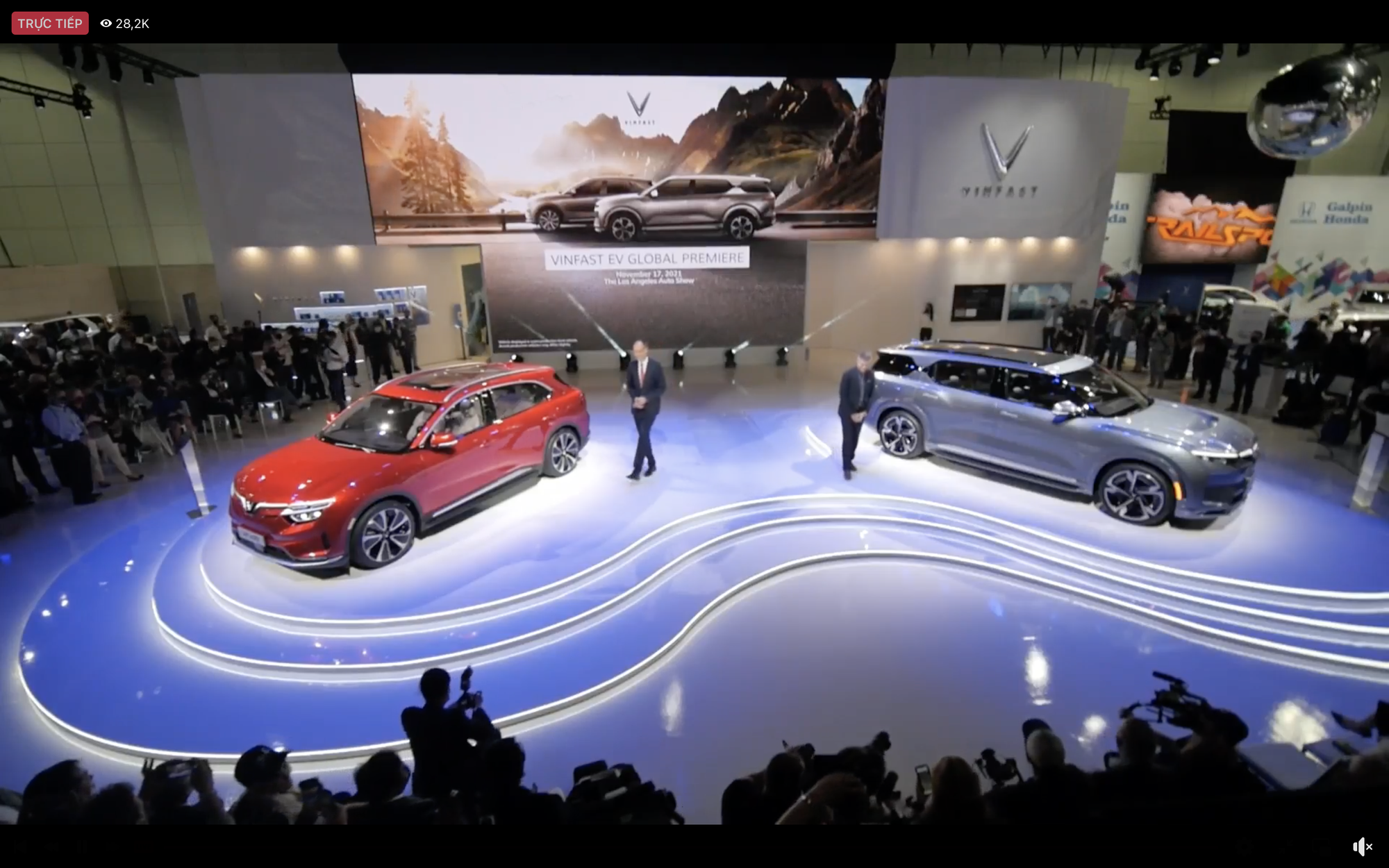
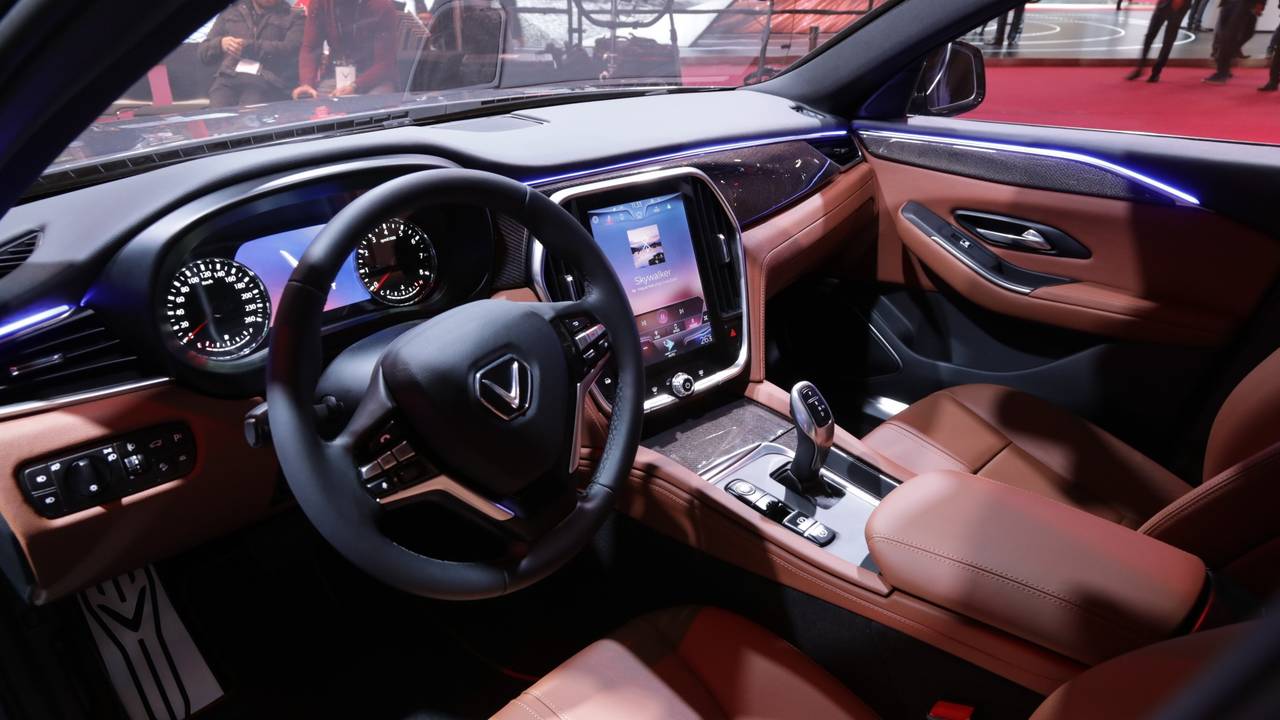
    Vietnamese carmaker VinFast said on Thursday it will begin delivering its new electric sport utility vehicles (SUVs) to local customers this week and targets overseas deliveries in the coming months.

    VinFast, which began operations in 2019, is gearing up to expand in the United States, where it hopes to compete with legacy automakers with its two electric SUV models.

    “After Vietnam, VinFast expects to export the first batch of VF9 to international markets in the coming months,” VinFast said in a statement, without providing a specific timeline for deliveries of the new model.

    The VF9 model was initially scheduled to debut at the beginning of this year.

    The company currently sells the VF8 model of SUV. It started shipping those last year and delivering them to customers this month. The company has said it would ship the second batch to the U.S. in the second quarter of 2023.

    VinFast, backed by Vietnam’s biggest of conglomerate Vingroup JSC, is the country’s sole EV maker.

    As of December last year, VinFast said it secured 55,000 orders globally, of which 12,000 were from the U.S. market.

  • Importers propose halving car registration fees

    Importers propose halving car registration fees

    All 12 members of the Vehicles Importers Vietnam Association (VIVA) have asked the Government to reduce the registration fee on imported cars by 50% to spur demand.

    VIVA proposed in the context of a sharp drop in sales and gloomy market forecasts.

    According to the association, car importers need help to cope with high inventories due to the sudden decrease in demand.

    In the first month of this year, the number of cars imported to Vietnam tripled over the same period last year to more than 12,800 vehicles. The number of imported cars also tripled in the last three months of last year.

    Earlier, the Prime Minister ordered the Ministry of Finance and the Ministry of Industry and Trade to consider lowering registration fees for domestically assembled cars.

    The Vietnam Automobile Manufacturers Association (VAMA) said tightening credit and rising interest rates have diminished market liquidity, and automobile companies are struggling to cope with high inventories.

    According to VAMA, its members reported a decline in sales four months in a row starting last October. Only 17,314 vehicles were sold in January, down 51% from December.

    During the Covid pandemic, Vietnam halved registration fees on domestically assembled vehicles, not on imported ones, twice, first in mid-2020 and then again in late-2021. Each reduction period lasted six months.

    In the first half of 2020, over 102,900 domestically assembled vehicles were registered. The figure then doubled in the second half of the year.

  • 40% of car buyers in Vietnam depend on loans

    40% of car buyers in Vietnam depend on loans

    Only 30-40% of Vietnamese car buyers resort to bank loans compared to some 80% in developed countries.

    The rates vary by geographical region, with automobile firms saying more customers in the south borrow than in the north.

    Vinh Nam, sales manager of Vietnam Star, a Mercedes dealer in Binh Duong Province, said generally southerners are bigger spenders than people elsewhere.

    A large number of buyers in the south are businesspeople or buy vehicles for businesses, and so their purchase decision is faster.

    According to salespeople, the ease of borrowing and paying interest to buy a car is the main factor affecting the purchase decision.

    Car loan interest rates are volatile and currently start at around 8.5%.

    Banks lend 70-80%, even 100%, of the car’s value, but many borrowers cannot repay in time, and this is one reason why many people are hesitant about borrowing, according to banking and car sales executives.

    Analysts expect borrowing to decrease this year because of credit tightening and high-interest rates.

    To stimulate demand, automobile firms are offering discounts and promotions, and even subsidizing interest.

    Last month Volkswagen unveiled a promotion program offering 0% interest for the first six months.

    “Sales are very slow, so we have to adjust,” Thao Van, head of marketing at Volkswagen Vietnam, said.

    Analysts do not expect sales this year to reach last year’s half a million units.

    The Vietnam Automobile Manufacturers Association said its members reported a decline in sales for four months in a row starting last October. Only 17,314 vehicles were sold in January, down 51% from December.

  • Vietnam to lower car registration fee to boost sales

    Vietnam to lower car registration fee to boost sales

    The Government has asked the finance and industry ministries to consider reducing car registration fee and extend the payment schedule for special consumption taxes on domestically assembled vehicles.

    The ministries will submit a report on the two newly proposed policies to the Prime Minister before March 20.

    The request was made as automakers are warning of a slump in the automobile market this year due to low demand and high-interest rates.

    Insiders have said the local automobile prospects this year might be as gloomy as the Covid period.

    Experts have predicted that total vehicle sales this year will unlikely reach last year’s figure of half a million units.

    Industry associations and localities have recently been asking the Government to extend the payment schedule for special consumption taxes, and to halve registration fees on domestically assembled vehicles to stimulate demand.

    The Vietnam Automobile Manufacturers Association (VAMA) said credit tightening and rising interest rates have diminished market liquidity, and automobile companies are struggling to cope with high inventories.

    VAMA said its members reported a decline in sales four months in a row starting last October. Only 17,314 vehicles were sold in January, down 51% from December.

    The Vietnam Association of Mechanical Industries has reported that the drop in vehicle consumption has led to a decrease in production orders for supporting industries like mechanics, tools and parts.

    During the Covid pandemic, Vietnam halved registration fees on domestically assembled vehicles twice, first in mid-2020 and then again in late-2021. Each reduction period lasted six months.

    In the first half of 2020, over 102,900 domestically assembled vehicle.

  • Mercedes recalls 492 faulty cars in Vietnam

    Mercedes recalls 492 faulty cars in Vietnam

    Mercedes Vietnam announced it would recall 492 ML and GLE cars sold in Vietnam beginning March 15 to fix inconsistent design features and repair errors in the spare wheel compartment.

    The affected SUVs were manufactured and imported between February 2012 and October 2019.

    German luxury vehicle company Mercedes recalls ML and GLE SUVs in many countries, including Vietnam, because of concerns that water could collect in the spare tire wheel compartment, leading to a possible fuel pump malfunction and subsequent engine stalls without prior warning.

    This increases the risk of accidents and injuries for other road users.

    To fix the problems, Mercedes Vietnam dealerships will inspect the vehicles for any damage, install a water drain plug in the spare tire well, and replace the fuel pump if necessary.

    The company reported that such repairs should only take about 30 minutes per automobile.

    Mercedes GLE is a mid-size luxury SUV, first launched in 1997. Cars sold in Vietnam are imports that compete with rivals like the BMW X5, Lexus RX and Audi Q7.

    In Vietnam, GLEs is currently priced at VND4.509-5.679 billion (US$191,000-240,600).

  • Honda Motorcycles And Scooters India Twitter Page Hacked

    Honda Motorcycles And Scooters India Twitter Page Hacked

    The official Twitter account of Honda Motorcycles and Scooter India was hacked over the weekend. The company today put out a statement on social media asking people to stop any interactions with its Twitter handle until further notice and disregard any posts or communications on the page since Sunday, March 5. The company also said it contacted Twitter to re-establish control of its account.

    A look at the official Twitter handle of HMSI shows that the page has since lost the blue tick that identified it as the official handle as well as dropped the profile image. The link to the official website has since been rand another while the latest retweeted story is to a third-party NFT page. Similarly, the section under likes are filled with tweets of third-party art creator pages.

    Honda has said it is looking to re-establish its control over its Twitter account as soon as possible.

    The company has recently been teasing a new motorcycle for the Indian market. The new model is expected to sit in the 100cc commuter segment and be called the Shine. The model is set to be launched in India on March 15.

  • Renault, Geely Ink Pact With Aramco For Engine Venture

    Renault, Geely Ink Pact With Aramco For Engine Venture

    Oil giant Saudi Aramco has agreed to take a minority stake in a new powertrain engine company that French car maker Renault SA and China’s Geely Automobile Holdings Ltd plan to set up jointly, they said on Thursday.

    Reuters reported in January that Aramco has been involved in advanced discussions to take up to 20% stake in a previously announced but still-unnamed Geely-Renault powertrain company that would develop and supply internal combustion engines (ICE) and hybrid technologies.

    They said on Thursday Geely and Renault are expected to retain equal equity stakes in the new independent entity, but did not disclose how much each would own and how much Aramco would invest.

    The new joint venture is aimed at developing more-efficient gasoline engines and hybrid systems at a time when the focus of much of the automobile industry has been on the capital-intensive transition to purely electric vehicles.

    “This partnership with Aramco will… give it a head start in the race towards ultra-low-emissions ICE powertrain technology,” Renault CEO Luca de Meo said in the statement.

    By carving out its internal combustion engine business, Renault plans to focus on electric cars, part of the French automaker’s broad restructuring that also involves overhauling its decades-old alliance with Nissan Motor Co.

    “Aramco’s entry brings to the table unique know-how that will help develop breakthrough innovations in the fields of synthetic fuels and hydrogen,” De Meo said.

    The deal would make Aramco the first major oil producer to invest in the car business, as the rise of electric cars threatens to cut demand for conventional fuels.

    Last year, Aramco announced a partnership with Hyundai Motor Co to study advanced fuels that could be used in hybrid engines to reduce CO2 emissions.

    For Geely, the deal with Renault extends its pattern of building partnerships to expand beyond China. Geely previously announced a hybrid gasoline engine development deal with Mercedes-Benz and holds a stake in the German automaker.

    The new company would have an annual production capacity of more than 5 million in