Tag: Auto

  • Vietnam halves car registration fees to boost sales

    Vietnam halves car registration fees to boost sales

    Vietnam has cut car registration fees in half for locally-made or assembled cars as authorities hope against hope that the move will boost sales.

    The 6-month cut takes effect July 1 and the fees will return to normal starting Jan. 1, according to a government decree issued Wednesday.

    Registration fees are calculated based on car prices in each locality. The rates are 12% in Hanoi and Hai Phong, and 10% in HCMC.

    Vietnam issued the same 50% cut for six months in 2020 and 2022 to boost consumption. The move caused sales to double in both cases.

    The Ministry of Finance, however, said earlier that the cut might not be as effective this time since the economy is seeing a strong decline in industrial activity and exports amid high inflation and low GDP growth.

    In the first five months, 113,500 auto units were sold, a 36% plunge year-on-year, according to the Vietnam Automobile Manufacturers Association.

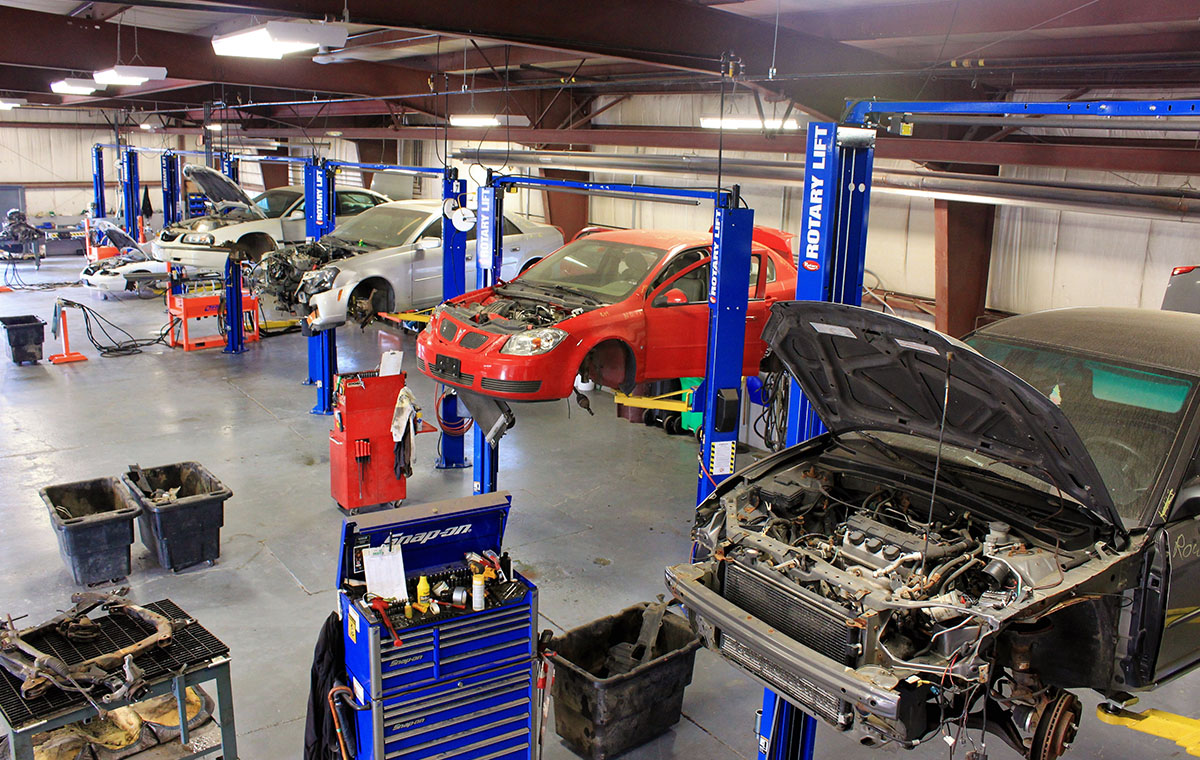
  • Auto parts market set to boom as vehicle population ages

    Auto parts market set to boom as vehicle population ages

    The average age of automobiles in Vietnam is 5.7 years, or near a major maintenance milestone and requiring many replacement parts, according to experts.

    Passenger cars usually have a warranty period of three to five years, and need a major overhaul after six to seven years of running.

    With cars aged nearly 6 years, the demand for components and parts for maintenance, repair and replacement purposes will increase sharply in the near future.

    At an auto parts show in Ho Chi Minh City in late June, Teoh Chee How, head of the Asia Pacific aftermarket division at ZF Aftermarket, a German seller of components and systems for cars, said: “In the next five years the number of new cars on the road will increase by 10%.”

    “The average age of vehicles is near the time of overhaul,” How said. “That is why we consider Vietnam to be a very promising auto parts market and well worth investment.”

    According to research by ZF Aftermarket, the total number of passenger cars in circulation in Vietnam is 2.5 million, and their average age is 5.7 years, compared with 12.5 years in the U.S. and 12 years in Europe.

    Markus Wittig, head of business line passenger cars at ZF Aftermarket, said the biggest challenge facing the Vietnamese auto parts market is the lack of in-depth, methodical support and diagnostic tools for workers at independent repair centers.

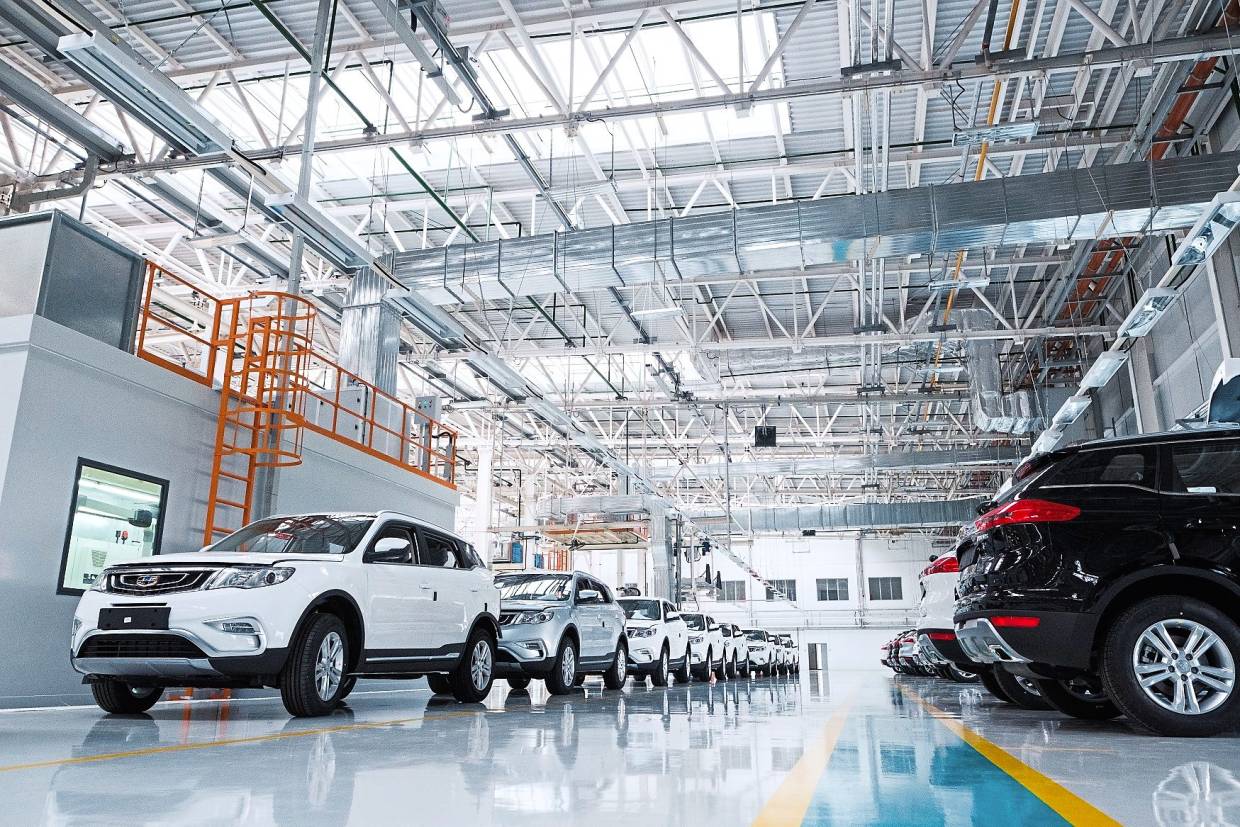
    The country’s annual automobile production capacity is 755,000, with foreign-owned plants manufacturing for 35% of them, according to the Ministry of Industry and Trade.

    Imports of components for production and repair are worth around US$5 billion a year.

  • Honda Motor Recalls 1.2 Million US Vehicles For Rearview Camera Issue

    Honda Motor Recalls 1.2 Million US Vehicles For Rearview Camera Issue

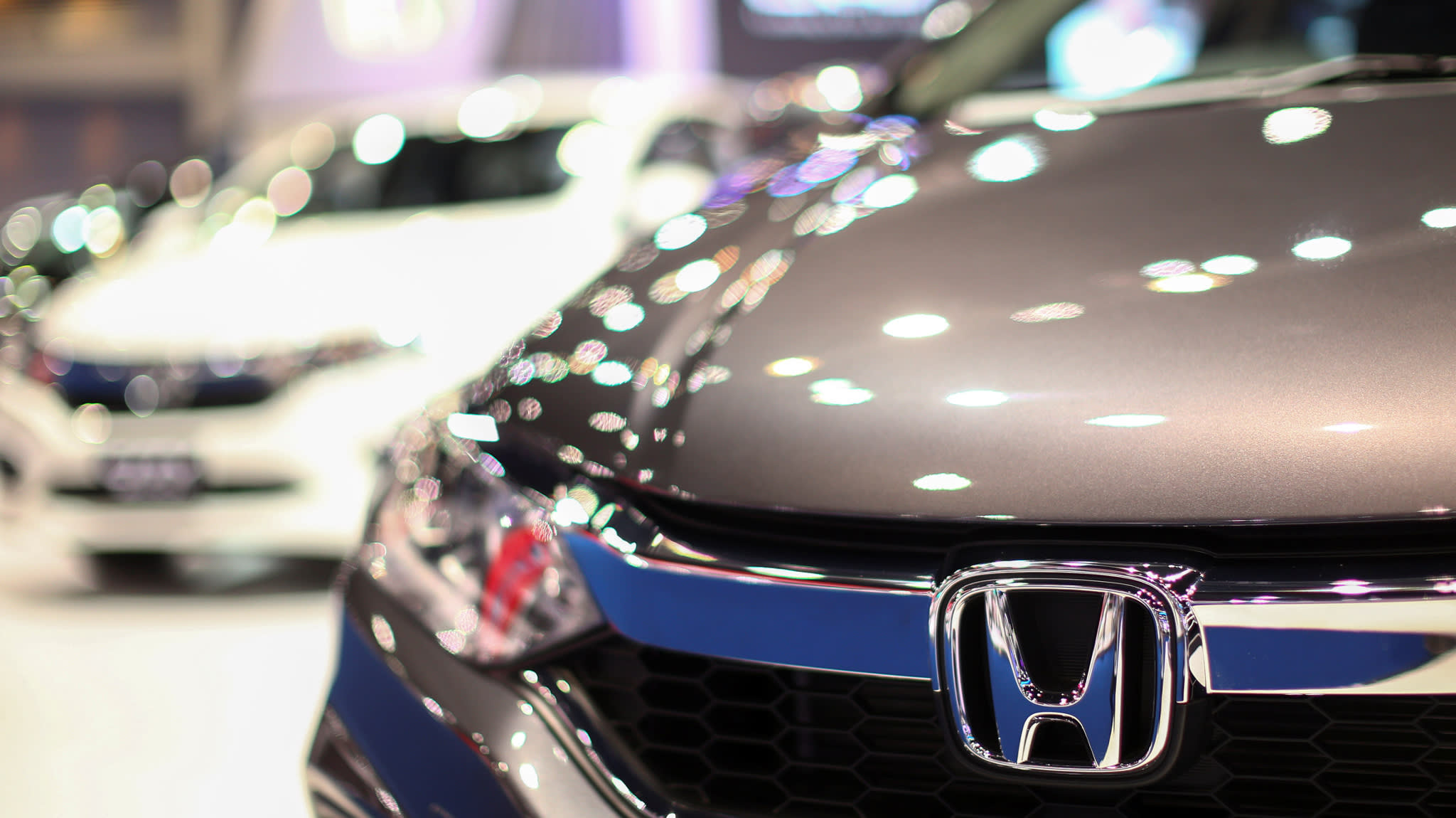
    Honda Motor has initiated a recall of approximately 1.2 million vehicles in the United States after a potential problem was identified with the rearview camera image, as confirmed by the National Highway Traffic Safety Administration (NHTSA) on Friday.

    The recall affects specific models including the 2018-2023 Odyssey, 2019-2022 Pilot, and 2019-2023 Passport. The issue stems from a faulty communication coaxial cable connector, which may result in the absence of the rearview camera image on the display.

    To address this concern, Honda has previously extended the warranty for affected vehicles in 2021. The automaker revealed that it has received a significant number of warranty claims, totalling 273,870, associated with this matter from May 2017 to June of this year. Fortunately, there have been no reported injuries or fatalities connected to this recall.

    Authorized dealers will resolve the issue by installing an enhanced cable harness between the existing display audio and vehicle terminal connections. Additionally, a straightening cover will be placed over the vehicle cable connector to establish a proper connection with the audio display unit.

  • Tata Motors Expands EV Focus

    Tata Motors Expands EV Focus

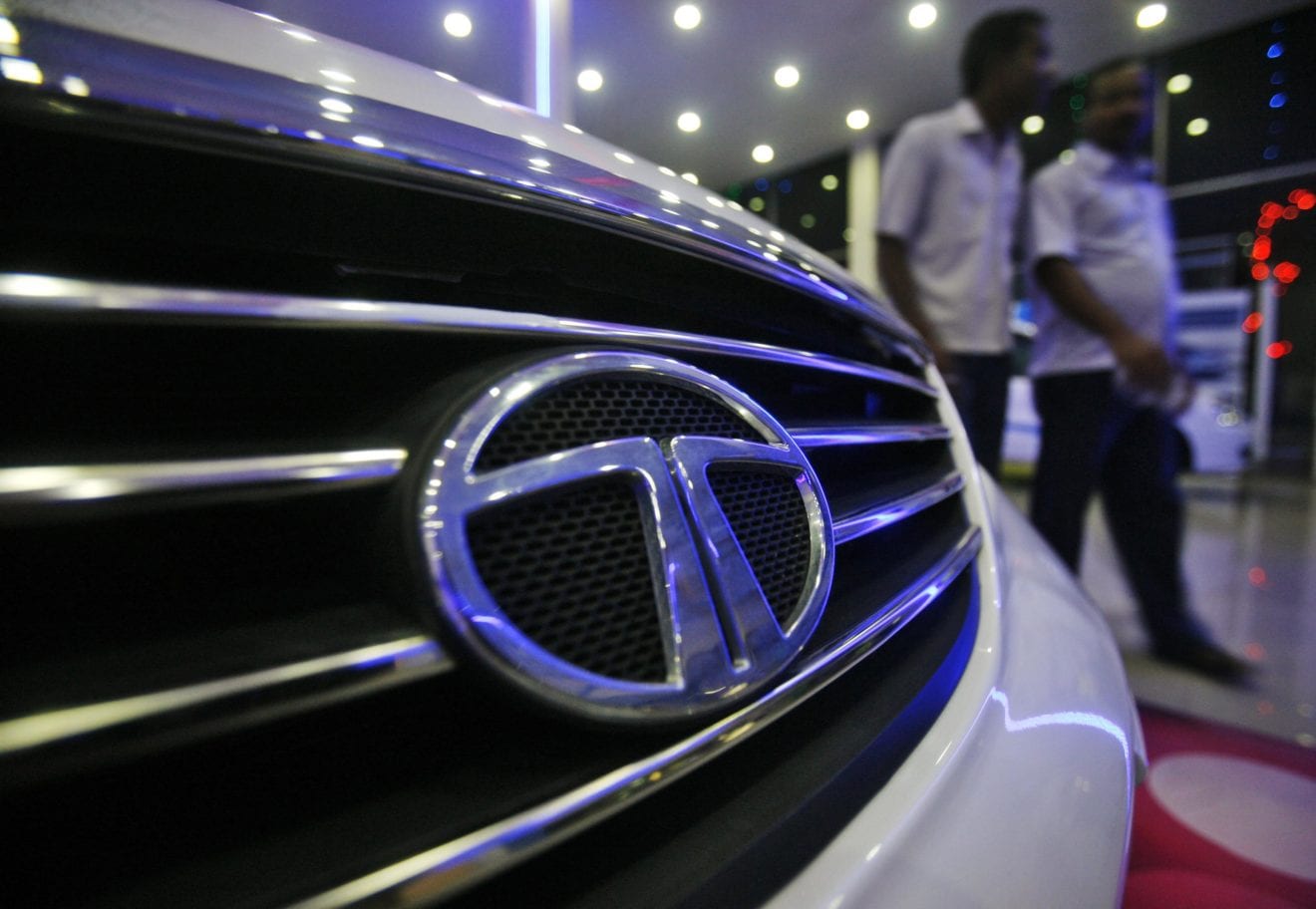
    Tata Motors is placing a significant emphasis on the electric vehicle (EV) sector with a series of product launches in a bid to substantially increase its market share by 2030. According to the company’s recently published annual report for the fiscal year 2022-23 (April-March), Tata Motors anticipates that EVs will account for 25 percent of its product portfolio within five years and reach 50 percent by 2030.

    In the March quarter, Tata Motors achieved a major milestone by surpassing annual EV sales of 50,000 units, constituting 12 percent of its overall sales. Over the past three years, Tata Motors, as the leading player in India’s EV market, witnessed a remarkable surge in volumes, escalating from 1,300 units to over 50,000 units.

    The company foresees a considerable surge in EV demand as more options become available to consumers. During the fiscal year 2023-24, Tata Motors aims to focus on achieving substantial volume growth, making strategic investments, maintaining healthy underlying unit economics, and remaining competitive in the market. N Chandrasekaran, Chairman and Non-executive Director, expressed confidence in the company’s future prospects, asserting that Tata Motors is rebounding after several challenging years and remains committed to fulfilling its financial obligations while contributing to a greener future.

    Tata Motors presently boasts the widest range of EV offerings in India, encompassing hatchbacks, sedans, and sports utility vehicles (SUVs) catering to both premium and mass market segments. Moving forward, the automaker intends to capitalize on this strategic advantage by expanding its EV sales and after-sales network, as well as charging infrastructure throughout the country. By implementing these initiatives, Tata Motors aims to tap into the untapped potential and broaden its customer base.

    Jaguar Land Rover (JLR), Tata Motor’s subsidiary, is also making significant strides in the EV domain. The company has set its sights on transforming Jaguar into a fully electric luxury brand, and its strategic plan is progressing as intended. Adrian Mardell, the interim CEO, announced that the first new all-electric Jaguar vehicle will be unveiled in 2024, with customer deliveries commencing in 2025. Later this year, JLR plans to commence pre-orders for the inaugural pure electric Range Rover. Despite the challenging market conditions, JLR remains committed to delivering on its “Reimagine” strategy and is confident in the unwavering support and dedication of its skilled workforce.
  • Halve car registration fees to boost sales

    Halve car registration fees to boost sales

    Prime Minister Pham Minh Chinh has asked the Ministry of Finance to halve registration fees for locally-made or assembled automobiles starting July 1.

    A draft decree on the issue should be submitted to the Government for approval before June 15, he said.

    The cut will be in effect until the end of this year to boost falling demand.

    The registration fees are calculated based on car prices in each locality. The rates are 12% in Hanoi and Hai Phong, and 10% in HCMC.

    The Vietnam Automobile Manufacturers Association (VAMA) said credit tightening and rising interest rates have diminished market liquidity, and automobile companies are struggling to cope with high inventories.

    In the first four months VAMA saw 92,801 cars sold, down 30% year-on-year.

    Experts have predicted that total vehicle sales this year will unlikely reach last year’s figure of half a million units.

  • Volvo’s Latest Apple CarPlay Update Brings Navigation, Call Details To Driver’s Display

    Volvo’s Latest Apple CarPlay Update Brings Navigation, Call Details To Driver’s Display

    Volvo Cars is rolling out an important update for Apple CarPlay users in its vehicles worldwide. The over-the-air software update enhances the infotainment system and brings significant improvements to the Apple CarPlay experience. A key enhancement is the integration of Apple Maps and other supported navigation apps directly into the driver display (instrument cluster). This integration allows drivers to access navigation information conveniently while keeping their eyes on the road, improving safety and convenience.

    The update also improves call management by displaying call information on the driver display. Drivers can answer, reject, and end calls using the steering wheel buttons. Additionally, the CarPlay tile in the centre display now provides media information, making it easier to control media playback functions like play, pause, and skip.information

    Speaking on the announcement, Alwin Bakkenes, Head of Software Engineering at Volvo, said, “The latest update on CarPlay features is an excellent example of how we continuously improve and add features and functions together with our technology partners, making our customers’ experience richer over time.”

    In addition to the CarPlay improvements, the update brings various changes to enhance the overall driving experience. Drivers can now switch between different driver support functions using the steering wheel buttons. There is also an option to choose whether the wing mirrors should fold when locking the car. Volvo also says that the update includes minor engine calibration optimizations and bug fixes as well.

    The over-the-air update will become available on Volvo cars with Google built-in.

  • Vietnam’s VinFast recalls first batch of US-bound EVs over safety risk

    Vietnam’s VinFast recalls first batch of US-bound EVs over safety risk

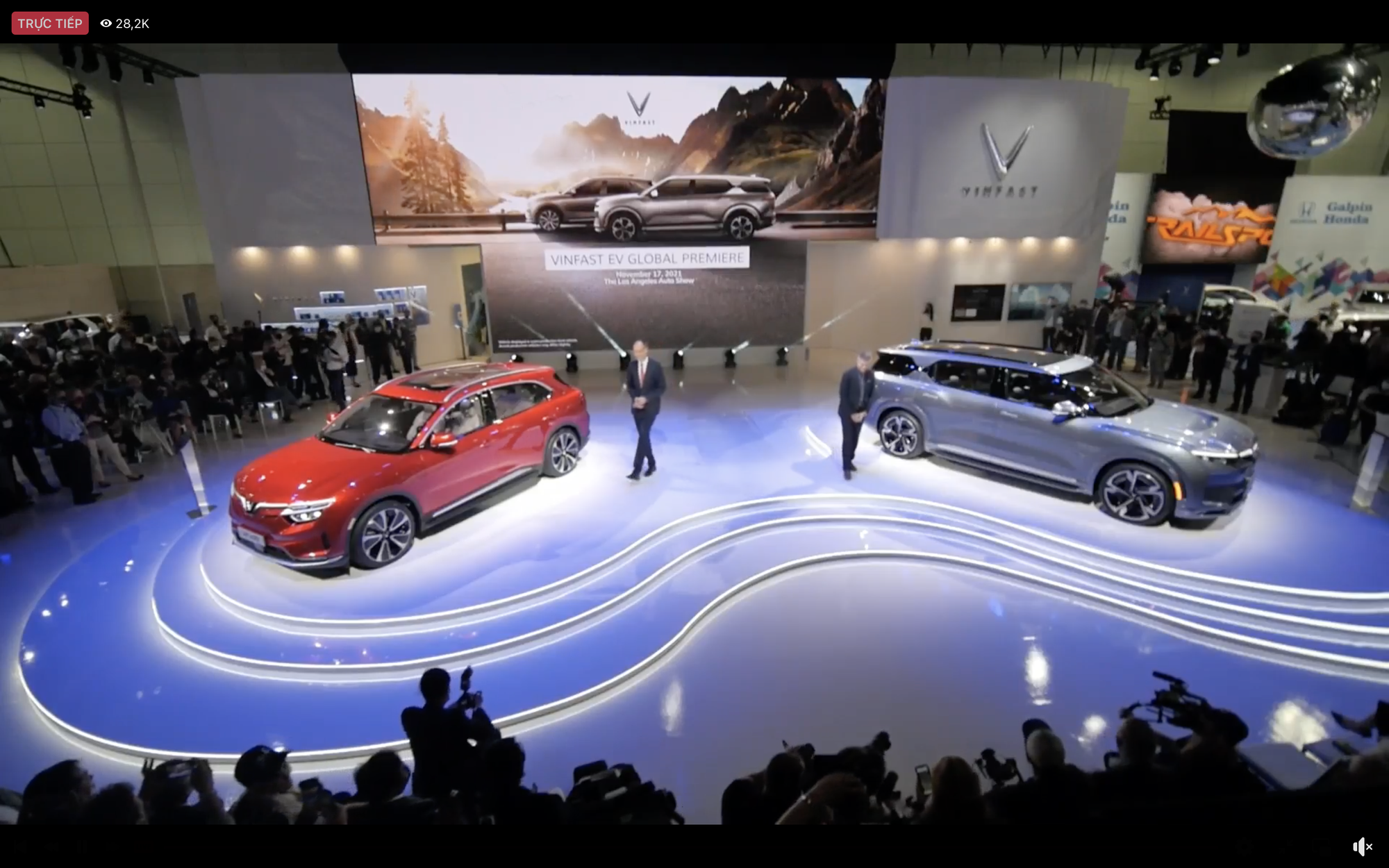
    Vietnamese electric vehicle (EV) maker VinFast said it is recalling all of the first batch of vehicles it shipped to the United States last year following a safety warning issued by U.S. authorities.

    The move came after the U.S. National Highway Traffic Safety Administration (NHTSA) said 999 of VinFast’s VF 8 vehicles suffered a software error in the dashboard display that prevented critical safety information from being shown and “may increase the risk of a crash”.

    More than 700 of the 999 units are still in VinFast’s hands and have not been delivered to customers or fleet services, the NHTSA estimated.

    In a statement to Reuters, VinFast said it issued a voluntary safety recall of the VF 8 City Edition on which the dashboard screen goes blank while driving or stationary.

    “VinFast is not aware of any field reports of incidents. The company is issuing this recall out of an abundance of caution,” it said.

    The recall statement comes less than two weeks after VinFast announced it would list in the United States via a merger with special purpose acquisition company (SPAC) Black Spade Acquisition Co (BSAQ.N).

    The two companies estimated the new entity would have a potential equity value of $23 billion, assuming no Black Spade shareholders elect to cash out.

    In February, VinFast recalled 2,781 VF 8 cars sold domestically over an issue with the front brake of some models.

    VinFast, which was founded in 2017 and began selling EVs in California this year, has shipped two batches of VF 8 cars to the United States totalling 2,097 units. It is also planning to send its first vehicles to Europe in July.

    In documents filed with the NHTSA, VinFast said it first became aware of the dashboard issue on April 27 while reading customer comments and concerns. According to the safety agency, the problem has been documented 18 times.

    The NHTSA said VinFast will introduce a software update that should fix the issue. The software fix is scheduled to go live on May 25 with notification letters being sent out to owners by May 29.

    Last month, VinFast said it had received a fresh round of funding pledges worth $2.5 billion from parent Vingroup JSC, Vietnam’s biggest conglomerate, and founder Pham Nhat Vuong, Vietnam’s first billionaire and richest man.

  • Indian car rental service ZoomCar exits Vietnam

    Indian car rental service ZoomCar exits Vietnam

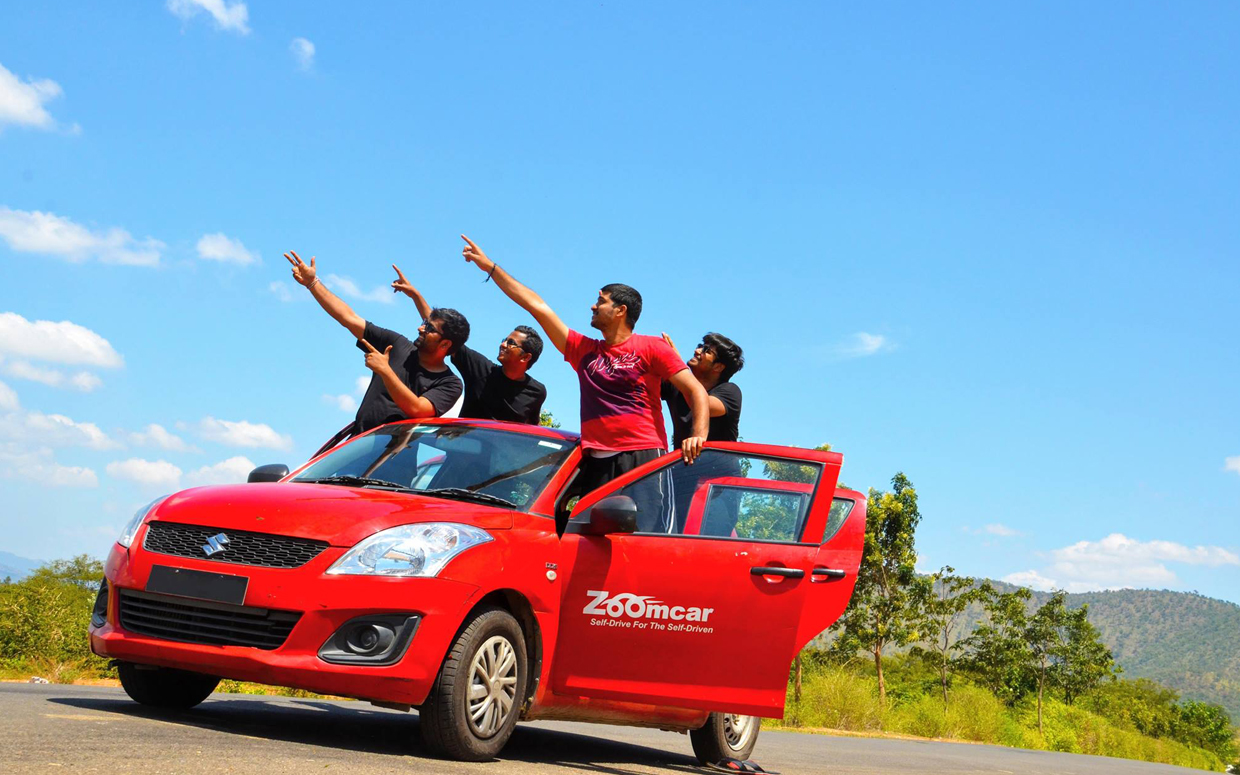
    Indian car rental platform ZoomCar has quit the Vietnamese market after operating for over a year, citing difficulties and further challenges ahead.

    Addressing car owners in an announcement Tuesday afternoon, it promised, however to fulfill all obligations to them and customers.

    Technicians will schedule with the owners to collect the equipment installed on their vehicles.

    They will be paid their dues by June 30.

    ZoomCar was launched in 2013 in India as a platform connecting people owning cars with renters, and came to Ho Chi Minh City in early 2022.

    It had earlier considered investing US$25 million in Vietnam.

    Within the first four months of coming to Vietnam it had around 1,000 cars for lease, and offered large discounts to both renters and owners.

    But the discounts started to dwindle gradually.

    Ky, an HCMC’s District 8 owner since March last year, said he was surprised to learn about the company’s exit.

    He had been making less and less money from leasing his car on the app since six months ago.

    “The company took a commission of 40% on each trip, which is high, and forced car owners like us to list our vehicle on the platform all the time.”

    Recent economic difficulties have reduced demand, he added.

  • Fuel prices rise after 6-week decline

    Fuel prices rise after 6-week decline

    Gasoline and diesel prices on Monday gained for the first time since April 11.

    The popular gasoline RON95 went up 2.33% to VND21,490 per liter.

    Biofuel E5 RON92 rose 1.74% to VND20,480. Diesel increased by 1.70% to VND17,950.

    Fuel prices globally have been rising by 0.73-3% in the last 10 days due to a production cut by OPEC+, concerns of the U.S. public debt, stalled manufacturing and high interest rates which could lead to an economic recession.

    RON95 price went up 2.6% to $89.63 per barrel, and diesel rose 2.2% to $89.18.

  • Bentley recalls two Continental models due to fire risk

    Bentley recalls two Continental models due to fire risk

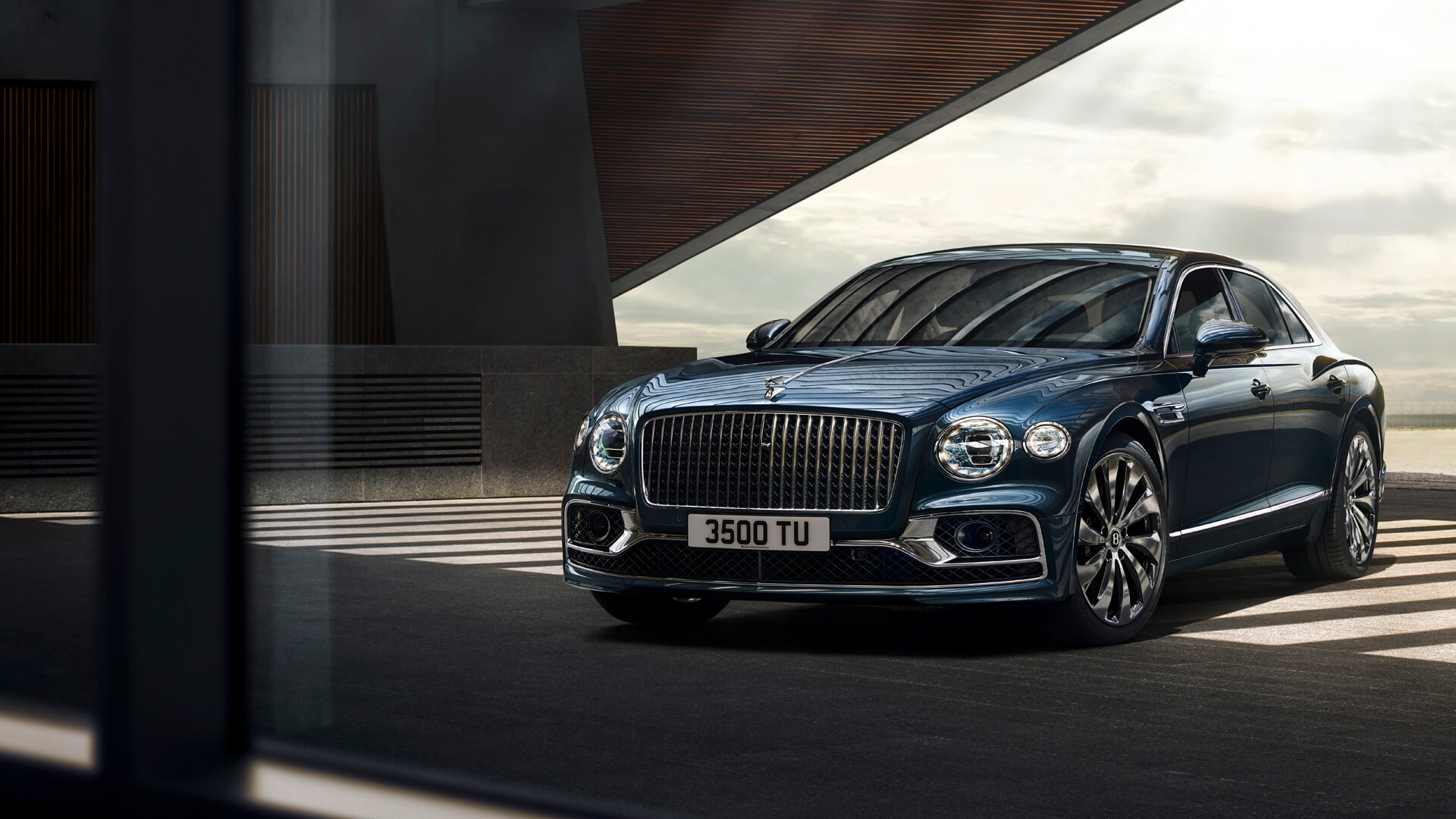
    Luxury carmaker Bentley is recalling its Continental GT First Edition W12 and W12 cars in Vietnam to fix a faulty water pump that poses a threat of fire.

    Due to a design defect, the water pump could create a vacuum within the electrical area of the pump and cause liquid from the coolant system to permeate the housing of the water pump and damage the electrical circuitry which could cause a fire, it said.

    The recalled vehicles were manufactured in 2018 and imported from the U.K.

    Dealers of distributor CT Wearnes Vietnam are handling the recall, and it will take some 50 minutes to replace the faulty water pump.

    A spokesperson for the British carmaker in Vietnam said if the engine management light lights up or smoke is detected, people should immediately stop the vehicle wherever it is safe to do so, turn off the ignition, evacuate the vehicle, and contact the nearest retailer immediately.

    Bentley has an authorized dealer each in Hanoi and Ho Chi Minh City.

    The Continental GT is a two-door sedan with a price-tag of at least VND18 billion (US$762,700) in Vietnam.

  • Tesla Cancels Production of Right-Hand Drive Model S and Model X

    Tesla Cancels Production of Right-Hand Drive Model S and Model X

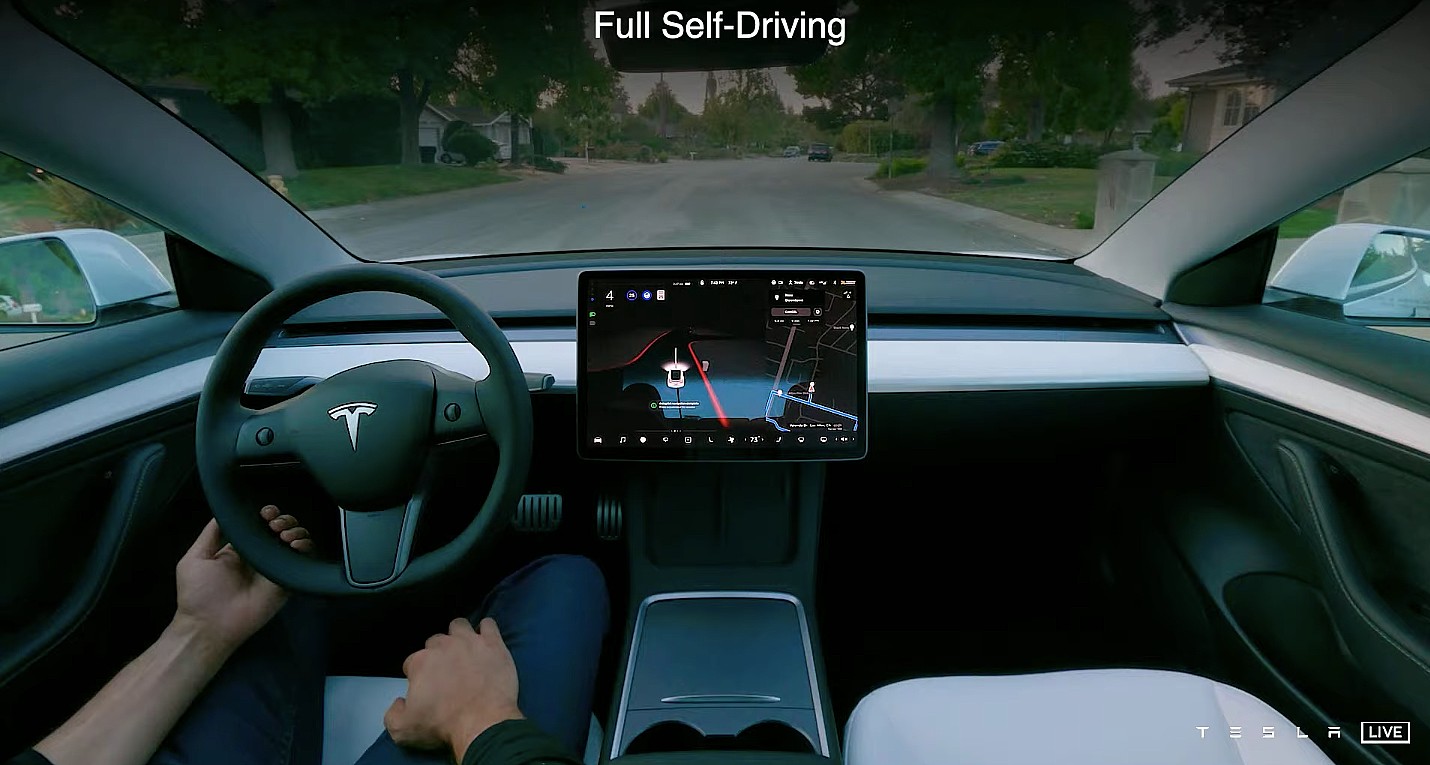
    Tesla has recently announced that it is cancelling the production of right-hand drive Model S and Model X vehicles, citing low demand in certain regions. This move surprises many customers who have been waiting for their orders to be fulfilled.

    According to the company, customers who have already placed orders for the right-hand drive Model S and Model X will be offered refunds or the option to switch to a left-hand drive version. Tesla has also stated that it will continue to support existing right-hand drive vehicles with parts and service.

    This decision by Tesla is likely because most countries drive on the right-hand side of the road, making left-hand drive vehicles more popular. Additionally, the Model S and Model X are older models in Tesla’s lineup, and the company may be looking to shift its focus to newer vehicles.

    Tesla has informed reservation holders that they will not offer right-hand-drive Model S and Model X vehicles for the foreseeable future. Customers can opt to purchase a left-hand drive model, receive a credit towards a Model 3 or Model Y, or cancel the reservation and receive a full refund. Those who choose to change their reservation for a Model 3 or Model Y will receive a credit of up to $2,175 in Ireland and up to $2,000 in Australia.

    The demand for Tesla’s Model S and X has decreased significantly due to their outdated models compared to newer models from startups and established OEMs. In 2022, Tesla built 71,777 of these models but only sold 66,705, and in Q1 2023, they built 19,437 but almost half remain unsold.

    Despite this setback, Tesla has been making strides in the electric vehicle market. Its latest vehicle, the Model Y, has been well-received, and the company is working on developing new technologies such as autonomous driving and advanced battery system

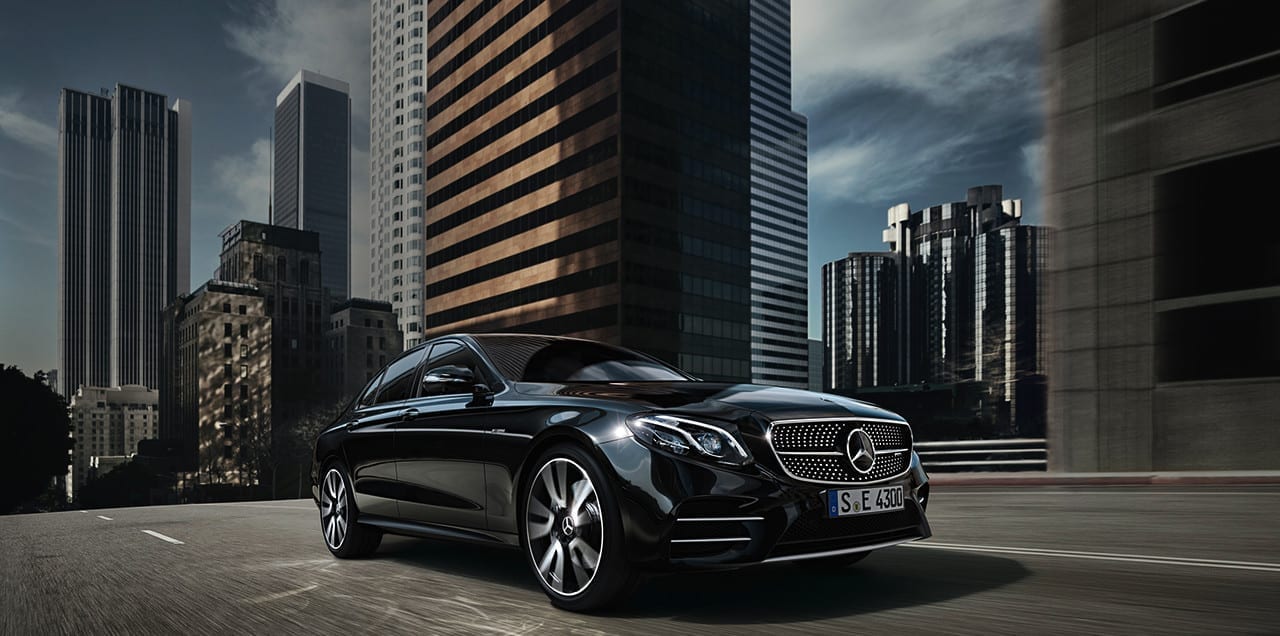
  • Vietnam-dominant Mercedes challenged by cheaper BMWs

    Vietnam-dominant Mercedes challenged by cheaper BMWs

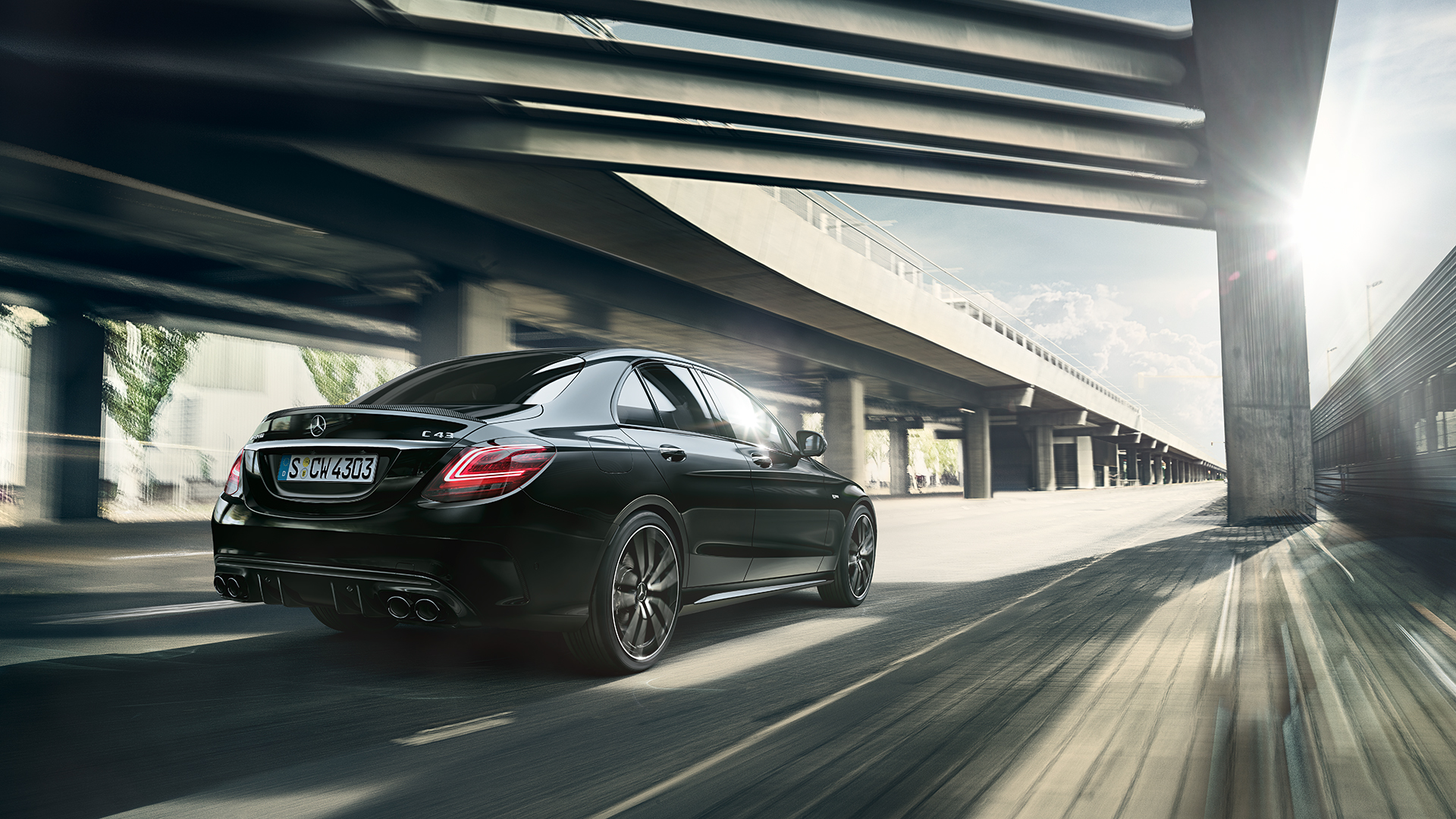
    Mercedes has been dominating Vietnam’s luxury car market in recent years, but that could start to change this year as BMW lowers prices.

    “We have always considered BMW a major competitor in most markets globally, but things are different in Vietnam,” said CEO Brad Kelly on the sidelines of the launch of the new Mercedes GLC models in Ho Chi Minh City recently.

    He added that in Vietnam, BWM does not yet seem to threaten Mercedes in terms of sales.

    Between 2019 and 2022, Mercedes secured and average of around 60% of Vietnam’s total luxury car market share, and the German brand last year sold over 7,900 units alone.

    Its competitor from the same country, BMW, only secured fourth place last year – behind Lexus and Volvo – with the sale of 973 units.

    However, Thaco, the Vietnamese company that distributes BMW cars, has been assembling several BMW models, such as the 3 Series, the 5 Series, and the X3 and X5.

    This implies that BMW wants to reduce its retail prices in Vietnam as assembling the vehicles locally will bring down costs.

    The strategy seems to have succeeded as the BMW X3s assembled last year are now selling from VND1.8 billion ($76,700), compared to the new Mercedes GLC price tag of VND2.3 billion.

    Thus, the cheapest luxury car in Vietnam now belongs to BMW, not Mercedes.

    The rising competition with BMW therefore will benefit Vietnamese customers and the local auto industry, and it will motivate Mercedes to come up with more new ideas, Kelly said.

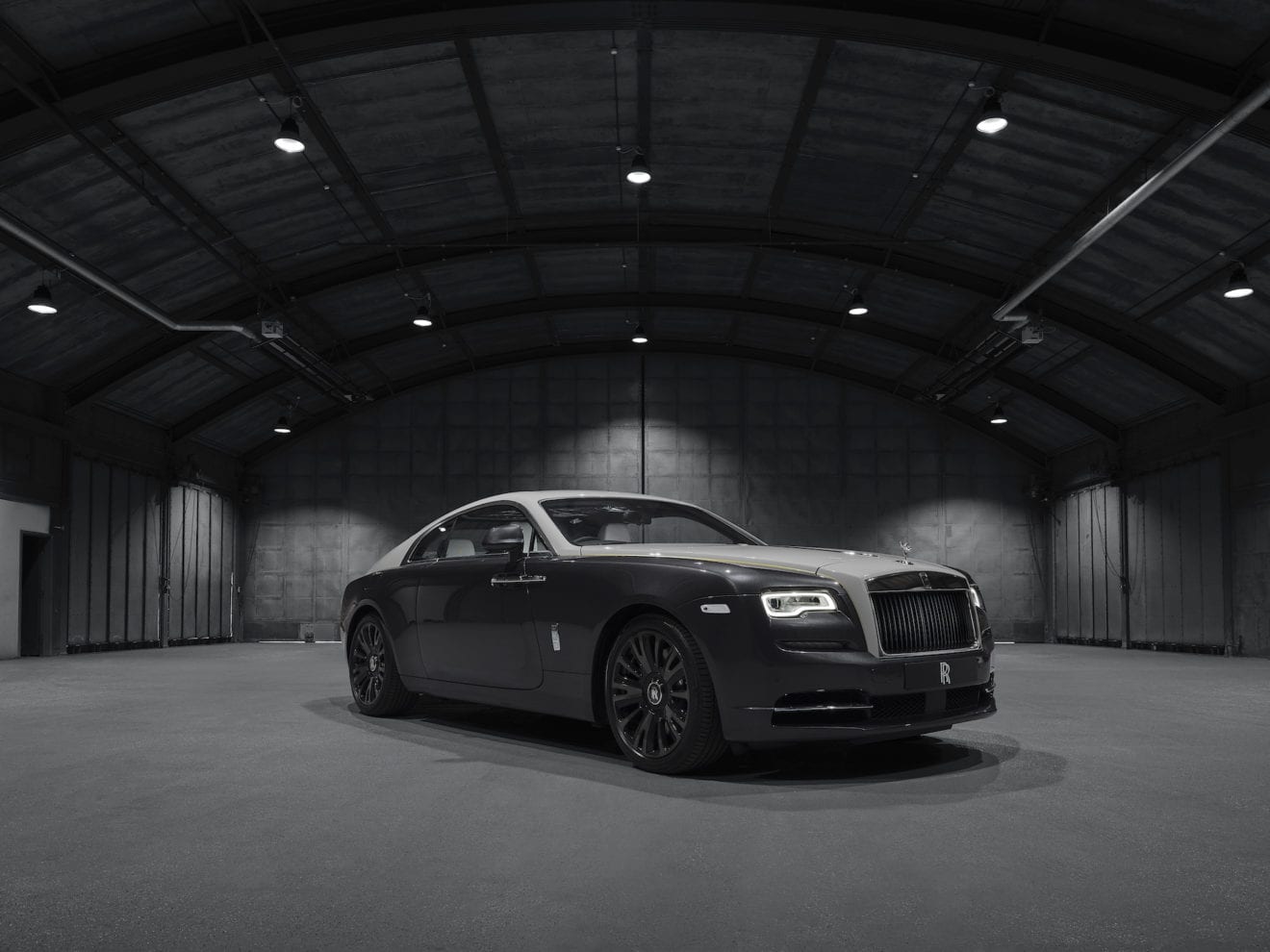
  • Hai Phong port customs look for owner of Rolls-Royce unclaimed for one year

    Hai Phong port customs look for owner of Rolls-Royce unclaimed for one year

    Customs authorities in Hai Phong City’s Dinh Vu Port are looking for the owner of a Rolls-Royce car that has remained unclaimed since being imported in July last year.

    According to the port customs sub-department, after no individuals or organizations came to collect the vehicle, last December it had posted the first notice to find the owner.

    The exporter is Germany’s Hollman International Company, and the recipient is a company with address in the Trung Van urban area in Hanoi.

    Mediterranean Shipping Company had transported it.

    The automobile is at the port’s Tan Cang International Container Terminal.

    A Rolls-Royce Cullinan currently costs over VND40 billion ($1.7 million).

    Past cases of abandoned luxury cars have existed in Hai Phong and Da Nang ports.

    In 2020 Hai Phong customs auctioned a Ferrari after a public notice failed to find its owner for over 90 days.

  • Vietnam auto sales decline drags it down to 5th place in Southeast Asia

    Vietnam auto sales decline drags it down to 5th place in Southeast Asia

    A slump in auto sales last quarter pushed Vietnam from fourth to fifth place in Southeast Asia.

    Vietnam has for years been the fourth largest auto market in the region after Indonesia, Thailand and Malaysia, but suffered a 25% drop in sales in the first three months this year.

    Only 86,817 units were sold, according to data from the Vietnam Automobile Manufacturers Association, VinFast and Hyundai Thanh Cong.

    Due to the global recession, inflation and gloomy real estate and securities markets, people are more hesitant to buy big-ticket items like cars, and promotions and discounts by manufacturers and dealers have failed to persuade them.

    Vietnam and Myanmar saw the biggest declines in Q1, according to the ASEAN Automotive Federation. Myanmar suffered a steep drop of 84.8% year-on-year from 3,411 vehicles in Q1 2022 to 519 this year.

    The Thai market also declined by a more modest 6.1%, with sales being 210,000 units.

    According to automotive magazine Just Auto, the Thai automobile industry has seen slow growth since April last year because of rising bank interest rates and other factors such as floods and component shortages.

    But Indonesia and Malaysia have witnessed steady growth.

    In Indonesia, quarterly sales grew at 7% to 280,000 units, which kept it the top market in the region.

    Malaysia remained in third place with 190,000 units, a 20.4% increase.

    The Philippines took over fourth place with a 30.1% increase to 97,000 cars.

    The Singapore market also declined, with sales falling by 4.3% to 10,000.

    Thailand and Indonesia exchange places in auto production, while Malaysia remains in third place.

  • Mercedes distributor sees plummeting profit

    Mercedes distributor sees plummeting profit

    Mercedes distributor Haxaco reported a 92% year-on-year fall in pre-tax profits in the first quarter to VND5.6 billion ($238,750).

    Amid an industry-wide decline in sales, Haxaco’s revenues plummeted by 40% to VND992 billion.

    High-interest rates and the difficult economic situation caused sales of the luxury brand to drop, the company said in a statement.

    Its chairman, Do Tien Dung, said last week that in some months during the first quarter only a few cars were sold, and most of the income came from services.

    The company expects the difficult situation to persist until the end of the year.

    Yet it targets profits of VND310 billion for the year, the same as the record sum achieved last year, with Dung saying he does not want his employees to give up because the market situation is difficult.