Tag: Auto

  • Porsche Vietnam presents new Cayenne

    Porsche Vietnam presents new Cayenne

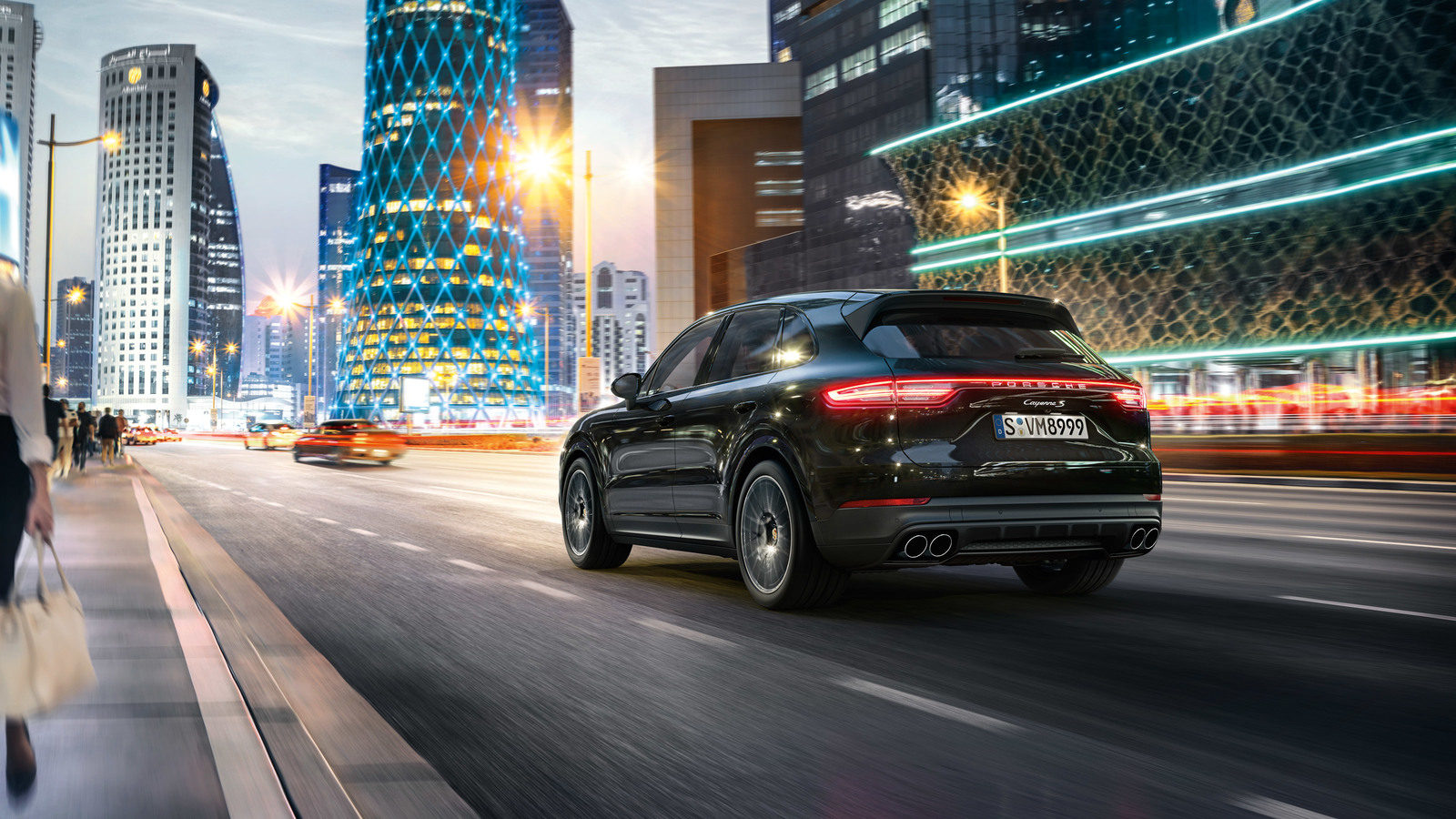
    The third generation of Porsche “Sports Car for Five” features comprehensive upgrades to the powertrain, chassis, design, and equipment, further enhancing driving performance and offering luxurious comfort.

    With the vision “Further Together”, Porsche Vietnam unveiled the all-new and thoroughly refined Cayenne. The third generation of the luxury SUV made its national debut at the Contemporary Space of Porsche Cayenne at Porsche Centre Saigon and Porsche Studio Hanoi, equipped with a highly digitalized display and control concept, new chassis technology, and innovative high-tech features.

    Ever since its world premiere in 2002, the Cayenne has been a game-changer. Combining the performance characteristics of a Porsche with luxury and utility, it is the definitive sports car in the SUV segment and a true pioneer.

    Since its establishment in 2007, Porsche Vietnam has been turning sports car dreams into reality. One-third of all Porsche vehicles delivered in Vietnam are Cayenne models, making it the best-selling Porsche here to date.

    “We are excited to introduce the new Cayenne in Vietnam with a tremendous product upgrade. The new Cayenne creates more opportunities for Vietnamese Porsche fans to experience their dream sports car than ever before,” said Andreas Klingler, general director of Porsche Vietnam.

    Key highlights of the new Cayenne include high-definition HD Matrix LED Headlights that provide road illumination tailored to every driving situation, an air quality system that filters pollutants from the air in the interior, and, for the first time in the Cayenne, front passengers have their own infotainment display—for streaming videos during the trip, for example.

    With its extensively upgraded design and more powerful engine range, the Cayenne emphasizes its claim to be the sportiest car in its segment.

    A highly significant model launch adds to Porsche Vietnam’s momentum. Since it was officially established in 2007, Porsche Vietnam has grown to become one of the most exciting markets for Porsche, both from a global and regional perspective.

    After marking its 15th anniversary in 2022, Porsche Vietnam carries a positive momentum forward into 2023, Porsche’s 75th anniversary year, with the launch of the new Cayenne. Porsche has maintained a steady position as Vietnam’s top luxury sports car brand.

    “We see an increasing number of Porsche cars on the roads of Vietnam. Our biggest achievement so far is building and spreading sports car fascination, nurturing a passion for the brand, and turning sports car dreams into reality. This reflects the aspirations that motivate us, and more notably, it underscores the passionate support from our valued customers and fans in Vietnam,” Klingler said.

    At Porsche, the brand interacts with sports car enthusiasts in engaging and innovative ways. Porsche’s already attractive product portfolio now receives a boost with the new Cayenne, with a comprehensive range of upgrades ready to take any family further together.

    The all-new Cayenne: Featuring Porsche Driver Experience

    Porsche has integrated a completely revised display and control concept into the new Cayenne.

    The new Porsche Driver Experience, first introduced in the Porsche Taycan, focuses on the driver’s axis and optimizes operation. Functions that the driver frequently uses are located directly on or immediately next to the steering wheel.

    For example, the lever located on the left behind the steering wheel now has additional functions for operating the driver assistance systems. The automatic transmission selector lever in the new Cayenne is now on the dashboard.

    This makes room on the new center console for storage compartments and a large air conditioning controller in an elegant black panel design.

    Large, easily accessible controls combined with mechanical air conditioning switches and a haptic volume controller ensure optimum operability and a refined look.

    A key feature of the new Porsche Driver Experience is the balance between digital and analog elements. For the first time, the redesigned cockpit of the Cayenne includes a fully digital 12.6-inch instrument cluster with a curved and free-standing design and variable display options. An optimized head-up display is also available.

    The standard 12.3-inch central Porsche Communication Management display integrates harmoniously into the new dashboard and provides access to all the relevant vehicle functions.

    Native apps such as Spotify® and Apple Music® are provided to optimize connectivity in the new Cayenne. A 10.9-inch display is now available for the first time on the passenger side.

    This enriches the front passenger’s driving experience by displaying performance data, providing separate access to the infotainment system controls, and, depending on the market, offering the option of streaming video content on the road. A special foil ensures that the driver cannot see this display.

    Refined design, innovative lighting technology

    The new Cayenne now has a particularly expressive appearance. A new front end combined with more strongly arched wings, a new bonnet, and technically appealing headlights emphasize the vehicle’s width.

    Three-dimensionally designed taillights, uncluttered surfaces beneath, and a new rear apron with an integrated number plate holder characterize the rear-end design of the new Cayenne.

    An expanded color palette with three new colors, lightweight sports packages saving up to 33 kilograms for the Cayenne Coupé, and a new extensive range of 20, 21, and 22-inch wheels make it possible to configure the new Cayenne individually and dynamically.

    Matrix LED headlights are now standard in the new Cayenne. HD matrix LED headlights are a new optional feature.

    With two high-definition modules and more than 32,000 pixels per headlamp, their innovative technology picks out other users and blocks out the light of the high beam for them with pixel accuracy so as not to dazzle them.

    The brightness of the modules can be regulated in more than 1,000 steps, depending on the driving situation. Customized light modes increase safety and comfort in different driving situations.

    Porsche has also introduced an air quality system in the new Cayenne.

    As standard, the vehicle uses predictive navigation data to detect approaching tunnel entrances and automatically activate air recirculation.

    Optionally, a sensor detects the level of fine dust particles in the air and passes them through the fine dust filter multiple times if necessary. Furthermore, an ionizer removes many germs and pollutants from the air, which is particularly beneficial for allergy sufferers.

    In addition, customers can use a comprehensive range of new and optimized assistance systems. These include the active speed limiter and the swerve assist, the cornering assist, and the improved Porsche InnoDrive as part of the adaptive cruise control.

    This means that the new Cayenne is even better at helping its driver in dangerous situations as well as in traffic jams on motorways and main roads.

    Increased range between ride comfort and performance

    Porsche now equips the Cayenne at the factory with a steel spring suspension, including Porsche Active Suspension Management.

    New shock absorbers with 2-valve technology and thus separate rebound and compression stages allow optimized performance in all driving situations.

    Comfort at slow speeds, handling during dynamic cornering, and pitch and roll support have been noticeably improved.

    The driving experience can be additionally enhanced with the new adaptive air suspension with 2-chamber, 2-valve technology. This improves the driving experience with a soft suspension characteristic, stabilizes the vehicle, and simplifies on-road and off-road handling compared to both the standard suspension and the predecessor model.

    At the same time, the adaptive air suspension improves driving precision and performance and reduces body movements in dynamic driving situations. The suspension also offers an even sharper differentiation between Normal, Sport, and Sport Plus driving modes.

    The all-rounder: More power and sportier

    In Vietnam, the new Cayenne debuts with three different versions.

    An extensive refinement of the four-liter V8 biturbo engine developed by Porsche replaces the previous V6 engine in the new Cayenne S.

    With a maximum output of 349 KW (474 PS) and a torque of 600 Nm, 25 kW (34 PS) and 50 Nm more than its predecessor, it accelerates both the SUV and the SUV Coupé to 100 km/h in 4.7 seconds.

    The top speed is 273 km/h. The entry into the world of the Cayenne comes with an optimized three-liter V6 turbo engine. It now generates 260 kW (353 PS) and 500 Nm, which is 10 kW (13 PS) and 50 Nm more than before.

    The Turbo GT, designed for maximum on-road performance, is still the top model in the Cayenne range in most Porsche markets.

    It is available exclusively as a coupé and benefits from all the optimizations and innovations of the model series. In addition, the output of the four-liter V8 biturbo engine of the Turbo GT has been increased by 14 kW (19 PS) to 485 kW (659 PS).

    The Cayenne Turbo GT accelerates from zero to 100 km/h in 3.3 seconds, with a top speed of 305 km/h. The all-new Cayenne models are available to order now from Porsche Vietnam.

    The price of all 5 versions of Cayenne is VND5.56-14.36 billion. All prices are estimated and include import tax, SCT, VAT, and local service packages.

    Porsche in Vietnam continues to grow with Porsche Centre Saigon in HCMC, Porsche Centre Hanoi, and Porsche Studio in Hanoi.
  • Honda To Pull The Plug On Car Sales In Russia In 2022

    Honda To Pull The Plug On Car Sales In Russia In 2022

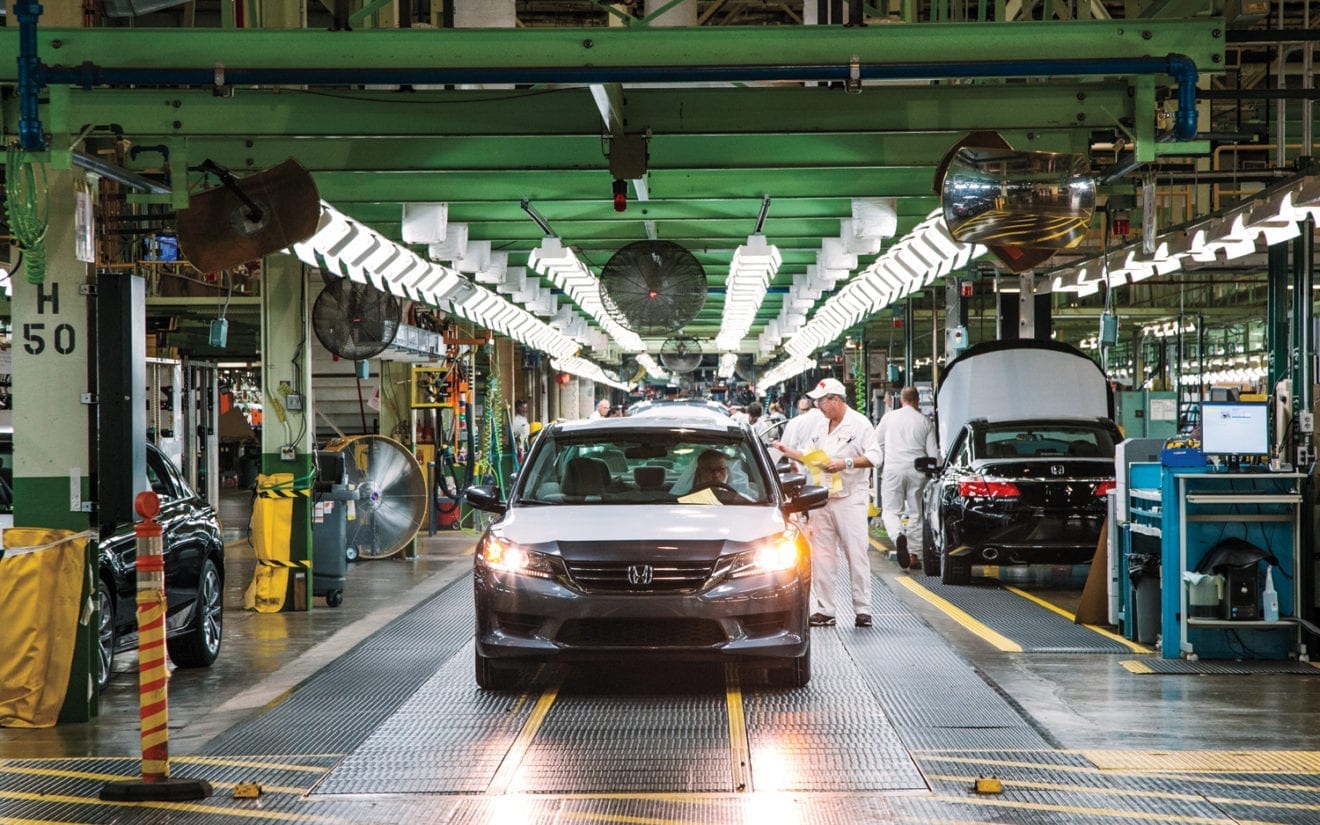
    Honda Motor Company has said that it won’t be supplying new cars to its authorized dealers in Russia in 2022 as the company is trying to restructure its operations. The Japanese automaker has confirmed that it would keep its presence in the Russian market with motorcycle and power equipment sales only. The news comes after a drastic drop of 50 percent in its sales operations last month in Russia.

    Even in India, Honda has shut down its Greater Noida plant and has shifted its entire production unit to the company’s other facility in Tapukara, Rajasthan. The carmaker has said that it has realigned its production operations “to maintain sustainability by leveraging production and supply chain efficiencies.” From this month, the manufacturing operations for vehicles and components will happen at the Tapukara plant for all domestic sales and exports. Until last month, the Greater Noida plant produced models like the Honda City sedan, CR-V SUV, and the Civic sedan. While the transition will see the production of the City move entirely to the Tapukara unit, at present, the company has also stopped the production of its flagship models, the Civic sedan and CR-V SUV.

    As far as the Russian market is concerned, Honda does not have any manufacturing unit in Russia, unlike its other Japanese counterparts like Toyota and Nissan. All Honda models are sold as CBUs in the Russian market, and the carmaker sold just 79 units last month. Its sales from January to November were down by 15 percent at 1,383 units, while over 1.3 million new cars were sold in Russia during that period.

  • Ford recalls over 3,200 Everest, Explorer cars for multiple problems

    Ford recalls over 3,200 Everest, Explorer cars for multiple problems

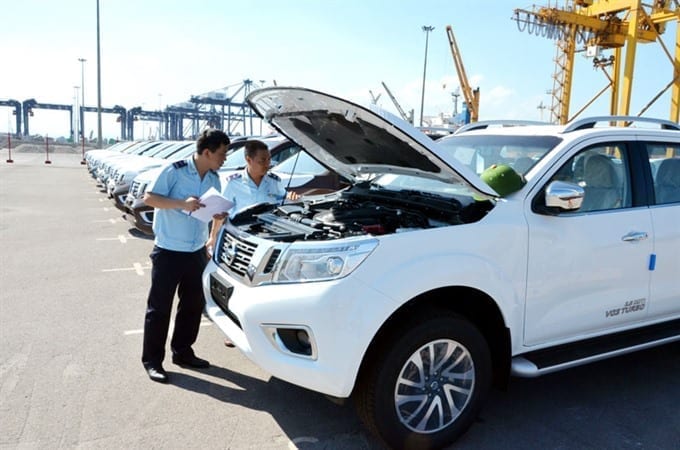
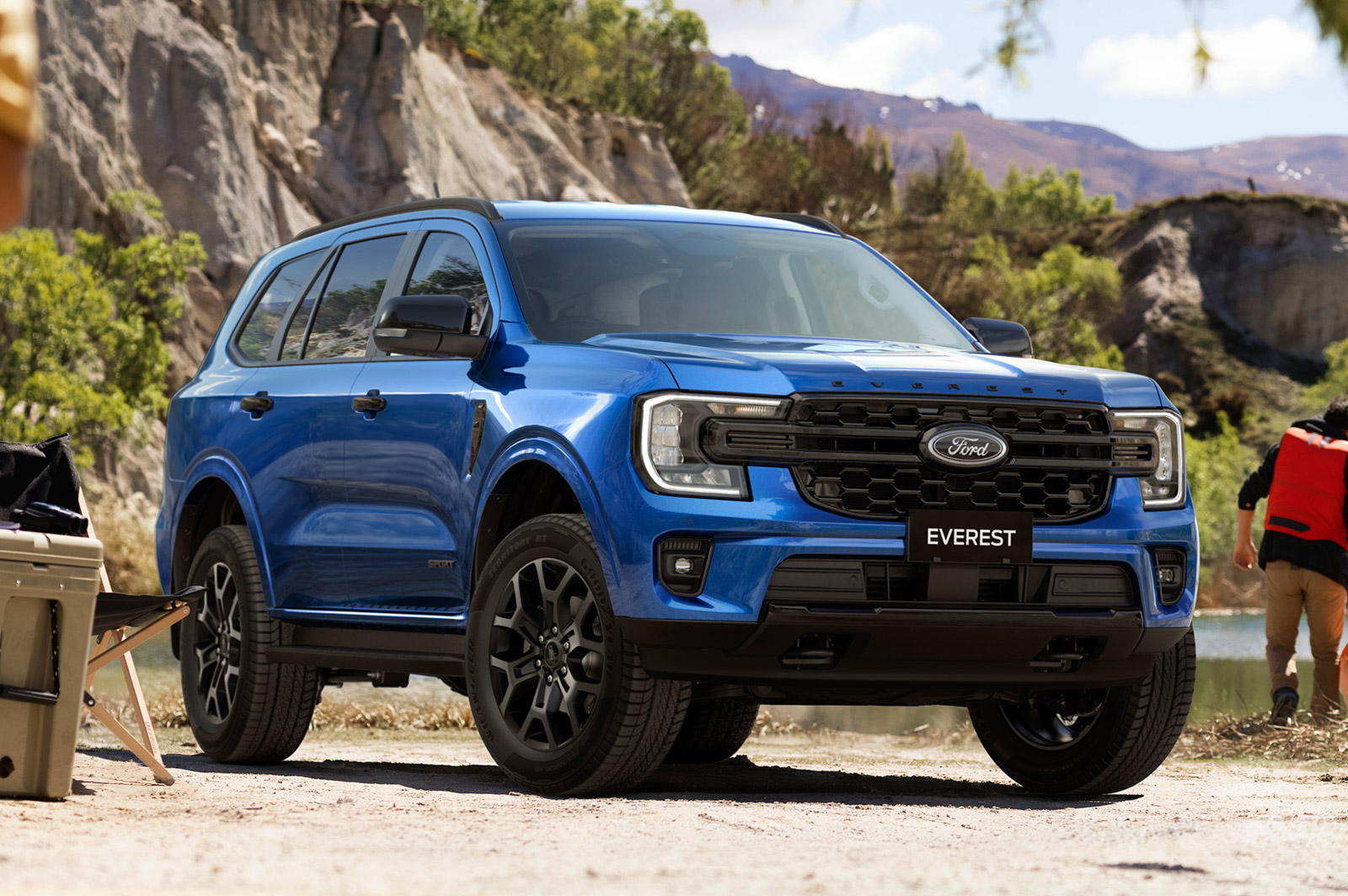
    Ford is recalling more than 3,200 Everest and Explorer SUVs to fix a battery fault, incorrectly installed exhaust filters, and faulty camera control software.

    In the case of the Everest, 1,256 cars manufactured between Nov. 24, 2021, and Feb. 3, 2023, have a low-battery charge fault, which could cause the transmission to engage “park” while moving at low speeds.

    Due to a software problem, if the battery level drops below a critical threshold, the transmission may shift into park when the vehicle is traveling at below six kilometers per hour.

    This may cause a sudden stop without the rear brake lamps illuminating, increasing the risk of an accident.

    Two cars manufactured between May 19, 2022, and June 28, 2023, are also being recalled because their diesel particulate filter has not been correctly fitted in the exhaust system to filter soot out of the exhaust gases to ensure that the vehicle complies with emission standards.

    The incorrectly fitted filter also leads to more frequent exhaust gas regeneration, resulting in reduced fuel efficiency and oil life, and non-compliance with emissions regulations.

    The Everest, Ford’s top-priced SUV, will see 1,967 recalled because of a failure in the 360-degree camera system, causing a loss of rear camera image while in reverse.

    A loss of video frames in the image processing module occurs during re-initialization or when the cameras enter sleep mode during the re-initialization process. This causes a blue image or a full blue or black screen.

    The Everest began to be recalled on Aug. 31 and the Explorer on Sept. 5.

  • Diesel price continues to rise

    Diesel price continues to rise

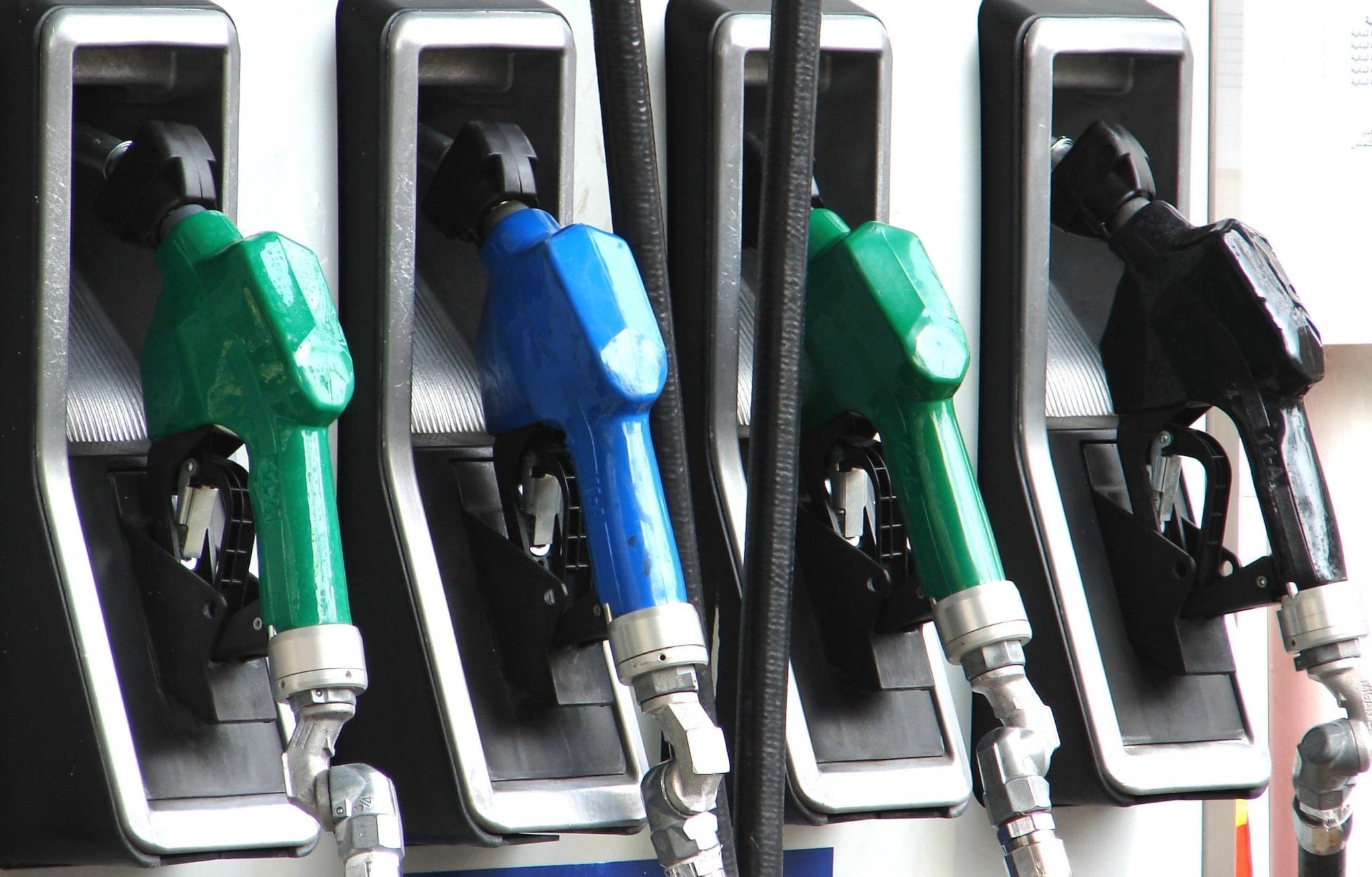
    Diesel price went up 1.81% to VND23,050 per liter on Monday, continuing its climb, which began four months ago.

    The fuel has seen its price increase by over 30% since May 11.

    Authorities said that fuel prices have been fluctuating amid concerns about tightened fuel supply after Russia extended its production cut as OPEC+ countries continued to scale down production, while China’s demand recovery has been slower than expected.

    RON92 gasoline fell 0.1% to $103,14 per barrel last week, while RON95 dropped 0.16% to $108.94.

  • My Porsche App Now Integrated With Apple CarPlay

    My Porsche App Now Integrated With Apple CarPlay

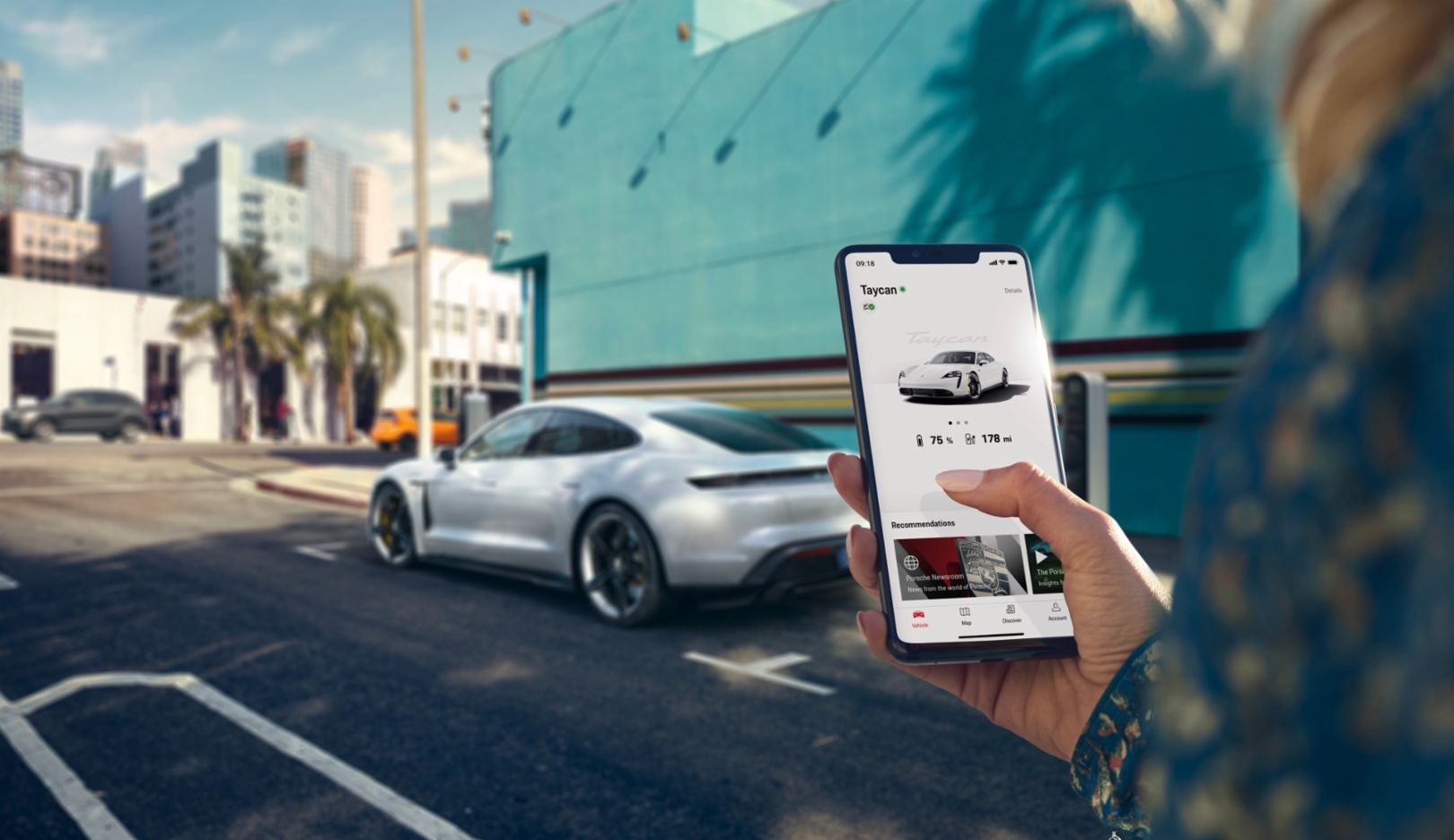
    Porsche has expanded the functionality of the My Porsche App by integrating it with Apple CarPlay. This added functionality has established Porsche as the first automotive manufacturer to integrate vehicle functions into the CarPlay experience.

    The My Porsche App serves as a centralized hub for the digital management and control of vehicles. With this update, users can now access a range of vehicle functions directly within CarPlay. The integration brings features like real-time battery charge status, climate control adjustments, audio settings, such as sound profiles and radio station selection,  and ambient lighting adjustments. and seamless navigation input.

    Additionally, these functions can be combined into preset “wellness modes,” such as “relax,” “warm-up,” and “refresh,” accessible via quick actions within CarPlay. Furthermore, users can control various vehicle functions using Siri while driving their Porsche.

    Moreover, the My Porsche App integrates with third-party platforms like Apple Music, enabling users to access their associated apps directly through the Porsche Communication Management system.

    The updated app also displays images of the specific Porsche model within the CarPlay interface.

    To get started with this the user has to only do a quick QR code scan displayed on the PCM. As the new features get developed within the Carplay, the customers will get updates to their My Porsche App. The updated functionality has debuted in the new Porsche Cayenne, which is available now and will be rolled out to other Porsche model lines.

    “We are excited to further improve the My Porsche App and use the capabilities of Apple CarPlay to deliver a truly enhanced customer experience,” says Mattias Ulbrich, CEO of Porsche Digital and CIO of Porsche AG. “Technology and digitization are crucial factors for the enduring fascination of our brand – now and in the next 75 years.”

  • Swiss Pension Funds Investing in Rapid Charging Stations

    Swiss Pension Funds Investing in Rapid Charging Stations

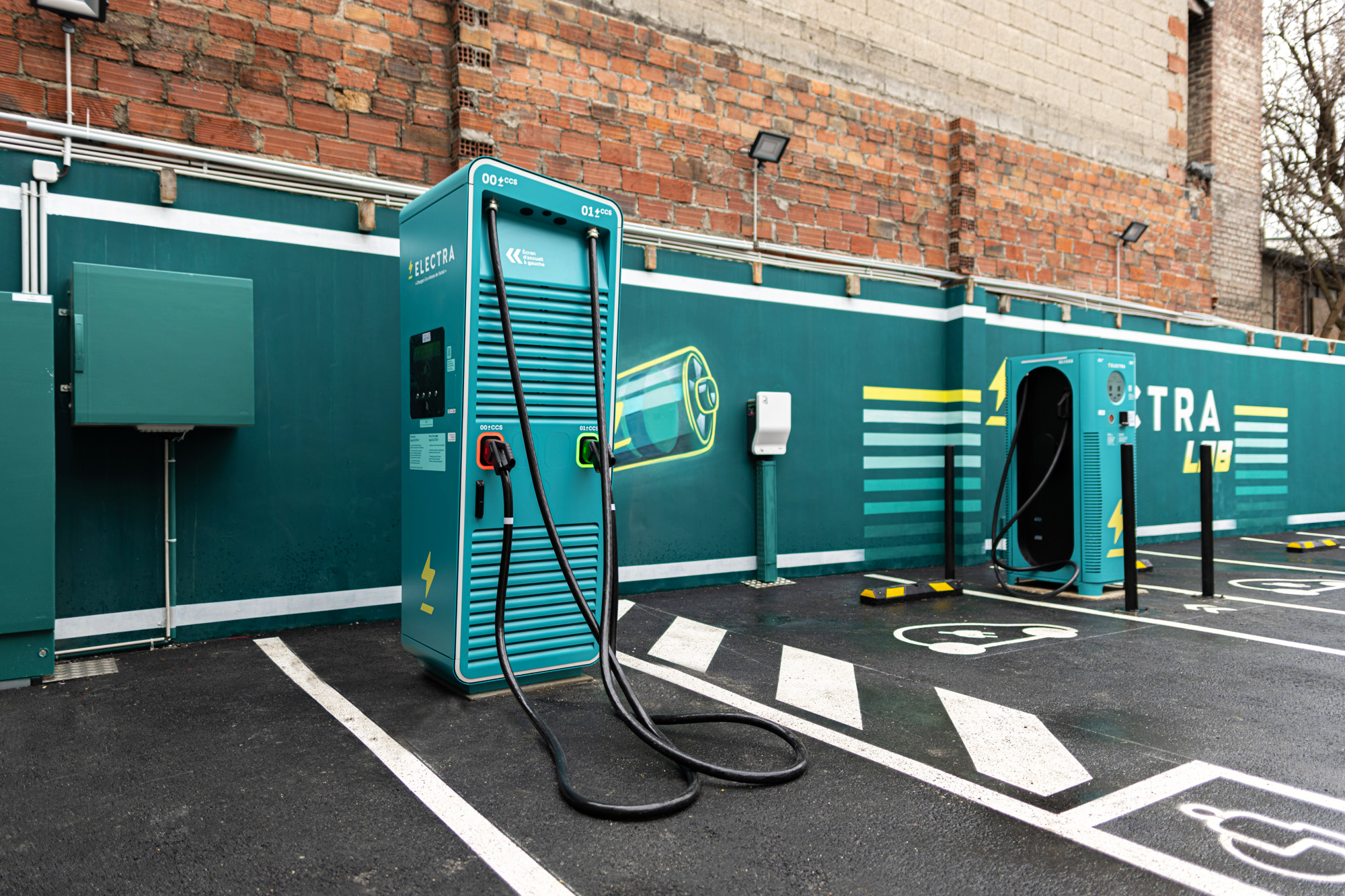
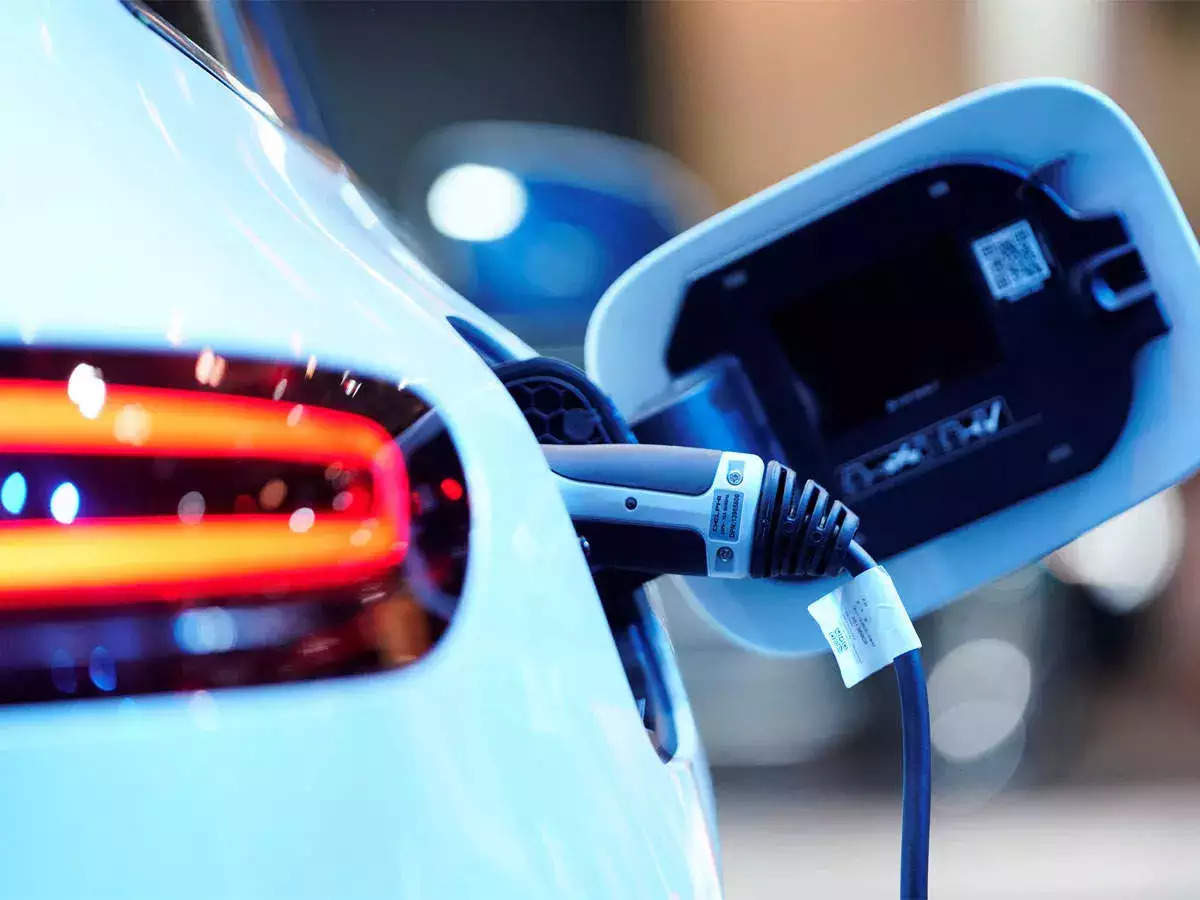
    Zurich-based energy transformation specialist EIP is putting the assets of Swiss pension funds into a joint venture for electric mobility. The partners want to set up 100 new domestic charging stations for e-cars.

    Energy Infrastructure Partners (EIP), a Zurich-based energy transformation asset manager, signed an agreement with French e-charging station operator Electra on behalf of a group of Swiss pension funds, according to a statement Tuesday.

    EIP manages the Credit Suisse Investment Foundation (CSA), which focuses on investments in Swiss energy infrastructure, for domestic pension funds. EIP will manage 49.9 percent of the new joint venture with Electra on behalf of CSA, and is expected to contribute 200 million euros,in initial capital by 2026.

    The goal of the joint venture is to increase Electra’s installed charging stations in Switzerland and Austria. Plans call for an expansion of 100 fast-charging stations in each country by 2026. In addition to sites already secured in Switzerland, primarily in Geneva and Lausanne, Electra says it has an extensive pipeline of sites currently under review.

  • Siri can now remotely lock your Tesla’s doors and much more

    Siri can now remotely lock your Tesla’s doors and much more

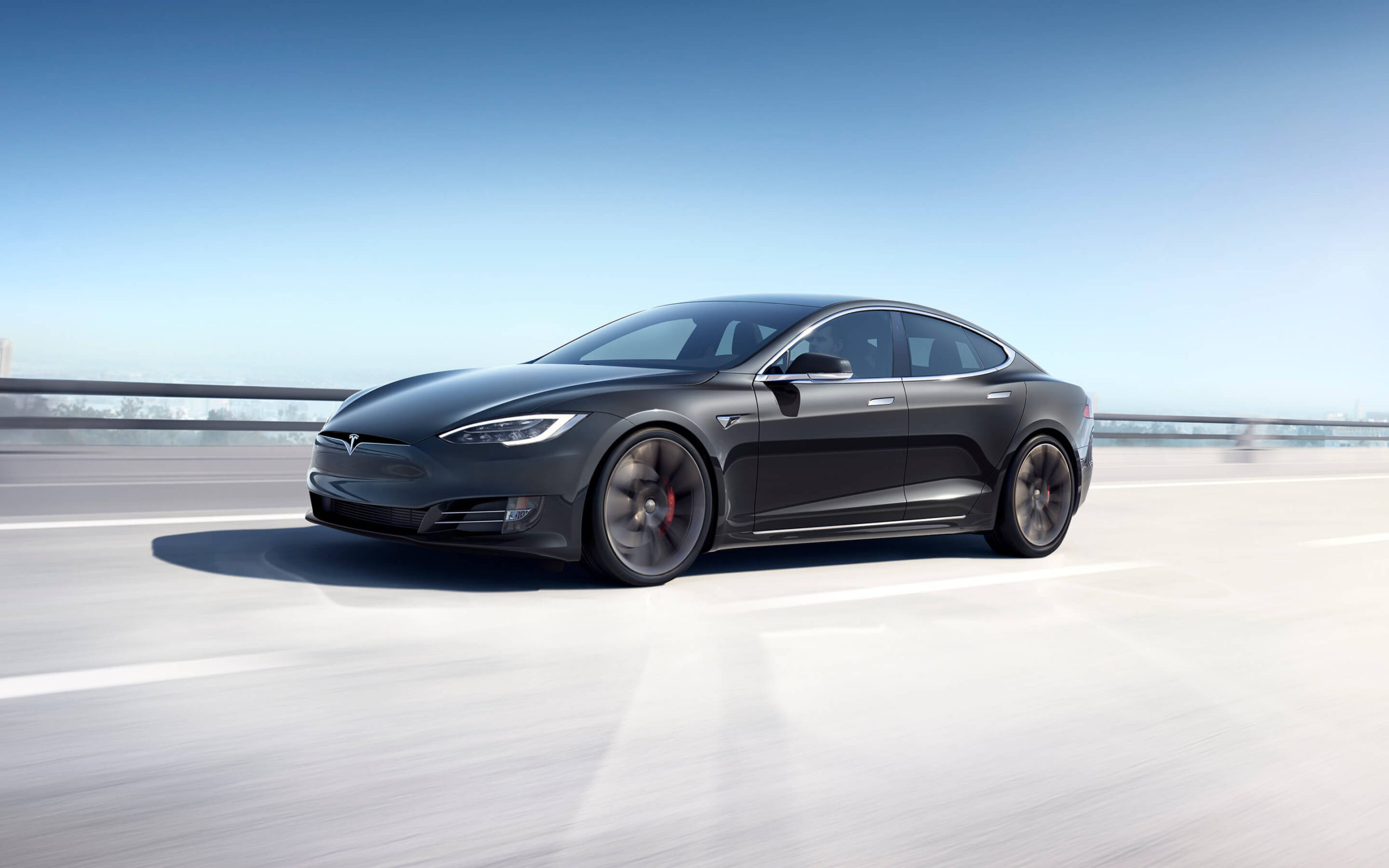
    Over the weekend, the Tesla app in the App Store was updated to version 4.24.0 and the changelist included one sentence: “Access your vehicle controls and climate from the Apple Shortcuts app.” But within that small sentence is a big change. Previously, Tesla owners could remotely handle certain tasks through the Tesla app. But with the update, the Tesla app now integrates with the Apple Shortcuts app allowing Tesla owners to say “Hey Siri” on their iPhone or Apple Watch to lock and unlock the door of their Tesla vehicles remotely, and more.
    The list of supported shortcuts, will allow you to say “Hey Siri” to get your Tesla to start and stop charging; start and stop preconditioning; open and close the trunk, the front trunk, and the charge port; enable and disable Sentry Mode and Dog Mode; and as we previously noted, it will remotely lock and unlock the doors. It also will allow Tesla users to control some basic functions via their iPhones.
    Two paid apps in the App Store, Tessie, and Watch app for Tesla, allow you to use Siri Shortcuts on your iPhone or Apple Watch to control your Tesla. But now that this ability is found in the native Tesla app for free, Tesla owners can ask Siri to remotely perform some tasks for their car without having to pay for that convenience. It should be pointed out that the Shortcuts app allows iPhone users to use both ready-made and custom shortcuts to handle tasks by asking Siri to perform them.

    Apple continues to slowly but surely take Tesla under its wing. In December, Apple Music became available on Tesla as part of an update released for the holiday season. Just last month, AirPlay code was discovered in an update to the iOS Tesla app. In theory, this would suggest that in the future, an iPhone user with a Tesla might be able to “cast” his iPhone screen to the Tesla entertainment screen.

    AirPlay allows users to wirelessly stream audio, video, photos, and other content from their iPhones to a larger screen. Instead of using Bluetooth to stream their music over the speakers on their Tesla vehicles, users could rely on AirPlay instead.
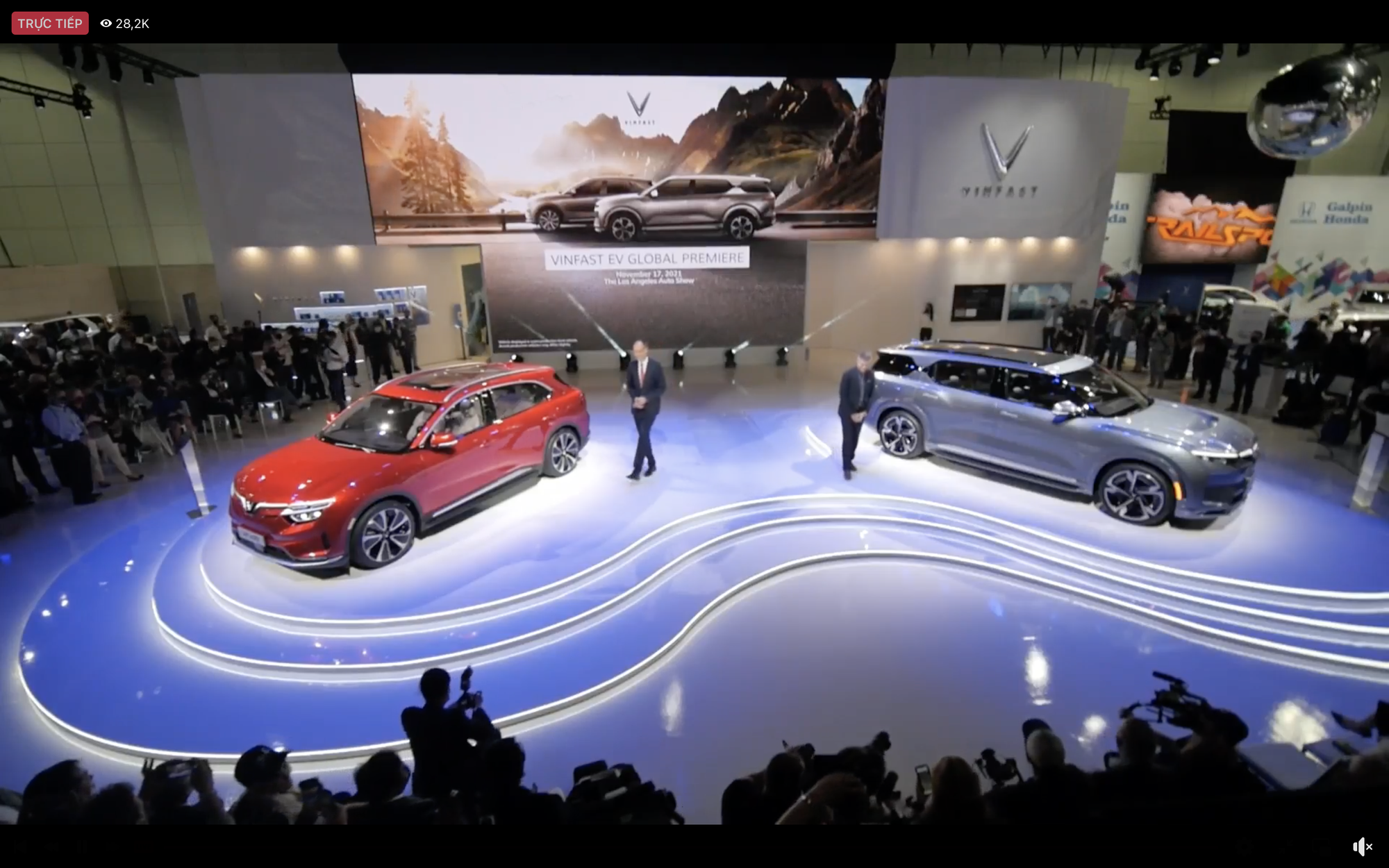
  • VinFast becomes 3rd biggest EV maker globally

    VinFast becomes 3rd biggest EV maker globally

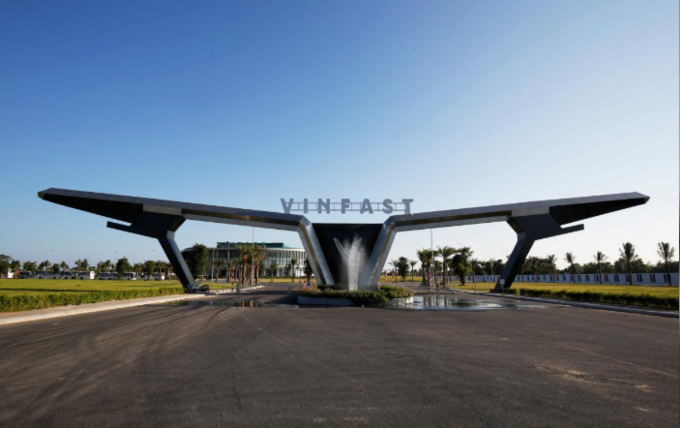
    VinFast has become the third most valuable electric vehicle maker behind Tesla and BYD with a market cap of US$85 billion.

    Its shares listed on the U.S.’s Nasdaq stock exchange Tuesday at $22 and closed at over $37 billion.

    VinFast’s market cap is higher than all EV startups in the U.S. combined.

    It also exceeds that of Ford Motor, GM, BMW, Volkswagen, and Mercedes-Benz.

    American company Tesla leads the industry with a market cap of $738 billion followed by China’s BYD with $87 billion.

    VinFast is followed by another Chinese company, Li Auto, with $40 billion.

    But data from Bloomberg shows that shares of EV companies that listed through special-purpose acquisition companies, like VinFast, have plummeted after listing.

    U.S. firms Lordstown Motors lost 99% of its value since its listing in October 2020 and Faraday Future 98% since July 2021.

  • July auto sales 2nd highest for year

    July auto sales 2nd highest for year

    Auto sales jumped to 24,687 units in July, the second-highest monthly number this year behind only March.

    The Vietnam Automobile Manufacturers Association (VAMA), which provided the data – excluding TC Motor and VinFast sales – said however sales were down 18.4% year-on-year.

    The auto market has been going through a rough year amid low economic growth, with sales plummeting by 30% year-on-year in the first seven months to 162,000 units.

    Toyota sold 3,800 cars, a 31% decline.

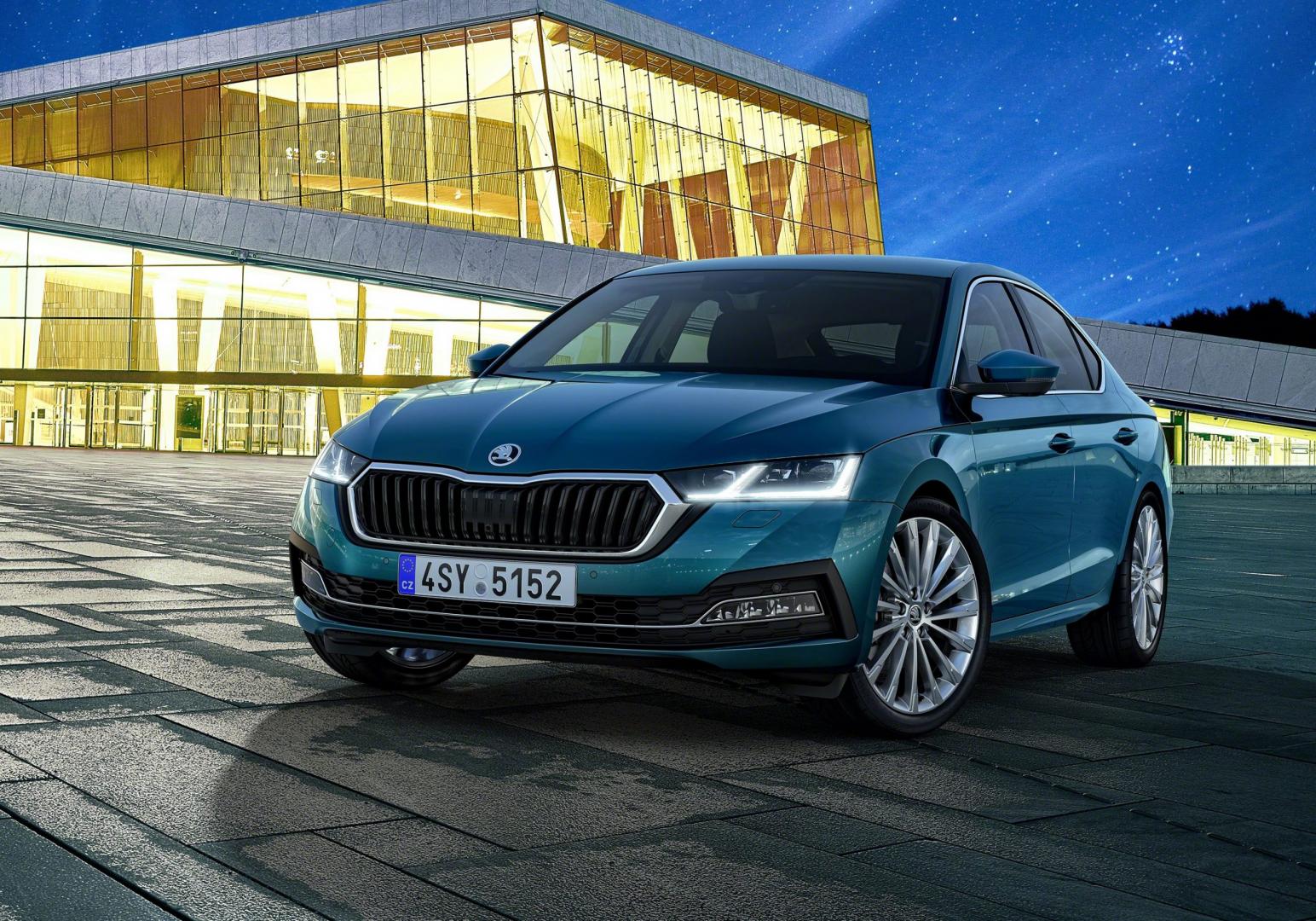
  • Czech Skoda cars available in Vietnam this September

    Czech Skoda cars available in Vietnam this September

    Skoda cars have been imported into Vietnam from the Czech Republic and will go on sale here in September, according to Skoda’s Vietnamese partner TC Motor.

    The imported models include the CUV Karoq in the C-segment and the SUV Kodiaq in the D-segment, which will compete with Hyundai Tucson, Kia Sportage, Mazda CX-5, Honda CR-V, Kia Sorento, Hyundai Santa Fe, Mazda CX-8, and Toyota Fortuner, said TC Motor, a distributor and assembler of South Korean Hyundai vehicles.

    The 7-seat Kodiaq has gasoline and diesel engine versions and costs some US$52,870 on the European market.

    The Karoq also includes gasoline and diesel engine versions and has a list price of some $31,390 in Germany and around $33,000 in China.

    TC Motor will sell Skoda cars imported from Europe and then vehicles assembled in Vietnam.

    In late February Skoda and TC Motor began building a plant with an annual capacity of 120,000 Skoda cars at Viet Hung Industrial Park in the northern province of Quang Ninh.

    Vietnam is the first Southeast Asian country in which Skoda has put up a factory, from which it also plans to export vehicles to other countries in the region.

    Skoda has three plants in the Czech Republic and facilities in China, Russia, Slovakia, India and Ukraine.
    The company sold 731,300 vehicles in some 100 markets around the world, with Germany, the Czech Republic, India, the UK, and Poland being the biggest.

    In 2021, it sold nearly 900,000 cars in the markets with Germany and Russia being the biggest.

  • C-segment car sales slump

    C-segment car sales slump

    In the first half of the year 6,787 C-segment sedans, as medium-sized passenger cars are categorized, were sold, a year-on-year decrease of 59.5%.

    The Mazda3 and Kia K3 assembled and distributed by Thaco accounted for 3,983 of them.The former was the bestseller, replacing the K3, which topped last year with sales of 7,439.

    Two Japanese models imported from Thailand, the Toyota Altis and Honda Civic, the highest priced in the segment, had the lowest combined sales of 1,057 units.

    Unlike in the A- and B-segments, few new models have been launched in the C-segment.

    The Vietnam Automobile Manufacturers Association said its members sold 404,635 vehicles in 2022, up 33% from the previous year, with Toyota having the biggest market share of 25.4%.

  • VinFast to hold EV factory groundbreaking ceremony in US

    VinFast to hold EV factory groundbreaking ceremony in US

    VinFast, the subsidiary automaker of Vietnamese conglomerate Vingroup, has announced it will hold a groundbreaking ceremony of its electric vehicle (EV) factory in North Carolina, the U.S., on July 28.

    This will be the first EV manufacturing facility in the state and help contribute to the supply of this kind of vehicles in North America, accelerating the global green mobility revolution.

    The facility will be built at the Triangle Innovation Point in Chatham County. Covering an area of approximately 1,800 acres, VinFast’s factory is designed to reach a capacity of 150,000 vehicles per year in Phase 1. The factory will consist of two main areas: production and assembly. The complex will also house supplementary supplier businesses.

    The project has received basic permits to begin Phase 1 construction. When the manufacturing complex commences operations, VinFast’s factory will create an ecosystem of suppliers and help generate thousands of new jobs.

    Le Thi Thu Thuy, CEO of VinFast Auto, said that the manufacturing facility in North Carolina is one of VinFast’s key projects. When it begins operations, the factory will be VinFast’s primary supplier of EVs to the North American market. The company also hopes the construction of the factory in Chatham County will contribute to advancing the clean energy economy in the U.S. and help to support North Carolina’s green mobility strategy.

    The factory is expected to start production in 2025. Last year, VinFast was awarded a US$1.2 billion incentive package from the State of North Carolina for this project, along with critical financial support from the City of Sanford, Chatham County, and the Golden Leaf Foundation.

    In addition to the factory, VinFast is accelerating its business and brand recognition in the US by expanding its retail store and service centre system, organising local test drives and displaying products events throughout California. These efforts will aid in bringing opportunities for customers to directly experience VinFast’s EVs.

  • Auto sales plunge in Vietnam

    Auto sales plunge in Vietnam

    Auto sales in Vietnam plunged by 37% to 137,300 units in the first six months as demand dropped amid economic challenges.

    Sales reached the monthly highest this year in March at over 30,000, but fell the following two months before recovering slightly last month at 23,800 units, according to the Vietnam Automobile Manufacturers Association, which does not incorporate data from TC Motor and VinFast.

    Most major brands saw a double-digit decline in sales in the first six months.

    Truong Hai Auto Corporation led sales at over 41,600 units, down 44% year-on-year.

    It was followed by Toyota with 26,600 units, down 38%.

    Ford came third at 17,400 units. It was the only brand in the top five sellers with a growth rate of 80%.

    Mitsubishi sold 12,800 units, and Honda nearly 9,500.

    The government in May deferred the special consumption tax payable by carmakers for June-September until November 20.

    It has also cut car registration fees in half starting from July 1 until the end of the year for locally-made or locally-assembled cars to boost sales.

  • Volvo Cars Registers 33% Growth in Global Sales

    Volvo Cars Registers 33% Growth in Global Sales

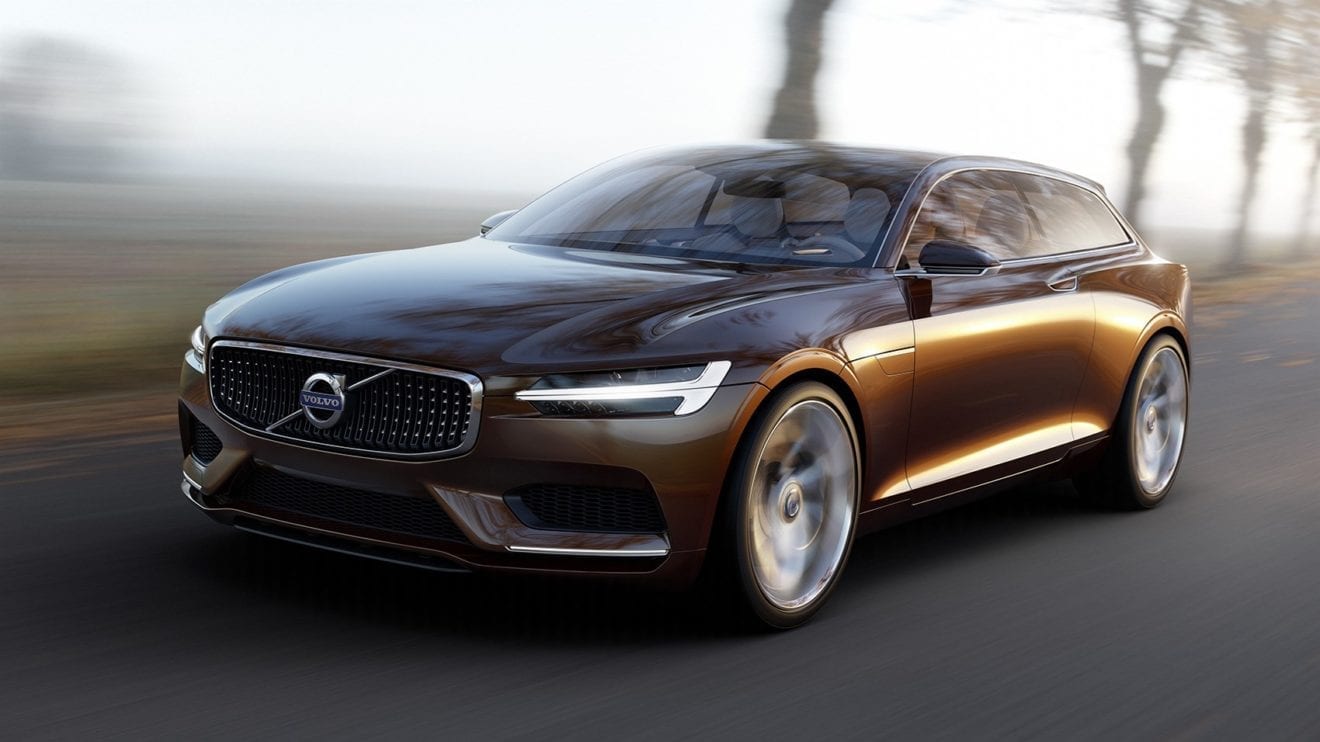
    Volvo Cars has announced a significant surge in sales for the month of June. The company reported selling a total of 66,379 cars worldwide, marking a 33% increase compared to the same period last year. A major contributor to this is the demand for Volvo’s fully electric vehicles, which experienced a fourfold increase in sales compared to June 2022. It’s worth noting that last year’s figures were adversely affected by supply chain constraints, leading to lower production. In June, Recharge models saw a staggering growth of 129%, accounting for an impressive 37% of all Volvo cars sold globally. Among the Recharge models, fully electric cars comprised 14% of the total sales.

    During the first half of this year, Volvo Cars achieved sales of 341,691 cars, representing a notable 17% increase compared to the corresponding period in 2022. A significant contributing factor to this success is the company’s Recharge line-up, consisting of chargeable models with either fully electric or plug-in hybrid powertrains.

    In Europe, Volvo Cars experienced a substantial sales surge of 70% in June, with 27,196 cars sold compared to the previous year. Recharge models accounted for 58% of overall sales in the region. Looking at the cumulative sales for the first half of the year, Volvo Cars witnessed a 23% increase in Europe, reaching a total of 146,943 cars sold.

    Meanwhile, in the United States, Volvo Cars achieved a remarkable 53% increase in sales in June, with a total of 12,933 cars sold compared to the previous year. Recharge models were the driving force behind this growth, with a notable increase of 79%. Consequently, Recharge models accounted for 29% of total sales in the US. During the first half of 2023, Volvo Cars achieved sales of 59,750 units in the US, representing an 18% increase compared to the same period last year.

    However, Volvo Cars faced a slight dip in sales in China, with 15,405 cars sold in June, representing a 7% decrease compared to the same month last year. Despite this decline, Recharge models still held a respectable 8% share of the total sales in the Chinese market.  In terms of individual models, the Volvo XC60 emerged as the top-selling vehicle in June, with a total of 21,053 cars sold. This represents an increase from the previous year when 18,275 units were sold.

    The XC40 followed closely behind, with sales reaching 18,170 cars, the XC90 also maintained a steady performance, with 9,895 cars sold. Volvo Cars’ sales growth, is particularly driven by the soaring demand for its fully electric vehicles.

  • Chinese company launches cheapest EV in Vietnam

    Chinese company launches cheapest EV in Vietnam

    Chinese manufacturer Wuling has introduced the cheapest electric vehicle models in Vietnam.

    The newly-launched mini electric vehicle models were launched Thursday for prices starting at VND239 million ($10,139).

    The Wuling Hongguang Mini EV, which is assembled in Vietnam’s northern province of Hung Yen, is one of the smallest electric vehicles in the country.

    The four-seater, designed for urban transportation, can drive for 120-170 kilometers per charge, depending on the battery that users purchase. It takes 6.5-9 hours to fully charge a battery.

    The car has a maximum designed speed of 100 kilometers per hour.

    The inexpensive vehicle has one seven-inch screen for the driver to monitor the car.

    Dealers are set to receive the cars starting this September.