Tag: Auto

  • Tesla Recalls 3,470 Model Y Vehicles Over Loose Bolts

    Tesla Recalls 3,470 Model Y Vehicles Over Loose Bolts

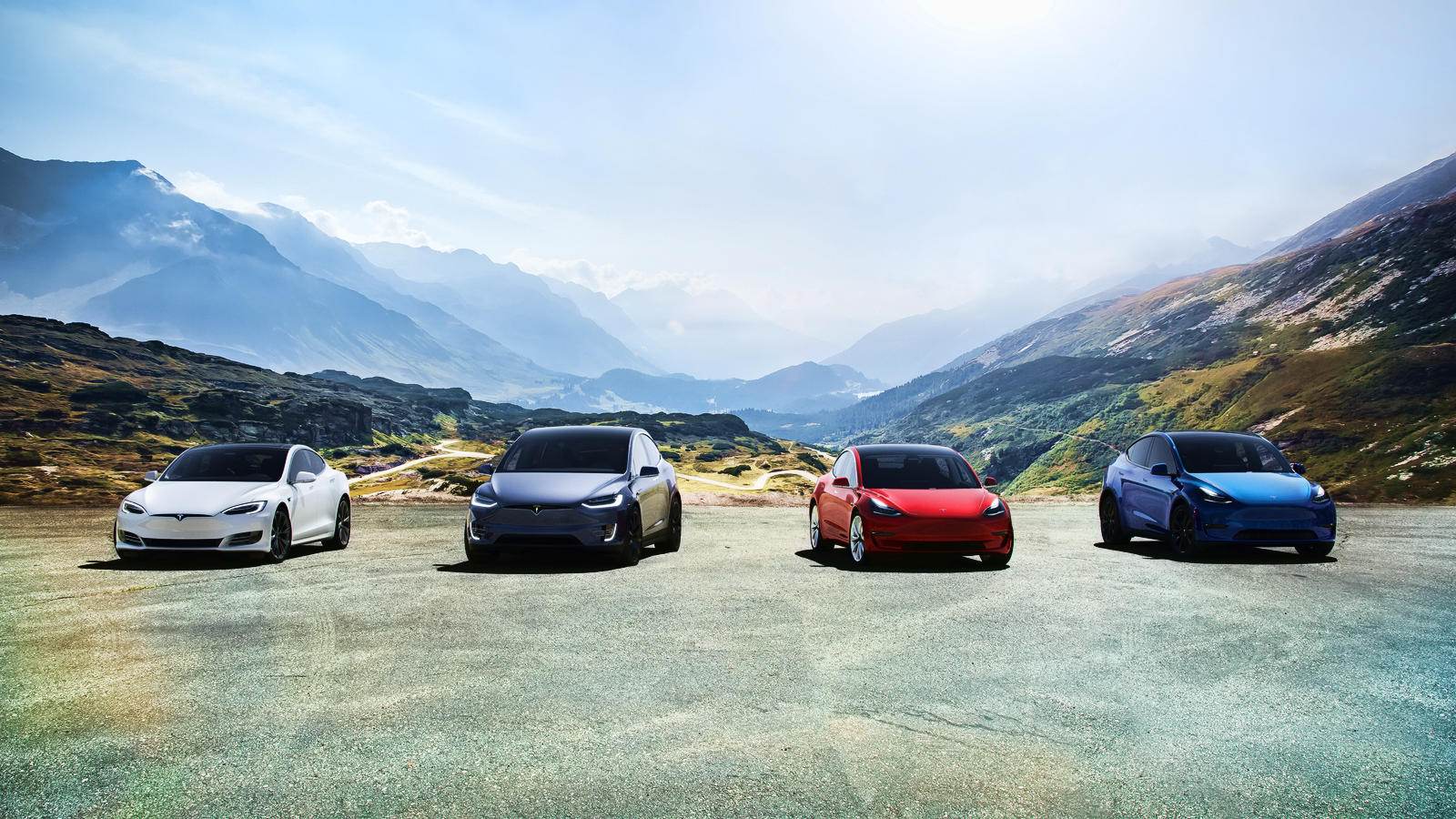
    Tesla said it recalls 3,470 2022 through 2023 Model Y vehicles in the United States because bolts securing the second-row seatback frames may not have been securely tightened, according to a public filing.

    The National Highway Traffic Safety Administration (NHTSA) said a loose seat frame bolt may reduce seat belt system performance, increasing injury risks during a crash.

    Tesla told NHTSA it has identified five warranty claims since December that may be related to these conditions. Tesla said it was not aware of any injuries or deaths that may be related to the recall issue.

    Tesla will inspect bolts securing second-row driver-side and passenger-side seat back frames to the lower seat frames and if needed tighten them to specifications.

    In December, the automaker said that a Tesla supplier implemented improved process controls along with improved training and supervision to ensure bolts are torqued to specifications.

  • Tata Motors Launches Its First Registered Vehicle Scrapping Facility

    Tata Motors Launches Its First Registered Vehicle Scrapping Facility

    Tata Motors launched its first Registered Vehicle Scrapping Facility (RVSF) in Jaipur, Rajasthan today. The facility is called Re.Wi.Re which stands for Recycle with Respect and has a capacity of 15,000 vehicles per annum. The company also claims that the facility uses eco-friendly methods to dispose of the vehicles, which will go through a strict documentation process before being dismantled. It is developed and operated by Tata Motors’ partner Ganganagar Vaahan Udyog Pvt. Ltd. to scrap end-of-life passenger and commercial vehicles of all brands. The facility was inaugurated by Hon’ble Union Minister of Road Transport and Highways, Shri Nitin Gadkari.

    Speaking at the inauguration ceremony, Hon’ble Union Minister of Road Transport and Highways, Government of India, Shri Nitin Gadkari said “The National Vehicle Scrappage Policy was introduced with the aim to promote circular economy by creating an ecosystem for phasing out unfit and polluting vehicles and to achieve a lower carbon footprint in the country by replacing them with greener and more fuel-efficient vehicles. I congratulate Tata Motors for setting-up this quality facility that is at par with global standards. We are working towards positioning India as a vehicle scrapping hub for the entire South Asian region and need more such state-of-the-art scrapping and recycling units in India.”

    Mr. Girish Wagh, Executive Director, Tata Motors, said, “The inauguration of this RVSF (Registered Vehicle Scrapping Facility) heralds a new beginning in responsible scrapping of end-of-life vehicles. With globally benchmarked and optimised recycling processes, we intend to yield maximum value from the scrap for future use and minimise waste for the overall betterment. We appreciate the visionary efforts of Shri Gadkari ji in enabling the National Vehicle Scrappage Policy and look forward to setting-up Re.Wi.Re facilities across the country in collaboration with our partners. These decentralised facilities will benefit the customers, share the economic value generated, create employment while addressing the need of scrapping vehicles in every part of the country in an eco-friendly manner.”

  • Vietnam’s largest automobile distributor braces for tumble in profits

    Vietnam’s largest automobile distributor braces for tumble in profits

    Saigon General Service Corporation, the country’s largest auto distributor, expects profits to decline by VND150 billion (US$6.33 million) in 2023 amid forecasts of a turbulent year.

    In its annual report released recently, Savico said the auto market faces challenges as high car loan interest rates and lack of credit since the fourth quarter of 2022meant businesses and individual consumers called off or delayed purchase plans.

    Since September, demand has fallen to 60-70% of normal, leading to oversupply and high inventory costs.

    “The market will need three to six months to rebalance. The securities and real estate markets are now in difficulty, and people do not have as much motivation for buying cars as before.”

    Competition would be more intense than ever, and so Savico only expects profit before tax of be VND538 billion, down more than VND150 billion from last year, when it reported record earnings of VND688 billion ($29.3 million) after a 2.7-fold rise from 2021.It was higher than the combined figures of the previous two years.

    But it also expects revenues to grow by at least 20%.

    Savico, the distributor of Toyota, Honda, Ford, Mitsubishi, and Volvo cars, plans to expand its distribution network and sell new brands.

    Last year the industry enjoyed record profits as demand recovered after a two-year slump due to Covid-19.

  • Tesla to halt some China production for upgrades

    Tesla to halt some China production for upgrades

    Tesla Inc will suspend some production until the end of February as the electric-vehicle maker upgrades the facility to make a refreshed version of the Model 3 compact sedan, Bloomberg News reported on Wednesday.

    Tesla is developing a revamped version, codenamed “Highland”, of the Model 3, first launched in 2017, Reuters reported in November.

    The Bloomberg report said that some workers will not be allowed on production lines from as soon as Sunday.

    To spur demand, Tesla had cut prices globally in January, unleashing a price war.

    Ford Motor Co reacted with its price cuts for its Mustang Mach-E and Lucid Group provided discounts for certain variants of the Air luxury sedan.


  • Jaguar Land Rover India Appoints Rajan Amba As Its New Managing Director

    Jaguar Land Rover India Appoints Rajan Amba As Its New Managing Director

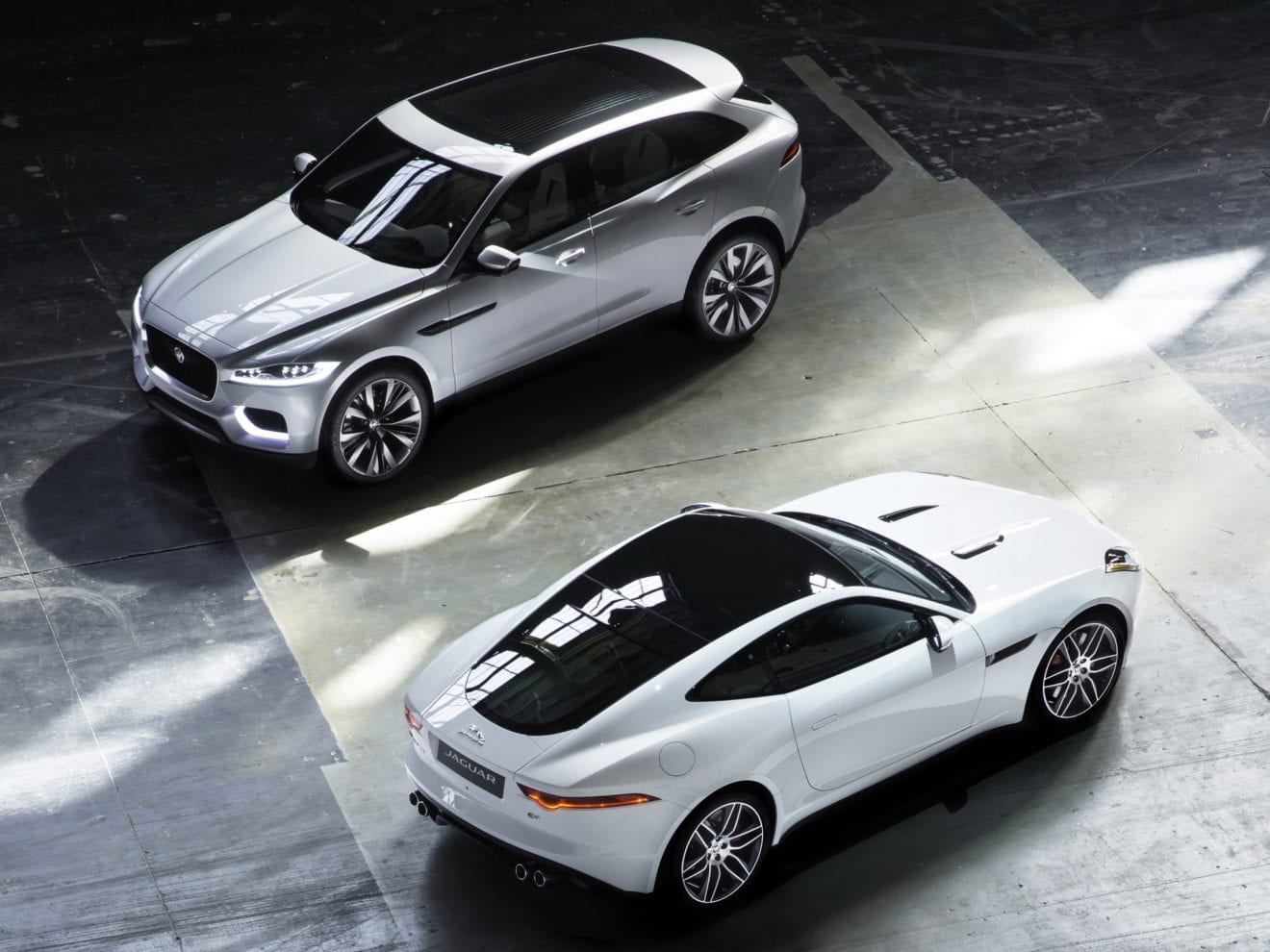
    Tata Motors-owned luxury car brand Jaguar Land Rover has appointed a new Managing Director for its India business. The company’s current President and Managing Director Rohit Suri will take retirement from his position by the end of the current financial year. While it had not named Rohit’s successor back then, the company has now announced that Rajan Amba will take over as the Managing Director of Jaguar Land Rover India, from March 1, 2023.

    Rajan will join Jaguar Land Rover from Tata Motors Passenger Vehicles, where he is currently the Vice-President of Sales, Marketing and Customer Care. Rajan Amba succeeds Rohit Suri, who is due to retire on March 31, 2023.

    Rajan Amba commented on his appointment, “I have immensely enjoyed my stint at Tata Motors and look forward to the next one at Jaguar Land Rover – iconic automotive brands, which I hugely admire. I keenly look forward to working with my new team at Jaguar Land Rover India and steering forward our future growth strategy.”

    Martin Limpert, Regional Director, Overseas, Jaguar Land Rover said, “Rajan’s customer-centric mindset, broad experiences from different industries, and his passionate and authentic leadership approach bring the right set of qualities to further grow our operations into the promising future of India, aligned with our overall Reimagine strategy to become the creator of the world’s most desirable luxury vehicles and services for the most discerning of customers.”

    Jaguar Land Rover India is one of the key luxury car marques in India and offers a range of products across the two brands. In the last couple of years, the company launched some exciting products in India, including the all-electric Jaguar I-Pace, the new-gen Land Rover Defender, and the new Range Rover and Range Rover Sport in the country.

  • Thaco eyes 7% auto sales growth despite headwinds

    Thaco eyes 7% auto sales growth despite headwinds

    Automaker Thaco Group plans to increase its sales 7.7% from last year to 120,000 units this year, with earnings of more than VND90 trillion ($3.80 billion), despite concerns about market challenges.

    The plan calls for the sales of 96,000 passenger cars, 23,500 trucks, and 1,500 buses and minibusses, Chairman Tran Ba Duong said in a letter to employees.

    Duong said many global challenges are expected this year, including rising inflation and tightened spending, adding that Vietnam’s economy is forecast to grow slower while consumption declines.

    Although Thaco is targeting a sales growth, Duong anticipates that the auto industry will see a drop in sales and that competition will be fierce. Lowering costs to bring down prices is a key mission, he added.

    Thaco Group this year begins a new development phase with focus on six sectors: automobiles, mechanics and supporting industry, agriculture, logistics, investment, construction and commerce.

    The company wants the mechanics and supporting industry managed by its subsidiary, Thaco Industries, to be the second biggest business in the group with a target revenue of over VND20 trillion.

    The company expects to manufacture and export 15,000 trailers to the United States, Canada, Mexico and Japan.

    Thaco Industries was established last year with a charter capital of VND12.6 trillion. It expects to spend over VND3 trillion this year to build a manufacturing complex to produce auto parts.

    Agriculture subsidiary Thaco Agri plans to grow 14,000 hectares of bananas, and expects to have over 100,000 cows and 215,000 pigs by the end of the year.

    The construction unit Thadico – Dai Quang Minh will launch 24 new projects this year and complete three projects.

  • Auto dealers offer up to $4,000 in discounts to boost sales

    Auto dealers offer up to $4,000 in discounts to boost sales

    Auto dealers are offering discounts of up to VND100 million ($4,243) to boost sales after the Lunar New Year shopping season is over.

    As many Vietnamese bought their new cars before the annual Tet holidays, which fell from January 20-26, dealerships are seeing a decline in customers showing up or making inquiries online.

    Toyota

    Toyota dealerships are offering a VND20-VND30 million discount on the Vios, its best-selling model in Vietnam last year.

    The MPV Veloz Cross is on sale with a discount of VND35-VND45 million plus gifts.

    The SUV Fortuner, which accounted for 8% of Toyota sales in Vietnam last year, is being sold at some dealerships at a discount of over VND100 million.

    Honda

    Since earlier February Honda has been offering free registration for its two main models: the City and the SUV CR-V.

    Honda City is discounted by VND50-60 million, while the cost of bringing the CR-V home is now VND100 million lower than before Tet.

    Mitsubishi

    The Japanese automaker is offering a 50% discount on registration fees for its Attar, Triton and Outlander models.

    Rearview cameras are also being given as gifts.

    Buyers of the MPV Xpander, Mitsubishi’s best-selling model in Vietnam, will also receive VND10-VND20 million in fuel coupons.

    Hyundai

    The South Korean manufacturer is selling its i10 at a discount of VND15-VND35 million and the sedan Accent for VND20-VND55 million less.

    Discounts of VND25-VND60 million are being offered on the Elantra sedan and the crossover Creta.

    The company is also offering a VND70 million discount on the MPV Stargazer and up to VND120 million on the SUV Santa Fe.

    Kia

    The biggest discount in Kia’s lineup falls on the SUV Sorento at VND70 million.

    The crossover Sportage, which is assembled in Vietnam, is being discounted by VND50 million, and three SUV models, the Sonet, Seltos and Carens, are now priced at a VND40 million discount.

    The cheapest Kia car Morning has a discount of VND30 million.

    Suzuki

    A 50% reduction in the registration fee, which equates to around VND30 million, is being offered on the SUV XL7 and the MPV Ertiga.

    Nissan

    Nissan is giving a full discount on the registration fee on the Navara VL 4WD and the Pro 4X manufactured in 2022. The standard version is discounted by 50% on the fee.

    The sedan Almera also has a free registration fee.

    Volkswagen

    The German automaker is giving customers a cashback of VND35 million on its Polo Hatchback and VND100 million on the SUV Tiguan manufactured in 2022.

  • Tesla To Freeze Hiring, Lay Off Employees Next Quarter

    Tesla To Freeze Hiring, Lay Off Employees Next Quarter

    Another wave of layoffs are coming at electric-car maker Tesla Inc in the next quarter, news website Electrek reported on Wednesday, citing a source familiar with the matter.

    Tesla is also going to freeze hiring, according to the report. The company did not immediately respond to a Reuters request for comment.

    Shares of Tesla rose 1% to $139.25 in trading before the bell.

    The reported move comes at a time when Tesla investors have raised concerns over Chief Executive Elon Musk’s distraction with managing Twitter, the social media platform he bought for $44 billion in October.

    Moreover, Tesla analysts have also cut their price targets on the stock worried that weakness in demand from China will weigh on the EV maker’s deliveries next year.

    Musk in June said Tesla would reduce its salaried workforce by roughly 10% over the next three months.

  • Tesla Deliveries Miss Estimates Due To Logistical Issues, Slowing Demand

    Tesla Deliveries Miss Estimates Due To Logistical Issues, Slowing Demand

    Tesla said quarterly deliveries fell short of market estimates on Monday, held back by ongoing logistical issues and growing demand concerns that rounded off a tumultuous 2022 for the Elon Musk-led firm.

    The company is still the world’s most valuable automaker even after losing 65% of its market value in 2022. Shares fell 8.5% to $112 on Tuesday.

    Tesla delivered 405,278 vehicles in the fourth quarter ended Dec. 31, short of analysts’ estimates of 431,117, according to Refinitiv. For all of 2022, the electric-vehicle maker’s deliveries rose by 40%, missing Musk’s 50% annual target.

    “We believe Tesla is facing a significant demand problem … many investors underestimate the magnitude of the demand challenges Tesla is facing,” Bernstein analyst Toni Sacconaghi said.

    The shortfall also highlighted the logistics hurdles facing a company known for its end-of-quarter delivery rush, with the gap between production and deliveries widening to 34,000 vehicles as more cars got stuck in transit.

    Tesla also plans to run a reduced production schedule in January at its Shanghai plant, extending the lowered output it began in December into 2023, Reuters has reported.

    Tesla has tried up prop up demand with a rare set of discounts on its top-selling vehicles as competition deepens from legacy automakers such as Ford Motor Co and General Motors Co and startups such as Rivian Automotive Inc and Lucid Group Inc.

    “Tesla’s previous gains have been based on delivering super-charged growth. Without that it looks (like) a different proposition,” said Russ Mould, investment director at AJ Bell.

    Sacconaghi said demand challenges will persist in 2023 as most Tesla models do not qualify for a tax rebate and the company would need to either reduce its growth targets or cut prices.

    The company, which has some of the highest margins in the industry, will report quarterly results on Jan. 25.

    The fourth-quarter deliveries consisted of 388,131 Model 3 compact sedans and Model Y sports utility vehicles (SUVs), compared with 17,147 Model X and Model S luxury cars.

    Production came in at 439,701 vehicles.

    Tesla said in a separate statement on Monday it plans to host its Investor Day on March 1 and will likely discuss long-term plans for expansion and capital allocation at the event that will be held at its Texas Gigafactory.

    The automaker also hinted at a “generation 3” platform that could be shown to investors at the event. Musk said in October that Tesla was working on a “next-generation vehicle” which will be cheaper and smaller than the Model 3 and Model Y cars.

  • Musk Bullish On Tesla Sales As Price Cuts Boost Demand

    Musk Bullish On Tesla Sales As Price Cuts Boost Demand

    Tesla’s aggressive price cuts have ignited demand for its electric vehicles, Chief Executive Elon Musk said on Wednesday, playing down concerns that a weak economy would throttle buyers’ interest.

    The company slightly beat Wall Street targets for fourth-quarter revenue and profit earlier on Wednesday despite a sharp decline in vehicle profit margins, and it sought to reassure investors that it can cut costs to cope with recession and as competition intensifies in the year ahead.

    Deep price cuts this month have positioned Tesla as the initiator of a price war, but its forecast of a 37% rise in car volume for the year, to 1.8 million vehicles, was down from 2022’s pace.

    However, Musk, who has missed his own ambitious sales targets for Tesla in recent years, said 2023 deliveries could hit 2 million vehicles, absent external disruption.

    Tesla’s sales prospects, as it confronts a weaker economy, are a key focus for investors. The company said it maintains a long-term target of a compounded 50% annual rise in sales.

    Musk addressed the issue at the start of a call with investors and analysts.

    “These price changes really make a difference for the average consumer,” he said, adding that vehicle orders were roughly double production in January, leading the automaker to make small price increases for the Model Y SUV.

    He said he expected a “pretty difficult recession this year,” but demand for Tesla vehicles “will be good despite probably a contraction in the automotive market as a whole.” Shares rose 5.3% in extended trading.

    The company is relying on older products and Musk said its Cybertruck, its next new electric pickup truck, would not begin volume production until next year. Reuters in November reported that the highly anticipated model would not be produced in volume until late this year.

    Tesla will detail plans for a “next-generation vehicle platform” at its investor day in March.

    Tesla’s vehicles “are all in desperate need of updates beyond software,” said Jessica Caldwell, Edmunds’ executive director of insights. She said Tesla will largely depend on the cheaper unit as well as Model 3 and Model Y to bring EVs to the masses.

    “It’s unlikely that the Cybertruck will attempt to achieve mass-market volumes like the Detroit competitors.”

    Analysts said Tesla’s goal is bullish given the macroeconomic uncertainties.

    “I think that you’re going to see some severe demand destruction across consumer spending and I think cars are going to take a big hit,” Edward Moya, senior market analyst at OANDA, said.

    Tesla said it does not expect meaningful near-term volume growth from China, since its Shanghai factory was running near full capacity, rebounding from production challenges last year.

    “Even a small cooling of demand will have significant implications for the bottom line,” said Sophie Lund-Yates, an analyst at Hargreaves Lansdown.

    Tesla said that its automotive gross margins, which dropped to a two-year low of 25.9% in the reported quarter, were pressured by the costs of ramping up battery production and new factories in Berlin and Texas, as well as higher raw material, commodity, logistics and warranty costs.

    Tesla expected its automotive gross margin to remain above 20%.

    Margins generally are expected to be under further pressure from its aggressive price cuts. Tesla, which had made a series of price increases since early 2021, reversed course and offered discounts in December in the United States, followed by price cuts of as much as 20% this month.

    Analysts had said Tesla’s profitability gave it room to cut prices and pressure rivals. The company’s $9,000 in net profit per vehicle in the past quarter was more than seven times the comparable figure for Toyota Motor Corp in the third quarter. But it was down from almost $9,700 in the third quarter.

    “In severe recessions, cash is king, big time,” Musk said, adding that Tesla is well positioned to cope with an economic downturn because of its $20 billion of cash.

    The company’s stock posted its worst drop last year, hit by demand worries and Musk’s acquisition of Twitter, which fueled investor concerns he would be distracted from running Tesla.

    Musk dismissed surveys that suggest his political comments on Twitter are damaging the Tesla brand. “I might not be popular” with some, he said, “but for the vast majority of people, my follow count speaks for itself.” He has 127 million followers.

    Revenue was $24.32 billion for the three months ended Dec. 31, compared with analysts’ average estimate of $24.16 billion, according to IBES data from Refinitiv.

    Tesla’s full-year earnings were bolstered by $1.78 billion in regulatory credits, up 21% from a year earlier.

    Adjusted earnings per share of $1.19 topped the Wall Street analyst average of $1.13.

    It ended the fourth quarter with 13 days’ worth of vehicles in inventory, more than four times higher than the start of 2022, and a record $12.8 billion in value.

  • Hyundai distributor reports revenue of $5B

    Hyundai distributor reports revenue of $5B

    Thanh Cong, distributor of South Korea’s Hyundai automobiles in Vietnam, recorded a revenue of VND118 trillion ($5 billion) last year, an increase of 15.6% over 2021.

    The Thanh Cong Group sold more than 81,500 Hyundai automobiles of all kinds during the year, accounting for some 16% of the country’s total automobile sales in 2022.

    Late last year Thanh Cong inaugurated its second Hyundai automobile plant in Vietnam in the northern province of Ninh Binh, with a designed capacity of 100,000 vehicles per year. It is expected to only assemble the Hyundai Ionic 5 electric vehicle at the plant this year.

    Established in 1999 as a manufacturer, Thanh Cong has now become a multi-industry firm, mainly operating in the spheres of automobiles, services and real estate.

    Other automobile distributors in Vietnam also reported big revenues or profits last year.

    Selling some 130,000 vehicles of all kinds, Truong Hai Auto Corporation (THACO), the local assembler and distributor of brands such as Kia, Mazda and Peugeot achieved a consolidated revenue of more than VND100 trillion, nearly doubling its revenues for 2021.

    Haxaco, the distributor of Mercedes cars, posted a record after-tax profit of some VND245 billion, up 1.5 times over 2021.

  • Tesla Under Fire In Germany Over Union Concerns On Working Hours

    Tesla Under Fire In Germany Over Union Concerns On Working Hours

    Tesla has come under fire from German union IG Metall and politicians over allegations by workers of unreasonable working hours and fears over speaking out at its Brandenburg plant, with some calling for inquiries into the carmaker.

    At its annual news conference, IG Metall, which has an office near the plant and says it is in regular contact with workers, said a growing number reported longer working hours with little free time.

    Workers were also increasingly fearful about discussing their working conditions openly because of non-disclosure agreements they were told to sign along with their work contracts, IG Metall said.

    A new role advertised on Tesla’s career website for a “Security Intelligence Investigator”, who will partner with legal and human resources departments to carry out “collection of on-the-ground information both within and beyond Tesla walls in order to protect the company from threats”, exacerbated these concerns.

    “Workers started at Tesla with great enthusiasm for the project. Over time we are observing that this enthusiasm is withering,” Irene Schulz of IG Metall Berlin-Brandenburg-Sachsen said in a statement.

    “Tesla is not doing enough to improve working conditions and is leaving too little time for leisure, family and recovery.”

    Tesla was not immediately available for comment.

    Tesla China has also asked some staff to sign non-disclosure agreements, according to two sources with knowledge of the matter. Reuters found several people on LinkedIn with the title of “Security Intelligence Investigator” working for Tesla in Austin, San Francisco and Shanghai.

    Local politicians from the centre-left SPD to the centre-right CDU expressed concern about the allegations, calling for inquiries both by Tesla and the local government.

    “The state government of Brandenburg must enforce occupational safety through close controls at Tesla,” Christian Baeumler of the Christian Democrats (CDU) said.

    The Brandenburg government was not immediately available for comment.

  • Auto Lobby Urges Spain To Speed Up Vehicle Electrification As Sales Lag

    Auto Lobby Urges Spain To Speed Up Vehicle Electrification As Sales Lag

    Spain’s auto industry needs an overhaul to catch up with European peers and speed up its electrification process as automakers struggle to recover from a pandemic-induced slump, the country’s biggest manufacturers’ lobby said on Tuesday.

    As elsewhere in Europe, Spanish car production has been hampered in the past few years by semiconductor shortages, temporary factory closures and supply chain bottlenecks after the 2020 global outbreak of the COVID-19 disease.

    “We cannot waste any more time,” Wayne Griffiths, the head of the lobbying group ANFAC and chief executive of Volkswagen’s Spanish unit SEAT, said while presenting the group’s roadmap until 2025.

    “We can’t afford to let 2023 go by without taking ambitious decisions,” he added. “Cosmetic measures are no longer enough.”

    Among the challenges the country’s industry faces are weaker-than-expected electric vehicle (EV) sales, an ageing car fleet – which is stymieing emission reduction and safety goals – and a still-lacking charging infrastructure for EVs, Griffiths said.

    In 2022, about 78,000 plug-in hybrid (PHEV) and battery electric vehicles (BEV) were sold in Spain, far below the 120,000 required to meet current emission goals. Electric vehicles account for 9.2% of total auto sales, while the European Union average is over 20%.

    “Europe is splitting in two, and Spain is falling further and further behind leading countries” such as Germany or Portugal, Griffiths said.

    Some measures proposed by ANFAC to boost the sector include revamping subsidies for EV buyers so they are directly applied to the purchase price; streamlining relevant sales, income and corporate taxes; and setting binding targets for the deployment of high-power public EV charging infrastructure.

    Griffiths said the industry ultimately needed to encourage consumers to make the leap to EVs, though he was aware that their generally high prices had put off some potential buyers.

    “I think there will be a step-by-step democratisation of electromobility. In 2024 and 2025, new models will come out at more affordable prices.”

  • Vinasun’s 2022 profit almost seven times higher than target

    Vinasun’s 2022 profit almost seven times higher than target

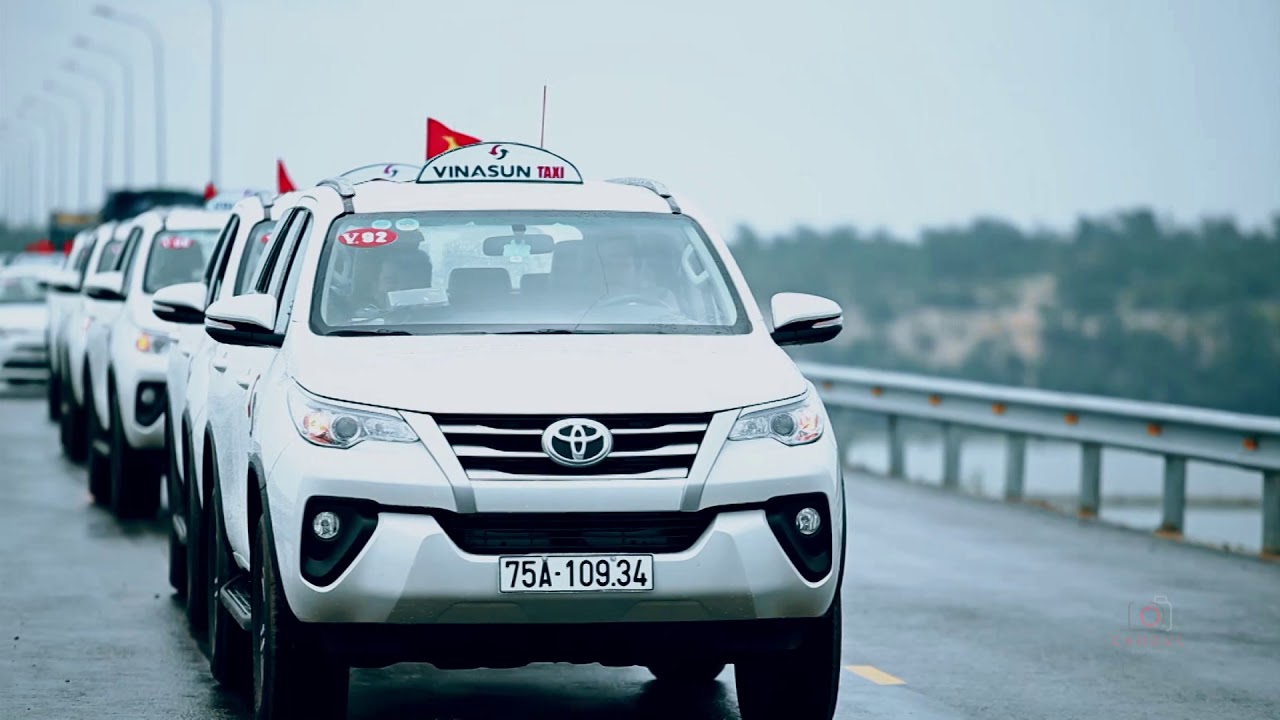
    Vietnam’s leading taxi firm Vinasun posted VND185 billion (US$7.89 million) after-tax profit last year, which is 6.8 times higher than targeted.

    The taxi operator recorded profits in all four quarters of 2022 after suffering losses in 2020 and 2021 due to the Covid-19 pandemic.

    With efforts to recover the market in HCMC and the nearby Binh Duong and Dong Nai Provinces, and look for partnership opportunities in transport, technology and consumption sectors, the company earned revenues worth VND1.089 trillion last year, which is twice the figure of 2021.

    By the end of last year, Vinasun’s total assets were worth VND1.836 trillion, up nearly 20% from the beginning of the year.

    At the closing the session on January 19 before the Lunar New Year break, Vinasun (VNS)’s stock value increased by nearly 6.8%, to VND18,150 per share.

  • Tesla Uses Its Profits As A Weapon In An EV Price War

    Tesla Uses Its Profits As A Weapon In An EV Price War

    Tesla earns more money for every vehicle it sells than any of its global rivals. Now, Chief Executive Elon Musk is using that superior profitability as a weapon in the EV price war he started.

    Tesla, once one of the auto industry’s biggest money losers, has over the past year built a commanding lead over most major rivals in profit per vehicle, a Reuters analysis of industry data shows.

    Tesla earned $15,653 in gross profit per vehicle in the third quarter of 2022 – more than twice as much as Volkswagen AG, four times the comparable figure at Toyota Motor Corp and five times more than Ford Motor Co, according to a Reuters analysis.

    For most of this year, Tesla joined rivals in aggressively raising prices on its most popular vehicles, such as the Model Y SUV. Shortages of semiconductors and other materials kept auto industry production down, allowing companies across the industry to focus on higher-margin models and book strong profits, even as sales volumes fell.

    Tesla’s decision to reverse course and spend its production-cost advantage on price cuts now challenges the profit-over-volume strategies established automakers such as GM have pursued since the 2008 financial crisis, and doubled down on during the pandemic.

    To control production costs, Tesla has invested heavily in new manufacturing technology – such as the use of large castings to replace small metal parts. Tesla brought battery manufacturing and other parts of its supply chain in-house, and standardized vehicle designs to improve economies of scale.

    Using production-cost advantages to fund price cuts has a long history in the auto industry.

    Henry Ford slashed prices on his Model T in the early 20th Century as his innovative mass-production system revved up. During the 1980s and 1990s, Toyota used the cost lead provided by its lean production system to offer features at prices Detroit automakers struggled to match. Now, Toyota is rebooting its strategy under pressure from Tesla.

    Growth in electric vehicle demand outpaced the overall market in the United States and globally during 2022. That emboldened automakers to push EV prices higher. Ford hiked prices for its electric F-150 pickup by 40% during 2022.

    But analysts are warning the global EV market could soon have more production capacity than demand.

    By 2026, North American EV demand will hit a level of about 2.8 million vehicles a year, said industry forecaster Warren Browne. But North American EV factories will be capable of assembling more than 4.5 million vehicles, putting overall capacity utilization at just under 60%, he said.

    In China, the end of central government subsidies is accelerating a market share war among rivals in the world’s largest EV market.

    “Tesla has taken the nuclear option to bully the weaker, thin margin players off the table” in China, said Bill Russo of Automobility, an industry consultancy in Shanghai. “Big pie, fewer slices, more to eat for those that remain.”

    Startups such as China’s Xpeng Inc had benefited from Tesla’s price hikes. Now, Xpeng is cutting prices in China – but with less financial leeway than Tesla. Xpeng reported gross profit of $4,565 in the third quarter, and a net loss of $11,735 a vehicle, according to company data analyzed by Reuters.

    “We hope more people can access smart vehicles after we make our cars increasingly affordable,” Xpeng said in a statement.

    Vietnamese EV startup Vinfast said Thursday it will use price promotions to fight back against Tesla.

    Chinese EV market leader BYD Co Ltd announced price increases effective Jan. 1 after Beijing phased out EV subsidies. So far, BYD has not responded to Tesla’s latest price cuts in China. However, BYD’s gross margins of $5,456 per vehicle give it more headroom in a price war than VW, Toyota or GM.