Tag: Auto

  • India Seeks Comment On Proposal To Make Airbags Mandatory For Car Front Passengers

    India Seeks Comment On Proposal To Make Airbags Mandatory For Car Front Passengers

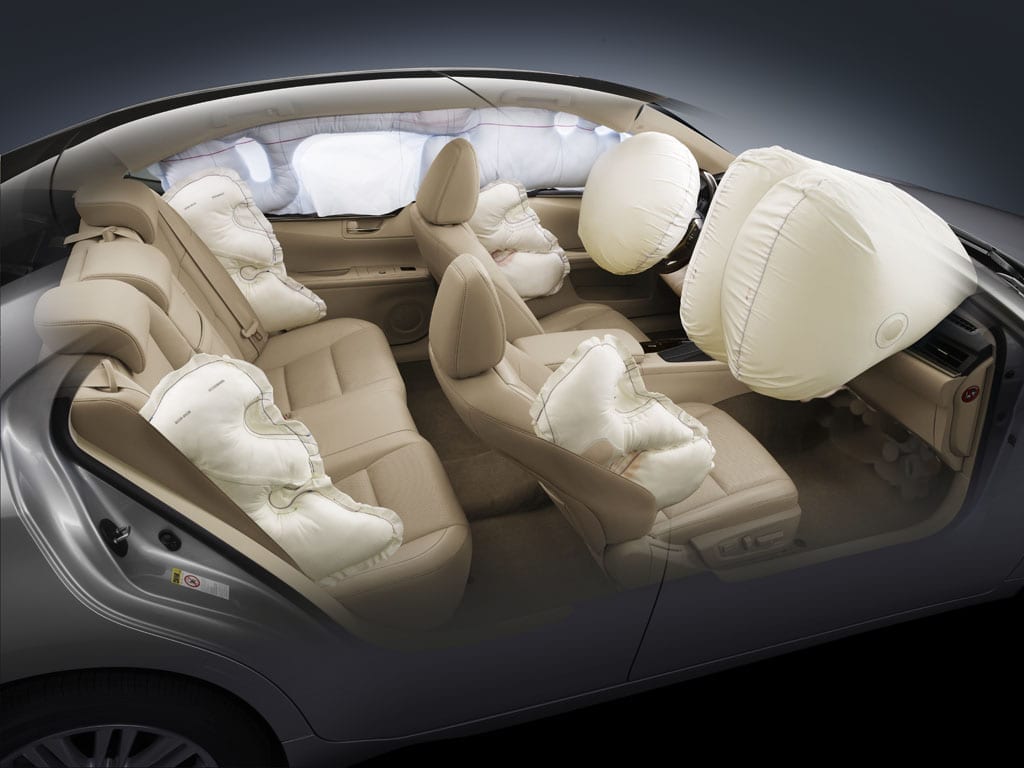
    India on Tuesday sought public comment on a proposal to make airbags mandatory for the front passenger in all cars from next year, in a move that could raise costs for automakers slowly seeing a revival in demand.

    Carmakers are required to provide an airbag only for the driver, though Indian officials have been talking about the need to improve safety.

    All new models manufactured from April 1, and existing models made from June 1, will have to meet the new guideline if approved, the Ministry of Road Transport and Highways said in the notification dated Dec 28.

    It asked for suggestions and objections from the public within 30 days from Tuesday before the rule is implemented.

  • Tesla To Commence India Operations By Early 2021

    Tesla To Commence India Operations By Early 2021

    Tesla, the American electric carmaker is expected to make its debut in the Indian market by early next year. The company reportedly will be accepting pre-bookings for the Model 3 and deliveries will follow later in the year, probably by the end of the first quarter of 2021-22. In a recent interview with Indian Express, the Union Minister for Road Transport and Highways and MSME, Nitin Gadkari has confirmed that the electric giant will start operations in the country by early 2021.

    Nitin Gadkari told Indian Express, “The minister underlined the push for electrical cars in the country and said a lot of Indian companies were also working on electrical vehicles that might be more affordable, but technically as advanced as the Tesla. He said Tesla will start operations first with sales and then maybe look at assembly and manufacturing based on the response to the cars. India is going to become a number 1 manufacturing hub for auto in five years.”

    It was earlier this year in October when CEO Elon Musk confirmed Tesla’s entry into the Indian market by 2021. This information was revealed by Musk while replying to a Tweet from a handle – ‘Tesla Club India’. Moreover, the electric vehicle manufacturer is also exploring options to open an R&D centre and a battery manufacturing facility in India.

    Tesla is expected to make its India debut with the Model 3, which reportedly could be a more affordable version. Moreover, it will come to India as Completely Built-Up (CBU) unit. Likely to be priced somewhere around ₹ 55 lakh, it might not be retailed in the country via dealerships as the EV will be handing direct sales. However, there is no official confirmation from the company regarding the same.

  • Volkswagen Taigun Teased Ahead of Launch

    Volkswagen Taigun Teased Ahead of Launch

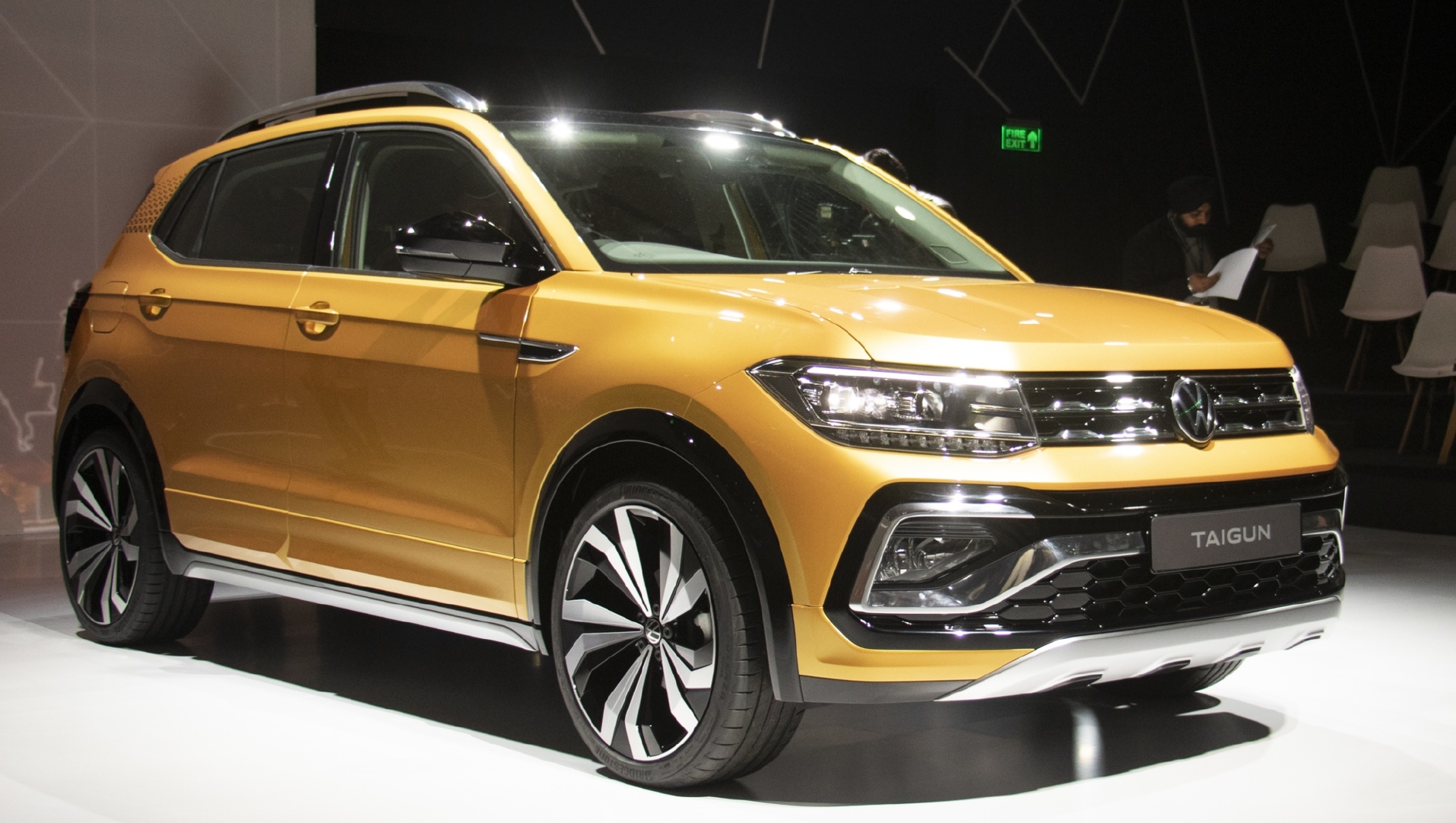
    Volkswagen India has officially teased the upcoming Taigun compact SUV, suggesting the launch is around the corner. The carmaker released a teaser video of the Taigun on its official social media account. The SUV has been listed on VW’s official India website for collecting online enquiries. Specifically designed for the Indian market, the SUV was showcased at the 2020 Auto Expo in February. It will be based on the company’s MQB A0 IN platform, which will also be used on VW Group’s upcoming models, such as the production version of Skoda’s Vision-IN concept.

    This all-new product from Volkswagen will be slightly inspired by the T-Cross that is already on sale in the international markets. It will flaunt elements like wider grille with horizontal chrome slats and logo in the center, horizontally positioned LED headlights with LED DRLs, muscular bonnet, neatly designed bumper, large intakes, fog lamps. The production version is expected to get sporty alloys, wheel arch cladding, roof rails and LED taillamps connected by a reflective strip and smoked details similar to the concept model. The rear profile will be underlined by a muscular rear bumper, faux diffuser, heavy chrome/silver details, and matching side skirts.

    On the inside, the SUV will feature dual-tone black and grey upholstery along with a premium interior with body-colored panels on the dashboard, centre console and doors. The SUV is expected to come equipped with an all-digital instrument console, bigger touchscreen infotainment system, fast-charging USB slots, and app-based connected features, flat-bottom steering wheel, rear AC vents, automatic climate control and more.

    Mechanically, the soon-to-be-launched Taigun compact SUV will be powered by a 1.0-liter three-cylinder turbocharged TSI petrol engine. The unit is likely to develop 113 bhp and 200 Nm of peak torque. Transmission options could include a 6-speed manual gearbox as standard along with an optional 7-speed DSG automatic. The company will not offer an all-wheel-drive (AWD) variant of the SUV. When launched, it will rival the Hyundai Creta, Kia Seltos, Renault Duster and the MG Hector.

  • BMW 3 Series Gran Limousine India Launch Date Revealed

    BMW 3 Series Gran Limousine India Launch Date Revealed

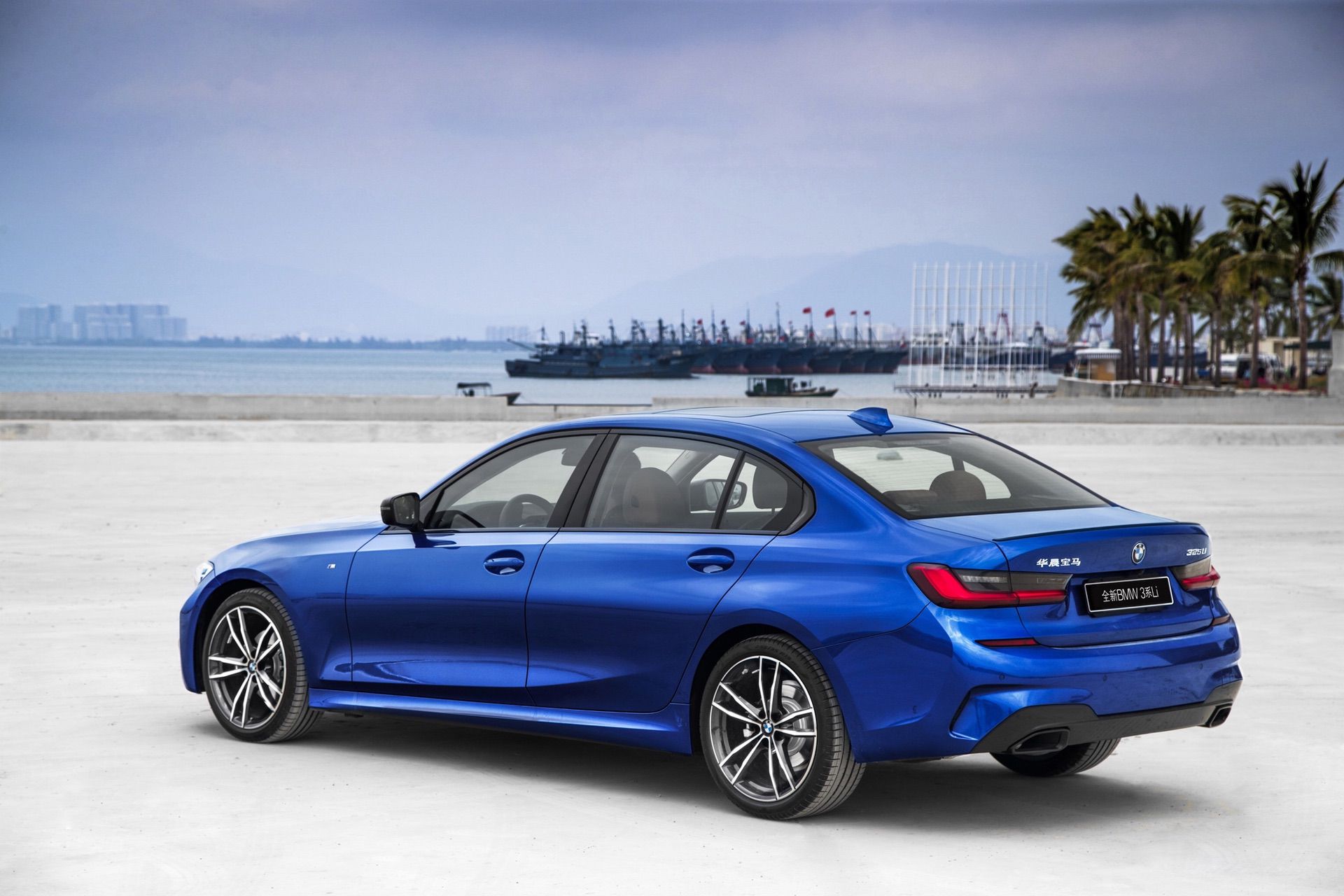
    BMW is set to launch its largest product offensive in India in 2021 and it’s starting with the all-new BMW 3 Series Gran Limousine (GL). The BMW 3 Series Gran Limousine will be launched in India on January 21, 2021 and it will be the longer wheelbase version of the standard 3 Series leveraging more legroom on the inside. It will be the longest and most spacious entry-level luxury sedan in India while will share the mechanicals and overall design with the standard car, save for the long profile.

    It is likely to share its underpinning with the standard car as well, being spawned by the CLAR platform and while the interior layout is likely to remain similar too. You can also expect it to get all the features that we have already seen in the new BMW 3 Series like the Hey BMW connected car tech, wireless charging, wireless Apple CarPlay, BMW live cockpit professional, 3D navigation, rear park assist, a 12.3-inch digital instrument cluster and a 10.25-inch infotainment screen among others.

    It’s also likely to share its engine line-up with the BMW 3 Series sedan. Under the hood, it is likely to get the 2.0-litre, four-cylinder, turbocharged petrol motor tuned to churn out 255 bhp and 400 Nm of peak torque. If BMW decides to bring the diesel iteration as well, it will be the 2.0-litre, four-cylinder, turbocharged engine that produces 188 bhp and 400 Nm of peak torque. Both engines are expected to be paired with an eight-speed automatic gearbox as standard. BMW will also launch the 2 Series Gran Coupe Petrol, 5 Series Facelift and the 6 Series GT Facelift late in 2021.

  • Apple to build a car by 2024, with ‘next level’ battery

    Apple to build a car by 2024, with ‘next level’ battery

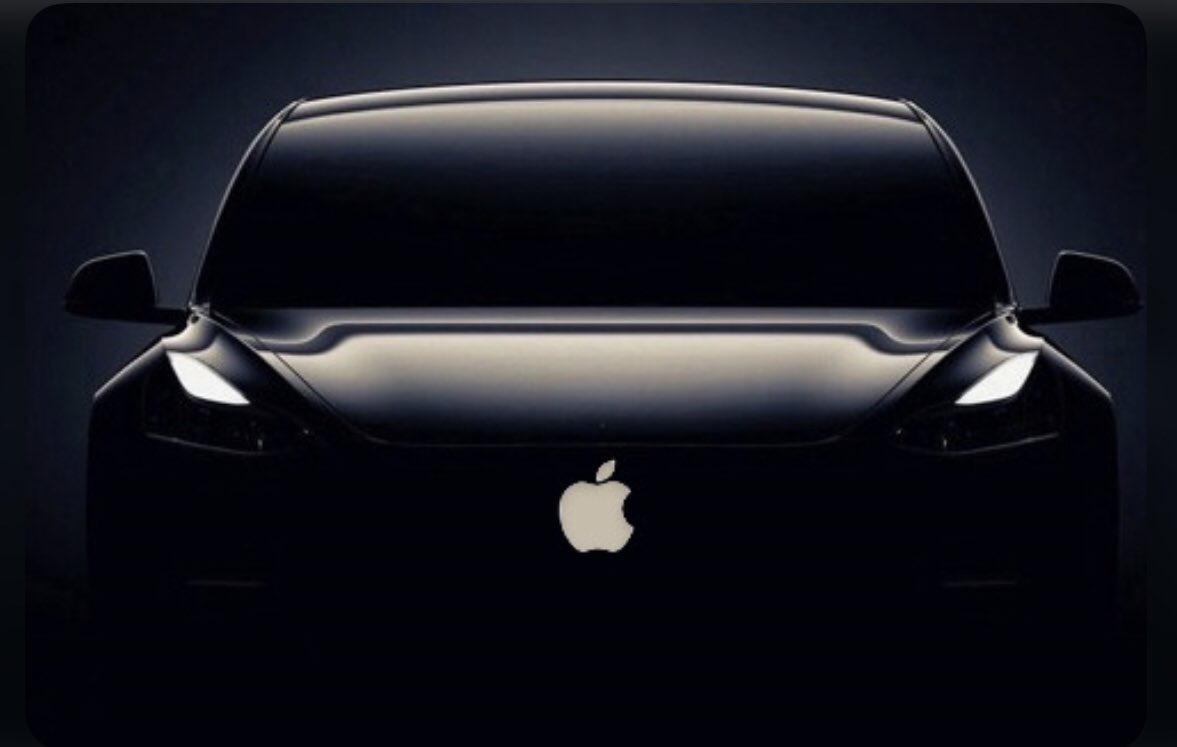
    Apple Inc is moving forward with self-driving car technology and is targeting 2024 to produce a passenger vehicle that could include its own breakthrough battery technology, people familiar with the matter said.

    The iPhone maker’s automotive efforts, known as Project Titan, have proceeded unevenly since 2014 when it first started to design its own vehicle from scratch. At one point, Apple drew back the effort to focus on software and reassessed its goals. Doug Field, an Apple veteran who had worked at Tesla Inc, returned to oversee the project in 2018 and laid off 190 people from the team in 2019.

    Since then, Apple has progressed enough that it now aims to build a vehicle for consumers, two people familiar with the effort said, asking not to be named because Apple’s plans are not public. Apple’s goal of building a personal vehicle for the mass market contrasts with rivals such as Alphabet Inc’s Waymo, which has built robo-taxis to carry passengers for a driverless ride-hailing service.

    Central to Apple’s strategy is a new battery design that could “radically” reduce the cost of batteries and increase the vehicle’s range, according to a third person who has seen Apple’s battery design.

    Apple declined to comment on its plans or future products.

    Making a vehicle represents a supply chain challenge even for Apple, a company with deep pockets that makes hundreds of millions of electronics products each year with parts from around the world, but has never made a car. It took Elon Musk’s Tesla 17 years before it finally turned a sustained profit making cars.

    “If there is one company on the planet that has the resources to do that, it’s probably Apple. But at the same time, it’s not a cellphone,” said a person who worked on Project Titan.

    It remains unclear who would assemble an Apple-branded car, but sources have said they expect the company to rely on a manufacturing partner to build vehicles. And there is still a chance Apple will decide to reduce the scope of its efforts to an autonomous driving system that would be integrated with a car made by a traditional automaker, rather than the iPhone maker selling an Apple-branded car, one of the people added.

    Two people with knowledge of Apple’s plans warned pandemic-related delays could push the start of production into 2025 or beyond.

    Shares of Tesla ended 6.5% lower on Monday after their debut in the S&P 500 on Monday. Apple shares ended 1.24% higher after the news.

    Apple has decided to tap outside partners for elements of the system, including lidar sensors, which help self-driving cars get a three-dimensional view of the road, two people familiar with the company’s plans said.

    Apple’s car might feature multiple lidar sensors for scanning different distances, another person said. Some sensors could be derived from Apple’s internally developed lidar units, that person said. Apple’s iPhone 12 Pro and iPad Pro models released this year both feature lidar sensors.

    Apple had held talks with potential lidar suppliers, but it was also examining building its own sensor.

    As for the car’s battery, Apple plans to use a unique “monocell” design that bulks up the individual cells in the battery and frees up space inside the battery pack by eliminating pouches and modules that hold battery materials, one of the people said.

    Apple’s design means that more active material can be packed inside the battery, giving the car a potentially longer range. Apple is also examining a chemistry for the battery called LFP, or lithium iron phosphate, the person said, which is inherently less likely to overheat and is thus safer than other types of lithium-ion batteries.

    ”It’s next level,” the person said of Apple’s battery technology. “Like the first time you saw the iPhone.”

    Apple had previously engaged Magna International Inc in talks about manufacturing a car, but the talks petered out as Apple’s plans became unclear, a person familiar with those previous efforts said. Magna did not immediately respond to a request for comment.

    To turn a profit, automotive contract manufacturers often ask for volumes that could pose a challenge even to Apple, which would be a newcomer to the automotive market.

    “In order to have a viable assembly plant, you need 100,000 vehicles annually, with more volume to come,” the person said.

    Some Apple investors reacted to the Reuters report on the company’s plans with caution. Trip Miller, managing partner at Apple investor Gullane Capital Partners, said it could be tough for Apple to produce large volumes of cars out of the gate.

    “It would seem to me that if Apple develops some advanced operating system or battery technology, it would be best utilized in a partnership with an existing manufacturer under license,” Miller said. “As we see with Tesla and the legacy auto companies, having a very complex manufacturing network around the globe doesn’t happen overnight.”

    Hal Eddins, chief economist at Apple shareholder Capital Investment Counsel, said Apple has a history of higher margins than most automakers.

    “My initial reaction as a shareholder is, huh?” Eddins said. “Still don’t really see the appeal of the car business, but Apple may be eyeing another angle than what I’m seeing.”
  • Maserati Grows Presence In APAC and Enters Cambodia

    Maserati Grows Presence In APAC and Enters Cambodia

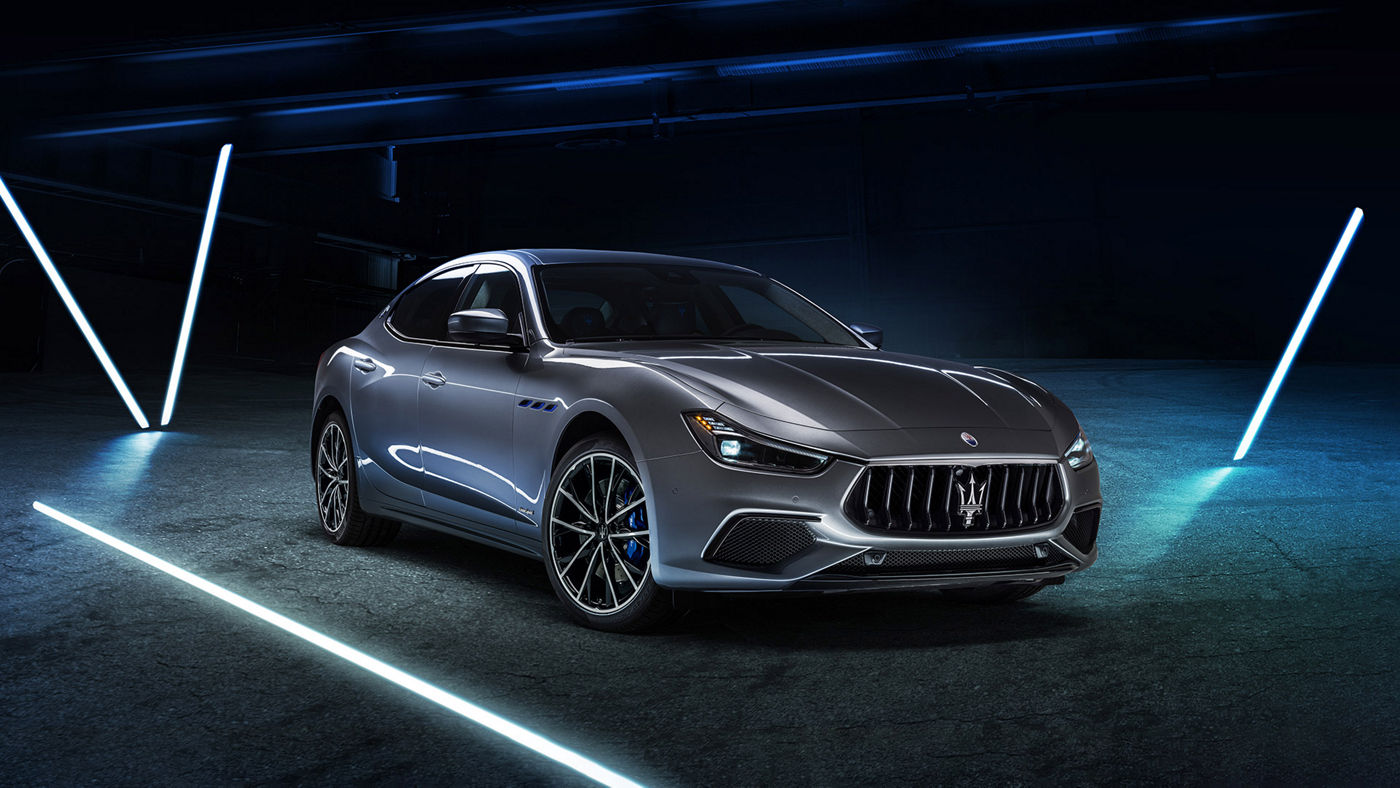
    Maserati has announced the opening of a new market in Asia Pacific as the brand enters Cambodia. Maserati is represented in Cambodia by HGB Group. The showroom is situated in Cambodia’s capital Phnom Penh. The facility includes a showroom of 610 sqm displaying the Maserati product line-up and a workshop of 1.760 sqm equipped with 3 work bays.

    Bernard Loire, Chief Commercial Officer Maserati, said, “Selecting the right partner and having great products are the foundations for success across the region. Maserati is entering in a period of intense changes with revolutionary new cars, innovations, and projects. Now for us, the focus is strongly on the future, including hybrid and electric models.”

    Maserati’s complete range will now be available in Cambodia in addition to more than seventy markets internationally. The company already has partners in Singapore, Malaysia, Thailand, Vietnam, and Indonesia in the South Asian market.

    Cambodia is a very promising market for Maserati as the luxury car market is estimated to grow at a Compound Annual Growth Rate of 14 percent from 2017 to 2020.

  • November auto sales achieve year record

    November auto sales achieve year record

    Auto sales in November hit 36,359 units, the highest monthly number this year as Vietnam continues to contain Covid-19.

    The figure exceeded that of last year by 22 percent, making November the third month to record year-on-year growth in 2020 after February and October as Covid-19 caused sales to slump in other months, according to data from Vietnam Automobile Manufacturers Association (VAMA).

    Passenger cars accounted for 79 percent of sales, commercial vehicles nearly 20 percent, and special-purpose vehicles for the rest, data shows.

    However, auto sales in the first 11 months still fell nearly 14 percent year-on-year due to deep plunges recorded in April and August after two major Covid-19 outbreaks.

    Local brand Truong Hai Auto (Thaco) retained the top spot in the first 11 months with a 35.5 percent share of the market as sales rose two percent to 84,858 units.

    It was followed by Toyota with 59,394 units, down 16 percent and Mitsubishi with 24,387 units, down nine percent. Ford and Honda rounded off the top five.

    Last year, auto sales had risen 11.7 percent from 2018 to 322,322 units, according to VAMA.

  • Baidu is considering designing and building electric vehicles

    Baidu is considering designing and building electric vehicles

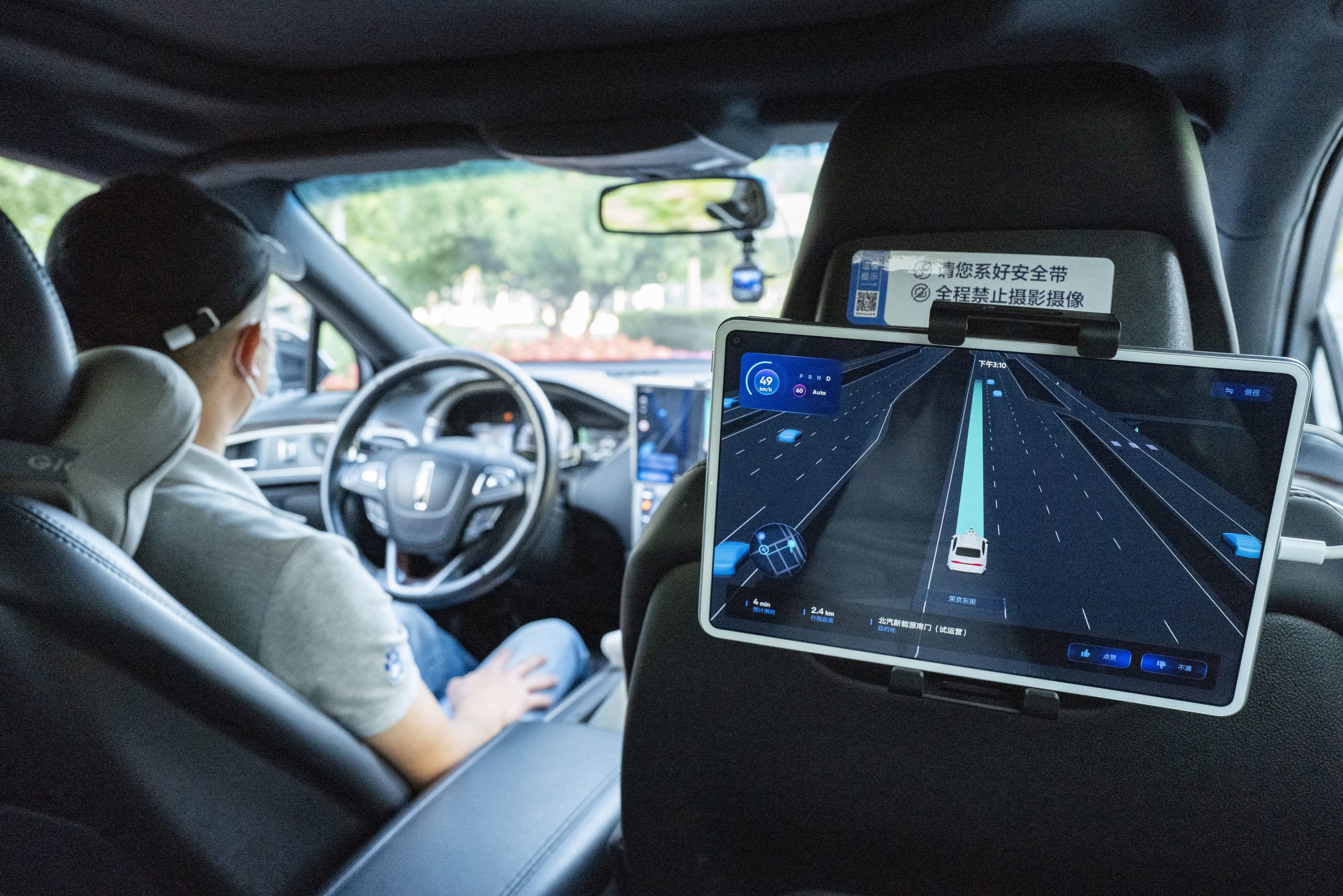
    China’s Baidu is considering making its own electric vehicles and has held talks with automakers about the possibility, three people with knowledge of the matter said, the latest move in a race among tech firms to develop smart cars.

    The search-engine leader, which also develops autonomous driving technology and internet connectivity infrastructure, is considering contract manufacturing, one of the people said, or creating a majority-owned venture with automakers.

    The initiative would be a step up from internet peers such as Tencent Holdings, Amazon, and Alphabet Inc., which have also developed auto-related technology or invested in smart-car startups.

    Baidu has held preliminary talks without reaching any decisions, with automakers including Zhejiang Geely Holding Group Guangzhou Automobile Group Co. and China FAW Group Corp.’s Hongqi, on a possible venture, the people said.

    They declined to be identified as the talks are private.

    Baidu declined to comment. GAC said it has a strategic partnership with Baidu and that any further cooperation was subject to discussion. Geely said it was not familiar with the matter. FAW did not respond to a request for comment.

    Baidu established the autonomous driving unit Apollo in 2017. The unit mainly supplies technology powered by artificial intelligence and work with automakers such as Geely, Volkswagen Group, Toyota Motor, and Ford Motor Co.

  • Amazon Unveils Zoox Self Driving Robotaxi

    Amazon Unveils Zoox Self Driving Robotaxi

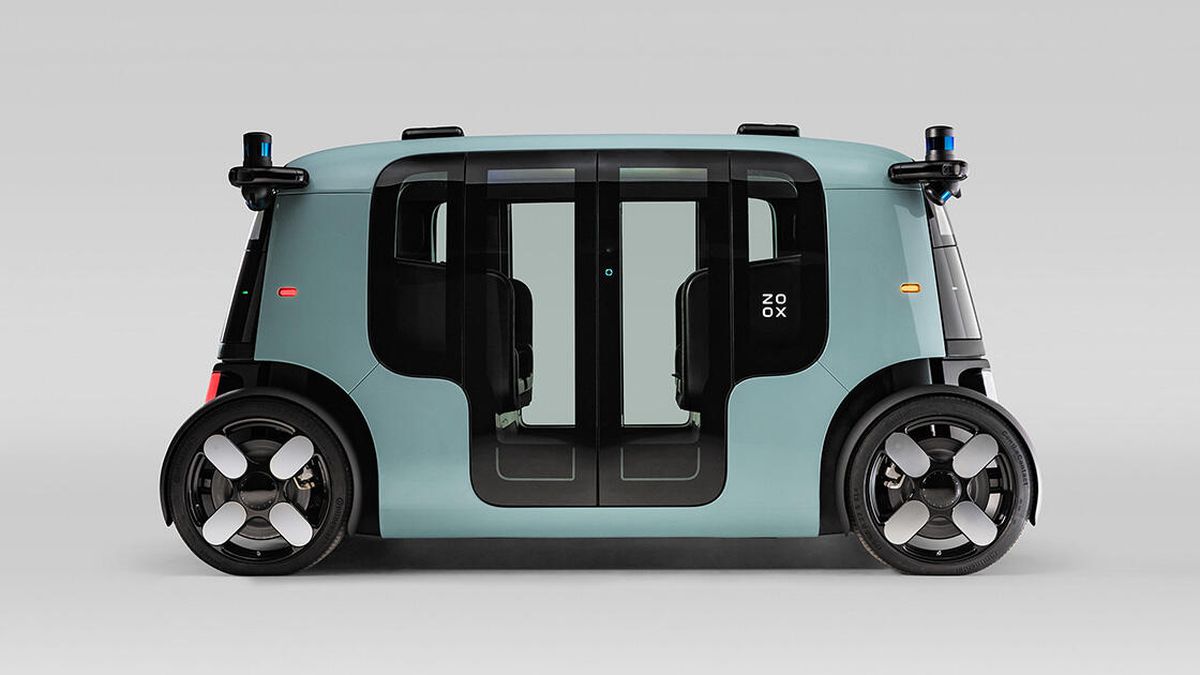
    Amazon could become the fourth major player to have a self-driving robotaxi service after Waymo, Cruise, and AutoX. Amazon’s Zoox comes out of stealth after releasing prototypes six years ago. The most striking thing about Zoox is that its car has a level of fit and finish that goes beyond what Waymo or Cruise have unveiled. And presumably, this will be the basis of a ride-hailing service that Amazon will launch to take on the likes of Uber, Waymo, and Cruise.

    The vehicle is quite different as it has a carriage-style four-wheel all-electric powertrain that can set up for people. It is just 3.63 meters long which makes it smaller than the Origin robotaxi by Cruise.

    Zoox is different because it can drive both forward and backward and side to side — in other words, it has bi-directional capabilities. This allows the car to handle tight curbside pickups” and tricky U-turns, something which AutoX has also shown off. It is also the fastest autonomous vehicle of its kind as it travels at 120 kilometers per hour — a Waymo robotaxi can only do 72 kilometers per hour.

    As far as the autonomous tech goes, this vehicle marries 6 LiDAR arrays as well as multiple radar sensors and cameras providing a 270-degree field of view, with the vehicle having no blindspots. It even has sensors for redundancies and can see objects up to 150 meters away.

    The interior is also unique. It gets really comfortable bench seats that face inward with the passengers surrounded in textured fabric. It also features a radical new system for airbags alongside cupholders and wireless charging mats. The ceiling draws inspiration from the Rolls-Royce Ghost with its starry sky pattern and each seat even gets a touchscreen for controlling music, AC, and their route plus ETA.

    It is also an EV that is powered by a 133 kWh battery and can have up to 16 hours of continuous use. This is in the league of Tesla battery packs which is very impressive.

    Amazon is the secretive player in the self-driving space. It has used for robotaxis and self-driving vehicles for the sake of its infrastructure and logistics business. But then it also holds a massive investment in Rivian and Aurora who just bought Uber’s ATG unit.

    The big news here is that Zoox is out of stealth and it has a very very impressive self-driving vehicle which seems more fleshed out than even Waymo.

  • BMW Group And AWS Collaborate To Develop IT Solutions

    BMW Group And AWS Collaborate To Develop IT Solutions

    Amazon Web Services (AWS) and the BMW Group announced a comprehensive strategic collaboration. The goal of the collaboration is to further accelerate the BMW Group’s pace of innovation by placing data and analytics at the centre of its decision-making. The companies will combine their strengths to jointly develop cloud-based IT and software solutions that increase efficiency, performance, and sustainability across all company processes, from vehicle development to after-sales services.

    As part of the wide-ranging collaboration, the BMW Group will migrate data from across its business units and operations in over a hundred countries to AWS. The move will encompass a number of the BMW Group’s central IT systems and databases for functions such as sales, manufacturing, and maintenance, and will help increase agility, achieve new insights from data analysis and more quickly innovate new customer experiences. In addition, the companies will invest in enabling and training up to 5,000 software-engineers in the latest AWS technologies to empower the BMW Group’s global workforce to make better use of data.

    Alexander Buresch, CIO and Senior Vice President, BMW Group IT said, “We are making data central to the way we work and we look forward to collaborating with AWS to merge our talents, continuing to raise the bar for innovation among automakers and delivering exciting new experiences for our customers around the world.”

    A key element of the collaboration is the further development of the Cloud Data Hub of the BMW Group. It is the central platform for managing company-wide data and data solutions in the cloud. The Cloud Data Hub offers BMW Group employees across all corporate divisions a central starting point for implementing analytical and data-driven applications. Via the Cloud Data Hub, employees use various AWS services already today to process, interrogate and enrich development-, production-, sales- and vehicle performance data in the order of several petabytes and to gain insights through the application of machine learning. For example, this will enable the BMW Group to better forecast the demand for its range of vehicle models and equipment options worldwide. In this way, planning in purchasing, production and sales can be optimized and, as a result, customer satisfaction can be increased.

  • Volkswagen adopts new sales model in Mainland

    Volkswagen adopts new sales model in Mainland

    Volkswagen AG is launching another sales model in China that will see the automaker open showrooms in city centres for electric vehicles (EV) and offer fixed prices.

    The move marks a departure from the conventional sales system used by the wider industry in China.

    Last week, Volkswagen’s joint venture with SAIC Motor opened its first showroom under this system in the eastern city of Hangzhou, according to a social media post. The store, named “ID. Store X”, sells its ID. range of family cars.

    The German automaker said customers can order vehicles at a fixed price directly through the company website, phone app or from authorized dealers. The stores are invested and operated by selected dealers, not the automaker.

    The dealers get a commission from vehicle sales and do not need to maintain the car inventory, Volkswagen said.

    Traditionally automakers including Volkswagen, GM and Toyota set the official price, but dealers are expected to keep an inventory of vehicles and often allowed to offer discounts or price them higher depending on the demand for the models.

    The German automaker’s new attempt still differs from Tesla’s direct sales model that bypasses dealers entirely. Tesla’s model allows the US carmaker to manage the process from production to pricing to sales to delivery while adding operational costs of running the wholly-owned stores.

    Showroom strength is becoming an important differentiator for EV makers in the world’s biggest auto market, as they line up model launches. Tesla currently has over 150 showrooms and service centres in China while Nio has 189 stores. Xpeng had 116 and Li Auto has 45 showrooms, as of the end of September.

    SAIC-Volkswagen said it would open 40 ID. Store X stores in 29 Chinese cities in the next 18 months. Volkswagen’s other venture with FAW Group has yet to announce a detailed sales plan for EVs.

    Volkswagen said last month that it will launch eight ID. family models in China by 2023 with its local partners SAIC and FAW.

    Sales of electric, plug-in hybrid and hydrogen-powered vehicles in China are forecast to rise to 20 percent of new car sales by 2025 from just 5 percent now, the State Council said last month.

  • Fiat To Electrify 60 Percent Of Its Cars By 2021

    Fiat To Electrify 60 Percent Of Its Cars By 2021

    The automobile industry is changing dramatically for the first time in a century. Volkswagen has already announced that it is stopping all motorsports activities to focus on electrification efforts before this Honda also announced in September that it was going to be focusing on electrification and sustainability which perpetuated its exit from F1. Now, Fiat has joined the bandwagon and its head for EMEA has said that 60 percent of its vehicles will be electrified by the end of 2021. This includes the Fiat, Lancia and Abarth brands.

    Fiat’s approach is a different one, however. Its electrification efforts amount to multiple new hybrid models, unlike the traditional plug-in electric models. It already makes a hybrid version of 500, the Panda and the Lancia Y. It also has a couple of cars incoming — 500X and Tipo, apart from this, there is also a new Fiat 500 electric and Fiat E-Ducato coming in.

    Fiat feels that adding more hybrids and plug-in cars are a necessity for it in Europe. It has also been forced to make this move as it has been lagging behind in its electrification efforts and also been forced by the European Union’s Emission requirements to buy emission credits.

    For this, it has partnered with the big daddy of all-electric cars – Tesla – the world’s highest-valued automotive company for complying with the CO2 emission for the EU. It is also highly dependent on Tesla’s ability to scale up its operations and production in the EU.

  • Japan May Ban Sale Of New Petrol-Powered Vehicles In Mid-2030s

    Japan May Ban Sale Of New Petrol-Powered Vehicles In Mid-2030s

    Japan may ban sales of new petrol-engine cars by the mid-2030s in favour of hybrid or electric vehicles, public broadcaster NHK reported on Thursday, aligning it with other countries and regions that are imposing curbs on fossil fuel vehicles.

    The move would follow Prime Minister Yoshihide Suga’s pledge in October for Japan to slash carbon emissions to zero on a net basis by 2050 and make the country the second G7 nation to set a deadline for phasing out petrol vehicles in a little over two weeks.

    Japan’s industry ministry will map out a plan by the year-end, chief government spokesman Katsunobu Kato told a news conference on Thursday.

    Japan’s Prime Minister Yoshihide Suga pledge in October for Japan to slash carbon emissions to zero on a net basis by 2050.

    The likelihood of state interventions to lower carbon emissions is fuelling a technological race among carmakers to build electric cars and hybrid petrol-electric vehicles that will lure drivers as they switch from petrol models, particularly in the world’s two biggest auto markets, China and the U.S.

    Measures already in place in Japan mean Japanese automakers, particularly big ones such as Toyota Motor Corp with greater research and development resources, could use electric vehicle technology they have already developed at home.

    Nissan Motor Co chief operating officer Ashwani Gupta last month told Reuters his company was ready to respond to Britain’s decision to hasten a phase-out date for new petrol and diesel powered cars and vans by five years to 2030 because it was part of a global trend.

    Japan’s industry ministry is considering requiring all new vehicles to be electric, including hybrid vehicles, NHK reported earlier, adding the ministry would finalise a formal target following expert-panel debates as early as the year-end.

    Nissan says it’s ready to respond to Britain’s decision to hasten a phase-out date for new petrol and diesel-powered cars and vans by five years to 2030

    Japanese automakers for now are keeping quiet on what impact those measures could have on their businesses.

    Toyota, Honda Motor, Nissan and its alliance partner Mitsubishi Motors Corp declined to comment.

    In Japan, the share of electric vehicles is expected to increase to 55% in 2030, Boston Consulting Group said in a report on prospects for battery-powered cars.

    Globally, “the speed of expansion of the share of electric vehicles will accelerate due to the fact that battery prices are falling more rapidly than previously expected,” Boston Consulting said in the report.

    Japan, China and South Korea recently announced firm targets to end net emissions of carbon, which has given momentum for companies and banks to push for cutbacks to keep global warming in check.

    Apart from Britain, parts of the United States and Canada, Norway and Germany, are or plan to imposed curbs on fossil fuel cars. The wider European Union is expected to decide on future restrictions as early as this month.

  • Korean cars find few takers in Southeast Asia, sustained by Vietnam market

    Korean cars find few takers in Southeast Asia, sustained by Vietnam market

    Out of 185,595 South Korean cars sold in Southeast Asia last year, Vietnam accounted for 59 percent. While the Vietnamese auto market only ranks fourth in size in the region, its contribution to the sales of Hyundai and Kia, two major Korean brands, has been remarkable. Since 2018 Vietnam has accounted for more than half of all South Korean car sales in Southeast Asia.

    Sales of Hyundai and Kia in Vietnam in the first 10 months of 2020 rose to 82,129 units for a 31 percent market share.

    Hyundai topped the market with sales at 57,039 vehicles, followed by Japan’s Toyota with 49,950.

    Hyundai vehicles are made by TC Motor at its plant in the northern province of Ninh Binh while Truong Hai Auto (Thaco) makes Kia at its factory in the Chu Lai industrial zone in the Southern Quang Nam Province.

    According to the Korea Automobile Manufacturers Association, South Korean cars had a 5.2 percent share of the regional market in 2019. The figure for Japanese cars was 74.3 percent or 2.63 million units last year.

  • BlackBerry and Amazon Team Up On Vehicle Data And Software Platform

    BlackBerry and Amazon Team Up On Vehicle Data And Software Platform

    Canadian technology specialist BlackBerry and e-commerce titan Amazon have developed a cloud-based software platform designed to help automakers and suppliers standardize vehicle data and speed deployment of new revenue-generating features and services, the companies said on Tuesday.

    BlackBerry and Amazon Web Services (AWS) said the new intelligent vehicle data platform, called IVY, will compress the time to build, deploy and monetize in-vehicle applications and connected services across multiple brands and models, making it easier for automakers to collaborate with a wider pool of developers to accelerate the development of apps and services.

    Carmakers have been reluctant so far to share with outside technology providers much of the data generated by their vehicles. IVY is designed to complement and run simultaneously with new digital vehicle architectures developed by Volkswagen, General Motors and others.

    The platform is built on BlackBerry’s QNX, a vehicle operating system in 175 million vehicles worldwide, according to John Wall, head of BlackBerry Technology Solutions.

    “The biggest challenge that most carmakers have in getting applications in the vehicle or monetizing their data is that there is no standardized way to access the data,” Wall said.

    One goal of BlackBerry and AWS is to establish IVY as a standard platform across the auto industry, as Apple and Google have done in mobile phones through their iOS and Android platforms.

    Without that standardization, Wall said, automakers “can’t really establish an ecosystem” or leverage the broader community of app developers. IVY is expected to be installed on the first production vehicles in the model year 2023, said AWS executive Sarah Cooper. BlackBerry and Amazon declined to say which companies will be the first to use IVY.