Tag: Auto

  • Nissan Says ‘Absolutely Not’ In Talks About Mitsubishi Stake Sale

    Nissan Says ‘Absolutely Not’ In Talks About Mitsubishi Stake Sale

    Nissan Motor Co is “absolutely not” in talks to sell its stake Mitsubishi Motors, Nissan’s chief operating officer said on Monday, following a report the carmaker was considering pulling out of its alliance partner. “We are not in any discussion or consideration of changing the capital structure in our partner companies. We are moving ahead with many projects,” Ashwani Gupta said in an interview at the Reuters Automotive Summit teleconference.

    He spoke after Bloomberg News reported earlier, citing unidentified sources, that Nissan was considering selling its 34% stake in Mitsubishi Motor to help it cope with the slump in demand caused by the COVID-19 pandemic.

    Such a deal would fundamentally reshape a three-way alliance that includes France’s Renault built by Carlos Ghosn, former chairman of the alliance. The partnership was plunged into uncertainty when Ghosn was arrested in 2018 on financial misconduct charges, which he denies.

    At Monday’s closing price in Tokyo, Nissan’s stake in Mitsubishi Motors was worth 102.2 billion yen ($975.8 million).

    Nissan shares rose 5% on the Bloomberg report, while Mitsubishi Motors, which said it would continue to collaborate with its alliance partner, gained 3%.

    Nissan, which is 43% owned by Renault, last week cut its operating loss forecast for the year to March by 28%, helped by a rebound in demand, especially in China.

    Mitsubishi Motors, Japan’s No.6 automaker, expects to post an operating loss of 140 billion yen for its business year.

    Both companies are cutting production levels and costs in a bid to return to profitability.

  • PSA Boss Sees More Auto Deals

    PSA Boss Sees More Auto Deals

    The head of Peugeot maker PSA Group expects more consolidation in the auto industry as carmakers invest vast sums to make electric vehicles, he said on Monday, while predicting some wouldn’t make it through the coming decade.

    “Only the most agile with a Darwinian spirit will survive,” Carlos Tavares said at the Reuters Automotive Summit teleconference, adding PSA was no longer investing in internal combustion engines as Europe and China push for cleaner driving.

    Tavares also said PSA was far ahead of its objectives in meeting European Union CO2 emission targets.

    PSA is working towards a planned merger with Italian-American Fiat Chrysler Automobiles NV (FCA) and Tavares reiterated this was on track for the first quarter of 2021.

    “So far, so good,” he said, adding much of the hard work in bringing the two companies together had already been done.

    PSA and FCA will operate under the name Stellantis after they merge, becoming the world’s fourth-largest carmaker.

    Tavares said one of the tasks facing the merged group would be improving its performance in China, the world’s largest car market, where it will have a considerably smaller market share than in Europe and the United States.

    “No global car company can afford not to be in the largest car market in the world,” Tavares said.

  • Volvo Cars Drops New Cars From 30 Metres. Here’s Why

    Volvo Cars Drops New Cars From 30 Metres. Here’s Why

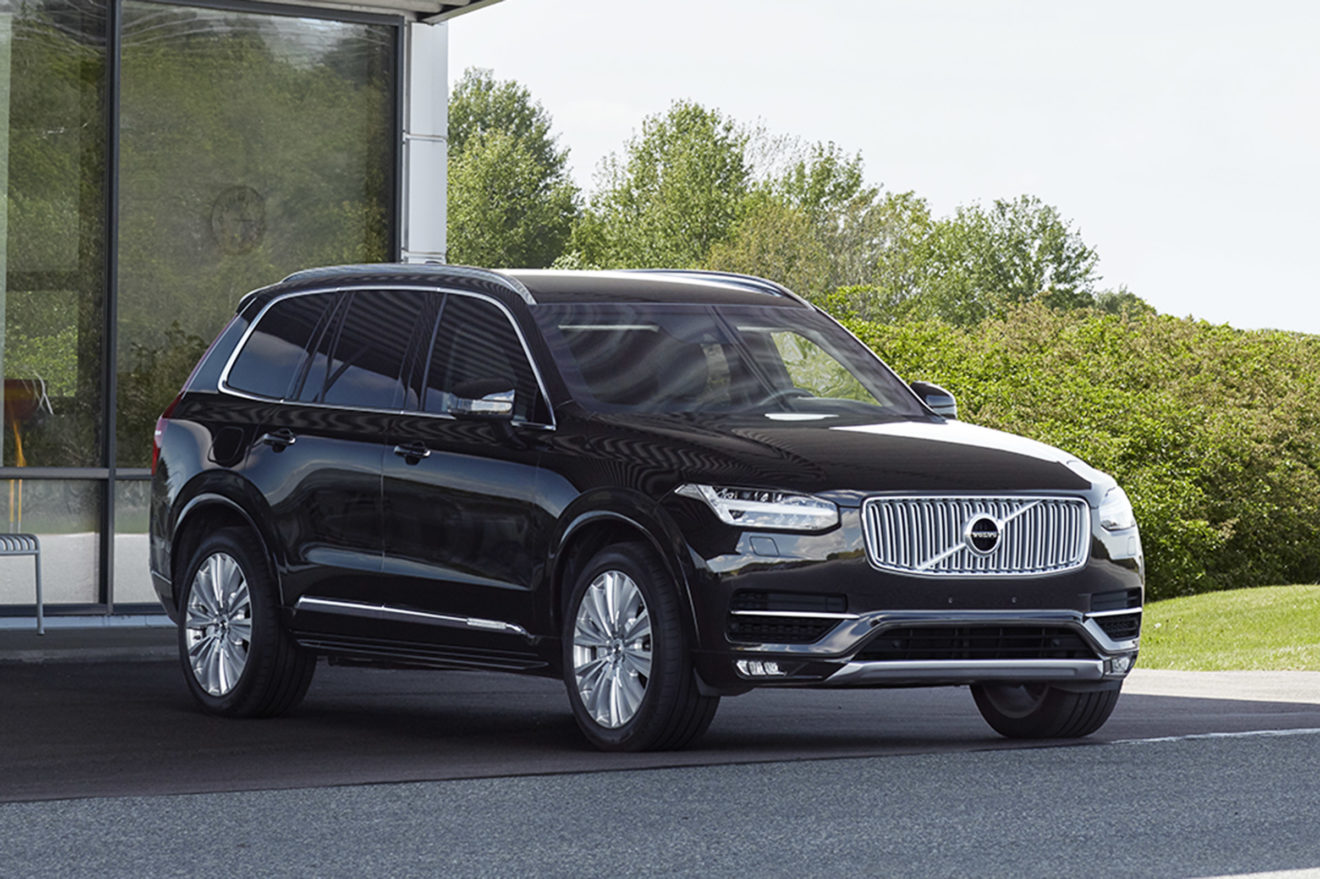
    Volvo Cars, in what can only be described as the most extreme crash test yet, is dropping all-new cars from a height of 30 meters. It’s all research though and this extreme test will allow rescue services to prepare for any possible crash scenario and to simulate the forces that erupt in the most extreme crashes, beyond what can be simulated with ordinary crash testing.

    For the first time, it dropped several new Volvos multiple times from a crane, from a height of 30 meters. This approach helped create enough damage to adequately simulate the damage found in the most extreme crash scenarios: think of single-car accidents at very high speed, accidents whereby a car hits a truck at high speed, or accidents whereby a car takes a severe hit from the side.

    In such situations, people inside the car are likely to be in a critical condition. Therefore the priority is to get people out of the car and to a hospital as quickly as possible, using hydraulic rescue tools.

    All findings from the crashes and the resulting extrication work will be collected in an extensive research report. This report will be made available free of use to rescue workers elsewhere, allowing them to benefit from the findings and further develop their life-saving capabilities.

    Usually, rescue workers get their training vehicles from scrapyards. But these cars are often up to two decades old. And in terms of steel strength, safety cage construction and overall durability, there is a vast difference between modern cars and those built fifteen to twenty years ago.

    This makes it crucial for rescue workers to constantly update their familiarity with newer car models and review their processes, in order to develop new extrication techniques. In other words, these training sessions can mean the difference between life and death. So at the request of the rescue services, Volvo Cars decided to step things up a notch.

    A total of ten Volvos, of different models, were dropped from the crane several times. Before the drop, Volvo Cars safety engineers made exact calculations about how much pressure and force each car needed to be exposed to, in order to reach the desired level of damage.

  • Tesla Launches World’s Largest Supercharger Station

    Tesla Launches World’s Largest Supercharger Station

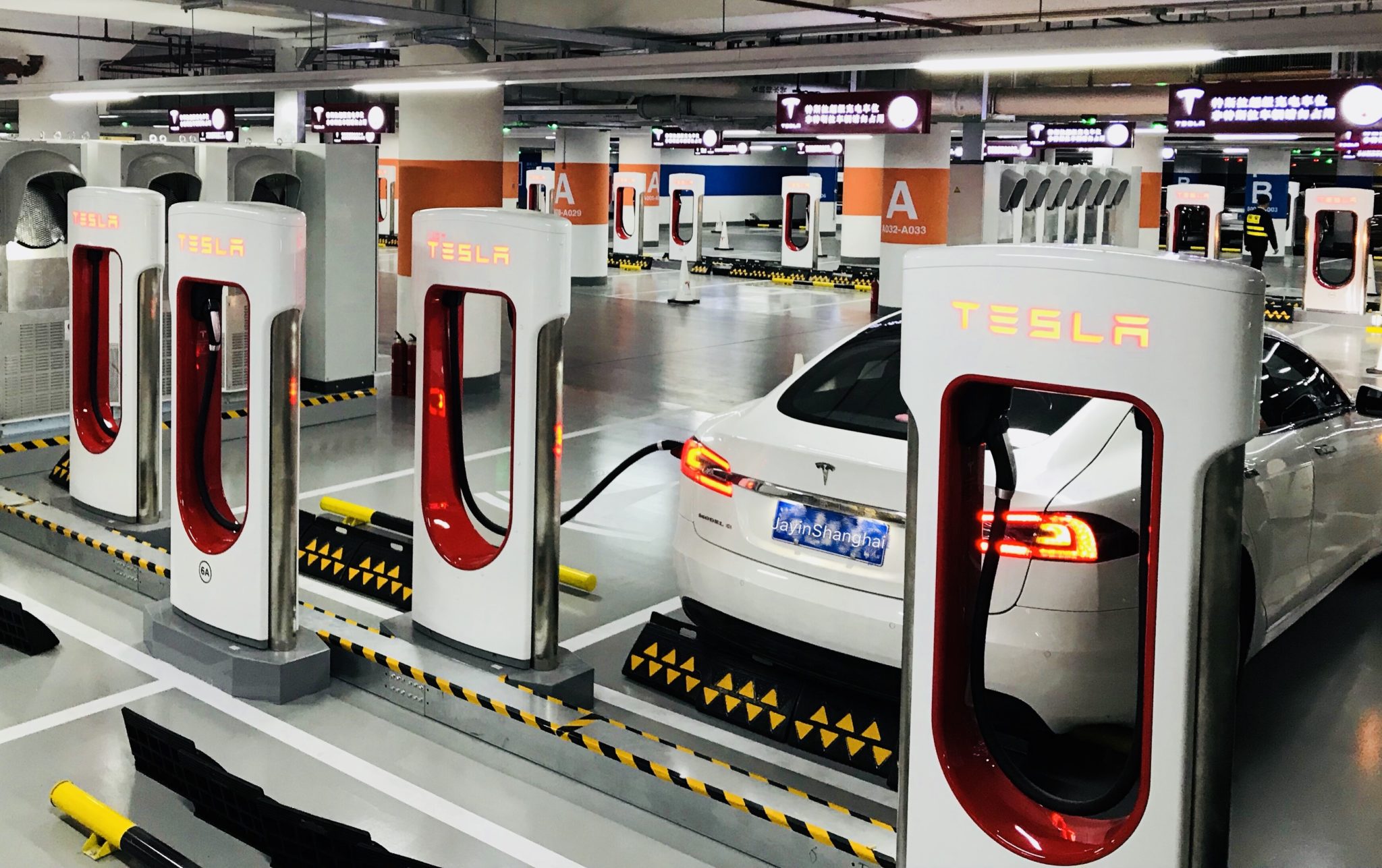
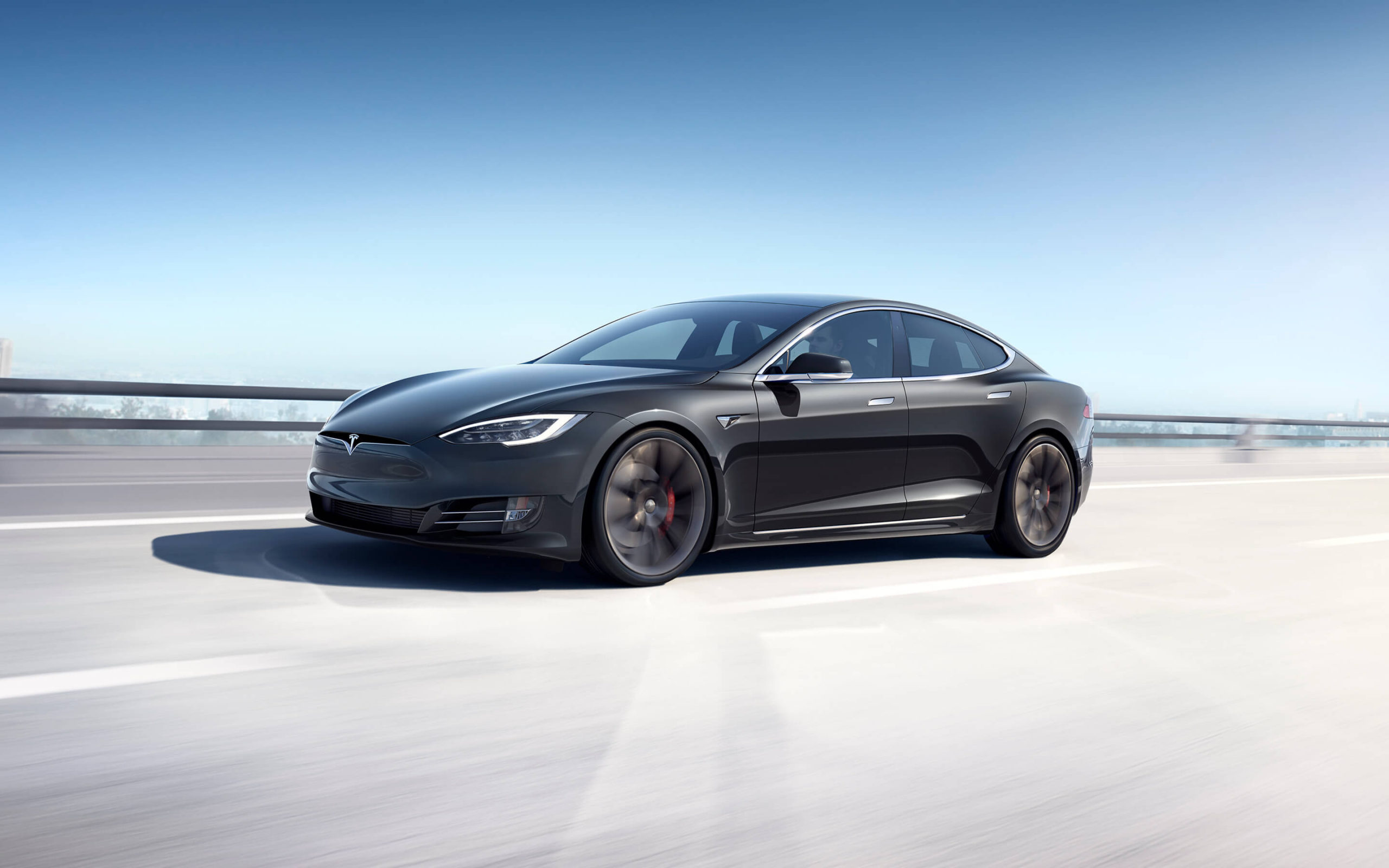
    Tesla has been expanding its supercharger network at a rapid pace and now the world’s most valuable automaker has unveiled the world’s largest supercharger station in Firebaugh, California. This supercharger station has been in development for a couple of months and it will have 56 supercharging stalls. In China, Tesla already has stations with 50 stalls, 56 is a new record.

    This is going to make the supercharger station significantly larger than the average station Tesla has in the US. The station is located between the Bay Area and Los Angeles which is obvious as Elon Musk himself stays in Los Angeles and Tesla’s original market was predominated by people in Silicon Valley and Hollywood. These two also represent the two largest markets for the electric car maker.

    Tesla has also built solar canopies, a restaurant and convenience stores at the location which makes the charging pitstop a little more engaging. The solar canopies are meant to provide shade to the vehicles while also helping power the supercharger station.

    This comes after the company has launched a new self-driving beta which improves the autonomous capabilities of its cars. It also comes at a time where the company has unveiled new models of the Model 3 and Model Y which have a greater range.

  • Nissan Magnite Pre-Bookings Begin At Dealer Level

    Nissan Magnite Pre-Bookings Begin At Dealer Level

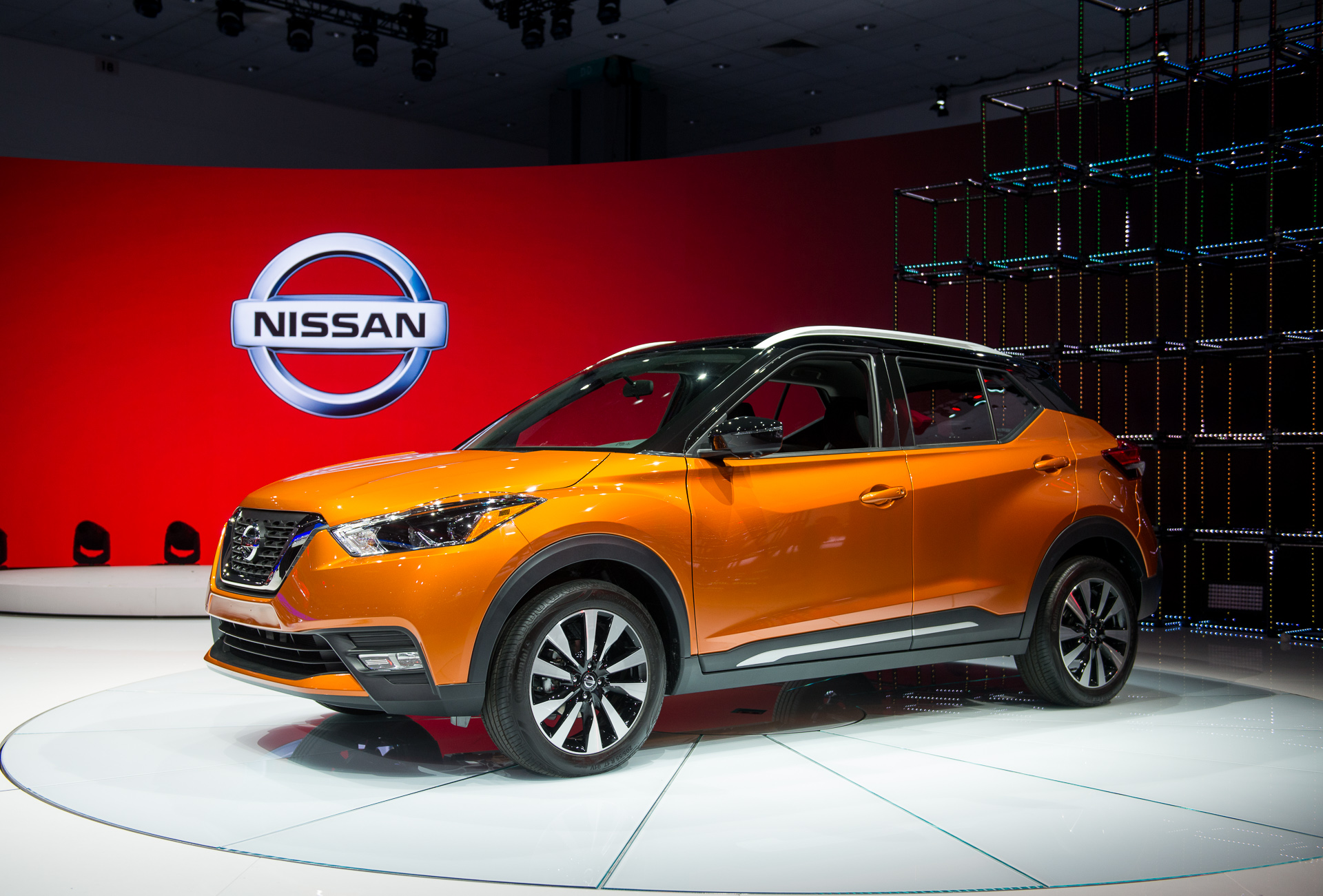
    Nissan India will be launching the Magnite Subcompact SUV in India on November 26, 2020. It is one of the highly awaited subcompact SUVs in India. We have now learnt that select dealerships in Mumbai and Delhi are accepting unofficial bookings for the 2020 Magnite for a token amount of ₹ 25,000. The carmaker has already revealed key specifications and features of the car. Recently, the variant-wise prices of the SUV were leaked online, suggesting that it will get a starting price of ₹ 5.5 lakh (ex-showroom).

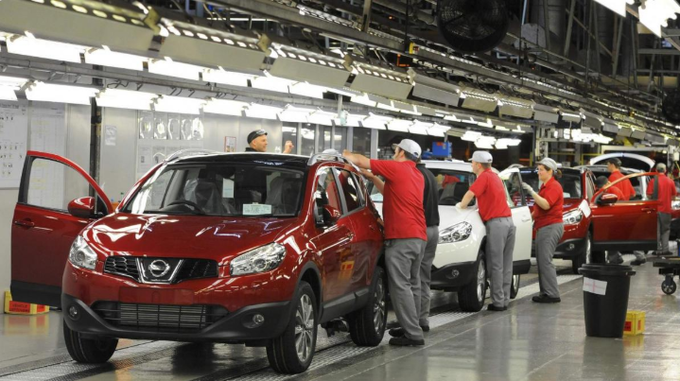
    The upcoming Magnite will be Nissan’s first subcompact SUV in India which will be pitted against the likes Kia Sonet, Maruti Suzuki Vitara Brezza, Hyundai Venue, Mahindra XUV300 among others. The company commenced the production of the subcompact SUV at its manufacturing facility, in Oragadam, Chennai. The same facility will be used for catering domestic and export markets.

    The exterior appeal of the SUV will be highlighted by a large chrome bordered grille featuring sleek headlamps and LED projector lights with LED daytime running lamps. It will also 16-inch dual-tone alloy wheels, silver roof rails, silver faux skid plates, wheel arches, underbody cladding, LED tail lights, dual-tone roof option and much more. The car will be based on Renault-Nissan Alliance’s CMF-A+ platform. The new Nissan Magnite will be offered in four key trims – XE, XL, XV Upper and XV Premium.

    On the inside, the Magnite SUV will get all-black interior which will be complemented by several features like 7-inch fully digital instrument cluster, 8-inch infotainment system with Apple CarPlay and Android Auto support, multi-functional steering wheel, automatic AC, electrically adjustable and foldable ORVMs, push-button start, wireless charging, segment-first 360-degree camera and much more. As for safety, the SUV will be equipped with ABS with EBD, dual airbags and anti-roll bars, vehicle dynamics control, hill start assist, traction control and Tyre Pressure Monitoring System.

    The soon-to-be-launched Nissan Magnite SUV will come in two petrol engine options – the 1.0-litre naturally aspirated motor and the new 1.0-litre turbocharged petrol engine. The former will be tuned to produce 71 bhp and 96 Nm of power figures, while the latter will churn out 99 bhp and 160 Nm of peak torque. Transmission options will include a 5-speed manual and a CVT automatic transmission.

    The naturally aspirated petrol variant will return 18.75 kmpl of mileage, while the manual variant with 1.0-litre turbo-petrol engine will offer a mileage of 20 kmpl. However, the and CVT version with turbo-petrol will provide 17.7 kmpl of mileage.

  • Volkswagen To Invest 1 Billion Euros In Slovakia Plant

    Volkswagen To Invest 1 Billion Euros In Slovakia Plant

    Volkswagen plans to invest 1 billion euros ($1.18 billion) in its Slovak plant, including 500 million euros to produce next-generation Passat and Skoda Superb models, VW Slovakia Chairman Oliver Gruenberg said on Monday.

    The German carmaker’s investment will be in projects across the model range made in Slovakia and will create 2,000 jobs in the coming years, personnel chief Sebastian Krapoth said.

    The auto industry, led by Volkswagen and three other carmakers, is the backbone of Slovakia’s manufacturing and export sectors.

    Skoda had announced on Friday that production of its higher-end model, Superb, would move to Slovakia. The Superb and Passat share the same platform and many parts.

    That followed the cancellation of plans to source production in Turkey. It also upset unions at Volkswagen’s Czech unit, Skoda Auto, home to the Superb brand over the past two decades.

    “Total investments for Bratislava are being planned in the range of 1 billion euros,” Gruenberg told a news conference broadcast live on television. “It is an investment across the entire model range at Volkswagen Slovakia.”

    He said the plan will not add overall production capacity at the plant, which made 377,750 cars last year. The plant, which mostly produced top-end models such as the Audi Q7 and Porsche Cayenne, exports more than 99% of its output.

  • Rolls-Royce supplies power solutions for SpaceDC’s first Indonesian green focused data center facility

    Rolls-Royce supplies power solutions for SpaceDC’s first Indonesian green focused data center facility

    Space officially launched its new ID01 25.45MW data centre campus with Rolls-Royce technology on 4 November 2020. It is the first green-focused data center in Indonesia. With innovative design and infrastructure, SpaceDC enables a power usage effectiveness (PUE) of 1.3, which is changing the industry’s approach to carbon footprint and ensures uptime for the users. Three MTU gas and diesel systems from Rolls-Royce with the latest exhaust after-treatment technology provide efficient and clean base load and emergency power as well as cooling.

    “There is a growing demand for local data centres in Southeast Asia, even more since the Covid-19 crisis”, says Darren Hawkins, CEO of SpaceDC. “With the trend of decarbonization, new concepts of power supply for data centres are at the forefront.” SpaceDC is a data centre provider who aims to lower the environmental impact of data centres. “This company philosophy fits very well with Rolls-Royce’s goal of continuously enhancing the eco-friendliness of our drive and energy systems and bringing them closer to CO2 neutrality,” explains Andreas Görtz, Vice President Power Generation at Rolls-Royce Power Systems.

    For the JAK2 facility in Jakarta, Rolls-Royce supplied three containerized gas and diesel systems.

    The diesel systems, which secure the power supply of the data centre, comprise two MTU 20V4000 DS3300 gensets in a 40 ft container with SCR systems to reduce emissions.

    “Reliable backup power is the lifeblood for any data centre – and it is absolutely fundamental in creating a world class facility,” said Darren Hawkins. “In designing our JAK2 data centre, we selected Rolls-Royce, with its MTU products, as our partner because they provide the best in market technology and power efficiency for this data centre, which is aligned with our vision of meeting international standards as part of the overall value proposition to our customers in the region and beyond.”

    A 20-cylinder MTU Series 4000L64 FNER gas genset in a 40ft container is installed as CHP (Combined Heat and Power) application with a total efficiency of above 90%. The system will provide baseload electricity and cooling via an absorption chiller utilising the exhaust gas heat to provide cooling. The MTU gas systems offer best in class power density and have been designed specifically to withstand hot and humid conditions. This is especially crucial for the facility in Jakarta where the climate is tropical almost year-round. The MTU power solutions offer an extended Time Between Overhaul (TBO) of 84,000 hours, requiring less maintenance and overhaul intervals for maximum productivity and reliability.

    “Deploying generators in a tropical environment like Indonesia comes with a unique set of challenges, especially for a data centre environment where uptime is absolutely critical. We’re proud that our Series 4000 generator sets will help SpaceDC meet the special demands of the location and ensure the highest levels of reliability for their customers,” said Andreas Görtz.

    “Working with Space, we’ve seen great synergy in developing complete power generation solutions that are market-leading in terms of efficiency and reliability. And we are proud that they chose us as a partner to support them with our sustainability service and backup power”, said Waluyanto Sukajat, Acting Managing Director, PT. MTU Indonesia.
  • 18th U.S. Takata Death Reported, First In A BMW

    18th U.S. Takata Death Reported, First In A BMW

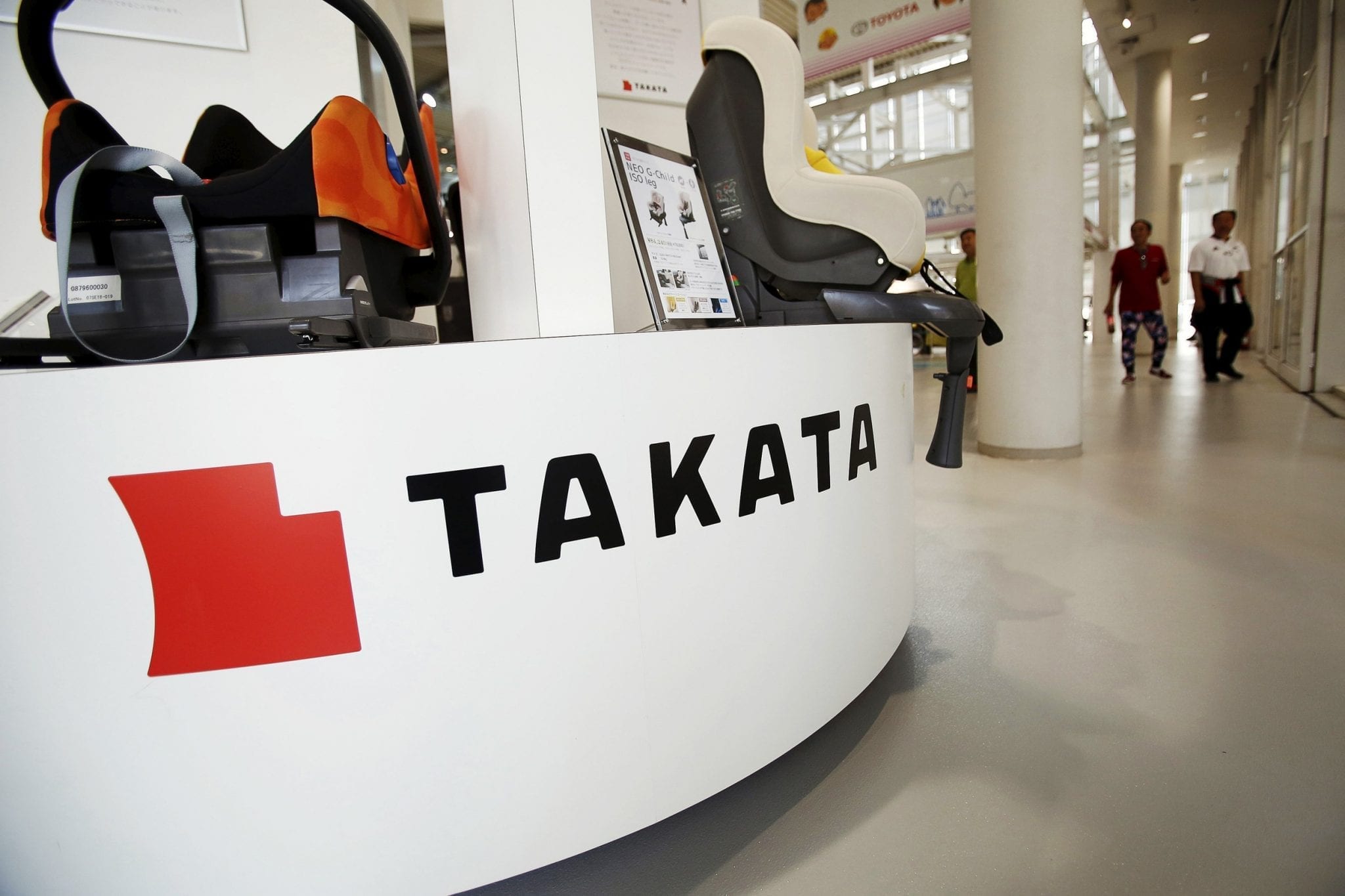
    A U.S. auto safety regulator said on Thursday it identified the 18th U.S. death tied to a Takata airbag inflator rupture after the review of a recent BMW crash. The National Highway Traffic Safety Administration (NHTSA) said it had concluded a Takata airbag inflator rupture during a September crash in Arizona had led to fatal injuries of the driver. This was the first reported Takata death in a BMW vehicle after 15 U.S. deaths in those of Honda Motor Co and two in Ford Motor Co vehicles since 2009.

    BMW said its “engineers will work closely with federal investigators to inspect the vehicle and to understand the details of the incident.”

    The German automaker added it had “been working diligently to identify and contact owners of these older vehicles equipped with recalled Takata airbags.”

    The defect, which leads in rare instances to airbag inflators rupturing and sending metal fragments flying, prompted the largest automotive recall in U.S. history of about 63 million inflators. Worldwide, about 100 million inflators by 19 major automakers were recalled.

    More than 290 U.S. injuries are also tied to faulty Takata inflators and at least 27 deaths worldwide. The issues especially affects older vehicles with long-term exposure to hot, humid conditions. A number of the deaths have occurred in Arizona. Millions of unrepaired airbags remain in cars on U.S. roads.

    NHTSA said in a statement Thursday the “incident underscores the importance of replacing every recalled Takata airbag. When notified of a safety defect, we urge vehicle owners to immediately contact their automaker’s local dealer to schedule a free repair.”

  • Nissan Explores Possible Sale Of 34% Stake In Mitsubishi Motors

    Nissan Explores Possible Sale Of 34% Stake In Mitsubishi Motors

    Nissan Motor Co may sell its 34% stake in Mitsubishi Motors Corp in what would be a fundamental change in a three-way alliance that also includes France’s Renault SA, Bloomberg News reported, citing unidentified sources.

    Nissan is considering looking for potential buyers, which could include other shareholders such as trading firm Mitsubishi Corp, as it is worried it may struggle to recover from a downturn caused by the coronavirus pandemic, Bloomberg said.

    “There are no plans to change the capital structure with Mitsubishi,” Nissan told Reuters in an emailed statement.

    Nissan, which has 34% stake in Mitsubishi Motors, is worried it may struggle to recover from a downturn caused by the coronavirus pandemic

    Nissan, which is 43% owned by Renault, last week cut its operating loss forecast for the year to March by 28% to 340 billion yen (2.5 billion pounds), helped by a rebound in demand, especially in China.

    Mitsubishi Motors, Japan’s No.6 automaker, expects to post an operating loss of 140 billion yen for the business year.

    Both companies are cutting production levels and costs in a bid to return to profitability.

  • Google Maps Street View might soon allow users to upload their own photos of places and streets

    Google Maps Street View might soon allow users to upload their own photos of places and streets

    Google Maps is now one of the most popular navigation and exploration tools, and a new feature coming to its Google Street View might soon allow people to upload photos to make sure hardly reachable areas of streets or cities can be visible in Google Street View. The feature to upload images will be present in the standalone app Google Street View, which will allow you to use your smartphone to contribute to Google Maps.

    In the beginning, in order to be able to place you on a street in Google Maps, Google had cars that went about with big 360-degree cameras that took photos of the streets. This later helps anyone who needs more precise navigation or to get a feel of the streets in Google Maps and Google Street View to virtually place themselves in the middle of the street and look around.

    Now, to further this capability and make previous unavailable-for-visualization places accessible, Google’s Street View will have a feature that can use your smartphone to take photos of the place as you drive. Reddit user -J-G- spotted the feature in Google Street View Driving mode. Additionally, Google might need to use some image processing and software to merge the photos together for a 360-angle view.

    As expected, the app will blur faces and vehicle plates, protecting the privacy of everyone while at the same time providing more images and visualization to Google Street View in places unreachable for Google alone.

  • Hyundai Looks Ahead To New SUVs In 2021 And Urban Air Taxis By 2028

    Hyundai Looks Ahead To New SUVs In 2021 And Urban Air Taxis By 2028

    South Korean automaker Hyundai Motor Co is supercharging its product portfolio next year with the introduction of several new SUVs, while looking even farther out to the launch of its first urban air taxis toward the end of the decade, the company’s top U.S. executive said on Monday.

    “We are all-in on autonomous vehicles,” as well as electric vehicles, said Jose Munoz, president and CEO and Hyundai Motor North America, at an Automotive Press Association teleconference.

    His remarks come at a time when investment in robo-taxis has slowed, even as the global pandemic has spurred interest in personally-owned vehicles, especially trucks and SUVs. Hyundai hopes to tap that interest next year with the all-new Santa Cruz, a compact utility vehicle with a pickup bed, and the Ioniq 5 crossover, the first in a series of new all-electric models.

    Early next year, the redesigned Tucson compact crossover goes into production at Hyundai’s Montgomery, Alabama plant, which also will begin building the Santa Cruz in late spring as part of a $410 million expansion. Munoz said Hyundai will work with the new Biden administration to develop infrastructure to support battery-electric and hydrogen-electric vehicles.

    He seemed most excited by Hyundai’s work with Motional – its $4 billion (£3 billion) self-driving technology joint venture with Aptiv PLC and its partnership with Uber Technologies on urban air taxis, which Munoz predicted would be in operation at such major U.S. airports as LAX in Los Angeles and JFK in New York “by 2028, maybe earlier.”

    Hyundai already is developing “flying devices” powered by electric motors and batteries that can transport five to six passengers from highly congested urban and suburban centers to those airports, Munoz said. “We see a lot of opportunities ahead of us in autonomous vehicles,” including air taxis, he said.

  • Tesla Is Looking To Move to AMD Navi Chips For The Media Control Units On Its Cars

    Tesla Is Looking To Move to AMD Navi Chips For The Media Control Units On Its Cars

    While Tesla has moved away from Nvidia’s silicon for its self-driving autonomous car capabilities, it still uses Nvidia’s Tegra mobile chips for the media control unit or MCU on its vehicles. It seems like Tesla wants to fully break up as it is considering AMD’s new Navi chips which form the basis for its new GPUs and the GPUs AMD has supplied both Microsoft and Sony for the Xbox Series X and PlayStation 5.

    Tesla has already switched to Intel-based x86 processors for its MCU on many vehicles and AMD’s Navi system on chips will have the same x86 architecture which will make the transition less painful. Patrick Schur has shared a document on Twitter which indicates that Tesla is particularly looking to move to AMD’s Navi 23 chip.

    Announced in October, AMD’s latest chips are said to match Nvidia’s GPUs in performance and outflank Intel’s CPUs in the same department while being significantly cheaper than products from the two companies.

    “Groundbreaking AMD RDNA 2 gaming architecture delivers up to 2X higher performance and up to 54 percent higher performance-per-watt compared to AMD RDNA-based graphics cards,” AMD says in a press statement describing its new Navi chips which are based on the RDNA 2 architecture.

    Tesla has also been hiring game developers which could mean that the world’s most valuable automaker could be very serious about gaming inside the vehicle. It is a strange choice but GPU compute these days is regardless more important than GPU compute for even AI tasks.

    This chip is said to be more powerful than Nvidia’s chips.

    Tesla has been at the forefront of this trend – it developed its own self-driving chip which it claims is better than Nvidia’s Xavier platform. For this, it even hired legendary chip designer Jim Keller, who has had stints at Intel, AMD and Apple. Jim Keller left Tesla in 2019 to join Intel but his stint at the iconic Santa Clara-based company also came to an end in June of this year.

  • Virgin Hyperloop Tests First Hyperloop With Humans Aboard

    Virgin Hyperloop Tests First Hyperloop With Humans Aboard

    Virgin Hyperloop has become the first company dabbling in Hyperloop which is an ultra-fast mode of grounded transportation, with humans aboard. This test took place this Sunday at the company’s DevLoop test track in the desert outside Las Vegas, Nevada. The Hyperloop featured two passengers.

    The first two passengers were Virgin Hyperloop’s chief technology officer and co-founder Josh Giegel, and its head of passenger experience Sara Luchian.

    The Hyperloop pods dubbed the Pegasus was transferred into an airlock as the air inside the enclosed vacuum tube was removed. The pod then accreted at 160 kmph down the length of the track.

    Virgin Hyperloop was founded in 2014 after the original concept for the Hyperloop was shared by Tesla and SpaceX founder and CEO Elon Musk. Musk’s original concept claimed that Hyperloop would be able to achieve a top speed of 1,223 kmph in nearly airless tubes.

    The DevLoop track is just 500 metres in length and 3.3 meters in diameter which is also one of the reasons why the top speed wasn’t as extreme. The company now claims that it has completed over 400 tests.

    “No one has done anything close to what we’re talking about right now,” said Jay Walder, CEO of Virgin Hyperloop, told The Verge. “This is a full scale, working hyperloop that is not just going to run in a vacuum environment but is going to have a person in it. No one has come close to doing it,” he added.

    Giegel has revealed the acceleration of the Hyperloop will be similar to a plane taking off. The pod is propelled by magnetic levitation, a type of technology already used in MagLev trains in China which can achieve speeds of up to 480 kmph.

    The pod which is called Pegasus was designed with the help of danish architect Bjake Ingels. This is actually a scaled-down version of the pod that Virgin Hyperloop plans on commercializing. It weighs 2.5 tons and measures 15-18 feet long.

  • Suzuki Expects Annual Profit To Shrink By A Quarter As India Sales Slump

    Suzuki Expects Annual Profit To Shrink By A Quarter As India Sales Slump

    Suzuki Motor Corp on Thursday forecast operating profit to fall by a quarter to 160 billion yen ($1.5 billion) in the year to March as sales, including in its key Indian market, shrink amid the coronavirus pandemic. That prediction was more than an average estimate for a 124.3 billion yen compiled from 14 analysts polled by Refinitiv.

    Suzuki’s Indian car sales in the first half of the year fell 36% to 432,000 vehicles, and dipped in other markets, including Japan, Indonesia and Europe as people stay away from dealerships.

    “We don’t know what will happen with the coronavirus in India or what measures the government will implement, so that makes the market difficult to predict,” Suzuki’s president, Toshihiro Suzuki said in a conference call.

    India accounts for just over half of Suzuki’s global car sales. Through its majority stake in Maruti Suzuki India Ltd, the company accounts for roughly one in every two cars sold in the country.

    Last business year, Maruti Suzuki paid Suzuki 38.2 billion rupees in royalties, or about 5% of its revenue, according to its annual report

    For the full business year, the Japanese automaker expects to sell 2.38 million cars worldwide, 16.6% fewer than the previous twelve months.

    The forecast came as Suzuki posted a 73.6 billion yen operating profit in the three months ended Sept. 30 compared with a profit of 55.9 billion yen a year earlier, according to Reuters’ calculations.

    Japan’s fourth-largest automaker had declined to give a full-year forecast when it reported it first-quarter results.

  • Volvo Cars Thailand launches an expansive new warehouse in Thailand

    Volvo Cars Thailand launches an expansive new warehouse in Thailand

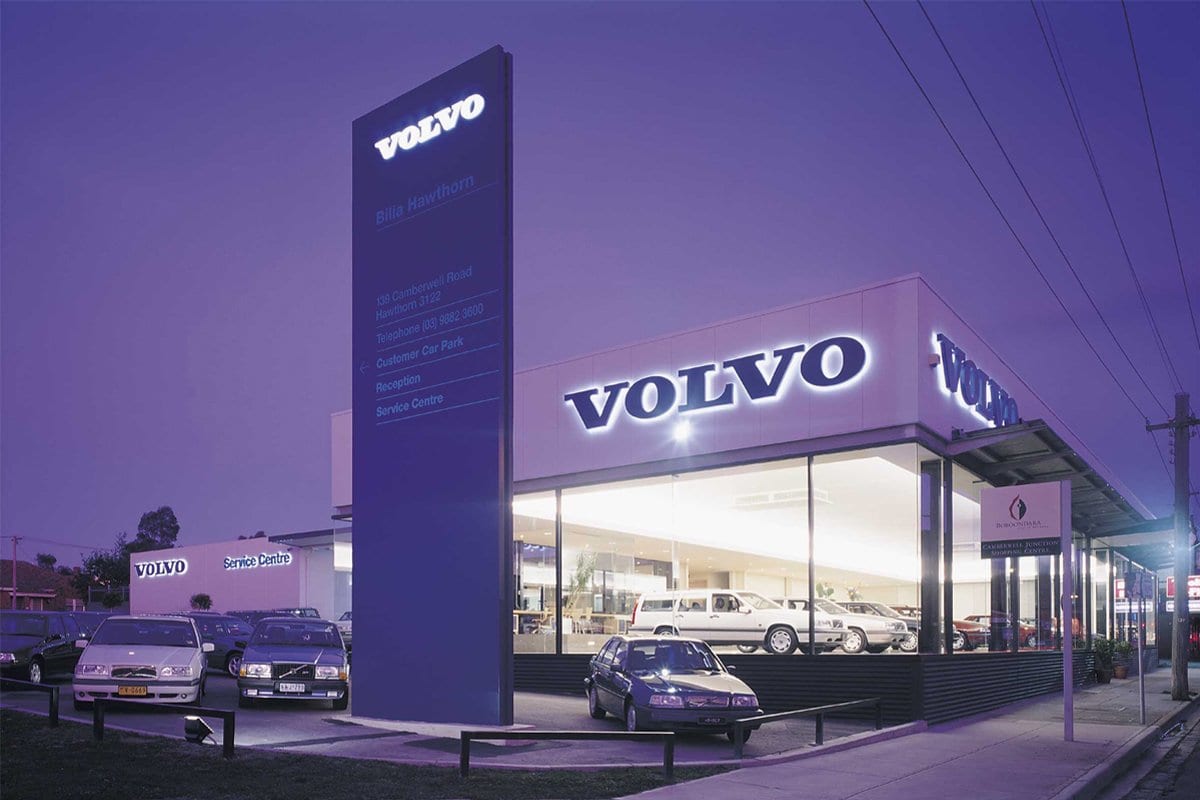
    Volvo Cars Thailand officially launches an exciting and innovative new dedicated Volvo warehouse for the first time in Thailand. The “VOLVO CAR THAILAND CENTRAL DISTRIBUTION & TRAINING CENTER” (VCT CDTC) on Bangna-Trad Road Km 23, Samut Prakan Province, spread over an area of 23,331 square meters, is set to become Volvo’s one-stop hub in ASEAN and is the result of an investment of over 1 billion baht. The warehouse can store up to 550 Volvo cars with efficient spare parts management. There is also a comprehensive vehicle condition inspection department with world-class technology ensuring that every Volvo delivered to dealers across the region, and for direct delivery to customers, is in perfect condition. In addition, there is an international training center and a dedicated performance-testing center for the press. This warehouse has been developed to support future growth and expansion for Volvo’s business in Thailand and is in line with Volvo’s strategic plan and vision of becoming a regional leader in the premium car business.

    Mr. Chris Wailes, Managing Director, Volvo Car (Thailand) Limited, said, “Our new Volvo Car Thailand Central Distribution & Training Center, or VCT CDTC warehouse, is specially designed for Volvo Cars Thailand, in collaboration with our partners, the WHA Group. It is equipped with cutting-edge technology to manage warehouse and spare parts stock and has been designed to support our long-term strategic plans for Thailand. Our focus, as always, is on quality; all our new cars undergo a thorough quality check and steps before being delivered to our retailers and customers. This level of care and attention ensures every vehicle that leaves the warehouse is in perfect condition for the customer. We have also planned ahead and installed a new battery charger for recharging cars the electric cars we will be launching next year. We are confident that this new warehouse will play a major role in moving Volvo’s business forward in the future.”

    Volvo Car Thailand Central Distribution & Training Center (VCT CDTC) covers an area of 23,331 square meters, this expansive warehouse has been Built-to-Suit in cooperation with WHA Corporation Public Company Limited. Volvo has a comprehensive warehouse management plan developed to be the center of five key Volvo business units:

    • Distribution Center: a large distribution center equipped with a high-tech management system conveniently located to facilitate easy transportation access and enable Volvo cars to be efficiently delivered to customers and distributors across the region.
    • Pre-Delivery Service (PDS): this service provides Volvo vehicle condition inspection services that meet our stringent world-class standards, with a software station for ensuring that all software and systems are in perfect condition before the car leaves for delivery and is the first of its kind to be launched in Thailand. This dedicated software program has been developed specifically for Volvo cars only, ensuring each and every car that leaves the center is in perfect conditions, this adds an additional level of confidence for distributors and customers across the region.
    • Parts Distribution Center: providing the management and distribution of Volvo car parts and accessories supported by the latest in warehouse technology so as to enhance the efficiency of both before and after-sales services as well as supporting the lifetime warranty for Volvo parts and accessories (Customer Lifetime Parts Warranty).
    • Training Center: the new Volvo mechanic and sales consultant training center, operated by a team of experienced professionals from Volvo Cars (Thailand) Co., Ltd. The training center has been transformed into a modern new workshop under the concept of Volvo Personal Service (VPS) with an atmosphere that is elegant, airy, and resplendent in Scandinavian style, reflecting the aesthetic found at all Volvo car centers throughout the country.
    • Press Car Center: developed specifically for the testing and performance of Volvo cars for the press, all coordinated under the supervision of the PDS Center (Pre-Delivery Service Center) and the Press Car staff, so as to provide Volvo car test drives for the media. With VCT CDTC’s extensive space, there is ample private parking space for the press with a 24-hour a day security system, including a lounge area, and Volvo staff on hand to give professional and informed advice on all cars and services.

    Volvo Cars always prioritize the customer experience and know it is one of the most important factors when it comes to owning a Volvo and as such makes every aspect of Volvo’s operations, from warehouse to showroom, align with this concept.

    “Our goal is to provide a streamlined, efficient, and advanced experience for all our staff whose job it is to coordinate all sectors of our business, including working with all our distributors, customers, and the media. Volvo can clearly see the great potential for current and future growth in the premium car sector in Thailand. The opening of this new and expansive one-stop warehouse is an integral part of Volvo’s vision to become a true leader in the premium vehicle business in this country and is part of our infrastructure plans to make Thailand Volvo’s future business center in the region.” Mr. Chris Wailes added.