Tag: Auto

  • Bentley Continental GT Mulliner Revealed

    Bentley Continental GT Mulliner Revealed

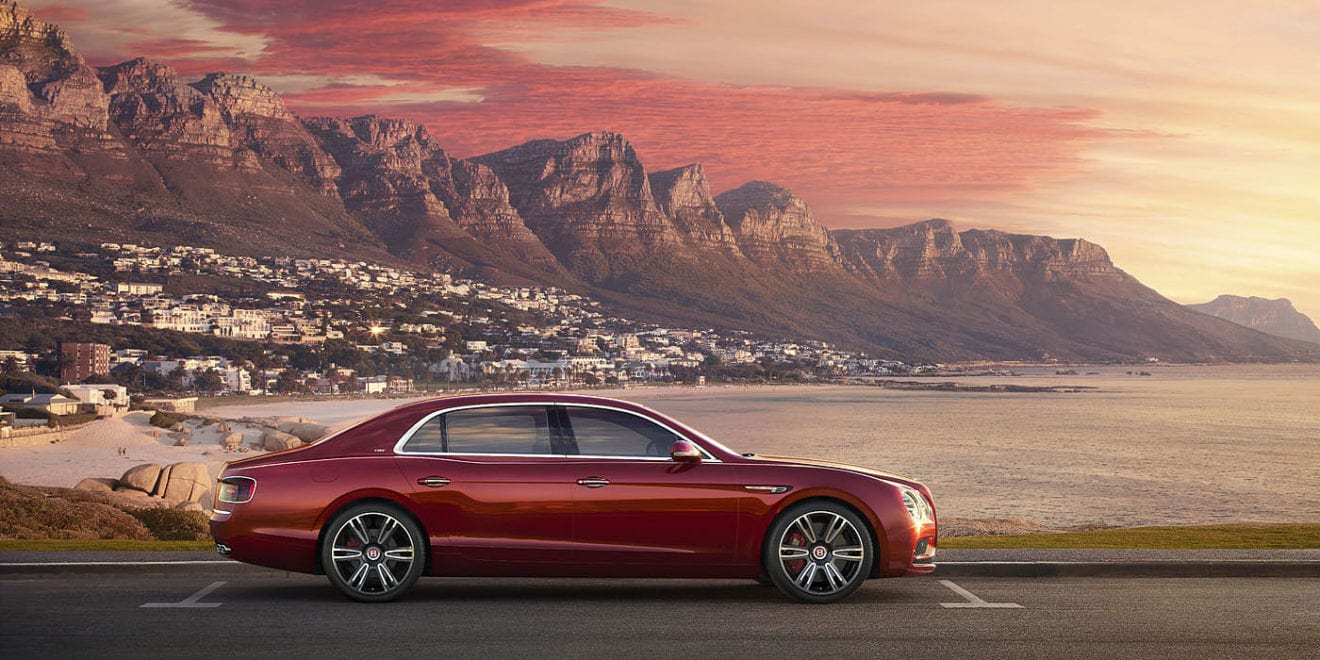
    Bentley took the wraps off the Continental GT Mulliner and will be showcasing it at the upcoming Geneva Auto Show as well. It will be a limited edition model and it will also be the flagship of Continental GT range. We all know Bentley for making uber-luxurious cars, but the Continental GT Mulliner is the next level, as far as comfort and exclusivity is concerned. Bentley says that this car is made for those who want an “even greater focus on beautiful details”. The new Continental GT Mulliner gets a new double-diamond grille, which looks gorgeous and is complemented by ‘Mulliner’ branded side vents with the silver-on-black diamond scheme.

    Apart from that, the interior too gets the typical Bentley diamond-on-diamond quilting on the seats, door panels, and the tonneau cover as well. The threads are of different colors so as to accentuate the stitching. Each diamond gets exactly 712 stitches. There will be eight three-color combinations, all of which are custom made. The center-piece is the Breitling timepiece on the dashboard, which is finished in brushed silver and gets a quartet of chrome bullseyes offering a lovely bejeweled look. Other features include 7 different themes for mood-lighting along with illuminated tread plates and LED welcome lamps that project the Bentley logo on the ground as you step inside.

    Each Continental GT Mulliner gets a ‘Naim for Bentley’ premium audio system which includes 18 speakers and two active bass transducers, driven by a 2,200 watt, 20-channel amplifier and also gets eight DSP sound modes with an active bass.

    The Bentley Continental GT Mulliner can be specified with either the V8 or the W12 powertrains. The 6.0-liter twin-turbo W12 motor enables the car to do a 0-100 kmph sprint in 3.8 seconds and reach a top speed of 333 kmph. The 4.0-liter Twin-turbo V8 Mulliner model does the 0-100 kmph sprint in 4.1 seconds and has a top speed of 318 kmph.
  • Renault Files Civil Claim Against Carlos Ghosn

    Renault Files Civil Claim Against Carlos Ghosn

    French car giant Renault said Monday it was filing a civil claim for damages against former CEO Carlos Ghosn over alleged financial misconduct.

    “Renault has filed a legal action to assert its rights” the company said in a statement, adding that it reserved the right “to solicit damages with interest” from an investigation into numerous claims of financial misconduct in France.

    On December 29, former Nissan, Renault boss Carlos Ghosn, who was under house arrest facing charges of diverting millions in company funds for his personal use, walked out of his house in Tokyo wearing a hat and a surgical mask.

    Lawyers for Brazilian-born Ghosn, who jumped Japanese bail in December and is now in his native Lebanon, on Friday delayed a lawsuit seeking a hefty retirement payout for their client from Renault, saying the company had not given them enough time to prepare arguments.

    Ghosn is seeking a 250,000 ($270,000) retirement payout, which Renault refuses to pay because it says he was forced to quit after his shock November 2018 arrest in Japan on multiple charges of financial wrongdoing.

    The former industry titan claims he retired in due form of his own accord.

    He faces a French inquiry into two parties he threw at the Palace of Versailles, including his opulent 2016 wedding, allegedly financed in part by Renault funds.

    A party for his 60th birthday two years earlier, replete with musicians, a top chef, period costumes for attendees and a firework display ostensibly to mark 15 years of the Reault-Nissan alliance allegedly cost 530,000 euros.

    Ghosn is also under investigation by France’s tax fraud office over suspicious financial transactions between Renault and its distributor in the Gulf state of Oman, and over contracts signed by Renault and Nissan’s Dutch subsidiary RNBV, the public prosecutor said last week.

    In Japan, he still faces multiple charges including a claim he under-reported millions of dollars in salary as chairman of Nissan.

    He has denied all the charges but fled while on bail before he could face trial.

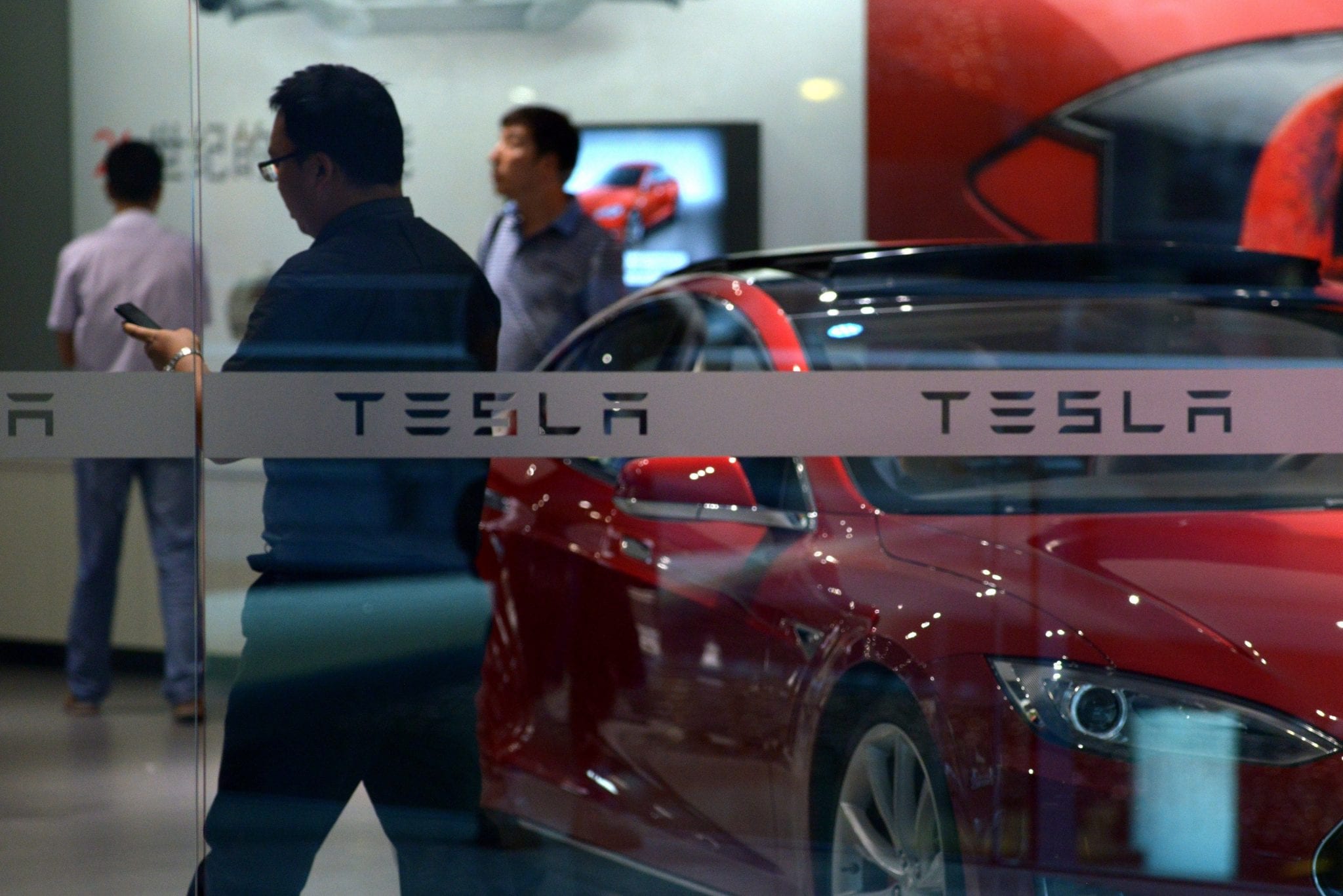
  • Tesla Gets Court Approval To Clear Forest For German Gigafactory

    Tesla Gets Court Approval To Clear Forest For German Gigafactory

    Tesla got approval from a German court on Thursday to continue to cut down forest near the capital Berlin to build its first European car and battery factory, in a defeat for local environmental activists.

    The court said in a statement it had rejected urgent applications to stop the land being cleared of trees from several environmental groups, adding its ruling was final. It had temporarily halted the tree felling earlier this month.

    The U.S. electric carmaker announced plans last November to build a Gigafactory in Gruenheide in the eastern state of Brandenburg that surrounds Berlin, a decision that was initially lauded as a vote of confidence in Germany.

    However, local and national lawmakers were caught out by the strength of opposition to the Gigafactory, with hundreds of demonstrators protesting over what they say is the threat it poses to local wildlife and water supplies.

    Lawmakers from Germany’s pro-business Christian Democrat and Free Democrat parties had warned that the legal battle waged against the Gigafactory would inflict serious damage on Germany’s image as a place to do business.

  • Great Wall Motor To Purchase GM’s Thailand Manufacturing Plant

    Great Wall Motor To Purchase GM’s Thailand Manufacturing Plant

    Great Wall Motor announced that it has signed an agreement for the purchase of General Motors’ manufacturing facility in Rayong, Thailand. This announcement is subject to government and regulatory approvals. Under a signed binding term sheet, GM Thailand and GM Powertrain Thailand legal entities, which include the Rayong vehicle assembly and powertrain facilities, will transfer to GWM. GM and GWM are targeting the end of 2020 to close the deal and hand over the site.

    The acquisition of GM’s Thai Rayong plant will help the business development of Great Wall Motor in Thailand and the ASEAN market. Great Wall Motor will expand through the entire ASEAN region with Thailand as the center, and export its products to other ASEAN countries as well as Australia. Great Wall Motors’ investment will create more jobs in the local area, including direct and indirect employment and further enhance skill development in the automotive industry. GWM will also promote the development of the local supply chain, R&D and related industries, plus contribute more to the exchequer of both the local Rayong and Thailand governments.

    Parker Shi, Vice President, GWM India said, “This agreement marks an important milestone in the overall scheme of things for Great Wall Motor in the ASEAN Region and is a testimony of our global expansion strategy that is now focused on South East Asia including India.”

  • Beijing Auto Show Delayed Due To Coronavirus

    Beijing Auto Show Delayed Due To Coronavirus

    Organizers of Beijing auto show, which is scheduled to be held in late-April, said on Monday the event will be delayed event due to the coronavirus outbreak.

    Across mainland China, officials said the total number of coronavirus cases rose by 2,048 to 70,548, with 1,770 deaths.

  • Auto sales plummets in January

    Auto sales plummets in January

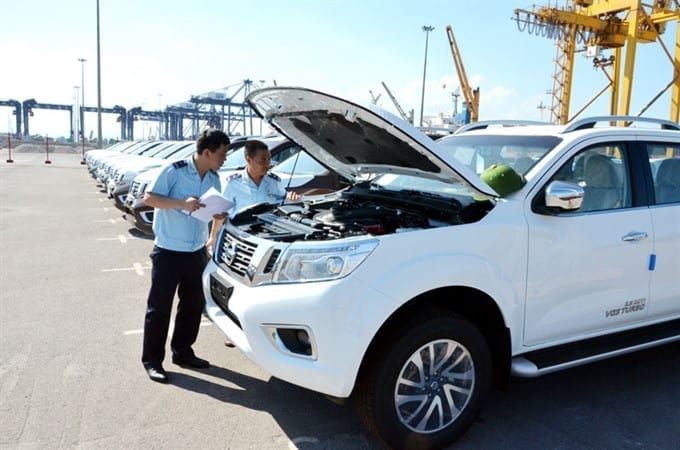
    January automobile sales fell by 52 percent over the previous month and 53 percent year-on-year, according to the Vietnam Automobile Manufacturers Association (VAMA).

    A total of 15,787 vehicles were sold last month, including 12,807 passenger cars, 2,757 commercial vehicles and 223 special multi-purpose vehicles.

    The sales figures were compiled by VAMA, an association of all auto manufacturers in Vietnam except Hyundai TC. The 5,944 units sold by Huyndai TC last month would take the total to 21,731.

    VAMA attributed the decline in sales to the Lunar New Year (Tet) holiday, when the country took a week off (January 23-29). The holiday is usually a quiet period for the car market, it noted, adding that people tend to buy cars at the end of the year, about a month before the Tet holiday, and sales in the days leading up to the break would usually fall.

    Of the vehicles sold, domestically assembled cars still accounted for nearly two-thirds of sales, reaching 9,599 units, down 51 percent over the previous month. Imported completely-built-up (CBU) cars made up the remaining 6,188 units, down 54 percent over December last year.

    Domestic carmaker Truong Hai Auto (Thaco) retained the top spot in January, accounting for over 33 percent of sales by all VAMA members. Trucks and sedans made up most of its sales.

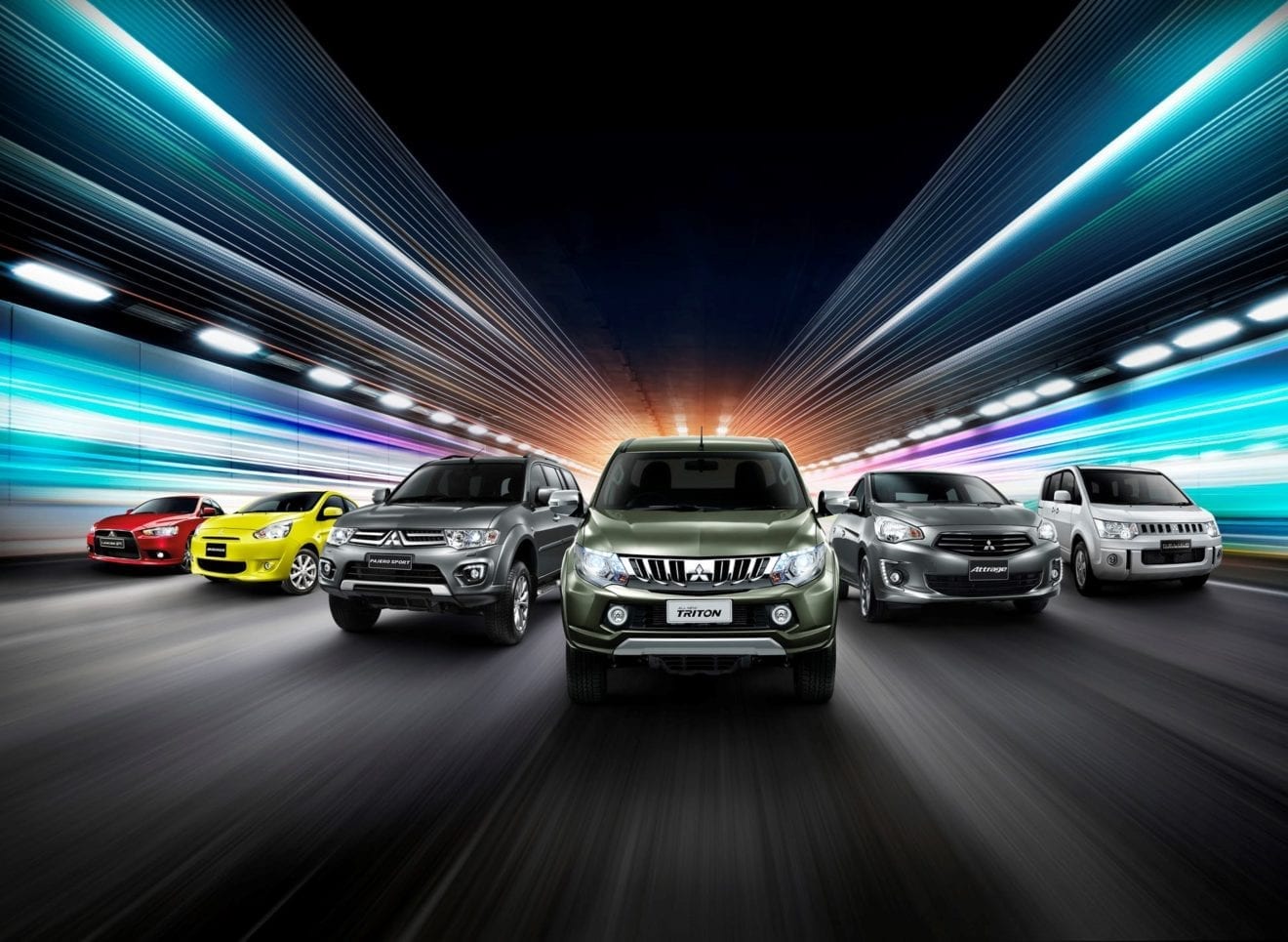
    Toyota Motor Corp. retained its second spot at 25.8 percent, followed by Honda and Mitsubishi, with 12.6 percent and 11 percent, respectively.

    Vietnam saw car sales of 322,322 in 2019, up 11.7 percent year-on-year, according to VAMA.

  • FTC to investigate Google’s purchase of Waze years after the deal closed

    FTC to investigate Google’s purchase of Waze years after the deal closed

    Just a few days ago we told you that the Federal Trade Commission (FTC) had requested information from Google parent Alphabet, Apple, Facebook, Amazon, and Microsoft. The regulatory agency is investigating acquisitions made by the five between Jan. 1, 2010 and Dec. 31, 2019. These are transactions that were small enough to escape scrutiny by antitrust agencies.
    In June 2013, Google acquired the Israeli company behind the crowdsourced navigation app Waze for $1.1 billion. While Google already offered its Google Maps app with turn-by-turn directions, Waze was different. Users exchanged traffic information about accidents, police speed traps, construction and inclement weather conditions that could cause a delay to fellow drivers motoring in the same vicinity. Some considered Waze to be a navigation app and a social media site where drivers could communicate with each other. Most of this still holds true today, although Google has been adding Wave’s best features to Maps. More on that below.
    At the time of Google’s announcement that it was buying Waze, the latter had very minimal U.S. revenue which is why the merger did not have to be reported under the Hart-Scott-Rodino (HSR) Act. The HSR Act requires that the DOJ and the FTC receive a pre-merger notification. The deal is not allowed to close for a period of 30 days while the regulatory agencies investigate. If the agencies don’t take any action after 30 days, the merger can then close.
    It appears that the U.K. gave a more thorough examination to Google’s acquisition of Waze than U.S. regulators did. While investigating the transaction, the U.K. asked Google to keep Waze separate from the rest of its operations. In December 2013, the final report from the Office of Fair Trading said that with the purchase, Google was eliminating the closest competition to Maps. Waze CEO Noam Bardin agreed; just two months before Google announced the deal to buy Waze, the executive said, “We’re the only reasonable competition to [Google] in this market of creating maps that are really geared for mobile, for real-time, for consumers — for the new world that we’re moving into.”
    At the time, many figured that Google would move over some of Waze’s features to Google Maps and shut down Waze since they seemed to compete with each other. Others figured that Google was simply buying Waze to keep it out of the hands of another company. When the deal was announced in 2013, RBC Capital Market analyst Mark Mahaney said that the “move eliminates Waze as a potential acquisition target for competitors who could use the app’s collection of data and 50 million users to bolster their own location-based products.”
    There was some truth to the idea that Google was buying Waze to keep it out of the hands of a competitor. Before Google came in with its bid, Waze was reportedly close to a deal to have its app pre-installed on phones made by an unnamed company. In addition, Waze could have worked out a deal with Facebook that would allow users to meet up at certain locations using Waze’s turn-by-turn directions. The U.K. regulator decided to approve the deal noting that with Apple Maps, there already was a strong competitor to Google Maps in the marketplace.
    Not everyone believes that the merger should have been allowed to go through. Sally Hubbard, director of the enforcement strategy at the Open Markets Institute says, “It was literally Google acquiring its number one competitor in maps. It was a bad deal that should have been blocked.” Google has kept Maps and Waze separate but it has used data collected from Waze to improve the delivery of its ads. As RBC’s Mahaney told clients last September, “New ad formats in Google Maps have clear similarities to existing formats in Waze (coincidence?). Google has now collected enough data through Waze to effectively roll out broader solutions for advertisers in Google Maps and provide them attractive returns on investment without severely impacting the user experience.”
    Google has moved over many of Waze’s best features to Google Maps. Users of the latter can now report accidents, detours and police speed traps with the press of a button. And with a feature taken straight from Waze, Google Maps will now warn you when you are exceeding the speed limit.
    Former Justice Department antitrust official and Yale University economist Fiona Scott Morton believes that the FTC might be interested in the Waze purchase years after the deal closed because the location data Waze collects makes Google’s search advertising more precise. The FTC does have the ability to examine acquisitions made years ago although it isn’t clear what kind of punishment it could impose on Google.
  • Tesla Seeks Approval To Build Longer Range Model 3 Cars In China

    Tesla Seeks Approval To Build Longer Range Model 3 Cars In China

    Tesla Inc is seeking approval from Chinese regulators to offer a new China-made Model 3 variant, a government document shows.

    The variant would have a longer driving range, a source familiar with the matter said.

    Tesla shares overvalued: strategist

    National Securities’ Art Hogan says don’t buy Tesla at current levels because the stock has “gotten ahead of itself.

    Like the current China-made Model 3, which has a standard driving range of more than 400 kilometers, it would be a rear-wheel-drive vehicle, the source said, who was not authorized to talk about the matter and declined to be identified.

    Tesla, which started delivering cars in December from its $2 billion Shanghai factory, also sells longer-range imported Model 3s with an all-wheel-drive in China.

    The electric vehicle maker restarted production in Shanghai on Monday after the government ended an extended holiday that had been put in place due to the new coronavirus outbreak.

  • Mitsubishi Motors Delays Factory Restart In China Due To Coronavirus

    Mitsubishi Motors Delays Factory Restart In China Due To Coronavirus

    Mitsubishi Motors is postponing the restart of its factory with Guangzhou Automobile Group in Hunan province until 27 due to the coronavirus outbreak, the Japanese automaker said on Friday.

    Spectacular sculptures at Harbin’s Ice and Snow Festival

    Drone footage of giant frozen castles and ice sculptures at one of the world’s largest ice and snow festivals in Harbin, in China’s northeast Heilongjiang province, which draws millions of visitors each year.

    It had previously planned to resume operations as early as Feb. 17.

    Mitsubishi has also delayed the restart of its engine plant with Shenyang Aerospace in Liaoning province and another with Dongan Automotive Engine Manufacturing in Heilongjiang province following Lunar New Year holidays.

  • Volkswagen’s Group Deliveries In China Fall 11.3% In January 2020

    Volkswagen’s Group Deliveries In China Fall 11.3% In January 2020

    Volkswagen, one of the world’s biggest carmakers, on Friday said deliveries in China declined by 11.3% in January as the auto sector feels the effects of the coronavirus outbreak.

    The German company said the group, which includes brands like Volkswagen and Audi, delivered 343,400 vehicles in China and Hong Kong. The country is VW’s biggest market.

    Worldwide, group deliveries dropped by 5.2% to 836,800 vehicles, Volkswagen added.

    The China Association of Automobile Manufacturers said on Thursday that the country’s vehicle sales likely fell by almost a fifth in January, marking a 19th consecutive month of decline, hurt by Lunar New Year holidays that started earlier than last year and by the coronavirus outbreak.

  • Maserati Announces Plans To Develop Its Electric Range

    Maserati Announces Plans To Develop Its Electric Range

    Maserati announced that it will develop, engineer and build its cars in Italy, and will adopt hybrid and battery electric propulsion systems. Following on from the announcement of testing of the new full-electric powerplants to be installed on future Maserati models, the development and production plans for the Trident Brand’s electrified range are now presented. Maserati’s electrification program starts this year, and the first hybrid car to be built will be the new Maserati Ghibli.

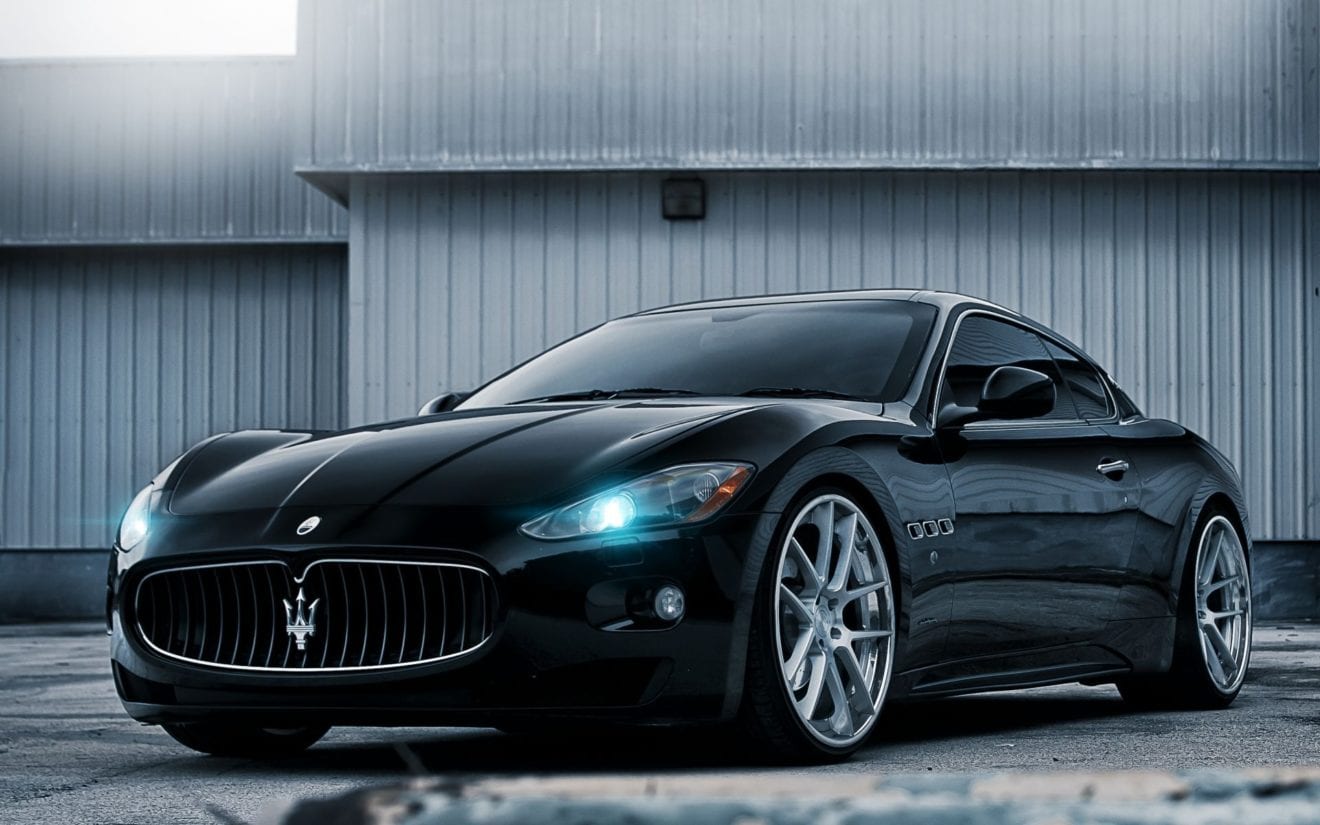
    Production of the new Maserati GranTurismo and GranCabrio, will commence in 2021. Maserati has decided to build the GranTurismo and GranCabrio at the Mirafiori production hub, with an investment of 800 million Euros.

    However, Maserati’s heart is still in Modena, where it has its Headquarters, where the cars in its range are developed and tested, and where the new super sports car is to be built. For Maserati, Modena is the place where extraordinary cars have been produced for over 80 years, all outstanding in their luxury, elegance, style, performance, and quality, and which are sold in over 70 markets.

    Also upcoming is a new Maserati utility vehicle, to be built at Cassino and intended to play a leading role for the Brand, thanks to its innovative technologies. About 800 million Euros will be invested in the construction of the new production line, scheduled to begin at the end of the first quarter of 2020. The first pre-production cars are expected to come off the line by 2021.

  • Skoda’s First Electric SUV To Be Called Enyaq

    Skoda’s First Electric SUV To Be Called Enyaq

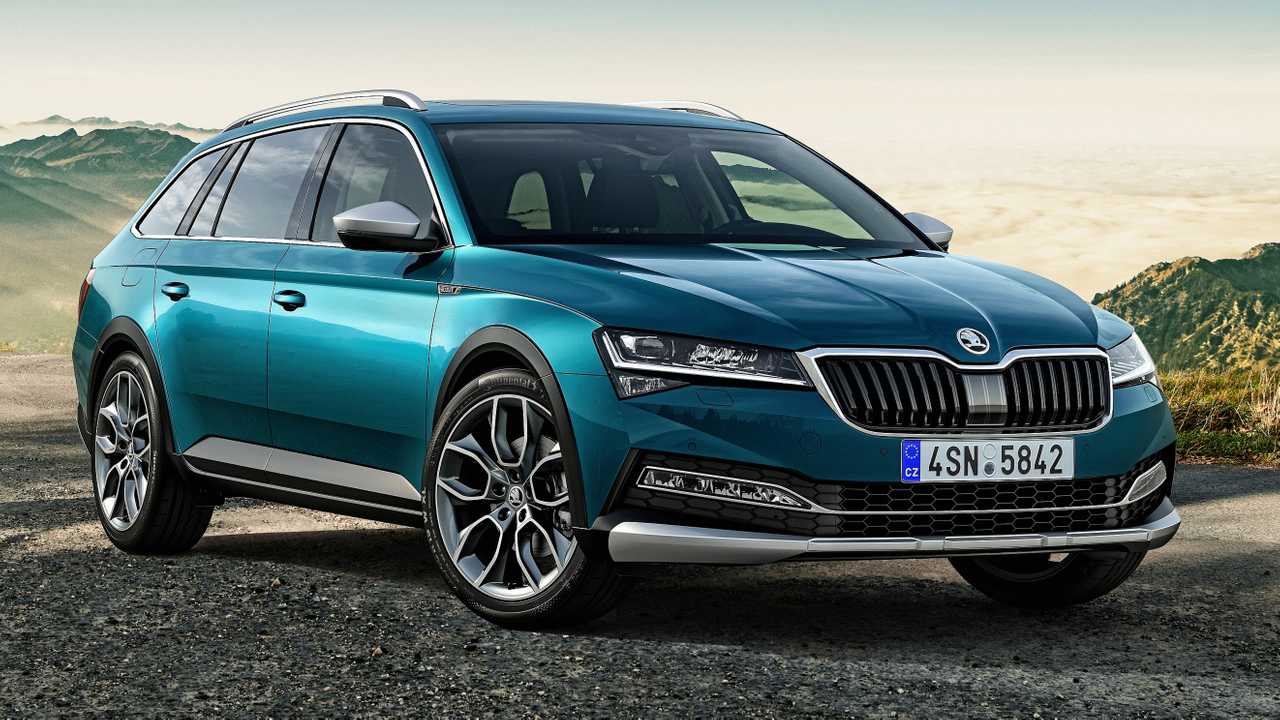
    Skoda Auto today revealed that its first electric SUV will be presented soon. It, in fact, let out what it will be called. Skoda will call it the Enyaq and yes even we want to know where that name comes from. According to the company, the name Enyaq is based in the Irish language and expresses the vehicle’s dynamism and efficiency. The Enyaq then opens a new chapter in the 125-year history of the Skoda brand. It will be Skoda’s first electric car which will be built on the MEB platform, and will also launch a new family of model names. Of course, Skoda already has an electric car to its name, the Citigo iV and so it’s not new to the EV space, however, the all-electric SUV will definitely ind it a wider appeal

    Skoda SUVs have traditionally had names ending in the letter Q, and the new Enyaq follows this tradition just like the Kamiq, Kodiaq and the Karoq. But the new model’s first letter shows that this tradition is merging with the eMobility era, referenced by the letter E at the beginning of the name. The name, Enyaq, is derived from the Irish name Enya, which means ‘source of life’,

    We’ll know more about the electric SUV very soon, but it’s clear why the company wants to start its journey in the electric mobility space with an SUV. Well, the clear trendsetters now are the SUVs globally and so this decision does not come as a surprise. As to which markets the Enyaq will be introduced? Well, there’s no clarity on that yet and we’ll know more very soon.

  • Daimler’s Mercedes Sales Drive Higher But Charges Put Brakes On Profit

    Daimler’s Mercedes Sales Drive Higher But Charges Put Brakes On Profit

    Daimler reported its biggest drop in annual profit in a decade on Tuesday, a 64% fall reflecting more than 5 billion euros in charges as well as an investment as Mercedes-Benz pushes into electric and hybrid vehicles. Mercedes saw record sales to retain its title as the world’s top-selling premium automaker but net profit fell to 2.7 billion euros from 7.6 billion hurt by 4.2 billion euros in charges related to diesel-related probes and legal proceedings. To offset its extra costs Daimler is restructuring, scrapping its Mercedes-Benz X-Class pick-up truck and downsizing its mobility services unit last year, meaning further charges of 828 million and 405 million euros, respectively.

    Alongside the hefty charges, the company slashed its dividend by 72% to 0.90 euros per share. The earnings had been flagged in preliminary figures on Jan. 22. Kaellenius said restructuring at the vans division would deliver results this year but cautioned Daimler’s passenger car operations face a tough couple of years as the company launches electric and hybrid vehicles.

    “We are going to restore the financial health of this company and take the measures we have to take to get back on track,” Kaellenius said. “Yes, it will take some time on some of the issues. There are no quick fixes.”

    The 50-year-old Swede, formerly the company’s research and development chief, took over as CEO last May.

    He said the carmaker was offering staff buyouts and working on next-generation models that will be less complex to produce.

    Kaellenius is tasked with safeguarding Daimler’s success as the industry undergoes sweeping changes including tougher environmental rules and a costly shift to electric power.

    That challenge is seen in Daimler’s share performance: its stock is down 12% year to date versus an 84% rise in electric car producer Tesla, Refinitiv Eikon data shows.

    “There is very little scope for optimism at Daimler. It will take years until margins recover to levels worthy of a premium manufacturer,” said Michael Muders, fund manager at Union Investment.

    Mercedes-Benz is readying a major push into electric and hybrid cars, with the proportion of electrified vehicles in its fleet set to jump to 9% from 2% in 2020 with a production of an electric A-Class, electric van and electric SUV.

    Pressure is mounting on carmakers to build low emission vehicles to avert heavy European Union (EU) pollution fines as customers gravitate towards buying larger and heavier sports utility vehicles.

    Mercedes-Benz’s push into electric and hybrid cars will see the proportion of electrified vehicles in its fleet jump to 9% from 2% in 2020 with the launch an electric A-Class and an electric van.

    “In the medium term I am confident. 2020 and 2021 will be a challenge,” Kaellenius said about the prospect of EU fines.

    Mercedes-Benz is also working on developing its own software vehicle operating system, a project that will require significant investment and take up to four years to go into production, Kaellenius said.

    The company said it aims to keep property, plants and equipment and R&D spending at roughly the same level as last year.

    It will look for savings of more than 1.4 billion euros by the end of 2022 through cuts in administrative and personnel costs and expects a significant rise in operating profit and free cash flow this year.

    “Our goal is to ensure solid net liquidity to protect the necessary investments, and at the same time to pay attractive dividends,” Chief Financial Officer Harald Wilhelm said.

  • Porsche Taycan Electric Sports Car Will Come To India By Late 2020

    Porsche Taycan Electric Sports Car Will Come To India By Late 2020

    The all-new Porsche Taycan electric sports car will be introduced in India by late 2020. Pavan Shetty, Director Porsche India confirmed the 4-door electric car’s arrival while addressing the Indian media today the Skoda Auto Volkswagen India’s first-ever media night. The Taycan is the first fully electric sedan from the Stuttgart-based luxury/sports car maker and it was first revealed at the 2019 Frankfurt Motor Show.

    Based on the Porsche Mission E Concept that was showcased in 2015, the electric sports car is touted as a huge technological step for the company and forms a new direction for Porsche in the EV space. The new Porsche Taycan will sport two permanently excited synchronous electric motors that can churn out a maximum of 600 bhp and will a range of over 500 km thanks to its high voltage lithium-ion batteries. The electric car will get 800-volt chargers with fast charging capability, which can offer a 400 km range in 15 minutes of charge time. It can go from 0-100 kmph in under 3.5 seconds.

    The Porsche Taycan comes with quad-LED headlamps, sculpted bonnet and muscular front bumper. The rear too looks very elegant with the very slim wraparound LED tail-lamp and muscular haunches. With a Cd value from 0.22, the aerodynamically optimized basic shape makes a significant contribution to low energy consumption resulting in a long-range.

  • Nissan Weighs Restarting China Production In Dongfeng Venture After February 10

    Nissan Weighs Restarting China Production In Dongfeng Venture After February 10

    Nissan Motor said on Tuesday it is considering restarting production in China in its venture with Dongfeng Motor Group sometime after Feb. 10, citing government guidance and its assessment of the coronavirus epidemic.

    The Japanese carmaker also said production in Hubei province, the epicenter of the epidemic, will start sometime after Feb. 14.

    The production plan is subject to change after reviewing the coronavirus situation in the days ahead, a company spokeswoman said. The virus outbreak has killed over 420 people, spread around the world and raised fears about global economic growth.