Tag: Auto

  • Mercedes-Benz India Dealerships To Cross The 100 Mark In 2020

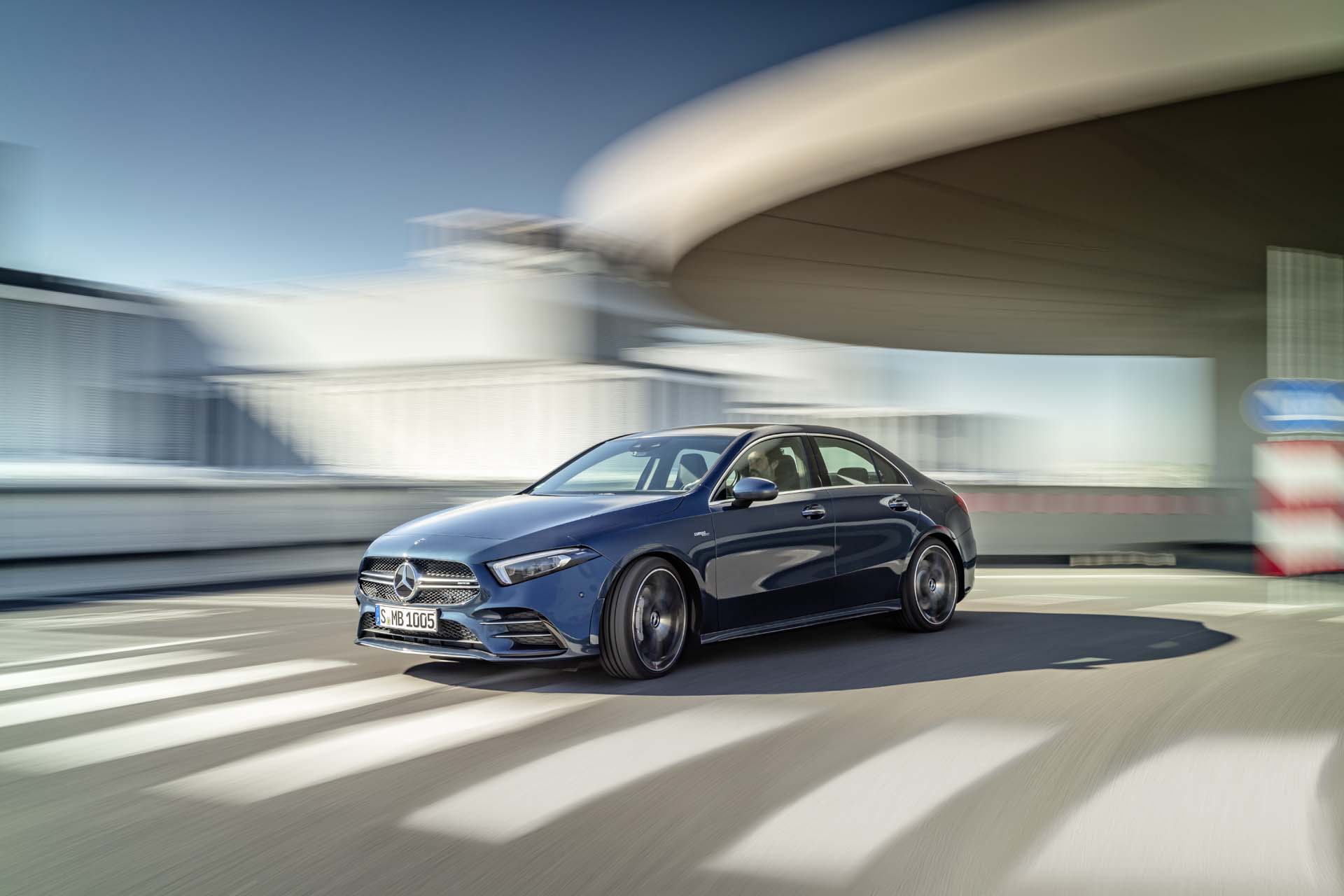
    Mercedes-Benz India Dealerships To Cross The 100 Mark In 2020

    Mercedes-Benz India has started 2020 with a bang announcing the launch of the EQ electric sub-brand in India, but there’s a lot more coming and on January 28, 2020, the company will launch the GLE SUV in the country. There are of course more launches scheduled this year and that’s one reason why even the dealers are looking forward to a great year. Martin Schwenk, MD and CEO, Mercedes-Benz India said, “Last year, the markets were down and it didn’t make sense pushing new cars then, but the fourth quarter of last year has been promising as it showed a growth. Our dealers have had a sneak preview of many of the cars that are coming to the market and it wasn’t difficult to convince them that this year’s sales numbers cannot be the same as last year.”

    Mercedes-Benz stuck to its growth in a very volatile market sentiment in 2019 and still is in the No.1 position in India in the luxury car segment. The company will be growing its dealership network too and it will cross the three digit mark in 2020. The company currently has 95 dealers in the country and crossing the 100 mark will certainly be a milestone. Schwenk said, “We are still working on expanding our dealer network. We are roughly at 95 right now in India and we will be getting into the three digit mark this year. It is not essentially because we’re bringing the EQ brand but rather covering the whole of India, so that we are close to our customers.”

    The company’s AMG arm continued to remain the most dominating performance brand in India and registered a robust 54 per cent in the calendar year 2019 in comparison to the same period last year and of course with more cars coming into the country, Mercedes-Benz sure looks forward to a positive response from the market in 2020.
  • Musk Nears $346 Million Payday As Tesla Market Value Soars

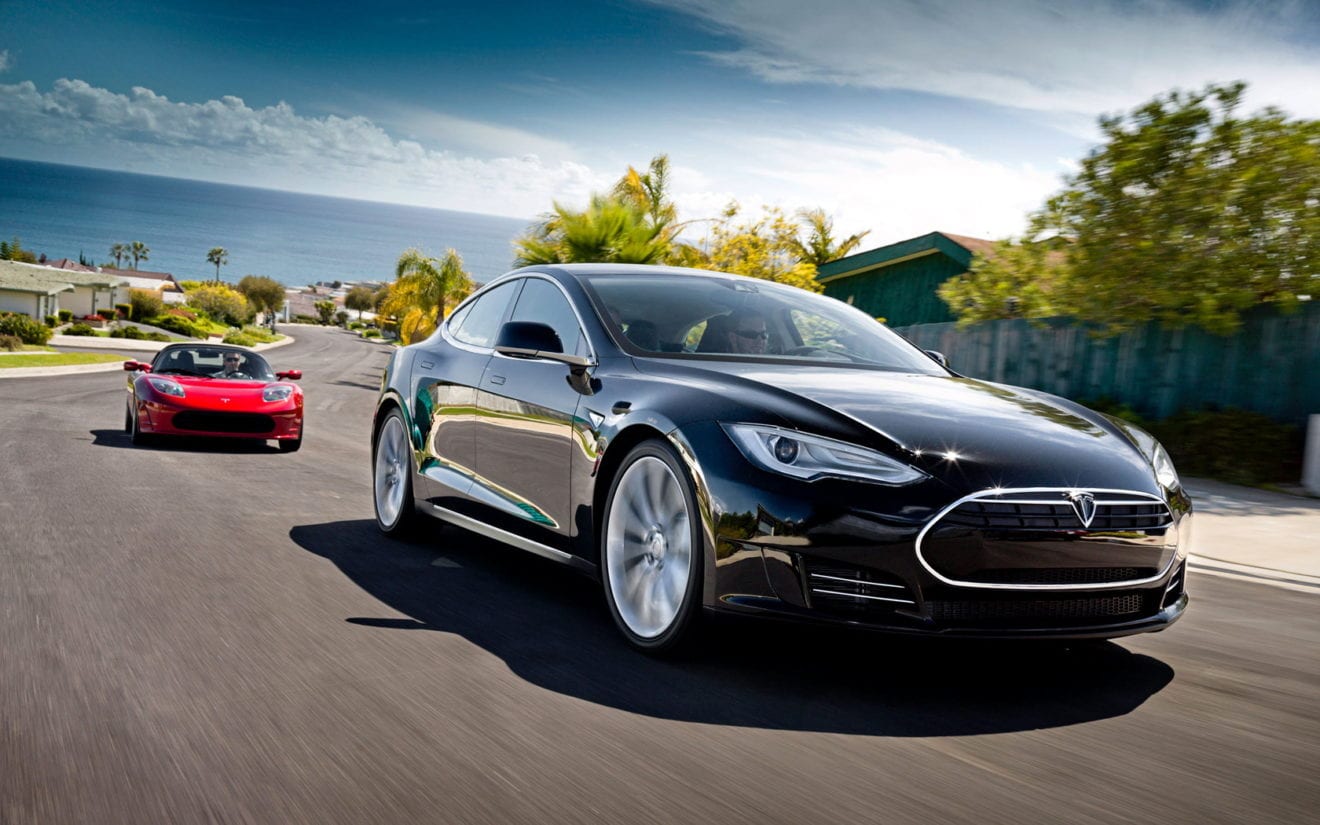
    Musk Nears $346 Million Payday As Tesla Market Value Soars

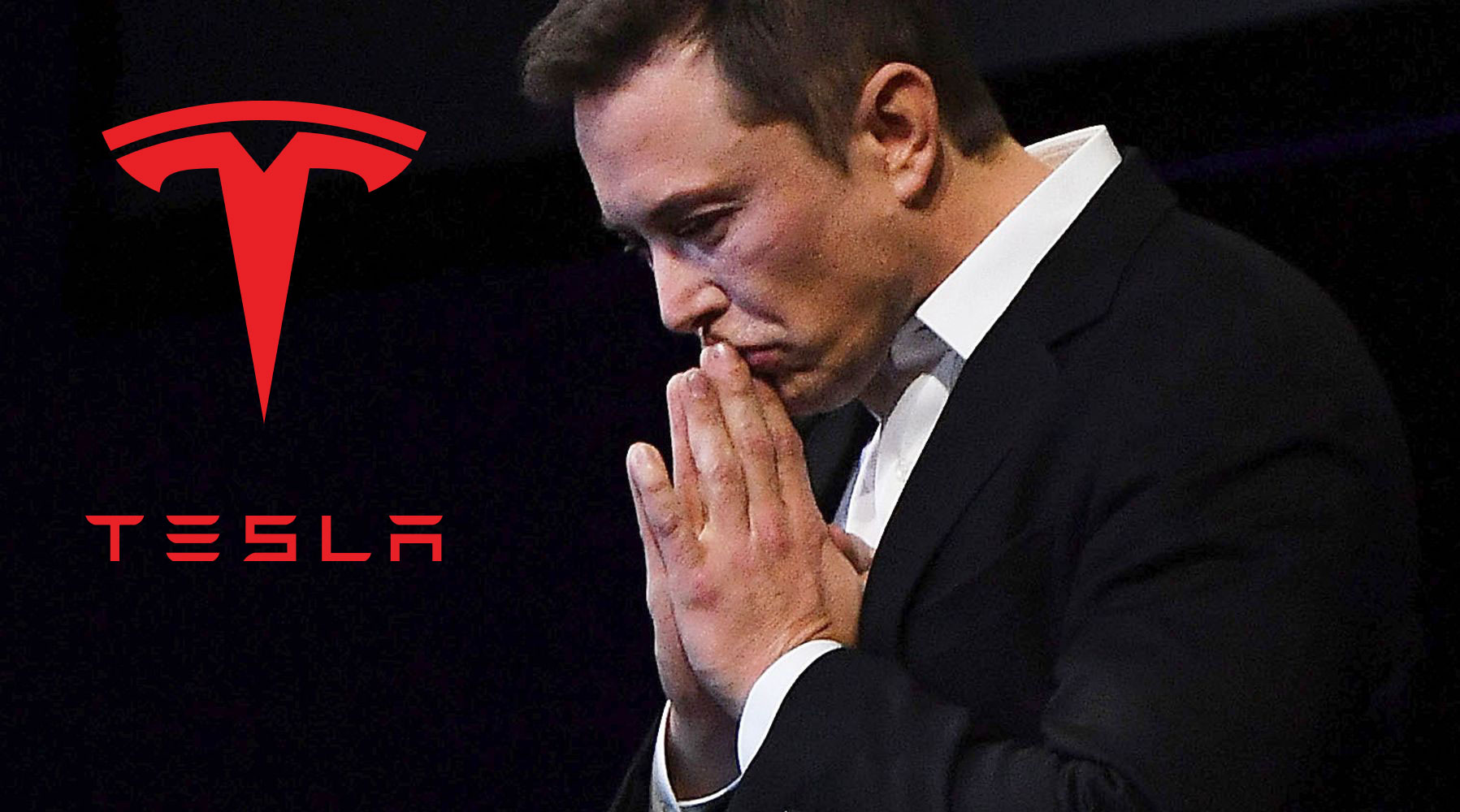
    Tesla Inc Chief Executive Elon Musk is coming close to earning the first $346 million tranche of options in a record-breaking pay package, after the electric vehicle maker’s stock more than doubled in the last three months.

    Shares of Tesla surged 9% to a record high on Monday. They need to rise another 6% to put Tesla’s stock market value at $100 billion and then be sustained at that level for both a one-month and six-month average in order to trigger the vesting of the first of 12 tranches of options granted to Musk to buy Tesla stock.

    Musk has already hit an operational target that is also necessary for the options to vest.

    For Musk’s subsequent tranches to vest under the terms of the 2018 package, the company’s market cap would have to continue to sustainably rise by $50 billion increments over the agreement’s 10-year period, with the billionaire earning the full package if Tesla’s market capitalization reaches $650 billion and the electric car maker achieves several revenue and profit targets.

    A full payoff for Musk, who is also the majority owner and CEO of the SpaceX rocket maker, would surpass anything previously granted to U.S. executives, according Institutional Shareholder Services, a proxy advisor that recommended investors reject the pay package deal at the time.

    Musk receives no salary or cash bonus, only options that vest based on Tesla’s market cap and milestones for growth.

    “This is the very definition of pay for performance,” said Ian Keas, senior director at Longnecker & Associates, an executive compensation consulting firm. “But is he the only individual that could serve in that seat as CEO and deliver that value to shareholders? That’s the billion dollar question.”

    Musk’s potential payout compares to the $638 million received by Snap Inc founder Evan Spiegel in 2017 after the social network company’s initial public offering. In 2018, Walt Disney CEO Robert Iger earned stock grants worth as much as $149.6 million, including awards related to Disney’s purchase of film and television assets from Twenty-First Century Fox.

    Musk has transformed Tesla from a niche car maker with production problems into the global leader in electric vehicles, with U.S. and Chinese factories. So far it has stayed ahead of more established rivals including BMW and Volkswagen.

    Last week, Tesla’s stock market value hit nearly $89 billion, eclipsing the sum of General Motors’ and Ford’s for the first time, fueled by a surprise third-quarter profit, progress at a new factory in China and better-than-expected car deliveries in the fourth quarter.

    Many investors remain skeptical that Tesla can consistently deliver profit, cash flow and growth, however. More Wall Street analysts rate Tesla “sell” than “buy,” and the company’s stock has been one of the most shorted on Wall Street.

    Tesla was valued at about $53 billion when shareholders approved the pay package in January 2018 and faced a cash crunch, production delays and increasing competition from rivals. It was viewed as massively ambitious because it implied the company’s value could grow as much as ten-fold in 10 years.

    Last year, Musk hit two operational milestones, pulling in revenue above $20 billion and adjusted earnings before interest, tax, depreciation and amortization of $1.5 billion over four straight quarters. Tesla’s “adjusted” EBITDA excludes stock-based compensation, which in the first nine months of 2019 reached $617 million.

    Musk currently owns about 34 million Tesla shares, equivalent to 19% of the company. His compensation package would let him buy another 20.3 million shares if all of his options vest.

    When Tesla first unveiled Musk’s package in 2018, it said Musk could in theory reap as much as $55.8 billion if no new shares were issued. Tesla has since awarded stock to employees and last year sold $2.7 billion in shares and convertible bonds.

  • Drivers more geared towards luxury cars

    Drivers more geared towards luxury cars

    Sales of luxury cars in Vietnam surged in 2019 with the rich showing greater preference for premium vehicles in a fast-growing economy. Mercedes-Benz sold the highest number of luxury cars at 6,800 units, up 8 percent from 2018.

    The imported crossover SUV Mercedes-Benz GLC 300, priced at VND2.56 billion ($110,600), was the best-seller, accounting for 40 percent of the number of units sold by the German brand.

    With 20 models, many assembled in Vietnam, Mercedes-Benz created sales gap with the rest of the luxury market.

    Toyota’s luxury brand Lexus recorded a sales surge of 157 percent year-on-year to 1,511 units in 2019.

    Sales of the only Asian luxury brand rose after plummeting in 2018 due to a government decree limiting car imports.

    Swedish brand Volvo recorded sales of 500 units last year, up 250 percent from 2018, with the most in-demand model being the compact crossover SUV Volvo XC60 priced at VND2.85 billion ($123,200).

    Sources said most other German brands like Porsche and BMW recorded increasing sales. Audi was the only brand with decreasing sales due to import challenges, a representative confirmed.

    Insiders say Vietnam’s fast-growing economy and expanding middle class, along with rising car discounts led to the sales surge last year.

    Manufacturers plan to export new models this year to Vietnam, giving customers even more luxury options.

    Auto sales in Vietnam last year rose 11.6 percent from 2018 to 322,322 units, with 58.8 percent of them locally-assembled, according to Vietnam Automobile Manufacturers Association.

  • Volkswagen Passenger Cars Global Sales Remain Flat In 2019

    Volkswagen Passenger Cars Global Sales Remain Flat In 2019

    Volkswagen passenger cars have recorded a sales growth of 0.5 per cent in 2019 selling 62,78,300 units worldwide as compared to 62,44,900 units it sold in the previous year. Volkswagens have been quite in demand in Brazil last year which has lead the growth chart at 16.7 percent selling 391,800 units as compared to 335,800 units which were sold in 2018.

    Sales in the entire South American region (including Brazil) went up by 3.7 percent at 491,500 units against 474,000 units which were sold in 2018. The European market recorded an uptick of 0.9 percent at 17,63,800 units as compared to 17,47,900 units in 2018.

    Sales in Western Europe were up by 1.8 percent at 14,96,200 units as compared to 14,69,200 units sold in the previous year. However, Central and Easter Europe were down by 4 percent at 267,600 units as compared to 278,700 units sold a year ago.

    North American region recorded a 1.6 percent year-on-year (YoY) decline in sales at 564,900 units as compared to 573,800 units sold in the previous year. The Asia-Pacific region, which is Volkwagen’s largest market, saw sales rising 0.8 percent at 33,12,500 units as compared to 32,87,100 units sold in 2018.

    Chief Operating Officer Ralf Brandstatter said, “2019 was an important year for the Volkswagen brand. With the ID.3 and Golf 8, we have successfully presented groundbreaking new products and consistently focused on earnings power.

    The digital transformation roadmap which we have agreed with the employee representatives and is now to be implemented will also make a key contribution to improving efficiency and safeguarding the future. We will continue to work on costs in a disciplined way so that we can make the necessary investments for the future. Thanks to fantastic team performance, we have exceeded the high delivery level of 2018 despite a difficult market environment.”

    Volkswagen electrified vehicles have also been quite in demand in 2019. The German carmaker has seen demand for electrified vehicles going up by 60 percent in 2019 selling over 80,000 units. More than half of electrified vehicles sold were all-electric cars while remaining were plug-in hybrid models. The Volkswagen Group is driving forward with the transformation to e-mobility and announced that it will be producing battery-powered vehicles in 16 locations around the globe by the end of 2022.

    It will be launching 34 new models worldwide in 2020 and this includes 12 SUVs and 8 electric or hybrid vehicles and will be investing 20 Billion Euros, a major part of which will go in electric mobility.

  • Auto Industry Cautious As China Starts 2020 With Forecast Of A 2% Sales Decline

    Auto Industry Cautious As China Starts 2020 With Forecast Of A 2% Sales Decline

    Automakers in China need to get used to a new normal of “low speed growth” in the world’s largest car market, the country’s top auto body said on Monday, as it reiterated predictions that sales will likely shrink for the third consecutive year in 2020.

    The China Association of Automobile Manufacturers (CAAM) expects a 2% fall in vehicle sales. That would compare with an 8.2% drop last year, when sales were pressured by new emission standards in a shrinking economy also contending with tit-for-tat import tariffs with the United States.

    CAAM, affirming its forecast announced last month, also said auto sales declined for the 18th consecutive month in December. Annual sales started falling in 2018, by 2.8%, halting a growth march that had started in the 1990s.

    Industry watchers, though, are hoping a sales recovery in lower-tier cities, and an easing of trade tensions between China and the United States, can help ease the decline.

    “We have moved away from the high-speed development stage. We have to accept the reality of low-speed development,” Shi Jianhua, a senior official at CAAM, told a news briefing.

    “We had high-speed growth for a consecutive 28 years, which was really not bad, so I hope everyone can calmly look at the market.”

    Sales of new energy vehicles (NEV) sank 27.4% in December, resulting in an overall 4% decline to 1.24 million units in 2019. China’s NEV sales jumped 62% in 2018 but a subsidy cut hurt sales last year.

    When asked if the industry could sell 2 million NEVs this year, a target originally set by China’s industry ministry in 2017, CAAM’s assistant secretary-general, Xu Haidong, said this was “not possible”.

    Global automakers have been cautious with their predictions after cutting production, shutting factories and firing staff last year.

    Executives at automakers such as Geely and Ford Motor Co partner Chongqing Changan Automobile Co Ltd have said they expect fiercer competition to weed out weaker players.

    On Monday, Ford said its China auto sales slumped more than a quarter in 2019 for a third year of decline. The latest fall, however, was slower than the 37% weathered in 2018, and the automaker said it saw its market share stabilise in the high-to-premium segment.

    It remained cautious about 2020, echoing bearish comments on China’s market from General Motors Co.

    “We expect the market downturn to continue in 2020, and anticipate ongoing headwinds in our China business,” Matt Tsien, president of GM China, said last week as the U.S. automaker reported a 15% drop in 2019 China sales.

    Volkswagen AG, whose sport-utility vehicles helped it report a smaller 1.1% year-on-year fall in sales in the first 11 months of 2019, has said it expects China’s market to grow at a relatively slow pace for the next five years.

    The bright spots have been Japan’s Toyota Motor Corp and Honda Motor Co Ltd as well as U.S. electric vehicle maker Tesla Inc, which started delivering China-made Model 3 sedans from its $2 billion Shanghai plant this month.

  • Petrol Prices Fall For 3rd Day, Diesel Rates Remain Stable

    Petrol Prices Fall For 3rd Day, Diesel Rates Remain Stable

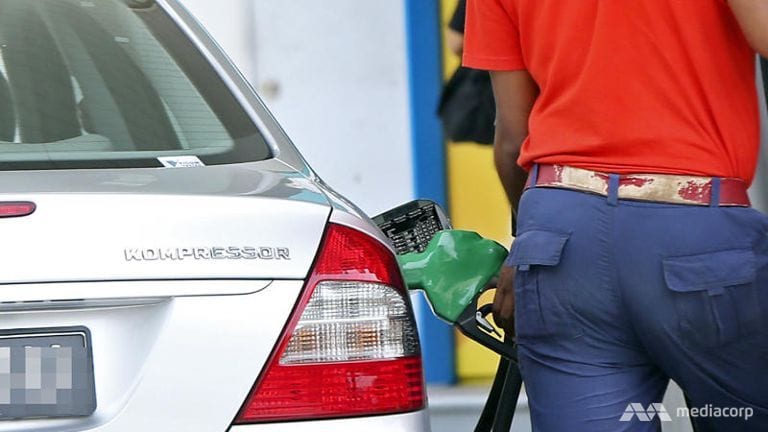
    Petrol prices continued to decrease for the third consecutive day on Tuesday, but the diesel prices remained stable after two days of decline. In Delhi, Kolkata and Mumbai the petrol prices were cut by 11 paise a litre, while in Chennai it was down by 10 paise per litre.

    According to the Indian Oil website, the price of petrol in Delhi, Kolkata, Mumbai and Chennai has come down to Rs 75.70, Rs 78.29, Rs 81.29 and Rs 78.65 per litre respectively. At the same time, the price of diesel in the four metros continue to be Rs 69.06, Rs 71.43, Rs 72.42 and Rs 72.98 per litre respectively.

    On the international futures market the Intercontinental Exchange (ICE), Brent crude was trading at 64.41 dollars per barrel, up 0.28 per cent from the previous session.

    At the same time, American Light Crude West Texas Intermediate’s February deal was trading up 0.29 per cent at 58.32 dollar barrel on the New York Mercantile exchange. The first phase of the trade deal between the US and China is going to be signed on January 15.

    Experts say that due to this agreement many commodity markets will show an enhanced activity, but the price of fuel oil is unlikely to get much support.

  • Tata Motors Group’s Global Wholesales Declined By 3% In December 2019

    Tata Motors Group’s Global Wholesales Declined By 3% In December 2019

    Global wholesales for JaguarLand Rover along stood at 50,001 vehicles, which included the 5,492 vehicles wholesaled by CJLR, the joint venture between JLR and Chery Automobiles. As for the total wholesales from the Jaguar brand alone, for the month, it stood at 12,742 vehicles, while Land Rover’s contribution to the total wholesales for December 2019 was 37,259 vehicles.

    On the other hand, global wholesales of all Tata Motors’ commercial vehicles and Tata Daewoo range in December 2019 were at 34,526 units, lower by 15 percent, as against the 40,619 units wholesaled in December 2018.

    In December 2019, Tata Motors’ domestic sales stood at 44,254 units (PV + CV), a decline of 12 percent in volumes as compared to 50,440 units sold in December 2018. As for year-to-date sales, Tata’s volumes for FY2020 (April-December) stood at 347,796 units, down by 30 percent over 497,972 units sold during the same period the fiscal.

  • Ford’s Vehicle Sales In China Tumble For Third Consecutive Year

    Ford’s Vehicle Sales In China Tumble For Third Consecutive Year

    Ford Motor China vehicle sales fell for a third consecutive year, by 26.1%, as it battles a prolonged overall sales decline in its second-biggest market that has hit demand for its mass-market Ford brand and sports utility vehicles. The U.S. automaker delivered 146,473 vehicles in China in the fourth quarter, down 14.7% year-on-year, Ford said in a statement. In total, it sold 567,854 vehicles over 2019. Ford has been trying to revive sales in China after its business began slumping in late 2017. Sales sank 37% in 2018, after a 6% decline in 2017.

    Anning Chen, president, and chief executive of Ford Greater China, said that while 2019 was a “challenging” year for the automaker, it saw its market share in the high-to-premium segment stabilize and its sales decline in the value segment start to narrow in the second half of the year.

    “The pressure from the external environment and downward trend of the industry volume will continue in 2020, and we will put more efforts into strengthening our product lineup with more customer-centric products and customer experiences to mitigate the external pressure and improve dealers’ profitability.”

    The automaker plans to launch more than 30 new models in China over the next three years of which over a third will be electric vehicles. It has also said it would localize management teams by hiring more Chinese staff and aimed to improve relationships with joint venture partners.

    New models it launched in the fourth quarter include a new Ford Escape version – for which the automaker said orders received so far have been much higher than expected – and the Lincoln Corsair, the first localized Lincoln model in China.

    In China, Ford makes cars through a joint venture with Chongqing Changan Automobile Co Ltd and Jiangling Motors Corp Ltd (JMC). It has also said it would partner Zotye Automobile Co Ltd to sell lower-priced cars.

    Its larger U.S. rival General Motors Co last week said its sales in China fell 15% from a year earlier to 3.09 million vehicles in 2019, its second year of decline.

    China’s auto market is set to contract by 2% in 2020 for the third year of decline, the China Association of Automobile Manufacturers (CAAM) forecast, due to a weaker economy and trade dispute with the United States.

    Over 28 million vehicles were sold in 2018, down 3% from the prior year, while 2019 sales are likely to have declined 8% from the prior year, CAAM said.

  • Car prices fall as supply rises

    Car prices fall as supply rises

    An abundant supply of imports, the introduction of new models and stiffer competition have pulled car prices down, industry insiders say.

    Toyota Innova, among the most popular multi-purpose vehicles (MPVs) in Vietnam, saw its price go down 13 percent year-on-year last month to VND771 million ($33,360).

    Industry insiders said the drop of VND100 million ($4,330) was unprecedented for this model. Innova only reflected a general trend, they added.

    Prices of the Toyota Vios sedan and the hatchback Kia Morning fell 13 percent and 12 percent, respectively. In the high-end segment, the prices of BMW cars fell 18.5 percent.

    Abundant supply is said to be one of the main factors behind the falling prices.

    Car imports in the first 11 months of last year doubled year-on-year to almost 133,700 units, most of them from Thailand and Indonesia. Models with the biggest sales, MPV Mitsubishi Xpander and SUV Toyota Fortuner, were all imported.

    Tightening credit from banks last year had made it more difficult for buyers, leading to an increase in inventory that had to be reduced by lowering prices. The introduction of new models was another factor.

    Vietnam’s newest car manufacturer VinFast also intensified competition in the market with its SUVs, sedans and hatchbacks.

    Auto sales in Vietnam last year rose 11.6 percent from 2018 to 322,322 units, with 58.8 percent of them locally-assembled, according to the Vietnam Automobile Manufacturers Association.

  • BMW Group India Delivers 9641 Vehicles In 2019

    BMW Group India Delivers 9641 Vehicles In 2019

    The locally-made X3, X5 and X1 contributed significantly to the sales of BMW vehicles in 2019

    On the Mini front, the locally the locally-produced Countryman commanded a share of over 70 percent in Mini India sales.

    The momentum for BMW Motorrad India was primarily driven by the BMW G 310 R and the BMW G 310 GS motorcycles which commanded a share of over 85 percent in yearly sales. The BMW R 1250 GS / GSA, the BMW F 750 / 850 GS and the BMW S 1000 RR were also a favorite among motorcycle enthusiasts.

    Rudratej Singh, President and Chief Executive Officer, BMW Group India said, “2019 was not an easy year for the Indian automotive industry as various macroeconomic and structural conditions shook its foundations. Though the industry is still facing difficult times, we are well prepared for 2020. We will always be competitive by remaining focused on our customers.”

  • Half of Vietnamese buyers favor used cars assembled locally

    Half of Vietnamese buyers favor used cars assembled locally

    55 percent of buyers prefer used cars assembled in Vietnam to those imported from South Korea and Japan, a 2019 survey found.

    This figure is several times higher than the 16 percent who favor South Korea and the 11 percent stuck on Japan, according to Cho Tot Xe, a popular car listing website in Vietnam.

    Ho Chi Minh City residents prefer newer, more expensive vehicles compared to those in Hanoi, the website’s data shows.

    HCMC buyers favor used models released in the previous three years at a cost of VND300-700 million ($12,900-30,200). The top three models are Hyundai Grand i10 2016, Mazda CX 5 2017 and Honda City 2016.

    But buyers in Hanoi are more interested in vehicles priced less at VND300-400 million ($12,900-17,200), which date back to 2015, such as the Toyota Vios 2015, Hyundai Grand i10 2015 and Kia Morning 2015.

    The demand for used cars is on the up, listings on Cho Tot Xe rising 22 percent from 2018 to 200,000 last year, with the most popular brands Toyota, Kia and Hyundai.

    Sedans were the most popular used car types in 2019, with Honda City 2016, Toyota Vios 2017 and Mazda 3 2018 the top three.

    Toyota Innova maintained the best used price in 2019 at VND678-740 million ($29,220-31,890), followed by Chevrolet Spark and Ford Ranger.

    Vietnam has been striving to develop its car industry for decades, but experts say the small market size has constrained local producers. The localization rate of passenger cars in Vietnam is at 7-10 percent, compared to 55-60 percent across ASEAN.

    The country imported 133,696 vehicles in the first 11 months last year, up 95.6 percent year-on-year, mostly from Thailand and Indonesia, according to Vietnam Customs.

    289,128 cars were sold throughout Vietnam in the same period, up 14 percent year-on-year, according to Vietnam Automobile Manufacturers Association (VAMA).

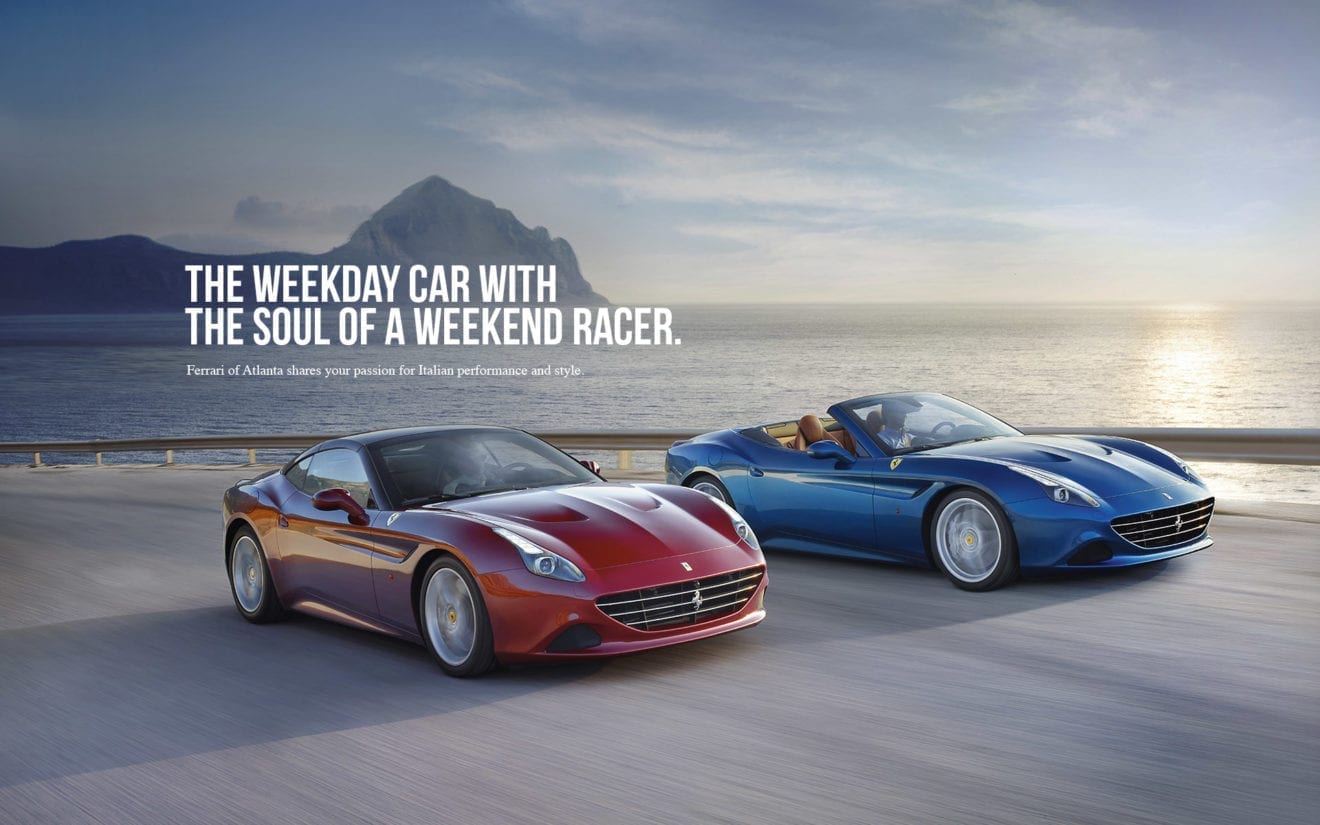
  • Ferrari Joins European Auto Lobby ACEA Four Years After Spin-Off

    Ferrari Joins European Auto Lobby ACEA Four Years After Spin-Off

    Italian luxury carmaker Ferrari has become the latest manufacturer to join the European carmakers’ association (ACEA), the auto lobby said on Tuesday.

    ACEA represents manufacturers of passenger cars, vans, trucks and buses with production sites in the European Union and provides benchmark data on vehicle registrations.

    Ferrari’s membership took effect on Jan. 1, following approval at the end of last year by the association’s board of directors, which is made up of the chief executives of its member companies, ACEA said.

    Ferrari did not comment.

    Mike Manley, the CEO of Ferrari’s former parent company Fiat Chrysler, took over as ACEA’s new president this month.

    Ferrari – which was spun-off from Fiat Chrysler (FCA) in 2016 – became ACEA’s sixteenth member, adding to manufacturers such as luxury carmakers BMW and Jaguar Land Rover, but also mass market producers such as PSA-Peugeot or Ford, as well as truck and commercial vehicle makers such as DAF Trucks.

    Ferrari is controlled by Exor, the holding company of Italy’s Agnelli family, which also controls FCA and industrial vehicle maker CNH Industrial, another ACEA member.

    Last month FCA and PSA agreed a binding $50 billion tie-up to create the world’s fourth-largest carmaker

  • Vietnamese automaker ships buses to Philippines

    Vietnamese automaker ships buses to Philippines

    Vietnam’s leading automaker and assembler Thaco shipped the first 15 buses to the Philippines on Saturday.

    Tran Ba Duong, chairman of Truong Hai Auto (Thaco), said the exported buses were redesigned after seven months of testing in the Philippines. They had a localization rate of 45 percent and complied with Euro 5 emission standards.

    All the buses were assembled in the Chu Lai open economic zone in Quang Nam Province, central Vietnam.

    Duong said a major challenge in exporting vehicles made or assembled in Vietnam was the complicated assessment process in foreign countries. For example, the process takes six months in Thailand, four to five months in the Philippines and a year in the U.S.

    Thaco expected to ship 200 buses to the Philippines in 2020.

    The firm exported 186 automobiles of various types to ASEAN countries and plans to export over 1,020 units next year. Thaco also exported auto parts and accessories worth $14.5 million to South Korea and Japan in 2019, and this is expected to rise to $21 million in 2020.

    Thaco has been researching, manufacturing and assembling buses and continuously promoting investment in the field since 2004. To date, the company has supplied over 17,000 buses to the domestic market, holding a 65 percent market share.

  • After Tesla’s Record Year In Norway, Rivals Gear Up For 2020

    After Tesla’s Record Year In Norway, Rivals Gear Up For 2020

    New electric car sales in Norway rose by a third last year amid soaring demand for Tesla Inc’s vehicles, but the pioneering U.S. company will face a more competitive market in 2020 as rivals prepare to launch new electric models.

    Fully electric cars made up 42.4% of sales in the Nordic country last year, a global record, rising from a 31.2% market share in 2018 and just 5.5% in 2013, the Norwegian Road Federation said on Friday.

    Norway, which is Europe’s biggest oil and gas producer, is seeking to become the first country to end the sale of fossil-fueled cars by 2025. The country has exempted battery-powered vehicles from the taxes imposed on petrol and diesel engines and after just a few years the streets of Oslo have become quieter and have less air pollution.

    Most of Norway’s top-10 cars in 2019 were electric, including Volkswagen’s Golf, Nissan’s Leaf, Audi’s e-tron, BMW’s i3, Jaguar’s I-PACE and several of Hyundai’s models.

    New car sales in the country last year were 142,381, of which 60,316 were fully electric. This year, as many as six in 10 of all new cars sold in the country could be fully electric, said Volkswagen (VW) distributor Harald A. Moeller AS, which is preparing to launch several models in 2020.

    Other importers predicted the market share in 2020 would be in a range of 50-60% of all sales.

    “The electrification of the car market is accelerating … we forecast electric vehicles to hold a 100% market share in 2025,” Volkswagen said of the outlook for Norway.

    The country’s best-selling car in 2019 was Tesla’s mid-sized Model 3 sedan, which retails from 384,900 Norwegian crowns ($43,721.74), racking up an 11% market share in the California-based firm’s first attempt at cracking the mass market.

    Rising global awareness of climate change has encouraged a shift in regulation, technology and consumer preferences, disrupting the auto industry and boosting Tesla’s share price to make it one of the world’s most highly valued car brands.

    This year, the company will start producing a medium-sized sport utility vehicle, the Model Y, but faces competition from a plethora of rivals, including by Daimler AG’s Mercedes-Benz, VW’s Audi and Ford Motor Co.

    “There will be between 20 and 30 new electric models on the market in 2020, many of them launching early in the year,” the Norwegian Electric Vehicle Association said in a statement.

    Ford late last year unveiled the Mustang Mach-E SUV, which it hopes will help turn around its flagging fortunes.

    “It will compete with Tesla’s models 3 and Y. I also think Audi e-tron is a big competitor. The customers have waited for this car for over two years,” said Kjetil Hagestande, chief executive of Ford importer RoehneSelmer.

    “This amazing car with four-wheel drive and long range fits the Norway market perfectly,” Hagestande told Reuters on the sidelines of the Mach-E launch in November.

    Also aiming for a slice of Norway’s market is China’s Geely group, whose Polestar and Volvo brands will begin producing fully electric cars this year.

    In October, Polestar opened its first European showroom in Oslo’s most upmarket shopping district, rubbing shoulders with fashion designers rather than with rival auto makers.

    “I’m here to consider a new car because my wife already has her second electric car, a Hyundai,” said Espen Cook, a retired IT worker, on a recent visit to the Polestar venue.

    “Two months ago I sold my hybrid Lexus so I would like to go full electric,” the 70-year-old told Reuters.

  • Tesla Reports Solid Q4 Auto Deliveries, Boosting Shares

    Tesla Reports Solid Q4 Auto Deliveries, Boosting Shares

    Tesla reported Friday a jump in fourth-quarter auto deliveries, lifting shares as it ramps up output in the United States and China.

    The electric automaker led by Elon Musk delivered 112,000 vehicles in the quarter ending December 31, up about 23 percent from the year-ago period.

    The figures boosted full-year deliveries to 367,500, 50 percent above the 2018 level and in line with company forecasts.

    The solid figures come four days after Tesla delivered its first batch of China-made cars from its new multibillion-dollar Shanghai “Gigafactory”.

    Tesla touted its speedy completion of the China plant, saying Friday it has already produced just under 1,000 “customer salable cars” in China “despite breaking ground at Gigafactory Shanghai less than 12 months ago.”

    After a series of controversies surrounding Musk in 2018, including a quickly-aborted effort to take the company private, Tesla hit key targets in 2019 in the critical ramp-up of the Model 3 vehicle.

    Tesla shares have risen to all-time highs, and fewer investors are betting on a decline.

    Canaccord Genuity analyst Jed Dorsheimer on Thursday lifted his price target for the company in a note that predicted that sales in China “will be an important driver for the company in 2020.”

    Shares of Tesla rose 3.8 percent to $446.51 in mid-morning trading.