Tag: Auto

  • Daimler Recalls 744,000 Mercedes-Benz Vehicles In The US For Faulty Sunroofs

    Daimler Recalls 744,000 Mercedes-Benz Vehicles In The US For Faulty Sunroofs

    German automaker Daimler AG said on Saturday it will recall 744,000 Mercedes-Benz vehicles in the United States from the 2001 through 2011 model years because the sunroof glass panel could detach and pose a hazard. The large recall covers more two dozen vehicles from C-Class, CLK-Class, CLS-Class and E-Class model lines. The automaker said the bonding between the glass panel and the sliding room frame might not meet specifications and could lead to sunroofs detaching.

    Owners who paid for repairs for the issue will be able to seek reimbursements from Daimler. A Mercedes-Benz USA spokesman said on Saturday he did not have a worldwide vehicle total for the recall.

    Dealers will inspect the glass panel bonding and replace the sliding roof if necessary, the company said.

    Last month, Mercedes-Benz USA agreed to a $20 million civil penalty over its handling of U.S. vehicle recalls after a year-long U.S. government investigation into 1.4 million recalled vehicles.

    Under the terms of the settlement, the automaker will pay $13 million and faces another $7 million fine if it does not comply with the agreement. The U.S. National Highway Traffic Safety Administration said the company failed to notify owners in a timely fashion in some recalls, did not submit all reports and did not launch at least two recalls in a timely fashion.

  • Volkswagen Starts Settlement Talks With German Consumer Groups Over Diesel Scandal

    Volkswagen Starts Settlement Talks With German Consumer Groups Over Diesel Scandal

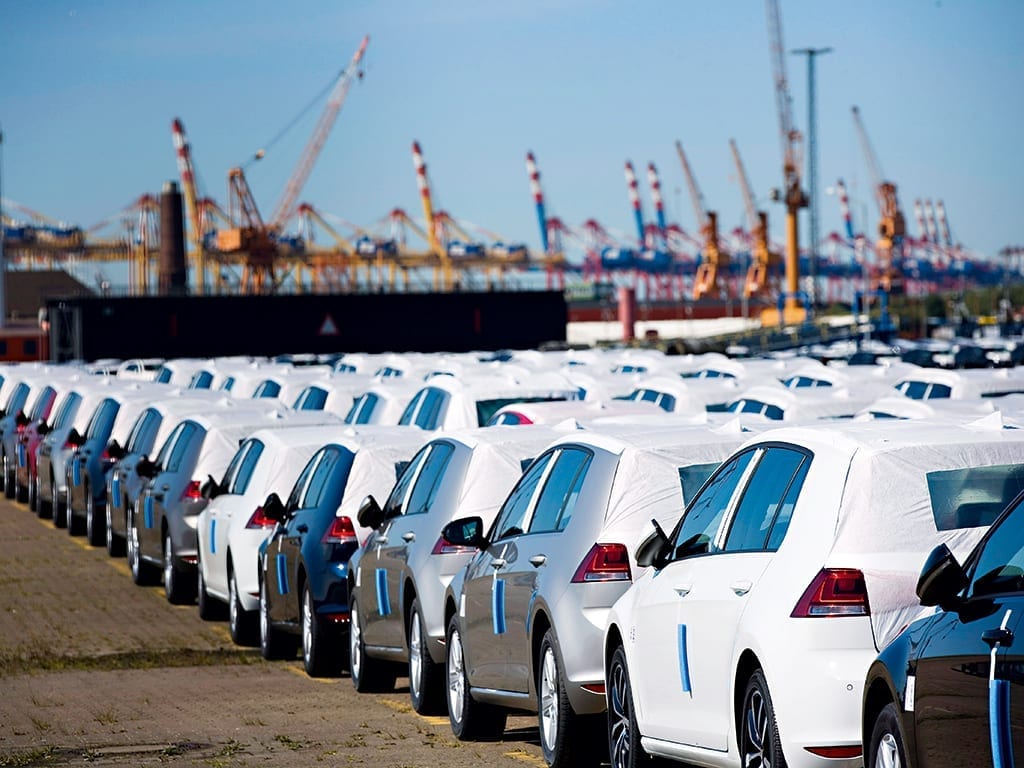
    Volkswagen on Thursday said it was in talks to discuss a settlement with German vehicle owners who are suing the carmaker over excessive pollution caused by VW’s diesel cars. In 2015 the carmaker admitted to using manipulated engine management software to mask excessive pollution levels in its diesel cars, sparking a raft of prosecutions and lawsuits that have led to at least 30 billion euros in legal costs and fines.

    “Volkswagen and the Federation of German Consumer Organisations have agreed to enter into discussions regarding a possible settlement,” the carmaker said.

    “The discussions are at a very early stage, and there is no guarantee that they will result in a settlement. Both parties have agreed that the discussions should remain confidential.”

    German consumers have had less success than vehicle owners in the United States in securing compensation from VW because German cars did not lose their road worthiness certification in the wake of the diesel scandal.

    In Germany VW’s diesel vehicles retained their road worthiness certification if customers agreed to an update of vehicle engine management software, leading VW to take a different approach to compensate consumers.

  • 2020 Lamborghini Huracan Evo Rear-Wheel Drive Breaks Cover

    2020 Lamborghini Huracan Evo Rear-Wheel Drive Breaks Cover

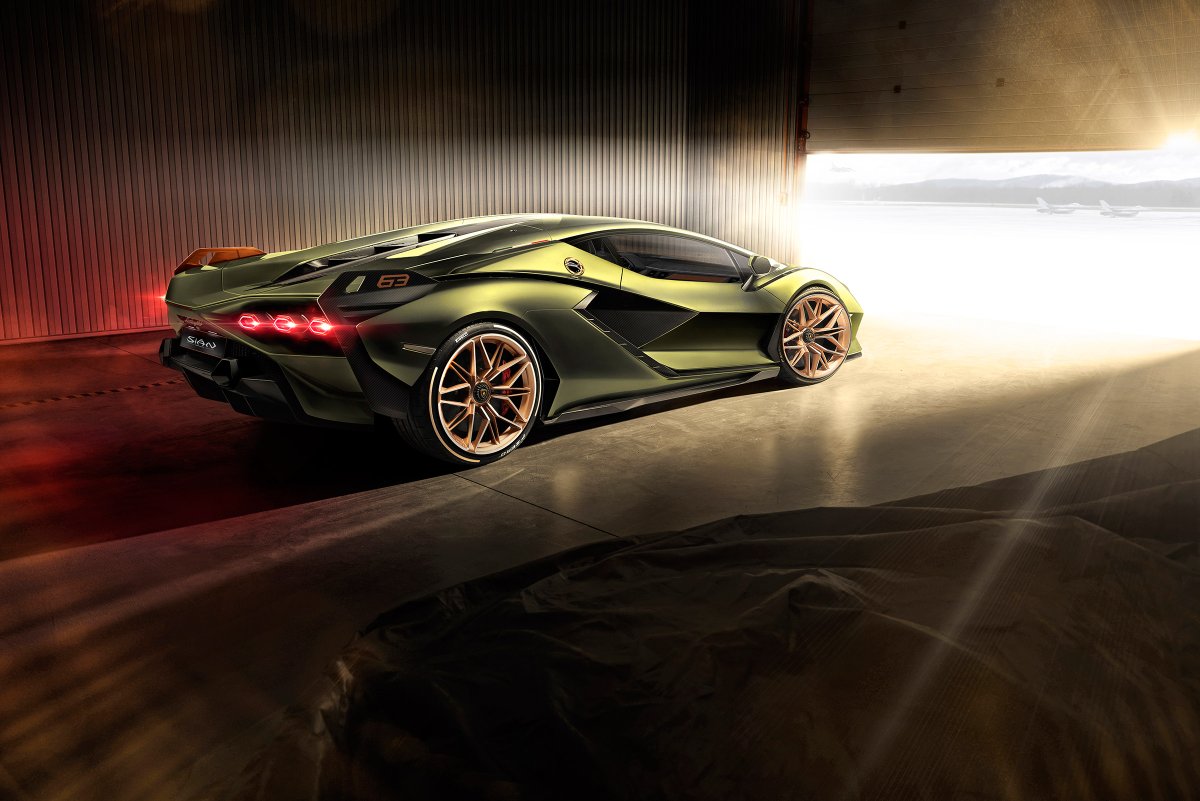
    It’s hard to think about how can the Huracan be more engaging for the driver without losing control. Lamborghini seemed to have a similar thought very recently and has introduced an unfiltered, unadulterated version of the supercar with the new Huracan Evo rear-wheel drive. The new Lamborghini Huracan Evo RWD is the newest addition to the Huracan family and keeps that Italian bull only on its hind legs. Admittedly, the Huracan Evo RWD makes less power than the AWD version with the 5.2-litre naturally aspirated V10 belting out 594 bhp, about 29 horses less than the standard Huracan Evo. However, what it promises is a lot of sideways action.

    Essentially, the 2020 Lamborghini Huracan Evo RWD is the no-frills edition of the two-door coupe, which in Italian supercar speak means “more fun.” So, the car misses out on the front axle, the rear steering and gets a power cut. There are some nifty additions though that aim to make the driving experience more seamless and exhilarating. This includes the new P-TCS or Performance Traction Control System that is unique to the 2020 Huracan Evo RWD and lets you slide and skate during acceleration, according to the manufacturer. Lamborghini also says that P-TCS never cuts torque abruptly. Instead, it will feed extra torque before the car gets into a slide and then will back off more gently, in the Sport mode. The system will also allow the car to exit corners more quickly in the Corsa mode, lending more control to the driver.

    Compared to the older Huracan LP580-2, the new Huracan Evo RWD gets about 30 per cent oversteer, as per Lamborghini’s proprietary fun calculator. The car weighs 1389 kg, which is lighter than the AWD version and has a top speed of 3.3 seconds. Visually, the 2020 Lamborghini Huracan Evo RWD is difficult to distinguish from the standard versions but take a hard look and you’ll find a new front splitter and fins in the front intakes while a new diffuser is visible at the rear. The car also wears its own shade of yellow – Giallo Belenus but can be ordered in a plethora of colour and leather options to match your taste.

  • Musk Defies Skeptics, Meets Tesla Delivery Goal

    Musk Defies Skeptics, Meets Tesla Delivery Goal

    Tesla Inc beat Wall Street estimates for annual vehicle deliveries and met the low-end of its own target, sending shares to a record high in a vindication for Chief Executive Elon Musk after a few turbulent years. Boosted by demand for its mass-produced Model 3 sedans as overseas sales pick up, Tesla on Friday said it delivered 112,000 vehicles in the fourth quarter, including 92,550 Model 3s and 19,450 Model S/X SUVs, which was above expectations of 104,960 vehicles, according to IBES data from Refinitiv. The Silicon Valley carmaker delivered approximately 367,500 vehicles during all of 2019, just meeting the low end of its target to deliver 360,000 to 400,000 vehicles in 2019.

    Tesla shares were up as much as 5.5% at $454, touching a record high.

    The stock has had a strong run in recent months after posting a rare profit in the latest quarter and news of China ramp up. With a market valuation of more than $80 billion, Tesla is far outstripping those of traditional carmakers General Motors Co (GM.N) and Ford Motor Co (F.N).

    The delivery results defy skeptics of Musk, whose mercurial behavior over the last two years came under close scrutiny from federal regulators and shareholders of Tesla.

    Musk, who has more than 30 million Twitter followers, has a history of firing off tweets that resulted in an investigation by the U.S. Securities and Exchange Commission and a defamation trial against him.

    The Tesla CEO settled the SEC complaint for $20 million in 2018 and a Los Angeles jury cleared Musk in the defamation case in December.

    “Elon has Tesla executing right on track,” said Roth Capital Partners analyst Craig Irwin.

    Tesla also provided an update on its Shanghai factory, which has started churning out Model 3 cars. It said the plant demonstrated a production run-rate capability of more than 3,000 units per week.

    The run-rate shows that the factory appears to be ramping faster than expected, Baird Equity Research analyst Ben Kallo said. “Shanghai deliveries should be the next catalyst to drive volume growth.”

    The $2-billion factory, Tesla’s first car manufacturing site outside the United States, is the centerpiece of its ambitions to boost sales in the world’s biggest auto market and avoid higher import tariffs imposed on U.S.-made cars.

    A company representative on Thursday said that Tesla will deliver its first China-made Model 3 sedans to the public on Jan. 7.

    The Model 3 is Tesla’s most affordable car, with lower-range versions available starting at $35,000.

    Analysts in the past have questioned how rapidly Tesla’s vehicle sales will grow as government subsidies for electric vehicle purchases dwindle in the United States, China and other markets. Some analysts consider those subsidies the biggest driver for Tesla purchases.

    Traditional automakers largely relying on fuel-powered vehicles on Friday reported a decline in fourth-quarter U.S. sales and saw their shares tumble as a widening conflict with Iran pushed oil prices more than $2 a barrel on Friday.

    Fiat Chrysler Automobiles NV on Friday said it saw a 2% fall in U.S. auto sales, while GM reported its fourth-quarter U.S. deliveries were down more than 6%.

    “The recently escalating geopolitical uncertainties driving oil prices higher are likely to create a tailwind for TSLA shares,” Canaccord Genuity analyst Jed Dorsheimer said.

  • Vietnam sees car imports double

    Vietnam sees car imports double

    Dwindling sales of locally assembled cars and rising sales of imports are causing local manufacturers to demand more tax incentives to compete.

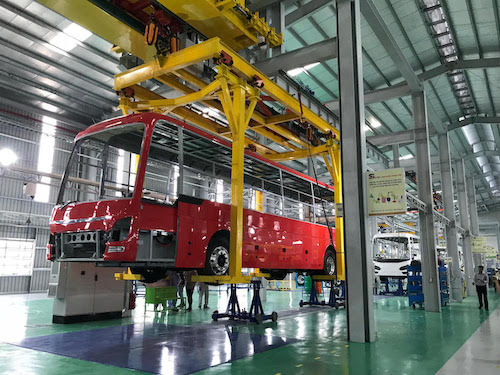
    In the first 11 months of the year sales of locally made vehicles fell by 13 percent year-on-year to 169,739 units, while that of imported cars doubled to 119,389, according to the Vietnam Automobile Manufacturers Association (VAMA).

    The surge in sales of imports follows a slump in 2018 due to a decree that stipulated tougher conditions for car importers, requiring them to provide certain certificates to ensure quality and countries of origin.

    The number of imported units fell by 20 percent last year, but rose 96 percent year-on-year this year to 133,700 units.

    They cost almost $3 billion, and the Ministry of Industry and Trade has estimated this figure could hit a record $3.4 billion for the full year, almost double last year’s.

    Though locally assembled vehicles still dominate sales, the surge in imports of complete-built units concern manufacturers. Pham Van Tai, CEO of Truong Hai Auto (THACO), had suggested last month that the country should scrap imports tax on car parts that cannot be made locally.

    Vietnam has been struggling to grow its auto industry for decades. Last year 288,700 units were sold, compared to Thailand’s million-odd units and Indonesia’s 1.1 million, according to auto database Marklines.

    The country’s local parts rate for passenger cars is 7-10 percent compared to 80 percent in Thailand and 70 percent in Indonesia.

  • Barcelona Bans Older, Most Polluting Cars

    Barcelona Bans Older, Most Polluting Cars

    Barcelona imposed a ban Thursday on older, more polluting vehicles during most of the day in a bid to reduce air pollution in Spain’s second largest city.

    Gasoline-powered cars registered in Spain before 2000, and diesel-powered cars registered before 2006 are now banned from most city streets on weekdays between 7:00 am and 8:00 pm and face a fine of at least 100 euros ($112) if they violate the rule.

    All banned vehicles will be allowed to enter the city 10 times a year.

    Owners of vehicles registered outside of Spain can request permission from city hall to drive in the Mediterranean coastal city which is home to 1.6 million people.

    Beginning in 2021 older, more polluting vans, trucks and buses will also be banned.

    The new rules are expected to affect around 50,000 vehicles a day and lead to a 15-percent cut in nitrogen dioxide emissions, a poisonous gas in car exhaust.

    Since last year, Madrid has restricted driving in the old city centre to people who live there. Residents from outside the area can only drive there if they use an electric or other low-emissions vehicle.

    While that rule is more restrictive than the policy put in place in Barcelona, the area of Madrid that is affected is much smaller.

    Barcelona’s far-left mayor Ada Colau has raised the possibility of introducing a congestion charge like those in place in other European cities such as London, Stockholm and Milan.

    Barcelona has since 2002 exceeded the level of airborne carbon dioxide set by the European Union, according to a 2017 report by the city public health department.

    The city’s poor air quality caused a yearly average of 424 premature deaths between 2010 and 2017, the report said.

    Last year Brussels asked the European Union’s Court of Justice to take action against Spain for its “systemic violations” of rules limiting nitrogen dioxide emissions.

  • Bosch to Cut Thousands of Jobs in India as Auto Sales Slump

    Bosch to Cut Thousands of Jobs in India as Auto Sales Slump

    Bosch, the Indian unit of the world’s largest auto-parts supplier, plans to join its parent, Robert Bosch GmbH in cutting jobs as the South Asian nation witnesses one of its worst auto sales slowdowns in decades.

    The German company will cut “a couple of thousand” jobs in India in the next four years, India Managing Director Soumitra Bhattacharya said. About 10% of 3,700 white-collar jobs and a slightly higher percentage of 6,300 blue-collar jobs will be cut, he added in an interview in Bangalore on Dec. 30.

    “There is a transformation happening across the industry,” Bhattacharya said. “We looked at that as an opportunity to transform the company even before the downturn started.”

    Carmakers across the world will shed 80,000 jobs in the coming years amid shrinking demand. That will hit sales at autopart makers. In India, Bosch expects auto sales to only recover in the next two-three years after plummeting in 2019 because of regulatory changes, threat of electrification, a liquidity crunch, and an economic slowdown.

    Still, the German component maker sees the demand for internal combustion engine vehicles leading growth in the auto industry in India. Both ICE and electric powertrains will coexist for a long time, Bhattacharya said. He forecast that 80% of the vehicles will run on ICE the rest on electric by 2030 in the nation.

    Bosch India’s profit fell 66% in the quarter ended Sept. 30, from a year earlier. Its share price dropped 22% last year.

    India’s auto sector is going through a cyclical and structural changes because of electrification, technological shift and the advent of shared mobility, Bhattacharya said.

  • Tesla Says Will Start Delivering China-Made Model 3s To Public On January 7

    Tesla Says Will Start Delivering China-Made Model 3s To Public On January 7

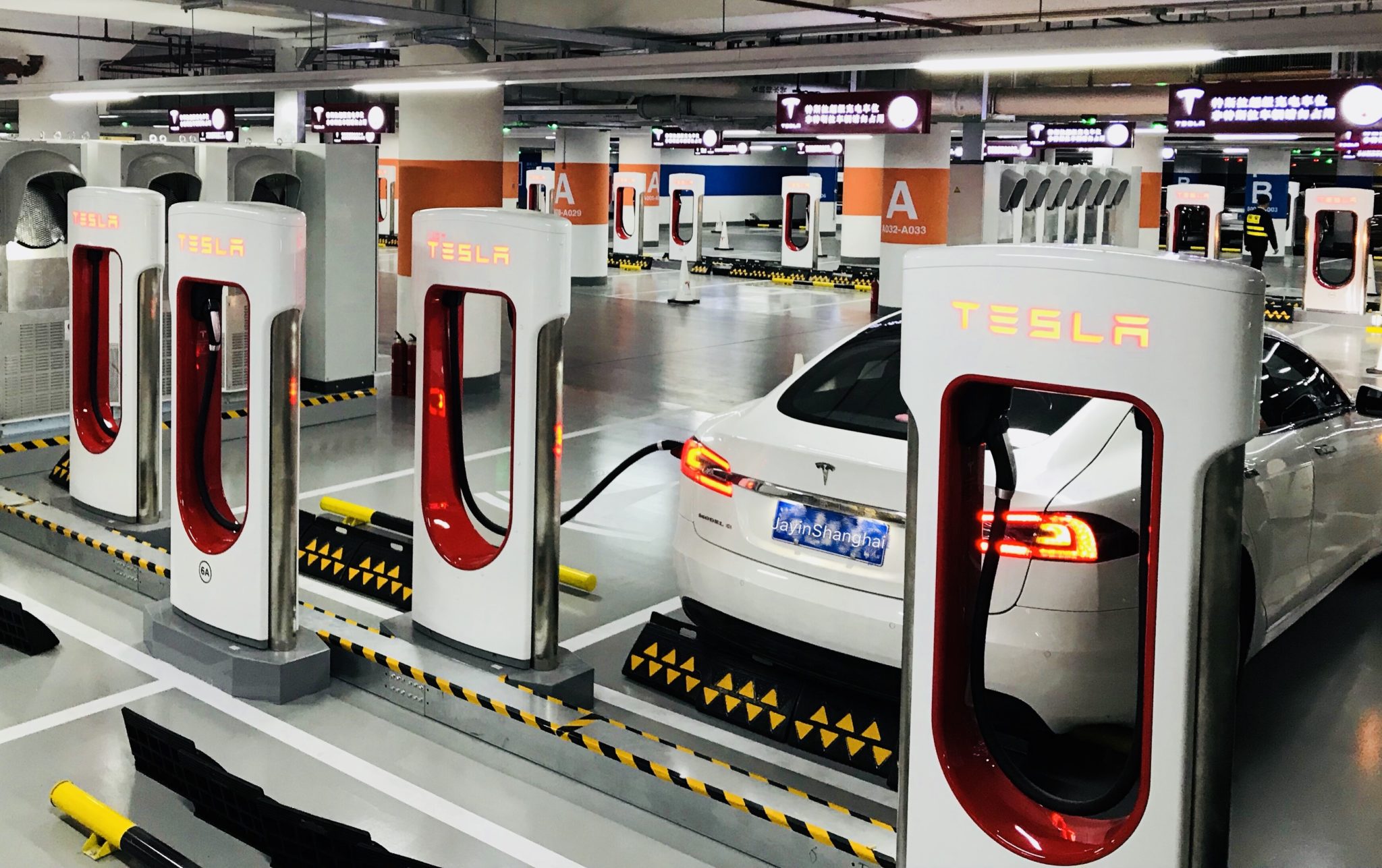
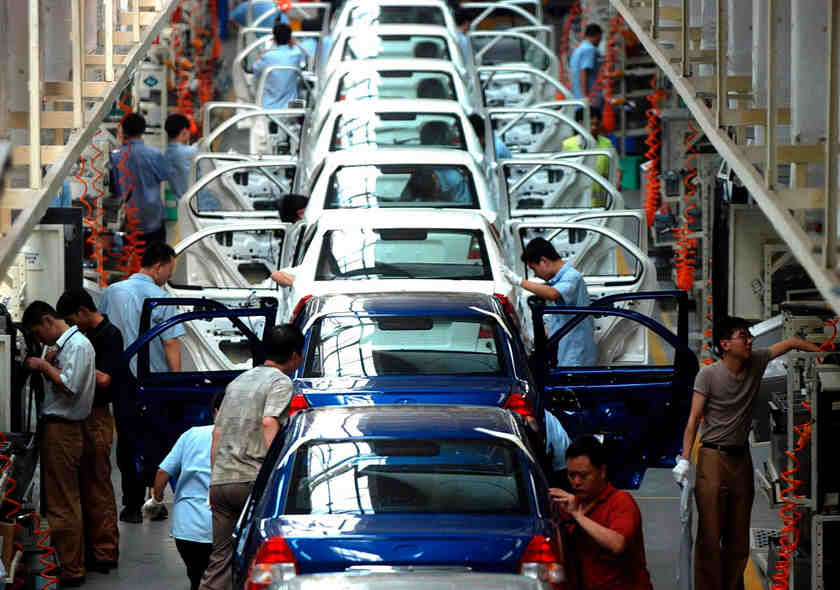
    Tesla will deliver its first Chinese made Model 3 sedans to the public on Jan. 7 at an event at its Shanghai plant, a representative for the firm told Reuters on Thursday. The Shanghai plant is part of the Silicon Valley automaker’s plans to bolster its presence in the world’s biggest auto market and minimise the impact of the U.S.-China trade war. Fifteen Tesla employees who had purchased a car were the first to receive their Model 3s on Monday after the first China-made vehicles rolled off the plant’s production line in October.

    The deliveries come a year after construction of Tesla’s only plant outside the United States began. Production started in October with a target of 250,000 vehicles a year once the Model Y is added to the line up. The Model 3 is priced at 355,800 yuan ($50,000) before subsidies. Tesla said previously that it wanted to start deliveries before the Chinese new year beginning on Jan. 25.

    Tesla’s China General Manager Wang Hao said the company plans to ramp up Model 3 deliveries in January.

    Tesla executives also told reporters the plant had achieved a production target of 1,000 units a week, or around 280 cars a day, and that sales for the China-made sedan had so far been “very good”.

  • VW Starts Settlement Talks With German Consumer Groups Over Diesel Scandal

    VW Starts Settlement Talks With German Consumer Groups Over Diesel Scandal

    Volkswagen on Thursday said it was in talks to discuss a settlement with German vehicle owners who are suing the carmaker over excessive pollution caused by VW’s diesel cars. In 2015 the carmaker admitted to using manipulated engine management software to mask excessive pollution levels in its diesel cars, sparking a raft of prosecutions and lawsuits that have led to at least 30 billion euros in legal costs and fines.

    “Volkswagen and the Federation of German Consumer Organisations vzbv have agreed to enter into discussions regarding a possible settlement,” the carmaker said.

    “The discussions are at a very early stage, and there is no guarantee that they will result in a settlement. Both parties have agreed that the discussions should remain confidential.”

    German consumers have had less success than vehicle owners in the United States in securing compensation from VW because German cars did not lose their road worthiness certification in the wake of the diesel scandal.

    In Germany VW’s diesel vehicles retained their road worthiness certification if customers agreed to an update of vehicle engine management software, leading VW to take a different approach to compensating consumers.

  • Tesla secures more than $1.4 billion in financing from China

    Tesla secures more than $1.4 billion in financing from China

    Tesla clinched more than 10 billion yuan ($1.4 billion) in financing from local banks for its Shanghai factory as it prepares to begin deliveries of China-made Model 3 sedans in the country, people familiar with the matter said.

    An announcement will probably be made as soon as this week, one of the people said, asking not to be identified discussing a private matter.

    CEO Elon Musk is counting on the China plant to help build on recent momentum for the company in the world’s largest market both for electric vehicles and autos in general. Tesla’s new-car registrations in China climbed to a five-month high of 5,597 in November, compared with 393 a year earlier, according to state-backed China Automotive Information Net.

    Tesla’s China-built Model 3s are set to start at about $50,000, slightly cheaper than imported versions. The company may lower the price of locally assembled sedans by 20 percent or more next year as it starts using more local components and reduces costs, people familiar with the matter have said.

    Reuters earlier reported on the financing. Tesla representatives didn’t immediately respond to requests for comment.

  • Renault Cars To Cost More In India From January 2020

    Renault Cars To Cost More In India From January 2020

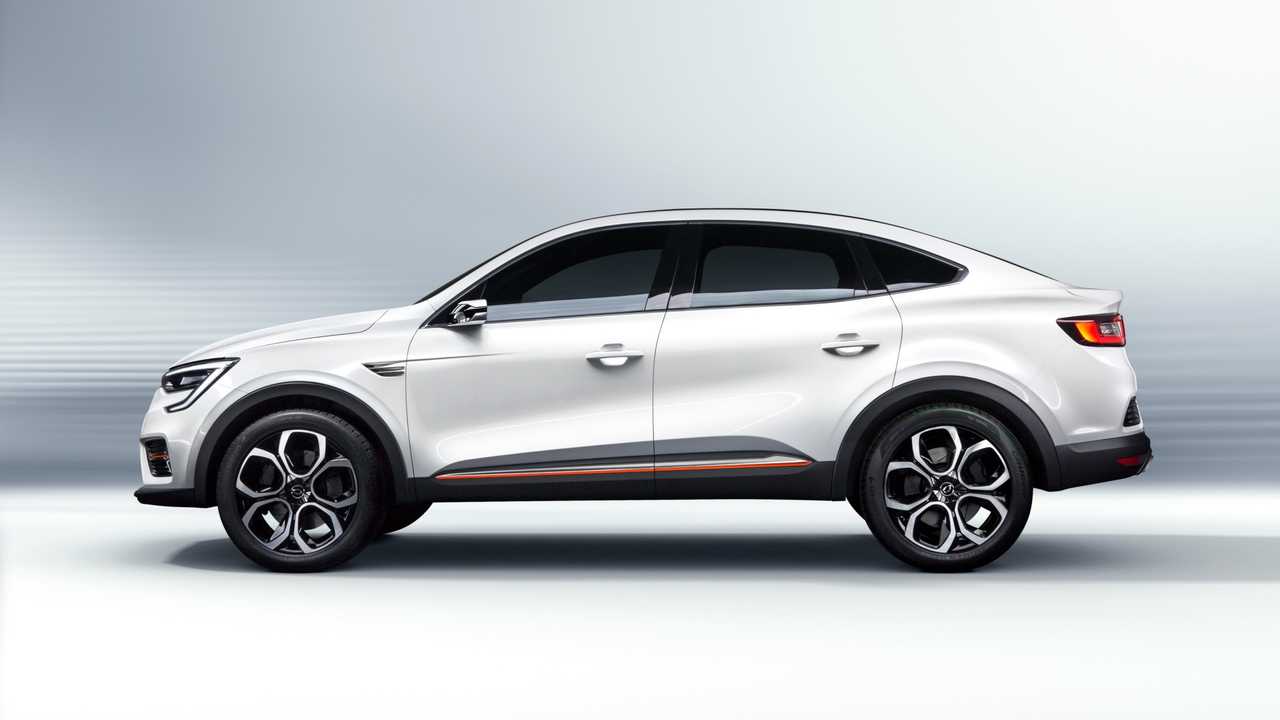
    Renault cars are set to get more expensive in India from next month. The French carmaker has announced a substantial price hike across its range which will be effective from January 2020. The company has cited rising input and material cost as the core reason for the price hike and has said that the price increase will vary for different models. The price increase will also include new models like the Renault Triber and Kwid Facelift.

    The increase in prices at the end of every year is a common practice among automakers in India. It’s part of the cyclical price revision in the industry and before Renault, other carmakers like Maruti Suzuki and Hyundai have already announced to increase prices across their product range. Moreover, BS6 and safety norms will be kicking-in as well in 2020 and all the products are expected to get more expensive around that time as well which may moderately affect the sales as well.

    The price increase will also include new models like the Renault Triber and Kwid Facelift.

    Speaking of sales, Renault had witnessed a sales increase of 77 per cent in November 2019 in the domestic market selling 10,882 units, as against the 6134 vehicles which were sold in November 2018. October 2019 also was a growth month for the carmaker, with Renault recording a growth of 63 per cent selling 11, 516 units during the Diwali month as compared to the 7,066 units sold during the same month last year. Renault India’s Year-To-Date (YTD) from April 2019 to November 2019 stands at 76,905 units at present.

  • China Carmakers Getting Ready To Build More, Much More, In India

    China Carmakers Getting Ready To Build More, Much More, In India

    Chinese automakers Great Wall Motor and Changan Automobile are accelerating plans to build cars in India after the initial success of rival SAIC Motor in one of the world’s biggest markets, three sources said. Great Wall, one of the biggest sellers of sports-utility vehicles (SUV) in China, expects to secure a production site in the first half of 2020, likely a General Motors plant in Maharashtra, a source familiar with Great Wall’s plans said

    Buying a factory is seen as the best way to get up and running fast and Great Wall is finalising which SUVs it plans to make in India, including whether to kick off its launch with an electric SUV, the source told Reuters. Great Wall said it would make an announcement next month about its plans for India but declined further comment.A spokesman for GM in Detroit said it was continuing to make vehicles for export at its Talegaon plant in Maharashtra state.”As we have said previously, we continue to explore options to improve utilisation of the plant

    We do not comment on speculation,” he said.Changan, too, is scouting for a production base and has held initial talks with suppliers, sources aware of its plans said

    Both automakers, which produce electric vehicles (EVs) in China, are also considering whether to set up EV battery assembly plants in India, the sources said. Changan declined to comment.The companies see India as a chance to combat slowing sales at home, which fell in November for a 17th month in a row

    While car sales in India are stuttering, the market is expected to become the world’s third biggest by 2026, behind China and the United States, according to consultancy LMC AutomotiveThe Chinese firms also hope to capitalise on gaps left by global automakers such as Fiat Chrysler , Ford Motor and GM which have scaled back plans in a market still dominated by smaller, low-cost cars made by Maruti Suzuki and Hyundai Motor. “It is an opportune time for China’s automakers to enter India. There is currently a gap in competition and it may take a couple of years for some of the established carmakers to bring new products to the market,” said LMC Automotive’s Ammar Master.

    PERCEPTION GAPGM’s retreat from India, for example, could help Great Wall get going quickly and it has been in talks to buy GM’s plant in Maharashtra, two of the sources said. GM stopped selling cars in India in 2017 and has already sold its other plant in Gujarat to SAIC, where the state-owned Chinese automaker now makes the Hector SUV it launched in June under its MG Motor brand. India is part of Great Wall’s planned global expansion into South America, South Africa, Southeast Asia and Australia, and it also plans to export from their to places such as Europe and the United States, said the source who is aware of its plans.”The plant in India is expected to be the biggest for Great Wall outside of China,” the source said.Great Wall has hired a former executive from Maruti Suzuki, India’s biggest carmaker, for its product and business planning, and appointed a former executive from SAIC’s India division as a consultant to liaise with the government

    “For global automakers, India is one of the many markets they are in but for the Chinese it is the first major market outside of home and so the level of investment and commitment will be proportionately high,” said the source.One of the biggest hurdles in India will be fighting perceptions about the quality and reliability of Chinese products and winning over brand-conscious buyers for whom cars are a prestige statement, say analysts

    Chinese smartphone makers such as Xiaomi Corp faced similar perception issues when they launched in India but they now dominate the market

    However, cars remain a significant outlay for most Indians and the Chinese brands will need to make their mark quickly.”Once the likes of Volkswagen and Ford start launching new models in India, the entrants from China could face tougher competition because a lot of buyers in India are still very brand conscious,” said LMC’s Master

    Launched at the end of June it said it had sold more than 13,000 cars by the end of November and plans to sell 24,000 next year.”SAIC has changed the perception about whether a Chinese brand can be made and sold in India,” said Santosh Pai, partner at law firm Link Legal which advises Chinese companies setting up in India

    “Fence sitters are getting in and have realised they can sell in India if the price and strategy is right.”Lessons for Great Wall and Changan from SAIC’s India launch include marketing the brand aggressively, packing the car with features to differentiate it from rivals and giving extended warranties to dispel doubts over reliability, analysts say

    Another advantage for Chinese carmakers in the coming years will be their EV expertise

    With the sale of EVs slowing in China they can deploy some of their existing capacity to India where the government is encouraging clean fuel cars. SAIC, which will soon launch an electric SUV in India, is also scouting for a second manufacturing site and is expected to make a decision in early 2020, said a source aware of its plans. SAIC did not respond to a request for comment though the head of its Indian division said in November it was working on an expansion plan and expected its total sales in India to hit 70,000 in 2021.
  • Volkswagen Takes One-Two Punch In Australia With Fine, Regulatory Proceedings

    Volkswagen Takes One-Two Punch In Australia With Fine, Regulatory Proceedings

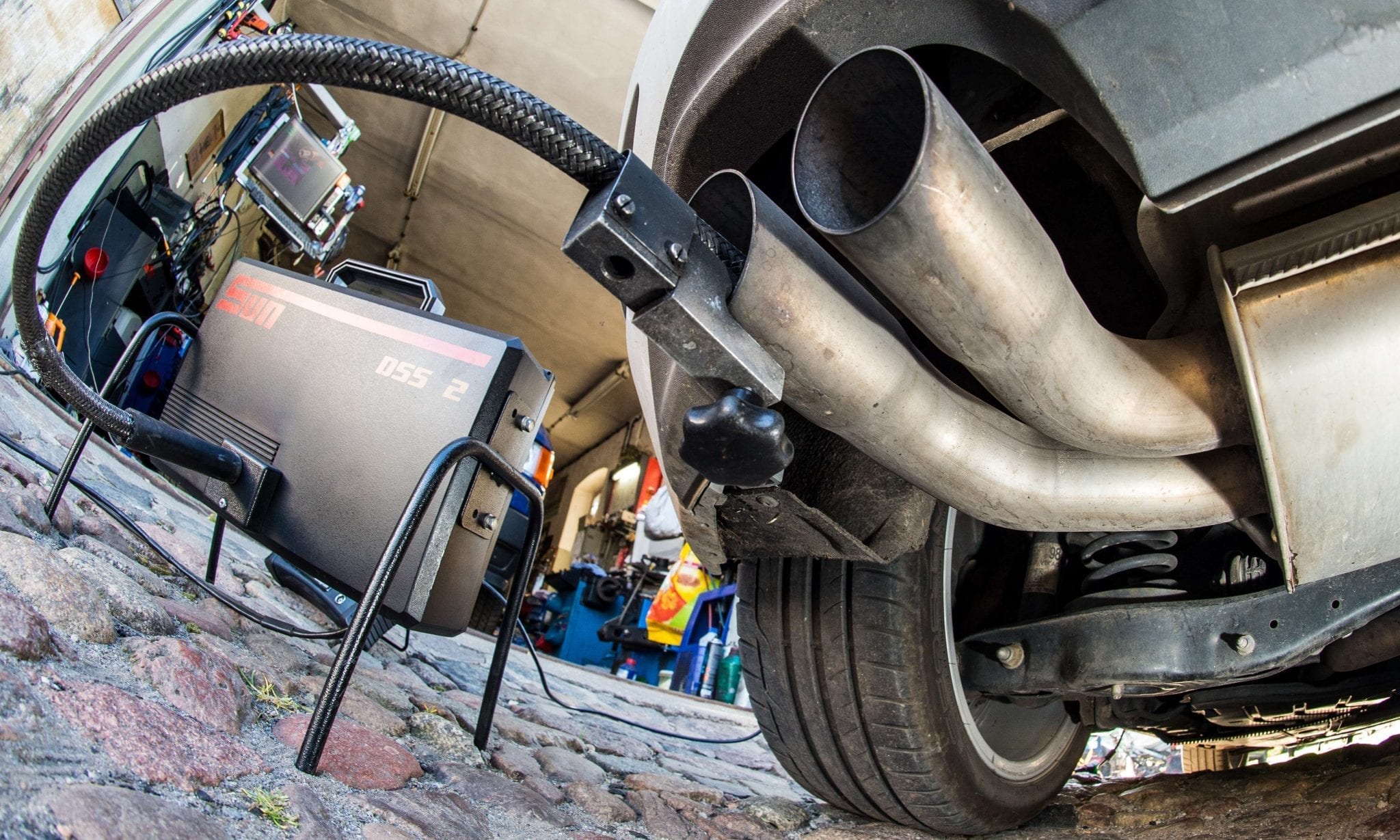
    Volkswagen AG took two raps in Australia on Friday as a federal court upheld a fine on the German car maker as part of a global diesel emissions cheating scandal and a regulator started penalty proceedings against one of its financial units.

    The court upheld a record A$125 million ($86 million) penalty imposed by the Australian Competition and Consumer Commission (ACCC) to settle lawsuits brought on behalf of thousands of Australian customers caught up in the emissions issue from 2015.

    The settlement follows revelations that Volkswagen was using prohibited engine-control software to pass pollution tests. The company has already paid billions of dollars in legal costs around the world.

    ACCC Chair Rod Sims told reporters on Friday that the fine imposed on Volkswagen was just a taste of what companies could expect in the future.

    The agency would use its new expanded powers to punish illegal activity with the largest fines possible and penalties of more than A$100 million would not be unusual, he said.

    Volkswagen did not immediately respond to a Reuters request for comment.

    Separately, the country’s corporate watchdog, the Australian Securities and Investments Commission (ASIC), said it started civil penalty proceedings in a federal court against Volkswagen Financial Services Australia Pty Ltd for allegedly not making appropriate checks before giving out 49,380 loans to consumers.

    ASIC alleges that the unit, which operates nationally to provide borrowers with consumer loans to purchase new and used cars, did not make required inquiries into borrowers’ living expenses or if the loans were unsuitable for them.

    These instances of alleged breaches in lending laws occurred between Dec. 20, 2013 and Dec. 15, 2016, ASIC said. The maximum penalty for one contravention equates to A$1.7 million ($1.2 million) in the period till July 31, 2015, and to A$1.8 million for a contravention in the period after that, the watchdog said.

    ASIC said proceedings commence on a date to be determined by the court.

    A spokeswoman for the unit said it takes its compliance obligations seriously and that it was cooperating with ASIC.

  • Fiat Chrysler And Peugeot Sign $50 Billion Merger Deal

    Fiat Chrysler And Peugeot Sign $50 Billion Merger Deal

    Fiat Chrysler Automobiles and Peugeot S.A. have today signed a binding Combination Agreement providing for a 50/50 merger of their businesses. This merger creates the 4th largest global automotive OEM by volume and 3rd largest by revenue. The proposed combination will be an industry leader with the management, capabilities, resources and scale to successfully capitalize on the opportunities presented by the new era in sustainable mobility.

    The combined company will have annual unit sales of 8.7 million vehicles, with revenues of nearly 170 billion Euros, recurring operating profit of over 11 billion Euros and an operating profit margin of 6.6 percent, all on a simple aggregated basis of 2018 results.

    The combined entity will have a balanced and profitable global presence with a highly complementary and iconic brand portfolio covering all key vehicle segments from luxury, premium, and mainstream passenger cars through to SUVs and trucks & light commercial vehicles. This will be underpinned by FCA’s strength in North America and Latin America and Groupe PSA’s solid position in Europe. The new Group will have a much greater geographic balance with 46 percent of revenues derived from Europe and 43% from North America, based on aggregated 2018 figures of each company. The combination will bring the opportunity for the new company to reshape the strategy in other regions.

    The efficiencies that will be gained from optimizing investments in-vehicle platforms, engine families and new technologies while leveraging increased scale will enable the business to enhance its purchasing performance and create additional value for stakeholders. More than two-thirds of run rate volumes will be concentrated on 2 platforms, with approximately 3 million cars per year on each of the small platform and the compact/mid-size platform.

    Carlos Tavares, Chairman of the Managing Board of Groupe PSA, said: “Our merger is a huge opportunity to take a stronger position in the auto industry as we seek to master the transition to a world of clean, safe and sustainable mobility and to provide our customers with world-class products, technology and services. I have every confidence that with their immense talent and their collaborative mindset, our teams will succeed in delivering maximized performance with vigor and enthusiasm.”

    This technology, product and platform-related savings are expected to account for approximately 40% of the total 3.7 billion Euros in annual run-rate synergies while purchasing – benefiting principally from scale and best price alignment – will represent a further estimated 40% of the synergies. Other areas, including marketing, IT, G&A and logistics, will account for the remaining 20%. These synergy estimates are not based on any plant closures resulting from the transaction. It is projected that the estimated synergies will be net cash flow positive from year 1 and that approximately 80% of the synergies will be achieved by year 4. The total one-time cost of achieving the synergies is estimated at 2.8 billion Euros.

    Mike Manley, Chief Executive Officer of FCA said, “This is a union of two companies with incredible brands and a skilled and dedicated workforce. Both have faced the toughest of times and have emerged as agile, smart, formidable competitors. Our people share a common trait – they see challenges as opportunities to be embraced and the path to making us better at what we do.”

  • BMW Financial Services India Appoints Kathrin Frauscher As The MD & CEO

    BMW Financial Services India Appoints Kathrin Frauscher As The MD & CEO

    BMW India has appointed Kathrin Frauscher as the new Managing Director (MD) and Chief Executive Officer (CEO) of BMW Financial Services India. Before her new appointment, Frauscher was serving as the CEO of BMW Financial Services in Denmark and has been associated with the BMW Group since 2007. She has also worked as the Head of Sales Performance for BMW Financial Services in Northern Europe and has significant experience of working with the BMW Group in retail sales for BMW and Mini Cars.

    On her appointment, Ritu Chandy, Regional Chief Executive Officer of BMW Group Financial Services for Asia Pacific said, “Kathrin Frauscher made a major contribution to the success of BMW Financial Services Denmark in the last few years. We are confident that she will continue the successful development of the business as she takes charge of operations in India. Ms. Frauscher has significant knowledge and has demonstrated long-standing dedication and commitment to her markets which are the best prerequisites for good leadership.”

    Kathrin Frauscher has succeeded Andre Van Rheenen at the BMW Financial Services in India. BMW Financial Services India was started in June 2010 and operates with three business areas- Retail Finance, Commercial Finance and Insurance Solutions.