Tag: Auto

  • Retro-Themed Hyundai 45 Concept Teased Ahead Of Frankfurt Motor Show Debut

    Retro-Themed Hyundai 45 Concept Teased Ahead Of Frankfurt Motor Show Debut

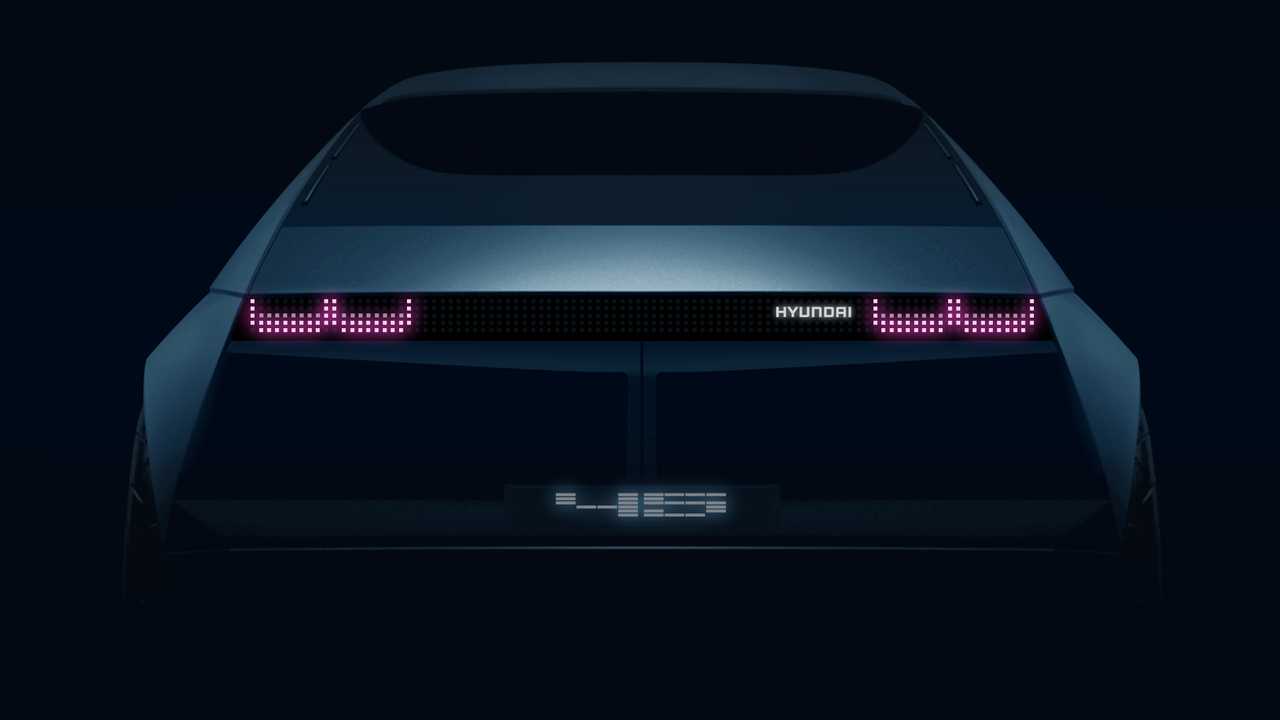
    The future is 8-bit. At least that’s what Hyundai’s new ’45’ concept suggests that was recently teased, ahead of its debut at the upcoming Frankfurt Motor Show on September 10, 2019. Inspired by the automaker’s first model in the 1970s, the 45 fully-electric concept car will act as a symbolic milestone for Hyundai’s future EV design, according to the company. The car that the automaker speaks of is the Hyundai Pony that was introduced in 1975 and was the first mass market car in South Korea. The Hyundai 45 concept not only pays homage to the Pony but also takes a retro design cue or two for its EVs.

    While the teaser does not give out any major details about the Hyundai 45 concept, we do get a clearer look at the silhouette of the car that is more angular and boxy than we thought. The dot-matrix taillights though do standout and certainly something we wouldn’t mind seeing on the production EV cars of the future too. It also sits well with the neo retro theme fo the car, something Honda too explored successfully with its new E, electric compact car.

    Hyundai is known for making some bold styling choices and while its current cars get that ‘Sensuous Sportiness’ design language, this would be a welcome change. We will, of course, get the complete look at the new 45 in a few days from now at Frankfurt and we do expect something radical from the Korean carmaker.

  • BlackBerry To Offer Cybersecurity For Future Jaguar Land Rover Model

    BlackBerry To Offer Cybersecurity For Future Jaguar Land Rover Model

    Jaguar Land Rover and technology firm BlackBerry today announced the expansion of the companies’ corporate partnership to develop next-generation intelligent vehicles for the carmaker. As part of the extended collaboration, the BlackBerry, a trusted security software and services company, will help JLR develop future-ready vehicle safety technology for the automotive market. The company will share its Artificial Intelligence and Machine Learning technologies like – BlackBerry QNX and BlackBerry Cylance, to develop vehicle safety systems, with a range of capabilities like – predictive software maintenance and cybersecurity threat protection.

    For instance, the BlackBerry QNX, an integrating software will be used to help develop Jaguar Land Rover’s next-generation vehicle architecture, making it safer. On the other hand, its consultants and security testing technology, BlackBerry Cybersecurity Consulting services will help identify security vulnerabilities in connected and autonomous vehicles, across the full software library used in a vehicle.

    Speaking about the partnership Ralf D Speth, Jaguar Land Rover CEO, said “Jaguar Land Rover and BlackBerry share a common objective in bringing the most intelligent vehicles to reality. I am delighted that our partnership with BlackBerry continues to go from strength-to-strength, a company whose technology innovations uniquely address the expanding safety needs of the automotive industry.”

    As for John Chen, Executive Chairman & CEO, BlackBerry, he said, “BlackBerry is a trusted partner of the automotive industry because of our heritage and innovations in secure communications. We are pleased to be Jaguar Land Rover’s chosen partner for safety-certified technology, as we advance Artificial Intelligence and Machine Learning technologies to transform automotive safety.”

  • Nissan India Appoints Rakesh Srivastava As Managing Director

    Nissan India Appoints Rakesh Srivastava As Managing Director

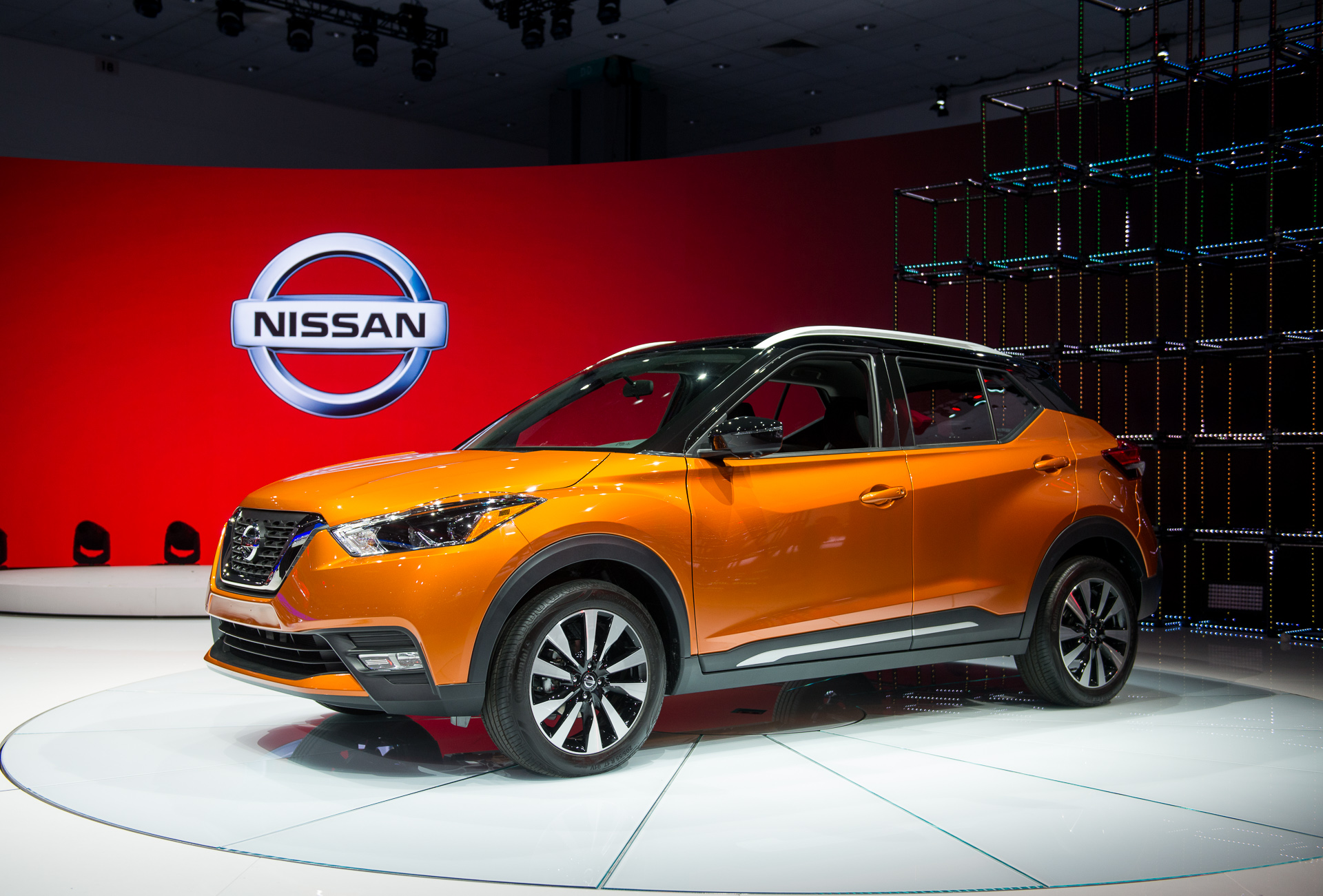
    Nissan today announced the appointment of Rakesh Srivastava as Managing Director, Nissan Motor India and will report to Sinan Ozkok, President of Nissan India Operations. Rakesh joins Nissan after having worked as Director in charge of electric vehicle development, JSW Group. Prior to that, Rakesh has held senior management positions at Hyundai Motor India and Maruti Suzuki.

    Sinan Ozkok said, “I am pleased to welcome Rakesh to the Nissan India team. With his rich experience and deep understanding of the Indian market, I am confident he will strengthen our sales and marketing functions and successfully deliver our customer-centric strategy.”

    Nissan Motor India has had its share of ups and downs and now that the company looks to renew its outlook for India, Srivastava brings expertise and also strategy to the table. The company has big plans for India and this includes moving to a future with an electric car portfolio.

    Rakesh Srivastava said, “I am excited by the opportunity to build and strengthen Nissan operations for our customers, partners and employees in India. Nissan is an iconic global brand and its leadership in technology and innovation will be a key driver and differentiator towards delivering value and aspiration to our customers in this competitive market.”

  • Japanese Automakers’ Sales Fall In South Korea Amid Consumer Boycott

    Japanese Automakers’ Sales Fall In South Korea Amid Consumer Boycott

    Japanese automakers posted sharper sales falls in South Korea in August, industry data showed on Wednesday, hit by a consumer boycott of Japanese vehicles amid a worsening diplomatic row between the countries.

    Toyota Motor Corp and other Japanese carmakers saw South Korean sales tumble 57% to 1,398 vehicles in August from a year earlier, steeper than the 17% fall in July.

    Japan’s decision in July to tighten controls on exports of materials that South Korea uses to make semiconductors and display screens has prompted a consumer backlash in Korea, with consumers boycotting Japanese products such as beer, clothes, vehicles and tours to the neighboring country.

    Relations between the two U.S. allies had already soured over South Korean demands for Japanese compensation for South Korean forced laborers during World War Two.

    Toyota’s South Korean sales fell 59% to 542 in August from a year earlier, while Honda Motor’s sales tumbled 81% to 138.

    Toyota’s Lexus was the top-selling Japanese brand in South Korea, with sales reaching 603 vehicles in August, up 7.7% from year earlier, but down 39% from July.

  • Ford Finds Buyer For Brazil Plant, But New Owner Could Cut 1,300 Jobs

    Ford Finds Buyer For Brazil Plant, But New Owner Could Cut 1,300 Jobs

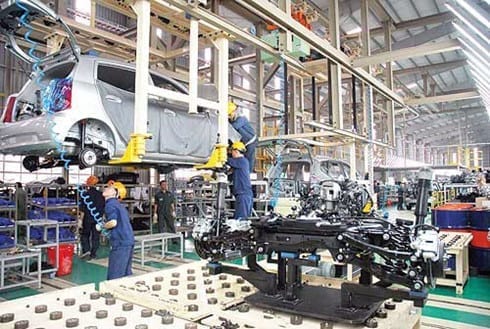
    Brazilian automaker CAOA reached an initial agreement to buy Ford Motor Co’s plant in Sao Bernardo do Campo, the companies said on Tuesday, but CAOA could slash 1,300 jobs, according to the union representing the plant’s workers.

    Ford announced in February that it would shut down the plant, its oldest in Brazil, which employs some 3,000 workers, as part of a global restructuring and a push to exit the heavy truck business.

    CAOA and Ford have been negotiating the purchase since late February, Reuters reported at the time, when Sao Paulo state Governor Joao Doria rushed to find a buyer for the plant in a push to keep jobs in the city.

    Wagner Santana, president of the union that represents Ford’s workers, told reporters that in conversations with CAOA, the Brazilian automaker said it would initially retain only some 800 workers and that 1,300 would be let go, with the remainder being kept by Ford.

    Doria has defended Sao Paulo as a manufacturing hub at a time when the auto industry turned to other Brazilian states that were offering aggressive tax incentives. He has introduced a tax incentive of his own.

    At the news conference, Doria said a decision on how many jobs will be kept can only be made once Ford and CAOA close the sale, which is set to go through a 45-day due diligence process.

    “Preserve all jobs, that’s the fundamental condition for a contribution from the state,” Doria said, in reference to potential tax benefits.

    Santana said CAOA plans to pay those it hires up to 80% of their current Ford salaries, noting that is still much more than salaries paid in other states.

    A CAOA spokesperson declined to comment.

    “The objective is to make the factory profitable and productive, so it generates employment and riches,” said Carlos Alberto Oliveira Andrade, CAOA’s president and founder, whose initials make up the company name.

    Brazil’s large domestic market and protectionist economy has long attracted the world’s biggest automakers to set up shop here, and CAOA is the rare carmaker that is actually domestically owned. It has struck deals to make cars for Korea’s Hyundai and co-owns China’s Chery operation in Brazil, whose cars are branded as CAOA Chery.

    Ford opened the plant in 1967, and it is the company’s oldest in the country. It was primarily used to make heavy trucks, as well as the compact Ford Fiesta, a sales laggard. Ford is undergoing a global restructuring and has said it would focus on a much newer plant in the Northeastern state of Bahia.

  • Lamborghini Sian Revealed Ahead Of The 2019 Frankfurt Motor Show

    Lamborghini Sian Revealed Ahead Of The 2019 Frankfurt Motor Show

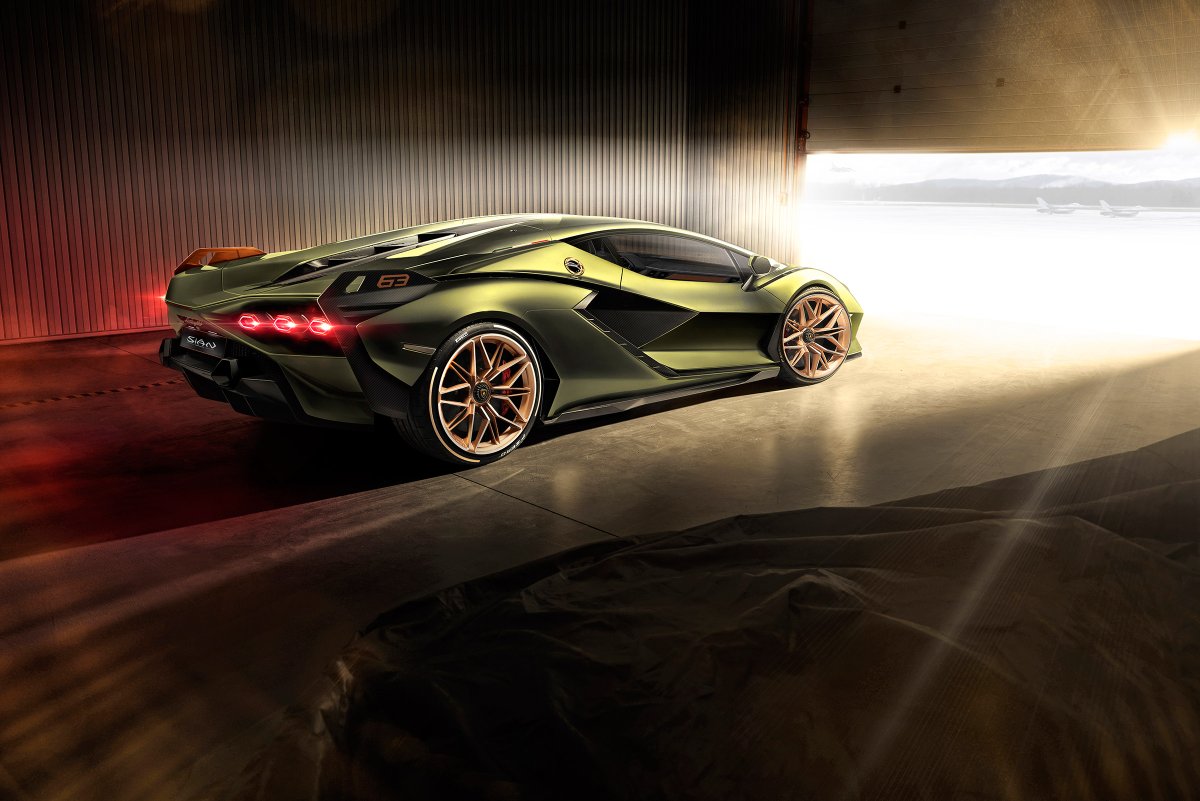
    Lamborghini has already revealed the details of what will be there at the upcoming 2019 Frankfurt Motor Show. It’s the all-new Lamborghini Sian which will be the first hybrid supercar that the brand has ever done. The SVJ sourced 6.5-litre, Naturally Aspirated, V12 engine is coupled with a 48-volt mild-hybrid system which adds 33 bhp more taking the total maximum output to a staggering 808 bhp at 8500 rpm, enough to clock triple digit speeds in under 2.8 seconds. It is the most powerful production Lamborghini ever built and can reach a top speed of 350 kmph.

    The Sian is anything but a fancy supercar. It’s been commissioned to perform and not just to impress with all that it packs in. The most interesting of all is the first ever supercapacitor system debuted in the Aventador and Sian has built on it immensely. It’s three times more powerful than a similarly sized battery which also weighs just 34 kg offering an impressive weight-to-power ratio of 1.0 kg / bhp. The braking system also works to completely charge the supercapacitor every time it brakes. The stored energy provides an instant boost up to 130 kmph making it 10 percent faster. The electric motor disconnects past 130 kmph and the powertrain completely takes over. Compared to the Aventador SVJ which currently sits on Lamborghini’s throne, the Sian is 0.2 seconds faster between 30 to 60 kmph and in higher gears, the traction force is increase by up to 20 percent making it 1.2 seconds faster between 70 to 120 kmph.

    Lamborghinis have always been head turners as far as looks are concerned and going by these sketches, the Sian takes inspiration from the Countach and has the bold and sharp design elements intact as well which is typical of a Lamborghini. The air inlets sport the iconic Lamborghini Y shaped curtains and the hood is sculpted with diagonal lines. The lower section of the front integrates a carbon fibre splitter flanked by Y shaped headlights which come together to give a very aggressive stance.

    Lamborghini is planning to make just 63 units of the Sian in honour of the foundation year of Lamborghini and it will be showcased at the upcoming Frankfurt Motor Show.

  • Trump Prods General Motors Over Its Auto Plants In China

    Trump Prods General Motors Over Its Auto Plants In China

    U.S. President Donald Trump, who is engaged in a trade war with Beijing, said on Friday that the largest U.S. automaker, General Motors Co, should begin moving its operations back to the United States.

    “General Motors, which was once the Giant of Detroit, is now one of the smallest auto manufacturers there. They moved major plants to China, BEFORE I CAME INTO OFFICE. This was done despite the saving help given them by the USA. Now they should start moving back to America again?” Trump said in a post on Twitter.

    Trump appeared to be referring to a Bloomberg News story that reported GM’s hourly workforce of 46,000 U.S. workers has fallen behind that of Fiat Chrysler as the smallest of the Detroit Three automakers. Over the past four decades, GM has dramatically cut the size of its overall U.S. workforce, which numbered nearly 620,000 in 1979.

    GM did not directly comment on Trump’s tweet.

    “GM’s China operations are not a threat to U.S. jobs,” the company said in a fact sheet, noting that its joint ventures have sent $16 billion in equity income to GM since 2010 and that it has invested $23 billion in U.S. operations since 2009.

    GM’s U.S. hourly workforce has fallen by about 4,000 jobs since the end of 2018 to about where it was a decade ago.

    Trump’s ire with GM comes as contract talks with the United Auto Workers union with the Detroit Three automakers intensify ahead of a Sept. 14 deadline. Trump has previously attacked GM for building vehicles in Mexico and for ending production at plants in Michigan, Ohio and Maryland and threatened to cut GM subsidies in retaliation.

    GM’s decision to close four plants in the United States is a central issue in the contract talks.

    Trump has made boosting auto jobs a key priority and has often attacked automakers on Twitter for not doing enough to boost U.S. employment. His 2020 re-election bid will hinge on holding key industrial battleground states like Wisconsin, Pennsylvania and Michigan that narrowly voted for him in 2016.

    China is the world’s largest auto market, and government policy favors automakers assembling vehicles there, and not importing them from overseas.

    In response to Trump’s latest tariffs, China said last week it will reinstitute 25% tariffs on U.S.-made vehicles. The U.S. is imposing 15% tariffs on more than $125 billion in Chinese goods starting Sunday.

    GM sold 3.6 million vehicles in China last year accounting for 43% of its worldwide sales. GM booked $2 billion in equity income from its China operations last year.

    GM imports a small number of vehicles from China. In June, the Trump administration rejected a request from GM to exempt its Chinese-made Buick Envision from a 25% U.S. tariff on sport utility vehicle models.

    The midsize SUV has become a target for U.S. critics of Chinese-made goods, including leaders of the UAW members in key political swing states such as Michigan and Ohio.

  • General Motors Cuts Some 350 Jobs In Thailand Operations

    General Motors Cuts Some 350 Jobs In Thailand Operations

    General Motors has cut about 350 jobs from its Thai subsidiary’s operations, a labor representative said on Friday, slashing more than 15% of the workforce for the U.S. automaker that has two factories in Thailand.

    Thailand is a major manufacturing hub in the competitive Southeast Asian auto market.

    Boonyeun Sookmai, coordinator for Labor Relations Group for Eastern Thailand, told Reuters more than 350 employees and contractors at General Motors (Thailand) were affected by the cuts, which employees and contractors were told about this week.

    GM did not confirm the number of layoffs but said in a statement it was “necessary to right-size” its operations.

    “We are taking every measure to support employees whose roles are impacted,” the statement said.

    It added: “There is no change to our ongoing business in Thailand – we continue to build and sell world-class trucks, SUVs and engines for Thailand and the world.”

    The company has about 1,900 employees in Thailand, according to the Bangkok Post, in operations that include a vehicle assembly plant that produces 180,000 units per year.

    Thailand is a regional vehicle production and export base for the world’s top vehicle manufacturers, including Toyota, Honda and Harley-Davidson.

    The auto industry accounts for about 10% of the Thai economy and has been one of a few growth drivers at a time of falling exports.

    Previously booming domestic auto sales have cooled in Thailand with finance firms using stricter lending criteria. Thai domestic car sales contracted in July for a second straight month, down 1.1% from a year earlier.

    GM has two plants in Rayong, a province on Thailand’s eastern seaboard, for vehicle assembly and another for powertrain and engines. Its vehicle assembly plant began operations in 2000 and the latter in 2011.

    The plants in Thailand produces vehicles for the domestic market and export under the Chevrolet and Holden nameplates.

  • Maruti Suzuki Expands Its Arena Retail Channel To 450 Showrooms Across India

    Maruti Suzuki Expands Its Arena Retail Channel To 450 Showrooms Across India

    Maruti Suzuki started transforming its dealerships to a more modern and digitally integrated Arena Experience Centres back in 2017. Within two years the company has expanded to a total of 450 Arena showrooms across 323 cities in India. Maruti decided to go premium with separate Nexa dealerships for models like the Baleno, S-Cross, Ignis and the Ciaz, which helped it position the brand as an upmarket carmaker, but there was a concern that required to be addressed. Following the digitalization trend and upgrading its showrooms to suit the liking of new-age customers, the rationale behind Arena was also to make sure that its existing and small car customers don’t feel left out.

    Speaking on the new milestone, Shashank Srivastava, Executive Director (Marketing & Sales), Maruti Suzuki India said, “We launched Maruti Suzuki Arena with a strategy to transform our network and meet the expectations of offering an evolved car buying experience to the young, dynamic and contemporary Indian customers. The two-year milestone is a marquee statement to showcase our commitment towards customer satisfaction. We are delighted to celebrate over 450 Arena showrooms and we look forward to offering experiences with revolutionary design and innovative technology that are at par with global benchmarks.”

    Arena showrooms are equipped with touchscreens to give every detail to the customers before they approach towards the car to get hands on experience. Specifications, features, color options, EMI options, Accessories, etc information are available on the touchscreen panel and customers even get the option of online and offline purchase. Maruti Suzuki is also integrating iCreate configurator in Arena dealerships to offer a 360-degree view of the car. Maruti Suzuki claims that users are also active on the Arena website and it has around 4.74 million visitors every month.

  • More Jobs In Auto Lost, Toyota And Hyundai Cut Production

    More Jobs In Auto Lost, Toyota And Hyundai Cut Production

    With India’s auto sales declining for the ninth straight month in July, more automotive manufacturers are laying off workers and temporarily halting production to keep costs in check, according to sources and documents seen by Reuters.

    Japanese carmaker Toyota Motor and South Korea’s Hyundai Motor are the latest in a string of companies to briefly halt some parts of production at plants to combat slumping sales, according to company memos to employees, reviewed by Reuters.Passenger vehicle sales in July fell at the fastest pace in nearly two decades.

    The sales declines have triggered major job cuts in India’s auto sector, with many companies forced to shut down factories for days and axe shifts.

    Sources have told Reuters that even more companies have now begun to lay off temporary workers as the slowdown worsens.

    Denso Corp’s India unit, which makes powertrain and air-conditioning systems for cars, has cut some temporary workers at its Manesar plant in north India, four sources familiar with the matter told Reuters.

    A spokeswoman for Denso said the information was incorrect and declined to elaborate further.

    In a separate email, another company official disputed that the firm employed temporary workers at its Manesar plant.

    Bellsonica, which is part-owned by India’s biggest carmaker Maruti Suzuki and makes auto framework parts, has also let more than 350 workers go in Manesar, two sources said.In an email, Bellsonica said the workers that had been let go were temporary workers, and most had been let go earlier in the year.Reuters earlier this month reported automakers, component manufacturers and dealers had already cut 350,000 jobs

    In a meeting with India’s finance ministry on Aug 7, industry executives asked for tax cuts, and easier access to finance for dealers and buyers, in an effort to revive sales.Toyota, in a notice dated Aug 13, told its workers the company would halt production at its plants in Bengaluru in southern India on Aug 16 and 17 “due to low market demand of vehicles” and high stock of about 7,000 vehicles. N Raja, deputy managing director, at Toyota’s India unit, told Reuters that while the company had a flexible production system it had to resort to five no-production days in August to prevent the build up of stock.”The industry is deeply concerned with the reality of poor customer sentiment faced by the sector,” said Raja, adding he hoped the government would step in to support the industry

    Hyundai, in a memo on Aug 9, also said it would halt production for several days in August across various departments including the body shop and paint shop as well as its engine and transmission plants. A Hyundai Motor India spokesman said the company expected sales to pick up in the festive season starting next month and added that the company had not laid off any workers.

  • Volvo XC90 To Come In A 3-Seater Excellence Trim In India

    Volvo XC90 To Come In A 3-Seater Excellence Trim In India

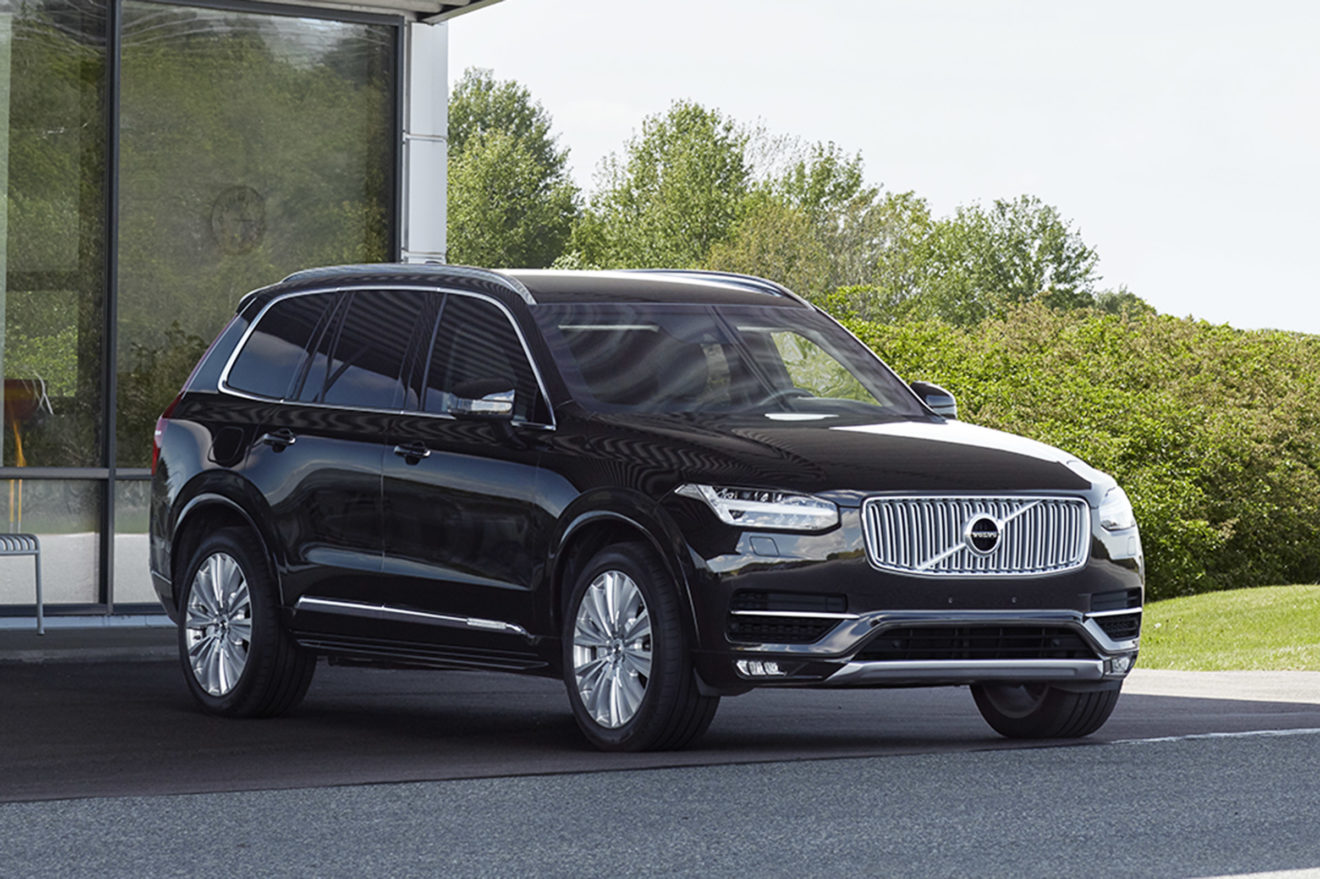
    Volvo Auto India is all set to launch the XC90 Excellence variant in India on September 3, 2019. The Excellence option is only on offer in select markets and India gets to be one of them. The regular XC90 Inscription trim cabin is already pretty upscale, but the Excellence adds to that. So there’s a lot more on offer and yes, you’re quite literally in the lap of luxury. To begin with the XC90 Excellence comes with individual seats at the rear and this makes it a 3-seater which means there’s a lot of space for anyone sitting at the rear. The seats can be reclined and adjusted electrically. There’s a lot provided at the rear to pamper the passengers and this includes features like a massage function – which along with the rest of the seat functions (including ventilated cooling and seat heating) can be operated using a pop-up touchscreen that sits between the two seats.

    Volvo also provides tray tables that can be folded out of the central armrest. The armrest also has a storage bin housed below it which contains charging and USB points. Between the seats is the in-car refrigerator where you can store and cool any beverage of your choice. The Excellence comes with its own exclusive set of crystal glasses and special champagne flute holders, that can be housed inside the fridge to keep them cool. Now, that’s taking exclusivity to a whole new level. There is a holder between the seats to stick the specially designed flutes too.

    Now with all these features at your disposal, you certainly want a bit of peace and quiet so what Volvo has done is put a glass partition between the cabin and the cargo area to make sure that the cabin is quiet and of course cooler. The cabin will be finished in two colors – black or beige. All these luxurious features will certainly cost you. Currently, the XC90 lineup starts at around ₹ 80 lakh and goes up to ₹ 1.31 crore, we expect the XC90 Excellence to be priced at ₹ 1.3 crore.

  • Volkswagen Polo & Vento Facelifts To Be Launched Next Month

    Volkswagen Polo & Vento Facelifts To Be Launched Next Month

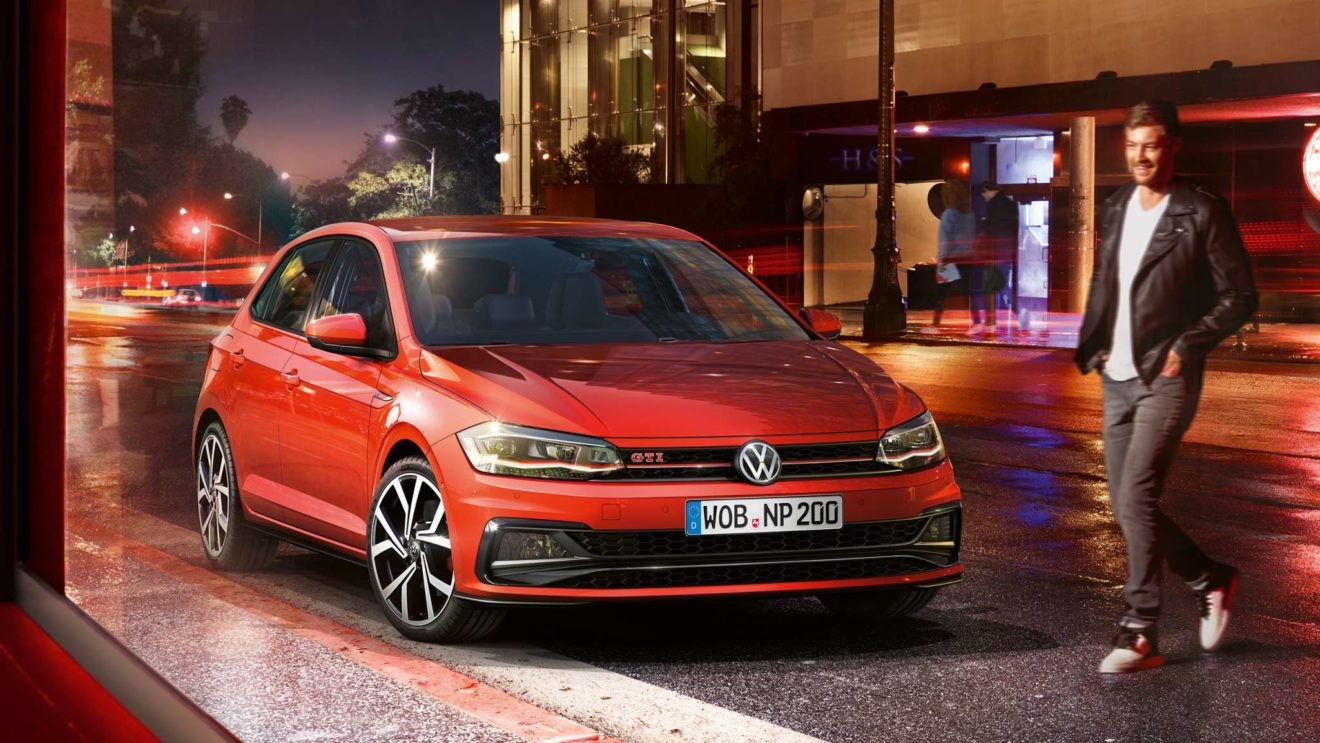
    Volkswagen India will be introducing the facelifted versions of the Polo and the Vento models on September 4, 2019. VW’s most popular models in the country are set to get subtle cosmetic changes for the new model year along with feature upgrades. The updated cars were spotted testing earlier this year too, and the changes will keep the model fresh, with the next generation Polo and Vento for India still some time away from launch. We recently told you that the new generation Polo for India will be based on the MQB A0 platform, which will also spawn the new Vento.

    Based on what we’ve seen on the previous spy shots, the Volkswagen Polo and Vento facelifts will sport a revised front that includes changes to the grille that takes inspiration from the GTI models, while the front and rear bumper have been tweaked as part of the update. The silhouette on both cars remains unchanged. The updated versions will also get new alloy wheels finished in grey. In addition, the Volkswagen Polo and Vento facelifts will get a number of mandatory features as standard including front seatbelt reminders, rear parking sensors, and speed alert system. Dual airbags and ABS are already standard across all variants. It needs to be seen if the infotainment system gets any changes on the cars.

    0Comments

    The Volkswagen Polo completed 10 years in India this year and has largely remained the same barring the cosmetic upgrades and feature additions from time to time. The Vento too has gone through a similar process during its life in the country. With Skoda in charge of the VW Group in India, the company’s focus is on bringing the new range of SUVs first as part of the Volkswagen 2.0 plan, which will be followed by the new Polo and Vento that are likely to arrive by 2021. We do expect to hear a few official announcements at the Auto Expo next year.

  • China’s Car Wreckage Cries Out For Consolidation

    China’s Car Wreckage Cries Out For Consolidation

    Chinese carmakers are involved in a slow-motion wreck. Falling sales hit Geely Automobile Holdings and Great Wall Motor harder in the first half than rivals partnered with foreign marques. Both companies have started seeking JVs, too. A better route to recovery would be industry consolidation, and soon.

    Domestic manufacturers are getting crunched from every direction. The withdrawal of government incentives last year caused customers to accelerate their purchases. Geely, whose parent company owns Volvo, blamed new emissions standards for its aggressive price cuts, and by extension a 40% fall in profit through the end of June. The bottom line at $9 billion SUV maker Great Wall shrank 60% for similar reasons. Beijing is also now slashing subsidies for electric vehicles, putting even more pressure on margins.

    Some sympathy might be expected from the central government, which considers autos a “pillar” industry. Yet Beijing is also aware the country has far too many car companies, and that too many of them rely too heavily on shared revenue from overseas JVs, which has crippled their export competitiveness. Sales of BMW models, for example, made up 90% of revenue at $5 billion Brilliance China Automotive, whose profit fell just 9% in the first half; Guangzhou-based GAC relies on its relationship with Toyota to compensate for slackening demand for its unfortunately named Trumpchi sedan.

    Local manufacturers are losing market share at home. It was down to 36% in July, after they ceded 3.9 percentage points from a year earlier. Even Geely and Great Wall, which had found some market traction for their own models, have started flirting with overseas rivals. The better ones, however, are mostly taken.

    Domestic mergers make more sense. Geely and Great Wall are up against mordant state-backed giants such as FAW, along with dozens of smaller rivals and hundreds of EV startups. Local officials stubbornly prop up weak manufacturers to preserve employment, which keeps them running but weak. The long-expected combination of FAW with Dongfeng and Changan, for example, has yet to happen. It’s time to start revving up these sorts of deals.

  • Ford Names New President For China Joint Venture To Deepen Alliance Amid Falling Sales

    Ford Names New President For China Joint Venture To Deepen Alliance Amid Falling Sales

    Ford Motor Co on Thursday named Steven Armstrong president of the Changan Ford joint venture in China to deepen the alliance and push for more models, as the U.S. carmaker tries to stem a decline in sales in the world’s second largest economy. Sales of the joint venture with Chongqing-based Changan Automobile continued to decline in July. In the first seven months of this year, the venture’s sales dropped more than 60 per cent compared to the same period a year earlier.

    Ford’s overall sales dropped 37% in 2018 in the world’s top auto market, mainly due to a lack of new products. Over the next three years, it plans to launch more than 30 new models in China, of which over a third will be electric vehicles.

    The venture is also planning to revamp some of its existing manufacturing facilities to localise production of Ford’s premium brand Lincoln. This would have a planned annual capacity of 70,000 Corsair sport-utility vehicles including 12,000 plug-in hybrid variants, according to a document on Chongqing city authorities’ website.

    “Steve’s leadership will help us further strengthen the Changan Ford JV as we bring more new vehicles to the China market, including our first global all-electric small SUV,” Ford Chief Executive Officer Jim Hackett said.

    Armstrong, the current chairman of Ford Europe, will begin his new role on Oct. 1, and report to Ford China President and CEO Anning Chen. Armstrong replaces Nigel Harris, who will retire at the end of 2019 after more than three decades with the U.S. automaker.

    In China, Ford also makes cars through Jiangling Motors Corp Ltd (JMC) (000550.SZ) which it has a stake in. It has said it would partner with Zotye Automobile Co Ltd (000980.SZ) to sell lower priced cars, but there seems not much progress.

    According to U.S. consulting firm AlixPartners, 2018 capacity utilisation rates at China assembly plants operated by Ford were below 50%. Normally, rates of around 70-75% are considered the break-even threshold.

  • Porsche Invests In Israeli Road Visibility Startup TriEye

    Porsche Invests In Israeli Road Visibility Startup TriEye

    Israel’s TriEye, whose short-wave-infra-red sensing technology enables vision in adverse weather and night-time conditions, has expanded its funding round to $19 million with an investment from German sports car manufacturer Porsche. TriEye said on Wednesday the additional funds will be used for product development and operations as well as team growth.

    In May, TriEye announced early funding round, led by Intel Capital. Other investors in the round include Israeli businessman Marius Nacht and TriEye’s existing investor Grove Ventures. To date, TriEye has raised $22 million, including a seed investment of $3 million led by Grove Ventures in 2017.The company said its camera, whose initial samples are due to launch in 2020, is designed to save lives on the roads.

    Porsche Ventures said it seeks strategic investments in businesses relating to customer experience, mobility and digital lifestyle, as well as artificial intelligence, blockchain and virtual and augmented reality.