Tag: Auto

  • Audi India To Launch Q8 SUV In 2019

    Audi India To Launch Q8 SUV In 2019

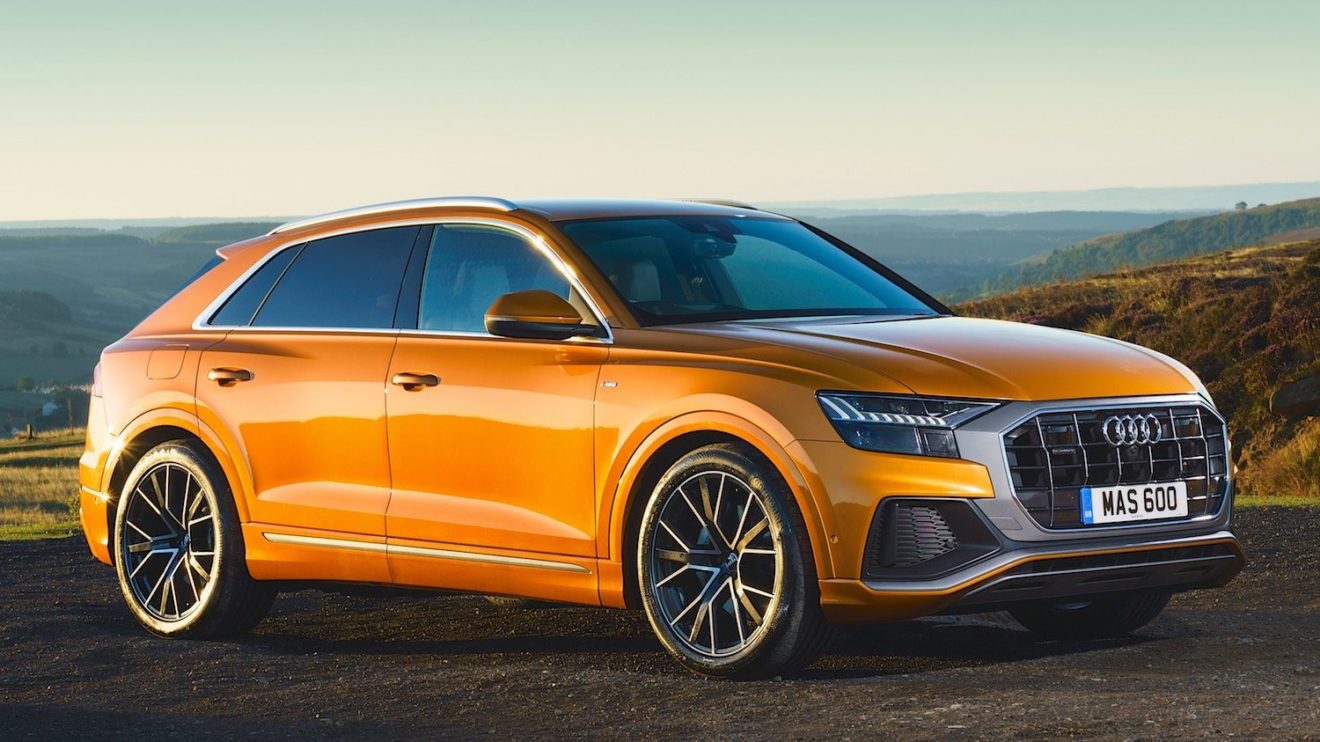
    It might have been a very slow start to 2019 for Audi India, but the second half of the year brings in a burst of action. Audi has announced that it will launch 4 cars in India by the end of 2019 and as we told you earlier, it will all start with the launch of the new generation of the A6. But the Q8 Coupe- SUV will soon join the line-up. The Audi Q8 will be the company’s first coupe-SUV from the Ingolstadt-based carmaker and will be the range-topping model in Audi’s Q line-up, which was up until now led by the Audi Q7. The Q8 will be launched in India during the festive season, so expect it to be here by October or November this year.

    The new Audi Q8 is built on the same aluminum-rich platform that underpins the like of the Audi Q7, the Lamborghini Urus and the Bentley Bentayga. In terms of dimensions, the Audi Q8 measures 4999 mm in length, 2011 mm in width and 1710 mm in height, which makes the Coupe-SUV wider, shorter and lower than its Q7 sister model. Visually, the Q8 comes with an imposing stance accentuated by the bold and aggressive face which comes with a large single-frame grille with fat borders with both vertical and horizontal slats that come with chrome highlights. The grille is flanked by a pair of sleek LED headlamps with HD Matrix LED technology available as an option and 3D-effect daytime running lamps. The front bumper comes with a beefy skid plate and large air intakes, while the sloping bonnet features prominent character lines adding to the muscular look of the new Q8.

    The rear section comes with roof-mounted spoiler and wide LED taillamps with a digital character, which are connected by a light strip creating the impression of one single unit. The rear bumper looks well-designed and features a mesh design element that houses the sensors, while below we have the rear skid plate and styling inserts finished in dark chrome.

    On the equipment front, the SUV features a host of tech like adaptive cruise assist, efficiency assist, crossing assist, lane change warning, curb warning and 360-degree cameras. One highlight is the remote garage pilot, which will come in early 2019, allows the drive to guides the SUV into a garage and back out again autonomously, and all can be done by the myAudi app on their smartphone. Behind all of these features is the central driver assistance controller. It continuously computes a differentiated model of the surroundings and uses this to manage the assistance systems. The required data are obtained – depending on the selected options – from up to five radar sensors, six cameras, twelve ultrasound sensors and the laser scanner.

    The Q8 will get a 3.0-litre V6 TDI in the Q8 50 TDI variant delivering 286 bhp and 600 Nm of torque, which are channelled to all four wheels through an eight-speed tiptronic automatic transmission and Audi’s Quattro AWD system. Later the Q8 will also get a less-powerful 3.0 TDI and a 3.0 TFSI petrol variant offering 340 bhp.
  • Volkswagen Confirms Participation At The 2020 Auto Expo

    Volkswagen Confirms Participation At The 2020 Auto Expo

    After missing out on the Auto Expo in 2018, Volkswagen India has confirmed that it will participate in the 2020 Auto Expo which is all set to be held from February 7 2020. We’ve already told you about the dates of the 2020 Auto Expo but Volkswagen promises that there’s a lot that it will bring to the Expo. Steffen Knapp, Director, Volkswagen Passenger Cars India said, “You will see Volkswagen at the Auto Expo in 2020. You will experience a completely different Volkswagen and that I can assure you really stay tuned to it because we will have a lot of fun on this show. Volkswagen will be seen in all its glory and we at Volkswagen are very excited about it. So it will be really different”

    2020 marks the beginning of the India 2.0 strategy for the Volkswagen Group. The India 2.0 strategy will see major changes within the Volkswagen Group, and is part of the company’s consolidation efforts across multiple markets. In India, the Skoda-led VW Group will introduce its first ‘Made in India’ and ‘Made For India’ offering around 2020, which will be a Hyundai Creta rivaling midsize SUV. The Skoda and VW SUV will be built on the MQB A0-IN platform, a domesticated version of the company’s modular architecture. The company has also confirmed that all future model will be based o on the MQB platform. The automaker also plans to export vehicles built in India on the said platform and is currently evaluating the feasibility.

    Part of the strategy also includes production rising more of the small displacement TSI petrol engines in India, including the new global 1.0 3-cylinder engine that will go into the new SUV. In fact Maier believes that the car may launch as petrol only, though the final choice of fuel types will be made based on unfolding policy and market trends. The 1.0 TSI would also go into other products of course; making economies of scale kick in on a wider basis.

    The India 2.0 plan also keeps future electrification in mind, something the new MQB A0 based models would also provision for. The investments will also cater to a significant ramp-up of Skoda and VW’s existing countrywide network. This would be crucial towards achieving the market share target for the VW Group, according to Maier. VW currently operates 121 dealerships in India, while Skoda’s network is 70 strong.

  • Mercedes-Benz GLB To Be Launched Globally Before the End of the Year

    Mercedes-Benz GLB To Be Launched Globally Before the End of the Year

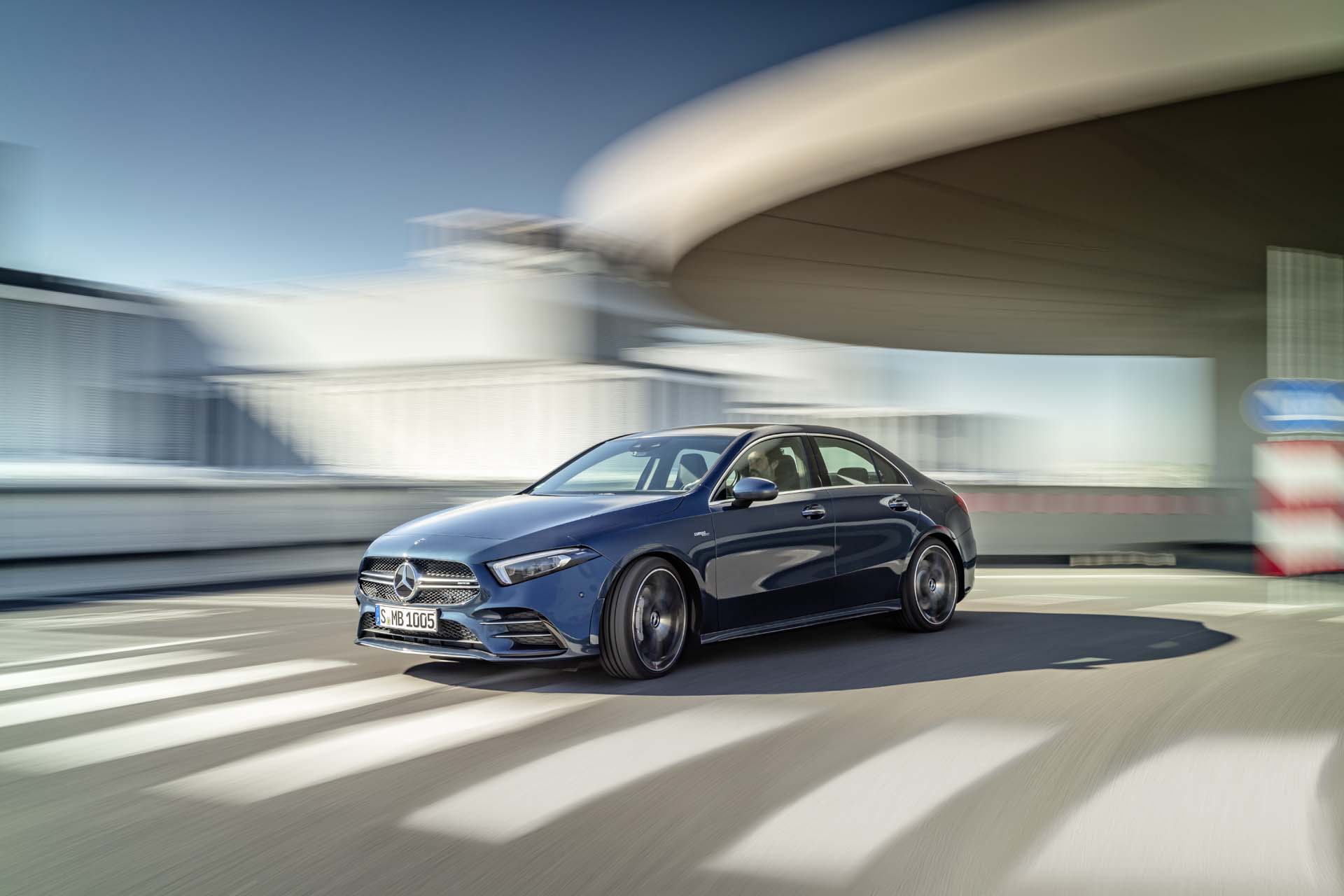
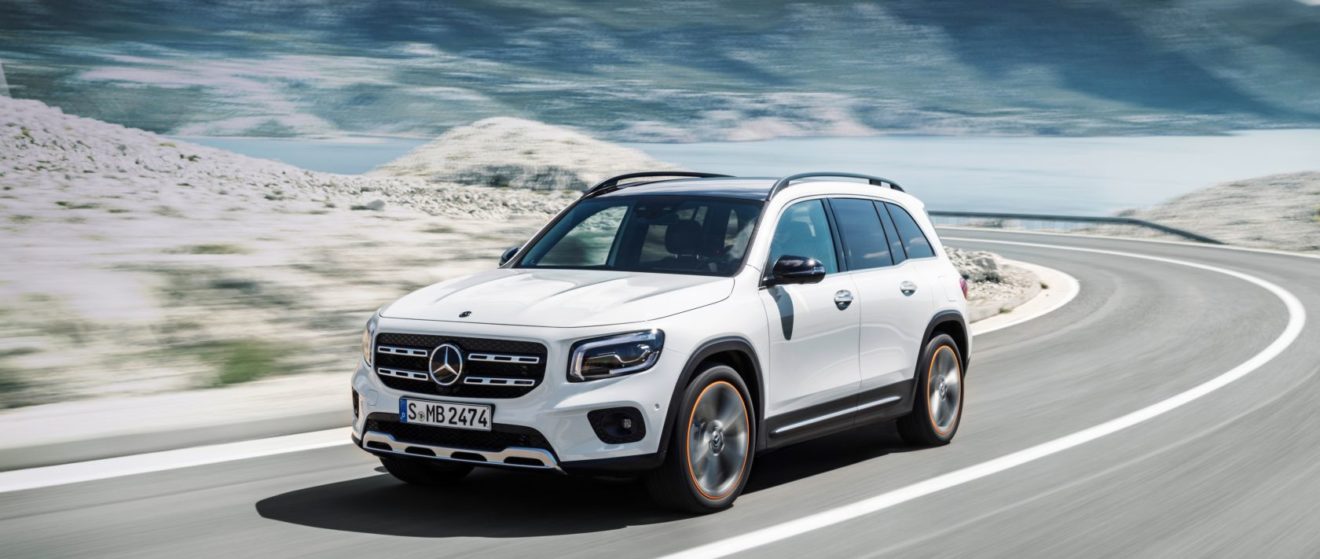
    Mercedes-Benz has officially said that its upcoming compact SUV will hit showrooms by the end of this year. The GLB will be the first compact luxury SUV to get three-row seating and could occupy seven passengers. The entry-level five-seater variant in Europe will be priced at € 37,746.80 (approximately ₹ 30.20 lakh in Indian currency) while the third row individual retractable seats will cost € 1309 (approximately ₹ 1.07 lakh) more.

    The new GLB gets a range of Mercedes’ latest features and equipment including the new MBUX infotainment system and the comfort control functionality. Under the hood, it gets the OM 654q 2-litre, four-cylinder engine which already complies with the 2 RDE (Real Drive Emission) requirements coming into force in Europe in 2020. This also entails that the model is future proof for the Indian market and meets the upcoming BS6 emission norms as well. The 2-liter engine in the GLB belts out 218 bhp and 350 Nm of peak torque and is mated to an eight-speed automatic transmission.

    At the Frankfurt Motor Show this year, the Stuttgart based automaker will also unveil the hotter AMG version of the SUV. The Mercedes-AMG GLB will use the same 2.0-liter, Four-Cylinder, Turbocharged engine but we are still not sure if it will be tuned for the 35 nomenclature or for the even more powerful AMG 45 badge. The engine will churn out 298 bhp in the AMG 35 iteration while the power output will be upgraded to over 400 bhp in the AMG 45 iteration.

  • Yamaha Tracer Mini Adventure Tourer Spotted In Vietnam

    Yamaha Tracer Mini Adventure Tourer Spotted In Vietnam

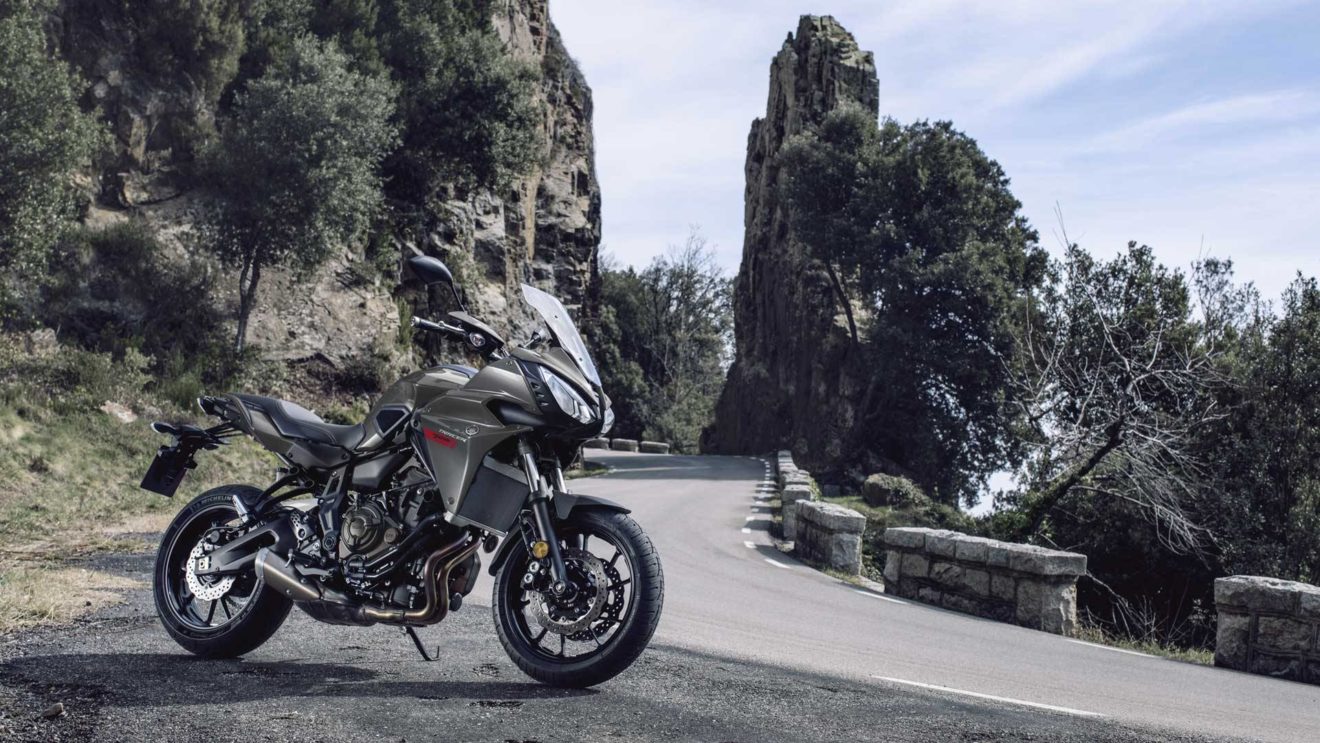
    Yamaha may be looking at introducing a small displacement adventure tourer in the Yamaha Tracer range, as a latest spy shot from Vietnam seems to suggest. There are not enough details about what the powerplant of this mini adventure touring motorcycle is, but speculations point to a Yamaha Tracer with either a 125 cc, or a 150 cc engine. From the looks of the spy shot, it appears that the mini Tracer is near production ready, and Yamaha Vietnam may soon unveil the model, in all likelihood, at the upcoming Ho Chi Minh Motorshow later this month.

    What is also not clear at this stage is whether Yamaha will be introducing a 125 cc Tracer, or a bigger 150 cc Tracer based on the Yamaha MT-15. So far, Yamaha has two models in the Tracer range, based on the MT-09 and the MT-07, called the Tracer 900 and the Tracer 700 respectively. But none of the models in the Yamaha Tracer family are offered on sale in India. If Yamaha does decide to introduce a 150 cc Tracer, and if it is eventually manufactured completely in India, we could look at a possible launch sometime in 2020, but that would also depend on if at all India Yamaha will be looking at demand for such a model in the world’s largest two-wheeler market.

    A production-ready model of the mini Yamaha Tracer, in both 125 cc and 150 cc variants, could well be unveiled in November this year at the EICMA show in Milan. We are of course, excited at the prospect of a compact adventure tourer in the lower end of the displacement spectrum, and if Yamaha does decide to introduce such a model in India, it will certainly make for a very attractive package. The current naked 150 cc Yamaha MT-15 has been well-received in India, and a touring variant could well make for a good product strategy in India.

  • Honda To Recall 222,674 Accord Vehicles In China

    Honda To Recall 222,674 Accord Vehicles In China

    Honda Motor Co Ltd’s venture with Guangzhou Automobile Group Co Ltd will recall 222,674 Accord sedans in China, market regulators said on Thursday, after recent complaints on social media about the car engine’s quality. The recall is linked to a problem caused by the intercooler of the car’s 1.5T turbocharged engine. In certain situations, the engine lost speed to protect the vehicle, according to a document on China’s State Administration for Market Regulation.

    Some owners of the Japanese carmaker’s iconic model have posted videos that showed their cars losing speed, on social media Weibo over the past weeks. Many of them have demanded for a recall of the model.

    The Guangzhou-based venture will install devices that optimize the air flow rate at the engine intercooler, according to the document.

    Total vehicle sales in China, the world’s largest auto market, fell for a 12th straight month in June, and top industry body has predicted them to fall for the second year running.

    However, Honda’s sales in China outperformed the overall market. In the first seven months of the year, its local ventures reported a 20.5% rise in sales due to newly revamped variants.

    Honda recalled hundreds of thousands of vehicles including popular Civic and CR-V last year, due to a cold-climate engine problem.

  • Indonesia President Signs New EV Decree To Bolster Industry

    Indonesia President Signs New EV Decree To Bolster Industry

    Indonesian President Joko Widodo said on Thursday he signed a decree that lays out government support to build an electric vehicle (EV) industry in Southeast Asia’s largest economy, the Cabinet Secretariat said in a statement. Widodo did not elaborate, but a draft of the decree reviewed by Reuters ahead of the signing showed it contained a series of incentives to boost production and purchase of EVs. Widodo said in the statement that the key to the EV industry is in the construction of the batteries they run on and the “raw materials to make a battery: cobalt, manganese and others, we have in this country.”

    Resource-rich Indonesia has been seeking to carve out a downstream industry based on its supplies of nickel laterite ore, which is used in lithium batteries.

    “The business strategy can be designed in this country so that we can get ahead of others in building an inexpensive electric car industry, which is competitive because the raw materials are here,” he said on the sideline of an event at the headquarters of the Association of Southeast Asian Nations, according to the statement.

    Widodo warned that building such an industry would take longer than “a year or two”, because it must also create a new market.

    The draft regulation seen by Reuters gives automakers reductions in import tariffs for machinery and materials and lower luxury taxes for buyers, among other things.

    Widodo on Thursday also suggested that city administrations across the country could provide more incentives, such as free parking or free administrative fees, to further support adoption of EVs by private consumers and public transportation firms.

    Indonesia aims to become an EV hub for Asia and beyond with a target to start EV production in 2022 and for the share of EV output to reach 20% of total car production by 2025.

    Indonesian authorities said Toyota Motor Corp, which has the biggest market share in the domestic car market, and Hyundai Motor would invest $2 billion and $880 million in the country, respectively, to develop EVs over the next few years.

  • Remote-Based App Exposed Thousands Of Vehicles To Hackers

    Remote-Based App Exposed Thousands Of Vehicles To Hackers

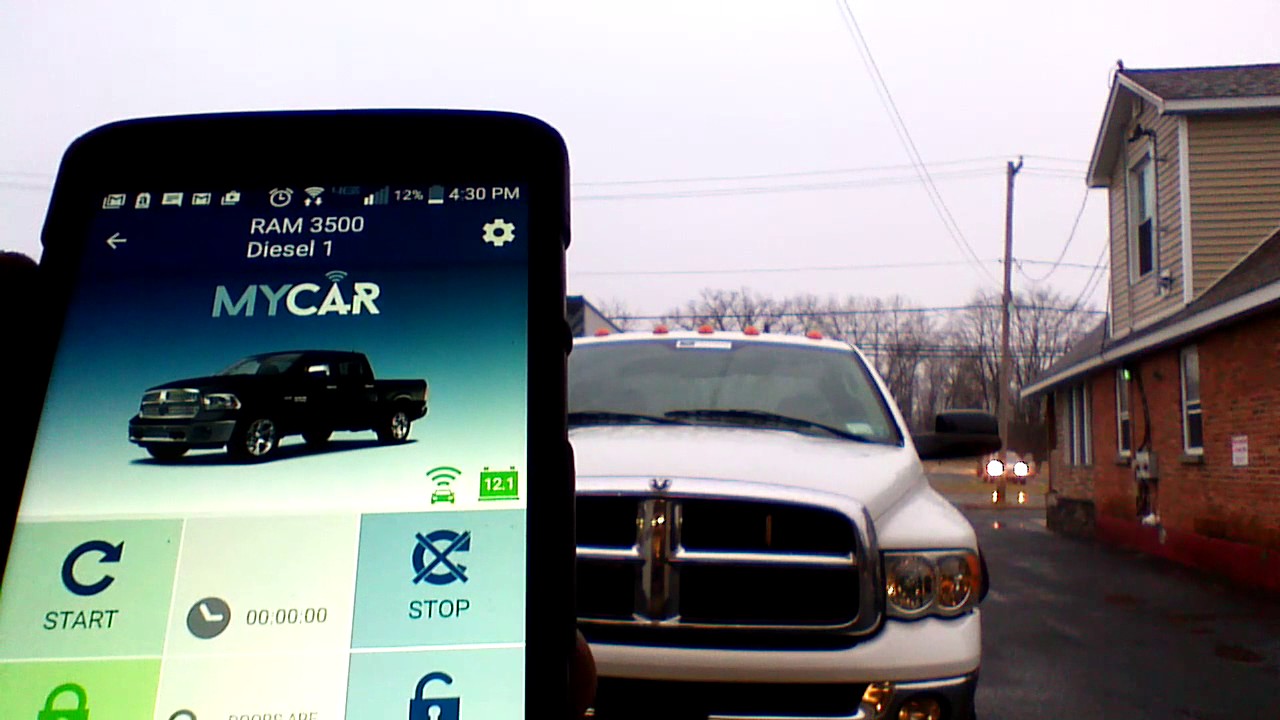
    A hacker who goes by the handle Jmaxxz has exposed a series of vulnerabilities in a remote-based automobile app that may have exposed around 60,000 cars to hackers.

    In a talk at the Defcon hacker conference in Las Vegas on Saturday, Jmaxxz identified several issues in a system called “MyCar” — developed by Canadian company Automobility, Wired reported.

    Based on a scan of MyCar’s exposed database, Jmaxxz estimates that there were roughly 60,000 cars left open to theft by security bugs, with enough exposed data for a hacker to even choose the make and model of the car they wanted to steal.

    MyCar’s devices and apps connect to radio-based remote start devices like Fortin, CodeAlarm and Flashlogic using GPS and a cellular connection to extend their range using an Internet connection.

    Jmaxxz claims that the danger of these glitches are beyond theft or remote alarm-triggering pranks. Remotely starting a car without the owner’s knowledge could lead to dangerous carbon monoxide leaks which could be fatally dangerous.

    Addressing the matter, MyCar’s parent company has said that all the resources at their disposal have been used to promptly address the situation, the report added.

  • Auto Industry Slowdown Hits Lakhs Of Jobs

    Auto Industry Slowdown Hits Lakhs Of Jobs

    The slowdown in the auto sector has rendered an estimated three lakh and fifty thousand people jobless due to spiraling layoffs in the automobile industry. In Chennai’s Amabattur industrial estate the slowdown has crippled John Peter makes valve components. Over the last five months, his 8 lakh monthly turnover has dropped by ninety percent, to just one lakh. With a forty lakh private bank loan he has defaulted in repaying his monthly installment of around a lakh rupees. He has laid off 3 of his 13 workers. He has reduced the three-hour shift to one.

    He told NDTV “In today’s situation I’m neither able to pay salary for workers nor repay a loan. It’s so difficult. I don’t know what to do. Banks don’t listen when we say there is no business. They say they would come home and threaten us”.

    Chandrabose, one of his employees who used to earn Rs 18000 a month has already suffered a third of it as there is no overtime opportunity now. The father of two school-going children is now scared that the ax could fall on him soon. He says “I can live only if I have a job. Only if I have a job I can look after my family”.

    Not far away Andrew Ranjithkumar has decided to dump brake component manufacturing his family has been doing for 30 years. Orders from auto companies he says have fallen by seventy percent. Unviable, now he’s making parts for washing machines and home appliances. A third of his machines are also rusting for want of work. He said “There is no demand from the automobile sector. We are pushed towards home appliances as otherwise, we have to lay off people. We are unable to pay a salary”.

    This industrial hub with 2000 units employs around three lakh people. The industry has sought government intervention. N Sujeesh, President, Ambattur Industrial Estate Manufacturers’ Association added “We need a reduction in GST from 28% to 18 % and for subcontractors, small players from 18% to 5 %. The lending rate is high and we need to bridge the gap between interest on savings and lending rate”.

    Carmakers and industry bodies like SIAM, ACMA and FADA have been demanding to reduce the GST rates on passenger vehicles.

    With thirty-five thousand crore worth of unsold cars countrywide there’s an abnormal hike in dealers shutting down. The industry has estimated a loss of 3.5 lakh jobs from car manufacturers to component manufacturers. S E Palanivel Babu, MD of True Sai Works, a car dealer based in Salem has reduced his off -take by thirty-five percent. He says dealers with huge borrowings are collapsing.

    He also blames it on manufacturers thrusting vehicles on dealers. He believes “IN all developed countries market share is calculated on the end consumer. Only in India car market share is calculated on the basis of what manufacturers sell to dealers. This is a wrong way which leads to a wrong market share; the dealer is pressurized to hold more stocks and erosion of working capital in the long run”.

    Many in the industry hope the upcoming Diwali season could shift car sales to top gear for a turn around if the government swiftly intervenes.

  • Mercedes-Benz Offers Subsidies To Retrofit Older Diesel Cars In Germany

    Mercedes-Benz Offers Subsidies To Retrofit Older Diesel Cars In Germany

    Daimler said on Tuesday Mercedes-Benz customers in Germany could apply for a 3,000 euro ($3,350) subsidy to upgrade the exhaust filters of older, polluting diesel vehicles, the latest effort among German carmakers to avoid inner-city bans.

    Carmakers have been forced to consider upgrading exhaust treatment systems on older cars after German cities started banning heavily polluting diesel vehicles to cut fine particulate matter and toxic nitrogen oxides.

    Daimler launched a website this week to process applications for financial support, as German motor authority KBA seeks to approve an after-market kit to upgrade the exhaust systems on various Mercedes diesel passenger vehicles.

    The company has offered the subsidy to customers in German regions that face potential driving bans, the carmaker said. For a factbox about possible diesel bans, click:.

    The first retrofit kit for Mercedes cars with “Euro 5” diesel engines, including the best-selling E220 and E250 models, has been developed by Dr Pley SCR Technology, a Bavaria-based, family-owned business.

    German carmakers initially offered software updates and shied away from endorsing hardware retrofits, instead of lobbying for customers to buy new cars with cleaner engines.

    But consumer groups pressured carmakers to endorse retrofits as a more cost-effective measure.

    “We have known right from the start that retrofits are feasible and have now proved this to the carmakers,” said Thomas Steinbrueckner, head of development at Dr Pley SCR Technology.

  • Car Market Slowdown Threatens Jobs At Bosch

    Car Market Slowdown Threatens Jobs At Bosch

    Global car market is expected to slow this year and the continuing aftershocks of a sector-wide diesel cheating scandal will hit jobs at the world’s biggest component supplier Bosch, its boss said Tuesday.

    “Of course, we have to react to falling demand,” chief executive Volkmar Denner told Munich-based daily Sueddeutsche Zeitung when asked about possible job cuts.

    Expected by analysts to contract this year, the global car market is developing “much more weakly than we still thought a year ago,” Denner said.

    “This isn’t just a short-term dip that will quickly be recovered,” he added.

    Reduced demand for diesel-fuelled vehicles “is hitting us particularly hard,” said Denner.

    Customers in Germany and abroad have turned away from the fuel since Volkswagen’s 2015 admission to cheating regulatory emissions tests on 11 million vehicles worldwide, while investigations have spread to other carmakers in Germany’s flagship industry.

    Many potential buyers have been deterred by already-implemented or proposed bans for some diesels from city centres, as municipalities try to reduce levels of harmful nitrogen oxides (NOx) in the air.

    Meanwhile manufacturers themselves are ramping up alternatives, like hybrid and battery-electric vehicles, to meet tough new EU carbon dioxide (CO2) emissions targets set to bite from next year.

    Bosch said in January lower diesel demand would force it to slash 600 jobs among its 15,000 employees in the field.

    Over the full year, the company expects revenue at the same level as 2018, when sales reached 77.9 billion euros, rather than the slight increase it had previously predicted.

    And “we won’t be able to maintain the high level of profitability we had last year,” Denner said.

    The company said early this year it expected a profit margin of below six percent, rather than last year’s seven percent.

    Competitor Continental, listed on the blue-chip DAX index, in July lowered its full-year financial objectives, blaming the weak global market.

  • Tens Of Thousands Losing Jobs As India’s Auto Crisis

    Tens Of Thousands Losing Jobs As India’s Auto Crisis

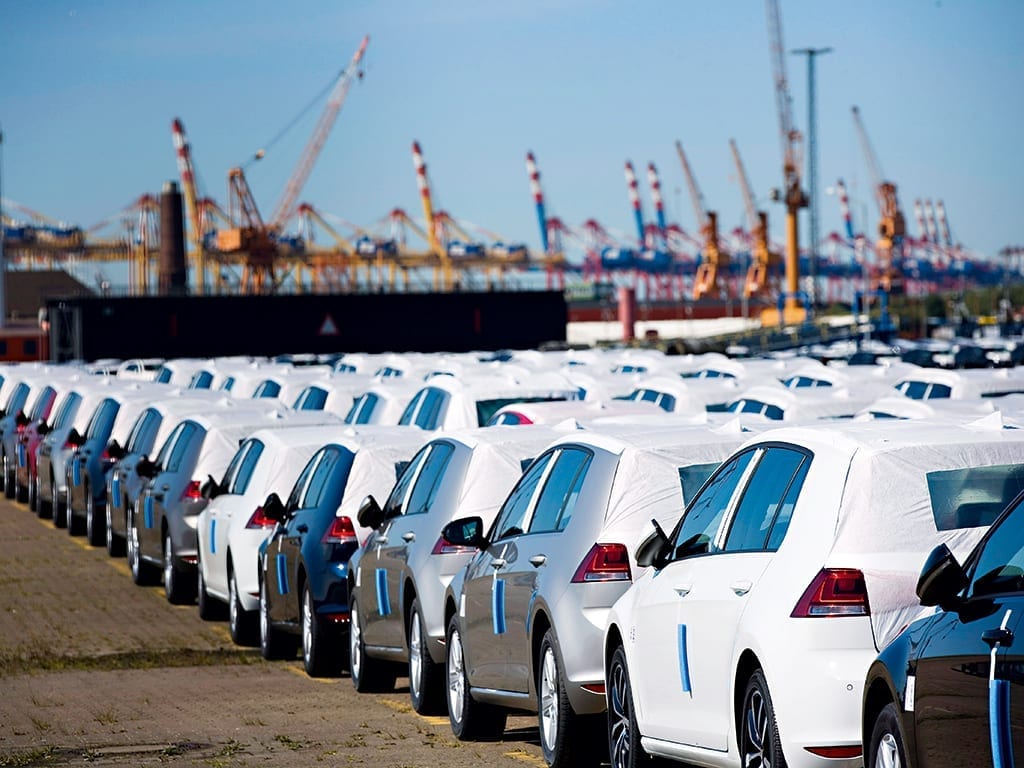
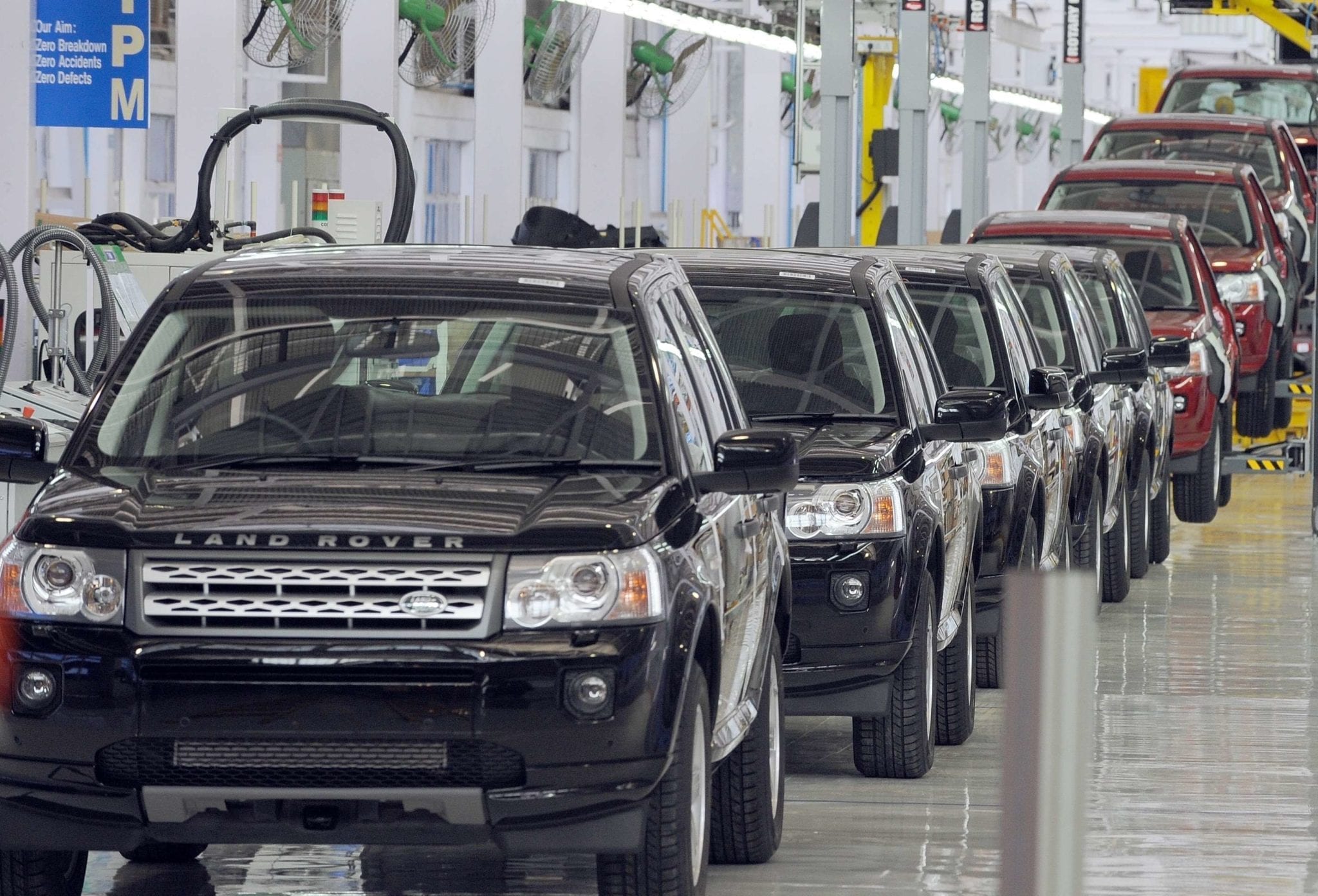
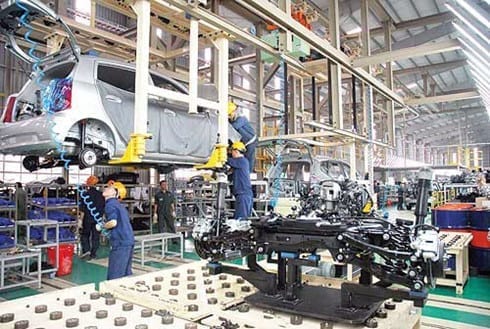
    Slumping sales of cars and motorcycles are triggering massive job cuts in India’s auto sector, with many companies forced to shut down factories for days and axe shifts, multiple sources said. The cull has been so extensive that one senior industry source told Reuters that initial estimates suggest that automakers, parts manufacturers and dealers have laid off about 350,000 workers since April.

    Within this previously unreported figure, car and motorcycle makers have laid off 15,000 and component manufacturers 100,000, with the remaining job losses at dealers, many of which have closed, the industry source said.

    Reuters was able to identify at least five companies that have recently cut or plan to cut hundreds of jobs, mainly from their temporary labor force.

    The downturn – regarded by industry executives as the worst suffered by the Indian auto industry – is posing a big challenge for Prime Minister Narendra Modi’s government as it begins its second term at a time when India’s jobless numbers are climbing.

    To revive the sector, auto executives plan to demand tax cuts and easier access to financing for both dealers and consumers at a meeting with officials from India’s finance ministry scheduled for Wednesday, the senior industry source said. The industry’s plight was highlighted by the Automotive Component Manufactures Association of India (ACMA), with the trade body’s director-general, Vinnie Mehta, saying the sector was experiencing a “recessionary phase”.

    The malaise has been spreading across much of the industry, both in terms of vehicle type and components as well as geographically in India’s manufacturing hubs.

    For example, Japanese motorcycle maker Yamaha Motor and auto components makers including France’s Valeo and Subros have laid off about 1,700 temporary workers in India after a slump in sales, sources told Reuters.

    Subros, which is part-owned by Japan’s Denso Corp and Suzuki Motor Corp, has laid off 800 workers. Indian parts maker Vee Gee Kaushiko has cut 500 people while Yamaha and Valeo last month reduced their workforces by 200 each, said several sources aware of the cuts.

    Meanwhile, automotive supplier Wheels India could cut its temporary workforce by as much as 800 and has started realigning its shifts, two of the sources said. The layoffs come as carmakers including Honda Motor Co, Tata Motors and Mahindra & Mahindra have implemented brief suspensions to production in recent weeks in the face of slow demand, separate sources said.

    The auto sector, which contributes more than 7% of India’s GDP, is facing one of its worst downturns.

    Passenger vehicle sales have dropped for nine straight months through July, with some automakers suffering year-on-year declines of more than 30 percent in recent months.

    Manpower is the only variable factor for companies and more workers will face the axe, said ACMA’s Mehta.

    Yamaha, Subros, Vee Gee Kaushiko and Wheels India did not respond to requests for comment.

    Valeo India said it is realigning for changing conditions and has trimmed its temporary workforce.

    The fallout from the auto slump could be huge. The sector employs more than 35 million people, directly and indirectly, accounting for nearly half of India’s manufacturing output.

    India’s jobless rate rose to 7.51% in July 2019 from 5.66% a year earlier, according to private data group CMIE. The CMIE data is more up-to-date than government figures and regarded in financial markets as more credible.

    At least 7% of temporary workers employed by 15 automakers in India have lost their jobs in recent months, said Vishnu Mathur, director-general at the Society of Indian Automobile Manufacturers (SIAM).

    “It is a conservative estimate based on our initial analysis,” he said.

    Maruti Suzuki, India’s biggest carmaker, cut its temporary workforce by 6% over the past six months.

    There is little sign of a revival.

    Tata Motors has had week-long shutdowns at four of its plants in the past two weeks, while Mahindra has said it had 5-13 days without production at various plants between April and June.

    A statement from Tata Motors said it has aligned production with demand and adjusted the shifts and temporary workers.

    Honda has stopped production of some car models at its plant in the northwestern state of Rajasthan since July 16 and is halting manufacturing entirely at its second plant in Greater Noida on the outskirts of Delhi for 15 days from July 26, two sources said.

    The company’s Indian business said that production management will be critical throughout the year and it is seeking to avoid stock build-up.

  • Hyundai Names Its New Hatchback Grand i10 Nios

    Hyundai Names Its New Hatchback Grand i10 Nios

    Hyundai has named the new-gen Grand i10 as the Grand i10 Nios. The car is set to be launched in India on August 20, 2019. The Grand i10 Nios name is only for India though, worldwide this car will be called the i10. The Grand i10 Nios is the 3rd Generation of the legendary brand ‘i10’ and will co-exist with Grand i10. Hyundai has kick-started bookings for the car in India across its dealerships in the country and the booking amount is set at ₹ 11,000.

    The new Grand i10 Nios gets Hyundai’s Signature ‘cascading grille’ which gives it a wider and stronger appeal to the front while rear gets a low and wide proportioned bumper gives it a sportier look. The compact yet spacious interiors with upper C pad appearing to be floating on the lower C Pad and the door trim character line flowing into the C pad gives a wider and spacious interior feel.The cabin gets a dual-tone treatment with black and beige. The steering wheel too gets a bit of chrome element on it making it looks a bit more sporty. But right in the centre of it all sits the touchscreen infotainment system. It’s likely to get Apple Carplay and Android Auto. The instrument cluster will be part analogue and part digital as well, giving the Hyundai Grand i10 Nios a sporty appeal. It will also get automatic climate control. From what we can see, the car will come with ABS and dual airbags as standard.

    SS Kim, MD & CEO- Hyundai Motor India Ltd said, “Hyundai Motor India has created benchmarks in Indian automobile industry by introducing Cutting-edge technologies and Best-in-segment world-class products for past 21 years. We are glad to present the All New 3rd Generation Grand i10 Nios, that blends the intrinsic and intuitive beauty of the car with unique design sense constantly changing and fulfilling our customers’ expectations. With the new Grand i10 Nios, we have created a new paradigm ensuring to maximize our customers’ emotional values in the perfect harmony with the four elements of Hyundai Design Identity: ‘Sensuous Sportiness’, such as Proportion, Architecture, Styling and Technology.”

    The Hyundai Grand i10 Nios is likely to come with a petrol and diesel powertrain but the company has not yet confirmed the engine line up and we’ll know more closer to the launch of the car

  • Kia Seltos Starts Arriving At Dealerships Across India

    Kia Seltos Starts Arriving At Dealerships Across India

    Kia Motor India is all set to introduce its first product – Seltos – later this month and the compact SUV has started arriving at dealerships across the country. The Kia Seltos was unveiled to the public at the company’s Hyderabad dealership recently, along with Bangalore, Ahmedabad and Siliguri among other major metros. Kia is commencing operations with 256 touchpoints across 160 cities pan India in a bid to reach out to customers more effectively right from the start. The Kia Seltos is scheduled for launch on August 22, 2019, while bookings are already open for a token amount of ₹ 25,000.

    Speaking at the inauguration of the dealership in Hyderabad, Manohar Bhat, Vice President and Head of Sales & Marketing said, “Kia Motors oozes contemporary and stylish design language to make sure that the customer feels this luxury with ease. We have a great product and now to show our care for the customers, we are prepared to provide world-class vehicle maintenance and repair services with the availability of spare parts across the country. Entering India as a global premium brand, we understand the expectations of the customers, so we are prepared to ensure optimum service quality and customer satisfaction.”

    Located in Hitec City and Nagole, Automotive Kia is a 5000 sq.ft. facility that will include sales, service and spares under one roof. The Hyderabad dealership is one of the company’s 192 dealerships that are currently operational. The manufacturer’s 256 touchpoints will be operated by Kia dealer partners and promise a state-of-the-art experience through Internet of Things (IOT) technology. The company will also connect with customers via the Kia Link App that will notify owners about upcoming service reminder, and also set an appointment with their preferred dealer via the Dealer Management System (DMS) on the app. Kia has also partnered with eight leading banks for financing solutions.

    We’ve already had a close look at the Kia Seltos at the global show earlier this year and only the fine details of the SUV are yet to be revealed including the pricing. The Seltos looks promising with a butch yet urban design language and a host of features including connected car tech, wireless charging, mood lighting, electric sunroof, rear share curtain, 360-degree camera, and a whole lot more.

    Power will come from the new Smartstream family of engines that includes the 1.4-liter turbocharged petrol and 1.5-liter petrol and diesel engines that will be BS6 ready right from the start. The compact SUV will be available with four transmission options including a 6-speed manual, Intelligent continuously variable transmission (IVT), 7-step DCT, and a 6-speed automatic.

    The Kia Seltos registered an impressive 6046 bookings on the first day itself and the manufacturer has a capacity of three lakh units per annum at its newly developed manufacturing facility in Anantapur, Andhra Pradesh. The Seltos will be the first offering from Kia in India, which will be followed by a new car in every six to nine months, lining up at least five vehicles by 2021.

  • Tata Motors To Introduce Its Next Electric Car By End Of FY2020

    Tata Motors To Introduce Its Next Electric Car By End Of FY2020

    Tata Motors will be introducing its next electric vehicle for the Indian market by the end of the financial year 2019-20. The carmaker recently announced its partnership with Tata Power to set up 300 fast chargers across 5 metros in India. Speaking to carandbike.com on the sidelines, Shailesh Chandra, President Electric Mobility Business & Corporate Strategy, Tata Motors, said that the company is currently working on electric vehicles focused towards private buyers, and will introduce a higher range Tigor EV a new model by end of this fiscal year.

    Talking about the upcoming electric vehicle, Chandra said, “We will come out with a very private focused product within this financial year, and we are doing a host of activities around it. That is the reason why we have started the charging infrastructure work now so that when we have to launch that product, in a certain number of cities that we have targeting, charging infrastructure should be visible.” Chandra further added, “We are also planning to come with a higher range version for Tigor which we will be bringing out in the market very shortly. That is the time when we intend to open it to the private buyers also.”

    Recently at the company Annual General Meeting, N Chandrasekaran, Chairman Tata Motors announced that the company aims to launch four electric models in India in the next 18 months. Chandrasekaran also confirmed that the electric version of the Tata Nexon will be one of the four new electric models. The other three will be – the Tata Altroz EV showcased at the Geneva Motor Show, the more powerful Tigor EV for private buyers, and a fourth undisclosed model.

    Talking about these upcoming electric cars, Shailesh Chandra said, “These are the products which are focused towards the private segment and there might be some more products which might come, but we are gearing up towards their development and we’ll see what the right time to launch them is. So, these two (Nexon EV and Altroz EV) special products are definitely the private buyer-focused products,” When asked whether the upcoming EV could either be the Nexon EV or the Altroz EV, he said, “Hopefully, yes”.

  • Sales Of Japanese Cars In South Korea Slump Amid Growing Diplomatic Row

    Sales Of Japanese Cars In South Korea Slump Amid Growing Diplomatic Row

    Sales of Japanese-branded autos in South Korea slumped in July amid a worsening diplomatic row between the two countries that has led to consumer boycotts and efforts by Seoul to cut the economy’s reliance on imports from Japan.

    Industry data out of South Korea on Monday showed Toyota Motor sales in the country tumbled 32% from a year earlier and Honda’s sales skidded 34%.

    Although automakers are still assessing the main factors driving the declines last month, industry participants worry declining sales would continue in August as diplomatic tensions grow.

    Japan tightened controls in July on exports to South Korea, escalating a row over wartime forced laborers and sparking a boycott by South Korean consumers of Japanese products and services, from cars, beer, and pens to tours. On Friday, Japan escalated tensions by removing South Korea from a list of export destinations approved for fast-track status.

    “Showroom visits are declining while consumers are holding off on signing contracts,” a Honda Korea official told Reuters, asking not to be identified because of the sensitivity of the matter.

    A Honda Korea spokesman said it needs to assess the reason for the July sales fall and whether it is related to Japan’s export curbs, or summer holidays. A Toyota Korea spokeswoman declined to comment on the drop.

    The data from the Korea Automobile Importers & Distributors Association (KAIDA) also showed Lexus, South Korea’s third-most imported car brand after Mercedes and BMW, saw sales down 25% from the previous month, although that was still up 33% from the previous year.

    South Korean shares fell more than 2% on Monday, tracking broader moves in Asia as the Sino-U.S. trade war intensified but also weighed by uncertainty over the diplomatic dispute between Seoul and Tokyo.

    Earlier on Monday, South Korea’s government announced plans to invest about 7.8 trillion won ($6.48 billion) in research and development for local materials, parts and equipment over the next seven years in an effort to cut the reliance on Japanese imports.

    The government on Friday said it would “step up safety measures” on Japanese tourism, food and waste, without elaborating further.

    While foreign-branded cars make up a small portion of domestic auto sales in South Korea, the business community is concerned a consumer swing away from Japanese imports for political reasons could spread to other parts of the retail market.

    Japan’s Asahi Group Holdings, whose Asahi Super Dry is the most popular import brand in South Korea, said on Thursday the spread of the South Korean consumer boycott of Japanese goods was affecting its beer sales as it lowered its profit guidance slightly.