Tag: Auto

  • Auto Industry May Further Cut Production

    Auto Industry May Further Cut Production

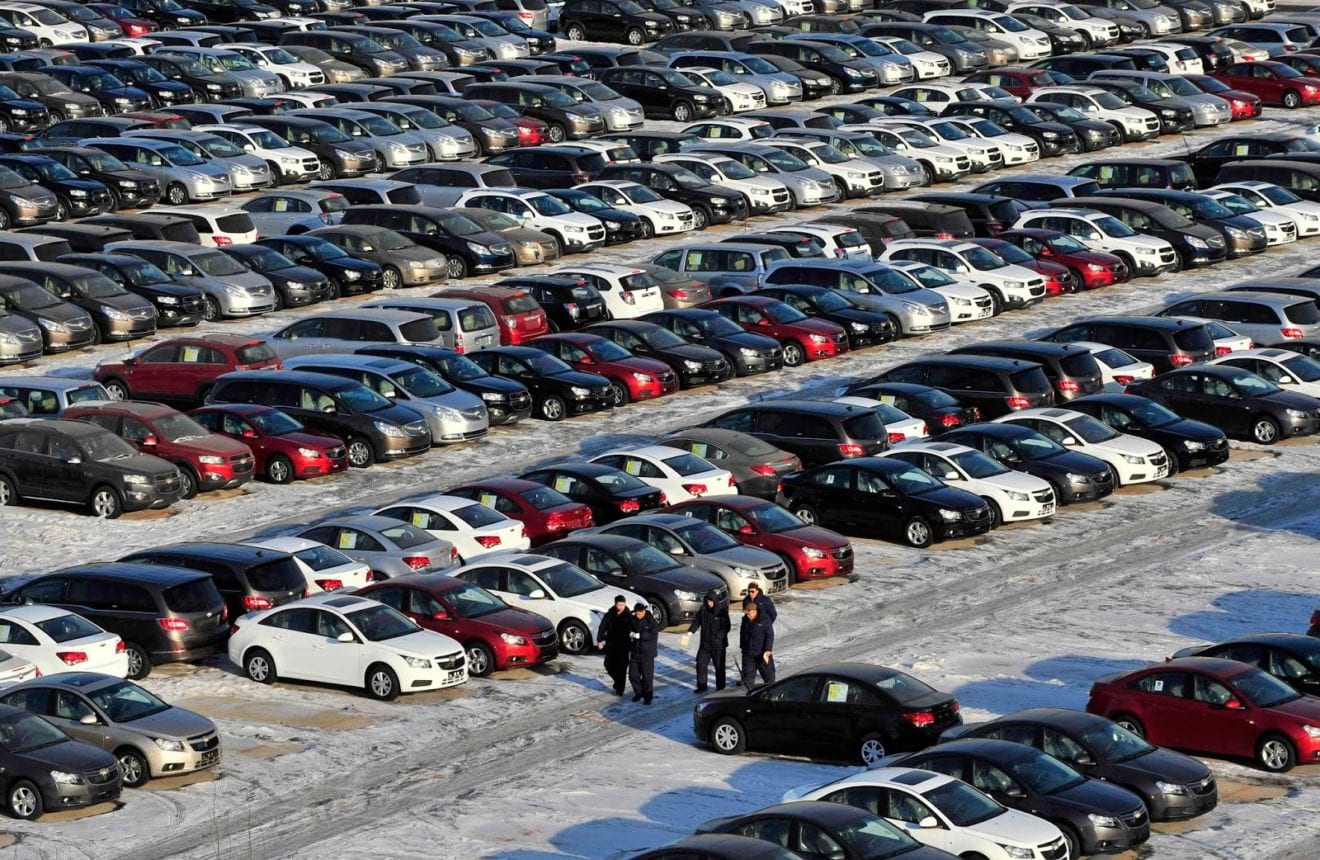
    After denting the auto sector’s profitability, the consumption slowdown along with the upcoming shift to BS VI standards will further decelerate production, leading to eventual job losses. Industry insiders point out that slowdown, which is a culmination of high GST tax rates, farm distress, stagnant wages, and liquidity constraints, has led to the month-on-month sales de-growth. Besides, inventory pile-up at the dealership level and stock management of the unsold BS IV vehicles has become a problem for the sector.

    According to Grant Thornton India Partner Sridhar V., a further reduction in production due to the continuing de-growth in sales of passenger vehicles can be expected.

    “OEMs are exploring avenues to minimize cost at an operational level by deferring and tightening the spending rate,” Sridhar V. told IANS.

    “They also at times resort to production cuts to tide over this difficult phase.”

    Accordingly, the sales downturn assumes significance as the auto industry contributes to almost half of the manufacturing GDP and 11 percent of the total GST revenue.

    “With prolonged weak consumer demand, the inventories at dealer levels have peaked, necessitating production cuts by OEMs,” Richa Bulani, Senior Analyst, India Ratings & Research (Fitch Group), told IANS.

    “Production cuts may provide some short-term relief to dealers, it negatively affects the entire auto supply chain — OEMs, component suppliers, and dealers. Volume growth of components dependent on OEMs will be affected in the first half.”

    Recently, all major OEMs consisting of passenger, commercial, two and three-wheeler manufacturers have reported a massive decline in domestic sales.

    Figures from the Society of Indian Automobile Manufacturers (SIAM) showed that domestic passenger car sales in June went down by 24.07 percent to 139,628 units. The July figures are awaited.

    In the commercial vehicle segment, domestic sales were down by 12.27 percent to 70,771 units last month.

    The overall sales of two-wheelers, which include scooters, motorcycles and mopeds, edged lower by 11.69 percent to 1,649,477 units.

    In all, the total sales of the Indian automobile sector declined by 12.34 percent during June 2019 to 1,997,952 units across segments and categories.

    Consequently, sales slowdown led to a curtailment of manufacturing with the domestic passenger cars’ production coming down by 22.26 percent to 169,594 units from 218,167 units.

    Similarly, commercial vehicle production was down by 23.39 percent to 69,496 units last month. Overall two-wheelers’ production edged lower by 11.70 percent to 1,915,195 units.

    The total production of the Indian automobile sector declined by 12.98 percent during June 2019 to 2,336,138 units across segments and categories.

    “Tight control on production volumes will continue. Beyond the upcoming festive season when OEMs would expect to have sufficient volume in the channel, they would want to keep production volume output in check,” said Rahul Mishra, Principal, A.T. Kearney.

    “Volume liquidation pressures due to BS VI and the sluggish demand will not revive production output drastically for the next few months.”
  • Zoomcar Partners With Renault To Offer Kwid Hatchback

    Zoomcar Partners With Renault To Offer Kwid Hatchback

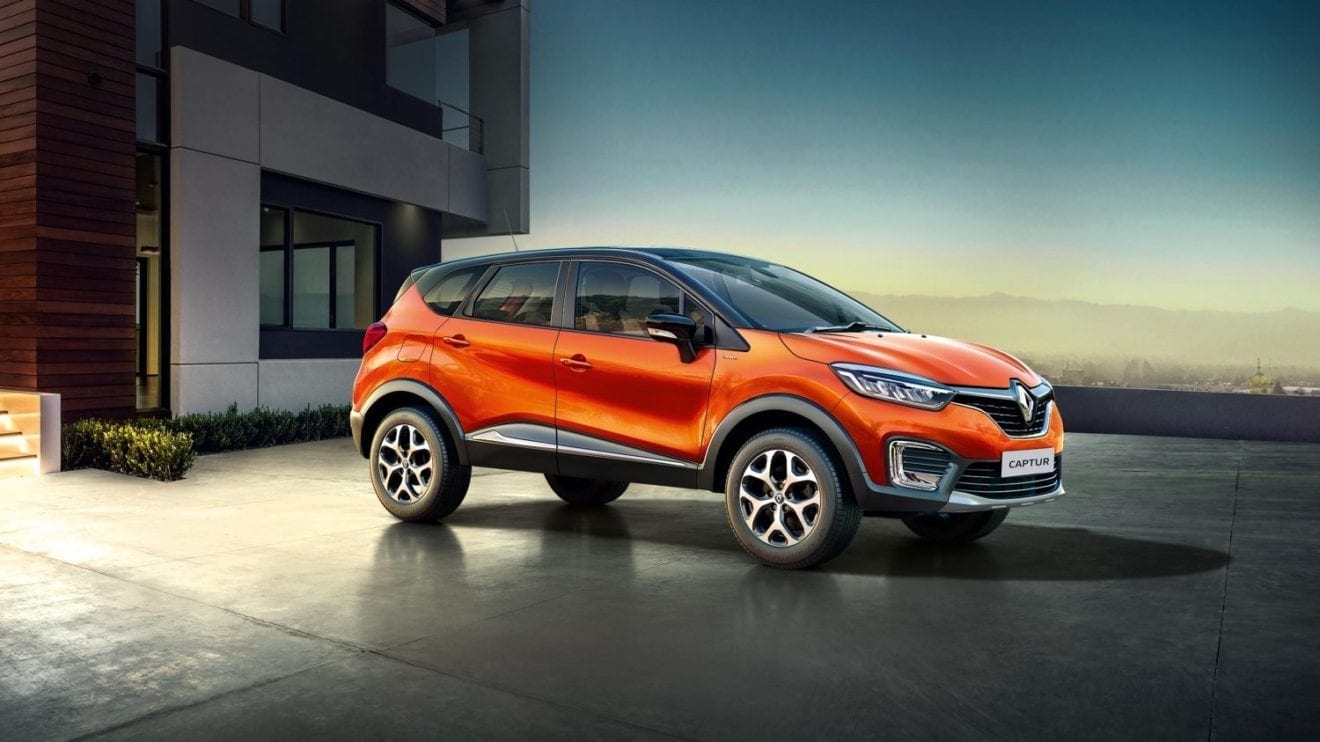
    Self-driving car rental platform Zoomcar has partnered with Renault India to offer the Kwid hatchback via its leasing program. Zoomcar users can now subscribe to the Renault Kwid at a monthly subscription of ₹ 14,999, and the company plans to add 1000 Renault cars to its fleet across India by next year for its 15 million users. Under Zoomcar’s leasing program – ZAP – subscribers ca share the car back on Zoomcar’s self-drive platform which can be used for self-drive bookings by its registered customers for short-term rentals.

    Speaking on the announcement, Greg Moran, Co-founder, and CEO, Zoomcar said, “We are a dedicated marketplace that is addressing a sizeable market void. Our constant endeavor is to keep on widening the automotive options available to our subscribers and Zoomcar users, might it be SUVs, Hatchbacks or sedans. To accomplish this overarching objective, we are getting into deep strategic partnerships with leading OEMs in India. We are grateful to Team Renault for joining hands with Zoomcar and cultivating a futuristic and dynamic business relationship.”

    As part of the partnership with Renault, Zoomcar will offer some of the company’s most popular models to its customers. While the association has kick-started with the Kwid, the firm will soon add the automaker’s range of SUVs and crossovers to its fleet, according to the statement. Zoomcar has a total of 25 car variants of different brands available under its regular rental model as well as its shared subscription mobility model.

    Zoomcar has partnered with a number OEMs recently including Volkswagen and Nissan, and is expected to announce a number of associations in the future. The leasing option helps customers reduce capital expense on purchasing a vehicle, while manufacturers also find volumes at one go. Zoomcar says the shared mobility segment promises limited liability and superior flexibility including the minimized cost of ownership that is making it attractive for the new-age car buyers.

  • Lexus LC500h Coming To India In 2020

    Lexus LC500h Coming To India In 2020

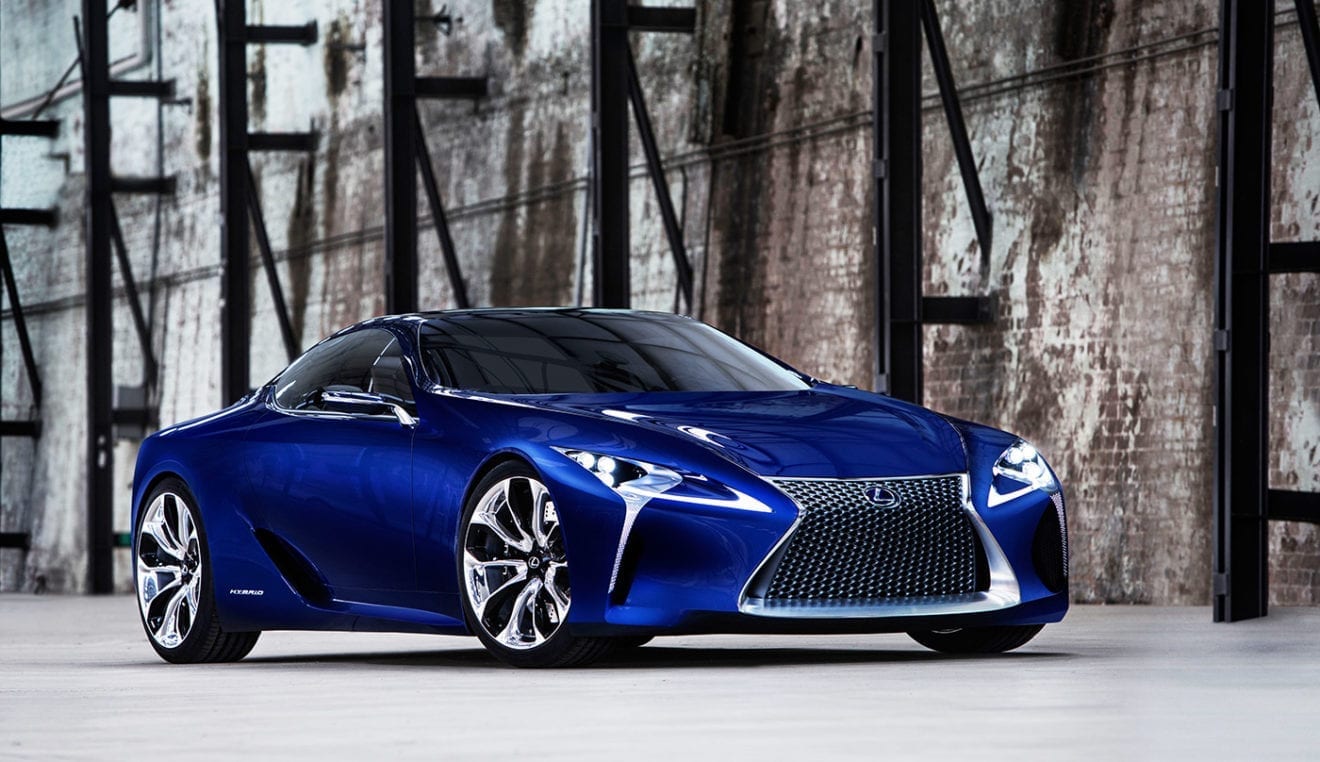
    Lexus India has confirmed that the 2020 LC500h will be launched in India next year. While the company is still to decide on the timeline of the launch, we expect it to come to us in the 2nd half of 2020. The LC500h was first showcased as a concept at the 2012 Detroit Motor Show as the LF-LC. The challenge here was to bring this concept to life and in 2017 the LC or Luxury Coupe was finally launched. The LC500h is on sale in 68 countries already and India will be the 69th to get it. 12,000 units of the LC500h have already been sold worldwide ever since its launch and with its introduction to new markets, Lexus is looking to add more customers to its tally.

    The LC500h will be positioned as a GT or Grand Tourer. India will only get the hybrid variant of the LC. Sadly, we won’t get the one with the V8 engine. Then again, given that Lexus India’s portfolio currently boasts of majority cars getting hybrid powertrains, this move does not come as a surprise. The LC500h will get the 3.5-liter petrol engine which produces 295 bhp. There are two electric motors which will produce 177bhp and there’s a lithium-ion battery for the energy to be stored. Now total combined output stands at 354bhp and this translates into a 0-100 kmph time of just above 5 seconds.

    The LC500h looks mad and devilishly handsome. Lexus has really turned a new leaf with its design. Upfront, it gets the massive spindle grille, which is a family identity now, L-shaped DRLs and three LED headlamps, which blend well into the design. There’s a bit of aggression on the face and the low hood makes it look as if it’s closer to the ground and gives it a sports car-like stance. The pinched waist, blackened C-Pillars and the creases to the side, add a lot of drama to the look. As you move to the rear, the LC500h gets wider and there’s no doubt it looks stunning.

    Lexus is likely to price the LC500h in India in the range of ₹ 1.5 crore and this will see it take on the likes of the Jaguar F-Type which is priced between ₹ 90.93 crore for the 2.0-liter coupe variant and goes up to ₹ 2.80 crore for the SVR convertible variant along with the Audi RS5 Coupe which costs ₹ 1.12 Crore. It will be a low volume player for the company but there has been no clarification from Lexus India about how many units of the LC500h it plans to sell in the country.

  • Hyundai Venue Bags 50,000 Bookings In Two Months

    Hyundai Venue Bags 50,000 Bookings In Two Months

    The Hyundai Venue has stood out to be a blockbuster hit for the Korean carmaker. The subcompact SUV has bagged 50,000 bookings in just two months since its launch and has helped Hyundai achieve 21 percent market share in the Indian SUV market. According to latest reports, the Venue became the second bestselling subcompact SUV India in June 2019, outperforming the Mahindra XUV300 by 3,994 units, which is quite a margin. In fact, at 8,763 units, the Venue is just 108 units behind the segment leader- Maruti Suzuki Vitara Brezza.

    Commenting on the record-breaking booking number, Vikas Jain, National Sales Head- Hyundai Motor India Ltd. said, “The Hyundai Venue has been able to strike a chord with the iGen customers who seek future technology, space, comfort, safety and ergonomics with new-age style. We are extremely overwhelmed by the enthusiastic response and milestone created by Venue with 50,000 bookings within sixty days of launch. We are glad that Indian customers have shown their faith in the Blue Link Connected Technology as out of the total Venue delivered so far, over 55 percent of the cars are Blue Link-enabled variant. Out of the 50,000 bookings, over 35 percent of customers have preferred the Hyundai’s in house best-in-segment -DCT (Dual Clutch Transmission) technology.”

    The figures make it clear that buyers prefer the top variants of the Venue which are equipped with the Bluelink connected car technology. The Hyundai Venue is offered in India with three engine and gearbox options – a 1.4-liter diesel engine mated to a six-speed manual gearbox, a 1.2-liter petrol engine mated to a five-speed manual gearbox and the 1-litre GDI Turbo engine which is mated to a seven-speed DCT automatic gearbox or a six-speed manual gearbox. The Hyundai Venue was launched in India on May 21 and the company has delivered 18,000 units since its launch.

  • Groupe PSA Opens New Technical Centre In Chennai

    Groupe PSA Opens New Technical Centre In Chennai

    PCA Motors India, part of Groupe PSA today announced opening its new India Technical Centre (ITC) in Chennai, Tamil Nadu. The company says that the new technical centre will play a key role in the smoother and more efficient working of the employees of PSA India, in addition to boosting the capacity of the group to accelerate further in India. The new technical centre has come up in a specific building area, Chennai One, which is part of one of the Chennai Special Economic Zones (SEZ). Groupe PSA says the new facility has been designed and built in a frugal and efficient way, consistent with the spirit of scalability corresponding to the India project.

    Commenting on the launch, Emmanuel Delay, Executive Vice President & Head of India-Pacific, Groupe PSA, said, “The new India Technical Center [ITC] is an important step for the development of Groupe PSA in India, and is definitely an asset to grow the Group’s business in the India & Pacific region. This is part of our strategy to develop a global network of state-of-the-art technical centre, strategically positioned in India, to support a customer-oriented agenda. With the new centre, we’re focusing our investment in creating a cohesive work environment to accelerate our growth. This unified approach will improve the speed, efficiency and effectiveness of our employees while enabling us to address evolving consumer needs more quickly in the future. Our investment in ITC further emphasizes the importance of India to our global business.”

    Groupe PSA’s new technical centre will house departments of Research & Development, Programs and Projects, Global Purchasing Hub, Supply Chain, Process and Manufacturing Engineering, Quality, KD Excellence Centre and Product. In fact, going forward, the state-of-the-art centre will also house a workshop for styling, architecture and assembly of prototypes.

    Commenting on the launch, Eric Apode, Senior Vice President, PCA Motors India, said, “The new India Technical Centre is the next strategic step for Groupe PSA in India. It will allow the group to accelerate quickly its growth in India, through the development of new products and deployment of our strategy in and outside India. The area around our new centre is popular for housing dozens of international and Indian companies this gives the Groupe strong confidence of attracting Indian talent to the new ITC. The Monozukuri philosophy, the art of creating objects in an efficient and effective way is now taking shape with our new India Technical Centre, which will benefit group operations domestically and globally.”

  • India’s Auto Parts Makers Warn Of 1 Million Job Cuts

    India’s Auto Parts Makers Warn Of 1 Million Job Cuts

    India’s auto parts industry could be forced to slash a fifth of its five million or so workforce if the slowdown in vehicle sales continues, the president of the country’s largest industry group for auto parts makers said. India’s auto industry is in the middle of one of its worst slumps. Passenger vehicle sales fell 18.4 percent in the first quarter, and monthly passenger vehicle sales in June fell by the biggest margin in 18 years. The slump has prompted automakers to cut production and automakers and parts makers to cut jobs.

    The drop in production “has led to a crisis like situation in the auto component sector,” Ram Venkataramani, president of the Automotive Component Manufacturers Association of India (ACMA), said in a statement late on Wednesday. “If the trend continues, an estimated 1 million people could be laid-off.”

    The slump in the auto sector, which accounts for nearly half of India’s manufacturing output, has been a major factor behind the slide in economic growth to a five-year low earlier this year.

    Speaking to NDTV about the present condition of the auto industry, Jagdish Khattar, former Managing Director, Maruti Suzuki said, “The employment related to the automobile industry, direct and indirect is 35 million, which includes transportation, insurance, finance, dealership network, service, spare parts and all that. So, it’s a huge employment and not couple of million. The total output is ₹ 8.30 lakh crore.

    He added further, “The impression is manufacturers are big names, the fact is 70-80 percent of the production of the components comes from small and medium industries. Two years back, we used to have 40 per cent diesel vehicles. Today it is less than 20. Rural areas used to have 30-40 per cent sales. The rural areas are distressed today. With Euro6, the industry has invested over a lakh and fifty thousand crore. However, Euro6 hasn’t even come yet and we are talking about electric vehicles. Euro6 will increase the prices of cars, and the Supreme Court has said that you have to take three years of insurance. I mean, everything has gone wrong as this industry is concerned. Yes, it is not the only industry, others have also been affected but this industry has a very major role to play in manufacturing, employment etc.”

    “If the government was to reduce GST, it will not make much of a difference. There are far too many things. The economy should grow, people’s confidence should grow. People are losing jobs. If I’m losing a job, am I going to buy a car? No, I’m going to wait for it,” he said. Khattar also pointed out congestion, pollution, parking charges as some of the other factors against people buying new cars.

    Venkataramani said investments in the auto sector have been frozen due to a lack of government clarity on its electric vehicles (EVs) policy. He said a government plan to speed up the rollout of EVs would raise India’s import bill and damage prospects for auto components manufacturers.

    Venkataramani also called for a cut in the goods and services tax for the vehicles and auto component sector.

  • Tesla To Soon Get Netflix, YouTube Streaming Support

    Tesla To Soon Get Netflix, YouTube Streaming Support

    Tesla CEO Elon Musk has confirmed that people would be soon able to stream videos on digital platforms like Netflix and YouTube in parked Tesla electric vehicles. “Ability to stream YouTube and Netflix when car is stopped coming to your Tesla soon! Has an amazingly immersive, cinematic feel due to the comfy seats & surround sound audio,” Musk wrote on his Twitter handle.

    “When full self-driving is approved by regulators, we will enable video while moving,” he added.

    The desire to allow drivers and passengers to watch video is not a total surprise – Musk noted at E3 that the ability to watch YouTube was coming, The Verge said.

    Tesla has already unveiled games that drivers can play on the displays in their cars. The games also only work when the car is stationary so that the player can use the steering wheel as a controller.

    On Friday, the company announced that chess game is also coming to the Tesla Arcade.

    But there are huge concerns that come along with such features.

    Test vehicles are required to have a driver behind the wheel to take over in case something goes wrong, and even as self-driving technology improves, it’s hard to imagine that going away completely, the report said.

    In March 2017, an Uber self-driving car crashed into pedestrian in Arizona as the driver was watching The Voice on content streaming platform Hulu and lost track of the road.

  • Renault Cuts Revenue Goal After Weaker First Half

    Renault Cuts Revenue Goal After Weaker First Half

    Renault warned that revenue may decline this year, scrapping a previous goal, after first-half profit was hit by weakening car demand and an earnings collapse at alliance partner Nissan in the wake of the Carlos Ghosn scandal.

    Net income slumped by more than half to 970 million euros ($1.08 billion) in January-June as revenue fell 6.4% to 28.05 billion, the French carmaker said on Friday. Operating profit also dropped by 13.6% to 1.654 billion euros.

    “Given the degradation in demand, the group now expects 2019 revenues to be close to last year’s,” Renault predicted – abandoning an earlier pledge to increase revenue before currency effects.

    A broad-based downturn has rattled the sector, prompting profit warnings and compounding challenges for Renault and Nissan as they struggle to turn the page on the Ghosn era. Their former alliance boss is now awaiting trial in Japan on financial misconduct he denies.

    Renault’s bottom line was hit by an 826 million-euro drop in earnings from its 43.4%-owned alliance partner. Nissan is cutting 12,500 jobs globally after an earnings collapse that it is keen to blame on Ghosn’s leadership.

    But Renault’s own performance – reflected an operating margin that declined to 5.9% from 6.4% – contrasts less favourably with domestic rival PSA Group. The Peugeot maker defied the downturn with a record 8.7% profit margin unveiled on Wednesday.

    Renault blamed falling sales in France, as well as Turkey and Argentina, for a 7.7% revenue drop at its core automotive business – whose profit margin slid to 4% from 4.5%.

    Operating free cash flow also suffered, coming in at a negative 716 million euros as investment jumped by 742 million euros to 2.91 billion euros. The company nonetheless reiterated pledges to deliver positive full-year cash flow and a margin close to 6 percent.

  • Elon Musk’s Boring Co. Raises $120 Million In First Outside Investment

    Elon Musk’s Boring Co. Raises $120 Million In First Outside Investment

    Elon Musk’s Boring Co. has raised its first outside investment to fund the development of tunnel-based transportation systems. The company authorized the sale of $120 million in stock, according to a securities filing that was obtained by the Prime Unicorn Index, a company that tracks the performance of private U.S. companies, and reviewed by Bloomberg News. The investment is in addition to the $113 million the company raised last year.

    “We are delighted to be an investor in Boring,” said Steve Jurvetson, a venture capitalist with Future Ventures and a director on the boards of Musk’s Tesla Inc. and Space Exploration Technologies Corp. “Boring is a great example of the disruptive playbook we look for.”

    The investment values the company at about $920 million after the new cash injection, according to a Boring Co. spokesman. The chief investors in the round were 8VC, Vy Capital, Craft Ventures, Valor Capital and DFJ.

    Boring’s best-known funding efforts involve less traditional methods including the sale of hats and flamethrowers, which raised $1 million and $10 million, respectively, for the business.

    In May, Boring won its first commercial transportation contract, a $48.7 million mile-long project to shuttle visitors around the Las Vegas Convention Center. The project will provide an important test of whether it can really dig more cheaply than competitors and navigate the government bureaucracy involved in municipal projects.

    Boring Co. has also built a test tunnel near its headquarters in Hawthorne, California. A hoped-for tunnel in Los Angeles was scuttled after opposition from neighborhood groups. In Chicago, a proposed tunnel’s future is in doubt due to the departure of its biggest supporter, former Mayor Rahm Emanuel. A potential project connecting Washington D.C. and Baltimore is in the environmental review process.

    Jurvetson said Boring latest investment was its first big fundraising effort beyond tapping into money from Musk and company insiders.

    Jurvetson, 52, is a long-time friend of Musk’s who has invested early in his companies, including Tesla and SpaceX. Formerly a venture capitalist at DFJ, he resigned from the firm in November 2017 amid allegations of harassment that he has denied. He returned to Tesla’s board from a leave of absence in April.

    “The four-largest tunnel companies in the U.S. were founded in the 1800s,” Jurvetson said. “Like the automotive and aerospace sectors, they haven’t faced a disruptive new entrant in their management’s collective life-time.”

  • Volkswagen Second-Quarter Operating Profit Up 30% As SUV Push Pays Off

    Volkswagen Second-Quarter Operating Profit Up 30% As SUV Push Pays Off

    Volkswagen Group shares rose 2 percent after the carmaker posted a 30 percent rise in second-quarter operating profit despite a drop in vehicle sales as rising demand for sports utility vehicles and premium brands boosted margins. Volkswagen bucked a trend of falling demand for passenger cars by launching a range of higher-margin sports utility vehicles at a time when demand for sedans is falling. Daimler, Aston Martin, and supplier Continental warned on profits this week. “Very solid and clean set of numbers, marginally ahead of consensus,” Jefferies analyst Philippe Houchois said about Volkswagen’s earnings in a note on Thursday.

    The Wolfsburg, Germany-based company’s operating profit rose to 5.13 billion euros ($5.71 billion), up from 3.94 billion euros in the second quarter last year. It was boosted by the absence of a diesel charge VW booked in the year-earlier period.

    Volkswagen reiterated it expects vehicle deliveries in 2019 to exceed a prior-year figure and for revenue in the passenger cars and commercial vehicles divisions to grow at least 5%.

    VW said it continues to expect an operating return on sales in the passenger cars area and the group of between 6.5% and 7.5%. It reiterated that after special items, it expects the operating return on sales to be at the lower end of the expected range for the group and the passenger cars business area.

    Peugeot said on Wednesday it had delivered an operating margin of 8.7 percent in the first half of 2019, without releasing a more detailed breakdown of quarterly results.

    By contrast, Volkswagen Group’s operating return on sales rose to 7.2% in the first half, up from 6.8% in the year-earlier period.

  • Nissan’s Q1 Profit Drops By 98.5%

    Nissan’s Q1 Profit Drops By 98.5%

    Nissan Motor Co unveiled its biggest restructuring plan in a decade, axing nearly a tenth of its workforce and flagging possible plant closures to rein in costs that ballooned when Carlos Ghosn was CEO.

    The cuts announced on Thursday followed a collapse in Nissan’s quarterly profit, highlighting how a crisis – brought about by sluggish sales and rising costs – is deepening at Japan’s No. 2 automaker in the wake of a financial misconduct scandal over Ghosn. Ghosn has denied the charges.

    The dismal quarter will pile pressure on Chief Executive Hiroto Saikawa, who has been tasked with shoring up the automaker’s performance at a time when the industry is struggling worldwide.

    China’s slowing economy, further depressed by a trade war with the United States, has hit demand, even as American consumer confidence has faltered.

    Tougher emission regulation has taken a the toll on diesel-car sales in Europe, and an increase in electric vehicle sales and ride-sharing has worsened a drop in sales at the world’s biggest carmakers.

    Ford Motor Co, the second-largest U.S. automaker, is also cutting 12,000 jobs and closing plants, while Daimler, Aston Martin and supplier Continental warned on profits this week.

    Nissan will reduce at least 12,500 positions globally by March 2023 – its deepest job cuts since 2009 – and slash production capacity, mainly of compact cars at underutilized plants abroad. The move will shrink its product line-up by about 10%, Saikawa said,

    The maker of the Rogue SUV crossover and the tiny, low-cost Datsun Redi-Go, had 138,000 employees as of March 2018.

    “We are mainly targeting sites where we made investments to produce compact cars under the Power 88 plan,” Saikawa told reporters at a briefing at Nissan headquarters, referring to an aggressive growth strategy spearheaded by Ghosn in 2011 to grab 8% global market share and an 8% operating margin.

    Nissan’s job cuts expand on redundancies initially announced in May, which affected eight facilities including in Spain – where trucks and vans are made – and Indonesia, where the March subcompact hatchback and Datsun models are manufactured.

    Nissan also produces compact car models at facilities including in Mexico, Russia, France, and Thailand.

    Roughly half the announced job cuts so far have cost the company around 40 billion yen, and further layoffs could cost about the same, chief financial officer Hiroshi Karube said.

    Years of heavy discounting and fleet sales, particularly in the United States, has left Nissan with a cheapened brand image and low vehicle resale values, and also hit profits.

    Nissan’s first-quarter operating profit plunged 98.5% to 1.6 billion yen ($14.80 million), its worst performance since a loss in the March 2008 quarter.

    “Profitability is very poor at the moment,” Saikawa said, but added that the company was pushing to achieve its revenue target of 14.5 trillion yen and operating margin of 6% through the end of fiscal 2022.

    The automaker said global vehicle production will fall 10% through the year to March 2023 while global sales till then will increase modestly to 6.0 million units annually from the current 5.5 million.

    The company maintained its profit forecast of 230 billion yen for the year ending March 2020, a 28% drop from last year and its weakest in more than a decade.

  • Jaguar Confirms J-Pace SUV In The Works

    Jaguar Confirms J-Pace SUV In The Works

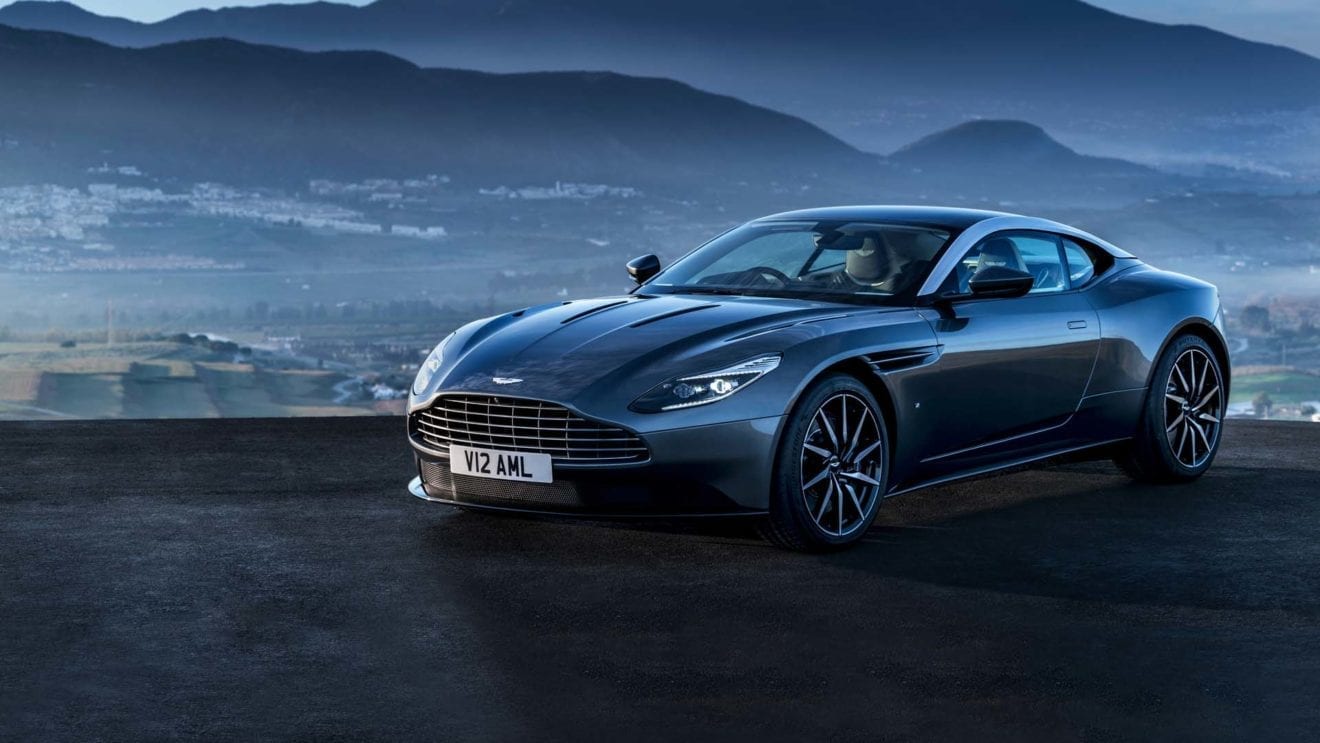
    Jaguar has confirmed that the J-Pace SUV is in the works and a select few got a chance to see what the car is like. The J-Pace will be positioned above the F-Pace and it is likely to be underpinned by the MLA platform which will also spawn the next-generation Land Rover and its hardware will be developed with electrification in mind. The company had already announced its electrification plan worldwide. Every new Jaguar Land Rover model line will be electrified from 2020, giving customers more choice. The company is also set to introduce a portfolio of electrified products across our model range, embracing fully electric, plug-in hybrid and mild hybrid vehicles and that has already started with the I-Pace.

    There are more cars coming through and this includes the replacements for the current XE and F-Type. Of course, there’s also the all-electric version of the flagship sedan, XJ, which is set to make its mark in the market very soon. the model all-electric XJ which will succeed the combustion version which rolled off the production line for the last time on July 5.

    Codenamed Road Rover, the new generation Jaguar XJ will also get cosmetic changes along with the electric motor. Reports suggest that the XJ will be turned in to a five-door sedan instead of the current 4-door body. It is understood that the design layout for the new XJ is ready and the company will soon start working on it. This new design language will also be seen in the future Jaguar models.

    Additionally, considerably less expensive ‘baby Jags’ (possibly badged A-Pace or B-Pace) have not been ruled out. Dr. Ralph Speth, Jaguar CEO also stressed that Jaguar (plus sister manufacturer, Land Rover) are definitely not for sale to Peugeot-Citroen, Fiat-Chrysler, Hyundai-Kia or any other motor manufacturing companies.

  • Germany’s Continental, Jungheinrich Hit Brakes As Auto Sector Slows

    Germany’s Continental, Jungheinrich Hit Brakes As Auto Sector Slows

    A slowing auto sector prompted profit warnings from supplier Continental and paint systems producer Duerr late on Monday.Jungheinrich also lowered its outlook citing a downturn in the forklift truck  sector. It marked a fourth profit warning from Continental in 16 months, while French rival Faurecia on Tuesday stuck to its guidance. “The main reason is the continued decline in the global production of passenger cars and light vehicles,” Continental said, adding that car production will likely drop by 5% rather than remain flat.

    Despite the negative news Continental shares were up 4.6% at 0925 GMT.”The market is telling us that in the short run, the worst has been priced in,” said Evercore ISI analyst Arndt Ellinghorst.

    “The magnitude of the cut is worse than we were expecting and bodes poorly for the remainder of earnings season and 2020 outlooks.”

    Continental is due to release earnings on August 7.

    Duerr, which produces woodworking equipment and paint systems for the auto industry, said lower payment receipts from the auto sector had eaten into its free cashflow in the first half.

    The company, which is due to release first-half results on August 7, said its EBIT margin guidance of 7%-8% for 2020 is under review.

    Jungheinrich said there had been a sharp drop in customer investment.

    “This is due to the gloomier macroeconomic environment and the related current developments in the market for material handling equipment,” said Jungheinrich, which is due to release results on August 8.

  • China’s BAIC Buys 5% Daimler Stake To Cement Alliance

    China’s BAIC Buys 5% Daimler Stake To Cement Alliance

    China’s Beijing Automotive Group Co Ltd (BAIC) has bought a 5% stake in Daimler, cementing their long-standing alliance after China’s Geely emerged as a potential rival by also taking a stake in the German automaker.

    BAIC has been Daimler’s main partner in China for years, operating Mercedes-Benz factories in Beijing through Beijing Benz Automotive.

    But last year Li Shufu, the chairman of Zhejiang Geely Holding, bought a 9.69% stake in the German company with the aim of forging an alliance to develop electric and self-driving cars.

    “This step reinforces our alignment with, and strong support for, Daimler’s management and strategy,” BAIC chairman Heyi Xu said on Tuesday.

    Reuters reported in May that BAIC was seeking to buy a stake of up to 5% in Daimler as a way to secure its investment in Beijing Benz Automotive.

    Daimler, which since 2013 has held a stake in BAIC’s Hong Kong-listed unit, said it welcomed BAIC’s investment.

    “The purchase of Daimler shares by BAIC will strengthen the cooperation between BAIC and Daimler,” said Jefferies analyst Patrick Yuan.

    “From this point of view, the possibility of Daimler increasing its stake in the Beijing Mercedes-Benz joint venture will be greatly reduced, which will benefit the shareholders of BAIC’s listed companies.”

    Shares in Daimler rose by more than 2.5%, while BAIC’s listed subsidiaries, BAIC Motor Corp and BAIC BluePark New Energy Technology, climbed by more than 3% and 5% respectively after the news.

    The high cost of electric car batteries has made it hard for automakers to build affordable zero-emissions vehicles, leading several of them to strike alliances with Chinese partners.

    Stuttgart-based Daimler in March agreed to build the next generation of Smart-branded city cars together with Geely, which is based in Hangzhou.

    Daimler has reassured BAIC that any new industrial alliances involving Mercedes and a Chinese partner would only happen after a consensus is found with BAIC.

    Geely declined to comment on the BAIC-Daimler deal but referred to past statements which said it was committed to long-term investment and healthy collaboration with Daimler.

    Daimler shares have lost about 30% of their value since Li Shufu disclosed his stake, hit by a string of profit warnings linked to a slowing auto market and diesel emissions costs.

  • Aston Martin’s Biggest Investor Offers To Buy Another 3% Stake

    Aston Martin’s Biggest Investor Offers To Buy Another 3% Stake

    The biggest investor in Aston Martin offered on Friday to buy another 3 per cent stake in the luxury carmaker, whose shares have slumped since listing last year. Strategic European Investment Group, part of the Italian private equity group Invest industrial, already owns 31 per cent of Aston Martin. It only wants to buy a maximum 3 per cent more, but has to make an offer to all shareholders due to its already large holding. It confirmed it is offering to pay 10 pounds ($12.53) per share.

    Aston Martin has struggled since it listed in October last year. Its shares, down 21 per cent so far this year, closed Thursday at 963 pence, valuing the business at 2.18 billion pounds.

    The company’s recent results have been hit by a need to invest more in its manufacturing plants and expand its vehicle offering, leading to higher costs.