Tag: Auto

  • Important Things To Remember About A Car Accident?

    Important Things To Remember About A Car Accident?

    Getting into a car accident is a scary and stressful situation. The aftermath can be overwhelming. Yet it is crucial to remember the important things that need to be done following a car accident. Listed below are a few helpful tips that you should do after a car accident.

    Stay there

    First of all, leaving the scene of an accident is never recommended. Both drivers are required to stay until the police arrive to take their statements. While waiting for the police, drivers need to block off the area as best they can. The two most common options are leaving the cars’ flashers on and using flares to direct other drivers away from the accident. It never hurts to have a flashlight available in case a car’s lights aren’t operational. 

    Take snapshots

    If there are damages to one or both cars, pictures of the damage should be taken. However, care should be taken when capturing these pictures. No personal information should be revealed in pictures. And while drivers need to know each other’s contact information, there is no need to allow photos of one’s driver’s license to be taken. 

    Full disclosure

    Once the police do arrive all of their questions need to be answered honestly and thoroughly. Leaving out any information can cast suspicion if the accident results in legal action. Any potential injuries should be brought to the attention of the police. It is never a good idea to deny having any injuries when some may not appear until hours later. 

    Another thing to keep in mind is to avoid declaring guilt. This is something that will be decided later on, by a judge. No one involved in an accident should admit that it was their fault. 

    Immediately following a car accident, the appropriate form needs to be filled out. What the form asks for will vary from one state to the next. In many states, drivers involved in an accident are required to let the insurance company know about. It is best to say no if the other driver suggests handling the accident on their own. 

    Report to the insurance company

    Any insurance company is going to need to know about a car accident as soon as possible. Ideally, it is best to call the insurance company while still at the accident site. Reporting what happened while it is still fresh in one’s mind will make the report more accurate. Many insurance policies cover the cost of any medical bills incurred from an accident. Any amount that it doesn’t cover is then transferred to the driver’s health insurance. 

    Yet often, insurance covering damages and medical bills isn’t enough. This is why car accidents can and do lead to large cash settlements for the victims. According to Justin Kimball of Preszler Law, the categories for auto accident injuries and their respective caps for eligible compensations are “minor,” $3.5k, “non-minor,” $50k, and “catastrophic,” $1 million. It is important to consult with an attorney when determining what category a particular case falls into. They will be able to obtain and share that information with their client. This is an important step in the process and one that should never be overlooked. 

    Submitting the medical records from accident-related injuries to a lawyer is a crucial step in the process. It gives them the information they need to ask for an appropriate settlement, based on the level of injuries incurred. 

    A lawyer will be able to organize the paperwork needed to show in court. The many technical aspects of a car accident can be confusing to the victim. An attorney is able to consult with technical experts that can help determine how much a case is worth in court.

    The amount a case is worth varies from one to the next. Attorneys are trained to estimate how much a client can realistically expect to receive from an accident settlement. A good attorney will be upfront with his or her client when it comes to compensation. No matter how much compensation one can get, it is better to avoid settling too early. The ideal time to settle is after any injuries incurred have been fully treated. Before a victim is completely healed, it is impossible to know exactly how much money it will cost. 

    When the total damages have been calculated, an attorney can look at the case an objective manner and clear up any misconceptions. An accident attorney will know how to converse with the lawyers with the driver’s insurance company. They are a better line of defense than an uninformed client would be. It is the goal of an accident attorney to get their client as much money as they can in the settlement. 

    A car accident is to be avoided at all costs. When it can’t be avoided, the correct steps need to be taken. Following the steps as closely as possible is an important part of the process. While reporting it is the first step, the subsequent steps are just as important. Skipping even one of them can interfere with any legal claims made. Consulting with police and a lawyer is the best way to properly handle the aftermath of a car accident. 
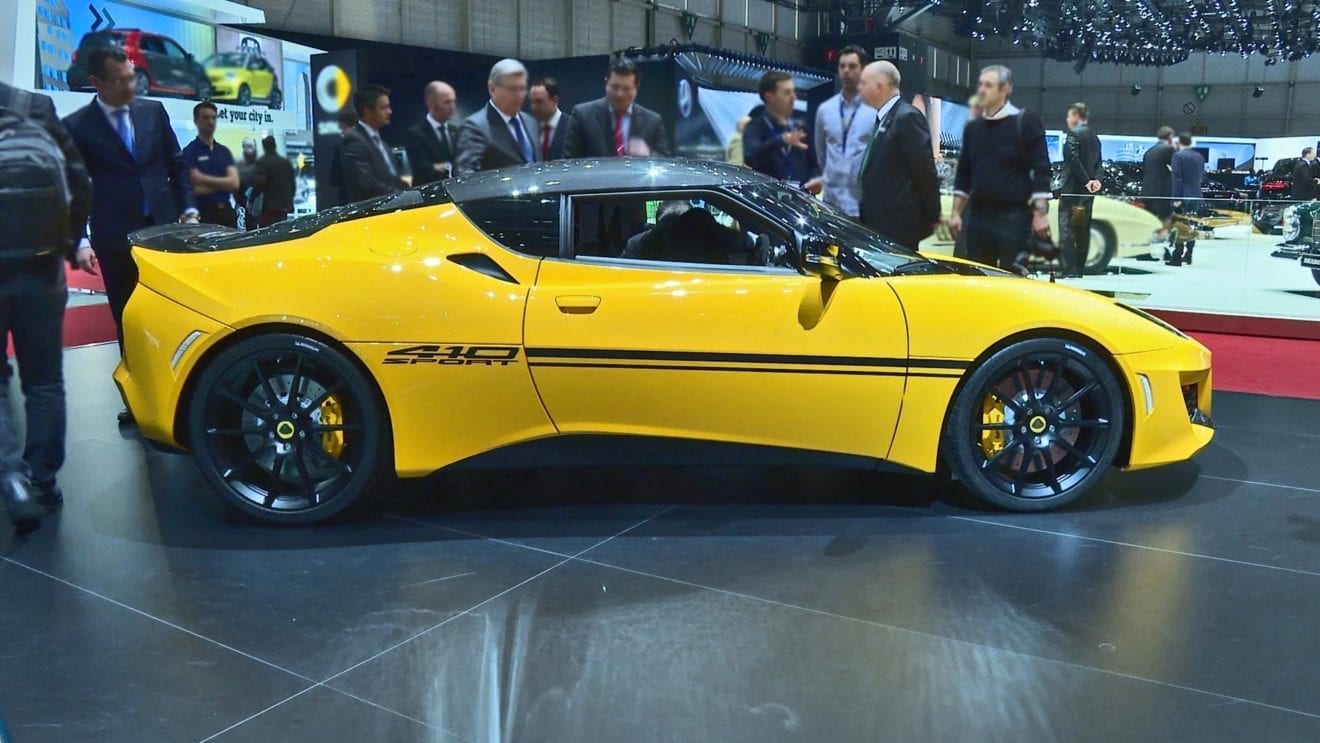
     

  • Lotus Teases Type 130 Electric Hypercar

    Lotus Teases Type 130 Electric Hypercar

    Lotus has confirmed that Type 130, the brand’s first all-new model in more than a decade, will be revealed to the world’s media at an exclusive event in Central London on 16 July, 2019. The company also announced that only 130 examples will be available to own – representing the number of Lotus ‘Types’ introduced during the brand’s 71-year history.

    The Type 130 will be the world’s first British all-electric hypercar. Lotus also confirms that the Type 130 will be built at Hethel in Norfolk, the brand’s headquarters since 1966. It will be the most dynamically accomplished road car in the company’s history according to Lotus and while the specifications of the car elude us, we’ll know more about the car very soon.

    However, there are reports doing the rounds that the new hypercar will be low and wide and will have roughly the same length as the Evora. There are other reports that suggest that it will be a 1000 horsepower car, will come with all-wheel drive and a range of 408 km on a single charge

    The company has teased the new Type 130 and we only get to see what appears to be the rear of the car. It carries the ‘illuminated’ Lotus brand name and gets an electrically operated cover for the charging port. We also get a chance to see the taillights but not in its entirety. Of course, the teaser campaign will continue and we’ll know more about the car closer to the launch, so stay tuned!

  • Toyota’s Domestic Sales Down By 7% In May

    Toyota’s Domestic Sales Down By 7% In May

    The downward trend in the automotive industry continues in May 2019 as well. Toyota Kirloskar Motor announced its sales figure for the month of May and it has sold a total of 12,138 units in the domestic market, which was a de-growth of 7 per cent as compared to the same period last year. The company exported 928 units of the Etios series this month thus bringing the company’s total sales to 13,066 units. In comparison, Toyota Kirloskar Motor sold a total of 13,940 units in May 2018 thus registering a decline in sales of 6 per cent.

    N. Raja, Deputy Managing Director, Toyota Kirloskar Motor said, “The customer demand had witnessed a continued slowdown before the election results. Customers have been cautiously spending which has led to sluggishness in the domestic auto sales. Added factors like liquidity tightening, high insurance costs, increase in fuel costs have also weakened the retails.”

    However, he says that there is an increase in customer walk-ins post the election results announcement which would brighten the sales in upcoming months.The company is all set to launch the Glanza in India on June 6, 2019 and this would mark the company’s entry into the premium hatchback segment. The company thinks that the slowdown will soon be gone and things will look bright for the automotive industry.

  • Audi A3 Gets A Price Cut

    Audi A3 Gets A Price Cut

    Celebrating its fifth anniversary in India, the Audi A3 sedan has received a price cut of ₹ 5 lakh across different variants. Prices for the A3 now start at ₹ 28.99 lakh for the 35 TFSI Premium Plus petrol trim, making it an attractive proposition over rivals including the Mercedes-Benz CLA, Skoda Superb, Volkswagen Passat, Toyota Camry Hybrid and the likes. The A3 35 TDI Premium Plus diesel, on the other hand, is priced at ₹ 34.93 lakh (all prixes, ex-showroom). Barring the price cut, the sedan does not get any changes nor does it miss out on any features. The A3 line-up includes four variants – 35 TFSI Premium Plus, 35 TFSI Technology, 35 TDI Premium Plus and the 35 TDI Technology.

    With respect to the features, the Audi A3 comes loaded with a panoramic sunroof, Audi phone box with wireless charging, dual-zone climate control with rear AC vents, 7-inch touchscreen infotainment system, and LED puddle lights with the Audi logo. The automaker is also offering the S Line package on the A3 that brings the S line front and rear bumpers and side skirts, S line grille, rear diffuser, chrome exhaust pipes, illuminated door sill trim with S logo and S line badge on the front fenders.

    Power on the Audi A3 sedan comes from the 2.0-litre four-cylinder TDI diesel engine that churns out 141 bhp and 320 Nm of peak torque, while there’s also the 1.4-litre TFSI petrol motor that belts out 148 bhp and 250 Nm of peak torque. The diesel is paired with a 6-speed dual-clutch automatic, while the petrol engine gets a 7-sperd DCT unit. Power is sent to the front wheels on either models.

  • Datsun GO & GO+ Updated With Vehicle Dynamic Control

    Datsun GO & GO+ Updated With Vehicle Dynamic Control

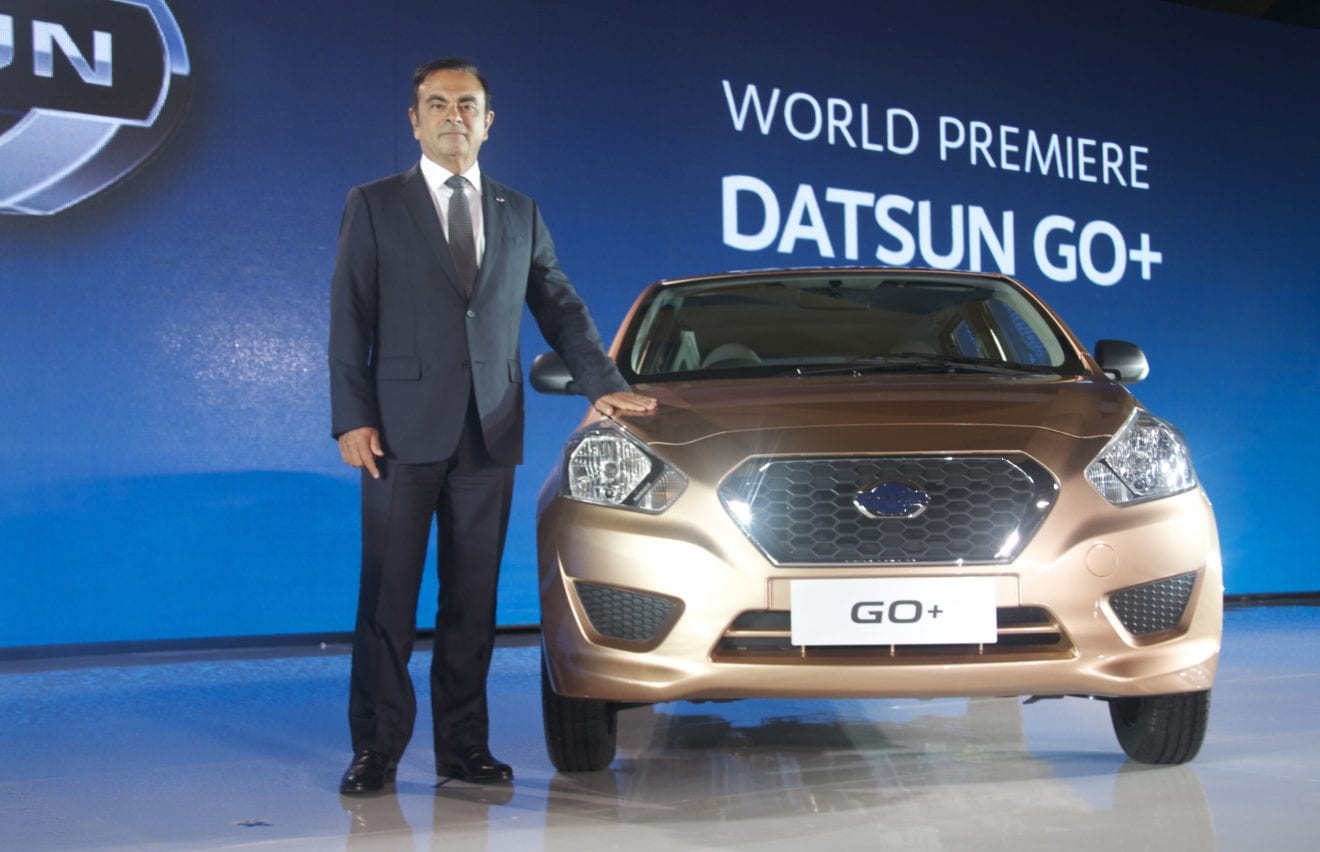
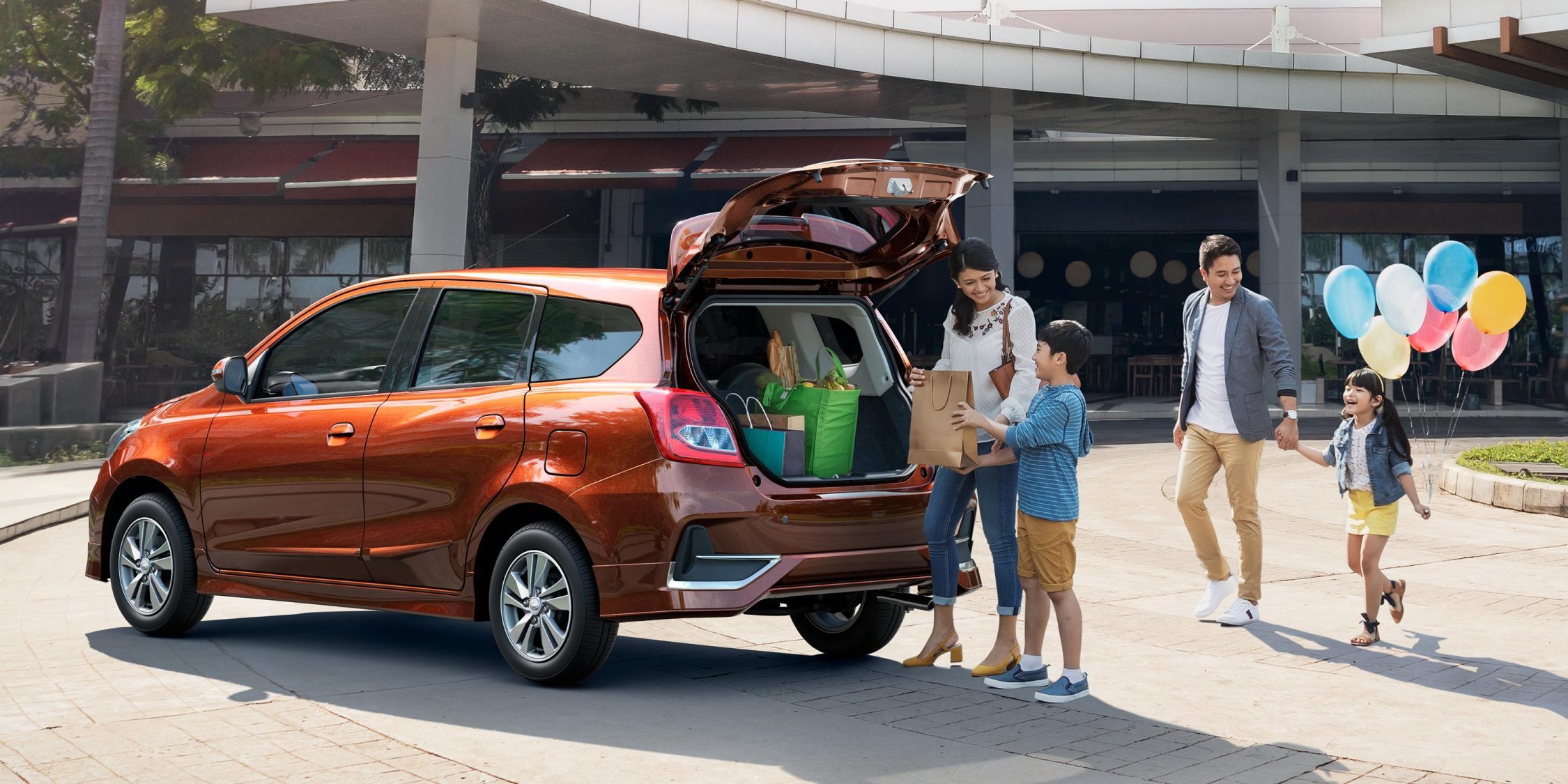
    Datsun India has updated GO and GO+ hatchbacks with Vehicle Dynamic Control (VDC) technology. The updated Datsun GO and the Datsun GO+ get enhanced safety systems thanks to the new tech on offer. The VDC system monitors wheel speed, steering wheel position, and lateral acceleration via onboard sensors to provide electronic stability control. The system also facilitates a safer driving experience by responding to the car’s oversteering and understeering inputs. The GO and GO+ now also comes with anti-lock braking system (ABS), electronic brake force distribution (EBD), brake assist (BA) and traction control system (TCS).

    Commenting on the updated versions, Hardeep Singh Brar, Director Sales and Commercial, Nissan India said, “Datsun is committed to transform customer experience with new and innovative products. Underscoring our focus on progressive mobility backed by safety, technology, style and convenience, the New Datsun GO and GO+ now comes with VDC so that the Datsun owner can drive with confidence.”

    In addition, the new Datsun GO will be available in a new ‘Vivid Blue’ colour option, while the cars now get the 7-inch touchscreen infotainment system as standard across all variants with smartphone connectivity via Apple CarPlay and Android Auto with voice recognition. The hatchbacks have also been updated with rear parking sensors and dual front airbags as standard, in a bid to comply with the upcoming safety regulations.

    The Datsun GO and GO+ received comprhensive facelifts last year bringing a premium touch, better features and attractive pricing to the models. Prices for the GO hatchback start at ₹ 3.32 lakh going up to ₹ 5.02 lakh, while the multi-seater GO+ is priced from ₹ 3.86 lakh for the base trim that goes up to ₹ 5.74 lakh (all prices, ex-showroom Delhi) for the range-topping version. The GO+ will soon face competition two back-to-back launches including the Renault Triber and Maruti Suzuki’s Wagon R-based sub 4-metre MPV, both of which are slated to launch this year.

  • Hyundai Registers 5.6 Per Cent Sales Decline In May 2019

    Hyundai Registers 5.6 Per Cent Sales Decline In May 2019

    Affected by the slump in the Indian auto market, Hyundai Motor India’s domestic volumes witnessed a decline in May 2019 at 42,502 units, dropping by 5.6 per cent as against 45,008 units sold in May 2018. Exports, however, saw a major increase in volumes by 50.8 per cent with the company shipping 16,600 units last month, as against 11,008 units in May last year. Despite the poor domestic performance, the automaker’s overall volumes for the previous month still over the red line. Hyundai sold a cumulative (domestic+exports) 59,102 units last month, growing by 5.5 per cent over 56,016 units sold during the same period last year.

    The drop in domestic volumes isn’t too different from other manufacturers that have reported a steeper decline in sales for the last month. Both Maruti Suzuki and Tata Motors registered double-digit de-growth, while Mahindra sales dropped by just one per cent. Meanwhile, sales for Hyundai are expected to improve in the coming months, backed by the strong demand for the newly launched Venue subcompact SUV. With booking numbers at 20,000 and counting, the new offering is off to a good start and will help stabilise the Korean auto giant’s falling numbers.

    With the elections have come to a close and the new government in power, the buyer sentiment is also expected to see a favourable change towards the purchase of new vehicles. The auto industry is also looking forward to a normal monsoon this year to boost growth in rural areas. Hyundai also has a few new products lined up for a launch this fiscal that will include the Kona Electric SUV and the Tucson facelift. The automaker has also repositioned itself as the country’s first smart mobility solutions company, diversifying its presence in other vehicle categories.

  • Toyota To Build New Plant In Myanmar

    Toyota To Build New Plant In Myanmar

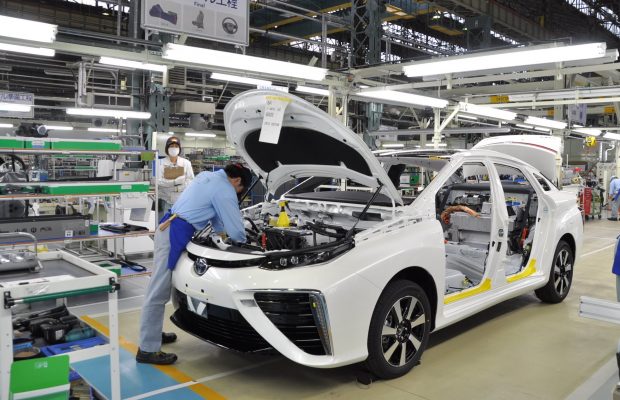
    Toyota Motor Corporation will be building its first vehicle production company in Myanmar where it will locally produce the Hilux from February 2021. The announcement comes after other carmakers like Suzuki, Nissan and Ford established factories in the country. The automotive market in Myanmar has soared in accordance with the growth of the economy.

    The demand for new vehicles has soared in recent years (2018 market: approx. 18,000 units) more than twice the size compared to the previous year. The government introduced auto import restrictions in 2017, and a fall in prices has seen the auto market grow, with many new vehicles built locally. Toyota currently sells the Hilux, Vios, Rush, and other vehicles in Myanmar by relying on imports.

    Toyota plans to construct the new plant in the Thilawa Special Economic Zone, situated in the southern suburbs of Yangon city. The company is expected to investment approximately $52.6 million. Toyota plans to hire 130 new employees, and intends to build 2,500 Hilux vehicles per year using the SKD (semi knock-down) method when operations begin in 2021. The brand is already popular in the country, though most of its cars on the road are second-hand models.

  • Tata Communications launches IoT marketplace

    Tata Communications launches IoT marketplace

    India’s Tata Communications has announced the launch of an IoT marketplace aimed at strengthening and accelerating India’s growing IoT ecosystem.

    The new marketplace is designed to link enterprise customers with IoT service providers to enable customers to easily develop tailored IoT solutions.

    Partners including device manufacturers, software developers to start-ups and system integrators will use the platform to market, deploy and manage IoT solutions for customers ranging from government to enterprises to startups.

    Customers will be able to select from the available offerings and deploy them on a plug and play basis.

    India’s enterprise IoT market is on track to grow at a CAGR of 35% through 2023, Frost & Sullivan predicts. But a lack of standardization, interoperability and connectivity in the IoT market is inhibiting further adoption.

    “We believe that this first-of-its kind initiative provides a missing link that will make a difference to how disparate IoT components are brought together to create a unified experience in designing a solution or ultimately purchasing one; thereby enabling customers to deploy these solutions with ease and achieve their strategic goals using IoT,” Tata Communications head of IoT Alok Bardiya said.

    In support of India’s IoT ecosystem, Tata Communications is also deploying an LPWAN network that has so far been rolled out in 45 cities India-wide.

  • Volvo Cars and Varjo Launch Mixed Reality Application For Car Development

    Volvo Cars and Varjo Launch Mixed Reality Application For Car Development

    Volvo Cars and Varjo, the maker of high-end augmented reality headsets, have created a world-first mixed reality approach to evaluating prototypes, designs and active safety technologies. The collaboration will be further strengthened by the Volvo Cars Tech Fund’s decision to invest in Varjo. With these new augmented reality headsets, it will be possible for the first time to drive a real car while wearing a mixed reality headset, adding virtual elements or complete features that seem real to both the driver and the car’s sensors, for development purposes.

    The Varjo XR-1 headset, provides photorealistic mixed or virtual reality at a high-definition resolution and the big claim is that it’s better than anything out there in the market currently. With the XR-1 Volvo Cars can radically reduce development timeframes by creating the new ability to evaluate features and designs almost immediately. Volvo Cars designers and engineers will be able to ‘drive’ future cars and evaluate all features in a simulation environment many years before they exist, enabling the company to develop the safest cars as also a refined user experience.

    Henrik Green, Chief Technology Officer, Volvo Cars, said, “With this mixed reality approach, we can start evaluating designs and technologies while they are literally still on the drawing board. Instead of the usual static way of evaluating new products and ideas, we can test concepts on the road immediately. This approach offers considerable potential cost savings by identifiying priorities and clearing bottlenecks much earlier in the design and development process.”

    With the XR-1 Volvo engineers will be able to develop and evaluate active safety solutions much easier. Safety experts are able to drive real cars while wearing the XR-1 headset at Volvo’s research facilities in Sweden, testing virtual active safety systems imposed via augmented reality on the real-life environment. Highly accurate eye-tracking technology embedded inside the XR-1 makes it easy to assess how drivers use a new functionality and whether they are distracted in any way. This technology-based approach to measuring distraction levels ensures that Volvo Cars can develop new features without causing additional distraction.

  • Ferrari Hybrid Supercar Teased

    Ferrari Hybrid Supercar Teased

    Ferrari always gets our adrenaline pumping with its new models and this time it’s a new hybrid supercar. Just a day ahead of its unveil the Italian supercar maker took to Twitter to tease its upcoming model. Ferrari supercars have undergone significant powertrain upgrades in the last decade. The Ferrari 488 GTB was its first turbocharged model and this one will be the first hybrid supercar after the gorgeous La Ferrari hypercar and is expected to break cover on May 29.

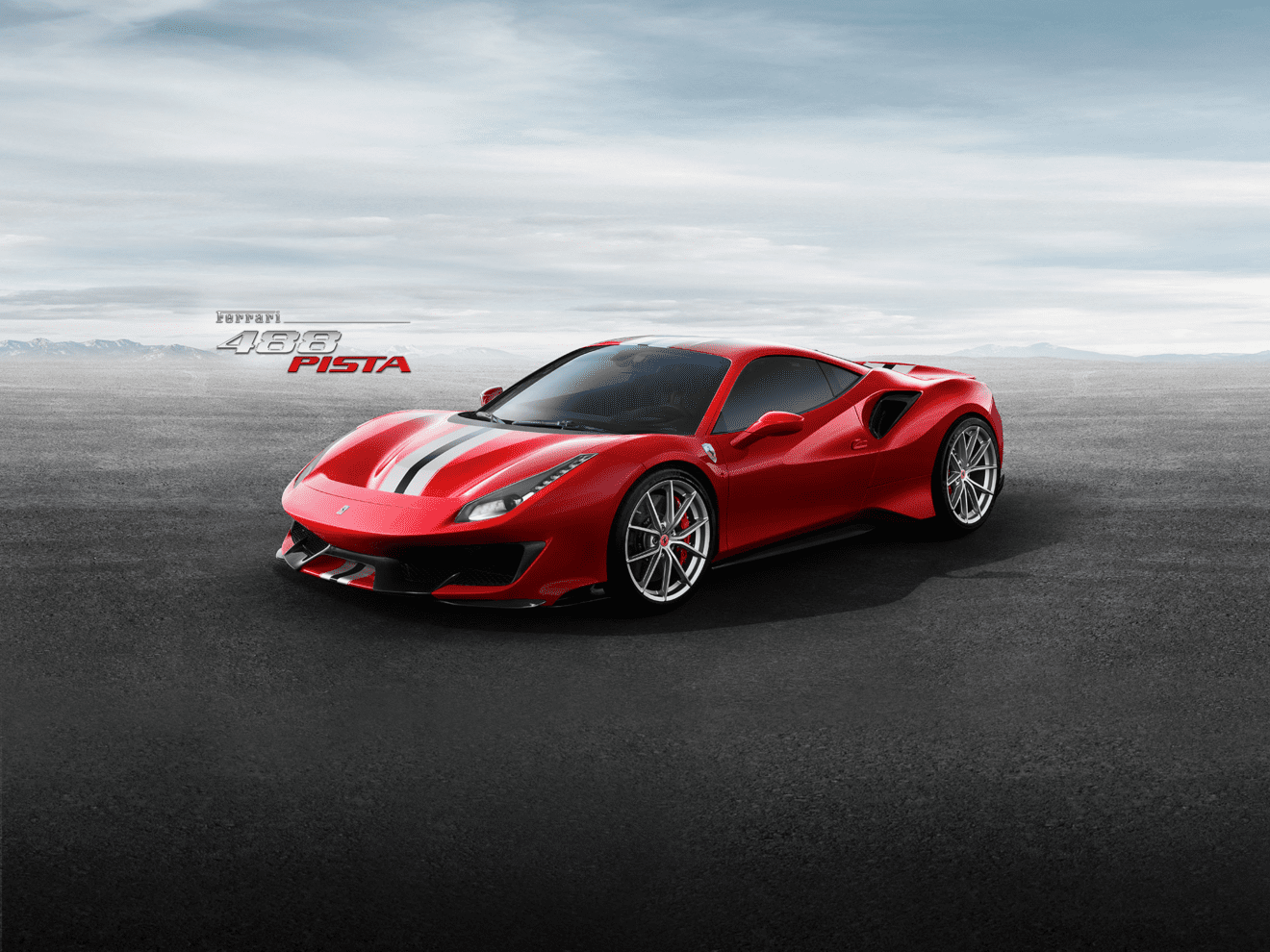
    The silhouette of the car looks very similar to the track-focused Ferrari 488 Pista and F8 Tributo. However, in the teaser video it looks even more angular with a razor-sharp profile which makes it distinctive and different from other Ferraris. The angular headlamps look sleek and at the rear it gets the quad taillight setup. There is a massive diffuser underneath the dual-exhaust pipes, similar to what we have seen in the Tributo. Then there is also the integrated spoiler for drag efficiency.

    The new supercar is expected to launch with a 3.9-litre bi-turbo V8 motor which will be coupled with three electric motors. Two of them will be mounted on the front axle while the third one will be integrated into the gearbox to optimize the shifts. It will be offered with an all-wheel-drive setup and the powertrain in combination is expected to put out a whopping maximum output of 972 bhp which will help it clocking triple-digit speed in less than 2.0 seconds.

  • Nissan’s Position In Alliance Might Be Weakened

    Nissan’s Position In Alliance Might Be Weakened

    Nissan found out about Renault’s merger talks with Fiat Chrysler just days before they became public, four sources told Reuters, stoking fears at the Japanese carmaker that a deal could further weaken its position in a 20-year alliance with Renault. Nissan Motor Co Chief Executive Hiroto Saikawa likely first caught wind of the merger plan through his own chief operating officer, Yasuhiro Yamauchi, who also serves on Renault’s board, one of the sources said, speaking on condition of anonymity due to the sensitivity of the matter.

    Saikawa’s actual notification from Renault most likely came a day ahead of a report over the weekend that the French company was in tie-up talks with Italian-American rival Fiat Chrysler Automobiles (FCA), the source said.

    The plan, which would create the world’s third-largest automaker, raises difficult questions about how Nissan would fit into a radically changed alliance. Renault Chairman Jean-Dominique Senard arrived in Japan on Tuesday to discuss the proposed tie-up – and presumably to try to smooth over ties.

    But the deal poses an additional challenge for Saikawa, already grappling with poor financial performance and an uneasy relationship with Renault after Nissan led the ousting last year of long-standing alliance chairman Carlos Ghosn.

    “All this put Saikawa under massive pressure,” a second source said, referring to the fact that negotiations caught the CEO and senior management off guard.

    Renault, which owns a 43.4% stake in Nissan, had previously angled for a merger with Nissan, but Saikawa has long opposed a full integration. New vehicle and powertrain platforms developed by FCA-Renault could also pose a dilemma to Nissan, challenging its jealously guarded independence in some areas of engineering, research and development.

    Nissan could find itself forced to choose between technology developed elsewhere or going it alone – between scale without autonomy and autonomy without scale, a source close to the Renault board said.

    FCA has said a deal would embrace Nissan and another alliance member, Mitsubishi Motors, as “valued and respected partners”. “I have huge respect for Nissan and Mitsubishi, and their products and businesses,” FCA Chairman John Elkann told the Nikkei. Still, there is awareness of friction between Renault and Nissan, which is perhaps why the Japanese company was not involved in talks at an earlier stage.

    “The relationship between Renault and its Japanese partners is not as constructive as probably anybody wishes,” said a source familiar with the FCA-Renault talks. “The FCA view is that Nissan has a lot on its plate … So the time is not right to consider anything other than enhanced cooperation.”

    The French government, which owns shares in Renault, said on Tuesday it wanted Nissan to be on board with the deal. But there have long been tensions between Paris and Tokyo over the imbalance of power in the carmaking alliance, with Nissan holding only a 15% non-voting stake in Renault.

    The Japanese automaker’s clear advantage is in its technology, including vehicles that meet China’s tougher emissions regulations. Renault and FCA, therefore, would need Nissan to help them meet increasingly tough fuel economy, emissions and electric vehicle (EV) quotas around the world.

    An FCA-Renault tie-up would also raise questions about how to extract synergies in some markets where Nissan and FCA compete, such as in North American trucks and SUVs.

    The Japanese firm’s line-up of Nissan and Infiniti brand SUVs competes with FCA’s Jeep models such as the Cherokee. Nissan’s Titan pickup is also competitor, albeit a weak one, to FCA’s Ram pickup line.

    The fact Renault is prepared to consider creating such challenges may be a sign of its frustration with Nissan’s reluctance over a full merger. “It sends a strong signal that Renault does not necessarily have to tie its fate to Nissan,” said Chris Richter, senior research analyst at brokerage CLSA, about the proposed FCA-Renault tie-up.

    Saikawa told reporters on Tuesday that “strengthening the alliance and constructive discussions are forward-looking, and we are open to constructive discussions,” according to Japanese broadcasters. But unless Nissan can regain the initiative, it risks being marginalized even more. “If the Renault-Fiat merger happens and the status quo continues at Nissan-Renault, Nissan’s position and influence within the alliance will fall behind Fiat,” said Takeshi Miyao, managing director of consultancy Carnorama.

    Bernstein analyst Max Warburton said there were theoretically stronger synergies for Renault with FCA than with Nissan, and a better cultural fit too. “It may be inevitable that Renault eventually exits Nissan,” he said, adding the French company’s stake in its Japanese partner was currently worth about 11 billion euros – “plenty of capital to spend on EVs and new technology.”

  • Hyundai Venue Bookings Cross 20,000 Mark

    Hyundai Venue Bookings Cross 20,000 Mark

    Hyundai launched the Venue subcompact SUV in India last week and back then the company had said that it received 15,000 bookings for the car. A week later that number has gone up to more than 20,000. The customers certainly seem to have taken a liking to the subcompact SUV but we wait to see what the sales numbers say a month later. The Venue is Hyundai’s first subcompact SUV in the country and the reception it’s getting post the launch of the car is something that was expected.

    The subcompact SUV segment has been growing at a fast pace and there are already a number of players in the segment right from the Maruti Suzuki Vitara Brezza, to the Tata Nexon, Mahindra XUV300 and even the Ford EcoSport. The Venue then is late to the party but it brings a lot to the table. It, in fact, is India’s first connected car and yes gets a load of features.

    The Hyundai Venue traces its roots to the Carlino concept showcased at the Auto Expo in 2016. The production-spec version finds its design language inspired from the newer Hyundai models with the massive cascading grille up front, split headlamps with projector lens and squared LED DRLs, tall stance and stubby boot design. The Venue looks small yet butch and there is a resemblance to the Creta too at the sides. The sub-4-meter SUV comes with faux cladding on the bumpers and the sides for the brawny appeal, even as the SUV is urban in its appearance riding on 17-inch diamond cut alloy wheels. The Venue is offered in four variants, seven monotone colors and three dual-tone color options.

    The Hyundai Venue draws power from two petrol and one diesel engine options. The 1.0-liter, three-cylinder turbocharged petrol motor churns out 118 bhp and 172 Nm of peak torque and is mated to a dual-clutch transmission while a six-speed manual is also on offer. There’s also the 1.2-liter, four-cylinder naturally aspirated petrol mill belting out 82 bhp and 114 Nm of peak torque, which is paired with only a 5-speed manual transmission. Lastly, the 1.4-liter, four-cylinder, turbocharged diesel produces 89 bhp and 220 Nm of peak torque and is mated to a 6-speed manual gearbox. A diesel automatic is not on offer.

    With respect to features, the Hyundai Venue is loaded to the gills and gets a host of equipment including an electric sunroof, 8-inch touchscreen infotainment system with Apple CarPlay and Android Auto, automatic climate control with rear AC vents, Arkamys sound system, air purifier, wireless charging and wheel air curtains.

  • Fiat Chrysler Confirms Merger Talks With Renault

    Fiat Chrysler Confirms Merger Talks With Renault

    Fiat Chrysler has made a “transformative merger” proposal to French peer Renault, the Italian carmaker said on Monday, in a deal which would create a world leader and help address some of the weaknesses in both Renault and Fiat.

    Fiat said the combined business would be 50 percent owned by FCA shareholders and 50 percent owned by those of Renault.

    Pressure for consolidation among carmakers has grown with the challenges posed by electrification, tightening emissions regulations and expensive new technologies being developed for connected and autonomous vehicles.

  • Rolls-Royce Wraith Eagle VIII Collection Unveiled

    Rolls-Royce Wraith Eagle VIII Collection Unveiled

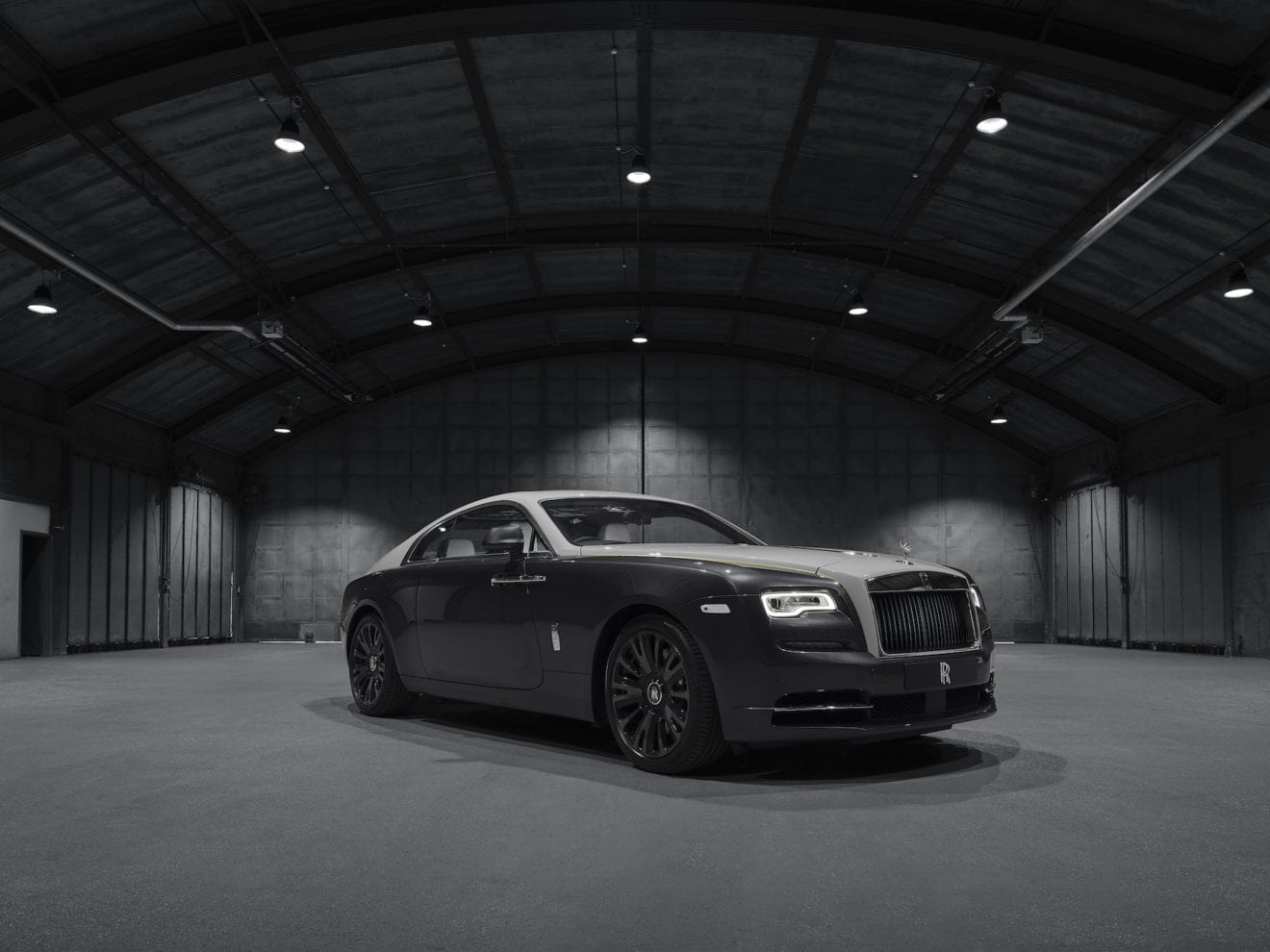
    It’s always a moment when Rolls-Royce shows a new ‘art-on-wheels’ to the world and more so when it’s a special edition. The luxury carmaker has unveiled the Wraith Eagle VIII Collection on the shores of Lake Como at this year’s Concorso d’Eleganza Villa d’Este and says that the car will tell the tale of one of the most pivotal moments of the 20th Century. Captain John Alcock and Lieutenant Arthur Brown flew the first non-stop transatlantic flight in June, 1919. Contemporaries of Sir Henry Royce, Alcock and Brown flew non-stop from St. John’s, Newfoundland to Clifden, Ireland in a modified First World War Vickers Vimy bomber aircraft which was powered by a 350 bhp, 20.3-litre Rolls-Royce Eagle VIII engines.

    Rolls-Royce marks the 100 year anniversary of this feat with a highly personalized Collection edition of the Wraith. The car is finished in Selby Gray upper two-tone with a contrasting brass feature line. Vanes on the iconic grille up front are finished in black and the alloy wheels are polished in a translucent shadow finish.

    The inside of the Wraith Eagle VIII collection will give you a different feel altogether. Don’t mistake it for any change in the design as the layout of the cabin remains untouched, however, the difference is in the treatment. It is draped in Selby grey and black leather with brass inserts to mirror the outside Hue. The speaker covers too are finished in brass which further extends to the door panniers. The driver side door includes a brass plaque with Sir Winston Churchill’s quote commending the achievement of the duo pilots who flew across the vast stretch of the Atlantic. The clock has an iced background effect which glows a faint green light in the night while driving.

    Rolls-Royce will handcraft just 50 units of the Wraith Eagle VIII Collection which will use the same 624 bhp, 6.6-litre V12 motor that powers the standard Rolls-Royce Wraith.

  • Audi Q3 Sportback To Be Unveiled In July 2019

    Audi Q3 Sportback To Be Unveiled In July 2019

    Coupe SUVs are catching the fancy of car buyers. Mercedes-Benz and BMW have been selling such models for quite some time and Audi too followed the trend with introducing the five-seater Q8 which will be its new flagship in the SUV range. The German carmaker had also shown interest in making a coupe body style of the 2019 Q3 and finally has confirmed that it is coming. The Audi Q3 Sportback will make its first public appearance in July this year.

    The Audi Q3 Sportback is among the seven new SUVs the German carmaker has lined-up for this year. The company shared its plans in its 130th Annual General Meeting where it also mentioned about organizing a dedicated event to unveil the Q3 Sportback as there are no Auto shows or major Auto events lined up during that time. The Coupe SUV will be showcased at the Frankfurt motor show as well in September.

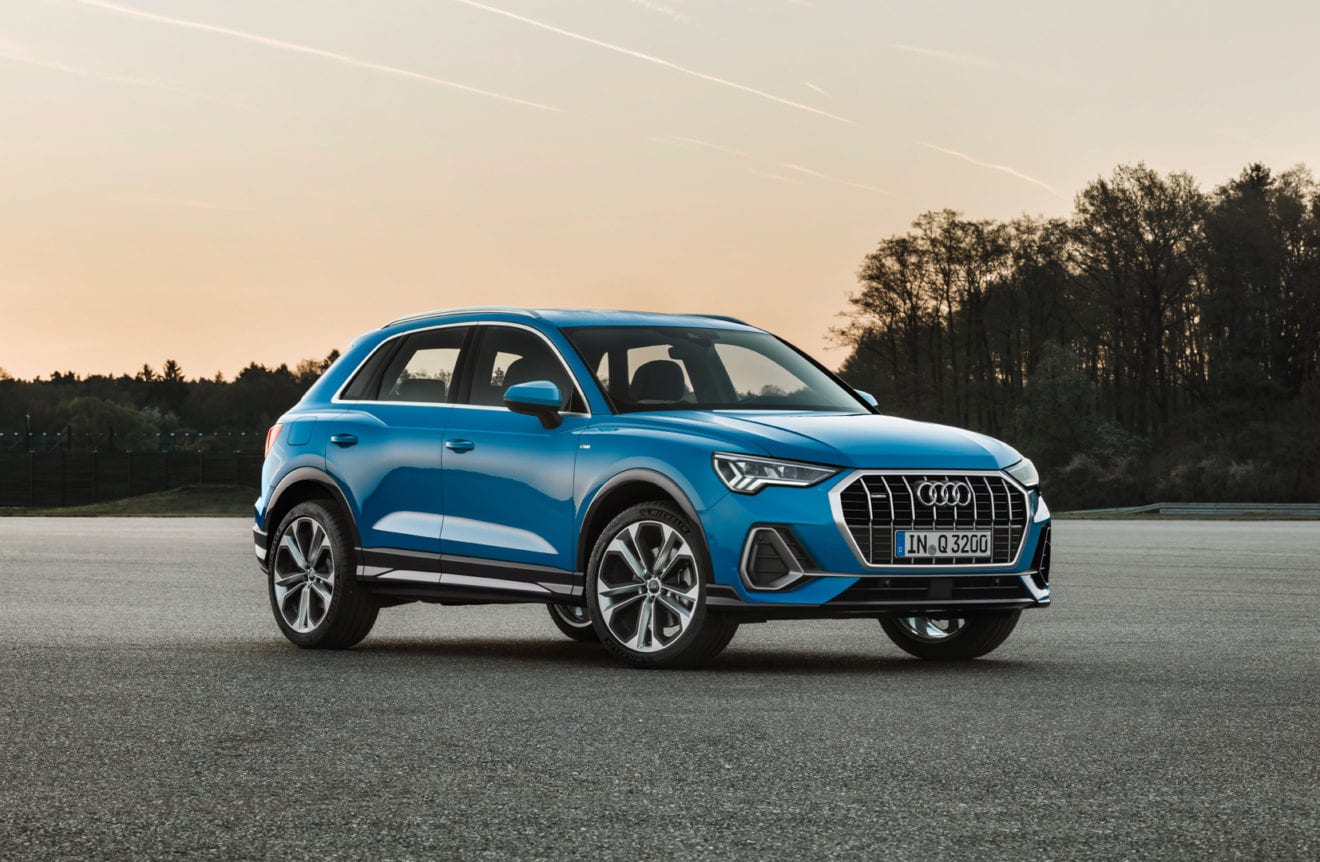
    Now we still don’t have any clear details about the Q3 Sportback but we expect it to be similar in design to the new-generation Audi Q3. The model will borrow design cues from the Q8 Coupe SUV as well as sporting a similar kind of coupe roofline which may not be as steeply raked as we have seen on other models like the A5 and A7 Sportback. The facade and profile is expected to remain identical to the Q3 housing the same massive grille which may be finished in piano black to add a sense of sportiness. Mechanically, the car is likely to use the same powertrains that drive the Q3 which means that the 2.0-litre TDI diesel and 1.5-litre turbocharged petrol engines will be on offer. Audi may also consider the 2.0-litre TFSI petrol engine for the Q3 Sportback.