Tag: Auto

  • New Skoda Superb Scout Cross-Estate Unveiled

    New Skoda Superb Scout Cross-Estate Unveiled

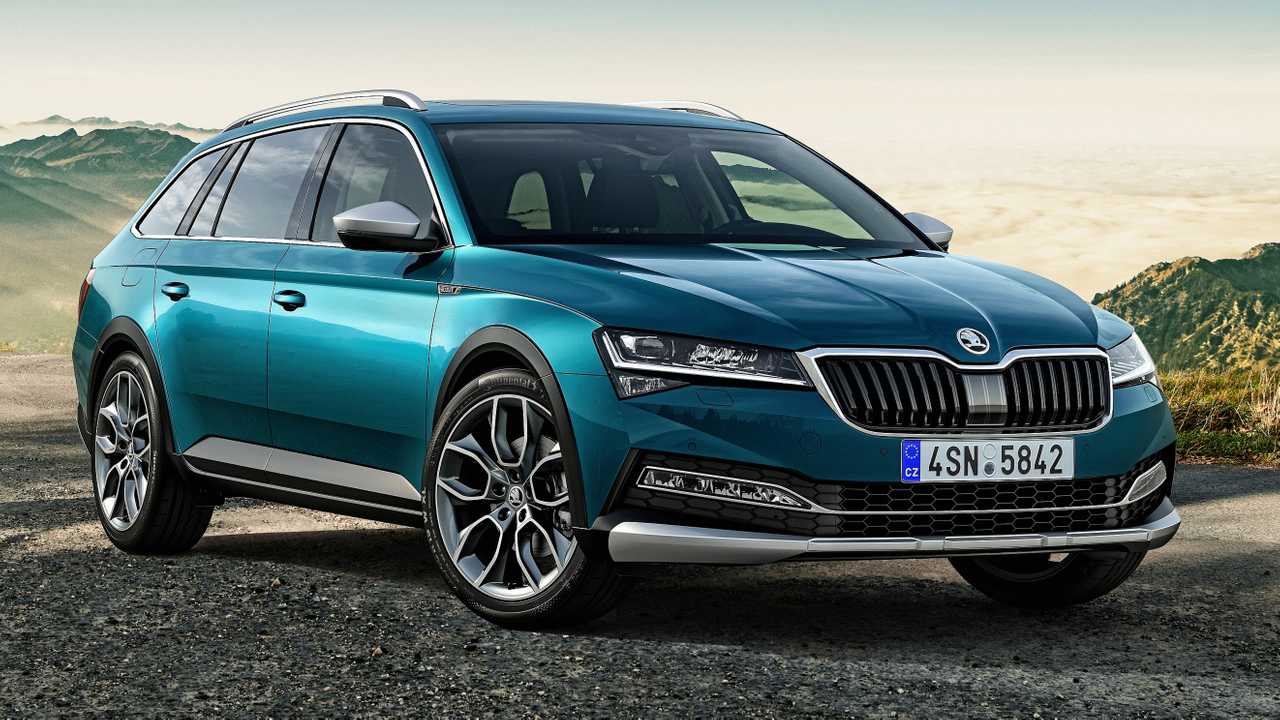
    Jacked up Estate body types have found preference among car buyers. These cars are more practical than their sedan counterpart and luxury carmakers like Mercedes, Audi and Volvo have one such model in their portfolio. Volkswagen too has the Passat Alltrack and now even Skoda has added the new Superb Scout which is essentially a cross-estate version of the Skoda Superb.

    The new Skoda Superb Scout is different from the Skoda Combi Estate which was sold in Europe. It looks rugged equipped with matte black body claddings and also gets larger 18-inch alloy wheels while 19-inches are optional. The ground clearance is up by 15 mm and there are subtle body enhancements in the profiling in a bid to add to the rugged appeal. The roof rails and window frames are chrome-plated, and the wing mirror housings shine in an aluminum look and there are special SCOUT badges as well. The elongated body style and other additions have also made the Superb Scout heavier than the Superb sedan and it tips the scale at 2200 kg.

    On the inside, the Skoda Superb Scout is finished in special wood-effect decorative strips that bear the Scout logo just like on the front seats. The seat covers are finished in fabric with contrasting stitching and the Alcantara leather seats with brown contrasting stitching are optional. The front seats are heated and are available with new piping in a contrasting color. The central display is fitted with additional offroad screens and the driver is greeted by a special, Scout specific, welcome logo on the display when entering the car. The front passenger seat can be electrically adjusted from the rear and the optional Sleep package provides larger headrests and a blanket, like the ones we have seen in the Kodiaq. It goes without saying that the Scout gets a larger boot than the Superb with a capacity of 660 to 1,950 l. The tailgate can be electrically operated and it can also be opened using the foot-gesture command.

    The Skoda Superb Scout will be offered with two tried and tested engine options. First is the 2.0-litre four-cylinder, TDI diesel engine which puts out 197 bhp and 400 Nm of peak torque and is mated to a seven-speed dual-clutch gearbox. The 2.0-litre, four-cylinder, TSI petrol motor is also on offer. In the Superb scout, this engine is tuned to churn out 268 bhp and 350 Nm of peak torque and is mated to also mated to the seven-speed DSG gearbox. These are the same engine options we have seen in a range of VW Group cars. However, highlight here is the off-road mode which activates the all-wheel-drive system. It also comes with a rough road package which is a standard fitment and provides underbody protection for the engine along with the undercarriage. The ride is further complemented with the driving modes which work in conjunction with the Dynamic Chassis Control.
  • Mercedes-Benz’s Heated Seatbelts Encouraging Customers To Put Them On

    Mercedes-Benz’s Heated Seatbelts Encouraging Customers To Put Them On

    Seatbelt is the first safety feature in a vehicle which plays a crucial role in saving the life of the occupants in case of a collision. It keeps the body static and prevents it from coming into contact with the surface which can leave the passengers wounded. Over the time, we have seen technological developments in this area like the active pretensioners which grip the body even when you drive beyond a certain speed and obviously while sensing a collision situation.

    However, it goes without saying that all of it will come into play only when it’s hooked and the latest development aims exactly at improving the practice of putting on the seatbelt. Mercedes-Benz is testing heated seatbelts in its prototype and interestingly it looks very much like an usual seatbelt. It has heated tubes inserted in the fabric to keep it warm. It operates in conjunction at same temperature level as the heated seats and armrests we have seen in Mercedes-Benz top of the line Models.

    The Stuttgart based carmaker says that this would encourage its customers to fasten the seatbelts as they would love to be in a soothing temperature. The technology is even more relevant for cold regions where low temperature is actually an issue. Even in central, Eastern and Northern parts of India where temperature hits extreme low in winters, such technology will go in favour of adopting the practice of putting on the seatbelts. In India, where wearing seatbelt is a rarity and people in metro cities only do because of the law enforcement, such technology could actually help in making the practice more common.

  • Renault Clio Based On The CMF-B Platform Bags Five-Star Ratings In Euro NCAP

    Renault Clio Based On The CMF-B Platform Bags Five-Star Ratings In Euro NCAP

    The all-new Renault Clio which is spawned by the CMF-B platform has bagged five-star ratings in the global NCAP crash test and this news stands even more crucial for the India market given the onset of the Bharat New Vehicle Safety Assessment Program  (BNVSAP) which is set to roll out next year. The CMF-B platform is an advanced and elongated version of the CMF-A platform which spawns the Renault Kwid and Datsun Go range. The CMF-B platform has been developed in alliance with Mitsubishi to underpin a slew of compact and mid-size models from both the carmakers globally.

    We know that Renault and Nissan are also in an agreement and share a range of cross badged models in India. The MO platform underpins all the compact models of both carmakers like the Duster, Terrano, Captur and Kicks among others. The platform was developed by Renault and both carmakers have been using it for long. The CMF-B platform is more rigid and lighter and can spawn next-generation models of these models other models like the next-gen Nissan Sunny which will help the brands to comply with the upcoming crash test and fuel efficiency norms. Renault is also gearing up to launch the seven-seater version based of the Kwid which has been developed on an advanced version of the CMF-A platform and is expected to meet the safety standards.

    Moreover, the CMF-B platform is also a silver lining for the India business of both carmakers. It may help them fill white spaces and introduce the next-generation of some previous models which were discontinued, like the Renault Scala. Uncertainty also hovers over the Renault Kwid which future depends on it clearing the crash test norms. The company can also use the learning to develop a high-tensile CMF-A platform which can underpin the next-generation Kwid or it can be entirely shifted to the CMF-B platform which is scalable and can be moderated for the model. However, the Kwid will likely witness a price hike in any of the cases.

  • Aston Martin Celebrates 50 Years Of James Bond Movie

    Aston Martin Celebrates 50 Years Of James Bond Movie

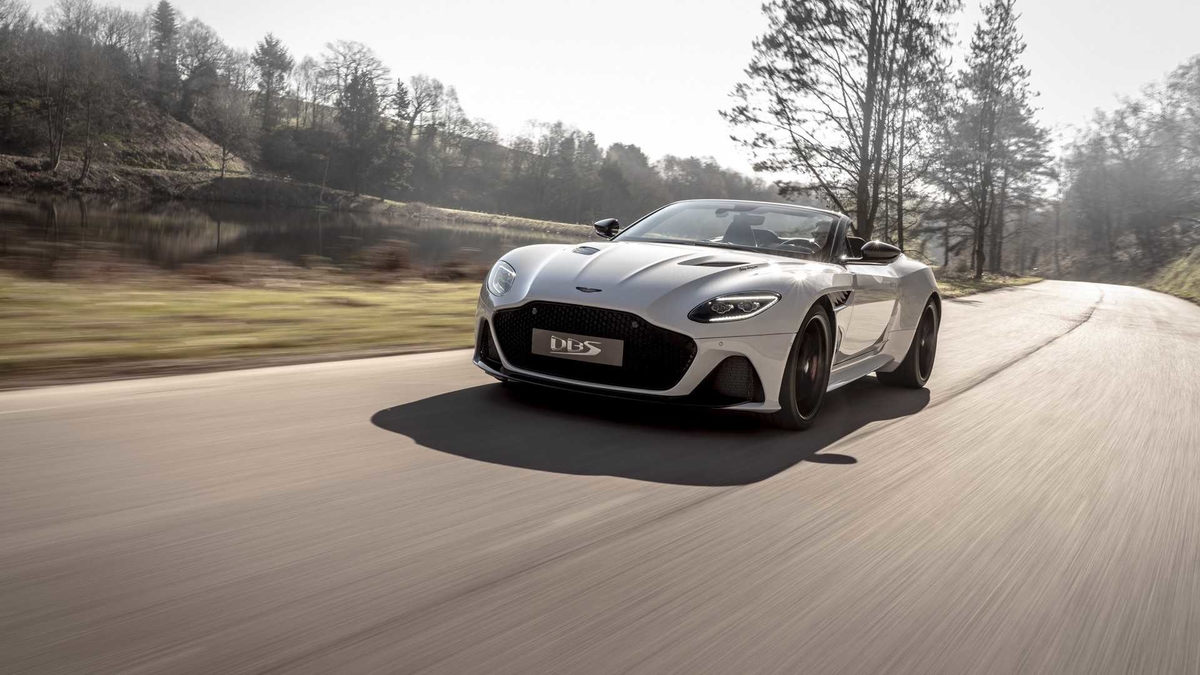
    The Aston Martin DBS Superleggera is set to become the newest James Bond-inspired car, thanks to the most recent collaboration between Aston Martin and EON Productions. To celebrate the 50th anniversary of the James Bond film, On Her Majesty’s Secret Service, 50 ‘On Her Majesty’s Secret Service’ DBS Superleggera special edition cars will be sold. Painted Olive Green to match the original 1969 Aston Martin DBS driven by James Bond in the movie, the new models will take bring in a brutish elegance to the DBS Superleggera. It is 50 years since filming began for the sixth James Bond film, which told the story of Bond villain ‘Blofeld’ and his ongoing attempts to hold the world to ransom. The 1969 Aston Martin DBS was James Bond’s perfect partner to save the world.

    Andy Palmer, Aston Martin Lagonda President and Group Chief Executive Officer, said, “Aston Martin is synonymous with James Bond and the DBS from On Her Majesty’s Secret Service has provided great inspiration to the team tasked with creating this very special edition. This new DBS Superleggera will be an extremely distinguished ‘brute in a suit’, designed to capture the essence of the iconic DBS from the 1969 film but with a 5.2 litre twin-turbo V12, 715bhp engine!”

    The 5.2-liter twin-turbo V12 on the DBS Superleggera engine is set low and as far back in the chassis as possible to optimize the center-of-gravity and weight distribution, this high-performance engine develops 725PS at 6500rpm and 900Nm from 1800-5000rpm. Detailed tuning of the V12 together with an exhausting strategy with active valves and quad tailpipes ensures that the DBS Superleggera is audible wherever it goes.

    The special edition DBS Superleggera boasts carbon fiber, splitter, aero blade and unique diamond turned and forged wheels. A bespoke metal grille featuring six bright horizontal vanes, adorns the front of the limited-edition car to replicate the distinctive feature of the DBS featured in On Her Majesty’s Secret Service. The exterior paint surface is enhanced with body colored contrails and roof. Bearing commemorative side strakes and unique touches throughout, the car is every inch ‘007’.

    On the inside, the DBS Superleggera is trimmed in pure black leather, accented by grey blend Alcantara, as in the original 1969 DBS. The cockpit is accented in red, inspired by the red-trimmed glovebox in the original car, which held 007’s telescopic-sight rifle.

    The 50 owners of this James Bond Special Edition will have the option to select a bespoke designed drinks case which fits into the boot space. The black drinks case opens via the bright metal clasp to reveal the matching red felt-lined interior, with space for two bottles of champagne and four champagne flutes.

    Each of the 50 On Her Majesty’s Secret Service DBS Superleggera special editions will retail at 300,007 Euros, with first deliveries to customers commencing in Q4 2019

  • Tesla Reduces Prices On Model S and X Amid Stock Slump

    Tesla Reduces Prices On Model S and X Amid Stock Slump

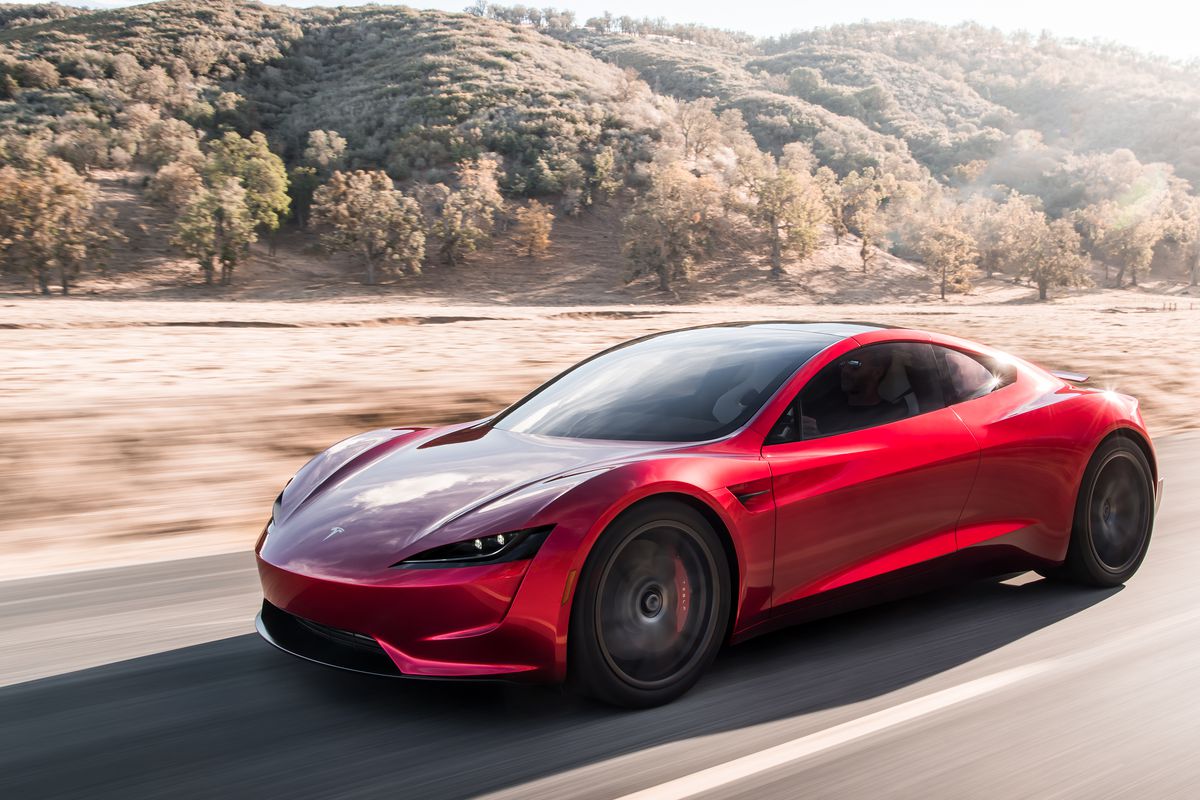
    Faced with a slumping stock price and questions about demand for its vehicles, Tesla has lowered the U.S. base prices of its two most expensive models. The company on Monday cut $3,000 from the price of the Model S sedan and $2,000 from the Model X SUV. Tesla said in a statement that it periodically adjusts prices and available options like other car companies. The decreases offset price increases from a month ago when Tesla offered longer battery range and added a new drive system and suspension. The statement didn’t say if slowing sales influenced the decision.

    The Model S now starts at $71,250 while the X starts at $71,950. Both prices don’t include federal and state tax credits.

    The moves come as Tesla’s stock is under pressure and has at times dropped below $200 per share. Several analysts have questioned whether the company can sell enough cars to cover its expenses without dipping into cash reserves.

    Shares traded Tuesday afternoon at $205.62, up slightly from Monday’s closing price. They are down more than 38 percent so far this year, cutting the company’s market value more than $20 billion to $36.5 billion. On Monday the shares hit their lowest point since late 2016.

    Tesla said in a statement that the reductions are about 2% to 3% on the S and X. The company last week raised the price of its top-selling Model 3 by $400, pushing the base price to $35,400. “By any reasonable standard, these small changes are not newsworthy,” the company said in a statement.

    On Monday Wedbush analyst Daniel Ives wrote in a client note that he has concerns about Tesla’s growth prospects and underlying demand for the Model 3 during the coming quarters.

    Ives called Tesla a “code red” situation. “We have continued concerns around Tesla’s ability to balance this ‘perfect storm’ of softer demand and profitability concerns, which will weigh on shares until Musk & Co. prove otherwise in terms of delivering solid results over the coming quarters,” Ives wrote, referring to CEO Elon Musk.

    Palo Alto, California-based Tesla said last month it lost $702.1 million in the first quarter, among its worst quarters in two years. Sales tumbled 31% in the period. Musk predicted another loss in the second quarter but said Tesla would be profitable again by the third quarter.

    In January, the automaker cut its prices by $2,000 per vehicle, acknowledging that the pending expiration of a $7,500 federal tax credit for its electric cars will hurt sales. The credit is gradually being phased out for Tesla by the end of the year.

  • Land Rover Discovery 2020 Sport Details Out

    Land Rover Discovery 2020 Sport Details Out

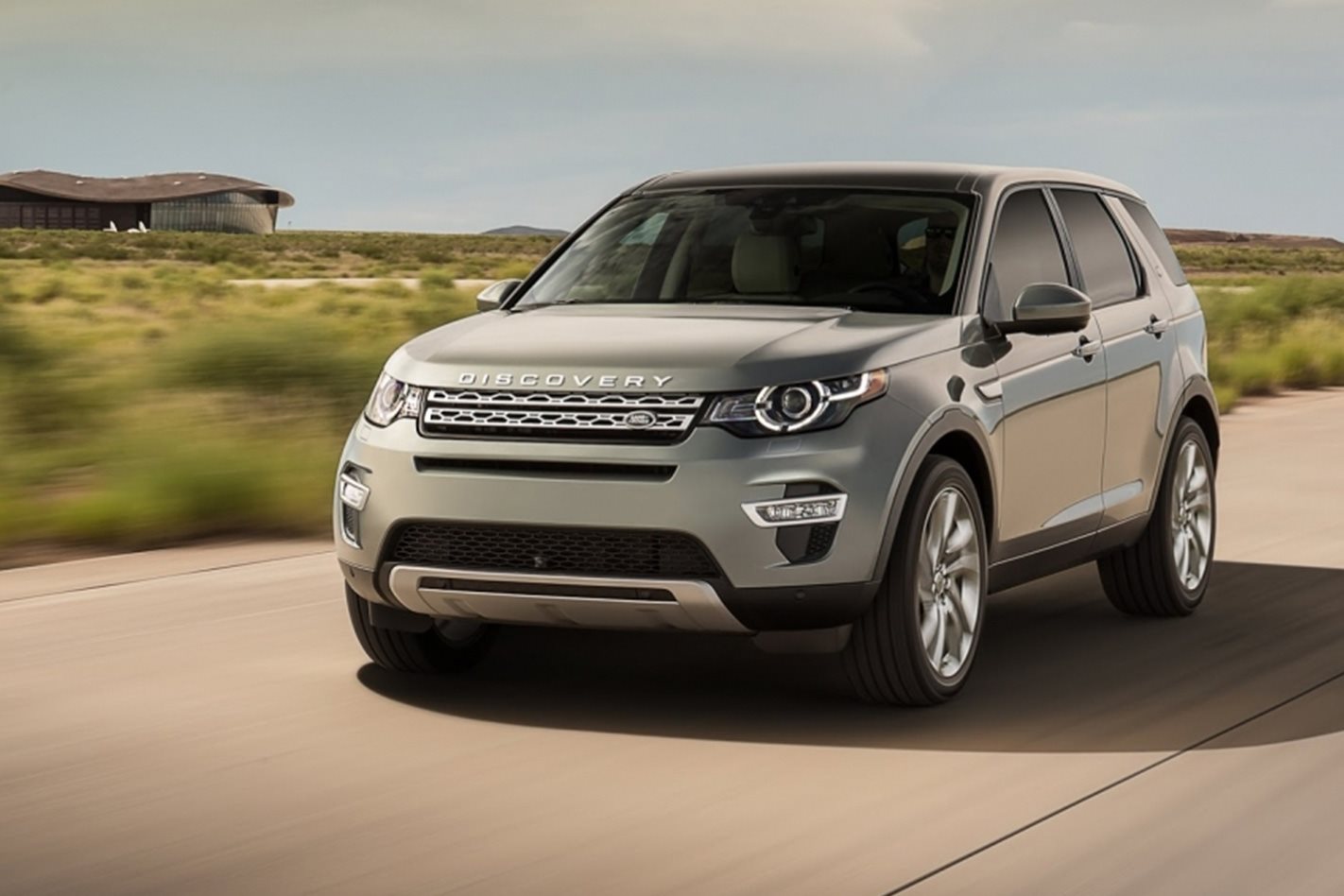
    Jaguar Land Rover has introduced the 2020 Discovery Sport compact premium SUV and it will be launched in the international markets later this year. According to the company, the new 2020 Discovery Sport strikes a balance between a bold evolution of the original design and the familiarity that comes with no-compromise capability. The trademark design, including the clamshell hood, rising beltline and tapered roof are still very much part of the SUV, but there is an evolution to the design and it certainly looks bolder than before. It gets new front and rear bumpers, grille design and LED lights, which makes it look both sporty and sophisticated.

    Built on the new Land Rover Premium Transverse Architecture (PTA), the 2020 Discovery Sport provides greater versatility and refinement with a new body that is 13 percent stiffer than its predecessor and, together with rigidly-mounted subframes, and the company says that it is now quieter thanks to reduced noise and vibration intrusion into the cabin.

    Inside, the spacious 5+2 interior has been transformed with a completely new infotainment interface and the latest connectivity, plus a more flexible seating arrangement with up to 24 combinations. A new powertrain lineup for 2020 now includes the electrified option of a 48-volt 296 horses developing mild-hybrid (MHEV) engine. The hybrid system uses an engine-mounted belt-integrated starter generator to harvest energy normally lost during deceleration and stores it in an under-floor battery. At speeds below 18 kmph, the engine is designed to shut off when the driver applies the brakes. When pulling away, the stored energy is redeployed to assist the engine under acceleration.

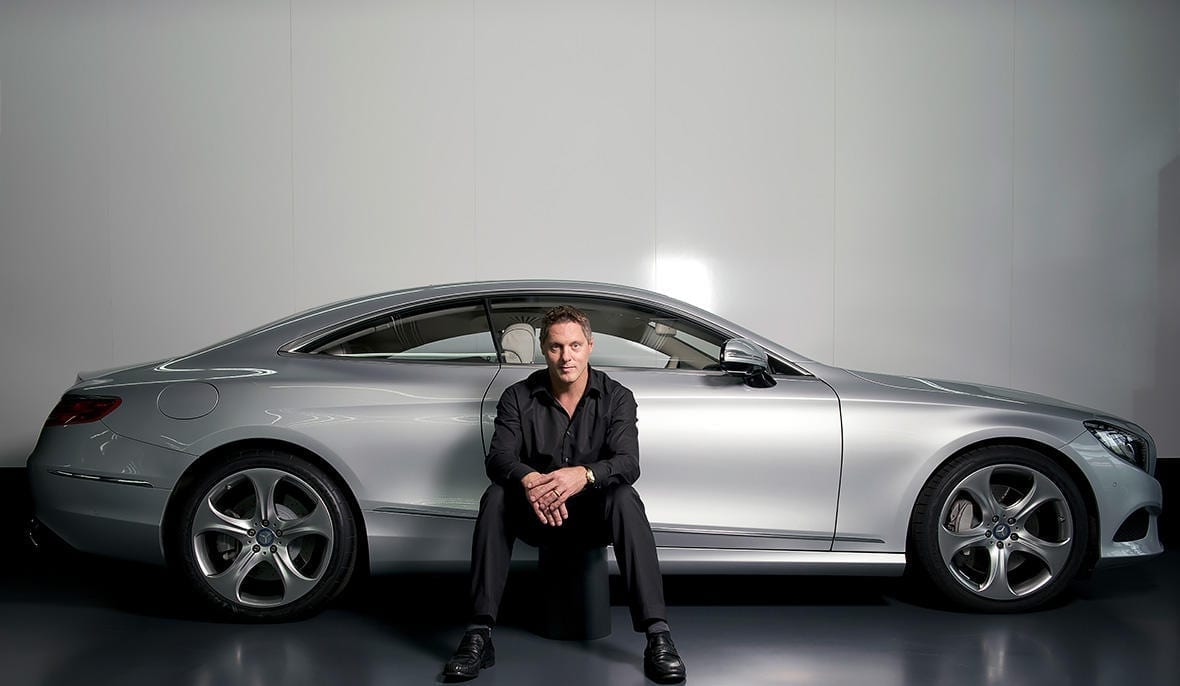
    Gerry McGovern, Land Rover Chief Design Officer said, “Building on the success of the original Discovery Sport, this beautifully proportioned vehicle has been refined, enhancing its characterful exterior which compliments the engaging nature of the interior space,”

    Customers can choose from 12 premium exterior paint colors and the option of a black contrast roof. All S, SE and HSE models feature silver atlas detailing on the grille, tailgate finisher, and badging scripts, while purposeful R-Dynamic vehicles feature Shadow Atlas exterior accents, contrast stitching on the steering wheel and branded treadplates inside.

    The 2020 Discovery Sport comes with the TouchPro  infotainment system as standard, while there’s wireless charging available up front

    The new center console and introduction of more premium materials throughout adds a bit of refinement. There’s a three-spoke multifunction steering wheel with capacitive switches, an easy-to-read instrument cluster and a 10-inch Touch Pro infotainment system, all of which are now standard.

    New seats across each of the three rows provide improved comfort and versatility, thanks to the second row 40:20:40 split fold and slide functionality, boosting the possible number of seat combinations to 246. Massage functionality is now also offered for the first time on Discovery Sport in the front row providing improved comfort.

    The 2020 Discovery Sport now gets new cup holders and repositioned storage spaces for third-row passengers, while USB and 12-volt charge points (in total, six and three, respectively) are located throughout the cabin. Front row occupants get to use wireless charging for compatible devices. There’s also a 4G Wi-Fi hotspot, an advanced and responsive Land Rover InControl Touch Pro infotainment, fitted standard, which is also available with Apple CarPlay and Android Auto.

    Alongside a new key fob design, owners can add a powered tailgate and the Land Rover Activity Key – all intended to streamline the customer experience. These are available with a series of accessory packs that offer added functionality to the vehicle practicality, connectivity, driver assistance and parking. All-new optional Pet Pack accessories are designed to improve the Discovery Sport experience for owners and pets, alike.

    A new smart rearview mirror, first debuted on the new Range Rover Evoque, called ‘ClearSight Rear View’ is also available on the Discovery Sport for the first time; transforming the rearview mirror into an HD video screen at the touch of a button to display a rear-facing camera feed onto the mirror ensuring the driver’s view remains unrestricted by passengers or large items in the back. The new system also provides a wider 50-degree field of vision using a camera positioned above the rear window and delivers clearer visibility in low light conditions. Another new technology called ‘ClearSight Ground View’ has also been introduced to help drivers navigate high city curbs or tackle rough terrain by projecting camera imagery that offers a virtual 180-degree view beneath the vehicle onto the central touchscreen. This is the realization of ‘Transparent Bonnet’ technology, first previewed by Land Rover in 2014.

    A suite of advanced driver assistance systems is offered across all models, including Adaptive Cruise Control with Steering Assist, which centers the vehicle in the lane based on road markings as well as maintains a following distance from the vehicle in front. Other available advanced driver assistance technologies include Lane Keep Assist, Autonomous Emergency Braking and Driver Condition Monitor.

    Of course, the company will launch the car in India but it won’t be this year. Land Rover will look at the second half of 2020 to bring this car into the Indian market.

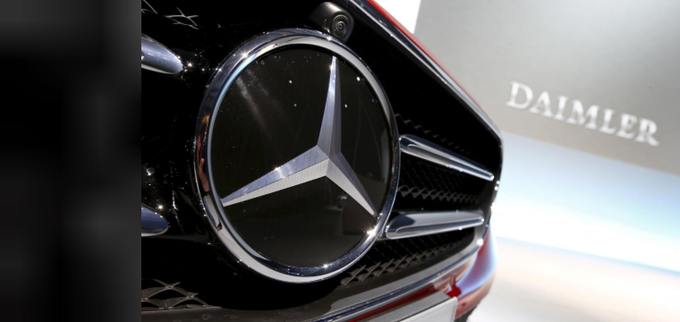
  • Daimler Plans To Cut Administration Costs By 20%

    Daimler Plans To Cut Administration Costs By 20%

    Incoming Daimler boss Ola Kaellenius is working on a cost cut program to reach profit margin targets which are threatened by global trade woes and ramp up issues at factories, Handelsblatt reported, citing company sources.

    Kaellenius, who will take over from Dieter Zetsche after the company’s annual general meeting on May 22, has been working for months on a cost cut initiative, dubbed “Move”, which is expected to be ready in the summer, the paper said.

    Central administration costs are to be cut by about 20%, the paper said, adding billions of euros in efficiency potential would be targeted.

    Daimler declined to comment.

    Kaellenius said earlier this month that Daimler will cut development costs of new Mercedes-Benz cars by a significant amount by 2025 and will intensify alliances with rivals as a way to improve margins.

  • Ather Energy Begins Setting Up Fast Charging Infrastructure In Chennai

    Ather Energy Begins Setting Up Fast Charging Infrastructure In Chennai

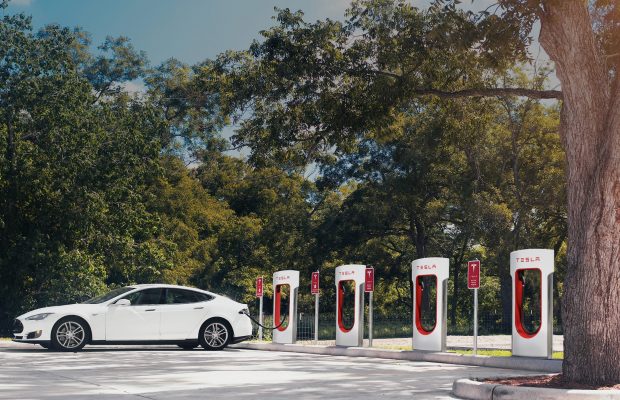
    Ather Energy has started setting up the company’s fast charging network, Ather Grid in Chennai. In all, between 50-55 Ather Grid points will be set up in Chennai and running by the end of the year. The fast charging network can be used by all electric two-wheelers and four-wheelers and Ather is offering this facility free of charge till the end of 2019. Chennai has 7 active fast charging Ather Points installed and is the second city in India to have Ather’s charging network after Bengaluru.

    “Ather Grid has seen steady adoption in Bengaluru and we believe that accessible charging infrastructure is critical before launching our products in any market we enter. We have already signed up with multiple partners and will add 50 charging points by the end of the year. Chennai was a natural choice for our expansion as the auto hub of the country and as the birthplace of Ather in IIT Madras. We are working on setting-up the charging network and our experience centre – Ather Space – in time for the launch of the Ather 450 in the coming weeks,” said Ravneet Phokela, Chief Business Officer.

    With the installation of the charging network, Ather Energy officially makes its foray into Chennai. The city will also have its own experience centre – Ather Space – and pre-orders for the Ather electric scooters for Chennai will open in June. The charging network is supported by the Ather Grid app which allows all EV owners to locate and check the availability of the nearest charging stations in real time. Currently, the Ather Grid network spans across 31 charging points across 24 locations in Bengaluru and 7 locations in Chennai. The company plans to expand the network and set up charging points in 30 cities by 2023.

    Ather Energy was founded in 2013 by IIT Madras alumni Tarun Mehta and Swapnil Jain, and last year the company launched its two smart-connected electric scooters, the Ather 340 and the Ather 450. Ather Energy is backed by founders of Flipkart, Tiger Global and Hero MotoCorp. The company currently operates in Bengaluru and will be officially launching operations in Chennai in June 2019, followed by other major cities across the country.

  • BMW X5 2019 Launched In India

    BMW X5 2019 Launched In India

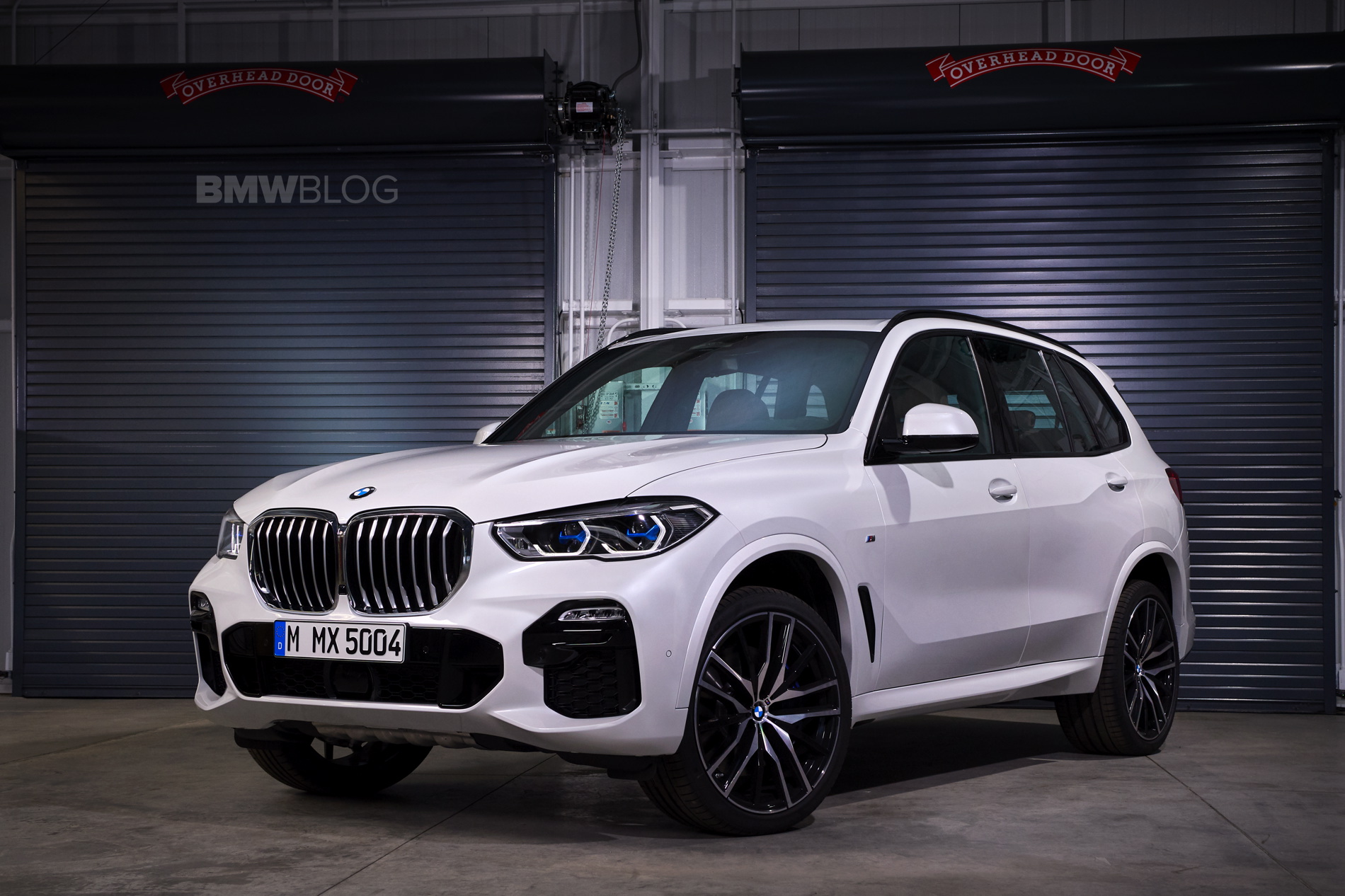
    BMW has launched the new generation of the X5 in India and prices for the SUV start at ₹ 72.90 lakh (ex-showroom India). The company has stated that it will launch 12 new models in the country in 2019 and the new-gen X5 is one among them. The all-new BMW X5 is available in two diesel models – BMW X5 xDrive30d Sport and BMW X5 xDrive30d xLine. The petrol variant BMW X5 xDrive 40i M Sport has also been launched at ₹ 82.40 lakh, however, it will go on sale later in 2019. The price for the new X5 tops out at ₹ 82.40 Lakh.

    Internally codenamed G05, the fourth generation BMW X5 is now based on the CLAR platform that also underpins the 5 Series, 7 Series and the X3 in the automaker’s line-up. The SUV is now larger and more feature-loaded than its predecessor while maintaining the sporty character of the older models. The BMW X5 has been a popular seller for BMW in India but the new gen model has become longer, taller and wider compared to its predecessor.

    It’s the largest X5 ever and this fourth-generation model is 35 mm longer, 32 mm wider and 11 mm taller than its predecessor. The space between the wheels too has increased and it now gains 42 mm on that front and it now stands at 2975 mm. Despite the new model getting bigger, the boot space remains the same at 645 litres that expands to 1,640 liters when the rear seat is folded.

    What’s also different is the way the X5 looks now. The fourth generation BMW X5 gets substantial upgrades on the design and feature front. The signature Kidney grille has grown larger and more imposing on the SUV, while the headlamps are all-LED with X-shaped inserts and get the new adaptive LED DRLs. The front bumper has been reworked and gets larger vents and LED fog lights. The new X5 looks more agile than ever but retains the same silhouette as the older model. The wide LED taillights with the 3D signature add to the distinctive look of the SUV, while the model now gets 21-inch wheels as an option.

    The cabin though is all familiar, in-line with other BMW models and gets the digital instrument console called the BMW Live Cockpit Professional display; along with a floating infotainment screen, updated iDrive along with Apple CarPlay and Android Auto compatibility. Like the other BMW models, you also get gesture and voice commands, as well as a customizable display. The cabin is covered in leather upholstery, while the feature list includes four-zone climate control, wireless charging, screens for rear seat passengers, a panoramic sunroof, welcome carpet light, ambient lighting, and a revised gear-selector lever.

    2019 BMW X5 Key Features

    • Live Cockpit Professional Display
    • Digital Instrument Console
    • Floating Infotainment Screen
    • Updated iDrive System
    • Gesture Control
    • Voice Command
    • Four Zone Climate Control
    • Wireless Charging
    • Rear Passenger Screen
    • Panoramic Sunroof
    • Ambiente Lighting
    The BMW X5 is powered by a 3.0-liter turbo diesel motor.

    Power will come from the 3.0-liter turbo diesel motor tuned for 261 bhp and 620 Nm of peak torque and the BMW X5 can clock triple-digit speeds in 6.5 seconds. The petrol will also be offered soon but for now, there’s just the diesel on offer. The new BMW X5 faces competition from the likes of the Mercedes-Benz GLE,n Volvo XC90, Range Rover Velar, Porsche Cayenne and the Audi Q7.

  • Sigma, Tech Mahindra partner on connected car

    Sigma, Tech Mahindra partner on connected car

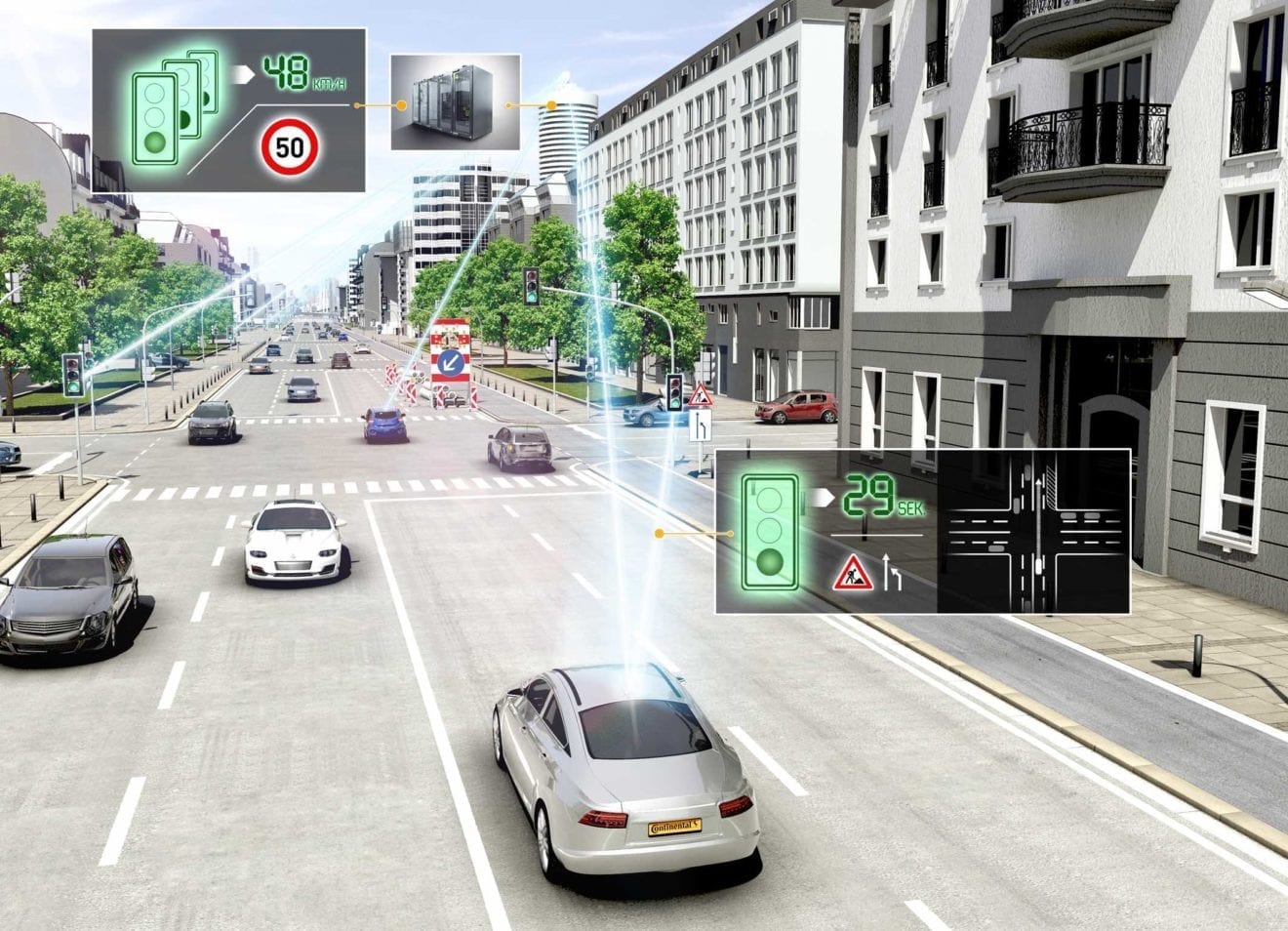
    Sigma Systems and Tech Mahindra have announced the launch of a connected car service subscription management platform for the automobile industry.

    The joint platform was selected and will be an integral part of a global automobile manufacturer’s connected car services program, paving the way for emerging on-board digital and IoT based applications.

    The companies said the service subscription management platform is a fully automated, cloud-based SaaS solution designed and delivered with scalable platform architecture and Open API’s.

    It consists of key Sigma portfolio products including Sigma Catalog and Sigma Order Management.

    The platform will drive consumers’ digital experience on new connectivity services while being mobile network operator agnostic and using eUICC SIM, the companies said.

    The platform will provide lifecycle management of connected car services and subscriptions manage roaming scenarios and control data consumption by driving policies and enhance end-user experience.

  • Maruti Suzuki Inaugurates 400th Arena Showroom

    Maruti Suzuki Inaugurates 400th Arena Showroom

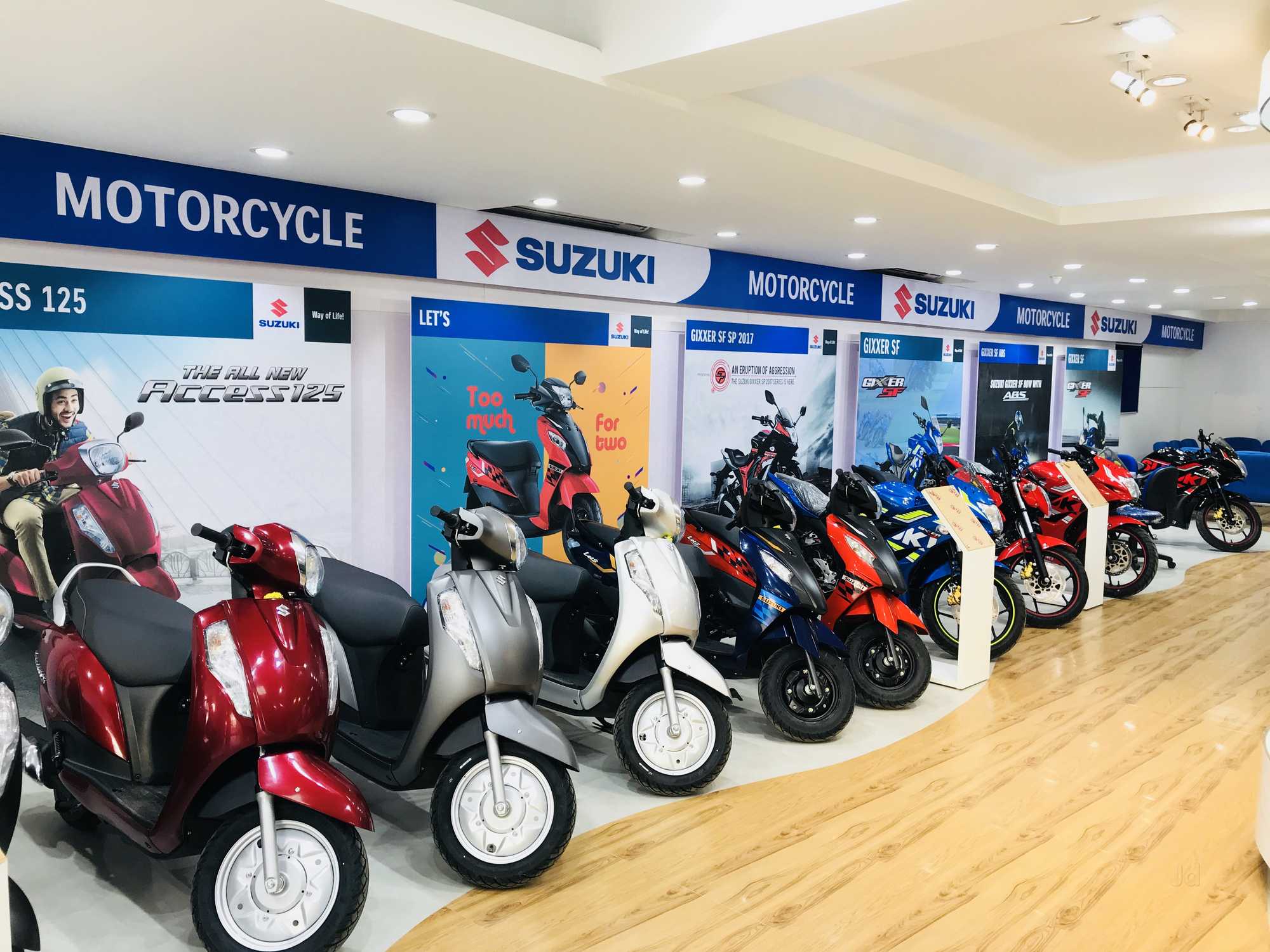
    Maruti Suzuki India Limited announced that it recently inaugurated its 400th Arena showroom and the milestone comes in less than two years. Maruti Suzuki Arena retail showrooms sport a modern look and are now present in 278 cities and towns in India. The company’s total sales network has crossed 2,940 showrooms covering more than 1,860 towns and cities.

    Commenting on the landmark, Shashank Srivastava, Executive Director (Marketing & Sales), Maruti Suzuki India Limited said, “We launched Maruti Suzuki Arena with a strategy to transform our network and meet expectations of young, dynamic and evolved Indian customers. It is an important step in our journey of transformation. In less than two years, we have opened the 400th ARENA showroom. This transformation is built on continuous research, listening to the customer and anticipating future trends. The effort is to align with ever-evolving customer and offer experiences at par with global benchmarks.”

    The Arena dealerships come with modern amenities and sport a large touchscreen panel that potential customers can access to check out specs, features, colors, etc. The touch panel will also offer buyers a 360 view of the car along with iCreate configurators for vehicles like the Brezza and the Swift. Owners will also be able to reload pre-configured variations of cars that they might have customized on their own computers, iPads or phones directly onto the screen here. All Maruti Suzuki showrooms across India will progressively adapt to the new ARENA for to provide enhanced customer experience

  • Hyundai and Kia Invest 80 Million Euros In Rimac

    Hyundai and Kia Invest 80 Million Euros In Rimac

    Hyundai Motor Company and Kia Motors Corporation have jointly invested 80 million Euros in Rimac Automobili – the Croatian high-performance electric vehicle technology and sportscar company. Hyundai Motor will invest 64 million euros while Kia Motors will add 16 million Euros in Rimac and will form a technical partnership to collaborate on two high-performance electric vehicles by 2020.

    The companies have announced a strategic partnership to collaborate on the development of high-performance electric vehicles. Rimac has established themselves as a leader in high-performance electric vehicle technology and as an electric sports car manufacturer. The company continues to deliver EV technology supporting many industry partners, including Hyundai Motor Group, to accelerate their way towards an electric future.

    The electric motors used in the Rimac One develop more than 1000 bhp and it is the fastest accelerating electric vehicle in the world

    Hyundai Motor, Kia Motors, and Rimac will work closely together to develop an electric version of Hyundai Motor’s N brand sports car and a high-performance fuel cell electric vehicle. Euisun Chung, Executive Vice Chairman of Hyundai Motor Group said, “Rimac is an innovative company with outstanding capabilities in high-performance electric vehicles. Its startup roots and abundant experience collaborating with automakers combined with technological prowess makes Rimac the ideal partner for us. We look forward to collaborating with Rimac on our road to Clean Mobility.”

  • Maruti Suzuki Announces Service Camp For Fleet And Taxi Owners

    Maruti Suzuki Announces Service Camp For Fleet And Taxi Owners

    Maruti Suzuki has announced a service camp for Fleet and Taxi owners. The camp has been kick-started across all dealer workshops. The company says that Taxi and Fleet operators have higher running and hence their vehicles demand more frequent attention. The campaign then is targeted towards their categorical requirements. The company has advised fleet and taxi owners to visit their nearest authorized service center to avail complimentary car health check and other exciting benefits.

    A complimentary detailed vehicle health check including AC, Brakes, Clutch, Suspension, Battery will be offered. Additionally, seeing the summer vacations coming up in the month of June and July, this campaign ensures that taxi owners are ready to serve the customers during this vacation period. The company had opened the camp last year too and it saw the participation of over 48,000 participants.

  • Volkswagen Plans To Produce Batteries In Germany

    Volkswagen Plans To Produce Batteries In Germany

    Volkswagen will invest almost 1 billion euros ($1.1 billion) in battery cell production at a facility in western Germany and is seeking to simplify the group by spinning off or selling units, the automaker said on Monday. Volkswagen said in a statement after a supervisory board meeting it would set up the battery facility in Lower Saxony under a partnership and would also begin talks on a planned new multibrand plant in Europe. The statement confirms a Reuters report earlier on Monday, on the eve of the company’s annual general meeting.

    Battery cells are a key battleground in the automotive industry as it shifts to electric mobility. Currently the industry chiefly sources its requirements from Asian manufacturers. Volkswagen also said it was looking into options for its MAN Energy Solutions business, which makes large diesel engines for ships and power generators, as well as transmissions maker Renk, including joint ventures, partnerships, a full or partial sale.

    Reuters reported earlier this month that Volkswagen had approached several companies to gauge their interest in buying MAN Energy Solutions, which is expected to achieve a valuation of about 3 billion euros in a potential sale. The moves are part of Volkswagen Chief Executive Herbert Diess’s efforts to slim down and simplify the group which has 12 brands, trucks, buses, motorbikes, cars and electric bicycles as part of its business.

    “Given the ever greater complexity of our industry and the related challenges, it is essential to focus on our core business,” Supervisory Board Chairman Hans Dieter Poetsch said. Volkswagen also said it would resume preparations for an initial public offering (IPO) of its trucks unit Traton, which it put on hold in March due to volatile market conditions.

  • Bosch Goes For Platinum-Light Fuel Cells

    Bosch Goes For Platinum-Light Fuel Cells

    Global automotive supplier Bosch expects platinum to play only a minor role in its new fuel cells, giving precious metal markets scant benefit even as the technology gains momentum for pollution-free transport. According to Reuters calculations, Bosch would only need a tenth of the platinum used in current fuel cell vehicles.

    Hopes of reviving demand and prices of platinum increasingly hinges on widespread uptake of fuel cells in vehicles, ships, and trains to make up for dwindling amounts used in each device, analysts say.

    The spot price of platinum has shed more than 40 percent in the last five years, burdened by persistent oversupply, before rebounding slightly in recent months.

    But hopes that fuel cells will boost long-term demand may be dampened after Germany’s Robert Bosch GmbH told Reuters that platinum was expected to play only a “minor role” in its plans to mass produce fuel cells.

    Privately-owned Bosch, which last month signed a deal with Powercell Sweden AB to mass-produce fuel cells, said its fuel cell design was not finalized, but it expects them to use only as much platinum as a diesel catalytic converter.

    A catalytic converter in a diesel passenger vehicle typically uses three to seven grams of platinum compared with around 30-60 grams currently needed for a fuel cell for the same vehicle, according to analysts.

    “There has been lots of optimization work concerning platinum in fuel cells,” Achim Moritz, product manager for mobile fuel cells at Bosch, told Reuters.”If you look at a diesel catalytic system, there is about the same amount of platinum content you need for a fuel cell,” he added.

    He declined to give specific estimated figures for the S3 fuel cell system it is developing with Powercell and expects to launch by 2022, citing commercial sensitivities.

    Bosch’s fuel cell deal with Powercell, announced last month, was another signal that the technology is poised to be rolled out more widely as governments toughen emissions regulations.

    China is leading the way, targeting 2 million fuel cell vehicles by 2030.

    Fuel cells generate electricity through a chemical reaction using hydrogen as a fuel and platinum as a catalyst but comprise only a fraction of the electric vehicle (EV) market even though they allow vehicles to travel much longer distances between charges than battery powered cars.

    For years, fuel cells were expected to boost platinum demand dramatically, but doubts have increased due to reports that scientists have found ways to cut the amount of platinum they contain.

    The best selling fuel cell vehicle, Toyota’s Mirai, is expected to cut platinum by two-thirds to around 10 grams per vehicle in its next version, down from 30 grams in the current model, according to David Hart, director of E4tech consultancy, based in Lausanne.

    “They (fuel cell makers) all have a pathway of using less platinum, which is fairly clear,” Hart said.

    Toyota Motor Corp declined to comment.

    Hyundai Motor Co has cut the amount of platinum needed for the fuel cell stack in the latest edition of its NEXO, released last year, to 56 grams from 78 grams previously, a company spokesman told Reuters.

    Hyundai plans to invest over 6 billion euros to make 700,000 fuel cell systems annually by 2030.

    Fuel cells give EVs longer ranges and recharging takes a matter of minutes, a fraction of what is needed for batteries.

    Hyundai’s NEXO has a range of 380 miles compared to 226 miles for the best-selling battery electric vehicle, Nissan’s Leaf.

    That is especially useful for heavy goods vehicles and buses, which are expected to be the primary market for fuel cells initially.

    “The heavy-duty truck side is the biggest initial opportunity for fuel cells because they are very hard to electrify with batteries,” said Marten Wikforss, a consultant for Sweden’s Powercell.

    Batteries would take up more space in a heavy goods truck and would take hours to recharge.

    Once costs come down, fuel cells may also appeal to car buyers who do not want to worry about frequent and time-consuming recharging.

    If fuel cells catch on in ships and trains as well as road vehicles, platinum demand may get a boost despite the lower loadings due to the sheer numbers, some analysts said.

    Global demand for platinum for all fuel cells from vehicles is forecast rise to 366,000 ounces by 2030 but to surge to 965,000 ounces when including other fuel cell and hydrogen uses, said Jonathan Butler, head of business development at Mitsubishi.