Tag: Auto

  • Mahindra To Stop Production Of All Vehicles For Up To 13 Days Due To Low Demand

    Mahindra To Stop Production Of All Vehicles For Up To 13 Days Due To Low Demand

    Indian Auto Industry has been under turmoil since the start of 2019. In April, the Passenger Vehicle segment recorded the lowest sales in the last eight years witnessing a decline of 17.07 per cent. The drop in sales has continued in May as well and all major carmakers have again recorded de-growth. Mahindra also has been recording decline in sales and to the extent that the company had to shut down its production plants for up to 13 days, pertaining to the low demand.

    The Indian UV maker has issued a notification on the Bombay Stock Exchange (BSE) saying, “The Company at its Automotive Sector and Farm Equipment Sector, and Mahindra Vehicle Manufacturers Limited, a wholly owned subsidiary of the Company (‘MVML’), as part of aligning its production with sales requirements, would be observing ”No Production Days” ranging between 5 – 13 days in various plants of the Company and MVML during the first quarter of the Financial Year 2019-2020. The Management does not envisage any adverse impact on the availability of vehicles in the market due to the adequacy of vehicle stocks to serve the market requirements.”

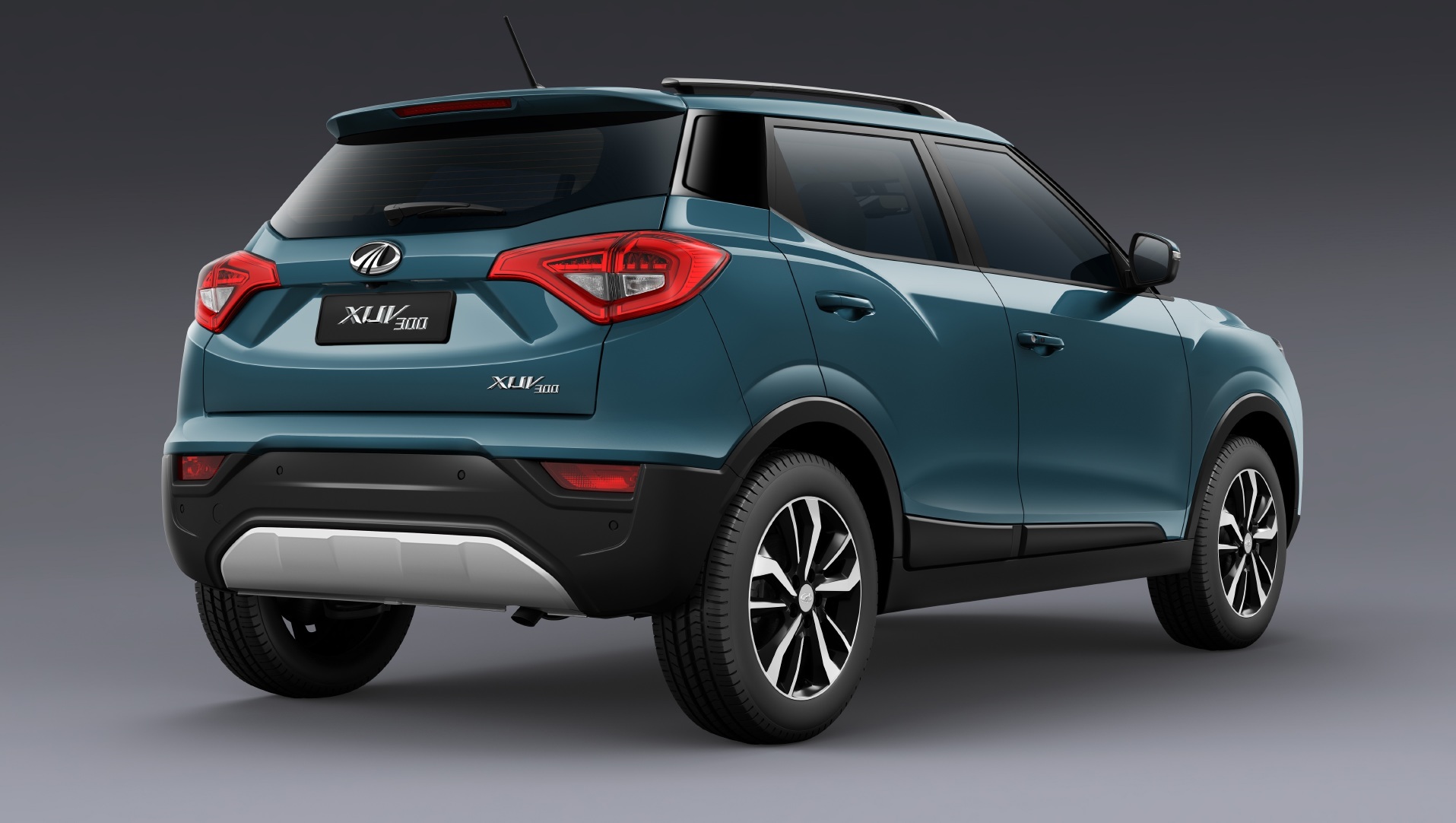
    Mahindra & Mahindra sold a total of 43,721 vehicles in April 2019 compared to 48,097 vehicles during April 2018 which is a decline of 9 per cent. In the Commercial Vehicles segment, the company sold 17,321 vehicles in April 2019, as against 18,963 vehicles in April 2018 which marked a drop in sales by 9 per cent. In the Medium and Heavy Commercial Vehicles segment, M&M sold 474 vehicles for the month. Exports for April 2019 stood at 2,118 vehicles. In May 2019, the carmaker’s total sales stood around 45,421 units as against 46,848 units during the same month last year, which is again a de-growth of 3 per cent. That said, new models like the XUV300 and Marazzo have been well received in the market and Mahindra is soon going to introduce an automatic variant of both models which is likely to give a fillip to the overall sales.

  • Audi Recalls 1644 e-Tron SUVs Globally

    Audi Recalls 1644 e-Tron SUVs Globally

    Audi has recalled the e-Tron electric SUV, it’s first in the history, for a water leakage that could result in fie. The company is taking the recall very seriously and said that the recall is voluntary and affects approximately 540 e-tron vehicles in the US that have been delivered to customers and 1,644 in total. The recall is in response to a potentially faulty seal that may allow moisture to enter the battery compartment which could lead to a short circuit or in extreme cases to a fire. No incidents have been reported globally yet, but Audi is taking precautions to make sure that the problem is fixed. The recall repair is expected to become available in August 2019.

    Customers are being contacted directly to inform them of the recall and the company’s dealer network will get the issue resolved. Audi e-tron vehicles unaffected by the recall remain available for delivery and the company’s reservation system remains open to receive customer reservations.

    The e-Tron is not the only electric car that has faced this issue, in fact even the Jaguar too has had to recall the I-Pace to rectify a fault with the regenerative brake system. While the India launch will happen in the second half of 2019, we wait to see what it’ll be priced at as also how the country takes to the first luxury electric car in the country.

  • Michelin’s Airless Wheel Which Does Not Puncture To Enter Production By 2024

    Michelin’s Airless Wheel Which Does Not Puncture To Enter Production By 2024

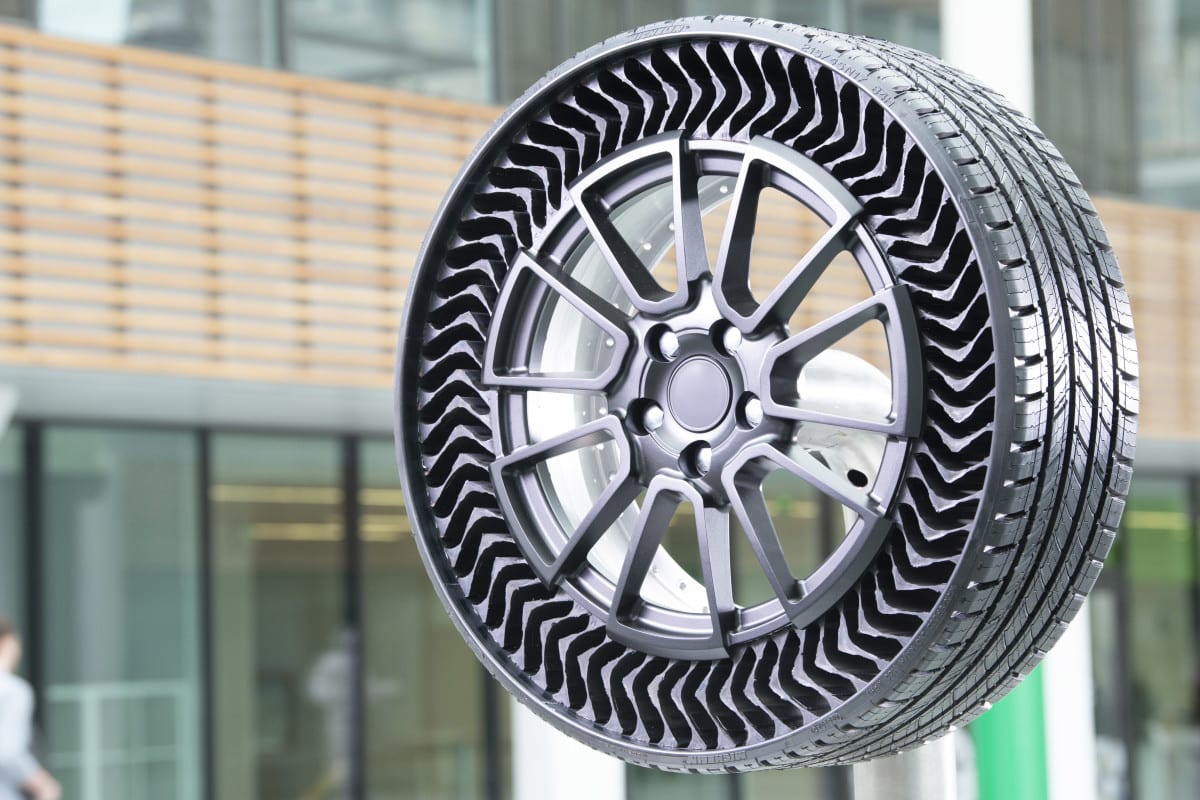
    Michelin and General Motors presented a new generation of airless wheel technology for passenger vehicles. It’s called the Uptis Prototype (or “Unique Punctureproof Tyre System”) – at the Movin’On Summit for sustainable mobility. The joint research agreement will see both the companies validate the Uptis Prototype with the goal of introducing the Uptis on passenger models as early as 2024. Michelin and GM are testing the Uptis Prototype, beginning with vehicles like the Chevrolet Bolt EV. Later this year, the companies will initiate real-world testing of Uptis on a test fleet of Bolt EV vehicles in Michigan.

    Michelin has been working at making airless tyres for the past five years now. The company showcased the Tweel concept in 2014 and an investment of $50 million has gone into the new plant for making it ready for commercial usage. The Uptis is a version of this and is airless. It completely eliminates the risk of flat tyres and blowouts.

    Florent Menegaux, chief executive officer for Michelin Group said, “Uptis demonstrates that Michelin’s vision for a future of sustainable mobility is clearly an achievable dream. Through work with strategic partners like GM, who share our ambitions for transforming mobility, we can seize the future today.”

    The Uptis Prototype is re-engineered for today’s passenger vehicles, and it is also well suited to emerging forms of mobility. The vehicles and fleets of tomorrow – whether autonomous, all electric, shared service or other applications – will demand near-zero maintenance from the tire to maximize their operating capabilities.

    The Uptis features a different architecture and composite materials, which enables the tyre to bear the car’s weight at road-going speeds. Approximately 200 million tyres worldwide are scrapped prematurely every year as a result of punctures, damage from road hazards or improper air pressure that causes uneven wear. These advancements through the Uptis Prototype demonstrate Michelin’s and GM’s shared commitment to delivering safer, more sustainable mobility solutions. Of course these tyres will be pricey but we wait to see how these tyres fair on production cars.

  • France Ready To Cut Renault Stake To Shore Up Nissan Partnership

    France Ready To Cut Renault Stake To Shore Up Nissan Partnership

    France is ready to consider cutting its stake in Renault in the interests of consolidating the automaker’s alliance with Nissan, Finance Minister Bruno Le Maire said Saturday. He was speaking in Japan after Italian-US carmaker Fiat Chrysler pulled the plug on its proposed merger with Renault, saying negotiations had become “unreasonable” due to political resistance in Paris.

    In an interview with AFP on the sidelines of the G20 finance ministers meeting in Japan, Le Maire said Paris might consider reducing the state’s 15-percent stake in Renault if it led to a “more solid” alliance between the Japanese and French firms.

    “We can reduce the state’s stake in Renault’s capital. This is not a problem as long as, at the end of the process, we have a more solid auto sector and a more solid alliance between the two great car manufacturers Nissan and Renault,” he told AFP.

    Last week, FCA stunned the auto world with a proposed “merger of equals” with Renault that would — together with Renault’s Japanese partners Nissan and Mitsubishi Motors — create a car giant spanning the globe.

    The combined group would have been by far the world’s biggest, with total sales of some 15 million vehicles, compared to both Volkswagen and Toyota, which sell around 10.6 million apiece.

    But the deal collapsed suddenly on Thursday, with FCA laying the blame at the door of Paris.

    “It has become clear that the political conditions in France do not currently exist for such a combination to proceed successfully,” FCA said in a statement.

    Le Maire said Renault should concentrate on forging closer ties with its Japanese partner Nissan before seeking other alliances.

    Things need to be done “in the right order…. First the alliance (between Nissan and Renault) should be consolidated and then consolidation (more generally) and not one before the other.”

    “Otherwise, everything risks collapsing like a house of cards,” he warned.

    The minister said it would be up to the bosses of Renault and Nissan to decide how to push the alliance forward as ties between the two firms have been strained after the shock arrest of former boss Carlos Ghosn.

    Renault is pushing for a full merger between the pair but there is deep scepticism of the plan at Nissan.

  • New Bentley Flying Spur To Be Unveiled This Month

    New Bentley Flying Spur To Be Unveiled This Month

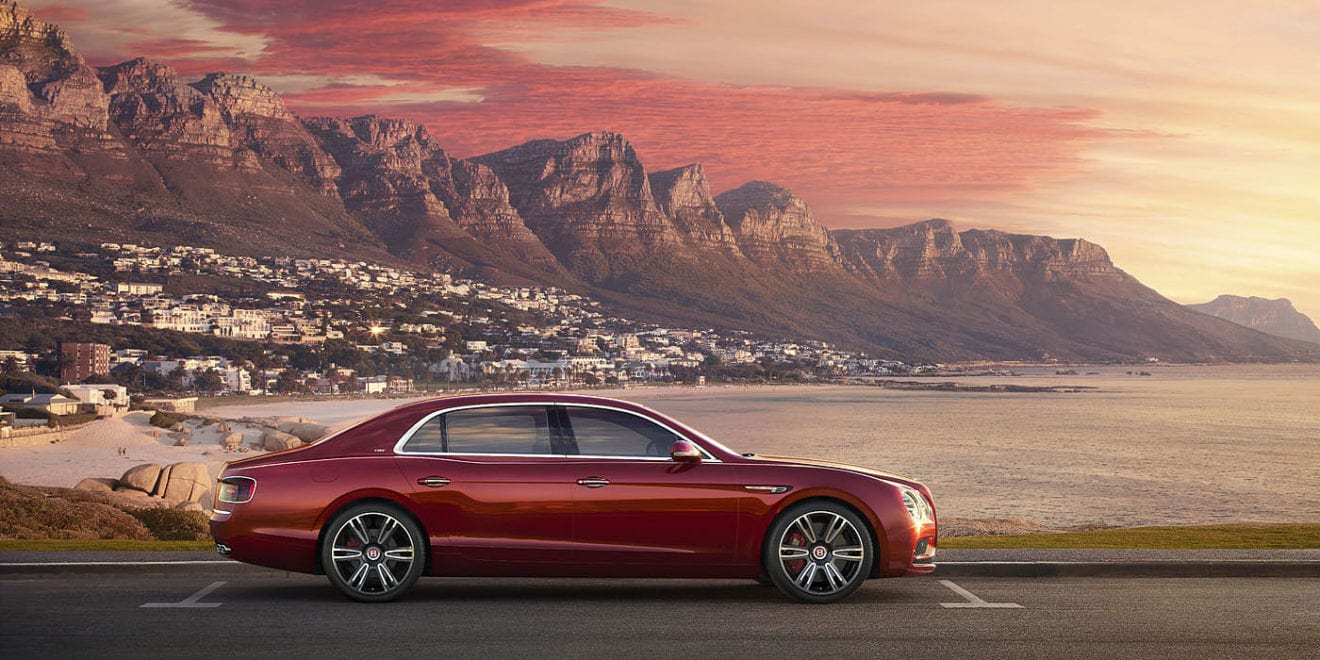
    The third-generation 2020 Bentley Flying Spur Grand Touring Sedan is all set to make its global debut this month, on June 11, 2019. This year also marks the 100-year-anniversary of the British luxury carmaker, which calls the new-gen Bentley Flying Spur a combination of a sports sedan and luxury limousine. Among its key highlight, the new 2020 Flying Spur will be the very first Bentley to get an All-Wheel Steering, enhancing both stability at cruising speeds and agility.

    Bentley says that similar to the recently launched Continental GT, the all-new Flying Spur is also a ground-up development that offers superior technology and craftsmanship to deliver high levels of performance and refinement. In fact, the four-door sport sedan will come with the same 6.0-litre twin-turbo W12 engine that powers the new Continental GT. The motor is tuned to churn out a massive 625 bhp and develops a monstrous 897 Nm of torque. Having said that, Bentley is expected to a couple more engine options later in the future – a smaller 4.0-liter twin-turbo V8 that makes 542 bhp and 770 Nm torque, along with a 2.9-litre V6 plug-in hybrid engine as well.

    In addition to the all-wheel steering, the new Bentley Flying Spur will also get an updated All-Wheel Drive system. Interestingly, the new AWD has been designed to supply power only to the rear wheels in standard road conditions, thus offering the classic sports sedan handling characteristics. However, if the system detects any kind of slip, it’s capable of instantly sending power to the front wheels providing active All-Wheel Drive, fully automatically. This is the first time that Bentley has introduced such an AWD system for the first time.

    Furthermore, for superior ride and comfort, the new Flying Spur now also comes with a new suspension setup that allows you to change the stiffness setting on demand to combat cornering forces and minimise body roll. However, other technical specifications and details will be revealed at the time of the official unveiling.

  • Mercedes-Benz GLB All Set To Make Its World Debut

    Mercedes-Benz GLB All Set To Make Its World Debut

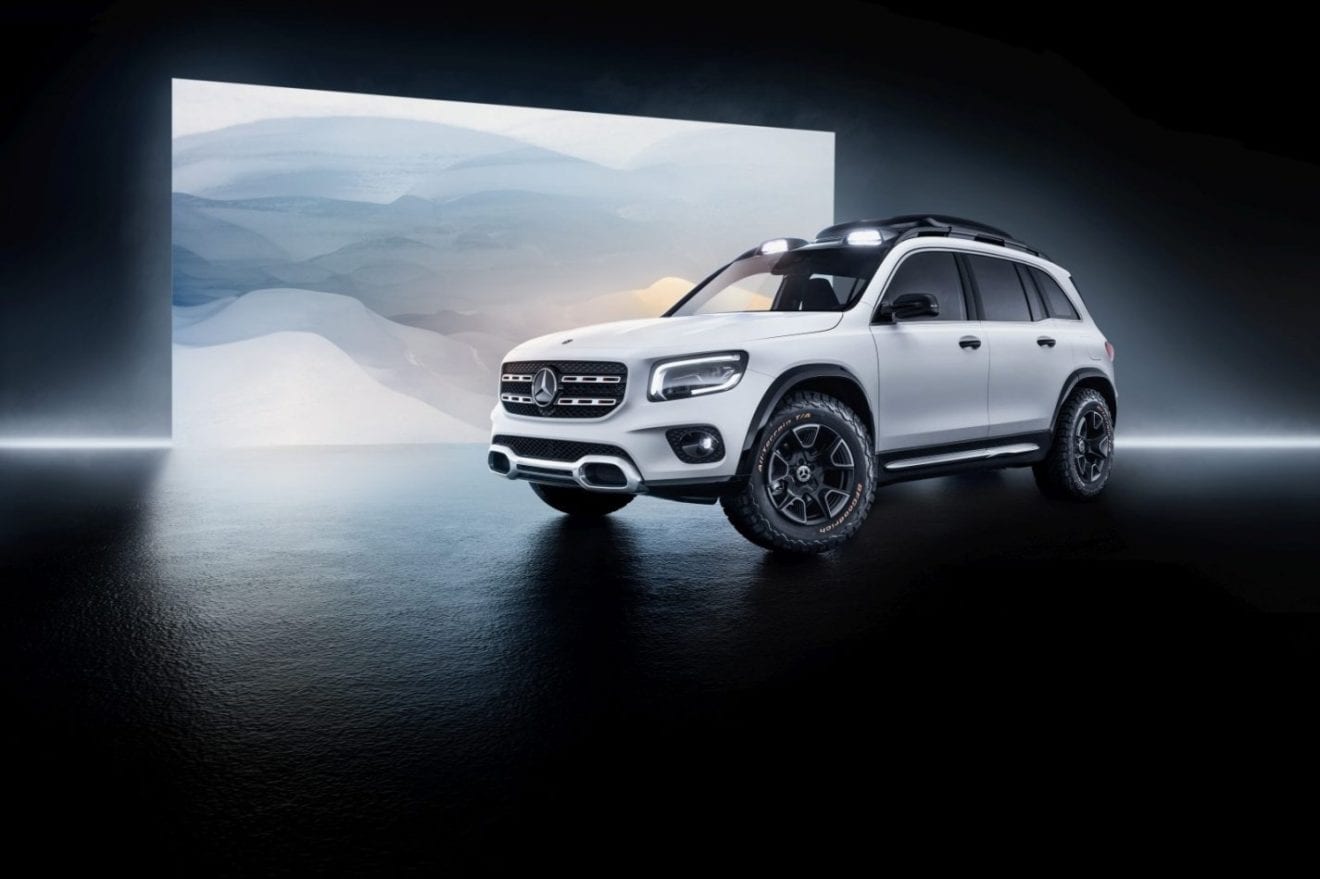
    Mercedes-Benz has dropped a teaser of its upcoming GLB and it’s all set to make it’s world debut on June 10, 2019. The GLB, as the name suggests is based on the B-Class and is built on the MFA2 platform, which underpins the latter. It will be positioned between the GLA and the GLC models. Spy shots of the car give us a peek into what the GLB will look like and the teaser confirms much of these details. The size shows that the GLB is likely to be a 7 seater model and it’s a far cry from being a baby G-Class as it was rumoured to be. The long hood, short overhangs, and the boxy rear end all point out to a GLB being a bigger SUV.

    The upcoming Mercedes-Benz GLB is expected to be a family car like the B-Class so expect a spacious five-seater cabin with a large boot space, possibly above 500 litres. It’s said that Mercedes might even consider offering an optional third row in certain markets. In terms of design and styling for the cabin, we expect the GLB to take inspiration from the new-gen A-Class’ cabin, which was revealed last year.

    Engine options are still not confirmed but, we expect the Mercedes-Benz GLB to get the same engine options as the new A-Class. It could also get the new engines that have been developed in partnership with the Renault-Nissan alliance. The GLB is also expected to get a new electronically controlled four-wheel drive system, but can only confirm that when the SUV make its official debut.

  • Jaguar XE SV Project 8 Touring Breaks Cover

    Jaguar XE SV Project 8 Touring Breaks Cover

    Trust Jaguar’s Special Vehicle Operations (SVO) division to come with some absolutely menacing offerings and it sure doesn’t disappoint. This time though, the special division has developed a more restrained version of the absolutely bonkers XE SV Project 8 that adds the Touring badge to its name and gets revised to more road-friendly mannerisms. The Jaguar XE SV Project 8 Touring swaps the imposing rear wing for a subtle spoiler that lends a calm look to the 599 bhp car’s track-focussed capabilities. The new Touring version will be sold alongside the Project 8 and much like its track-honed sibling.

    Speaking about the new Jaguar XE SV Project 8 Touring, Jamal Hameedi, Engineering Director, Jaguar Special Vehicle Operations, said, “Project 8 has received outstanding critical acclaim since its launch, demonstrating the Special Vehicle Operations team’s ability to create a compact Jaguar sedan with supercar-rivalling performance. Touring specification extends the appeal of Project 8 to performance car enthusiasts and collectors who prefer a more discreet appearance, without compromising its driver-focused on-road dynamics.”

    So what changes on the Jaguar XE SV Project 8 Touring, the adjustable carbon-fibre rear wing that generates over 122 kg of downforce at 300 kmph and has been swapped for a lip spoiler on the boot-lid. The Touring also has a fixed front splitter to “maintain aerodynamic balance,” even as all other aspects remain the same. The special version based on the XE sedan is offered in four colour options – British Racing Green, Corris Grey Satin, Valencia Orange, and Velocity Blue – while the standard Project 8’s decals and stripes are now offered as optional. The big change though comes in the top speed of the car that has been reduced from 320 kmph on the Project 8 to 300 kmph on the Project 8 Touring.

    Power continues to come from the same 5.0-litre Supercharged V8 Project 8 motor that can accelerate from 0-100 kmph in 3.7 seconds. The Special Vehicle Operations division will hand assemble only 15 examples on the XE SV Project 8 Touring exclusively in the four-seat configuration at the Technical Centre in Warwickshire, UK. The 15 cars of the Touring version are part of the 300 units that were originally announced for the Project 8 and is priced at the same $185,495

  • Hella Develops Battery Solutions For Mild Hybrid Vehicles

    Hella Develops Battery Solutions For Mild Hybrid Vehicles

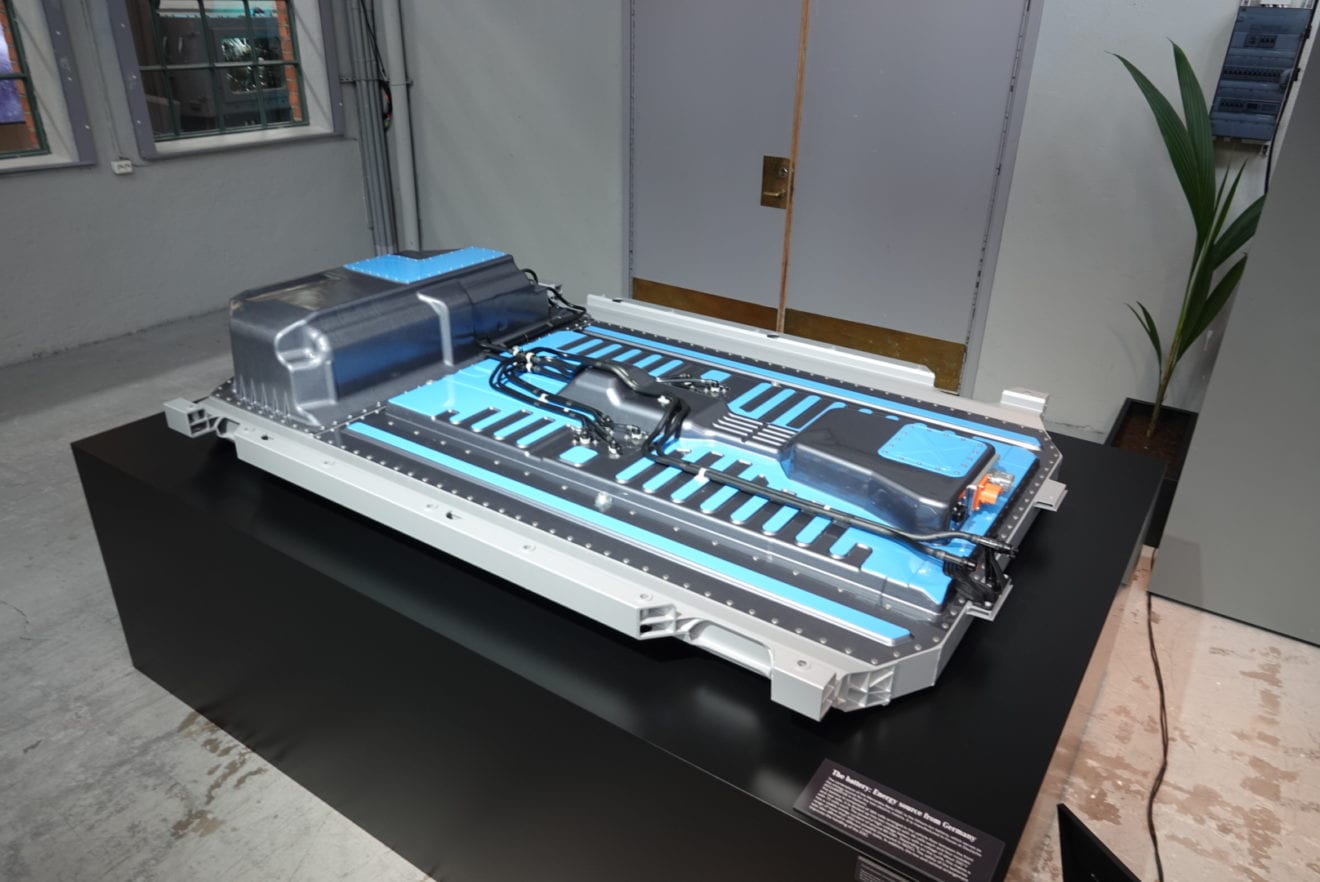
    Hella announced that it will develop and manufacture products that support all stages of automotive electrification. With new products like dual voltage battery management system and powerpack 48 Volt, the company is now one of the first on the market to offer innovative battery module solutions for mild hybrid vehicles. The new solutions enable savings of 5 to 6 grams of CO2 per kilometer and thus help to achieve CO2 targets in the short term.

    Starting 2020, newly registered vehicles in the EU will not be allowed to exceed a limit value of 95 grams of CO2 per kilometer. Hella’s dual voltage battery management system for the compact and mid-range class allows vehicles with internal combustion engines to be converted to a mild hybrid. It combines the conventional separate core elements such as 48 V battery, 12 V battery and voltage transformer (DC-DC converter) within a single product in the package space of a conventional lead-acid battery. This makes it easy to integrate the system into the existing vehicle architecture. Another advantage: The Dual Voltage Battery Management System eliminates the need for a lead-acid battery in the car. The innovative system consists of lithium-ion cells that are switched intelligently depending on the application. Thus the capacity can be used specifically in the 12-volt or 48-volt vehicle electrical system.

    Hella has designed the PowerPack 48 Volt for vehicles in higher power rating classes. It combines a 48-volt lithium-ion battery pack including battery management and DC-DC converter. In addition to the 12-volt battery, the PowerPack 48 is also drawn into the vehicle. It enables hybrid functions such as recuperation (ability to recover energy while braking) or active coasting (the internal combustion engine is switched off while driving) as well as other comfort functions for the luxury class. These include ambient lighting, automatic climate control and active chassis control.

  • BMW Motorrad Files Patent For Electric Front Wheel Drive

    BMW Motorrad Files Patent For Electric Front Wheel Drive

    BMW Motorrad has filed patents for an electrically-driven front wheel that is likely to be featured in future generation adventure bikes. The patent drawings are ostensibly of an electric front wheel drive system, which will be able to supply drive force in combination with the conventional rear-wheel drive on motorcycles. The drawings show what is an all-in-one unit mounted around a front wheel hub, which will offer drive to the front wheel when needed in particularly steep inclines or slippery surfaces. The system isn’t a full-time two-wheel drive, but can be engaged only when the rider wishes to use it.

    The accompanying patent description does not say much about how it works, or what goes behind the front wheel drive concept, but BMW Motorrad states that it can be applied to motorcycles, as well as other vehicles, including three-wheelers and four-wheel vehicles. A patent application doesn’t always mean that such technologies will be introduced, or neither are these a sure-shot guarantee that BMW Motorrad will in fact introduce an electric two-wheel drive system.

    In fact, more than two years ago, there were reports of BMW Motorrad’s all-wheel drive system as well, on what was to be the world’s first series-production all-wheel drive travel enduro motorcycle with hybrid drive. Called the xDrive Hybrid, that system is similar to the one filed in the new patent application, but two years hence, it is yet to see something of a production form.

    If BMW Motorrad is indeed working on such an all-wheel drive system for motorcycles, with an electric front-wheel drive system, two years is a long time to be working on it, and about time we saw something, at least in concept form. Our guess is, something may be shown at the EICMA show in Milan, in November this year. But then again, who knows? Either ways, it will be interesting to see what the next generation motorcycle technology will be showcased at the world’s most popular motorcycle show in November 2019.

  • Official Designs Reveal Aprilia RS 660

    Official Designs Reveal Aprilia RS 660

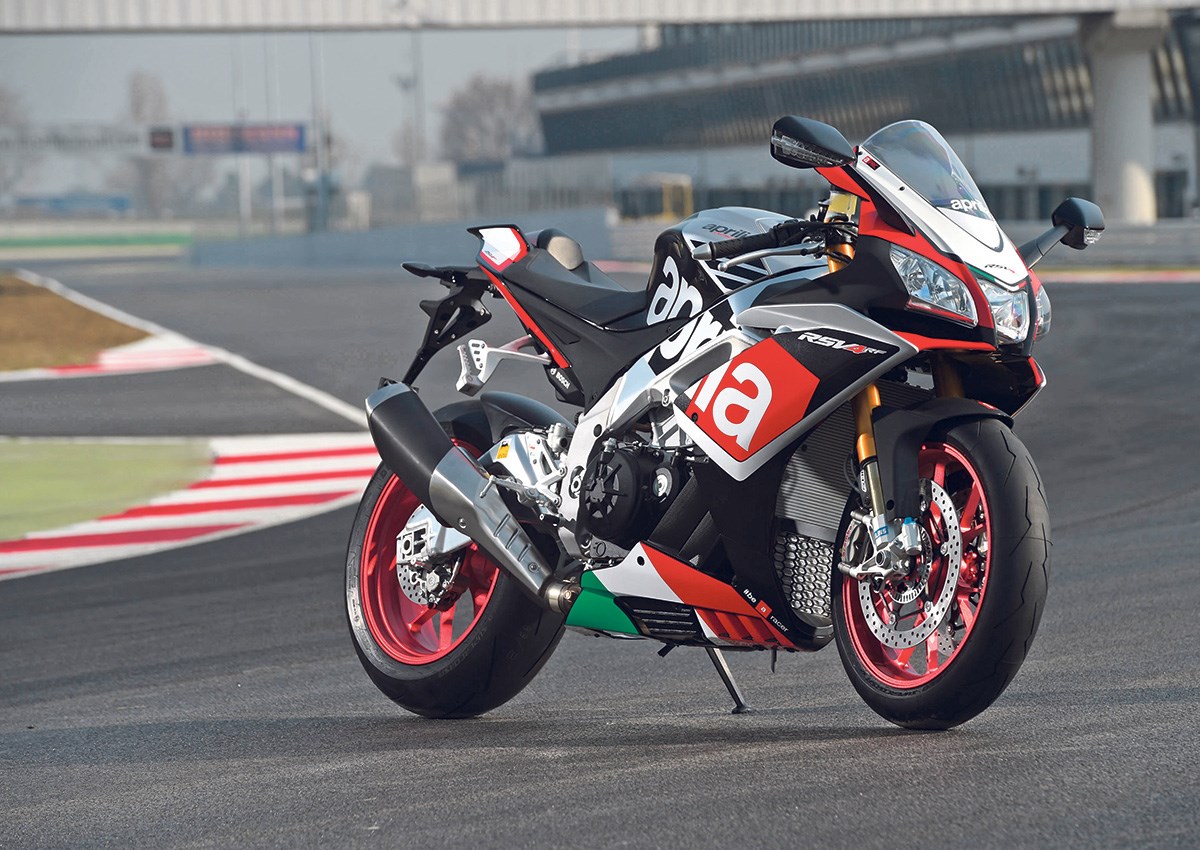
    The Supersport class may not be getting much interest from consumers, across all brands, but now Aprilia seems intent to introduce a new 660 cc motorcycle, the Aprilia RS 660, which was showcased as a concept at the EICMA 2018 show in Milan, Italy, last year. Aprilia has revealed production drawings of the RS 660. From the concept showcased at the EICMA show, the design is nearly identical, but a closer look reveals that the production drawings show reveals that almost every body panel has been completely redesigned.

    The powerplant and other elements though remain the same as the concept, including the 660 cc, parallel-twin engine. The bike’s fairing has undergone some changes in design on the production drawings, with reshaped side panels as well as some changes in the cycle parts. The production design reveals the bike will sport Sachs suspension and Brembo Monoblocs, while the concept featured Ohlins suspension and Brembo Systema calipers. A top-spec production variant could also feature the Ohlins and Systema hardware which could be introduced at a later stage once Aprilia introduced the production model of the RS 660. The wheel design is also different on the production drawings.

    The triple clamp on the steering is a straight lift from the Aprilia RSV4, while the clip-on handlebars have a less aggressive riding position – placed higher and are significantly straighter than the ones shown on the concept. The swingarm seems to be completely new, but the single seat design has remained the same on the production model. We expect the production-spec Aprilia RS 660 to be showcased at this year’s EICMA 2019 show in November.

  • Sahara Group To Sell Electric Vehicles Under New Brand Sahara Evols

    Sahara Group To Sell Electric Vehicles Under New Brand Sahara Evols

    Sahara Group has recently announced its plan to foray into the electric vehicle business under a new brand name ‘Sahara Evols’. This is the first time the the company is entering the automobile sector, and under the new Sahara Evols brand, the company will offer a range of electric vehicles (EVs) along with advanced allied services. Sahara Evols electric vehicle portfolio will include everything from electric scooters and motorcycles to electric three-wheelers and cargo vehicles. It is introducing a network of battery charging-cum-swapping stations.

    Sahara India Pariwar Chairman Subrata Roy said, “We are proud to introduce for the first time, a complete ecosystem of electric vehicles in India. Sustainable and environment-friendly modes of transportation are the need of the time. The Sahara Evols range of electric vehicles is going to be our contribution…towards alternative, sustainable and eco-friendly modes of transportation.”

    The company has already gone live with its official website, which currently lists two electric scooters – Classic and JMT 1000, and an electric three-wheeler named Veera. The website also confirms the imminent arrival of two new electric motorcycles – Whiz ES, and Whiz SE, however, currently no other details are available about them. As for the Scooters, both Sahara Evols Classic and JMT 1000, offer a maximum range of 75 km on a full charge, and a top-speed of 55 kmph. The e-rickshaw Veera on the other hand offers a range of 145 km and it comes with a Driver+4 passenger setup.

    The vehicles are powered by dry lithium-ion batteries. The cost of driving Sahara Evols Electric Vehicles in an average can go as low as 20 paise per kilometer against the cost of ₹ 2 per kilometer on petrol vehicles, thus entailing direct and substantial economic benefits to the users.

    Starting with Lucknow, Sahara Evols will establish its ecosystem in the country’s tier-II and III cities by the end of this financial year, in a phased manner. Subsequently, in the next financial year, it will roll out its products and services pan-India.

  • Volvo Cars Partners With POC To Develop Safer Helmets For Cyclists

    Volvo Cars Partners With POC To Develop Safer Helmets For Cyclists

    Volvo Cars are one of the pioneers in the development of safer modern cars and the Swedish carmaker is now coming up with something innovative to take the safety quotient one step ahead. Volvo is partnering with POC for a series of world’s first crash test of bike helmets against cars in a bid to protect cyclists in case of a collision. Accidents between cars and cyclists often result in severe injuries and even death of the rider. Cyclist detection with full auto brake uses cameras and radars to detect cyclists, warn the driver of an imminent collision and apply the brakes as a precautionary measure.

    The Volvo-POC research project consists of a number of specially designed crash tests at the Volvo Cars safety research facilities in Gothenburg, Sweden and is part of a wider research project to understand the types of long-term injuries sustained by cyclists. Speaking about the new project, Malin Ekholm, head of the Volvo Cars Safety Centre said, “This project with POC is a good example of our pioneering spirit in safety. We often develop new testing methods for challenging traffic scenarios. Our aim is not only to meet legal requirements or pass rating tests. Instead, we go beyond ratings, using real traffic situations to develop technology that further improves safety.”

    The tests are based on existing regulatory test procedures for pedestrian head protection. During these tests, POC bike helmets are worn by crash dummy heads mounted on a testing rig, from where they are launched towards different areas of the hood of a static Volvo car, at different speeds and angles for various measurements. The learnings from the research project will help POC make its helmets safer and more protective in the event of a car-bike accident, while the tests will also provide valuable insights and learnings for Volvo Cars into these types of accidents for future development.

  • MG Hector Will Be Launched In Four Variants

    MG Hector Will Be Launched In Four Variants

    With the opening of its first dealership in India, MG Motor India has also started taking pre-bookings for the Hector and has shared details about its variants. The MG Hector will be offered in India in four variants- Style, Super, Smart and Sharp and there will be a range of features which will be available right from the base Style variant. That said, the base variant won’t be a connected car and will miss the 10.4-inch HD touchscreen unit which gives access to a host of connected features. In fact, the base Style variant will not get a touchscreen at all will be equipped with a two-din audio system which will support USB and Bluetooth connectivity.

    In terms of safety and driver assistance features dual airbags, electronic stability program (ESP), traction control system (TCS), hill hold control (HHC), rear parking sensors, speed alert and speed sensing auto door lock are standard across variants, Other comfort features which will be standard on the Hector are rear AC Vents, 3.5-inch multi-information display (MID), Projector headlamps, rear seat recline, driver armrest with storage, driver seat height adjust, powered ORVMs, front and rear fast charging with 2A USB ports and front seatbelt height adjust among others.

    Plenty details about the Hector were already revealed when it was unveiled and we are aware that it will be launched with two engine options and one mild hybrid variant. The diesel engine is the Fiat-sourced 2.0-litre Multijet engine which churns out 168 bhp and 350 Nm of peak torque and is mated to a six-speed manual transmission as standard. It lacks an automatic transmission in the diesel variant but the petrol gets a 6-speed dual clutch unit which offers smoother shift.

    The 1.5-liter, four-cylinder turbo petrol engine is also mated to a six-speed manual transmission and develops 141 bhp and 250 Nm of peak torque. The hybrid variant is powered by the same petrol engine which is coupled with a 48 Volt mild hybrid system. A 48-volt lithium-ion battery helps store energy and provides extra torque assistance of up to 20 Nm when required. The combination also helps in reducing emissions by up to 12 percent using three key functions – Engine Auto Start-Stop, Regenerative Braking, and E-Boost.

  • Jaguar’s Director of Design Ian Callum Steps Down After 20 Years

    Jaguar’s Director of Design Ian Callum Steps Down After 20 Years

    Jaguar has announced that Ian Callum, its Director of Design, has decided to step down from his position after 20 years. A legend within the company, as well as in the industry, Cullum, has been responsible for creating a new design philosophy and reviving the company product range with award-winning designs for the Tata Motors-owned British carmaker. Julian Thomson, who currently serves as the Creative Design Director for Jaguar, has been now been appointed as Ian Callum’s successor and will take charge as Director of Design from July 1, 2019. Callum will continue to work with Jaguar as a Design Consultant.

    Talking about his decision to step down as Jaguar’s Director of Design, Ian Callum said, “I came into this role with a mission to take Jaguar design back to where it deserved to be. It has taken 20 years, but I believe I have achieved what I set out to do. Given the strength of both our products and the design team, I feel that now is the right time to move on, both personally and professionally and explore other design projects. Designing Jaguar cars was a lifelong dream for me and I’m delighted to remain involved as a consultant for the brand.” He further added, “I have worked closely with Julian Thomson for 18 years – he is a hugely talented designer and absolutely the right person to lead Jaguar design into its next chapter.”

    Over the years, Ian Callum has been responsible for some of the most popular Jaguar cars, including the F-Type two-seater sports car, the XE, XF and XJ saloons, and the company’s first-ever SUVs, the F-Pace, which as soon followed by its younger sibling the E-Pace. Cullum most recent creation and perhaps the most award-winning model has been the all-electric Jaguar I-Pace. This year the first all-electric Jaguar bagged the 2019 World Car of the Year, World Car Design of the Year, and World Green Car awards.

    Talking about his creations with Jaguar, Callum said, “One of my biggest highlights was creating XF because it represented the beginning of a new era moving Jaguar from tradition to contemporary design – it was a significant turning point in our story. Designing the F-Type was a dream come true for me, and I-PACE was an opportunity to create something hugely innovative that would really challenge the perception of Jaguar – and its success is a testament to just how far the brand has come.”

    Like the cars he has designed over the years, Ian’s journey has been equally spectacular as well. A journey which began back in 1979 with Ford. During the first 12 years of his spent at Ford Design Studios, Callum contribution led to the creation of models like – Ford Escort RS Cosworth and the Ghia Via Concept. After Ford, Callum left the corporate environment to join Peter Stevens and Tom Walkinshaw to form TWR Design as Chief Designer in 1991. At TWR, Callum was partially responsible for the Aston Martin DB7, probably the design he is currently most famous for, followed by the Vanquish. In fact, with TWR, Callum has also worked for other automotive clients like – Volvo, Mazda and HSV and in 1998, he designed the Nissan R390.

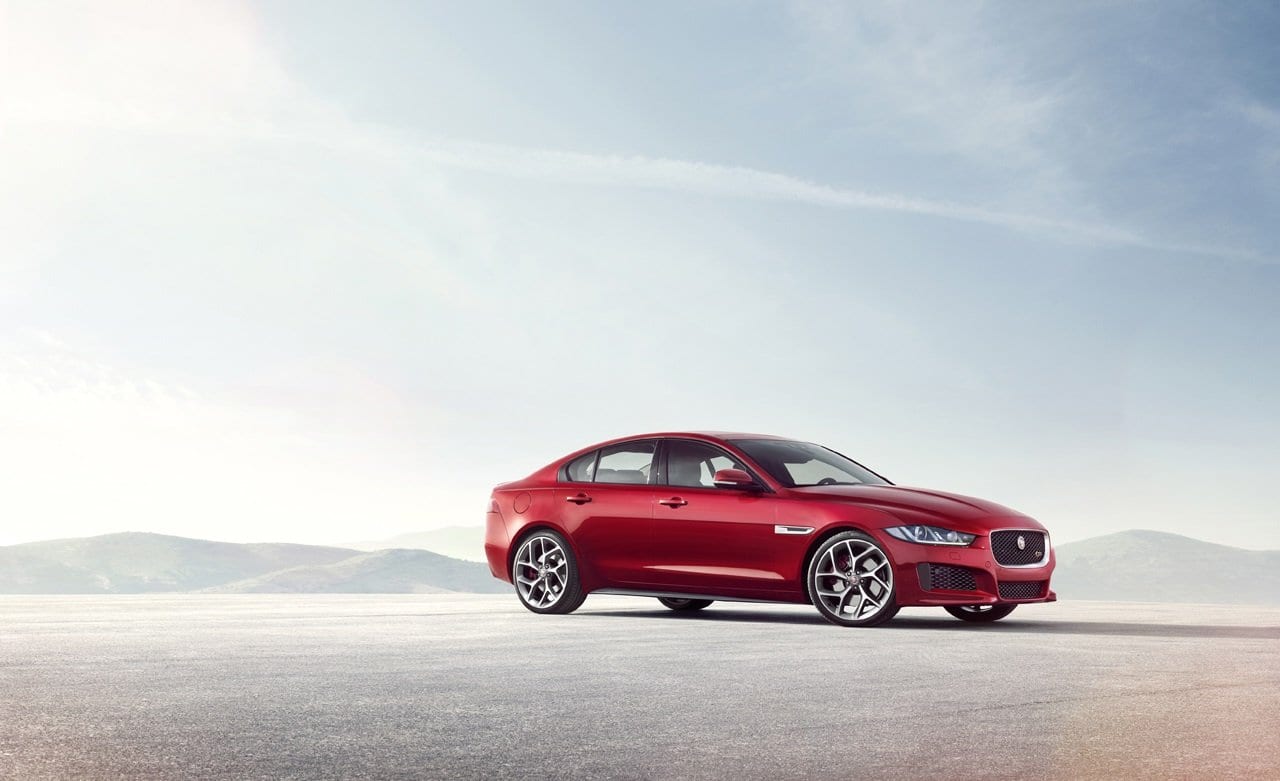
    Finally, in 1999, following the death of Jaguar’s then design director, Geoff Lawson, Callum was appointed to succeed him, which back then was a subsidiary Ford Motor Company. At that time, for a short stint, Ian continued to manage Aston Martin Design as well and is said to have played a key role in the creation of both the DB9 and Vantage, however, they are attributed to Henrik Fisker. At Jaguar Design Ian and his team, amongst others, also created the R-Coupe, RD-6 and C-X75 concepts. However, the first all-new model was the XK, followed by the XF and XJ sedans and then in September 2012 the much-anticipated F-Type was launched, Jaguar’s first 2-seater sports car since the iconic E-Type. This was followed later by the Jaguar XE, which Ian designed for a very competitive segment. A bold statement for Jaguar using Ian’s established design philosophy.

    Talking about replacing Ian Callum as the Director of Design, Julian Thomson, Creative Design Director, Jaguar said, “I’m honored to take up the position of Director of Design, Jaguar. It will be a great privilege to lead such a talented team and continue to build on our success. Automotive design has always been fast moving, but today it is changing at a rate faster than ever before. I’m passionate about ensuring Jaguar Design leads that change, and the cars that will drive our future.”
  • MG eZS Electric SUV Will Be Made In India

    MG eZS Electric SUV Will Be Made In India

    MG Motor has announced that it will be manufacturing its pure electric SUV, the MG eZS, in India, at its plant in Halol, Gujarat. The MG eZS will be one of the first ever fully electric SUVs in India when it is launched. The eZS will be MG’s second launch in India after the upcoming MG Hector. The company further said that its electric vehicles will get over-the-air (OTA) technology and would go over 300 km in a single charge from its lithium-ion battery. MG is yet to announce the exact specifications for the eZS.

    By the end of 2019, MG Will have a total of 120 sales and service outlets across India and the company said it will also reach out to Indian target audience and educate them about electric vehicles and look to address issues such as range anxiety and charging infrastructure. Like the MG Hector, the eZS will also feature MG’s iSmart Next-Gen connected technology.

    “The MG eZS, as one of the first locally produced global EVs, will mark a new chapter in environment-friendly mobility in India. We are delighted to be one of the first carmakers to enter this space in India. We aim to bring accessible electric motoring to the customers in India upon its introduction by the end of this year,” said Rajeev Chaba, President and Managing Director, MG Motor India.

    Till date, MG Motor India has made an investment of ₹ 2,200 crores at its Halol plant. The company has installed an all-new assembly line, a press shop, a body shop, a parts distribution center, a testing track along with a new training facility in the plant. MG has also set up a vendor park in and around the plant so as to increase the localization content for upcoming MG models.