Tag: Auto

  • Ford posted record sales in Philippines in 2016

    Ford posted record sales in Philippines in 2016

    Ford Philippines said it posted new record sales in 2016, the fourth in a row, with sales rising 33 percent to 33,688 vehicles, driven by continued strong demand for EcoSport, Everest and Ranger.

    The company said it also had the best-ever December performance in the Philippines with sales increasing 13 percent year-on-year to 3,198 vehicles.

    “Our big three nameplates – Ranger, Everest and EcoSport – continued to lead the charge throughout the year and further solidify the Ford brand as a top choice among Filipinos,” said Ford Philippines managing director Lance Mosley.

    The Everest became Ford’s best-seller in the Philippines in 2016 with full-year sales rising 152 percent year-on-year to a record 12,453 vehicles, finishing the year with a 6-percent rise in December sales to 1,066 vehicles.

    The EcoSport compact SUV also turned in its best-ever full-year performance with retail sales rising 15 percent to 10,010 vehicles, capping the year with December sales rising 40 percent to an all-time monthly record of 1,123 vehicles.  The Ranger, on the other hand, finished 2016 as the second best-selling pickup truck in the Philippines with total retail sales of 8,158 vehicles.

  • Samsung Elec to supply Exynos processors for Audi vehicles

    Samsung Elec to supply Exynos processors for Audi vehicles

    Tech giant Samsung Electronics said on Wednesday it will start supplying Volkswagen’s Audi with Exynos processors for the carmaker’s infotainment systems, expanding its chip sales for the auto business.

    Samsung said in a statement its Exynos processors will power up to four in-vehicle displays for Audi’s next-generation infotainment system without elaborating on the contract value or what vehicles Audi will use the chips for.

    Car Infotainment systems for cars are for displaying information such as navigation and playing audio or video. The systems also increasingly allow drivers to connect their phones to their vehicles.

    The world’s top maker of smartphones and memory chips has been trying to boost sales of components for automobiles to boost growth. Samsung already supplies memory chips to Audi.

  • Ford recalls Kugas after cars burst into flames

    Ford recalls Kugas after cars burst into flames

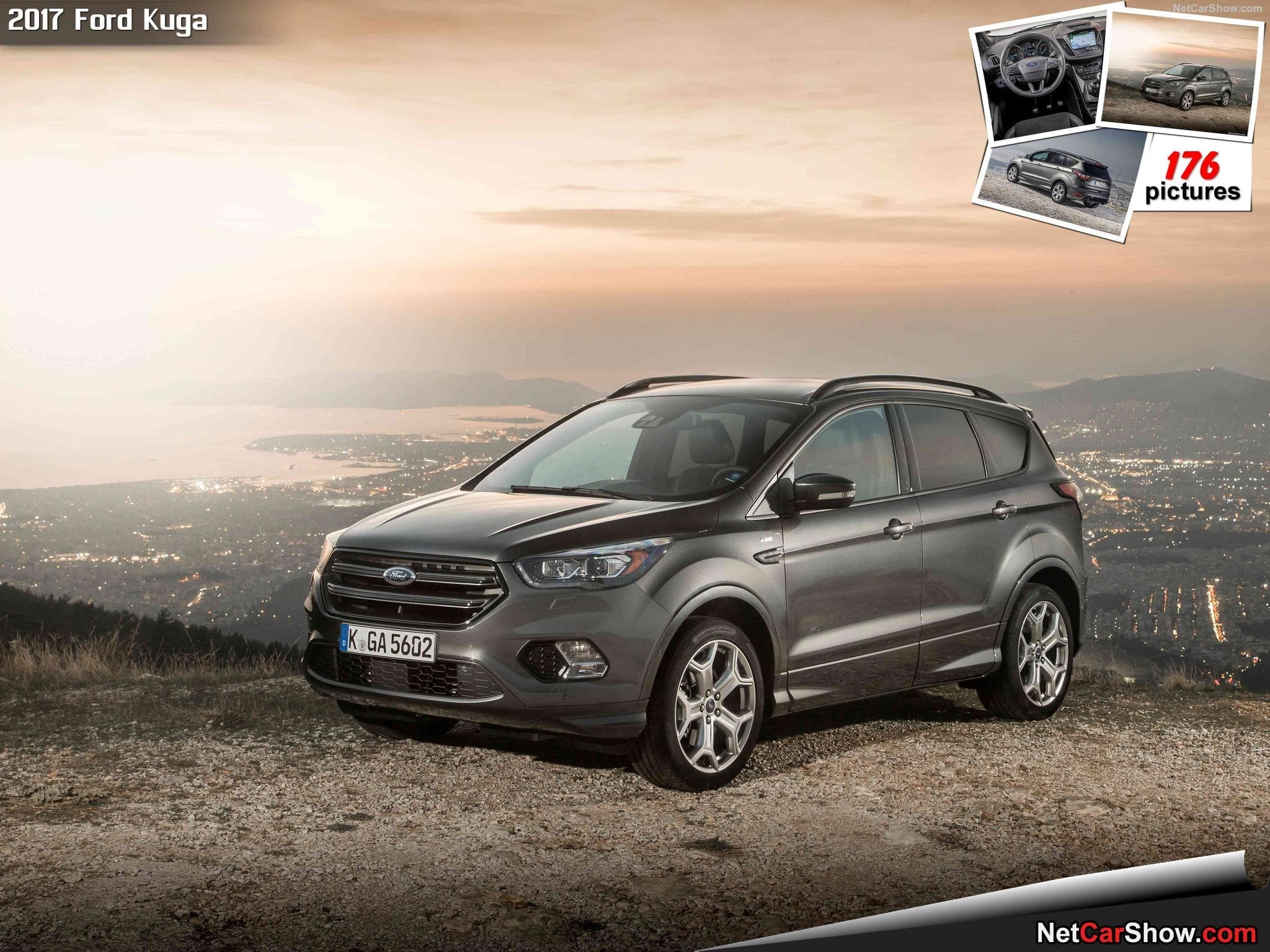
    U.S. auto-maker Ford will recall 4,500 Kuga SUVs sold in South Africa after dozens of reports of the vehicles catching fire spontaneously, the head of the company’s South Africa unit said on Monday.

    In a joint statement with the National Consumer Commission (NCC), Ford’s Southern Africa President and chief executive Jeff Nemeth said the company could confirm 39 incidents of the cars catching fire.

    “We are not aware of any injuries that have resulted from our engine compartment fires,” Nemeth told a media briefing.

    He said early investigations revealed that fires in the Kuga 1.6 liter model, imported from Spain, were likely due to overheating caused by a lack of coolant circulation which could lead to a crack in the cylinder head and oil leaks.

    If oil reached a hot engine component it could catch fire, Nemeth said. Ford officials said at the briefing that hot weather in South Africa could be a contributing factor.

    The voluntary recall of the 4,500 cars is down from a previous estimate of 6,300, and will only affect Kuga models built between December 2012 and February 2014.

    Nemeth refused to reveal the cost of the recall to Ford, which will replace affected components on the cooling system, update software and conduct tests on cylinder heads.

    In October, the company’s North American arm recalled 400,000 units of the Ford Escape – the U.S. version of the Kuga – also due to engine problems.

    “A product that poses any risk to our consumers does not have a place in our market place,” NCC commissioner Ebrahim Mohamed said at the briefing.

  • Thai electric car rolls out

    Thai electric car rolls out

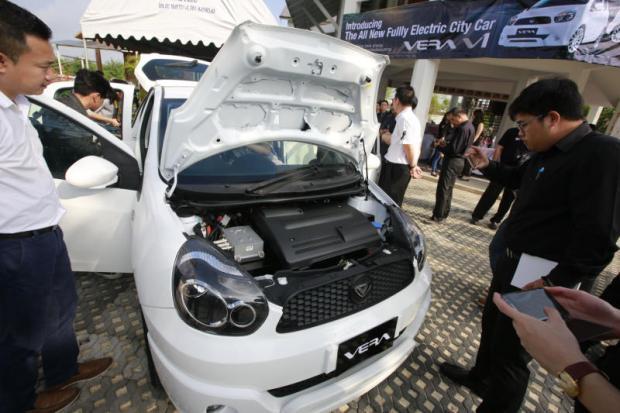
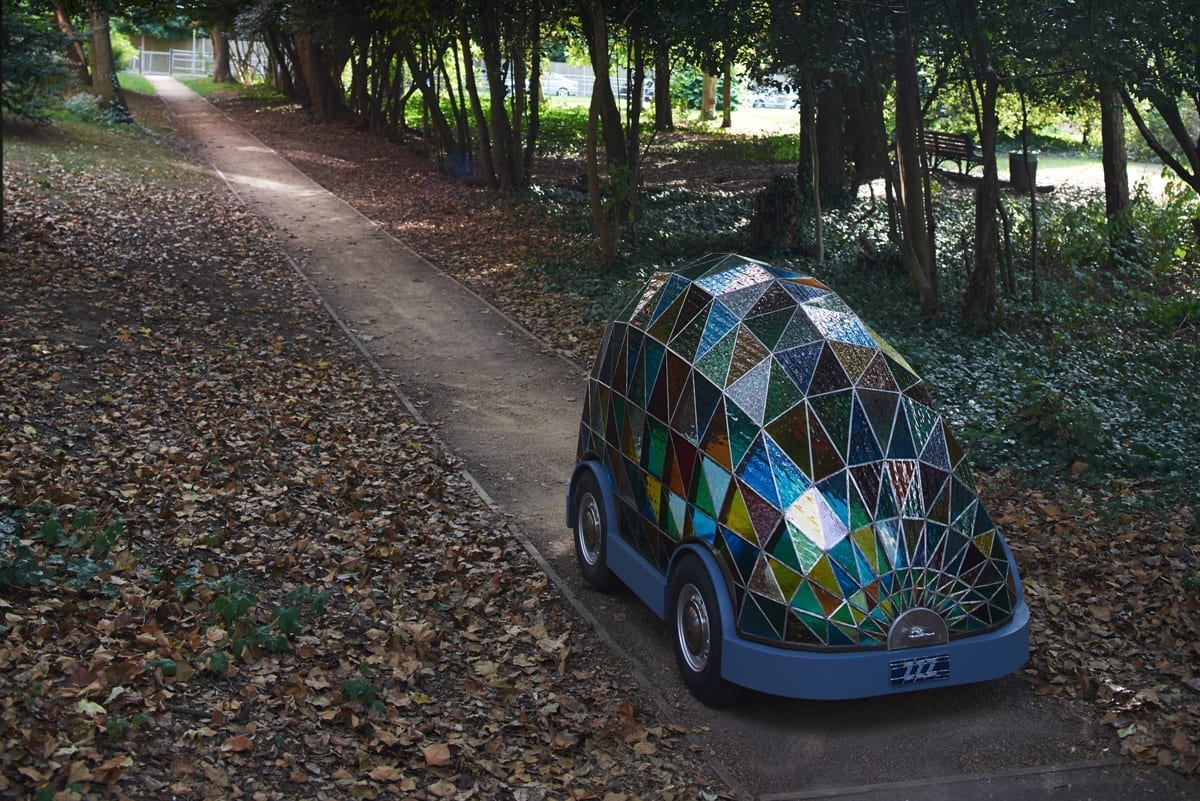
    Thailand’s first electric car brand has made its debut amid scepticism from an industry expert about its commercial viability. Vera Automotive, founded on Oct 7, 2015 by five Thai engineers from King Mongkut’s Institute of Technology Ladkrabang (KMITL), yesterday introduced the Vera V1 battery electric vehicle (BEV), powered with a battery capacity of 22 kilowatts per hour, which can be registered with the Land Transport Department as a passenger car.

    The maximum speed of the Vera V1 is up to 105 kilometres an hour. It can run up to 180km per charge, which takes six hours to complete.

    Co-founder Wanchai Meesiri said all Vera cars are designed by Thai engineers under the Thai brand, but the company has hired the Chinese carmaker Geely Automotive to produce the BEVs. The company imports the cars as completely built-up (CBU) vehicles to Thailand.

    Vera V1 is subject to all related taxes similar to other imported vehicles, including an 80% import duty, a 10% excise tax for all types of electric vehicles, a 10% interior tax and a 7% value-added tax.

    Yossapong Laoonual, chairman of the Electric Vehicle Association of Thailand (Evat), said it’s a good sign for the country to create its own electric vehicles, even if the vehicles are made by foreign firms.

    A retail price below 1 million baht is affordable for Thai customers, he said.

    But Asst Prof Yossapong warned that any startup that is selling electric vehicles has to plan its marketing strategy carefully, as the Thai car market has many dimensions for consumers to consider, including brand, service and trust.

    “Electric vehicles for Thailand remain very new, and they’re unlikely to become popular or proliferate in the short term,” he said. “If you are a new company or brand, the best solution is to sell electric vehicles as a fleet to other agencies, which are easier to provide after-sales services for.”

    Mr Wanchai said the primary purpose for establishing Vera Automotive is to make Thai BEVs for the local market.

    Managing director and co-founder Werachet Khan-ngern said Vera vehicles aim to capture only a niche market.

    He expects to sell about 100 units of Vera this year.

    “We hope in the foreseeable future the government will come up with clearer policies and supporting measures once the number of electric vehicles increases,” Mr Werachet said.

    He said the firm will provide after-sales services at its head office on Ladprakao Road.

  • Bosch’s new electric power steering system offers new level of safety

    Bosch’s new electric power steering system offers new level of safety

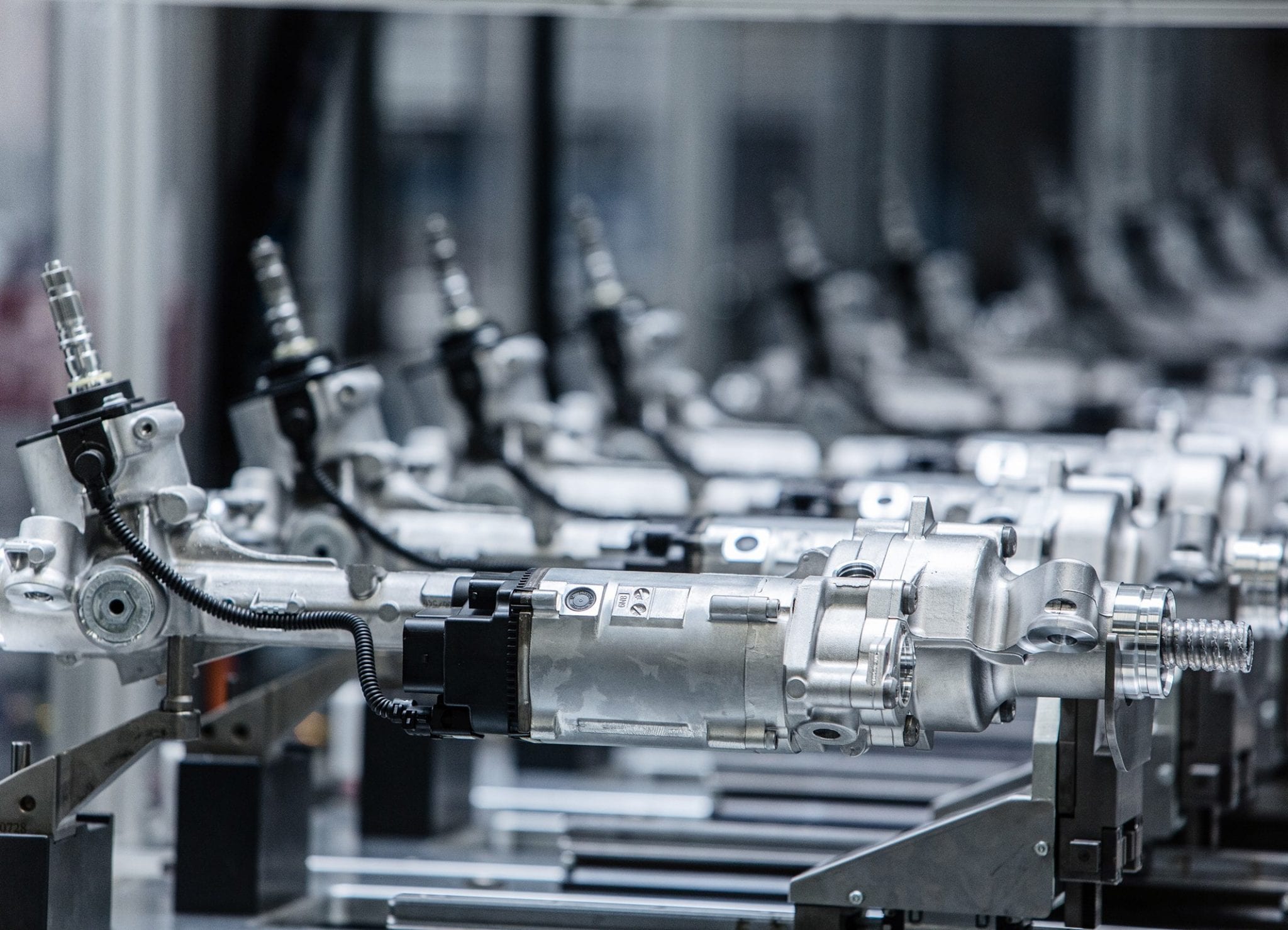
    German automotive components technology supplier Bosch has announced the global debut of its Electric Power Steering (EPS) system with fail-operational function at the North American International Auto Show.

    The system, which enables either a driver or auto pilot system to make a safe stop in the rare case of a single failure, is a key requirement on the path to fully automated driving.

    The fail-operational technology will enable OEMs to comply with the fall back strategies as proposed in the Federal Automated Vehicles Policy documents from the US Department of Transportation (DOT) and National Traffic Highway Safety Association (NHTSA).

    “Highly automated driving can make a significant contribution to improving road safety and we’ve seen great interest from our OEM customers as well as the public in this technology,” said Mike Mansuetti, president of Robert Bosch LLC.

    “The addition of automotive steering after the acquisition of our former joint venture ZF Lenksysteme GmbH allows us to better serve our customers with integrated system solutions on the path to highly automated driving. The new EPS with fail-operational function represents a milestone of the integration of automotive steering into our mobility solutions portfolio and is an essential technology to safely realize automated driving.”

    EPS with fail-operational function from Bosch enables an independent return to a minimal risk condition with about 50 percent electric steering support via an electrical fallback solution, claims the company.

    The system is able to detect a failure in the steering system and move to the electrical fallback solution. If the driver is still in the loop, they can safely steer the vehicle without the sudden increase in steering force.

    For highly automated driving, the EPS with fail-operational function will enable the system to recognize the situation and automatically steer the vehicle to a safe stop without bringing the driver back into the loop.

    Bosch has designed the system in a highly integrated way that leads to a costeffective solution for OEMs. Start of production for the EPS with fail-operational function in a scalable modular kit is planned for 2020.

  • Toyota to invest $10 billion over the next five years

    Toyota to invest $10 billion over the next five years

    Toyota Motor will invest $10 billion in the United States over the next five years, the same as in the previous five years, North America Chief Executive Jim Lentz said on Monday, to meet demand and upgrade plants to build more fuel-efficient models.

    The Japanese automaker has come under fire by President-elect Donald Trump for its plans, announced in 2015, to shift production of its Corolla to Mexico from Canada.

    Lentz said in an interview at the Detroit auto show the decision was not in response to Trump’s remarks made in a recent tweet, but was part of Toyota’s business strategy to invest in the United States, where it has 10 plants in eight states.

    Planning for the new Mexico plant began about two years before it was announced in 2015, said Lentz, describing such decisions as long-term ones.

    Lentz said he had not spoken with Trump.

    The $10 billion includes Toyota’s new North American headquarters in Texas that is under construction and major improvements to its plants.

    Toyota plans to expand some of its U.S. plants over the next five years, said Lentz, declining to say if that effort would boost jobs. Toyota, which employs 40,000 in the United States, added more than 5,000 U.S. jobs over the last five years, he said.

    Toyota President Akio Toyoda appeared at the show later on Monday to tout the company’s investment plans and its updated flagship Toyota Camry that is built in Kentucky.

    “We are deeply grateful to the millions of customers who have made Camry the number one selling car in America for the last 15 years,” Toyoda said.

    Lentz said “everyone” agrees with Trump’s goals of boosting manufacturing and U.S. employment, in part because “it helps us sell more cars.”

    “We have to run our business as a global business,” he said. “I have to make sure that we are competitive.”

    The company is focused on reminding policymakers in Washington about its extensive U.S. manufacturing operations, Lentz said.

    Lentz said Vice President-elect Mike Pence, who was Indiana governor, knew Toyota well because of its manufacturing operations in the state.

    He warned that a “border adjustability tax,” like the one proposed by Trump if the carmaker builds the Corolla in Mexico instead of the United States, could hike the price of cars and hurt auto employment.

    Such a tax could add $1,000 to cost of a Kentucky-built Camry because of some foreign-made parts.

    After the critical tweet from Trump, “you have to respectfully state your position and then move on,” he said.
  • South Korea bans sales of some Nissan, BMW and Porsche models

    South Korea bans sales of some Nissan, BMW and Porsche models

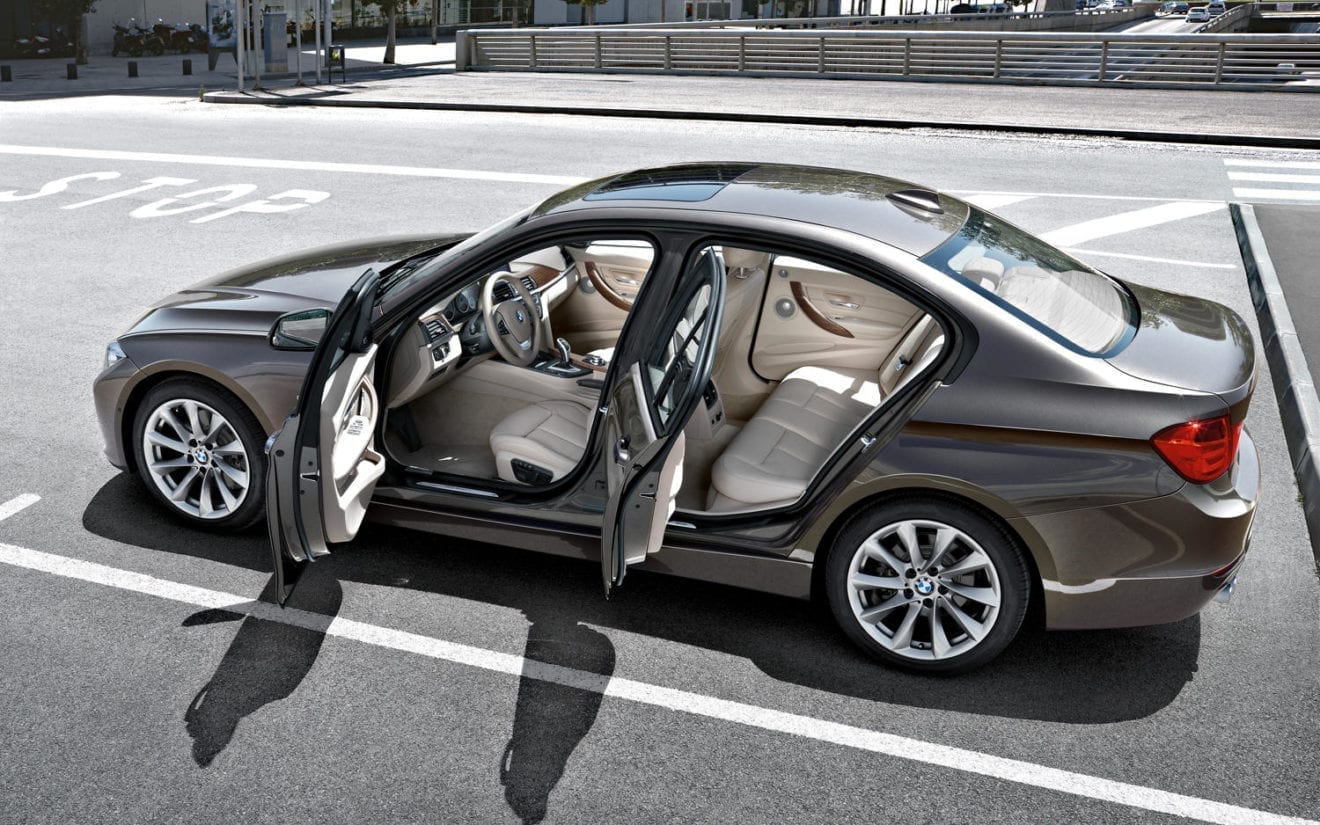
    South Korea has banned the sale of 10 models of Nissan, BMW and Porsche vehicles after the carmakers were found to have fabricated certification documents, in the latest fallout from the Volkswagen emissions scandal.

    The government announced in August that it would ban all 10 models after conducting an investigation into whether foreign carmakers besides Volkswagen AG falsified documents on emissions and noise-level tests.

    Nine of the models have been banned since last month and Nissan’s Qashqai diesel sport utility vehicle has been banned since June, the environment ministry said on Monday.

    It said it has also fined the carmakers’ local units a combined 7.17 billion won ($5.9 million) for the affected 4,523 vehicles already sold in South Korea.

    Spokespersons at the South Korean units of Nissan Motor Co Ltd and BMW AG acknowledged the findings in the government investigation, saying they would try to achieve certification for those affected models again. A spokesperson at Porsche AG, which is owned by Volkswagen, was not immediately available for comment.

    South Korea has been tough with Volkswagen, filing complaints against local executives, suspending sales of most of its models and imposing fines for alleged forging of documents on emissions or noise-level tests.

    In the latest move, South Korea said last month that it will file criminal complaints against five former and current executives at Volkswagen AG’s South Korean unit and fine the company a record 37.3 billion won for false advertising on vehicle emissions.

    South Korea’s sales of imported cars fell 7 percent in the first 11 months of last year, heading for their first annual sales decline since 2009.

  • Hyundai, Kia aim to grow 2017 sales to 8.25 million vehicles globally

    Hyundai, Kia aim to grow 2017 sales to 8.25 million vehicles globally

    Hyundai Motor and affiliate Kia Motors said on Monday they aim to increase their combined sales to 8.25 million vehicles globally in 2017, despite rising competition.The 2017 target is slightly higher than their 2016 goal of 8.13 million vehicles. The South Korean automakers’ final sales figures for 2016 are due out later on Monday, with analysts expecting a miss due to weak demand in emerging markets.

    “The 2017 goal is slightly higher than my projection,” said Ko Tae-bong, an auto analyst at Hi Investment & Securities, adding that the performance of new models would be the key to success after some disappointments in recent years.

    With emerging markets such as Russia stabilizing, and with Hyundai and Kia Motors gearing up to boost vehicle supply to the United States and China, sales could get a lift this year.

    But Hyundai Motor and Kia Motors – which together rank fifth in global sales – plan to add capacity in China and Mexico this year, just as those markets and the United States are seen slowing, likely pressuring margins.

    “With the global economy continuing its low growth, trade protectionism spreading and competition intensifying in the automobile industry, uncertainty is growing more than ever,” Hyundai Motor Group Chairman Chung Mong-koo said in his New Year message to employees.

    Hyundai Motor likely clocked its fourth straight annual profit decline last year, hurt by its higher exposure to weak emerging markets, and a product line-up that features more sedans than sport utility vehicles, just as SUVs have become more popular across many global markets.

    Hyundai Motor is targeting 2017 global sales of 5.08 million vehicles, while Kia Motors set its goal at 3.17 million vehicles.
    Kia Motors Vice Chairman Hank Lee told employees on Monday that the automaker hoped to revive growth this year, after falling short of its 2016 sales target.

    Hyundai Motor shares were flat in a wider market .KS11 that was down 0.4 percent in early morning trade, while Kia Motors shares were down 0.3 percent

    Hyundai Motor shares fell for a third straight year in 2016, down 2 percent versus the wider market’s 3 percent gain. Kia Motors shares slumped 25 percent last year, making them the worst-performing stock among major car makers in the world.

  • Toyota recalls 18,757 Lexus cars

    Toyota recalls 18,757 Lexus cars

    Russian standards agency Rosstandart said on Monday it had been informed about a voluntary recall by Toyota of 18,757 Lexus NX 200, NX 200t and NX 300h cars which had a fault in their braking systems.

    The recall affected cars sold after Sept. 11 2014, the agency said in a statement.

  • BMW to recall over 1.93 lakh vehicles in China over defective airbags

    BMW to recall over 1.93 lakh vehicles in China over defective airbags

    German automaker BMW will recall 1,93,611 cars in China over a defect in their airbags, a quality watchdog here said today.

    About 1,68,861 imported cars manufactured between December 9, 2005 and December 23, 2011 as well as 24,750 sedans made between July 12, 2005 and December 31, 2011 will be recalled from August 1, 2017, the General Administration of Quality Supervision, Inspection and Quarantine said.

    When the driver and front passenger airbags of the affected vehicles inflate, the gas generators inside may become damaged and cause flying debris, posing safety risks to passengers, the statement said.

    BMW has promised to replace the defective parts free of charge, state run Xinhua news agency reported.

  • Hanon Systems Expands Engineering Capability in China

    Hanon Systems Expands Engineering Capability in China

    Hanon Systems, a leading global provider of automotive thermal solutions, is enhancing its ability to serve vehicle manufacturers in China by opening a new engineering center in Shanghai.

    Located in Shanghai’s Songjiang district, the new 3,612 square meter multi-story facility will serve as the engineering epicenter of technical collaboration for application engineering and system evaluation supporting Chinese automakers and global vehicle manufacturers operating in China.

    “Supporting customers is a top priority and China is an important market to Hanon Systems,” said In-Young Lee, president and chief executive officer of Hanon Systems. “We are pleased to open this new engineering center in Shanghai to provide automakers with local technical expertise and testing capability to better support the growing China market.”

    The engineering center also is equipped with state-of-the-art test equipment to provide in-house design verification, product validation and in-process testing. Specific test capability includes noise, vibration and harshness (NVH) evaluation; air handling performance and durability of heating, ventilation and air conditioning modules; and thermal system component testing for electric vehicles.

    “Hanon Systems is well-positioned to support the demand for new energy vehicles (NEV) in China with a suite of products that are proven with global vehicle manufacturers and designed specifically for NEV architectures,” said Dr. Kwangtaek Hong, chief technology officer of Hanon Systems. “This new engineering center is a testament to our commitment to support the China market and the NEV trend.”

    Hanon Systems is relocating its Shanghai technical staff from an existing site approximately 25 kilometers in distance to the new facility in the Songjiang district, which has the capacity to accommodate additional resources to support growth based on business and customer needs.

    The Shanghai center is one of 14 engineering locations supported by four global technical centers that are responsible for developing advanced technologies, core product development and global standardization of new technologies. Hanon Systems’ global technical centers are located Daejeon, Korea; Kerpen, Germany; Nový Jičín, Czech Republic; and Van Buren Township, Mich.

  • Tesla Motors to get semiconductors from Samsung Electronics

    Tesla Motors to get semiconductors from Samsung Electronics

    Samsung Electronics will supply semiconductors to US electric car maker Tesla Motors, South Korea’s Electronic Times reported on Friday citing unnamed sources.

    Samsung would contract manufacture chips for self-driving features in Tesla vehicles, the paper reported, without putting a value on the order.

    The South Korean firm has been trying to build auto-related sales for components such as semiconductors and displays in a push to develop a new growth engine.

    Samsung in November said it would acquire Harman International Industries for $8 billion in a bid to grow quickly in the automotive market.

    Samsung did not immediately comment on the report, while Tesla could not be immediately reached for comment.

  • China November vehicle sales up 16.6 pct

    China November vehicle sales up 16.6 pct

    China auto sales in November rose 16.6 percent from a year earlier to 2.9 million vehicles, the sixth consecutive month of double-digit growth, the China Association of Automobile Manufacturers said on Monday.

    That compares with an 18.7 percent rise in October and a 26.1 percent rise in September.

    In the first 11 months of 2016, sales grew 14.1 percent compared with the previous year, the association said at a briefing in Beijing.

    In October, the association raised its forecast for full-year 2016 growth to 7 percent, from 6 percent previously.

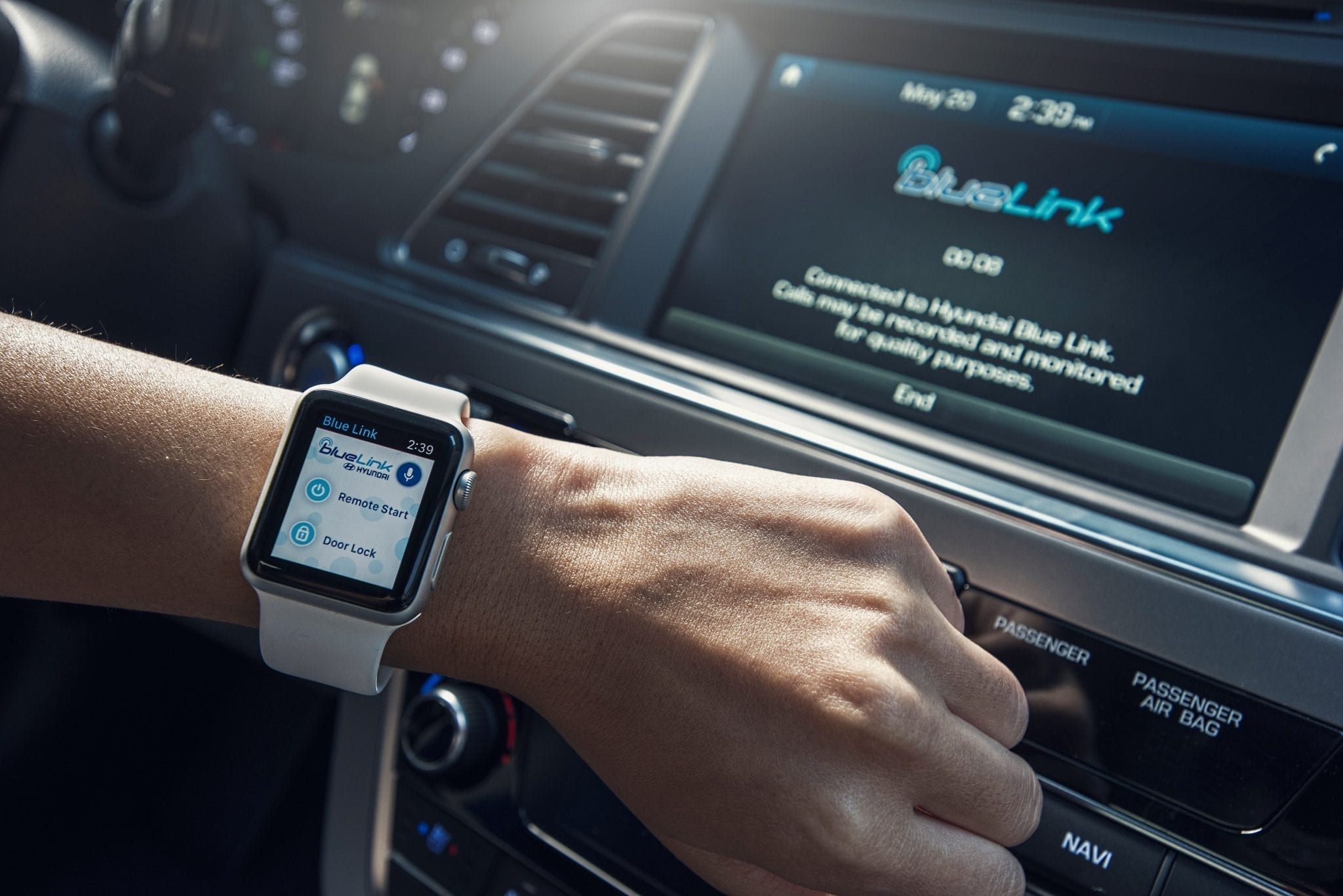
  • Hyundai joins ITU to help drive connected car standards

    Hyundai joins ITU to help drive connected car standards

    South Korea’s largest automaker Hyundai Motor Company has joined the ITU’s standardization arm (ITU-T) to contribute to creating standards for connected cars.

    As a new member, Hyundai will support the coordinated development of intelligent transport systems that will improve the passenger experience, road safety and reduce traffic congestion and emissions.

    “ITU is well placed to encourage the public-private partnerships required to improve road safety,” said ITU Secretary-General Houlin Zhao. “Joining the ITU membership, Hyundai has entered the company of governments, industry players and academic and research institutes working together to build cohesion in ICT innovation.”

    The ITU has been ramping up efforts in recent years to provide a unique, global platform for automotive-ICT collaboration, which has already sparked the development of a range of ITU standards tailored to the automotive industry.

    “Hyundai Motors is looking forward to participating in ITU and will bring important momentum from the automotive industry to advance the future of connected car technology,” said Eon Youl Shin, Director, Hyundai.

    Hyundai’s participation in ITU will also support the company in building its “hyper-connected intelligent cars” platform, which includes smart remote maintenance services, autonomous driving, smart traffic flow, and a connected “mobility hub” to provide security and data management for connected cars.
    ITU said it will host discussions on the status and future of intelligent transport systems at the Geneva International Motor Show in March 2017 at the Symposium of the Future Networked Car.

    “Standardization will be essential in building a trusted ecosystem of intelligent vehicles,” said Chaesub Lee, Director of the ITU Telecommunication Standardization Bureau. “ITU standardization work is supporting the increasing integration of ICTs in vehicles with road safety and data security as our top priorities.”

    An ITU standard for secure over-the-air software updates for connected cars is expected to be approved in early 2017, and new ITU standards are under development to reduce technology-related driver distraction.

  • German carmaker BMW launches Indonesian-made sedans in luxury push

    German carmaker BMW launches Indonesian-made sedans in luxury push

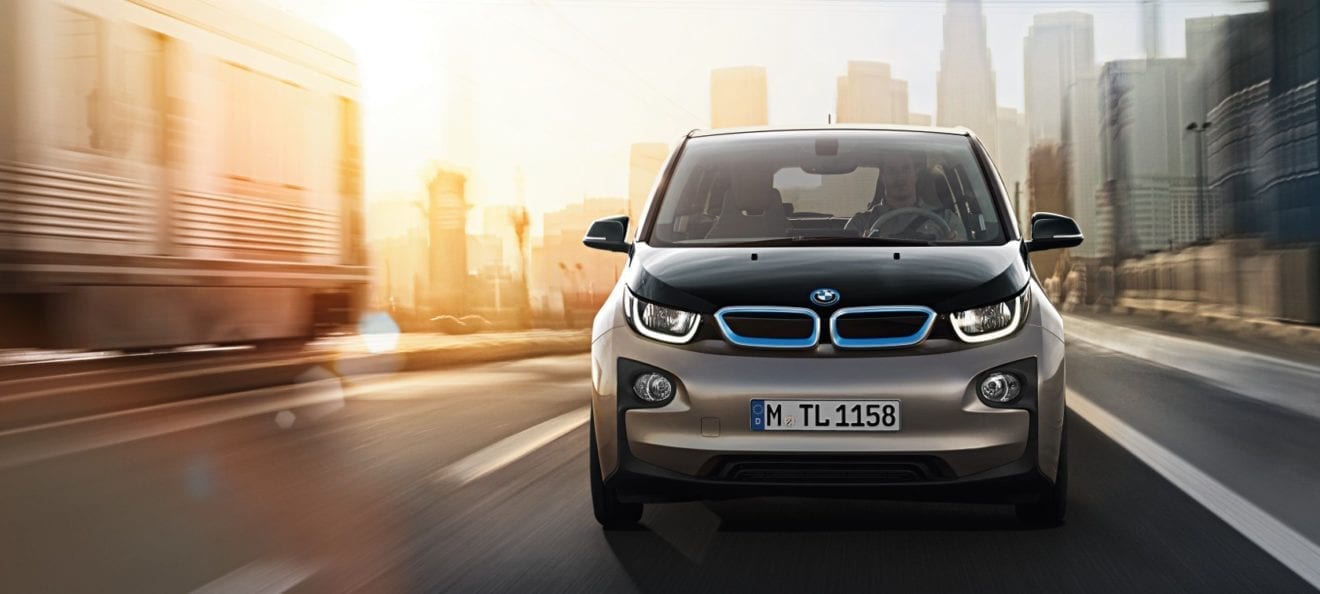
    German automaker BMW on Wednesday launched its 7 series sedans in Indonesia that will be assembled in the country as it seeks to tap into the long-term demand for luxury vehicles in Southeast Asia’s biggest economy.

    Other luxury car companies such as Daimler AG’s Mercedes-Benz are also increasingly shifting part of their production to the country of 250 million people to reduce costs and distribute their vehicles more quickly to consumers.

    “We are very positive about the future of Indonesia and therefore we also see an increased potential in the luxury market,” Axel Pannes, managing director of BMW Group Asia, told Reuters on the sidelines of a media launch in Jakarta.

    The German company has invested more than 210 billion rupiah ($15.5 million) over the last five years to assemble a greater number of car models in Indonesia, the 7 series being the latest addition to its local line-up.

    The group sold a total of 3,638 vehicles in Indonesia last year, up 5.7 percent from a year earlier. BMW executives declined to give sales projections for this year or for 2017.

    Global carmakers would benefit from lower import tariffs for certain components if they were to set up local assembly plants, said Jongkie Sugiarto, co-chairman of the Association of Indonesia Automotive Industries.

    The move would also be positive for Indonesia as it brings investment into the country and generates employment, he added.

    The Indonesian government is offering incentives for foreign companies to build cars domestically, said I Gusti Putu Suryawirawan, director-general for metal, machines, transport equipments and electronics at the industry ministry.

    “The aim is for them to produce here and therefore involve local suppliers,” Suryawirawan said, adding that the automotive sector was a key sector for Indonesia’s economic growth.

    Gross domestic product is expected to grow 5 percent this year and up to 5.4 percent in 2017, according to the central bank’s latest estimate.

    The premium car market should be supported next year by the government’s economic stimulus and the roll-out of infrastructure projects, said Kariyanto Hardjosoemarto, a sales operation and product management executive at Mercedes-Benz in Indonesia.

    Indonesia’s tax amnesty scheme, launched in July, may also help to boost luxury car sales as those who were previously concerned by being chased by the tax office would now be less hesitant about making such purchases, Hardjosoemarto added.