Tag: Auto

  • Bentley ‘Be Extraordinary’ tour kicks off in Melbourne

    Bentley ‘Be Extraordinary’ tour kicks off in Melbourne

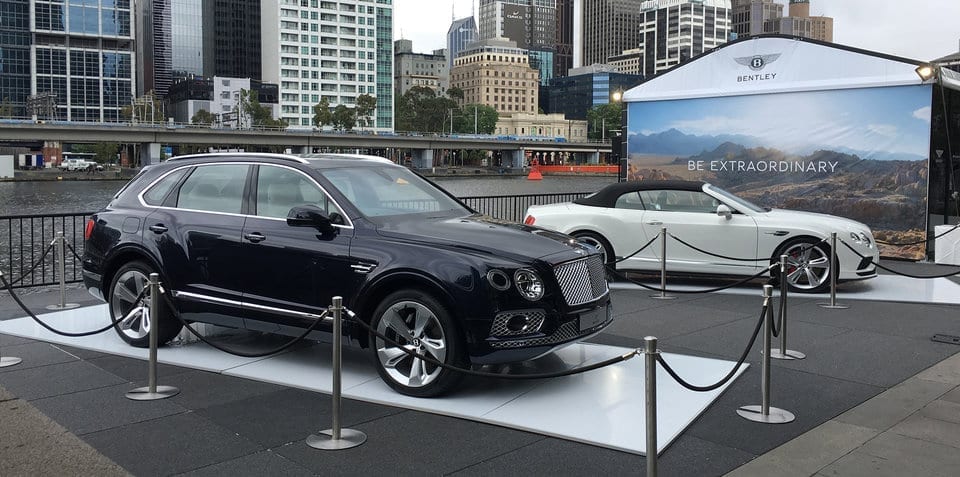
    Bentley has kicked off its Be Extraordinary tour in Melbourne, with the brand showcasing four models and a new, more affordable way of entering the Bentley brand.

    With plans to expand the tour to include Brisbane, Bathurst, Sydney and Perth, the tour kicked off this week on the banks of the Yarra in Melbourne.

    Located just outside Crown Casino, the Bentley marquee includes material samples and showcases iconic parts of Bentley’s history.
    bentley-be-extraordinary-melbourne-7

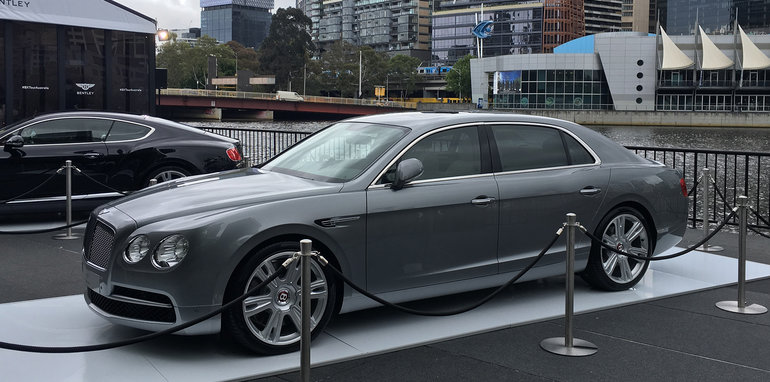
    The Be Extraordinary tour has also been designed to launch Bentley’s new financial services, which make the ContinentalGT V8 and Flying Spur V8 more accessible to prospective buyers.

    Both models now feature an attractive $399,000 drive away price, which can be packaged as part of a financial services product over 60 months, that comes out to $3999 per month.

    “We had a look at the content and options that would be fitted to a standard GT V8 as an entry-level model to the brand. There has always been a misconception that Bentleys have been a million-dollar car and inaccessible to people. That’s a problem we’ve been looking to overcome in Australia,” said David Jackson, Bentley’s regional manager for the Asia Pacific region.
    bentley-be-extraordinary-melbourne-4

    “We’ve introduced the ‘399 GT V8’, which has the options a customer would want — like the 21-inch alloys and sports exhaust – but you still come in with all taxes paid. That’s 399 on road. What we’re looking to do beyond this is expand the financial services to make the whole range accessible.”

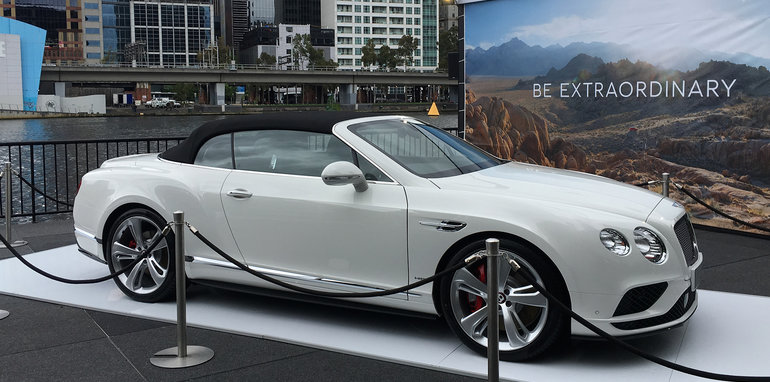
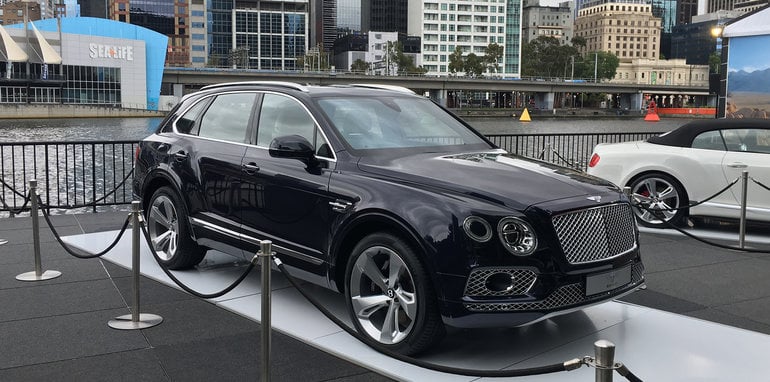
    Bentley has four vehicles on display at the Melbourne roadshow, including the Bentayga and Continental GT V8 Convertible, along with two examples of the $399,000 product in the Continental GT V8 and Flying Spur.

    “There are a lot of people in different industries in Australia that are booming right now. Australia is a developing market and something like Bentley Financial Services then becomes an option for them. The point of this roadshow is to bring the Bentley brand to life for people,” Jackson said.
    bentley-be-extraordinary-melbourne-3

    “People often don’t know about the Bentley brand and as part of this roadshow we have 21 extraordinary stories here. The point is to explain 21 things you may have never known about Bentley. Such as…James Bond in the Ian Fleming novels never drove an Aston Martin, he drove a Bentley.”

    The Melbourne marquee and display will be around until Sunday 27 November, and operates from 11AM to 8PM each day. Residents of Sydney, Brisbane, Bathurst and Perth will also get to experience the roadshow later this year and next year.

    “We are going to move this on to Sydney before the end of this year. It will stay there until Bathurst, and after Bathurst we will head to Brisbane, and the Grand Prix next year. Perth will then get it around April next year [2017],” Jackson said.
    bentley-be-extraordinary-melbourne-9

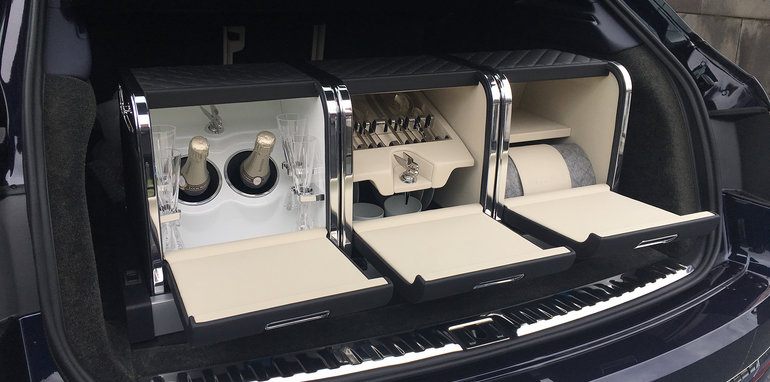
    If you do get down to the display in Melbourne, ask to see the Linley Hamper by Mulliner in the rear of the Bentayga. This incredible picnic package includes a chilled champagne cooler with four crystal flutes.

    There’s also storage room for a rug and a full cutlery set. And, at a reasonable $57,808, it seems like a no brainer option for your new Bentley Bentayga SUV.
  • Ferrari boasts rising sales and profit

    Ferrari boasts rising sales and profit

    Italian luxury sports carmaker Ferrari has reported strong third-quarter results despite a challenging market environment. The company logged its steepest sales rise in China, while the rest of Asia proved difficult.Ferrari on Monday booked a record third-quarter profit of 113 million euros ($126 million), marking a 20-percent rise over the same three-month period a year earlier.

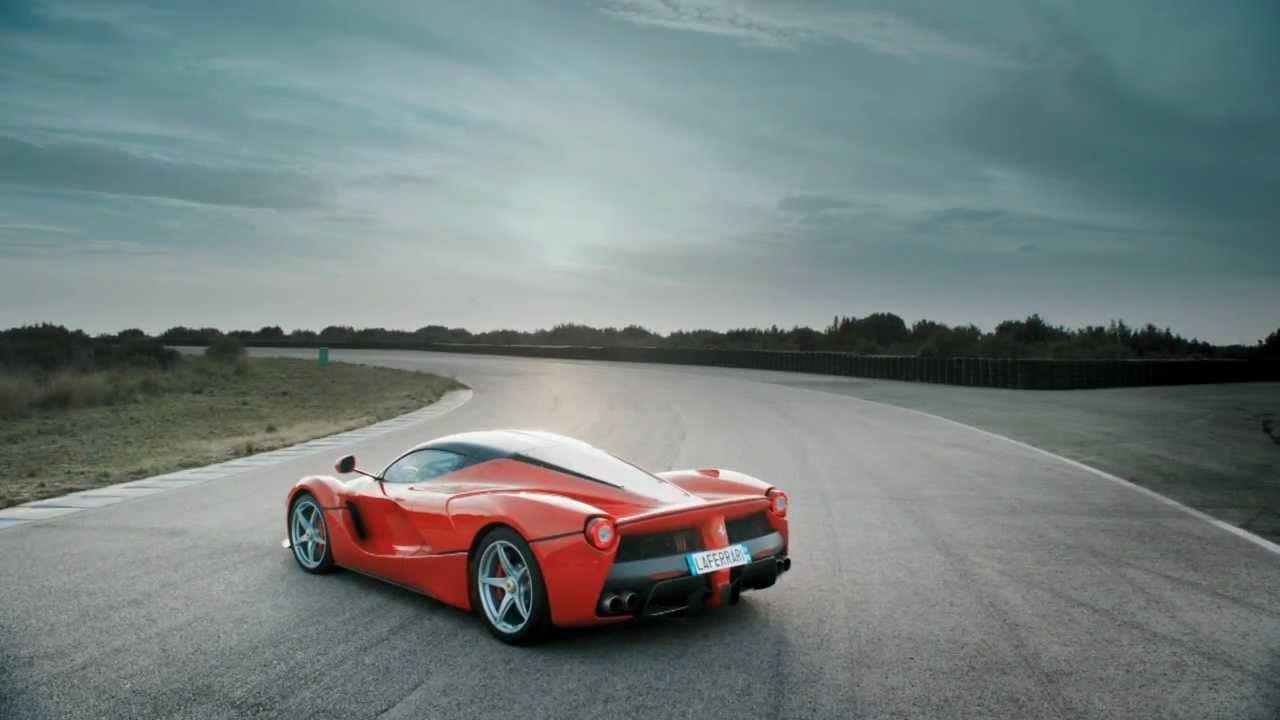
    The Maranello, Italy-based automaker said revenue in the quarter was up 8 percent to 783 million euros. It noted the success was attributable to its sales of 12-cylinder models, notably the F12df, the four-seat GTC4Lusso and the newly launched LaFerrari Aperta.

    The Italian carmaker reported shipments of 1,978 vehicles for the July-to-September period, emphasizing that its sales to China had increased by 15 percent.

    Rosy outlook

    Also picking up were sales to Europe and the Americas, while Asia outside of greater China proved a difficult market with shipments there decreasing due to logistical delays caused by a shipment carrier.

    Ferrari confirmed its forecast of shipments for the whole year at around 8,000 units, with revenues to pick up by 3 percent.

    The group revised its earnings guidance upward on the strong third-quarter results, saying that pre-tax profit would come in at above 850 million euros for 2016.

    In the past quarter, Ferrari also booked higher engine revenues on Maserati sales and rentals to other Formula 1 teams as well an increase in sponsorship and brand earnings.

  • SATO Aims for Auto-ID Market Leadership in Thailand

    SATO Aims for Auto-ID Market Leadership in Thailand

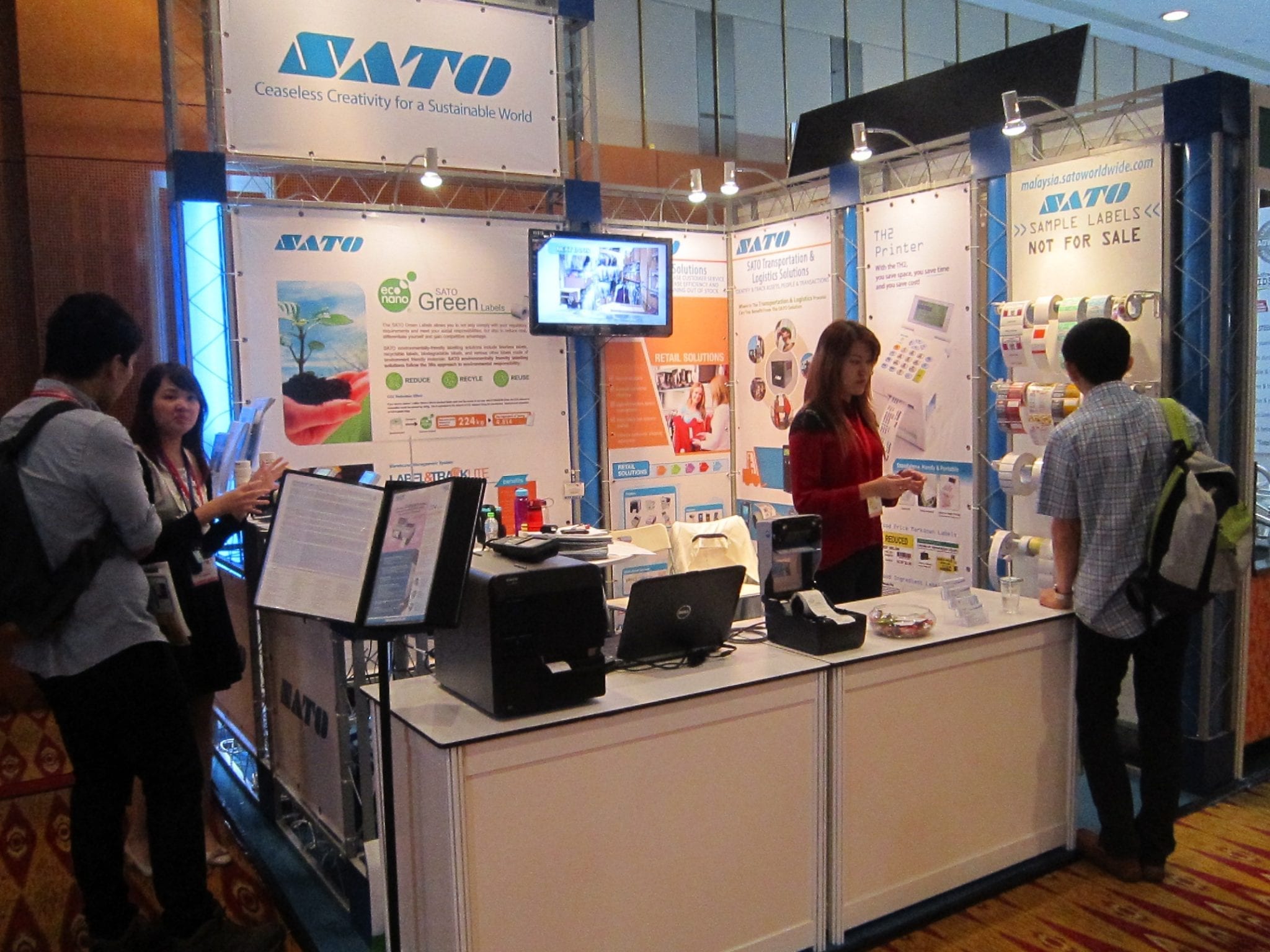
    SATO, a leading global provider of Auto-ID solutions that empower workforces and streamline operations, announced its aim to become the No.1 Auto-ID company in Thailand by 2018, through development of food safety and patient safety solutions for the Thai food and healthcare industries.

    SATO, the market leader in Japan with over 75 years of Auto-ID expertise and a culture of innovation, operates in Thailand as SATO Auto-ID (Thailand) Co., Ltd. By integrating technologies from RFID to visual recognition and robotics, it seeks to support the food and healthcare industries as Thailand moves towards becoming the “Kitchen of the World” and the “Region’s Medical Hub.”

    SATO Auto-ID (Thailand) Co., Ltd. General Manager Daisuke Tatsuta said, “Speed and accuracy are keys to increase business competitiveness in today’s world and especially for Thailand as it transforms itself to become an advanced economy driven by high tech and creativity. With our strong know-how and established presence in Thailand as well as end-to-end Auto-ID solutions, SATO is well positioned to help companies make the transition to the new Thailand 4.0 economic model, streamlining the movement of assets with speed and precision.”

    A leading food safety solution provider, SATO supports food manufacturers and restaurants alike, by developing solutions that integrate labels, barcode, printers, scanners, software and aftersales support to allow companies to quickly track products and control quality to ensure food safety. 

    As the patient safety provider, SATO delivers fast and reliable identification solutions to provide precision, labor savings and peace of mind for Thai hospitals. It seeks to provide fail-safe systems of patient identification to improve caregivers’ peace of mind, which is directly connected to patient safety.

    “In 2015, we achieved 475 million baht in sales and the second highest market share among direct distributing Auto-ID companies with approximately 14%. Considering the rate of Thai economic development and our strategic focus on food and healthcare, we aim to be the No. 1 auto-ID solution provider by 2018 with sales of 745 million baht,” said Tatsuta.

    In its 15 years in Thailand, SATO has supported leading automotive clients such as Toyota, Nissan, and Isuzu. It supported the manufacturing sector with efficient stock control systems, shipping labels, labels for hazardous materials, inventory-control and scheduling systems for just-in-time manufacturing to control the supply chain. It will now grow its presence in the burgeoning food, beverage, and medical industries, utilizing know-how from success cases with clients such as CPF, Ajinomoto, Nestle, Hoya, Thai Red Cross, Samitvej, Bumrungrad Hospital and Nipro. 

  • Forbes Japan names Auto-cybersecurity Start-Up Trillium the ‘RISING STAR’ Startup

    Forbes Japan names Auto-cybersecurity Start-Up Trillium the ‘RISING STAR’ Startup

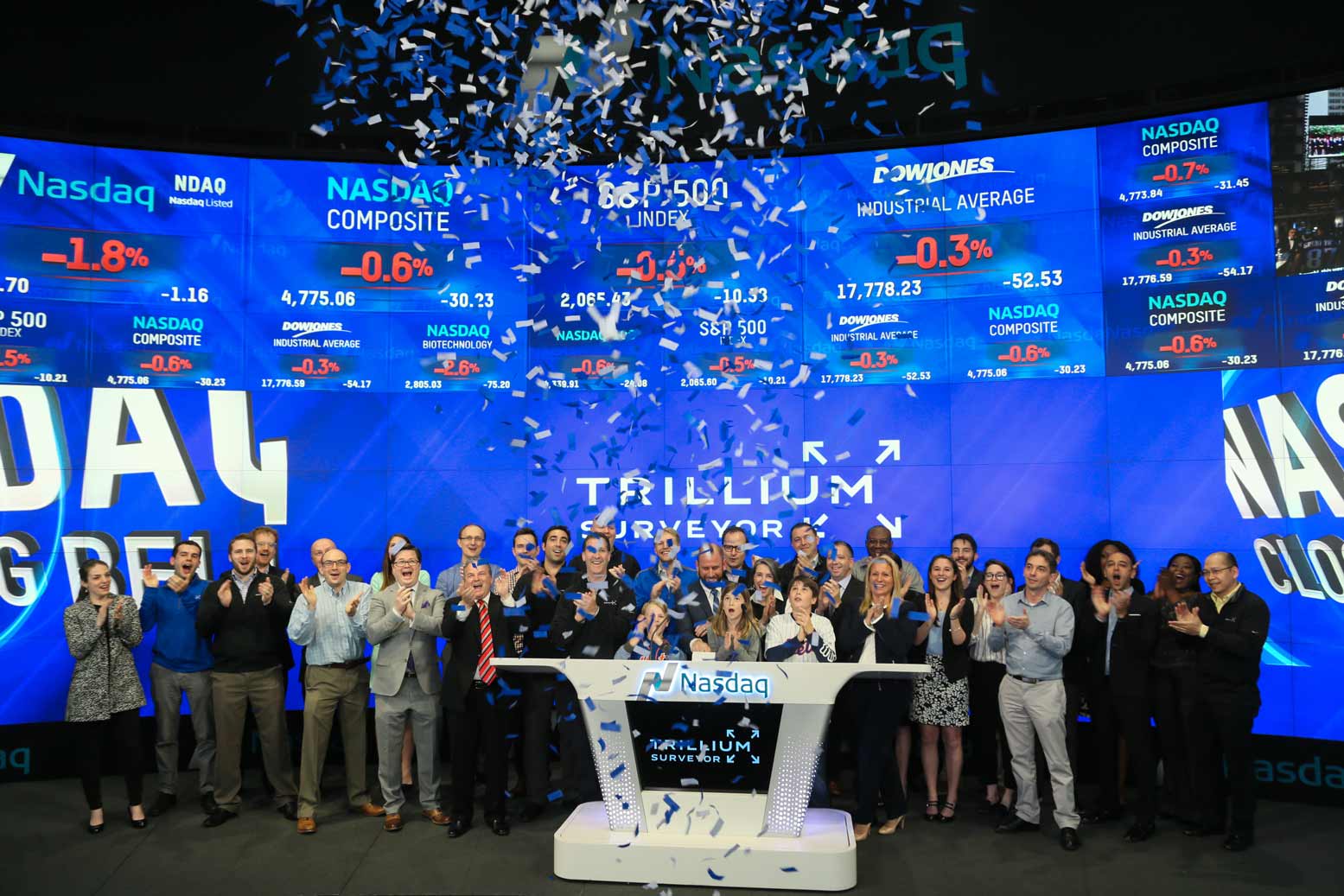
    Forbes Japan, the Tokyo-based edition of Forbes, one of the world’s most authoritative business news medias, celebrated entrepreneurs and Start-ups today at the Annual “JAPAN’S STARTUP” Awards, and the winner of the ‘RISING STAR’ STARTUP OF THE YEAR 2017 Award – Trillium Inc, a Tokyo-based Start-up that has developed a robust, comprehensive cybersecurity solution for the automotive industry.

    The Awards promote start-ups ready to create a ‘New Japan’ – leading the Japanese economy into the next age through innovation and entrepreneurial efforts. Finalists for the ‘RISING STAR’ 2017 were selected by the Forbes Japan editorial team with input from online readers. The winning Start-ups will be featured in the magazine’s Jan 2017 edition, which will appear on Nov 25.

    David Uze, Trillium CEO, an American who has lived in Japan for over 25 years, hopes Trillium can make a valuable contribution to his adopted country. “As autos and electronics are the bedrock of Japan’s prosperity, we believe our cybersecurity solution can help ensure the nation’s economic future. And we are grateful to Forbes Japan for recognizing the importance of our work.”

    “This is another indication that Trillium is on track to emerge as that rarest of creatures, a ‘Made-in-Japan Innovator,’” said Uze. “For automakers, cybersecurity is a mission as urgent as ending hydrocarbon use. Plans for innovation across-the-board depend on digitizing tomorrow’s cars: in emissions, safety, autonomous drive, driving dynamics and infotainment. But until they find an adaptive, multi-layered solution to cyber threats, all plans could come screeching to a halt with one devastating hack. The industry doesn’t yet have a solution – but we do, and we’re ready to go.”

    Trillium’s ‘Made-in-Japan solution’ strongly secures all three key ‘cyber-threat domains’ in the car with a software-based approach that is compatible with any architecture or operating system. More than just robust and comprehensive, it can be implemented for as little as 1/20th the cost of competing solutions – most of which are still under development.

    “Meanwhile, our multi-layered solution is at an advanced stage,” Uze said. “We have moved into the real-world testing phase via partnerships with a legendary Japanese Super GT racing team and a leading maker of automotive semiconductors. And we are now in discussions with a wide range of automakers and tier-one component suppliers. We’re ready to implement whenever they are.”

    Trillium Inc. was founded in 2014 with a team of executives and engineers from Japan, Europe and the U.S. with extensive experience in relevant fields, backed by lead investment from Global Brain Corp, a Tokyo-based venture capitalist.

  • Tesla to open its first Korean showroom on November 29th

    Tesla to open its first Korean showroom on November 29th

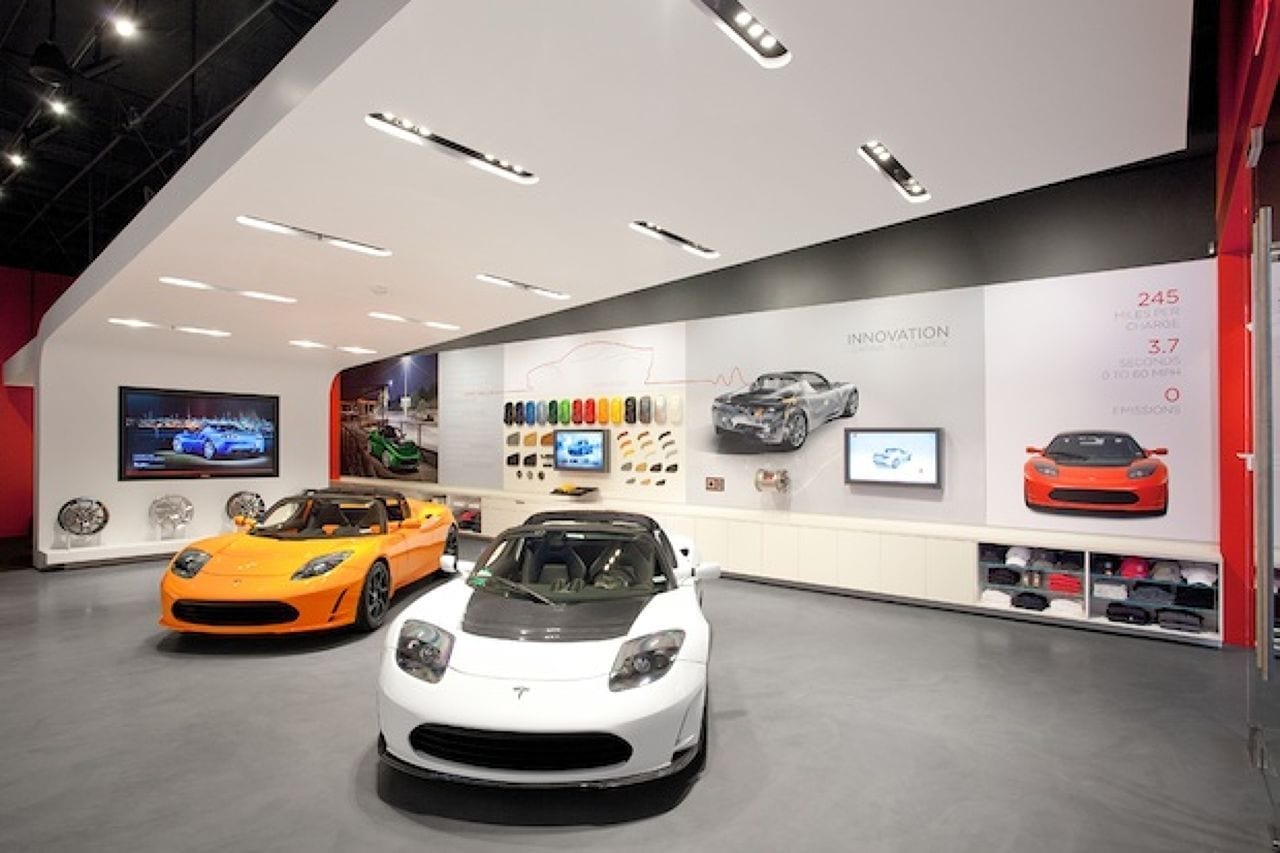
    The U.S.-based electric carmaker Tesla Motors will open its first Korean showroom at the Starfield Hanam shopping mall in Gyeonggi Province, Nov. 29.

    A Starfield Hanam official said he received an in-house notice of the Tesla showroom opening date.

    “However, the opening date may be moved up or delayed depending on Tesla’s preparations,” he added.

    Starfield Hanam, which had its grand opening on Sept. 9, is the largest shopping complex in Korea built as a joint venture between retail giant Shinsegae and U.S.-based shopping mall management company Taubman’s regional affiliate Taubman Asia.

    Before the grand opening, Tesla said Aug. 31 in a press release it would open its first Korean showroom on the second floor of the mall.

    The showroom is currently under construction, covered with a screen to hide the interior. However, Tesla has reportedly completed the ground construction for a charging station on the mall’s second-floor parking lot.

    The showroom will present Tesla’s Model S 90D, a full-size all-electric five-door luxury sedan.

    When the model was introduced in 2012, it received a perfect 5.0 from the U.S. National Highway Traffic Safety Administration (NHTSA) car safety rating. The U.S. Environmental Protection Agency (EPA) official range for the 2012 Model S equipped with an 85kWh battery pack is 426 kilometers.

    Tesla’s official webpage said the current Model S 90D’s range is 512 kilometers.

    Tesla has already received approval for emissions and noise standards from the Ministry of Environment, and is preparing for another approval with the Ministry of Land, Infrastructure and Transport (MOLIT). It is expected to take about two weeks to get MOLIT approval.

    Tesla is also preparing to open its second Korean showroom in Gangnam, southern Seoul.

    It reportedly signed a lease to rent a building in Cheongdam-dong on Sept. 1. It will use the building’s basement, first and second floors until Aug. 31, 2021.

    The Gangnam showroom is also currently under construction and Tesla officials visited the site last week to monitor the construction process.

    Tesla also announced last week via an email interview with ZDNet Korea, an IT-focused online newspaper, its plan to establish charging infrastructure in Korea.

    “Tesla is reviewing its plan to build a few supercharging stations in Seoul,” Atsuko Doi, Tesla’s head of communications for Asia Pacific, was quoted as saying.

    “We are discussing how to rent the sites for the charging stations.”

  • Jaguar Land Rover October sales up 11% at 46,325 units

    Jaguar Land Rover October sales up 11% at 46,325 units

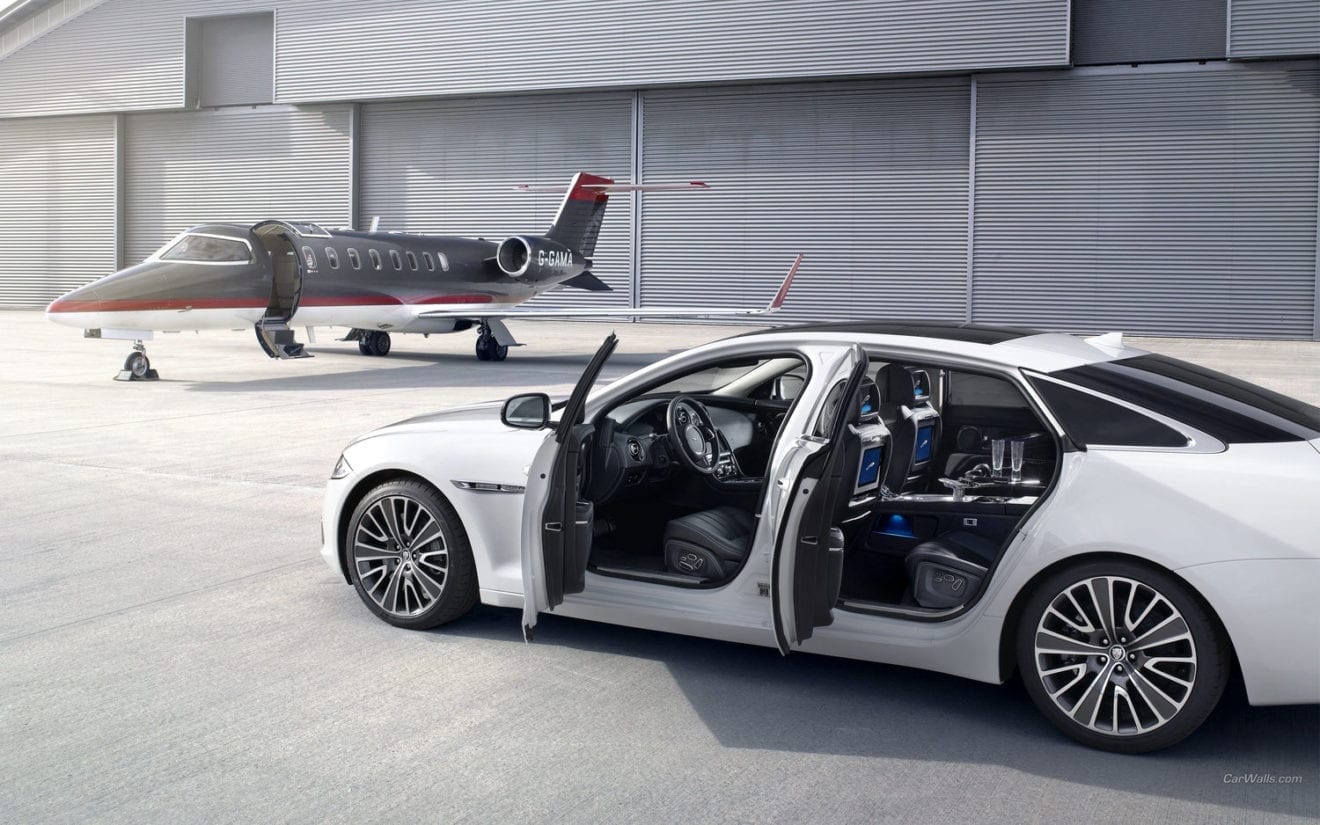
    Tata Motors-owned Jaguar Land Rover (JLR) today reported 11 per cent increase in October retail sales of 46,325 units. The month’s performance has been driven by strong sales of the Land Rover Discovery Sport, Range Rover Evoque, Jaguar XF and the introduction of the Jaguar F-PACE, as well as strong year-on-year sales growth in China and Europe, JLR said in a statement.

    JLR Group Sales Operations Director Andy Goss said: “With our most engaging productline up to date, we are continuing to see positive sales momentum. Impressive performances across Europe and China have boosted our year-to-date sales to over 4,80,000 vehicles.”

    The company said its retail sales grew across majority of key regions in October year-on-year, with China up 39 per cent, Europe up 25 per cent, the UK and North America both up 8 per cent but other overseas markets were down 22 per cent.

    In the first ten months of 2016, JLR sold 4,80,349 vehicles, 23 per cent up on the same period in the prior year.

    The Jaguar brand recorded retail sales of 14,402 units in October, up 93 per cent on the previous year, reflecting the strong launch of the F-PACE and the introduction of the long- wheel base XFL in China, JLR said.

    Sales of the Land Rover brand however were down 6 per cent in October at 31,923 units. The company had ceased production of the Defender and Discovery in January 2016 and August 2016 respectively.

  • No Incentives for Hybrids in Thailand

    No Incentives for Hybrids in Thailand

    The Thai government rejects Toyota’s request to include hybrid vehicles in investment-incentive packages about to be offered for electric vehicles.

    Industry Ministry Permanent Secretary Somchai Harnhirun says the Board of Investment (BOI) will not include hybrids because government policy is to promote international-standard automobiles.

    The cabinet agreed in August to waive import tariffs on battery-electric vehicles (BEVs) and to give BOI incentives to investors who set up assembly plants for BEVs and produce critical parts such as batteries and motors within five years.

    Toyota Motor Thailand Senior Vice President Suparat Sirisuwannagkura argues the government should include hybrid vehicles in its promotion policy to keep them no more than 5% more expensive than pure internal-combustion-engine vehicles.

    Suparat argues hybrid technologies share some core technologies such as batteries and motors that producers could develop further for plug-in hybrid vehicles, BEVs and fuel-cell vehicles (FCVs) in the future. Moreover, EVs still have many limitations, especially in battery technology, and automakers may eventually bypass them and leapfrog to FCVs.

    Suparat says Toyota’s facility in Thailand has the capacity to develop more HEVs in the near future, “But a production volume of more than 100,000 vehicles and batteries a year will be tough to achieve without government support.”

    The Nation English-language newspaper reports Somchai told a seminar held by the Thailand Development Research Institute (TDRI) that the government does not pick winners.

    “We want to see real investment,” Somchai says. “We won’t be giving away our taxes for free, but we want a commitment as to what they will produce in the future.”

    TDRI researchers told the seminar the government must revamp the automobile excise tax structure to accurately reflect emission-release levels and be technology-neutral. They say that would make next-generation vehicles more competitive, increase buyer demand and make Thailand attractive as a manufacturing base for critical EV parts.

    TDRI President Somkiat Tangkitvanich says as global automotive trends tilt toward environmentally friendly vehicles, Thailand’s traditional non-alignment of energy and industrial policies could hinder the future of its local auto industry.

    A report quotes research fellow Wichsinee Wibulpolprasert saying Thailand’s ambition to develop EVs is unlikely to be realized any time soon because the domestic car market is not yet ready and its focus remains largely on conventional vehicles.

    She says while the government wants to generate a fleet of up to 1.2 million EVs and increase the number of charging stations to 690 by 2036, there are no clear policies on renewable energy and the environment.

    “The number of EVs and charging stations is just the final result,” Wichsinee says. “What is desperately needed for Thailand’s future automotive development is a solid background and fundamentals, which are renewable energy and environmentally friendly industry development plans.

    “EVs are an upcoming technology for the world’s automobiles, but the current situation is that excise tax for eco-friendly vehicles and conventional ones still overlap, making EV retail prices unattractive for buyers.”

    More importantly, Wichsinee says, the government has yet to launch any schemes to create a production hub for core components of EVs, such as batteries and motors, which are the building blocks of high-tech vehicles.

    She says that when the government waived customs duty for related components for assembling hybrids during 2011-2013, which cut retail prices by TB20,000 ($574), it boosted sales from 9,256 units in 2010 to 69,911 units in 2015.

    “The government should develop and stimulate demand for HEVs and PHEVs in the short run, with more tax incentives to support massive production,” she says.

  • Kia Soul Receives 2017 Consumer Guide Automotive Best Buy Award

    Kia Soul Receives 2017 Consumer Guide Automotive Best Buy Award

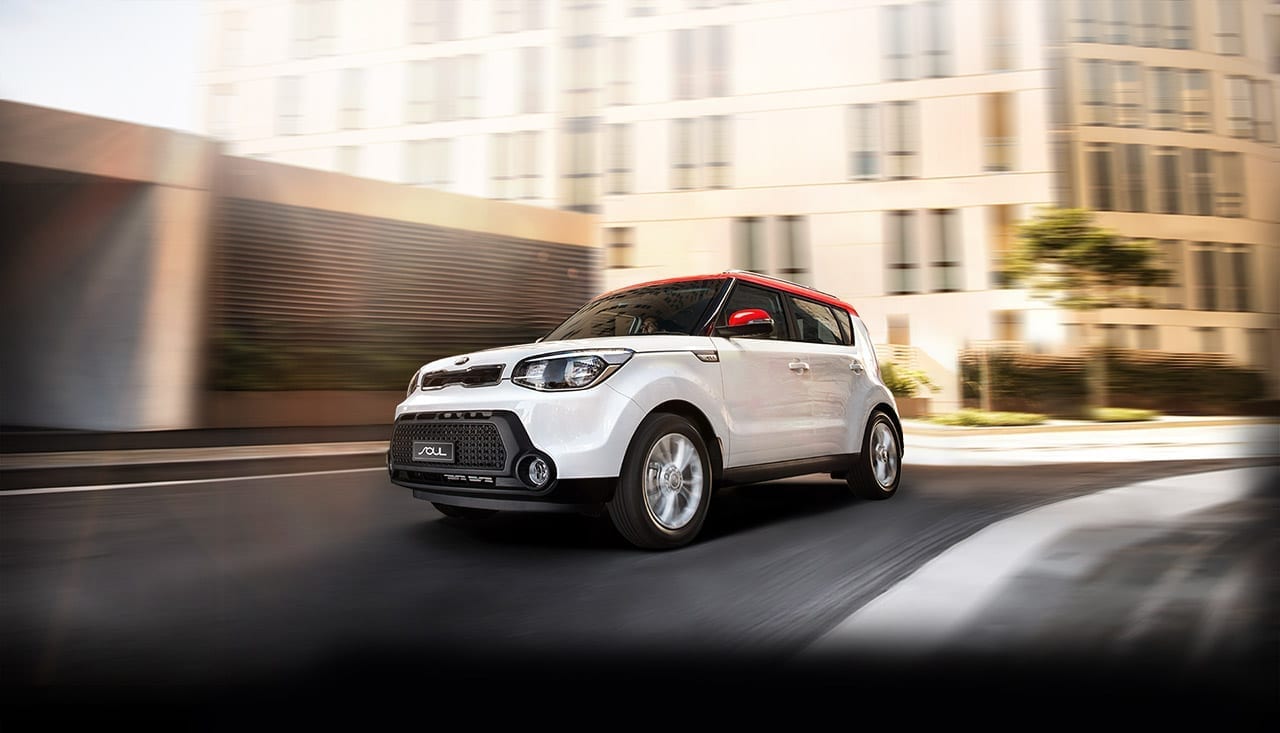
    Consumer Guide Automotive has awarded the Kia Soul one of its coveted Best Buy Awards for 2017 in the Subcompact Car segment, marking the third year in a row the fun-loving box car has received the award. Once again, the Soul’s funky personality resonated with the editors, along with its roomy interior, premium-looking cabin and long list of desirable features.

    “People gravitate toward the Soul because of its head-turning style, extensive feature content, and excellent value. Its practicality makes it a perfect fit for just about every type of lifestyle,” said Orth Hedrick, vice president product planning Kia Motors America. “Being recognized by Consumer Guide Automotive for a third consecutive year proves the Soul continues to be a crowd favorite, and with the new turbocharged version offered for 2017, we anticipate its popularity will surge to new heights.”

    For 2017, the Soul gains a 201-hp 1.6-liter turbocharged engine for more fun than ever. Though the 1.6-liter turbo engine adds 40 horsepower, fuel economy is 28 miles-per-gallon, city and highway combined1 —slightly better than the combined mileage of the 2.0-liter normally-aspirated 161-hp engine in the Soul Plus and in the Soul Base 1.6-liter, which produces 130 horsepower. Performance in the turbocharged Exclaim is further enhanced by the addition of a new 7-speed Dual Clutch Transmission (DCT), which contributes to a more engaging driving experience. Other new options for the 2017 model year are convenience systems such as Rear Cross Traffic Alert and Blind Spot Detection. The 2017 Exclaim also gets standard UVO32 with e-Services with integrated Android Auto and Apple CarPlay.

    Each year Consumer Guide Automotive editors select the best vehicles from 20 segments to receive Best Buy Awards, with vehicle price and value being major factors in their selection process. By prioritizing these key consideration points in the car-buying process, the Consumer Guide Automotive Best Buy Awards serve a practical purpose to everyday car shoppers. Celebrating its 50th Anniversary in 2017, Consumer Guide Automotive is one of the most trusted names in the automobile industry.


  • Volkswagen aims to sell 400,000 new energy vehicles a year in China by 2020

    Volkswagen aims to sell 400,000 new energy vehicles a year in China by 2020

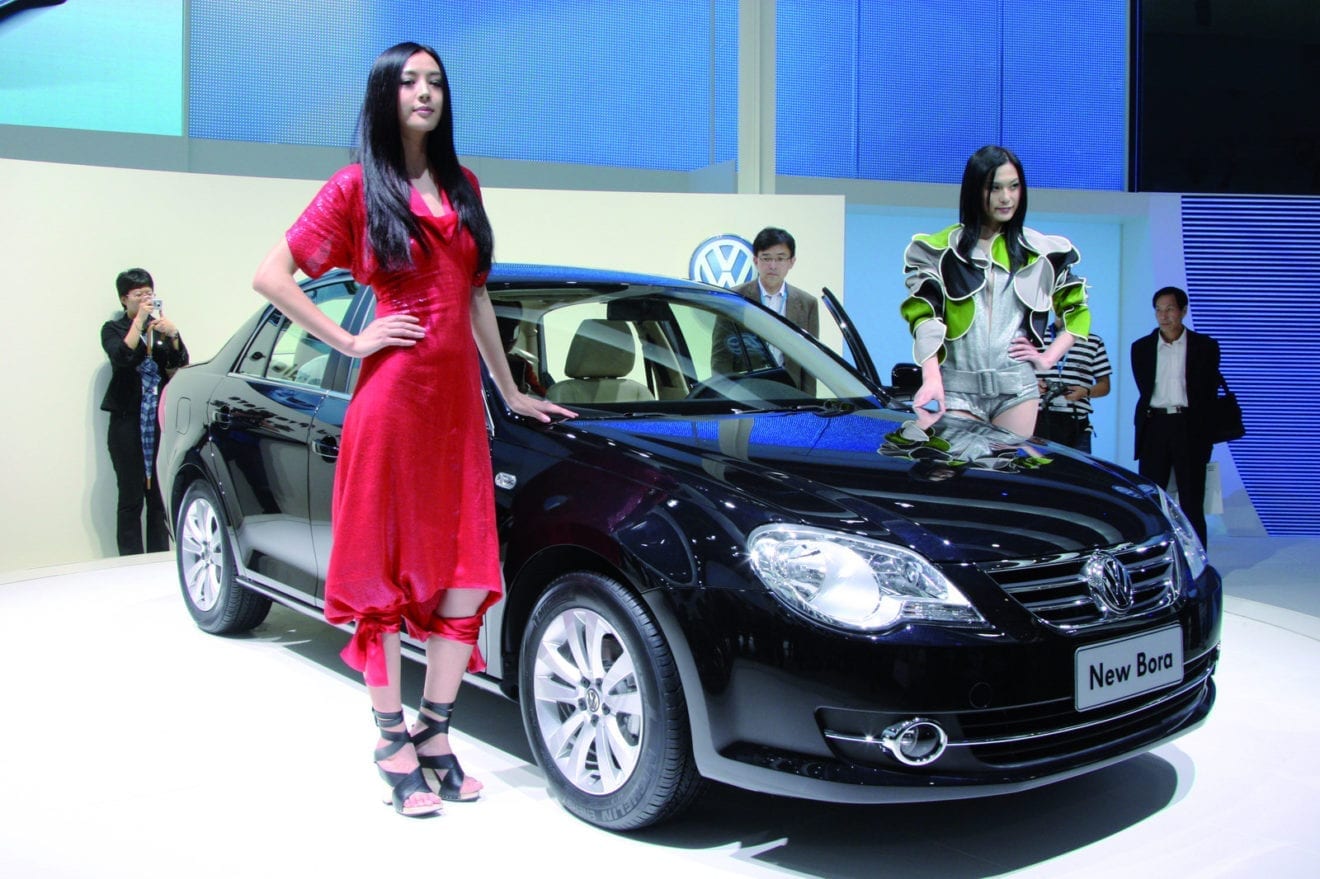
    Volkswagen aims to boost new energy vehicle sales in China to 400,000 units a year by 2020, the automaker’s China chief Jochem Heizmann said, as Beijing pushes automakers to sell low-emissions cars via incentives and friendly regulations.

    It aims to eventually sell 1.5 million new energy vehicles (NEVs) annually by 2025, Heizmann told reporters ahead of the Guangzhou auto show, which opens on Friday.

    “We have to do more in the NEV area. The government is pushing, the general environment in China is pushing that,” Heizmann said.

    Overall sales of NEVs in China more than quadrupled last year with rapid growth continuing in 2016.

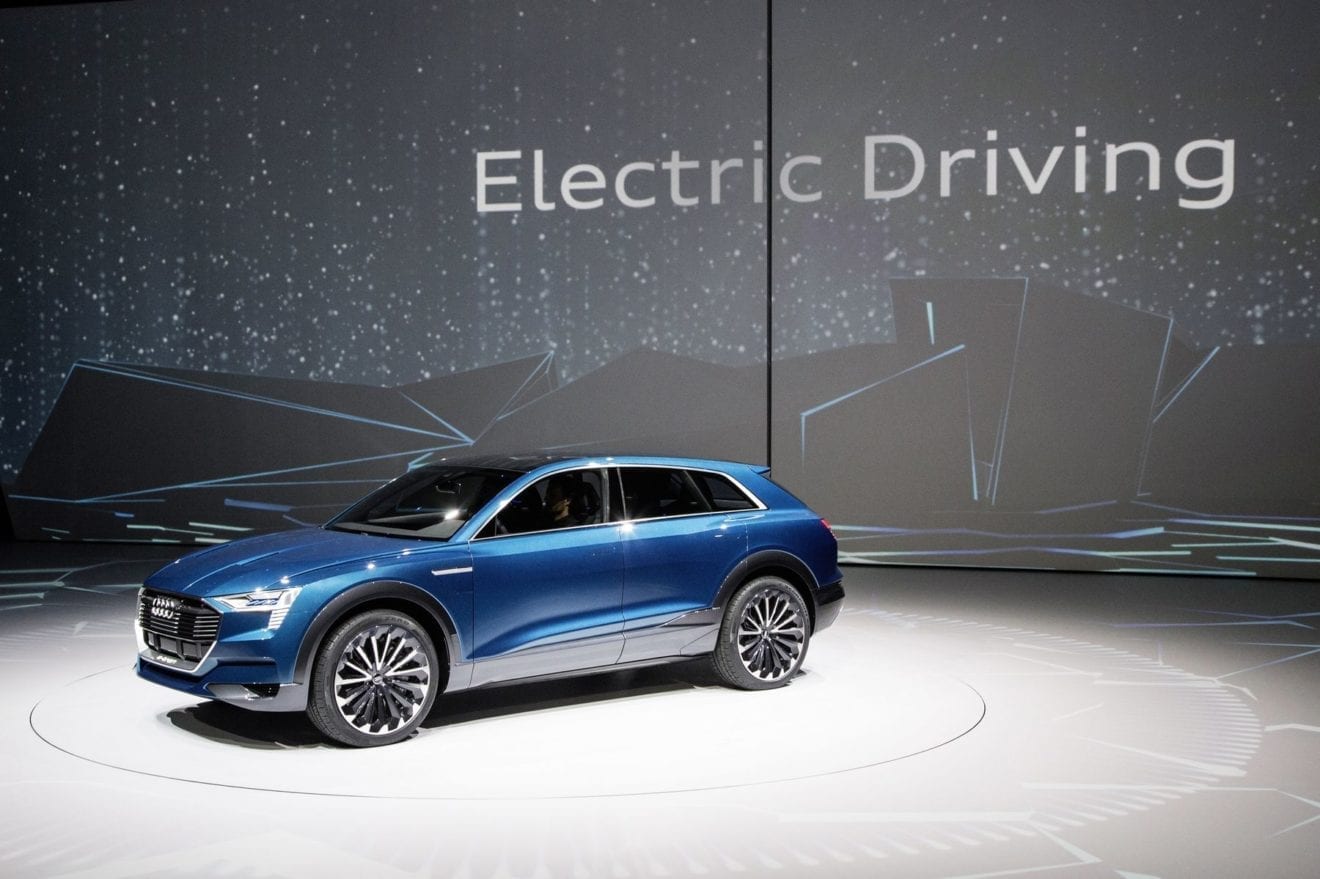
    Volkswagen will deliver its first locally produced NEVs, as battery electric and plug-in hybrid cars are referred to in China, under its Audi brand this year.

    Audi AG manufactures the vehicles in a joint venture with China FAW Group.

    Volkswagen also has a JV with SAIC Motor (600104.SS), and the two companies have plans to sell plug-in hybrid cars in China in the future.

    Global auto brands are only allowed to manufacture cars domestically in China through ventures with local partners, with automakers typically limited to two JV partners.

    Volkswagen said in September that it had signed a preliminary deal to explore making electric vehicles in a new joint venture with China’s Anhui Jianghuai Automobile.

    The deal is not final and is subject to approvals.

    “We are making good progress in our feasibility study with JAC,” Heizmann said.

    He said he was hopeful the government would allow what would be Volkswagen’s third JV in China, with the government pushing for less-polluting vehicles.

    “Normally the legal framework is you are only allowed to have two joint ventures. There is a special chance to have this additional joint venture just on pure battery cars,” Heizmann said.

  • Mazda Unveils the All-New CX-5

    Mazda Unveils the All-New CX-5

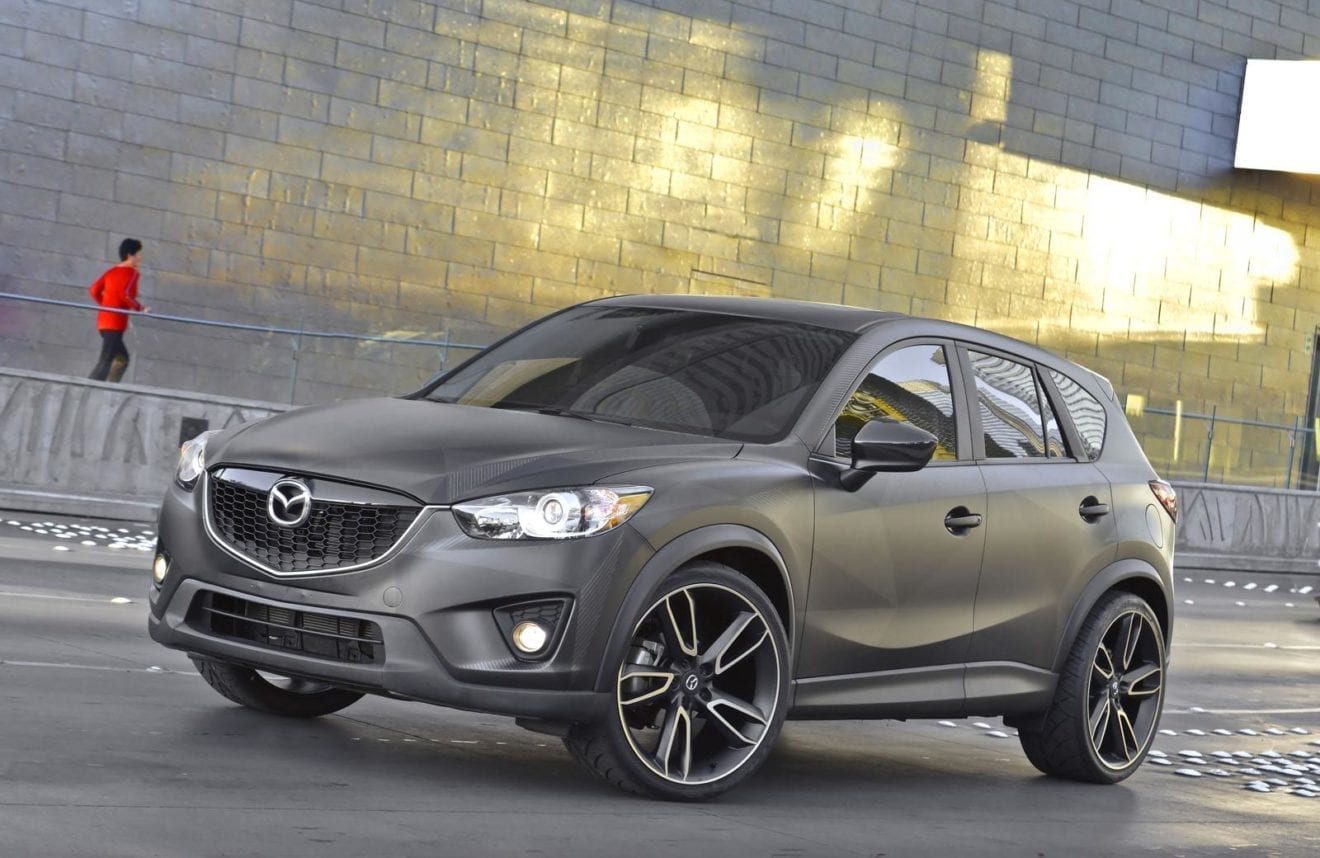
    Mazda Motor Corporation today unveiled the all-new Mazda CX-5 crossover SUV. The fully redesigned model, which refines every element of Mazda’s design and technology to offer new dimensions of driving pleasure, will be launched in Japan in February before being rolled out to global markets.

    The slogan for development of the all-new CX-5 was “an SUV all customers will enjoy,” and Mazda aimed to add a new dimension by offering driving pleasure that everyone on board can enjoy—not just the driver. The model is engineered in line with human sensibilities to deliver responsive performance that conforms to the driver’s expectations. It also prioritizes passenger comfort, with a quiet cabin and pleasant ride feel, and adopts G-Vectoring Control, the first of the SKYACTIV-VEHICLE DYNAMICS vehicle motion control technologies. Designed under the KODO—Soul of Motion design theme, the exterior is both bold and sensual, and the interior has been crafted to give occupants a pleasant feeling. The body color lineup includes the newly developed Soul Red Crystal, which highlights the beauty and quality of Mazda’s KODO designs.

    The powertrain lineup comprises the SKYACTIV-G 2.0 and 2.5 gasoline, and SKYACTIV-D 2.2 diesel engines. All three options offer powerful, linear driving performance and outstanding environmental performance.

    The all-new CX-5 will be on display at the Los Angeles Auto Show, open to the public Nov. 18-27.

    Launched in 2012, the CX-5 was the first new-generation model featuring SKYACTIV technology2 and KODO design. It has since grown into a core model that is sold in over 120 countries and accounts for approximately one quarter of Mazda’s global sales volume.3 It has won around 90 awards worldwide, including 2012-2013 Japan Car of the Year.4

    By providing driving pleasure to everybody who drives or rides in one of its vehicles, Mazda aims to enrich people’s lives and become a brand with which customers feel an emotional connection.

  • Fiat Chrysler, Cummins reject diesel cheating suit

    Fiat Chrysler, Cummins reject diesel cheating suit

    Fiat Chrysler Automobiles NV and Cummins Inc said on Monday they will fight a class-action lawsuit filed against the companies accusing them of cheating on diesel emissions tests.

    On Monday, lawyers representing owners of older 2500 and 3500 Dodge Ram trucks filed a class-action lawsuit in U.S. District Court in Detroit, asserting the companies “conspired to knowingly deceive consumers and regulators of illegally high levels of diesel emissions in their vehicles.”

    The suit accuses the automakers of fraud, violating the Racketeer Influenced and Corrupt Organizations Act and consumer-protection laws by intentionally misleading the public, concealing emissions levels and illegally selling noncompliant polluting vehicles.

    The suit filed by Seattle lawyer Steve Berman said the emissions catalysts are not durable and do not meet emission standards, and that at times emissions are nearly 10 times legal limits.

    The class action suit comes as Fiat Chrysler and Cummins are fighting over the costs of an emissions recall involving a different, newer population of trucks.

    Fiat Chrysler said in a statement it “does not believe that the claims brought against it are meritorious” and the company “will contest this lawsuit vigorously.”

    Cummins spokesman Jon Mills said the lawsuit “has no merit. We are obviously disappointed in the effort to tarnish our image and we plan to vigorously defend ourselves.”

    The suit covers owners of 2007–2012 Dodge Ram 2500 and 2007–2012 Dodge Ram 3500 pickup trucks.

    Reuters reported on Oct. 10 that Fiat Chrysler and Cummins Inc have been fighting over the $200 million estimated cost for a recall of 130,000 newer 2500 Ram pickup trucks equipped with Cummins diesel engines that could exceed U.S. pollution limits.

    The U.S. Environmental Protection Agency and California Air Resources Board have demanded a recall of 2013-2015 model year Ram 2500 pickup trucks with 6.7L Cummins diesel engines because moisture can lead to the deactivation of the selective catalyst reduction system, causing excess nitrogen oxide emissions, Cummins said.

    Fiat Chrysler has sued Cummins to recover the $60 million it has spent to date repairing 42,000 trucks at its own expense, a company lawyer said in court documents. Settlement talks are ongoing.

    Cummins counter-sued, saying Fiat Chrysler would not cooperate in the recall “for one reason – money” and said the automaker was “holding both Cummins and its own customers hostage.”

    When the emissions system fails, the warning light goes on and if the vehicle isn’t fixed soon the vehicles go into “limp mode” that allow them to only be driven very slowly.

  • DoCoMo to trial 5G self-driving vehicle monitoring

    DoCoMo to trial 5G self-driving vehicle monitoring

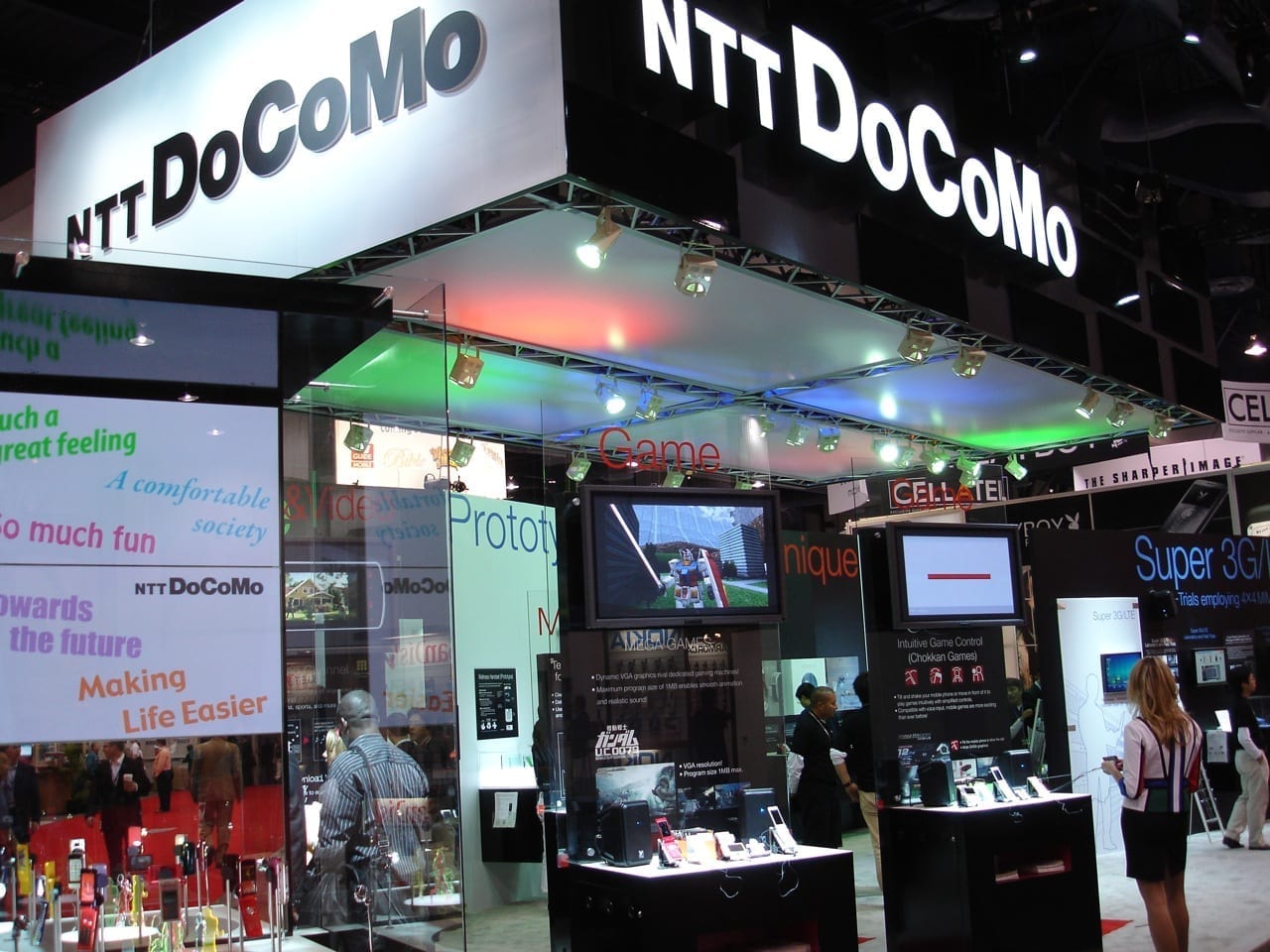
    Japanese operator NTT DoCoMo and mobile portal and online service provider DeNA Co have teamed up to trial a 5G communications system for remote monitoring of autonomous vehicles.

    The trial will involve connecting a vehicle and a remote center via a 5G network capable of data rates beyond 10Gbps.

    For the initial trial, high-resolution video images captured with HD cameras mounted on the vehicle will be transferred to the monitoring center in real time, to allow the center to check for any driving irregularities and assist passengers when needed.

    The trial will be demonstrated at the DoCoMo R&D Open House 2017, which will take place at the DoCoMo R&D Center in the Yokosuka Research Park near Yokohama on November 17-18.

    For the event, DeNA’s Robot Shuttle driverless bus will be used to showcase the transmission of live video from a connected vehicle via a demonstration 5G network.

    The collaboration is combining DoCoMo’s 5G technologies and DeNA’s experience building services for connected vehicles. DoCoMo is closely involved in the development of LTE and 5G systems for vehicle-to-everything communications.

  • BMW eyes 100,000 electric car sales in 2017

    BMW eyes 100,000 electric car sales in 2017

    BMW wants to boost sales of electric cars by two-thirds next year to 100,000 vehicles as the luxury automaker is offering more battery-powered models, citing Chief Executive Officer Harald Krueger.

    Munich-based BMW expects to increase its deliveries of fully electric and hybrid vehicles to around 60,000 units this year, Krueger said. Sales of battery-powered BMW models have totaled about 100,000 cars since 2013, he noted.

    “Electric mobility will come, but demand is not going through the roof at the moment,” the newspaper quoted Krueger as saying.

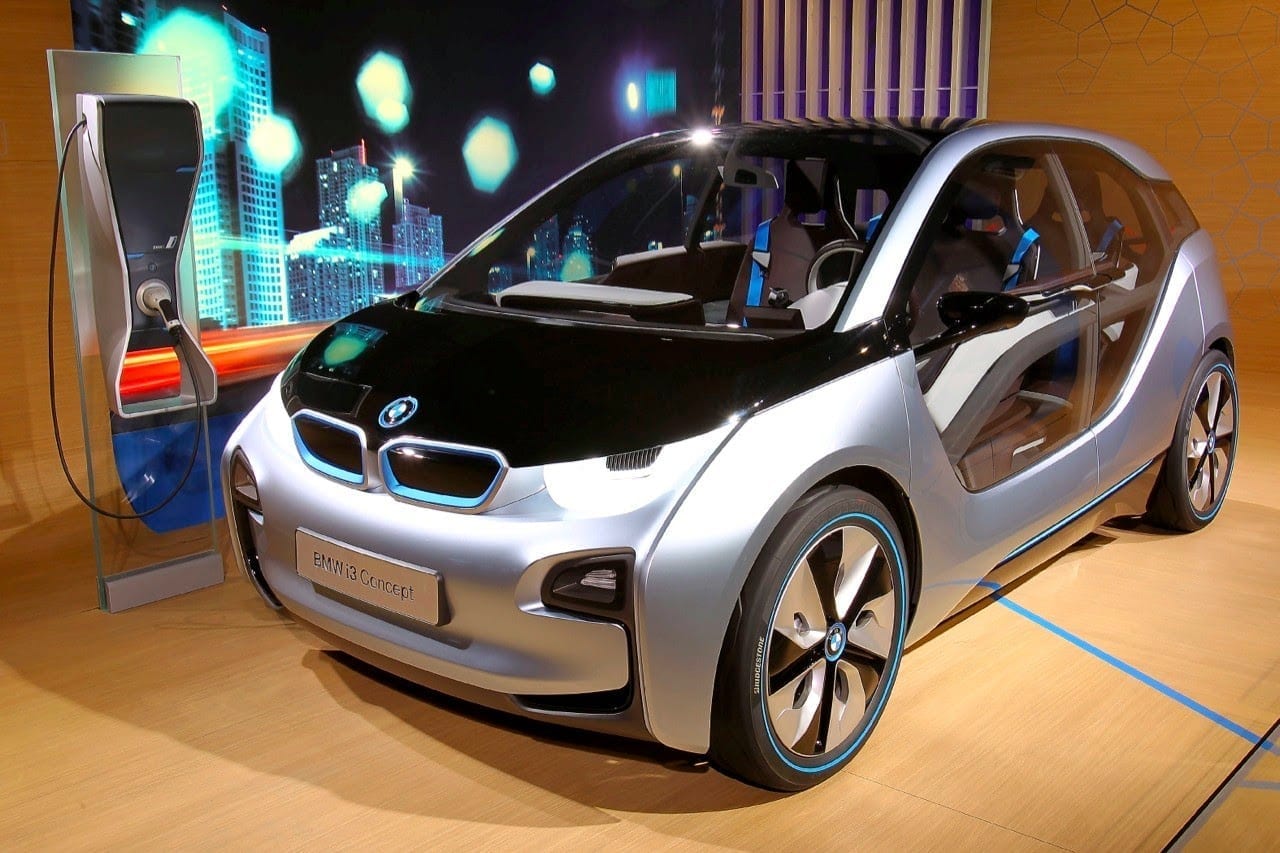
    To help improve sales, BMW is also increasing the battery range of its i3 city vehicle by 50 percent this year. The i3, BMW’s only fully battery-powered car, sold only 25,000 units last year.

    The company, which has dropped behind Daimler’s Mercedes-Benz in global luxury-car sales rankings, wants to expand the share of electric cars and hybrid models to between 15 percent and 25 percent of sales by 2025, the newspaper reported.

  • Volkswagen’s Audi in talks with China’s SAIC Motor on tie-up

    Volkswagen’s Audi in talks with China’s SAIC Motor on tie-up

    Volkswagen’s Audi premium brand is in talks with China’s largest automaker, SAIC Motor, on a potential long-term collaboration, Audi said in a statement on Monday.

    Reuters reported on Saturday, citing a source familiar with the matter, that the two had signed an agreement that could pave the way for Volkswagen’s joint venture with SAIC to make Audi brand cars.

    An early entrant to China, the world’s largest car market, Audi is the best-selling premium car brand although it is rapidly losing ground to newer car models from Daimler’s Mercedes-Benz and non-German automakers like Toyota’s Lexus and General Motor’s Cadillac.

    Audi cars are now only made in China through a joint venture with China FAW Group, providing a lifeline to a state-owned company whose own brand cars have struggled with falling sales.

    Audi reaffirmed its commitment to FAW in the release announcing the talks with SAIC, saying it had outlined growth plans with FAW for the next 10 years that include making green energy SUVs and sedans in every major segment.

    Audi will also form a new joint venture company with FAW to be based in Beijing and focus on mobility and digital services, according to the statement.

  • Sales nosedive at Indonesia Motorcycle Show

    Sales nosedive at Indonesia Motorcycle Show

    Despite attracting more visitors than the last event, this years’ edition of the Indonesia Motorcycle Show (IMOS) failed to record higher transactions following the event’s closing on Sunday.

    According to data released by IMOS organizers, the biennial event, which ran from Nov. 2 to 6, attracted 90,186 visitors, a slight increase of 0.48 percent compared to the 89.751 visitors that attended the event in 2014. This year, only 751 motorcycle units were sold during the event, with a transaction value of Rp 19.39 billion (US$1.48 million), down by almost half compared to the Rp 35.7 billion booked in 2014 from the sales of some 1,500 motorcycle units.

    Responding to the decline, Indonesian Motorcycle Industry Association (AISI) chairman Gunadi Sindhuwinata said the market was not in the best condition this year. He, however, said industry players were optimistic motorcycle sales would bounce back with the improvement of the economy.

    “In the next 10 to 20 years, the [motorcycle] sales can still see growth because the public still needs affordable transportation options,” he said on Monday.

    He added that the performance indicator of the show was not measured only by the number of transactions but also the ability of the show to inform the public of the latest technology.

    In general, the motorcycle market is getting smaller. AISI data show that during January to September, sales dropped by 9.74 percent year-on-year (yoy) to 4,351,397 units. This year, the association set a sales target of 6.5 million motorcycles, a minor increase from the 6.4 million sold last year.

    Agus Nurudin, the managing director of the Indonesian unit of global marketing research firm Nielsen, said based on the company’s latest consumer confidence poll, Indonesian customers had become more rational and had slashed their spending on tertiary goods, including gadgets and vehicles, amid the weak economy.