Tag: automotive

  • FAW Toyota Launches Updated bZ5 Electric SUV in China

    FAW Toyota Launches Updated bZ5 Electric SUV in China

    FAW Toyota will release the updated 2027 bZ5 electric coupe SUV in China on August 26, rolling out its first annual refresh for the battery-powered crossover.

    The outgoing model, which arrived in showrooms in June 2025, sells across six trim levels priced between 129,800 yuan ($19,130) and 199,800 yuan.

    Driver assist and battery specs

    Toyota kept the vehicle’s exterior proportions and styling intact. The bZ5 measures 4,780 mm in length with a 2,880 mm wheelbase, keeping the closed front grille, light bars, and 15.6-inch dashboard display from the initial release.

    Engineering changes center on software and battery management. The existing version uses front-mounted 200 kW electric motors and lithium iron phosphate Blade batteries from BYD, offering capacities of 65.28 kWh and 73.98 kWh for CLTC driving ranges of 550 km and 630 km. For intelligent driving, the crossover runs the Toyota Pilot suite, combining Momenta 5.0 software with Toyota Safety Sense hardware to handle urban navigation and automated parking.

    Japanese brands lean on local tech

    Foreign automakers in China increasingly rely on domestic tech suppliers to defend market share against aggressive local pure-play EV brands. Toyota split its approach across its Chinese joint ventures, equipping this FAW-built bZ5 with Momenta software and BYD batteries while turning to Huawei systems for the larger GAC Toyota bZ7 sedan that launched in March 2026 at 147,800 yuan.

    FAW Toyota has not yet released final trim pricing or updated range ratings, which will be confirmed when order books open on August 26.

  • Chinese EV Makers Face Rising Component Costs as AI Drains Supply

    Chinese EV Makers Face Rising Component Costs as AI Drains Supply

    Chinese smart electric vehicle manufacturers are battling component deficits of up to 30 per cent, driving steep price surges across circuit boards and basic electronic parts.

    Prices for printed circuit boards and multilayer ceramic capacitors have more than tripled over the past twelve months as global semiconductor makers reallocate production capacity to artificial intelligence data centres.

    Surging Hardware Prices

    Printed circuit boards now cost roughly 330 yuan ($49) per sheet, up threefold in a year according to data from the India Printed Circuit Association. Multilayer ceramic capacitors, essential for regulating electrical currents across vehicle power systems, jumped from 10 yuan per 1,000 units to 40 yuan in early 2026.

    Memory chips needed for autonomous driving features are delivering the heaviest financial blow. Nio chief executive William Li reported that rising raw material expenses, led by memory chips, added 20,000 yuan to the build cost of every single vehicle.

    Carmakers cost pressure mainly comes from memory chips. But a lack of PCBs and MLCCs disrupts production and prevents assemblies from running smoothly.

    Supply Chain Squeeze

    Component makers in manufacturing hubs like Zhejiang province are giving order priority to AI data centre operators over automotive assemblers because computing chips yield higher margins. Carmakers must now pay hefty premiums to keep assembly lines running.

    Geely Auto, China’s second-largest automaker, confirmed that while small passive components represent a modest fraction of total expenditure, physical shortages threaten assembly continuity. The bottleneck across global component production lines will take at least twelve months to resolve.

    The margin squeeze arrives just as Chinese carmakers rely on software and autonomous driving capabilities to win buyers in an increasingly crowded domestic auto market. Nio and Geely are renegotiating vendor contracts to lock in deliveries for the second half of 2026.

  • Nissan Streamlines Vehicle Engineering to Match Fast Chinese Product Cycles

    Nissan Streamlines Vehicle Engineering to Match Fast Chinese Product Cycles

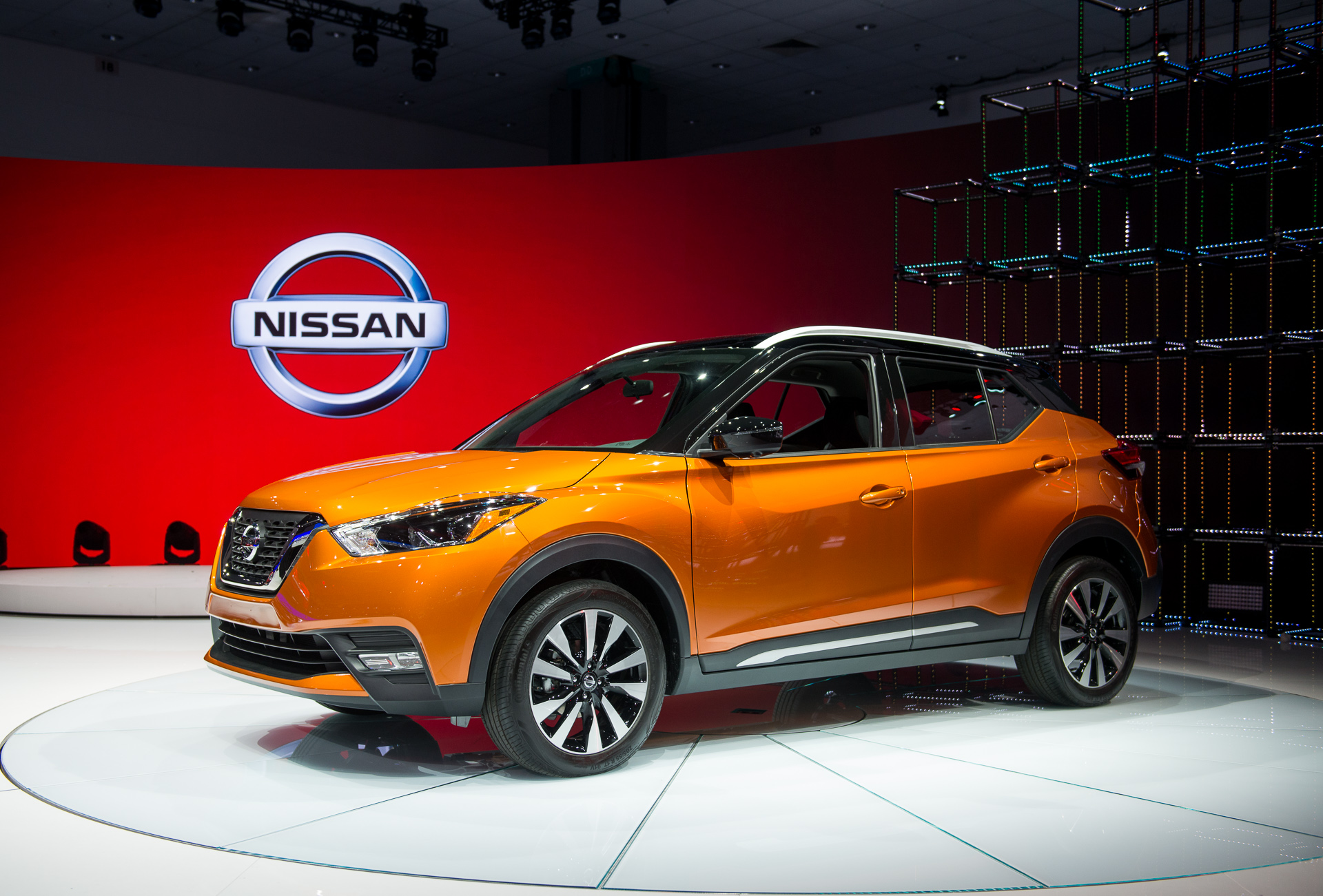
    Nissan Motor is overhauling its engineering process in Yokohama to match Chinese rivals that now bring new vehicles to market in around two years.

    The Japanese carmaker plans to standardize powertrains, basic frameworks and software technologies across multiple vehicle models to lift operating profitability.

    Shared architecture and software

    Under the revised development approach, engineers will apply common modular components across different model segments rather than engineering separate platforms from scratch. Shared software architecture and unified powertrain systems are designed to strip out duplicate spending across regional model lines.

    Speed has become the decisive operating metric across Asia’s car industry. Chinese automakers have compressed product development schedules to roughly 24 months, forcing legacy manufacturers in Japan to abandon four-to-five-year vehicle gestation cycles or risk losing showroom share to quicker model refreshes.

    Pressure from two-year cycles

    The strategy shifts Nissan toward a shared development structure similar to emerging electric vehicle manufacturing playbooks. Faster design iteration lets automakers respond directly to price shifts, updating cabin software and battery configurations as supplier costs fall.

    For retailers and dealership networks across the Asia-Pacific region, shorter vehicle development timetables mean quicker inventory turnover and more frequent product updates. Managing standardized software stacks also lowers warranty servicing complexity across multi-market distribution networks.

    Nissan held to its full-year earnings forecast after reporting a first-quarter net profit, leaving investors watching how quickly the unified development platform translates into production-ready showroom models.

  • Hyundai Opens Pre-Sales for China-Built Ioniq V Sedan from $17,680

    Hyundai Opens Pre-Sales for China-Built Ioniq V Sedan from $17,680

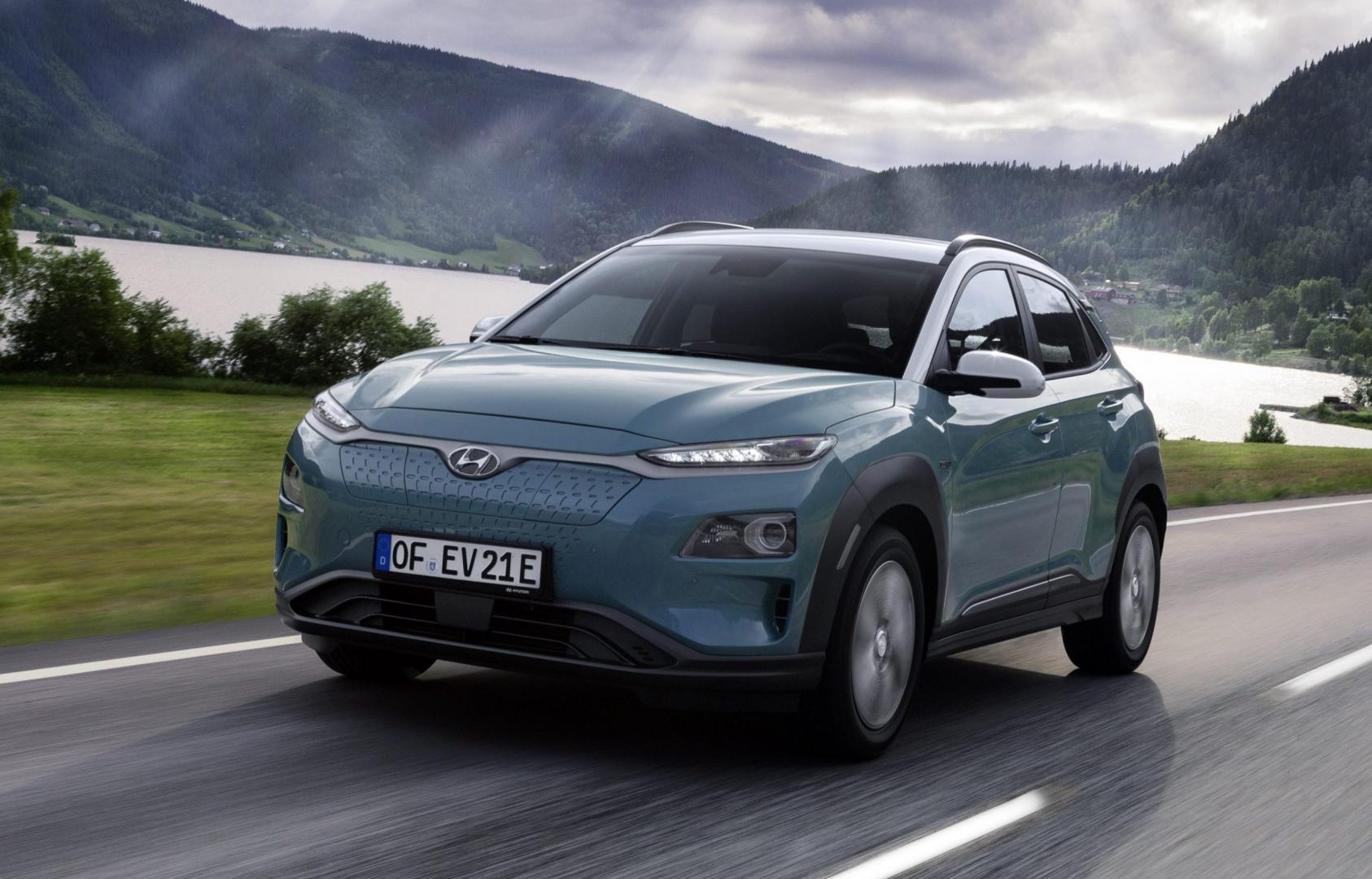
    Beijing Hyundai opened pre-sales for its Ioniq V electric sedan at the Chengdu Auto Show on Friday, pricing the entry model at 119,900 yuan ($17,680). The vehicle leads a planned rollout of 20 electrified models designed to rebuild the South Korean carmaker’s presence in China.

    Buyers can choose between three battery-electric variants ahead of the sedan’s formal showroom launch in September. The base 540 Max starts at 119,900 yuan, the 540 Max+ costs 129,900 yuan, and the top-tier 650 Max+ sells for 139,900 yuan. All three run on an 800-volt high-voltage fast-charging architecture and deliver up to 650 kilometres of range under China Light-Duty Vehicle Test Cycle standards.

    Local Hardware and Chinese Software

    Developed entirely by Hyundai’s China design centre, the five-seat fastback sits on the group’s dedicated E-GMP platform. The sedan measures 4,900 mm long with a 2,900 mm wheelbase, featuring frameless doors and single-motor powertrains rated at either 140 kW or 168 kW. Contemporary Amperex Technology Co. Supplies the lithium iron phosphate battery packs in 53.5 kWh and 66.8 kWh capacities.

    Inside the cabin, the joint venture outsourced key digital systems to domestic tech firms. The dashboard holds a 27-inch 4K display powered by Qualcomm’s Snapdragon 8295 chip, while the operating software integrates artificial intelligence models from Baidu and ByteDance. Driver-assistance software comes via Beijing Hyundai’s partnership with autonomous driving startup Momenta, enabling highway-level assisted navigation.

    The Volume Target for 2030

    Foreign legacy carmakers have spent two years cutting prices and reshaping supply chains after losing market share to domestic manufacturers such as BYD. Rather than importing global variants at uncompetitive price points, Hyundai is shifting vehicle development directly into China and sourcing cheaper local components to defend retail volumes.

    Beijing Hyundai plans to add an extended-range electric version to the Ioniq V line later in the cycle. The company has set a target to sell 500,000 vehicles annually in China by 2030, with plans to export the Chinese-developed sedan to overseas markets later in the production run.

  • China’s Chery Automobile to Open UK Research and Development Centre This Year

    China’s Chery Automobile to Open UK Research and Development Centre This Year

    Chery Automobile, a prominent Chinese car manufacturer, plans to open a new research and development centre in the United Kingdom later this year. The facility, situated at the UTAC Millbrook vehicle development and testing site in Bedfordshire, is scheduled for a late autumn 2026 launch.

    This strategic move comes as Chinese car brands see increasing demand in the UK market, with their share of new car registrations rising to approximately 15% in the first half of this year, up from 10% for all of last year. This growth is largely attributed to competitive pricing.

    Tailoring To British Drivers

    The initial focus of Chery’s new Bedfordshire centre will be on developing vehicle chassis and advanced driver-assistance systems specifically tailored for British drivers. Future plans include expanding into autonomous driving technologies and artificial intelligence. Gary Lan, CEO of Chery International UK, highlighted that UTAC Millbrook will enable the company to translate UK customer insights into product development, covering aspects from ride and steering to active safety systems.

    This R&D investment follows Chery’s recent agreement with Japanese carmaker Nissan to explore manufacturing its UK passenger vehicles at Nissan’s Sunderland facility in Britain. The establishment of local R&D capabilities suggests a deeper commitment to the market beyond just sales. Chinese brands such as SAIC Motor’s MG, BYD, and Chery’s own JAECOO and OMODA are currently among the leading Chinese marques in the UK.

    Regional Context And Future Growth

    The expansion into the UK market with both manufacturing considerations and a dedicated R&D hub reflects a growing trend among Asian automotive players to localize key functions beyond their home markets. This approach allows companies to better understand and adapt to regional consumer preferences and regulatory environments, fostering stronger brand loyalty and market penetration. For RetailNews Asia readers, this signifies the increasing global ambition and technical sophistication of Chinese automakers, potentially setting new benchmarks for competition and innovation in Western markets, and impacting how Asian brands are perceived globally. This strategic investment in R&D indicates a long-term engineering commitment, as noted by Kirsty Andrew, vice president, UTAC UK.

  • Xiaomi SU7 Electric Vehicle Surpasses Half Million Deliveries Amid Strong EV Sales

    Xiaomi SU7 Electric Vehicle Surpasses Half Million Deliveries Amid Strong EV Sales

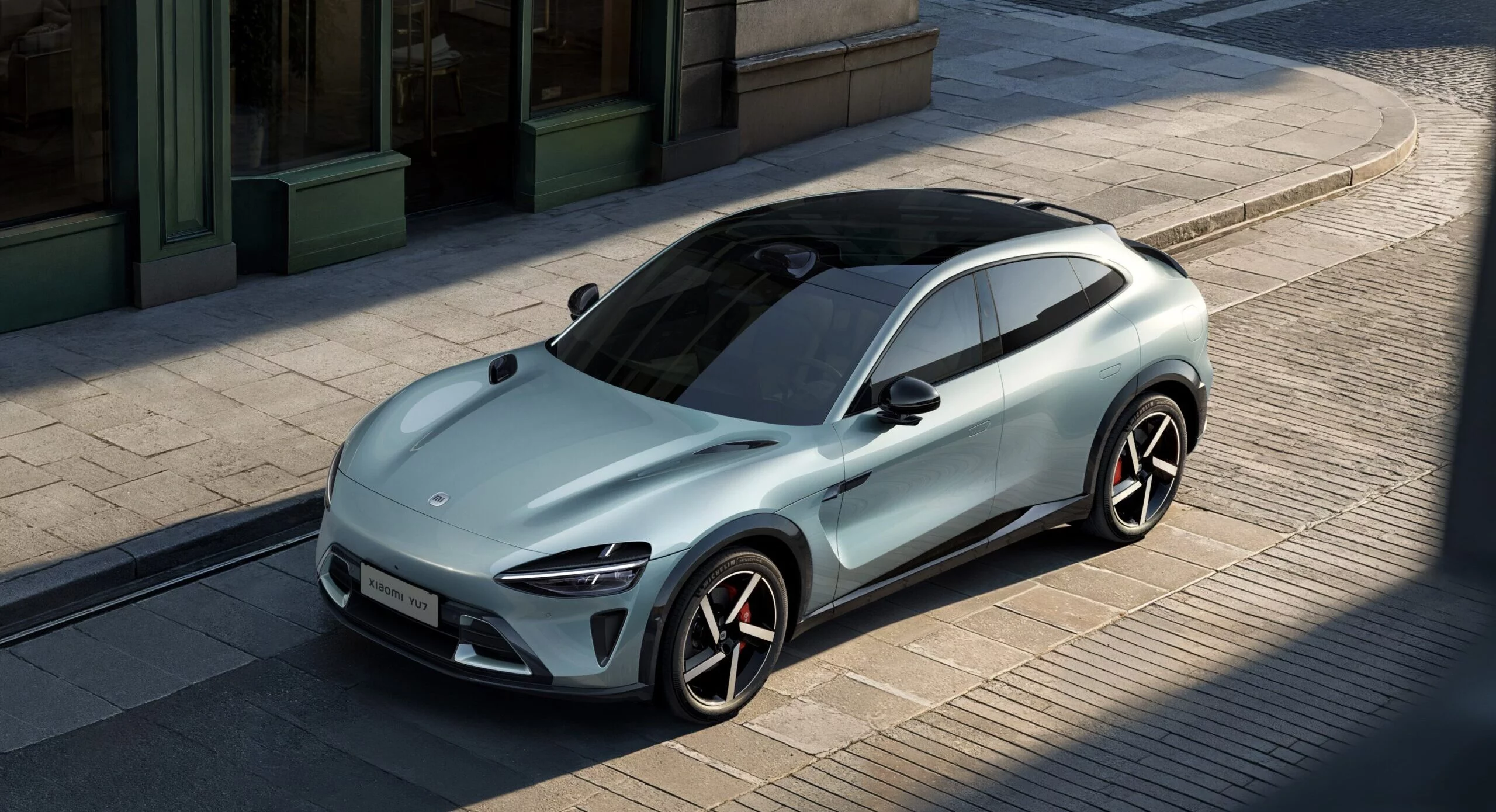
    Xiaomi’s SU7 electric vehicle has reached a substantial delivery milestone, with over 500,000 units now in the hands of customers. This achievement underscores the robust growth in electric vehicle (EV) sales and signals the increasing influence of technology companies in the automotive sector.

    The SU7’s rapid adoption reflects a broader trend of accelerating EV demand, especially within the Asia-Pacific region. As traditional automakers face heightened competition, new entrants like Xiaomi are quickly capturing market share with their tech-integrated vehicles.

    Accelerating EV Market Penetration

    The half-million delivery mark for the SU7 demonstrates Xiaomi’s successful entry into the highly competitive EV market. The company, initially known for its smartphones and consumer electronics, has used its brand recognition and technological expertise to quickly establish a presence in automotive manufacturing. This pivot highlights the convergence of consumer tech and mobility, a trend reshaping retail and consumption patterns across Asia.

    Strong sales figures for the SU7 contribute to the overall surge in electric vehicle adoption globally, with China remaining the largest market. Consumer preferences are shifting towards sustainable transportation options, driven by environmental concerns, government incentives, and advancements in battery technology and charging infrastructure.

    Broader Implications for Retail and Tech

    Xiaomi’s performance with the SU7 provides a clear example for other tech companies considering expansion into new hardware categories. The success in automotive highlights the potential for brand diversification beyond core products, particularly in high-value consumer goods. This move also forces traditional automotive retailers and brands to adapt their strategies, focusing on digital integration, advanced features, and a smooth customer experience that tech-savvy consumers expect.

    The competitive market in Asia’s EV market is intensifying, with both established brands and new startups vying for dominance. RetailNews Asia has been tracking similar moves by companies like Sony, which is also exploring mobility solutions, indicating a strategic shift among tech leaders to diversify their product ecosystems and tap into lucrative automotive opportunities.

  • Asian EV Sales Surge Amidst Global Oil Price Hike and Policy Shifts

    Asian EV Sales Surge Amidst Global Oil Price Hike and Policy Shifts

    Electric vehicle (EV) sales are seeing a significant boost globally, with a record 29 percent of all new cars sold worldwide this year expected to be electric, including battery-powered models and plug-in hybrids. This marks a sharp increase from just 4 percent in 2020. The surge is largely attributed to spiking oil and gasoline prices, exacerbated by the U.S. Conflict with Iran and the closure of the Strait of Hormuz, which began in February 2026. Brent crude prices have climbed over 25 percent since the conflict started.

    While traditional internal combustion engine cars face a steady decline, with sales projected to hit their lowest level since the early 2000s this year, the shift towards EVs presents both opportunities and challenges across various markets, including Asia-Pacific. Analysts suggest that while short-term factors like oil prices play a role, the long-term economic benefits of EVs, such as falling battery costs and lower operational expenses, will continue to drive adoption.

    Asia-Pacific Markets See Accelerated Adoption

    Several Asia-Pacific nations are at the forefront of this EV acceleration. South Korea, Australia, and New Zealand have nearly doubled their EV share of total new car sales since the conflict in Iran began. Laos is experiencing a dramatic increase in battery-powered vehicle imports from China, while Indonesia, Malaysia, and Taiwan are also recording notable gains in EV market share between 2025 and 2026.

    Other Asian markets, including India, Singapore, and Thailand, have also witnessed a substantial rise in EV sales since the Iran war started. Singapore, for instance, saw its EV market share jump from 31 percent in July 2024 to 65 percent in July 2026. This rapid growth indicates a clear consumer response to fuel price volatility and a growing preference for electric alternatives.

    China’s Pivotal Role and Policy Impacts

    Despite China accounting for roughly half of global EV sales, its domestic purchases fell this year due to a weakening economy and reduced government subsidies. Nonetheless, China remains a dominant force in the global EV supply chain, with Chinese companies exporting approximately 2.4 million electric vehicles in the first half of this year, nearly matching their total 2025 exports. These low-cost Chinese EVs are increasingly welcomed in markets such as Argentina, Australia, Indonesia, New Zealand, and South Africa, where they constitute over 80 percent of electric car sales.

    Several Asian governments have introduced new policies to encourage EV adoption. Cambodia and Kenya have temporarily slashed tariffs on imported electric vehicles, while Laos went a step further by barring imports of gasoline-powered cars for the remainder of 2026 and cutting taxes on EVs, leading to a significant influx of Chinese models. These policy shifts demonstrate a concerted effort by regional governments to curb reliance on expensive oil imports and accelerate the transition to electric mobility. Retailers and distributors across the Asia-Pacific region are closely watching these developments, adapting their inventory and sales strategies to meet evolving consumer demand and capitalize on the growing EV market.

  • Fire Engulfs Cars at Kuala Lumpur’s KL Gateway Mall

    Fire Engulfs Cars at Kuala Lumpur’s KL Gateway Mall

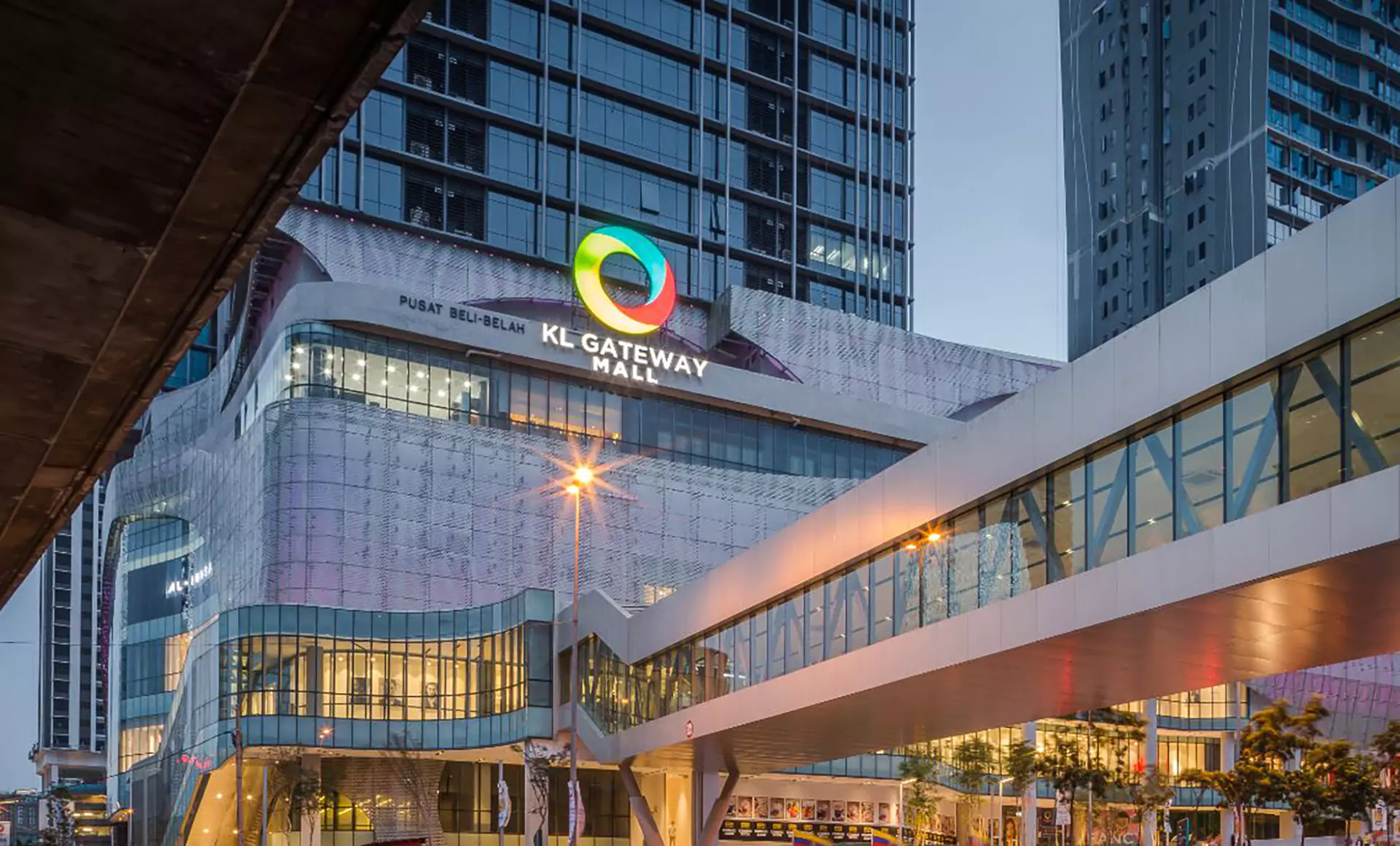
    Kuala Lumpur’s KL Gateway Mall experienced a fire in its parking facility on August 17, 2026. The blaze, which originated on the P1 level of the basement parking, led to significant damage to two vehicles.

    City officials confirmed that a BMW was completely destroyed by the fire, while a Perodua Axia sustained partial damage. Emergency services were promptly on the scene to manage the situation.

    Emergency Response And Cause

    The Kuala Lumpur Fire and Rescue Department was alerted to the incident around 12:43 AM. A team from the Pantai fire station, along with assistance from Seputeh, was dispatched to the mall.

    Firefighters successfully extinguished the blaze using water from their trucks, bringing the situation under control by 1:33 AM. Investigations are currently underway to determine the exact cause of the fire, though no injuries were reported from the incident.

    Impact On Mall Operations

    While the fire was contained to the basement parking area and quickly put out, such incidents can cause temporary disruptions for mall operators and visitors. The immediate aftermath often involves assessment of structural integrity, clearing smoke, and ensuring safety protocols are maintained.

    KL Gateway Mall, a mixed-development complex featuring retail, residences, and offices, is a significant urban hub in Kuala Lumpur. Mall management is expected to cooperate fully with authorities during the investigation and remediation process.

    Questions & Answers

    When and where did the fire occur?
    The fire took place on August 17, 2026, in the basement parking lot (P1 level) of KL Gateway Mall in Kuala Lumpur, Malaysia.

    What was the extent of the damage caused by the fire?
    A BMW vehicle was completely destroyed, and a Perodua Axia suffered partial damage. Fortunately, no injuries were reported as a result of the incident.

    Which authorities responded to the fire?
    The Kuala Lumpur Fire and Rescue Department, with teams from the Pantai and Seputeh fire stations, responded to the alarm and successfully extinguished the blaze.

  • Premium Automobiles Faces $9,400 Fine Following Audi Service Center Explosion in Singapore

    Premium Automobiles Faces $9,400 Fine Following Audi Service Center Explosion in Singapore

    Singapore’s car retailer Premium Automobiles has been issued a fine of SGD12,000 (approximately US$9,400) following a significant explosion at its Audi service center, which left a gaping hole in a wall and prompted the evacuation of around 100 people.

    On September 10, Premium Automobiles admitted guilt for failing to promptly cease the operation of a malfunctioning lift that posed serious safety risks, as reported by The Straits Times.

    The incident occurred on March 7, 2023, at the company’s service center located at 55 Ubi Road 1. An investigation into the explosion revealed that a waste oil tank, installed in 2002, was located in the lift’s machine room, a decision that would ultimately prove catastrophic.

    Despite hiring a contractor to perform monthly maintenance on the lift, Premium Automobiles did not inform them about the presence of the waste oil tank. This oversight proved to be a costly mistake when arcing from the lift’s control panel ignited flammable vapors that had built up in the confined space, leading to the explosion.

    In court, a representative from Premium Automobiles requested leniency, underscoring that this was the first legal issue the company has faced since its establishment in 1999. “We believed we were ill-informed regarding the need for approval for the waste oil tank,” the representative stated, adding, “We accept full responsibility for this incident and are committed to improving our safety protocols moving forward.”

    While some might think an explosion at a car service center feels like a plot twist in a blockbuster film, for Premium Automobiles, it’s a sobering reality check that safety cannot be an afterthought.

    Questions & Answers

    What caused the explosion at Premium Automobiles’ Audi service center?
    The explosion was triggered by arcing in the relay switch of the lift’s control panel, which ignited flammable vapors from a waste oil tank that had been improperly installed in the lift’s machine room.

    How did Premium Automobiles respond to the incident?
    Premium Automobiles accepted full responsibility for the explosion, acknowledging their oversight in not informing their maintenance contractor about the presence of the waste oil tank.

    What penalties did the company face after the incident?
    The company was fined SGD12,000 (US$9,400) as a result of the explosion, marking the first legal trouble they have encountered since their founding in 1999.

  • Tata Motors Take A Dig At Mahindra As Nexon EV Crosses 35,000 Unit Sales

    Tata Motors Take A Dig At Mahindra As Nexon EV Crosses 35,000 Unit Sales

    Tata Motors recently announced that its popular Nexon EV has crossed the 35,000 unit sales mark. Tata Motors posted the achievement on its social media channels, while also taking a dig at the upcoming Mahindra XUV400. Tata Motors posted an image that read 35,000 is greater than OO, where the OO was written in the same font that Mahindra uses for the XUV400.

    The soon-to-be-launched Mahindra XUV400 one-ups the Nexon EV in almost all the fields, except on the feature front. Its longer, and has better specs than the Nexon EV, but it is not as feature packed as the Nexon EV.

    The Nexon EV has been the bestseller EV in India for a while, Mahindra aims to dethrone the SUV once the XUV400 is launched early next year.

  • Mercedes Readies Plants To Produce Electric Vehicles

    Mercedes Readies Plants To Produce Electric Vehicles

    Mercedes-Benz is adjusting its network of plants to  manufacture a new range of luxury electric vehicles as it prepares to switch to electric by the end of the decade.

    Mercedes aims to halve CO2 emissions per passenger car over the life cycle by the end of this decade compared to 2020.

    “We are ready for the rapid scaling of electric vehicle volumes,” said Joerg Burzer, board member for production and supply chain, adding the new setup followed talks between management and worker representatives.

    Plants in Sindelfingen, Bremen, Rastatt – all in Germany – and Kecskemet, in Hungary, will start production of new models in the top end luxury, core luxury and entry luxury segments from the middle of the decade, said Mercedes.

    Battery systems will be supplied by a production network with factories in three continents, it said.

    “The local production of battery systems is a key success factor for the Mercedes-Benz electric ramp-up and a decisive component in being able to meet the global demand for electric vehicles flexibly and efficiently,” it said in a statement.

  • New CarPlay Update Is Classic Apple Before It Invades A New Product Category

    New CarPlay Update Is Classic Apple Before It Invades A New Product Category

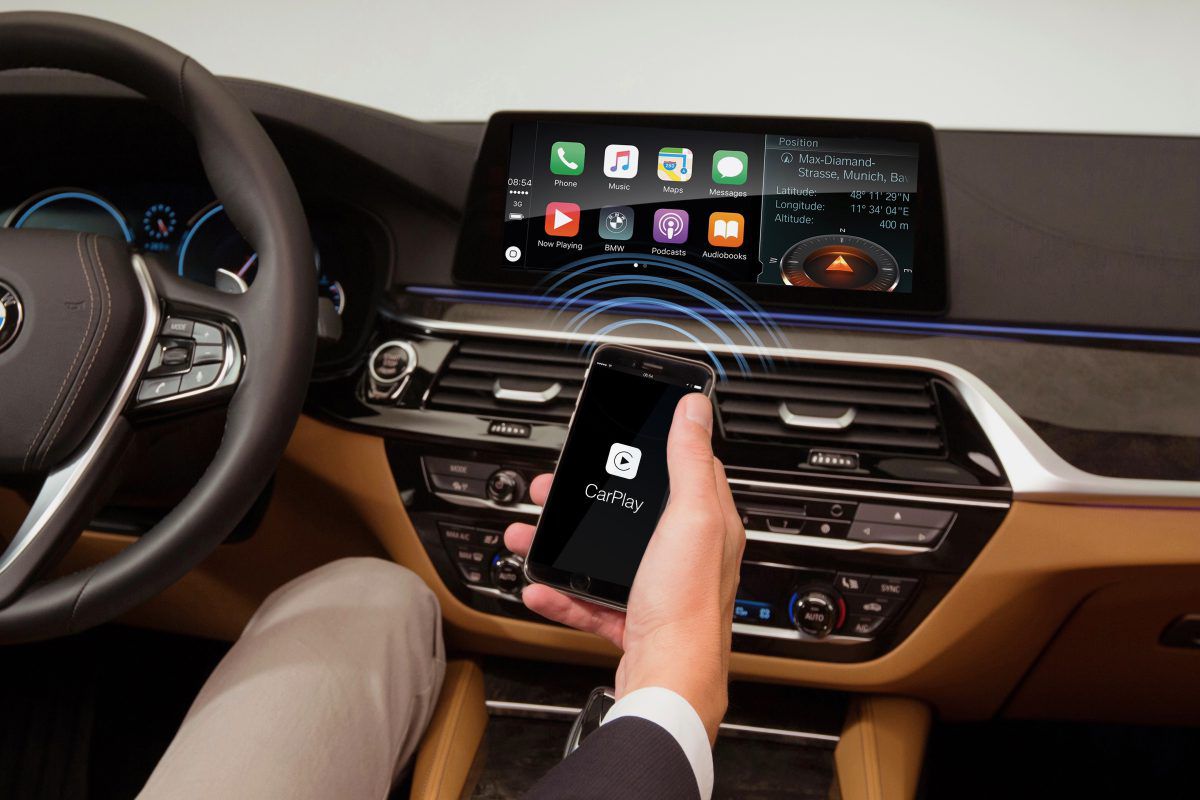
    The funny thing about Apple’s World Wide Developer Conference (WWDC) was that the most interesting piece of software the Cupertino-based giant showcased may not reach the hands of consumers till 2024. And no, it isn’t the much-talked-about VR and augmented reality headset it has been working on. It is the new expanded version of CarPlay it showed off which showcased a wild new interface for cars that extended beyond the infotainment screen to the instrument cluster.

    Apple says that this new CarPlay will show up in partner cars in late 2023. It lined up a show of force with brands like Mercedes Benz, Volvo, Volkswagen, Audi, Porsche,  Honda, Ford, Jaguar Land Rover and Renault. But when some of these brands were asked independently, it seemed that they didn’t know much about what Apple was doing and sounded cagey about confirming or denying that Apple’s new CarPlay would show up in their product line in the future.

    Apple’s gambit is also one that is predicated on the iPhone remaining the centre of the experience. The Volkswagen group on some level has made a tacit admission that its clientele is an iPhone crowd. That’s why the deep integration with Apple Music has been added to Porsche and Audi models while audio streaming services like Spotify and YouTube Music have been left behind in the dust. But this is also a scary proposition for auto companies as it creates a layer of dependence on a tech giant like Apple which seemingly has unlimited resources.

    Tesla has famously left both Apple and Google out of its infotainment experience. But then there is pragmatism at places like Ford and Volvo who have wholeheartedly adopted Google’s Android Automotive embedded OS for cars. They believe that Google is better at software and they could save the extra cash as they spend the next decade during a once-in-a-lifetime power train transition towards electric.

    However, in the case of Google, Android Automotive is at the heart of the car and is not beamed off an Android phone. OEMs get a say in what apps are being approved. For instance, the Vivaldi browser is on Renault and Polestar cars with Android Automotive but not in the Volvo XC40 Recharge.

    Apple’s interface doesn’t look just gorgeous and simple – more so than what Google has cooked up, but it will be also very private following one of the principles of the Tim Cook-led gadget-making titan. This would scare the bejesus out of an automaker as not a lot of data would be forthcoming. Apple could leverage the App Store on the iPhone to extend apps to the car via CarPlay which would help it create a bigger and better store faster. This would entrench a carmaker’s dependence on Apple.

    Already CarPlay and Android Auto have become table-stakes as phone beaming technologies. But they also visually break the experience one has in the car. Even with the latest lot that features digital instrument gauges – even on the best of the best – the Mercedes S-Class, you see MBUX that looks like something from the mid-2000s designed for Windows and then when you turn on CarPlay you see a simple and functional UI. Apple extends that elegance with the new CarPlay with gauge clusters designed using the ideas from the Apple Watch complications and widgets for iOS.

    Siri may not be as good as the Google Assistant but remains light years ahead of anything an automaker has including the “Hey Mercedes” voice command in the new C-Class and S-Class. Apple will certainly be able to enhance Siri and basically help decimate any of these software ventures that Mercedes and some of the European automakers are developing. No wonder, Mercedes hasn’t come out wholeheartedly and said that “we are adopting the new CarPlay”.

    Apple hasn’t revealed much about any specific hardware requirements. In fact, Apple says that this new system can scale to multiple screens and sizes seamlessly. Apple has shown a penchant for supporting multiple screen sizes and resolutions better than Google with less fragmentation in the user experience, but it will come with some strict hardware requirements something the company isn’t talking about right now. This is a technical eventuality.

    All of this also is also in line with how Apple enters a new product space. It does a taster. It launched iTunes before the iPod. It partnered with Motorola for the iPod phone before the iPhone. It spent more than a decade perfecting its own designed semiconductors before it added it to the Mac a year and a half ago. Likely, it will do the same with AR and VR with iOS and all of its platforms being ready for the technology for now more than five years since when AR Kit was launched.

    It is perhaps the auto industry’s worst-kept secret that Apple has been developing an electric self-driving car. It has been a rocky journey which has a number of executives coming in and leaving the tech giant. Now with operations of the Apple Car being under the care of John Giannandrea and Kevin Lynch – the leads for AI and Apple Watch, the new CarPlay shows signs of their touch quite succinctly.

    But with an actual Apple Car still, years away or perhaps a pipe dream like the so-called Apple TV that many expected after the death of Steve Jobs, this new CarPlay is certainly a way for Apple gets a hang of the auto industry – what works, what doesn’t. It also gets a consumer touch point and potentially it could be another hook for revenues either by licensing this interface to automakers or through App Store fees or both.

    It also flexes why Apple’s software chops are far beyond any automaker perhaps outside of Tesla. If this works – everyone wins – but in the long run, if Apple is able to get its self-driving car project off the rails, then this could also mean trouble for everyone who adopts it. But automakers also don’t have much choice here – they aren’t as good as Apple or Google with software and nor are remote as cash-rich as the two. At the same time, their lunch is being had by Tesla quarter by quarter as the world increasingly moves towards electric cars, so they can best hope – Apple doesn’t have their breakfast, lunch and dinner with this invasion via CarPlay.

    And oh, while this happens, Apple is continuing to develop the basic phone beaming CarPlay. So either way, Apple wins and the iPhone remains the centre of yet another experience.


  • REE Unveils Leopard, A Fully Autonomous Concept Vehicle

    REE Unveils Leopard, A Fully Autonomous Concept Vehicle

    REE Automotive revealed its autonomous concept vehicle based on a brand new ultra-modular EV platform design. The full-scale concept is geared for customers including last-mile autonomous and electric delivery companies, delivery fleet operators, e-retailers, and technology companies seeking to build fully autonomous solutions.

    Leopard’s design and specifications are the results of collaborative work with leading global delivery and technology companies focused on autonomous delivery and Mobility as a Service (MaaS) fleets. The concept vehicle is 3400 mm in length with front-wheel-steer, rear-wheel-drive, and has a 2-tonne gross vehicle weight.

    Leopard – the last mile autonomous concept vehicle – is designed to carry significantly more cargo due to REE’s low, flat floor. This means improved environmental impact of fewer trips in fewer vehicles, backed by a strong cost of ownership (TCO) structure: each vehicle in the fleet will be less expensive to run and maintain due to reduced energy cost and improved serviceability, leading to lower maintenance costs.

    Daniel Barel, REE co-founder, and CEO said, “Autonomous and electric vehicles ‘Powered by REE’ offer unsurpassed operational efficiency and the lowest total cost of ownership combined with full flexibility when it comes to integrating top hats in virtually any size, shape or form. We’re here to make the shift to a carbon-neutral future a reality faster and at scale.”

  • Android Automotive Will Be In 10 Cars By End Of 2021

    Android Automotive Will Be In 10 Cars By End Of 2021

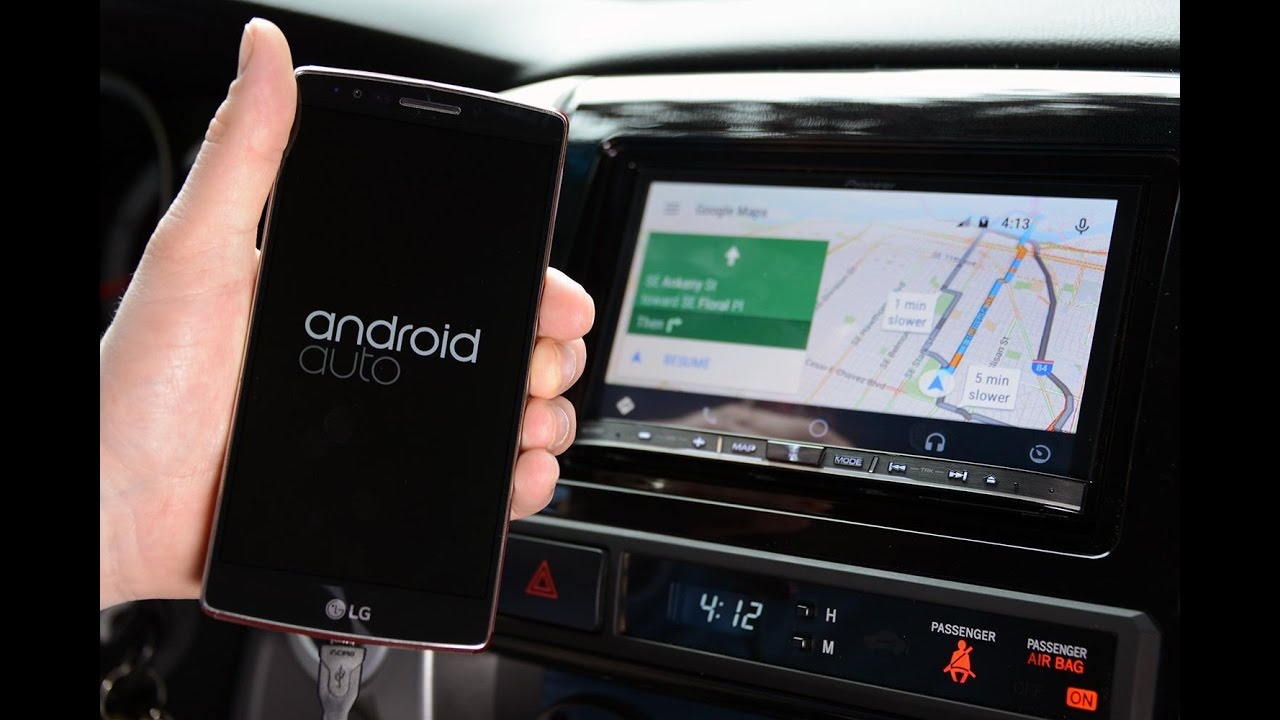
    Google has already announced at wireless Android Auto is soon going to be going to a legion of cars by mainstream manufacturers. At Google IO 2021, it also announced a new digital car key feature that works via NFC and ultra-wideband. It is also saying that we will see 10 new models based on its Android Automotive operating system by the end of the year. Android Auto and Automotive are different. Android Auto is a technology that basically allows the user to beam and mirror the smartphone interface and features using the infotainment system onto the car, while Android Automotive is a full car operating system based on Android.

    Google has partnered with GM and Renault in addition to its existing partnership with Volvo and its electric subsidiary Polestar. It has also added Nissan and Ford to the list. Overall there will be more than 10 car models. This means the new GM Hummer EV — yes, it will be based on Google’s new car operating system.

    After facing a strict fine in Italy, Google is also making it easier for third-party app developers to bring their navigation, EV charging, parking and media apps directly to the car interface. Android for Cars App Library is being extended to support the Automotive OS. This way developers can make one app that works both with the core Android OS for gadgets like phones and tablets and Android Auto. It also means that one app can work across different makes and models. This wasn’t possible earlier which added friction to the process of bringing new apps to Android Automotive.

    Google is working with a bunch of  Early Access Partners — Parkwhiz, Plugshare, Sygic, Chargepoint, Flitsmeister, SpotHero and many more to bring their apps to Android Automotive. Already third-party apps like Spotify support Cars App Library for Android Auto, now with that being extended to Automotive, that app should be presumably coming to cars using Android Automotive.

    Android itself is based on Linux and 2 years ago, Google modified it further to work on cars as an alternative and more scalable option to Android Auto which was running on the phone but the interface of the phone was being beamed on to the car using a USB connection or a combination of wifi and Bluetooth. This mean core Google features like Maps, and Assistant were embedded inside the car on a system level.

    The first cars based on this system were the Polestar 2 and the Volvo XC40 Recharge which is also coming to India later this year.

  • Samsung To Develop Autonomous Driving Chip For Google’s Waymo

    Samsung To Develop Autonomous Driving Chip For Google’s Waymo

    Samsung Electronics recently won a project for Google parent Alphabet’s autonomous driving unit Waymo to develop chips for next-generation self-driving cars, South Korean media reported on Monday.

    Samsung will develop a chip that computes data collected from various sensors installed in autonomous vehicles or centrally controls functions by exchanging information with Google data centers in real-time, South Korean newspaper Herald Business reported, citing an unnamed industry source.

    The project is expected to be carried out by Samsung’s logic chip development division System LSI’s Custom SOC Business Team, it added.

    Samsung Electronics declined to comment regarding client company matters. Alphabet did not have an immediate comment.