Tag: automotive

  • GetGo Launches Cross-Border Car Sharing from Singapore into Malaysia

    GetGo Launches Cross-Border Car Sharing from Singapore into Malaysia

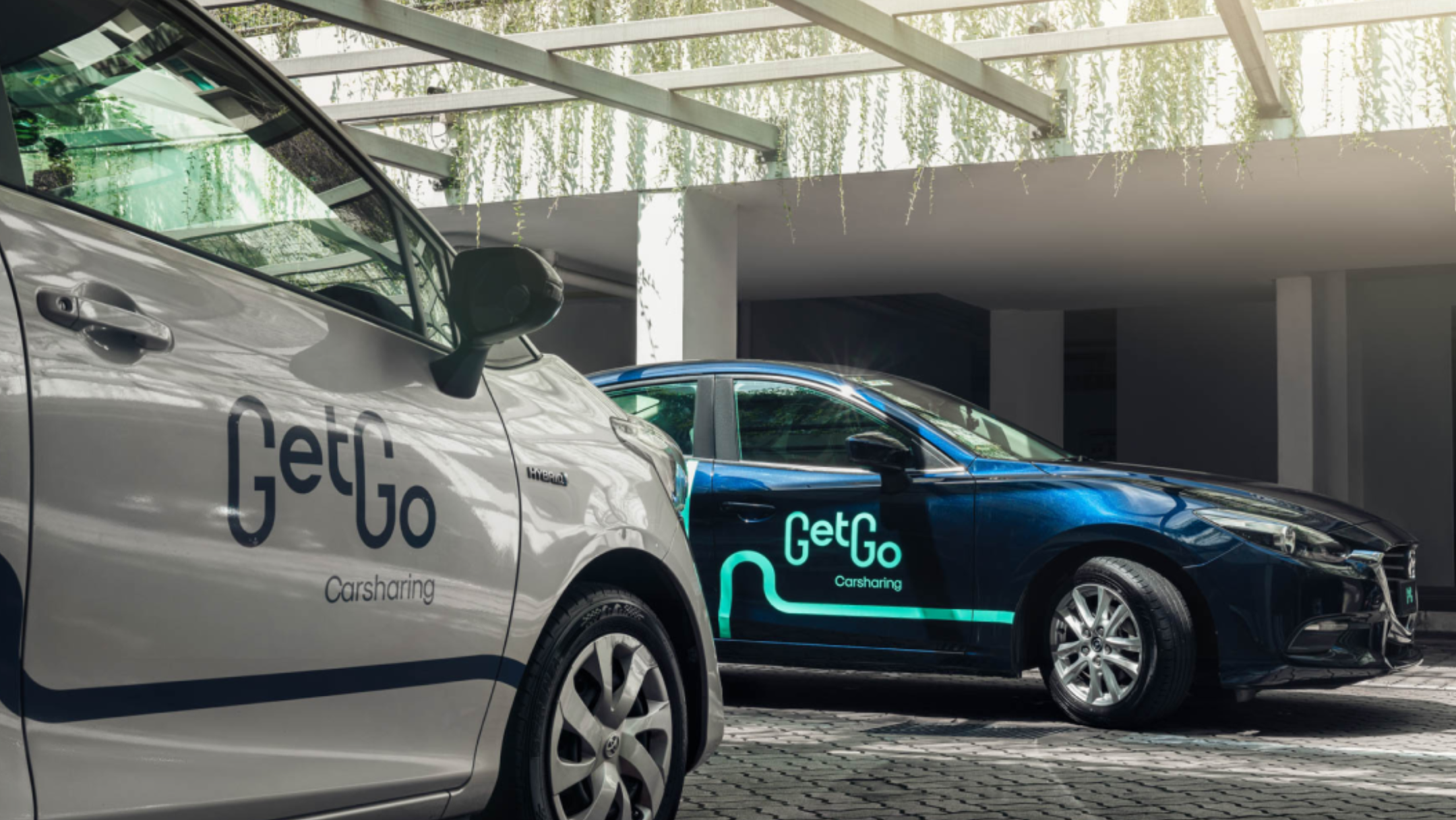
    Singapore car-sharing operator GetGo rolled out a cross-border rental feature letting users drive vehicles directly across the Causeway into Peninsular Malaysia. The service gives drivers access to cars pre-registered with Malaysia’s mandatory Vehicle Entry Permit.

    Users can collect a car from local Singapore neighbourhoods and drive across the border to destinations including Johor Bahru and Kuala Lumpur. Unlike point-to-point cross-border taxis and ride-hailing services, the rental imposes no fixed route requirements or designated drop-off points during the booking window.

    How the Causeway booking works

    The feature, branded Drive to Malaysia, handles the regulatory paperwork required by Malaysian transport authorities before drivers leave the city-state. Each eligible vehicle comes fitted with a registered Vehicle Entry Permit RFID tag, avoiding the administrative delays that private vehicle owners face when securing cross-border clearance.

    Drivers retain full control of the itinerary throughout Peninsular Malaysia for the entire duration of their scheduled reservation. They pick up the car at an assigned Singapore bay and return it to the same spot once their trip concludes.

    Shifting border transit demand

    The service targets weekend shoppers, business commuters, and holiday travellers who previously depended on cross-border coach networks, licensed cross-border cabs, or private vehicle ownership. Cross-border transit across the Johor-Singapore Causeway ranks among the busiest land crossings worldwide, yet car-sharing models in the region historically restricted fleets to domestic borders.

    By clearing regulatory permit hurdles in advance, fleet operators open a new revenue line during peak travel weekends. The next operational test for cross-border car sharing centres on fleet availability and user adherence to Malaysia’s digital toll and fuel regulations during peak holiday travel periods.
  • BYD Launches Flagship Sealion 08 SUV in China from $33,890

    BYD Launches Flagship Sealion 08 SUV in China from $33,890

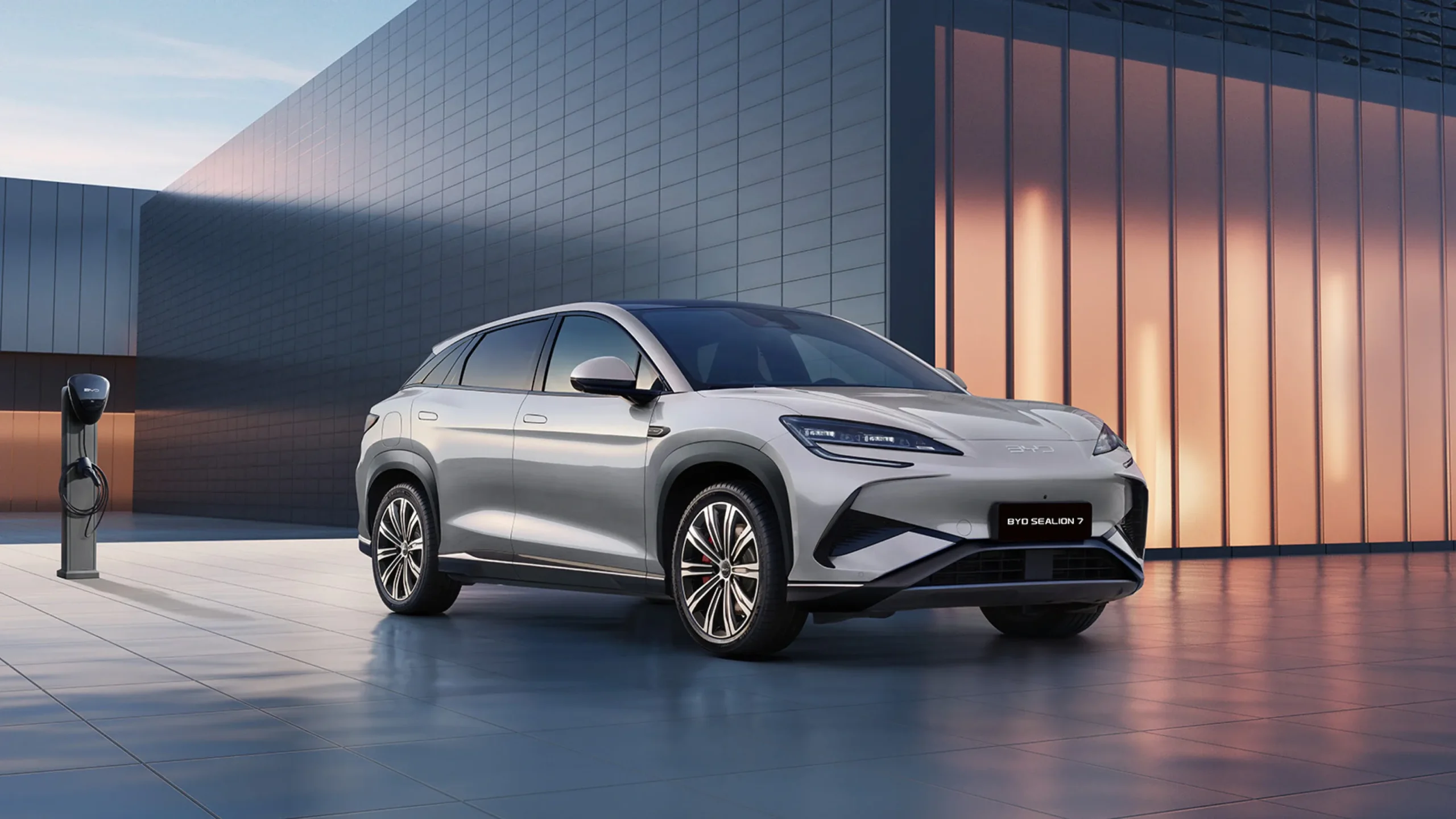
    BYD launched its flagship Sealion 08 SUV in China on Wednesday, priced between 229,900 yuan ($33,890) and 279,900 yuan across eight variants. The mid-to-large model offers battery electric and plug-in hybrid options with five- and six-seat configurations.

    Plug-in hybrid editions run from 229,900 yuan to 269,900 yuan, pairing a 55.843-kilowatt-hour battery with a fuel tank for up to 1,650 kilometers of combined range. Rear-wheel-drive hybrid versions deliver 400 kilometers of battery-only range under CLTC testing, while all-wheel-drive models offer 350 kilometers. Fuel consumption on a depleted battery sits at 4.6 liters per 100 kilometers under NEDC benchmarks.

    Fast charging and hardware specs

    Pure electric versions cost from 239,900 yuan to 279,900 yuan and use a 115.072-kilowatt-hour battery pack. The rear-wheel-drive electric variant delivers up to 900 kilometers of CLTC range with a 370-kilowatt motor, while the twin-motor all-wheel-drive edition offers 800 kilometers. Both powertrains incorporate BYD’s second-generation Blade Battery and flash-charging hardware that lifts battery charge from 10 percent to 70 percent in five minutes.

    Measuring 5,115 millimeters in length with a 3,030-millimeter wheelbase, the SUV includes active rear-wheel steering that tightens its turning radius to 4.95 meters. Dual-chamber air suspension and BYD’s DiSus-A body control system come standard, alongside God’s Eye 5.0 driver-assistance software for urban navigation.

    Defending volume in premium family segments

    The vehicle arrives as domestic competitors crowd China’s family SUV segment, directly targeting rivals such as Xpeng’s G9L and Great Wall Motor’s Wey V8X. BYD is using the Ocean lineup to push its namesake badge into higher price bands, bridging the gap between mass-market commuter cars and dedicated luxury nameplates like Denza.

    Sales momentum for the Sealion badge showed signs of plateauing before this release, with August deliveries dipping 8.86 percent year-on-year to 48,559 units. The series delivered 275,974 vehicles in the first eight months of the year, representing just over 10 percent of the carmaker’s total group volume. Dealerships will watch whether the 08 variant can reverse that monthly slip as deliveries ramp up through the final quarter.

  • Mitsubishi Motors Revives Pajero SUV Starting in Thailand

    Mitsubishi Motors Revives Pajero SUV Starting in Thailand

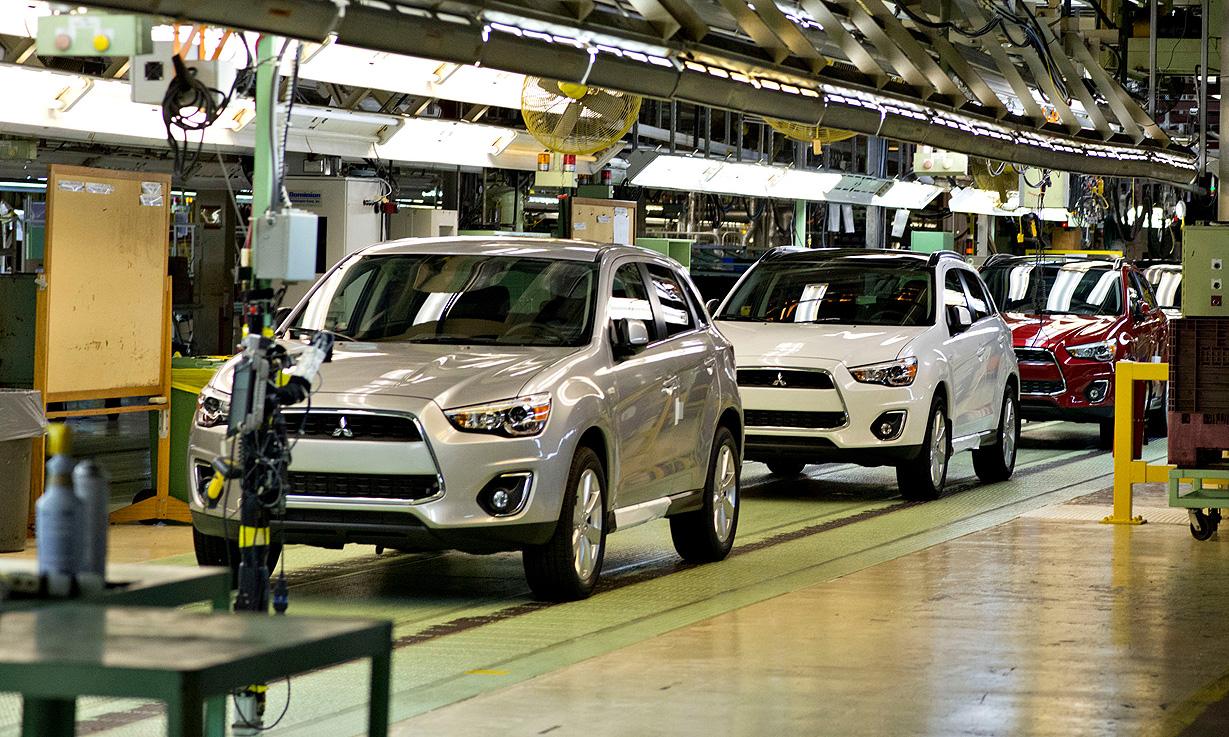
    Mitsubishi Motors has unveiled the reboot of its flagship Pajero sport utility vehicle, beginning a worldwide commercial rollout that starts in Thailand.

    The Tokyo-based carmaker is leaning on its best-known nameplate to protect sales volumes across Southeast Asia, where Japanese brands face intense competition from Chinese electric vehicle manufacturers.

    Defending the Southeast Asian Base

    Thailand serves as Mitsubishi’s primary manufacturing and export hub in the region. Launching the Pajero there first targets a domestic customer base that has historically favored rugged, ladder-frame utility vehicles and diesel-powered transport.

    Chinese brands such as BYD have expanded rapidly across Thai showrooms, cutting into market share long dominated by Japanese legacy marques. Mitsubishi is countering that push by committing further to full-sized utility models where brand loyalty and established dealership servicing networks remain strong.

    The Broader Regional Landscape

    Japanese automakers have spent decades building integrated supply chains and dealer networks across ASEAN member states. That dominance is eroding as regional governments roll out subsidies and lower tariffs to attract battery-powered vehicle manufacturing.

    While rivals accelerate software alliances and pure electric platforms, Mitsubishi is relying on proven model equity to maintain factory output and retail cash flow across its core export destinations.

    Mitsubishi will follow the Thai debut with rollout schedules, pricing and regional delivery dates for secondary export markets across Asia-Pacific and the Middle East.

  • BYD Adapts Japanese Kei Car Platform for European Electric Microcars

    BYD Adapts Japanese Kei Car Platform for European Electric Microcars

    BYD will develop compact electric cars for Europe using vehicle architecture and battery technology adapted from its Racco microcar sold in Japan for 2,145,000 yen.

    The plan uses the structural layout of the Japanese mini-vehicle to anchor a new line of small urban cars tailored to export markets. While the Japanese Racco measures 3.40 metres long and 1.48 metres wide, the export derivatives will be larger to match European consumer preferences and safety standards.

    Underfloor Battery Integration

    Central to the export project is the X-Pack battery format developed for the Racco. The design packs the motor inverter and primary control units directly inside the underfloor battery housing rather than mounting them separately in a traditional front motor bay.

    That unit combines with BYD’s lithium iron phosphate Blade cells in a cell-to-body structure where the pack functions as a load-bearing chassis component. By eliminating standalone control housings and shortening internal wiring runs, the company cuts manufacturing costs and frees up passenger space inside short-wheelbase bodies.

    In Japan, the Racco runs on a 36 kilowatt-hour pack and a 47-kilowatt front-axle motor, delivering a range of 320 kilometres. The European variants will use scaled versions of the same integrated platform to hit higher cruising speeds while keeping overall vehicle length under 4.20 metres.

    Positioning Below The Dolphin Surf

    Staying under the 4.20-metre threshold allows BYD to target the European Union’s proposed M1E small-vehicle classification, which is expected to carry regulatory incentives. The planned models will sit below BYD’s existing 3.99-metre Dolphin Surf hatchback.

    European legacy brands have struggled to build profitable electric city cars below the 20,000-euro mark because small battery packs carry high fixed component costs. BYD’s transfer of Japanese kei-car packaging gives the Shenzhen carmaker a direct shortcut into entry-level pricing in Western markets.

    Production of the new compact models could feed into BYD’s passenger car assembly plant in Szeged, Hungary, where trial production began earlier this year.

  • China Orders Automakers to Curb Overseas Price Cuts as Exports Surge

    China Orders Automakers to Curb Overseas Price Cuts as Exports Surge

    China ordered domestic automakers to halt volatile overseas price cuts and deceptive marketing across foreign markets on Tuesday, after passenger car exports reached 5.18 million units through July.

    Shipments of electric and plug-in hybrid vehicles jumped 129 per cent to roughly 2.77 million units over the same seven-month period.

    Jointly released by the Ministry of Commerce, the Ministry of Industry and Information Technology, and the State Administration for Market Regulation, the 20-article rulebook targets predatory pricing practices that damage brand reputations abroad. The agencies directed manufacturers to set export prices based on production costs and local supply, avoid abrupt discounts, and give foreign dealerships full autonomy over retail pricing. Sales incentives, customer gifts, and financing promotions must also comply transparently with host-market laws.

    Rules for Dealerships and Data

    Beyond showroom floors, the guidelines govern physical factory investments, which currently span more than 80 countries. Auto groups setting up regional assembly plants must adhere to local workplace safety, intellectual property protections, after-sales requirements, and labor standards.

    The policy also places strict limits on software and vehicle intelligence. Companies running connected-car or autonomous-driving systems abroad must handle consumer privacy and cross-border data transfers in accordance with local regulations.

    Exporting Domestic Competition

    Prolonged price wars inside China squeezed dealer margins and triggered aggressive showroom discounting over the past two years. By extending regulatory supervision overseas, Beijing is stepping in to prevent state-backed and private manufacturers from exporting those destructive discounting tactics into Southeast Asia, Europe, and Latin America.

    Passenger new energy vehicle shipments reached 540,000 units in July alone, capturing 58.8 per cent of total passenger exports, as manufacturers attempt to outpace the 8.32 million total vehicles China exported worldwide in 2025.

  • LG Energy Solution Buys 80,000 Tonnes of Arkansas Lithium in Ten-Year Deal

    LG Energy Solution Buys 80,000 Tonnes of Arkansas Lithium in Ten-Year Deal

    South Korea’s LG Energy Solution signed a ten-year binding agreement with Smackover Lithium to buy 8,000 tonnes of battery-grade lithium carbonate annually starting in 2029.

    The contract secures 80,000 tonnes in total from the South West Arkansas Project, representing more than a third of the site’s planned first-phase output of 22,500 tonnes per year. Commercial terms and pricing remain confidential.

    Smackover Lithium Direct Extraction Project

    Smackover Lithium operates as a joint venture formed in 2024 between Standard Lithium, which holds 55 per cent, and Norwegian energy firm Equinor, which owns 45 per cent. The venture uses direct lithium extraction to pull the metal straight from underground brine rather than relying on evaporation ponds across sites in Arkansas and Texas.

    Trading house Trafigura locked in another 8,000 tonnes annually from the same project in March. Together, the Trafigura and LG Energy Solution contracts cover roughly 90 per cent of the venture’s target to pre-sell 80 per cent of its planned capacity.

    Three export credit agencies have offered more than $1 billion in prospective debt financing to back the buildout. Project partners expect to reach a final investment decision before the end of the year.

    Local Sourcing for North American Cell Plants

    For LG Energy Solution, securing Arkansas supply ensures raw materials bypass restrictions tied to foreign entities of concern. Asian battery manufacturers face strict domestic sourcing rules in the United States, driving heavy investment into local processing deals and joint-venture extraction projects.

    The Seoul-based manufacturer operates an expanding manufacturing network across North America, targeting more than 50 gigawatt-hours of lithium iron phosphate production capacity by the end of 2026 across five sites. That footprint supplies stationary storage systems, including units for Tesla, alongside electric vehicle programmes.

    Production recently started at the company’s Lansing facility in Michigan, which will add nickel-manganese-cobalt cell lines for Toyota electric vehicles alongside its existing storage battery output.

  • TSMC Agrees to Produce Three 3Nm Chips for Xiaomi

    TSMC Agrees to Produce Three 3Nm Chips for Xiaomi

    Taiwan Semiconductor Manufacturing agreed to produce three custom chips for Xiaomi, including a next-generation three-nanometre smartphone processor starting in 2026.

    The contract ties the $2.0 trillion Taiwanese foundry directly into the Chinese brand’s hardware expansion across flagship handsets, smart devices and automotive platforms. Xiaomi plans to deploy the primary 3nm design, designated the Xring O3, in its premium smartphones before rolling out two companion processors for consumer artificial intelligence devices and autonomous vehicle controls.

    Expanding beyond data centres

    Adding Xiaomi diversifies TSMC’s advanced-node order book at a time when top-tier 3nm wafer allocation has remained heavily concentrated among Western computing and mobile clients. Handset manufacturers in Asia have spent three years attempting to bring proprietary silicon in-house to reduce their dependence on merchant chipmakers. Xiaomi’s commitment to custom designs manufactured on TSMC’s cutting-edge lithography mirrors earlier silicon strategies from rival hardware makers, though extending those designs into vehicle autonomy widens the operational scope.

    For consumer tech brands in Asia, controlling chip architecture allows tighter software integration across connected ecosystems, from living-room appliances to electric sedans. The arrangement secures advanced fabrication capacity for Xiaomi while providing TSMC with volume demand outside its core server and cloud computing base.

    Wafer volume targets

    Initial commercial success hinges on the manufacturing yield and delivery pace of the Xring O3 line during 2026. Market performance will depend on the speed at which Xiaomi ramps retail shipments of its 3nm handsets and incorporates the subsequent automotive silicon into its production vehicles.

  • Hyundai Commits to Extended-Range Electric Vehicles

    Hyundai Commits to Extended-Range Electric Vehicles

    Hyundai Motor Group is developing extended-range electric vehicles to broaden its electrified lineup across major automotive markets. The powertrain format pairs electric motors with a small petrol engine acting solely as an onboard generator to charge the battery pack while driving.

    The technology eliminates direct mechanical drive from the combustion engine to the wheels, delivering pure electric driving dynamics without public charging dependency on long journeys.

    How the Powertrain Operates

    Extended-range electric vehicles rely on an electric motor to turn the axles at all times. When battery capacity runs low, an internal combustion engine kicks in to supply electricity directly to the battery and motor. Drivers refuel at conventional petrol stations while retaining the smooth acceleration and regenerative braking of a dedicated battery electric vehicle.

    Automakers increasingly view the technology as a practical interim solution for buyers concerned about charging station availability, high battery replacement costs, and cold-weather range degradation.

    Market Competition and Powertrain Shifts

    Chinese manufacturers such as Li Auto and Seres built substantial domestic market share using extended-range architectures over the past three years. Hyundai’s push into the format brings direct competition from an established legacy carmaker to a powertrain segment previously dominated by Chinese electric vehicle specialists.

    The strategy lets the Seoul-based manufacturer scale electrified production while managing capital allocation across pure battery development, conventional hybrids, and software-defined vehicle architectures.

    Hyundai plans to roll out its initial extended-range models across target regional markets as production schedules and regional regulatory frameworks align.

  • Toyota and Honda Face Factory Closures Under Proposed 50 per Cent US Tariff

    Toyota and Honda Face Factory Closures Under Proposed 50 per Cent US Tariff

    Toyota and Honda face potential plant closures in Canada after US President Donald Trump proposed doubling import tariffs on Canadian-built vehicles to 50 per cent.

    The two Japanese manufacturers assemble more than three-quarters of all light vehicles produced in Canada, making them the most exposed automakers to the cross-border levy.

    Canadian shipments represent 24 per cent of Honda’s US sales volume and 17 per cent of Toyota’s deliveries, according to Barclays data. Key export models include the Toyota RAV4 and the Honda CR-V, two of the top-selling sport utility vehicles in the American market. If implemented on Jan 1, 2027, the duties would force both companies to alter production networks that took decades to build.

    Rebuilding the North American Footprint

    Existing US tariffs cost Toyota approximately 1.4 trillion yen in the 2025 financial year. In response, the group committed up to $10 billion over five years to expand its manufacturing footprint inside the US, including a $3.6 billion assembly facility in Texas that will take over production of the Tacoma pickup truck from Mexico.

    Honda faces a steeper hurdle because its automotive unit is still working through a turnaround plan. The company has put plans for an eighth North American assembly facility on hold while talks over the US-Mexico-Canada Agreement remain unresolved. South Korea’s Hyundai reported similar delays to its regional capital spending in 2025.

    Squeezed Between US Tariffs and Chinese EVs

    The border friction hits Japanese manufacturers at a weak point in their global operations. Chinese electric vehicle makers led by BYD have eroded market share for Japanese brands across Southeast Asia, Australia and Latin America, leaving North America as the primary profit engine for both Toyota and Honda. With Chinese brands barred from the US market, defending North American market share is essential for Tokyo’s automotive sector.

    Redirecting Canadian output to alternative export destinations presents structural problems. Assembly lines in Ontario build vehicles configured specifically for US safety and emissions rules, while alternative factories across the Pacific already run close to maximum capacity.

    Negotiations over the USMCA framework continue ahead of the planned Jan 1, 2027 tariff implementation date, with Japanese parts suppliers holding off on capital allocation until trade terms are finalized.

  • Toyota to Build Next Lexus EV in China Ahead of Japan Launch

    Toyota to Build Next Lexus EV in China Ahead of Japan Launch

    Toyota Motor plans to manufacture its next-generation Lexus electric vehicle in China ahead of Japan, deploying gigacasting technology in Shanghai to cut production costs.

    The decision breaks with the ¥36.9 trillion automaker’s established practice of debuting new Lexus platforms at domestic Japanese assembly plants before rolling them out overseas.

    Gigacasting and Supply Chain Shifts

    Toyota will base the new manufacturing operations in Shanghai to shorten production lead times and align output with local buyers. Adopting gigacasting techniques allows the factory to cast large single-piece structural components, reducing assembly steps and altering Toyota’s global cost structure for future battery-electric models.

    Targeting China first concentrates advanced manufacturing where volume demand for premium electric cars is concentrated. The rollout forms part of Toyota’s plan to use internal battery investments and tighter plant efficiency to protect profit margins as its electrified vehicle ratio rises.

    Price Pressures in Shanghai

    Lexus contends with severe retail rivalry across China from Tesla, BMW and local electric brands that continue to push aggressive discounting across the luxury segment. Building inside China removes import overheads and shortens delivery cycles, helping the brand defend showroom pricing and aftersales service value.

    The next operational milestone will be the integration of the gigacasting lines at the Shanghai facility as Toyota works to bring the platform into commercial production without straining operating cash flows.

  • Japan Warns Natural Disasters Threaten Automotive and Chip Supply Chains

    Japan Warns Natural Disasters Threaten Automotive and Chip Supply Chains

    Japan flagged supply chain risks from recent natural disasters on Thursday, even as the government maintained its assessment that the broader economy continues a moderate recovery.

    The Cabinet Office added the warning to its August report following a magnitude 7.1 earthquake in Kumamoto Prefecture on July 28 and torrential rain across Chiba Prefecture on Aug. 13. Kumamoto forms a major manufacturing hub for semiconductor and automotive components across East Asia. While plants have begun restarting production lines, disruptions to component flow still pose risks to industrial output.

    Supply Chain Knots and Farming Losses

    Kumamoto’s cluster of chip and automotive parts plants feeds assembly networks across Japan and regional export channels. Factory operators resumed output in stages throughout August, but the government warned that bottleneck risks persist. Heavy rain in Chiba damaged regional farming operations, threatening short-term supply for agriculture, forestry, and fisheries.

    Capital expenditure showed resilience despite the disruptions. Corporate investment picked up steadily across the technology sector, driven by data infrastructure spending and demand for artificial intelligence hardware.

    Spending Holds as Rental Housing Stabilises

    Private consumption showed movements of picking up, leaving the official assessment unchanged for the month. Retailers and consumer brands continue to benefit from stable domestic demand, though high material costs kept new builds for owner-occupied houses and condominiums subdued. Stronger demand for rental properties helped lift the overall housing assessment from sluggish to generally flat.

    Corporate earnings delivered solid numbers for the April to June quarter, prompting the Cabinet Office to upgrade its stance on business profits to improving. Wholesale inflation showed signs of cooling, with corporate goods price growth slowing as petroleum-related input costs eased.

    Manufacturers and retail networks now face the test of third-quarter earnings to show whether component delays in Kyushu and agricultural losses in Chiba hit operating margins.

  • BMW Motorrad Pursues Partnerships with Indian and Chinese Rivals

    BMW Motorrad Pursues Partnerships with Indian and Chinese Rivals

    BMW Motorrad is pursuing collaboration with motorcycle manufacturers in India and China as European and Japanese brands face growing pressure from lower-cost Asian rivals.

    Markus Flasch, chief executive of the German automaker’s motorcycle unit, outlined the strategy in Tokyo as traditional manufacturers adjust to shifting global competition.

    Pressure from lower-cost producers

    European and Japanese motorcycle brands face a more demanding market environment as Indian and Chinese builders scale up output with lower pricing structures. Flasch said brand prestige, heritage and manufacturing quality continue to carry equal weight with consumers alongside price competitiveness.

    Cooperation across key markets

    Working directly with regional manufacturers gives established global brands access to local production scale and competitive cost bases in key Asian territories. Flasch indicated that maintaining technical standards and premium positioning remains central to the group’s response to rising competition across developing two-wheeler markets.

    BMW Motorrad is now evaluating operational alignments as domestic players in India and China accelerate their own product rollouts and international expansion.

  • China Orders Year-Long Auto Safety Review as EV Deliveries Fall 12.5 per Cent

    China Orders Year-Long Auto Safety Review as EV Deliveries Fall 12.5 per Cent

    China’s industry ministry has launched a nationwide quality inspection campaign across the auto sector. The decision follows a 12.5 per cent drop in domestic electric vehicle deliveries in the first seven months of 2026.

    Roughly 100 domestic manufacturers fall under the one-year regulatory review. Officials are targeting smart driving features, vehicle design standards and battery hardware. Vice-Minister of Industry and Information Technology Xin Guobin told a Beijing press conference that authorities will bar new auto technologies from the market if they fail stricter verification protocols.

    Stricter rules for driver assistance

    Regulators stepped in following fatal crashes and a rise in complaints over software malfunctions and battery defects. In central China’s Anhui province, three people died when a Xiaomi SU7 crashed into a barrier under driver-assistance software. The system alerted the driver only two seconds before impact. State media also reported an increase in formal battery quality complaints filed with public inspection bodies this year.

    Automakers must now redirect capital toward core manufacturing controls instead of racing to roll out experimental software. For years, domestic brands used rapid updates to autonomous driving and digital cockpits to stand out in crowded showrooms. Stricter approvals will slow product rollouts across the board. That gives established global marques breathing room while putting cash-strapped local startups under immediate strain.

    Price wars and dropping sales

    Showroom traffic is contracting sharply as the checks begin. Data from the China Passenger Car Association showed overall passenger vehicle deliveries fell 20.9 per cent year on year in July to 1.46 million units. Electric vehicle deliveries dropped 3.9 per cent to make up 65.1 per cent of that total. It was the seventh straight month of declining volume.

    Price cuts have failed to revive foot traffic as consumer subsidies taper off. Domestic manufacturers delivered 5.67 million electric vehicles between January and July, down from the same period a year earlier. RetailNews Asia will track whether the ministry’s inspection guidelines, scheduled to take effect within weeks, trigger formal product recalls or delayed model launches in the fourth quarter.

  • Chinese Automakers Surge Overseas as Domestic EV Sales Slip in July

    Chinese Automakers Surge Overseas as Domestic EV Sales Slip in July

    Chinese electric vehicle exports jumped 147.8 per cent year on year in July, helping carmakers cushion a 5 per cent sales drop in their home market. Total domestic EV deliveries slipped to 980,000 units during the month, while global electrified vehicle sales rose 9 per cent to 1.85 million units.

    Total Chinese auto exports reached 923,000 vehicles in July, up 88.2 per cent. At home, overall car sales slid 21.1 per cent to 1.47 million units, extending a ten-month contraction across mainland dealerships. During the first half of the year, domestic vehicle sales fell by 2.3 million units, a 20 per cent decline.

    BYD and the European Push

    BYD illustrates the shift. The Shenzhen-based manufacturer saw domestic sales fall 35 per cent during the first seven months of the year, yet its overseas deliveries jumped 79 per cent. Brazil and Britain have become BYD’s two largest markets outside China this year.

    Mainland brands now account for nearly a quarter of all EV shipments into Europe. In July, European EV demand expanded 33 per cent to 450,000 units, supported by incentives in Spain, Germany, France and Britain. Several Chinese manufacturers are now moving beyond direct shipments to construct assembly plants across the continent.

    Tariff Headwinds and Emerging Markets

    Demand outside the major western economies expanded faster. In markets across Southeast Asia, Latin America and parts of Asia outside China, EV sales rose 96 per cent through July to 1.7 million units, according to the International Energy Agency.

    North America moved in the opposite direction. EV sales across the region dropped 27 per cent in July to 140,000 units after the United States ended federal tax credits in September 2025. In Mexico, Chinese brands captured 17 per cent of new car sales in the first half, selling 137,525 vehicles, even after Mexico imposed a 50 per cent tariff on Chinese auto imports on January 1.

    Regional manufacturers now face tighter margins as price competition at home forces them to secure port capacity and local factory sites across Europe and Southeast Asia before trade barriers rise further.

  • BYD and Bus Cap Plan Electric Commercial Vehicle Plant in Malaysia

    BYD and Bus Cap Plan Electric Commercial Vehicle Plant in Malaysia

    BYD Malaysia and local manufacturer Bus Cap signed an agreement in Shenzhen to develop a joint electric commercial vehicle platform in Perak. The deal targets local electric bus assembly and manufacturing. It also covers sales and after-sales operations.

    Under the exclusive memorandum, the partners are evaluating assembly sites and supply chains across the northwestern state. Capital commitments and operating structures depend on definitive contracts.

    Expanding Beyond Bus Fleets

    Bus Cap listed on Bursa Malaysia’s ACE Market in June 2026. Its coach-building roots date back to 1968 through subsidiary Sin Hock Leong Coach Works. BYD commercial vehicle division general manager Luo Zhongliang said the venture could broaden into electric trucks, vans, forklifts, and rail transit hardware. These would serve Malaysia and neighboring Southeast Asian markets.

    Executive director Bernard Ng Chong Yan said the alliance pairs BYD vehicle technology with local engineering. It also uses existing fleet customer relationships.

    Questions Over Passenger Plant

    The commercial venture gives BYD another production foothold in Malaysia as uncertainty surrounds its separate passenger car plans. In August 2025, BYD announced a 600,000-square-metre Tanjung Malim assembly plant scheduled for the second half of 2026. Malaysia’s Ministry of Investment, Trade and Industry said earlier this month that it has received no confirmation that BYD will proceed with that project as planned.

    Negotiators must now finalize binding agreements to lock in the Perak project’s investment budget and production start date.